Please wait while the formulary information is being retrieved.
Drug overview for FIDAXOMICIN (fidaxomicin):
Generic name: FIDAXOMICIN (fye-DAX-oh-MYE-sin)
Drug class: Pseudomembranous Colitis Agents
Therapeutic class: Anti-Infective Agents
Fidaxomicin is a macrolide antibiotic.
No enhanced Uses information available for this drug.
Generic name: FIDAXOMICIN (fye-DAX-oh-MYE-sin)
Drug class: Pseudomembranous Colitis Agents
Therapeutic class: Anti-Infective Agents
Fidaxomicin is a macrolide antibiotic.
No enhanced Uses information available for this drug.
DRUG IMAGES
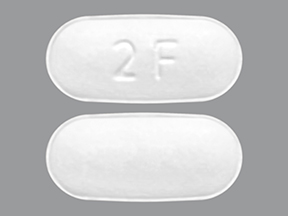 FIDAXOMICIN 200 MG TABLET
The following indications for FIDAXOMICIN (fidaxomicin) have been approved by the FDA:
Indications:
Clostridioides difficile infection
Professional Synonyms:
Antibiotic-associated colitis
Antibiotic-induced pseudomembranous enterocolitis
C. diff. infection
C. difficile colitis
Clostridioides difficile-associated diarrhea
Clostridium difficile infection
Clostridium difficile-associated diarrhea
Clostridium enterocolitis
Diarrhea associated with pseudomembranous colitis
Pseudomembranous colitis
Pseudomembranous enteritis
Indications:
Clostridioides difficile infection
Professional Synonyms:
Antibiotic-associated colitis
Antibiotic-induced pseudomembranous enterocolitis
C. diff. infection
C. difficile colitis
Clostridioides difficile-associated diarrhea
Clostridium difficile infection
Clostridium difficile-associated diarrhea
Clostridium enterocolitis
Diarrhea associated with pseudomembranous colitis
Pseudomembranous colitis
Pseudomembranous enteritis
The following dosing information is available for FIDAXOMICIN (fidaxomicin):
No enhanced Dosing information available for this drug.
Fidaxomicin is administered orally without regard to food. Fidaxomicin is commercially available as film-coated tablets containing 200 mg of the drug and as granules for oral suspension that yield a 40 mg/mL concentration upon reconstitution. Pediatric patients may be dosed with fidaxomicin oral suspension if they are unable to swallow tablets. Store fidaxomicin tablets and granules for oral suspension at 20-25degreesC (excursions permitted to 15-30degreesC).
| DRUG LABEL | DOSING TYPE | DOSING INSTRUCTIONS |
|---|---|---|
| FIDAXOMICIN 200 MG TABLET | Maintenance | Adults take 1 tablet (200 mg) by oral route every 12 hours |
| DRUG LABEL | DOSING TYPE | DOSING INSTRUCTIONS |
|---|---|---|
| FIDAXOMICIN 200 MG TABLET | Maintenance | Adults take 1 tablet (200 mg) by oral route every 12 hours |
The following drug interaction information is available for FIDAXOMICIN (fidaxomicin):
There are 2 contraindications.
These drug combinations generally should not be dispensed or administered to the same patient. A manufacturer label warning that indicates the contraindication warrants inclusion of a drug combination in this category, regardless of clinical evidence or lack of clinical evidence to support the contraindication.
| Drug Interaction | Drug Names |
|---|---|
| Fecal Microbiota Spores/Antibiotics SEVERITY LEVEL: 1-Contraindicated Drug Combination: This drug combination is contraindicated and generally should not be dispensed or administered to the same patient. MECHANISM OF ACTION: Fecal microbiota spores is a suspension of live bacterial spores, which may be compromised by concurrent use of antibiotics.(1) CLINICAL EFFECTS: Antibiotics may decrease the effectiveness of fecal microbiota spores.(1) PREDISPOSING FACTORS: None determined. PATIENT MANAGEMENT: Antibiotics should not be used concurrently with fecal microbiota spores. Antibacterial treatment should be completed for 2 to 4 days before initiating treatment with fecal microbiota spores.(1) DISCUSSION: Antibiotics may compromise the effectiveness of fecal microbiota spores. |
VOWST |
| Fecal Microbiota/Antibiotics SEVERITY LEVEL: 1-Contraindicated Drug Combination: This drug combination is contraindicated and generally should not be dispensed or administered to the same patient. MECHANISM OF ACTION: Fecal microbiota is a suspension of live bacteria, which may be compromised by concurrent use of antibiotics.(1) CLINICAL EFFECTS: Antibiotics may decrease the effectiveness of fecal microbiota.(1) PREDISPOSING FACTORS: None determined. PATIENT MANAGEMENT: Antibiotics should not be used concurrently with fecal microbiota. Antibacterial treatment should be completed for 24 to 72 hours before initiating treatment with fecal microbiota. Do not use antibiotics for up to 8 weeks after fecal microbiota.(1) DISCUSSION: Antibiotics may compromise the effectiveness of fecal microbiota. |
REBYOTA |
There are 1 severe interactions.
These drug interactions can produce serious consequences in most patients. Actions required for severe interactions include, but are not limited to, discontinuing one or both agents, adjusting dosage, altering administration scheduling, and providing additional patient monitoring. Review the full interaction monograph for more information.
| Drug Interaction | Drug Names |
|---|---|
| Sodium Iodide I 131/Myelosuppressives; Immunomodulators SEVERITY LEVEL: 2-Severe Interaction: Action is required to reduce the risk of severe adverse interaction. MECHANISM OF ACTION: Sodium iodide I 131 can cause depression of the hematopoetic system. Myelosuppressives and immunomodulators also suppress the immune system.(1) CLINICAL EFFECTS: Concurrent use of sodium iodide I 131 with agents that cause bone marrow depression, including myelosuppressives or immunomodulators, may result in an enhanced risk of hematologic disorders, including anemia, blood dyscrasias, bone marrow depression, leukopenia, and thrombocytopenia. Bone marrow depression may increase the risk of serious infections and bleeding.(1) PREDISPOSING FACTORS: None determined. PATIENT MANAGEMENT: The US manufacturer of sodium iodide I 131 states that concurrent use with bone marrow depressants may enhance the depression of the hematopoetic system caused by large doses of sodium iodide I 131.(1) Sodium iodide I 131 causes a dose-dependent bone marrow suppression, including neutropenia or thrombocytopenia, in the 3 to 5 weeks following administration. Patients may be at increased risk of infections or bleeding during this time. Monitor complete blood counts within one month of therapy. If results indicate leukopenia or thrombocytopenia, dosimetry should be used to determine a safe sodium iodide I 131 activity.(1) DISCUSSION: Hematologic disorders including death have been reported with sodium iodide I 131. The most common hematologic disorders reported include anemia, blood dyscrasias, bone marrow depression, leukopenia, and thrombocytopenia.(1) |
HICON, SODIUM IODIDE I-131 |
There are 0 moderate interactions.
The following contraindication information is available for FIDAXOMICIN (fidaxomicin):
Drug contraindication overview.
*Hypersensitivity to fidaxomicin or any ingredient in the formulation.
*Hypersensitivity to fidaxomicin or any ingredient in the formulation.
There are 0 contraindications.
There are 0 severe contraindications.
There are 1 moderate contraindications.
Clinically significant contraindication, where the condition can be managed or treated before the drug may be given safely.
| Moderate List |
|---|
| No disease contraindications |
The following adverse reaction information is available for FIDAXOMICIN (fidaxomicin):
Adverse reaction overview.
The most common adverse effects (>=2%) reported in adults with oral fidaxomicin include GI effects such as nausea, vomiting, abdominal pain, and GI hemorrhage, as well as hematologic reactions including anemia and neutropenia. Among pediatric patients treated with fidaxomicin, adverse effects occurring in >=5% of patients include pyrexia, abdominal pain, vomiting, diarrhea, constipation, increased aminotransferases, and rash.
The most common adverse effects (>=2%) reported in adults with oral fidaxomicin include GI effects such as nausea, vomiting, abdominal pain, and GI hemorrhage, as well as hematologic reactions including anemia and neutropenia. Among pediatric patients treated with fidaxomicin, adverse effects occurring in >=5% of patients include pyrexia, abdominal pain, vomiting, diarrhea, constipation, increased aminotransferases, and rash.
There are 7 severe adverse reactions.
| More Frequent | Less Frequent |
|---|---|
| None. |
Gastrointestinal hemorrhage |
| Rare/Very Rare |
|---|
|
Angioedema Dyspnea Gastrointestinal obstruction Head and neck angioedema Megacolon Metabolic acidosis |
There are 12 less severe adverse reactions.
| More Frequent | Less Frequent |
|---|---|
|
Acute abdominal pain Nausea Vomiting |
Anemia Neutropenic disorder |
| Rare/Very Rare |
|---|
|
Abdominal distension Dyspepsia Dysphagia Flatulence Hyperglycemia Pruritus of skin Skin rash |
The following precautions are available for FIDAXOMICIN (fidaxomicin):
The safety and efficacy of fidaxomicin in treating C. difficile-associated diarrhea have been demonstrated in pediatric patients from 6 months up to less than 18 years of age. Evidence supporting its use in these age groups comes from well-controlled adult studies as well as pediatric pharmacokinetic, safety, and efficacy data.
The safety and efficacy of fidaxomicin have not been established in pediatric patients <6 months of age. Similar to adults, fidaxomicin has minimal systemic absorption following oral administration across all age groups in pediatric patients.
Contraindicated
Severe Precaution
Management or Monitoring Precaution
The safety and efficacy of fidaxomicin have not been established in pediatric patients <6 months of age. Similar to adults, fidaxomicin has minimal systemic absorption following oral administration across all age groups in pediatric patients.
Contraindicated
| None |
Severe Precaution
| None |
Management or Monitoring Precaution
| None |
Available data regarding use of fidaxomicin in pregnant women are insufficient to inform any drug-associated risk for major birth defects, miscarriage, or adverse maternal or fetal outcomes. In embryofetal reproduction studies in rats and rabbits, there was no evidence of harm to the fetus when IV fidaxomicin was administered during organogenesis at dosages resulting in fidaxomicin and OP-1118 (its main metabolite) exposures that were at least 65-fold higher than human exposures reported with the recommended dosage of the drug.
It is not known whether fidaxomicin or its main metabolite (OP-1118) is distributed into human milk, affects the breast-fed infant, or affects milk production. The developmental and health benefits of breast-feeding should be considered along with the mother's clinical need for fidaxomicin and potential adverse effects on the breast-fed infant from the drug or from the underlying maternal condition.
In controlled trials evaluating safety and efficacy of fidaxomicin, 50% of enrolled patients were 65 years of age and older and 31% were 75 years of age and older. No overall differences in efficacy or safety of fidaxomicin compared with vancomycin were observed in geriatric patients 65 years of age or older compared with younger adults. Although data from controlled trials indicate that plasma concentrations of fidaxomicin and its main metabolite (OP-1118) are higher in patients 65 years of age or older than in younger adults, concentrations remain in the ng/mL range. This is not considered clinically important and dosage adjustments are not recommended in geriatric patients.
The following prioritized warning is available for FIDAXOMICIN (fidaxomicin):
No warning message for this drug.
No warning message for this drug.
The following icd codes are available for FIDAXOMICIN (fidaxomicin)'s list of indications:
| Clostridioides difficile infection | |
| A04.7 | Enterocolitis due to clostridium difficile |
| A04.71 | Enterocolitis due to clostridium difficile, recurrent |
| A04.72 | Enterocolitis due to clostridium difficile, not specified as recurrent |
Formulary Reference Tool