Please wait while the formulary information is being retrieved.
Drug overview for SUCRALFATE (sucralfate):
Generic name: SUCRALFATE (soo-KRAL-fate)
Drug class: Peptic Ulcer Agents
Therapeutic class: Gastrointestinal Therapy Agents
Sucralfate, an anionic sulfated disaccharide, is an inhibitor of pepsin and an antiulcer agent that binds to the surface of ulcers, forming a protective barrier.
No enhanced Uses information available for this drug.
Generic name: SUCRALFATE (soo-KRAL-fate)
Drug class: Peptic Ulcer Agents
Therapeutic class: Gastrointestinal Therapy Agents
Sucralfate, an anionic sulfated disaccharide, is an inhibitor of pepsin and an antiulcer agent that binds to the surface of ulcers, forming a protective barrier.
No enhanced Uses information available for this drug.
DRUG IMAGES
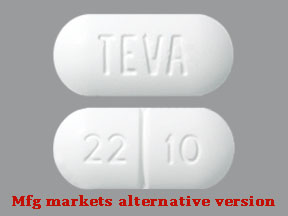 SUCRALFATE 1 GM TABLET
The following indications for SUCRALFATE (sucralfate) have been approved by the FDA:
Indications:
Duodenal ulcer
Maintenance of healing duodenal ulcer
Professional Synonyms:
Maintenance of healing DU
Indications:
Duodenal ulcer
Maintenance of healing duodenal ulcer
Professional Synonyms:
Maintenance of healing DU
The following dosing information is available for SUCRALFATE (sucralfate):
No enhanced Dosing information available for this drug.
Sucralfate is administered orally. The drug should be taken on an empty stomach, 1 hour before each meal and at bedtime. Antacids may be used as needed for relief of pain but should not be taken within 30 minutes before or after sucralfate.
| DRUG LABEL | DOSING TYPE | DOSING INSTRUCTIONS |
|---|---|---|
| SUCRALFATE 1 GM TABLET | Maintenance | Adults take 1 tablet (1 gram) by oral route 4 times per day on an empty stomach 1 hour before meals and at bedtime |
| DRUG LABEL | DOSING TYPE | DOSING INSTRUCTIONS |
|---|---|---|
| SUCRALFATE 1 GM TABLET | Maintenance | Adults take 1 tablet (1 gram) by oral route 4 times per day on an empty stomach 1 hour before meals and at bedtime |
The following drug interaction information is available for SUCRALFATE (sucralfate):
There are 0 contraindications.
There are 2 severe interactions.
These drug interactions can produce serious consequences in most patients. Actions required for severe interactions include, but are not limited to, discontinuing one or both agents, adjusting dosage, altering administration scheduling, and providing additional patient monitoring. Review the full interaction monograph for more information.
| Drug Interaction | Drug Names |
|---|---|
| Deferasirox/Aluminum Salts SEVERITY LEVEL: 2-Severe Interaction: Action is required to reduce the risk of severe adverse interaction. MECHANISM OF ACTION: Decreased absorption of deferasirox possibly from complex formation with the aluminum salt. CLINICAL EFFECTS: The therapeutic effects of deferasirox may be reduced. PREDISPOSING FACTORS: None determined. PATIENT MANAGEMENT: The manufacturer of deferasirox states patients taking deferasirox should not take aluminum salts or aluminum-containing antacid products. DISCUSSION: Simultaneous administration of deferasirox and aluminum has not been studied. Even though deferasirox has a lower affinity for aluminum than iron, it should not be taken with aluminum-containing products. |
DEFERASIROX, EXJADE, JADENU, JADENU SPRINKLE |
| Levoketoconazole/Sucralfate SEVERITY LEVEL: 2-Severe Interaction: Action is required to reduce the risk of severe adverse interaction. MECHANISM OF ACTION: Sucralfate may decrease the absorption of levoketoconazole.(1) CLINICAL EFFECTS: The concurrent use of sucralfate and levoketoconazole may decrease the absorption of levoketoconazole, which may result in therapeutic failure.(1) PREDISPOSING FACTORS: None determined. PATIENT MANAGEMENT: Coadministration of levoketoconazole with sucralfate should be avoided.(1) DISCUSSION: Sucralfate may impair absorption of levoketoconazole and should be avoided.(1) |
RECORLEV |
There are 17 moderate interactions.
The clinician should assess the patient’s characteristics and take action as needed. Actions required for moderate interactions include, but are not limited to, discontinuing one or both agents, adjusting dosage, altering administration.
| Drug Interaction | Drug Names |
|---|---|
| Tetracyclines/Divalent & Trivalent Cations SEVERITY LEVEL: 3-Moderate Interaction: Assess the risk to the patient and take action as needed. MECHANISM OF ACTION: Di- and trivalent cations may form chelation complexes with tetracyclines, preventing their absorption.(1,2) CLINICAL EFFECTS: Simultaneous administration of di- or trivalent cations may result in decreased levels of and therapeutics effects from tetracyclines. PREDISPOSING FACTORS: None determined. PATIENT MANAGEMENT: Administer tetracyclines at least two hours before or after the di- or trivalent cations. When used for the treatment of H. pylori infection, tetracyclines and bismuth should be given simultaneously. The US manufacturer of omadacycline states to fast for at least four hours, administer omadacycline, and then wait four hours before taking di- or trivalent cations.(21) The US manufacturer of ferric maltose recommends separation of ferric maltose by at least 4 hours.(22) DISCUSSION: Concurrent administration of aluminum hydroxide or divalent cations (such as calcium, magnesium, or zinc) has been shown to significantly decrease the gastrointestinal absorption of tetracycline.(3-5) Concurrent administration of tetracycline and magnesium-aluminum hydroxide gel has been shown to decrease the tetracycline area-under-curve (AUC) by 90%.(6) Magnesium-aluminum silicate has been shown to decrease the AUC of tetracycline by 27%.(7) Demeclocycline(8,9) methacycline,(10) chlortetracycline,(11) and oxytetracycline(10,12) have been shown to interact with aluminum hydroxide and/or dairy products. Doxycycline has been reported to interact with aluminum hydroxide gel.(13) Aluminum magnesium hydroxide has been shown to decrease doxycycline absorption by 84%.(14) Minocycline absorption has been shown to be impaired by aluminum, calcium, and magnesium.(15) Bismuth subsalicylate has been shown to decrease absorption of doxycycline and tetracycline by 37%(16) and 34%,(17) respectively. Since sucralfate is an aluminum salt of a sulfated disaccharide, it may also prevent absorption of tetracyclines. This complex has been used to provide site-specific delivery of tetracycline to gastric ulcers in the treatment of Helicobacter pylori gastric ulcer disease and may be useful in some indications.(18) Quinapril tablets contain a high percentage of magnesium and have been shown to decrease the absorption of tetracycline by 28-37%.(19) Lanthanum is expected to interact with tetracyclines as well.(20) |
AVIDOXY, AVIDOXY DK, BENZODOX 30, BENZODOX 60, BISMUTH-METRONIDAZOLE-TETRACYC, DEMECLOCYCLINE HCL, DORYX, DORYX MPC, DOXYCYCLINE HYCLATE, DOXYCYCLINE IR-DR, DOXYCYCLINE MONOHYDRATE, EMROSI, MINOCYCLINE ER, MINOCYCLINE HCL, MINOCYCLINE HCL ER, MONDOXYNE NL, MORGIDOX, NUZYRA, ORACEA, OXYTETRACYCLINE HCL, PYLERA, SEYSARA, TARGADOX, TETRACYCLINE HCL, XIMINO |
| Penicillamine, Oral/Polyvalent Cations SEVERITY LEVEL: 3-Moderate Interaction: Assess the risk to the patient and take action as needed. MECHANISM OF ACTION: Penicillamine chelates with polyvalent cations such as aluminum, calcium, iron, magnesium, and zinc in the GI tract reducing the absorption of the penicillamine. CLINICAL EFFECTS: Reduced (to 30% of fasting) bioavailability of penicillamine with decreased pharmacologic response. PREDISPOSING FACTORS: None determined. PATIENT MANAGEMENT: In order to assure systemic absorption and maximal effectiveness from penicillamine, counsel patient to separate penicillamine by at least 1 hour before or 1 hours after any medications or products containing polyvalent cations such as antacids or mineral supplements. Monitor clinical status for decreased effectiveness and adjust the penicillamine dose if necessary. DISCUSSION: Clinical studies with polyvalent cations have not been conducted. Multivitamins with low doses of cations including iron and zinc may decrease penicillamine absorption so insure patient is aware of the risks. |
CUPRIMINE, D-PENAMINE, DEPEN, PENICILLAMINE, PENICILLAMINE(D-) |
| Quinolones, Oral/Sucralfate SEVERITY LEVEL: 3-Moderate Interaction: Assess the risk to the patient and take action as needed. MECHANISM OF ACTION: Sucralfate decreases the absorption of certain quinolones. The probable mechanism is quinolone chelation with the aluminum contained in sucralfate. CLINICAL EFFECTS: The pharmacologic effects of certain quinolones may be decreased. PREDISPOSING FACTORS: None determined. PATIENT MANAGEMENT: Avoid the concomitant administration of sucralfate and an oral quinolone. If an oral quinolone is administered during sucralfate therapy, the antibiotic should be administered at least two hours before sucralfate. Differences in gastric emptying time may impact the the effectiveness of spacing the administration times in some patients. DISCUSSION: Sucralfate has been shown to extensively decrease the bioavailability of ciprofloxacin (87.5-95.7% decrease in area-under-curve, AUC), lomefloxacin (51% decrease in AUC), norfloxacin (91% decrease in AUC), and ofloxacin (61% decrease in AUC), as well as the urinary concentration of norfloxacin when the agents were administered at the same time. |
BAXDELA, CIPRO, CIPROFLOXACIN, CIPROFLOXACIN HCL, GATIFLOXACIN SESQUIHYDRATE, LEVOFLOXACIN, LEVOFLOXACIN HEMIHYDRATE, MOXIFLOXACIN HCL, OFLOXACIN |
| Digoxin/Selected Antacids; Kaolin; Sucralfate SEVERITY LEVEL: 3-Moderate Interaction: Assess the risk to the patient and take action as needed. MECHANISM OF ACTION: The aluminum or magnesium salts may bind digoxin in the gastrointestinal tract, preventing the absorption of digoxin. CLINICAL EFFECTS: Concurrent administration may result in decreased digoxin concentrations and possible decreased clinical effectiveness of digoxin. PREDISPOSING FACTORS: None determined. PATIENT MANAGEMENT: Patients receiving concurrent therapy with digoxin and aluminum and/or magnesium hydroxide, magnesium trisilicate, or sucralfate should be monitored for signs of decreased effects of digoxin. Digoxin concentrations should be monitored. The administration of digoxin and aluminum and/or magnesium hydroxide or magnesium trisilicate should be separated by at least one to two hours. The administration of digoxin and sucralfate should be separated by at least two hours. The separation of administration times may not be effective in all patients. The dosage of digoxin may need to be increased by 20% to 40% or the antacid or sucralfate may need to be discontinued. Some vitamin preparations may contain sufficient quantities of magnesium salts with antacid properties to interact as well. DISCUSSION: Sucralfate was shown to decrease the mean digoxin area-under-curve (AUC) by 19% in a study in 12 healthy males. This difference was not seen when digoxin and sucralfate administration was separated by two hours.(1) In a case report, a patient developed intermittent pressure-like chest pain, shortness of breath, and a generalized feeling of fatigue during concurrent administration of digoxin and sucralfate, despite sucralfate administration being separated from digoxin administration by two hours.(2) The simultaneous administration of oral antacids containing magnesium trisilicate, magnesium hydroxide, and aluminum hydroxide or kaolin with digoxin tablets has been shown to decrease the gastrointestinal absorption of digoxin.(3-7) There is some evidence that digoxin capsules may not be affected;(5) however, additional information is needed. |
DIGITEK, DIGOXIN, DIGOXIN MICRONIZED, LANOXIN, LANOXIN PEDIATRIC |
| Hydantoins, Oral/Sucralfate SEVERITY LEVEL: 3-Moderate Interaction: Assess the risk to the patient and take action as needed. MECHANISM OF ACTION: Sucralfate can bind to phenytoin resulting in reduced absorption of phenytoin. CLINICAL EFFECTS: The pharmacological effects of phenytoin may be decreased. PREDISPOSING FACTORS: None determined. PATIENT MANAGEMENT: Monitor serum phenytoin concentrations when starting or stopping sucralfate treatment. Adjust the dose of phenytoin as needed. DISCUSSION: In controlled studies sucralfate administration produced a 10% to 20% reduction in the bioavailability of phenytoin. Although these decreases in phenytoin bioavailability are slight, they may be clinically important in some patients. |
DILANTIN, DILANTIN-125, PHENYTEK, PHENYTOIN, PHENYTOIN SODIUM, PHENYTOIN SODIUM EXTENDED |
| Thyroid Preparations/Calcium; Iron; Sucralfate SEVERITY LEVEL: 3-Moderate Interaction: Assess the risk to the patient and take action as needed. MECHANISM OF ACTION: The mechanism by which malabsorption of thyroid preparations occurs from calcium-containing products is presumed to be a binding of the medication to the thyroid hormone, forming an insoluble or nonabsorbable complex.(1-3) Iron may form a ferric-thyroxine complex with thyroid agents, preventing their absorption from the gastrointestinal tract.(1,4) Sucralfate binds to other agents in the gastrointestinal tract and alters absorption of other drugs, including thyroid agents.(1,5) CLINICAL EFFECTS: The simultaneous administration of thyroid preparations with calcium, iron, or sucralfate may result in decreased levels and clinical effects of thyroid preparations.(1) PREDISPOSING FACTORS: None determined. PATIENT MANAGEMENT: Instruct patients to separate the administration time of thyroid preparations from calcium or iron by as much time as possible, preferably by at least four hours.(1) Administer thyroid preparations at least 2 hours before sucralfate.(5) Patients taking thyroid preparations and calcium- or iron-containing products or sucralfate should be monitored for changes in thyroid function. The dosage of the thyroid preparation may need to be increased. Separating the administration times of the thyroid preparation and the calcium- or iron-containing products or sucralfate may decrease the effects of the interaction.(1-5) DISCUSSION: In a pharmacokinetic study 8 healthy, euthyroid adults were given levothyroxine alone and levothyroxine coadministered with calcium carbonate, calcium citrate, or calcium acetate in doses containing 500 mg elemental calcium. The coadministration of each of the three calcium preparations significantly reduced levothyroxine absorption by about 20%-25% compared with levothyroxine given alone.(3) In a study in 14 subjects, the simultaneous administration of thyroxine with ferrous sulfate for 12 weeks resulted in an increase in the mean level of thyroid stimulating hormone (TSH) from 1.6+/-0.4 mU/L to 5.4+/-2.8 mU/L. Mixing thyroxine with ferrous sulfate in vitro resulted in a poorly soluble complex.(4) In a study in 20 hypothyroid patients, the simultaneous administration of levothyroxine and calcium carbonate (1200 mg) daily for three months resulted in reductions in the mean free T4 and total T4 levels. These values increased in most patients following the discontinuation of calcium carbonate. A concurrent in-vitro study found that calcium carbonate adsorbed levothyroxine in solution at a pH of 2, gastric pH, but not at a pH of 7.4.(6) One author reported three cases of decreased levothyroxine efficacy following the addition of calcium carbonate to therapy.(7) In a study in 5 healthy subjects, levothyroxine (five 200 mcg tablets) was administered in 3 different dosing regimens: after an overnight fast, with the fifth and final dose of sucralfate (1 gram every 6 hours) and 8 hours after the second and final dose of sucralfate (2 grams every 12 hours). When administered alone, 80% of levothyroxine was absorbed within 6 hours of administration, compared to 23% when administered concurrently with sucralfate. There was no difference in levothyroxine absorption when administered alone or 8 hours after sucralfate.(8) There are several case reports documenting decreased effects of thyroid supplementation as the result of simultaneous administration of sucralfate.(9,10) One or more of the drug pairs linked to this monograph have been included in a list of interactions that could be considered for classification as "non-interruptive" in EHR systems. This DDI subset was vetted by an expert panel commissioned by the U.S. Office of the National Coordinator (ONC) for Health Information Technology. |
ADTHYZA, ARMOUR THYROID, CYTOMEL, EUTHYROX, EVEXITHROID, LEVO-T, LEVOTHYROXINE SODIUM, LEVOTHYROXINE SODIUM DILUTION, LEVOXYL, LIOMNY, LIOTHYRONINE SODIUM, NIVA THYROID, NP THYROID, PCCA T3 SODIUM DILUTION, PCCA T4 SODIUM DILUTION, RENTHYROID, SYNTHROID, THYQUIDITY, THYROID, TIROSINT, TIROSINT-SOL, UNITHROID |
| Ketoconazole/Sucralfate SEVERITY LEVEL: 3-Moderate Interaction: Assess the risk to the patient and take action as needed. MECHANISM OF ACTION: Sucralfate may decrease the absorption of ketoconazole by binding to ketoconazole(1,2) or by decreasing gastric pH.(3) CLINICAL EFFECTS: The simultaneous administration of sucralfate and ketoconazole may decrease the absorption of ketoconazole, which may result in therapeutic failures. PREDISPOSING FACTORS: None determined. PATIENT MANAGEMENT: The administration of sucralfate and ketoconazole should be separated by two hours.(1) DISCUSSION: In a randomized cross-over study in six subjects, the simultaneous administration of a sucralfate suspension (1 g in 30 ml of water) and ketoconazole (400 mg) decreased ketoconazole maximum concentration (Cmax) and area-under-curve (AUC) by 34.3% (from 8.20 ug/ml to 5.39 ug.ml) and 21.3%, respectively, when compared to the administration of ketoconazole alone.(3) In a randomized cross-over study in 12 subjects, the simultaneous administration of ketoconazole with sucralfate decreased the ketoconazole Cmax and AUC by 27.7% (from 12.34 ug/ml to 8.92 ug/ml) and 24% (from 78.12 ugxh/ml to 59.32 ugxh/ml), respectively, when compared to the administration of ketoconazole alone. When the administration of ketoconazole and sucralfate were separated by two hours, there was no significant difference in the pharmacokinetic parameters of ketoconazole when compared to the administration of ketoconazole alone.(1) An in vitro study found that sucralfate decreased the solubility of ketoconazole.(2) |
KETOCONAZOLE |
| Chloroquine; Hydroxychloroquine/Di-; Trivalent Cations SEVERITY LEVEL: 3-Moderate Interaction: Assess the risk to the patient and take action as needed. MECHANISM OF ACTION: Di- and trivalent cations such as aluminum, calcium, lanthanum, and magnesium may adsorb chloroquine and hydroxychloroquine; preventing their absorption.(1-5) The adsorption may also limit the effectiveness of the di- or trivalent cation.(1) CLINICAL EFFECTS: Simultaneous administration of di- or trivalent cations may result in decreased levels and effectiveness of chloroquine and hydroxychloroquine(2-5) and decreased effectiveness of the di- or trivalent cation.(1) PREDISPOSING FACTORS: None determined. PATIENT MANAGEMENT: Instruct patients to separate the administration times of these medicines by 2 to 4 hours.(2,3) DISCUSSION: Adsorption of chloroquine by magnesium trisilicate was found to decrease hydrochloric acid uptake and decrease the amount of magnesium released in an acidic environment.(1) In a study, calcium carbonate, kaolin, and magnesium trisilicate were found to decrease the absorption of chloroquine by 52.8%, 46.5%, and 31.3%, respectively.(3) Magnesium trisilicate and magnesium oxide have been shown to decrease the release of chloroquine from tablets and to adsorb chloroquine after its release.(4) In a study in 6 subjects, magnesium trisilicate and kaolin decreased the area-under-curve (AUC) of chloroquine by 18.2% and 28.6%, respectively.(5) |
CHLOROQUINE PHOSPHATE, HYDROXYCHLOROQUINE SULFATE, PLAQUENIL, SOVUNA |
| Eltrombopag/Polyvalent Cations SEVERITY LEVEL: 3-Moderate Interaction: Assess the risk to the patient and take action as needed. MECHANISM OF ACTION: Eltrombopag chelates polyvalent cations such as aluminum, calcium, iron, magnesium, selenium, and zinc.(1) CLINICAL EFFECTS: Simultaneous administration of eltrombopag and polyvalent cations may decrease the absorption and clinical effects of eltrombopag. PREDISPOSING FACTORS: None determined. PATIENT MANAGEMENT: The US manufacturer of eltrombopag states that it should be administered at least 2 hours before or 4 hours after any medications or products containing polyvalent cations such as antacids or mineral supplements.(1) DISCUSSION: In a crossover study in 25 healthy subjects, administration of eltrombopag with an antacid (1524 mg aluminum hydroxide/1425 mg magnesium carbonate/sodium alginate) decreased eltrombopag levels by 70%.(1,2) |
ALVAIZ, ELTROMBOPAG OLAMINE, PROMACTA |
| Elvitegravir/Selected Oral Cations SEVERITY LEVEL: 3-Moderate Interaction: Assess the risk to the patient and take action as needed. MECHANISM OF ACTION: The exact mechanism is unknown, but aluminum, calcium, iron, magnesium, sucralfate, and zinc may bind to elvitegravir in GI tract. CLINICAL EFFECTS: Simultaneous administration or administration of products containing aluminum, calcium, iron, magnesium, and/or sucralfate may result in decreased levels and effectiveness of elvitegravir, as well as the development of resistance.(1) PREDISPOSING FACTORS: None determined. PATIENT MANAGEMENT: Separate the administration of elvitegravir and products containing aluminum, calcium, iron, magnesium, and/or sucralfate by at least 2 hours.(1) Some vitamin preparations may contain sufficient quantities of calcium and/or magnesium salts with antacid properties to interact as well. DISCUSSION: Administration of an antacid (exact formulation not stated) 2 hours before elvitegravir (50 mg) decreased the maximum concentration (Cmax), area-under-curve (AUC), or minimum concentration (Cmin) of elvitegravir by 18%, 15%, and 10%, respectively.(1) Administration of an antacid 2 hours after elvitegravir (50 mg) decreased the Cmax, AUC, or Cmin of elvitegravir by 21%, 20%, and 20%, respectively.(1) Administration of an antacid 4 hours before elvitegravir (50 mg) decreased the Cmax and AUC of elvitegravir by 5%, and 4%, respectively.(1) Administration of an antacid 4 hours before elvitegravir (50 mg) decreased both the Cmax and AUC of elvitegravir by 2%.(1) |
GENVOYA, STRIBILD |
| Dolutegravir/Selected Oral Cations SEVERITY LEVEL: 3-Moderate Interaction: Assess the risk to the patient and take action as needed. MECHANISM OF ACTION: Aluminum, calcium, iron, lanthanum, magnesium, sucralfate, and zinc may form chelation compounds with dolutegravir.(1) CLINICAL EFFECTS: Simultaneous administration or administration of products containing aluminum, calcium, iron, lanthanum, magnesium, and/or sucralfate close to the administration time of dolutegravir may result in decreased absorption and clinical effectiveness of dolutegravir.(1) PREDISPOSING FACTORS: None determined. PATIENT MANAGEMENT: If possible, avoid concurrent therapy with dolutegravir and cation-containing products. If it is necessary to use these agents concurrently, dolutegravir should be administered 2 hours before or 6 hours after taking these medications.(1) Alternatively, dolutegravir and supplements containing calcium or iron can be taken together with food.(1) DISCUSSION: In a study in 16 subjects, the administration of an antacid (Maalox - aluminum and magnesium hydroxide) simultaneously with dolutegravir (50 mg single dose) decreased the maximum concentration (Cmax), area-under-curve (AUC), and minimum concentration (Cmin) of dolutegravir by 72%, 74%, and 74%, respectively.(1) In a study in 16 subjects, the administration of an antacid (Maalox - aluminum and magnesium hydroxide) 2 hours after dolutegravir (50 mg single dose) decreased dolutegravir Cmax, AUC, and Cmin by 18%, 26%, and 30%, respectively.(1) In a study in 16 subjects, the administration of a multiple vitamin (One-A-Day) simultaneously with dolutegravir (50 mg single dose) decreased dolutegravir Cmax, AUC, and Cmin by 35%, 33%, and 32%, respectively.(1) |
DOVATO, TIVICAY, TIVICAY PD, TRIUMEQ, TRIUMEQ PD |
| Lansoprazole/Sucralfate SEVERITY LEVEL: 3-Moderate Interaction: Assess the risk to the patient and take action as needed. MECHANISM OF ACTION: Sucralfate may decrease the absorption of lansoprazole.(3) CLINICAL EFFECTS: The simultaneous administration of sucralfate and lansoprazole may decrease the absorption of lansoprazole, which may result in therapeutic failures. PREDISPOSING FACTORS: None determined. PATIENT MANAGEMENT: Lansoprazole should be taken at least 30 minutes prior to sucralfate.(1) DISCUSSION: In a single-dose crossover study, concurrent administration of lansoprazole (30 mg) with sucralfate (1 gram) resulted in delayed absorption of lansoprazole and a 17% reduction in lansoprazole's bioavailability.(1) |
LANSOPRAZOL-AMOXICIL-CLARITHRO, LANSOPRAZOLE, PREVACID |
| Dolutegravir-Rilpivirine/Selected Oral Cations; Antacids; H2 Antagonists SEVERITY LEVEL: 3-Moderate Interaction: Assess the risk to the patient and take action as needed. MECHANISM OF ACTION: Aluminum, calcium, iron, lanthanum, magnesium, sucralfate, and zinc may form chelation compounds with dolutegravir.(1) Rilpivirine requires an acidic medium for absorption. Antacid or H2 antagonist induced decrease in gastric pH may result in decrease in rilpivirine absorption.(1) CLINICAL EFFECTS: Simultaneous administration or administration of products containing aluminum, calcium, iron, lanthanum, magnesium, and/or sucralfate close to the administration time of dolutegravir may result in decreased absorption and clinical effectiveness of dolutegravir.(1) Simultaneous administration of an antacid or a H2 antagonist may result in decreased levels and effectiveness of rilpivirine, as well as the development of resistance.(1) PREDISPOSING FACTORS: None determined. PATIENT MANAGEMENT: If possible, avoid concurrent therapy with dolutegravir-rilpivirine and cation-containing products. If it is necessary to use these agents concurrently, dolutegravir-rilpivirine should be administered 4 hours before or 6 hours after taking these medications.(1) Alternatively, dolutegravir-rilpivirine and supplements containing calcium or iron can be taken together with food.(1) In patients maintained on dolutegravir-rilpivirine, administer dolutegravir-rilpivirine at least 4 hours before or 6 hours after antacids .(1) In patients maintained on dolutegravir-rilpivirine, administer dolutegravir-rilpivirine at least 4 hours before or 12 hours after H2 antagonists.(1) Concurrent use of proton pump inhibitors will dolutegravir-rilpivirine is contraindicated.(1) DISCUSSION: In a study in 16 subjects, the administration of an antacid (Maalox - aluminum and magnesium hydroxide) simultaneously with dolutegravir (50 mg single dose) decreased the maximum concentration (Cmax), area-under-curve (AUC), and minimum concentration (Cmin) of dolutegravir by 72%, 74%, and 74%, respectively.(1) In a study in 16 subjects, the administration of an antacid (Maalox - aluminum and magnesium hydroxide) 2 hours after dolutegravir (50 mg single dose) decreased dolutegravir Cmax, AUC, and Cmin by 18%, 26%, and 30%, respectively.(1) In a study in 16 subjects, the administration of a multiple vitamin (One-A-Day) simultaneously with dolutegravir (50 mg single dose) decreased dolutegravir Cmax, AUC, and Cmin by 35%, 33%, and 32%, respectively.(1) In a study in 16 subjects, omeprazole (20 mg daily) decreased the Cmax, AUC, and Cmin of rilpivirine (150 mg daily) by 40%, 40%, and 33%, respectively. The Cmax and AUC of omeprazole decreased by 14% and 14%, respectively.(1) In a study in 24 subjects, famotidine (40 mg single dose) administered 12 hours before a single dose of rilpivirine (150 mg) had no significant effect on rilpivirine Cmax or AUC.(1) In a study in 23 subjects, famotidine (40 mg single dose) administered 2 hours before a single dose of rilpivirine (150 mg) decreased the rilpivirine Cmax and AUC by 85% and 76%, respectively.(1) In a study in 24 subjects, famotidine (40 mg single dose) administered 4 hours before a single dose of rilpivirine (150 mg) increased the rilpivirine Cmax and AUC by 21% and 13%, respectively.(1) |
JULUCA |
| Bictegravir/Polyvalent Cations; Sucralfate SEVERITY LEVEL: 3-Moderate Interaction: Assess the risk to the patient and take action as needed. MECHANISM OF ACTION: Polyvalent cations and sucralfate may bind to bictegravir in the GI tract, preventing its absorption.(1) CLINICAL EFFECTS: Polyvalent cations and sucralfate may reduce levels and clinical effectiveness of bictegravir.(1) PREDISPOSING FACTORS: None determined. PATIENT MANAGEMENT: Bictegravir must be taken 2 hours before or 6 hours after polyvalent cations or sucralfate. Medicines containing calcium can be taken together with bictegravir if taken with food.(1) Some vitamin preparations may contain sufficient quantities of polyvalent cations to interact as well. DISCUSSION: Simultaneous administration of aluminum and magnesium hydroxide (20 ml) in a fasted state with bictegravir (50 mg single dose) decreased bictegravir maximum concentration (Cmax) and area-under-curve (AUC) by 80% and 79%, respectively.(1) Administration of aluminum and magnesium hydroxide (20 ml) 2 hours after bictegravir (50 mg single dose) in a fasted state decreased bictegravir Cmax and AUC by 7% and 13%, respectively.(1) Administration of aluminum and magnesium hydroxide (20 ml) 2 hours before bictegravir (50 mg single dose) in a fasted state decreased bictegravir Cmax and AUC by 58% and 52%, respectively.(1) Simultaneous administration of aluminum and magnesium hydroxide (20 ml) in a fed state with bictegravir (50 mg single dose) decreased bictegravir Cmax and AUC by 49% and 47%, respectively.(1) Simultaneous administration of calcium carbonate (1200 mg single dose) in a fasted state with bictegravir (50 mg single dose) decreased bictegravir Cmax and AUC by 42% and 33%, respectively.(1) Simultaneous administration of calcium carbonate (1200 mg single dose) in a fed state with bictegravir (50 mg single dose) decreased bictegravir Cmax by 10% and increased AUC 3%, respectively.(1) Simultaneous administration of ferrous fumarate (324 mg single dose) in a fasted state with bictegravir (50 mg single dose) decreased bictegravir Cmax and AUC by 71% and 63%, respectively.(1) Simultaneous administration of ferrous fumarate (324 mg single dose) in a fed state with bictegravir (50 mg single dose) decreased bictegravir Cmax and AUC by 25% and 16%, respectively.(1) |
BIKTARVY |
| Baloxavir/Polyvalent Cations SEVERITY LEVEL: 3-Moderate Interaction: Assess the risk to the patient and take action as needed. MECHANISM OF ACTION: Aluminum, calcium, iron, magnesium, selenium, and zinc may form chelation compounds with baloxavir.(1) CLINICAL EFFECTS: Simultaneous administration of products containing aluminum, calcium, iron, magnesium, selenium, and zinc may result in decreased levels of and clinical effects from baloxavir.(1) PREDISPOSING FACTORS: None determined. PATIENT MANAGEMENT: Avoid concurrent administration of baloxavir with cation-containing products.(1) DISCUSSION: A significant decrease in baloxavir exposure was observed when baloxavir was coadministered with calcium, aluminum, magnesium, or iron in monkeys. No studies have been conducted in humans.(1) |
XOFLUZA |
| Cabotegravir/Polyvalent Cations SEVERITY LEVEL: 3-Moderate Interaction: Assess the risk to the patient and take action as needed. MECHANISM OF ACTION: Cabotegravir chelates polyvalent cations such as aluminum, calcium, iron, magnesium, selenium, and zinc.(1) CLINICAL EFFECTS: Simultaneous administration of cabotegravir and polyvalent cations may decrease the absorption and clinical effects of cabotegravir.(1) PREDISPOSING FACTORS: None determined. PATIENT MANAGEMENT: The US manufacturer of cabotegravir states that it should be administered at least 2 hours before or 4 hours after any medications or products containing polyvalent cations such as antacids or mineral supplements.(1) DISCUSSION: Clinical studies have not been conducted. Prescribing information states cabotegravir levels may be decreased when coadministered with antacids containing polyvalent cations (examples include aluminum or magnesium hydroxide, calcium carbonate) suggesting cabotegravir is susceptible to chelation.(1) |
VOCABRIA |
| Vadadustat/Polyvalent Cations and Phosphate Binders SEVERITY LEVEL: 3-Moderate Interaction: Assess the risk to the patient and take action as needed. MECHANISM OF ACTION: Vadadustat may form a chelate with iron supplements, phosphate binders, and other medicinal products whose primary component consists of polyvalent cations such as aluminum, calcium, magnesium, selenium, and zinc.(1) CLINICAL EFFECTS: Simultaneous administration of vadadustat and polyvalent cations and phosphate binders decreases the exposure and effectiveness of vadadustat.(1) PREDISPOSING FACTORS: None determined. PATIENT MANAGEMENT: The manufacturer of vadadustat states that it should be administered at least 1 hour before or 2 hours after any medications or products whose primary component consists of iron, phosphate binders and polyvalent cations.(1) DISCUSSION: Two studies evaluating the pharmacokinetics, safety, and tolerability of a single oral dose of vadadustat coadministered with a phosphate binder or iron supplement were conducted in healthy adult participants. Vadadustat exposure was reduced by coadministration with sevelamer carbonate, calcium acetate, ferric citrate, and ferrous sulfate. Geometric least squares mean ratios for area under the concentration-time curve (AUC) were reduced 37% to 55% by phosphate binders and 46% by ferrous sulfate. However, when vadadustat was administered 1 hour before phosphate binders, 90% confidence intervals for vadadustat exposure were within the no-effect boundaries of +50% to -33%, indicating that drug-drug interactions can be reduced by administering vadadustat 1 hour before phosphate binders.(2) |
VAFSEO |
The following contraindication information is available for SUCRALFATE (sucralfate):
Drug contraindication overview.
No enhanced Contraindications information available for this drug.
No enhanced Contraindications information available for this drug.
There are 0 contraindications.
There are 2 severe contraindications.
Adequate patient monitoring is recommended for safer drug use.
| Severe List |
|---|
| Aluminum toxicity |
| Chronic kidney disease stage 5 (failure) GFr<15 ml/min |
There are 1 moderate contraindications.
Clinically significant contraindication, where the condition can be managed or treated before the drug may be given safely.
| Moderate List |
|---|
| Hyperglycemia |
The following adverse reaction information is available for SUCRALFATE (sucralfate):
Adverse reaction overview.
No enhanced Common Adverse Effects information available for this drug.
No enhanced Common Adverse Effects information available for this drug.
There are 11 severe adverse reactions.
| More Frequent | Less Frequent |
|---|---|
| None. | None. |
| Rare/Very Rare |
|---|
|
Anaphylaxis Angioedema Bronchospastic pulmonary disease Facial edema Gastrointestinal concretion Laryngismus Pharyngeal edema Pruritus of skin Respiration changes Skin rash Urticaria |
There are 15 less severe adverse reactions.
| More Frequent | Less Frequent |
|---|---|
|
Constipation |
None. |
| Rare/Very Rare |
|---|
|
Back pain Diarrhea Dizziness Drowsy Dyspepsia Edema Flatulence Headache disorder Hyperglycemia Insomnia Nausea Vertigo Vomiting Xerostomia |
The following precautions are available for SUCRALFATE (sucralfate):
No enhanced Pediatric Use information available for this drug.
Contraindicated
Severe Precaution
Management or Monitoring Precaution
Contraindicated
| None |
Severe Precaution
| None |
Management or Monitoring Precaution
| None |
Reproduction studies in mice, rats, and rabbits using sucralfate dosages up to 50 times the usual human dosage have not revealed evidence of harm to the fetus. There are no adequate and controlled studies to date using sucralfate in pregnant women, and the drug should be used during pregnancy only when clearly needed.
Since it is not known if sucralfate is distributed into milk, the drug should be used with caution in nursing women.
No enhanced Geriatric Use information available for this drug.
The following prioritized warning is available for SUCRALFATE (sucralfate):
No warning message for this drug.
No warning message for this drug.
The following icd codes are available for SUCRALFATE (sucralfate)'s list of indications:
| Duodenal ulcer | |
| K26 | Duodenal ulcer |
| K26.0 | Acute duodenal ulcer with hemorrhage |
| K26.1 | Acute duodenal ulcer with perforation |
| K26.2 | Acute duodenal ulcer with both hemorrhage and perforation |
| K26.3 | Acute duodenal ulcer without hemorrhage or perforation |
| K26.4 | Chronic or unspecified duodenal ulcer with hemorrhage |
| K26.5 | Chronic or unspecified duodenal ulcer with perforation |
| K26.6 | Chronic or unspecified duodenal ulcer with both hemorrhage and perforation |
| K26.7 | Chronic duodenal ulcer without hemorrhage or perforation |
| K26.9 | Duodenal ulcer, unspecified as acute or chronic, without hemorrhage or perforation |
| Maintenance of healing duodenal ulcer | |
| K26 | Duodenal ulcer |
| K26.0 | Acute duodenal ulcer with hemorrhage |
| K26.1 | Acute duodenal ulcer with perforation |
| K26.2 | Acute duodenal ulcer with both hemorrhage and perforation |
| K26.3 | Acute duodenal ulcer without hemorrhage or perforation |
| K26.4 | Chronic or unspecified duodenal ulcer with hemorrhage |
| K26.5 | Chronic or unspecified duodenal ulcer with perforation |
| K26.6 | Chronic or unspecified duodenal ulcer with both hemorrhage and perforation |
| K26.7 | Chronic duodenal ulcer without hemorrhage or perforation |
| K26.9 | Duodenal ulcer, unspecified as acute or chronic, without hemorrhage or perforation |
Formulary Reference Tool