Please wait while the formulary information is being retrieved.
Drug overview for OXTELLAR XR (oxcarbazepine):
Generic name: OXCARBAZEPINE (OX-kar-BAZ-e-peen)
Drug class: Anticonvulsants
Therapeutic class: Central Nervous System Agents
Oxcarbazepine is an anticonvulsant agent.
No enhanced Uses information available for this drug.
Generic name: OXCARBAZEPINE (OX-kar-BAZ-e-peen)
Drug class: Anticonvulsants
Therapeutic class: Central Nervous System Agents
Oxcarbazepine is an anticonvulsant agent.
No enhanced Uses information available for this drug.
DRUG IMAGES
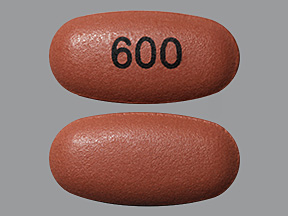 OXTELLAR XR 600 MG TABLET
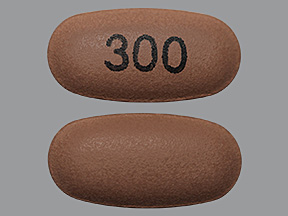 OXTELLAR XR 300 MG TABLET
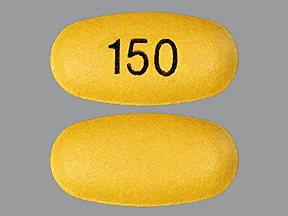 OXTELLAR XR 150 MG TABLET
The following indications for OXTELLAR XR (oxcarbazepine) have been approved by the FDA:
Indications:
Complex-partial epilepsy
Focal epilepsy
Partial epilepsy treatment adjunct
Simple-partial epilepsy
Professional Synonyms:
Automatic epilepsy
Complex focal epilepsy
Complex focal seizures
Complex local seizures
Complex partial epilepsy
Complex partial seizures
Complex psychomotor epilepsy
Complex psychomotor seizure
Complex temporal lobe epilepsy
Complex temporal lobe seizures
Cortical epilepsy
Elementary focal seizures
Elementary partial seizures
Focal seizures
Local epilepsy
Partial epilepsy
Partial onset seizures treatment adjunct
Partial onset seizures
Partial seizures treatment adjunct
Partial seizures
Psychic epilepsy
Psychomotor epilepsy
Psychomotor seizure
Simple focal epilepsy
Simple focal seizures
Simple local seizures
Simple partial epilepsy
Simple psychomotor epilepsy
Simple psychomotor seizures
Simple temporal lobe epilepsy
Simple temporal lobe seizures
Temporal lobe epilepsy
Temporal lobe seizure
Indications:
Complex-partial epilepsy
Focal epilepsy
Partial epilepsy treatment adjunct
Simple-partial epilepsy
Professional Synonyms:
Automatic epilepsy
Complex focal epilepsy
Complex focal seizures
Complex local seizures
Complex partial epilepsy
Complex partial seizures
Complex psychomotor epilepsy
Complex psychomotor seizure
Complex temporal lobe epilepsy
Complex temporal lobe seizures
Cortical epilepsy
Elementary focal seizures
Elementary partial seizures
Focal seizures
Local epilepsy
Partial epilepsy
Partial onset seizures treatment adjunct
Partial onset seizures
Partial seizures treatment adjunct
Partial seizures
Psychic epilepsy
Psychomotor epilepsy
Psychomotor seizure
Simple focal epilepsy
Simple focal seizures
Simple local seizures
Simple partial epilepsy
Simple psychomotor epilepsy
Simple psychomotor seizures
Simple temporal lobe epilepsy
Simple temporal lobe seizures
Temporal lobe epilepsy
Temporal lobe seizure
The following dosing information is available for OXTELLAR XR (oxcarbazepine):
No enhanced Dosing information available for this drug.
Oxcarbazepine is administered orally as conventional (immediate-release) tablets, oral suspension, or extended-release tablets. Oxcarbazepine conventional tablets and oral suspension are administered twice daily without regard to meals. Oxcarbazepine extended-release tablets are administered once daily on an empty stomach (i.e., at least 1 hour before or 2 hours after a meal).
(See Description.) The extended-release tablet should be swallowed whole with water or other liquid, and should not be cut, chewed, or crushed; because of these limitations, the extended-release tablet formulation is not recommended for use in children younger than 6 years of age. Oxcarbazepine oral suspension should be shaken well immediately prior to administration. The appropriate dose should be administered using the oral dosing syringe supplied by the manufacturer.
The oral suspension may be added to a small glass of water or swallowed directly from the syringe. After each use, the oral syringe should be rinsed with warm water and allowed to dry thoroughly. The oral bioavailability of oxcarbazepine immediate-release tablets appears to be similar to that of the oral suspension and, therefore, these preparations can be used interchangeably on a mg-for-mg basis.
At steady state, the extended-release tablets administered once daily are not bioequivalent to the immediate-release tablets administered twice daily; when converting from immediate-release preparations of oxcarbazepine to the extended-release tablets, a higher daily dosage may be required. Patients currently receiving or beginning therapy with oxcarbazepine and/or any other anticonvulsant for any indication should be closely monitored for the emergence or worsening of depression, suicidal thoughts or behavior (suicidality), and/or any unusual changes in mood or behavior. (See Suicidality Risk under Cautions: Warnings/Precautions.) Oxcarbazepine therapy should be withdrawn gradually to minimize the potential for increased seizure frequency and status epilepticus.
(See Description.) The extended-release tablet should be swallowed whole with water or other liquid, and should not be cut, chewed, or crushed; because of these limitations, the extended-release tablet formulation is not recommended for use in children younger than 6 years of age. Oxcarbazepine oral suspension should be shaken well immediately prior to administration. The appropriate dose should be administered using the oral dosing syringe supplied by the manufacturer.
The oral suspension may be added to a small glass of water or swallowed directly from the syringe. After each use, the oral syringe should be rinsed with warm water and allowed to dry thoroughly. The oral bioavailability of oxcarbazepine immediate-release tablets appears to be similar to that of the oral suspension and, therefore, these preparations can be used interchangeably on a mg-for-mg basis.
At steady state, the extended-release tablets administered once daily are not bioequivalent to the immediate-release tablets administered twice daily; when converting from immediate-release preparations of oxcarbazepine to the extended-release tablets, a higher daily dosage may be required. Patients currently receiving or beginning therapy with oxcarbazepine and/or any other anticonvulsant for any indication should be closely monitored for the emergence or worsening of depression, suicidal thoughts or behavior (suicidality), and/or any unusual changes in mood or behavior. (See Suicidality Risk under Cautions: Warnings/Precautions.) Oxcarbazepine therapy should be withdrawn gradually to minimize the potential for increased seizure frequency and status epilepticus.
| DRUG LABEL | DOSING TYPE | DOSING INSTRUCTIONS |
|---|---|---|
| OXTELLAR XR 150 MG TABLET | Maintenance | Adults take 1 tablet (150 mg) by oral route once daily on an empty stomach, 1 hour before or 2 hours after a meal |
| OXTELLAR XR 300 MG TABLET | Maintenance | Adults take 1 tablet (300 mg) by oral route once daily on an empty stomach, 1 hour before or 2 hours after a meal |
| OXTELLAR XR 600 MG TABLET | Maintenance | Adults take 2 tablets (1,200 mg) by oral route once daily on an empty stomach swallowing whole. Do not crush, chew and/or divide. |
| DRUG LABEL | DOSING TYPE | DOSING INSTRUCTIONS |
|---|---|---|
| OXCARBAZEPINE ER 150 MG TABLET | Maintenance | Adults take 1 tablet (150 mg) by oral route once daily on an empty stomach, 1 hour before or 2 hours after a meal |
| OXCARBAZEPINE ER 300 MG TABLET | Maintenance | Adults take 1 tablet (300 mg) by oral route once daily on an empty stomach, 1 hour before or 2 hours after a meal |
| OXCARBAZEPINE ER 600 MG TABLET | Maintenance | Adults take 2 tablets (1,200 mg) by oral route once daily on an empty stomach swallowing whole. Do not crush, chew and/or divide. |
The following drug interaction information is available for OXTELLAR XR (oxcarbazepine):
There are 4 contraindications.
These drug combinations generally should not be dispensed or administered to the same patient. A manufacturer label warning that indicates the contraindication warrants inclusion of a drug combination in this category, regardless of clinical evidence or lack of clinical evidence to support the contraindication.
| Drug Interaction | Drug Names |
|---|---|
| Rilpivirine/Selected Strong CYP3A4 Inducers SEVERITY LEVEL: 1-Contraindicated Drug Combination: This drug combination is contraindicated and generally should not be dispensed or administered to the same patient. MECHANISM OF ACTION: Apalutamide, barbiturates, carbamazepine, dexamethasone, enzalutamide, eslicarbazepine, fosphenytoin, ivosidenib, lumacaftor, mitotane, natisedine, phenobarbital, phenytoin, primidone, oxcarbazepine, rifampin, rifapentine, and St. John's wort may induce the metabolism of rilpivirine by CYP3A4.(1) CLINICAL EFFECTS: Concurrent or recent use of apalutamide, barbiturates, carbamazepine, dexamethasone, enzalutamide, eslicarbazepine, fosphenytoin, ivosidenib, lumacaftor, mitotane, natisedine, phenobarbital, phenytoin, primidone, oxcarbazepine, rifampin, rifapentine, or St. John's wort may result in decreased levels and effectiveness of rilpivirine, as well as the development of resistance.(1) PREDISPOSING FACTORS: Induction effects may be more likely with regular use of the inducer for longer than 1-2 weeks. PATIENT MANAGEMENT: The US manufacturer of rilpivirine states that concurrent use of CYP3A4 inducers such as apalutamide, barbiturates, carbamazepine, dexamethasone, enzalutamide, eslicarbazepine, fosphenytoin, ivosidenib, lumacaftor, mitotane, natisedine, phenobarbital, phenytoin, primidone, oxcarbazepine, rifampin, rifapentine, or St. John's wort is contraindicated.(1) It may take several weeks after the discontinuation of an enzyme inducer for enzyme activity to return to normal.(1) DISCUSSION: In a study in 16 subjects, rifampin (600 mg daily) decreased the Cmax, AUC, and Cmin of rilpivirine (150 mg daily) by 69%, 80%, and 89%, respectively. There were no significant effects on the Cmax or AUC of rifampin or 25-desacetylrifampin.(1) Strong CYP3A4 inducers linked include: apalutamide, barbiturates, carbamazepine, dexamethasone, encorafenib, enzalutamide, fosphenytoin, ivosidenib, lumacaftor, mitotane, natisedine, phenobarbital, phenytoin, primidone, oxcarbazepine, rifampin, rifapentine, or St. John's wort. |
COMPLERA, EDURANT, EDURANT PED, EMTRICITABINE-RILPIVIRNE-TENOF, JULUCA, ODEFSEY, RILPIVIRINE, RILPIVIRINE ER (CABENUVA) |
| Doravirine/Strong CYP3A4 Inducers SEVERITY LEVEL: 1-Contraindicated Drug Combination: This drug combination is contraindicated and generally should not be dispensed or administered to the same patient. MECHANISM OF ACTION: Strong inducers of CYP3A4 are expected to increase the metabolism of doravirine.(1) CLINICAL EFFECTS: Concurrent or recent use of strong inducers of CYP3A4 may result in decreased levels and effectiveness of doravirine.(3) PREDISPOSING FACTORS: Induction effects may be more likely with regular use of the inducer for longer than 1-2 weeks. PATIENT MANAGEMENT: Concurrent administration of strong inducers of CYP3A4 with doravirine is contraindicated. A washout period of 4 weeks for the CYP3A4 inducer is recommended prior to initiation of doravirine.(1) DISCUSSION: Doravirine is metabolized by CYP3A4. Strong inducers of CYP3A4 are expected to reduce doravirine levels, which may lead to loss of response.(1) In a study in 10 subjects, rifampin (600 mg daily), a strong inducer of CYP3A4, decreased the area-under-curve (AUC), maximum concentration (Cmax), and 24 hour concentration (C24) of a single dose of doravirine (100 mg) by 88%, 57%, and 97% respectively.(1) Strong inducers of CYP3A4 include apalutamide, barbiturates, carbamazepine, encorafenib, enzalutamide, fosphenytoin, ivosidenib, lumacaftor, mitotane, oxcarbazepine, phenobarbital, phenytoin, primidone, rifampin, rifapentine, and St. John's wort.(1) |
DELSTRIGO, PIFELTRO |
| Cabotegravir-Rilpivirine/Strong CYP3A4 & UGT1A1 Inducers SEVERITY LEVEL: 1-Contraindicated Drug Combination: This drug combination is contraindicated and generally should not be dispensed or administered to the same patient. MECHANISM OF ACTION: Apalutamide, barbiturates, carbamazepine, dexamethasone, efavirenz, encorafenib, enzalutamide, eslicarbazepine, fosphenytoin, ivosidenib, lumacaftor, mitotane, natisedine, oxcarbazepine, phenobarbital, phenytoin, primidone, rifabutin, rifampin, rifapentine, ritonavir, or St. John's wort may induce the metabolism of cabotegravir-rilpivirine by CYP3A4 and uridine diphosphate (UDP)-glucuronosyl transferase 1A1 (UGT1A1).(1) CLINICAL EFFECTS: Concurrent or recent use of apalutamide, barbiturates, carbamazepine, dexamethasone, efavirenz, encorafenib, enzalutamide, eslicarbazepine, fosphenytoin, ivosidenib, lumacaftor, mitotane, natisedine, oxcarbazepine, phenobarbital, phenytoin, primidone, rifabutin, rifampin, rifapentine, ritonavir, or St. John's wort may result in decreased levels and effectiveness of cabotegravir-rilpivirine, as well as the development of resistance.(1) PREDISPOSING FACTORS: Induction effects may be more likely with regular use of the inducer for longer than 1-2 weeks. PATIENT MANAGEMENT: The US manufacturer of cabotegravir-rilpivirine states that concurrent use of CYP3A4 inducers and/or UGT1A1 inducers is contraindicated.(1) It may take several weeks after the discontinuation of an enzyme inducer for enzyme activity to return to normal.(1) DISCUSSION: In a study in 16 subjects, rifampin (600 mg daily) decreased the concentration maximum (Cmax), area-under-curve (AUC), and concentration minimum (Cmin) of rilpivirine (150 mg daily) by 69%, 80%, and 89%, respectively. There were no significant effects on the Cmax or AUC of rifampin or 25-desacetylrifampin.(1) In a study in 15 subjects, rifampin (600 mg daily) decreased the Cmax, AUC, and Cmin of cabotegravir by 6%, 59%, and 50%, respectively.(1) Strong CYP3A4 inducers linked include: apalutamide, barbiturates, carbamazepine, dexamethasone, encorafenib, enzalutamide, eslicarbazepine, fosphenytoin, ivosidenib, lumacaftor, mitotane, natisedine, oxcarbazepine, phenobarbital, phenytoin, primidone, rifabutin, rifampin, rifapentine, or St. John's wort.(1,2) UGT1A1 inducers linked include: carbamazepine, efavirenz, fosphenytoin, oxcarbazepine, phenobarbital, phenytoin, primidone, rifapentine, rifampin, and ritonavir.(1,2) |
CABENUVA |
| Cabotegravir/UGT1A1 Inducers SEVERITY LEVEL: 1-Contraindicated Drug Combination: This drug combination is contraindicated and generally should not be dispensed or administered to the same patient. MECHANISM OF ACTION: Carbamazepine, efavirenz, fosphenytoin, oxcarbazepine, phenobarbital, phenytoin, primidone, rifapentine, rifampin, and ritonavir may induce the metabolism of cabotegravir by uridine diphosphate (UDP)-glucuronosyl transferase 1A1 (UGT1A1).(1) CLINICAL EFFECTS: Concurrent or recent use of carbamazepine, efavirenz, fosphenytoin, oxcarbazepine, phenobarbital, phenytoin, primidone, rifapentine, rifampin, or ritonavir may result in decreased levels and effectiveness of cabotegravir, as well as the development of resistance.(1) PREDISPOSING FACTORS: None determined. PATIENT MANAGEMENT: The US manufacturer of cabotegravir states that concurrent use of UGT1A1 inducers such as carbamazepine, fosphenytoin, oxcarbazepine, phenobarbital, phenytoin, primidone, rifapentine, rifampin, and ritonavir is contraindicated.(1) It may take several weeks after the discontinuation of an enzyme inducer for enzyme activity to return to normal.(1) DISCUSSION: In a study in 15 subjects, rifampin (600 mg daily) decreased the concentration maximum (Cmax), area-under-curve (AUC), and concentration minimum (Cmin) of cabotegravir by 6%, 59%, and 50%, respectively.(1) UGT1A1 inducers linked include: carbamazepine, efavirenz, fosphenytoin, oxcarbazepine, phenobarbital, phenytoin, primidone, rifapentine, rifampin, and ritonavir.(1,2) |
APRETUDE, CABOTEGRAVIR ER (CABENUVA), VOCABRIA |
There are 15 severe interactions.
These drug interactions can produce serious consequences in most patients. Actions required for severe interactions include, but are not limited to, discontinuing one or both agents, adjusting dosage, altering administration scheduling, and providing additional patient monitoring. Review the full interaction monograph for more information.
| Drug Interaction | Drug Names |
|---|---|
| Hormonal Contraceptives/Selected Anticonvulsants SEVERITY LEVEL: 2-Severe Interaction: Action is required to reduce the risk of severe adverse interaction. MECHANISM OF ACTION: Carbamazepine is a strong inducer of CYP3A4; oxcarbazepine and rufinamide are weak inducers of CYP3A4.(1) CLINICAL EFFECTS: Concurrent use with carbamazepine, oxcarbazepine or rufinamide may result in decreased contraceptive levels, which may result in menstrual abnormalities or unintended pregnancy. PREDISPOSING FACTORS: Intermittent compliance with oral contraceptives. PATIENT MANAGEMENT: To avoid pregnancy, additional or alternative means of non-hormonal contraception should be utilized. If larger doses of hormonal contraceptives are utilized, titrating the dose against a response such as lack of spotting or breakthrough bleeding may not guarantee contraceptive efficacy. In women who wish to continue oral contraceptives with the addition of a second form of contraception, emphasize the importance of not missing doses of the oral contraceptive. For emergency contraception, the UK's Medicines & Healthcare Products Regulatory Agency (MHRA) recommends that women who have used a CYP3A4 inducer in the previous 4 weeks should consider a non-hormonal emergency contraceptive (ie a copper IUD). If a non-hormonal emergency contraceptive is not an option, double the usual dose of levonorgestrel from 1.5 to 3 mg. Advise the patient to have a pregnancy test to exclude pregnancy after use and to seek medical advice if they do become pregnant. DISCUSSION: In a study of four epileptic patients receiving an oral contraceptive containing ethinyl estradiol 50 mcg plus levonorgestrel 250 mcg carbamazepine reduced the area-under-curve (AUC) for ethinyl estradiol by 42% and for levonorgestrel by 40%. Pregnancy has been reported. Pregnancy has been reported in a woman receiving low-dose oral contraceptives six weeks after initiation of treatment with carbamazepine. In a randomized, open label study, concurrent administration of carbamazepine (600 mg daily) and Ortho Novum 1/35 (ethinyl estradiol, norethindrone) decreased the AUC of ethinyl estradiol and norethindrone by 42% and 58%, respectively. The apparent oral clearance of ethinyl estradiol and norethindrone increased by 127% and 69%, respectively. Concurrent use of rufinamide (800 mg twice daily) and ethinyl estradiol / norethindrone (35 mcg/1 mg) for 14 days decreased the AUC of ethinyl estradiol and norethindrone by 22% and 14%, respectively. The maximum concentration (Cmax) of ethinyl estradiol and norethindrone decreased by 31% and 18%, respectively. Double-blind, randomized, crossover study with 24 women (only 20 analyzed) given 20 micrograms ethinyl estradiol and 100 micrograms levonorgestrel and either carbamazepine 600 mg or a matched placebo for 4 months. Ethinyl estradiol and levonorgestrel levels were measured and mean AUC was significantly lower in those taking carbamazepine. Cmax of ethinyl estradiol was also significantly decreased. Additionally more cases of breakthrough bleeding and ovulation occurred with concurrent use of the carbamazepine. In a case report, a patient with an etonogestrel implant became pregnant while taking carbamazepine for epilepsy. Coadministration of immediate-release oxcarbazepine decreased mean ethinyl estradiol AUC levels in two different studies by 48% and 52%, respectively. Additionally, mean AUC of levonorgestrel was decreased in two different studies by 32% and 52%, respectively. |
2-METHOXYESTRADIOL, AFIRMELLE, ALTAVERA, ALYACEN, AMETHIA, AMETHYST, ANNOVERA, APRI, ARANELLE, ASHLYNA, AUBRA, AUBRA EQ, AUROVELA, AUROVELA 24 FE, AUROVELA FE, AVERI, AVIANE, AYUNA, AZURETTE, BALCOLTRA, BALZIVA, BEYAZ, BLISOVI 24 FE, BLISOVI FE, BRIELLYN, CAMILA, CAMRESE, CAMRESE LO, CAZIANT, CHARLOTTE 24 FE, CHATEAL EQ, CRYSELLE, CYRED, CYRED EQ, DASETTA, DAYSEE, DEBLITANE, DEPO-PROVERA, DEPO-SUBQ PROVERA 104, DESOGESTR-ETH ESTRAD ETH ESTRA, DIETHYLSTILBESTROL, DOLISHALE, DROSPIRENONE-ETH ESTRA-LEVOMEF, DROSPIRENONE-ETHINYL ESTRADIOL, ELINEST, ELURYNG, EMZAHH, ENILLORING, ENPRESSE, ENSKYCE, ERRIN, ESTARYLLA, ESTRADIOL, ESTRADIOL BENZOATE, ESTRADIOL CYPIONATE, ESTRADIOL HEMIHYDRATE, ESTRADIOL HEMIHYDRATE MICRO, ESTRADIOL MICRONIZED, ESTRADIOL VALERATE, ESTRIOL, ESTRIOL MICRONIZED, ESTRONE, ETHINYL ESTRADIOL, ETHYNODIOL-ETHINYL ESTRADIOL, ETONOGESTREL-ETHINYL ESTRADIOL, FALMINA, FEIRZA, FEMLYV, FINZALA, GALBRIELA, GEMMILY, HAILEY, HAILEY 24 FE, HAILEY FE, HALOETTE, HEATHER, ICLEVIA, INCASSIA, INTROVALE, ISIBLOOM, JAIMIESS, JASMIEL, JENCYCLA, JOLESSA, JOYEAUX, JULEBER, JUNEL, JUNEL FE, JUNEL FE 24, KAITLIB FE, KALLIGA, KARIVA, KELNOR 1-35, KURVELO, LARIN, LARIN 24 FE, LARIN FE, LESSINA, LEVONEST, LEVONORG-ETH ESTRAD ETH ESTRAD, LEVONORG-ETH ESTRAD-FE BISGLYC, LEVONORGESTREL-ETH ESTRADIOL, LO LOESTRIN FE, LO-ZUMANDIMINE, LOESTRIN, LOESTRIN FE, LOJAIMIESS, LORYNA, LOW-OGESTREL, LUIZZA, LUTERA, LYLEQ, LYZA, MARLISSA, MEDROXYPROGESTERONE ACETATE, MELEYA, MIBELAS 24 FE, MICROGESTIN, MICROGESTIN FE, MILI, MINZOYA, MONO-LINYAH, NATAZIA, NECON, NEXPLANON, NEXTSTELLIS, NIKKI, NORA-BE, NORELGESTROMIN-ETH ESTRADIOL, NORETHIN-ETH ESTRA-FERROUS FUM, NORETHINDRON-ETHINYL ESTRADIOL, NORETHINDRONE, NORETHINDRONE-E.ESTRADIOL-IRON, NORGESTIMATE-ETHINYL ESTRADIOL, NORTREL, NUVARING, NYLIA, OCELLA, ORQUIDEA, ORTHO TRI-CYCLEN, ORTHO-NOVUM, PHILITH, PIMTREA, PORTIA, RECLIPSEN, RIVELSA, ROSYRAH, SAFYRAL, SETLAKIN, SHAROBEL, SIMLIYA, SIMPESSE, SLYND, SPRINTEC, SYEDA, TARINA 24 FE, TARINA FE, TARINA FE 1-20 EQ, TAYTULLA, TILIA FE, TRI-ESTARYLLA, TRI-LEGEST FE, TRI-LINYAH, TRI-LO-ESTARYLLA, TRI-LO-MARZIA, TRI-LO-MILI, TRI-LO-SPRINTEC, TRI-MILI, TRI-SPRINTEC, TRI-VYLIBRA, TRI-VYLIBRA LO, TULANA, TURQOZ, TWIRLA, TYBLUME, TYDEMY, VALTYA, VELIVET, VESTURA, VIENVA, VIORELE, VOLNEA, VYFEMLA, VYLIBRA, WERA, WYMZYA FE, XARAH FE, XELRIA FE, XULANE, YASMIN 28, YAZ, ZAFEMY, ZARAH, ZOVIA 1-35, ZUMANDIMINE |
| Solid Oral Potassium Tablets/Anticholinergics SEVERITY LEVEL: 2-Severe Interaction: Action is required to reduce the risk of severe adverse interaction. MECHANISM OF ACTION: Concentrated potassium may damage the lining of the GI tract. Anticholinergics delay gastric emptying, resulting in the potassium product remaining in the gastrointestinal tract for a longer period of time.(1-16) CLINICAL EFFECTS: Use of solid oral dosage forms of potassium in patients treated with anticholinergics may result in gastrointestinal erosions, ulcers, stenosis and bleeding.(1-16) PREDISPOSING FACTORS: Diseases or conditions which may increase risk for GI damage include: preexisting dysphagia, strictures, cardiomegaly, diabetic gastroparesis, elderly status, or insufficient oral intake to allow dilution of potassium.(1-10,21) Other drugs which may add to risk for GI damage include: nonsteroidal anti-inflammatory drugs (NSAIDs), bisphosphonates, or tetracyclines.(21) PATIENT MANAGEMENT: Regulatory agency and manufacturer recommendations regarding this interaction: - In the US, all solid oral dosage forms (including tablets and extended release capsules) of potassium are contraindicated in patients receiving anticholinergics at sufficient dosages to result in systemic effects.(2-8) Patients receiving such anticholinergic therapy should use a liquid form of potassium chloride.(2) - In Canada, solid oral potassium is contraindicated in any patient with a cause for arrest or delay in tablet/capsule passage through the gastrointestinal tract and the manufacturers recommend caution with concurrent anticholinergic medications.(1,9-10) Evaluate each patient for predisposing factors which may increase risk for GI damage. In patients with multiple risk factors for harm, consider use of liquid potassium supplements, if tolerated. For patients receiving concomitant therapy, assure any potassium dose form is taken after meals with a large glass of water or other fluid. To decrease potassium concentration in the GI tract, limit each dose to 20 meq; if more than 20 meq daily is required, give in divided doses.(2) If concurrent therapy is warranted, monitor patients receiving concurrent therapy for signs of blood loss, including decreased hemoglobin, hematocrit, fecal occult blood, and/or decreased blood pressure and promptly evaluate patients with any symptoms. Patients should be instructed to immediately report any difficulty swallowing, abdominal pain, distention, severe vomiting, or gastrointestinal bleeding. Instruct patients to report any signs and symptoms of bleeding, such as unusual bleeding from the gums or nose; unusual bruising; red or black, tarry stools; red, pink or dark brown urine; acute abdominal or joint pain and/or swelling. DISCUSSION: In clinical trials, there was a higher incidence of gastric and duodenal lesions in patients receiving a high dose of a wax-matrix controlled-release formulation with a concurrent anticholinergic agent. Some lesions were asymptomatic and not accompanied by bleeding, as shown by a lack of positive Hemoccult tests.(1-17) Several studies suggest that the incidence of gastric and duodenal lesions may be less with the microencapsulated formulation of potassium chloride.(14-17) |
KLOR-CON 10, KLOR-CON 8, KLOR-CON M10, KLOR-CON M15, KLOR-CON M20, POTASSIUM CHLORIDE, POTASSIUM CITRATE ER, UROCIT-K |
| Solid Oral Potassium Capsules/Anticholinergics SEVERITY LEVEL: 2-Severe Interaction: Action is required to reduce the risk of severe adverse interaction. MECHANISM OF ACTION: Concentrated potassium may damage the lining of the GI tract. Anticholinergics delay gastric emptying, resulting in the potassium product remaining in the gastrointestinal tract for a longer period of time.(1-16)) CLINICAL EFFECTS: Use of solid oral dosage forms of potassium in patients treated with anticholinergics may result in gastrointestinal erosions, ulcers, stenosis and bleeding.(1-16) PREDISPOSING FACTORS: Diseases or conditions which may increase risk for GI damage include: preexisting dysphagia, strictures, cardiomegaly, diabetic gastroparesis, elderly status, or insufficient oral intake to allow dilution of potassium.(1-10,21) Other drugs which may add to risk for GI damage include: nonsteroidal anti-inflammatory drugs (NSAIDs), bisphosphonates, or tetracyclines.(21) PATIENT MANAGEMENT: Regulatory agency and manufacturer recommendations regarding this interaction: - In the US, all solid oral dosage forms (including tablets and extended release capsules) of potassium are contraindicated in patients receiving anticholinergics at sufficient dosages to result in systemic effects.(2-8) Patients receiving such anticholinergic therapy should use a liquid form of potassium chloride.(2) - In Canada, solid oral potassium is contraindicated in any patient with a cause for arrest or delay in tablet/capsule passage through the gastrointestinal tract and the manufacturers recommend caution with concurrent anticholinergic medications.(1,9-10) Evaluate each patient for predisposing factors which may increase risk for GI damage. In patients with multiple risk factors for harm, consider use of liquid potassium supplements, if tolerated. For patients receiving concomitant therapy, assure any potassium dose form is taken after meals with a large glass of water or other fluid. To decrease potassium concentration in the GI tract, limit each dose to 20 meq; if more than 20 meq daily is required, give in divided doses.(2) If concurrent therapy is warranted, monitor patients receiving concurrent therapy for signs of blood loss, including decreased hemoglobin, hematocrit, fecal occult blood, and/or decreased blood pressure and promptly evaluate patients with any symptoms. Patients should be instructed to immediately report any difficulty swallowing, abdominal pain, distention, severe vomiting, or gastrointestinal bleeding. Instruct patients to report any signs and symptoms of bleeding, such as unusual bleeding from the gums or nose; unusual bruising; red or black, tarry stools; red, pink or dark brown urine; acute abdominal or joint pain and/or swelling. DISCUSSION: In clinical trials, there was a higher incidence of gastric and duodenal lesions in patients receiving a high dose of a wax-matrix controlled-release formulation with a concurrent anticholinergic agent. The lesions were asymptomatic and not accompanied by bleeding, as shown by a lack of positive Hemoccult tests.(1-17) Several studies suggest that the incidence of gastric and duodenal lesions may be less with the microencapsulated formulation of potassium chloride.(14-17) |
POTASSIUM CHLORIDE |
| Cobicistat-Elvitegravir/Selected CYP3A4 Inducers SEVERITY LEVEL: 2-Severe Interaction: Action is required to reduce the risk of severe adverse interaction. MECHANISM OF ACTION: Cobicistat may inhibit rifabutin and rifapentine metabolism by CYP3A4. Apalutamide, encorafenib, enzalutamide, lumacaftor, mitotane, oxcarbazepine, rifabutin, and rifapentine may induce the metabolism of cobicistat and elvitegravir.(1) CLINICAL EFFECTS: Concurrent use of cobicistat-elvitegravir with apalutamide, encorafenib, enzalutamide, lumacaftor, mitotane, oxcarbazepine, rifabutin, or rifapentine may result decreased levels of elvitegravir and development of resistance.(1) Concurrent use of cobicistat-elvitegravir may result in elevated levels of apalutamide, oxcarbazepine, rifabutin, or rifapentine, as well as ivacaftor (which is coformulated with lumacaftor).(1) PREDISPOSING FACTORS: Induction effects may be more likely with regular use of the inducer for longer than 1-2 weeks. PATIENT MANAGEMENT: Concurrent use of combination product containing cobicistat-elvitegravir-emtricitabine-tenofovir and rifabutin or rifapentine is not recommended.(1) Consider the use of alternative anticonvulsants to oxcarbazepine.(1) Concurrent use with carbamazepine, phenobarbital, or phenytoin is contraindicated.(1) DISCUSSION: Concurrent cobicistat-elvitegravir (150 mg each daily) increased the maximum concentration (Cmax) of rifabutin (150 mg every other day) by 1.09-fold. The area-under-curve (AUC) and minimum concentration (Cmin) of rifabutin decreased by 8% and 6%, respectively, when compared to the administration of 300 mg daily of rifabutin. The Cmax, AUC, and Cmin of 25-O-desacetyl-rifabutin increased by 4.84-fold, 6.25-fold, and 4.94-fold, respectively, when compared to the administration of 300 mg daily of rifabutin. The Cmax, AUC, and Cmin of elvitegravir decreased by 9%, 21%, and 67%, respectively.(1) Concurrent cobicistat-elvitegravir (150 mg each daily) with carbamazepine (200 mg twice daily) decreased the Cmax, AUC, and Cmin of elvitegravir by 45%, 69%, and 97%, respectively. Concurrent cobicistat-elvitegravir (150 mg each daily) with carbamazepine (200 mg twice daily) increased the Cmax, AUC, and Cmin of carbamazepine by 40%, 43%, and 51%, respectively. The Cmax, AUC, and Cmin was decreased for carbamazepine-10,11-epoxide by 29%, 35%, and 41%, respectively. (2) |
GENVOYA, STRIBILD |
| Dolutegravir/Selected UGT1A & CYP3A4 Inducers SEVERITY LEVEL: 2-Severe Interaction: Action is required to reduce the risk of severe adverse interaction. MECHANISM OF ACTION: Dolutegravir is metabolized by UGT1A1 and to a smaller extent by CYP3A4. Inducers of UGT1A1 and CYP3A4 may induce the metabolism of dolutegravir.(1-6) CLINICAL EFFECTS: Concurrent use of UGT1A1 and CYP3A4 inducers may result in decreased levels of and clinical effectiveness of dolutegravir.(1-6) PREDISPOSING FACTORS: Induction effects may be more likely with regular use of the inducer for longer than 1-2 weeks. PATIENT MANAGEMENT: When used with carbamazepine, fosamprenavir/ritonavir, rifampin, or tipranavir/ritonavir, the dosage of dolutegravir should be 50 mg twice daily. When using the combination abacavir-dolutegravir-lamivudine or dolutegravir-lamivudine product, an additional 50 mg dolutegravir table should be taken 12 hours apart from the combination product. In pediatric patients, increase the weight-based dose to twice daily. Refer to the current labeling for the specific dosing recommendation. Alternative combinations that do not induce metabolic inducers should be considered when possible for INSTI-experience patients with certain INSTI-associated resistance substitutions or clinically suspected INSTI resistance.(1,4-6) Recommendations for other UGT1A1 and CYP3A4 inducers differ by region. The US manufacturer of dolutegravir states that concurrent use should be avoided due to insufficient data to make dosing recommendations for concomitant use.(1,4) The Canadian and UK manufacturers of dolutegravir state that the dosage of dolutegravir should be 50 mg twice daily when used concurrently with other UGT1A1 and CYP3A4 inducers. When using the combination abacavir-dolutegravir-lamivudine product, an additional 50 mg dolutegravir table should be taken 12 hours apart from the combination product. In pediatric patients, increase the weight-based dose to twice daily. Refer to the current labeling for the specific dosing recommendation. Alternative combinations that do not induce metabolic inducers should be considered when possible for patients with certain INSTI-associated resistance substitutions or clinically suspected INSTI resistance.(5,6) DISCUSSION: In a study in 12 subjects, the administration of fosamprenavir/ritonavir (700/100 mg BID) with dolutegravir (50 mg daily) decreased the maximum concentration (Cmax), area-under-curve (AUC), and minimum concentration (Cmin) of dolutegravir by 24%, 35%, and 49%, respectively.(1) In a study in 11 subjects, the administration of rifampin (600 mg daily) with dolutegravir (50 mg BID) decreased the Cmax, AUC, and Cmin of dolutegravir by 43%, 54%, and 32%, respectively, when compared to the administration of dolutegravir (50 mg BID) alone.(1) In a study in 11 subjects, the administration of rifampin (600 mg daily) with dolutegravir (50 mg BID) increased the Cmax, AUC, and Cmin of dolutegravir by 18%, 33%, and 22%, respectively, when compared to the administration of dolutegravir (50 mg daily) alone.(1) In a study in 14 subjects, the administration of tipranavir/ritonavir (500/200 mg BID) with dolutegravir (50 mg daily) decreased the Cmax, AUC, and Cmin of dolutegravir by 46%, 59%, and 76%, respectively.(1) In a study in 16 subjects, the administration of carbamazepine (300 mg twice daily) with dolutegravir (50 mg daily) decreased the Cmax, AUC, and Cmin of dolutegravir by 33%, 49%, and 73%, respectively. (1) UGT1A1 and CYP3A4 inducers linked to this monograph include: apalutamide, barbiturates, carbamazepine, encorafenib, enzalutamide, fosamprenavir/ritonavir, fosphenytoin, ivosidenib, lorlatinib, lumacaftor, mitotane, oxcarbazepine, phenobarbital, phenytoin, primidone, rifampin, rifapentine, and tipranavir/ritonavir.(1,7) |
DOVATO, JULUCA, TIVICAY, TIVICAY PD, TRIUMEQ, TRIUMEQ PD |
| Selected Anticonvulsants/Selected Barbiturates SEVERITY LEVEL: 2-Severe Interaction: Action is required to reduce the risk of severe adverse interaction. MECHANISM OF ACTION: Phenobarbital, and perhaps other barbiturates, induce multiple metabolic enzymes including CYP1A2, CYP2C9, CYP2C19, CYP3A4, and glucuronidation (UGT) pathways. Felbamate, oxcarbazepine, and valproic acid are metabolized by one or more of these induced pathways. Valproic acid may inhibit the CYP2C9 mediated metabolism of phenobarbital, and possibly other barbiturates. Felbamate and oxcarbazepine may inhibit the CYP2C19 mediated metabolism of barbiturates. CLINICAL EFFECTS: Lower felbamate, oxcarbazepine, and valproic acid concentrations may lead to diminished efficacy, e.g loss of seizure control, or new onset/more difficult to control manic episodes. Higher barbiturate concentrations may lead to increased sedation or further CNS depression. PREDISPOSING FACTORS: Induction effects may be more likely with regular use of the inducer for longer than 1-2 weeks. PATIENT MANAGEMENT: For patients stabilized on barbiturates, monitor for increased barbiturate levels approximately 4 to 7 days after initiation or after an increase in the dose of felbamate or oxcarbazepine. The US manufacturer of felbamate recommends that the dosage of phenobarbital be reduced by 20-33% when felbamate is initiated. The US manufacturer of extended release oxcarbazepine recommends initiating extended release oxcarbazepine at 900 mg once daily in adults and 12-15 mg/kg once daily (not to exceed 900 mg per day in the first week) in pediatric patients. If a barbiturate is added to a patient stabilized on felbamate or oxcarbazepine, the dose of felbamate or oxcarbazepine may need to be increased. Onset of induction is gradual and may not be maximal for days or weeks. Initiation of barbiturate therapy in a patient already stabilized on valproic acid will lead to a gradual lowering of valproic acid concentrations over approximately 1 to 3 weeks. Valproate concentrations could fall by 50%. Monitor valproate levels and adjust the dose as needed to maintain therapeutic efficacy. Due to valproic acid inhibition of barbiturate metabolism, consider starting barbiturate therapy at a lower than usual dose and increase as tolerated. Closely monitor therapy for needed adjustments in the barbiturate dose in patients maintained on valproate therapy when initiating these agents. Conversely, due to enzyme induction, larger than expected valproic acid doses may be required to achieve therapeutic benefit. Educate the patient regarding possible adverse effects and the need for valproate measurements to assure treatment efficacy. If the barbiturate is discontinued in a patient stabilized on felbamate, oxcarbazepine, and valproic acid therapy, felbamate, oxcarbazepine, and valproic acid concentrations will increase over 1 to 4 weeks. Monitor serum levels and adjust dosages as needed. DISCUSSION: Prescribing information for oxcarbazepine states that phenobarbital doses of 100 to 150 mg daily decreased the mean concentration of its active metabolite (eslicarbazepine) 25%. In a study in 12 healthy males, administration of felbamate (2400 mg daily) increased phenobarbital levels by 25%. In a study in 24 healthy subjects, administration of felbamate (2400 mg daily) increased phenobarbital (100 mg daily) area-under-curve (AUC) and maximum concentration (Cmax) levels by 22% and 24%, respectively. In clinical trials, patients receiving concurrent phenobarbital were found to have felbamate concentrations that were 29% lower than patients not receiving concurrent phenobarbital. In contrast, a retrospective review of felbamate levels found no effect by barbiturates. In a case report, felbamate was initiated and titrated to 50 mg/kg/day over three weeks. At this time, the patient's phenobarbital dosage was decreased 13% (from 230 mg/daily to 200 mg/day). Despite this, the patient's phenobarbital level increased 42% and the patient developed neurotoxicity. The patient's phenobarbital dosage was further reduced to 35% of the original dosage (to 150 mg daily) and the patient's phenobarbital levels returned to therapeutic range. Valproate metabolites are formed via three major pathways: mitochondrial beta-oxidation (40%), glucuronidation (30-50%), and CYP P-450 (10%). Barbiturates induce several glucuronidation and CYP450 pathways, but not mitochondrial pathways. Manufacturer prescribing for valproic acid states that concomitant primidone or phenobarbital therapy may double valproic acid clearance. An interaction study in health subjects administered valproate 250mg BID for 14 days with a single 60 mg dose of phenobarbital leading to a 50% increase in half-life and a 30% decrease in the clearance of phenobarbital. |
ASA-BUTALB-CAFFEINE-CODEINE, ASCOMP WITH CODEINE, BUTALB-ACETAMINOPH-CAFF-CODEIN, BUTALBITAL, BUTALBITAL-ACETAMINOPHEN, BUTALBITAL-ACETAMINOPHEN-CAFFE, BUTALBITAL-ASPIRIN-CAFFEINE, DONNATAL, FIORICET, PENTOBARBITAL SODIUM, PHENOBARBITAL, PHENOBARBITAL-BELLADONNA, PHENOBARBITAL-HYOSC-ATROP-SCOP, PHENOHYTRO, TENCON |
| Bictegravir-Emtricitabine-Tenofovir Alafenamide/Selected Strong CYP3A4 Inducers; Oxcarbazepine SEVERITY LEVEL: 2-Severe Interaction: Action is required to reduce the risk of severe adverse interaction. MECHANISM OF ACTION: Strong CYP3A4 inducers and oxcarbazepine may induce the metabolism of bictegravir.(1,2) CLINICAL EFFECTS: Concurrent use of bictegravir with strong CYP3A4 inducers or oxcarbazepine may result in decreased levels of bictegravir, virologic failure, and development of resistance.(1,2) PREDISPOSING FACTORS: Induction effects may be more likely with regular use of the inducer for longer than 1-2 weeks. PATIENT MANAGEMENT: The manufacturer of bictegravir recommends considering alternatives to oxcarbazepine.(1) The National Institute of Health HIV guidelines do not recommend coadministration of oxcarbazepine with bictegravir.(2) Other CYP3A4 inducers should not be coadministered with bictegravir.(1,2) DISCUSSION: Coadministration of rifampin (600 mg daily, a strong CYP3A4 inducer) decreased bictegravir area-under-curve (AUC) by 75% and maximum concentration (Cmax) by 28%.(1) Although the other CYP3A4 inducers linked to this monograph have not been studied with bictegravir, a similar effect is expected. Coadministration of rifabutin (300 mg daily) with bictegravir decreased bictegravir AUC and Cmax by 38% and 20%, respectively.(1) CYP3A4 inducers linked to this monograph include: barbiturates, encorafenib, enzalutamide, ivosidenib, mitotane, or oxcarbazepine.(1-3) |
BIKTARVY |
| Lumateperone/CYP3A4 Inducers SEVERITY LEVEL: 2-Severe Interaction: Action is required to reduce the risk of severe adverse interaction. MECHANISM OF ACTION: Lumateperone is a substrate of CYP3A4. Inducers of CYP3A4 may induce the metabolism of lumateperone.(1) CLINICAL EFFECTS: The concurrent administration of a CYP3A4 inducer may decrease the exposure to lumateperone.(1) PREDISPOSING FACTORS: Induction effects may be more likely with regular use of the inducer for longer than 1-2 weeks. PATIENT MANAGEMENT: The manufacturer of lumateperone states that concurrent use with CYP3A4 inducers should be avoided.(1) DISCUSSION: Coadministration of lumateperone with rifampin, a strong CYP3A4 inducer, resulted in a 98% reduction in area-under-curve (AUC) and a 90% reduction in concentration maximum (Cmax).(1) Strong inducers of CYP3A4 include: apalutamide, barbiturates, carbamazepine, encorafenib, enzalutamide, fosphenytoin, ivosidenib, lumacaftor, mitotane, phenobarbital, phenytoin, primidone, rifampin, rifapentine, and St. John's wort.(2,3) Moderate inducers of CYP3A4 include: belzutifan, bosentan, cenobamate, dabrafenib, efavirenz, elagolix, etravirine, lesinurad, lorlatinib, mavacamten, mitapivat, modafinil, nafcillin, pacritinib, repotrectinib, rifabutin, telotristat, thioridazine, and tovorafenib.(2,3) Weak inducers of CYP3A4 include: amprenavir, armodafinil, bexarotene, brivaracetam, clobazam, danshen, darolutamide, dexamethasone, dicloxacillin, echinacea, eslicarbazepine, garlic, genistein, gingko, ginseng, glycyrrhizin, nevirapine, omaveloxolone, oxcarbazepine, pioglitazone, quercetin, rufinamide, sotorasib, sulfinpyrazone, sunvozertinib, tecovirimat, terbinafine, ticlopidine, troglitazone, vemurafenib, and vinblastine.(2,3) |
CAPLYTA |
| Clozapine/Anticholinergics SEVERITY LEVEL: 2-Severe Interaction: Action is required to reduce the risk of severe adverse interaction. MECHANISM OF ACTION: Clozapine has potent anticholinergic properties and inhibits serotonin receptors, including 5-HT3.(1-4) Both of these properties may cause inhibition of gastrointestinal (GI) smooth muscle contraction, resulting in decreased peristalsis.(3,4) These effects may be compounded by concurrent use of anticholinergic agents.(1-6) CLINICAL EFFECTS: Concurrent use of clozapine with other anticholinergic agents may increase the risk of constipation (common) and serious bowel complications (uncommon), including complete bowel obstruction, fecal impaction, paralytic ileus and intestinal ischemia or infarction.(1-6) PREDISPOSING FACTORS: The risk for serious bowel complications is higher with increasing age, higher frequency of constipation, and in patients on higher doses of clozapine or multiple anticholinergic agents.(1,5) PATIENT MANAGEMENT: Avoid the use of other anticholinergic agents with clozapine.(1-6) If concurrent use is necessary, evaluate the patient's bowel function regularly. Monitor for symptoms of constipation and GI hypomotility, including having bowel movements less than three times weekly or less than usual, difficulty having a bowel movement or passing gas, nausea, vomiting, and abdominal pain or distention.(2) Consider a prophylactic laxative in those with a history of constipation or bowel obstruction.(2) Review patient medication list for other anticholinergic agents. When possible, decrease the dosage or number of prescribed anticholinergic agents, particularly in the elderly. Counsel the patient about the importance of maintaining adequate hydration. Encourage regular exercise and eating a high-fiber diet.(2) DISCUSSION: In a prospective cohort study of 26,720 schizophrenic patients in the Danish Central Psychiatric Research Registry, the odds ratio (OR) for ileus was 1.99 with clozapine and 1.48 with anticholinergics. The OR for fatal ileus was 6.73 with clozapine and 5.88 with anticholinergics. Use of anticholinergics with 1st generation antipsychotics (FGA) increased the risk of ileus compare to FGA alone, but this analysis was not done with clozapine.(5) A retrospective cohort study of 24,970 schizophrenic patients from the Taiwanese National Health Insurance Research Database found that the hazard ratio (HR) for clozapine-induced constipation increased from 1.64 when clozapine is used alone, to 2.15 when used concomitantly with anticholinergics. However, there was no significant difference in the HR for ileus when clozapine is used with and without anticholinergics (1.95 and 2.02, respectively).(6) In the French Pharmacovigilance Database, 7 of 38 cases of antipsychotic-associated ischemic colitis or intestinal necrosis involved clozapine, and 5 of these cases involved use of concomitant anticholinergic agents. Three patients died, one of whom was on concomitant anticholinergics.(3) In a case series, 4 of 9 cases of fatal clozapine-associated GI dysfunction involved concurrent anticholinergic agents.(4) |
CLOZAPINE, CLOZAPINE ODT, CLOZARIL, VERSACLOZ |
| Eluxadoline/Anticholinergics; Opioids SEVERITY LEVEL: 2-Severe Interaction: Action is required to reduce the risk of severe adverse interaction. MECHANISM OF ACTION: Eluxadoline is a mixed mu-opioid and kappa-opioid agonist and delta-opioid antagonist and may alter or slow down gastrointestinal transit.(1) CLINICAL EFFECTS: Constipation related adverse events that sometimes required hospitalization have been reported, including the development of intestinal obstruction, intestinal perforation, and fecal impaction.(1) PREDISPOSING FACTORS: None determined. PATIENT MANAGEMENT: Avoid use with other drugs that may cause constipation. If concurrent use is necessary, evaluate the patient's bowel function regularly. Monitor for symptoms of constipation and GI hypomotility, including having bowel movements less than three times weekly or less than usual, difficulty having a bowel movement or passing gas, nausea, vomiting, and abdominal pain or distention.(1) Instruct patients to stop eluxadoline and immediately contact their healthcare provider if they experience severe constipation. Loperamide may be used occasionally for acute management of severe diarrhea, but must be discontinued if constipation develops.(1) DISCUSSION: In phase 3 clinical trials, constipation was the most commonly reported adverse reaction (8%). Approximately 50% of constipation events occurred within the first 2 weeks of treatment while the majority occurred within the first 3 months of therapy. Rates of severe constipation were less than 1% in patients receiving eluxadoline doses of 75 mg and 100 mg.(1) |
VIBERZI |
| Ulipristal/Selected Anticonvulsants SEVERITY LEVEL: 2-Severe Interaction: Action is required to reduce the risk of severe adverse interaction. MECHANISM OF ACTION: Eslicarbazepine, mephenytoin, oxcarbazepine, rufinamide, and topiramate may induce the metabolism of ulipristal by CYP3A4.(1,2) CLINICAL EFFECTS: Concurrent use or use of eslicarbazepine, mephenytoin, oxcarbazepine, rufinamide, or topiramate within the previous 2-3 weeks may result in decreased levels and effectiveness of ulipristal.(1,2) In addition, topiramate has been associated with an increased risk of birth defects, including cleft palate.(3) PREDISPOSING FACTORS: None determined. PATIENT MANAGEMENT: The US and UK manufacturers of ulipristal states that concurrent use with CYP3A4 inducers such as eslicarbazepine, mephenytoin, oxcarbazepine, rufinamide, or topiramate is not recommended. Decreased effectiveness of ulipristal may occur even 2-3 weeks after discontinuation of these agents.(1,2) DISCUSSION: CYP3A4 inducers may decrease levels and effectiveness of ulipristal. Enzyme induction may take 2-3 weeks to wear off. Plasma levels of ulipristal may be reduced even if the CYP3A4 inducer was discontinued in the previous 2-3 weeks.(1) Concurrent administration of ulipristal 30 mg and rifampin 600 mg, another CYP3A4 inducer, for 9 days decreased the maximum concentration (Cmax) and area-under-the-curve (AUC) by 90% and 93%, respectively. The Cmax and AUC of monodemethyl-ulipristal decreased by 84% and 90%, respectively.(2) |
ELLA |
| Lenacapavir/Moderate CYP3A4 Inducers SEVERITY LEVEL: 2-Severe Interaction: Action is required to reduce the risk of severe adverse interaction. MECHANISM OF ACTION: Agents that induce the CYP3A4 isoenzyme may accelerate the metabolism of lenacapavir.(1-3) CLINICAL EFFECTS: Concurrent use of moderate CYP3A4 inducers may decrease the levels and effectiveness of lenacapavir.(1-3) PREDISPOSING FACTORS: Induction effects may be more likely with regular use of the inducer for longer than 1-2 weeks. PATIENT MANAGEMENT: The manufacturer of lenacapavir for HIV treatment states that concurrent use of moderate CYP3A4 inducers is not recommended.(1-3) DISCUSSION: In a study, efavirenz 600 mg once daily (inducer of CYP3A4 [moderate] and P-glycoprotein) decreased the maximum concentration (Cmax) and area-under-curve (AUC) of lenacapavir by 36% and 56%, respectively.(1) Moderate CYP3A4 inducers linked to this monograph include: barbiturates, cenobamate, dabrafenib, dipyrone, efavirenz, elagolix, etravirine, lesinurad, lorlatinib, modafinil, nafcillin, nevirapine, oxcarbazepine, phenobarbital, primidone, rifabutin, sotorasib, telotristat ethyl, thioridazine, and tovorafenib.(4,5) |
SUNLENCA |
| Erlotinib/CYP3A4 Inducers SEVERITY LEVEL: 2-Severe Interaction: Action is required to reduce the risk of severe adverse interaction. MECHANISM OF ACTION: Inducers of CYP3A4 may induce the metabolism of erlotinib.(1) CLINICAL EFFECTS: Concurrent or recent use of a CYP3A4 inducer may result in decreased levels and effectiveness of erlotinib.(1) PREDISPOSING FACTORS: Induction effects may be more likely with regular use of the inducer for longer than 1-2 weeks. PATIENT MANAGEMENT: Avoid the concurrent use of CYP3A4 inducers in patients receiving therapy with erlotinib. Consider the use of alternative agents with less enzyme induction potential.(1) Consider increasing the dosage of erlotinib by 50 mg increments as tolerated at two week intervals (to a maximum of 450 mg) while closely monitoring the patient. The highest dosage studied with concurrent rifampin is 450 mg. If the dosage of erlotinib is increased, it will need to be decreased when the inducer is discontinued.(1) DISCUSSION: Pretreatment and concurrent therapy with rifampin increased erlotinib clearance by 3-fold and decreased the erlotinib area-under-curve (AUC) by 66% to 80%. This is equivalent to a dose of about 30 mg to 50 mg in NSCLC.(1) In a study, pretreatment with rifampin for 11 days decreased the AUC of a single 450 mg dose of erlotinib to 57.6% of the AUC observed with a single 150 mg dose of erlotinib.(1) In a case report, coadministration of phenytoin (180mg daily) and erlotinib (150mg daily) increased the phenytoin concentration from 8.2mcg/ml to 24.2mcg/ml and decreased the erlotinib concentration 12-fold (from 1.77mcg/ml to 0.15mcg/ml) and increased the erlotinib clearance by 10-fold (from 3.53 L/h to 41.7 L/h).(2) In a study, concurrent use of sorafenib (400 mg twice daily) and erlotinib (150 mg daily) decreased the concentration minimum (Cmin), concentration maximum (Cmax), and AUC of erlotinib.(3) In an animal study, concurrent use of dexamethasone and erlotinib decreased the AUC of erlotinib by 0.6-fold.(4) Strong inducers of CYP3A4 include: barbiturates, encorafenib, enzalutamide, fosphenytoin, ivosidenib, mitotane, phenobarbital, phenytoin, primidone, rifampin, and rifapentine.(5,6) Moderate inducers of CYP3A4 include: belzutifan, bosentan, cenobamate, dabrafenib, dipyrone, efavirenz, elagolix, etravirine, lesinurad, lorlatinib, mavacamten, mitapivat, modafinil, nafcillin, pacritinib, pexidartinib, repotrectinib, sotorasib, telotristat, thioridazine, and tovorafenib.(5,6) Weak inducers of CYP3A4 include: amprenavir, armodafinil, bexarotene, brigatinib, brivaracetam, clobazam, danshen, darolutamide, dicloxacillin, echinacea, eslicarbazepine, flucloxacillin, garlic, genistein, ginkgo, ginseng, glycyrrhizin, mobocertinib, nevirapine, omaveloxolone, oritavancin, oxcarbazepine, pioglitazone, pitolisant, quercetin, relugolix, rufinamide, sarilumab, sulfinpyrazone, sunvozertinib, tazemetostat, tecovirimat, terbinafine, ticlopidine, topiramate, troglitazone, vemurafenib, vinblastine, and zanubrutinib.(5,6) |
ERLOTINIB HCL |
| Zuranolone/CYP3A4 Inducers SEVERITY LEVEL: 2-Severe Interaction: Action is required to reduce the risk of severe adverse interaction. MECHANISM OF ACTION: Inducers of CYP3A4 may induce the metabolism of zuranolone.(1) CLINICAL EFFECTS: Concurrent use of a CYP3A4 inducer may result in a loss of zuranolone efficacy.(1) PREDISPOSING FACTORS: Induction effects may be more likely with regular use of the inducer for longer than 1-2 weeks. PATIENT MANAGEMENT: Avoid the concurrent use of zuranolone with CYP3A4 inducers.(1) DISCUSSION: Coadministration of zuranolone with rifampin decreased the maximum concentration (Cmax) by 0.31-fold and area-under-curve (AUC) by 0.15-fold.(1) Strong CYP3A4 inducers linked to this monograph include: apalutamide, barbiturates, carbamazepine, encorafenib, enzalutamide, fosphenytoin, ivosidenib, lumacaftor, mitotane, phenobarbital, phenytoin, primidone, rifampin, rifapentine, and St. John's wort. Moderate CYP3A4 inducers linked to this monograph include: belzutifan, bosentan, cenobamate, dabrafenib, dipyrone, efavirenz, elagolix, etravirine, lesinurad, lorlatinib, mavacamten, mitapivat, modafinil, nafcillin, pacritinib, pexidartinib, repotrectinib, rifabutin, sotorasib, telotristat ethyl, thioridazine, and tovorafenib. Weak CYP3A4 inducers linked to this monograph include: armodafinil, bexarotene, brigatinib, brivaracetam, clobazam, danshen, darolutamide, dexamethasone, dicloxacillin, echinacea, eslicarbazepine, flucloxacillin, garlic, genistein, ginseng, glycyrrhizin, methylprednisolone, mobocertinib, nevirapine, omaveloxolone, oritavancin, oxcarbazepine, pioglitazone, pitolisant, quercetin, relugolix, rufinamide, sarilumab, sulfinpyrazone, sunvozertinib, tazemetostat, tecovirimat, terbinafine, ticlopidine, topiramate, troglitazone, vemurafenib, vinblastine, and zanubrutinib.(2,3) |
ZURZUVAE |
| Glucagon (Diagnostic)/Anticholinergics SEVERITY LEVEL: 2-Severe Interaction: Action is required to reduce the risk of severe adverse interaction. MECHANISM OF ACTION: Glucagon and anticholinergic agents may have additive effects on inhibition of gastrointestinal motility.(1) CLINICAL EFFECTS: Concurrent use of glucagon with anticholinergic agents may increase the risk of gastrointestinal hypomotility, including constipation and bowel complications.(1) PREDISPOSING FACTORS: None determined. PATIENT MANAGEMENT: Concurrent use of glucagon as a diagnotic aid is not recommended with the use of anticholinergic agents.(1) If concurrent use is necessary, evaluate the patient's bowel function. Monitor for symptoms of constipation and gastrointestinal hypomotility. DISCUSSION: Both glucagon and anticholinergic agents may have additive effects on inhibition of gastrointestinal motility and increase the risk of gastrointestinal adverse effects.(1) |
GLUCAGON HCL, GVOKE VIALDX |
There are 12 moderate interactions.
The clinician should assess the patient’s characteristics and take action as needed. Actions required for moderate interactions include, but are not limited to, discontinuing one or both agents, adjusting dosage, altering administration.
| Drug Interaction | Drug Names |
|---|---|
| Exemestane/Selected Moderate-Weak CYP3A4 Inducers SEVERITY LEVEL: 3-Moderate Interaction: Assess the risk to the patient and take action as needed. MECHANISM OF ACTION: CYP3A4 inducers may induce the metabolism of exemestane.(1) CLINICAL EFFECTS: Concurrent use of a CYP3A4 inducer may result in decreased levels and effectiveness of exemestane.(1) PREDISPOSING FACTORS: Induction effects may be more likely with regular use of the inducer for longer than 1-2 weeks. PATIENT MANAGEMENT: The US manufacturer of exemestane recommends that patients receiving concurrent therapy with a strong CYP3A4 inducer receive 50 mg of exemestane daily after a meal.(1) It may be prudent to consider a dosage increase for patients receiving weaker CYP3A4 inducers. DISCUSSION: In a study in 10 healthy postmenopausal subjects, pretreatment with rifampin (a strong CYP3A4 inducer, 600 mg daily for 14 days) decreased the area-under-curve (AUC) and maximum concentration (Cmax) of a single dose of exemestane (25 mg) by 54% and 41%, respectively.(1) Strong inducers of CYP3A4 would be expected to decrease the AUC of a sensitive 3A4 substrate by 80% or more and include: carbamazepine, enzalutamide, mitotane, phenobarbital, phenytoin, rifabutin, rifampin, and St. John's wort.(1-3) Moderate inducers of CYP3A4 would be expected to decrease the AUC of a sensitive 3A4 substrate by 50-80% and include: belzutifan, bosentan, cenobamate, dabrafenib, dipyrone, efavirenz, elagolix, etravirine, lesinurad, mavacamten, mitapivat, modafinil, nafcillin, pacritinib, pexidartinib, repotrectinib, rifabutin, sotorasib, telotristat ethyl, thioridazine, and tovorafenib.(2,3) Weak inducers of CYP3A4 would be expected to decrease the AUC of a sensitive 3A4 substrate by 20-50% and include: armodafinil, bexarotene, brigatinib, brivaracetam, clobazam, danshen, darolutamide, dexamethasone, dicloxacillin, echinacea, elafibranor, enasidenib, eslicarbazepine, floxacillin, garlic, gingko, ginseng, glycyrrhizin, lorlatinib, meropenem-vaborbactam, methylprednisolone, nevirapine, omaveloxolone, oritavancin, oxcarbazepine, pioglitazone, pitolisant, quercetin, relugolix, rufinamide, sarilumab, sulfinpyrazone, sunvozertinib, suzetrigine, tazemetostat, tecovirimat, terbinafine, ticlopidine, topiramate, troglitazone, vemurafenib, vinblastine, and zanubrutinib.(2,3) |
AROMASIN, EXEMESTANE |
| Perampanel/Strong and Moderate CYP3A4 Inducers SEVERITY LEVEL: 3-Moderate Interaction: Assess the risk to the patient and take action as needed. MECHANISM OF ACTION: Strong and moderate CYP3A4 inducers may induce the metabolism of perampanel by CYP3A4.(1) CLINICAL EFFECTS: The concurrent use of strong and moderate CYP3A4 inducers and perampanel may result in decreased levels and clinical effectiveness of perampanel.(1) PREDISPOSING FACTORS: Induction effects may be more likely with regular use of the inducer for longer than 1-2 weeks. PATIENT MANAGEMENT: Patients receiving concurrent therapy with strong and moderate CYP3A4 inducers and perampanel should be observed for decreased anticonvulsant levels and clinical effectiveness. The manufacturer of perampanel recommends a starting dose of 4 mg once daily at bedtime in patients receiving concurrent therapy with CYP3A4 inducers. Dose increases are recommended by 2 mg increments once daily based on clinical response and tolerability, no more frequently than at weekly intervals. The highest studied dose with concurrent enzyme-inducing antiepileptic drugs was 12 mg once daily.(1) The dose of the anticonvulsant may need to be adjusted if a strong or moderate CYP3A4 inducer is added to or removed from therapy.(1) DISCUSSION: In a study in healthy subjects, carbamazepine 300 mg BID decreased the maximum concentration (Cmax) and area-under-curve (AUC) of a single 2 mg tablet dose of perampanel by 26% and 67%, respectively. The half-life (t1/2) of perampanel was shortened from 56.8 hours to 25 hours. In clinical studies examining partial-onset and primary generalized tonic-clonic seizures, a population pharmacokinetic analysis showed that perampanel AUC was reduced by 64% in patients on carbamazepine compared to the AUC in patients not on enzyme-inducing antiepileptic drugs.(1) In a study in partial-onset and primary generalized tonic-clonic seizures, a population pharmacokinetic analysis showed that perampanel AUC was reduced by 48% in patients on oxcarbazepine compared to patients not on enzyme-inducing antiepileptic drugs.(1) In a study in partial-onset and primary generalized tonic-clonic seizures, a population pharmacokinetic analysis showed that perampanel AUC was reduced by 43% in patients on phenytoin compared to patients not on enzyme-inducing antiepileptic drugs.(1) In a study in partial-onset and primary generalized tonic-clonic seizures in clinical trials (40 patients co-administered phenobarbital and 9 patients co-administered primidone), no significant effect on perampanel AUC was found. A modest effect of phenobarbital and primidone on perampanel concentrations cannot be excluded.(1) In a study in 76 patients, concentration-to-dose (CD) ratio of perampanel was assessed with and without concurrent antiepileptic agents. In patients only on perampanel the mean CD ratio was 3963 ng/mL/mg/kg (range: 1793-13,299) compared to the mean CD ratio in patients using enzyme-inducing AEDs [1760 (range: 892-3090), 2256 (range: 700-4703), and 1120 (range: 473-1853) ng/mL/mg/kg in patients taking phenytoin, phenobarbital, and carbamazepine, respectively], and carbamazepine had a significantly greater reduction in the CD ratio compared with phenytoin or phenobarbital (P < 0.001).(3) Strong and moderate CYP3A4 inducers linked to this monograph include: apalutamide, barbiturates, bosentan, carbamazepine, cenobamate, dabrafenib, efavirenz, elagolix, encorafenib, enzalutamide, eslicarbazepine, etravirine, fosphenytoin, ivosidenib, lorlatinib, lumacaftor, mavacamten, mitapivat, mitotane, modafinil, nafcillin, oxcarbazepine, pacritinib, pexidartinib, phenobarbital, phenytoin, primidone, repotrectinib, rifabutin, sotorasib, telotristat, thioridazine, and tovorafenib.(1,2) |
FYCOMPA, PERAMPANEL |
| Slt Anticonvulsants/Hydantoins; Anticonvulsant Barbiturates SEVERITY LEVEL: 3-Moderate Interaction: Assess the risk to the patient and take action as needed. MECHANISM OF ACTION: Phenobarbital, and perhaps other barbiturates, induce multiple metabolic enzymes including CYP1A2, CYP2C9, CYP2C19, CYP3A4, and glucuronidation (UGT) pathways. Phenytoin, and perhaps other hydantoins, induce multiple metabolic enzymes including CYP2C9, CYP2C19, CYP3A4 and UGT pathways. Felbamate, oxcarbazepine, and valproic acid are metabolized by one or more of these induced pathways. Valproic acid may inhibit the CYP2C9 mediated metabolism of phenobarbital, possibly other barbiturates, and hydantoins. Felbamate and oxcarbazepine may inhibit the CYP2C19 mediated metabolism of phenytoin and barbiturates. Primidone is metabolized to phenobarbital. CLINICAL EFFECTS: Lower felbamate, oxcarbazepine, and valproic acid concentrations may lead to diminished efficacy, e.g loss of seizure control, or new onset/more difficult to control manic episodes. Higher barbiturate and/or hydantoin concentrations may lead to increased sedation or further CNS depression. PREDISPOSING FACTORS: None determined. PATIENT MANAGEMENT: For patients stabilized on phenytoin or barbiturates, monitor for increased phenytoin or barbiturate levels approximately 4 to 7 days after initiation or after an increase in the dose of felbamate or oxcarbazepine. The US manufacturer of felbamate recommends that the dosage of phenobarbital and phenytoin be reduced by 20-33% when felbamate is initiated. The US manufacturer of extended release oxcarbazepine recommends initiating extended release oxcarbazepine at 900 mg once daily in adults and 12-15 mg/kg once daily (not to exceed 900 mg per day in the first week) in pediatric patients. If phenytoin or a barbiturate is added to a patient stabilized on felbamate or oxcarbazepine, the dose of felbamate or oxcarbazepine may need to be increased. Onset of induction is gradual and may not be maximal for days or weeks. Initiation of barbiturate or hydantoin therapy in a patient already stabilized on valproic acid will lead to a gradual lowering of valproic acid concentrations over approximately 1 to 3 weeks. Valproate concentrations could fall by 50%. Monitor valproate levels and adjust the dose as needed to maintain therapeutic efficacy. Due to valproic acid inhibition of barbiturate and hydantoin metabolism, consider starting barbiturate or hydantoin therapy at a lower than usual dose and increase as tolerated. Closely monitor therapy for needed adjustments in the barbiturate or hydantoin dose in patients maintained on valproate therapy when initiating these agents. Conversely, due to enzyme induction, larger than expected valproic acid doses may be required to achieve therapeutic benefit. Educate the patient regarding possible adverse effects and the need for valproate measurements to assure treatment efficacy. If the barbiturate or hydantoin is discontinued in a patient stabilized on felbamate, oxcarbazepine, and valproic acid therapy, felbamate, oxcarbazepine, and valproic acid concentrations will increase over 1 to 4 weeks. Monitor serum levels and adjust dosages as needed. DISCUSSION: In interaction studies, oxcarbazepine dosage > 1200 mg daily increased phenytoin concentrations 30 to 40%; phenytoin doses of 250 to 500mg daily decreased eslicarbazepine or oxcarbazepine concentrations approximately 30%. In a study of lower dosage (900 mg daily) oxcarbazepine and phenytoin, no effects on phenytoin levels were seen. Prescribing information for oxcarbazepine states that phenobarbital doses of 100 to 150 mg daily decreased the mean concentration of its active metabolite (eslicarbazepine) 25%. In a study in 10 patients with epilepsy maintained on phenytoin therapy, phenytoin minimum concentration (Cmin) increased by 24% and 47% following the addition of felbamate at dosages of 1200 mg/day and 1800 mg/day, respectively. Phenytoin dosage reductions of 40% were necessary in 8 of the 10 subjects in order to achieve a felbamate dosage of 3600 mg/day while limiting adverse effects and maintain phenytoin levels. In another clinical trial, decreasing the dosage of phenytoin by 20% at the initiation of felbamate therapy resulted in no significant changes in phenytoin levels. Phenytoin has been shown to almost double the clearance of felbamate, resulting in a 45% decrease in felbamate levels. In a study in 12 healthy males, administration of felbamate (2400 mg daily) increased phenobarbital levels by 25%. In a study in 24 healthy subjects, administration of felbamate (2400 mg daily) increased phenobarbital (100 mg daily) area-under-curve (AUC) and maximum concentration (Cmax) levels by 22% and 24%, respectively. In clinical trials, patients receiving concurrent phenobarbital were found to have felbamate concentrations that were 29% lower than patients not receiving concurrent phenobarbital. In contrast, a retrospective review of felbamate levels found no effect by barbiturates. In a case report, felbamate was initiated and titrated to 50 mg/kg/day over three weeks. At this time, the patient's phenobarbital dosage was decreased 13% (from 230 mg/daily to 200 mg/day). Despite this, the patient's phenobarbital level increased 42% and the patient developed neurotoxicity. The patient's phenobarbital dosage was further reduced to 35% of the original dosage (to 150 mg daily) and the patient's phenobarbital levels returned to therapeutic range. Valproate metabolites are formed via three major pathways: mitochondrial beta-oxidation (40%), glucuronidation (30-50%), and CYP P-450 (10%). Barbiturates induce several glucuronidation and CYP450 pathways, but not mitochondrial pathways. Manufacturer prescribing for valproic acid states that concomitant primidone or phenobarbital therapy may double valproic acid clearance. An interaction study in health subjects administered valproate 250mg BID for 14 days with a single 60 mg dose of phenobarbital leading to a 50% increase in half-life and a 30% decrease in the clearance of phenobarbital. In most patients the active form of phenytoin (the unbound drug) is not significantly changed by valproic acid. Decreased serum phenytoin concentrations have been reported, as have symptoms of phenytoin toxicity. Increases in frequency of seizures have also been reported. Patients receiving phenytoin and valproic acid concurrently tend to have lower serum valproic acid concentrations than patients taking valproic acid alone. Concomitant administration of valproate (400 mg three times a day) with phenytoin (250 mg) in 7 healthy volunteers increased the free fraction of phenytoin by 60%. The total plasma clearance and volume of distrubution of phenytoin increased 30% with concomitant valproate. |
CEREBYX, DILANTIN, DILANTIN-125, FOSPHENYTOIN SODIUM, MYSOLINE, PHENOBARBITAL, PHENOBARBITAL SODIUM, PHENYTEK, PHENYTOIN, PHENYTOIN SODIUM, PHENYTOIN SODIUM EXTENDED, PRIMIDONE, SEZABY |
| Lacosamide/Sodium Channel Blockers; Potassium Channel Blockers SEVERITY LEVEL: 3-Moderate Interaction: Assess the risk to the patient and take action as needed. MECHANISM OF ACTION: Lacosamide may enhance the slow inactivation of voltage-gated sodium channels and may cause dose-dependent bradycardia, prolongation of the PR interval, atrioventricular (AV) block, or ventricular tachyarrhythmia.(1) CLINICAL EFFECTS: Concurrent use of lacosamide and agents that affect cardiac conduction (sodium channel blockers and potassium channel blockers) may increase the risk of bradycardia, prolongation of the PR interval, atrioventricular (AV) block, or ventricular tachyarrhythmia.(1) PREDISPOSING FACTORS: None determined. PATIENT MANAGEMENT: Lacosamide should be used with caution in patients on concomitant medications that affect cardiac conduction, including sodium channel blockers and potassium channel blockers.(1) If concurrent use is needed, obtain an ECG before lacosamide therapy and after lacosamide dose is titrated to steady-state.(1) Patients should be monitored closely when lacosamide is given intravenously.(1) DISCUSSION: In a clinical trial in patients with partial-onset seizures, asymptomatic first-degree atrioventricular (AV) block occurred in 4/944 (0.4%) of patient who received lacosamide compared to 0/364 (0%) with placebo.(1) In a clinical trial in patients with diabetic neuropathy, asymptomatic first-degree AV block occurred in 5/1023 (0.5%) of patients who received lacosamide compared to 0/291 (0%) with placebo.(1) Second-degree and complete AV block have been reported in patients with seizures.(1) One case of profound bradycardia was observed in a patient during a 15-minute infusion of 150 mg of lacosamide.(1) A case report of a 49 year old male with refractory complex partial and generalized seizures described the development of ventricular tachycardia four months after addition of lacosamide 400 mg/day to the existing regimen of carbamazepine, lamotrigine, clonazepam, and valproate. The patient's ECG showed first-degree AV block, posterior left fascicular block, and severe widening of the QRS complex, all of which resolved upon discontinuation of lacosamide.(2) |
LACOSAMIDE, MOTPOLY XR, VIMPAT |
| Oxcarbazepine/Selected UGT and Strong CYP3A4 Inducers SEVERITY LEVEL: 3-Moderate Interaction: Assess the risk to the patient and take action as needed. MECHANISM OF ACTION: Oxcarbazepine is metabolized by CYP3A4 to the active metabolite, eslicarbazepine, which is conjugated by UDP-glucuronosyltransferase (UGT) enzymes. Strong CYP3A4 inducers and UGT inducers decrease exposure to eslicarbazepine.(3) CLINICAL EFFECTS: Concurrent use of oxcarbazepine with UGT inducers and strong CYP3A4 inducers may lead to decreased levels and effectiveness of oxcarbazepine, e.g loss of seizure control.(3) PREDISPOSING FACTORS: Induction effects may be more likely with regular use of the inducer for longer than 1-2 weeks. PATIENT MANAGEMENT: For patients stabilized on UGT or strong CYP3A4 inducers, the US manufacturer of extended release oxcarbazepine recommends initiating extended release oxcarbazepine at 900 mg once daily in adults and 12-15 mg/kg once daily (not to exceed 900 mg per day in the first week) in pediatric patients.(3) If a strong CYP3A4 inducer or UGT inducer is added in a patient stabilized on oxcarbazepine, the dose of oxcarbazepine may need to be increased. Onset of induction is gradual and may not be maximal for days or weeks. If a strong CYP3A4 inducer or UGT inducer is discontinued in a patient stabilized on oxcarbazepine, the concentration of oxcarbazepine will increase over 1 to 4 weeks. Monitor serum levels and adjust dosages as needed. DISCUSSION: In interaction studies, phenytoin doses of 250 mg to 500 mg daily decreased the concentration of oxcarbazepine's active metabolite (eslicarbazepine) by approximately 30%.(3) Similarly, phenobarbital doses of 100 mg to 150 mg daily decreased the mean concentration of eslicarbazepine by 25%.(3) UGT and strong CYP3A inducers linked to this monograph include: apalutamide, carbamazepine, efavirenz, encorafenib, enzalutamide, etravirine, ivosidenib, lorlatinib, lumacaftor, mitotane, rifampin, rifapentine, and St. John's wort.(1-2) |
BRAFTOVI, CARBAMAZEPINE, CARBAMAZEPINE ER, CARBATROL, EFAVIRENZ, EFAVIRENZ-EMTRIC-TENOFOV DISOP, EFAVIRENZ-LAMIVU-TENOFOV DISOP, EQUETRO, ERLEADA, ETRAVIRINE, INTELENCE, LORBRENA, LYSODREN, MITOTANE, ORKAMBI, PRIFTIN, RIFADIN, RIFAMPIN, SYMFI, TEGRETOL, TEGRETOL XR, TIBSOVO, XTANDI |
| Ubrogepant/Moderate and Weak CYP3A4 Inducers SEVERITY LEVEL: 3-Moderate Interaction: Assess the risk to the patient and take action as needed. MECHANISM OF ACTION: Moderate or weak CYP3A4 inducers may induce the metabolism of ubrogepant.(1) CLINICAL EFFECTS: Concurrent use of a moderate or weak CYP3A4 inducer may result in decreased levels and effectiveness of ubrogepant.(1) PREDISPOSING FACTORS: Induction effects may be more likely with regular use of the inducer for longer than 1-2 weeks. PATIENT MANAGEMENT: The manufacturer recommends a dosage adjustment of ubrogepant when coadministered with moderate or weak CYP3A4 inducers. Initial dose of ubrogepant should be 100 mg. If a second dose is needed, the dose of ubrogepant should be 100 mg.(1) DISCUSSION: Coadministration of ubrogepant with rifampin, a strong CYP3A4 inducer, resulted in an 80% reduction in ubrogepant exposure. No dedicated drug interaction studies were conducted to assess concomitant use with moderate or weak CYP3A4 inducers. Dose adjustment for concomitant use of ubrogepant with moderate or weak CYP3A4 inducers is recommended based on a conservative prediction of 50% reduction in exposure of ubrogepant.(1) Moderate inducers of CYP3A4 would be expected to decrease the AUC of a sensitive 3A4 substrate by 50-80% and include: belzutifan, bosentan, cenobamate, dabrafenib, dipyrone, efavirenz, elagolix, etravirine, lesinurad, lorlatinib, mavacamten, mitapivat, modafinil, nafcillin, pexidartinib, rifabutin, telotristat, thioridazine, and tovorafenib.(2,3) Weak inducers of CYP3A4 would be expected to decrease the AUC of a sensitive 3A4 substrate by 20-50% and include: armodafinil, bexarotene, brigatinib, brivaracetam, clobazam, danshen, dexamethasone, dicloxacillin, echinacea, elafibranor, eslicarbazepine, floxacillin, garlic, genistein, ginseng, glycyrrhizin, meropenem-vaborbactam, methylprednisolone, nevirapine, omaveloxolone, oritavancin, oxcarbazepine, pioglitazone, pitolisant, relugolix, repotrectinib, rufinamide, sarilumab, sulfinpyrazone, sunvozertinib, suzetrigine, tazemetostat, tecovirimat, terbinafine, ticlopidine, topiramate, troglitazone, vemurafenib, vinblastine, and zanubrutinib.(2,3) |
UBRELVY |
| Zonisamide/Anticholinergics SEVERITY LEVEL: 3-Moderate Interaction: Assess the risk to the patient and take action as needed. MECHANISM OF ACTION: Zonisamide can cause decreased sweating and elevated body temperature. Agents with anticholinergic activity can predispose patients to heat-related disorders.(1-2) CLINICAL EFFECTS: Concurrent use of zonisamide with agents with anticholinergic activity may increase the incidence of oligohidrosis and hyperthermia, especially in pediatric or adolescent patients.(1-2) Overheating and dehydration can lead to brain damage and death. PREDISPOSING FACTORS: Pediatric and adolescent patients and patients with dehydration may be more likely to experience heat-related disorders.(1) PATIENT MANAGEMENT: The UK and US manufacturers of zonisamide state that caution should be used in adults when zonisamide is prescribed with other medicinal products that predispose to heat-related disorders, such as agents with anticholinergic activity.(1-2) Pediatric and adolescent patients must not take anticholinergic agents (e.g. clomipramine, hydroxyzine, diphenhydramine, haloperidol, imipramine, and oxybutynin) concurrently with zonisamide.(1) Monitor for signs and symptoms of heat stroke: skin feels very hot with little or no sweating, confusion, muscle cramps, rapid heartbeat, or rapid breathing. Monitor for signs and symptoms of dehydration: dry mouth, urinating less than usual, dark-colored urine, dry skin, feeling tired, dizziness, or irritability. If signs or symptoms of dehydration, oligohidrosis, or elevated body temperature occur, discontinuation of zonisamide should be considered. DISCUSSION: Case reports of decreased sweating and elevated temperature have been reported, especially in pediatric patients. Some cases resulted in heat stroke that required hospital treatment and resulted in death.(1) |
ZONEGRAN, ZONISADE, ZONISAMIDE |
| Topiramate/Anticholinergics SEVERITY LEVEL: 3-Moderate Interaction: Assess the risk to the patient and take action as needed. MECHANISM OF ACTION: Topiramate can cause decreased sweating and elevated body temperature. Agents with anticholinergic activity can predispose patients to heat-related disorders.(1-2) CLINICAL EFFECTS: Concurrent use of topiramate with agents with anticholinergic activity may increase the incidence of oligohidrosis and hyperthermia, especially in pediatric or adolescent patients.(1-2) Overheating and dehydration can lead to brain damage and death. PREDISPOSING FACTORS: Pediatric and adolescent patients and patients with dehydration may be more likely to experience heat-related disorders.(1) PATIENT MANAGEMENT: The manufacturer of topiramate states that caution should be used when topiramate is prescribed with other medicinal products that predispose to heat-related disorders, such as agents with anticholinergic activity (e.g. clomipramine, hydroxyzine, diphenhydramine, haloperidol, imipramine, and oxybutynin) concurrently with zonisamide.(1) Monitor for signs and symptoms of heat stroke: skin feels very hot with little or no sweating, confusion, muscle cramps, rapid heartbeat, or rapid breathing. Monitor for signs and symptoms of dehydration: dry mouth, urinating less than usual, dark-colored urine, dry skin, feeling tired, dizziness, or irritability. If signs or symptoms of dehydration, oligohidrosis, or elevated body temperature occur, discontinuation of zonisamide should be considered. DISCUSSION: Case reports of decreased sweating and elevated temperature have been reported, especially in pediatric patients. Some cases resulted in heat stroke that required hospital treatment.(1) A 64-year old woman developed non-exertional hyperthemia while taking multiple psychiatric medications with topiramate.(2) |
EPRONTIA, PHENTERMINE-TOPIRAMATE ER, QSYMIA, TOPAMAX, TOPIRAMATE, TOPIRAMATE ER, TOPIRAMATE ER SPRINKLE, TROKENDI XR |
| Tacrolimus/Moderate and Weak CYP3A4 Inducers SEVERITY LEVEL: 3-Moderate Interaction: Assess the risk to the patient and take action as needed. MECHANISM OF ACTION: Moderate or weak CYP3A4 inducers may accelerate the metabolism of tacrolimus.(1) CLINICAL EFFECTS: Concurrent use of a moderate or weak CYP3A4 inducer may result in decreased levels and effectiveness of tacrolimus.(1) PREDISPOSING FACTORS: Induction effects may be more likely with regular use of the inducer for longer than 1-2 weeks. PATIENT MANAGEMENT: The manufacturer of tacrolimus recommends monitoring tacrolimus whole blood trough concentrations and adjusting tacrolimus dose if needed. Monitor clinical response closely.(1) DISCUSSION: A 13-year-old cystic fibrosis patient with a history of liver transplant on stable doses of tacrolimus underwent 2 separate courses of nafcillin therapy (a moderate CYP3A4 inducer). During the 1st course of nafcillin, his tacrolimus levels started to fall 3 days after starting nafcillin, became undetectable at day 8, and recovered to therapeutic levels without a change in tacrolimus dose 5 days after discontinuation of nafcillin. During the 2nd course of nafcillin, tacrolimus level became undetectable 4 days after starting nafcillin and recovered 3 days after stopping nafcillin.(2) Moderate inducers of CYP3A4 would be expected to decrease the AUC of a sensitive 3A4 substrate by 50-80% and include: belzutifan, bosentan, cenobamate, dabrafenib, elagolix, etravirine, lesinurad, lorlatinib, mavacamten, modafinil, nafcillin, repotrectinib, telotristat, and tovorafenib.(3,4) Weak inducers of CYP3A4 would be expected to decrease the AUC of a sensitive 3A4 substrate by 20-50% and include: armodafinil, bexarotene, brigatinib, brivaracetam, clobazam, danshen, darolutamide, dexamethasone, dicloxacillin, echinacea, elafibranor, enasidenib, eslicarbazepine, floxacillin, garlic, genistein, ginseng, glycyrrhizin, meropenem-vaborbactam, nevirapine, oritavancin, omaveloxolone, oxcarbazepine, pioglitazone, relugolix, rufinamide, sulfinpyrazone, sunvozertinib, suzetrigine, tazemetostat, tecovirimat, terbinafine, ticlopidine, topiramate, troglitazone, vinblastine, and zanubrutinib.(3,4) |
ASTAGRAF XL, ENVARSUS XR, PROGRAF, TACROLIMUS, TACROLIMUS XL |
| Selected Protease Inhibitors; Cobicistat/Oxcarbazepine;Eslicarbazepine SEVERITY LEVEL: 3-Moderate Interaction: Assess the risk to the patient and take action as needed. MECHANISM OF ACTION: Oxcarbazepine and eslicarbazepine may induce the metabolism of protease inhibitors and cobicistat via CYP3A4.(1-9) Oxcarbazepine and eslicarbazepine are weak CYP3A4 inducers.(7-9) Selected protease inhibitors that are CYP3A4 substrates include atazanavir, darunavir, and lopinavir.(1-6) CLINICAL EFFECTS: Concurrent use of selected protease inhibitors including atazanavir, darunavir, or lopinavir, or cobicistat with oxcarbazepine or eslicarbazepine may result decreased levels and/or suboptimal pharmacokinetics of protease inhibitors and cobicistat, resulting in the development of resistance.(1-8) PREDISPOSING FACTORS: Induction effects may be more likely with regular use of the inducer for longer than 1-2 weeks. PATIENT MANAGEMENT: Concurrent use of protease inhibitors including atazanavir, darunavir, or lopinavir, or cobicistat-containing HIV regimens with oxcarbazepine should be approached with caution.(1-8,10,11) The manufacturer of darunavir-cobicistat states consider an alternative anticonvulsant or antiretroviral therapy. If coadministration is necessary, monitor for lack or loss of virologic response.(12) The Department of Health and Human Services (DHHS) Guidelines for the Use of Antiretroviral Agents recommend the use of alternative anticonvulsants or antiretroviral therapy. If concurrent use is warranted, monitor patients closely for virologic response.(10) DISCUSSION: Atazanavir, cobicistat, darunavir, and lopinavir are primarily metabolized by CYP3A4. Inducers of CYP3A4 are expected to reduce atazanavir, cobicistat, darunavir, and lopinavir levels, which may lead to loss of response.(1-6) Oxcarbazepine is a weak CYP3A4 inducer.(7-9) In a study in 27 subjects, the administration of atazanavir and efavirenz without ritonavir decreased the atazanavir area-under-curve (AUC), maximum concentration (Cmax), and minimum concentration (Cmin) by 74%, 59%, and 93% respectively.(1) In a study in 13 subjects, concurrent atazanavir/ritonavir (300/100 mg daily) with efavirenz (600 mg daily) increased atazanavir AUC, Cmax, and Cmin by 39%, 14%, and 48%, when compared to atazanavir 400 mg daily alone.(1) In a study in 14 subjects, concurrent atazanavir/ritonavir (400/100 mg daily) with efavirenz (600 mg daily) increased atazanavir Cmax by 17%. Atazanavir Cmin decreased by 42%.(1) In a study in 23 subjects, concurrent nevirapine (200 mg twice daily) with atazanavir/ritonavir (300/100 mg daily) decreased atazanavir Cmax, AUC, and Cmin by 28%, 42%, an 72%, respectively.(1,2) Nevirapine Cmax, AUC, and Cmin increased 17%, 25%, and 32%, respectively.(1) In a study in 23 subjects, concurrent nevirapine (200 mg twice daily) with atazanavir/ritonavir (400/100 mg daily) decreased atazanavir AUC and Cmin by 19% and 59%, respectively.(1,2) Nevirapine Cmax, AUC, and Cmin increased 21%, 26%, and 35%, respectively.(1) A study in 11 subjects examined the effects of concurrent administration of efavirenz (600 mg daily) with lopinavir/ritonavir (400/100 mg twice daily). When compared to 7 controls, concurrent administration resulted in decreases in the AUC and and Cmin lopinavir by 19% and 39%, respectively. Efavirenz AUC and Cmin decreased 16% and 16%, respectively.(6) In a study in 19 subjects, concurrent efavirenz (600 mg daily) with lopinavir/ritonavir (500/125 mg twice daily) increased lopinavir Cmax) and AUC by 12% and 6%, respectively, and decreased lopinavir Cmin by 10% when compared to lopinavir/ritonavir 400/100 mg twice daily alone.(6) In a study in 23 subjects, concurrent efavirenz (600 mg daily) with lopinavir/ritonavir (600/150 mg twice daily) increased lopinavir Cmax, AUC, and Cmin by 36%, 36%, and 32%, respectively, when compared to lopinavir/ritonavir (400/100 mg twice daily) without concurrent efavirenz.(6) Another study compared 5 subjects taking concurrent nevirapine (200 mg daily for 14 days, twice daily for 6 days) with 6 subjects taking lopinavir/ritonavir alone. Concurrent therapy increased nevirapine Cmax, AUC, and Cmin by 5%, 8%, and 15% respectively.(6) |
ATAZANAVIR SULFATE, DARUNAVIR, EVOTAZ, KALETRA, LOPINAVIR-RITONAVIR, PREZCOBIX, PREZISTA, REYATAZ, SYMTUZA |
| Atogepant/Weak CYP3A4 Inducers SEVERITY LEVEL: 3-Moderate Interaction: Assess the risk to the patient and take action as needed. MECHANISM OF ACTION: Weak CYP3A4 inducers may increase the metabolism of atogepant by CYP3A4.(1) CLINICAL EFFECTS: The concurrent use of weak CYP3A4 inducers with atogepant may result in decreased levels and clinical effectiveness of atogepant.(1) PREDISPOSING FACTORS: Induction effects may be more likely with regular use of the inducer for longer than 1-2 weeks. PATIENT MANAGEMENT: The manufacturer of atogepant recommends that patients on concomitant weak CYP3A4 inducers receive atogepant 30 mg or 60 mg once daily for prevention of episodic migraines and receive atogepant 60 mg once daily for prevention of chronic migraines.(1) Patients receiving concurrent therapy with CYP3A4 inducers and atogepant should be observed for decreased clinical effectiveness. DISCUSSION: In a study of healthy subjects, rifampin, a strong CYP3A4 inducer, decreased the area-under-curve (AUC) and maximum concentration (Cmax) of atogepant by 60% and 30%, respectively. Topiramate, a weak CYP3A4 inducer, decreased atogepant AUC and Cmax by 25% and 24%, respectively.(1) Weak CYP3A4 inducers linked to this monograph include: armodafinil, bexarotene, brigatinib, brivaracetam, clobazam, danshen, darolutamide, dexamethasone, dicloxacillin, echinacea, eslicarbazepine, floxacillin, garlic, genistein, ginseng, glycyrrhizin, methylprednisolone, mobocertinib, nevirapine, omaveloxolone, oritavancin, oxcarbazepine, pioglitazone, pitolisant, quercetin, relugolix, rufinamide, sarilumab, sulfinpyrazone, tazemetostat, tecovirimat, terbinafine, ticlopidine, topiramate, troglitazone, vemurafenib, vinblastine, and zanubrutinib.(1,2) |
QULIPTA |
| Lenacapavir (PrEP)/Moderate CYP3A4 Inducers SEVERITY LEVEL: 3-Moderate Interaction: Assess the risk to the patient and take action as needed. MECHANISM OF ACTION: Agents that induce the CYP3A4 isoenzyme may accelerate the metabolism of lenacapavir.(1) CLINICAL EFFECTS: Concurrent use of moderate CYP3A4 inducers may decrease the levels and effectiveness of lenacapavir.(1) PREDISPOSING FACTORS: Induction effects may be more likely with regular use of the inducer for longer than 1-2 weeks. PATIENT MANAGEMENT: The manufacturer of lenacapavir for PrEP states that concurrent use of moderate CYP3A inducers requires supplemental doses of lenacapavir. Moderate CYP3A inducers may be initiated anytime after the first dose of lenacapavir. Recommendations for supplemental doses of lenacapavir state: -On the day moderate CYP3A inducer is initiated: Supplement with 463.5 mg subcutaneously. -If the moderate CYP3A inducer is coadministered longer than 6 months: Every 6 months after CYP3A inducer is initiated, supplement lenacapavir as above. After a moderate CYP3A inducer is stopped, continue the scheduled continuation doses of lenacapavir every 6 months.(1) DISCUSSION: In a study, efavirenz 600 mg once daily (inducer of CYP3A4 [moderate] and P-glycoprotein) decreased the maximum concentration (Cmax) and area-under-curve (AUC) of lenacapavir by 36% and 56%, respectively.(1) Moderate CYP3A4 inducers linked to this monograph include: barbiturates, cenobamate, dabrafenib, dipyrone, efavirenz, elagolix, etravirine, lesinurad, lorlatinib, modafinil, nafcillin, nevirapine, oxcarbazepine, phenobarbital, primidone, rifabutin, sotorasib, telotristat ethyl, thioridazine, and tovorafenib.(2,3) |
YEZTUGO |
The following contraindication information is available for OXTELLAR XR (oxcarbazepine):
Drug contraindication overview.
Known hypersensitivity to oxcarbazepine or any ingredient in the formulation, or to eslicarbazepine acetate.
Known hypersensitivity to oxcarbazepine or any ingredient in the formulation, or to eslicarbazepine acetate.
There are 0 contraindications.
There are 7 severe contraindications.
Adequate patient monitoring is recommended for safer drug use.
| Severe List |
|---|
| Bone marrow depression |
| Chronic kidney disease stage 4 (severe) GFR 15-29 ml/min |
| Chronic kidney disease stage 5 (failure) GFr<15 ml/min |
| HLa-A *31:01 positive |
| HLa-B *15:02 positive |
| Hyponatremia |
| Pregnancy |
There are 4 moderate contraindications.
Clinically significant contraindication, where the condition can be managed or treated before the drug may be given safely.
| Moderate List |
|---|
| Depression |
| Kidney disease with likely reduction in glomerular filtration rate (GFr) |
| Mood changes |
| Suicidal ideation |
The following adverse reaction information is available for OXTELLAR XR (oxcarbazepine):
Adverse reaction overview.
Adverse effects occurring in 10% or more of patients receiving conventional oxcarbazepine include dizziness, somnolence, diplopia, fatigue, nausea, vomiting, ataxia, abnormal vision, abdominal pain, nystagmus, tremor, dyspepsia, and abnormal gait. Adverse effects occurring in 5% or more of patients receiving oxcarbazepine extended-release tablets include dizziness, somnolence, headache, balance disorder, tremor, vomiting, diplopia, asthenia, and fatigue.
Adverse effects occurring in 10% or more of patients receiving conventional oxcarbazepine include dizziness, somnolence, diplopia, fatigue, nausea, vomiting, ataxia, abnormal vision, abdominal pain, nystagmus, tremor, dyspepsia, and abnormal gait. Adverse effects occurring in 5% or more of patients receiving oxcarbazepine extended-release tablets include dizziness, somnolence, headache, balance disorder, tremor, vomiting, diplopia, asthenia, and fatigue.
There are 55 severe adverse reactions.
| More Frequent | Less Frequent |
|---|---|
|
Upper respiratory infection Vertigo |
Abnormal electroencephalogram Accidental fall CNS toxicity Fever Hyponatremia Hypotension Infection Reduced visual acuity Tonic clonic seizure Viral infection |
| Rare/Very Rare |
|---|
|
Abnormal hepatic function tests Accommodation disorder Acute generalized exanthematous pustulosis Agranulocytosis Anaphylaxis Angioedema Aplastic anemia Atrioventricular block Biliary calculus Bradycardia Bronchospastic pulmonary disease Cataracts Colitis DRESS syndrome Eosinophilia Erythema multiforme Fracture Gastritis Hepatorenal syndrome Hypersensitivity drug reaction Hypertension Interstitial lung disease Intracerebral hemorrhage Kidney stone Leukopenia Lymphadenopathy Multiple organ failure Nephritis Osteopenia Pancreatitis Pancytopenia Paradoxical convulsion Priapism Purpura Rectal bleeding SIADH syndrome Status epilepticus Stevens-johnson syndrome Suicidal Suicidal ideation Systemic lupus erythematosus Thrombocytopenic disorder Toxic epidermal necrolysis |
There are 67 less severe adverse reactions.
| More Frequent | Less Frequent |
|---|---|
|
Acute abdominal pain Ataxia Diplopia Dizziness Drowsy Fatigue Headache disorder Mood changes Nystagmus Tremor Visual changes |
Acne vulgaris Acute cognitive impairment Agitation Back pain Bronchitis Bruising Chest pain Constipation Cough Diarrhea Dysarthria Dysgeusia Dyspepsia Epistaxis Flushing Gait abnormality General weakness Hyperhidrosis Insomnia Memory impairment Muscle weakness Nausea Nervousness Peripheral edema Pharyngitis Polydipsia Polyuria Rhinitis Sinusitis Skin rash Urinary tract infection Vaginitis Vomiting Weight gain Xerostomia |
| Rare/Very Rare |
|---|
|
Aggressive behavior Alopecia Anticholinergic toxicity Aphasia Arthralgia Behavioral disorders Concentration difficulty Conjunctival hemorrhage Delirium Dyspnea Dysuria Gingival bleeding Hematuria Hypoesthesia Hypothyroidism Increased appetite Indifference Libido changes Malaise Menstrual disorder Symptoms of anxiety |
The following precautions are available for OXTELLAR XR (oxcarbazepine):
Safety and efficacy of oxcarbazepine conventional preparations as monotherapy of partial seizures have not been established in children younger than 4 years of age. Safety and efficacy of oxcarbazepine conventional preparations as adjunctive therapy of partial seizures have not been established in children younger than 2 years of age. Oxcarbazepine extended-release tablets are not recommended for use in children younger than 6 years of age because of administration difficulties and lack of studies in children younger than 4 years of age.
(See Dosage and Administration: Administration.) Clearance of the active MHD metabolite of oxcarbazepine decreases as age and weight increase. In children 2 to younger than 4 years of age, mean weight-adjusted clearance is approximately 80% higher than that of adults. In children 4-12 years of age, mean weight-adjusted clearance is approximately 40% higher than that of adults.
In children 13 years of age or older, weight-adjusted MHD clearance is expected to be similar to that of adults. Oxcarbazepine has been studied as adjunctive therapy and monotherapy for partial seizures in children 1 month to 17 years of age in controlled clinical trials. As in adults, severe dermatologic and other sensitivity reactions have been reported in pediatric patients.
Contraindicated
Severe Precaution
Management or Monitoring Precaution
(See Dosage and Administration: Administration.) Clearance of the active MHD metabolite of oxcarbazepine decreases as age and weight increase. In children 2 to younger than 4 years of age, mean weight-adjusted clearance is approximately 80% higher than that of adults. In children 4-12 years of age, mean weight-adjusted clearance is approximately 40% higher than that of adults.
In children 13 years of age or older, weight-adjusted MHD clearance is expected to be similar to that of adults. Oxcarbazepine has been studied as adjunctive therapy and monotherapy for partial seizures in children 1 month to 17 years of age in controlled clinical trials. As in adults, severe dermatologic and other sensitivity reactions have been reported in pediatric patients.
Contraindicated
| None |
Severe Precaution
| None |
Management or Monitoring Precaution
| None |
Category C. (See Users Guide.) There are no adequate and well-controlled studies of oxcarbazepine in pregnant women; however, the drug is closely related to carbamazepine, which has been associated with teratogenic effects in humans. Limited data from pregnancy registries suggest that use of oxcarbazepine during pregnancy may be associated with congenital malformations.
The drug should be used during pregnancy only if the potential benefit justifies the potential risk to the fetus. Because of physiologic changes that occur during pregnancy, plasma concentrations of the active metabolite of oxcarbazepine (MHD) may gradually decrease during pregnancy; patients should be monitored during pregnancy and throughout the postpartum period. Women who are pregnant while receiving oxcarbazepine should be encouraged to enroll in the North American Antiepileptic Drug (NAAED) Pregnancy Registry at 888-233-2334 (for patients); registry information also can be found on the website http://www.aedpregnancyregistry.org.
The drug should be used during pregnancy only if the potential benefit justifies the potential risk to the fetus. Because of physiologic changes that occur during pregnancy, plasma concentrations of the active metabolite of oxcarbazepine (MHD) may gradually decrease during pregnancy; patients should be monitored during pregnancy and throughout the postpartum period. Women who are pregnant while receiving oxcarbazepine should be encouraged to enroll in the North American Antiepileptic Drug (NAAED) Pregnancy Registry at 888-233-2334 (for patients); registry information also can be found on the website http://www.aedpregnancyregistry.org.
Both oxcarbazepine and its active MHD metabolite are distributed into milk in humans. Because of the potential for serious adverse reactions to oxcarbazepine in nursing infants, a decision should be made whether to discontinue nursing or the drug, taking into account the importance of the drug to the woman.
Peak plasma concentrations of MHD and the area under the plasma concentration-time curve (AUC) may be 30-60% higher in geriatric patients 60 years of age or older than in younger adults (possibly related to decreases in renal function with age). Close monitoring of serum sodium concentrations is recommended in geriatric patients at risk for hyponatremia.
The following prioritized warning is available for OXTELLAR XR (oxcarbazepine):
No warning message for this drug.
No warning message for this drug.
The following icd codes are available for OXTELLAR XR (oxcarbazepine)'s list of indications:
| Complex-partial epilepsy | |
| G40.0 | Localization-related (focal) (partial) idiopathic epilepsy and epileptic syndromes with seizures of localized onset |
| G40.00 | Localization-related (focal) (partial) idiopathic epilepsy and epileptic syndromes with seizures of localized onset, not intractable |
| G40.009 | Localization-related (focal) (partial) idiopathic epilepsy and epileptic syndromes with seizures of localized onset, not intractable, without status epilepticus |
| G40.01 | Localization-related (focal) (partial) idiopathic epilepsy and epileptic syndromes with seizures of localized onset, intractable |
| G40.019 | Localization-related (focal) (partial) idiopathic epilepsy and epileptic syndromes with seizures of localized onset, intractable, without status epilepticus |
| G40.2 | Localization-related (focal) (partial) symptomatic epilepsy and epileptic syndromes with complex partial seizures |
| G40.20 | Localization-related (focal) (partial) symptomatic epilepsy and epileptic syndromes with complex partial seizures, not intractable |
| G40.209 | Localization-related (focal) (partial) symptomatic epilepsy and epileptic syndromes with complex partial seizures, not intractable, without status epilepticus |
| G40.21 | Localization-related (focal) (partial) symptomatic epilepsy and epileptic syndromes with complex partial seizures, intractable |
| G40.219 | Localization-related (focal) (partial) symptomatic epilepsy and epileptic syndromes with complex partial seizures, intractable, without status epilepticus |
| Focal epilepsy | |
| G40.0 | Localization-related (focal) (partial) idiopathic epilepsy and epileptic syndromes with seizures of localized onset |
| G40.00 | Localization-related (focal) (partial) idiopathic epilepsy and epileptic syndromes with seizures of localized onset, not intractable |
| G40.009 | Localization-related (focal) (partial) idiopathic epilepsy and epileptic syndromes with seizures of localized onset, not intractable, without status epilepticus |
| G40.01 | Localization-related (focal) (partial) idiopathic epilepsy and epileptic syndromes with seizures of localized onset, intractable |
| G40.019 | Localization-related (focal) (partial) idiopathic epilepsy and epileptic syndromes with seizures of localized onset, intractable, without status epilepticus |
| G40.1 | Localization-related (focal) (partial) symptomatic epilepsy and epileptic syndromes with simple partial seizures |
| G40.10 | Localization-related (focal) (partial) symptomatic epilepsy and epileptic syndromes with simple partial seizures, not intractable |
| G40.109 | Localization-related (focal) (partial) symptomatic epilepsy and epileptic syndromes with simple partial seizures, not intractable, without status epilepticus |
| G40.11 | Localization-related (focal) (partial) symptomatic epilepsy and epileptic syndromes with simple partial seizures, intractable |
| G40.119 | Localization-related (focal) (partial) symptomatic epilepsy and epileptic syndromes with simple partial seizures, intractable, without status epilepticus |
| G40.2 | Localization-related (focal) (partial) symptomatic epilepsy and epileptic syndromes with complex partial seizures |
| G40.20 | Localization-related (focal) (partial) symptomatic epilepsy and epileptic syndromes with complex partial seizures, not intractable |
| G40.209 | Localization-related (focal) (partial) symptomatic epilepsy and epileptic syndromes with complex partial seizures, not intractable, without status epilepticus |
| G40.21 | Localization-related (focal) (partial) symptomatic epilepsy and epileptic syndromes with complex partial seizures, intractable |
| G40.219 | Localization-related (focal) (partial) symptomatic epilepsy and epileptic syndromes with complex partial seizures, intractable, without status epilepticus |
| G40.C | Lafora progressive myoclonus epilepsy |
| G40.C0 | Lafora progressive myoclonus epilepsy, not intractable |
| G40.C01 | Lafora progressive myoclonus epilepsy, not intractable, with status epilepticus |
| G40.C09 | Lafora progressive myoclonus epilepsy, not intractable, without status epilepticus |
| G40.C1 | Lafora progressive myoclonus epilepsy, intractable |
| G40.C11 | Lafora progressive myoclonus epilepsy, intractable, with status epilepticus |
| G40.C19 | Lafora progressive myoclonus epilepsy, intractable, without status epilepticus |
| Partial epilepsy treatment adjunct | |
| G40.0 | Localization-related (focal) (partial) idiopathic epilepsy and epileptic syndromes with seizures of localized onset |
| G40.00 | Localization-related (focal) (partial) idiopathic epilepsy and epileptic syndromes with seizures of localized onset, not intractable |
| G40.009 | Localization-related (focal) (partial) idiopathic epilepsy and epileptic syndromes with seizures of localized onset, not intractable, without status epilepticus |
| G40.01 | Localization-related (focal) (partial) idiopathic epilepsy and epileptic syndromes with seizures of localized onset, intractable |
| G40.019 | Localization-related (focal) (partial) idiopathic epilepsy and epileptic syndromes with seizures of localized onset, intractable, without status epilepticus |
| G40.1 | Localization-related (focal) (partial) symptomatic epilepsy and epileptic syndromes with simple partial seizures |
| G40.10 | Localization-related (focal) (partial) symptomatic epilepsy and epileptic syndromes with simple partial seizures, not intractable |
| G40.109 | Localization-related (focal) (partial) symptomatic epilepsy and epileptic syndromes with simple partial seizures, not intractable, without status epilepticus |
| G40.11 | Localization-related (focal) (partial) symptomatic epilepsy and epileptic syndromes with simple partial seizures, intractable |
| G40.119 | Localization-related (focal) (partial) symptomatic epilepsy and epileptic syndromes with simple partial seizures, intractable, without status epilepticus |
| G40.2 | Localization-related (focal) (partial) symptomatic epilepsy and epileptic syndromes with complex partial seizures |
| G40.20 | Localization-related (focal) (partial) symptomatic epilepsy and epileptic syndromes with complex partial seizures, not intractable |
| G40.209 | Localization-related (focal) (partial) symptomatic epilepsy and epileptic syndromes with complex partial seizures, not intractable, without status epilepticus |
| G40.21 | Localization-related (focal) (partial) symptomatic epilepsy and epileptic syndromes with complex partial seizures, intractable |
| G40.219 | Localization-related (focal) (partial) symptomatic epilepsy and epileptic syndromes with complex partial seizures, intractable, without status epilepticus |
| Simple-partial epilepsy | |
| G40.0 | Localization-related (focal) (partial) idiopathic epilepsy and epileptic syndromes with seizures of localized onset |
| G40.00 | Localization-related (focal) (partial) idiopathic epilepsy and epileptic syndromes with seizures of localized onset, not intractable |
| G40.009 | Localization-related (focal) (partial) idiopathic epilepsy and epileptic syndromes with seizures of localized onset, not intractable, without status epilepticus |
| G40.01 | Localization-related (focal) (partial) idiopathic epilepsy and epileptic syndromes with seizures of localized onset, intractable |
| G40.019 | Localization-related (focal) (partial) idiopathic epilepsy and epileptic syndromes with seizures of localized onset, intractable, without status epilepticus |
| G40.1 | Localization-related (focal) (partial) symptomatic epilepsy and epileptic syndromes with simple partial seizures |
| G40.10 | Localization-related (focal) (partial) symptomatic epilepsy and epileptic syndromes with simple partial seizures, not intractable |
| G40.109 | Localization-related (focal) (partial) symptomatic epilepsy and epileptic syndromes with simple partial seizures, not intractable, without status epilepticus |
| G40.11 | Localization-related (focal) (partial) symptomatic epilepsy and epileptic syndromes with simple partial seizures, intractable |
| G40.119 | Localization-related (focal) (partial) symptomatic epilepsy and epileptic syndromes with simple partial seizures, intractable, without status epilepticus |
Formulary Reference Tool