Please wait while the formulary information is being retrieved.
Drug overview for PRAMIPEXOLE DIHYDROCHLORIDE (pramipexole di-hcl):
Generic name: PRAMIPEXOLE DI-HCL (pram-ih-PEX-ole)
Drug class: Antiparkinsonian Dopamine Agonists
Therapeutic class: Central Nervous System Agents
Pramipexole dihydrochloride is a nonergot-derivative dopamine receptor agonist.
No enhanced Uses information available for this drug.
Generic name: PRAMIPEXOLE DI-HCL (pram-ih-PEX-ole)
Drug class: Antiparkinsonian Dopamine Agonists
Therapeutic class: Central Nervous System Agents
Pramipexole dihydrochloride is a nonergot-derivative dopamine receptor agonist.
No enhanced Uses information available for this drug.
DRUG IMAGES
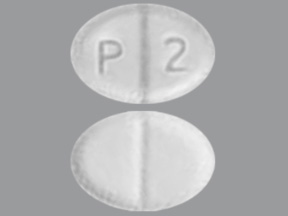 PRAMIPEXOLE 0.25 MG TABLET
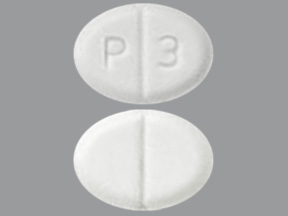 PRAMIPEXOLE 0.5 MG TABLET
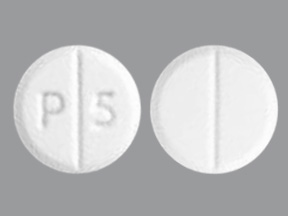 PRAMIPEXOLE 1 MG TABLET
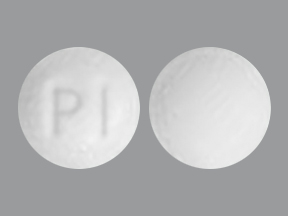 PRAMIPEXOLE 0.125 MG TABLET
The following indications for PRAMIPEXOLE DIHYDROCHLORIDE (pramipexole di-hcl) have been approved by the FDA:
Indications:
Idiopathic parkinsonism
Restless leg syndrome
Professional Synonyms:
Anxietas tibiarum
Ekbom syndrome
Paralysis agitans
Primary Parkinson's disease
Restless legs
Indications:
Idiopathic parkinsonism
Restless leg syndrome
Professional Synonyms:
Anxietas tibiarum
Ekbom syndrome
Paralysis agitans
Primary Parkinson's disease
Restless legs
The following dosing information is available for PRAMIPEXOLE DIHYDROCHLORIDE (pramipexole di-hcl):
Dosage of pramipexole dihydrochloride is expressed in terms of the monohydrated form of the salt.
Pramipexole therapy is initiated at a low dosage and titrated slowly based on response and tolerability. Increases in blood pressure and heart rate have been observed in healthy individuals when dosage was titrated more quickly (i.e., every 3 days) than recommended.
If pramipexole therapy is interrupted for a substantial period of time, retitration may be warranted.
Because dosage of pramipexole is titrated to clinical response, routine dosage adjustment based solely on age is not necessary in geriatric patients.
Pramipexole therapy is initiated at a low dosage and titrated slowly based on response and tolerability. Increases in blood pressure and heart rate have been observed in healthy individuals when dosage was titrated more quickly (i.e., every 3 days) than recommended.
If pramipexole therapy is interrupted for a substantial period of time, retitration may be warranted.
Because dosage of pramipexole is titrated to clinical response, routine dosage adjustment based solely on age is not necessary in geriatric patients.
Pramipexole dihydrochloride is administered orally as conventional (immediate-release) tablets or extended-release tablets; the extended-release tablets are FDA-labeled for use only in the treatment of parkinson disease. For the management of parkinson disease, pramipexole is administered as immediate-release tablets in 3 equally divided doses daily or as extended-release tablets given once daily. When used for the management of restless legs syndrome (RLS), pramipexole is administered as immediate-release tablets once daily 2-3 hours before bedtime.
Pramipexole extended-release tablets should be swallowed whole and should not be chewed, crushed, or divided. Administration of the immediate-release tablets with food decreases the rate, but not the extent, of absorption; time to peak concentration is delayed by about 1 hour. Administration of the extended-release tablets with food increases peak plasma concentrations by approximately 20% and delays time to peak concentration by approximately 2 hours, but does not affect the extent of exposure. Therefore, both the immediate-release and extended-release tablets may be administered without regard to meals; however, taking the drug with food may reduce the occurrence of nausea.
Pramipexole extended-release tablets should be swallowed whole and should not be chewed, crushed, or divided. Administration of the immediate-release tablets with food decreases the rate, but not the extent, of absorption; time to peak concentration is delayed by about 1 hour. Administration of the extended-release tablets with food increases peak plasma concentrations by approximately 20% and delays time to peak concentration by approximately 2 hours, but does not affect the extent of exposure. Therefore, both the immediate-release and extended-release tablets may be administered without regard to meals; however, taking the drug with food may reduce the occurrence of nausea.
| DRUG LABEL | DOSING TYPE | DOSING INSTRUCTIONS |
|---|---|---|
| PRAMIPEXOLE 0.125 MG TABLET | Maintenance | Adults take 1 tablet (0.125 mg) by oral route 3 times per day |
| PRAMIPEXOLE 0.25 MG TABLET | Maintenance | Adults take 1 tablet (0.25 mg) by oral route 3 times per day |
| PRAMIPEXOLE 0.5 MG TABLET | Maintenance | Adults take 1 tablet (0.5 mg) by oral route 3 times per day |
| PRAMIPEXOLE 0.75 MG TABLET | Maintenance | Adults take 1 tablet (0.75 mg) by oral route 3 times per day |
| PRAMIPEXOLE 1 MG TABLET | Maintenance | Adults take 1 tablet (1 mg) by oral route 3 times per day |
| PRAMIPEXOLE 1.5 MG TABLET | Maintenance | Adults take 1 tablet (1.5 mg) by oral route 3 times per day |
| DRUG LABEL | DOSING TYPE | DOSING INSTRUCTIONS |
|---|---|---|
| PRAMIPEXOLE 0.125 MG TABLET | Maintenance | Adults take 1 tablet (0.125 mg) by oral route 3 times per day |
| PRAMIPEXOLE 0.25 MG TABLET | Maintenance | Adults take 1 tablet (0.25 mg) by oral route 3 times per day |
| PRAMIPEXOLE 0.5 MG TABLET | Maintenance | Adults take 1 tablet (0.5 mg) by oral route 3 times per day |
| PRAMIPEXOLE 1 MG TABLET | Maintenance | Adults take 1 tablet (1 mg) by oral route 3 times per day |
| PRAMIPEXOLE 1.5 MG TABLET | Maintenance | Adults take 1 tablet (1.5 mg) by oral route 3 times per day |
| PRAMIPEXOLE 0.75 MG TABLET | Maintenance | Adults take 1 tablet (0.75 mg) by oral route 3 times per day |
The following drug interaction information is available for PRAMIPEXOLE DIHYDROCHLORIDE (pramipexole di-hcl):
There are 0 contraindications.
There are 3 severe interactions.
These drug interactions can produce serious consequences in most patients. Actions required for severe interactions include, but are not limited to, discontinuing one or both agents, adjusting dosage, altering administration scheduling, and providing additional patient monitoring. Review the full interaction monograph for more information.
| Drug Interaction | Drug Names |
|---|---|
| Selected Dopamine Agonists/Selected Antipsychotics SEVERITY LEVEL: 2-Severe Interaction: Action is required to reduce the risk of severe adverse interaction. MECHANISM OF ACTION: Selected dopamine agonists are used to treat neurologic conditions such as Parkinson Disease (PD)or restless legs syndrome, and endocrine disorders such as hyperprolactinemia by directly or indirectly increasing dopamine concentrations at D2 receptors in the central nervous system (CNS). Antipsychotic agents counteract this effect by blocking dopamine activity at CNS D2 receptors.(1-5) CLINICAL EFFECTS: The efficacy of either agent may be decreased, leading to exacerbation of the disease being treated. In patients with Parkinson disease motor symptoms may worsen, increasing the risk for falls, dysphagia or aspiration.(4,7) Compared with Parkinson patients not receiving antipsychotic therapy, Parkinson patients receiving antipsychotics appear to have an increased mortality risk.(6) Patients with other conditions such as restless legs syndrome or a psychotic disorder may also experience symptom exacerbation due to this combination. PREDISPOSING FACTORS: Patients with Parkinson or Diffuse Lewy Body (DLB) disease are particularly susceptible to adverse effects of dopamine blockade by antipsychotics. PATIENT MANAGEMENT: Reassess the need for antipsychotic therapy. If psychosis or hallucinations are due to an antiparkinson agent, when possible consider reducing the dose or changing the antiparkinson agent before initiating antipsychotic therapy. In patients with PD and dementia, addition of a cholinesterase inhibitor (e.g. rivastigmine) may improve psychosis. If an antipsychotic is required, then an atypical antipsychotic should be used.(6,7) In patients with major psychotic disorders, consider reducing the dose, changing or stopping the dopamine agonist. The US manufacturer of ropinirole recommends treatment with dopamine agonists only if potential benefits outweigh risks.(1) The US manufacturer of entacapone states it should not ordinarily be used in patients with major psychotic disorders as entacapone may lead to an exacerbation of psychosis.(4) DISCUSSION: An epidemiologic study evaluated 21,043 elderly patients with Parkinson disease to determine if recent initiation of a typical or atypical antipsychotic was associated with increased mortality. They found an adjusted odds ratio of 2.0 for death associated with atypical antipsychotics versus no antipsychotic They found an adjusted odds ratio of 2.4 for death associated with typical versus atypical antipsychotics. The authors noted the increased mortality found with typical antipsychotics supports current treatment recommendations to use atypical antipsychotic agents in patients with Parkinson disease.(6,7) |
ADASUVE, FLUPHENAZINE DECANOATE, FLUPHENAZINE HCL, LOXAPINE, LYBALVI, MOLINDONE HCL, OLANZAPINE, OLANZAPINE ODT, OLANZAPINE-FLUOXETINE HCL, PERPHENAZINE, PERPHENAZINE-AMITRIPTYLINE, THIOTHIXENE, TRIFLUOPERAZINE HCL, ZYPREXA, ZYPREXA RELPREVV, ZYPREXA ZYDIS |
| Selected Dopamine Agonists/Selected Antiemetics SEVERITY LEVEL: 2-Severe Interaction: Action is required to reduce the risk of severe adverse interaction. MECHANISM OF ACTION: Selected dopamine agonists are used to treat neurologic conditions such as Parkinson Disease (PD)or restless legs syndrome (RLS), and endocrine disorders such as hyperprolactinemia by directly or indirectly increasing dopamine concentrations at dopamine-2 (D2) receptors in the central nervous system (CNS). Antiemetic agents which block CNS D2 receptors may counteract this effect.(1-5) CLINICAL EFFECTS: The efficacy of the dopamine agonist may be decreased, leading to exacerbation of the disease being treated. In patients with Parkinson disease motor symptoms may worsen, increasing the risk for falls, dysphagia or aspiration.(5) Patients with other conditions such as restless legs syndrome may also experience symptom exacerbation due to this combination. PREDISPOSING FACTORS: Patients with Parkinson or Diffuse Lewy Body (DLB) disease are particularly susceptible to adverse effects of dopamine blockade. PATIENT MANAGEMENT: Reassess antiemetic therapy and use an antiemetic without dopamine (D2) blocking effects if possible. If clinically appropriate and available, consider the use of a 5HT3 blocker (e.g. ondansetron) or domperidone (not available in the US).(4) If concomitant treatment is needed, monitor for loss of efficacy for the disease being treated by the dopamine agonist (e.g. Parkinson disease, restless legs syndrome) and adjust medication(s) or dosage if needed.(1-4) Counsel patients to report symptoms of disease exacerbation. DISCUSSION: Patients with Parkinson or DLB disease are particularly susceptible to adverse effects of dopamine blockade. The European Academy of Neurology guideline for late Parkinson disease states that metoclopramide, cinnarizine and prochlorperazine must be avoided. Ondansetron or domperidone(not available in the US) may be used for nausea and vomiting.(5) Prescribing information for dopamine agonists warn of the risk for disease exacerbation when dopamine blocking agents are co-prescribed.(1-4) |
COMPAZINE, COMPRO, GIMOTI, METOCLOPRAMIDE HCL, PROCHLORPERAZINE, PROCHLORPERAZINE EDISYLATE, PROCHLORPERAZINE MALEATE, REGLAN |
| Selected Dopamine Agonists/Slt Antipsychotics SEVERITY LEVEL: 2-Severe Interaction: Action is required to reduce the risk of severe adverse interaction. MECHANISM OF ACTION: Selected dopamine agonists are used to treat neurologic conditions such as Parkinson Disease (PD) or restless legs syndrome, and endocrine disorders such as hyperprolactinemia by directly or indirectly increasing dopamine concentrations at D2 receptors in the central nervous system (CNS). Antipsychotic agents counteract this effect by blocking dopamine activity at CNS D2 receptors.(1-5) CLINICAL EFFECTS: The efficacy of either agent may be decreased, leading to exacerbation of the disease being treated. In patients with Parkinson disease motor symptoms may worsen, increasing the risk for falls, dysphagia or aspiration.(4,7) Compared with Parkinson patients not receiving antipsychotic therapy, Parkinson patients receiving antipsychotics appear to have an increased mortality risk.(6) Patients with other conditions such as restless legs syndrome or a psychotic disorder may also experience symptom exacerbation due to this combination. PREDISPOSING FACTORS: Patients with Parkinson or Diffuse Lewy Body (DLB) disease are particularly susceptible to adverse effects of dopamine blockade by antipsychotics. PATIENT MANAGEMENT: Reassess the need for antipsychotic therapy. If psychosis or hallucinations are due to an antiparkinson agent, when possible consider reducing the dose or changing the antiparkinson agent before initiating antipsychotic therapy. In patients with PD and dementia, addition of a cholinesterase inhibitor (e.g. rivastigmine) may improve psychosis. If an antipsychotic is required, then an atypical antipsychotic should be used.(6,7) In patients with major psychotic disorders, consider reducing the dose, changing or stopping the dopamine agonist. The US manufacturer of ropinirole recommends treatment with dopamine agonists only if potential benefits outweigh risks.(1) The US manufacturer of entacapone states it should not ordinarily be used in patients with major psychotic disorders as entacapone may lead to an exacerbation of psychosis.(4) DISCUSSION: An epidemiologic study evaluated 21,043 elderly patients with Parkinson disease to determine if recent initiation of a typical or atypical antipsychotic was associated with increased mortality. They found an adjusted odds ratio of 2.0 for death associated with atypical antipsychotics versus no antipsychotic They found an adjusted odds ratio of 2.4 for death associated with typical versus atypical antipsychotics. The authors noted the increased mortality found with typical antipsychotics supports current treatment recommendations to use atypical antipsychotic agents in patients with Parkinson disease.(6,7) |
BARHEMSYS, CHLORPROMAZINE HCL, DROPERIDOL, HALOPERIDOL, HALOPERIDOL DECANOATE, HALOPERIDOL LACTATE, PIMOZIDE, THIORIDAZINE HCL, THIORIDAZINE HYDROCHLORIDE |
There are 1 moderate interactions.
The clinician should assess the patient’s characteristics and take action as needed. Actions required for moderate interactions include, but are not limited to, discontinuing one or both agents, adjusting dosage, altering administration.
| Drug Interaction | Drug Names |
|---|---|
| Selected Dopamine Agonists/Select Atypical Antipsychotics SEVERITY LEVEL: 3-Moderate Interaction: Assess the risk to the patient and take action as needed. MECHANISM OF ACTION: Selected dopamine agonists are used to treat neurologic conditions such as Parkinson Disease (PD) or restless legs syndrome, and endocrine disorders such as hyperprolactinemia by directly or indirectly increasing dopamine concentrations at D2 receptors in the central nervous system (CNS). Antipsychotic agents counteract this effect by blocking dopamine activity at CNS D2 receptors.(1-5) CLINICAL EFFECTS: The efficacy of either agent may be decreased, leading to exacerbation of the disease being treated, e.g. Parkinson disease or a psychotic disorder. Dopamine agonists linked to this monograph are: bromocriptine, entacapone, levodopa, pergolide, pramipexole, ropinirole and rotigotine. Atypical antipsychotics linked to this monograph are: aripiprazole, asenapine, iloperidone, lumateperone, lurasidone, paliperidone, quetiapine, risperidone, ziprasidone and zotepine. PREDISPOSING FACTORS: Patients with Parkinson or Diffuse Lewy Body (DLB) disease are particularly susceptible to adverse effects of dopamine blockade by antipsychotics. PATIENT MANAGEMENT: Reassess the need for antipsychotic therapy. If psychosis or hallucinations are due to an antiparkinson agent, when possible consider reducing the dose or changing the antiparkinson agent before initiating antipsychotic therapy. In patients with PD and dementia, addition of a cholinesterase inhibitor (e.g. rivastigmine) may improve psychosis. If an antipsychotic is required, then an atypical antipsychotic should be used.(6,7) In patients with major psychotic disorders, consider reducing the dose, changing, or stopping the dopamine agonist. The US manufacturer of ropinirole recommends treatment with dopamine agonists only if potential benefits outweigh risks.(1) The US manufacturer of entacapone states it should not ordinarily be used in patients with major psychotic disorders as entacapone may lead to an exacerbation of psychosis.(4) DISCUSSION: An epidemiologic study evaluated 21,043 elderly patients with Parkinson disease to determine if recent initiation of a typical or atypical antipsychotic was associated with increased mortality. They found an adjusted odds ratio of 2.0 for death associated with atypical antipsychotics versus no antipsychotic. They found an adjusted odds ratio of 2.4 for death associated with typical versus atypical antipsychotics. The authors noted the increased mortality found with typical antipsychotics supports current treatment recommendations to use atypical antipsychotic agents in patients with Parkinson disease.(6,7) Two clozapine trials showed significant improvement in psychosis without worsening of motor symptoms. In contrast, two olanzapine trials were associated with unacceptable worsening of motor symptoms. Risperidone has also been associated with motor worsening in case reports. Quetiapine evaluations have been conflicting with several small studies showing improvement in psychotic symptoms while a more rigorous trial showed no improvement.(6) |
ABILIFY, ABILIFY ASIMTUFII, ABILIFY MAINTENA, ARIPIPRAZOLE, ARIPIPRAZOLE ODT, ARISTADA, ARISTADA INITIO, ASENAPINE MALEATE, CAPLYTA, ERZOFRI, FANAPT, GEODON, INVEGA, INVEGA HAFYERA, INVEGA SUSTENNA, INVEGA TRINZA, LATUDA, LURASIDONE HCL, OPIPZA, PALIPERIDONE ER, PERSERIS, QUETIAPINE FUMARATE, QUETIAPINE FUMARATE ER, REXULTI, RISPERDAL, RISPERDAL CONSTA, RISPERIDONE, RISPERIDONE ER, RISPERIDONE ODT, RYKINDO, SAPHRIS, SECUADO, SEROQUEL, SEROQUEL XR, UZEDY, VRAYLAR, ZIPRASIDONE HCL, ZIPRASIDONE MESYLATE |
The following contraindication information is available for PRAMIPEXOLE DIHYDROCHLORIDE (pramipexole di-hcl):
Drug contraindication overview.
There are no contraindications to the use of pramipexole.
There are no contraindications to the use of pramipexole.
There are 0 contraindications.
There are 7 severe contraindications.
Adequate patient monitoring is recommended for safer drug use.
| Severe List |
|---|
| Chronic kidney disease stage 3A (moderate) GFR 45-59 ml/min |
| Chronic kidney disease stage 3B (moderate) GFR 30-44 ml/min |
| Chronic kidney disease stage 4 (severe) GFR 15-29 ml/min |
| Hallucinations |
| Narcolepsy syndrome |
| Rhabdomyolysis |
| Symptomatic orthostatic hypotension |
There are 5 moderate contraindications.
Clinically significant contraindication, where the condition can be managed or treated before the drug may be given safely.
| Moderate List |
|---|
| Drowsy |
| Dyskinesia |
| Impulse control disorder |
| Kidney disease with likely reduction in glomerular filtration rate (GFr) |
| Restless leg syndrome |
The following adverse reaction information is available for PRAMIPEXOLE DIHYDROCHLORIDE (pramipexole di-hcl):
Adverse reaction overview.
Common adverse effects in patients with early parkinson disease (who are not receiving concomitant levodopa) include nausea, dizziness, somnolence, insomnia, asthenia, fatigue, muscle spasms, dry mouth, constipation, hallucinations, general edema, and peripheral edema. Common adverse effects in patients with advanced parkinson disease (who are receiving concomitant levodopa) include postural hypotension, dyskinesia, extrapyramidal syndrome, insomnia, dizziness, hallucinations, accidental injury, headache, dream abnormalities, confusion, asthenia, nausea, anorexia, constipation, somnolence, dystonia, dry mouth, gait abnormalities, hypertonia, amnesia, and urinary frequency. Common adverse effects in patients with RLS include nausea, headache, fatigue, insomnia, somnolence, abnormal dreams, diarrhea, nasal congestion, influenza, and pain in extremity.
Common adverse effects in patients with early parkinson disease (who are not receiving concomitant levodopa) include nausea, dizziness, somnolence, insomnia, asthenia, fatigue, muscle spasms, dry mouth, constipation, hallucinations, general edema, and peripheral edema. Common adverse effects in patients with advanced parkinson disease (who are receiving concomitant levodopa) include postural hypotension, dyskinesia, extrapyramidal syndrome, insomnia, dizziness, hallucinations, accidental injury, headache, dream abnormalities, confusion, asthenia, nausea, anorexia, constipation, somnolence, dystonia, dry mouth, gait abnormalities, hypertonia, amnesia, and urinary frequency. Common adverse effects in patients with RLS include nausea, headache, fatigue, insomnia, somnolence, abnormal dreams, diarrhea, nasal congestion, influenza, and pain in extremity.
There are 36 severe adverse reactions.
| More Frequent | Less Frequent |
|---|---|
|
Dyskinesia Extrapyramidal disease General weakness Hallucinations Nausea Orthostatic hypotension |
Accommodation disorder Acute cognitive impairment Akathisia Chest pain Fever Insomnia Memory impairment Muscle weakness Myalgia Myoclonus Paranoid disorder Pneumonia |
| Rare/Very Rare |
|---|
|
Altered mental status Delusional disorder Drug-induced psychosis Dyspnea Fibrotic drug-induced cardiac valvulopathy Heart failure Manic disorder Neuroleptic malignant syndrome Pericarditis Pleural effusions Postural deformity Priapism Pulmonary fibrosis Pulmonary infiltrates Retroperitoneal fibrosis Rhabdomyolysis SIADH syndrome Sudden onset of sleep |
There are 45 less severe adverse reactions.
| More Frequent | Less Frequent |
|---|---|
|
Anorexia Constipation Dizziness Dream disorder Drowsy Fatigue Gait abnormality Headache disorder Increased urinary frequency Muscle spasm Peripheral edema Xerostomia |
Acquired dystonia Arthralgia Bursitis Diplopia Dysphagia Edema Erectile dysfunction Hypertension Hypertonia Hypoesthesia Libido changes Malaise Rhinitis Skin rash Vertigo Visual changes Weight loss |
| Rare/Very Rare |
|---|
|
Aggressive behavior Agitation Anticholinergic toxicity Behavioral disorders Delirium Erythema Hyperhidrosis Impulse control disorder Pruritus of skin Spontaneous penile erection Syncope Urinary incontinence Urinary tract infection Urticaria Vomiting Weight gain |
The following precautions are available for PRAMIPEXOLE DIHYDROCHLORIDE (pramipexole di-hcl):
Safety and efficacy of pramipexole in pediatric patients have not been established.
Contraindicated
Severe Precaution
Management or Monitoring Precaution
Contraindicated
| None |
Severe Precaution
| None |
Management or Monitoring Precaution
| None |
There are no adequate data on the developmental risks associated with the use of pramipexole in pregnant women; the teratogenic potential of the drug has not been completely established in animal studies. No adverse developmental effects were observed in studies conducted in rabbits; although increased embryolethality was observed in rat studies, this was thought to result from a species-specific effect of pramipexole on prolactin. In rats, inhibition of postnatal growth was observed at pramipexole dose exposures similar to those in humans.
It is not known whether pramipexole is distributed into human milk; the drug is distributed into milk in rats. The effects of pramipexole on the breast-fed infant or on milk production are not known. The known benefits of breast-feeding should be considered along with the mother's clinical need for pramipexole and any potential adverse effects on the breast-fed infant from the drug or underlying maternal condition. Because pramipexole inhibits prolactin secretion, the drug is expected to inhibit lactation.
Due to age-related changes in renal function, clearance of pramipexole is reduced (by about 30%) and elimination half-life is increased (from approximately 8.5 to 12 hours) in geriatric patients older than 65 years of age compared with younger adults. Geriatric patients with parkinson disease may be at increased risk of hallucinations; no other apparent differences in safety or efficacy have been observed between geriatric patients and younger adults.
The following prioritized warning is available for PRAMIPEXOLE DIHYDROCHLORIDE (pramipexole di-hcl):
No warning message for this drug.
No warning message for this drug.
The following icd codes are available for PRAMIPEXOLE DIHYDROCHLORIDE (pramipexole di-hcl)'s list of indications:
| Idiopathic parkinsonism | |
| G20 | Parkinson's disease |
| G20.A | Parkinson's disease without dyskinesia |
| G20.A1 | Parkinson's disease without dyskinesia, without mention of fluctuations |
| G20.A2 | Parkinson's disease without dyskinesia, with fluctuations |
| G20.B | Parkinson's disease with dyskinesia |
| G20.B1 | Parkinson's disease with dyskinesia, without mention of fluctuations |
| G20.B2 | Parkinson's disease with dyskinesia, with fluctuations |
| G20.C | Parkinsonism, unspecified |
| Restless leg syndrome | |
| G25.81 | Restless legs syndrome |
Formulary Reference Tool