Please wait while the formulary information is being retrieved.
Drug overview for TIVICAY (dolutegravir sodium):
Generic name: DOLUTEGRAVIR SODIUM (DOE-loo-TEG-ra-vir)
Drug class: Antiviral-HIV-1 Integrase Strand Transfer Inhibitors
Therapeutic class: Anti-Infective Agents
Dolutegravir sodium, an antiretroviral agent, is a human immunodeficiency virus (HIV) integrase strand transfer inhibitor (INSTI).
No enhanced Uses information available for this drug.
Generic name: DOLUTEGRAVIR SODIUM (DOE-loo-TEG-ra-vir)
Drug class: Antiviral-HIV-1 Integrase Strand Transfer Inhibitors
Therapeutic class: Anti-Infective Agents
Dolutegravir sodium, an antiretroviral agent, is a human immunodeficiency virus (HIV) integrase strand transfer inhibitor (INSTI).
No enhanced Uses information available for this drug.
DRUG IMAGES
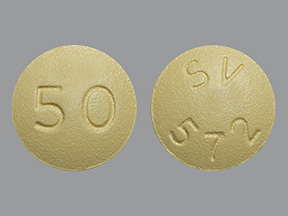 TIVICAY 50 MG TABLET
The following indications for TIVICAY (dolutegravir sodium) have been approved by the FDA:
Indications:
HIV infection
Professional Synonyms:
Human immunodeficiency virus disease
Human immunodeficiency virus infection
Indications:
HIV infection
Professional Synonyms:
Human immunodeficiency virus disease
Human immunodeficiency virus infection
The following dosing information is available for TIVICAY (dolutegravir sodium):
Dolutegravir conventional tablets and tablets for oral suspension contain dolutegravir sodium; dosage is expressed in terms of dolutegravir.
Dolutegravir tablets and dolutegravir tablets for oral suspension are not bioequivalent and are not interchangeable on a mg-per-mg basis. The relative bioavailability of dolutegravir tablets for oral suspension is approximately 1.6-fold higher than that of dolutegravir conventional tablets.
If a patient is switched from one tablet formulation to the other, adjust the dosage to that recommended for the specific formulation now being used.
Dosage is based on weight. The tablets for oral suspension are labeled for pediatric patients >=4 weeks of age weighing >=3 kg; conventional tablets are labeled for use in pediatric patients >=4 weeks of age weighing >=14 kg.
Dolutegravir tablets and dolutegravir tablets for oral suspension are not bioequivalent and are not interchangeable on a mg-per-mg basis. The relative bioavailability of dolutegravir tablets for oral suspension is approximately 1.6-fold higher than that of dolutegravir conventional tablets.
If a patient is switched from one tablet formulation to the other, adjust the dosage to that recommended for the specific formulation now being used.
Dosage is based on weight. The tablets for oral suspension are labeled for pediatric patients >=4 weeks of age weighing >=3 kg; conventional tablets are labeled for use in pediatric patients >=4 weeks of age weighing >=14 kg.
Single-entity dolutegravir is commercially available as conventional tablets (Tivicay(R)) and as tablets for oral suspension (Tivicay(R) PD). The single-entity tablets and tablets for oral suspension must be used in conjunction with other antiretrovirals. Administer dolutegravir sodium orally once or twice daily without regard to food.
Do not chew, cut, or crush the tablets for oral suspension. Dolutegravir tablets for oral suspension may be either swallowed whole (1 tablet at time if more than a single tablet is required for the dose, to reduce the risk of choking), or dispersed in drinking water to provide an oral suspension. To prepare an oral suspension, add the indicated number of 5-mg tablets for oral suspension to the appropriate volume of clean drinking water in the plastic cup provided by the manufacturer.
To prepare a 5- or 15-mg dose of dolutegravir, place 5 mL of drinking water into the cup and add 1 or 3 tablets for oral suspension, respectively, to the water. To prepare a 20-, 25-, or 30-mg dose, place 10 mL of drinking water into the cup and add 4, 5, or 6 tablets for oral suspension, respectively, to the water. Gently swirl the cup for 1-2 minutes until there are no remaining lumps.
After full dispersion, administer the oral suspension within 30 minutes of mixing For infants who cannot drink from the plastic cup, administer the oral suspension using the oral syringe provided by the manufacturer. To ensure that the child receives the full dose, place an additional 5 mL of drinking water into the cup, swirl the cup, and administer to the child directly from the cup or using the oral syringe. For more specific instructions on preparation and administration of dolutegravir oral suspension, consult the manufacturer's instructions for use and labeling.
Store the conventional tablets at controlled room temperature of 25degreesC (excursions permitted to 15-30oC). Store the tablets for oral suspension below 30degreesC. Store and dispense in the original bottle, protect from moisture, and keep the bottle tightly closed; do not remove the desiccant.
Do not chew, cut, or crush the tablets for oral suspension. Dolutegravir tablets for oral suspension may be either swallowed whole (1 tablet at time if more than a single tablet is required for the dose, to reduce the risk of choking), or dispersed in drinking water to provide an oral suspension. To prepare an oral suspension, add the indicated number of 5-mg tablets for oral suspension to the appropriate volume of clean drinking water in the plastic cup provided by the manufacturer.
To prepare a 5- or 15-mg dose of dolutegravir, place 5 mL of drinking water into the cup and add 1 or 3 tablets for oral suspension, respectively, to the water. To prepare a 20-, 25-, or 30-mg dose, place 10 mL of drinking water into the cup and add 4, 5, or 6 tablets for oral suspension, respectively, to the water. Gently swirl the cup for 1-2 minutes until there are no remaining lumps.
After full dispersion, administer the oral suspension within 30 minutes of mixing For infants who cannot drink from the plastic cup, administer the oral suspension using the oral syringe provided by the manufacturer. To ensure that the child receives the full dose, place an additional 5 mL of drinking water into the cup, swirl the cup, and administer to the child directly from the cup or using the oral syringe. For more specific instructions on preparation and administration of dolutegravir oral suspension, consult the manufacturer's instructions for use and labeling.
Store the conventional tablets at controlled room temperature of 25degreesC (excursions permitted to 15-30oC). Store the tablets for oral suspension below 30degreesC. Store and dispense in the original bottle, protect from moisture, and keep the bottle tightly closed; do not remove the desiccant.
| DRUG LABEL | DOSING TYPE | DOSING INSTRUCTIONS |
|---|---|---|
| TIVICAY 50 MG TABLET | Maintenance | Adults take 1 tablet (50 mg) by oral route once daily |
No generic dosing information available.
The following drug interaction information is available for TIVICAY (dolutegravir sodium):
There are 5 contraindications.
These drug combinations generally should not be dispensed or administered to the same patient. A manufacturer label warning that indicates the contraindication warrants inclusion of a drug combination in this category, regardless of clinical evidence or lack of clinical evidence to support the contraindication.
| Drug Interaction | Drug Names |
|---|---|
| Dofetilide/Dolutegravir SEVERITY LEVEL: 1-Contraindicated Drug Combination: This drug combination is contraindicated and generally should not be dispensed or administered to the same patient. MECHANISM OF ACTION: Dolutegravir may inhibit the elimination of dofetilide by the renal organic cation transporter (OCT2).(1) CLINICAL EFFECTS: Concurrent use of dolutegravir may result in elevated levels of dofetilide.(1) Dofetilide has been shown to prolong the QTc interval in a dose-dependent fashion. Concurrent use with other agents that prolong the QTc interval may result in additive effects on the QTc interval which may result in potentially life-threatening cardiac arrhythmias, including torsades de pointes(TdP).(2) PREDISPOSING FACTORS: Renal impairment may increase risk for excessive QTc prolongation as dofetilide is primarily renally eliminated. To prevent increased serum levels and risk for ventricular arrhythmias, dofetilide must be dose adjusted for creatinine clearance < or = to 60 mL/min.(1) The risk of QT prolongation or torsades de pointes may be increased in patients with cardiovascular disease (e.g. heart failure, myocardial infarction, history of torsades de pointes, congenital long QT syndrome), hypokalemia, hypomagnesemia, hypocalcemia, bradycardia, female gender, or advanced age.(3) Concurrent use of more than one drug known to cause QT prolongation or higher systemic concentrations of either QT prolonging drug are additional risk factors for torsades de pointes. Factors which may increase systemic drug concentrations include rapid infusion of an intravenous dose or impaired metabolism or elimination of the drug (e.g. coadministration with an agent which inhibits its metabolism or elimination, genetic impairment in drug metabolism or elimination, and/or renal/hepatic dysfunction).(3) PATIENT MANAGEMENT: Concurrent use of dofetilide and dolutegravir is contraindicated. If dofetilide is to be discontinued, a washout of at least 2 days is recommended prior to starting dolutegravir.(1,2) If concurrent therapy is deemed medically necessary, obtain serum calcium, magnesium, and potassium levels and monitor ECG at baseline and at regular intervals. Correct any electrolyte abnormalities. Instruct patients to report any irregular heartbeat, dizziness, or fainting. DISCUSSION: Dolutegravir has been shown to inhibit OCT2 in vitro and in vivo and is expected to inhibit the excretion of dofetilide.(1) |
DOFETILIDE, TIKOSYN |
| Betibeglogene Autotemcel/Anti-Retrovirals; Hydroxyurea SEVERITY LEVEL: 1-Contraindicated Drug Combination: This drug combination is contraindicated and generally should not be dispensed or administered to the same patient. MECHANISM OF ACTION: Betibeglogene autotemcel is prepared from apheresed cells that are transduced with a replication defective, self-inactivating lentiviral vector. Antiretrovirals may interfere with the manufacturing of apheresed cells. Hydroxyurea may interfere with hematopoietic stem cell (HSC) mobilization of CD34+ cells.(1) CLINICAL EFFECTS: Use of hydroxyurea before mobilization may result in unsuccessful stem cell mobilization. Use of antiretrovirals before mobilization and apheresis may interfere with the production of betibeglogene autotemcel. PREDISPOSING FACTORS: None determined. PATIENT MANAGEMENT: Discontinue antiretrovirals and hydroxyurea for at least one month prior to mobilization and until all cycles of apheresis are completed. If a patient requires antiretrovirals for HIV prophylaxis, then confirm a negative HIV test before beginning mobilization and apheresis of CD34+ cells. DISCUSSION: Antiretroviral medications and hydroxyurea may interfere with the manufacturing of betibeglogene autotemcel therapy.(1) |
ZYNTEGLO |
| Elivaldogene Autotemcel/Anti-Retrovirals SEVERITY LEVEL: 1-Contraindicated Drug Combination: This drug combination is contraindicated and generally should not be dispensed or administered to the same patient. MECHANISM OF ACTION: Elivaldogene autotemcel is prepared from apheresed cells that are transduced with a replication defective, self-inactivating lentiviral vector. Antiretrovirals may interfere with the manufacturing of apheresed cells. CLINICAL EFFECTS: Use of antiretrovirals before mobilization and apheresis may interfere with the production of elivaldogene autotemcel. PREDISPOSING FACTORS: None determined. PATIENT MANAGEMENT: Discontinue antiretrovirals for at least one month prior to mobilization and until all cycles of apheresis are completed. If a patient requires antiretrovirals for HIV prophylaxis, then confirm a negative HIV test before beginning mobilization and apheresis of CD34+ cells. DISCUSSION: Antiretroviral medications may interfere with the manufacturing of elivaldogene autotemcel therapy.(1) |
SKYSONA |
| Lovotibeglogene Autotemcel/Anti-Retrovirals SEVERITY LEVEL: 1-Contraindicated Drug Combination: This drug combination is contraindicated and generally should not be dispensed or administered to the same patient. MECHANISM OF ACTION: Lovotibeglogene autotemcel is prepared from apheresed cells that are transduced with a replication defective, self-inactivating lentiviral vector. Antiretrovirals may interfere with the manufacturing of apheresed cells. CLINICAL EFFECTS: Use of antiretrovirals before mobilization and apheresis may interfere with the production of lovotibeglogene autotemcel.(1) PREDISPOSING FACTORS: None determined. PATIENT MANAGEMENT: Discontinue antiretrovirals for at least one month prior to mobilization and until all cycles of apheresis are completed.(1) There are some long-acting antiretroviral medications that may require a longer duration of discontinuation for elimination of the medication. If a patient is taking anti-retrovirals for HIV prophylaxis, confirm a negative test for HIV before beginning mobilization and apheresis of CD34+ cells.(1) DISCUSSION: Antiretroviral medications may interfere with the manufacturing of lovotibeglogene autotemcel therapy.(1) |
LYFGENIA |
| Atidarsagene Autotemcel/Anti-Retrovirals SEVERITY LEVEL: 1-Contraindicated Drug Combination: This drug combination is contraindicated and generally should not be dispensed or administered to the same patient. MECHANISM OF ACTION: Atidarsagene autotemcel is prepared from apheresed cells that are transduced with a replication defective, self-inactivating lentiviral vector. Antiretrovirals may interfere with the manufacturing of apheresed cells. CLINICAL EFFECTS: Use of antiretrovirals before mobilization and apheresis may interfere with the production of atidarsagene autotemcel. PREDISPOSING FACTORS: None determined. PATIENT MANAGEMENT: Discontinue antiretrovirals for at least one month prior to mobilization (or the expected duration of time needed for elimination of the medication) until all cycles of apheresis are completed. If a patient requires antiretrovirals for HIV prophylaxis, then confirm a negative HIV test before beginning mobilization and apheresis of CD34+ cells. DISCUSSION: Antiretroviral medications may interfere with the manufacturing of atidarsagene autotemcel therapy.(1) |
LENMELDY |
There are 3 severe interactions.
These drug interactions can produce serious consequences in most patients. Actions required for severe interactions include, but are not limited to, discontinuing one or both agents, adjusting dosage, altering administration scheduling, and providing additional patient monitoring. Review the full interaction monograph for more information.
| Drug Interaction | Drug Names |
|---|---|
| Dolutegravir/Etravirine; Efavirenz; Nevirapine SEVERITY LEVEL: 2-Severe Interaction: Action is required to reduce the risk of severe adverse interaction. MECHANISM OF ACTION: Etravirine, efavirenz, and nevirapine may induce the metabolism of dolutegravir via CYP3A4.(1,2) Efavirenz and etravirine may also induce dolutegravir metabolism via UGT enzymes. CLINICAL EFFECTS: Concurrent use of etravirine, efavirenz, or nevirapine and dolutegravir may result in decreased levels of and clinical effectiveness of dolutegravir.(1,2) PREDISPOSING FACTORS: None determined. PATIENT MANAGEMENT: The US manufacturer of dolutegravir states that dolutegravir should not be used with etravirine without atazanavir/ritonavir (ATVr), darunavir/ritonavir (DRVr), or lopinavir/ritonavir (LPVr).(1) The Canadian(3) and UK(4) manufacturers of dolutegravir state that INSTI-naive patients may use etravirine concurrently with dolutegravir at an increased dose of 50 mg twice daily. In pediatric patients, the weight-based once daily dose should be given twice daily. No dose adjustment for dolutegravir is needed when used with etravirine along with concurrent ATVr, DRVr, or LPVr.(1,3-5) When used with efavirenz in patients without INSTI resistance, the dosage of dolutegravir should be 50 mg twice daily.(1,2) When using the combination abacavir-dolutegravir-lamivudine product, an additional 50 mg dolutegravir table should be taken 12 hours apart from the combination product.(2) Alternative combinations that do not induce metabolic inducers should be considered when possible for patients with certain INSTI-associated resistance or clinically suspected INSTI resistance. In pediatric patients, increase the weight-based dose to twice daily. Refer to the current labeling for the specific dosing recommendation.(1) Although the US(1) and Canadian(3) manufacturers of dolutegravir recommend avoiding concurrent use of nevirapine, the US Department of Health and Human Services HIV guidelines recommend standard doses of dolutegravir when administered concurrently with nevirapine.(5) The UK manufacturer of dolutegravir recommends increasing the dose of dolutegravir to 50 mg twice daily when used concurrently with nevirapine.(4) DISCUSSION: In a study in 12 subjects, the administration of efavirenz with dolutegravir (50 mg daily) decreased the maximum concentration (Cmax), area-under-curve (AUC), and minimum concentration (Cmin) of dolutegravir by 39%, 57%, and 75%, respectively.(1) In a study in 16 subjects, the administration of etravirine with dolutegravir (50 mg daily) decreased the Cmax, AUC, and Cmin of dolutegravir by 52%, 71%, and 88%, respectively.(1) In a study in 9 subjects, the administration of etravirine and darunavir/ritonavir (200 mg and 600/100 mg BID) with dolutegravir (50 mg daily) decreased the Cmax, AUC, and Cmin of dolutegravir by 12%, 25%, and 37%, respectively.(1) In a study in 8 subjects, the administration of efavirenz and lopinavir/ritonavir (200 mg and 400/100 mg BID) with dolutegravir (50 mg daily) increased the Cmax, AUC, and Cmin of dolutegravir by 7%, 11%, and 28%, respectively.(1) |
EFAVIRENZ, EFAVIRENZ-EMTRIC-TENOFOV DISOP, EFAVIRENZ-LAMIVU-TENOFOV DISOP, ETRAVIRINE, INTELENCE, NEVIRAPINE, NEVIRAPINE ER, SYMFI |
| Dolutegravir/Selected UGT1A & CYP3A4 Inducers SEVERITY LEVEL: 2-Severe Interaction: Action is required to reduce the risk of severe adverse interaction. MECHANISM OF ACTION: Dolutegravir is metabolized by UGT1A1 and to a smaller extent by CYP3A4. Inducers of UGT1A1 and CYP3A4 may induce the metabolism of dolutegravir.(1-6) CLINICAL EFFECTS: Concurrent use of UGT1A1 and CYP3A4 inducers may result in decreased levels of and clinical effectiveness of dolutegravir.(1-6) PREDISPOSING FACTORS: Induction effects may be more likely with regular use of the inducer for longer than 1-2 weeks. PATIENT MANAGEMENT: When used with carbamazepine, fosamprenavir/ritonavir, rifampin, or tipranavir/ritonavir, the dosage of dolutegravir should be 50 mg twice daily. When using the combination abacavir-dolutegravir-lamivudine or dolutegravir-lamivudine product, an additional 50 mg dolutegravir table should be taken 12 hours apart from the combination product. In pediatric patients, increase the weight-based dose to twice daily. Refer to the current labeling for the specific dosing recommendation. Alternative combinations that do not induce metabolic inducers should be considered when possible for INSTI-experience patients with certain INSTI-associated resistance substitutions or clinically suspected INSTI resistance.(1,4-6) Recommendations for other UGT1A1 and CYP3A4 inducers differ by region. The US manufacturer of dolutegravir states that concurrent use should be avoided due to insufficient data to make dosing recommendations for concomitant use.(1,4) The Canadian and UK manufacturers of dolutegravir state that the dosage of dolutegravir should be 50 mg twice daily when used concurrently with other UGT1A1 and CYP3A4 inducers. When using the combination abacavir-dolutegravir-lamivudine product, an additional 50 mg dolutegravir table should be taken 12 hours apart from the combination product. In pediatric patients, increase the weight-based dose to twice daily. Refer to the current labeling for the specific dosing recommendation. Alternative combinations that do not induce metabolic inducers should be considered when possible for patients with certain INSTI-associated resistance substitutions or clinically suspected INSTI resistance.(5,6) DISCUSSION: In a study in 12 subjects, the administration of fosamprenavir/ritonavir (700/100 mg BID) with dolutegravir (50 mg daily) decreased the maximum concentration (Cmax), area-under-curve (AUC), and minimum concentration (Cmin) of dolutegravir by 24%, 35%, and 49%, respectively.(1) In a study in 11 subjects, the administration of rifampin (600 mg daily) with dolutegravir (50 mg BID) decreased the Cmax, AUC, and Cmin of dolutegravir by 43%, 54%, and 32%, respectively, when compared to the administration of dolutegravir (50 mg BID) alone.(1) In a study in 11 subjects, the administration of rifampin (600 mg daily) with dolutegravir (50 mg BID) increased the Cmax, AUC, and Cmin of dolutegravir by 18%, 33%, and 22%, respectively, when compared to the administration of dolutegravir (50 mg daily) alone.(1) In a study in 14 subjects, the administration of tipranavir/ritonavir (500/200 mg BID) with dolutegravir (50 mg daily) decreased the Cmax, AUC, and Cmin of dolutegravir by 46%, 59%, and 76%, respectively.(1) In a study in 16 subjects, the administration of carbamazepine (300 mg twice daily) with dolutegravir (50 mg daily) decreased the Cmax, AUC, and Cmin of dolutegravir by 33%, 49%, and 73%, respectively. (1) UGT1A1 and CYP3A4 inducers linked to this monograph include: apalutamide, barbiturates, carbamazepine, encorafenib, enzalutamide, fosamprenavir/ritonavir, fosphenytoin, ivosidenib, lorlatinib, lumacaftor, mitotane, oxcarbazepine, phenobarbital, phenytoin, primidone, rifampin, rifapentine, and tipranavir/ritonavir.(1,7) |
APTIVUS, ASA-BUTALB-CAFFEINE-CODEINE, ASCOMP WITH CODEINE, BRAFTOVI, BUTALB-ACETAMINOPH-CAFF-CODEIN, BUTALBITAL, BUTALBITAL-ACETAMINOPHEN, BUTALBITAL-ACETAMINOPHEN-CAFFE, BUTALBITAL-ASPIRIN-CAFFEINE, CARBAMAZEPINE, CARBAMAZEPINE ER, CARBATROL, CEREBYX, DILANTIN, DILANTIN-125, DONNATAL, EQUETRO, ERLEADA, FIORICET, FOSAMPRENAVIR CALCIUM, FOSPHENYTOIN SODIUM, LORBRENA, LYSODREN, MITOTANE, MYSOLINE, ORKAMBI, OXCARBAZEPINE, OXCARBAZEPINE ER, OXTELLAR XR, PENTOBARBITAL SODIUM, PHENOBARBITAL, PHENOBARBITAL SODIUM, PHENOBARBITAL-BELLADONNA, PHENOBARBITAL-HYOSC-ATROP-SCOP, PHENOHYTRO, PHENYTEK, PHENYTOIN, PHENYTOIN SODIUM, PHENYTOIN SODIUM EXTENDED, PRIFTIN, PRIMIDONE, RIFADIN, RIFAMPIN, SEZABY, TEGRETOL, TEGRETOL XR, TENCON, TIBSOVO, TRILEPTAL, XTANDI |
| Dalfampridine/Cimetidine; Dolutegravir SEVERITY LEVEL: 2-Severe Interaction: Action is required to reduce the risk of severe adverse interaction. MECHANISM OF ACTION: Cimetidine and dolutegravir inhibit the organic cation transporter 2 (OCT2). Dalfampridine is eliminated mainly via the kidneys with active renal secretion by OCT2.(1-3) CLINICAL EFFECTS: The concurrent administration of dalfampridine with an inhibitor of OCT2 may result in elevated levels of dalfampridine and signs of toxicity. Elevated levels of dalfampridine may increase the risk of seizures.(1,2) PREDISPOSING FACTORS: Renal impairment. PATIENT MANAGEMENT: The US manufacturer of dalfampridine states that the potential benefits of taking OCT2 inhibitors concurrently with dalfampridine should be considered against the risk of seizures. If concurrent use is warranted, carefully monitor patients for adverse effects. Permanently discontinue dalfampridine in patients who have a seizure while on treatment.(1) The UK and Canadian manufacturers of dalfampridine states that concurrent use of dalfampridine and OCT2 inhibitors is contraindicated.(4,5) DISCUSSION: In a single dose clinical study in 23 healthy volunteers, the combined use of cimetidine (400 mg every 6 hours) increased the area-under-curve (AUC) of cimetidine approximately 25% due to a reduction in the clearance of dalfampridine.(1) |
4-AMINOPYRIDINE, AMPYRA, DALFAMPRIDINE, DALFAMPRIDINE ER |
There are 7 moderate interactions.
The clinician should assess the patient’s characteristics and take action as needed. Actions required for moderate interactions include, but are not limited to, discontinuing one or both agents, adjusting dosage, altering administration.
| Drug Interaction | Drug Names |
|---|---|
| Dolutegravir/Selected Oral Cations SEVERITY LEVEL: 3-Moderate Interaction: Assess the risk to the patient and take action as needed. MECHANISM OF ACTION: Aluminum, calcium, iron, lanthanum, magnesium, sucralfate, and zinc may form chelation compounds with dolutegravir.(1) CLINICAL EFFECTS: Simultaneous administration or administration of products containing aluminum, calcium, iron, lanthanum, magnesium, and/or sucralfate close to the administration time of dolutegravir may result in decreased absorption and clinical effectiveness of dolutegravir.(1) PREDISPOSING FACTORS: None determined. PATIENT MANAGEMENT: If possible, avoid concurrent therapy with dolutegravir and cation-containing products. If it is necessary to use these agents concurrently, dolutegravir should be administered 2 hours before or 6 hours after taking these medications.(1) Alternatively, dolutegravir and supplements containing calcium or iron can be taken together with food.(1) DISCUSSION: In a study in 16 subjects, the administration of an antacid (Maalox - aluminum and magnesium hydroxide) simultaneously with dolutegravir (50 mg single dose) decreased the maximum concentration (Cmax), area-under-curve (AUC), and minimum concentration (Cmin) of dolutegravir by 72%, 74%, and 74%, respectively.(1) In a study in 16 subjects, the administration of an antacid (Maalox - aluminum and magnesium hydroxide) 2 hours after dolutegravir (50 mg single dose) decreased dolutegravir Cmax, AUC, and Cmin by 18%, 26%, and 30%, respectively.(1) In a study in 16 subjects, the administration of a multiple vitamin (One-A-Day) simultaneously with dolutegravir (50 mg single dose) decreased dolutegravir Cmax, AUC, and Cmin by 35%, 33%, and 32%, respectively.(1) |
ACCRUFER, ALUMINUM HYDROXIDE, ATTAPULGITE, AUROVELA 24 FE, AUROVELA FE, AURYXIA, AVERI, BALCOLTRA, BISMUTH CITRATE, BISMUTH SUBSALICYLATE, BLISOVI 24 FE, BLISOVI FE, CALCIUM ACETATE, CALCIUM CHLORIDE, CALCIUM GLUCONATE, CALCIUM GLUCONATE MONOHYDRATE, CARAFATE, CHARLOTTE 24 FE, CLENPIQ, FEIRZA, FERRIC CITRATE, FINZALA, FOSRENOL, GALBRIELA, GALZIN, GEMMILY, HAILEY 24 FE, HAILEY FE, JOYEAUX, JUNEL FE, JUNEL FE 24, KAITLIB FE, KAOLIN, LANTHANUM CARBONATE, LARIN 24 FE, LARIN FE, LEVONORG-ETH ESTRAD-FE BISGLYC, LO LOESTRIN FE, LOESTRIN FE, MAGNESIUM CHLORIDE, MAGNESIUM CITRATE, MAGNESIUM OXIDE, MAGNESIUM SULFATE, MANGANESE CHLORIDE, MANGANESE GLUCONATE, MANGANESE SULFATE, MIBELAS 24 FE, MICROGESTIN FE, MINZOYA, NORETHINDRONE-E.ESTRADIOL-IRON, SOD SULF-POTASS SULF-MAG SULF, SUCRALFATE, SUFLAVE, SUPREP, SUTAB, TARINA 24 FE, TARINA FE, TARINA FE 1-20 EQ, TAYTULLA, TILIA FE, TRI-LEGEST FE, VELPHORO, WILZIN, WYMZYA FE, XARAH FE, XELRIA FE, ZINC ACETATE, ZINC CHLORIDE, ZINC OXIDE, ZINC SULFATE, ZINC UNDECYLENATE |
| Metformin/Dolutegravir SEVERITY LEVEL: 3-Moderate Interaction: Assess the risk to the patient and take action as needed. MECHANISM OF ACTION: Dolutegravir may inhibit the renal organic cation transporter, OCT2, responsible for the elimination of metformin.(1) CLINICAL EFFECTS: Concurrent use may result in increased plasma levels of metformin and toxicity such as lactic acidosis. Untreated lactic acidosis may be fatal. Symptoms of lactic acidosis include malaise, myalgias, respiratory distress, low pH, increased anion gap and elevated blood lactate. PREDISPOSING FACTORS: Risk factors for metformin associated lactic acidosis include renal impairment,sepsis, dehydration, excessive alcohol intake, acute or chronic metabolic acidosis, hepatic insufficiency, acute heart failure, metformin plasma levels > 5 micrograms/mL, and conditions which may lead to tissue hypoxia. Geriatric patients may also be at higher risk due to slower metformin clearance and increased half-life in this population. PATIENT MANAGEMENT: With concomitant use, assess the benefit and risk of metformin in patients on dolutegravir. When starting or stopping dolutegravir, the metformin dose may require an adjustment. Monitor blood glucose when initiating concomitant use and after stopping dolutegravir.(1) Monitor patient's renal function and for signs and symptoms of metformin toxicity (lactic acidosis) such as malaise, myalgias, respiratory distress, increasing somnolence, and respiratory distress. Laboratory results which may signal lactic acidosis include: low pH, an increased anion gap, and increased lactate to pyruvate ratio.(1) DISCUSSION: Dolutegravir has been shown to inhibit OCT2 in vitro and in vivo and is expected to inhibit the excretion of metformin.(1) In a study in 15 subjects, concomitant metformin (500 mg twice daily) with dolutegravir (50 mg daily) increased the concentration maximum (Cmax) and area-under-curve (AUC) of metformin by 66% and 79%, respectively. In a study in 15 subjects, concomitant metformin (500 mg twice daily) with dolutegravir (50 mg twice daily) increased the Cmax and AUC of metformin by 111% and 145%, respectively.(1) |
ACTOPLUS MET, ALOGLIPTIN-METFORMIN, DAPAGLIFLOZIN-METFORMIN ER, GLIPIZIDE-METFORMIN, GLYBURIDE-METFORMIN HCL, INVOKAMET, INVOKAMET XR, JANUMET, JANUMET XR, JENTADUETO, JENTADUETO XR, KAZANO, METFORMIN ER GASTRIC, METFORMIN ER OSMOTIC, METFORMIN HCL, METFORMIN HCL ER, PIOGLITAZONE-METFORMIN, RIOMET, SAXAGLIPTIN-METFORMIN ER, SEGLUROMET, SITAGLIPTIN PHOS-METFORMIN, SITAGLIPTIN-METFORMIN, SITAGLIPTIN-METFORMIN ER, SYNJARDY, SYNJARDY XR, TRIJARDY XR, XIGDUO XR, ZITUVIMET, ZITUVIMET XR |
| Cisplatin/OCT2 Inhibitors SEVERITY LEVEL: 3-Moderate Interaction: Assess the risk to the patient and take action as needed. MECHANISM OF ACTION: Agents that inhibit the organic cation transporter 2 (OCT2) may inhibit the excretion of cisplatin by OCT2 in the kidneys.(1,2) CLINICAL EFFECTS: Concurrent use of OCT2 renal transport inhibitors may result in increased levels of and toxicities from cisplatin, including nephrotoxicity, ototoxicity, neuropathy, and myelosuppression.(1,2) PREDISPOSING FACTORS: Pre-existing renal insufficiency, advanced age, and dehydration may increase the risk of nephrotoxicity. PATIENT MANAGEMENT: Consider the potential benefits against the risks of concurrent use of cisplatin with OCT2 renal transport inhibitors. If concurrent use is appropriate, monitor closely for toxicities of cisplatin and consider dosage reduction of cisplatin.(1,2) DISCUSSION: In a study, givinostat increased the levels of creatinine (OCT2 substrate) by 4.76 umol/L from baseline.(1) In a study, trilaciclib increased the area-under-curve (AUC) and maximum concentration (Cmax) of metformin (an OCT2, MATE1, and MATE-2K substrate) by approximately 65% and 81%, respectively. Renal clearance of metformin was decreased by 37%. Trilaciclib did not cause significant changes in the pharmacokinetics of topotecan (a MATE1 and MATE-2K substrate).(2) OCT2 inhibitors linked to this monograph include: abemaciclib, arimoclomol, bictegravir, dolutegravir, givinostat, isavuconazole, ranolazine, trilaciclib, trimethoprim, tucatinib, and vimseltinib.(3) |
CISPLATIN, KEMOPLAT |
| Clofarabine/OCT2 Inhibitors SEVERITY LEVEL: 3-Moderate Interaction: Assess the risk to the patient and take action as needed. MECHANISM OF ACTION: Agents that inhibit the organic cation transporter 2 (OCT2) may inhibit the excretion of clofarabine by OCT2 in the kidneys.(1,2) CLINICAL EFFECTS: Concurrent use of OCT2 renal transport inhibitors may result in increased levels of and toxicity from clofarabine, including myelosuppression, serious hemorrhages, enterocolitis, nephrotoxicity, and hepatotoxicity.(1) PREDISPOSING FACTORS: None determined. PATIENT MANAGEMENT: Consider the potential benefits against the risks of concurrent use of clofarabine with OCT2 renal transport inhibitors. If concurrent use is appropriate, monitor for toxicities of the clofarabine and consider dosage reduction of clofarabine.(1) DISCUSSION: In an animal study, cimetidine, an OCT2 inhibitor, decreased the clearance of clofarabine in rats by 61%. The clinical implications of this finding are unclear.(1,2) In a study, givinostat increased the levels of creatinine (OCT2 substrate) by 4.76 umol/L from baseline.(3) In a study, trilaciclib increased the area-under-curve (AUC) and maximum concentration (Cmax) of metformin (an OCT2, MATE1, and MATE-2K substrate) by approximately 65% and 81%, respectively. Renal clearance of metformin was decreased by 37%. Trilaciclib did not cause significant changes in the pharmacokinetics of topotecan (a MATE1 and MATE-2K substrate).(4) OCT2 inhibitors linked to this monograph include: abemaciclib, arimoclomol, bictegravir, cimetidine, dolutegravir, givinostat, isavuconazole, ranolazine, trilaciclib, trimethoprim, tucatinib, and vimseltinib.(5) |
CLOFARABINE |
| Procainamide/OCT2 Inhibitors SEVERITY LEVEL: 3-Moderate Interaction: Assess the risk to the patient and take action as needed. MECHANISM OF ACTION: Agents that inhibit the organic cation transporter 2 (OCT2) may inhibit the excretion of procainamide by OCT2 in the kidneys.(1,2) CLINICAL EFFECTS: Concurrent use of OCT2 renal transport inhibitors may result in increased levels of and toxicities of procainamide,(1,2) including potentially life-threatening cardiac arrhythmias, like torsades de pointes (TdP).(3) PREDISPOSING FACTORS: Risk factors for QT prolongation include: cardiovascular disease (e.g. heart failure, recent myocardial infarction, history of torsades de pointes, congenital long QT syndrome), female sex, hypokalemia, hypomagnesemia, hypocalcemia, bradycardia, advanced age, and concurrent use of agents known to cause QT prolongation.(3) Concurrent use of more than one drug known to cause QT prolongation or higher systemic concentrations of either QT prolonging drug are additional risk factors for torsades de pointes. Factors which may increase systemic drug concentrations include rapid infusion of an intravenous dose or impaired metabolism or elimination of the drug (e.g. coadministration with an agent which inhibits its metabolism or elimination, genetic impairment in drug metabolism or elimination, and/or renal/hepatic dysfunction).(3) PATIENT MANAGEMENT: Consider the potential benefits against the risks of concurrent use of procainamide with OCT2 renal transport inhibitors. If concurrent use is appropriate, check procainamide and N-acetylprocainamide (NAPA) levels, monitor for toxicities of procainamide and consider dosage reduction of procainamide.(1) Since other H-2 antagonists (e.g., ranitidine, famotidine) do not appear to interact, substituting cimetidine with one of these agents may be desirable. However, if a patient is already receiving this combination and is not experiencing adverse effects, substitution is probably not necessary. If concurrent therapy is warranted, consider obtaining serum calcium, magnesium, and potassium levels and monitoring ECG at baseline and at regular intervals. Correct any electrolyte abnormalities. Instruct patients to report any irregular heartbeat, dizziness, or fainting. DISCUSSION: In a study, givinostat increased the levels of creatinine (OCT2 substrate) by 4.76 umol/L from baseline.(1) In a study, trilaciclib increased the area-under-curve (AUC) and maximum concentration (Cmax) of metformin (an OCT2, MATE1, and MATE-2K substrate) by approximately 65% and 81%, respectively. Renal clearance of metformin was decreased by 37%. Trilaciclib did not cause significant changes in the pharmacokinetics of topotecan (a MATE1 and MATE-2K substrate).(2) OCT2 inhibitors linked to this monograph include: abemaciclib, arimoclomol, bictegravir, cimetidine, dolutegravir, givinostat, isavuconazole, trilaciclib, tucatinib, and vimseltinib.(4) |
PROCAINAMIDE HCL |
| Oxaliplatin/OCT2 Inhibitors SEVERITY LEVEL: 3-Moderate Interaction: Assess the risk to the patient and take action as needed. MECHANISM OF ACTION: Agents that inhibit the organic cation transporter 2 (OCT2) may inhibit the excretion of oxaliplatin by OCT2 in the kidneys.(1) CLINICAL EFFECTS: Concurrent use of OCT2 renal transport inhibitors may result in increased levels of and toxicity from oxaliplatin, including myelosuppression and potentially life-threatening cardiac arrhythmias, including torsades de pointes (TdP).(1) PREDISPOSING FACTORS: Risk factors for QT prolongation include: cardiovascular disease (e.g. heart failure, recent myocardial infarction, history of torsades de pointes, congenital long QT syndrome), female sex, hypokalemia, hypomagnesemia, hypocalcemia, bradycardia, advanced age, and concurrent use of agents known to cause QT prolongation.(2) Concurrent use of more than one drug known to cause QT prolongation or higher systemic concentrations of either QT prolonging drug are additional risk factors for torsades de pointes. Factors which may increase systemic drug concentrations include rapid infusion of an intravenous dose or impaired metabolism or elimination of the drug (e.g. coadministration with an agent which inhibits its metabolism or elimination, genetic impairment in drug metabolism or elimination, and/or renal/hepatic dysfunction).(2) PATIENT MANAGEMENT: Consider the potential benefits against the risks of concurrent use of oxaliplatin with OCT2 renal transport inhibitors. If concurrent use is appropriate, monitor for toxicities of oxaliplatin and consider dosage reduction.(1) If concurrent therapy is warranted, consider obtaining serum calcium, magnesium, and potassium levels and monitoring ECG at baseline and at regular intervals. Correct any electrolyte abnormalities. Instruct patients to report any irregular heartbeat, dizziness, or fainting. DISCUSSION: In a study, givinostat increased the levels of creatinine (OCT2 substrate) by 4.76 umol/L from baseline.(3) In a study, trilaciclib increased the area-under-curve (AUC) and maximum concentration (Cmax) of metformin (an OCT2, MATE1, and MATE-2K substrate) by approximately 65% and 81%, respectively. Renal clearance of metformin was decreased by 37%. Trilaciclib did not cause significant changes in the pharmacokinetics of topotecan (a MATE1 and MATE-2K substrate).(4) OCT2 inhibitors linked to this monograph include: arimoclomol, dolutegravir, givinostat, trilaciclib, and vimseltinib.(5) |
OXALIPLATIN |
| Pindolol/OCT2 Inhibitors SEVERITY LEVEL: 3-Moderate Interaction: Assess the risk to the patient and take action as needed. MECHANISM OF ACTION: Agents that inhibit the organic cation transporter 2 (OCT2) may inhibit the excretion of pindolol by OCT2 in the kidneys.(1,2) CLINICAL EFFECTS: Concurrent use of OCT2 renal transport inhibitors may result in increased levels of and toxicity from pindolol.(1,2) PREDISPOSING FACTORS: None determined. PATIENT MANAGEMENT: Consider the potential benefits against the risks of concurrent use of pindolol with OCT2 renal transport inhibitors. If concurrent use is appropriate, monitor for toxicities of pindolol and consider dosage reduction of pindolol.(1,2) DISCUSSION: In a study, givinostat increased the levels of creatinine (OCT2 substrate) by 4.76 umol/L from baseline.(1) In a study, trilaciclib increased the area-under-curve (AUC) and maximum concentration (Cmax) of metformin (an OCT2, MATE1, and MATE-2K substrate) by approximately 65% and 81%, respectively. Renal clearance of metformin was decreased by 37%. Trilaciclib did not cause significant changes in the pharmacokinetics of topotecan (a MATE1 and MATE-2K substrate).(2) OCT2 inhibitors linked to this monograph include: arimoclomol, cimetidine, dolutegravir, givinostat, and vimseltinib.(3) |
PINDOLOL |
The following contraindication information is available for TIVICAY (dolutegravir sodium):
Drug contraindication overview.
*Previous hypersensitivity reaction to dolutegravir. *Concomitant use with dofetilide.
*Previous hypersensitivity reaction to dolutegravir. *Concomitant use with dofetilide.
There are 0 contraindications.
There are 2 severe contraindications.
Adequate patient monitoring is recommended for safer drug use.
| Severe List |
|---|
| Chronic hepatitis B |
| Chronic hepatitis C |
There are 4 moderate contraindications.
Clinically significant contraindication, where the condition can be managed or treated before the drug may be given safely.
| Moderate List |
|---|
| Chronic kidney disease stage 4 (severe) GFR 15-29 ml/min |
| Chronic kidney disease stage 5 (failure) GFr<15 ml/min |
| Kidney disease with likely reduction in glomerular filtration rate (GFr) |
| UGt1a1*28 polymorphism |
The following adverse reaction information is available for TIVICAY (dolutegravir sodium):
Adverse reaction overview.
In patients receiving dolutegravir in an adult clinical trial, the most common adverse effects of moderate to severe intensity and incidence >=2% were insomnia, headache, and fatigue.
In patients receiving dolutegravir in an adult clinical trial, the most common adverse effects of moderate to severe intensity and incidence >=2% were insomnia, headache, and fatigue.
There are 18 severe adverse reactions.
| More Frequent | Less Frequent |
|---|---|
| None. |
Hyperbilirubinemia Increased alanine transaminase Increased aspartate transaminase Kidney disease with reduction in glomerular filtration rate (GFr) |
| Rare/Very Rare |
|---|
|
Abnormal hepatic function tests Acute hepatic failure Angioedema Eosinophilia Graves' disease Guillain-barre syndrome Hepatitis Hypersensitivity drug reaction Myositis Polymyositis Sideroblastic anemia Skin rash Suicidal Suicidal ideation |
There are 25 less severe adverse reactions.
| More Frequent | Less Frequent |
|---|---|
|
Fatigue Headache disorder Insomnia |
Acute abdominal pain Depression Diarrhea Dizziness Dream disorder Flatulence Hypercholesterolemia Hyperglycemia Hypertriglyceridemia Nausea Pruritus of skin Vertigo Vomiting |
| Rare/Very Rare |
|---|
|
Arthralgia Conjunctivitis Facial edema Fever Hyperlipidemia Malaise Myalgia Symptoms of anxiety Weight gain |
The following precautions are available for TIVICAY (dolutegravir sodium):
Safety and efficacy of dolutegravir have not been established in pediatric patients younger than 4 weeks of age or weighing <3 kg. In addition, safety and efficacy of the drug have not been established in pediatric patients who previously received another HIV integrase strand inhibitor (INSTI-experienced) and have HIV-1 with documented or suspected resistance to other HIV INSTIs (e.g., elvitegravir, raltegravir) Safety, efficacy, and pharmacokinetics of dolutegravir were evaluated in 75 HIV-1-infected, treatment-naive or treatment-experienced INSTI-naive pediatric patients 4 weeks to less than 18 years of age weighing at least 3 kg in an ongoing, open-label, multicenter, dose-finding clinical trial (IMPAACT P1093). In addition, pharmacokinetic data were evaluated in 2 weight-based pharmacokinetic substudies in an ongoing open-label, randomized, noninferiority trial evaluating safety, efficacy, and pharmacokinetics of dolutegravir in conjunction with 2 HIV NRTIs in HIV-1-infected pediatric patients younger than 18 years of age (ODYSSEY).
Effectiveness of dolutegravir observed in pediatric patients in the IMPAACT P1093 trial is comparable to that reported in treatment-experienced adults receiving the drug. Overall, safety data for dolutegravir in 75 pediatric patients 4 weeks to less than 18 years of age in the IMPAACT P1093 trial were comparable to those observed in adults receiving the drug. Pharmacokinetic parameters for dolutegravir reported in pediatric patients in the IMPAACT P1093 and ODYSSEY trials receiving weight-based dosages of the drug indicate that peak plasma concentrations and AUC are comparable to those in adults receiving 50 mg of dolutegravir once or twice daily. Although mean peak plasma concentrations of dolutegravir are higher in pediatric patients, the increase is not considered clinically important since the safety profiles are similar in adult and pediatric patients.
Contraindicated
Severe Precaution
Management or Monitoring Precaution
Effectiveness of dolutegravir observed in pediatric patients in the IMPAACT P1093 trial is comparable to that reported in treatment-experienced adults receiving the drug. Overall, safety data for dolutegravir in 75 pediatric patients 4 weeks to less than 18 years of age in the IMPAACT P1093 trial were comparable to those observed in adults receiving the drug. Pharmacokinetic parameters for dolutegravir reported in pediatric patients in the IMPAACT P1093 and ODYSSEY trials receiving weight-based dosages of the drug indicate that peak plasma concentrations and AUC are comparable to those in adults receiving 50 mg of dolutegravir once or twice daily. Although mean peak plasma concentrations of dolutegravir are higher in pediatric patients, the increase is not considered clinically important since the safety profiles are similar in adult and pediatric patients.
Contraindicated
| None |
Severe Precaution
| None |
Management or Monitoring Precaution
| None |
The Antiretroviral Pregnancy Registry (APR) monitors pregnancy outcomes in women exposed to dolutegravir during pregnancy. Clinicians are encouraged to register patients in the APR by calling 800-258-4263 or visiting https://www.apregistry.com/.
Data regarding the use of dolutegravir in pregnant women are insufficient to date to definitively assess a drug-associated risk for birth defects and miscarriage; however, human data from the APR do not indicate an increased birth defect risk. Of 1,377 dolutegravir exposures during pregnancy resulting in live births, the prevalence of birth defects was 3.3% following first trimester exposure and 5% following second-/third-trimester exposure.
There has been a concern regarding the development of neural tube defects in infants exposed to dolutegravir during pregnancy. The first interim analysis from an ongoing birth outcome surveillance study in Botswana identified an association between dolutegravir and an increased risk of neural tube defects when dolutegravir was administered at the time of conception and in early pregnancy. In a larger subsequent analysis, the prevalence of neural tube defects in infants delivered to individuals taking dolutegravir at conception was 0.11%,
which did not differ significantly from that of infants delivered to HIV-positive individuals not administered dolutegravir (0.11%) or to HIV-negative individuals (0.06%). Results from an Eswatini birth outcome surveillance study revealed similar outcomes; the prevalence of neural tube defects in infants delivered to individuals taking dolutegravir at conception was 0.08%, which did not differ significantly from that of infants delivered to individuals taking non-dolutegravir-containing regimens (0.22%) or to HIV-negative individuals (0.08%).
Data regarding the use of dolutegravir in pregnant women are insufficient to date to definitively assess a drug-associated risk for birth defects and miscarriage; however, human data from the APR do not indicate an increased birth defect risk. Of 1,377 dolutegravir exposures during pregnancy resulting in live births, the prevalence of birth defects was 3.3% following first trimester exposure and 5% following second-/third-trimester exposure.
There has been a concern regarding the development of neural tube defects in infants exposed to dolutegravir during pregnancy. The first interim analysis from an ongoing birth outcome surveillance study in Botswana identified an association between dolutegravir and an increased risk of neural tube defects when dolutegravir was administered at the time of conception and in early pregnancy. In a larger subsequent analysis, the prevalence of neural tube defects in infants delivered to individuals taking dolutegravir at conception was 0.11%,
which did not differ significantly from that of infants delivered to HIV-positive individuals not administered dolutegravir (0.11%) or to HIV-negative individuals (0.06%). Results from an Eswatini birth outcome surveillance study revealed similar outcomes; the prevalence of neural tube defects in infants delivered to individuals taking dolutegravir at conception was 0.08%, which did not differ significantly from that of infants delivered to individuals taking non-dolutegravir-containing regimens (0.22%) or to HIV-negative individuals (0.08%).
Dolutegravir is distributed into human milk. It is not known whether dolutegravir affects human milk production or affects the breast-fed infant. The HHS perinatal HIV transmission guideline provides updated recommendations on infant feeding.
The guideline states that patients with HIV should receive evidence-based, patient-centered counseling to support shared decision making about infant feeding. During counseling, patients should be informed that feeding with appropriate formula or pasteurized donor human milk from a milk bank eliminates the risk of postnatal HIV transmission to the infant. Additionally, achieving and maintaining viral suppression with antiretroviral therapy during pregnancy and postpartum reduces the risk of breastfeeding HIV transmission to <1%, but does not completely eliminate the risk. Replacement feeding with formula or banked pasteurized donor milk is recommended when patients with HIV are not on antiretroviral therapy and/or do not have a suppressed viral load during pregnancy (at a minimum throughout the third trimester), as well as at delivery.
The guideline states that patients with HIV should receive evidence-based, patient-centered counseling to support shared decision making about infant feeding. During counseling, patients should be informed that feeding with appropriate formula or pasteurized donor human milk from a milk bank eliminates the risk of postnatal HIV transmission to the infant. Additionally, achieving and maintaining viral suppression with antiretroviral therapy during pregnancy and postpartum reduces the risk of breastfeeding HIV transmission to <1%, but does not completely eliminate the risk. Replacement feeding with formula or banked pasteurized donor milk is recommended when patients with HIV are not on antiretroviral therapy and/or do not have a suppressed viral load during pregnancy (at a minimum throughout the third trimester), as well as at delivery.
Experience in patients >=65 years of age is insufficient to determine whether they respond differently to dolutegravir than younger adults. Use dolutegravir with caution in geriatric patients because of age-related decreases in hepatic, renal, and/or cardiac function and potential for concomitant disease and drug therapy.
The following prioritized warning is available for TIVICAY (dolutegravir sodium):
No warning message for this drug.
No warning message for this drug.
The following icd codes are available for TIVICAY (dolutegravir sodium)'s list of indications:
| HIV infection | |
| B20 | Human immunodeficiency virus [HIv] disease |
| B97.35 | Human immunodeficiency virus, type 2 [HIV 2] as the cause of diseases classified elsewhere |
| O98.7 | Human immunodeficiency virus [HIv] disease complicating pregnancy, childbirth and the puerperium |
| O98.71 | Human immunodeficiency virus [HIv] disease complicating pregnancy |
| O98.711 | Human immunodeficiency virus [HIv] disease complicating pregnancy, first trimester |
| O98.712 | Human immunodeficiency virus [HIv] disease complicating pregnancy, second trimester |
| O98.713 | Human immunodeficiency virus [HIv] disease complicating pregnancy, third trimester |
| O98.719 | Human immunodeficiency virus [HIv] disease complicating pregnancy, unspecified trimester |
| O98.72 | Human immunodeficiency virus [HIv] disease complicating childbirth |
| O98.73 | Human immunodeficiency virus [HIv] disease complicating the puerperium |
| Z21 | Asymptomatic human immunodeficiency virus [HIv] infection status |
Formulary Reference Tool