Please wait while the formulary information is being retrieved.
Drug overview for REXULTI (brexpiprazole):
Generic name: BREXPIPRAZOLE (brex-PIP-ra-zole)
Drug class: Antipsychotics
Therapeutic class: Central Nervous System Agents
Brexpiprazole is considered an atypical or second-generation antipsychotic agent.
No enhanced Uses information available for this drug.
Generic name: BREXPIPRAZOLE (brex-PIP-ra-zole)
Drug class: Antipsychotics
Therapeutic class: Central Nervous System Agents
Brexpiprazole is considered an atypical or second-generation antipsychotic agent.
No enhanced Uses information available for this drug.
DRUG IMAGES
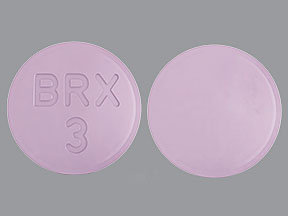 REXULTI 3 MG TABLET
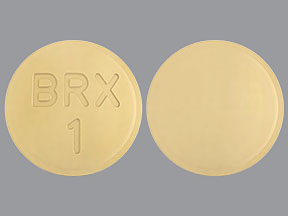 REXULTI 1 MG TABLET
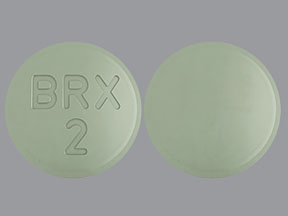 REXULTI 2 MG TABLET
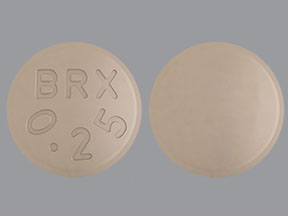 REXULTI 0.25 MG TABLET
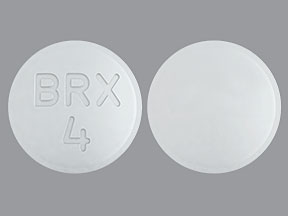 REXULTI 4 MG TABLET
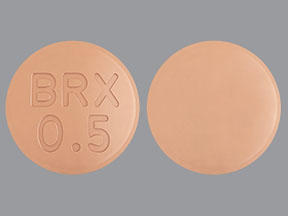 REXULTI 0.5 MG TABLET
The following indications for REXULTI (brexpiprazole) have been approved by the FDA:
Indications:
Major depressive disorder treatment adjunct
Psychosis associated with Alzheimer's Disease
Schizophrenia
Professional Synonyms:
Adjunctive treatment of major depressive disorder
Augmentation therapy for major depressive disorder
Dementia praecox
Major depressive disorder treatment augmentation
Parergasia
Psychotic Disorder associated with Alzheimer's Disease
Psychotic Disturbance associated with Alzheimer's Disease
Indications:
Major depressive disorder treatment adjunct
Psychosis associated with Alzheimer's Disease
Schizophrenia
Professional Synonyms:
Adjunctive treatment of major depressive disorder
Augmentation therapy for major depressive disorder
Dementia praecox
Major depressive disorder treatment augmentation
Parergasia
Psychotic Disorder associated with Alzheimer's Disease
Psychotic Disturbance associated with Alzheimer's Disease
The following dosing information is available for REXULTI (brexpiprazole):
No enhanced Dosing information available for this drug.
Brexpiprazole is commercially available as tablets, which are administered orally once daily without regard to meals. (See Description.) Patients receiving brexpiprazole should be monitored for possible worsening of depression and emergence of suicidal thoughts or behaviors, especially at the beginning of therapy or during periods of dosage adjustments. (See Suicidal Thoughts and Behaviors in Children, Adolescents, and Young Adults under Cautions.)
| DRUG LABEL | DOSING TYPE | DOSING INSTRUCTIONS |
|---|---|---|
| REXULTI 0.25 MG TABLET | Maintenance | Adults take 1 tablet (0.25 mg) by oral route once daily |
| REXULTI 0.5 MG TABLET | Maintenance | Adults take 1 tablet (0.5 mg) by oral route once daily |
| REXULTI 1 MG TABLET | Maintenance | Adults take 1 tablet (1 mg) by oral route once daily |
| REXULTI 2 MG TABLET | Maintenance | Adults take 1 tablet (2 mg) by oral route once daily |
| REXULTI 3 MG TABLET | Maintenance | Adults take 1 tablet (3 mg) by oral route once daily |
| REXULTI 4 MG TABLET | Maintenance | Adults take 1 tablet (4 mg) by oral route once daily |
| REXULTI 1 MG-2 MG 7 DAY PACK | Maintenance | Adults take by oral route once daily per package directions |
| REXULTI 0.5-1 MG PACK (14 DAY) | Maintenance | Adults take by oral route once daily per package directions |
No generic dosing information available.
The following drug interaction information is available for REXULTI (brexpiprazole):
There are 1 contraindications.
These drug combinations generally should not be dispensed or administered to the same patient. A manufacturer label warning that indicates the contraindication warrants inclusion of a drug combination in this category, regardless of clinical evidence or lack of clinical evidence to support the contraindication.
| Drug Interaction | Drug Names |
|---|---|
| Selected CYP2D6 Substrates/Mavorixafor SEVERITY LEVEL: 1-Contraindicated Drug Combination: This drug combination is contraindicated and generally should not be dispensed or administered to the same patient. MECHANISM OF ACTION: Mavorixafor is a strong inhibitor of CYP2D6 and is expected to inhibit the metabolism of agents through this pathway.(1) CLINICAL EFFECTS: Concurrent use of mavorixafor may result in elevated levels of and toxicity from agents metabolized by CYP2D6.(1) PREDISPOSING FACTORS: With tricyclic antidepressants, the risk of seizures may be increased in patients with a history of head trauma or prior seizure; CNS tumor; severe hepatic cirrhosis; excessive use of alcohol or sedatives; addiction to opiates, cocaine, or stimulants; use of over-the-counter stimulants and anorectics; diabetics treated with oral hypoglycemics or insulin; or with concomitant medications known to lower seizure threshold (antipsychotics, theophylline, systemic steroids). With anticholinergic agents, the risk of anticholinergic toxicities including cognitive decline, delirium, falls and fractures is increased in geriatric patients using more than one medicine with anticholinergic properties.(2) PATIENT MANAGEMENT: The US manufacturer of mavorixafor states concurrent use with CYP2D6 substrate that are highly dependent on CYP2D6 metabolism is contraindicated.(1) The US manufacturer of doxepin states if concurrent use of doxepin and strong CYP2D6 inhibitors such as mavorixafor is warranted, monitor doxepin plasma concentrations and reduce the doxepin dose based on doxepin plasma concentrations.(5) DISCUSSION: Mavorixafor (400 mg) increased dextromethorphan (CYP2D6 substrate) maximum concentration (Cmax) and area-under-curve (AUC) by 6-fold and 9-fold, respectively.(1) Selected CYP2D6 substrates linked to this monograph include: aripiprazole, atomoxetine, brexpiprazole, desipramine, deutetrabenazine, dextromethorphan, doxepin, encainide, fenfluramine, metoclopramide, methoxyphenamine, metoprolol, mexiletine, nebivolol, paroxetine, perphenazine, risperidone, tetrabenazine, trimipramine, venlafaxine, and yohimbine. |
XOLREMDI |
There are 4 severe interactions.
These drug interactions can produce serious consequences in most patients. Actions required for severe interactions include, but are not limited to, discontinuing one or both agents, adjusting dosage, altering administration scheduling, and providing additional patient monitoring. Review the full interaction monograph for more information.
| Drug Interaction | Drug Names |
|---|---|
| Cabergoline/Selected Dopamine Blockers SEVERITY LEVEL: 2-Severe Interaction: Action is required to reduce the risk of severe adverse interaction. MECHANISM OF ACTION: Dopamine (D2) blockers such as the phenothiazines, butyrophenones, thioxanthenes and atypical antipsychotics may decrease the effects of cabergoline, a dopamine agonist.(1) CLINICAL EFFECTS: Concurrent administration of cabergoline with dopamine blockers (e.g. phenothiazines, butyrophenones, or thio xanthines) may decrease the effectiveness of cabergoline.(1) Cabergoline may decrease the effectiveness of antipsychotic treatment. PREDISPOSING FACTORS: None determined. PATIENT MANAGEMENT: The manufacturer of cabergoline states cabergoline(1) should not be administered concurrently with dopamine antagonists. Avoid concurrent use when possible. If cabergoline is started in a patient receiving long term antipsychotic treatment, monitor closely for loss of antipsychotic efficacy. If an antipsychotic is required for a patient on long term cabergoline therapy, consider use of a shorter half-life, less potent dopamine (D2) blocking atypical antipsychotic (e.g. clozapine, quetiapine) and monitor closely. DISCUSSION: The manufacturer of cabergoline state that it should not be administered concurrently with dopamine antagonists. |
CABERGOLINE |
| Selected Antipsychotics/Strong CYP3A4 Inducers SEVERITY LEVEL: 2-Severe Interaction: Action is required to reduce the risk of severe adverse interaction. MECHANISM OF ACTION: Strong CYP3A4 inducers may increase the metabolic clearance of aripiprazole(1), brexpiprazole(2), and risperidone.(3) CLINICAL EFFECTS: Strong CYP3A4 inducers may result in decreased levels and effectiveness of aripiprazole, brexpiprazole, and risperidone.(1-3) PREDISPOSING FACTORS: Induction effects may be more likely with regular use of the inducer for longer than 1-2 weeks. PATIENT MANAGEMENT: The dose of immediate release aripiprazole should be doubled over 1-2 weeks if a CYP3A4 inducer is added to aripiprazole therapy. Additional dosage increases should be based on clinical observation of the patient. If the inducer is withdrawn from concurrent therapy, the dosage of aripiprazole should be gradually reduced to the original level over 1-2 weeks.(1) The dose of brexpiprazole should be doubled over 1-2 weeks in patients taking strong CYP3A4 inducers. If the inducer is discontinued, reduce the dosage of brexpiprazole to the original level over 1-2 weeks.(2) The US manufacturer of risperidone (Risperdal) recommends that patients increase the dose of risperidone up to double the patient's usual dose when taken concurrently with a CYP3A4 inducer. Do not exceed twice the patient's usual dose. It may be necessary to decrease the risperidone dose when the CYP3A4 inducer is discontinued.(3) DISCUSSION: The concurrent administration of carbamazepine (200 mg twice daily) with aripiprazole (30 mg daily) resulted in 70% decreases in the area-under-curve (AUC) and maximum concentration (Cmax) of both aripiprazole and dehydro-aripiprazole, its active metabolite.(1) Rifampin decreased the AUC of brexpiprazole by approximately 75%.(2) A study in 11 schizophrenic inpatients examined the effects of the addition of carbamazepine (200 mg twice daily) for one week to risperidone (3 mg twice daily). Concurrent carbamazepine decreased plasma concentrations of risperidone, 9-hydroxyrisperidone, and active moiety by 50%, 44%, and 45%, respectively.(4) A study compared 23 patients receiving risperidone alone to 11 patients receiving concurrent risperidone and carbamazepine. The groups were matched for sex, age, body weight, and risperidone dosage. Plasma concentrations of 9-hydroxyrisperidone and the sum of risperidone and 9-hydroxyrisperidone were significantly lower in patients receiving concurrent carbamazepine. Five subjects received risperidone with and without carbamazepine. In these patients, dose-normalized plasma risperidone and 9-hydroxyrisperidone concentrations were lower during concurrent carbamazepine.(5) In a case report, a patient developed an exacerbation of psychotic symptoms four weeks after the addition of carbamazepine (800 mg daily) to his regimen. Plasma levels of risperidone and 9-hydroxyrisperidone had decreased by 77% and 63%, respectively.(6) In an open, randomized cross-over study in 10 healthy males, pretreatment with rifampin (600 mg daily for 5 days) decreased the area-under-curve (AUC) and maximum concentration (Cmax) of a single oral dose of risperidone (4 mg) by 72% and 50%, respectively.(7) In a study in 10 healthy males, pretreatment with rifampin (600 mg daily for 7 days) decreased the AUC and Cmax of a single oral dose of risperidone (1 mg) by 51% and 38%, respectively. The AUC of 9-hydroxyrisperidone and the active moieties (risperidone + 9-hydroxyrisperidone) decreased by 43% and 45%, respectively. The Cmax of 9-hydroxyrisperidone and the active moieties decreased by 46% and 41%, respectively.(8) Strong CYP3A4 inducers linked to this monograph are: apalutamide, barbiturates, carbamazepine, enzalutamide, fosphenytoin, lumacaftor, mitotane, natisedine, phenytoin, primidone, rifampin, rifapentine and St. John's Wort.(9,10) |
ASA-BUTALB-CAFFEINE-CODEINE, ASCOMP WITH CODEINE, BUTALB-ACETAMINOPH-CAFF-CODEIN, BUTALBITAL, BUTALBITAL-ACETAMINOPHEN, BUTALBITAL-ACETAMINOPHEN-CAFFE, BUTALBITAL-ASPIRIN-CAFFEINE, CARBAMAZEPINE, CARBAMAZEPINE ER, CARBATROL, CEREBYX, DILANTIN, DILANTIN-125, DONNATAL, EQUETRO, ERLEADA, FIORICET, FOSPHENYTOIN SODIUM, LYSODREN, MITOTANE, MYSOLINE, ORKAMBI, PENTOBARBITAL SODIUM, PHENOBARBITAL, PHENOBARBITAL SODIUM, PHENOBARBITAL-BELLADONNA, PHENOBARBITAL-HYOSC-ATROP-SCOP, PHENOHYTRO, PHENYTEK, PHENYTOIN, PHENYTOIN SODIUM, PHENYTOIN SODIUM EXTENDED, PRIFTIN, PRIMIDONE, RIFADIN, RIFAMPIN, SEZABY, TEGRETOL, TEGRETOL XR, TENCON, XTANDI |
| Metoclopramide/Antipsychotics; Phenothiazines; Rivastigmine SEVERITY LEVEL: 2-Severe Interaction: Action is required to reduce the risk of severe adverse interaction. MECHANISM OF ACTION: These agents block dopamine (D2) receptors. D2 blockade can cause extrapyramidal reactions, such acute dystonic reactions, pseudoparkinsonian tremors, akathisia, or tardive dyskinesia. Neuroleptic malignant syndrome may also occur in patients receiving D2 blockers. The risk of these adverse effects may be increased by concurrent use.(1-3) CLINICAL EFFECTS: Concurrent use may increase the risk of extrapyramidal reactions (e.g. acute dystonic reactions, pseudoparkinsonian tremors, akathisia, or tardive dyskinesia) and neuroleptic malignant syndrome. Tardive dyskinesia, which may be permanent, typically affects the facial muscles and may result in uncontrollable lip smacking, chewing, puckering of the mouth, frowning or scowling, sticking out the tongue, blinking and moving the eyes, and shaking of the arms and/or legs.(1-3) Symptoms of neuroleptic malignant syndrome include hyperpyrexia, muscle rigidity, altered mental status, an autonomic instability (irregular pulse or blood pressure, tachycardia, diaphoresis, and cardiac arrhythmias), elevated creatine phosphokinase, myoglobinuria (rhabdomyolysis), and acute renal failure.(1) PREDISPOSING FACTORS: Patients with Parkinson's or Lewy Body Disease may be more likely to have extrapyramidal reactions or unmasking of their primary disease symptoms. The risk of extrapyramidal symptoms is also increased in patients on metoclopramide for longer than 12 weeks. Elderly patients, especially elderly women, and diabetics are at higher risk of developing tardive dyskinesia. Other extrapyramidal symptoms, like acute dystonia, have occurred more frequently in patients younger than 30 years old.(1) PATIENT MANAGEMENT: The concurrent use of metoclopramide and agents likely to cause extrapyramidal reactions should be avoided.(1) If concurrent use is warranted, monitor patients closely for extrapyramidal reactions and neuroleptic malignant syndrome. The manufacturer of metoclopramide says to avoid treatment with metoclopramide for longer than 12 weeks, and to use the lowest possible dose.(1) Discontinue therapy if symptoms occur. Instruct patients to seek immediate medical attention if symptoms develop. Symptoms of extrapyramidal reactions, including tardive dyskinesia, include involuntary movements of limbs and facial grimacing, torticollis, oculogyric crisis, rhythmic protrusion of the tongue, bulbar type of speech, trismus, and/or dystonic reactions resembling tetanus/stridor/dyspnea.(3) DISCUSSION: Both metoclopramide and phenothiazines can cause extrapyramidal reactions, such as tardive dyskinesia, and neuroleptic malignant syndrome. The risk may be increased by concurrent use.(1,2) Extrapyramidal symptoms have been reported with concurrent metoclopramide and neuroleptics, prochlorperazine, and chlorpromazine.(4-6) |
GIMOTI, METOCLOPRAMIDE HCL, REGLAN |
| Opioids (Cough and Cold)/Antipsychotics; Phenothiazines SEVERITY LEVEL: 2-Severe Interaction: Action is required to reduce the risk of severe adverse interaction. MECHANISM OF ACTION: Concurrent use of opioids and antipsychotics, including phenothiazine derivatives, may result in additive CNS depression.(1) CLINICAL EFFECTS: Concurrent use of opioids and other CNS depressants, such as antipsychotics, including phenothiazine derivatives, may result in profound sedation, respiratory depression, coma, and/or death.(1) PREDISPOSING FACTORS: Concurrent use of alcohol or other CNS depressants may increase the risk of adverse effects. PATIENT MANAGEMENT: Avoid prescribing opioid-including cough medications for patients taking CNS depressants such as antipsychotics, including phenothiazine derivatives.(1) Respiratory depression can occur at any time during opioid therapy, especially during therapy initiation and following dosage increases. The risk of opioid-related overdose or overdose-related death is increased with higher opioid doses, and this risk persists over the course of therapy. Consider these risks when using concurrently with other agents that may cause CNS depression.(2) If concurrent use is necessary, monitor patients for unusual dizziness or lightheadedness, extreme sleepiness, slowed or difficult breathing, or unresponsiveness.(1) Discuss opioid reversal agents (e.g., naloxone, nalmefene) with all patients when prescribing or renewing an opioid analgesic or medicine to treat opioid use disorder (OUD). Consider prescribing an opioid reversal agent (e.g., naloxone, nalmefene) to patients prescribed medicines to treat OUD or opioid analgesics who are at increased risk of opioid overdose (such as those taking CNS depressants) and when a patient has household members/close contacts at risk for accidental overdose. Discuss the options for obtaining an opioid reversal agent (e.g., prescription, over-the-counter, or as part of a community-based program).(3) DISCUSSION: A nested case-control study looked at the relationship between antipsychotic use and risk of acute respiratory failure. Current use of antipsychotics was associated with a 2.33-fold increase in risk of respiratory failure compared to no use of antipsychotics. The risk was also significantly increased in patients with recent use of antipsychotics (within the past 15-30 days, OR = 1.79) and recent past use (within 31-90 days OR = 1.41). The risk increased with higher doses and longer duration of use.(4) Between 2002 and 2014, the number of patients receiving an opioid analgesic increased 8%, from 75 million to 81 million patients, and the number of patients receiving a benzodiazepine increased 31%, from 23 million to 30 million patients. During this time, the proportion of patients receiving concurrent therapy increased 31%, from 23 million to 30 million patients.(5) From 2004 to 2011, the rate of nonmedical use-related emergency room visits involving both opioids and benzodiazepines increased from 11 to 34.2 per 100,000 and drug overdose deaths involving both opioids and benzodiazepines increased from 0.6 to 1.7 per 100,000. The proportion of prescription opioid analgesic deaths which also involved benzodiazepines increased from 18% to 31% during this time.(6) A prospective observational cohort study in North Carolina found that the rates of overdose death among patients co-dispensed opioid analgesics and benzodiazepines were 10 times higher than patients receiving opioid analgesics alone.(7) A case-cohort study of VA data from 2004-2009 found that the risk of death from overdose increased with concomitant opioid analgesics and benzodiazepines. Compared to patients with no history of benzodiazepines, patients with a history of benzodiazepine use (hazard ratio [HR] = 2.33) and patients with a current benzodiazepine prescription (HR=3.86) had an increased risk of fatal overdose.(8) A study found that opioid analgesics contributed to 77% of deaths in which benzodiazepines were determined to be a cause of death and that benzodiazepines contributed to 30% of deaths in which opioid analgesics were determined to be a cause of death. This study also found that other CNS depressants (including barbiturates, antipsychotic and neuroleptic drugs, antiepileptic and antiparkinsonian drugs, anesthetics, autonomic nervous system drugs, and muscle relaxants) were contributory to death in many cases where opioid analgesics were also implicated.(9) A study found that alcohol was involved in 18.5% of opioid analgesic abuse-related ED visits and 22.1 percent of opioid analgesic-related deaths.(10) |
HYCODAN, HYDROCODONE-CHLORPHENIRAMNE ER, HYDROCODONE-HOMATROPINE MBR, HYDROMET, PROMETHAZINE-CODEINE, TUXARIN ER |
There are 15 moderate interactions.
The clinician should assess the patient’s characteristics and take action as needed. Actions required for moderate interactions include, but are not limited to, discontinuing one or both agents, adjusting dosage, altering administration.
| Drug Interaction | Drug Names |
|---|---|
| Bupropion/Antipsychotics SEVERITY LEVEL: 3-Moderate Interaction: Assess the risk to the patient and take action as needed. MECHANISM OF ACTION: Both bupropion and the antipsychotics are known to lower the seizure threshold.(1,2) Bupropion is also a strong inhibitor of CYP2D6.(3) CLINICAL EFFECTS: Concurrent use of bupropion and an antipsychotic may result in additive effects on the seizure threshold, increasing the risk of seizures.(1,2) PREDISPOSING FACTORS: The risk of seizures may be increased in patients with a history of head trauma or prior seizure; CNS tumor; severe hepatic cirrhosis; excessive use of alcohol or sedatives; addiction to opiates, cocaine, or stimulants; use of over-the-counter stimulants an anorectics; a total daily dose of bupropion greater than 450 mg or single doses greater than 150 mg; rapid escalation of bupropion dosage; diabetics treated with oral hypoglycemics or insulin; or with concomitant medications known to lower seizure threshold (antidepressants, theophylline, systemic steroids).(1,2) The risk of anticholinergic toxicities including cognitive decline, delirium, falls and fractures is increased in geriatric patients using more than one medicine with anticholinergic properties.(3) PATIENT MANAGEMENT: The concurrent use of bupropion and antipsychotics should be undertaken only with extreme caution and with low initial bupropion dosing and small gradual dosage increases.(1,2) Single doses should not exceed 150 mg.(1,2) The maximum daily dose of bupropion should not exceed 300 mg for smoking cessation(2) or 450 mg for depression.(1) DISCUSSION: Because of the risk of seizure from concurrent bupropion and other agents that lower seizure threshold, the manufacturer of bupropion states that the concurrent use of bupropion and antipsychotics should be undertaken only with extreme caution and with low initial bupropion dosing and small gradual dosage increases.(1) |
APLENZIN, AUVELITY, BUPROPION HCL, BUPROPION HCL SR, BUPROPION XL, CONTRAVE, WELLBUTRIN SR, WELLBUTRIN XL |
| Selected Dopamine Agonists/Select Atypical Antipsychotics SEVERITY LEVEL: 3-Moderate Interaction: Assess the risk to the patient and take action as needed. MECHANISM OF ACTION: Selected dopamine agonists are used to treat neurologic conditions such as Parkinson Disease (PD) or restless legs syndrome, and endocrine disorders such as hyperprolactinemia by directly or indirectly increasing dopamine concentrations at D2 receptors in the central nervous system (CNS). Antipsychotic agents counteract this effect by blocking dopamine activity at CNS D2 receptors.(1-5) CLINICAL EFFECTS: The efficacy of either agent may be decreased, leading to exacerbation of the disease being treated, e.g. Parkinson disease or a psychotic disorder. Dopamine agonists linked to this monograph are: bromocriptine, entacapone, levodopa, pergolide, pramipexole, ropinirole and rotigotine. Atypical antipsychotics linked to this monograph are: aripiprazole, asenapine, iloperidone, lumateperone, lurasidone, paliperidone, quetiapine, risperidone, ziprasidone and zotepine. PREDISPOSING FACTORS: Patients with Parkinson or Diffuse Lewy Body (DLB) disease are particularly susceptible to adverse effects of dopamine blockade by antipsychotics. PATIENT MANAGEMENT: Reassess the need for antipsychotic therapy. If psychosis or hallucinations are due to an antiparkinson agent, when possible consider reducing the dose or changing the antiparkinson agent before initiating antipsychotic therapy. In patients with PD and dementia, addition of a cholinesterase inhibitor (e.g. rivastigmine) may improve psychosis. If an antipsychotic is required, then an atypical antipsychotic should be used.(6,7) In patients with major psychotic disorders, consider reducing the dose, changing, or stopping the dopamine agonist. The US manufacturer of ropinirole recommends treatment with dopamine agonists only if potential benefits outweigh risks.(1) The US manufacturer of entacapone states it should not ordinarily be used in patients with major psychotic disorders as entacapone may lead to an exacerbation of psychosis.(4) DISCUSSION: An epidemiologic study evaluated 21,043 elderly patients with Parkinson disease to determine if recent initiation of a typical or atypical antipsychotic was associated with increased mortality. They found an adjusted odds ratio of 2.0 for death associated with atypical antipsychotics versus no antipsychotic. They found an adjusted odds ratio of 2.4 for death associated with typical versus atypical antipsychotics. The authors noted the increased mortality found with typical antipsychotics supports current treatment recommendations to use atypical antipsychotic agents in patients with Parkinson disease.(6,7) Two clozapine trials showed significant improvement in psychosis without worsening of motor symptoms. In contrast, two olanzapine trials were associated with unacceptable worsening of motor symptoms. Risperidone has also been associated with motor worsening in case reports. Quetiapine evaluations have been conflicting with several small studies showing improvement in psychotic symptoms while a more rigorous trial showed no improvement.(6) |
BROMOCRIPTINE MESYLATE, CARBIDOPA-LEVODOPA, CARBIDOPA-LEVODOPA ER, CARBIDOPA-LEVODOPA-ENTACAPONE, CREXONT, CYCLOSET, DHIVY, DUOPA, INBRIJA, LEVODOPA, MIRAPEX ER, NEUPRO, PRAMIPEXOLE DIHYDROCHLORIDE, PRAMIPEXOLE ER, ROPINIROLE ER, ROPINIROLE HCL, RYTARY, SINEMET, VYALEV |
| Brexpiprazole/Moderate CYP3A4 Inhibitors SEVERITY LEVEL: 3-Moderate Interaction: Assess the risk to the patient and take action as needed. MECHANISM OF ACTION: Strong CYP3A4 inhibitors may inhibit the metabolism of brexpiprazole.(1) CLINICAL EFFECTS: Concurrent administration of a strong CYP3A4 inhibitor may result in elevated levels of and toxicity from brexpiprazole.(1) PREDISPOSING FACTORS: This interaction is expected to be more severe in patients who are CYP2D6 poor metabolizers, or who receive concomitant treatment with a strong or moderate CYP2D6 inhibitor (e.g. bupropion, fluoxetine, paroxetine, quinidine) in addition to treatment with a moderate CYP3A4 inhibitor. PATIENT MANAGEMENT: The US manufacturer of brexpiprazole recommends the following dose adjustments for patients who are receiving a moderate CYP3A4 inhibitor: - in patients taking a moderate CYP3A4 inhibitor who are poor CYP2D6 metabolizers or are receiving a strong or moderate inhibitor of CYP2D6, decrease the dose to one-fourth the usual dose. The dose of brexpiprazole should be adjusted to its original level if the CYP3A4 inhibitor is discontinued.(1) No empiric dosage adjustment is recommended in other patients. DISCUSSION: Coadministration of ketoconazole, a strong inhibitor of CYP3A4, increased the area-under-curve (AUC) of brexpiprazole approximately 2-fold.(1) Moderate CYP3A4 inhibitors linked to this monograph include aprepitant, avacopan, clofazimine, conivaptan, crizotinib, diltiazem, dronedarone, duvelisib, erythromycin, fedratinib, fluconazole, fluvoxamine, fosnetupitant, imatinib, isavuconazonium, ledipasvir, lenacapavir, letermovir, netupitant, nilotinib, rilzabrutinib, schisandra, stiripentol, tofisopam, treosulfan and verapamil. |
AKYNZEO, APONVIE, APREPITANT, CARDIZEM, CARDIZEM CD, CARDIZEM LA, CARTIA XT, CINVANTI, CLOFAZIMINE, CONIVAPTAN-D5W, COPIKTRA, CRESEMBA, DANZITEN, DIACOMIT, DIFLUCAN, DILT-XR, DILTIAZEM 12HR ER, DILTIAZEM 24HR ER, DILTIAZEM 24HR ER (CD), DILTIAZEM 24HR ER (LA), DILTIAZEM 24HR ER (XR), DILTIAZEM HCL, DILTIAZEM HCL-0.7% NACL, DILTIAZEM HCL-0.9% NACL, DILTIAZEM HCL-NACL, DILTIAZEM-D5W, E.E.S. 200, E.E.S. 400, EMEND, ERY-TAB, ERYPED 200, ERYPED 400, ERYTHROCIN LACTOBIONATE, ERYTHROCIN STEARATE, ERYTHROMYCIN, ERYTHROMYCIN ESTOLATE, ERYTHROMYCIN ETHYLSUCCINATE, ERYTHROMYCIN LACTOBIONATE, FLUCONAZOLE, FLUCONAZOLE-NACL, FLUVOXAMINE MALEATE, FLUVOXAMINE MALEATE ER, GLEEVEC, GRAFAPEX, IMATINIB MESYLATE, IMKELDI, INREBIC, MATZIM LA, MULTAQ, NILOTINIB D-TARTRATE, NILOTINIB HCL, PREVYMIS, SUNLENCA, TASIGNA, TAVNEOS, TIADYLT ER, TIAZAC, TRANDOLAPRIL-VERAPAMIL ER, VAPRISOL-5% DEXTROSE, VERAPAMIL ER, VERAPAMIL ER PM, VERAPAMIL HCL, VERAPAMIL SR, WAYRILZ, XALKORI, YEZTUGO |
| Brexpiprazole/Strong CYP2D6 Inhibitors SEVERITY LEVEL: 3-Moderate Interaction: Assess the risk to the patient and take action as needed. MECHANISM OF ACTION: Strong CYP2D6 inhibitors may inhibit the metabolism of brexpiprazole.(1) CLINICAL EFFECTS: Concurrent administration of a strong CYP2D6 inhibitor may result in elevated levels of and toxicity from brexpiprazole.(1) PREDISPOSING FACTORS: This interaction is expected to be more severe in patients who are receiving concomitant treatment with a strong or moderate CYP3A4 inhibitor in addition to treatment with a CYP2D6 inhibitor. Concurrent use of strong CYP2D6 and CYP3A4 inhibitors is expected to increase brexpiprazole levels 5.1-fold in extensive metabolizers of CYP2D6.(1) PATIENT MANAGEMENT: The US manufacturer of brexpiprazole recommends the following dose adjustments for patients who are receiving a strong CYP2D6 inhibitor: - in patients with major depressive disorder who are taking a strong CYP2D6 inhibitor WITHOUT a strong or moderate CYP3A4 inhibitor, no dosage adjustment is required. - in patients with major depressive disorder who are taking a strong CYP2D6 inhibitor AND who are receiving a strong or moderate inhibitor of CYP3A4, decrease the dose to one-fourth the usual dose. - in patients with schizophrenia who are taking a strong CYP2D6 inhibitor WITHOUT a strong or moderate CYP3A4 inhibitor, administer half the usual dosage of brexpiprazole. - in patients with schizophrenia who are taking a strong CYP2D6 inhibitor AND who are receiving a strong or moderate inhibitor of CYP3A4, decrease the dose to one-fourth the usual dose. The dose of brexpiprazole should be adjusted to its original level if the CYP2D6 inhibitor is discontinued.(1) DISCUSSION: Coadministration of quinidine, a strong inhibitor of CYP2D6, increased the area-under-curve (AUC) of brexpiprazole approximately 2-fold.(1) Strong CYP2D6 inhibitors include: dacomitinib, fluoxetine, hydroquinidine, paroxetine, quinidine, and terbinafine.(2,3) |
FLUOXETINE DR, FLUOXETINE HCL, NUEDEXTA, OLANZAPINE-FLUOXETINE HCL, PAROXETINE CR, PAROXETINE ER, PAROXETINE HCL, PAROXETINE MESYLATE, PAXIL, PAXIL CR, PROZAC, QUINIDINE GLUCONATE, QUINIDINE SULFATE, TERBINAFINE HCL, VIZIMPRO |
| Brexpiprazole/Moderate CYP2D6 Inhibitors SEVERITY LEVEL: 3-Moderate Interaction: Assess the risk to the patient and take action as needed. MECHANISM OF ACTION: CYP2D6 inhibitors may inhibit the metabolism of brexpiprazole.(1) CLINICAL EFFECTS: Concurrent administration of a moderate CYP2D6 inhibitor may result in elevated levels of and toxicity from brexpiprazole.(1) PREDISPOSING FACTORS: This interaction is expected to be more severe in patients who are receiving concomitant treatment with a strong or moderate CYP3A4 inhibitor in addition to treatment with a CYP2D6 inhibitor. Concurrent use of strong CYP2D6 and CYP3A4 inhibitors is expected to increase brexpiprazole levels 5.1-fold in extensive metabolizers of CYP2D6.(1) PATIENT MANAGEMENT: The US manufacturer of brexpiprazole recommends the following dose adjustments for patients who are receiving a moderate CYP2D6 inhibitor: - in patients with schizophrenia or major depressive disorder who are taking a moderate CYP2D6 inhibitor AND who are receiving a strong or moderate inhibitor of CYP3A4, decrease the dose to one-fourth the usual dose. - no empiric dosage adjustment is recommended for patients receiving moderate CYP2D6 inhibitors without a strong or moderate inhibitor of CYP3A4. The dose of brexpiprazole should be adjusted to its original level if the CYP2D6 inhibitor is discontinued.(1) Rolapitant, a moderate CYP2D6 inhibitor, effects on CYP2D6 are expected to last at least 28 days after administration.(2) DISCUSSION: Coadministration of quinidine, a strong inhibitor of CYP2D6, increased the area-under-curve (AUC) of brexpiprazole approximately 2-fold.(1) A single dose of rolapitant increased dextromethorphan, a CYP2D6 substrate, about 3-fold on days 8 and day 22 following administration. Dextromethorphan levels remained elevated by 2.3-fold on day 28 after single dose rolapitant. The inhibitory effects of rolapitant on CYP2D6 are expected to persist beyond 28 days.(2) Moderate CYP2D6 inhibitors linked to this monograph include: abiraterone, asunaprevir, capivasertib, cinacalcet, duloxetine, eliglustat, escitalopram, mirabegron, moclobemide, and rolapitant. |
ABIRATERONE ACETATE, ABIRTEGA, AKEEGA, CERDELGA, CINACALCET HCL, DRIZALMA SPRINKLE, DULOXETINE HCL, DULOXICAINE, ESCITALOPRAM OXALATE, LEXAPRO, MIRABEGRON ER, MYRBETRIQ, SENSIPAR, TRUQAP, VARUBI, YONSA, ZYTIGA |
| Opioids (Extended Release)/Antipsychotics; Phenothiazines SEVERITY LEVEL: 3-Moderate Interaction: Assess the risk to the patient and take action as needed. MECHANISM OF ACTION: Concurrent use of opioids and antipsychotics, including phenothiazine derivatives, may result in additive CNS depression.(1) CLINICAL EFFECTS: Concurrent use of opioids and other CNS depressants, such as antipsychotics, including phenothiazine derivatives, may result in profound sedation, respiratory depression, coma, and/or death.(1) PREDISPOSING FACTORS: Concurrent use of alcohol or other CNS depressants may increase the risk of adverse effects. PATIENT MANAGEMENT: Limit prescribing opioid analgesics with CNS depressants such as antipsychotics, including phenothiazine derivatives, to patients for whom alternatives are ineffective, not tolerated, or would be otherwise inadequate to provide sufficient management of pain.(1) If concurrent use is necessary, limit the dosages and duration of each drug to the minimum possible while achieving the desired clinical effect. If starting a CNS depressant (for an indication other than epilepsy) with an opioid analgesic, prescribe a lower initial dose of the CNS depressant than indicated in the absence of an opioid and titrate based upon clinical response. If an opioid analgesic is indicated in a patient already taking a CNS depressant, prescribe a lower dose of the opioid and titrate based upon clinical response.(1) Respiratory depression can occur at any time during opioid therapy, especially during therapy initiation and following dosage increases. The risk of opioid-related overdose or overdose-related death is increased with higher opioid doses, and this risk persists over the course of therapy. Consider these risks when using concurrently with other agents that may cause CNS depression.(2) Monitor patients receiving concurrent therapy for unusual dizziness or lightheadedness, extreme sleepiness, slowed or difficult breathing, or unresponsiveness.(1) Discuss opioid reversal agents (e.g., naloxone, nalmefene) with all patients when prescribing or renewing an opioid analgesic or medicine to treat opioid use disorder (OUD). Consider prescribing an opioid reversal agent (e.g., naloxone, nalmefene) to patients prescribed medicines to treat OUD or opioid analgesics who are at increased risk of opioid overdose (such as those taking CNS depressants) and when a patient has household members/close contacts at risk for accidental overdose. Discuss the options for obtaining an opioid reversal agent (e.g., prescription, over-the-counter, or as part of a community-based program).(3) DISCUSSION: A nested case-control study looked at the relationship between antipsychotic use and risk of acute respiratory failure. Current use of antipsychotics was associated with a 2.33-fold increase in risk of respiratory failure compared to no use of antipsychotics. The risk was also significantly increased in patients with recent use of antipsychotics (within the past 15-30 days, OR = 1.79) and recent past use (within 31-90 days OR = 1.41). The risk increased with higher doses and longer duration of use.(4) Between 2002 and 2014, the number of patients receiving an opioid analgesic increased 8%, from 75 million to 81 million patients, and the number of patients receiving a benzodiazepine increased 31%, from 23 million to 30 million patients. During this time, the proportion of patients receiving concurrent therapy increased 31%, from 23 million to 30 million patients.(5) From 2004 to 2011, the rate of nonmedical use-related emergency room visits involving both opioids and benzodiazepines increased from 11 to 34.2 per 100,000 and drug overdose deaths involving both opioids and benzodiazepines increased from 0.6 to 1.7 per 100,000. The proportion of prescription opioid analgesic deaths which also involved benzodiazepines increased from 18% to 31% during this time.(6) A prospective observational cohort study in North Carolina found that the rates of overdose death among patients co-dispensed opioid analgesics and benzodiazepines were 10 times higher than patients receiving opioid analgesics alone.(7) A case-cohort study of VA data from 2004-2009 found that the risk of death from overdose increased with concomitant opioid analgesics and benzodiazepines. Compared to patients with no history of benzodiazepines, patients with a history of benzodiazepine use (hazard ratio [HR] = 2.33) and patients with a current benzodiazepine prescription (HR=3.86) had an increased risk of fatal overdose.(8) A study found that opioid analgesics contributed to 77% of deaths in which benzodiazepines were determined to be a cause of death and that benzodiazepines contributed to 30% of deaths in which opioid analgesics were determined to be a cause of death. This study also found that other CNS depressants (including barbiturates, antipsychotic and neuroleptic drugs, antiepileptic and antiparkinsonian drugs, anesthetics, autonomic nervous system drugs, and muscle relaxants) were contributory to death in many cases where opioid analgesics were also implicated.(9) A study found that alcohol was involved in 18.5% of opioid analgesic abuse-related ED visits and 22.1 percent of opioid analgesic-related deaths.(10) |
BUPRENORPHINE, BUTRANS, CONZIP, FENTANYL, HYDROCODONE BITARTRATE ER, HYDROMORPHONE ER, HYSINGLA ER, MORPHINE SULFATE ER, MS CONTIN, NUCYNTA ER, OXYCODONE HCL ER, OXYCONTIN, OXYMORPHONE HCL ER, TAPENTADOL ER, TRAMADOL HCL ER, XTAMPZA ER |
| Slt Opioids (Immediate Release)/Antipsychotics;Phenothiazine SEVERITY LEVEL: 3-Moderate Interaction: Assess the risk to the patient and take action as needed. MECHANISM OF ACTION: Concurrent use of opioids and antipsychotics, including phenothiazine derivatives, may result in additive CNS depression.(1) CLINICAL EFFECTS: Concurrent use of opioids and other CNS depressants, such as antipsychotics, including phenothiazine derivatives, may result in profound sedation, respiratory depression, coma, and/or death.(1) PREDISPOSING FACTORS: Concurrent use of alcohol or other CNS depressants may increase the risk of adverse effects. PATIENT MANAGEMENT: Limit prescribing opioid analgesics with CNS depressants such as antipsychotics, including phenothiazine derivatives, to patients for whom alternatives are ineffective, not tolerated, or would be otherwise inadequate to provide sufficient management of pain.(1) If concurrent use is necessary, limit the dosages and duration of each drug to the minimum possible while achieving the desired clinical effect. If starting a CNS depressant (for an indication other than epilepsy) with an opioid analgesic, prescribe a lower initial dose of the CNS depressant than indicated in the absence of an opioid and titrate based upon clinical response. If an opioid analgesic is indicated in a patient already taking a CNS depressant, prescribe a lower dose of the opioid and titrate based upon clinical response.(1) Respiratory depression can occur at any time during opioid therapy, especially during therapy initiation and following dosage increases. The risk of opioid-related overdose or overdose-related death is increased with higher opioid doses, and this risk persists over the course of therapy. Consider these risks when using concurrently with other agents that may cause CNS depression.(2) Monitor patients receiving concurrent therapy for unusual dizziness or lightheadedness, extreme sleepiness, slowed or difficult breathing, or unresponsiveness.(1) Discuss opioid reversal agents (e.g., naloxone, nalmefene) with all patients when prescribing or renewing an opioid analgesic or medicine to treat opioid use disorder (OUD). Consider prescribing an opioid reversal agent (e.g., naloxone, nalmefene) to patients prescribed medicines to treat OUD or opioid analgesics who are at increased risk of opioid overdose (such as those taking CNS depressants) and when a patient has household members/close contacts at risk for accidental overdose. Discuss the options for obtaining an opioid reversal agent (e.g., prescription, over-the-counter, or as part of a community-based program).(3) DISCUSSION: A nested case-control study looked at the relationship between antipsychotic use and risk of acute respiratory failure. Current use of antipsychotics was associated with a 2.33-fold increase in risk of respiratory failure compared to no use of antipsychotics. The risk was also significantly increased in patients with recent use of antipsychotics (within the past 15-30 days, OR = 1.79) and recent past use (within 31-90 days OR = 1.41). The risk increased with higher doses and longer duration of use.(4) Between 2002 and 2014, the number of patients receiving an opioid analgesic increased 8%, from 75 million to 81 million patients, and the number of patients receiving a benzodiazepine increased 31%, from 23 million to 30 million patients. During this time, the proportion of patients receiving concurrent therapy increased 31%, from 23 million to 30 million patients.(5) From 2004 to 2011, the rate of nonmedical use-related emergency room visits involving both opioids and benzodiazepines increased from 11 to 34.2 per 100,000 and drug overdose deaths involving both opioids and benzodiazepines increased from 0.6 to 1.7 per 100,000. The proportion of prescription opioid analgesic deaths which also involved benzodiazepines increased from 18% to 31% during this time.(6) A prospective observational cohort study in North Carolina found that the rates of overdose death among patients co-dispensed opioid analgesics and benzodiazepines were 10 times higher than patients receiving opioid analgesics alone.(7) A case-cohort study of VA data from 2004-2009 found that the risk of death from overdose increased with concomitant opioid analgesics and benzodiazepines. Compared to patients with no history of benzodiazepines, patients with a history of benzodiazepine use (hazard ratio [HR] = 2.33) and patients with a current benzodiazepine prescription (HR=3.86) had an increased risk of fatal overdose.(8) A study found that opioid analgesics contributed to 77% of deaths in which benzodiazepines were determined to be a cause of death and that benzodiazepines contributed to 30% of deaths in which opioid analgesics were determined to be a cause of death. This study also found that other CNS depressants (including barbiturates, antipsychotic and neuroleptic drugs, antiepileptic and antiparkinsonian drugs, anesthetics, autonomic nervous system drugs, and muscle relaxants) were contributory to death in many cases where opioid analgesics were also implicated.(9) A study found that alcohol was involved in 18.5% of opioid analgesic abuse-related ED visits and 22.1 percent of opioid analgesic-related deaths.(10) |
BELBUCA, BELLADONNA-OPIUM, BUPRENORPHINE HCL, BUTORPHANOL TARTRATE, DILAUDID, DSUVIA, DURAMORPH, ENDOCET, FENTANYL CITRATE, FENTANYL CITRATE-0.9% NACL, FENTANYL CITRATE-D5W, FENTANYL CITRATE-STERILE WATER, FENTANYL CITRATE-WATER, FENTANYL-BUPIVACAINE-0.9% NACL, FENTANYL-BUPIVACAINE-NACL, FENTANYL-ROPIVACAINE-0.9% NACL, FENTANYL-ROPIVACAINE-NACL, HYDROCODONE BITARTRATE, HYDROCODONE-ACETAMINOPHEN, HYDROCODONE-IBUPROFEN, HYDROMORPHONE HCL, HYDROMORPHONE HCL-0.9% NACL, HYDROMORPHONE HCL-D5W, HYDROMORPHONE HCL-NACL, HYDROMORPHONE HCL-WATER, INFUMORPH, MITIGO, MORPHINE SULFATE, MORPHINE SULFATE-0.9% NACL, MORPHINE SULFATE-NACL, NALBUPHINE HCL, NALOCET, NUCYNTA, OPIUM TINCTURE, OXYCODONE HCL, OXYCODONE HYDROCHLORIDE, OXYCODONE-ACETAMINOPHEN, OXYMORPHONE HCL, PENTAZOCINE-NALOXONE HCL, PERCOCET, PRIMLEV, PROLATE, REMIFENTANIL HCL, ROXICODONE, ROXYBOND, SUFENTANIL CITRATE, TAPENTADOL HCL, ULTIVA |
| Meperidine (IR)/Selected Antipsychotics; Phenothiazines SEVERITY LEVEL: 3-Moderate Interaction: Assess the risk to the patient and take action as needed. MECHANISM OF ACTION: Concurrent use of opioids such as meperidine and antipsychotics, including phenothiazine derivatives, may result in additive CNS depression.(1) CLINICAL EFFECTS: Concurrent use of opioids such as meperidine and other CNS depressants, such as antipsychotics, including phenothiazine derivatives, may result in profound sedation, respiratory depression, coma, and/or death.(1) PREDISPOSING FACTORS: Concurrent use of alcohol or other CNS depressants may increase the risk of adverse effects. PATIENT MANAGEMENT: Limit prescribing opioid analgesics such as meperidine with CNS depressants such as antipsychotics, including phenothiazine derivatives, to patients for whom alternatives are ineffective, not tolerated, or would be otherwise inadequate to provide sufficient management of pain.(1) If concurrent use is necessary, limit the dosages and duration of each drug to the minimum possible while achieving the desired clinical effect. If starting a CNS depressant (for an indication other than epilepsy) with an opioid analgesic, prescribe a lower initial dose of the CNS depressant than indicated in the absence of an opioid and titrate based upon clinical response. If an opioid analgesic is indicated in a patient already taking a CNS depressant, prescribe a lower dose of the opioid and titrate based upon clinical response.(1) Respiratory depression can occur at any time during opioid therapy, especially during therapy initiation and following dosage increases. The risk of opioid-related overdose or overdose-related death is increased with higher opioid doses, and this risk persists over the course of therapy. Consider these risks when using concurrently with other agents that may cause CNS depression.(2) Monitor patients receiving concurrent therapy for unusual dizziness or lightheadedness, extreme sleepiness, slowed or difficult breathing, or unresponsiveness.(1) Discuss opioid reversal agents (e.g., naloxone, nalmefene) with all patients when prescribing or renewing an opioid analgesic or medicine to treat opioid use disorder (OUD). Consider prescribing an opioid reversal agent (e.g., naloxone, nalmefene) to patients prescribed medicines to treat OUD or opioid analgesics who are at increased risk of opioid overdose (such as those taking CNS depressants) and when a patient has household members/close contacts at risk for accidental overdose. Discuss the options for obtaining an opioid reversal agent (e.g., prescription, over-the-counter, or as part of a community-based program).(3) DISCUSSION: A nested case-control study looked at the relationship between antipsychotic use and risk of acute respiratory failure. Current use of antipsychotics was associated with a 2.33-fold increase in risk of respiratory failure compared to no use of antipsychotics. The risk was also significantly increased in patients with recent use of antipsychotics (within the past 15-30 days, OR = 1.79) and recent past use (within 31-90 days OR = 1.41). The risk increased with higher doses and longer duration of use.(4) Between 2002 and 2014, the number of patients receiving an opioid analgesic increased 8%, from 75 million to 81 million patients, and the number of patients receiving a benzodiazepine increased 31%, from 23 million to 30 million patients. During this time, the proportion of patients receiving concurrent therapy increased 31%, from 23 million to 30 million patients.(5) From 2004 to 2011, the rate of nonmedical use-related emergency room visits involving both opioids and benzodiazepines increased from 11 to 34.2 per 100,000 and drug overdose deaths involving both opioids and benzodiazepines increased from 0.6 to 1.7 per 100,000. The proportion of prescription opioid analgesic deaths which also involved benzodiazepines increased from 18% to 31% during this time.(6) A prospective observational cohort study in North Carolina found that the rates of overdose death among patients co-dispensed opioid analgesics and benzodiazepines were 10 times higher than patients receiving opioid analgesics alone.(7) A case-cohort study of VA data from 2004-2009 found that the risk of death from overdose increased with concomitant opioid analgesics and benzodiazepines. Compared to patients with no history of benzodiazepines, patients with a history of benzodiazepine use (hazard ratio [HR] = 2.33) and patients with a current benzodiazepine prescription (HR=3.86) had an increased risk of fatal overdose.(8) A study found that opioid analgesics contributed to 77% of deaths in which benzodiazepines were determined to be a cause of death and that benzodiazepines contributed to 30% of deaths in which opioid analgesics were determined to be a cause of death. This study also found that other CNS depressants (including barbiturates, antipsychotic and neuroleptic drugs, antiepileptic and antiparkinsonian drugs, anesthetics, autonomic nervous system drugs, and muscle relaxants) were contributory to death in many cases where opioid analgesics were also implicated.(9) A study found that alcohol was involved in 18.5% of opioid analgesic abuse-related ED visits and 22.1 percent of opioid analgesic-related deaths.(10) |
DEMEROL, MEPERIDINE HCL, MEPERIDINE HCL-0.9% NACL |
| Codeine; Levorphanol (IR)/Slt Antipsychotics; Phenothiazines SEVERITY LEVEL: 3-Moderate Interaction: Assess the risk to the patient and take action as needed. MECHANISM OF ACTION: Concurrent use of opioids such as codeine and levorphanol and antipsychotics, including phenothiazine derivatives, may result in additive CNS depression.(1) CLINICAL EFFECTS: Concurrent use of opioids such as codeine and levorphanol and other CNS depressants, such as antipsychotics, including phenothiazine derivatives, may result in profound sedation, respiratory depression, coma, and/or death.(1) PREDISPOSING FACTORS: Concurrent use of alcohol or other CNS depressants may increase the risk of adverse effects. PATIENT MANAGEMENT: Limit prescribing opioid analgesics such as codeine and levorphanol with CNS depressants such as antipsychotics, including phenothiazine derivatives, to patients for whom alternatives are ineffective, not tolerated, or would be otherwise inadequate to provide sufficient management of pain.(1) If concurrent use is necessary, limit the dosages and duration of each drug to the minimum possible while achieving the desired clinical effect. If starting a CNS depressant (for an indication other than epilepsy) with an opioid analgesic, prescribe a lower initial dose of the CNS depressant than indicated in the absence of an opioid and titrate based upon clinical response. If an opioid analgesic is indicated in a patient already taking a CNS depressant, prescribe a lower dose of the opioid and titrate based upon clinical response.(1) Respiratory depression can occur at any time during opioid therapy, especially during therapy initiation and following dosage increases. The risk of opioid-related overdose or overdose-related death is increased with higher opioid doses, and this risk persists over the course of therapy. Consider these risks when using concurrently with other agents that may cause CNS depression.(2) Monitor patients receiving concurrent therapy for unusual dizziness or lightheadedness, extreme sleepiness, slowed or difficult breathing, or unresponsiveness.(1) Discuss opioid reversal agents (e.g., naloxone, nalmefene) with all patients when prescribing or renewing an opioid analgesic or medicine to treat opioid use disorder (OUD). Consider prescribing an opioid reversal agent (e.g., naloxone, nalmefene) to patients prescribed medicines to treat OUD or opioid analgesics who are at increased risk of opioid overdose (such as those taking CNS depressants) and when a patient has household members/close contacts at risk for accidental overdose. Discuss the options for obtaining an opioid reversal agent (e.g., prescription, over-the-counter, or as part of a community-based program).(3) DISCUSSION: A nested case-control study looked at the relationship between antipsychotic use and risk of acute respiratory failure. Current use of antipsychotics was associated with a 2.33-fold increase in risk of respiratory failure compared to no use of antipsychotics. The risk was also significantly increased in patients with recent use of antipsychotics (within the past 15-30 days, OR = 1.79) and recent past use (within 31-90 days OR = 1.41). The risk increased with higher doses and longer duration of use.(4) Between 2002 and 2014, the number of patients receiving an opioid analgesic increased 8%, from 75 million to 81 million patients, and the number of patients receiving a benzodiazepine increased 31%, from 23 million to 30 million patients. During this time, the proportion of patients receiving concurrent therapy increased 31%, from 23 million to 30 million patients.(5) From 2004 to 2011, the rate of nonmedical use-related emergency room visits involving both opioids and benzodiazepines increased from 11 to 34.2 per 100,000 and drug overdose deaths involving both opioids and benzodiazepines increased from 0.6 to 1.7 per 100,000. The proportion of prescription opioid analgesic deaths which also involved benzodiazepines increased from 18% to 31% during this time.(6) A prospective observational cohort study in North Carolina found that the rates of overdose death among patients co-dispensed opioid analgesics and benzodiazepines were 10 times higher than patients receiving opioid analgesics alone.(7) A case-cohort study of VA data from 2004-2009 found that the risk of death from overdose increased with concomitant opioid analgesics and benzodiazepines. Compared to patients with no history of benzodiazepines, patients with a history of benzodiazepine use (hazard ratio [HR] = 2.33) and patients with a current benzodiazepine prescription (HR=3.86) had an increased risk of fatal overdose.(8) A study found that opioid analgesics contributed to 77% of deaths in which benzodiazepines were determined to be a cause of death and that benzodiazepines contributed to 30% of deaths in which opioid analgesics were determined to be a cause of death. This study also found that other CNS depressants (including barbiturates, antipsychotic and neuroleptic drugs, antiepileptic and antiparkinsonian drugs, anesthetics, autonomic nervous system drugs, and muscle relaxants) were contributory to death in many cases where opioid analgesics were also implicated.(9) A study found that alcohol was involved in 18.5% of opioid analgesic abuse-related ED visits and 22.1 percent of opioid analgesic-related deaths.(10) |
ACETAMIN-CAFF-DIHYDROCODEINE, ACETAMINOPHEN-CODEINE, ASA-BUTALB-CAFFEINE-CODEINE, ASCOMP WITH CODEINE, BUTALB-ACETAMINOPH-CAFF-CODEIN, CARISOPRODOL-ASPIRIN-CODEINE, CODEINE PHOSPHATE, CODEINE SULFATE, DIHYDROCODEINE BITARTRATE, HYDROCODONE BITARTRATE, LEVORPHANOL TARTRATE, TREZIX, XYVONA |
| Tramadol (IR)/Selected Antipsychotics; Phenothiazines SEVERITY LEVEL: 3-Moderate Interaction: Assess the risk to the patient and take action as needed. MECHANISM OF ACTION: Concurrent use of opioids such as tramadol and antipsychotics, including phenothiazine derivatives, may result in additive CNS depression.(1) CLINICAL EFFECTS: Concurrent use of opioids such as tramadol and other CNS depressants, such as antipsychotics, including phenothiazine derivatives, may result in profound sedation, respiratory depression, coma, and/or death.(1) PREDISPOSING FACTORS: Concurrent use of alcohol or other CNS depressants may increase the risk of adverse effects. PATIENT MANAGEMENT: Limit prescribing opioid analgesics such as tramadol with CNS depressants such as antipsychotics, including phenothiazine derivatives, to patients for whom alternatives are ineffective, not tolerated, or would be otherwise inadequate to provide sufficient management of pain.(1) If concurrent use is necessary, limit the dosages and duration of each drug to the minimum possible while achieving the desired clinical effect. If starting a CNS depressant (for an indication other than epilepsy) with an opioid analgesic, prescribe a lower initial dose of the CNS depressant than indicated in the absence of an opioid and titrate based upon clinical response. If an opioid analgesic is indicated in a patient already taking a CNS depressant, prescribe a lower dose of the opioid and titrate based upon clinical response.(1) Respiratory depression can occur at any time during opioid therapy, especially during therapy initiation and following dosage increases. The risk of opioid-related overdose or overdose-related death is increased with higher opioid doses, and this risk persists over the course of therapy. Consider these risks when using concurrently with other agents that may cause CNS depression.(2) Monitor patients receiving concurrent therapy for unusual dizziness or lightheadedness, extreme sleepiness, slowed or difficult breathing, or unresponsiveness.(1) Discuss opioid reversal agents (e.g., naloxone, nalmefene) with all patients when prescribing or renewing an opioid analgesic or medicine to treat opioid use disorder (OUD). Consider prescribing an opioid reversal agent (e.g., naloxone, nalmefene) to patients prescribed medicines to treat OUD or opioid analgesics who are at increased risk of opioid overdose (such as those taking CNS depressants) and when a patient has household members/close contacts at risk for accidental overdose. Discuss the options for obtaining an opioid reversal agent (e.g., prescription, over-the-counter, or as part of a community-based program).(3) DISCUSSION: A nested case-control study looked at the relationship between antipsychotic use and risk of acute respiratory failure. Current use of antipsychotics was associated with a 2.33-fold increase in risk of respiratory failure compared to no use of antipsychotics. The risk was also significantly increased in patients with recent use of antipsychotics (within the past 15-30 days, OR = 1.79) and recent past use (within 31-90 days OR = 1.41). The risk increased with higher doses and longer duration of use.(4) Between 2002 and 2014, the number of patients receiving an opioid analgesic increased 8%, from 75 million to 81 million patients, and the number of patients receiving a benzodiazepine increased 31%, from 23 million to 30 million patients. During this time, the proportion of patients receiving concurrent therapy increased 31%, from 23 million to 30 million patients.(5) From 2004 to 2011, the rate of nonmedical use-related emergency room visits involving both opioids and benzodiazepines increased from 11 to 34.2 per 100,000 and drug overdose deaths involving both opioids and benzodiazepines increased from 0.6 to 1.7 per 100,000. The proportion of prescription opioid analgesic deaths which also involved benzodiazepines increased from 18% to 31% during this time.(6) A prospective observational cohort study in North Carolina found that the rates of overdose death among patients co-dispensed opioid analgesics and benzodiazepines were 10 times higher than patients receiving opioid analgesics alone.(7) A case-cohort study of VA data from 2004-2009 found that the risk of death from overdose increased with concomitant opioid analgesics and benzodiazepines. Compared to patients with no history of benzodiazepines, patients with a history of benzodiazepine use (hazard ratio [HR] = 2.33) and patients with a current benzodiazepine prescription (HR=3.86) had an increased risk of fatal overdose.(8) A study found that opioid analgesics contributed to 77% of deaths in which benzodiazepines were determined to be a cause of death and that benzodiazepines contributed to 30% of deaths in which opioid analgesics were determined to be a cause of death. This study also found that other CNS depressants (including barbiturates, antipsychotic and neuroleptic drugs, antiepileptic and antiparkinsonian drugs, anesthetics, autonomic nervous system drugs, and muscle relaxants) were contributory to death in many cases where opioid analgesics were also implicated.(9) A study found that alcohol was involved in 18.5% of opioid analgesic abuse-related ED visits and 22.1 percent of opioid analgesic-related deaths.(10) |
QDOLO, TRAMADOL HCL, TRAMADOL HCL-ACETAMINOPHEN |
| Brexpiprazole/Strong CYP3A4 Inhibitors; Protease Inhibitors SEVERITY LEVEL: 3-Moderate Interaction: Assess the risk to the patient and take action as needed. MECHANISM OF ACTION: Strong CYP3A4 inhibitors may inhibit the metabolism of brexpiprazole.(1) CLINICAL EFFECTS: Concurrent administration of a strong CYP3A4 inhibitor may result in elevated levels of and toxicity from brexpiprazole.(1) PREDISPOSING FACTORS: With brexpiprazole(1) this interaction is expected to be more severe in patients who are CYP2D6 poor metabolizers, or who receive concomitant treatment with a strong CYP2D6 inhibitor (e.g. bupropion, fluoxetine, paroxetine, quinidine) in addition to treatment with a strong CYP3A4 inhibitor. Strong CYP3A4 inhibitors are expected to increase brexpiprazole levels 4.8-fold in poor CYP2D6 metabolizers. Concurrent use of strong CYP2D6 and CYP3A4 inhibitors is expected to increase brexpiprazole levels 5.1-fold in extensive metabolizers of CYP2D6. With brexpiprazole, the interaction may also be more severe in patients taking moderate CYP2D6 inhibitors.(1) PATIENT MANAGEMENT: The US manufacturer of brexpiprazole recommends the following dose adjustments for patients who are receiving a strong CYP3A4 inhibitor: - in patients taking a strong CYP3A4 inhibitor without a strong or moderate CYP2D6 inhibitor, administer half the usual dosage of brexpiprazole. - in patients taking a strong CYP3A4 inhibitor who are poor CYP2D6 metabolizers or are receiving a strong or moderate inhibitor of CYP2D6, decrease the dose to one-fourth the usual dose.(1) The dose of brexpiprazole should be adjusted to its original level if the CYP3A4 inhibitor is discontinued.(1) The US Department of Health and Human Services HIV guidelines recommend that patients taking any ritonavir- or cobicistat-boosted protease inhibitor have their dose of brexpiprazole decreased to 25% of the usual dose. Patients on unboosted atazanavir should have their dose of brexpiprazole decreased to 50% of the usual dose.(2) DISCUSSION: Coadministration of ketoconazole increased the AUC of brexpiprazole approximately 2-fold.(1) CYP3A4 inhibitors linked to this monograph include: adagrasib, amprenavir, atazanavir, boceprevir, clarithromycin, cobicistat, darunavir, fosamprenavir, idelalisib, indinavir, itraconazole, josamycin, ketoconazole, levoketoconazole, lonafarnib, lopinavir/ritonavir, mibefradil, mifepristone, nefazodone, nelfinavir, nirmatrelvir, paritaprevir, posaconazole, ribociclib, saquinavir, telaprevir, telithromycin, tipranavir, tucatinib, and voriconazole.(3) |
APTIVUS, ATAZANAVIR SULFATE, CLARITHROMYCIN, CLARITHROMYCIN ER, DARUNAVIR, EVOTAZ, FOSAMPRENAVIR CALCIUM, GENVOYA, ITRACONAZOLE, ITRACONAZOLE MICRONIZED, KALETRA, KETOCONAZOLE, KISQALI, KORLYM, KRAZATI, LANSOPRAZOL-AMOXICIL-CLARITHRO, LOPINAVIR-RITONAVIR, MIFEPREX, MIFEPRISTONE, NEFAZODONE HCL, NOXAFIL, OMECLAMOX-PAK, PAXLOVID, POSACONAZOLE, PREZCOBIX, PREZISTA, RECORLEV, REYATAZ, SPORANOX, STRIBILD, SYMTUZA, TOLSURA, TUKYSA, VFEND, VFEND IV, VIRACEPT, VOQUEZNA TRIPLE PAK, VORICONAZOLE, VORICONAZOLE (HPBCD), ZOKINVY, ZYDELIG |
| Selected Opioids for MAT/Brexpiprazole SEVERITY LEVEL: 3-Moderate Interaction: Assess the risk to the patient and take action as needed. MECHANISM OF ACTION: Concurrent use of opioids and antipsychotics, such as brexpiprazole, may result in additive CNS depression.(1,2) CLINICAL EFFECTS: Concurrent use of opioids and other CNS depressants, such as antipsychotics, may result in profound sedation, respiratory depression, coma, and/or death.(1,2) PREDISPOSING FACTORS: Concurrent use of alcohol or other CNS depressants may increase the risk of adverse effects. PATIENT MANAGEMENT: Medication assisted treatment (MAT) with buprenorphine, diacetylmorphine or methadone is not contraindicated in patients taking CNS depressants; however, gradual tapering or decreasing to the lowest effective dose of the CNS depressant may be appropriate. Ensure that other health care providers prescribing other CNS depressants are aware of the patient's buprenorphine, diacetylmorphine, or methadone treatment.(2,3) Respiratory depression can occur at any time during opioid therapy, especially during therapy initiation and following dosage increases. The risk of opioid-related overdose or overdose-related death is increased with higher opioid doses, and this risk persists over the course of therapy. Consider these risks when using concurrently with other agents that may cause CNS depression.(4) Monitor patients receiving concurrent therapy for unusual dizziness or lightheadedness, extreme sleepiness, slowed or difficult breathing, or unresponsiveness.(1) Discuss opioid reversal agents (e.g., naloxone, nalmefene) with all patients when prescribing or renewing an opioid analgesic or medicine to treat opioid use disorder (OUD). Consider prescribing an opioid reversal agent (e.g., naloxone, nalmefene) to patients prescribed medicines to treat OUD or opioid analgesics who are at increased risk of opioid overdose (such as those taking CNS depressants) and when a patient has household members/close contacts at risk for accidental overdose. Discuss the options for obtaining an opioid reversal agent (e.g., prescription, over-the-counter, or as part of a community-based program).(5) DISCUSSION: A nested case-control study looked at the relationship between antipsychotic use and risk of acute respiratory failure. Current use of antipsychotics was associated with a 2.33-fold increase in risk of respiratory failure compared to no use of antipsychotics. The risk was also significantly increased in patients with recent use of antipsychotics (within the past 15-30 days, OR = 1.79) and recent past use (within 31-90 days OR = 1.41). The risk increased with higher doses and longer duration of use.(6) Between 2002 and 2014, the number of patients receiving an opioid analgesic increased 8%, from 75 million to 81 million patients, and the number of patients receiving a benzodiazepine increased 31%, from 23 million to 30 million patients. During this time, the proportion of patients receiving concurrent therapy increased 31%, from 23 million to 30 million patients.(7) From 2004 to 2011, the rate of nonmedical use-related emergency room visits involving both opioids and benzodiazepines increased from 11 to 34.2 per 100,000 and drug overdose deaths involving both opioids and benzodiazepines increased from 0.6 to 1.7 per 100,000. The proportion of prescription opioid analgesic deaths which also involved benzodiazepines increased from 18% to 31% during this time.(8) A prospective observational cohort study in North Carolina found that the rates of overdose death among patients co-dispensed opioid analgesics and benzodiazepines were 10 times higher than patients receiving opioid analgesics alone.(9) A case-cohort study of VA data from 2004-2009 found that the risk of death from overdose increased with concomitant opioid analgesics and benzodiazepines. Compared to patients with no history of benzodiazepines, patients with a history of benzodiazepine use (hazard ratio [HR] = 2.33) and patients with a current benzodiazepine prescription (HR=3.86) had an increased risk of fatal overdose.(10) A study found that opioid analgesics contributed to 77% of deaths in which benzodiazepines were determined to be a cause of death and that benzodiazepines contributed to 30% of deaths in which opioid analgesics were determined to be a cause of death. This study also found that other CNS depressants (including barbiturates, antipsychotic and neuroleptic drugs, antiepileptic and antiparkinsonian drugs, anesthetics, autonomic nervous system drugs, and muscle relaxants) were contributory to death in many cases where opioid analgesics were also implicated.(11) A study found that alcohol was involved in 18.5% of opioid analgesic abuse-related ED visits and 22.1 percent of opioid analgesic-related deaths.(12) |
BRIXADI, BUPRENORPHINE HCL, BUPRENORPHINE-NALOXONE, DISKETS, METHADONE HCL, METHADONE INTENSOL, METHADOSE, SUBLOCADE, SUBOXONE, ZUBSOLV |
| Methadone (non MAT)/Brexpiprazole SEVERITY LEVEL: 3-Moderate Interaction: Assess the risk to the patient and take action as needed. MECHANISM OF ACTION: Concurrent use of opioids such as methadone and antipsychotics, including brexpiprazole, may result in additive CNS depression.(1) CLINICAL EFFECTS: Concurrent use of opioids such as methadone and other CNS depressants, such as antipsychotics, including brexpiprazole, may result in profound sedation, respiratory depression, coma, and/or death.(1) PREDISPOSING FACTORS: Concurrent use of alcohol or other CNS depressants may increase the risk of adverse effects. PATIENT MANAGEMENT: Limit prescribing opioid analgesics such as methadone with CNS depressants such as antipsychotics, including brexpiprazole, to patients for whom alternatives are ineffective, not tolerated, or would be otherwise inadequate to provide sufficient management of pain.(1) If concurrent use is necessary, limit the dosages and duration of each drug to the minimum possible while achieving the desired clinical effect. If starting a CNS depressant (for an indication other than epilepsy) with an opioid analgesic, prescribe a lower initial dose of the CNS depressant than indicated in the absence of an opioid and titrate based upon clinical response. If an opioid analgesic is indicated in a patient already taking a CNS depressant, prescribe a lower dose of the opioid and titrate based upon clinical response.(1) Respiratory depression can occur at any time during opioid therapy, especially during therapy initiation and following dosage increases. The risk of opioid-related overdose or overdose-related death is increased with higher opioid doses, and this risk persists over the course of therapy. Consider these risks when using concurrently with other agents that may cause CNS depression.(2) Monitor patients receiving concurrent therapy for unusual dizziness or lightheadedness, extreme sleepiness, slowed or difficult breathing, or unresponsiveness.(1) Discuss opioid reversal agents (e.g., naloxone, nalmefene) with all patients when prescribing or renewing an opioid analgesic or medicine to treat opioid use disorder (OUD). Consider prescribing an opioid reversal agent (e.g., naloxone, nalmefene) to patients prescribed medicines to treat OUD or opioid analgesics who are at increased risk of opioid overdose (such as those taking CNS depressants) and when a patient has household members/close contacts at risk for accidental overdose. Discuss the options for obtaining an opioid reversal agent (e.g., prescription, over-the-counter, or as part of a community-based program).(3) DISCUSSION: A nested case-control study looked at the relationship between antipsychotic use and risk of acute respiratory failure. Current use of antipsychotics was associated with a 2.33-fold increase in risk of respiratory failure compared to no use of antipsychotics. The risk was also significantly increased in patients with recent use of antipsychotics (within the past 15-30 days, OR = 1.79) and recent past use (within 31-90 days OR = 1.41). The risk increased with higher doses and longer duration of use.(4) Between 2002 and 2014, the number of patients receiving an opioid analgesic increased 8%, from 75 million to 81 million patients, and the number of patients receiving a benzodiazepine increased 31%, from 23 million to 30 million patients. During this time, the proportion of patients receiving concurrent therapy increased 31%, from 23 million to 30 million patients.(5) From 2004 to 2011, the rate of nonmedical use-related emergency room visits involving both opioids and benzodiazepines increased from 11 to 34.2 per 100,000 and drug overdose deaths involving both opioids and benzodiazepines increased from 0.6 to 1.7 per 100,000. The proportion of prescription opioid analgesic deaths which also involved benzodiazepines increased from 18% to 31% during this time.(6) A prospective observational cohort study in North Carolina found that the rates of overdose death among patients co-dispensed opioid analgesics and benzodiazepines were 10 times higher than patients receiving opioid analgesics alone.(7) A case-cohort study of VA data from 2004-2009 found that the risk of death from overdose increased with concomitant opioid analgesics and benzodiazepines. Compared to patients with no history of benzodiazepines, patients with a history of benzodiazepine use (hazard ratio [HR] = 2.33) and patients with a current benzodiazepine prescription (HR=3.86) had an increased risk of fatal overdose.(8) A study found that opioid analgesics contributed to 77% of deaths in which benzodiazepines were determined to be a cause of death and that benzodiazepines contributed to 30% of deaths in which opioid analgesics were determined to be a cause of death. This study also found that other CNS depressants (including barbiturates, antipsychotic and neuroleptic drugs, antiepileptic and antiparkinsonian drugs, anesthetics, autonomic nervous system drugs, and muscle relaxants) were contributory to death in many cases where opioid analgesics were also implicated.(9) A study found that alcohol was involved in 18.5% of opioid analgesic abuse-related ED visits and 22.1 percent of opioid analgesic-related deaths.(10) |
METHADONE HCL, METHADONE HCL-0.9% NACL, METHADONE HCL-NACL |
| Apomorphine/Select Atypical Antipsychotics SEVERITY LEVEL: 3-Moderate Interaction: Assess the risk to the patient and take action as needed. MECHANISM OF ACTION: Apomorphine is a dopamine agonist. Antipsychotic agents counteract this effect by blocking dopamine activity at CNS D2 receptors.(1) CLINICAL EFFECTS: The efficacy of either agent may be decreased, leading to exacerbation of the disease being treated, e.g. Parkinson disease or a psychotic disorder. PREDISPOSING FACTORS: Patients with Parkinson or Diffuse Lewy Body(DLB) disease are particularly susceptible to adverse effects of dopamine blockade by antipsychotics. PATIENT MANAGEMENT: Reassess the need for antipsychotic therapy. If psychosis or hallucinations are due to an antiparkinson agent, when possible consider reducing the dose or changing the antiparkinson agent before initiating antipsychotic therapy. In patients with PD and dementia, addition of a cholinesterase inhibitor (e.g. rivastigmine) may improve psychosis. If an antipsychotic is required, then an atypical antipsychotic should be used.(2,3) The US manufacturer of apomorphine states patients with major psychotic disorders treated with neuroleptics should be treated with dopamine agonists only if the potential benefits outweigh the risks.(1) DISCUSSION: An epidemiologic study evaluated 21,043 elderly patients with Parkinson disease to determine if recent initiation of a typical or atypical antipsychotic was associated with increased mortality. They found an adjusted odds ratio of 2.0 for death associated with atypical antipsychotics versus no antipsychotic. They found an adjusted odds ratio of 2.4 for death associated with typical versus atypical antipsychotics. The authors noted the increased mortality found with typical antipsychotics supports current treatment recommendations to use atypical antipsychotic agents in patients with Parkinson disease.(2,3) Two clozapine trials showed significant improvement in psychosis without worsening of motor symptoms. In contrast, two olanzapine trials were associated with unacceptable worsening of motor symptoms. Risperidone has also been associated with motor worsening in case reports. Quetiapine evaluations have been conflicting with several small studies showing improvement in psychotic symptoms while a more rigorous trial showed no improvement.(2) |
APOKYN, APOMORPHINE HCL, ONAPGO |
| Brexpiprazole/Berotralstat SEVERITY LEVEL: 3-Moderate Interaction: Assess the risk to the patient and take action as needed. MECHANISM OF ACTION: Inhibitors of CYP2D6 and CYP3A4 may inhibit the metabolism of brexpiprazole. Berotralstat is a moderate inhibitor of CYP3A4 and CYP2D6.(1,2) CLINICAL EFFECTS: Concurrent administration of berotralstat may result in elevated levels of and toxicity from brexpiprazole.(1,2) PREDISPOSING FACTORS: This interaction is expected to be more severe in patients who are receiving concomitant treatment with a strong or moderate CYP3A4 inhibitor in addition to treatment with a CYP2D6 inhibitor. Concurrent use of strong CYP2D6 and CYP3A4 inhibitors is expected to increase brexpiprazole levels 5.1-fold in extensive metabolizers of CYP2D6.(1) This interaction is expected to be more severe in patients who are CYP2D6 poor metabolizers, or who receive concomitant treatment with a strong or moderate CYP2D6 inhibitor (e.g. bupropion, fluoxetine, paroxetine, quinidine) in addition to treatment with a moderate CYP3A4 inhibitor.(1) PATIENT MANAGEMENT: The US manufacturer of brexpiprazole recommends the following dose adjustments for patients who are receiving a moderate CYP2D6 and moderate CYP3A4 inhibitor: - decrease the dose to one-fourth the usual dose. The dose of brexpiprazole should be adjusted to its original level if berotralstat is discontinued.(1) DISCUSSION: Coadministration of quinidine, a strong inhibitor of CYP2D6, increased the area-under-curve (AUC) of brexpiprazole approximately 2-fold.(1) Coadministration of ketoconazole, a strong inhibitor of CYP3A4, increased the AUC of brexpiprazole approximately 2-fold.(1) |
ORLADEYO |
The following contraindication information is available for REXULTI (brexpiprazole):
Drug contraindication overview.
Known hypersensitivity to brexpiprazole or any components in the formulation. Rash, facial swelling, urticaria, and anaphylaxis have been reported in patients receiving brexpiprazole.
Known hypersensitivity to brexpiprazole or any components in the formulation. Rash, facial swelling, urticaria, and anaphylaxis have been reported in patients receiving brexpiprazole.
There are 1 contraindications.
Absolute contraindication.
| Contraindication List |
|---|
| Parkinsonism |
There are 19 severe contraindications.
Adequate patient monitoring is recommended for safer drug use.
| Severe List |
|---|
| Cardiac arrhythmia |
| Cerebrovascular disorder |
| Child-pugh class B hepatic impairment |
| Child-pugh class C hepatic impairment |
| Chronic heart failure |
| Chronic kidney disease stage 3A (moderate) GFR 45-59 ml/min |
| Chronic kidney disease stage 3B (moderate) GFR 30-44 ml/min |
| Chronic kidney disease stage 4 (severe) GFR 15-29 ml/min |
| Chronic kidney disease stage 5 (failure) GFr<15 ml/min |
| CYp2d6 poor metabolizer |
| Disease of liver |
| Extrapyramidal disease |
| Myocardial ischemia |
| Neuroleptic malignant syndrome |
| Orthostatic hypotension |
| Pregnancy |
| Senile dementia |
| Suicidal ideation |
| Tardive dyskinesia |
There are 13 moderate contraindications.
Clinically significant contraindication, where the condition can be managed or treated before the drug may be given safely.
| Moderate List |
|---|
| Acute cognitive impairment |
| Agranulocytosis |
| Diabetes mellitus |
| Esophageal dysmotility |
| Hyperlipidemia |
| Hypotension |
| Leukopenia |
| Lower seizure threshold |
| Neutropenic disorder |
| Obesity |
| Predisposition to aspiration |
| Seizure disorder |
| Weight gain |
The following adverse reaction information is available for REXULTI (brexpiprazole):
Adverse reaction overview.
Adverse effects occurring in 2% or more of patients receiving brexpiprazole as adjunctive therapy for major depressive disorder and at a higher frequency than reported with placebo include akathisia, headache, weight gain, extrapyramidal symptoms (excluding akathisia), somnolence, nasopharyngitis, tremor, anxiety, increased appetite, dizziness, fatigue, restlessness, constipation, and decreased blood cortisol concentration. Akathisia and restlessness were found to be dose related in placebo-controlled studies. Adverse effects occurring in 2% or more of patients receiving brexpiprazole for treatment of schizophrenia and at a higher frequency than reported with placebo include akathisia, extrapyramidal symptoms (excluding akathisia), weight gain, diarrhea, dyspepsia, tremor, increased serum creatine kinase (CK, creatine phosphokinase, CPK) concentrations, and sedation.
Adverse effects occurring in 2% or more of patients receiving brexpiprazole as adjunctive therapy for major depressive disorder and at a higher frequency than reported with placebo include akathisia, headache, weight gain, extrapyramidal symptoms (excluding akathisia), somnolence, nasopharyngitis, tremor, anxiety, increased appetite, dizziness, fatigue, restlessness, constipation, and decreased blood cortisol concentration. Akathisia and restlessness were found to be dose related in placebo-controlled studies. Adverse effects occurring in 2% or more of patients receiving brexpiprazole for treatment of schizophrenia and at a higher frequency than reported with placebo include akathisia, extrapyramidal symptoms (excluding akathisia), weight gain, diarrhea, dyspepsia, tremor, increased serum creatine kinase (CK, creatine phosphokinase, CPK) concentrations, and sedation.
There are 28 severe adverse reactions.
| More Frequent | Less Frequent |
|---|---|
|
Akathisia |
Extrapyramidal disease |
| Rare/Very Rare |
|---|
|
Accidental fall Acquired dystonia Acute cognitive impairment Agranulocytosis Anaphylaxis Diabetes mellitus Drowsy Dysphagia Esophageal dysmotility Fever Heat intolerance Hyperglycemia Hyperhidrosis Hyperlipidemia Impulse control disorder Leukopenia Neuroleptic malignant syndrome Neutropenic disorder Orthostatic hypotension Seizure disorder Suicidal Suicidal ideation Syncope Tardive dyskinesia Urinary tract infection Weight gain |
There are 27 less severe adverse reactions.
| More Frequent | Less Frequent |
|---|---|
| None. |
Constipation Diarrhea Dizziness Dyspepsia Fatigue Headache disorder Increased appetite Nervousness Pharyngitis Sedation Symptoms of anxiety Tremor |
| Rare/Very Rare |
|---|
|
Acute abdominal pain Blurred vision Dream disorder Facial edema Flatulence Hyperprolactinemia Hypersomnia Hypertriglyceridemia Insomnia Myalgia Nausea Sialorrhea Skin rash Urticaria Xerostomia |
The following precautions are available for REXULTI (brexpiprazole):
Safety and efficacy of brexpiprazole in pediatric patients have not been established. Antidepressants may increase the risk of suicidal thoughts and behaviors in children, adolescents, and young adults. (See Suicidal Thoughts and Behaviors in Children, Adolescents, and Young Adults under Cautions.)
Contraindicated
Severe Precaution
Management or Monitoring Precaution
Contraindicated
| None |
Severe Precaution
| None |
Management or Monitoring Precaution
| None |
There are no adequate and well-controlled studies to date of brexpiprazole use in pregnant women. In animals, brexpiprazole was not teratogenic but increased perinatal death in pups at dosages much higher than the maximum recommended human dosage. Neonates exposed to antipsychotic agents during the third trimester of pregnancy are at risk for extrapyramidal and/or withdrawal symptoms following delivery.
Symptoms reported to date have included agitation, hypertonia, hypotonia, tremor, somnolence, respiratory distress, and feeding disorder. Neonates exhibiting such symptoms should be monitored. The complications have varied in severity; some neonates recovered within hours to days without specific treatment while others have required intensive care unit support and prolonged hospitalization.
For further information on extrapyramidal and withdrawal symptoms in neonates, see Cautions: Pregnancy, Fertility, and Lactation, in the Phenothiazines General Statement 28:16.08.24.
National Pregnancy Registry for Atypical Antipsychotics: 866-961-2388 and https://womensmentalhealth.org/research/pregnancyregistry/.
Symptoms reported to date have included agitation, hypertonia, hypotonia, tremor, somnolence, respiratory distress, and feeding disorder. Neonates exhibiting such symptoms should be monitored. The complications have varied in severity; some neonates recovered within hours to days without specific treatment while others have required intensive care unit support and prolonged hospitalization.
For further information on extrapyramidal and withdrawal symptoms in neonates, see Cautions: Pregnancy, Fertility, and Lactation, in the Phenothiazines General Statement 28:16.08.24.
National Pregnancy Registry for Atypical Antipsychotics: 866-961-2388 and https://womensmentalhealth.org/research/pregnancyregistry/.
It is not known whether brexpiprazole is distributed into milk in humans. The drug is distributed into milk in rats. The effects of brexpiprazole on nursing infants and on milk production also are unknown. The benefits of brexpiprazole therapy to the woman as well as the benefits of breast-feeding to the infant should be weighed against the potential risk to the infant resulting from exposure to the drug or from the underlying maternal condition.
Clinical trials of the efficacy of brexpiprazole did not include any patients 65 years of age and older to determine whether they respond differently than younger adults. In a safety, tolerability, and pharmacokinetics study in geriatric patients (70-85 years of age) with major depressive disorder, the pharmacokinetics of brexpiprazole were similar to those observed in younger adults. The manufacturer of brexpiprazole states that dosage selection for geriatric patients should be cautious, usually starting at the lower end of the dosage range, reflecting the greater incidence of decreased hepatic, renal, and cardiac function and concomitant illness and other drug therapy in this population.
Geriatric patients with dementia-related psychosis treated with antipsychotic agents are at an increased risk of death. In addition, an increased incidence of adverse cerebrovascular events (cerebrovascular accidents and transient ischemic attacks), including fatalities, has been observed in geriatric patients with dementia-related psychosis treated with certain atypical antipsychotic agents (aripiprazole, olanzapine, risperidone) in placebo-controlled studies. Brexpiprazole is not approved for the treatment of patients with dementia-related psychosis (see Increased Mortality in Geriatric Patients with Dementia-related Psychosis under Cautions).
For additional information on the use of antipsychotic agents in the management of dementia-related psychosis, see Geriatric Considerations under Uses: Psychotic Disorders, in the Phenothiazines General Statement 28:16.08.24.
Geriatric patients with dementia-related psychosis treated with antipsychotic agents are at an increased risk of death. In addition, an increased incidence of adverse cerebrovascular events (cerebrovascular accidents and transient ischemic attacks), including fatalities, has been observed in geriatric patients with dementia-related psychosis treated with certain atypical antipsychotic agents (aripiprazole, olanzapine, risperidone) in placebo-controlled studies. Brexpiprazole is not approved for the treatment of patients with dementia-related psychosis (see Increased Mortality in Geriatric Patients with Dementia-related Psychosis under Cautions).
For additional information on the use of antipsychotic agents in the management of dementia-related psychosis, see Geriatric Considerations under Uses: Psychotic Disorders, in the Phenothiazines General Statement 28:16.08.24.
The following prioritized warning is available for REXULTI (brexpiprazole):
WARNING: There may be a slightly increased risk of serious, possibly fatal side effects (such as stroke, heart failure, fast/irregular heartbeat, pneumonia) when this medication is used by older adults with dementia. This medication is not approved for the treatment of dementia-related behavior problems without agitation that may occur with dementia due to Alzheimer's disease. Discuss the risks and benefits of this medication, as well as other effective and possibly safer treatments for dementia-related behavior problems, with the doctor.
See also Uses section. Brexpiprazole is used to treat certain mental/mood disorders (such as schizophrenia, depression). Drugs used to treat depression can help prevent suicidal thoughts/attempts and provide other important benefits.
However, studies have shown that a small number of people (especially people younger than 25) who take antidepressants for any condition may experience worsening depression, other mental/mood symptoms, or suicidal thoughts/attempts. It is very important to talk with the doctor about the risks and benefits of drugs used to treat depression (especially for people younger than 25), even if treatment is not for a mental/mood condition. Tell the doctor right away if you notice worsening depression/other psychiatric conditions, unusual behavior changes (including possible suicidal thoughts/attempts), or other mental/mood changes (including new/worsening anxiety, panic attacks, trouble sleeping, irritability, hostile/angry feelings, impulsive actions, severe restlessness, very rapid speech). Be especially watchful for these symptoms when a new drug to treat depression is started or when the dose is changed.
WARNING: There may be a slightly increased risk of serious, possibly fatal side effects (such as stroke, heart failure, fast/irregular heartbeat, pneumonia) when this medication is used by older adults with dementia. This medication is not approved for the treatment of dementia-related behavior problems without agitation that may occur with dementia due to Alzheimer's disease. Discuss the risks and benefits of this medication, as well as other effective and possibly safer treatments for dementia-related behavior problems, with the doctor.
See also Uses section. Brexpiprazole is used to treat certain mental/mood disorders (such as schizophrenia, depression). Drugs used to treat depression can help prevent suicidal thoughts/attempts and provide other important benefits.
However, studies have shown that a small number of people (especially people younger than 25) who take antidepressants for any condition may experience worsening depression, other mental/mood symptoms, or suicidal thoughts/attempts. It is very important to talk with the doctor about the risks and benefits of drugs used to treat depression (especially for people younger than 25), even if treatment is not for a mental/mood condition. Tell the doctor right away if you notice worsening depression/other psychiatric conditions, unusual behavior changes (including possible suicidal thoughts/attempts), or other mental/mood changes (including new/worsening anxiety, panic attacks, trouble sleeping, irritability, hostile/angry feelings, impulsive actions, severe restlessness, very rapid speech). Be especially watchful for these symptoms when a new drug to treat depression is started or when the dose is changed.
The following icd codes are available for REXULTI (brexpiprazole)'s list of indications:
| Major depressive disorder treatment adjunct | |
| F32.0 | Major depressive disorder, single episode, mild |
| F32.1 | Major depressive disorder, single episode, moderate |
| F32.2 | Major depressive disorder, single episode, severe without psychotic features |
| F32.3 | Major depressive disorder, single episode, severe with psychotic features |
| F32.9 | Major depressive disorder, single episode, unspecified |
| F33 | Major depressive disorder, recurrent |
| F33.0 | Major depressive disorder, recurrent, mild |
| F33.1 | Major depressive disorder, recurrent, moderate |
| F33.2 | Major depressive disorder, recurrent severe without psychotic features |
| F33.3 | Major depressive disorder, recurrent, severe with psychotic symptoms |
| F33.8 | Other recurrent depressive disorders |
| F33.9 | Major depressive disorder, recurrent, unspecified |
| Psychosis associated with alzheimer's disease | |
| G30.0 | Alzheimer's disease with early onset |
| G30.1 | Alzheimer's disease with late onset |
| G30.8 | Other alzheimer's disease |
| G30.9 | Alzheimer's disease, unspecified |
| Schizophrenia | |
| F20 | Schizophrenia |
| F20.0 | Paranoid schizophrenia |
| F20.1 | Disorganized schizophrenia |
| F20.2 | Catatonic schizophrenia |
| F20.3 | Undifferentiated schizophrenia |
| F20.5 | Residual schizophrenia |
| F20.8 | Other schizophrenia |
| F20.81 | Schizophreniform disorder |
| F20.89 | Other schizophrenia |
| F20.9 | Schizophrenia, unspecified |
Formulary Reference Tool