Please wait while the formulary information is being retrieved.
Drug overview for TABRECTA (capmatinib hydrochloride):
Generic name: CAPMATINIB HYDROCHLORIDE (kap-MA-ti-nib)
Drug class: Antineoplastic - Protein-Tyrosine Kinase Inhibitors
Therapeutic class: Antineoplastics
Capmatinib, a mesenchymal-epithelial transition (MET) tyrosine kinase inhibitor, is an antineoplastic agent.
No enhanced Uses information available for this drug.
Generic name: CAPMATINIB HYDROCHLORIDE (kap-MA-ti-nib)
Drug class: Antineoplastic - Protein-Tyrosine Kinase Inhibitors
Therapeutic class: Antineoplastics
Capmatinib, a mesenchymal-epithelial transition (MET) tyrosine kinase inhibitor, is an antineoplastic agent.
No enhanced Uses information available for this drug.
DRUG IMAGES
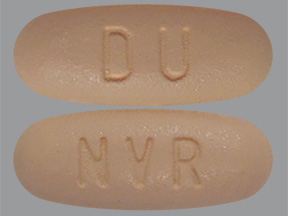 TABRECTA 150 MG TABLET
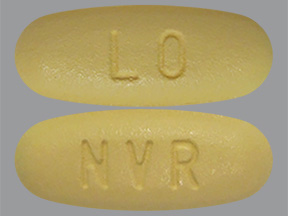 TABRECTA 200 MG TABLET
The following indications for TABRECTA (capmatinib hydrochloride) have been approved by the FDA:
Indications:
Non-small cell lung cancer with mesenchymal-epithelial transition (MET) exon 14 skipping
Professional Synonyms:
NSCLC with METex14 skipping
Indications:
Non-small cell lung cancer with mesenchymal-epithelial transition (MET) exon 14 skipping
Professional Synonyms:
NSCLC with METex14 skipping
The following dosing information is available for TABRECTA (capmatinib hydrochloride):
Dosage of capmatinib hydrochloride is expressed in terms of capmatinib.
If adverse reactions occur during capmatinib therapy, temporary interruption of therapy, dosage reduction, and/or discontinuance of the drug may be necessary. If dosage reduction is required, the dosage of capmatinib should be reduced as described in Table 1.
Table 1: Recommended Dosage Reduction for Capmatinib Toxicity
Dose Reduction Level Dosage Reduction after Recovery from Toxicity (Initial Dosage = 400 mg twice daily) First Resume at 300 mg twice daily Second Resume at 200 mg twice daily Third Permanently discontinue drug
If adverse reactions occur during capmatinib therapy, temporary interruption of therapy, dosage reduction, and/or discontinuance of the drug may be necessary. If dosage reduction is required, the dosage of capmatinib should be reduced as described in Table 1.
Table 1: Recommended Dosage Reduction for Capmatinib Toxicity
Dose Reduction Level Dosage Reduction after Recovery from Toxicity (Initial Dosage = 400 mg twice daily) First Resume at 300 mg twice daily Second Resume at 200 mg twice daily Third Permanently discontinue drug
Capmatinib is administered orally twice daily without regard to meals. Capmatinib tablets should be swallowed whole and should not be broken, crushed, or chewed. If a dose of capmatinib is missed or vomited, patients should not double the dose or take extra doses. The next dose should be taken at the regularly scheduled time.
| DRUG LABEL | DOSING TYPE | DOSING INSTRUCTIONS |
|---|---|---|
| TABRECTA 150 MG TABLET | Maintenance | Adults take 2 tablets (300 mg) by oral route 2 times per day |
| TABRECTA 200 MG TABLET | Maintenance | Adults take 2 tablets (400 mg) by oral route 2 times per day |
No generic dosing information available.
The following drug interaction information is available for TABRECTA (capmatinib hydrochloride):
There are 12 contraindications.
These drug combinations generally should not be dispensed or administered to the same patient. A manufacturer label warning that indicates the contraindication warrants inclusion of a drug combination in this category, regardless of clinical evidence or lack of clinical evidence to support the contraindication.
| Drug Interaction | Drug Names |
|---|---|
| Pazopanib/Selected Inhibitors of P-gp or BCRP SEVERITY LEVEL: 1-Contraindicated Drug Combination: This drug combination is contraindicated and generally should not be dispensed or administered to the same patient. MECHANISM OF ACTION: Inhibitors of P-glycoprotein (P-gp) or BCRP may increase the absorption of pazopanib.(1) CLINICAL EFFECTS: The concurrent administration of pazopanib with an inhibitor of P-glycoprotein or BCRP may result in elevated levels of pazopanib and signs of toxicity.(1) PREDISPOSING FACTORS: The risk of QT prolongation or torsade de pointes may be increased in patients with cardiovascular disease (e.g. heart failure, myocardial infarction, history of torsade de pointes, congenital long QT syndrome), hypokalemia, hypomagnesemia, hypocalcemia, bradycardia, female gender, or advanced age.(2) Concurrent use of more than one drug known to cause QT prolongation or higher systemic concentrations of either QT prolonging drug are additional risk factors for torsade de pointes. Factors which may increase systemic drug concentrations include rapid infusion of an intravenous dose or impaired metabolism or elimination of the drug (e.g. coadministration with an agent which inhibits its metabolism or elimination, and/or renal/hepatic dysfunction).(2) PATIENT MANAGEMENT: The US manufacturer of pazopanib states concurrent use of P-gp inhibitors or BCRP inhibitors should be avoided.(1) Monitor patients for increased side effects from pazopanib. If concurrent therapy is warranted, consider obtaining serum calcium, magnesium, and potassium levels and monitoring ECG at baseline and at regular intervals. Correct any electrolyte abnormalities. Instruct patients to report any irregular heartbeat, dizziness, or fainting. DISCUSSION: Pazopanib is a substrate of P-gp and BCRP. Inhibitors of these transporters are expected to increase pazopanib levels.(1) BCRP inhibitors linked to this monograph include: asciminib, belumosudil, clopidogrel, cyclosporine, curcumin, darolutamide, eltrombopag, enasidenib, febuxostat, fostemsavir, grazoprevir, lazertinib, leflunomide, leniolisib, momelotinib, oteseconazole, pirtobrutinib, regorafenib, resmetirom, ritonavir, rolapitant, roxadustat, tafamidis, teriflunomide, tolvaptan, turmeric, vadadustat, and zongertinib.(1,3-5) P-glycoprotein inhibitors linked to this monograph include: asunaprevir, belumosudil, capmatinib, carvedilol, cyclosporine, danicopan, daridorexant, diltiazem, flibanserin, fostamatinib, ginseng, glecaprevir/pibrentasvir, imlunestrant, isavuconazonium, ivacaftor, ledipasvir, neratinib, sofosbuvir/velpatasvir/voxilaprevir, tepotinib, tezacaftor, ticagrelor, valbenazine, verapamil, vimseltinib, and voclosporin.(3,4) |
PAZOPANIB HCL, VOTRIENT |
| Rasagiline (Greater Than 0.5 mg)/Selected CYP1A2 Inhibitors SEVERITY LEVEL: 1-Contraindicated Drug Combination: This drug combination is contraindicated and generally should not be dispensed or administered to the same patient. MECHANISM OF ACTION: Inhibitors of CYP1A2 may inhibit the metabolism of rasagiline.(1) CLINICAL EFFECTS: Concurrent use of a CYP1A2 inhibitor may increase levels of and adverse effects from rasagiline.(1) PREDISPOSING FACTORS: None determined. PATIENT MANAGEMENT: The US manufacturer of rasagiline states that patients receiving concurrent therapy with an inhibitor of CYP1A2 should receive no more than 0.5 mg of rasagiline daily.(1) Concurrent therapy with vemurafenib may require extended monitoring for interaction onset and severity because steady-state levels of vemurafenib are not attained for approximately 15 days.(2) DISCUSSION: In a study in 12 healthy subjects, ciprofloxacin (500 mg twice daily) increased the area-under-curve (AUC) of rasagiline (2 mg twice daily) by 83%.(1) Strong CYP1A2 inhibitors linked to this monograph include angelica root, ciprofloxacin, enasidenib, enoxacin, and rofecoxib. Moderate CYP1A2 inhibitors linked to this monograph include capmatinib, dipyrone, fexinidazole, genistein, hormonal contraceptives, methoxsalen, mexiletine, osilodrostat, phenylpropanolamine, pipemidic acid, rucaparib, troleandomycin, and vemurafenib.(3-5) |
AZILECT, RASAGILINE MESYLATE |
| Oral Lefamulin/P-glycoprotein (P-gp) Inhibitors SEVERITY LEVEL: 1-Contraindicated Drug Combination: This drug combination is contraindicated and generally should not be dispensed or administered to the same patient. MECHANISM OF ACTION: Inhibitors of P-glycoprotein (P-gp) may increase the absorption of lefamulin.(1) Oral lefamulin tablets may inhibit the metabolism of P-gp inhibitors that are also sensitive CYP3A4 substrates (i.e., asunaprevir, felodipine, ivacaftor, and neratinib).(1-3) CLINICAL EFFECTS: The concurrent administration of lefamulin with an inhibitor of P-gp may result in elevated levels of lefamulin and signs of toxicity, such as QT prolongation. Coadministration of oral lefamulin with agents that are also sensitive CYP3A4 substrates (i.e., asunaprevir, felodipine, ivacaftor, and neratinib) may result in elevated levels and toxicities of the sensitive CYP3A4 substrate. PREDISPOSING FACTORS: The risk of QT prolongation or torsade de pointes may be increased in patients with cardiovascular disease (e.g. heart failure, myocardial infarction, history of torsade de pointes, congenital long QT syndrome), hypokalemia, hypomagnesemia, hypocalcemia, bradycardia, female gender, or advanced age.(4) Concurrent use of more than one drug known to cause QT prolongation or higher systemic concentrations of either QT prolonging drug are additional risk factors for torsade de pointes. Factors which may increase systemic drug concentrations include rapid infusion of an intravenous dose or impaired metabolism or elimination of the drug (e.g. coadministration with an agent which inhibits its metabolism or elimination, genetic impairment in drug metabolism or elimination, and/or renal/hepatic dysfunction).(4) PATIENT MANAGEMENT: The US manufacturer of lefamulin states that oral lefamulin tablet coadministration with P-gp inhibitors should be avoided.(1) If concomitant therapy with a P-gp inhibitor is necessary, monitor patients closely for prolongation of the QT interval. Obtain serum calcium, magnesium, and potassium levels and monitor ECG at regular intervals. Correct any electrolyte abnormalities. Instruct patients to report any irregular heartbeat, dizziness, or fainting. Concomitant use of asunaprevir, felodipine, ivacaftor, or neratinib requires close monitoring for adverse effects of these drugs.(1) The manufacturer of venetoclax states that if concurrent use with a P-gp substrate cannot be avoided, take lefamulin at least 6 hours before venetoclax.(5) DISCUSSION: Coadministration of ketoconazole (a strong CYP3A4 and P-gp inhibitor) with lefamulin tablets increased lefamulin area-under-the-curve (AUC) and maximum concentration (Cmax) by 165% and 58%.(1) In a study, oral lefamulin tablets administered concomitantly with and at 2 or 4 hours before oral midazolam (a CYP3A4 substrate) increased the area-under-curve (AUC) and maximum concentration (Cmax) of midazolam by 200% and 100%, respectively. No clinically significant effect on midazolam pharmacokinetics was observed when co-administered with lefamulin injection.(1) P-gp inhibitors include: asunaprevir, belumosudil, capmatinib, carvedilol, cimetidine, danicopan, daridorexant, diosmin, flibanserin, fluvoxamine, fostamatinib, ginseng, glecaprevir/pibrentasvir, hydroquinidine, ivacaftor, ledipasvir, neratinib, pirtobrutinib, propafenone, sofosbuvir/velpatasvir/voxilaprevir, tepotinib, valbenazine, vimseltinib, and voclosporin.(1-3) |
XENLETA |
| Capmatinib/Strong and Moderate CYP3A4 Inducers SEVERITY LEVEL: 1-Contraindicated Drug Combination: This drug combination is contraindicated and generally should not be dispensed or administered to the same patient. MECHANISM OF ACTION: Strong and moderate CYP3A4 inducers may increase the metabolism of capmatinib by CYP3A4.(1) CLINICAL EFFECTS: The concurrent use of strong and moderate CYP3A4 inducers and capmatinib may result in decreased exposure to capmatinib and decreased anti-tumor activity.(1) PREDISPOSING FACTORS: Induction effects may be more likely with regular use of the inducer for longer than 1-2 weeks. PATIENT MANAGEMENT: Avoid concomitant use of strong and moderate CYP3A4 inducers with capmatinib.(1) DISCUSSION: Coadministration with rifampin (a strong CYP3A4 inducer) decreased capmatinib area-under-curve (AUC) by 67% and maximum concentration (Cmax) by 56%. Coadministration with efavirenz (a moderate CYP3A4 inducer) was predicted to decrease capmatinib AUC by 44% and Cmax by 34%.(1) Strong and moderate CYP3A4 inducers linked to this monograph include: apalutamide, barbiturates, belzutifan, bosentan, carbamazepine, cenobamate, dabrafenib, efavirenz, elagolix, encorafenib, enzalutamide, etravirine, fexinidazole, fosphenytoin, ivosidenib, lesinurad, lorlatinib, lumacaftor, mavacamten, mitapivat, mitotane, modafinil, nafcillin, pacritinib, pexidartinib, phenobarbital, phenytoin, primidone, repotrectinib, rifabutin, rifampin, rifapentine, St. John's wort, sotorasib, telotristat, thioridazine, and tovorafenib.(2) |
AQVESME, ASA-BUTALB-CAFFEINE-CODEINE, ASCOMP WITH CODEINE, AUGTYRO, BOSENTAN, BRAFTOVI, BUTALB-ACETAMINOPH-CAFF-CODEIN, BUTALBITAL, BUTALBITAL-ACETAMINOPHEN, BUTALBITAL-ACETAMINOPHEN-CAFFE, BUTALBITAL-ASPIRIN-CAFFEINE, CAMZYOS, CARBAMAZEPINE, CARBAMAZEPINE ER, CARBATROL, CEREBYX, DILANTIN, DILANTIN-125, DONNATAL, EFAVIRENZ, EFAVIRENZ-EMTRIC-TENOFOV DISOP, EFAVIRENZ-LAMIVU-TENOFOV DISOP, EQUETRO, ERLEADA, ETRAVIRINE, FIORICET, FOSPHENYTOIN SODIUM, INTELENCE, LORBRENA, LUMAKRAS, LYSODREN, MITOTANE, MODAFINIL, MYSOLINE, NAFCILLIN, NAFCILLIN SODIUM, OJEMDA, ORIAHNN, ORILISSA, ORKAMBI, PENTOBARBITAL SODIUM, PHENOBARBITAL, PHENOBARBITAL SODIUM, PHENOBARBITAL-BELLADONNA, PHENOBARBITAL-HYOSC-ATROP-SCOP, PHENOHYTRO, PHENYTEK, PHENYTOIN, PHENYTOIN SODIUM, PHENYTOIN SODIUM EXTENDED, PRIFTIN, PRIMIDONE, PROVIGIL, PYRUKYND, RIFABUTIN, RIFADIN, RIFAMPIN, SEZABY, SYMFI, TAFINLAR, TALICIA, TEGRETOL, TEGRETOL XR, TENCON, THIORIDAZINE HCL, THIORIDAZINE HYDROCHLORIDE, TIBSOVO, TRACLEER, TURALIO, VONJO, WELIREG, XCOPRI, XERMELO, XTANDI |
| Doxorubicin/P-glycoprotein (P-gp) Inhibitors SEVERITY LEVEL: 1-Contraindicated Drug Combination: This drug combination is contraindicated and generally should not be dispensed or administered to the same patient. MECHANISM OF ACTION: P-glycoprotein (P-gp) inhibition may increase doxorubicin cellular concentration, as well as decrease biliary or renal elimination.(1) CLINICAL EFFECTS: Increased cellular or systemic levels of doxorubicin may result in doxorubicin toxicity, including cardiomyopathy, myelosuppression, or hepatic impairment.(1) PREDISPOSING FACTORS: The interaction magnitude may be greater in patients with impaired renal or hepatic function. PATIENT MANAGEMENT: Avoid the concurrent use of P-gp inhibitors in patients undergoing therapy with doxorubicin.(1) Consider alternatives with no or minimal inhibition. If concurrent therapy is warranted, monitor the patient closely for signs and symptoms of doxorubicin toxicity. DISCUSSION: Doxorubicin is a substrate of P-gp.(1) Clinical studies have identified and evaluated the concurrent use of doxorubicin and P-gp inhibitors as a target to overcome P-gp mediated multidrug resistance.(2,3) P-gp inhibitors linked to this monograph include: amiodarone, asciminib, asunaprevir, azithromycin, belumosudil, capmatinib, cimetidine, cyclosporine, daclatasvir, danicopan, daridorexant, deutivacaftor, diltiazem, diosmin, dronedarone, eliglustat, erythromycin, flibanserin, fluvoxamine, fostamatinib, ginkgo, ginseng, glecaprevir/pibrentasvir, hydroquinidine, imlunestrant, istradefylline, ivacaftor, lapatinib, ledipasvir, mavorixafor, neratinib, osimertinib, paroxetine, pirtobrutinib, propafenone, quercetin, quinidine, quinine, ranolazine, sarecycline, schisandra, selpercatinib, simeprevir, sofosbuvir/velpatasvir/voxilaprevir, sotorasib, tepotinib, valbenazine, vemurafenib, vepdegestrant, verapamil, vimseltinib, and voclosporin.(4,5) |
ADRIAMYCIN, CAELYX, DOXIL, DOXORUBICIN HCL, DOXORUBICIN HCL LIPOSOME |
| Fezolinetant/CYP1A2 Inhibitors SEVERITY LEVEL: 1-Contraindicated Drug Combination: This drug combination is contraindicated and generally should not be dispensed or administered to the same patient. MECHANISM OF ACTION: Inhibitors of CYP1A2 may inhibit the metabolism of fezolinetant.(1-4) CLINICAL EFFECTS: Concurrent use of a CYP1A2 inhibitor may increase levels of and adverse effects from fezolinetant.(1-4) PREDISPOSING FACTORS: None determined. PATIENT MANAGEMENT: Recommendations for concurrent use of fezolinetant with CYP1A2 inhibitors differ in different regions. The US manufacturer of fezolinetant states that concurrent use with strong, moderate, and weak CYP1A2 inhibitors is contraindicated.(1) The Australian, Canadian, and UK manufacturers of fezolinetant state that concurrent use with strong and moderate CYP1A2 inhibitors is contraindicated, while weak CYP1A2 inhibitors are not predicted to cause clinically relevant changes in fezolinetant exposure.(2-4) DISCUSSION: In a study, fluvoxamine, a strong CYP1A2 inhibitor, increased fezolinetant maximum concentration (Cmax) and area-under-curve (AUC) by 80% and 840%, respectively. Mexiletine (400 mg every 8 hours), a moderate CYP1A2 inhibitor, increased fezolinetant Cmax and AUC by 40% and 360%, respectively. Cimetidine (300 mg every 6 hours), a weak CYP1A2 inhibitor, increased fezolinetant Cmax and AUC by 30% and 100%, respectively.(1) Strong CYP1A2 inhibitors linked to this monograph include angelica root, ciprofloxacin, enasidenib, enoxacin, fluvoxamine, and rofecoxib. Moderate CYP1A2 inhibitors linked to this monograph include capmatinib, dipyrone, fexinidazole, genistein, hormonal contraceptives, methoxsalen, mexiletine, osilodrostat, phenylpropanolamine, pipemidic acid, rucaparib, troleandomycin, vemurafenib, and viloxazine. Weak CYP1A2 inhibitors linked to this monograph include acyclovir, allopurinol, artemisinin, belumosudil, caffeine, cannabidiol, cimetidine, curcumin, dan-shen, deferasirox, disulfiram, Echinacea, famotidine, ginseng, norfloxacin, obeticholic acid, parsley, piperine, propafenone, propranolol, ribociclib, simeprevir, thiabendazole, ticlopidine, triclabendazole, valacyclovir, verapamil, and zileuton.(5-7) |
VEOZAH |
| Colchicine (for Cardioprotection)/P-glycoprotein (P-gp) Inhibitors SEVERITY LEVEL: 1-Contraindicated Drug Combination: This drug combination is contraindicated and generally should not be dispensed or administered to the same patient. MECHANISM OF ACTION: P-glycoprotein (P-gp) inhibitors may affect the transport of colchicine, a P-gp substrate.(1,2) CLINICAL EFFECTS: Concurrent use of a P-gp inhibitor may result in elevated levels of and toxicity from colchicine. Symptoms of colchicine toxicity include abdominal pain; nausea or vomiting; severe diarrhea; muscle weakness or pain; numbness or tingling in the fingers or toes; myelosuppression; feeling weak or tired; increased infections; and pale or gray color of the lips, tongue, or palms of hands.(1,2) PREDISPOSING FACTORS: This interaction is expected to be more severe in patients with renal or hepatic impairment.(1,2) PATIENT MANAGEMENT: The manufacturer of colchicine used for cardiovascular risk reduction states that concurrent use of colchicine with P-gp inhibitors is contraindicated.(1) DISCUSSION: There are several reports of colchicine toxicity(3-5) and death(6,7) following the addition of clarithromycin to therapy. In a retrospective review of 116 patients who received clarithromycin and colchicine during the same hospitalization, 10.2% (9/88) of patients who received simultaneous therapy died, compared to 3.6% (1/28) of patients who received sequential therapy.(8) An FDA review of 117 colchicine-related deaths that were not attributable to overdose found that 60 deaths (51%) involved concurrent use of clarithromycin.(2) There is one case report of colchicine toxicity with concurrent erythromycin.(9) In a study in 20 subjects, pretreatment with diltiazem (240 mg daily for 7 days) increased the maximum concentration (Cmax) and area-under-curve (AUC) of a single dose of colchicine (0.6 mg) by 44.2% (range -46.6% to 318.3%) and by 93.4% (range -30.2% to 338.6%), respectively.(1) In a study in 24 subjects, pretreatment with verapamil (240 mg twice daily for 7 days) increased the Cmax and AUC of a single dose of colchicine (0.6 mg) by 40.1% (range -47.1% to 149.5%) and by 103.3% (range -9.8% to 217.2%), respectively.(1) Colchicine toxicity has been reported with concurrent use of CYP3A4 and P-gp inhibitors such as clarithromycin, cyclosporine, diltiazem, erythromycin, and verapamil.(1,2) P-gp inhibitors include abrocitinib, amiodarone, asciminib, asunaprevir, azithromycin, belumosudil, capmatinib, carvedilol, cimetidine, cyclosporine, danicopan, daridorexant, deutivacaftor, diltiazem, diosmin, dronedarone, erythromycin, flibanserin, fluvoxamine, fostamatinib, glecaprevir/pibrentasvir, imlunestrant, ivacaftor, lapatinib, ledipasvir, mavorixafor, neratinib, osimertinib, pirtobrutinib, propafenone, quinidine, ranolazine, schisandra, selpercatinib, sotorasib, tepotinib, valbenazine, velpatasvir, vemurafenib, venetoclax, vepdegestrant, verapamil, vimseltinib, and voclosporin.(1,10,11) |
LODOCO |
| Rosuvastatin (Greater Than 10 mg)/Capmatinib SEVERITY LEVEL: 1-Contraindicated Drug Combination: This drug combination is contraindicated and generally should not be dispensed or administered to the same patient. MECHANISM OF ACTION: Capmatinib inhibits BCRP, which may result in increased absorption and decreased hepatic uptake of rosuvastatin.(1,2) CLINICAL EFFECTS: Concurrent use of capmatinib with rosuvastatin may result in increased levels and side effects from rosuvastatin, including rhabdomyolysis.(1,2) PREDISPOSING FACTORS: The risk for myopathy or rhabdomyolysis may be greater in patients 65 years and older, inadequately treated hypothyroidism, renal impairment, carnitine deficiency, malignant hyperthermia, or in patients with a history of myopathy or rhabdomyolysis. Patients with a SLCO1B1 polymorphism that leads to decreased function of the hepatic uptake transporter OATP1B1 may have increased statin concentrations and be predisposed to myopathy or rhabdomyolysis. Patients on rosuvastatin with ABCG2 polymorphisms leading to decreased or poor BCRP transporter function may have increased rosuvastatin concentrations and risk of myopathy. PATIENT MANAGEMENT: The US manufacturer of rosuvastatin states that the dose of rosuvastatin should not exceed 10 mg daily when used concurrently with capmatinib.(1) The Australian manufacturer of rosuvastatin states that the starting dose of rosuvastatin should not exceed 5 mg daily when used with capmatinib.(3) Monitor patients closely for signs and symptoms of toxicity from increased rosuvastatin concentrations.(1) DISCUSSION: In a study, capmatinib increased rosuvastatin (a BCRP substrate) area-under-curve (AUC) by 108% and maximum concentration (Cmax) by 204%.(1) |
CRESTOR, EZALLOR SPRINKLE, ROSUVASTATIN CALCIUM, ROSUVASTATIN-EZETIMIBE, ROSZET |
| Vorasidenib/Moderate CYP1A2 Inhibitors SEVERITY LEVEL: 1-Contraindicated Drug Combination: This drug combination is contraindicated and generally should not be dispensed or administered to the same patient. MECHANISM OF ACTION: Moderate CYP1A2 inhibitors may inhibit the metabolism of vorasidenib.(1) CLINICAL EFFECTS: Concurrent use of moderate CYP1A2 inhibitors may result in elevated levels of and effects from vorasidenib, including hepatotoxicity.(1) PREDISPOSING FACTORS: None determined. PATIENT MANAGEMENT: The US manufacturer for vorasidenib states concurrent use with moderate CYP1A2 inhibitors should be avoided.(1) If concurrent use of moderate CYP1A2 inhibitors cannot be avoided, monitor for increased risk of adverse reactions and modify the dose of vorasidenib as recommended in the prescribing information.(1) DISCUSSION: Vorasidenib is primarily metabolized by CYP1A2.(1) Concurrent use of vorasidenib and fluvoxamine (a strong CYP1A2 inhibitor) is predicted to increase vorasidenib maximum concentration (Cmax) and area-under-curve (AUC) by greater than 5-fold.(1) In a study, concurrent use of vorasidenib and ciprofloxacin (a moderate CYP1A2 inhibitor) increased vorasidenib Cmax 1.3-fold and AUC 2.5-fold.(1) Moderate CYP1A2 inhibitors linked to this monograph include: capmatinib, ciprofloxacin, dipyrone, fexinidazole, genistein, methoxsalen, mexiletine, osilodrostat, phenylpropanolamine, pipemidic acid, rucaparib, troleandomycin, vemurafenib, and viloxazine.(2) |
VORANIGO |
| Ensartinib/Selected P-glycoprotein (P-gp) Inhibitors SEVERITY LEVEL: 1-Contraindicated Drug Combination: This drug combination is contraindicated and generally should not be dispensed or administered to the same patient. MECHANISM OF ACTION: Ensartinib is a P-glycoprotein (P-gp) substrate. P-gp inhibitors may increase the levels of ensartinib.(1) CLINICAL EFFECTS: The concurrent administration of a P-glycoprotein (P-gp) inhibitor may result in elevated levels of and toxicity from ensartinib.(1) PREDISPOSING FACTORS: None determined. PATIENT MANAGEMENT: The US manufacturer of ensartinib states that concurrent use of P-glycoprotein (P-gp) inhibitors should be avoided.(1) DISCUSSION: Ensartinib is a substrate of P-gp. Inhibitors of P-gp may increase toxicity of ensartinib.(1) Inhibitors of P-gp linked to this monograph include: abrocitinib, amiodarone, Asian ginseng (Panax ginseng), asunaprevir, azithromycin, belumosudil, capmatinib, carvedilol, cimetidine, cyclosporine, danicopan, daridorexant, diosmin, eliglustat, flibanserin, fostamatinib, ginkgo biloba, glecaprevir and pibrentasvir, hydroquinidine, ivacaftor, lapatinib, mavorixafor, milk thistle (Silybum marianum), neratinib, osimertinib, propafenone, quercetin, quinidine, ranolazine, rolapitant, silibinin, silymarin, sotagliflozin, tepotinib, tezacaftor, valbenazine, velpatasvir, vemurafenib, venetoclax, vepdegestrant, vilazodone, vimseltinib, and voclosporin.(2,3) |
ENSACOVE |
| Topotecan/BCRP Inhibitors SEVERITY LEVEL: 1-Contraindicated Drug Combination: This drug combination is contraindicated and generally should not be dispensed or administered to the same patient. MECHANISM OF ACTION: Inhibitors of the BCRP transporter may increase the intestinal absorption and hepatic uptake of topotecan.(1) CLINICAL EFFECTS: The concurrent administration of topotecan with an inhibitor of BCRP may result in elevated levels of topotecan and signs of toxicity. These signs may include but are not limited to anemia, diarrhea, and thrombocytopenia.(1) PREDISPOSING FACTORS: None determined. PATIENT MANAGEMENT: The US manufacturer of topotecan states that the use of topotecan and BCRP inhibitors should be avoided. If concurrent use is warranted, carefully monitor patients for adverse effects.(1) DISCUSSION: In clinical studies, the combined use of elacridar (100 mg to 1000 mg), a BCRP and P-gp inhibitor, increased the area-under-curve (AUC) of topotecan approximately 2.5-fold.(1) BCRP inhibitors linked to this monograph include: capmatinib, clopidogrel, curcumin, danicopan, dasabuvir, elbasvir, enasidenib, ensitrelvir, febuxostat, fostamatinib, fostemsavir, glecaprevir, grazoprevir, lazertinib, oteseconazole, pacritinib, paritaprevir, pibrentasvir, pirtobrutinib, regorafenib, resmetirom, ritonavir, roxadustat, tafamidis, ticagrelor, tolvaptan, turmeric, vadadustat, velpatasvir, voxilaprevir, and zongertinib.(2,3) |
HYCAMTIN, TOPOTECAN HCL |
| Ubrogepant (Greater Than 50 mg)/P-gp or BCRP Inhibitors SEVERITY LEVEL: 1-Contraindicated Drug Combination: This drug combination is contraindicated and generally should not be dispensed or administered to the same patient. MECHANISM OF ACTION: Inhibitors of P-glycoprotein (P-gp) or BCRP may increase the absorption of ubrogepant.(1) CLINICAL EFFECTS: The concurrent administration of ubrogepant with an inhibitor of P-glycoprotein or BCRP may result in elevated levels of ubrogepant.(1) PREDISPOSING FACTORS: None determined. PATIENT MANAGEMENT: The manufacturer recommends a dosage adjustment of ubrogepant when coadministered with P-gp or BCRP inhibitors. The dose of ubrogepant should not exceed 50 mg for initial dose. If a second dose of ubrogepant is needed, the dose should not exceed 50 mg.(1) For patients on concurrent therapy with vimseltinib and ubrogepant: the manufacturer of vimseltinib states concurrent use with P-gp substrates should be avoided. If concurrent use cannot be avoided, take vimseltinib at least 4 hours prior to ubrogepant.(3) DISCUSSION: Ubrogepant is a substrate of P-gp and BCRP transporters. Use of P-gp or BCRP inhibitors may increase the exposure of ubrogepant. Clinical drug interaction studies with inhibitors of these transporters were not conducted. The US manufacturer of ubrogepant recommends dose adjustment if ubrogepant is coadministered with P-gp or BCRP inhibitors.(1) BCRP inhibitors linked to this monograph include: belumosudil, clopidogrel, curcumin, eltrombopag, febuxostat, fostemsavir, leniolisib, momelotinib, oteseconazole, regorafenib, resmetirom, ritonavir, rolapitant, roxadustat, tafamidis, oral tedizolid, turmeric, vadadustat, and zongertinib.(2-5) P-glycoprotein inhibitors linked to this monograph include: asunaprevir, belumosudil, capmatinib, carvedilol, danicopan, daridorexant, imlunestrant, neratinib, osimertinib, propafenone, quinidine, selpercatinib, sofosbuvir/velpatasvir/voxilaprevir, tepotinib, valbenazine, vimseltinib, and voclosporin.(2-5) |
UBRELVY |
There are 10 severe interactions.
These drug interactions can produce serious consequences in most patients. Actions required for severe interactions include, but are not limited to, discontinuing one or both agents, adjusting dosage, altering administration scheduling, and providing additional patient monitoring. Review the full interaction monograph for more information.
| Drug Interaction | Drug Names |
|---|---|
| Dabigatran/Selected P-glycoprotein (P-gp) Inhibitors SEVERITY LEVEL: 2-Severe Interaction: Action is required to reduce the risk of severe adverse interaction. MECHANISM OF ACTION: Dabigatran etexilate is a substrate for the P-glycoprotein (P-gp) system. Inhibition of intestinal P-gp leads to increased absorption of dabigatran.(1-3) CLINICAL EFFECTS: The concurrent use dabigatran with P-gp inhibitors may lead to elevated plasma levels of dabigatran, increasing the risk for bleeding. PREDISPOSING FACTORS: Factors associated with an increased risk for bleeding include renal impairment, concomitant use of P-gp inhibitors, patient age >74 years, coexisting conditions (e.g. recent trauma) or use of drugs (e.g. NSAIDs) associated with bleeding risk, and patient weight < 50 kg.(1-4) PATIENT MANAGEMENT: Assess renal function and evaluate patient for other pre-existing risk factors for bleeding prior to initiating concurrent therapy. The US manufacturer of dabigatran states that the concurrent use of dabigatran and P-gp inhibitors should be avoided in atrial fibrillation patients with severe renal impairment (CrCl less than 30 ml/min) and in patients with moderate renal impairment (CrCl less than 50 ml/min) being treated for or undergoing prophylaxis for deep vein thrombosis (DVT) or pulmonary embolism (PE). The interaction with P-gp inhibitors can be minimized by taking dabigatran several hours apart from the P-gp inhibitor dose.(1) The concomitant use of dabigatran with P-gp inhibitors has not been studied in pediatric patients but may increase exposure to dabigatran.(1) While the US manufacturer of dabigatran states that no dosage adjustment is necessary in other patients,(1) the Canadian manufacturer of dabigatran states that concomitant use of strong P-gp inhibitors (e.g., glecaprevir-pibrentasvir) is contraindicated. When dabigatran is used for the prevention of venous thromboembolism (VTE) after total hip or knee replacement concurrently with amiodarone, quinidine, or verapamil, the dose of dabigatran should be reduced from 110 mg twice daily to 150 mg once daily. For patients with CrCl less than 50 ml/min on verapamil, a further dabigatran dose reduction to 75 mg once daily should be considered. Verapamil should be given at least 2 hours after dabigatran to minimize the interaction.(2) The UK manufacturer of dabigatran also states the use of dabigatran with strong P-gp inhibitors (e.g., cyclosporine, glecaprevir-pibrentasvir or itraconazole) is contraindicated. Concurrent use of ritonavir is not recommended. When dabigatran is used in atrial fibrillation patients and for treatment of DVT and PE concurrently with verapamil, the UK manufacturer recommends reducing the dose of dabigatran from 150 mg twice daily to 110 mg twice daily, taken simultaneously with verapamil. When used for VTE prophylaxis after orthopedic surgery concurrently with amiodarone, quinidine, or verapamil, the dabigatran loading dose should be reduced from 110 mg to 75 mg, and the maintenance dose should be reduced from 220 mg daily to 150 mg daily, taken simultaneously with the P-gp inhibitor. For patients with CLcr 30-50 mL/min on concurrent verapamil, consider further lowering the dabigatran dose to 75 mg daily.(3) If concurrent therapy is warranted, monitor patients for signs of blood loss, including decreased hemoglobin and/or hematocrit, fecal occult blood, and/or decreased blood pressure and promptly evaluate patients with any symptoms. Consider regular monitoring of hemoglobin, platelet levels, and/or activated partial thromboplastin time (aPTT) or ecarin clotting time (ECT). When applicable, perform agent-specific laboratory test (e.g. INR, aPTT) to monitor efficacy and safety of anticoagulation. Discontinue anticoagulation in patients with active pathologic bleeding. Instruct patients to report any signs and symptoms of bleeding, such as unusual bleeding from the gums or nose; unusual bruising; red or black, tarry stools; red, pink or dark brown urine; acute abdominal or joint pain and/or swelling. DISCUSSION: When dabigatran was co-administered with amiodarone, the extent and rate of absorption of amiodarone and its active metabolite DEA were essentially unchanged. The dabigatran area-under-curve (AUC) and maximum concentration (Cmax) were increased by about 60% and 50%, respectively;(1,2) however, dabigatran clearance was increased by 65%.(1) Pretreatment with quinidine (200 mg every 2 hours to a total dose of 1000 mg) increased the AUC and Cmax of dabigatran by 53% and 56%, respectively.(1,2) Chronic administration of immediate release verapamil one hour prior to dabigatran dose increased dabigatran AUC by 154%.(4) Administration of dabigatran two hours before verapamil results in a negligible increase in dabigatran AUC.(1) Administration of sofosbuvir-velpatasvir-voxilaprevir (400/100/200 mg daily) increased the Cmax and AUC of a single dose of dabigatran (75 mg) by 2.87-fold and 2.61-fold, respectively.(5) Simultaneous administration of glecaprevir-pibrentasvir (300/120 mg daily) with a single dose of dabigatran (150 mg) increased the Cmax and AUC by 2.05-fold and 2.38-fold, respectively.(6) A retrospective comparative effectiveness cohort study including data from 9,886 individuals evaluated adverse bleeding rates with standard doses of oral anticoagulants with concurrent verapamil or diltiazem in patients with nonvalvular atrial fibrillation and normal kidney function. The study compared rates of bleeding following co-administration of either dabigatran, rivaroxaban, or apixaban with verapamil or diltiazem, compared to co-administration with amlodipine or metoprolol. Results of the study found that concomitant dabigatran use with verapamil or diltiazem was associated with increased overall bleeding (hazard ratio (HR) 1.52; 95% confidence interval (CI), 1.05-2.20, p<0.05) and increased overall GI bleeding (HR 2.16; 95% CI, 1.30-3.60, p<0.05) when compared to amlodipine. When compared to metoprolol, concomitant dabigatran use with verapamil or diltiazem was also associated with increased overall bleeding (HR, 1.43; 95% CI, 1.02-2.00, p<0.05) and increased overall GI bleeding (HR, 2.32; 95% CI, 1.42-3.79, p<0.05). No association was found between increased bleeding of any kind and concurrent use of rivaroxaban or apixaban with verapamil or diltiazem.(7) A summary of pharmacokinetic interactions with dabigatran and amiodarone or verapamil concluded that concurrent use is considered safe if CrCl is greater than 50 ml/min but should be avoided if CrCl is less than 50 ml/min in VTE and less than 30 ml/min for NVAF. Concurrent use with diltiazem was considered safe.(9) P-gp inhibitors include amiodarone, asunaprevir, belumosudil, capmatinib, carvedilol, cimetidine, conivaptan, cyclosporine, daclatasvir, danicopan, daridorexant, diosmin, erythromycin, flibanserin, fostamatinib, ginseng, glecaprevir, imlunestrant, indinavir, itraconazole, ivacaftor, josamycin, lapatinib, ledipasvir, lonafarnib, mavorixafor, neratinib, osimertinib, pibrentasvir, posaconazole, propafenone, quinidine, ranolazine, ritonavir, selpercatinib, sotorasib, telaprevir, telithromycin, tepotinib, tezacaftor, tucatinib, valbenazine, velpatasvir, vemurafenib, vepdegestrant, verapamil, vimseltinib, voclosporin, and voxilaprevir.(1-9) |
DABIGATRAN ETEXILATE, PRADAXA |
| Colchicine (for Gout & FMF)/P-glycoprotein (P-gp) Inhibitors SEVERITY LEVEL: 2-Severe Interaction: Action is required to reduce the risk of severe adverse interaction. MECHANISM OF ACTION: P-glycoprotein (P-gp) inhibitors may affect the transport of colchicine, a P-gp substrate.(1,2) CLINICAL EFFECTS: Concurrent use of a P-gp inhibitor may result in elevated levels of and toxicity from colchicine. Symptoms of colchicine toxicity include abdominal pain; nausea or vomiting; severe diarrhea; muscle weakness or pain; numbness or tingling in the fingers or toes; myelosuppression; feeling weak or tired; increased infections; and pale or gray color of the lips, tongue, or palms of hands.(1,2) PREDISPOSING FACTORS: This interaction is expected to be more severe in patients with renal and/or hepatic impairment(1,2) and in patients who receive concurrent therapy. PATIENT MANAGEMENT: The concurrent use of colchicine with P-gp inhibitors is contraindicated in patients with renal or hepatic impairment.(1-3) Avoid concurrent use in other patients, if possible.(3) In patients without renal or hepatic impairment who are currently taking or have taken a P-gp inhibitor in the previous 14 days, the dosage of colchicine should be reduced. For gout flares, the recommended dosage is 0.6 mg (1 tablet) for one dose. This dose should be repeated no earlier than in 3 days.(1,2) For gout prophylaxis, if the original dosage was 0.6 mg twice daily, use 0.3 mg daily. If the original dosage was 0.6 mg daily, use 0.3 mg every other day.(3-12) For Familial Mediterranean fever (FMF), the recommended maximum daily dose is 0.6 mg (may be given as 0.3 mg twice a day).(1,2) Patients should be instructed to immediately report any signs of colchicine toxicity, such as abdominal pain, nausea/significant diarrhea, vomiting; muscle weakness/pain; numbness/tingling in fingers/toes; unusual bleeding or bruising, infections, weakness/tiredness, or pale/gray color of the lips/tongue/palms of hands. DISCUSSION: There are several reports of colchicine toxicity(4-6) and death(7,8) following the addition of clarithromycin to therapy. In a retrospective review of 116 patients who received clarithromycin and colchicine during the same hospitalization, 10.2% (9/88) of patients who received simultaneous therapy died, compared to 3.6% (1/28) of patients who received sequential therapy.(9) An FDA review of 117 colchicine-related deaths that were not attributable to overdose found that 60 deaths (51%) involved concurrent use of clarithromycin.(2) There is one case report of colchicine toxicity with concurrent erythromycin.(10) In a study in 20 subjects, pretreatment with diltiazem (240 mg daily for 7 days) increased the maximum concentration (Cmax) and area-under-curve (AUC) of a single dose of colchicine (0.6 mg) by 44.2% (range -46.6% to 318.3%) and by 93.4% (range -30.2% to 338.6%), respectively.(1) In a study in 24 subjects, pretreatment with verapamil (240 mg twice daily for 7 days) increased the Cmax and AUC of a single dose of colchicine (0.6 mg) by 40.1% (range -47.1% to 149.5%) and by 103.3% (range -9.8% to 217.2%), respectively.(1) Colchicine toxicity has been reported with concurrent use of CYP3A4 and P-gp inhibitors such as clarithromycin, cyclosporine, diltiazem, erythromycin, and verapamil.(1,2) P-gp inhibitors include abrocitinib, amiodarone, asciminib, asunaprevir, azithromycin, belumosudil, capmatinib, carvedilol, cimetidine, danicopan, daridorexant, deutivacaftor, diltiazem, diosmin, dronedarone, erythromycin, flibanserin, fluvoxamine, fostamatinib, glecaprevir/pibrentasvir, imlunestrant, ivacaftor, lapatinib, ledipasvir, mavorixafor, neratinib, osimertinib, pirtobrutinib, propafenone, quinidine, ranolazine, schisandra, selpercatinib, sotorasib, tepotinib, valbenazine, velpatasvir, vemurafenib, venetoclax, vepdegestrant, verapamil, vimseltinib, and voclosporin.(1,11,12) |
COLCHICINE, COLCRYS, GLOPERBA, MITIGARE, PROBENECID-COLCHICINE |
| Venetoclax/Selected P-glycoprotein (P-gp) Inhibitors SEVERITY LEVEL: 2-Severe Interaction: Action is required to reduce the risk of severe adverse interaction. MECHANISM OF ACTION: Venetoclax is a substrate for the P-glycoprotein (P-gp) system. P-gp inhibitors may lead to increased levels of venetoclax.(1) CLINICAL EFFECTS: Concurrent use of P-gp inhibitors may result in elevated levels of venetoclax, increasing the risk for tumor lysis syndrome and other toxicities.(1) PREDISPOSING FACTORS: Risk factors for tumor lysis syndrome include (1): - the ramp-up phase of venetoclax therapy when tumor burden is highest - initial magnitude of tumor burden - renal impairment The risk of venetoclax toxicities may be increased in patients with severe hepatic impairment.(1) PATIENT MANAGEMENT: Avoid P-gp inhibitors and consider alternative treatments when possible. If a P-gp inhibitor must be used, reduce venetoclax dose by at least 50%. Monitor more closely for signs of toxicity such as tumor lysis syndrome, hematologic and non-hematologic toxicities.(1) If the P-gp inhibitor is discontinued, the manufacturer of venetoclax recommends resuming the prior (i.e. pre-inhibitor) dose of venetoclax 2 to 3 days after discontinuation of the P-gp inhibitor.(1) DISCUSSION: In 11 healthy subjects, a single dose of rifampin (a P-gp inhibitor) increased venetoclax maximum concentration (Cmax) and area-under-curve (AUC) by 106% and 78%, respectively.(1) In 11 previously treated NHL subjects, ketoconazole (a strong CYP3A4 inhibitor which also inhibits P-gp and BCRP) 400 mg daily for 7 days increased the Cmax and AUC of venetoclax 2.3-fold and 6.4-fold respectively.(1) In 12 healthy subjects, coadministration of azithromycin (500 mg Day 1, 250 mg for Days 2-5) decreased venetoclax Cmax and AUC by 25% and 35%. No dosage adjustment is needed when venetoclax is coadministered with azithromycin.(1) P-gp inhibitors include: amiodarone, asunaprevir, belumosudil, capmatinib, carvedilol, cyclosporine, danicopan, daridorexant, diosmin, flibanserin, fostamatinib, ginseng, imlunestrant, ivacaftor, neratinib, osimertinib, pirtobrutinib, propafenone, quinidine, ranolazine, selpercatinib, sofosbuvir/velpatasvir/voxilaprevir, tezacaftor, tepotinib, valbenazine, vemurafenib, vepdegestrant, vimseltinib, and voclosporin.(2) |
VENCLEXTA, VENCLEXTA STARTING PACK |
| Cladribine Oral/Selected Inhibitors of BCRP SEVERITY LEVEL: 2-Severe Interaction: Action is required to reduce the risk of severe adverse interaction. MECHANISM OF ACTION: Inhibitors of BCRP may increase the absorption of cladribine.(1-2) CLINICAL EFFECTS: The concurrent administration of cladribine with an inhibitor of BCRP may result in elevated levels of cladribine and signs of toxicity.(1-2) PREDISPOSING FACTORS: None determined. PATIENT MANAGEMENT: The manufacturer of cladribine states concurrent use of BCRP inhibitors should be avoided during the 4- to 5-day cladribine treatment.(1-2) Selection of an alternative concurrent medication with no or minimal transporter inhibiting proprieties should be considered. If this is not possible, dose reduction to the minimum mandatory dose of the BCRP inhibitor, separation in timing of administration, and careful patient monitoring is recommended.(1-2) Monitor for signs of hematologic toxicity. Lymphocyte counts should be monitored. DISCUSSION: Cladribine is a substrate of BCRP. Inhibitors of this transporter are expected to increase cladribine levels.(1-2) BCRP inhibitors linked to this monograph include: capmatinib, clopidogrel, curcumin, danicopan, darolutamide, dasabuvir, eltrombopag, enasidenib, ensitrelvir, febuxostat, fostamatinib, fostemsavir, glecaprevir/pibrentasvir, grazoprevir, lazertinib, oteseconazole, pacritinib, paritaprevir, regorafenib, resmetirom, ritonavir, rolapitant, roxadustat, selpercatinib, sofosbuvir/velpatasvir/voxilaprevir, tafamidis, ticagrelor, tolvaptan, turmeric, vadadustat, and zongertinib.(1-4) |
CLADRIBINE, MAVENCLAD |
| Selected CYP1A2 Substrates/Capmatinib SEVERITY LEVEL: 2-Severe Interaction: Action is required to reduce the risk of severe adverse interaction. MECHANISM OF ACTION: Capmatinib is a moderate inhibitor of CYP1A2.(1) The FDA defines moderate inhibition as an increase in drug area-under-curve (AUC) greater than two fold, but less than 5 fold.(2) CLINICAL EFFECTS: Concurrent use of capmatinib with drugs primarily metabolized by CYP1A2 may lead to elevated drug levels and increased side effects.(1) PREDISPOSING FACTORS: Greater risk for adverse events would be expected for drugs with a narrow therapeutic window, or for drugs especially sensitive to CYP1A2 inhibition. PATIENT MANAGEMENT: Drugs linked to this monograph have a narrow therapeutic window or are sensitive to CYP1A2 inhibition. If coadministration is unavoidable, decrease the CYP1A2 substrate dosage in accordance with the approved prescribing information.(1) DISCUSSION: Coadministration with caffeine (a CYP1A2 substrate) increased area-under-curve (AUC) by 134% with no change in its maximum concentration (Cmax).(1) CYP1A2 substrates linked to this monograph include: agomelatine, aminophylline, and theophylline.(2) |
AMINOPHYLLINE, THEO-24, THEOPHYLLINE, THEOPHYLLINE ANHYDROUS, THEOPHYLLINE ER, THEOPHYLLINE ETHYLENEDIAMINE |
| Selected BCRP Substrates/Capmatinib SEVERITY LEVEL: 2-Severe Interaction: Action is required to reduce the risk of severe adverse interaction. MECHANISM OF ACTION: Capmatinib inhibits BCRP, which may result in increased absorption of BCRP substrates.(1) CLINICAL EFFECTS: Administration of capmatinib with BCRP substrates may result in elevated levels of and toxicity from these agents.(1) PREDISPOSING FACTORS: None determined. PATIENT MANAGEMENT: The US manufacturer of capmatinib states that the concurrent use of narrow therapeutic index BCRP substrates should be avoided. If concurrent therapy cannot be avoided, the dosage of the narrow therapeutic index BCRP substrate should be decreased according to the substrate prescribing information.(1) DISCUSSION: In a study, capmatinib increased rosuvastatin (a BCRP substrate) area-under-curve (AUC) by 108% and maximum concentration (Cmax) by 204%.(1) BCRP substrates linked to this monograph include: glyburide, imatinib, irinotecan, lapatinib, methotrexate, and mitoxantrone.(1-2) |
CAMPTOSAR, GLEEVEC, GLYBURIDE, GLYBURIDE-METFORMIN HCL, IMATINIB MESYLATE, IMKELDI, IRINOTECAN HCL, JYLAMVO, LAPATINIB, METHOTREXATE, METHOTREXATE SODIUM, METHOTREXATE-NACL, MITOXANTRONE HCL, ONIVYDE, RASUVO, TREXALL, TYKERB, XATMEP |
| Tizanidine/Capmatinib SEVERITY LEVEL: 2-Severe Interaction: Action is required to reduce the risk of severe adverse interaction. MECHANISM OF ACTION: Capmatinib may inhibit the metabolism of tizanidine by CYP1A2.(1,2) CLINICAL EFFECTS: Concurrent use of capmatinib may result in elevated levels of and effects from tizanidine, including hypotension, bradycardia, drowsiness, sedation, and decreased psychomotor function. PREDISPOSING FACTORS: The risk of anticholinergic toxicities including cognitive decline, delirium, falls and fractures is increased in geriatric patients using more than one medicine with anticholinergic properties.(3) PATIENT MANAGEMENT: Concomitant use of tizanidine with CYP1A2 inhibitors such as capmatinib should be avoided.(1,2) If concurrent therapy is warranted, tizanidine therapy should be initiated with a 2 mg dose and increased in 2-4 mg steps daily based on patient response to therapy. If adverse reactions such as hypotension, bradycardia, or excessive drowsiness occur, reduce or discontinue tizanidine therapy.(1) DISCUSSION: In a study in 10 healthy subjects, concurrent fluvoxamine, another inhibitor of CYP1A2, increased tizanidine maximum concentration (Cmax), area-under-curve (AUC), and half-life (T1/2) by 12-fold, 33-fold, and 3-fold, respectively. Significant decreases in blood pressure and increases in drowsiness and psychomotor impairment occurred.(1) In a study in 10 healthy subjects, concurrent ciprofloxacin, another CYP1A2 inhibitor, increased tizanidine Cmax and AUC by 7-fold and 10-fold, respectively. Significant decreases in blood pressure and increased drowsiness and psychomotor impairment occurred.(1) Coadministration of capmatinib increased caffeine (a CYP1A2 substrate) AUC by 134% with no change to its Cmax.(2) |
ONTRALFY, TIZANIDINE HCL, ZANAFLEX |
| Clozapine/Capmatinib SEVERITY LEVEL: 2-Severe Interaction: Action is required to reduce the risk of severe adverse interaction. MECHANISM OF ACTION: Capmatinib may inhibit the metabolism of clozapine via CYP1A2.(1,2) CLINICAL EFFECTS: Concurrent use may result in higher levels of clozapine and increased risk of side effects including neutropenia and QT prolongation.(2) Moderate neutropenia, even if due to combination therapy, may require abrupt discontinuation of clozapine resulting in decompensation of the patient's psychiatric disorder (e.g. schizophrenia). Undetected severe neutropenia or agranulocytosis may be fatal.(2,3) PREDISPOSING FACTORS: The risk of QT prolongation or torsades de pointes may be increased in patients with cardiovascular disease (e.g. heart failure, myocardial infarction, history of torsades de pointes, congenital long QT syndrome), hypokalemia, hypomagnesemia, hypocalcemia, bradycardia, female gender, or advanced age.(4) Concurrent use of more than one drug known to cause QT prolongation or higher systemic concentrations of either QT prolonging drug are additional risk factors for torsades de pointes. Factors which may increase systemic drug concentrations include rapid infusion of an intravenous dose or impaired metabolism or elimination of the drug (e.g. coadministration with an agent which inhibits its metabolism or elimination, genetic impairment in drug metabolism or elimination, and/or renal/hepatic dysfunction).(4) Low white blood counts prior to initiation of the myelosuppressive agent may increase risk for clinically significant neutropenia.(2,3) PATIENT MANAGEMENT: The manufacturer of capmatinib recommends avoiding coadministration of narrow therapeutic index CYP1A2 substrates with capmatinib.(1) The manufacturer of clozapine recommends monitoring patients for adverse reactions of clozapine and lowering the dose of clozapine if necessary.(2) If concurrent therapy is warranted, consider obtaining serum calcium, magnesium, and potassium levels and monitoring ECG at baseline and at regular intervals. Correct any electrolyte abnormalities. Instruct patients to report any irregular heartbeat, dizziness, or fainting. If a patient stabilized on clozapine therapy requires treatment with capmatinib, the clozapine prescriber should consult with the prescriber of capmatinib to discuss treatment and monitoring options. More frequent absolute neutrophil count (ANC) monitoring or treatment alternatives secondary to neutropenic episodes may need to be considered. The U.S. Food and Drug Administration (FDA) recommends that prescribers monitor patients' ANC according to the monitoring frequencies described in the prescribing information. Severe neutropenia remains a serious, potentially fatal risk that is greatest in the first several months of clozapine treatment. ANC monitoring can help identify neutropenia early to allow for timely intervention.(3) Australia, Canada and U.K.: Clozapine is only available through a restricted distribution system which requires documentation of the ANC prior to dispensing. For most clozapine patients, clozapine treatment must be interrupted for a suspected clozapine-induced ANC < 1000 cells/microliter. For patients with benign ethnic neutropenia (BEN), treatment must be interrupted for suspected clozapine-induced neutropenia < 500 cells/microliter.(3) DISCUSSION: Coadministration of capmatinib increased caffeine (a CYP1A2 substrate) area-under-curve (AUC) by 134% with no change in its maximum concentration (Cmax). Treatment with clozapine has been associated with QT prolongation as well as ventricular arrhythmia, torsades de pointes, cardiac arrest, and sudden death.(2) |
CLOZAPINE, CLOZAPINE ODT, CLOZARIL, VERSACLOZ |
| Relugolix/P-glycoprotein (P-gp) Inhibitors SEVERITY LEVEL: 2-Severe Interaction: Action is required to reduce the risk of severe adverse interaction. MECHANISM OF ACTION: Relugolix is a substrate of the intestinal P-glycoprotein (P-gp) efflux transporter. Inhibitors of P-gp may increase the absorption of relugolix.(1) CLINICAL EFFECTS: The concurrent administration of relugolix with an inhibitor of P-glycoprotein may result in elevated levels of relugolix and adverse effects, including hot flashes, skin flushing, musculoskeletal pain, hyperglycemia, acute renal injury, transaminitis, arrhythmias, and hemorrhage.(1) PREDISPOSING FACTORS: None determined. PATIENT MANAGEMENT: The US manufacturer of relugolix states that the coadministration of relugolix with P-gp inhibitors should be avoided. If the P-gp inhibitor is to be used short-term, relugolix may be held for up to 2 weeks. If treatment with relugolix is interrupted for longer than 7 days, resume relugolix with a loading dose of 360 mg on the first day, followed by 120 mg once daily.(1) If coadministration with a P-gp inhibitor cannot be avoided, relugolix should be taken at least 6 hours before the P-gp inhibitor. Monitor the patient more frequently for adverse events.(1) DISCUSSION: Coadministration of relugolix with erythromycin (a P-gp and moderate CYP3A4 inhibitor) increased the area-under-curve (AUC) and maximum concentration (Cmax) of relugolix by 6.2-fold. Voriconazole (a strong CYP3A4 inhibitor) did not have a clinically significant effect on the pharmacokinetics of relugolix.(1) P-gp inhibitors linked to this monograph include: amiodarone, asunaprevir, azithromycin, belumosudil, capmatinib, carvedilol, cimetidine, clarithromycin, cobicistat, conivaptan, curcumin, cyclosporine, daclatasvir, danicopan, daridorexant, deutivacaftor, diltiazem, diosmin, dronedarone, eliglustat, erythromycin, flibanserin, fluvoxamine, fostamatinib, ginkgo, ginseng, glecaprevir/pibrentasvir, indinavir, itraconazole, ivacaftor, josamycin, ketoconazole, lapatinib, lonafarnib, mavorixafor, mibefradil, mifepristone, neratinib, osimertinib, paroxetine, pirtobrutinib, posaconazole, propafenone, quinidine, quinine, ranolazine, ritonavir, sarecycline, schisandra, selpercatinib, simeprevir, sotorasib, telaprevir, telithromycin, tepotinib, tucatinib, valbenazine, velpatasvir, vemurafenib, venetoclax, vepdegestrant, verapamil, vimseltinib, and voclosporin.(2,3) |
MYFEMBREE, ORGOVYX |
| Vincristine/P-glycoprotein (P-gp) Inhibitors SEVERITY LEVEL: 2-Severe Interaction: Action is required to reduce the risk of severe adverse interaction. MECHANISM OF ACTION: P-glycoprotein (P-gp) inhibitors may inhibit cellular efflux of vincristine.(1) CLINICAL EFFECTS: Concurrent administration of a P-gp inhibitor may result in elevated levels of and toxicity from vincristine including myelosuppression, neurologic toxicity, tumor lysis syndrome, hepatotoxicity, constipation, or bowel obstruction.(1) PREDISPOSING FACTORS: None determined. PATIENT MANAGEMENT: Avoid the use of P-gp inhibitors in patients undergoing therapy with vincristine.(1) Consider alternatives with no or minimal P-gp inhibition. The manufacturer of vincristine states that concomitant use of P-gp inhibitors should be avoided.(1) The manufacturer of lopinavir/ritonavir states that patients who develop significant hematological or gastrointestinal toxicity on concomitant vincristine should temporarily hold lopinavir/ritonavir, or use alternative medications that do not inhibit CYP3A4 or P-gp.(2) DISCUSSION: Vincristine is a substrate of P-gp. Inhibitors of P-gp may increase toxicity of vincristine.(1) There are several case reports of neurotoxicity with concurrent administration of vincristine and itraconazole.(3-5) There is a case report of neurotoxicity with concurrent administration of lopinavir-ritonavir with vincristine.(6) In a prospective study in 22 children receiving various chemotherapy with prophylactic itraconazole oral solution (0.5 ml/kg per day), two children receiving vincristine developed non-alcoholic steatohepatitis (NASH) and one child developed syndrome of inappropriate anti-diuretic hormone secretion (SIADH).(7) Inhibitors of P-gp linked to this monograph include: abrocitinib, amiodarone, Asian ginseng (Panax ginseng), asunaprevir, azithromycin, belumosudil, capmatinib, carvedilol, cimetidine, cyclosporine, danicopan, daridorexant, deutivacaftor, diltiazem, diosmin, dronedarone, elagolix, eliglustat, erythromycin, flibanserin, fluvoxamine, fostamatinib, ginkgo biloba, glecaprevir and pibrentasvir, imlunestrant, isavuconazonium, ivacaftor, lapatinib, mavorixafor, milk thistle (Silybum marianum), neratinib, osimertinib, pirtobrutinib, propafenone, quercetin, quinidine, ranolazine, rolapitant, Schisandra chinensis, selpercatinib, sofosbuvir, sotorasib, tepotinib, valbenazine, velpatasvir, vemurafenib, venetoclax, vepdegestrant, verapamil, vilazodone, vimseltinib, and voclosporin.(8,9) |
VINCASAR PFS, VINCRISTINE SULFATE |
There are 14 moderate interactions.
The clinician should assess the patient’s characteristics and take action as needed. Actions required for moderate interactions include, but are not limited to, discontinuing one or both agents, adjusting dosage, altering administration.
| Drug Interaction | Drug Names |
|---|---|
| Etoposide/P-glycoprotein (P-gp) Inhibitors SEVERITY LEVEL: 3-Moderate Interaction: Assess the risk to the patient and take action as needed. MECHANISM OF ACTION: P-glycoprotein (P-gp) inhibition may increase etoposide cellular concentration, decrease biliary or renal elimination, and increase systemic absorption of oral etoposide.(1-4) CLINICAL EFFECTS: Increased cellular or systemic levels of etoposide may result in etoposide toxicity. PREDISPOSING FACTORS: The interaction magnitude may be greater in patients receiving oral etoposide, or with impaired renal or hepatic function. PATIENT MANAGEMENT: Anticipate and monitor for increased hematologic and gastrointestinal toxicities. Adjust or hold etoposide dose when needed. In patients receiving high-dose cyclosporine therapy, etoposide dosages should be reduced by 50%.(1) Monitor for signs of etoposide toxicity. Dosages may need further adjustment. The manufacturer of vimseltinib states concurrent use with P-gp substrates should be avoided. If concurrent use cannot be avoided, take vimseltinib at least 4 hours prior to etoposide.(5) DISCUSSION: In a study in 16 patients, the administration of etoposide plus cyclosporine increased etoposide area-under-curve (AUC) by 59% and half-life by 73%. Etoposide renal clearance was decreased by 38% and nonrenal clearance was decreased by 52%. White blood cell count nadir was significantly lower during concurrent therapy with cyclosporine and etoposide (1200 mm3) when compared to etoposide alone (2500 mm3). There was also a trend for higher dosages of cyclosporine to exert increased effects on etoposide, although this difference did not reach statistical significance.(1) P-gp inhibitors linked to this monograph are asciminib, asunaprevir, azithromycin, belumosudil, capmatinib, cimetidine, clarithromycin, cyclosporine, daridorexant, danicopan, deutivacaftor, diosmin, flibanserin, fostamatinib, glecaprevir/pibrentasvir, imlunestrant, itraconazole, ivacaftor, josamycin, ketoconazole, lonafarnib, mavorixafor, neratinib, osimertinib, pirtobrutinib, posaconazole, propafenone, quinidine, selpercatinib, sofosbuvir/velpatasvir/voxilaprevir, sotorasib, tepotinib, tucatinib, valbenazine, vemurafenib, vepdegestrant, verapamil, vimseltinib, and voclosporin. |
AVOPEF, ETOPOPHOS, ETOPOSIDE |
| Loperamide/CYP3A4; CYP2C8; P-glycoprotein (P-gp) Inhibitors SEVERITY LEVEL: 3-Moderate Interaction: Assess the risk to the patient and take action as needed. MECHANISM OF ACTION: Inhibitors of CYP3A4, CYP2C8, and/or P-gp may increase loperamide systemic absorption and facilitate entry into central nervous system (CNS).(1) CLINICAL EFFECTS: Concurrent use of inhibitors of CYP3A4, CYP2C8, and/or P-gp may increase levels of loperamide, resulting in respiratory depression.(1) PREDISPOSING FACTORS: None determined. PATIENT MANAGEMENT: Use loperamide with caution in patients receiving inhibitors of CYP3A4, CYP2C8, and/or P-gp. Consider lower doses of loperamide in these patients and monitor for adverse effects. The manufacturer of lonafarnib recommends starting loperamide at a dose of 1 mg and slowly increasing the dose as needed.(2) DISCUSSION: In a randomized, cross-over study in 12 healthy subjects, itraconazole (100 mg twice daily for 5 days - first dose 200 mg), gemfibrozil (600 mg twice daily), and the combination of itraconazole and gemfibrozil (same dosages) increased the area-under-curve (AUC) of single doses of loperamide (4 mg) by 2.9-fold, 1.6-fold, and 4.2-fold, respectively.(3) In a study of healthy subjects, lonafarnib (100 mg twice daily for 5 days) increased the AUC and maximum concentration (Cmax) of single dose loperamide (2 mg) by 299% and 214%, respectively.(3) In a study in 18 healthy males, quinidine increased the AUC of a single dose of loperamide by 2.2-fold and markedly decreased pupil size.(4) In a study in 8 healthy subjects, subjects experienced respiratory depression when a single dose of loperamide (16 mg) was administered with a single dose of quinidine (600 mg) but not when loperamide was administered alone.(6) Loperamide plasma levels increased 2-fold to 3-fold.(5) Coadministration of trofinetide 12,000 mg twice daily with 4 mg of loperamide increased the AUC of loperamide by 1.73-fold and the Cmax by 1.95-fold. Administration of trofinetide 2 hours prior to loperamide increased the AUC of loperamide by 1.22-fold and the Cmax by 1.44-fold.(7) |
LOPERAMIDE |
| Rasagiline (Less Than or Equal To 0.5 mg)/Selected CYP1A2 Inhibitors SEVERITY LEVEL: 3-Moderate Interaction: Assess the risk to the patient and take action as needed. MECHANISM OF ACTION: Inhibitors of CYP1A2 may inhibit the metabolism of rasagiline.(1) CLINICAL EFFECTS: Concurrent use of a CYP1A2 inhibitor may increase levels of and adverse effects from rasagiline.(1) PREDISPOSING FACTORS: None determined. PATIENT MANAGEMENT: The US manufacturer of rasagiline states that patients receiving concurrent therapy with an inhibitor of CYP1A2 should receive no more than 0.5 mg of rasagiline daily.(1) Concurrent therapy with vemurafenib may require extended monitoring for interaction onset and severity because steady-state levels of vemurafenib are not attained for approximately 15 days.(2) DISCUSSION: In a study in 12 healthy subjects, ciprofloxacin (500 mg twice daily) increased the area-under-curve (AUC) of rasagiline (2 mg twice daily) by 83%.(1) Strong CYP1A2 inhibitors linked to this monograph include: angelica root, ciprofloxacin, enasidenib, enoxacin, and rofecoxib. Moderate CYP1A2 inhibitors linked to this monograph include: capmatinib, dipyrone, fexinidazole, genistein, hormonal contraceptives, methoxsalen, mexiletine, osilodrostat, phenylpropanolamine, pipemidic acid, rucaparib, troleandomycin, and vemurafenib.(3-5) |
AZILECT, RASAGILINE MESYLATE |
| Afatinib/P-glycoprotein (P-gp) Inhibitors SEVERITY LEVEL: 3-Moderate Interaction: Assess the risk to the patient and take action as needed. MECHANISM OF ACTION: Inhibitors of P-glycoprotein (P-gp) may increase the absorption of afatinib.(1) CLINICAL EFFECTS: The concurrent administration of afatinib with an inhibitor of P-glycoprotein may result in elevated levels of afatinib and signs of toxicity. These signs may include but are not limited to worsening diarrhea, stomatitis, skin rash/exfoliation/bullae or paronychia.(1) PREDISPOSING FACTORS: None determined. PATIENT MANAGEMENT: The US manufacturer of afatinib states the afatinib dose should be reduced by 10 mg if the addition of a P-glycoprotein inhibitor is not tolerated.(1) If afatinib dose was reduced due to addition of a P-gp inhibitor, resume the previous dose after the P-gp inhibitor is discontinued.(1) The manufacturer of vimseltinib states concurrent use with P-gp substrates should be avoided. If concurrent use cannot be avoided, take vimseltinib at least 4 hours prior to afatinib.(2) DISCUSSION: A drug interaction study evaluated the effects of ritonavir 200 mg twice daily on afatinib exposure. Administration of ritonavir 1 hour before afatinib administration increased systemic exposure by 48%. Afatinib exposure was not changed when ritonavir was administered simultaneously with or 6 hours after afatinib dose.(1) P-glycoprotein inhibitors linked to this monograph are: amiodarone, asunaprevir, azithromycin, belumosudil, capmatinib, carvedilol, cimetidine, clarithromycin, cobicistat, cyclosporine, danicopan, daridorexant, deutivacaftor, diosmin, dronedarone, erythromycin, flibanserin, fostamatinib, ginseng, glecaprevir/pibrentasvir, hydroquinidine, imlunestrant, isavuconazonium, itraconazole, ivacaftor, josamycin, ketoconazole, lapatinib, ledipasvir, lonafarnib, mavorixafor, neratinib, osimertinib, posaconazole, propafenone, quinidine, ranolazine, ritonavir, saquinavir, selpercatinib, sofosbuvir/velpatasvir/voxilaprevir, sotorasib, telaprevir, tepotinib, tucatinib, valbenazine, vemurafenib, vepdegestrant, verapamil, vimseltinib and voclosporin.(1-3) |
GILOTRIF |
| Pirfenidone/Moderate CYP1A2 Inhibitors SEVERITY LEVEL: 3-Moderate Interaction: Assess the risk to the patient and take action as needed. MECHANISM OF ACTION: Pirfenidone is primarily metabolized by CYP1A2 which is responsible for about 50% of its conversion to inactive drug. CYP2C9, 2C19, 2D6 and 2E1 are additional minor contributors to pirfenidone metabolism.(1) Inhibitors of CYP1A2 may inhibit the metabolism of pirfenidone.(1) CLINICAL EFFECTS: Concurrent pirfenidone use with moderate inhibitors of CYP1A2 may lead to increased systemic concentrations and toxicity from pirfenidone, including serious liver injury.(1) PREDISPOSING FACTORS: A greater risk of adverse events may result from concomitant treatment with strong or moderate inhibitors of one or more other CYP isoenzymes involved in the metabolism of pirfenidone such as CYP2C9 (e.g. amiodarone, fluconazole), CYP2C19 (e.g. fluconazole, fluoxetine, ticlopidine) and CYP2D6 (e.g. fluoxetine, paroxetine).(1) The magnitude of this interaction may be reduced in cigarette smokers. Cigarette smoking induces production of CYP1A2 and, in the absence of a CYP1A2 inhibitor, leads to decreased systemic concentrations of pirfenidone.(1) PATIENT MANAGEMENT: The manufacturer of pirfenidone states that for concurrent use with moderate inhibitors of CYP1A2, dose reduction is recommended. Reduce the dose of pirfenidone to two-267 mg capsules three times a day (total daily dose of 1602 mg/day).(1) Combinations of strong or moderate CYP1A2 inhibitors with strong or moderate CYP2C9, CYP2C19, and/or CYP2D6 inhibitors should be discontinued prior to and avoided during pirfenidone treatment.(1) DISCUSSION: Pirfenidone is converted to inactive metabolites prior to elimination. CYP1A2 is responsible for approximately half of this metabolism. In an interaction study conducted in non-smokers and smokers, coadministration of pirfenidone with fluvoxamine (a strong CYP1A2 inhibitor), an agent which inhibits multiple pirfenidone elimination pathways (CYP1A2, CYP2C9, CYP2C19), led to an approximately 4-fold and 7-fold, respectively, increase in pirfenidone exposure.(1) In a single-dose study in 27 healthy subjects, coadministration of 801 mg of pirfenidone and 750 mg of ciprofloxacin on Day 6 (ciprofloxacin was dosed at 750 mg twice daily from Day 2 to Day 7) increased the exposure to pirfenidone by 81%.(1) Moderate CYP1A2 inhibitors linked to this monograph include: capmatinib, dipyrone, fexinidazole, genistein, hormonal contraceptives, methoxsalen, mexiletine, osilodrostat, phenylpropanolamine, pipemidic acid, rucaparib, troleandomycin, vemurafenib, and viloxazine.(2) |
ESBRIET, PIRFENIDONE |
| Edoxaban (Greater Than 30 mg)/Select P-gp Inhibitors SEVERITY LEVEL: 3-Moderate Interaction: Assess the risk to the patient and take action as needed. MECHANISM OF ACTION: Edoxaban is a substrate for P-glycoprotein (P-gp). Inhibitors of P-gp may increase intestinal absorption and decrease renal tubular elimination of edoxaban.(1,2) CLINICAL EFFECTS: Concurrent use with selected P-gp inhibitors may result in higher systemic concentrations of edoxaban which may increase the risk for bleeding.(1,2) PREDISPOSING FACTORS: Bleeding risk may be increased in patients with creatinine clearance below 50 mL per minute(1-4). Use of multiple agents which increase edoxaban exposure or affect hemostasis would be expected to increase the risk for bleeding. The risk for bleeding episodes may be greater in patients with disease-associated factors (e.g. thrombocytopenia). Drug associated risk factors include concurrent use of multiple drugs which inhibit anticoagulant/antiplatelet metabolism and/or have an inherent risk for bleeding (e.g. NSAIDs). PATIENT MANAGEMENT: Management recommendations between approving regulatory agencies (FDA or European Medicines Agency, EMA) are conflicting. EMA approved prescribing information specifically states that dosage adjustments are not required solely for concomitant use with amiodarone, quinidine, or verapamil regardless of indication.(3,4) Potential interactions with azithromycin, clarithromycin, or oral itraconazole are not described.(3) FDA approved prescribing recommendations for edoxaban are indication specific:(2) - For prevention of stroke or embolic events due to nonvalvular atrial fibrillation, no edoxaban dose adjustments are recommended during concomitant therapy with P-glycoprotein inhibitors. - For treatment of deep vein thrombosis (DVT) or pulmonary embolism (PE), the edoxaban dose should be reduced to 30 mg daily during concomitant use with azithromycin, clarithromycin, oral itraconazole, quinidine or verapamil. The manufacturer of vimseltinib states concurrent use with P-gp substrates should be avoided. If concurrent use cannot be avoided, take vimseltinib at least 4 hours prior to edoxaban.(6) Monitor patients receiving anticoagulant therapy for signs of blood loss, including decreased hemoglobin and/or hematocrit, fecal occult blood, and/or decreased blood pressure and promptly evaluate patients with any symptoms. When applicable, perform agent-specific laboratory test (e.g. anti Factor Xa inhibition) to monitor efficacy and safety of anticoagulation. Discontinue anticoagulation in patients with active pathologic bleeding. Instruct patients to report any signs and symptoms of bleeding, such as unusual bleeding from the gums or nose; unusual bruising; red or black, tarry stools; red, pink or dark brown urine; acute abdominal or joint pain and/or swelling. Discontinue edoxaban in patients with active bleeding. DISCUSSION: Edoxaban in vivo interaction studies have been performed for quinidine and verapamil. In vivo interaction studies have not been conducted for the remaining P-gp inhibitors linked to this monograph.(1,4) In an interaction study, the effect of repeat administration of quinidine (300 mg TID) on a single oral dose of edoxaban 60 mg was evaluated in healthy subjects. Both peak (Cmax) and total systemic exposure (AUC) to edoxaban and to the active M4 metabolite increased approximately 1.75-fold.(1) In an interaction study, the effect of repeat administration of verapamil (240 mg Verapamil SR Tablets (Calan SR) QD for 11 Days) on a single oral dose of edoxaban 60 mg on the morning of Day 10 was evaluated in healthy subjects. Total and peak systemic exposure to edoxaban increased 1.53-fold and 1.53-fold, respectively. Total and peak systemic exposure to the active M4 metabolite increased 1.31-fold and 1.28-fold, respectively.(1) Based upon the above results, patients in the DVT/PE trial had a 50% dose reduction (from 60 mg to 30 mg) during concomitant therapy with P-glycoprotein inhibitors. Approximately 0.5% of these patients required a dose reduction solely due to P-gp inhibitor use. This low rate of concurrent therapy was too small to allow for detailed statistical evaluation. Almost all of these patients were receiving quinidine or verapamil. In these patients, both trough edoxaban concentrations (Ctrough) used to evaluate bleeding risk, and total edoxaban exposure (AUC or area-under-curve) used to evaluate treatment efficacy, were lower than patients who did not require any edoxaban dose adjustment. In this DVT/PE comparator trial, subgroup analysis revealed that warfarin had numerically better efficacy than edoxaban in patients receiving P-gp inhibitors. Based upon the overall lower exposure to edoxaban in P-gp dose adjusted subjects, both EMA and FDA Office of Clinical Pharmacology (OCP) concluded that the edoxaban 50% dose reduction overcorrected for the difference in exposure.(1,4) Consequently, EMA recommended no edoxaban dose adjustments for patients receiving concomitant therapy with quinidine or verapamil.(3,4) A summary of pharmacokinetic interactions with edoxaban and verapamil concluded that if concurrent use is considered safe.(7) P-gp inhibitors linked to this interaction are: amiodarone, asunaprevir, azithromycin, belumosudil, capmatinib, carvedilol, cimetidine, clarithromycin, cobicistat, conivaptan, daclatasvir, danicopan, daridorexant, diltiazem, diosmin, flibanserin, fostamatinib, ginseng, glecaprevir/pibrentasvir, hydroquinidine, imlunestrant, indinavir, oral itraconazole, ivacaftor, josamycin, ledipasvir, lonafarnib, neratinib, osimertinib, pirtobrutinib, posaconazole, propafenone, quinidine, ranolazine, selpercatinib, sotorasib, telaprevir, telithromycin, tezacaftor, tepotinib, tucatinib, valbenazine, velpatasvir, vemurafenib, vepdegestrant, verapamil, vimseltinib, and voclosporin.(8) |
SAVAYSA |
| Edoxaban (Less Than or Equal To 30 mg)/Select P-gp Inhibitors SEVERITY LEVEL: 3-Moderate Interaction: Assess the risk to the patient and take action as needed. MECHANISM OF ACTION: Edoxaban is a substrate for P-glycoprotein (P-gp). Inhibitors of P-gp may increase intestinal absorption and decrease renal tubular elimination of edoxaban.(1,2) CLINICAL EFFECTS: Concurrent use with selected P-gp inhibitors may result in higher systemic concentrations of edoxaban which may increase the risk for bleeding.(1,2) PREDISPOSING FACTORS: Bleeding risk may be increased in patients with creatinine clearance below 50 mL per minute(1-4). Use of multiple agents which increase edoxaban exposure or affect hemostasis would be expected to increase the risk for bleeding. The risk for bleeding episodes may be greater in patients with disease-associated factors (e.g. thrombocytopenia). Drug associated risk factors include concurrent use of multiple drugs which inhibit anticoagulant/antiplatelet metabolism and/or have an inherent risk for bleeding (e.g. NSAIDs). PATIENT MANAGEMENT: Management recommendations between approving regulatory agencies (FDA or European Medicines Agency, EMA) are conflicting. EMA approved prescribing information specifically states that dosage adjustments are not required solely for concomitant use with amiodarone, quinidine, or verapamil regardless of indication.(3,4) Potential interactions with azithromycin, clarithromycin, or oral itraconazole are not described.(3) FDA approved prescribing recommendations for edoxaban are indication specific:(2) - For prevention of stroke or embolic events due to nonvalvular atrial fibrillation, no edoxaban dose adjustments are recommended during concomitant therapy with P-glycoprotein inhibitors. - For treatment of deep vein thrombosis (DVT) or pulmonary embolism (PE), the edoxaban dose should be reduced to 30 mg daily during concomitant use with azithromycin, clarithromycin, oral itraconazole, quinidine or verapamil. The manufacturer of vimseltinib states concurrent use with P-gp substrates should be avoided. If concurrent use cannot be avoided, take vimseltinib at least 4 hours prior to edoxaban.(6) Monitor patients receiving anticoagulant therapy for signs of blood loss, including decreased hemoglobin and/or hematocrit, fecal occult blood, and/or decreased blood pressure and promptly evaluate patients with any symptoms. When applicable, perform agent-specific laboratory test (e.g. anti Factor Xa inhibition) to monitor efficacy and safety of anticoagulation. Discontinue anticoagulation in patients with active pathologic bleeding. Instruct patients to report any signs and symptoms of bleeding, such as unusual bleeding from the gums or nose; unusual bruising; red or black, tarry stools; red, pink or dark brown urine; acute abdominal or joint pain and/or swelling. Discontinue edoxaban in patients with active bleeding. DISCUSSION: Edoxaban in vivo interaction studies have been performed for quinidine and verapamil. In vivo interaction studies have not been conducted for the remaining P-gp inhibitors linked to this monograph.(1,4) In an interaction study, the effect of repeat administration of quinidine (300 mg TID) on a single oral dose of edoxaban 60 mg was evaluated in healthy subjects. Both peak (Cmax) and total systemic exposure (AUC) to edoxaban and to the active M4 metabolite increased approximately 1.75-fold.(1) In an interaction study, the effect of repeat administration of verapamil (240 mg Verapamil SR Tablets (Calan SR) QD for 11 Days) on a single oral dose of edoxaban 60 mg on the morning of Day 10 was evaluated in healthy subjects. Total and peak systemic exposure to edoxaban increased 1.53-fold and 1.53-fold, respectively. Total and peak systemic exposure to the active M4 metabolite increased 1.31-fold and 1.28-fold, respectively.(1) Based upon the above results, patients in the DVT/PE trial had a 50% dose reduction (from 60 mg to 30 mg) during concomitant therapy with P-glycoprotein inhibitors. Approximately 0.5% of these patients required a dose reduction solely due to P-gp inhibitor use. This low rate of concurrent therapy was too small to allow for detailed statistical evaluation. Almost all of these patients were receiving quinidine or verapamil. In these patients, both trough edoxaban concentrations (Ctrough) used to evaluate bleeding risk, and total edoxaban exposure (AUC or area-under-curve) used to evaluate treatment efficacy, were lower than patients who did not require any edoxaban dose adjustment. In this DVT/PE comparator trial, subgroup analysis revealed that warfarin had numerically better efficacy than edoxaban in patients receiving P-gp inhibitors. Based upon the overall lower exposure to edoxaban in P-gp dose adjusted subjects, both EMA and FDA Office of Clinical Pharmacology (OCP) concluded that the edoxaban 50% dose reduction overcorrected for the difference in exposure.(1,4) Consequently, EMA recommended no edoxaban dose adjustments for patients receiving concomitant therapy with quinidine or verapamil.(3,4) A summary of pharmacokinetic interactions with edoxaban and verapamil concluded that if concurrent use is considered safe.(7) P-gp inhibitors linked to this interaction are: amiodarone, asunaprevir, azithromycin, belumosudil, capmatinib, carvedilol, cimetidine, clarithromycin, cobicistat, conivaptan, daclatasvir, danicopan, daridorexant, diltiazem, diosmin, flibanserin, fostamatinib, ginseng, glecaprevir/pibrentasvir, hydroquinidine, imlunestrant, indinavir, oral itraconazole, ivacaftor, josamycin, ledipasvir, lonafarnib, mavorixafor, neratinib, osimertinib, pirtobrutinib, posaconazole, propafenone, quinidine, ranolazine, selpercatinib, sotorasib, telaprevir, telithromycin, tezacaftor, tepotinib, tucatinib, valbenazine, velpatasvir, vemurafenib, vepdegestrant, verapamil, vimseltinib, and voclosporin.(8) |
SAVAYSA |
| Ubrogepant (Less Than or Equal To 50 mg)/P-gp or BCRP Inhibitors SEVERITY LEVEL: 3-Moderate Interaction: Assess the risk to the patient and take action as needed. MECHANISM OF ACTION: Inhibitors of P-glycoprotein (P-gp) or BCRP may increase the absorption of ubrogepant.(1) CLINICAL EFFECTS: The concurrent administration of ubrogepant with an inhibitor of P-glycoprotein or BCRP may result in elevated levels of ubrogepant.(1) PREDISPOSING FACTORS: None determined. PATIENT MANAGEMENT: The manufacturer recommends a dosage adjustment of ubrogepant when coadministered with P-gp or BCRP inhibitors. The dose of ubrogepant should not exceed 50 mg for initial dose. If a second dose of ubrogepant is needed, the dose should not exceed 50 mg.(1) For patients on concurrent therapy with vimseltinib and ubrogepant: The manufacturer of vimseltinib states concurrent use with P-gp substrates should be avoided. If concurrent use cannot be avoided, take vimseltinib at least 4 hours prior to ubrogepant.(3) DISCUSSION: Ubrogepant is a substrate of P-gp and BCRP transporters. Use of P-gp or BCRP inhibitors may increase the exposure of ubrogepant. Clinical drug interaction studies with inhibitors of these transporters were not conducted. The US manufacturer of ubrogepant recommends dose adjustment if ubrogepant is coadministered with P-gp or BCRP inhibitors.(1) BCRP inhibitors linked to this monograph include: belumosudil, clopidogrel, curcumin, eltrombopag, febuxostat, fostemsavir, leniolisib, momelotinib, oteseconazole, regorafenib, resmetirom, ritonavir, rolapitant, roxadustat, tafamidis, oral tedizolid, turmeric, vadadustat, and zongertinib.(2-5) P-glycoprotein inhibitors linked to this monograph include: asunaprevir, belumosudil, capmatinib, carvedilol, danicopan, daridorexant, imlunestrant, neratinib, osimertinib, propafenone, quinidine, selpercatinib, sofosbuvir/velpatasvir/voxilaprevir, tepotinib, valbenazine, vimseltinib, and voclosporin.(2-5) |
UBRELVY |
| Rimegepant/P-gp Inhibitors SEVERITY LEVEL: 3-Moderate Interaction: Assess the risk to the patient and take action as needed. MECHANISM OF ACTION: Rimegepant is a calcitonin gene-related peptide receptor antagonist. Rimegepant is a substrate of the P-glycoprotein (P-gp) transporter. P-gp inhibitors may significantly increase the absorption of rimegepant.(1) CLINICAL EFFECTS: The concurrent administration of rimegepant with an inhibitor of P-glycoprotein may result in elevated levels of rimegepant.(1) PREDISPOSING FACTORS: None determined. PATIENT MANAGEMENT: The US manufacturer of rimegepant recommends avoiding a second dose of rimegepant within 48 hours of a first dose when used concomitantly with P-gp inhibitors.(1) DISCUSSION: Rimegepant is a substrate of P-gp. Use of P-gp inhibitors may increase the exposure of rimegepant. In a study, cyclosporine (a potent P-gp and BCRP inhibitor) increased rimegepant area-under curve (AUC) and maximum concentration (Cmax) by 1.6- and 1.4-fold, respectively. Quinidine (a potent P-gp inhibitor) similarly increased rimegepant AUC and Cmax by 1.6- and 1.7-fold, respectively. Therefore, the effect of these drug interactions were concluded to be due entirely to P-gp and not BCRP.(1) P-glycoprotein inhibitors linked to this monograph include: amiodarone, azithromycin, belumosudil, capmatinib, carvedilol, cyclosporine, danicopan, daridorexant, diosmin, flibanserin, fostamatinib, glecaprevir/pibrentasvir, imlunestrant, lapatinib, mavorixafor, osimertinib, pirtobrutinib, propafenone, quinidine, ranolazine, selpercatinib, sofosbuvir/velpatasvir/voxilaprevir, tepotinib, vemurafenib, vepdegestrant, vimseltinib, and verapamil.(1-3) |
NURTEC ODT |
| Rosuvastatin (Less Than or Equal to 10 mg)/Capmatinib SEVERITY LEVEL: 3-Moderate Interaction: Assess the risk to the patient and take action as needed. MECHANISM OF ACTION: Capmatinib inhibits BCRP, which may result in increased absorption and decreased hepatic uptake of rosuvastatin.(1,2) CLINICAL EFFECTS: Concurrent use of capmatinib with rosuvastatin may result in increased levels and side effects from rosuvastatin, including rhabdomyolysis.(1,2) PREDISPOSING FACTORS: The risk for myopathy or rhabdomyolysis may be greater in patients 65 years and older, inadequately treated hypothyroidism, renal impairment, carnitine deficiency, malignant hyperthermia, or in patients with a history of myopathy or rhabdomyolysis. Patients with a SLCO1B1 polymorphism that leads to decreased function of the hepatic uptake transporter OATP1B1 may have increased statin concentrations and be predisposed to myopathy or rhabdomyolysis. Patients on rosuvastatin with ABCG2 polymorphisms leading to decreased or poor BCRP transporter function may have increased rosuvastatin concentrations and risk of myopathy. PATIENT MANAGEMENT: The US manufacturer of rosuvastatin states that the dose of rosuvastatin should not exceed 10 mg daily when used concurrently with capmatinib.(1) The Australian manufacturer of rosuvastatin states that the starting dose of rosuvastatin should not exceed 5 mg daily when used with capmatinib.(3) Monitor patients closely for signs and symptoms of toxicity from increased rosuvastatin concentrations.(1) DISCUSSION: In a study, capmatinib increased rosuvastatin (a BCRP substrate) area-under-curve (AUC) by 108% and maximum concentration (Cmax) by 204%.(1) |
CRESTOR, EZALLOR SPRINKLE, ROSUVASTATIN CALCIUM, ROSUVASTATIN-EZETIMIBE, ROSZET |
| Mavorixafor/P-glycoprotein (P-gp) Inhibitors SEVERITY LEVEL: 3-Moderate Interaction: Assess the risk to the patient and take action as needed. MECHANISM OF ACTION: Mavorixafor is a substrate of the P-glycoprotein (P-gp) transporter. P-gp inhibitors may significantly increase the absorption of mavorixafor.(1) CLINICAL EFFECTS: Concurrent administration of mavorixafor with an inhibitor of P-glycoprotein may result in elevated levels of and effects from mavorixafor, including potentially life-threatening cardiac arrhythmias, torsades de pointes, and sudden death.(1) PREDISPOSING FACTORS: The risk of QT prolongation or torsades de pointes may be increased in patients with cardiovascular disease (e.g. heart failure, myocardial infarction, history of torsades de pointes, congenital long QT syndrome), hypokalemia, hypomagnesemia, hypocalcemia, bradycardia, female gender, or advanced age.(2) Concurrent use of more than one drug known to cause QT prolongation or higher systemic concentrations of either QT prolonging drug are additional risk factors for torsades de pointes. Factors which may increase systemic drug concentrations include rapid infusion of an intravenous dose or impaired metabolism or elimination of the drug (e.g. coadministration with an agent which inhibits its metabolism or elimination, and/or renal/hepatic dysfunction).(2) PATIENT MANAGEMENT: When used concomitantly with P-gp inhibitors, monitor more frequently for mavorixafor adverse effects and reduce the dose in 100 mg increments, if necessary, but not to a dose less than 200 mg.(1) The manufacturer of vimseltinib states concurrent use with P-gp substrates should be avoided. If concurrent use cannot be avoided, take vimseltinib at least 4 hours prior to mavorixafor.(4) When concurrent therapy is warranted, consider obtaining serum calcium, magnesium, and potassium levels and monitoring EKG at baseline and regular intervals. Correct any electrolyte abnormalities. Instruct patients to report any irregular heartbeat, dizziness, or fainting. DISCUSSION: In a study with healthy subjects, itraconazole 200 mg daily (a strong CYP3A4 and P-gp inhibitor) increased the exposure to single-dose mavorixafor 200 mg similar to that from single-dose mavorixafor 400 mg alone. This suggests that itraconazole increased mavorixafor exposure by about 2-fold.(1) A study in healthy volunteers found that ritonavir 100 mg twice daily (a strong CYP3A4 inhibitor and P-gp inhibitor) increased the area-under-curve (AUC) and maximum concentration (Cmax) of single-dose mavorixafor 200 mg by 60% and 39%, respectively.(1) P-glycoprotein inhibitors linked to this monograph include: abrocitinib, Asian ginseng, asunaprevir, capmatinib, carvedilol, cyclosporine, danicopan, daridorexant, deutivacaftor, diosmin, elagolix, flibanserin, fostamatinib, ginkgo biloba, glecaprevir/pibrentasvir, ivacaftor, milk thistle, neratinib, pirtobrutinib, quercetin, rolapitant, sofosbuvir/velpatasvir/voxilaprevir, tepotinib, velpatasvir, vilazodone, vimseltinib, and voclosporin.(1,4-6) |
XOLREMDI |
| Atorvastatin/Selected BCRP Inhibitors SEVERITY LEVEL: 3-Moderate Interaction: Assess the risk to the patient and take action as needed. MECHANISM OF ACTION: Atorvastatin is a substrate of the BCRP transporter.(1) Inhibitors of this transporter may increase intestinal absorption and hepatic uptake of BCRP substrates atorvastatin.(1) CLINICAL EFFECTS: Administration of atorvastatin with BCRP inhibitors may result in elevated levels of atorvastatin, which could result in rhabdomyolysis.(1) PREDISPOSING FACTORS: The risk for myopathy or rhabdomyolysis may be greater in patients 65 years and older, inadequately treated hypothyroidism, renal impairment, carnitine deficiency, malignant hyperthermia, or in patients with a history of myopathy or rhabdomyolysis. Patients with a SLCO1B1 polymorphism that leads to decreased function of the hepatic uptake transporter OATP1B1 may have increased statin concentrations and be predisposed to myopathy or rhabdomyolysis. PATIENT MANAGEMENT: Concurrent use of atorvastatin with BCRP inhibitors may result in increased risk of side effects associated with atorvastatin. Close monitoring would be prudent for statin related side effects including rhabdomyolysis. If concurrent therapy is deemed medically necessary, monitor patients for signs and symptoms of myopathy/rhabdomyolysis, including muscle pain/tenderness/weakness, fever, unusual tiredness, changes in the amount of urine, and/or discolored urine. DISCUSSION: Atorvastatin is a BCRP substrate.(1) BCRP inhibitors linked to this monograph include: capmatinib, clopidogrel, curcumin, danicopan, encorafenib, fostamatinib, lazertinib, leflunomide, momelotinib, oteseconazole, pacritinib, pirtobrutinib, regorafenib, ritonavir, rolapitant, roxadustat, selpercatinib, sofosbuvir/velpatasvir/voxilaprevir, tafamidis, teriflunomide, tolvaptan, turmeric, vadadustat, velpatasvir, and zongertinib.(2,3) |
AMLODIPINE-ATORVASTATIN, ATORVALIQ, ATORVASTATIN CALCIUM, CADUET, LIPITOR |
| Digoxin/P-glycoprotein (P-gp) Inhibitors SEVERITY LEVEL: 3-Moderate Interaction: Assess the risk to the patient and take action as needed. MECHANISM OF ACTION: P-glycoprotein (P-gp) inhibitors may inhibit cellular efflux of digoxin at the levels of intestinal absorption, renal tubular secretion, and biliary-intestinal secretion.(1) CLINICAL EFFECTS: Concurrent administration of a P-gp inhibitor may result in elevated levels and toxicities of digoxin.(1) Symptoms of digoxin toxicity can include anorexia, nausea, vomiting, headache, fatigue, malaise, drowsiness, generalized muscle weakness, disorientation, hallucinations, visual disturbances, and arrhythmias. PREDISPOSING FACTORS: Low body weight, advanced age, impaired renal function, hypokalemia, hypercalcemia, and/or hypomagnesemia may increase the risk of digoxin toxicity. PATIENT MANAGEMENT: Monitor digoxin concentrations before initiating concomitant use with P-gp inhibitors and continue monitoring serum digoxin concentrations as recommended in the prescribing information for digoxin.(1) When digoxin levels are expected to be increased by over 50%, the manufacturer of digoxin recommends decreasing the dose of digoxin by approximately 30-50% or by modifying the dosing frequency to reduce digoxin concentrations.(1) When digoxin levels are expected to be increased by less than 50%, the manufacturer of digoxin recommends decreasing the dose of digoxin by approximately 15-30% or by modifying the dosing frequency to reduce digoxin concentrations.(1) DISCUSSION: Digoxin is a known substrate of P-gp. Inhibitors of P-gp may increase toxicity of digoxin.(1) In a clinical study, elacestrant increased the area-under-curve (AUC) and maximum concentration (Cmax) of digoxin by 1.1-fold and 1.3-fold, respectively.(2,3) In another clinical study, imlunestrant increased the area-under-curve (AUC) and maximum concentration (Cmax) of digoxin by 1.4-fold and 1.6-fold, respectively.(4) In another clinical study, maribavir increased the AUC and Cmax of digoxin by 1.2-fold and 1.25-fold, respectively.(5) Inhibitors of P-gp linked to this monograph include: abrocitinib, capmatinib, elacestrant, enzalutamide, imlunestrant, maribavir, selpercatinib, sparsentan, sotorasib, vepdegestrant, and vibegron.(2-7) |
DIGOXIN, DIGOXIN MICRONIZED, LANOXIN, LANOXIN PEDIATRIC |
| Sirolimus/Selected P-glycoprotein (P-gp) Inhibitors SEVERITY LEVEL: 3-Moderate Interaction: Assess the risk to the patient and take action as needed. MECHANISM OF ACTION: P-glycoprotein (P-gp) inhibitors may inhibit cellular efflux of sirolimus.(1) CLINICAL EFFECTS: Concurrent administration of a P-gp inhibitor may result in elevated levels and toxicities of sirolimus.(1) PREDISPOSING FACTORS: None determined. PATIENT MANAGEMENT: Use caution during coadministration of P-gp inhibitors with sirolimus. Sirolimus blood levels and the patient's condition should be closely monitored. Sirolimus dosage adjustment may be required.(1) DISCUSSION: Sirolimus is a known substrate of P-gp. Inhibitors of P-gp may increase toxicity of sirolimus.(1) In a study of 24 healthy volunteers, cyclosporine 300 mg (a CYP3A4 and P-gp inhibitor) increased the area-under-curve (AUC) and maximum concentration (Cmax) of single-dose sirolimus 10 mg given simultaneously by 148% and 512%, respectively, compared to sirolimus alone. When sirolimus was given 4 hours after cyclosporine, sirolimus AUC and Cmax both increased by only 33%.(1) In a cross-over study with 33 healthy volunteers, cyclosporine 300 mg increased the AUC and Cmax of sirolimus 5 mg given 2 hours after cyclosporine by 141% and 126%, respectively, compared to sirolimus alone. When sirolimus was given 2 hours before cyclosporine, there was no effect on AUC and Cmax.(1) Inhibitors of P-gp linked to this monograph include: abrocitinib, capmatinib, imlunestrant, and selpercatinib.(2-3) |
FYARRO, SIROLIMUS |
The following contraindication information is available for TABRECTA (capmatinib hydrochloride):
Drug contraindication overview.
The manufacturer states that there are no known contraindications to the use of capmatinib.
The manufacturer states that there are no known contraindications to the use of capmatinib.
There are 1 contraindications.
Absolute contraindication.
| Contraindication List |
|---|
| Lactation |
There are 2 severe contraindications.
Adequate patient monitoring is recommended for safer drug use.
| Severe List |
|---|
| Interstitial lung disease |
| Pregnancy |
There are 0 moderate contraindications.
The following adverse reaction information is available for TABRECTA (capmatinib hydrochloride):
Adverse reaction overview.
The most common adverse reactions (>=20% incidence) include edema, nausea, musculoskeletal pain, fatigue, vomiting, dyspnea, cough, and decreased appetite.
The most common adverse reactions (>=20% incidence) include edema, nausea, musculoskeletal pain, fatigue, vomiting, dyspnea, cough, and decreased appetite.
There are 15 severe adverse reactions.
| More Frequent | Less Frequent |
|---|---|
|
Lymphopenia |
Abnormal hepatic function tests Acute pancreatitis Acute renal failure Hyperbilirubinemia Hyperkalemia Hypoglycemic disorder Hyponatremia Hypophosphatemia Interstitial lung disease Interstitial pneumonitis Pleural effusions Pneumonia Urticaria |
| Rare/Very Rare |
|---|
|
Hypersensitivity drug reaction |
There are 27 less severe adverse reactions.
| More Frequent | Less Frequent |
|---|---|
|
Anorexia Dyspnea Fatigue Hypoalbuminemia Nausea Peripheral edema Vomiting |
Acute abdominal pain Anemia Back pain Cellulitis Constipation Cough Diarrhea Dizziness Elevated serum amylase Elevated serum lipase Fever Increased creatine kinase level Leukopenia Musculoskeletal pain Non-cardiac chest pain Pruritus of skin Skin rash Weight loss |
| Rare/Very Rare |
|---|
|
Skin photosensitivity Thrombocytopenic disorder |
The following precautions are available for TABRECTA (capmatinib hydrochloride):
Safety and efficacy of capmatinib have not been established in pediatric patients.
Contraindicated
Severe Precaution
Management or Monitoring Precaution
Contraindicated
| None |
Severe Precaution
| None |
Management or Monitoring Precaution
| None |
Capmatinib may cause fetal harm if administered to pregnant women based on its mechanism of action and animal findings.
It is not known whether capmatinib or its metabolites are distributed into human milk. The effects of the drug on breast-fed infants or on milk production also are unknown. Because of the potential for serious adverse reactions to capmatinib in breast-fed infants, women should be advised not to breast-feed while receiving the drug and for 1 week after the last dose.
In the principal efficacy trial (GEOMETRY mono-1), 61% of patients with metastatic non-small cell lung cancer (NSCLC) who received capmatinib were 65 years of age or older and 18% were 75 years of age or older. No overall differences in safety and efficacy were observed between these geriatric patients and younger adults. In a population pharmacokinetic analysis, age (range of 26-90 years) did not have a substantial effect on the pharmacokinetics of capmatinib.
The following prioritized warning is available for TABRECTA (capmatinib hydrochloride):
No warning message for this drug.
No warning message for this drug.
The following icd codes are available for TABRECTA (capmatinib hydrochloride)'s list of indications:
| Non-small cell lung cancer with MET exon 14 skipping | |
| C34 | Malignant neoplasm of bronchus and lung |
| C34.0 | Malignant neoplasm of main bronchus |
| C34.00 | Malignant neoplasm of unspecified main bronchus |
| C34.01 | Malignant neoplasm of right main bronchus |
| C34.02 | Malignant neoplasm of left main bronchus |
| C34.1 | Malignant neoplasm of upper lobe, bronchus or lung |
| C34.10 | Malignant neoplasm of upper lobe, unspecified bronchus or lung |
| C34.11 | Malignant neoplasm of upper lobe, right bronchus or lung |
| C34.12 | Malignant neoplasm of upper lobe, left bronchus or lung |
| C34.2 | Malignant neoplasm of middle lobe, bronchus or lung |
| C34.3 | Malignant neoplasm of lower lobe, bronchus or lung |
| C34.30 | Malignant neoplasm of lower lobe, unspecified bronchus or lung |
| C34.31 | Malignant neoplasm of lower lobe, right bronchus or lung |
| C34.32 | Malignant neoplasm of lower lobe, left bronchus or lung |
| C34.8 | Malignant neoplasm of overlapping sites of bronchus and lung |
| C34.80 | Malignant neoplasm of overlapping sites of unspecified bronchus and lung |
| C34.81 | Malignant neoplasm of overlapping sites of right bronchus and lung |
| C34.82 | Malignant neoplasm of overlapping sites of left bronchus and lung |
| C34.9 | Malignant neoplasm of unspecified part of bronchus or lung |
| C34.90 | Malignant neoplasm of unspecified part of unspecified bronchus or lung |
| C34.91 | Malignant neoplasm of unspecified part of right bronchus or lung |
| C34.92 | Malignant neoplasm of unspecified part of left bronchus or lung |
| C39.9 | Malignant neoplasm of lower respiratory tract, part unspecified |
Formulary Reference Tool