Please wait while the formulary information is being retrieved.
Drug overview for PHENOBARBITAL (phenobarbital):
Generic name: PHENOBARBITAL (fee-no-BARB-ih-tall)
Drug class: Anticonvulsants
Therapeutic class: Central Nervous System Agents
Phenobarbital is a barbiturate anxiolytic and sedative. Phenobarbital is a barbiturate-derivative anticonvulsant.
As an anticonvulsant, phenobarbital is used principally in the management Phenobarbital and phenobarbital sodium are used principally for routine of tonic-clonic (grand mal) seizures and partial seizures. Phenobarbital sedation or to relieve anxiety and provide sedation preoperatively. Because may be used as the initial drug, particularly in infants and young several hours are required to achieve maximal effects, phenobarbital is not children, but more often is administered concomitantly with phenytoin or generally used orally as a hypnotic.
other anticonvulsants. In infants and young children, phenobarbital is effective in the prevention of febrile seizures. Routine use of Phenobarbital may also be used to withdraw barbiturate or nonbarbiturate hypnotics in patients who are physically dependent on these drugs.
phenobarbital for long-term prophylactic treatment of febrile seizures in children is controversial; most clinicians recommend selective use of the drug in these children and a careful assessment of the potential risks The drug is also used in the prophylactic management of epilepsy. (See Phenobarbital 28:12.04 and the Anticonvulsants General Statement 28:12.) versus benefits. Children with febrile seizures who may be at particular risk of future difficulties and for whom prophylactic therapy is probably The usefulness of parenteral phenobarbital sodium in terminating acute indicated include those whose first febrile seizure occurs at an early age seizure episodes is limited by its relatively slow onset of action.
(i.e., at less than 18 months of age); those who exhibit substantial abnormalities in neurologic function at the time of the first febrile Studies indicate that phenobarbital is effective in the prevention and episode or who have a history of substantial developmental delays; those treatment of hyperbilirubinemia in neonates+. The drug has also been used to lower bilirubin concentrations in patients with congenital nonhemolytic who have febrile seizures that are complex, persist for more than 15 minutes, have focal features, or occur in series with a combined duration unconjugated hyperbilirubinemia+ or chronic intrahepatic cholestasis+. In limited studies, phenobarbital has been useful in the management of of more than 30 minutes, including those in whom they occur as a hyperlipemia associated with intrahepatic and extrahepatic cholestasis+.
recurrence; and those with a family (i.e., parents, siblings) history of afebrile seizures. Although IV phenobarbital sodium is occasionally used as initial therapy, IV diazepam is generally considered the drug of choice for termination of status epilepticus; parenterally administered phenobarbital sodium may be useful to prevent seizure recurrence after seizures are initially terminated with other anticonvulsants (e.g., diazepam, phenytoin sodium) or for termination of status epilepticus that does not respond to initial therapy with other anticonvulsants. The usefulness of parenteral phenobarbital sodium in terminating acute seizure episodes is limited by the slow onset of action of the drug.
Generic name: PHENOBARBITAL (fee-no-BARB-ih-tall)
Drug class: Anticonvulsants
Therapeutic class: Central Nervous System Agents
Phenobarbital is a barbiturate anxiolytic and sedative. Phenobarbital is a barbiturate-derivative anticonvulsant.
As an anticonvulsant, phenobarbital is used principally in the management Phenobarbital and phenobarbital sodium are used principally for routine of tonic-clonic (grand mal) seizures and partial seizures. Phenobarbital sedation or to relieve anxiety and provide sedation preoperatively. Because may be used as the initial drug, particularly in infants and young several hours are required to achieve maximal effects, phenobarbital is not children, but more often is administered concomitantly with phenytoin or generally used orally as a hypnotic.
other anticonvulsants. In infants and young children, phenobarbital is effective in the prevention of febrile seizures. Routine use of Phenobarbital may also be used to withdraw barbiturate or nonbarbiturate hypnotics in patients who are physically dependent on these drugs.
phenobarbital for long-term prophylactic treatment of febrile seizures in children is controversial; most clinicians recommend selective use of the drug in these children and a careful assessment of the potential risks The drug is also used in the prophylactic management of epilepsy. (See Phenobarbital 28:12.04 and the Anticonvulsants General Statement 28:12.) versus benefits. Children with febrile seizures who may be at particular risk of future difficulties and for whom prophylactic therapy is probably The usefulness of parenteral phenobarbital sodium in terminating acute indicated include those whose first febrile seizure occurs at an early age seizure episodes is limited by its relatively slow onset of action.
(i.e., at less than 18 months of age); those who exhibit substantial abnormalities in neurologic function at the time of the first febrile Studies indicate that phenobarbital is effective in the prevention and episode or who have a history of substantial developmental delays; those treatment of hyperbilirubinemia in neonates+. The drug has also been used to lower bilirubin concentrations in patients with congenital nonhemolytic who have febrile seizures that are complex, persist for more than 15 minutes, have focal features, or occur in series with a combined duration unconjugated hyperbilirubinemia+ or chronic intrahepatic cholestasis+. In limited studies, phenobarbital has been useful in the management of of more than 30 minutes, including those in whom they occur as a hyperlipemia associated with intrahepatic and extrahepatic cholestasis+.
recurrence; and those with a family (i.e., parents, siblings) history of afebrile seizures. Although IV phenobarbital sodium is occasionally used as initial therapy, IV diazepam is generally considered the drug of choice for termination of status epilepticus; parenterally administered phenobarbital sodium may be useful to prevent seizure recurrence after seizures are initially terminated with other anticonvulsants (e.g., diazepam, phenytoin sodium) or for termination of status epilepticus that does not respond to initial therapy with other anticonvulsants. The usefulness of parenteral phenobarbital sodium in terminating acute seizure episodes is limited by the slow onset of action of the drug.
DRUG IMAGES
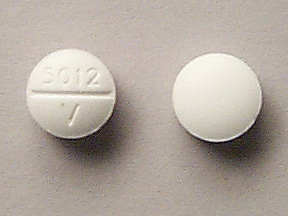 PHENOBARBITAL 32.4 MG TABLET
The following indications for PHENOBARBITAL (phenobarbital) have been approved by the FDA:
Indications:
None.
Professional Synonyms:
None.
Indications:
None.
Professional Synonyms:
None.
The following dosing information is available for PHENOBARBITAL (phenobarbital):
Dosage must be carefully and slowly adjusted according to individual Dosage of phenobarbital must be individualized for each patient. Total daily dose should not exceed 600 mg. Following chronic administration, the requirements and response.
When a patient is transferred to another anticonvulsant drug, the dosage of phenobarbital should be gradually drug should be withdrawn slowly to avoid the possibility of precipitating reduced over a period of 1 week while, at the same time, therapy is withdrawal symptoms if the patient is physically dependent on the drug.
instituted with a low dose of the replacement drug.
When phenobarbital is used in conjunction with mephobarbital, the dose of each drug should be one-half the full dose of the drug used alone. Phenobarbital should be withdrawn or dosage reduced slowly to avoid precipitating seizures or status epilepticus.
The usual oral dosage of phenobarbital for adults is 100-300 mg daily. The drug frequently is given at bedtime. There is no advantage in dividing the daily dosage because of the long half-life of phenobarbital.
For children, the usual oral dosage is 3-5 mg/kg or 125 mg/m2 daily. For the prevention of febrile seizures, maintenance dosage of 3-4 mg/kg daily has been effective. A period of 2-3 weeks of therapy may be required to achieve full anticonvulsant effects.
For management of status epilepticus and other acute seizure states, phenobarbital sodium is administered parenterally in doses of 200-600 mg for adults and 100-400 mg for children. Since up to 30 minutes may be required for maximum effect, it is important to allow the anticonvulsant effect to develop before administering additional doses, in order to prevent overdosage. Some clinicians administer phenobarbital sodium IV until seizures stop or a total dose of 20 mg/kg has been given.
IV injections should be discontinued as soon as the desired effect is obtained.
For further information on chemistry, pharmacology, pharmacokinetics, uses, cautions, acute toxicity, drug interactions, and dosage and administration of phenobarbital, see the Anticonvulsants General Statement 28:12. See also the Barbiturates General Statement 28:24.04 and see Phenobarbital 28:24.04.
When a patient is transferred to another anticonvulsant drug, the dosage of phenobarbital should be gradually drug should be withdrawn slowly to avoid the possibility of precipitating reduced over a period of 1 week while, at the same time, therapy is withdrawal symptoms if the patient is physically dependent on the drug.
instituted with a low dose of the replacement drug.
When phenobarbital is used in conjunction with mephobarbital, the dose of each drug should be one-half the full dose of the drug used alone. Phenobarbital should be withdrawn or dosage reduced slowly to avoid precipitating seizures or status epilepticus.
The usual oral dosage of phenobarbital for adults is 100-300 mg daily. The drug frequently is given at bedtime. There is no advantage in dividing the daily dosage because of the long half-life of phenobarbital.
For children, the usual oral dosage is 3-5 mg/kg or 125 mg/m2 daily. For the prevention of febrile seizures, maintenance dosage of 3-4 mg/kg daily has been effective. A period of 2-3 weeks of therapy may be required to achieve full anticonvulsant effects.
For management of status epilepticus and other acute seizure states, phenobarbital sodium is administered parenterally in doses of 200-600 mg for adults and 100-400 mg for children. Since up to 30 minutes may be required for maximum effect, it is important to allow the anticonvulsant effect to develop before administering additional doses, in order to prevent overdosage. Some clinicians administer phenobarbital sodium IV until seizures stop or a total dose of 20 mg/kg has been given.
IV injections should be discontinued as soon as the desired effect is obtained.
For further information on chemistry, pharmacology, pharmacokinetics, uses, cautions, acute toxicity, drug interactions, and dosage and administration of phenobarbital, see the Anticonvulsants General Statement 28:12. See also the Barbiturates General Statement 28:24.04 and see Phenobarbital 28:24.04.
Phenobarbital is administered orally. Phenobarbital sodium is administered by IM or slow IV injection. Parenteral solutions prepared from sterile phenobarbital sodium powder, but not the commercially available injections, may also be injected subcutaneously.
Subcutaneous injection or extravasation of the commercially available injections causes tissue irritation, which can result in local reactions varying in severity from slight redness and tenderness to necrosis. If such extravasation or inadvertent injection occurs, treatment that includes application of moist heat and injection of 0.5% procaine hydrochloride at the affected site has been recommended.
IV administration of the drug should be reserved for emergency treatment of acute seizure states; however, usefulness of the drug in these conditions is limited. (See Uses.) When the drug is administered IV, the patient is limited. (See Uses.) When the drug is administered IV, the patients should be hospitalized and under close supervision.
The drug must be administered IV slowly at a rate not greater than 60 mg/minute. Inadvertent intra-arterial injection of commercially available phenobarbital sodium injections can cause spasm and severe pain along the affected artery, which can result in local reactions varying in severity from transient pain to gangrene. The injection should be stopped if the patient complains of pain or if signs of inadvertent intra-arterial injection occur, such as patches of discolored skin, a white hand with cyanosed skin, or delayed onset of action.
The most appropriate therapy for such inadvertent injection has not been fully established, and the manufacturers' labeling should be consulted for current recommendations. Patients who are currently receiving or beginning therapy with phenobarbital and/or any other anticonvulsant should be closely monitored for notable changes in behavior that could indicate the emergence or worsening of suicidal thoughts or behavior or depression. (See Cautions: Precautions and Contraindications, in the Anticonvulsants General Statement 28:12.)
Subcutaneous injection or extravasation of the commercially available injections causes tissue irritation, which can result in local reactions varying in severity from slight redness and tenderness to necrosis. If such extravasation or inadvertent injection occurs, treatment that includes application of moist heat and injection of 0.5% procaine hydrochloride at the affected site has been recommended.
IV administration of the drug should be reserved for emergency treatment of acute seizure states; however, usefulness of the drug in these conditions is limited. (See Uses.) When the drug is administered IV, the patient is limited. (See Uses.) When the drug is administered IV, the patients should be hospitalized and under close supervision.
The drug must be administered IV slowly at a rate not greater than 60 mg/minute. Inadvertent intra-arterial injection of commercially available phenobarbital sodium injections can cause spasm and severe pain along the affected artery, which can result in local reactions varying in severity from transient pain to gangrene. The injection should be stopped if the patient complains of pain or if signs of inadvertent intra-arterial injection occur, such as patches of discolored skin, a white hand with cyanosed skin, or delayed onset of action.
The most appropriate therapy for such inadvertent injection has not been fully established, and the manufacturers' labeling should be consulted for current recommendations. Patients who are currently receiving or beginning therapy with phenobarbital and/or any other anticonvulsant should be closely monitored for notable changes in behavior that could indicate the emergence or worsening of suicidal thoughts or behavior or depression. (See Cautions: Precautions and Contraindications, in the Anticonvulsants General Statement 28:12.)
No dosing information available.
| DRUG LABEL | DOSING TYPE | DOSING INSTRUCTIONS |
|---|---|---|
| PHENOBARBITAL 32.4 MG TABLET | Maintenance | Adults take 1 tablet (32.4 mg) by oral route 2 times per day |
The following drug interaction information is available for PHENOBARBITAL (phenobarbital):
There are 130 contraindications.
These drug combinations generally should not be dispensed or administered to the same patient. A manufacturer label warning that indicates the contraindication warrants inclusion of a drug combination in this category, regardless of clinical evidence or lack of clinical evidence to support the contraindication.
| Drug Interaction | Drug Names |
|---|---|
| Mifepristone/Strong CYP3A4 Inducers SEVERITY LEVEL: 1-Contraindicated Drug Combination: This drug combination is contraindicated and generally should not be dispensed or administered to the same patient. MECHANISM OF ACTION: Strong CYP3A4 inducers may accelerate the metabolism of mifepristone by CYP3A4.(1,2) CLINICAL EFFECTS: The concurrent use of mifepristone and strong CYP3A4 inducers may result in decreased levels and effectiveness of mifepristone.(1,2) PREDISPOSING FACTORS: Induction effects may be more likely with regular use of the inducer for longer than 1-2 weeks. PATIENT MANAGEMENT: Avoid co-administration of mifepristone with strong CYP3A4 inducers.(1-3) If mifepristone is used as a progestin antagonist and concurrent use cannot be avoided, conduct post-treatment assessment as detailed in the mifepristone prescribing information to verify treatment success.(1,3) DISCUSSION: In a study, rifampin decreased mifepristone area-under-curve (AUC) by 6.3-fold. The AUC of mifepristone active metabolites 22-hydroxy-mifepristone and N-demethyl-mifepristone decreased by 20-fold and 5.9-fold, respectively.(4) Strong CYP3A4 inducers linked to this monograph include: apalutamide, barbiturates, enzalutamide, fosphenytoin, lumacaftor, mitotane, phenobarbital, phenytoin, primidone, rifampin, rifapentine and St. John's Wort.(5) |
MIFEPREX, MIFEPRISTONE |
| Delavirdine; Etravirine/Selected Strong CYP3A4 Inducers SEVERITY LEVEL: 1-Contraindicated Drug Combination: This drug combination is contraindicated and generally should not be dispensed or administered to the same patient. MECHANISM OF ACTION: Strong CYP3A4 inducers may induce the metabolism of delavirdine(1) and etravirine(2) by CYP3A4. CLINICAL EFFECTS: Concurrent use of delavirdine(1) or etravirine(2) with strong CYP3A4 inducers may result in sub-therapeutic levels of the non-nucleoside reverse transcriptase inhibitor (NNRTI) and the development of resistance to antiretroviral agents. PREDISPOSING FACTORS: Induction effects may be more likely with regular use of the inducer for longer than 1-2 weeks. PATIENT MANAGEMENT: The US manufacturers of delavirdine(1) and etravirine (2) state that strong CYP3A4 inducers should not be used in combination with delavirdine and etravirine. DISCUSSION: In a study in 8 subjects, administration of various doses of barbiturates, carbamazepine, phenytoin, and phenobarbital with delavirdine (300-400 mg 3 times daily) decreased the minimum concentration (Cmin) of delavirdine by 90%.(1) In a study of 12 subjects, rifabutin (300 mg daily), a moderate CYP3A4 inducer, decreased both the area-under-curve (AUC) and maximum concentration (Cmax) of etravirine by 37%.(2) Strong CYP3A4 inducers linked to this monograph include: apalutamide, barbiturates, carbamazepine, encorafenib, enzalutamide, fosphenytoin, ivosidenib, lumacaftor, mitotane, phenobarbital, phenytoin, and primidone.(3) |
ETRAVIRINE, INTELENCE |
| Isavuconazonium; Voriconazole/Selected CYP3A4 Inducers SEVERITY LEVEL: 1-Contraindicated Drug Combination: This drug combination is contraindicated and generally should not be dispensed or administered to the same patient. MECHANISM OF ACTION: Strong inducers of CYP3A4 and rifabutin may increase the metabolism of isavuconazonium(1,2) and voriconazole.(3) CLINICAL EFFECTS: The concurrent use of strong inducers of CYP3A4 or rifabutin with isavuconazonium(1,2) or voriconazole(3) may result in severely reduced levels of the azole antifungal and therapeutic failure. PREDISPOSING FACTORS: Induction effects may be more likely with regular use of the inducer for longer than 1-2 weeks. PATIENT MANAGEMENT: The concurrent use of isavuconazonium(1,2) or voriconazole(3) with strong inducers of CYP3A4 is contraindicated. The concurrent use of voriconazole with rifabutin is also contraindicated.(3,4) The UK manufacturer of voriconazole states that concurrent use with rifabutin should be avoided. If concurrent use is necessary, the maintenance dose of voriconazole may be increased from 200 mg to 350 mg orally twice daily. If the patient weighs less than 40 kg, the maintenance dose of voriconazole may be increased from 100 mg to 200 mg orally twice daily. If concurrent use is necessary, the maintenance dose of intravenous voriconazole can be increased to 5 mg/kg intravenously twice daily.(9) The US manufacturer of isavuconazonium does not make any recommendations for concurrent use with rifabutin,(1) but the UK manufacturer states that concurrent use of rifabutin is contraindicated.(2) DISCUSSION: The concurrent use of rifampin (600 mg) with isavuconazonium (multiple doses) decreased the maximum concentration (Cmax) and area-under-curve (AUC) of voriconazole by 75% and 97%, respectively.(1) The concurrent use of rifampin (600 mg once daily) with voriconazole (200 mg every 12 hours for 7 days) decreased the Cmax and AUC of voriconazole by 93% and 96%, respectively. Doubling the dose of voriconazole did not restore adequate exposure to voriconazole during rifampin.(3) The concurrent use of rifabutin (300 mg once daily) with voriconazole (200 mg twice daily) decreased the Cmax and AUC of voriconazole by 67% and 79%, respectively. The concurrent use of rifabutin (300 mg once daily) with voriconazole (400 mg twice daily) increased the Cmax and AUC of voriconazole to twice that seen with voriconazole alone at 200 mg twice daily. However, the Cmax and AUC of rifabutin were 3-fold and 4-fold higher, respectively, when given with voriconazole at 400 mg twice daily.(3) In a study in 16 subjects, subjects received single doses of voriconazole (400 mg) alone, after one dose of St. John's wort (300 mg), and after 15 days of St. John's wort (300 mg daily). After 10 hours of St. John's wort, voriconazole area-under-curve (AUC) increased 22%. After 15 days of St. John's wort, voriconazole AUC decreased 59%.(5) Therapeutic failures have been reported with voriconazole in patients treated concurrently with carbamazepine,(6) phenobarbital,(7) and rifampin.(8) In a study in 12 healthy male subjects, voriconazole (400 mg twice daily for 7 days) with rifabutin (300 mg daily for 7 days) increased rifabutin's AUC and Cmax by 331% and 195%, respectively. The AUC and Cmax of voriconazole were increased by approximately 100%.(4) Selected CYP3A4 inducers linked to this monograph include apalutamide, barbiturates, carbamazepine, encorafenib, enzalutamide, ivosidenib, lumacaftor, mitotane, phenobarbital, primidone, rifabutin, rifampin, rifapentine, and St. John's wort. |
CRESEMBA, VFEND, VFEND IV, VORICONAZOLE, VORICONAZOLE (HPBCD) |
| Sodium Oxybate/Sedative Hypnotics; Alcohol SEVERITY LEVEL: 1-Contraindicated Drug Combination: This drug combination is contraindicated and generally should not be dispensed or administered to the same patient. MECHANISM OF ACTION: Oxybate may be associated with respiratory depression. As oxybate is taken at bedtime, concurrent use with alcohol or hypnotics may increase the risk for respiratory depression or loss of consciousness.(1-3) Primidone is metabolized to phenobarbital. CLINICAL EFFECTS: Concurrent use of sodium oxybate and sedative hypnotics or alcohol may further increase the risk for respiratory depression and profound sedation or coma.(1,2) Fatalities have been reported.(3) PREDISPOSING FACTORS: Based upon FDA evaluation of deaths in patients taking sodium oxybate, risk factors may include: use of multiple drugs which depress the CNS, more rapid than recommended oxybate dose titration, exceeding the maximum recommended oxybate dose, and prescribing for unapproved uses such as fibromyalgia, insomnia or migraine. Note that in oxybate clinical trials for narcolepsy 78% - 85% of patients were also receiving concomitant CNS stimulants.(1-3) PATIENT MANAGEMENT: The FDA states that sodium oxybate is contraindicated in patients also taking hypnotics or alcohol.(1,2) Significant quantities of alcohol may be present in medicinal products. Alcohol is is used to improve docetaxel and paclitaxel solubility. - The quantity of alcohol in paclitaxel injection formulations (0.385-0.396 grams/mL) is similar across manufacturers. A paclitaxel 200 mg dose contains approximately 13 grams of alcohol. - The quantity of alcohol in docetaxel formulations varies approximately 3-fold depending upon the manufacturer. FDA data on alcohol content (4): Product Manufacturer Alcohol/200 mg dose Docetaxel Inj. Pfizer 6.4 grams Docetaxel Inj. Sandoz 5.5 grams Docetaxel Inj. Accord 4.0 grams Taxotere-one vial Sanofi 4.0 grams formulation Docetaxel Inj. Hospira 3.7 grams Docefrez Sun Pharma 2.9 grams Taxotere-two vial Sanofi 2.0 grams formulation DISCUSSION: The FDA evaluated sodium oxybate postmarket fatal adverse event reports from the FDA Adverse Event Reporting System(AERS)and from the manufacturer. Although report documentation was not always optimal or complete, useful information was obtained. Factors which may have contributed to fatal outcome: concomitant use of one or more drugs which depress the CNS, more rapid than recommended upward dose titration, exceeding the maximum recommended oxybate dose, and prescribing for unapproved uses such as fibromyalgia, insomnia or migraine. Many deaths occurred in patients with serious psychiatric disorders such as depression and substance abuse. Other concomitant diseases may have also contributed to respiratory and CNS depressant effects of oxybate.(3) |
LUMRYZ, LUMRYZ STARTER PACK, SODIUM OXYBATE, XYREM, XYWAV |
| Bosutinib/Strong CYP3A4 Inducers SEVERITY LEVEL: 1-Contraindicated Drug Combination: This drug combination is contraindicated and generally should not be dispensed or administered to the same patient. MECHANISM OF ACTION: Agents that induce the CYP3A4 isoenzyme may induce the metabolism of bosutinib.(1) CLINICAL EFFECTS: Concurrent use of strong CYP3A4 inducers may decrease the levels and effectiveness of bosutinib.(1) PREDISPOSING FACTORS: Induction effects may be more likely with regular use of the inducer for longer than 1-2 weeks. PATIENT MANAGEMENT: Avoid the concurrent use of strong CYP3A4 inducers in patients receiving therapy with bosutinib. Consider the use of alternative agents with less enzyme induction potential.(1) DISCUSSION: In a study in 24 healthy subjects, rifampin decreased bosutinib area-under-curve (AUC) and maximum concentration (Cmax) by 94% and 86%.(1) In a study, 24 healthy subjects received a single dose of bosutinib 500 mg (days 1 and 14) and rifampin 600 mg (days 8-17). Bosutinib Cmax and AUC decreased by 86% and 92%, respectively. Bosutinib clearance increased by 13-fold.(2) Strong inducers of CYP3A4 include: barbiturates, encorafenib, enzalutamide, fosphenytoin, ivosidenib, mitotane, phenobarbital, phenytoin, primidone, rifampin, and rifapentine.(3,4) |
BOSULIF, BOSUTINIB |
| Nifedipine; Nimodipine; Nisoldipine/Selected Strong CYP3A4 Inducers SEVERITY LEVEL: 1-Contraindicated Drug Combination: This drug combination is contraindicated and generally should not be dispensed or administered to the same patient. MECHANISM OF ACTION: Concurrent use of barbiturates, carbamazepine, phenobarbital, phenytoin, or primidone may induce the CYP3A4 mediated metabolism of nifedipine,(1) and nimodipine,(2,3) and nisoldipine.(4) Nisoldipine is particularly susceptible to changes in CYP3A4 activity.(4,5) CLINICAL EFFECTS: Concurrent use of barbiturates, carbamazepine, phenobarbital, phenytoin, or primidone may result in decreased levels and effectiveness of nifedipine(1), nimodipine or nisoldipine.(6) PREDISPOSING FACTORS: Induction effects may be more likely with regular use of the inducer for longer than 1-2 weeks. PATIENT MANAGEMENT: Due to the risk for treatment failure, use an alternative agent if possible. The US manufacturer of nifedipine states that the concurrent use of strong CYP3A4 inducers such as carbamazepine, phenobarbital, phenytoin, or primidone is contraindicated because efficacy could be significantly reduced.(1) The UK manufacturer of nimodipine states that the concurrent use of carbamazepine, phenobarbital, phenytoin, or primidone is contraindicated.(2) The US manufacturer of nimodipine states that the concurrent use of strong CYP3A4 inducers should generally be avoided due to decreased nimodipine plasma concentrations and significantly reduced efficacy.(6) The US manufacturer of nisoldipine states it should generally not be coadministered with CYP3A4 inducers. Concurrent administration of phenytoin with nisoldipine (40 mg) decreased nisoldipine plasma concentrations below detectable levels.(7) DISCUSSION: Coadministration of phenytoin with nifedipine (10 mg capsule and 60 mg extended-release tablet) decreased the area-under-curve (AUC) and maximum concentration (Cmax) of nifedipine by 70%.(1) A study examined nimodipine pharmacokinetics in three groups: normal drug-free controls (n=8), epileptic patients taking enzyme-inducing anticonvulsants (phenobarbital alone, n=4; phenobarbital with carbamazepine, n=2, carbamazepine with clobazam, n=1, and carbamazepine with phenytoin, n=1), and epileptic patients taking valproic acid (n=8). In patients taking enzyme-inducing anticonvulsants, nimodipine AUC, Cmax, and half-life (T1/2) were 86.2%, 89.2%, and 68.1%, respectively, lower than in controls. In patients taking valproic acid, nimodipine AUC was 54.5% higher than in control patients.(3) Concurrent administration of phenytoin with nisoldipine (40 mg) decreased nisoldipine plasma concentrations below detectable levels.(7) In a study comparing patients receiving chronic phenytoin therapy to healthy controls, phenytoin decreased the AUC of a single dose of nisoldipine by 89%.(8) |
NIFEDIPINE, NIFEDIPINE ER, NIFEDIPINE MICRONIZED, NIMODIPINE, NISOLDIPINE, NYMALIZE, PROCARDIA XL, SULAR |
| Macitentan/Strong CYP3A4 Inducers SEVERITY LEVEL: 1-Contraindicated Drug Combination: This drug combination is contraindicated and generally should not be dispensed or administered to the same patient. MECHANISM OF ACTION: Strong CYP3A4 inducers may induce the metabolism of macitentan.(1) CYP3A4 is the primary metabolism pathway of macitentan to its less active metabolite.(1,2) CLINICAL EFFECTS: Concurrent use of strong CYP3A4 inducers may decrease systemic levels and effectiveness of macitentan.(1,2) PREDISPOSING FACTORS: Induction effects may be more likely with regular use of the inducer for longer than 1-2 weeks. PATIENT MANAGEMENT: The manufacturer of macitentan recommends avoiding concurrent use of macitentan and strong CYP3A4 inducers.(2) If concurrent therapy is warranted, monitor closely for loss of efficacy and adjust macitentan dose or dosing interval if needed. Note the onset of induction is gradual; maximal induction may not occur for 2 or more weeks. When concurrent treatment with rifampin is stopped, induction will gradually wane and systemic concentrations of macitentan will gradually increase over 2 or more weeks. Monitor for toxicity and adjust dose as required. DISCUSSION: An interaction study in 10 healthy male subjects evaluated the effect of rifampin on macitentan and active metabolite pharmacokinetics. Although less potent, the active metabolite was evaluated as its longer half-life leads to a 3-fold higher systemic exposure than macitentan. About 40% of macitentan pharmacologic activity is thought due to this metabolite.(2) Subjects received a 30 mg macitentan loading dose followed by 10 mg daily for four more days. Beginning on day 6, rifampin 600 mg and macitentan 10 mg were co-administered daily for 7 days. Macitentan area-under-curve (AUC) and concentration minimum (Cmin) were measured on days 5 and 12. Co-administration decreased macitentan AUC 79% and trough concentration 93%. The AUC and Cmin of the macitentan active metabolite was unchanged and decreased 17% respectively.(1) Strong CYP3A4 inducers linked to this monograph include: apalutamide, barbiturates, carbamazepine, encorafenib, enzalutamide, fosphenytoin, ivosidenib, lumacaftor, mitotane, phenobarbital, phenytoin, primidone, rifampin, rifapentine, and St. John's Wort.(3) |
MACITENTAN, OPSUMIT, OPSYNVI |
| Ranolazine/Strong CYP3A4 Inducers SEVERITY LEVEL: 1-Contraindicated Drug Combination: This drug combination is contraindicated and generally should not be dispensed or administered to the same patient. MECHANISM OF ACTION: Strong inducers of CYP3A4 may induce the metabolism of ranolazine.(1,2) CLINICAL EFFECTS: Concurrent use of a strong inducer of CYP3A4 may result in decreased levels and effectiveness of ranolazine.(1,2) PREDISPOSING FACTORS: Induction effects may be more likely with regular use of the inducer for longer than 1-2 weeks. PATIENT MANAGEMENT: The US manufacturer of ranolazine states that the concurrent use of CYP3A4 inducers is contraindicated.(1) The UK manufacturer of ranolazine states that ranolazine should not be used in patients receiving CYP3A4 inducers such as rifampin.(2) DISCUSSION: Concurrent rifampin (600 mg daily), strong inducer of CYP3A4, decreased ranolazine plasma concentrations by 95%.(1,2) Strong inducers of CYP3A4 include: apalutamide, barbiturates, carbamazepine, encorafenib, enzalutamide, fosphenytoin, ivosidenib, lumacaftor, mitotane, phenobarbital, phenytoin, primidone, rifabutin, rifampin, rifapentine, and St. John's wort.(1-4) |
ASPRUZYO SPRINKLE, RANOLAZINE ER |
| Tolvaptan/Strong CYP3A4 Inducers SEVERITY LEVEL: 1-Contraindicated Drug Combination: This drug combination is contraindicated and generally should not be dispensed or administered to the same patient. MECHANISM OF ACTION: Inducers of CYP3A4 may induce the metabolism of tolvaptan.(1) CLINICAL EFFECTS: Concurrent use of strong CYP3A4 inducers may result in decreased levels and effectiveness of tolvaptan.(1) PREDISPOSING FACTORS: Induction effects may be more likely with regular use of the inducer for longer than 1-2 weeks. PATIENT MANAGEMENT: Concurrent administration with strong CYP3A4 inducers should be avoided. If concurrent use is required, the dosage of tolvaptan may need to be increased.(1) DISCUSSION: Concurrent administration of rifampin, a strong inducer of CYP3A4, decreased tolvaptan exposure by 85%.(1) Strong inducers of CYP3A4 include: apalutamide, barbiturates, carbamazepine, encorafenib, enzalutamide, fosphenytoin, ivosidenib, lumacaftor, mitotane, phenytoin, primidone, rifabutin, rifampin, rifapentine, and St. John's wort.(1,2) |
JYNARQUE, SAMSCA, TOLVAPTAN |
| Romidepsin/Strong CYP3A4 Inducers; Rifabutin SEVERITY LEVEL: 1-Contraindicated Drug Combination: This drug combination is contraindicated and generally should not be dispensed or administered to the same patient. MECHANISM OF ACTION: Strong inducers of CYP3A4 and rifabutin may increase the metabolism of romidepsin.(1,2) CLINICAL EFFECTS: Concurrent use of a strong CYP3A4 inducer or rifabutin may result in decreased levels and effectiveness of romidepsin.(1,2) PREDISPOSING FACTORS: Induction effects may be more likely with regular use of the inducer for longer than 1-2 weeks. PATIENT MANAGEMENT: The manufacturer of romidepsin recommends avoiding the use of strong inducers of CYP3A4 in patients receiving romidepsin.(1,2) The Canadian manufacturer includes rifabutin on its list of CYP3A4 inducers that should be avoided.(2) DISCUSSION: In a study in advanced cancer patients, rifampin, a strong inducer of CYP3A4 and an inhibitor and inducer of other CYP enzymes and transporters, unexpectedly increased the maximum concentration (Cmax) and area-under-curve (AUC) of romidepsin (14 mg/m2) by 60% and 80%, respectively. Romidepsin clearance and volume of distribution decreased by 44% and 52%, respectively. This is likely due to inhibition of an undetermined hepatic uptake process responsible for the disposition of romidepsin.(1) Strong inducers of CYP3A4 include: apalutamide, barbiturates, carbamazepine, dexamethasone, enzalutamide, fosphenytoin, lumacaftor, mitotane, phenobarbital, phenytoin, primidone, rifabutin, rifapentine and St. John's wort.(1-3) |
ISTODAX, ROMIDEPSIN |
| Praziquantel/Selected Strong CYP3A4 Inducers SEVERITY LEVEL: 1-Contraindicated Drug Combination: This drug combination is contraindicated and generally should not be dispensed or administered to the same patient. MECHANISM OF ACTION: Strong CYP3A4 inducers may induce the metabolism of praziquantel by CYP3A4.(1) CLINICAL EFFECTS: Concurrent or recent use of a strong CYP3A4 inducer may decrease the levels and effectiveness of praziquantel. PREDISPOSING FACTORS: Induction effects may be more likely with regular use of the inducer for longer than 1-2 weeks. PATIENT MANAGEMENT: The concurrent use of praziquantel and strong inducers of CYP3A4 is contraindicated.(1) In patients receiving strong CYP3A4 inducers who need immediate treatment for schistosomiasis, alternative agents for schistosomiasis should be used. If praziquantel is required, increase monitoring for praziquantel efficacy. If schistosomiasis treatment can be delayed, discontinue strong CYP3A4 inducers at least 2 to 4 weeks before administration of praziquantel. The inducer may be resumed 1 day after completion of praziquantel therapy.(1) DISCUSSION: A study examined praziquantel levels in 10 healthy controls, 10 subjects maintained on phenytoin monotherapy, and 10 subjects maintained on carbamazepine monotherapy. Praziquantel area-under-curve (AUC) and maximum concentration (Cmax) were reduced by 90.3% and by 92.1%, respectively, in carbamazepine-treated subjects when compared to control subjects. Praziquantel AUC and Cmax were reduced by 74% and 76%, respectively, in phenytoin-treated subjects when compared to control subjects.(2) Strong CYP3A4 inducers linked to this monograph include: apalutamide, barbiturates, carbamazepine, encorafenib, enzalutamide, fosphenytoin, ivosidenib, lumacaftor, mitotane, phenobarbital, phenytoin, primidone, and St. John's Wort.(3) |
PRAZIQUANTEL |
| Lurasidone/Strong CYP3A4 Inducers SEVERITY LEVEL: 1-Contraindicated Drug Combination: This drug combination is contraindicated and generally should not be dispensed or administered to the same patient. MECHANISM OF ACTION: Strong inducers of CYP3A4 may induce the metabolism of lurasidone.(1) CLINICAL EFFECTS: Concurrent or recent use of strong inducers of CYP3A4 may result in decreased levels and efficacy of lurasidone.(1) PREDISPOSING FACTORS: Induction effects may be more likely with regular use of the inducer for longer than 1-2 weeks. PATIENT MANAGEMENT: The US manufacturer of lurasidone states that concurrent use of strong CYP3A4 inducers is contraindicated.(1) DISCUSSION: Pretreatment with rifampin (600 mg daily for 8 days) decreased the maximum concentration (Cmax) and area-under-curve (AUC) of a single dose of lurasidone (40 mg) by 86%, and 80%, respectively.(1) Strong inducers of CYP3A4 include apalutamide, barbiturates, carbamazepine, encorafenib, enzalutamide, fosphenytoin, ivosidenib, lumacaftor, mitotane, phenobarbital, phenytoin, primidone, rifampin, rifapentine and St. John's wort.(2) |
LATUDA, LURASIDONE HCL |
| Ticagrelor; Vorapaxar/Strong CYP3A4 Inducers SEVERITY LEVEL: 1-Contraindicated Drug Combination: This drug combination is contraindicated and generally should not be dispensed or administered to the same patient. MECHANISM OF ACTION: Strong inducers of CYP3A4 may induce the metabolism of ticagrelor(1,2) and vorapaxar.(3) CLINICAL EFFECTS: Concurrent or recent use of strong CYP3A4 inducers may result in decreased levels and loss of efficacy of ticagrelor(1,2) and vorapaxar.(3) PREDISPOSING FACTORS: Induction effects may be more likely with regular use of the inducer for longer than 1-2 weeks. PATIENT MANAGEMENT: The manufacturers of ticagrelor and vorapaxar state concurrent use with strong CYP3A4 inducers should be avoided due to the substantially reduced levels which may result in loss of ticagrelor and vorapaxar efficacy.(1,3) If therapy with a strong CYP3A4 inducer is needed, it would be prudent to select an alternative antiplatelet agent. If concurrent therapy cannot be avoided, consider performing platelet reactivity measurements to determine patient-specific risk for treatment failure. Monitor patients receiving concurrent therapy for signs of heart attack, stroke, or blood clots. DISCUSSION: Concurrent use of rifampin (600 mg once daily) decreased the maximum concentration (Cmax) and area-under-curve (AUC) of ticagrelor by 73% and 86%, respectively. The AUC of ticagrelor's active metabolite decreased 46%.(1,4) A retrospective study of CArdiovascular Percutaneous Intervention TriAL (CAPITAL) registry participants was performed to determine the effects of antiepileptic (AED) CYP3A4 inducers on ticagrelor efficacy. Platelet reactivity in 8 patients receiving one or more AED CYP3A4 inducers were compared with 49 patients on identical doses of aspirin and ticagrelor who were not receiving CYP3A4 inducers. The mean P2Y12 reaction units (PRU) in AED patients was 194.6(+ or - 29.9) vs 26.3(+ or - 29.8) in control patients. Three of 8 AED patients had PRU = or > 208, the cut off for high platelet reactivity. One ticagrelor AED patient was changed to clopidogrel. PRU on ticagrelor was 220, and after conversion to clopidogrel was reduced to 110.(5) In a study in 12 healthy subjects, rifampin (600 mg daily for 28 days) decreased the exposure of vorapaxar (20 mg on Day 7, 2.5 mg on Days 8-28) by 50%.(6) Strong inducers of CYP3A4 include apalutamide, barbiturates, carbamazepine, encorafenib, enzalutamide, fosphenytoin, ivosidenib, lumacaftor, mitotane, phenobarbital, phenytoin, primidone, rifampin, rifapentine and St. John's wort.(7,8) |
BRILINTA, TICAGRELOR, ZONTIVITY |
| Toremifene/Strong CYP3A4 Inducers SEVERITY LEVEL: 1-Contraindicated Drug Combination: This drug combination is contraindicated and generally should not be dispensed or administered to the same patient. MECHANISM OF ACTION: Strong inducers of CYP3A4 may induce the metabolism of toremifene.(1) Toremifene may inhibit the metabolism of phenytoin.(1) CLINICAL EFFECTS: Concurrent or recent use of apalutamide, barbiturates, carbamazepine, dexamethasone, enzalutamide, fosphenytoin, lumacaftor, mitotane, phenobarbital, phenytoin, primidone, rifabutin, rifampin, rifapentine, and St. John's wort may result in decreased levels and effectiveness of toremifene.(1) Concurrent use of toremifene may decrease phenytoin levels.(1) PREDISPOSING FACTORS: Induction effects may be more likely with regular use of the inducer for longer than 1-2 weeks. PATIENT MANAGEMENT: Avoid the use of strong inducers of CYP3A4 in patients receiving toremifene. If concurrent toremifene and phenytoin are required, monitor phenytoin levels. The dosage of phenytoin may need to be adjusted.(1) DISCUSSION: In clinical trials, ten patients on anticonvulsants which included carbamazepine, phenobarbital, and phenytoin experienced a 2-fold increase in clearance and a decrease in the elimination half-life of toremifene.(1,2) The area-under-curve (AUC) and half-life of N-demethyltoremifene, an active metabolite of toremifene, decreased by 61% and 78%, respectively.(2) In a study in healthy males, rifampin (600 mg daily for 5 days) decreased maximum concentration (Cmax) and AUC of a single dose of toremifene (120 mg) by 55% and 87%, respectively. The Cmax of N-demethyltoremifene increased 48% and the AUC of N-demethyltoremifene decreased by 80%.(3) Strong inducers of CYP3A4 include apalutamide, barbiturates, carbamazepine, dexamethasone, enzalutamide, fosphenytoin, lumacaftor, mitotane, phenobarbital, phenytoin, primidone, rifabutin, rifampin, rifapentine, and St. John's wort.(4,5) |
FARESTON, TOREMIFENE CITRATE |
| Selected Protease Inhibitors; Cobicistat/CYP3A4 Inducers SEVERITY LEVEL: 1-Contraindicated Drug Combination: This drug combination is contraindicated and generally should not be dispensed or administered to the same patient. MECHANISM OF ACTION: Strong inducers of CYP3A4 are expected to increase the metabolism of boceprevir,(1) cobicistat,(2,3) and telaprevir.(4) Inhibitors of CYP3A4 may inhibit the metabolism of carbamazepine.(5,6) Boceprevir, cobicistat, nirmatrelvir, and telaprevir are CYP3A4 inhibitors.(7,8) CLINICAL EFFECTS: Concurrent or recent use of strong inducers of CYP3A4 may result in decreased levels and effectiveness of boceprevir,(1) cobicistat,(2,3) and telaprevir.(4) Increased serum carbamazepine levels with subsequent increases in the pharmacological and toxic effects of carbamazepine, including dizziness, ataxia, blurred vision, or SIADH.(5) PREDISPOSING FACTORS: Induction effects may be more likely with regular use of the inducer for longer than 1-2 weeks. PATIENT MANAGEMENT: Concurrent administration of strong inducers of CYP3A4 with boceprevir,(1) cobicistat,(2,3) and telaprevir(4) is contraindicated. DISCUSSION: Boceprevir is metabolized by CYP3A4. Strong inducers of CYP3A4 are expected to reduce boceprevir levels, which may lead to loss of response.(1) In a study in 16 subjects, rifampin (600 mg daily for 8 days), a strong inducer of CYP3A4, decreased the maximum concentration (Cmax) and area-under-curve (AUC) of a single dose of telaprevir (750 mg) by 86% and 92%, respectively.(4) Carbamazepine is almost completely metabolized to carbamazepine-10,11-epoxide, with only 5% of the drug excreted unchanged. Pharmacokinetic studies have indicated the major pathway for carbamazepine metabolism is catalyzed by CYP3A4, with minor contributions from CYP2C8 and CYP3A5.(5,6) In a study of 12 healthy volunteers, carbamazepine was titrated to 300 mg every 12 hours and then coadministered with nirmatrelvir/ritonavir 300 mg/100 mg on day 15 of carbamazepine. Carbamazepine decreased nirmatrelvir AUC and Cmax by 55% and 43%, respectively, and decreased ritonavir AUC and Cmax both by about 74%.(7) Strong inducers of CYP3A4 include apalutamide, barbiturates, carbamazepine, encorafenib, enzalutamide, fosphenytoin, ivosidenib, lumacaftor, mitotane, natisedine, phenobarbital, phenytoin, primidone, rifampin, and St. John's wort.(8,9) |
PREZCOBIX, SYMTUZA |
| Rilpivirine/Selected Strong CYP3A4 Inducers SEVERITY LEVEL: 1-Contraindicated Drug Combination: This drug combination is contraindicated and generally should not be dispensed or administered to the same patient. MECHANISM OF ACTION: Apalutamide, barbiturates, carbamazepine, dexamethasone, enzalutamide, eslicarbazepine, fosphenytoin, ivosidenib, lumacaftor, mitotane, natisedine, phenobarbital, phenytoin, primidone, oxcarbazepine, rifampin, rifapentine, and St. John's wort may induce the metabolism of rilpivirine by CYP3A4.(1) CLINICAL EFFECTS: Concurrent or recent use of apalutamide, barbiturates, carbamazepine, dexamethasone, enzalutamide, eslicarbazepine, fosphenytoin, ivosidenib, lumacaftor, mitotane, natisedine, phenobarbital, phenytoin, primidone, oxcarbazepine, rifampin, rifapentine, or St. John's wort may result in decreased levels and effectiveness of rilpivirine, as well as the development of resistance.(1) PREDISPOSING FACTORS: Induction effects may be more likely with regular use of the inducer for longer than 1-2 weeks. PATIENT MANAGEMENT: The US manufacturer of rilpivirine states that concurrent use of CYP3A4 inducers such as apalutamide, barbiturates, carbamazepine, dexamethasone, enzalutamide, eslicarbazepine, fosphenytoin, ivosidenib, lumacaftor, mitotane, natisedine, phenobarbital, phenytoin, primidone, oxcarbazepine, rifampin, rifapentine, or St. John's wort is contraindicated.(1) It may take several weeks after the discontinuation of an enzyme inducer for enzyme activity to return to normal.(1) DISCUSSION: In a study in 16 subjects, rifampin (600 mg daily) decreased the Cmax, AUC, and Cmin of rilpivirine (150 mg daily) by 69%, 80%, and 89%, respectively. There were no significant effects on the Cmax or AUC of rifampin or 25-desacetylrifampin.(1) Strong CYP3A4 inducers linked include: apalutamide, barbiturates, carbamazepine, dexamethasone, encorafenib, enzalutamide, fosphenytoin, ivosidenib, lumacaftor, mitotane, natisedine, phenobarbital, phenytoin, primidone, oxcarbazepine, rifampin, rifapentine, or St. John's wort. |
COMPLERA, EDURANT, EDURANT PED, EMTRICITABINE-RILPIVIRNE-TENOF, JULUCA, ODEFSEY, RILPIVIRINE, RILPIVIRINE ER (CABENUVA) |
| Apixaban;Rivaroxaban/P-gp & Strong 3A4 Inducers; Phenobarb SEVERITY LEVEL: 1-Contraindicated Drug Combination: This drug combination is contraindicated and generally should not be dispensed or administered to the same patient. MECHANISM OF ACTION: Apalutamide, carbamazepine, fosphenytoin, phenytoin, rifampin, rifapentine, and St. John's wort may induce the metabolism of apixaban(1-4) and rivaroxaban(5) by both P-gp and CYP3A4. Phenobarbital and primidone may also induce the metabolism of apixaban and rivaroxaban.(1-5) CLINICAL EFFECTS: Concurrent or recent use of apalutamide, carbamazepine, fosphenytoin, phenobarbital, phenytoin, primidone, rifapentine, rifampin, or St. John's wort may result in decreased levels and effectiveness of apixaban(1-4) or rivaroxaban.(5) PREDISPOSING FACTORS: Induction effects may be more likely with regular use of the inducer for longer than 1-2 weeks. PATIENT MANAGEMENT: The manufacturer of apixaban and rivaroxaban states to avoid the concurrent use of agents that are combined P-gp and strong CYP3A4 inducers (such as apalutamide, carbamazepine, fosphenytoin, phenytoin, rifampin, rifapentine, and St. John's wort), phenobarbital, and primidone in patients receiving apixaban or rivaroxaban. DISCUSSION: Concurrent rifampin decreased the area-under-curve (AUC) and maximum concentration (Cmax) of apixaban by 54% and 42%, respectively.(1-4) In a clinical trial, rifampin (600 mg daily) decreased the AUC and Cmax of a single dose of rivaroxaban (20 mg with food) by 50% and 22%,respectively. Similar decreases in pharmacodynamic effects were seen.(5) A self-controlled case study of 1,622 oral anticoagulant-precipitant drug pairs were reviewed and found 14% of drug pairs were associated with a statistically significant elevated risk of thromboembolism. Concurrent use of rivaroxaban and phenytoin resulted in a ratio of rate ratios (95% CI) of 2.39 (1.33-3.29).(6) |
ELIQUIS, ELIQUIS SPRINKLE, RIVAROXABAN, XARELTO |
| Cobimetinib/Strong & Moderate CYP3A4 Inducers SEVERITY LEVEL: 1-Contraindicated Drug Combination: This drug combination is contraindicated and generally should not be dispensed or administered to the same patient. MECHANISM OF ACTION: Agents that induce the CYP3A4 isoenzyme may induce the metabolism of cobimetinib.(1) CLINICAL EFFECTS: Concurrent use of strong or moderate CYP3A4 inducers may decrease the levels and effectiveness of cobimetinib.(1) PREDISPOSING FACTORS: Induction effects may be more likely with regular use of the inducer for longer than 1-2 weeks. PATIENT MANAGEMENT: Avoid the concurrent use of strong or moderate CYP3A4 inducers in patients receiving therapy with cobimetinib.(1) Consider the use of alternatives with little to no induction potential. DISCUSSION: Based upon simulations, coadministration of cobimetinib with a strong CYP3A4 inducer may decrease cobimetinib exposure by 83%, with a moderate CYP3A4 inducer by 73%, leading to a reduction in efficacy.(1) Strong inducers of CYP3A4 include: apalutamide, barbiturates, carbamazepine, cenobamate, encorafenib, enzalutamide, ivosidenib, lorlatinib, lumacaftor, mitotane, phenobarbital, phenytoin, primidone, rifabutin, rifampin, rifapentine, and St. John's wort. Moderate inducers of CYP3A4 include: bosentan, dabrafenib, efavirenz, elagolix, etravirine, lesinurad, mavacamten, mitapivat, modafinil, nafcillin, pacritinib, pexidartinib, repotrectinib, sotorasib, telotristat ethyl, thioridazine, and tovorafenib.(1-3) |
COTELLIC |
| Ivacaftor/Strong CYP3A4 Inducers SEVERITY LEVEL: 1-Contraindicated Drug Combination: This drug combination is contraindicated and generally should not be dispensed or administered to the same patient. MECHANISM OF ACTION: Strong inducers of CYP3A4 may induce the metabolism of elexacaftor, tezacaftor, and ivacaftor.(1-3) CLINICAL EFFECTS: Concurrent or recent use of a strong inducer of CYP3A4 may result in decreased levels and effectiveness of elexacaftor, tezacaftor, and ivacaftor.(1-3) PREDISPOSING FACTORS: Induction effects may be more likely with regular use of the inducer for longer than 1-2 weeks. PATIENT MANAGEMENT: Avoid the use of strong CYP3A4 inducers in patients maintained on ivacaftor or the combination of elexacaftor-tezacaftor-ivacaftor, tezacaftor-ivacaftor.(1-3) Enzyme induction may last for several weeks after discontinuation a CYP3A4 inducer. DISCUSSION: Concurrent administration with rifampin (a strong inducer of CYP3A4) decreased ivacaftor area-under-curve (AUC) by 9-fold.(1) Strong inducers of CYP3A4 include: apalutamide, barbiturates, carbamazepine, encorafenib, enzalutamide, fosphenytoin, ivosidenib, lumacaftor, mitotane, phenobarbital, phenytoin, primidone, rifampin, rifapentine and St. John's wort.(1-4) |
KALYDECO, SYMDEKO, TRIKAFTA |
| Bortezomib/Selected Strong CYP3A4 Inducers SEVERITY LEVEL: 1-Contraindicated Drug Combination: This drug combination is contraindicated and generally should not be dispensed or administered to the same patient. MECHANISM OF ACTION: Agents that induce the CYP3A4 isoenzyme may induce the metabolism of antineoplastic systemic enzyme inhibitors, including bortezomib(1). CLINICAL EFFECTS: Concurrent use of strong CYP3A4 inducers may decrease the levels and effectiveness of bortezomib. PREDISPOSING FACTORS: Induction effects may be more likely with regular use of the inducer for longer than 1-2 weeks. PATIENT MANAGEMENT: Avoid the concurrent use of strong CYP3A4 inducers in patients receiving bortezomib therapy. Consider the use of alternative agents with less enzyme induction potential.(1-2) DISCUSSION: Rifampin (600 mg daily), a CYP3A4 inducer, decreased bortezomib area-under-curve (AUC) by 45%.(1,2) Strong inducers of CYP3A4 include apalutamide, barbiturates, carbamazepine, encorafenib, enzalutamide, fosphenytoin, ivosidenib, lumacaftor, mitotane, phenobarbital, phenytoin, primidone, rifampin, and rifapentine.(1,3) |
BORTEZOMIB, BORUZU, VELCADE |
| Artemether; Lumefantrine/Strong CYP3A4 Inducers SEVERITY LEVEL: 1-Contraindicated Drug Combination: This drug combination is contraindicated and generally should not be dispensed or administered to the same patient. MECHANISM OF ACTION: Strong inducers of CYP3A4 may induce the metabolism of artemether and lumefantrine.(1) CLINICAL EFFECTS: Concurrent use of strong CYP3A4 inducers with artemether and lumefantrine may result in decreased levels and effectiveness of the antimalarial agents and treatment failure.(1) PREDISPOSING FACTORS: Induction effects may be more likely with regular use of the inducer for longer than 1-2 weeks. PATIENT MANAGEMENT: The manufacturer of artemether-lumefantrine states that the concurrent use of artemether-lumefantrine with strong CYP3A4 inducers is contraindicated.(1) DISCUSSION: In a study in 6 subjects, administration of rifampin (600 mg daily, a strong inducer of CYP3A4) with artemether-lumefantrine (6 dose regimen over 3 days) decreased the area-under-curve (AUC) of artemether, dihydroartemisinin (DHA), and lumefantrine by 89%, 85%, and 68%, respectively.(1) Strong CYP3A4 inducers linked to this monograph include: apalutamide, barbiturates, carbamazepine, enzalutamide, fosphenytoin, lumacaftor, mitotane, phenobarbital, phenytoin, primidone, rifampin, rifapentine, and St. John's wort.(2) |
COARTEM |
| Ponatinib/Strong CYP3A4 Inducers; Rifabutin SEVERITY LEVEL: 1-Contraindicated Drug Combination: This drug combination is contraindicated and generally should not be dispensed or administered to the same patient. MECHANISM OF ACTION: Strong inducers of CYP3A4 and rifabutin may induce the metabolism of ponatinib via this pathway.(1-3) CLINICAL EFFECTS: Concurrent or recent use of strong CYP3A4 inducers or rifabutin may reduce the clinical effectiveness of ponatinib.(1-3) PREDISPOSING FACTORS: Induction effects may be more likely with regular use of the inducer for longer than 1-2 weeks. PATIENT MANAGEMENT: Avoid the concurrent use of ponatinib with strong CYP3A4 inducers.(1-3) The Canadian and UK manufacturers of ponatinib include rifabutin in their list of CYP3A4 inducers that should be avoided.(2-3) When possible, select alternative agents in place of the strong CYP3A4 inducer. Monitor patients receiving concurrent therapy for reduced efficacy. DISCUSSION: Coadministration of a single ponatinib 45 mg dose with rifampin 600 mg daily in 19 healthy volunteers resulted in a decrease in ponatinib area-under-the-curve (AUC) and maximum concentration (Cmax) by 62% and 42%, respectively. (1) Strong CYP3A4 inducers linked to this monograph are: apalutamide, barbiturates, carbamazepine, encorafenib, enzalutamide, fosphenytoin, ivosidenib, lumacaftor, mitotane, phenobarbital, phenytoin, primidone, rifabutin, rifampin, rifapentine and St John's Wort.(4,5) |
ICLUSIG |
| Bedaquiline/Strong & Moderate CYP3A4 Inducers SEVERITY LEVEL: 1-Contraindicated Drug Combination: This drug combination is contraindicated and generally should not be dispensed or administered to the same patient. MECHANISM OF ACTION: Strong and moderate CYP3A4 inducers may induce the metabolism of bedaquiline.(1) CLINICAL EFFECTS: Concurrent or recent use of strong or moderate CYP3A4 inducers may result in decreased levels and effectiveness of bedaquiline.(1) PREDISPOSING FACTORS: Induction effects may be more likely with regular use of the inducer for longer than 1-2 weeks. PATIENT MANAGEMENT: The concurrent administration of strong or moderate CYP3A4 inducers and bedaquiline should be avoided.(1) DISCUSSION: In a study in healthy subjects, concurrent administration of rifampin (600 mg daily) and bedaquiline (300 mg daily) for 21 days decreased the area-under-curve (AUC) of bedaquiline by 52%.(1) In a study in healthy subjects, pretreatment with efavirenz (600 mg daily for 27 days) decreased the AUC of a single dose of bedaquiline by 20%. There was no effect on bedaquiline Cmax. The AUC and Cmax of the primary metabolite of bedaquiline increased by 70% and 80%, respectively.(1) Strong inducers of CYP3A4 include: apalutamide, barbiturates, carbamazepine, enzalutamide, fosphenytoin, lumacaftor, mitotane, phenobarbital, phenytoin, primidone, rifabutin, rifampin, rifapentine, and St. John's wort.(1-3) Moderate inducers of CYP3A4 include: belzutifan, bosentan, cenobamate, dabrafenib, elagolix, etravirine, lesinurad, lorlatinib, mavacamten, mitapivat, modafinil, nafcillin, pexidartinib, repotrectinib, sotorasib, telotristat and tovorafenib.(1-3) |
SIRTURO |
| Selected Hepatitis C Agents/P-gp Inducers; Phenobarbital SEVERITY LEVEL: 1-Contraindicated Drug Combination: This drug combination is contraindicated and generally should not be dispensed or administered to the same patient. MECHANISM OF ACTION: Inducers of P-glycoprotein (P-gp) may decrease the absorption of ledipasvir,(1) sofosbuvir,(1-4) velpatasvir,(3,4) and voxilaprevir.(4) CLINICAL EFFECTS: Concurrent or recent use of a P-gp inducer may result in decreased levels and effectiveness of ledipasvir,(1) sofosbuvir,(1-4) velpatasvir,(3,4) and voxilaprevir.(4) PREDISPOSING FACTORS: None determined. PATIENT MANAGEMENT: The US manufacturers of ledipasvir-sofosbuvir,(1) sofosbuvir,(2) sofosbuvir/velpatasvir,(3) and sofosbuvir-velpatasvir-voxilaprevir,(4) do not recommend coadministration with inducers of P-gp. DISCUSSION: A study of 24 healthy subjects found that carbamazepine (300 mg twice daily) decreased the maximum concentration (Cmax) and exposure (AUC, area-under-curve) of sofosbuvir both by 48%.(3) In a study in 31 subjects, rifampin (600 mg daily) decreased the Cmax and AUC of ledipasvir by 35% and 59%, respectively.(1) In a study in 17 subjects, rifampin (600 mg daily) decreased the Cmax and AUC of sofosbuvir by 77% and 72%, respectively.(2-4) In a study in 12 subjects, rifampin (600 mg daily) decreased the Cmax and AUC of velpatasvir by 71% and 82%, respectively.(3-4) In a study in 24 subjects, rifampin (600 mg daily) decreased the Cmax and AUC of voxilaprevir by 9% and 73%, respectively.(4) Agents linked to this monograph include apalutamide, carbamazepine, fosphenytoin, lorlatinib, phenobarbital, phenytoin, primidone, rifampin, rifapentine, St. John's wort, and tipranavir.(1-6) |
EPCLUSA, HARVONI, LEDIPASVIR-SOFOSBUVIR, SOFOSBUVIR-VELPATASVIR, SOVALDI, VOSEVI |
| Eliglustat/Strong CYP3A4 Inducers SEVERITY LEVEL: 1-Contraindicated Drug Combination: This drug combination is contraindicated and generally should not be dispensed or administered to the same patient. MECHANISM OF ACTION: Strong inducers of CYP3A4 may significantly increase the metabolism of eliglustat.(1) CLINICAL EFFECTS: Coadministration of eliglustat with a strong CYP3A4 inducer may increase the risk for treatment failure. PREDISPOSING FACTORS: Induction effects may be more likely with regular use of the inducer for longer than 1-2 weeks. PATIENT MANAGEMENT: The concurrent use of eliglustat with strong CYP3A4 inducers should be avoided.(1) Due to the risk for treatment failure, if treatment with a strong CYP3A4 inducer is required consider conversion to an alternate treatment for Gaucher disease. DISCUSSION: In CYP2D6 extensive metabolizers (EMs) and intermediate metabolizers (IMs) the concurrent use of eliglustat 127 mg twice daily (higher than approved dose) with rifampin 600mg PO daily decreased eliglustat maximum concentration (Cmax) and area-under-curve (AUC) by approximately 90%.(1) In CYP2D6 poor metabolizers (PMs), concurrent use of eliglustat 84 mg twice daily (twice the recommended dose for CYP2D6 PMs) with rifampin 600 mg PO daily decreased systemic eliglustat exposures approximately 95%.(1) Strong CYP3A4 inducers linked to this monograph are: apalutamide, barbiturates, carbamazepine, encorafenib, enzalutamide, fosphenytoin, ivosidenib, lumacaftor, mitotane, phenobarbital, phenytoin, primidone, rifampin, rifapentine and St. John's wort.(2,3) |
CERDELGA |
| Abiraterone/Strong CYP3A4 Inducers SEVERITY LEVEL: 1-Contraindicated Drug Combination: This drug combination is contraindicated and generally should not be dispensed or administered to the same patient. MECHANISM OF ACTION: Strong inducers of CYP3A4 may induce the metabolism of abiraterone.(1) CLINICAL EFFECTS: Concurrent or recent use of a strong inducer of CYP3A4 may result in decreased levels and effectiveness of abiraterone.(1) PREDISPOSING FACTORS: Induction effects may be more likely with regular use of the inducer for longer than 1-2 weeks. PATIENT MANAGEMENT: Avoid concurrent use of strong inducers of CYP3A4 with abiraterone.(1) Consider the use of agents with no or minimal induction potential if possible. Monitor patients for decreased response to therapy. If concurrent administration of abiraterone and a strong CYP3A4 inducers is required, increase the dosing frequency of abiraterone from once daily to twice daily during the co-administration period. If the strong inducer is discontinued, reduce the dose of abiraterone back to the previous dose and frequency.(1) DISCUSSION: In a drug interaction trial, concurrent administration of rifampin, a strong CYP3A4 inducer, decreased abiraterone levels by 55%.(1) Strong inducers of CYP3A4 include: apalutamide, barbiturates, carbamazepine, encorafenib, enzalutamide, fosphenytoin, ivosidenib, lumacaftor, mitotane, phenobarbital, phenytoin, primidone, rifampin, rifapentine, and St. John's wort.(2,3) |
ABIRATERONE ACETATE, ABIRTEGA, AKEEGA, YONSA, ZYTIGA |
| Trabectedin/Strong CYP3A4 Inducers SEVERITY LEVEL: 1-Contraindicated Drug Combination: This drug combination is contraindicated and generally should not be dispensed or administered to the same patient. MECHANISM OF ACTION: Trabectedin is primarily metabolized by CYP3A4.(1) CLINICAL EFFECTS: Concurrent use of strong CYP3A4 inducers will result in decreased systemic concentrations of trabectedin.(1) PREDISPOSING FACTORS: Induction effects may be more likely with regular use of the inducer for longer than 1-2 weeks. PATIENT MANAGEMENT: The manufacturer of trabectedin states that concomitant use with CYP3A4 inducers should be avoided.(1) The onset of induction is gradual but may begin within one week for potent agents (e.g. rifampin). The time to maximal induction may be 2 or more weeks depending upon the half-life and dose of the inducer. DISCUSSION: In an interaction study, coadministration of multiple doses of rifampin (600 mg daily for 6 days) with a single dose of trabectedin on day 6 lowered trabectedin AUC by 31% compared to a single dose of trabectedin alone.(1) Strong CYP3A4 inducers linked to this monograph are: apalutamide, barbiturates, carbamazepine, encorafenib, enzalutamide, fosphenytoin, ivosidenib, lumacaftor, mitotane, natisedine, phenytoin, primidone, rifampin, rifapentine and St. John's Wort.(2) |
EVDI, YONDELIS |
| Ixazomib/Slt Moderate and Strong CYP3A4 Inducers SEVERITY LEVEL: 1-Contraindicated Drug Combination: This drug combination is contraindicated and generally should not be dispensed or administered to the same patient. MECHANISM OF ACTION: Ixazomib is primarily metabolized by CYP3A4.(1) CLINICAL EFFECTS: Concurrent use of strong or selected moderate CYP3A4 inducers will result in decreased systemic concentrations of ixazomib.(1) PREDISPOSING FACTORS: Induction effects may be more likely with regular use of the inducer for longer than 1-2 weeks. PATIENT MANAGEMENT: The manufacturer of ixazomib states that concomitant use with CYP3A4 inducers should be avoided. In an interaction study, rifampin decreased ixazomib exposure(AUC) by 74%.(1) Use an alternative to the inducing agent when possible. The onset of induction is gradual but may begin within one week for potent agents (e.g. rifampin). The time to maximal induction may be 2 or more weeks depending upon the half-life and dose of the inducer. DISCUSSION: In an interaction study, coadministration with rifampin decreased ixazomib AUC 74% and maximum concentration (Cmax) by 54%(1) Selected moderate and strong CYP3A4 inducers linked to this monograph are: apalutamide, barbiturates, belzutifan, carbamazepine, cenobamate, dabrafenib, elagolix, encorafenib, enzalutamide, fosphenytoin, ivosidenib, lesinurad, lorlatinib, lumacaftor, mavacamten, mitapivat, mitotane, pacritinib, pexidartinib, phenobarbital, phenytoin, primidone, repotrectinib, rifabutin, rifampin, rifapentine, St. John's Wort, sotorasib telotristat, and tovorafenib.(2) |
NINLARO |
| Elbasvir-Grazoprevir/Strong CYP3A4 Inducers SEVERITY LEVEL: 1-Contraindicated Drug Combination: This drug combination is contraindicated and generally should not be dispensed or administered to the same patient. MECHANISM OF ACTION: Inducers of CYP3A4 may induce the metabolism of elbasvir and grazoprevir.(1,2) CLINICAL EFFECTS: Concurrent use of a strong inducer of CYP3A4 may result in decreased levels and effectiveness of elbasvir and grazoprevir.(1,2) PREDISPOSING FACTORS: Induction effects may be more likely with regular use of the inducer for longer than 1-2 weeks. PATIENT MANAGEMENT: Concurrent use of elbasvir-grazoprevir and strong CYP3A4 inducers is contraindicated.(1,2) If concurrent use is deemed medically necessary, monitor the patient for potential treatment failure and decreased elbasvir and grazoprevir levels. DISCUSSION: In single dose studies, rifampin increased levels of both elbasvir and grazoprevir. In a study in 14 subjects, rifampin (600 mg single IV dose) increased the maximum concentration (Cmax), area-under-curve (AUC), and minimum concentration (Cmin) of a single dose of elbasvir (50 mg) by 41%, 22%, and 31%, respectively. In a study in 14 subjects, rifampin (600 mg single oral dose) increased the Cmax, AUC, and Cmin of a single dose of elbasvir (50 mg) by 29%, 17%, and 21%, respectively. In a study in 12 subjects, rifampin (600 mg single IV dose) increased the Cmax, AUC, and Cmin of a single dose of grazoprevir (200 mg) by 10.94-fold, 10.21-fold, and 1.77-fold, respectively. In a study in 12 subjects, rifampin (600 mg single oral dose) increased the Cmax, AUC, and Cmin of a single dose of grazoprevir (200 mg) by 6.52-fold, 8.35-fold, and 1.61-fold, respectively.(1) However, multiple dose studies with rifampin showed decreased grazoprevir levels. In a study in 12 subjects, rifampin (600 mg orally) decreased the AUC and Cmin of grazoprevir (200 mg daily) by 7% and 90%, respectively. Cmax increased 16%.(1) In a study in 12 subjects, efavirenz (600 mg daily) decreased the Cmax, AUC, and Cmin of elbasvir (50 mg daily) by 45%, 34%, and 59%, respectively.(1) In a study in 12 subjects, efavirenz (600 mg daily) decreased the Cmax, AUC, and Cmin of grazoprevir (200 mg daily) by 87%, 82%, and 69%, respectively.(1) Strong inducers of CYP3A4 include apalutamide, barbiturates, carbamazepine, efavirenz, encorafenib, enzalutamide, fosphenytoin, lumacaftor, mitotane, phenobarbital, primidone, phenytoin, and St. John's wort.(1-4) |
ZEPATIER |
| Cobicistat-Elvitegravir/Selected CYP3A4 Inducers SEVERITY LEVEL: 1-Contraindicated Drug Combination: This drug combination is contraindicated and generally should not be dispensed or administered to the same patient. MECHANISM OF ACTION: Barbiturates, carbamazepine, fosphenytoin, phenobarbital, phenytoin and primidone may induce the metabolism of cobicistat and elvitegravir.(1) CLINICAL EFFECTS: Concurrent use of cobicistat-elvitegravir with barbiturates, carbamazepine, fosphenytoin, phenobarbital, phenytoin or primidone may result in decreased levels of elvitegravir and development of resistance.(1) PREDISPOSING FACTORS: Induction effects may be more likely with regular use of the inducer for longer than 1-2 weeks. PATIENT MANAGEMENT: Concurrent use of combination product containing cobicistat-elvitegravir-emtricitabine-tenofovir and barbiturates, carbamazepine, fosphenytoin, phenobarbital, phenytoin or primidone is contraindicated.(1) DISCUSSION: Concurrent cobicistat-elvitegravir (150 mg each daily) increased the maximum concentration (Cmax) of rifabutin (150 mg every other day) by 1.09-fold. The area-under-curve (AUC) and minimum concentration (Cmin) of rifabutin decreased by 8% and 6%, respectively, when compared to the administration of 300 mg daily of rifabutin. The Cmax, AUC, and Cmin of 25-O-desacetyl-rifabutin increased by 4.84-fold, 6.25-fold, and 4.94-fold, respectively, when compared to the administration of 300 mg daily of rifabutin. The Cmax, AUC, and Cmin of elvitegravir decreased by 9%, 21%, and 67%, respectively.(1) Concurrent cobicistat-elvitegravir (150 mg each daily) with carbamazepine (200 mg twice daily) decreased the Cmax, AUC, and Cmin of elvitegravir by 45%, 69%, and 97%, respectively. Concurrent cobicistat-elvitegravir (150 mg each daily) with carbamazepine (200 mg twice daily) increased the Cmax, AUC, and Cmin of carbamazepine by 40%, 43%, and 51%, respectively. The Cmax, AUC, and Cmin was decreased for carbamazepine-10,11-epoxide by 29%, 35%, and 41%, respectively. (2) |
GENVOYA, STRIBILD |
| Ribociclib/Strong CYP3A4 Inducers SEVERITY LEVEL: 1-Contraindicated Drug Combination: This drug combination is contraindicated and generally should not be dispensed or administered to the same patient. MECHANISM OF ACTION: Strong inducers of CYP3A4 may induce the metabolism of ribociclib.(1) CLINICAL EFFECTS: Concurrent use of a strong inducer of CYP3A4 may result in decreased levels and effectiveness of ribociclib.(1) PREDISPOSING FACTORS: Induction effects may be more likely with regular use of the inducer for longer than 1-2 weeks. PATIENT MANAGEMENT: The US manufacturer of ribociclib states that the concurrent use of CYP3A4 inducers should be avoided, and that alternative treatments with less CYP3A4 induction should be considered.(1) DISCUSSION: In a study with healthy subjects, co-administration of rifampin(600 mg daily for 14 days), decreased ribociclib area-under-curve (AUC) by 89% and maximum concentration (Cmax) by 81%.(1) A pharmacokinetic simulation suggests that a moderate CYP3A4 inducer, efavirenz, may decrease ribociclib's Cmax and AUC by 51% and 70%.(4) Strong inducers of CYP3A4 include: apalutamide, barbiturates, enzalutamide, fosphenytoin, mitotane, phenobarbital, phenytoin, primidone, rifampin, rifapentine, and St. John's wort.(2-4) |
KISQALI |
| Midostaurin/Strong CYP3A4 Inducers SEVERITY LEVEL: 1-Contraindicated Drug Combination: This drug combination is contraindicated and generally should not be dispensed or administered to the same patient. MECHANISM OF ACTION: Midostaurin is a substrate of CYP3A4. Strong inducers of CYP3A4 may induce the metabolism of midostaurin.(1) CLINICAL EFFECTS: Concurrent use of a strong inducer of CYP3A4 may result in decreased levels and effectiveness of midostaurin.(1) PREDISPOSING FACTORS: Induction effects may be more likely with regular use of the inducer for longer than 1-2 weeks. PATIENT MANAGEMENT: The manufacturer of midostaurin states to avoid concurrent use with strong CYP3A4 inducers.(1) DISCUSSION: Midostaurin is a substrate of CYP3A4.(1) Concurrent administration of rifampicin (600 mg daily for 14 days, a strong CYP3A4 inducer) with a single 50 mg dose of midostaurin on day 9 decreased the area-under-curve (AUC) of midostaurin and CGP62221, the active metabolite, by 96% and 92%, respectively. The AUC over time to last measurable concentration of CGP62221 decreased by 59%.(1) Strong CYP3A4 inducers linked to this monograph include: barbiturates, carbamazepine, enzalutamide, fosphenytoin, lumacaftor, mitotane, phenobarbital, phenytoin, primidone, rifampin, rifapentine, and St. John's wort.(2-3) |
RYDAPT |
| Brigatinib/Strong CYP3A4 Inducers; Rifabutin SEVERITY LEVEL: 1-Contraindicated Drug Combination: This drug combination is contraindicated and generally should not be dispensed or administered to the same patient. MECHANISM OF ACTION: Brigatinib is a substrate of CYP3A4. Strong inducers of CYP3A4 and rifabutin may induce the metabolism of brigatinib.(1,2) CLINICAL EFFECTS: Concurrent use of a strong inducer of CYP3A4 or rifabutin may result in decreased levels and effectiveness of brigatinib.(1,2) PREDISPOSING FACTORS: Induction effects may be more likely with regular use of the inducer for longer than 1-2 weeks. PATIENT MANAGEMENT: The manufacturer of brigatinib states to avoid concurrent administration with strong CYP3A4 inducers.(1,2) The UK manufacturer of brigatinib includes rifabutin on its list of strong CYP3A4 inducers that should be avoided.(2) DISCUSSION: Brigatinib is a substrate of CYP3A4.(1) Concurrent administration of rifampin (600 mg daily, a strong CYP3A4 inducer) with a single 180 mg dose of brigatinib decreased the brigatinib maximum concentration (Cmax) by 60% and area-under-curve (AUC) by 80% compared to brigatinib alone.(1) Strong CYP3A4 inducers linked to this monograph include: apalutamide, barbiturates, carbamazepine, encorafenib, enzalutamide, fosphenytoin, ivosidenib, lumacaftor, mitotane, phenobarbital, phenytoin, primidone, rifabutin, rifampin, rifapentine, and St. John's wort.(3-4) |
ALUNBRIG |
| Neratinib/Strong and Moderate CYP3A4 Inducers SEVERITY LEVEL: 1-Contraindicated Drug Combination: This drug combination is contraindicated and generally should not be dispensed or administered to the same patient. MECHANISM OF ACTION: Inducers of CYP3A4 may induce the metabolism of neratinib.(1) CLINICAL EFFECTS: Concurrent use of strong or moderate CYP3A4 inducers may result in decreased effectiveness of neratinib.(1) PREDISPOSING FACTORS: Induction effects may be more likely with regular use of the inducer for longer than 1-2 weeks. PATIENT MANAGEMENT: Avoid the concurrent use of neratinib with strong or moderate inducers of CYP3A4.(1) If concurrent use is warranted, monitor patients closely for decreased neratinib effectiveness. DISCUSSION: Rifampin, a strong CYP3A4 inducer, decreased maximum concentration (Cmax) and area-under-curve (AUC) of a single dose of neratinib (240 mg) by 76% and 87%, respectively.(1) Strong CYP3A4 inducers include: apalutamide, barbiturates, carbamazepine, encorafenib, enzalutamide, fosphenytoin, ivosidenib, lumacaftor, mitotane, phenobarbital, phenytoin, primidone, rifabutin, rifampin, rifapentine and St. John's wort.(1,2) Moderate CYP3A4 inducers include: belzutifan, bosentan, cenobamate, dabrafenib, efavirenz, elagolix, etravirine, lesinurad, lorlatinib, mavacamten, mitapivat, modafinil, pacritinib, pexidartinib, repotrectinib, sotorasib, telotristat, thioridazine, and tovorafenib.(1,2) |
NERLYNX |
| Glecaprevir-Pibrentasvir/Strong CYP3A4 & P-gp Inducers; Phenobarbital SEVERITY LEVEL: 1-Contraindicated Drug Combination: This drug combination is contraindicated and generally should not be dispensed or administered to the same patient. MECHANISM OF ACTION: Glecaprevir and pibrentasvir are substrates of the P-glycoprotein (P-gp) transporter. Glecaprevir is also a minor substrate of CYP3A4. Agents that are inducers of P-gp and CYP3A4 may induce efflux and decrease the absorption as well as induce the metabolism of glecaprevir-pibrentasvir.(1) CLINICAL EFFECTS: The combination of glecaprevir-pibrentasvir may not be effective for the treatment of hepatitis C.(1) PREDISPOSING FACTORS: Induction effects may be more likely with regular use of the inducer for longer than 1-2 weeks. PATIENT MANAGEMENT: Because of the risk of treatment failure, the manufacturer of glecaprevir-pibrentasvir states that concomitant use with rifampin is contraindicated.(1,2) The US manufacturer of glecaprevir-pibrentasvir states that the use of other P-gp inducers is not recommended.(1) The European manufacturer of glecaprevir-pibrentasvir states that strong P-gp and CYP3A4 inducers are contraindicated.(2) DISCUSSION: In a single dose study in 12 subjects, a single dose of rifampin (600 mg) with glecaprevir/pibrentasvir (300mg/120 mg single dose) increased glecaprevir's maximum concentration (Cmax) and area-under-the-curve (AUC) by 6.52-fold and 8.55-fold, respectively. In another single dose study in 12 subjects, rifampin (600 mg daily) with glecaprevir/pibrentasvir (300 mg/120 mg single dose) decreased glecaprevir's Cmax and AUC by 86% and 88% and pibrentasvir's Cmax and AUC by 83% and 87%, respectively.(1) In a study in 10 subjects, carbamazepine (200 mg twice daily) administered concomitantly with glecaprevir/pibrentasvir (300/120 mg daily) decreased the Cmax and AUC of glecaprevir by 67% and 66%, and the Cmax and AUC of pibrentasvir by 50% and 51%, respectively.(1) Strong CYP3A4 and P-gp inducers linked to this monograph include: apalutamide, carbamazepine, fosphenytoin, phenobarbital, phenytoin, primidone, rifampin, rifapentine, and St. John's wort. |
MAVYRET |
| Abemaciclib/Strong CYP3A4 Inducers SEVERITY LEVEL: 1-Contraindicated Drug Combination: This drug combination is contraindicated and generally should not be dispensed or administered to the same patient. MECHANISM OF ACTION: Abemaciclib is a substrate of CYP3A4. Strong inducers of CYP3A4 may induce the metabolism of abemaciclib.(1) CLINICAL EFFECTS: Concurrent use of a strong inducer of CYP3A4 may result in decreased levels and effectiveness of abemaciclib.(1) PREDISPOSING FACTORS: Induction effects may be more likely with regular use of the inducer for longer than 1-2 weeks. PATIENT MANAGEMENT: The manufacturer of abemaciclib states to avoid concurrent administration with strong CYP3A4 inducers and consider alternative agents.(1) DISCUSSION: Abemaciclib is a substrate of CYP3A4.(1) Concurrent administration of rifampin (600 mg once daily, a strong CYP3A4 inducer) with a single 200 mg dose of abemaciclib decreased the relative potency adjusted unbound area-under-curve (AUC) of abemaciclib and its active metabolites (M2, M18, and M20) by 67% in healthy subjects.(1) Strong CYP3A4 inducers linked to this monograph include: apalutamide, barbiturates, carbamazepine, encorafenib, enzalutamide, fosphenytoin, ivosidenib, lumacaftor, mitotane, phenobarbital, phenytoin, primidone, rifampin, rifapentine, and St. John's wort.(2-3) |
VERZENIO |
| Acalabrutinib/Strong CYP3A4 Inducers SEVERITY LEVEL: 1-Contraindicated Drug Combination: This drug combination is contraindicated and generally should not be dispensed or administered to the same patient. MECHANISM OF ACTION: Acalabrutinib is a substrate of CYP3A4. Strong inducers of CYP3A4 may induce the metabolism of acalabrutinib.(1) CLINICAL EFFECTS: Concurrent use of a strong inducer of CYP3A4 may result in decreased levels and effectiveness of acalabrutinib.(1) PREDISPOSING FACTORS: Induction effects may be more likely with regular use of the inducer for longer than 1-2 weeks. PATIENT MANAGEMENT: The US, UK, and Australian manufacturers of acalabrutinib states to avoid concurrent administration with strong CYP3A4 inducers and consider alternative agents.(1-3) The US manufacturer of acalabrutinib states if concomitant use with a strong 3A4 inducer cannot be avoided, increase the acalabrutinib dose to 200 mg twice daily.(1) DISCUSSION: Concurrent administration of rifampin (600 mg once daily for 9 days, a strong CYP3A4 inducer) with acalabrutinib decreased the maximum concentration (Cmax) and area-under-curve (AUC) of acalabrutinib by 68% and 77%, respectively, in healthy subjects.(1) Strong CYP3A4 inducers linked to this monograph include: apalutamide, barbiturates, carbamazepine, encorafenib, enzalutamide, fosphenytoin, ivosidenib, lumacaftor, mitotane, phenobarbital, phenytoin, primidone, rifampin, rifapentine, and St. John's wort.(4,5) |
CALQUENCE |
| Atazanavir/Selected Strong CYP3A4 Inducers SEVERITY LEVEL: 1-Contraindicated Drug Combination: This drug combination is contraindicated and generally should not be dispensed or administered to the same patient. MECHANISM OF ACTION: Strong inducers of CYP3A4 are expected to increase the metabolism of atazanavir.(1) CLINICAL EFFECTS: Concurrent or recent use of strong inducers of CYP3A4 may result in decreased levels and effectiveness of atazanavir and development of drug resistance.(1) PREDISPOSING FACTORS: Induction effects may be more likely with regular use of the inducer for longer than 1-2 weeks. PATIENT MANAGEMENT: Concurrent administration of strong inducers of CYP3A4 with atazanavir is contraindicated.(1) DISCUSSION: Atazanavir is metabolized by CYP3A4. Strong inducers of CYP3A4 are expected to reduce atazanavir levels, which may lead to loss of response.(1) Strong inducers of CYP3A4 included on this monograph include: apalutamide, barbiturates, carbamazepine, enzalutamide, fosphenytoin, lumacaftor, mitotane, natisedine, phenobarbital, phenytoin, and primidone.(2,3) |
ATAZANAVIR SULFATE, EVOTAZ, REYATAZ |
| Ivosidenib/Strong CYP3A4 Inducers SEVERITY LEVEL: 1-Contraindicated Drug Combination: This drug combination is contraindicated and generally should not be dispensed or administered to the same patient. MECHANISM OF ACTION: Strong inducers of CYP3A4 may induce the metabolism of ivosidenib. Ivosidenib induces its own metabolism.(1) CLINICAL EFFECTS: Concurrent use of a strong inducer of CYP3A4 may result in decreased levels and effectiveness of ivosidenib.(1) PREDISPOSING FACTORS: Induction effects may be more likely with regular use of the inducer for longer than 1-2 weeks. PATIENT MANAGEMENT: The US manufacturer of ivosidenib states that the concurrent use of strong CYP3A4 inducers should be avoided.(1) DISCUSSION: Coadministration of ivosidenib with a strong 3A4 inducer (600 mg rifampin once daily for 15 days) is predicted to decrease ivosidenib steady state area-under-the-curve (AUC) by 33%.(1) Strong inducers of CYP3A4 include: apalutamide, barbiturates, carbamazepine, enzalutamide, fosphenytoin, mitotane, phenobarbital, phenytoin, primidone, rifampin, rifapentine, and St. John's wort.(2-3) |
TIBSOVO |
| Doravirine/Strong CYP3A4 Inducers SEVERITY LEVEL: 1-Contraindicated Drug Combination: This drug combination is contraindicated and generally should not be dispensed or administered to the same patient. MECHANISM OF ACTION: Strong inducers of CYP3A4 are expected to increase the metabolism of doravirine.(1) CLINICAL EFFECTS: Concurrent or recent use of strong inducers of CYP3A4 may result in decreased levels and effectiveness of doravirine.(3) PREDISPOSING FACTORS: Induction effects may be more likely with regular use of the inducer for longer than 1-2 weeks. PATIENT MANAGEMENT: Concurrent administration of strong inducers of CYP3A4 with doravirine is contraindicated. A washout period of 4 weeks for the CYP3A4 inducer is recommended prior to initiation of doravirine.(1) DISCUSSION: Doravirine is metabolized by CYP3A4. Strong inducers of CYP3A4 are expected to reduce doravirine levels, which may lead to loss of response.(1) In a study in 10 subjects, rifampin (600 mg daily), a strong inducer of CYP3A4, decreased the area-under-curve (AUC), maximum concentration (Cmax), and 24 hour concentration (C24) of a single dose of doravirine (100 mg) by 88%, 57%, and 97% respectively.(1) Strong inducers of CYP3A4 include apalutamide, barbiturates, carbamazepine, encorafenib, enzalutamide, fosphenytoin, ivosidenib, lumacaftor, mitotane, oxcarbazepine, phenobarbital, phenytoin, primidone, rifampin, rifapentine, and St. John's wort.(1) |
DELSTRIGO, IDVYNSO, PIFELTRO |
| Duvelisib/Strong CYP3A4 Inducers SEVERITY LEVEL: 1-Contraindicated Drug Combination: This drug combination is contraindicated and generally should not be dispensed or administered to the same patient. MECHANISM OF ACTION: Strong inducers of CYP3A4 may induce the metabolism of duvelisib.(1) CLINICAL EFFECTS: The concurrent administration of a strong CYP3A4 inducer may result in decreased levels and effectiveness of duvelisib.(1) PREDISPOSING FACTORS: Induction effects may be more likely with regular use of the inducer for longer than 1-2 weeks. PATIENT MANAGEMENT: The manufacturer of duvelisib states that concurrent use with strong CYP3A4 inducers should be avoided. (1) DISCUSSION: Concurrent administration of rifampin 600 mg once daily for 7 days, a strong inducer of CYP3A4, decreased duvelisib concentration maximum (Cmax) and area-under-curve (AUC) by 66% and 82%, respectively.(1) Strong inducers of CYP3A4 include: apalutamide, barbiturates, enzalutamide, fosphenytoin, lumacaftor, mitotane, phenobarbital, phenytoin, primidone, rifampin, rifapentine, and St. John's wort.(2-3) |
COPIKTRA |
| Lorlatinib/Strong CYP3A4 Inducers SEVERITY LEVEL: 1-Contraindicated Drug Combination: This drug combination is contraindicated and generally should not be dispensed or administered to the same patient. MECHANISM OF ACTION: Strong inducers of CYP3A4 are expected to increase the metabolism of lorlatinib.(1) Concurrent use of lorlatinib and rifampin may result in hepatotoxicity through activation of the pregnane X receptor (PXR) by both drugs, which are PXR agonists.(1) CLINICAL EFFECTS: Concurrent or recent use of strong inducers of CYP3A4 may result in decreased levels and effectiveness of lorlatinib. Concurrent lorlatinib and strong CYP3A4 inducers may result in hepatotoxicity. Symptoms may include nausea, vomiting, jaundice, dark urine, abdominal pain, and unexplained fatigue.(1) PREDISPOSING FACTORS: Underlying liver disease, concurrent therapy with agents associated with liver injury, and alcoholism may predispose patients to liver damage. Induction effects may be more likely with regular use of the inducer for longer than 1-2 weeks. PATIENT MANAGEMENT: Concurrent administration of strong inducers of CYP3A4 with lorlatinib is contraindicated due to the potential for serious hepatotoxicity. Discontinue strong CYP3A4 inducers for three plasma half-lives of the strong CYP3A inducer prior to initiation of lorlatinib.(1) DISCUSSION: Lorlatinib is metabolized by CYP3A4. Strong inducers of CYP3A4 are expected to reduce lorlatinib levels, which may lead to loss of response.(1) In a study in 12 healthy subjects, rifampin (600 mg daily for 8 days), a strong inducer of CYP3A4, decreased the area-under-curve (AUC) and maximum concentration (Cmax) of a single dose of lorlatinib (100 mg) by 85% and 76%, respectively. Severe hepatotoxicity occurred in 10 of 12 subjects. Grade 4 alanine aminotransferase (ALT) or aspartate aminotransferase (AST) elevations occurred in 50% of subjects, Grade 3 ALT/AST elevations occurred in 33%, and Grade 2 ALT/AST elevations occurred in 8%.(1) Strong inducers of CYP3A4 include apalutamide, barbiturates, carbamazepine, encorafenib, enzalutamide, fosphenytoin, ivosidenib, lumacaftor, mitotane, phenobarbital, phenytoin, primidone, rifampin, rifapentine, and St. John's wort.(1) |
LORBRENA |
| Tamoxifen/Strong CYP3A4 Inducers SEVERITY LEVEL: 1-Contraindicated Drug Combination: This drug combination is contraindicated and generally should not be dispensed or administered to the same patient. MECHANISM OF ACTION: Strong inducers of CYP3A4 may induce the metabolism of tamoxifen.(1) CLINICAL EFFECTS: Concurrent or recent use of apalutamide, barbiturates, carbamazepine, enzalutamide, fosphenytoin, lumacaftor, mitotane, phenobarbital, phenytoin, primidone, rifampin, rifapentine, and St. John's wort may result in decreased levels and effectiveness of tamoxifen.(1) PREDISPOSING FACTORS: Induction effects may be more likely with regular use of the inducer for longer than 1-2 weeks. PATIENT MANAGEMENT: Strong inducers of CYP3A4 should not be used in patients receiving tamoxifen.(1) DISCUSSION: In a study in healthy males, rifampin (600 mg daily for 5 days) decreased maximum concentration (Cmax) and AUC of a single dose of tamoxifen (80 mg) by 86% and 55%, respectively. The AUC of N-demethyltoremifene decreased by 62%.(1,2) Strong inducers of CYP3A4 include apalutamide, barbiturates, carbamazepine, encorafenib, enzalutamide, fosphenytoin, ivosidenib, lumacaftor, mitotane, phenobarbital, phenytoin, primidone, rifampin, rifapentine, and St. John's wort.(3,4) |
SOLTAMOX, TAMOXIFEN CITRATE |
| Glasdegib/Strong CYP3A4 Inducers SEVERITY LEVEL: 1-Contraindicated Drug Combination: This drug combination is contraindicated and generally should not be dispensed or administered to the same patient. MECHANISM OF ACTION: Strong inducers of CYP3A4 may induce the metabolism of glasdegib.(1) CLINICAL EFFECTS: Concurrent use of a strong inducer of CYP3A4 may result in decreased levels and effectiveness of glasdegib.(1) PREDISPOSING FACTORS: Induction effects may be more likely with regular use of the inducer for longer than 1-2 weeks. PATIENT MANAGEMENT: The US manufacturer of glasdegib states that the concurrent use of CYP3A4 inducers should be avoided.(1) DISCUSSION: In a study with healthy subjects, co-administration of rifampin (strong 3A4 inducer), decreased glasdegib area-under-curve (AUC) by 70% and maximum concentration (Cmax) by 35%.(1) Strong inducers of CYP3A4 include: apalutamide, barbiturates, carbamazepine, enzalutamide, fosphenytoin, lumacaftor, mitotane, phenobarbital, phenytoin, primidone, rifampin, rifapentine, and St. John's wort.(2-3) |
DAURISMO |
| Erdafitinib/Strong CYP3A4 Inducers SEVERITY LEVEL: 1-Contraindicated Drug Combination: This drug combination is contraindicated and generally should not be dispensed or administered to the same patient. MECHANISM OF ACTION: Erdafitinib is a substrate of CYP2C9 and CYP3A4. Strong inducers of CYP2C9 or CYP3A4 may induce the metabolism of erdafitinib.(1) CLINICAL EFFECTS: The concurrent administration of a strong CYP3A4 inducer may result in decreased levels and effectiveness of erdafitinib.(1) PREDISPOSING FACTORS: Induction effects may be more likely with regular use of the inducer for longer than 1-2 weeks. PATIENT MANAGEMENT: The manufacturer of erdafitinib states that concurrent use with strong CYP3A4 inducers should be avoided. (1) DISCUSSION: Simulations suggested that rifampin (a strong CYP3A4 and moderate CYP2C9 inducer) may significantly decrease the Cmax and AUC of erdafitinib.(1) Strong inducers of CYP3A4 include: apalutamide, barbiturates, carbamazepine, encorafenib, enzalutamide, fosphenytoin, ivosidenib, lumacaftor, mitotane, phenobarbital, phenytoin, primidone, rifampin, rifapentine, and St. John's wort.(2-3) |
BALVERSA |
| Pexidartinib/Strong CYP3A4 Inducers SEVERITY LEVEL: 1-Contraindicated Drug Combination: This drug combination is contraindicated and generally should not be dispensed or administered to the same patient. MECHANISM OF ACTION: Pexidartinib is a substrate of CYP3A4. Strong inducers of CYP3A4 may induce the metabolism of pexidartinib.(1) CLINICAL EFFECTS: The concurrent administration of a strong CYP3A4 inducer may result in decreased levels and effectiveness of pexidartinib.(1) PREDISPOSING FACTORS: Induction effects may be more likely with regular use of the inducer for longer than 1-2 weeks. PATIENT MANAGEMENT: The manufacturer of pexidartinib states that concurrent use with strong CYP3A4 inducers should be avoided. (1) DISCUSSION: Concomitant administration of rifampin (strong CYP3A4 inducer) decreased pexidartinib maximum concentration (Cmax) and area-under-the-curve (AUC) by 33% and 65%.(1) Strong inducers of CYP3A4 include: apalutamide, barbiturates, encorafenib, enzalutamide, fosphenytoin, ivosidenib, lumacaftor, mitotane, phenobarbital, phenytoin, primidone, rifampin, rifapentine, and St. John's wort.(2-3) |
TURALIO |
| Entrectinib/Strong CYP3A4 Inducers SEVERITY LEVEL: 1-Contraindicated Drug Combination: This drug combination is contraindicated and generally should not be dispensed or administered to the same patient. MECHANISM OF ACTION: Entrectinib is a substrate of CYP3A4. Strong inducers of CYP3A4 may induce the metabolism of entrectinib.(1) CLINICAL EFFECTS: The concurrent administration of a strong CYP3A4 inducer may result in decreased levels and effectiveness of entrectinib.(1) PREDISPOSING FACTORS: Induction effects may be more likely with regular use of the inducer for longer than 1-2 weeks. PATIENT MANAGEMENT: The manufacturer of entrectinib states that concurrent use with strong CYP3A4 inducers should be avoided. (1) DISCUSSION: Concomitant administration of rifampin (strong CYP3A4 inducer) with a single 600 mg entrectinib dose decreased entrectinib maximum concentration (Cmax) and area-under-the-curve (AUC) by 56% and 77%.(1) Coadministration with a moderate CYP3A4 inducer is predicted to decrease entrectinib's AUC and Cmax by 56% and 43%.(1) Strong inducers of CYP3A4 include: apalutamide, barbiturates, carbamazepine, enzalutamide, fosphenytoin, lumacaftor, mitotane, phenobarbital, phenytoin, primidone, rifampin, rifapentine, and St. John's wort.(2-3) |
ROZLYTREK |
| Fedratinib/Strong CYP3A4 Inducers SEVERITY LEVEL: 1-Contraindicated Drug Combination: This drug combination is contraindicated and generally should not be dispensed or administered to the same patient. MECHANISM OF ACTION: Fedratinib is a substrate of CYP3A4. Strong inducers of CYP3A4 may induce the metabolism of fedratinib.(1) CLINICAL EFFECTS: The concurrent administration of a strong CYP3A4 inducer may result in decreased levels and effectiveness of fedratinib.(1) PREDISPOSING FACTORS: Induction effects may be more likely with regular use of the inducer for longer than 1-2 weeks. PATIENT MANAGEMENT: The manufacturer of fedratinib states that concurrent use with strong CYP3A4 inducers should be avoided.(1) DISCUSSION: Coadministration with rifampin (a strong CYP3A4 inducer) resulted in a 70% decrease in fedratinib maximum concentration (Cmax) and an 81% decrease in fedratinib area-under-curve (AUC).(2) Strong inducers of CYP3A4 include: apalutamide, barbiturates, enzalutamide, fosphenytoin, lumacaftor, mitotane, phenobarbital, phenytoin, primidone, rifampin, rifapentine, and St. John's wort.(3-4) |
INREBIC |
| Istradefylline/Selected Strong CYP3A4 Inducers SEVERITY LEVEL: 1-Contraindicated Drug Combination: This drug combination is contraindicated and generally should not be dispensed or administered to the same patient. MECHANISM OF ACTION: Istradefylline is a substrate of CYP3A4. Strong inducers of CYP3A4 may induce the metabolism of istradefylline.(1) CLINICAL EFFECTS: The concurrent administration of a strong CYP3A4 inducer may result in decreased levels and effectiveness of istradefylline.(1) PREDISPOSING FACTORS: Tobacco smokers who smoke more than 20 cigarettes per day may have lower exposure to istradefylline and be more susceptible to the effects of a strong CYP3A4 inducer.(1) Induction effects may be more likely with regular use of the inducer for longer than 1-2 weeks. PATIENT MANAGEMENT: The manufacturer of istradefylline states that concurrent use with strong CYP3A4 inducers should be avoided.(1) DISCUSSION: Concomitant administration of rifampin (600 mg once daily for 20 days, strong CYP3A4 inducer) with istradefylline (40 mg) decreased istradefylline maximum concentration (Cmax) and area-under-the-curve (AUC) by 45% and 81%, respectively, compared to istradefylline administered alone.(1) Strong inducers of CYP3A4 include: apalutamide, barbiturates, enzalutamide, fosphenytoin, lumacaftor, mitotane, phenobarbital, phenytoin, primidone, rifampin, rifapentine, and St. John's wort.(2-3) |
NOURIANZ |
| Zanubrutinib/Strong CYP3A4 Inducers SEVERITY LEVEL: 1-Contraindicated Drug Combination: This drug combination is contraindicated and generally should not be dispensed or administered to the same patient. MECHANISM OF ACTION: Zanubrutinib is a substrate of CYP3A4. Strong inducers of CYP3A4 may induce the metabolism of zanubrutinib.(1) CLINICAL EFFECTS: The concurrent administration of strong CYP3A4 inducers may result in decreased levels and effectiveness of zanubrutinib.(1) PREDISPOSING FACTORS: Induction effects may be more likely with regular use of the inducer for longer than 1-2 weeks. PATIENT MANAGEMENT: The manufacturer of zanubrutinib states that concurrent use with strong CYP3A4 inducers should be avoided.(1) DISCUSSION: Co-administration of multiple doses of rifampin, a strong CYP3A4 inducer, decreased the zanubrutinib concentration maximum (Cmax) by 92% and area-under-curve (AUC) by 93%. Strong inducers of CYP3A4 include: apalutamide, barbiturates, carbamazepine, encorafenib, enzalutamide, ivosidenib, lumacaftor, mitotane, phenobarbital, phenytoin, primidone, rifampin, rifapentine, and St. John's wort.(2-3) |
BRUKINSA |
| Ubrogepant/Strong CYP3A4 Inducers SEVERITY LEVEL: 1-Contraindicated Drug Combination: This drug combination is contraindicated and generally should not be dispensed or administered to the same patient. MECHANISM OF ACTION: Strong inducers of CYP3A4 may induce the metabolism of ubrogepant.(1) CLINICAL EFFECTS: The concurrent administration of a strong CYP3A4 inducer may result in decreased levels and effectiveness of ubrogepant.(1) PREDISPOSING FACTORS: Induction effects may be more likely with regular use of the inducer for longer than 1-2 weeks. PATIENT MANAGEMENT: The manufacturer of ubrogepant states that concurrent use with strong CYP3A4 inducers should be avoided.(1) DISCUSSION: Coadministration of ubrogepant with rifampin, a strong CYP3A4 inducer, resulted in an 80% reduction in ubrogepant exposure.(1) Strong inducers of CYP3A4 include: apalutamide, barbiturates, carbamazepine, enzalutamide, fosphenytoin, ivosidenib, lumacaftor, mitotane, phenobarbital, phenytoin, primidone, rifampin, rifapentine, and St. John's wort.(2-3) |
UBRELVY |
| Daridorexant/Strong or Moderate CYP3A4 Inducers SEVERITY LEVEL: 1-Contraindicated Drug Combination: This drug combination is contraindicated and generally should not be dispensed or administered to the same patient. MECHANISM OF ACTION: Daridorexant is a substrate of CYP3A4. Strong or moderate inducers of CYP3A4 may induce the metabolism of daridorexant.(1) CLINICAL EFFECTS: The concurrent administration of strong or moderate CYP3A4 inducers may result in decreased levels and effectiveness of daridorexant.(1) PREDISPOSING FACTORS: Induction effects may be more likely with regular use of the inducer for longer than 1-2 weeks. PATIENT MANAGEMENT: The manufacturer of daridorexant states that concurrent use with strong or moderate CYP3A4 inducers should be avoided.(1) DISCUSSION: Concomitant use of rifampin, a strong CYP3A4 inducer, with daridorexant 50 mg decreased daridorexant area-under-curve (AUC) by more than 50%. Efavirenz 600 mg, a moderate CYP3A4 inducer, decreased daridorexant AUC and maximum concentration (Cmax) by 60% and 40%, respectively.(1) Strong inducers of CYP3A4 include: apalutamide, barbiturates, carbamazepine, encorafenib, enzalutamide, fosphenytoin, ivosidenib, lumacaftor, mitotane, phenobarbital, phenytoin, primidone, rifampin, rifapentine, and St. John's wort. Moderate inducers of CYP3A4 include: belzutifan, bosentan, cenobamate, dabrafenib, efavirenz, elagolix, etravirine, lesinurad, lorlatinib, mavacamten, mitapivat, modafinil, nafcillin, pacritinib, pexidartinib, repotrectinib, rifabutin, sotorasib, telotristat ethyl, thioridazine, and tovorafenib.(2,3) |
QUVIVIQ |
| Lumateperone/CYP3A4 Inducers SEVERITY LEVEL: 1-Contraindicated Drug Combination: This drug combination is contraindicated and generally should not be dispensed or administered to the same patient. MECHANISM OF ACTION: Lumateperone is a substrate of CYP3A4. Inducers of CYP3A4 may induce the metabolism of lumateperone.(1) CLINICAL EFFECTS: The concurrent administration of a CYP3A4 inducer may decrease the exposure to lumateperone.(1) PREDISPOSING FACTORS: Induction effects may be more likely with regular use of the inducer for longer than 1-2 weeks. PATIENT MANAGEMENT: The manufacturer of lumateperone states that concurrent use with CYP3A4 inducers should be avoided.(1) DISCUSSION: Coadministration of lumateperone with rifampin, a strong CYP3A4 inducer, resulted in a 98% reduction in area-under-curve (AUC) and a 90% reduction in concentration maximum (Cmax).(1) Strong inducers of CYP3A4 include: apalutamide, barbiturates, carbamazepine, encorafenib, enzalutamide, fosphenytoin, ivosidenib, lumacaftor, mitotane, phenobarbital, phenytoin, primidone, rifampin, rifapentine, and St. John's wort.(2,3) Moderate inducers of CYP3A4 include: belzutifan, bosentan, cenobamate, dabrafenib, efavirenz, elagolix, etravirine, lesinurad, lorlatinib, mavacamten, mitapivat, modafinil, nafcillin, pacritinib, repotrectinib, rifabutin, telotristat, thioridazine, and tovorafenib.(2,3) Weak inducers of CYP3A4 include: amprenavir, armodafinil, bexarotene, brivaracetam, clobazam, danshen, darolutamide, dexamethasone, dicloxacillin, echinacea, eslicarbazepine, garlic, genistein, gingko, ginseng, glycyrrhizin, nevirapine, omaveloxolone, oxcarbazepine, pioglitazone, quercetin, rufinamide, sotorasib, sulfinpyrazone, sunvozertinib, tecovirimat, terbinafine, ticlopidine, troglitazone, vemurafenib, and vinblastine.(2,3) |
CAPLYTA |
| Avapritinib/Strong or Moderate CYP3A4 Inducers SEVERITY LEVEL: 1-Contraindicated Drug Combination: This drug combination is contraindicated and generally should not be dispensed or administered to the same patient. MECHANISM OF ACTION: Strong or moderate CYP3A4 inducers may induce the metabolism of avapritinib. CLINICAL EFFECTS: Coadministration of avapritinib with a strong or moderate CYP3A4 inducer decreases avapritinib plasma concentrations, which may decrease efficacy of avapritinib.(1) PREDISPOSING FACTORS: Induction effects may be more likely with regular use of the inducer for longer than 1-2 weeks. PATIENT MANAGEMENT: The manufacturer of avapritinib states that concurrent use with strong or moderate CYP3A4 inducers should be avoided.(1) DISCUSSION: Coadministration of avapritinib 400 mg as a single dose with rifampin 600 mg daily, a strong CYP3A4 inducer, decreased avapritinib concentration maximum (Cmax) by 74% and area-under-curve (AUC) by 92%.(1) Coadministration of avapritinib 300 mg once daily with efavirenz 600 mg once daily, a moderate CYP3A4 inducer, is predicted to decrease avapritinib Cmax by 55% and AUC by 62% at steady state.(1) Strong inducers of CYP3A4 include: apalutamide, barbiturates, carbamazepine, encorafenib, enzalutamide, fosphenytoin, ivosidenib, lumacaftor, mitotane, phenobarbital, phenytoin, primidone, rifampin, rifapentine, and St. John's wort.(2,3) Moderate inducers of CYP3A4 include: belzutifan, bosentan, cenobamate, dabrafenib, efavirenz, elagolix, etravirine, lesinurad, lorlatinib, mavacamten, mitapivat, modafinil, nafcillin, pacritinib, pexidartinib, repotrectinib, rifabutin, sotorasib, telotristat ethyl, thioridazine and tovorafenib.(2,3) |
AYVAKIT |
| Regorafenib/Strong CYP3A4 Inducers SEVERITY LEVEL: 1-Contraindicated Drug Combination: This drug combination is contraindicated and generally should not be dispensed or administered to the same patient. MECHANISM OF ACTION: Strong inducers of CYP3A4 may induce the metabolism of regorafenib via this pathway. Regorafenib and active M2 and M5 metabolites contribute to anticancer activity.(1,2) Although interpatient variability is high, with repeated dosing the systemic exposure to each component (regorafenib, M2 and M5) is similar. CYP3A4 converts regorafenib to the active M2 metabolite. M2 is subsequently converted, via an unknown pathway, to the active M5 metabolite.(2) CLINICAL EFFECTS: Concurrent or recent use of strong CYP3A4 inducers may alter the clinical effectiveness of regorafenib.(1,2) PREDISPOSING FACTORS: Induction effects may be more likely with regular use of the inducer for longer than 1-2 weeks. PATIENT MANAGEMENT: Avoid the concurrent use of regorafenib with strong CYP3A4 inducers.(1) When possible, select alternative agents in place of the strong CYP3A4 inducer. Monitor patients receiving concurrent therapy for reduced efficacy. DISCUSSION: In an interaction study of rifampin and regorafenib, rifampin was associated with a 50% decrease in exposure to regorafenib and no change in exposure to M2. However, the mean exposure to M5 increased 264%. Due to this large increase in M5, overall exposure to the combination of regorafenib, M2 and M5 was increased by 68%.(2) Regorafenib was approved for use prior to completion of an exposure-response analysis or a population pharmacokinetic study.(2) The outcomes of these studies will increase understanding and improve prediction of regorafenib interaction risks. Strong CYP3A4 inducers linked to this monograph are: apalutamide, barbiturates, carbamazepine, encorafenib, enzalutamide, fosphenytoin, ivosidenib, lumacaftor, mitotane, phenobarbital, phenytoin, primidone, rifampin, rifapentine and St John's Wort.(3,4) |
STIVARGA |
| Rimegepant/Strong and Moderate CYP3A4 Inducers SEVERITY LEVEL: 1-Contraindicated Drug Combination: This drug combination is contraindicated and generally should not be dispensed or administered to the same patient. MECHANISM OF ACTION: Strong and moderate CYP3A4 inducers may increase the metabolism of rimegepant by CYP3A4.(1) CLINICAL EFFECTS: The concurrent use of strong and moderate CYP3A4 inducers and rimegepant may result in decreased levels and clinical effectiveness of rimegepant.(1) PREDISPOSING FACTORS: Induction effects may be more likely with regular use of the inducer for longer than 1-2 weeks. PATIENT MANAGEMENT: The manufacturer of rimegepant recommends avoiding concurrent use with strong or moderate CYP3A4 inducers due to potential decrease in exposure to rimegepant and loss of efficacy.(1) Patients receiving concurrent therapy with strong and moderate CYP3A4 inducers and rimegepant should be observed for decreased clinical effectiveness. DISCUSSION: In a drug interaction study, rifampin, a strong CYP3A4 inducer, decreased the area-under-curve (AUC) and maximum concentration (Cmax) of rimegepant (75 mg) by 80% and 64%, respectively.(1) Strong and moderate CYP3A4 inducers linked to this monograph include: apalutamide, barbiturates, belzutifan, bosentan, carbamazepine, cenobamate, dabrafenib, efavirenz, elagolix, encorafenib, enzalutamide, etravirine, fosphenytoin, ivosidenib, lesinurad, lorlatinib, lumacaftor, mavacamten, mitapivat, mitotane, modafinil, nafcillin, pacritinib, pexidartinib, phenobarbital, phenytoin, primidone, repotrectinib, rifabutin, rifampin, rifapentine, St. John's wort, sotorasib, telotristat, thioridazine, and tovorafenib.(1,2) |
NURTEC ODT |
| Selumetinib/Strong and Moderate CYP3A4 Inducers SEVERITY LEVEL: 1-Contraindicated Drug Combination: This drug combination is contraindicated and generally should not be dispensed or administered to the same patient. MECHANISM OF ACTION: Strong and moderate CYP3A4 inducers may increase the metabolism of selumetinib by CYP3A4.(1) CLINICAL EFFECTS: The concurrent use of strong and moderate CYP3A4 inducers and selumetinib may result in decreased levels and clinical effectiveness of selumetinib.(1) PREDISPOSING FACTORS: Induction effects may be more likely with regular use of the inducer for longer than 1-2 weeks. PATIENT MANAGEMENT: The manufacturer of selumetinib recommends avoiding concurrent use with strong or moderate CYP3A4 inducers due to potential decrease in exposure to selumetinib and loss of efficacy.(1) Patients receiving concurrent therapy with strong and moderate CYP3A4 inducers and selumetinib should be observed for decreased clinical effectiveness. DISCUSSION: In a study of 22 healthy subjects, rifampin 600 mg daily (a strong CYP3A4 inducer) decreased selumetinib area-under-curve (AUC) and maximum concentration (Cmax) by 51% and 26%, respectively.(2) Concomitant use of efavirenz, a moderate CYP3A4 inducer, is predicted to decrease selumetinib AUC and Cmax by 38% and 22%, respectively.(1) Strong and moderate CYP3A4 inducers linked to this monograph include: apalutamide, barbiturates, belzutifan, bosentan, carbamazepine, cenobamate, dabrafenib, efavirenz, elagolix, encorafenib, enzalutamide, etravirine, fosphenytoin, ivosidenib, lesinurad, lorlatinib, lumacaftor, mavacamten, mitapivat, mitotane, modafinil, nafcillin, pacritinib, pexidartinib, phenobarbital, phenytoin, primidone, repotrectinib, rifabutin, rifampin, rifapentine, St. John's wort, sotorasib, telotristat, thioridazine, and tovorafenib.(3) |
KOSELUGO |
| Pemigatinib/Strong and Moderate CYP3A4 Inducers SEVERITY LEVEL: 1-Contraindicated Drug Combination: This drug combination is contraindicated and generally should not be dispensed or administered to the same patient. MECHANISM OF ACTION: Strong and moderate CYP3A4 inducers may increase the metabolism of pemigatinib by CYP3A4.(1) CLINICAL EFFECTS: The concurrent use of strong and moderate CYP3A4 inducers and pemigatinib may result in decreased levels and clinical effectiveness of pemigatinib.(1) PREDISPOSING FACTORS: Induction effects may be more likely with regular use of the inducer for longer than 1-2 weeks. PATIENT MANAGEMENT: Avoid concomitant use of strong and moderate CYP3A4 inducers with pemigatinib.(1) DISCUSSION: Rifampin, a strong CYP3A4 inducer, decreased pemigatinib maximum concentration (Cmax) by 62% and area-under-curve (AUC) by 85% following a single pemigatinib oral dose of 13.5 mg. Concomitant use of a moderate CYP3A4 inducer is predicted to decrease pemigatinib exposure by more than 50%. Strong and moderate CYP3A4 inducers linked to this monograph include: apalutamide, barbiturates, belzutifan, bosentan, carbamazepine, cenobamate, dabrafenib, efavirenz, elagolix, encorafenib, enzalutamide, etravirine, fosphenytoin, ivosidenib, lesinurad, lorlatinib, mavacamten, lumacaftor, mitapivat, mitotane, modafinil, nafcillin, pacritinib, pexidartinib, phenobarbital, phenytoin, primidone, repotrectinib, rifabutin, rifampin, rifapentine, St. John's wort, sotorasib, telotristat, thioridazine, and tovorafenib.(3) |
PEMAZYRE |
| Tucatinib/Strong CYP3A4 Inducers; Moderate CYP2C8 Inducers SEVERITY LEVEL: 1-Contraindicated Drug Combination: This drug combination is contraindicated and generally should not be dispensed or administered to the same patient. MECHANISM OF ACTION: Tucatinib is a substrate of CYP3A4 and CYP2C8. Strong inducers of CYP3A4 or moderate inducers of CYP2C8 may induce the metabolism of tucatinib.(1) CLINICAL EFFECTS: Concurrent use of a strong inducer of CYP3A4 or a moderate inducer of CYP2C8 may result in decreased levels and effectiveness of tucatinib.(1) PREDISPOSING FACTORS: Induction effects may be more likely with regular use of the inducer for longer than 1-2 weeks. PATIENT MANAGEMENT: The manufacturer of tucatinib states to avoid concurrent administration with strong CYP3A4 inducers or moderate CYP2C8 inducers.(1) DISCUSSION: Coadministration of rifampin (a strong CYP3A4 and moderate CYP2C8 inducer- 600 mg once daily) decreased the area-under-the-curve (AUC) and maximum concentration (Cmax) of tucatinib (300 mg single dose) by 50% and 40%, respectively.(1) Strong CYP3A4 inducers linked to this monograph include: apalutamide, barbiturates, enzalutamide, fosphenytoin, mitotane, phenobarbital, phenytoin, primidone, rifampin, rifapentine, and St. John's wort.(2-3) Moderate CYP2C8 inducers linked to this monograph include: rifampin.(2-3) |
TUKYSA |
| Sacituzumab Govitecan/UGT1A1 Inducers SEVERITY LEVEL: 1-Contraindicated Drug Combination: This drug combination is contraindicated and generally should not be dispensed or administered to the same patient. MECHANISM OF ACTION: Inducers of UGT1A1 may increase the metabolism of SN-38, the topoisomerase inhibitor which is the antineoplastic component of sacituzumab govitecan.(1) CLINICAL EFFECTS: Concurrent use of UGT1A1 inducers may result in decreased exposure to sacituzumab govitecan and therapeutic failure.(1) PREDISPOSING FACTORS: None determined. PATIENT MANAGEMENT: Avoid the use of UGT1A1 inducers in patients receiving sacituzumab govitecan.(1) DISCUSSION: SN-38, the small molecule moiety of sacituzumab govitecan, is metabolized by UGT1A1, and inducers of UGT1A1 are expected to decrease SN-38 levels and effectiveness.(1) In a clinical trial, patients homozygous for decreased function UGT1A1*28 allele had a 26% incidence of Grade 4 neutropenia, compared to 13% of patients heterozygous for the UGT1A1*28 allele and 11% of patients homozygous for the wild type allele.(1) UGT1A1 inducers linked to this monograph include: carbamazepine, efavirenz, fosphenytoin, lorlatinib, phenobarbital, phenytoin, primidone, rifampin, ritonavir. |
TRODELVY |
| Capmatinib/Strong and Moderate CYP3A4 Inducers SEVERITY LEVEL: 1-Contraindicated Drug Combination: This drug combination is contraindicated and generally should not be dispensed or administered to the same patient. MECHANISM OF ACTION: Strong and moderate CYP3A4 inducers may increase the metabolism of capmatinib by CYP3A4.(1) CLINICAL EFFECTS: The concurrent use of strong and moderate CYP3A4 inducers and capmatinib may result in decreased exposure to capmatinib and decreased anti-tumor activity.(1) PREDISPOSING FACTORS: Induction effects may be more likely with regular use of the inducer for longer than 1-2 weeks. PATIENT MANAGEMENT: Avoid concomitant use of strong and moderate CYP3A4 inducers with capmatinib.(1) DISCUSSION: Coadministration with rifampin (a strong CYP3A4 inducer) decreased capmatinib area-under-curve (AUC) by 67% and maximum concentration (Cmax) by 56%. Coadministration with efavirenz (a moderate CYP3A4 inducer) was predicted to decrease capmatinib AUC by 44% and Cmax by 34%.(1) Strong and moderate CYP3A4 inducers linked to this monograph include: apalutamide, barbiturates, belzutifan, bosentan, carbamazepine, cenobamate, dabrafenib, efavirenz, elagolix, encorafenib, enzalutamide, etravirine, fosphenytoin, ivosidenib, lesinurad, lorlatinib, lumacaftor, mavacamten, mitapivat, mitotane, modafinil, nafcillin, pacritinib, pexidartinib, phenobarbital, phenytoin, primidone, repotrectinib, rifabutin, rifampin, rifapentine, St. John's wort, sotorasib, telotristat, thioridazine, and tovorafenib.(2) |
TABRECTA |
| Selpercatinib/Strong and Moderate CYP3A4 Inducers SEVERITY LEVEL: 1-Contraindicated Drug Combination: This drug combination is contraindicated and generally should not be dispensed or administered to the same patient. MECHANISM OF ACTION: Strong and moderate CYP3A4 inducers may increase the metabolism of selpercatinib.(1) CLINICAL EFFECTS: Coadministration of selpercatinib with a strong or moderate CYP3A4 inducer decreases selpercatinib plasma concentrations, which may decrease the efficacy of selpercatinib.(1) PREDISPOSING FACTORS: Induction effects may be more likely with regular use of the inducer for longer than 1-2 weeks. PATIENT MANAGEMENT: The manufacturer of selpercatinib states that concurrent use with strong and moderate CYP3A4 inducers should be avoided.(1) DISCUSSION: In a study, multiple doses of rifampin (a strong CYP3A inducer) decreased the area-under-curve (AUC) and maximum concentration (Cmax) of selpercatinib by 87% and 70%, respectively.(1) Coadministration of multiple doses of bosentan or efavirenz (moderate CYP3A inducers) is predicted to decrease the AUC and Cmax of selpercatinib 40-70% and 34-57%, respectively.(1) Strong inducers of CYP3A4 include: apalutamide, barbiturates, carbamazepine, enzalutamide, fosphenytoin, lumacaftor, mitotane, phenobarbital, phenytoin, primidone, rifampin, rifapentine, and St. John's wort.(2,3) Moderate inducers of CYP3A4 include: belzutifan, bosentan, cenobamate, dabrafenib, elagolix, etravirine, lesinurad, lorlatinib, mavacamten, mitapivat, modafinil, nafcillin, pexidartinib, repotrectinib, rifabutin, sotorasib, and telotristat ethyl.(2,3) |
RETEVMO |
| Ripretinib/Strong CYP3A4 Inducers SEVERITY LEVEL: 1-Contraindicated Drug Combination: This drug combination is contraindicated and generally should not be dispensed or administered to the same patient. MECHANISM OF ACTION: Strong inducers of CYP3A4 may induce the metabolism of ripretinib via this pathway. Ripretinib and the active metabolite DP-5439 contribute to anticancer activity. CYP3A4 is the primary metabolism pathway for both ripretinib and the active metabolite DP-5439.(1) CLINICAL EFFECTS: Concurrent or recent use of strong CYP3A4 inducers may alter the clinical effectiveness of ripretinib.(1) PREDISPOSING FACTORS: Induction effects may be more likely with regular use of the inducer for longer than 1-2 weeks. PATIENT MANAGEMENT: Avoid the concurrent use of ripretinib with strong CYP3A4 inducers.(1) When possible, select alternative agents in place of the strong CYP3A4 inducer. Monitor patients receiving concurrent therapy for reduced efficacy. The Australian and UK manufacturers of ripretinib state if co-administration of a strong CYP3A4 inducer cannot be avoided, the dose of ripretinib can be increased from 150 mg once daily to 150 mg twice daily. Co-administration of ripretinib with a strong CYP3A4 inducer must be balanced against a risk of reduced efficacy due to reduced exposure. Monitor for clinical response and tolerability.(2,3) If the strong CYP3A4 inducer is discontinued, reduce the dose of ripretinib back to 150 mg once daily 14 days after discontinuation of the strong CYP3A4 inducer. If a dose of ripretinib is missed (in patients taking twice daily dosing): -If less than 4 hours have passed since missed dose, patient should take the dose as soon as possible and then take the next dose at the regularly scheduled time. -If more than 4 hours have passed since missed dose, patient should skip the missed dose and then take the next dose at the regularly scheduled time.(2,3) DISCUSSION: The primary metabolism pathway for ripretinib and DP-5439 is via CYP3A4.(1) In an interaction study of rifampin (a strong CYP3A inducer) and ripretinib, concurrent use decreased ripretinib concentration maximum (Cmax) by 18% and area-under-curve (AUC) by 61%, as well as decreased the active metabolite DP-5439 AUC by 57% and increased Cmax by 37%.(1) In an interaction study of efavirenz (a moderate CYP3A inducer), concurrent use was predicted to decrease ripretinib Cmax by 24% and decrease AUC by 56%.(1) In the presence of a strong CYP3A inducer, a doubled ripretinib dose (twice daily rather than once daily), is predicted to result in a 40% reduction in combined AUC of ripretinib and active metabolite DP-5439, compared to the usual recommended once daily dose with no inducer present.(2) In an interaction study of itraconazole (a strong CYP3A4 inhibitor) and ripretinib, concurrent use increased ripretinib Cmax by 36% and AUC by 99%. Concurrent use increased the AUC of DP-5439 by 99% with no change in Cmax.(1) Strong CYP3A4 inducers linked to this monograph are: apalutamide, barbiturates, carbamazepine, encorafenib, enzalutamide, fosphenytoin, ivosidenib, lumacaftor, mitotane, phenobarbital, phenytoin, primidone, rifampin, rifapentine and St John's Wort.(4,5) |
QINLOCK |
| Lurbinectedin/Strong CYP3A4 Inducers SEVERITY LEVEL: 1-Contraindicated Drug Combination: This drug combination is contraindicated and generally should not be dispensed or administered to the same patient. MECHANISM OF ACTION: Strong CYP3A4 inducers may increase the metabolism of lurbinectedin.(1) CLINICAL EFFECTS: Concurrent use of strong CYP3A4 inducers may decrease the serum levels and effectiveness of lurbinectedin.(1) PREDISPOSING FACTORS: Induction effects may be more likely with regular use of the inducer for longer than 1-2 weeks. PATIENT MANAGEMENT: The US manufacturer of lurbinectedin states that the concurrent use of lurbinectedin with strong CYP3A4 inducers should be avoided.(1) DISCUSSION: Pharmacokinetic studies have not been conducted with extended doses of CYP3A4 inducers with concurrent lurbinectedin therapy.(1) Bosentan (a moderate CYP3A4 inducer) decreased the area-under-curve (AUC) of total lurbinectedin by 20% and unbound lurbinectedin by 19%. This change was not considered to be clinically significant.(1) Strong CYP3A4 inducers would be expected to have a larger impact on lurbinectedin levels and may affect therapeutic effects. In a study including data from 443 patients with solid and hematologic malignancies treated in six phase I and three phase II trials with lurbinectedin as a single agent or combined with other agents, CYP3A inducers were coadministered in 52.2% of the patients but no changes in lurbinectedin pharmacokinetics were observed in in these patients. This is likely due to the CYP3A inducers mostly consisting of single-dose corticosteroids given as per-protocol antiemetic prophylaxis, minutes before lurbinectedin infusion.(2) Strong inducers of CYP3A4 include: apalutamide, barbiturates, carbamazepine, encorafenib, enzalutamide, fosphenytoin, ivosidenib, lumacaftor, mitotane, phenobarbital, phenytoin, primidone, rifampin, rifapentine, and St. John's wort.(3,4) |
ZEPZELCA |
| Fostemsavir/Strong CYP3A4 Inducers SEVERITY LEVEL: 1-Contraindicated Drug Combination: This drug combination is contraindicated and generally should not be dispensed or administered to the same patient. MECHANISM OF ACTION: Strong inducers of CYP3A4 may induce the metabolism of fostemsavir via this pathway.(1) CLINICAL EFFECTS: Concurrent or recent use of strong CYP3A4 inducers may result in reduced plasma levels of fostemsavir, resulting in loss of virologic response.(1) PREDISPOSING FACTORS: Induction effects may be more likely with regular use of the inducer for longer than 1-2 weeks. PATIENT MANAGEMENT: The concurrent use of fostemsavir with strong CYP3A4 inducers is contraindicated.(1) DISCUSSION: In an interaction study of rifampin 600 mg daily (a strong CYP3A4 inducer) and a single 1200 mg dose of fostemsavir, concurrent use decreased fostemsavir concentration maximum (Cmax) by 76% and area-under-curve (AUC) by 82%.(1) Strong CYP3A4 inducers linked to this monograph are: apalutamide, barbiturates, carbamazepine, encorafenib, enzalutamide, fosphenytoin, ivosidenib, lumacaftor, mitotane, phenobarbital, phenytoin, primidone, rifampin, rifapentine and St John's Wort.(2,3) |
RUKOBIA |
| Raltegravir/Selected UGT1A1 Inducers SEVERITY LEVEL: 1-Contraindicated Drug Combination: This drug combination is contraindicated and generally should not be dispensed or administered to the same patient. MECHANISM OF ACTION: Strong inducers of UDP-glucuronosyltransferase 1A1 (UGT1A1) may induce the metabolism of raltegravir.(1) CLINICAL EFFECTS: Concurrent use of carbamazepine, fosphenytoin, phenobarbital, phenytoin, or primidone may result in decreased levels and effectiveness of raltegravir.(1) PREDISPOSING FACTORS: None determined. PATIENT MANAGEMENT: The US manufacturer of raltegravir(1) and Department of Health and Human Services HIV guidelines(2) state that the concurrent use of carbamazepine, fosphenytoin, phenobarbital, phenytoin, or primidone with raltegravir is not recommended. The European AIDS Clinical Society HIV guidelines state that additional monitoring or dose adjustment is likely to be required if these agents are used concurrently.(3) DISCUSSION: Concurrent rifampin (600 mg daily) with raltegravir (400 mg single dose) decreased raltegravir maximum concentration (Cmax), area-under-curve (AUC), and minimum concentration (Cmin) by 38%, 40%, and 61%, respectively. When raltegravir was given at a dosage of 800 mg twice daily with rifampin (600 mg daily), the Cmax and AUC of raltegravir were increased 62% and 27%, respectively, and the Cmin was decreased 53% when compared to the administration of raltegravir (400 mg twice daily) alone.(1,4) Strong inducers of UGT1A1, such as carbamazepine, fosphenytoin, phenobarbital, phenytoin, and primidone are expected to produce similar results.(1,2) |
ISENTRESS, ISENTRESS HD |
| Lumacaftor-Ivacaftor/Strong CYP3A4 Inducers SEVERITY LEVEL: 1-Contraindicated Drug Combination: This drug combination is contraindicated and generally should not be dispensed or administered to the same patient. MECHANISM OF ACTION: Strong inducers of CYP3A4 may induce the metabolism of lumacaftor-ivacaftor.(1) CLINICAL EFFECTS: Concurrent or recent use of a strong inducer of CYP3A4 may result in decreased levels and effectiveness of lumacaftor-ivacaftor.(1) PREDISPOSING FACTORS: Induction effects may be more likely with regular use of the inducer for longer than 1-2 weeks. PATIENT MANAGEMENT: Avoid the use of strong CYP3A4 inducers in patients maintained on lumacaftor-ivacaftor.(1) Enzyme induction may last for several weeks after discontinuation a CYP3A4 inducer. DISCUSSION: Concurrent administration of the combination of lumacaftor-ivacaftor with rifampin decreased ivacaftor area-under-curve (AUC) 57%.(1) Strong inducers of CYP3A4 include: apalutamide, barbiturates, carbamazepine, enzalutamide, fosphenytoin, mitotane, phenobarbital, phenytoin, primidone, rifampin, rifapentine and St. John's wort.(1-2) |
ORKAMBI |
| Lonafarnib/Strong and Moderate CYP3A4 Inducers SEVERITY LEVEL: 1-Contraindicated Drug Combination: This drug combination is contraindicated and generally should not be dispensed or administered to the same patient. MECHANISM OF ACTION: Strong and moderate CYP3A4 inducers may increase the metabolism of lonafarnib.(1) CLINICAL EFFECTS: Concurrent use of strong and moderate CYP3A4 inducers may decrease the serum levels and effectiveness of lonafarnib.(1) PREDISPOSING FACTORS: Induction effects may be more likely with regular use of the inducer for longer than 1-2 weeks. PATIENT MANAGEMENT: The use of strong or moderate CYP3A4 inducers with lonafarnib is contraindicated. DISCUSSION: With coadministration of a single oral dose of 50 mg lonafarnib (combined with a single oral dose of 100 mg ritonavir) following 600 mg rifampin (a strong CYP3A4 inducer) for 8 days, the area-under-curve (AUC) was reduced by 98% and the maximum concentration (Cmax) was reduced by 92%.(1) Strong inducers of CYP3A4 include: apalutamide, barbiturates, carbamazepine, enzalutamide, fosphenytoin, lumacaftor, mitotane, phenobarbital, phenytoin, primidone, rifampin, rifapentine, and St. John's wort.(2,3) Moderate inducers of CYP3A4 include: belzutifan, bosentan, cenobamate, dabrafenib, elagolix, etravirine, lesinurad, lorlatinib, modafinil, nafcillin, pexidartinib, repotrectinib, rifabutin, sotorasib, telotristat ethyl, and tovorafenib.(2,3) |
ZOKINVY |
| Cabotegravir-Rilpivirine/Strong CYP3A4 & UGT1A1 Inducers SEVERITY LEVEL: 1-Contraindicated Drug Combination: This drug combination is contraindicated and generally should not be dispensed or administered to the same patient. MECHANISM OF ACTION: Apalutamide, barbiturates, carbamazepine, dexamethasone, efavirenz, encorafenib, enzalutamide, eslicarbazepine, fosphenytoin, ivosidenib, lumacaftor, mitotane, natisedine, oxcarbazepine, phenobarbital, phenytoin, primidone, rifabutin, rifampin, rifapentine, ritonavir, or St. John's wort may induce the metabolism of cabotegravir-rilpivirine by CYP3A4 and uridine diphosphate (UDP)-glucuronosyl transferase 1A1 (UGT1A1).(1) CLINICAL EFFECTS: Concurrent or recent use of apalutamide, barbiturates, carbamazepine, dexamethasone, efavirenz, encorafenib, enzalutamide, eslicarbazepine, fosphenytoin, ivosidenib, lumacaftor, mitotane, natisedine, oxcarbazepine, phenobarbital, phenytoin, primidone, rifabutin, rifampin, rifapentine, ritonavir, or St. John's wort may result in decreased levels and effectiveness of cabotegravir-rilpivirine, as well as the development of resistance.(1) PREDISPOSING FACTORS: Induction effects may be more likely with regular use of the inducer for longer than 1-2 weeks. PATIENT MANAGEMENT: The US manufacturer of cabotegravir-rilpivirine states that concurrent use of CYP3A4 inducers and/or UGT1A1 inducers is contraindicated.(1) It may take several weeks after the discontinuation of an enzyme inducer for enzyme activity to return to normal.(1) DISCUSSION: In a study in 16 subjects, rifampin (600 mg daily) decreased the concentration maximum (Cmax), area-under-curve (AUC), and concentration minimum (Cmin) of rilpivirine (150 mg daily) by 69%, 80%, and 89%, respectively. There were no significant effects on the Cmax or AUC of rifampin or 25-desacetylrifampin.(1) In a study in 15 subjects, rifampin (600 mg daily) decreased the Cmax, AUC, and Cmin of cabotegravir by 6%, 59%, and 50%, respectively.(1) Strong CYP3A4 inducers linked include: apalutamide, barbiturates, carbamazepine, dexamethasone, encorafenib, enzalutamide, eslicarbazepine, fosphenytoin, ivosidenib, lumacaftor, mitotane, natisedine, oxcarbazepine, phenobarbital, phenytoin, primidone, rifabutin, rifampin, rifapentine, or St. John's wort.(1,2) UGT1A1 inducers linked include: carbamazepine, efavirenz, fosphenytoin, oxcarbazepine, phenobarbital, phenytoin, primidone, rifapentine, rifampin, and ritonavir.(1,2) |
CABENUVA |
| Cabotegravir/UGT1A1 Inducers SEVERITY LEVEL: 1-Contraindicated Drug Combination: This drug combination is contraindicated and generally should not be dispensed or administered to the same patient. MECHANISM OF ACTION: Carbamazepine, efavirenz, fosphenytoin, oxcarbazepine, phenobarbital, phenytoin, primidone, rifapentine, rifampin, and ritonavir may induce the metabolism of cabotegravir by uridine diphosphate (UDP)-glucuronosyl transferase 1A1 (UGT1A1).(1) CLINICAL EFFECTS: Concurrent or recent use of carbamazepine, efavirenz, fosphenytoin, oxcarbazepine, phenobarbital, phenytoin, primidone, rifapentine, rifampin, or ritonavir may result in decreased levels and effectiveness of cabotegravir, as well as the development of resistance.(1) PREDISPOSING FACTORS: None determined. PATIENT MANAGEMENT: The US manufacturer of cabotegravir states that concurrent use of UGT1A1 inducers such as carbamazepine, fosphenytoin, oxcarbazepine, phenobarbital, phenytoin, primidone, rifapentine, rifampin, and ritonavir is contraindicated.(1) It may take several weeks after the discontinuation of an enzyme inducer for enzyme activity to return to normal.(1) DISCUSSION: In a study in 15 subjects, rifampin (600 mg daily) decreased the concentration maximum (Cmax), area-under-curve (AUC), and concentration minimum (Cmin) of cabotegravir by 6%, 59%, and 50%, respectively.(1) UGT1A1 inducers linked include: carbamazepine, efavirenz, fosphenytoin, oxcarbazepine, phenobarbital, phenytoin, primidone, rifapentine, rifampin, and ritonavir.(1,2) |
APRETUDE, CABOTEGRAVIR ER (CABENUVA), VOCABRIA |
| Voclosporin/Strong and Moderate CYP3A4 Inducers SEVERITY LEVEL: 1-Contraindicated Drug Combination: This drug combination is contraindicated and generally should not be dispensed or administered to the same patient. MECHANISM OF ACTION: Strong and moderate CYP3A4 inducers may increase the metabolism of voclosporin.(1) CLINICAL EFFECTS: Concurrent use of strong and moderate CYP3A4 inducers may decrease the serum levels and effectiveness of voclosporin.(1) PREDISPOSING FACTORS: Induction effects may be more likely with regular use of the inducer for longer than 1-2 weeks. PATIENT MANAGEMENT: The use of strong or moderate CYP3A4 inducers with voclosporin should be avoided.(1) DISCUSSION: Concurrent use of voclosporin with rifampin 600 mg daily for 10 days (strong CYP3A4 inducer) decreased the concentration maximum (Cmax) and area-under-curve (AUC) by 0.32-fold and 0.13-fold, respectively.(1) Strong inducers of CYP3A4 include: apalutamide, barbiturates, carbamazepine, encorafenib, enzalutamide, fosphenytoin, ivosidenib, lumacaftor, mitotane, phenobarbital, phenytoin, primidone, rifampin, rifapentine, and St. John's wort.(2,3) Moderate inducers of CYP3A4 include: belzutifan, bosentan, cenobamate, dabrafenib, efavirenz, etravirine, lesinurad, lorlatinib, mavacamten, mitapivat, modafinil, nafcillin, pacritinib, pexidartinib, repotrectinib, rifabutin, sotorasib, telotristat ethyl, thioridazine, and tovorafenib.(2,3) |
LUPKYNIS |
| Sotorasib/Strong CYP3A4 Inducers SEVERITY LEVEL: 1-Contraindicated Drug Combination: This drug combination is contraindicated and generally should not be dispensed or administered to the same patient. MECHANISM OF ACTION: Strong inducers of CYP3A4 may induce the metabolism of sotorasib.(1) CLINICAL EFFECTS: Concurrent use of a strong CYP3A4 inducer may result in a loss of sotorasib efficacy.(1) PREDISPOSING FACTORS: Induction effects may be more likely with regular use of the inducer for longer than 1-2 weeks. PATIENT MANAGEMENT: Avoid the concurrent use of sotorasib with strong CYP3A4 inducers.(1) DISCUSSION: Coadministration of repeat doses of rifampin (a strong CYP3A4 inducer) with a single dose of sotorasib decreased sotorasib area-under-curve (AUC) and maximum concentration (Cmax) by 51% and 35%, respectively.(1) Strong CYP3A4 inducers linked to this monograph are: apalutamide, barbiturates, encorafenib, enzalutamide, fosphenytoin, ivosidenib, lumacaftor, mitotane, phenobarbital, phenytoin, primidone, rifampin, rifapentine and St John's Wort.(2,3) |
LUMAKRAS |
| Samidorphan/Strong CYP3A4 Inducers SEVERITY LEVEL: 1-Contraindicated Drug Combination: This drug combination is contraindicated and generally should not be dispensed or administered to the same patient. MECHANISM OF ACTION: Samidorphan is a substrate of CYP3A4. Strong inducers of CYP3A4 may increase the metabolism of samidorphan.(1) For co-formulations of samidorphan with olanzapine, strong CYP3A4 inducers that also induce CYP1A2 (e.g., carbamazepine, phenytoin, rifampin), may increase olanzapine metabolism.(1,2) CLINICAL EFFECTS: The concurrent administration of a strong CYP3A4 inducer may result in decreased levels and effectiveness of samidorphan.(1) In co-formulations of samidorphan with olanzapine, dual inducers of CYP1A2 and CYP3A4 (e.g., carbamazepine, phenytoin, rifampin) may decrease the levels and effectiveness of olanzapine.(1,2) PREDISPOSING FACTORS: Induction effects may be more likely with regular use of the inducer for longer than 1-2 weeks. PATIENT MANAGEMENT: The manufacturer of olanzapine-samidorphan states that concurrent use with strong CYP3A4 inducers is not recommended. (1) DISCUSSION: In a clinical study of healthy subjects, rifampin (600 mg daily for 7 days, a strong CYP3A4 inducer and moderate CYP1A2 inducer) decreased the area-under-curve (AUC) and maximum concentration (Cmax) of single-dose samidorphan 10 mg by 73% and 44%, respectively, and the AUC and Cmax of single-dose olanzapine 10 mg by 48% and 11%.(1,3) Concurrent use of carbamazepine increased olanzapine clearance by 50%, probably due to CYP1A2 induction by carbamazepine.(1,4) Strong inducers of CYP3A4 include: apalutamide, barbiturates, carbamazepine, encorafenib, enzalutamide, fosphenytoin, ivosidenib, lumacaftor, mitotane, phenobarbital, phenytoin, primidone, rifampin, rifapentine, and St. John's wort.(2,5) |
LYBALVI |
| Finerenone/Strong and Moderate CYP3A4 Inducers SEVERITY LEVEL: 1-Contraindicated Drug Combination: This drug combination is contraindicated and generally should not be dispensed or administered to the same patient. MECHANISM OF ACTION: Strong and moderate CYP3A4 inducers may increase the metabolism of finerenone by CYP3A4.(1) CLINICAL EFFECTS: The concurrent use of strong or moderate CYP3A4 inducers with finerenone may result in decreased levels and clinical effectiveness of finerenone.(1) PREDISPOSING FACTORS: Induction effects may be more likely with regular use of the inducer for longer than 1-2 weeks. PATIENT MANAGEMENT: Avoid concomitant use of strong or moderate CYP3A4 inducers with finerenone.(1) DISCUSSION: Finerenone is a substrate of CYP3A4. Concurrent use of efavirenz (a moderate CYP3A4 inducer) and rifampicin (a strong CYP3A4 inducer) decreased finerenone area-under-curve (AUC) by 80% and 90%, respectively.(1) Strong and moderate CYP3A4 inducers linked to this monograph include: apalutamide, barbiturates, belzutifan, bosentan, carbamazepine, cenobamate, dabrafenib, efavirenz, elagolix, encorafenib, enzalutamide, etravirine, fosphenytoin, ivosidenib, lesinurad, lorlatinib, lumacaftor, mavacamten, mitapivat, mitotane, modafinil, nafcillin, pacritinib, pexidartinib, phenobarbital, phenytoin, primidone, repotrectinib, rifabutin, rifampin, rifapentine, St. John's wort, sotorasib, telotristat, thioridazine, and tovorafenib.(2,3) |
KERENDIA |
| Avacopan/Strong or Moderate CYP3A4 Inducers SEVERITY LEVEL: 1-Contraindicated Drug Combination: This drug combination is contraindicated and generally should not be dispensed or administered to the same patient. MECHANISM OF ACTION: Avacopan is a substrate of CYP3A4. Strong or moderate inducers of CYP3A4 may induce the metabolism of avacopan.(1) CLINICAL EFFECTS: The concurrent administration of strong or moderate CYP3A4 inducers may result in decreased levels and effectiveness of avacopan.(1) PREDISPOSING FACTORS: Induction effects may be more likely with regular use of the inducer for longer than 1-2 weeks. PATIENT MANAGEMENT: The manufacturer of avacopan states that concurrent use with strong or moderate CYP3A4 inducers should be avoided.(1) The Australian manufacturer of avacopan states that patients anticipated to require long-term administration of a CYP3A4 inducer should not be treated with avacopan. If short term co-administration cannot be avoided in a patient already on avacopan, closely monitor for reoccurrence of disease activity.(4) DISCUSSION: Co-administration of rifampin 600 mg once daily for 11 days, a strong CYP3A4 inducer, decreased the avacopan concentration maximum (Cmax) by 79% and area-under-curve (AUC) by 93%.(1) Strong inducers of CYP3A4 include: apalutamide, barbiturates, carbamazepine, enzalutamide, fosphenytoin, lumacaftor, mitotane, phenobarbital, phenytoin, primidone, rifampin, rifapentine, and St. John's wort. Moderate inducers of CYP3A4 include: belzutifan, cenobamate, dabrafenib, efavirenz, elagolix, etravirine, lesinurad, lorlatinib, modafinil, nafcillin, rifabutin, sotorasib, telotristat ethyl, thioridazine and tovorafenib.(2-3) |
TAVNEOS |
| Levoketoconazole/Strong CYP3A4 Inducers SEVERITY LEVEL: 1-Contraindicated Drug Combination: This drug combination is contraindicated and generally should not be dispensed or administered to the same patient. MECHANISM OF ACTION: Strong inducers of CYP3A4 may induce the metabolism of levoketoconazole.(1) CLINICAL EFFECTS: Concurrent use of strong CYP3A4 inducers may reduce the clinical effectiveness of levoketoconazole.(1) PREDISPOSING FACTORS: Induction effects may be more likely with regular use of the inducer for longer than 1-2 weeks. PATIENT MANAGEMENT: The US manufacturer of levoketoconazole states that concurrent use with strong CYP3A4 inducers is not recommended. Avoid use during and two weeks before treatment with levoketoconazole.(1) DISCUSSION: The US manufacturer of levoketoconazole states that levoketoconazole is a substrate of CYP3A4.(1) Strong CYP3A4 inducers linked to this monograph are: barbiturates, carbamazepine, enzalutamide, fosphenytoin, mitotane, phenobarbital, phenytoin, primidone, rifampin, rifapentine and St. John's Wort.(3,4) |
RECORLEV |
| Mitapivat/Strong CYP3A4 Inducers SEVERITY LEVEL: 1-Contraindicated Drug Combination: This drug combination is contraindicated and generally should not be dispensed or administered to the same patient. MECHANISM OF ACTION: Strong inducers of CYP3A4 may decrease the metabolism of mitapivat.(1) CLINICAL EFFECTS: Concurrent use of a strong CYP3A4 inducer may result in decreased levels and effectiveness of mitapivat.(1) PREDISPOSING FACTORS: Induction effects may be more likely with regular use of the inducer for longer than 1-2 weeks. PATIENT MANAGEMENT: Avoid the concurrent use of mitapivat with medications that are strong CYP3A4 inducers.(1) DISCUSSION: Mitapivat is a CYP3A4 substrate. In a pharmacokinetic study with a single 50 mg dose of mitapivat, rifampin decreased area-under-curve (AUC) and concentration maximum (Cmax) by 91% and 77%, respectively. After mitapivat doses of 5, 20, or 50 mg twice daily, rifampin decreased AUC and Cmax by 95% and 85%, respectively.(1) Strong inducers of CYP3A4 include: apalutamide, barbiturates, encorafenib, fosphenytoin, ivosidenib, lumacaftor, mitotane, phenobarbital, phenytoin, primidone, rifampin, rifapentine, and St. John's wort.(2,3) |
AQVESME, PYRUKYND |
| Pacritinib/Strong CYP3A4 Inducers SEVERITY LEVEL: 1-Contraindicated Drug Combination: This drug combination is contraindicated and generally should not be dispensed or administered to the same patient. MECHANISM OF ACTION: Agents that induce the CYP3A4 isoenzyme may induce the metabolism of pacritinib.(1) CLINICAL EFFECTS: Concurrent use of strong CYP3A4 inducers may decrease the levels and effectiveness of pacritinib.(1) PREDISPOSING FACTORS: Induction effects may be more likely with regular use of the inducer for longer than 1-2 weeks. PATIENT MANAGEMENT: The use of strong CYP3A4 inducers in patients receiving therapy with pacritinib is contraindicated.(1) Consider the use of alternative agents with less enzyme induction potential.(1) DISCUSSION: Rifampin (600 mg daily for 10 days), a strong CYP3A4 inducer, decreased the maximum concentration (Cmax) and area-under-curve (AUC) of a single dose of pacritinib (400 mg) by 51% and 87%, respectively.(1) Strong CYP3A4 inducers linked to this monograph include: apalutamide, barbiturates, carbamazepine, enzalutamide, fosphenytoin, lumacaftor, mitotane, phenobarbital, phenytoin, primidone, rifampin, rifapentine, and St. John's wort.(2) |
VONJO |
| Mavacamten/Strong CYP3A4 Inducers SEVERITY LEVEL: 1-Contraindicated Drug Combination: This drug combination is contraindicated and generally should not be dispensed or administered to the same patient. MECHANISM OF ACTION: Agents that induce the CYP3A4 isoenzyme may increase the metabolism of mavacamten.(1-3) CLINICAL EFFECTS: Concurrent use of strong CYP3A4 inducers may decrease the levels and effectiveness of mavacamten.(1-3) PREDISPOSING FACTORS: Induction effects may be more likely with regular use of the inducer for longer than 1-2 weeks. PATIENT MANAGEMENT: The US and Canadian manufacturers of mavacamten state concurrent use of mavacamten with strong CYP3A4 inducers is contraindicated.(1,2) The UK manufacturer of mavacamten states concomitant use with strong CYP3A4 inducers is dependent on CYP2C19 phenotype. Labeling recommends: -When initiating or increasing the dose of a strong inducer in patients who are CYP2C19 poor metabolizers, monitor patients closely and adjust mavacamten dose based on clinical response. The maximum recommended dose of mavacamten is 5 mg daily. -When initiating or increasing the dose a strong inducer in patients who are CYP2C19 intermediate, normal, rapid, or ultrarapid metabolizers, monitor patients closely and adjust mavacamten dose based on clinical response. -When discontinuing or decreasing the dose of a strong inducer in patients who are CYP2C19 poor metabolizers, decrease the dose of mavacamten from 5 mg to 2.5 mg, or pause therapy if dose is 2.5 mg. -When discontinuing or decreasing the dose of a strong inducer in patients who are CYP2C19 intermediate, normal, rapid, or ultrarapid metabolizers, decrease the dose of mavacamten by one dose level when on doses of 5 mg or higher. Maintain mavacamten dose when on 2.5 mg.(3) DISCUSSION: Concomitant use of mavacamten (a single 15 mg dose) with a strong CYP2C19 and CYP3A4 inducer (rifampin 600 mg daily dose) is predicted to decrease mavacamten area-under-curve (AUC) and maximum concentration (Cmax) by 87% and 22%, respectively, in CYP2C19 normal metabolizers, and by 69% and 4%, respectively, in CYP2C19 poor metabolizers.(1) Strong CYP3A4 inducers linked to this monograph include: barbiturates, carbamazepine, encorafenib, ivosidenib, lumacaftor, mitotane, phenobarbital, primidone, rifapentine, and St. John's wort.(4,5) |
CAMZYOS |
| Vonoprazan/Strong or Moderate CYP3A4 Inducers SEVERITY LEVEL: 1-Contraindicated Drug Combination: This drug combination is contraindicated and generally should not be dispensed or administered to the same patient. MECHANISM OF ACTION: Vonoprazan is a substrate of CYP3A4. Strong or moderate inducers of CYP3A4 may increase the metabolism of vonoprazan.(1) CLINICAL EFFECTS: The concurrent administration of strong or moderate CYP3A4 inducers may result in decreased levels and effectiveness of vonoprazan.(1) PREDISPOSING FACTORS: Induction effects may be more likely with regular use of the inducer for longer than 1-2 weeks. PATIENT MANAGEMENT: The manufacturer of vonoprazan states that concurrent use with strong or moderate CYP3A4 inducers should be avoided.(1) DISCUSSION: Strong CYP3A4 inducers like rifampin are predicted to decrease the area-under-curve (AUC) of vonoprazan by 80%, and moderate CYP3A4 inducers like efavirenz are predicted to decrease vonoprazan AUC by 50%.(1) Strong inducers of CYP3A4 include: apalutamide, barbiturates, carbamazepine, encorafenib, enzalutamide, fosphenytoin, ivosidenib, lumacaftor, mitotane, phenobarbital, phenytoin, primidone, rifampin, rifapentine, and St. John's wort. Moderate inducers of CYP3A4 include: belzutifan, bosentan, cenobamate, dabrafenib, dipyrone, efavirenz, elagolix, etravirine, lesinurad, lorlatinib, mavacamten, mitapivat, modafinil, nafcillin, pacritinib, repotrectinib, rifabutin, sotorasib, telotristat ethyl, thioridazine, and tovorafenib.(2-3) |
VOQUEZNA, VOQUEZNA DUAL PAK |
| Vonoprazan-Clarithromycin-Amoxicillin/Strong or Moderate CYP3A4 Inducers SEVERITY LEVEL: 1-Contraindicated Drug Combination: This drug combination is contraindicated and generally should not be dispensed or administered to the same patient. MECHANISM OF ACTION: Vonoprazan and clarithromycin are substrates of CYP3A4. Strong or moderate inducers of CYP3A4 may increase the metabolism of vonoprazan and clarithromycin.(1) CLINICAL EFFECTS: The concurrent administration of strong or moderate CYP3A4 inducers may result in decreased levels and effectiveness of vonoprazan and clarithromycin.(1) PREDISPOSING FACTORS: Induction effects may be more likely with regular use of the inducer for longer than 1-2 weeks. PATIENT MANAGEMENT: The manufacturer of vonoprazan states that concurrent use with strong or moderate CYP3A4 inducers should be avoided.(1) DISCUSSION: Vonoprazan and clarithromycin are CYP3A4 substrates. Strong CYP3A4 inducers like rifampin are predicted to decrease the area-under-curve (AUC) of vonoprazan by 80%, and moderate CYP3A4 inducers like efavirenz are predicted to decrease vonoprazan AUC by 50%.(1) Strong inducers of CYP3A4 include: apalutamide, barbiturates, enzalutamide, fosphenytoin, mitotane, phenobarbital, phenytoin, primidone, rifampin, rifapentine, and St. John's wort. Moderate inducers of CYP3A4 include: belzutifan, cenobamate, dipyrone, etravirine, lesinurad, modafinil, nafcillin, telotristat ethyl, and tovorafenib.(2-3) |
VOQUEZNA TRIPLE PAK |
| Dronedarone/Selected Strong CYP3A4 Inducers SEVERITY LEVEL: 1-Contraindicated Drug Combination: This drug combination is contraindicated and generally should not be dispensed or administered to the same patient. MECHANISM OF ACTION: Strong CYP3A4 inducers may induce the metabolism of dronedarone by CYP3A4.(1) Dronedarone may inhibit the metabolism of carbamazepine.(2) CLINICAL EFFECTS: Concurrent use of strong CYP3A4 inducers may result in decreased levels and effectiveness of dronedarone.(1) Concurrent use of dronedarone and carbamazepine may also result in elevated levels of and toxicity from carbamazepine.(2) PREDISPOSING FACTORS: Induction effects may be more likely with regular use of the inducer for longer than 1-2 weeks. PATIENT MANAGEMENT: The US manufacturer of dronedarone states that concurrent use of strong CYP3A4 inducers should be avoided.(1) The US manufacturer of carbamazepine states CYP3A4 inhibitors may increase plasma carbamazepine levels. If concurrent use is warranted, closely monitor carbamazepine levels and observe the patient for signs of toxicity (dizziness, ataxia, blurred vision, or SIADH). The dosage of carbamazepine may need to be adjusted or carbamazepine may need to be discontinued.(2) DISCUSSION: Concurrent use of rifampin and dronedarone (exact dosages not stated) decreased dronedarone exposure by 80%.(1) Carbamazepine is almost completely metabolized to carbamazepine-10,11-epoxide, with only 5% of the drug excreted unchanged. Pharmacokinetic studies have indicated the major pathway for carbamazepine metabolism is catalyzed by CYP3A4, with minor contributions from CYP2C8 and CYP3A5.(2,3) Strong CYP3A4 inducers linked to this monograph include: apalutamide, barbiturates, carbamazepine, enzalutamide, lumacaftor, mitotane, phenobarbital, phenytoin or primidone.(4) |
MULTAQ |
| Nirmatrelvir-Ritonavir/Strong CYP3A4 Inducers SEVERITY LEVEL: 1-Contraindicated Drug Combination: This drug combination is contraindicated and generally should not be dispensed or administered to the same patient. MECHANISM OF ACTION: Strong inducers of CYP3A4 are expected to increase the metabolism of nirmatrelvir.(1) CLINICAL EFFECTS: Concurrent or recent use of strong inducers of CYP3A4 may result in decreased levels and effectiveness of nirmatrelvir.(1) PREDISPOSING FACTORS: Induction effects may be more likely with regular use of the inducer for longer than 1-2 weeks. PATIENT MANAGEMENT: Concurrent administration of strong CYP3A4 inducers with nirmatrelvir is contraindicated.(1) DISCUSSION: In a study of 12 healthy volunteers, carbamazepine was titrated to 300 mg every 12 hours and then coadministered with nirmatrelvir/ritonavir 300 mg/100 mg on day 15 of carbamazepine. Carbamazepine decreased nirmatrelvir AUC and Cmax by 55% and 43%, respectively, and decreased ritonavir AUC and Cmax both by about 74%.(2) Strong inducers of CYP3A4 include apalutamide, barbiturates, carbamazepine, encorafenib, enzalutamide, fosphenytoin, ivosidenib, lumacaftor, mitotane, phenobarbital, phenytoin, primidone, rifampin, rifapentine, and St. John's wort.(8,9) |
PAXLOVID |
| Futibatinib/Strong CYP3A4 Inducers SEVERITY LEVEL: 1-Contraindicated Drug Combination: This drug combination is contraindicated and generally should not be dispensed or administered to the same patient. MECHANISM OF ACTION: Futibatinib is primarily metabolized by CYP3A4. Agents that induce CYP3A4 may reduce the plasma levels of futibatinib.(1) CLINICAL EFFECTS: Concurrent or recent use of strong CYP3A4 inducers may result in decreased levels and effectiveness of futibatinib.(1) PREDISPOSING FACTORS: Induction effects may be more likely with regular use of the inducer for longer than 1-2 weeks. PATIENT MANAGEMENT: The manufacturer of futibatinib states concurrent use with strong CYP3A4 inducers should be avoided.(1) DISCUSSION: Coadministration with rifampin (strong CYP3A4 inducer) decreased the maximum concentration (Cmax) and area-under-curve (AUC) of futibatinib by 53% and 64%, respectively.(1) Strong CYP3A4 inducers linked to this monograph include: apalutamide, barbiturates, carbamazepine, encorafenib, enzalutamide, fosphenytoin, ivosidenib, lumacaftor, mitotane, phenobarbital, phenytoin, primidone, rifampin, rifapentine, and St. John's wort.(2,3) |
LYTGOBI |
| Olutasidenib/Strong and Moderate CYP3A4 Inducers SEVERITY LEVEL: 1-Contraindicated Drug Combination: This drug combination is contraindicated and generally should not be dispensed or administered to the same patient. MECHANISM OF ACTION: Strong and moderate CYP3A4 inducers may increase the metabolism of olutasidenib by CYP3A4.(1) CLINICAL EFFECTS: The concurrent use of strong and moderate CYP3A4 inducers and olutasidenib may result in decreased levels and clinical effectiveness of olutasidenib.(1) PREDISPOSING FACTORS: Induction effects may be more likely with regular use of the inducer for longer than 1-2 weeks. PATIENT MANAGEMENT: Avoid concomitant use of strong and moderate CYP3A4 inducers with olutasidenib.(1) DISCUSSION: Coadministration of multiple doses of rifampin (a strong CYP3A4 inducer) decreased olutasidenib area-under-curve (AUC) and maximum concentration (Cmax) by 80% and 43%, respectively.(1) Strong and moderate CYP3A4 inducers linked to this monograph include: apalutamide, barbiturates, belzutifan, bosentan, carbamazepine, cenobamate, dabrafenib, dipyrone, efavirenz, elagolix, encorafenib, enzalutamide, etravirine, fosphenytoin, ivosidenib, lesinurad, lorlatinib, lumacaftor, mavacamten, mitapivat, mitotane, modafinil, nafcillin, pacritinib, pexidartinib, phenobarbital, phenytoin, primidone, repotrectinib, rifabutin, rifampin, rifapentine, St. John's wort, sotorasib, telotristat, thioridazine, and tovorafenib.(2) |
REZLIDHIA |
| Adagrasib/Strong CYP3A4 Inducers SEVERITY LEVEL: 1-Contraindicated Drug Combination: This drug combination is contraindicated and generally should not be dispensed or administered to the same patient. MECHANISM OF ACTION: Strong inducers of CYP3A4 may increase the metabolism of adagrasib.(1) CLINICAL EFFECTS: Concurrent use of a strong inducer of CYP3A4 may result in decreased levels and effectiveness of adagrasib.(1) PREDISPOSING FACTORS: Induction effects may be more likely with regular use of the inducer for longer than 1-2 weeks. PATIENT MANAGEMENT: The manufacturer of adagrasib states that the concurrent use of strong CYP3A4 inducers should be avoided, and that alternative treatments with less CYP3A4 induction should be considered.(1) DISCUSSION: In a study with healthy subjects, co-administration of rifampin (strong 3A4 inducer) with a single dose of adagrasib (600 mg), decreased adagrasib area-under-curve (AUC) by 95% and maximum concentration (Cmax) by 88%.(1) Co-administration of rifampin (strong 3A4 inducer) with multiple doses of adagrasib (600 mg) is predicted to decrease adagrasib AUC by greater than 61% and Cmax by greater than 66%. Strong inducers of CYP3A4 linked to this monograph include: apalutamide, barbiturates, carbamazepine, enzalutamide, fosphenytoin, lumacaftor, mitotane, phenobarbital, phenytoin, primidone, rifampin, rifapentine, and St. John's wort.(3-4) |
KRAZATI |
| Elacestrant/Strong and Moderate CYP3A4 Inducers SEVERITY LEVEL: 1-Contraindicated Drug Combination: This drug combination is contraindicated and generally should not be dispensed or administered to the same patient. MECHANISM OF ACTION: Elacestrant is metabolized by CYP3A4. Strong and moderate inducers of CYP3A4 may increase the metabolism of elacestrant.(1) CLINICAL EFFECTS: Concurrent use of a strong or moderate inducer of CYP3A4 may result in decreased levels and effectiveness of elacestrant.(1) PREDISPOSING FACTORS: Induction effects may be more likely with regular use of the inducer for longer than 1-2 weeks. PATIENT MANAGEMENT: Avoid concomitant use of elacestrant with strong or moderate CYP3A4 inducers.(1) DISCUSSION: Coadministration of 200 mg dose of elacestrant with rifampin (a strong CYP3A inducer) decreased the maximum concentration (Cmax) and area-under-curve (AUC) of elacestrant by 73% and 86%, respectively.(1) Efavirenz is predicted to decrease the Cmax and AUC of elacestrant by 44 to 63% and 55% to 73%, respectively.(1) Strong inducers of CYP3A4 include: apalutamide, barbiturates, carbamazepine, encorafenib, enzalutamide, fosphenytoin, ivosidenib, lumacaftor, mitotane, phenobarbital, phenytoin, primidone, rifampin, rifapentine, and St. John's wort.(2,3) Moderate inducers of CYP3A4 include: belzutifan, bosentan, cenobamate, dabrafenib, dipyrone, efavirenz, elagolix, etravirine, lesinurad, lorlatinib, mavacamten, mitapivat, modafinil, nafcillin, pacritinib, pexidartinib, repotrectinib, rifabutin, sotorasib, telotristat, thioridazine, and tovorafenib.(2,3) |
ORSERDU |
| Sparsentan/Strong CYP3A4 Inducers SEVERITY LEVEL: 1-Contraindicated Drug Combination: This drug combination is contraindicated and generally should not be dispensed or administered to the same patient. MECHANISM OF ACTION: Sparsentan is metabolized by CYP3A4. Strong inducers of CYP3A4 may increase the metabolism of sparsentan.(1) CLINICAL EFFECTS: Concurrent use of a strong inducer of CYP3A4 may result in decreased levels and effectiveness of sparsentan.(1) PREDISPOSING FACTORS: Induction effects may be more likely with regular use of the inducer for longer than 1-2 weeks. PATIENT MANAGEMENT: Avoid concomitant use of sparsentan with strong CYP3A4 inducers.(1) DISCUSSION: Coadministration of a single dose of sparsentan with rifampin (a strong CYP3A inducer) is predicted to decrease the concentration maximum (Cmax) and area-under-curve (AUC) of sparsentan by 23% and 47%, respectively.(1) Strong inducers of CYP3A4 include: apalutamide, barbiturates, carbamazepine, encorafenib, enzalutamide, fosphenytoin, ivosidenib, lumacaftor, mitotane, phenobarbital, phenytoin, primidone, rifampin, rifapentine, and St. John's wort.(2,3) |
FILSPARI |
| Omaveloxolone/Strong and Moderate CYP3A4 Inducers SEVERITY LEVEL: 1-Contraindicated Drug Combination: This drug combination is contraindicated and generally should not be dispensed or administered to the same patient. MECHANISM OF ACTION: Omaveloxolone is metabolized by CYP3A4. Strong and moderate inducers of CYP3A4 may increase the metabolism of omaveloxolone.(1) CLINICAL EFFECTS: Concurrent use of a strong or moderate inducer of CYP3A4 may result in decreased levels and effectiveness of omaveloxolone.(1) PREDISPOSING FACTORS: Induction effects may be more likely with regular use of the inducer for longer than 1-2 weeks. PATIENT MANAGEMENT: Avoid concomitant use of omaveloxolone with strong or moderate CYP3A4 inducers.(1) DISCUSSION: Omaveloxolone is a substrate of CYP3A4. The effect of concomitant use with strong CYP3A4 inducers is unknown. Concurrent administration of a single dose of efavirenz (moderate CYP3A4 inducer) with omaveloxolone decreased the maximum concentration (Cmax) and area-under-the-curve (AUC) of omaveloxolone by 38% and 48%.(1) Strong inducers of CYP3A4 include: apalutamide, barbiturates, carbamazepine, encorafenib, enzalutamide, fosphenytoin, ivosidenib, lumacaftor, mitotane, phenobarbital, phenytoin, primidone, rifampin, rifapentine, and St. John's wort.(2,3) Moderate inducers of CYP3A4 include: belzutifan, bosentan, cenobamate, dabrafenib, dipyrone, efavirenz, elagolix, etravirine, lesinurad, lorlatinib, mavacamten, mitapivat, modafinil, nafcillin, pacritinib, pexidartinib, repotrectinib, rifabutin, sotorasib, telotristat, thioridazine, and tovorafenib.(2,3) |
SKYCLARYS |
| Leniolisib/Strong and Moderate CYP3A4 Inducers SEVERITY LEVEL: 1-Contraindicated Drug Combination: This drug combination is contraindicated and generally should not be dispensed or administered to the same patient. MECHANISM OF ACTION: Leniolisib is metabolized by CYP3A4. Strong and moderate inducers of CYP3A4 may increase the metabolism of leniolisib.(1) CLINICAL EFFECTS: Concurrent use of a strong or moderate inducer of CYP3A4 may result in decreased levels and effectiveness of leniolisib.(1) PREDISPOSING FACTORS: Induction effects may be more likely with regular use of the inducer for longer than 1-2 weeks. PATIENT MANAGEMENT: Avoid concomitant use of leniolisib with strong or moderate CYP3A4 inducers.(1) DISCUSSION: PBPK model-based simulations predicted a maximum decrease of 78% and 58% in leniolisib area-under-curve (AUC) with rifampin (strong CYP3A4 inducer) and efavirenz (moderate CYP3A4 inducer), respectively.(1) Strong inducers of CYP3A4 include: apalutamide, barbiturates, carbamazepine, encorafenib, enzalutamide, fosphenytoin, ivosidenib, lumacaftor, mitotane, phenobarbital, phenytoin, primidone, rifampin, rifapentine, and St. John's wort.(2,3) Moderate inducers of CYP3A4 include: belzutifan, cenobamate, dabrafenib, dipyrone, efavirenz, elagolix, etravirine, lesinurad, lorlatinib, mavacamten, mitapivat, modafinil, nafcillin, pacritinib, pexidartinib, repotrectinib, rifabutin, sotorasib, telotristat, thioridazine, and tovorafenib.(2,3) |
JOENJA |
| Axitinib/Strong & Moderate CYP3A4 Inducers SEVERITY LEVEL: 1-Contraindicated Drug Combination: This drug combination is contraindicated and generally should not be dispensed or administered to the same patient. MECHANISM OF ACTION: Agents that induce the CYP3A4 isoenzyme may induce the metabolism of axitinib.(1) CLINICAL EFFECTS: Concurrent use of strong or moderate CYP3A4 inducers may decrease the levels and effectiveness of axitinib.(1) PREDISPOSING FACTORS: Induction effects may be more likely with regular use of the inducer for longer than 1-2 weeks. PATIENT MANAGEMENT: Avoid the concurrent use of strong or moderate CYP3A4 inducers in patients receiving therapy with axitinib.(1) Consider the use of alternatives with little to no induction potential.(1) DISCUSSION: Rifampin (600 mg daily for 9 days), a strong CYP3A4 inducer, decreased the maximum concentration (Cmax) and area-under-curve (AUC) of axitinib to less than half and less than 25% of levels seen without concurrent rifampin.(1) Strong inducers of CYP3A4 include: apalutamide, barbiturates, carbamazepine, dexamethasone, encorafenib, enzalutamide, ivosidenib, lumacaftor, mitotane, phenobarbital, phenytoin, primidone, rifabutin, rifampin, rifapentine, and St. John's wort. Moderate inducers of CYP3A4 include: bosentan, cenobamate, dabrafenib, efavirenz, elagolix, etravirine, lesinurad, lorlatinib, mavacamten, mitapivat, modafinil, nafcillin, pacritinib, pexidartinib, repotrectinib, sotorasib, telotristat ethyl, thioridazine and tovorafenib.(1-3) |
INLYTA |
| Palovarotene/Strong and Moderate CYP3A4 Inducers SEVERITY LEVEL: 1-Contraindicated Drug Combination: This drug combination is contraindicated and generally should not be dispensed or administered to the same patient. MECHANISM OF ACTION: Palovarotene is extensively metabolized by CYP3A4. Strong and moderate inducers of CYP3A4 may increase the metabolism of palovarotene.(1) CLINICAL EFFECTS: Concurrent use of a strong or moderate inducer of CYP3A4 may result in decreased levels and effectiveness of palovarotene.(1) PREDISPOSING FACTORS: Induction effects may be more likely with regular use of the inducer for longer than 1-2 weeks. PATIENT MANAGEMENT: Avoid concomitant use of palovarotene with strong and moderate CYP3A4 inducers.(1) DISCUSSION: In a clinical trial, rifampin, a strong CYP3A4 inducer, decreased the maximum concentration (Cmax) and area-under-curve (AUC) of palovarotene by 81% and 89%, respectively.(1) Strong inducers of CYP3A4 include: apalutamide, barbiturates, carbamazepine, encorafenib, enzalutamide, fosphenytoin, ivosidenib, lumacaftor, mitotane, phenobarbital, phenytoin, primidone, rifampin, rifapentine, and St. John's wort.(2) Moderate inducers of CYP3A4 include: belzutifan, bosentan, cenobamate, dabrafenib, dipyrone, efavirenz, elagolix, etravirine, lesinurad, lorlatinib, mavacamten, mitapivat, modafinil, nafcillin, pacritinib, pexidartinib, repotrectinib, rifabutin, sotorasib, telotristat ethyl, thioridazine, and tovorafenib.(2) |
SOHONOS |
| Crizotinib/Strong CYP3A4 Inducers SEVERITY LEVEL: 1-Contraindicated Drug Combination: This drug combination is contraindicated and generally should not be dispensed or administered to the same patient. MECHANISM OF ACTION: Strong inducers of CYP3A4 may induce the metabolism of crizotinib.(1) CLINICAL EFFECTS: Concurrent or recent use of a strong inducer of CYP3A4 may result in decreased levels and effectiveness of crizotinib.(1) PREDISPOSING FACTORS: Induction effects may be more likely with regular use of the inducer for longer than 1-2 weeks. PATIENT MANAGEMENT: Avoid the concurrent use of strong CYP3A4 inducers in patients receiving therapy with crizotinib. Consider the use of alternative agents with less enzyme induction potential.(1) DISCUSSION: Rifampin (600 mg daily) decreased the maximum concentration (Cmax) and area-under-curve (AUC) of a single dose of crizotinib (250 mg) by 69% and 82%, respectively.(1) Strong inducers of CYP3A4 include: barbiturates, enzalutamide, fosphenytoin, mitotane, phenobarbital, phenytoin, primidone, rifampin, and rifapentine.(2,3) |
XALKORI |
| Ibrutinib/Strong CYP3A4 Inducers SEVERITY LEVEL: 1-Contraindicated Drug Combination: This drug combination is contraindicated and generally should not be dispensed or administered to the same patient. MECHANISM OF ACTION: Strong inducers of CYP3A4 may induce the metabolism of ibrutinib.(1) CLINICAL EFFECTS: Concurrent or recent use of a strong inducer of CYP3A4 may result in decreased levels and effectiveness of ibrutinib.(1) PREDISPOSING FACTORS: Induction effects may be more likely with regular use of the inducer for longer than 1-2 weeks. PATIENT MANAGEMENT: Avoid the concurrent use of strong CYP3A4 inducers in patients receiving therapy with ibrutinib. Consider the use of alternative agents with less enzyme induction potential.(1) DISCUSSION: The coadministration of rifampin decreased the maximum concentration (Cmax) and area-under-curve (AUC) of ibrutinib by more than 13-fold and 10-fold.(1) Strong inducers of CYP3A4 include: barbiturates, encorafenib, enzalutamide, fosphenytoin, ivosidenib, mitotane, phenobarbital, phenytoin, primidone, rifampin, and rifapentine.(2,3) |
IMBRUVICA |
| Idelalisib/Strong CYP3A4 Inducers SEVERITY LEVEL: 1-Contraindicated Drug Combination: This drug combination is contraindicated and generally should not be dispensed or administered to the same patient. MECHANISM OF ACTION: Strong inducers of CYP3A4 may induce the metabolism of idelalisib.(1) CLINICAL EFFECTS: Concurrent or recent use of a strong inducer of CYP3A4 may result in decreased levels and effectiveness of idelalisib.(1) PREDISPOSING FACTORS: Induction effects may be more likely with regular use of the inducer for longer than 1-2 weeks. PATIENT MANAGEMENT: Avoid the concurrent use of strong CYP3A4 inducers in patients receiving therapy with idelalisib. Consider the use of alternative agents with less enzyme induction potential.(1) DISCUSSION: In a study in healthy subjects, rifampin (600 mg daily for 8 days) decreased the maximum concentration (Cmax) and area-under-curve (AUC) of idelalisib (150 mg single dose) by 58% and 75%, respectively.(1) Strong inducers of CYP3A4 include: barbiturates, enzalutamide, fosphenytoin, mitotane, phenobarbital, phenytoin, primidone, rifampin, and rifapentine.(2,3) |
ZYDELIG |
| Nilotinib/Strong CYP3A4 Inducers SEVERITY LEVEL: 1-Contraindicated Drug Combination: This drug combination is contraindicated and generally should not be dispensed or administered to the same patient. MECHANISM OF ACTION: Strong inducers of CYP3A4 may induce the metabolism of nilotinib.(1) CLINICAL EFFECTS: Concurrent or recent use of a strong inducer of CYP3A4 may result in decreased levels and effectiveness of nilotinib.(1) PREDISPOSING FACTORS: Induction effects may be more likely with regular use of the inducer for longer than 1-2 weeks. PATIENT MANAGEMENT: Avoid the concurrent use of strong CYP3A4 inducers in patients receiving therapy with nilotinib. Consider the use of alternative agents with less enzyme induction potential.(1) Because of the nonlinear pharmacokinetic profile of nilotinib, increasing its dose is unlikely to compensate for enzyme induction.(1) DISCUSSION: In a study in healthy subjects, concurrent rifampin (600 mg daily for 12 days) decreased nilotinib area-under-curve (AUC) by 80%.(1) Strong inducers of CYP3A4 include: barbiturates, enzalutamide, fosphenytoin, mitotane, phenobarbital, phenytoin, primidone, rifampin, and rifapentine.(2,3) |
DANZITEN, NILOTINIB D-TARTRATE, NILOTINIB HCL, TASIGNA |
| Pazopanib/Strong CYP3A4 Inducers SEVERITY LEVEL: 1-Contraindicated Drug Combination: This drug combination is contraindicated and generally should not be dispensed or administered to the same patient. MECHANISM OF ACTION: Strong inducers of CYP3A4 may induce the metabolism of pazopanib.(1) CLINICAL EFFECTS: Concurrent or recent use of a strong inducer of CYP3A4 may result in decreased levels and effectiveness of pazopanib.(1) PREDISPOSING FACTORS: Induction effects may be more likely with regular use of the inducer for longer than 1-2 weeks. PATIENT MANAGEMENT: Avoid the concurrent use of strong CYP3A4 inducers in patients receiving therapy with pazopanib. Consider the use of alternative agents with less enzyme induction potential.(1) Pazopanib should not be administered to patients who cannot avoid chronic use of strong CYP3A4 inducers.(1) DISCUSSION: Pazopanib is primarily metabolized by CYP3A4.(1) Strong inducers of CYP3A4 include: barbiturates, enzalutamide, fosphenytoin, mitotane, phenobarbital, phenytoin, primidone, rifampin, and rifapentine.(2,3) |
PAZOPANIB HCL, VOTRIENT |
| Sorafenib/Strong CYP3A4 Inducers SEVERITY LEVEL: 1-Contraindicated Drug Combination: This drug combination is contraindicated and generally should not be dispensed or administered to the same patient. MECHANISM OF ACTION: Strong inducers of CYP3A4 may induce the metabolism of sorafenib.(1) CLINICAL EFFECTS: Concurrent or recent use of a strong inducer of CYP3A4 may result in decreased levels and effectiveness of sorafenib.(1) PREDISPOSING FACTORS: Induction effects may be more likely with regular use of the inducer for longer than 1-2 weeks. PATIENT MANAGEMENT: Avoid the concurrent use of strong CYP3A4 inducers in patients receiving therapy with sorafenib. Consider the use of alternative agents with less enzyme induction potential.(1) DISCUSSION: Concurrent rifampin (600 mg daily for 5 days) decreased the area-under-curve (AUC) of a single dose of sorafenib (400 mg) by 37%.(1) Strong inducers of CYP3A4 include: barbiturates, enzalutamide, fosphenytoin, mitotane, phenobarbital, phenytoin, primidone, rifampin, and rifapentine.(2,3) |
NEXAVAR, SORAFENIB |
| Vandetanib/Strong CYP3A4 Inducers SEVERITY LEVEL: 1-Contraindicated Drug Combination: This drug combination is contraindicated and generally should not be dispensed or administered to the same patient. MECHANISM OF ACTION: Strong inducers of CYP3A4 may induce the metabolism of vandetanib.(1) CLINICAL EFFECTS: Concurrent or recent use of a strong inducer of CYP3A4 may result in decreased levels and effectiveness of vandetanib.(1) PREDISPOSING FACTORS: Induction effects may be more likely with regular use of the inducer for longer than 1-2 weeks. PATIENT MANAGEMENT: Avoid the concurrent use of strong CYP3A4 inducers in patients receiving therapy with vandetanib. Consider the use of alternative agents with less enzyme induction potential.(1) DISCUSSION: In healthy volunteers, rifampin 600 mg daily (a strong CYP3A4 inducer) for 31 days decreased the area-under-curve (AUC) of vandetanib by 40% on day 10. There was no change in vandetanib maximum concentration (Cmax). The AUC and Cmax of N-desmethylvandetanib increased by 266% and 414%, respectively.(1) Strong inducers of CYP3A4 include: barbiturates, enzalutamide, fosphenytoin, mitotane, phenobarbital, phenytoin, primidone, rifampin, and rifapentine.(2,3) |
CAPRELSA |
| Palbociclib/Strong & Moderate CYP3A4 Inducers SEVERITY LEVEL: 1-Contraindicated Drug Combination: This drug combination is contraindicated and generally should not be dispensed or administered to the same patient. MECHANISM OF ACTION: Agents that induce the CYP3A4 isoenzyme may induce the metabolism of palbociclib.(1) CLINICAL EFFECTS: Concurrent use of strong or moderate CYP3A4 inducers may decrease the levels and effectiveness of palbociclib.(1) PREDISPOSING FACTORS: Induction effects may be more likely with regular use of the inducer for longer than 1-2 weeks. PATIENT MANAGEMENT: Avoid the concurrent use of strong or moderate CYP3A4 inducers in patients receiving therapy with palbociclib.(1) Consider the use of alternatives with little to no induction potential. DISCUSSION: In a study in 14 healthy subjects, rifampin (600 mg daily) decreased the maximum concentration (Cmax) and area-under-curve (AUC) of a single dose of palbociclib by 70% and 85%, respectively.(1) Strong inducers of CYP3A4 include: apalutamide, barbiturates, carbamazepine, encorafenib, enzalutamide, fosphenytoin, ivosidenib, lumacaftor, mitotane, phenobarbital, phenytoin, primidone, rifampin, rifapentine, and St. John's wort. Moderate inducers of CYP3A4 include: bosentan, cenobamate, dabrafenib, efavirenz, elagolix, etravirine, lesinurad, lorlatinib, mavacamten, mitapivat, modafinil, nafcillin, pacritinib, pexidartinib, repotrectinib, rifabutin, sotorasib, telotristat ethyl, thioridazine, and tovorafenib.(2-3) |
IBRANCE |
| Sonidegib/Strong & Moderate CYP3A4 Inducers SEVERITY LEVEL: 1-Contraindicated Drug Combination: This drug combination is contraindicated and generally should not be dispensed or administered to the same patient. MECHANISM OF ACTION: Agents that induce the CYP3A4 isoenzyme may induce the metabolism of sonidegib.(1) CLINICAL EFFECTS: Concurrent use of strong or moderate CYP3A4 inducers may decrease the levels and effectiveness of sonidegib.(1) PREDISPOSING FACTORS: Induction effects may be more likely with regular use of the inducer for longer than 1-2 weeks. PATIENT MANAGEMENT: Avoid the concurrent use of strong or moderate CYP3A4 inducers in patients receiving therapy with sonidegib.(1) Consider the use of alternatives with little to no induction potential. DISCUSSION: In an interaction study, 16 healthy subjects received a single dose of sonidegib 800mg alone or 5 days after receiving rifampin 600 mg daily for 14 days. Mean sonidegib area-under-curve (AUC) was decreased by 75% and maximum concentration (Cmax) decreased 54% when taken with rifampin. Based upon population based pharmacokinetic (PBPK) simulations, a moderate CYP3A4 inducer such as efavirenz given for 14 days is predicted to decrease sonidegib AUC 56% in cancer patients taking sonidegib 200 mg daily. Coadministration with a moderate CYP3A4 inducer for 4 months is predicted to decrease sonidegib exposure (AUC) by 69%.(1) Strong inducers of CYP3A4 include: apalutamide, barbiturates, carbamazepine, encorafenib, enzalutamide, fosphenytoin, ivosidenib, lumacaftor, mitotane, phenobarbital, phenytoin, primidone, rifampin, rifapentine, and St. John's wort. Moderate inducers of CYP3A4 include: bosentan, cenobamate, dabrafenib, efavirenz, elagolix, etravirine, lesinurad, lorlatinib, mavacamten, mitapivat, modafinil, nafcillin, pacritinib, pexidartinib, repotrectinib, rifabutin, sotorasib, telotristat ethyl, thioridazine, and tovorafenib.(2-3) |
ODOMZO |
| Doxorubicin/Strong CYP3A4 Inducers SEVERITY LEVEL: 1-Contraindicated Drug Combination: This drug combination is contraindicated and generally should not be dispensed or administered to the same patient. MECHANISM OF ACTION: Strong inducers of CYP3A4 may induce the metabolism of doxorubicin.(1) CLINICAL EFFECTS: Concurrent or recent use of a strong inducer of CYP3A4 may result in decreased levels and effectiveness of doxorubicin.(1) PREDISPOSING FACTORS: Induction effects may be more likely with regular use of the inducer for longer than 1-2 weeks. PATIENT MANAGEMENT: Avoid concurrent use of strong inducers of CYP3A4 with doxorubicin.(1) Consider the use of agents with no or minimal induction potential if possible. Monitor patients for decreased response to therapy. DISCUSSION: Doxorubicin is metabolized by CYP3A4 and strong inducers of this isoenzyme are expected to decrease levels of doxorubicin.(1) Strong inducers of CYP3A4 include: apalutamide, barbiturates, carbamazepine, encorafenib, enzalutamide, fosphenytoin, ivosidenib, lumacaftor, mitotane, phenobarbital, phenytoin, primidone, rifampin, rifapentine, and St. John's wort.(2,3) |
ADRIAMYCIN, CAELYX, DOXIL, DOXORUBICIN HCL, DOXORUBICIN HCL LIPOSOME |
| Vincristine/Strong CYP3A4 Inducers SEVERITY LEVEL: 1-Contraindicated Drug Combination: This drug combination is contraindicated and generally should not be dispensed or administered to the same patient. MECHANISM OF ACTION: Strong inducers of CYP3A4 may induce the metabolism of vincristine.(1) CLINICAL EFFECTS: Concurrent or recent use of a strong inducer of CYP3A4 may result in decreased levels and effectiveness of vincristine.(1) PREDISPOSING FACTORS: Induction effects may be more likely with regular use of the inducer for longer than 1-2 weeks. PATIENT MANAGEMENT: Avoid concurrent use of strong inducers of CYP3A4 with vincristine.(1) Consider the use of agents with no or minimal induction potential if possible. Monitor patients for decreased response to therapy. DISCUSSION: Vincristine is metabolized by CYP3A4 and strong inducers of this isoenzyme are expected to decrease levels of vincristine.(1) Strong inducers of CYP3A4 include: apalutamide, barbiturates, carbamazepine, encorafenib, enzalutamide, fosphenytoin, ivosidenib, lumacaftor, mitotane, phenobarbital, phenytoin, primidone, rifampin, rifapentine, and St. John's wort.(2,3) |
VINCASAR PFS, VINCRISTINE SULFATE |
| Quizartinib/Strong & Moderate CYP3A4 Inducers SEVERITY LEVEL: 1-Contraindicated Drug Combination: This drug combination is contraindicated and generally should not be dispensed or administered to the same patient. MECHANISM OF ACTION: Agents that induce the CYP3A4 isoenzyme may induce the metabolism of quizartinib.(1) CLINICAL EFFECTS: Concurrent use of strong or moderate CYP3A4 inducers may decrease the levels and effectiveness of quizartinib.(1) PREDISPOSING FACTORS: Induction effects may be more likely with regular use of the inducer for longer than 1-2 weeks. PATIENT MANAGEMENT: Avoid the concurrent use of strong or moderate CYP3A4 inducers in patients receiving therapy with quizartinib.(1) DISCUSSION: The area-under-curve (AUC) of quizartinib decreased by 90% and maximum concentration (Cmax) by 45% following concomitant use of a single 53 mg dose of quizartinib with efavirenz (a moderate CYP3A inducer). The AUC of active metabolite AC886 decreased by 96% and the Cmax by 68%. The effect of concomitant use with a strong CYP3A inducer may result in even greater effect on quizartinib pharmacokinetics based on mechanistic understanding of the drugs involved. Strong inducers of CYP3A4 include: apalutamide, barbiturates, carbamazepine, enzalutamide, fosphenytoin, lumacaftor, mitotane, phenobarbital, phenytoin, primidone, rifampin, rifapentine, and St. John's wort. Moderate inducers of CYP3A4 include: bosentan, cenobamate, dabrafenib, elagolix, etravirine, lesinurad, lorlatinib, mavacamten, mitapivat, modafinil, nafcillin, pexidartinib, repotrectinib, rifabutin, sotorasib, telotristat ethyl, and tovorafenib.(2-3) |
VANFLYTA |
| Zuranolone/CYP3A4 Inducers SEVERITY LEVEL: 1-Contraindicated Drug Combination: This drug combination is contraindicated and generally should not be dispensed or administered to the same patient. MECHANISM OF ACTION: Inducers of CYP3A4 may induce the metabolism of zuranolone.(1) CLINICAL EFFECTS: Concurrent use of a CYP3A4 inducer may result in a loss of zuranolone efficacy.(1) PREDISPOSING FACTORS: Induction effects may be more likely with regular use of the inducer for longer than 1-2 weeks. PATIENT MANAGEMENT: Avoid the concurrent use of zuranolone with CYP3A4 inducers.(1) DISCUSSION: Coadministration of zuranolone with rifampin decreased the maximum concentration (Cmax) by 0.31-fold and area-under-curve (AUC) by 0.15-fold.(1) Strong CYP3A4 inducers linked to this monograph include: apalutamide, barbiturates, carbamazepine, encorafenib, enzalutamide, fosphenytoin, ivosidenib, lumacaftor, mitotane, phenobarbital, phenytoin, primidone, rifampin, rifapentine, and St. John's wort. Moderate CYP3A4 inducers linked to this monograph include: belzutifan, bosentan, cenobamate, dabrafenib, dipyrone, efavirenz, elagolix, etravirine, lesinurad, lorlatinib, mavacamten, mitapivat, modafinil, nafcillin, pacritinib, pexidartinib, repotrectinib, rifabutin, sotorasib, telotristat ethyl, thioridazine, and tovorafenib. Weak CYP3A4 inducers linked to this monograph include: armodafinil, bexarotene, brigatinib, brivaracetam, clobazam, danshen, darolutamide, dexamethasone, dicloxacillin, echinacea, eslicarbazepine, flucloxacillin, garlic, genistein, ginseng, glycyrrhizin, methylprednisolone, mobocertinib, nevirapine, omaveloxolone, oritavancin, oxcarbazepine, pioglitazone, pitolisant, quercetin, relugolix, rufinamide, sarilumab, sulfinpyrazone, sunvozertinib, tazemetostat, tecovirimat, terbinafine, ticlopidine, topiramate, troglitazone, vemurafenib, vinblastine, and zanubrutinib.(2,3) |
ZURZUVAE |
| Fruquintinib/Strong CYP3A4 Inducers SEVERITY LEVEL: 1-Contraindicated Drug Combination: This drug combination is contraindicated and generally should not be dispensed or administered to the same patient. MECHANISM OF ACTION: Strong inducers of CYP3A4 may induce the metabolism of fruquintinib.(1) CLINICAL EFFECTS: Concurrent or recent use of a strong inducer of CYP3A4 may result in decreased levels and effectiveness of fruquintinib.(1) PREDISPOSING FACTORS: Induction effects may be more likely with regular use of the inducer for longer than 1-2 weeks. PATIENT MANAGEMENT: Avoid concurrent use of strong inducers of CYP3A4 with fruquintinib.(1) DISCUSSION: Concomitant use with rifampin (strong CYP3A4 inducer) decreased the fruquintinib maximum concentration (Cmax) by 12% and the area-under-curve (AUC) by 65%.(1) Strong inducers of CYP3A4 include: apalutamide, barbiturates, carbamazepine, encorafenib, enzalutamide, fosphenytoin, ivosidenib, lumacaftor, mitotane, phenobarbital, phenytoin, primidone, rifampin, rifapentine, and St. John's wort.(2,3) |
FRUZAQLA |
| Capivasertib/Strong and Moderate CYP3A4 Inducers SEVERITY LEVEL: 1-Contraindicated Drug Combination: This drug combination is contraindicated and generally should not be dispensed or administered to the same patient. MECHANISM OF ACTION: Strong and moderate inducers of CYP3A4 may increase the metabolism of capivasertib.(1) CLINICAL EFFECTS: Concurrent use of a strong or moderate inducer of CYP3A4 may result in decreased levels and effectiveness of capivasertib.(1) PREDISPOSING FACTORS: Induction effects may be more likely with regular use of the inducer for longer than 1-2 weeks. PATIENT MANAGEMENT: Avoid concomitant use of capivasertib with strong and moderate CYP3A4 inducers.(1) DISCUSSION: Rifampin (strong CYP3A4 inducer) is predicted to decrease capivasertib area-under-curve (AUC) by 70% and maximum concentration (Cmax) by 60%.(1) Efavirenz (moderate CYP3A4 inducer) is predicted to decrease capivasertib AUC by 60% and Cmax by 50%.(1) Strong inducers of CYP3A4 include: apalutamide, barbiturates, carbamazepine, encorafenib, enzalutamide, fosphenytoin, ivosidenib, lumacaftor, mitotane, phenobarbital, phenytoin, primidone, rifampin, rifapentine, and St. John's wort.(2,3) Moderate inducers of CYP3A4 include: belzutifan, bosentan, cenobamate, dabrafenib, dipyrone, efavirenz, elagolix, etravirine, lesinurad, lorlatinib, mavacamten, mitapivat, modafinil, nafcillin, pacritinib, pexidartinib, repotrectinib, rifabutin, sotorasib, telotristat ethyl, and tovorafenib.(2,3) |
TRUQAP |
| Repotrectinib/Strong or Moderate CYP3A4 Inducers SEVERITY LEVEL: 1-Contraindicated Drug Combination: This drug combination is contraindicated and generally should not be dispensed or administered to the same patient. MECHANISM OF ACTION: Strong or moderate CYP3A4 inducers may induce the metabolism of repotrectinib.(1) CLINICAL EFFECTS: Coadministration of repotrectinib with a strong or moderate CYP3A4 inducer decreases repotrectinib plasma concentrations, which may decrease efficacy of repotrectinib.(1) PREDISPOSING FACTORS: Induction effects may be more likely with regular use of the inducer for longer than 1-2 weeks. PATIENT MANAGEMENT: The manufacturer of repotrectinib states that concurrent use with strong or moderate CYP3A4 inducers should be avoided.(1) DISCUSSION: Coadministration of repotrectinib with rifampin, a strong CYP3A4 and P-glycoprotein inducer, decreased concentration maximum (Cmax) by 79% and area-under-curve (AUC) by 92%.(1) Strong inducers of CYP3A4 include: apalutamide, barbiturates, enzalutamide, fosphenytoin, ivosidenib, lumacaftor, mitotane, phenobarbital, phenytoin, primidone, rifampin, rifapentine, and St. John's wort.(2,3) Moderate inducers of CYP3A4 include: belzutifan, bosentan, cenobamate, dabrafenib, dipyrone, efavirenz, elagolix, encorafenib, etravirine, lesinurad, modafinil, nafcillin, pacritinib, pexidartinib, rifabutin, sotorasib, telotristat ethyl, thioridazine, and tovorafenib.(2,3) |
AUGTYRO |
| Nirogacestat/Strong and Moderate CYP3A4 Inducers SEVERITY LEVEL: 1-Contraindicated Drug Combination: This drug combination is contraindicated and generally should not be dispensed or administered to the same patient. MECHANISM OF ACTION: Strong or moderate CYP3A4 inducers may induce the metabolism of nirogacestat.(1) CLINICAL EFFECTS: Coadministration of nirogacestat with a strong or moderate CYP3A4 inducer decreases nirogacestat plasma concentrations, which may decrease efficacy of nirogacestat.(1) PREDISPOSING FACTORS: Induction effects may be more likely with regular use of the inducer for longer than 1-2 weeks. PATIENT MANAGEMENT: The manufacturer of nirogacestat states that concurrent use with strong or moderate CYP3A4 inducers should be avoided.(1) DISCUSSION: In a PKPB model, coadministration of rifampin, a strong CYP3A4 inducer, following multiple doses of nirogacestat (150 mg BID) is predicted to decrease the area-under-curve (AUC) of nirogacestat by 85%.(1) In a PKPB model, coadministration of efavirenz, a moderate CYP3A4 inducer, following multiple doses of nirogacestat (150 mg BID) is predicted to decrease the AUC of nirogacestat by 67%.(1) Strong inducers of CYP3A4 include: apalutamide, barbiturates, encorafenib, enzalutamide, fosphenytoin, ivosidenib, lumacaftor, mitotane, phenobarbital, phenytoin, primidone, rifampin, rifapentine, and St. John's wort.(2,3) Moderate inducers of CYP3A4 include: belzutifan, bosentan, cenobamate, dabrafenib, dipyrone, efavirenz, elagolix, etravirine, lesinurad, lorlatinib, mavacamten, modafinil, nafcillin, pacritinib, pexidartinib, rifabutin, sotorasib, telotristat ethyl, thioridazine, and tovorafenib.(2,3) |
OGSIVEO |
| Lemborexant/Strong and Moderate CYP3A4 Inducers SEVERITY LEVEL: 1-Contraindicated Drug Combination: This drug combination is contraindicated and generally should not be dispensed or administered to the same patient. MECHANISM OF ACTION: Lemborexant is a substrate of CYP3A4. Strong or moderate inducers of CYP3A4 may induce the metabolism of lemborexant.(1) CLINICAL EFFECTS: The concurrent administration of strong or moderate CYP3A4 inducers may result in decreased levels and effectiveness of lemborexant.(1) PREDISPOSING FACTORS: Induction effects may be more likely with regular use of the inducer for longer than 1-2 weeks. PATIENT MANAGEMENT: The manufacturer of lemborexant states that concurrent use with strong or moderate CYP3A4 inducers should be avoided.(1) DISCUSSION: A pharmacokinetic model predicted that co-administration of rifampin, a strong CYP3A4 inducer, would decrease the AUC of lemborexant by 90%.(1) Strong inducers of CYP3A4 include: apalutamide, barbiturates, carbamazepine, encorafenib, enzalutamide, fosphenytoin, ivosidenib, lumacaftor, mitotane, phenobarbital, phenytoin, primidone, rifampin, rifapentine, and St. John's wort. Moderate inducers of CYP3A4 include: belzutifan, bosentan, cenobamate, dabrafenib, dipyrone, elagolix, etravirine, lesinurad, lorlatinib, mavacamten, mitapivat, modafinil, nafcillin, pacritinib, pexidartinib, repotrectinib, rifabutin, sotorasib, telotristat ethyl, thioridazine, and tovorafenib.(2,3) |
DAYVIGO |
| Mavorixafor/Strong CYP3A4 Inducers SEVERITY LEVEL: 1-Contraindicated Drug Combination: This drug combination is contraindicated and generally should not be dispensed or administered to the same patient. MECHANISM OF ACTION: Agents that induce the CYP3A4 isoenzyme may accelerate the metabolism of mavorixafor.(1) CLINICAL EFFECTS: Concurrent use of strong CYP3A4 inducers may decrease the levels and effectiveness of mavorixafor.(1) PREDISPOSING FACTORS: Induction effects may be more likely with regular use of the inducer for longer than 1-2 weeks. PATIENT MANAGEMENT: The use of strong CYP3A4 inducers in patients receiving therapy with mavorixafor should be avoided.(1) Consider the use of alternative agents with less enzyme induction potential.(1) DISCUSSION: Mavorixafor is a CYP3A4 substrate. Concurrent use with strong CYP3A4 inducers is predicted to decrease the concentration maximum (Cmax) and area-under-curve (AUC) of mavorixafor.(1) Strong CYP3A4 inducers linked to this monograph include: apalutamide, barbiturates, carbamazepine, fosphenytoin, lumacaftor, mitotane, phenobarbital, phenytoin, primidone, and rifapentine.(2) |
XOLREMDI |
| Lazertinib/Strong CYP3A4 Inducers SEVERITY LEVEL: 1-Contraindicated Drug Combination: This drug combination is contraindicated and generally should not be dispensed or administered to the same patient. MECHANISM OF ACTION: Strong inducers of CYP3A4 may induce the metabolism of lazertinib.(1) CLINICAL EFFECTS: Concurrent or recent use of strong CYP3A4 inducers may reduce the clinical effectiveness of lazertinib.(1) PREDISPOSING FACTORS: Induction effects may be more likely with regular use of the inducer for longer than 1-2 weeks. PATIENT MANAGEMENT: The US manufacturer of lazertinib states that concurrent use of strong CYP3A4 inducers should be avoided. Consider an alternative concomitant medication with no potential to induce CYP3A4.(1) DISCUSSION: In a clinical pharmacokinetic study, concomitant use of rifampin (strong CYP3A4 inducer) decreased lazertinib concentration maximum (Cmax) by 72% and area-under-curve (AUC) by 83%.(1) Strong CYP3A4 inducers linked to this monograph are: apalutamide, barbiturates, carbamazepine, enzalutamide, fosphenytoin, ivosidenib, lumacaftor, mitotane, phenobarbital, phenytoin, primidone, rifampin, rifapentine, and St. John's Wort.(2,3) |
LAZCLUZE |
| Revumenib/Strong CYP3A4 Inducers SEVERITY LEVEL: 1-Contraindicated Drug Combination: This drug combination is contraindicated and generally should not be dispensed or administered to the same patient. MECHANISM OF ACTION: Strong CYP3A4 inducers may induce the metabolism of revumenib by CYP3A4 and increase formation of the M1 metabolite which contributes to revumenib's effects on the QTc interval.(1) CLINICAL EFFECTS: Concurrent use of strong CYP3A4 inducers may result in decreased levels and effectiveness of revumenib and increased risk of QT prolongation due to increased exposure to revumenib's M1 metabolite. The risk of potentially life-threatening arrhythmias including torsades de pointes may be increased.(1) PREDISPOSING FACTORS: The risk of QT prolongation or torsades de pointes may be increased in patients with cardiovascular disease (e.g. heart failure, myocardial infarction, history of torsades de pointes, congenital long QT syndrome), hypokalemia, hypomagnesemia, hypocalcemia, bradycardia, female gender, or advanced age.(2) Concurrent use of more than one drug known to cause QT prolongation or higher systemic concentrations of either QT prolonging drug are additional risk factors for torsades de pointes. Factors which may increase systemic drug concentrations include rapid infusion of an intravenous dose or impaired metabolism or elimination of the drug (e.g. coadministration with an agent which inhibits its metabolism or elimination, genetic impairment in drug metabolism or elimination, and/or renal/hepatic dysfunction).(2) Induction effects may be more likely with regular use of the inducer for longer than 1-2 weeks. PATIENT MANAGEMENT: The manufacturer of revumenib states that concomitant use of strong CYP3A4 inducers should be avoided.(1) DISCUSSION: Revumenib is primarily metabolized by CYP3A4. Concomitant use of a strong CYP3A4 inducer may decrease revumenib concentrations and increase M1 systemic exposure, resulting in decreased revumenib efficacy or increased risk of QT prolongation.(1) In clinical trials, QTc interval prolongation was reported as an adverse event in 29% of 135 patients treated with the recommended dosage of revumenib; 12% of patients had Grade 3 QTc prolongation. Revumenib increased the QTc interval in a concentration-dependent manner. At the mean steady-state Cmax using the highest approved recommended dosage of revumenib without CYP3A4 inhibitors, QTc increase was predicted to be 27 msec (upper bound of 90% confidence interval = 30 msec). At the steady-state Cmax using the highest approved recommended dosage of revumenib with CYP3A4 inhibitors, QTc increase was predicted to be 19 msec (upper bound of 90% confidence interval = 22 msec).(1) Strong CYP3A4 inducers linked to this monograph include: apalutamide, barbiturates, carbamazepine, enzalutamide, fosphenytoin, lumacaftor, mitotane, phenobarbital, phenytoin, primidone, rifampin, rifapentine, and St. John's wort.(3) |
REVUFORJ |
| Ensartinib/Selected Strong CYP3A4 Inducers SEVERITY LEVEL: 1-Contraindicated Drug Combination: This drug combination is contraindicated and generally should not be dispensed or administered to the same patient. MECHANISM OF ACTION: Strong inducers of CYP3A4 may induce the metabolism of ensartinib.(1) CLINICAL EFFECTS: Concurrent or recent use of strong CYP3A4 inducers may reduce the clinical effectiveness of ensartinib.(1) PREDISPOSING FACTORS: Induction effects may be more likely with regular use of the inducer for longer than 1-2 weeks. PATIENT MANAGEMENT: The US manufacturer of ensartinib states that concurrent use of strong CYP3A4 inducers should be avoided.(1) DISCUSSION: Ensartinib is predominately metabolized by CYP3A4.(1) Strong CYP3A4 inducers linked to this monograph are: apalutamide, barbiturates, carbamazepine, encorafenib, fosphenytoin, ivosidenib, mitotane, phenobarbital, phenytoin, primidone, rifampin, and rifapentine.(2,3) |
ENSACOVE |
| Suzetrigine/Strong CYP3A4 Inducers SEVERITY LEVEL: 1-Contraindicated Drug Combination: This drug combination is contraindicated and generally should not be dispensed or administered to the same patient. MECHANISM OF ACTION: Strong inducers of CYP3A4 may induce the metabolism of suzetrigine.(1) CLINICAL EFFECTS: Concurrent or recent use of strong CYP3A4 inducers may reduce the clinical effectiveness of suzetrigine.(1) PREDISPOSING FACTORS: Induction effects may be more likely with regular use of the inducer for longer than 1-2 weeks. PATIENT MANAGEMENT: The US manufacturer of suzetrigine states that concurrent use of strong CYP3A4 inducers should be avoided.(1) DISCUSSION: In a study, concomitant use of rifampin (strong CYP3A4 inducer) decreased suzetrigine maximum concentration (Cmax) by 80% and area-under-curve (AUC) by 93%. Active metabolite M6-SUZ AUC decreased by 85% and Cmax was increased by 1.3-fold.(1) Strong CYP3A4 inducers linked to this monograph are: apalutamide, barbiturates, carbamazepine, encorafenib, enzalutamide, fosphenytoin, ivosidenib, lumacaftor, mitotane, phenobarbital, phenytoin, primidone, rifampin, rifapentine, and St. John's Wort.(2,3) |
JOURNAVX |
| Gepotidacin/Strong CYP3A4 Inducers SEVERITY LEVEL: 1-Contraindicated Drug Combination: This drug combination is contraindicated and generally should not be dispensed or administered to the same patient. MECHANISM OF ACTION: Strong CYP3A4 inducers may induce the metabolism of gepotidacin.(1) CLINICAL EFFECTS: Concurrent or recent use of a strong CYP3A4 inducer may result in decreased antimicrobial activity of gepotidacin.(1) PREDISPOSING FACTORS: Induction effects may be more likely with regular use of the inducer for longer than 1-2 weeks. PATIENT MANAGEMENT: The manufacturer of gepotidacin states that concomitant use of strong CYP3A4 inducers should be avoided.(1) DISCUSSION: Gepotidacin is primarily metabolized by CYP3A4.(1) Concomitant administration of gepotidacin (single 1500 mg dose) with a strong inducer (rifampin; 600 mg once daily for 7 days) resulted in a decrease of 52% in gepotidacin area under the curve (AUC).(1) Strong CYP3A4 inducers linked to this monograph include: apalutamide, barbiturates, enzalutamide, ethotoin, fosphenytoin, lumacaftor, mephenytoin, mitotane, phenobarbital, phenytoin, primidone, rifampin, rifapentine, and St. John's wort.(2) |
BLUJEPA |
| Atrasentan/Strong CYP3A4 Inducers SEVERITY LEVEL: 1-Contraindicated Drug Combination: This drug combination is contraindicated and generally should not be dispensed or administered to the same patient. MECHANISM OF ACTION: Strong inducers of CYP3A4 may induce the metabolism of atrasentan.(1) CLINICAL EFFECTS: Concurrent or recent use of strong CYP3A4 inducers may reduce the clinical effectiveness of atrasentan.(1) PREDISPOSING FACTORS: Induction effects may be more likely with regular use of the inducer for longer than 1-2 weeks. PATIENT MANAGEMENT: The manufacturer of atrasentan states that concurrent use of strong CYP3A4 inducers should be avoided.(1) DISCUSSION: In a study, atrasentan trough concentration (Ctrough) decreased by 90% following coadministration of a single dose of 10 mg of atrasentan with rifampin (strong CYP3A4 inducer).(1) Strong CYP3A4 inducers linked to this monograph are: apalutamide, barbiturates, carbamazepine, enzalutamide, fosphenytoin, ivosidenib, lumacaftor, mitotane, phenobarbital, phenytoin, primidone, rifapentine, and St. John's Wort.(2,3) |
VANRAFIA |
| Defactinib/Strong CYP3A4 Inducers SEVERITY LEVEL: 1-Contraindicated Drug Combination: This drug combination is contraindicated and generally should not be dispensed or administered to the same patient. MECHANISM OF ACTION: Strong CYP3A4 inducers may accelerate the metabolism of defactinib by CYP3A4.(1) CLINICAL EFFECTS: The concurrent use of defactinib and strong CYP3A4 inducers may result in decreased levels and effectiveness of defactinib.(1) PREDISPOSING FACTORS: Induction effects may be more likely with regular use of the inducer for longer than 1-2 weeks. PATIENT MANAGEMENT: The manufacturer of defactinib states that the concurrent use of strong CYP3A4 inducers should be avoided.(1) DISCUSSION: In a study, defactinib maximum concentration (Cmax) decreased by 83% and area-under-curve (AUC) by 87% following coadministration with phenytoin (strong CYP3A4 inducer) three times daily for 23 days and a single dose of defactinib 200 mg (1.0 times the approved recommended dose) on Day 14. The AUC and Cmax of N-desmethyl amide (M4), a major active metabolite of defactinib, decreased by 79% and 70%, respectively.(1) Strong CYP3A4 inducers linked to this monograph include: apalutamide, barbiturates, carbamazepine, encorafenib, enzalutamide, fosphenytoin, ivosidenib, lumacaftor, mitotane, phenobarbital, phenytoin, primidone, rifampin, rifapentine, and St. John's Wort.(2) |
AVMAPKI-FAKZYNJA, FAKZYNJA |
| Taletrectinib/Strong CYP3A4 Inducers SEVERITY LEVEL: 1-Contraindicated Drug Combination: This drug combination is contraindicated and generally should not be dispensed or administered to the same patient. MECHANISM OF ACTION: Strong CYP3A4 inducers may induce the metabolism of taletrectinib.(1) CLINICAL EFFECTS: Concurrent or recent use of a strong CYP3A4 inducer may result in decreased levels and effectiveness of taletrectinib.(1) PREDISPOSING FACTORS: Induction effects may be more likely with regular use of the inducer for longer than 1-2 weeks. PATIENT MANAGEMENT: The manufacturer of taletrectinib states that concomitant use of strong CYP3A4 inducers should be avoided.(1) DISCUSSION: Taletrectinib is primarily metabolized by CYP3A4.(1) Concomitant administration of taletrectinib with a strong inducer (rifampin; 600 mg once daily) resulted in a decrease in taletrectinib area under the curve (AUC) and maximum concentration (Cmax) by 86% and 42%, respectively.(1) Strong CYP3A4 inducers linked to this monograph include: apalutamide, barbiturates, carbamazepine, enzalutamide, ethotoin, fosphenytoin, lumacaftor, mephenytoin, mitotane, phenobarbital, phenytoin, primidone, rifampin, rifapentine, and St. John's wort.(2) |
IBTROZI |
| Deuruxolitinib/Strong CYP3A4 Inducers SEVERITY LEVEL: 1-Contraindicated Drug Combination: This drug combination is contraindicated and generally should not be dispensed or administered to the same patient. MECHANISM OF ACTION: Drugs that are strong CYP3A4 inducers may increase the metabolism of deuruxolitinib.(1) CLINICAL EFFECTS: Concurrent use with a strong CYP3A4 inducer may result in decreased levels and effectiveness of deuruxolitinib.(1) PREDISPOSING FACTORS: Induction effects may be more likely with regular use of the inducer for longer than 1-2 weeks. PATIENT MANAGEMENT: The manufacturer of deuruxolitinib states to avoid concomitant use with strong CYP3A4 inducers.(1) DISCUSSION: In a study, concomitant use of multiple doses of rifampin 600 mg (a strong CYP3A4 and moderate CYP2C9 inducer) and a single dose of deuruxolitinib 12 mg resulted in decreased deuruxolitinib area-under-curve (AUC) by 78% and maximum concentration (Cmax) by 41%.(1) Drugs that are strong CYP3A4 inducers linked to this monograph include: apalutamide, barbiturates, carbamazepine, fosphenytoin, ivosidenib, lumacaftor, mitotane, phenobarbital, phenytoin, primidone, rifapentine, and St. John's Wort.(2-3) |
LEQSELVI |
| Sebetralstat/Strong CYP3A4 Inducers SEVERITY LEVEL: 1-Contraindicated Drug Combination: This drug combination is contraindicated and generally should not be dispensed or administered to the same patient. MECHANISM OF ACTION: Strong CYP3A4 inducers may accelerate the metabolism of sebetralstat by CYP3A4.(1) CLINICAL EFFECTS: The concurrent use of sebetralstat and strong CYP3A4 inducers may result in decreased levels and effectiveness of sebetralstat.(1) PREDISPOSING FACTORS: Induction effects may be more likely with regular use of the inducer for longer than 1-2 weeks. PATIENT MANAGEMENT: The manufacturer of sebetralstat states that the concurrent use of strong CYP3A4 inducers should be avoided.(1) DISCUSSION: Sebetralstat maximum concentration (Cmax) decreased by 66% and area-under-curve (AUC) decreased by 83% following concomitant administration with phenytoin (a strong CYP3A4 inducer) 100 mg three times daily for 15 days.(1) Strong CYP3A4 inducers linked to this monograph include: apalutamide, barbiturates, carbamazepine, encorafenib, enzalutamide, fosphenytoin, ivosidenib, lumacaftor, mitotane, phenobarbital, phenytoin, primidone, rifampin, rifapentine, and St. John's Wort.(2) |
EKTERLY |
| Dordaviprone/Strong CYP3A4 Inducers SEVERITY LEVEL: 1-Contraindicated Drug Combination: This drug combination is contraindicated and generally should not be dispensed or administered to the same patient. MECHANISM OF ACTION: Dordaviprone is a CYP3A4 substrate. Strong CYP3A4 inducers may induce the metabolism of dordaviprone.(1) CLINICAL EFFECTS: Concurrent or recent use of a strong inducer of CYP3A4 may decrease the levels and effectiveness of dordaviprone.(1) PREDISPOSING FACTORS: Induction effects may be more likely with regular use of the inducer for longer than 1-2 weeks. PATIENT MANAGEMENT: The manufacturer of dordaviprone states that co-administration with strong inducers of CYP3A4 should be avoided. Monitor patients for loss of efficacy or consider the use of alternative medicinal products.(1) DISCUSSION: Concurrent use of rifampin (a strong CYP3A4 inducer) is predicted to decrease dordaviprone maximum concentration (Cmax) by 68% and area-under-curve (AUC) by 83%.(1) Strong CYP3A4 inducers linked to this monograph include: apalutamide, barbiturates, carbamazepine, enzalutamide, fosphenytoin, lumacaftor, mitotane, phenobarbital, phenytoin, primidone, rifampin, rifapentine, and St. John's Wort.(2,3) |
MODEYSO |
| Rilzabrutinib/Strong CYP3A4 Inducers SEVERITY LEVEL: 1-Contraindicated Drug Combination: This drug combination is contraindicated and generally should not be dispensed or administered to the same patient. MECHANISM OF ACTION: Strong CYP3A4 inducers may induce the metabolism of rilzabrutinib.(1) CLINICAL EFFECTS: Concurrent or recent use of a strong CYP3A4 inducer may result in decreased levels and effectiveness of rilzabrutinib.(1) PREDISPOSING FACTORS: Induction effects may be more likely with regular use of the inducer for longer than 1-2 weeks. PATIENT MANAGEMENT: The manufacturer of rilzabrutinib states that concomitant use of strong CYP3A4 inducers should be avoided.(1) DISCUSSION: Rilzabrutinib is primarily metabolized by CYP3A4.(1) Concomitant administration of rilzabrutinib with rifampin (a strong CYP3A4 inducer) resulted in a decrease in rilzabrutinib area under the curve (AUC) and maximum concentration (Cmax) by 80% and 80%, respectively.(1) Strong CYP3A4 inducers linked to this monograph include: apalutamide, barbiturates, carbamazepine, enzalutamide, fosphenytoin, lumacaftor, mitotane, phenobarbital, phenytoin, primidone, rifampin, rifapentine, and St. John's wort.(2) |
WAYRILZ |
| Remibrutinib/Strong CYP3A4 Inducers SEVERITY LEVEL: 1-Contraindicated Drug Combination: This drug combination is contraindicated and generally should not be dispensed or administered to the same patient. MECHANISM OF ACTION: Strong CYP3A4 inducers may induce the metabolism of remibrutinib.(1) CLINICAL EFFECTS: Concurrent or recent use of strong CYP3A4 inducers may alter the clinical effectiveness of remibrutinib.(1) PREDISPOSING FACTORS: Induction effects may be more likely with regular use of the inducer for longer than 1-2 weeks. PATIENT MANAGEMENT: Avoid the concurrent use of remibrutinib with strong CYP3A4 inducers.(1) Monitor patients receiving concurrent therapy for reduced efficacy. DISCUSSION: Remibrutinib is primarily metabolized by CYP3A4.(1) In an interaction study, remibrutinib area-under-curve (AUC) decreased by 77% and concentration maximum (Cmax) decreased by 74% following concomitant use of carbamazepine (300 mg twice daily, strong CYP3A inducer) for 14 days.(1) Strong CYP3A4 inducers linked to this monograph include: apalutamide, barbiturates, carbamazepine, encorafenib, enzalutamide, fosphenytoin, ivosidenib, lumacaftor, mitotane, phenobarbital, phenytoin, primidone, rifampin, rifapentine and St John's Wort.(2,3) |
RHAPSIDO |
| Nerandomilast/Strong CYP3A4 Inducers SEVERITY LEVEL: 1-Contraindicated Drug Combination: This drug combination is contraindicated and generally should not be dispensed or administered to the same patient. MECHANISM OF ACTION: Strong CYP3A4 inducers may induce the metabolism of nerandomilast by CYP3A4. CLINICAL EFFECTS: Concurrent or recent use of strong CYP3A4 inducers may reduce the clinical effectiveness of nerandomilast.(1) PREDISPOSING FACTORS: Induction effects may be more likely with regular use of the inducer for longer than 1-2 weeks. PATIENT MANAGEMENT: Concurrent use of nerandomilast and strong CYP3A4 inducers should be avoided.(1) DISCUSSION: Nerandomilast is primarily metabolized by CYP3A4.(1) Strong CYP3A4 inducers linked to this monograph include: apalutamide, barbiturates, carbamazepine, encorafenib, enzalutamide, fosphenytoin, ivosidenib, lumacaftor, mitotane, phenobarbital, phenytoin, primidone, rifampin, rifapentine and St. John's wort.(2,3) |
JASCAYD |
| Ziftomenib/Strong CYP3A4 Inducers SEVERITY LEVEL: 1-Contraindicated Drug Combination: This drug combination is contraindicated and generally should not be dispensed or administered to the same patient. MECHANISM OF ACTION: Ziftomenib is a CYP3A4 substrate. Strong CYP3A4 inducers may induce the metabolism of ziftomenib.(1) CLINICAL EFFECTS: Concurrent or recent use of a strong inducer of CYP3A4 may decrease the levels and effectiveness of ziftomenib.(1) PREDISPOSING FACTORS: Induction effects may be more likely with regular use of the inducer for longer than 1-2 weeks. PATIENT MANAGEMENT: The manufacturer of ziftomenib states that co-administration with strong inducers of CYP3A4 should be avoided. Monitor patients for loss of efficacy or consider the use of alternative medicinal products.(1) DISCUSSION: Rifampin (strong CYP3A4 inducer) is estimated to decrease ziftomenib area-under-curve (AUC) by up to 80% and maximum concentration (Cmax) by up to 70%.(1) Efavirenz (moderate CYP3A4 inducer) is estimated to decrease ziftomenib AUC and Cmax by up to 70%. Strong CYP3A4 inducers linked to this monograph include: apalutamide, barbiturates, carbamazepine, enzalutamide, fosphenytoin, lumacaftor, mitotane, phenobarbital, phenytoin, primidone, rifampin, rifapentine, and St. John's Wort.(2,3) |
KOMZIFTI |
| Sevabertinib/Strong CYP3A4 Inducers SEVERITY LEVEL: 1-Contraindicated Drug Combination: This drug combination is contraindicated and generally should not be dispensed or administered to the same patient. MECHANISM OF ACTION: Sevabertinib is a CYP3A4 substrate. Strong CYP3A4 inducers may induce the metabolism of sevabertinib.(1) CLINICAL EFFECTS: Concurrent or recent use of a strong inducer of CYP3A4 may decrease the levels and effectiveness of sevabertinib.(1) PREDISPOSING FACTORS: Induction effects may be more likely with regular use of the inducer for longer than 1-2 weeks. PATIENT MANAGEMENT: The manufacturer of sevabertinib states that co-administration with strong inducers of CYP3A4 should be avoided. Monitor patients for loss of efficacy or consider the use of alternative medicinal products.(1) DISCUSSION: In a study, carbamazepine (strong CYP3A4 inducer) decreased sevabertinib's area-under-curve (AUC) 79% and maximum concentration (Cmax) 57%.(1) Strong CYP3A4 inducers linked to this monograph include: apalutamide, barbiturates, encorafenib, enzalutamide, fosphenytoin, ivosidenib, lumacaftor, mitotane, phenobarbital, phenytoin, primidone, rifampin, rifapentine, and St. John's Wort.(2,3) |
HYRNUO |
| Gilteritinib/Selected Strong CYP3A4 Inducers SEVERITY LEVEL: 1-Contraindicated Drug Combination: This drug combination is contraindicated and generally should not be dispensed or administered to the same patient. MECHANISM OF ACTION: Strong CYP3A4 inducers may increase the metabolism of gilteritinib.(1-4) CLINICAL EFFECTS: Concurrent or recent use of strong CYP3A4 inducers may result in decreased levels and effectiveness of gilteritinib.(1-4) PREDISPOSING FACTORS: Induction effects may be more likely with regular use of the inducer for longer than 1-2 weeks. PATIENT MANAGEMENT: The Australian, Canadian, Israeli, and UK manufacturers of gilteritinib recommend avoiding concomitant use of gilteritinib with strong CYP3A4 inducers as coadministration may decrease gilteritinib exposure.(1-4) DISCUSSION: In an interaction study, concurrent rifampin decreased the area-under-curve (AUC) and maximum concentration (Cmax) of gilteritinib by 70% and 30%, respectively.(1-4) Selected strong inducers of CYP3A4 linked to this monograph include: barbiturates, enzalutamide, lumacaftor, mitotane, phenobarbital, and primidone.(5-6) |
XOSPATA |
| Orforglipron/Strong CYP3A4 Inducers SEVERITY LEVEL: 1-Contraindicated Drug Combination: This drug combination is contraindicated and generally should not be dispensed or administered to the same patient. MECHANISM OF ACTION: Orforglipron is a CYP3A4 substrate. Strong CYP3A4 inducers may induce the metabolism of orforglipron.(1) CLINICAL EFFECTS: Concurrent or recent use of a strong inducer of CYP3A4 may decrease the levels and effectiveness of orforglipron.(1) PREDISPOSING FACTORS: Induction effects may be more likely with regular use of the inducer for longer than 1-2 weeks. PATIENT MANAGEMENT: The manufacturer of orforglipron states that co-administration with strong inducers of CYP3A4 should be avoided.(1) DISCUSSION: In a clinical study, concurrent use of carbamazepine 300 mg twice daily (strong CYP3A4 inducer) decreased orforglipron area-under-curve (AUC) by 82% and maximum concentration (Cmax) by 55%.(1) Strong CYP3A4 inducers linked to this monograph include: apalutamide, barbiturates, carbamazepine, encorafenib, enzalutamide, fosphenytoin, ivosidenib, lumacaftor, mitotane, phenobarbital, phenytoin, primidone, rifampin, rifapentine, and St. John's Wort.(2,3) |
FOUNDAYO |
| Ensitrelvir/Strong CYP3A4 Inducers SEVERITY LEVEL: 1-Contraindicated Drug Combination: This drug combination is contraindicated and generally should not be dispensed or administered to the same patient. MECHANISM OF ACTION: Strong inducers of CYP3A4 are expected to increase the metabolism of ensitrelvir.(1) CLINICAL EFFECTS: Concurrent or recent use of strong inducers of CYP3A4 may result in decreased levels and effectiveness of ensitrelvir.(1) PREDISPOSING FACTORS: Induction effects may be more likely with regular use of the inducer for longer than 1-2 weeks. PATIENT MANAGEMENT: Concurrent administration of strong CYP3A4 inducers with ensitrelvir is contraindicated.(1) DISCUSSION: In a study of healthy volunteers, carbamazepine was titrated to 300 mg twice daily over 1 week and then maintained at 300 mg twice daily for 11 days and then coadministered with ensitrelvir. Carbamazepine decreased ensitrelvir area-under-curve (AUC) by 40-45%.(1) Strong inducers of CYP3A4 include apalutamide, barbiturates, carbamazepine, encorafenib, enzalutamide, fosphenytoin, ivosidenib, lumacaftor, mitotane, phenobarbital, phenytoin, primidone, rifampin, rifapentine, and St. John's wort.(2,3) |
XOCOVA |
There are 88 severe interactions.
These drug interactions can produce serious consequences in most patients. Actions required for severe interactions include, but are not limited to, discontinuing one or both agents, adjusting dosage, altering administration scheduling, and providing additional patient monitoring. Review the full interaction monograph for more information.
| Drug Interaction | Drug Names |
|---|---|
| Selected Anticoagulants (Vit K antagonists)/Barbiturates SEVERITY LEVEL: 2-Severe Interaction: Action is required to reduce the risk of severe adverse interaction. MECHANISM OF ACTION: It is speculated that induction of hepatic microsomal enzymes results in increased metabolism of anticoagulants,(1) resulting in decreased anticoagulant response.(2,3) Phenobarbital and secobarbital are inducers of CYP2C9 and may result in decreased levels of anticoagulants.(4) Barbiturates may also increase the synthesis of clotting factors by the liver.(5) The absorption of dicumarol, but not warfarin, from the gastrointestinal may be decreased by barbiturates.(6) CLINICAL EFFECTS: Concurrent use may result in decreased anticoagulant effects. Increased anticoagulant effects may occur if the barbiturate is withdrawn. The effect may be dose-related and may continue beyond the discontinuation of the barbiturate. PREDISPOSING FACTORS: Induction effects may be more likely with regular use of the inducer for longer than 1-2 weeks. PATIENT MANAGEMENT: If possible, avoid the concurrent use of these agents. If a barbiturate is initiated or discontinued in a patient maintained on anticoagulant therapy, monitor prothrombin times and adjust the dose of the anticoagulant as needed. For hypnotic indications, benzodiazepines and diphenhydramine may be alternatives to barbiturates in patients stabilized on anticoagulant therapy. DISCUSSION: Amobarbital,(7) aprobarbital,(8) barbital,(9) butabarbital,(10) pentobarbital,(5) phenobarbital,(1) and secobarbital(7) have been shown to interact with coumarin anticoagulants. Dicumarol,(6) warfarin(1), and phenprocoumon(4) have been reported to interact with the barbiturates. It would be prudent to assume that all barbiturates and the indanedione derivatives would interact in a similar fashion. Primidone is metabolized to phenobarbital. The time of highest risk for a coumarin-type drug interaction is when the precipitant drug is initiated, altered, or discontinued. |
ANISINDIONE, DICUMAROL, PHENINDIONE, WARFARIN SODIUM |
| Selected Anticonvulsants; Barbiturates/Contraceptives SEVERITY LEVEL: 2-Severe Interaction: Action is required to reduce the risk of severe adverse interaction. MECHANISM OF ACTION: Barbiturates, hydantoins, and primidone may increase the metabolism of the contraceptives via CYP3A4 induction. CLINICAL EFFECTS: May observe reduced contraceptive effects such as breakthrough bleeding, spotting, or pregnancy. Effects may be seen several days after discontinuation of the anticonvulsant or barbiturate. In addition, topiramate has been associated with an increased risk of birth defects, including cleft palate. PREDISPOSING FACTORS: Induction effects may be more likely with regular use of the inducer for longer than 1-2 weeks. PATIENT MANAGEMENT: To avoid pregnancy, additional or alternative means of non-hormonal contraception should be utilized. Depo medroxyprogesterone may be an alternative, since its effectiveness is not decreased by anticonvulsants. Patients receiving perampanel at doses of 12 mg/day should use alternative contraception methods, such as an intra-uterine device or condom. Patients receiving topiramate may observe decreased contraceptive efficacy and increased breakthrough bleeding, especially at doses greater than 200 mg per day. Patients taking topiramate and estrogen containing or progestin-only contraceptives should be asked to report any change in their bleeding patterns.(20) Patients taking the combination of phentermine/topiramate for weight loss should be counseled that break-through bleeding may occur but is not expected to increase the risk of pregnancy. Instruct patients to report changes in bleeding patterns to their physician and to continue to take their hormonal contraceptive. Patients should not rely on hormonal contraceptives (other than implants or IUD) alone, but may use them in combination with a barrier contraceptive. It is necessary to use effective contraception with phentermine/topiramate, because the topiramate content of the product can cause birth defects. For emergency contraception, the UK's Medicines & Healthcare Products Regulatory Agency (MHRA) recommends that women who have used a CYP3A4 inducer in the previous 4 weeks should consider a non-hormonal emergency contraceptive (ie a copper IUD). If a non-hormonal emergency contraceptive is not an option, double the usual dose of levonorgestrel from 1.5 to 3 mg. Advise the patient to have a pregnancy test to exclude pregnancy after use and to seek medical advice if they do become pregnant. DISCUSSION: Decreased effectiveness of oral contraceptives, characterized by breakthrough bleeding and amenorrhea have been documented. Through August, 2010, Australia's Therapeutic Goods Association had received 32 reports of contraceptive failure leading to pregnancy as a result of a suspected interaction between etonogestrel implants and carbamazepine. In a randomized, open-label study in healthy women, concurrent topiramate (50 mg daily to 200 mg daily) and Ortho Novum 1/35 (ethinyl estradiol and norethindrone) resulted in no changes in levels of ethinyl estradiol or norethindrone. However, in another study, concurrent topiramate at doses of 200 mg daily, 400 mg daily, and 800 mg daily with valproic acid decreased the area-under-curve (AUC) of ethinyl estradiol by 18%, 21%, and 30%, respectively. There were no changes in norethindrone levels. The US manufacturer of topiramate states that the possibility of decreased contraceptive effectiveness should be considered. At doses of 12 mg/day, perampanel decreased the maximum concentration (Cmax) and AUC of levonorgestrel by 40% each. The Cmax of ethinyl estradiol was decreased by 18%. There were no effects on ethinyl estradiol AUC. Doses of perampanel of 4 mg/day and 8 mg/day had no effect on contraceptive levels. The combination of phentermine/topiramate (15 mg/92 mg for 15 days) increased the Cmax and AUC of norethindrone by 22% and 16%, respectively. The Cmax and AUC of ethinyl estradiol decreased 8% and 16%, respectively. Because contraceptive efficacy is primarily determined by the progestin component, no effect on contraceptive efficacy is expected, although breakthrough bleeding may occur. The effectiveness of depo medroxyprogesterone is not decreased by anticonvulsants or barbiturates. |
2-METHOXYESTRADIOL, AFIRMELLE, ALTAVERA, ALYACEN, AMETHIA, AMETHYST, ANNOVERA, APRI, ARANELLE, ASHLYNA, AUBRA, AUBRA EQ, AUROVELA, AUROVELA 24 FE, AUROVELA FE, AVERI, AVIANE, AYUNA, AZURETTE, BALCOLTRA, BALZIVA, BEYAZ, BLISOVI 24 FE, BLISOVI FE, BRIELLYN, CAMILA, CAMRESE, CAMRESE LO, CAZIANT, CHARLOTTE 24 FE, CHATEAL EQ, CRYSELLE, CYRED, CYRED EQ, DASETTA, DAYSEE, DEBLITANE, DESOGESTR-ETH ESTRAD ETH ESTRA, DIETHYLSTILBESTROL, DOLISHALE, DROSPIRENONE-ETH ESTRA-LEVOMEF, DROSPIRENONE-ETHINYL ESTRADIOL, ELINEST, ELURYNG, EMZAHH, ENILLORING, ENPRESSE, ENSKYCE, ERRIN, ESTARYLLA, ESTRADIOL, ESTRADIOL BENZOATE, ESTRADIOL CYPIONATE, ESTRADIOL HEMIHYDRATE, ESTRADIOL HEMIHYDRATE MICRO, ESTRADIOL MICRONIZED, ESTRADIOL VALERATE, ESTRIOL, ESTRIOL MICRONIZED, ESTRONE, ETHINYL ESTRADIOL, ETONOGESTREL-ETHINYL ESTRADIOL, FALMINA, FEIRZA, FEMLYV, FINZALA, GALBRIELA, GEMMILY, HAILEY, HAILEY 24 FE, HAILEY FE, HALOETTE, HEATHER, ICLEVIA, INCASSIA, INTROVALE, ISIBLOOM, JAIMIESS, JASMIEL, JENCYCLA, JOLESSA, JOYEAUX, JULEBER, JUNEL, JUNEL FE, JUNEL FE 24, KAITLIB FE, KALLIGA, KARIVA, KELNOR 1-35, KURVELO, LARIN, LARIN 24 FE, LARIN FE, LESSINA, LEVONEST, LEVONORG-ETH ESTRAD ETH ESTRAD, LEVONORG-ETH ESTRAD-FE BISGLYC, LEVONORGESTREL-ETH ESTRADIOL, LO LOESTRIN FE, LO-ZUMANDIMINE, LOESTRIN, LOESTRIN FE, LOJAIMIESS, LORYNA, LOW-OGESTREL, LUIZZA, LUTERA, LYLEQ, LYZA, MARLISSA, MELEYA, MIBELAS 24 FE, MICROGESTIN, MICROGESTIN FE, MILI, MINZOYA, MONO-LINYAH, NATAZIA, NECON, NEXPLANON, NEXTSTELLIS, NIKKI, NORA-BE, NORELGESTROMIN-ETH ESTRADIOL, NORETHINDRON-ETHINYL ESTRADIOL, NORETHINDRONE, NORETHINDRONE-E.ESTRADIOL-IRON, NORGESTIMATE-ETHINYL ESTRADIOL, NORTREL, NUVARING, NYLIA, OCELLA, ORQUIDEA, ORTHO TRI-CYCLEN, ORTHO-NOVUM, PHILITH, PIMTREA, PORTIA, RECLIPSEN, RIVELSA, ROSYRAH, SAFYRAL, SETLAKIN, SHAROBEL, SIMLIYA, SIMPESSE, SLYND, SPRINTEC, SYEDA, TARINA 24 FE, TARINA FE, TARINA FE 1-20 EQ, TAYTULLA, TILIA FE, TRI-ESTARYLLA, TRI-LEGEST FE, TRI-LINYAH, TRI-LO-ESTARYLLA, TRI-LO-MARZIA, TRI-LO-MILI, TRI-LO-SPRINTEC, TRI-MILI, TRI-SPRINTEC, TRI-VYLIBRA, TRI-VYLIBRA LO, TULANA, TURQOZ, TWIRLA, TYBLUME, TYDEMY, VALTYA, VELIVET, VESTURA, VIENVA, VIORELE, VOLNEA, VYFEMLA, VYLIBRA, WERA, WYMZYA FE, XARAH FE, XELRIA FE, XULANE, YASMIN 28, YAZ, ZAFEMY, ZARAH, ZOVIA 1-35, ZUMANDIMINE |
| Selected Antimalarials/Strong CYP3A4 Inducers; Selected Barbiturates, Hydantoin SEVERITY LEVEL: 2-Severe Interaction: Action is required to reduce the risk of severe adverse interaction. MECHANISM OF ACTION: Strong CYP3A4 inducers may induce the metabolism of mefloquine, quinidine, and quinine. CLINICAL EFFECTS: Concurrent use of strong CYP3A4 inducers may result in decreased levels and effectiveness of mefloquine, quinidine, or quinine. PREDISPOSING FACTORS: Induction effects may be more likely with regular use of the inducer for longer than 1-2 weeks. PATIENT MANAGEMENT: In patients receiving concurrent strong CYP3A4 inducers, monitor mefloquine, quinidine, or quinine serum levels and observe the patient for symptoms of reduced efficacy. Adjust the dosage accordingly. The US manufacturer of quinine recommends avoiding the concurrent use of rifampin, a strong CYP3A4 inducer, because of the increased risk of malaria treatment failure. DISCUSSION: Several studies document the reduction in quinidine response in patients receiving concurrent rifampin. Decreased elimination half-life, reduced area-under-curve (AUC), and low serum quinidine level were observed. In healthy volunteers, quinine AUC and maximum concentration (Cmax) were reduced 85% and 55%, respectively, after a single dose of rifampin was added after two weeks of quinine therapy.(6) In a randomized control trial of 59 male patients with Plasmodium falciparum malaria, treatment with concomitant quinine and rifampin was associated with a cure rate of only 35% compared to 88% in those treated with quinine monotherapy. The AUC of quinine during treatment days 3 through 7 was significantly reduced in the quinine plus rifampin group compared to those treated with quinine alone (11.7 vs. 47.5 mcg/ml/day; p < 0.004).(7) In an open-label, cross-over study in 7 healthy subjects, concurrent rifampin (600 mg daily) decreased the AUC and Cmax of a single dose of mefloquine (500 mg) by 68% and 19%, respectively.(8,9) Agents linked to this monograph include: apalutamide, barbiturates, carbamazepine, enzalutamide, ethotoin, fosphenytoin, lumacaftor, mitotane, natisedine, phenobarbital, phenytoin, primidone, rifabutin, rifampin, rifapentine, and St. John's wort.(10) |
MEFLOQUINE HCL, NUEDEXTA, QUALAQUIN, QUINIDINE GLUCONATE, QUINIDINE SULFATE, QUININE HCL, QUININE SULFATE |
| Clozapine/Selected Dual CYP1A2 and CYP3A4 Inducers SEVERITY LEVEL: 2-Severe Interaction: Action is required to reduce the risk of severe adverse interaction. MECHANISM OF ACTION: While clozapine is primarily metabolized by CYP1A2, CYP3A4 also plays a role.(1) Barbiturates, phenytoin, phenobarbital, primidone and rifampin induce both of these metabolic pathways. CLINICAL EFFECTS: Concomitant administration may result in decreased concentration and effectiveness of clozapine.(1-3) PREDISPOSING FACTORS: Induction effects may be more likely with regular use of the inducer for longer than 1-2 weeks. PATIENT MANAGEMENT: If concurrent treatment of clozapine with barbiturates, phenytoin, phenobarbital, primidone or rifampin is required, then close monitoring for decreased clozapine efficacy is needed. The onset of induction is gradual. Depending upon the inducing agent, it may take as little as one week to more than 4 weeks to see maximal induction effects. In stable clozapine patients beginning treatment with an enzyme inducer, consider measurement of clozapine levels prior to start of concomitant therapy with an inducer. The magnitude of this interaction can be large; combined CYP1A2 and CYP3A4 enzyme inducers may decrease clozapine levels = or > 50%. Adjust clozapine dose accordingly. After stabilization on concomitant therapy, if the enzyme inducer is subsequently discontinued, then the clozapine dosage will need to be gradually decreased to the original dose as the effects of enzyme induction wane over approximately 2-3 weeks. DISCUSSION: A case report describes a clozapine patient with schizophrenia and a history of smoking 20-30 cigarettes(an inducer of CYP1A2 metabolism) per day who was stable on a clozapine dosage of 400 mg per day. Clozapine concentrations were approximately 250 micrograms/L. Due to suspected mycobacteria infection he was started on rifampin, isoniazid, and pyrazinamide. Three and one-half weeks later his clozapine level was rechecked due to signs of decompensation. Clozapine levels had fallen approximately 80%. An increase of the clozapine dose to 600 mg per day led to minimal improvement in clozapine levels (to approximately 80 micrograms/L). Simultaneous discontinuation of rifampin and initiation of ciprofloxacin (a CYP1A2 inhibitor) led to a rapid increase in clozapine concentrations.(2) |
CLOZAPINE, CLOZAPINE ODT, CLOZARIL, VERSACLOZ |
| Felodipine/Selected Strong CYP3A4 Inducers SEVERITY LEVEL: 2-Severe Interaction: Action is required to reduce the risk of severe adverse interaction. MECHANISM OF ACTION: Felodipine is designated as a sensitive CYP3A4 substrate. Strong CYP3A4 inducers may induce the metabolism of felodipine and decrease exposure (area-under-curve, AUC) by 80% or more.(1-2) Primidone is metabolized to phenobarbital. CLINICAL EFFECTS: Serum levels and bioavailability of felodipine may be decreased resulting in a decrease or loss of antihypertensive or antianginal effects. PREDISPOSING FACTORS: Induction effects may be more likely with regular use of the inducer for longer than 1-2 weeks. PATIENT MANAGEMENT: The US manufacturer of felodipine states that alternative antihypertensive agents should be considered in patients taking anticonvulsants that induce CYP3A4.(1) Although there are no specific recommendations for other strong CYP3A4 inducers, a clinically significant interaction can be expected and a similar approach is reasonable with concurrent use. Monitor antihypertensive response and adjust the dose of felodipine as needed. In patients already receiving felodipine when the CYP3A4 inducer is started, the onset of this interaction may be delayed, and maximal induction effects may not be seen for 2 or more weeks. Monitor antihypertensive response and adjust the dose of felodipine as needed. In patients stabilized on the CYP3A4 inducer therapy, the addition of felodipine may not be effective for treatment of hypertension or angina. DISCUSSION: A study in healthy subjects compared felodipine exposure in patients receiving felodipine alone or with another strong CYP3A4 inducer (phenytoin). Combination therapy reduced felodipine exposure (area-under-curve, AUC) by 94%.(3) Felodipine levels have been shown to be reduced by 90% in patients taking anticonvulsants such as carbamazepine. Strong CYP3A4 inducers linked to this monograph include: apalutamide, carbamazepine, encorafenib, enzalutamide, fosphenytoin, ivosidenib, mitotane, phenobarbital, phenytoin and primidone.(2,4) |
FELODIPINE ER |
| Rolapitant/Strong CYP3A4 Inducers SEVERITY LEVEL: 2-Severe Interaction: Action is required to reduce the risk of severe adverse interaction. MECHANISM OF ACTION: Rolapitant is metabolized primarily by CYP3A4. Strong inducers of CYP3A4 may increase the metabolism and clearance via CYP3A4.(1) CLINICAL EFFECTS: Concurrent use with strong inducers of CYP3A4 may result in significantly decreased levels and effectiveness of rolapitant.(1) PREDISPOSING FACTORS: Induction effects may be more likely with regular use of the inducer for longer than 1-2 weeks. PATIENT MANAGEMENT: The manufacturer of rolapitant states concurrent use with strong CYP3A4 inducers should be avoided.(1) Patients treated concurrently with a strong CYP3A4 inducer should be monitored for decreased antiemetic efficacy. When possible and clinically appropriate, consider use of an alternative antiemetic or alternatives to the strong CYP3A4 inducer.(1) DISCUSSION: Rifampin (600 mg daily for 14 days) decreased the Cmax and AUC of a single dose of rolapitant (180 mg on Day 7) by 30% and 85%, respectively. The half-life of rolapitant decreased from 176 hours to 41 hours.(1) Strong CYP3A4 inducers linked to this monograph are: apalutamide, barbiturates, carbamazepine, encorafenib, enzalutamide, fosphenytoin, ivosidenib, lumacaftor, mitotane, phenobarbital, phenytoin, primidone, rifampin, rifapentine, and St. John's Wort.(2,3) FDA defines a Strong CYP inducer as an agent which decreases the area-under-curve (AUC) of a Sensitive Substrate by > or = 80 per cent.(2) |
VARUBI |
| Selected Antipsychotics/Strong CYP3A4 Inducers SEVERITY LEVEL: 2-Severe Interaction: Action is required to reduce the risk of severe adverse interaction. MECHANISM OF ACTION: Strong CYP3A4 inducers may increase the metabolic clearance of aripiprazole(1), brexpiprazole(2), and risperidone.(3) CLINICAL EFFECTS: Strong CYP3A4 inducers may result in decreased levels and effectiveness of aripiprazole, brexpiprazole, and risperidone.(1-3) PREDISPOSING FACTORS: Induction effects may be more likely with regular use of the inducer for longer than 1-2 weeks. PATIENT MANAGEMENT: The dose of immediate release aripiprazole should be doubled over 1-2 weeks if a CYP3A4 inducer is added to aripiprazole therapy. Additional dosage increases should be based on clinical observation of the patient. If the inducer is withdrawn from concurrent therapy, the dosage of aripiprazole should be gradually reduced to the original level over 1-2 weeks.(1) The dose of brexpiprazole should be doubled over 1-2 weeks in patients taking strong CYP3A4 inducers. If the inducer is discontinued, reduce the dosage of brexpiprazole to the original level over 1-2 weeks.(2) The US manufacturer of risperidone (Risperdal) recommends that patients increase the dose of risperidone up to double the patient's usual dose when taken concurrently with a CYP3A4 inducer. Do not exceed twice the patient's usual dose. It may be necessary to decrease the risperidone dose when the CYP3A4 inducer is discontinued.(3) DISCUSSION: The concurrent administration of carbamazepine (200 mg twice daily) with aripiprazole (30 mg daily) resulted in 70% decreases in the area-under-curve (AUC) and maximum concentration (Cmax) of both aripiprazole and dehydro-aripiprazole, its active metabolite.(1) Rifampin decreased the AUC of brexpiprazole by approximately 75%.(2) A study in 11 schizophrenic inpatients examined the effects of the addition of carbamazepine (200 mg twice daily) for one week to risperidone (3 mg twice daily). Concurrent carbamazepine decreased plasma concentrations of risperidone, 9-hydroxyrisperidone, and active moiety by 50%, 44%, and 45%, respectively.(4) A study compared 23 patients receiving risperidone alone to 11 patients receiving concurrent risperidone and carbamazepine. The groups were matched for sex, age, body weight, and risperidone dosage. Plasma concentrations of 9-hydroxyrisperidone and the sum of risperidone and 9-hydroxyrisperidone were significantly lower in patients receiving concurrent carbamazepine. Five subjects received risperidone with and without carbamazepine. In these patients, dose-normalized plasma risperidone and 9-hydroxyrisperidone concentrations were lower during concurrent carbamazepine.(5) In a case report, a patient developed an exacerbation of psychotic symptoms four weeks after the addition of carbamazepine (800 mg daily) to his regimen. Plasma levels of risperidone and 9-hydroxyrisperidone had decreased by 77% and 63%, respectively.(6) In an open, randomized cross-over study in 10 healthy males, pretreatment with rifampin (600 mg daily for 5 days) decreased the area-under-curve (AUC) and maximum concentration (Cmax) of a single oral dose of risperidone (4 mg) by 72% and 50%, respectively.(7) In a study in 10 healthy males, pretreatment with rifampin (600 mg daily for 7 days) decreased the AUC and Cmax of a single oral dose of risperidone (1 mg) by 51% and 38%, respectively. The AUC of 9-hydroxyrisperidone and the active moieties (risperidone + 9-hydroxyrisperidone) decreased by 43% and 45%, respectively. The Cmax of 9-hydroxyrisperidone and the active moieties decreased by 46% and 41%, respectively.(8) Strong CYP3A4 inducers linked to this monograph are: apalutamide, barbiturates, carbamazepine, enzalutamide, fosphenytoin, lumacaftor, mitotane, natisedine, phenytoin, primidone, rifampin, rifapentine and St. John's Wort.(9,10) |
ABILIFY, ARIPIPRAZOLE, ARIPIPRAZOLE ODT, OPIPZA, REXULTI, RISPERDAL, RISPERIDONE, RISPERIDONE ODT |
| Exemestane/Strong CYP3A4 Inducers SEVERITY LEVEL: 2-Severe Interaction: Action is required to reduce the risk of severe adverse interaction. MECHANISM OF ACTION: Strong CYP3A4 inducers may induce the metabolism of exemestane.(1) CLINICAL EFFECTS: Concurrent use of a strong CYP3A4 inducer may result in decreased levels and effectiveness of exemestane.(1) PREDISPOSING FACTORS: Induction effects may be more likely with regular use of the inducer for longer than 1-2 weeks. PATIENT MANAGEMENT: The US manufacturer of exemestane recommends that patients receiving concurrent therapy with a strong CYP3A4 inducer receive 50 mg of exemestane daily after a meal.(1) The dosage of exemestane may need to be adjusted if the inducer is discontinued. DISCUSSION: In a study in 10 healthy postmenopausal subjects, pretreatment with rifampin (600 mg daily for 14 days) decreased the area-under-curve (AUC) and maximum concentration (Cmax) of a single dose of exemestane (25 mg) by 54% and 41%, respectively.(1) Strong inducers of CYP3A4 would be expected to decrease the AUC of a sensitive 3A4 substrate by 80% or more and include: apalutamide, barbiturates, carbamazepine, encorafenib, enzalutamide, fosphenytoin, ivosidenib, lumacaftor, mitotane, phenobarbital, phenytoin, primidone, rifampin, rifapentine and St. John's wort.(1-3) Moderate inducers of CYP3A4 would be expected to decrease the AUC of a sensitive 3A4 substrate by 50-80% and include: bosentan, efavirenz, etravirine, modafinil, nafcillin, rifabutin, and thioridazine.(2,3) Weak inducers of CYP3A4 would be expected to decrease the AUC of a sensitive 3A4 substrate by 20-50% and include: aprepitant, armodafinil, bexarotene, boceprevir, clobazam, danshen, dexamethasone, echinacea, garlic, gingko, ginseng, glycyrrhizin, nevirapine, oxcarbazepine, pioglitazone, prednisone, quercetin, raltegravir, rufinamide, sorafenib, sulfinpyrazone, telaprevir, terbinafine, ticagrelor, ticlopidine, vemurafenib, and vinblastine.(2,3) |
AROMASIN, EXEMESTANE |
| Ivabradine/Strong CYP3A4 Inducers SEVERITY LEVEL: 2-Severe Interaction: Action is required to reduce the risk of severe adverse interaction. MECHANISM OF ACTION: Strong inducers of CYP3A4 may induce the metabolism of ivabradine.(1,2) CLINICAL EFFECTS: Concurrent use of strong inducers of CYP3A4 may result in decreased levels and effectiveness of ivabradine.(1,2) PREDISPOSING FACTORS: Induction effects may be more likely with regular use of the inducer for longer than 1-2 weeks. PATIENT MANAGEMENT: The concurrent use of strong CYP3A4 inducers should be avoided during ivabradine therapy.(1,2) If concurrent use is necessary, monitor patients for signs and symptoms of worsening heart failure and heart rate greater than 60 bpm. DISCUSSION: Concurrent use of St. John's wort with ivabradine (10 mg twice daily) decreased ivabradine area-under-curve (AUC) by 50%.(1,2) Strong CYP3A4 inducers linked to this monograph include: apalutamide, barbiturates, carbamazepine, enzalutamide, fosphenytoin, lumacaftor, mitotane, phenobarbital, phenytoin, primidone, rifampin, rifapentine, and St. John's wort. |
CORLANOR, IVABRADINE HCL |
| Posaconazole/Selected Anticonvulsants SEVERITY LEVEL: 2-Severe Interaction: Action is required to reduce the risk of severe adverse interaction. MECHANISM OF ACTION: Posaconazole is primarily metabolized via glucuronidation (UGT).(1) Carbamazepine, phenobarbital, phenytoin, and primidone induce one or more UGT pathways.(3) CLINICAL EFFECTS: Concurrent use of carbamazepine, phenobarbital, primidone,(1) and phenytoin(1,2) may result in decreased levels and clinical effectiveness of posaconazole. PREDISPOSING FACTORS: None determined. PATIENT MANAGEMENT: The US manufacturer of posaconazole states that concurrent use of phenytoin, a UGT inducer, should be avoided unless the benefit to the patient outweighs the risk of concurrent therapy.(1) The UK manufacturer of posaconazole states that concurrent use of carbamazepine, phenobarbital, primidone, and phenytoin should be avoided unless the benefit to the patient outweighs the risk of concurrent therapy. If concomitant therapy is required, therapeutic monitoring of posaconazole concentrations should be considered to assure posaconazole levels are sufficient(1) for prevention or treatment of fungal infections. In a posaconazole interaction study, concurrent low dose phenytoin (200 mg daily) decreased posaconazole area-under-curve (AUC) and maximum concentration (Cmax) by 50% and 41%, respectively.(1,2) When carbamazepine, phenobarbital, primidone, or phenytoin is started in a patient already taking posaconazole, the onset of induction is gradual; maximal induction of posaconazole metabolism may not occur for 1-3 weeks after initiation of the anticonvulsant.(3) DISCUSSION: Posaconazole is primarily metabolized via glucuronidation (UGT).(1) Selected anticonvulsants, including carbamazepine, phenobarbital, phenytoin, and primidone, induce one or more UGT pathways.(3) Concurrent low dose phenytoin (200 mg daily) decreased posaconazole area-under-curve (AUC) and maximum concentration (Cmax) by 50% and 41%, respectively.(1,2) |
NOXAFIL, POSACONAZOLE |
| Darunavir/Selected Strong CYP3A4 Inducers SEVERITY LEVEL: 2-Severe Interaction: Action is required to reduce the risk of severe adverse interaction. MECHANISM OF ACTION: Barbiturates, phenobarbital, phenytoin and primidone may induce the metabolism of darunavir by CYP3A4.(1,2) Darunavir may induce the metabolism of phenobarbital, phenytoin and primidone.(3) CLINICAL EFFECTS: Darunavir and either barbiturates, phenobarbital, phenytoin or primidone may result in decreased levels and effectiveness of these agents.(1-3) PREDISPOSING FACTORS: Induction effects may be more likely with regular use of the inducer for longer than 1-2 weeks. PATIENT MANAGEMENT: The Canadian(1) and UK(2) manufacturers of darunavir state that darunavir should not be coadministered with phenobarbital, phenytoin or primidone. The US manufacturer of darunavir states that phenobarbital, phenytoin and primidone levels should be monitored during concurrent therapy with darunavir.(3) DISCUSSION: Concurrent use may result in significant decreases in darunavir(1,2) or barbiturates, phenobarbital, phenytoin(3) and primidone concentrations and loss of therapeutic effect. |
DARUNAVIR, PREZISTA |
| Irinotecan/Selected Strong CYP3A4 Inducers SEVERITY LEVEL: 2-Severe Interaction: Action is required to reduce the risk of severe adverse interaction. MECHANISM OF ACTION: Strong CYP3A4 inducers including barbiturates, carbamazepine, fosphenytoin, phenytoin, phenobarbital, and primidone may induce the metabolism of irinotecan by CYP3A4.(1-4) CLINICAL EFFECTS: Concurrent use of barbiturates, carbamazepine, fosphenytoin, phenytoin, phenobarbital, or primidone with irinotecan may result in decreased levels of irinotecan, as well as its active metabolites, and decreased clinical effectiveness. PREDISPOSING FACTORS: Induction effects may be more likely with regular use of the inducer for longer than 1-2 weeks. PATIENT MANAGEMENT: The manufacturer states do not administer strong CYP3A4 inducers with irinotecan unless there are no therapeutic alternatives. Consideration should be given to substituting non-enzyme inducing anticonvulsants at least 2 weeks prior to irinotecan therapy.(1) Levels of irinotecan and the active metabolites should be monitored in patients receiving concurrent carbamazepine, fosphenytoin, phenytoin, phenobarbital, or primidone. If these agents are added to or discontinued from concurrent irinotecan the dosage of irinotecan may need to be adjusted to ensure therapeutic effects or prevent toxicity. DISCUSSION: In a clinical trial, irinotecan clearance values were 65.4% higher in patients receiving phenytoin when compared to patients who were not taking enzyme-inducing anticonvulsants.(2) In another clinical trial, irinotecan clearance was 117% higher in patients receiving anticonvulsants that included phenytoin.(5) Data from another clinical trial also suggested that phenytoin increases irinotecan clearance.(6) Case reports have also noted increased irinotecan clearance by 4-fold(3) and by 62.7%(4) in patients receiving concurrent phenytoin. Levels of irinotecan and its active metabolite, SN-38 were both decreased. |
CAMPTOSAR, IRINOTECAN HCL, ONIVYDE |
| Selected Anticonvulsants; Barbiturates/Slt Azole Antifungals SEVERITY LEVEL: 2-Severe Interaction: Action is required to reduce the risk of severe adverse interaction. MECHANISM OF ACTION: Barbiturates, carbamazepine, phenobarbital and phenytoin induce and are metabolized by various CYP P-450 enzymes. Azole antifungals inhibit and are also metabolized by various CYP P-450 enzymes. Details for specific agents(1,2): - Carbamazepine is metabolized by CYP3A4 and is an inducer of CYP3A4, CYP2C9, and CYP2C19. - Phenobarbital and phenytoin are both metabolized by CYP2C9 and CYP2C19, and are inducers of CYP3A4, CYP2C9, and 2C19. - Barbiturates are inducers of CYP3A4. - Fluconazole is a strong inhibitor of CYP2C19 and is a dose-dependent inhibitor of CYP2C9 and CYP3A4. - Itraconazole is primarily metabolized by and is a strong inhibitor of CYP3A4. Fluconazole, itraconazole and ketoconazole may inhibit the metabolism of carbamazepine, phenobarbital and phenytoin by CYP3A4 and CYP2C9.(1-13) Barbiturates, carbamazepine, phenobarbital and phenytoin, strong inducers of CYP3A4, may increase the metabolism of itraconazole or ketoconazole(5,14-16) leading to lower systemic concentrations. Fluconazole is renally eliminated and less susceptible to induction.(16) CLINICAL EFFECTS: Concurrent use of fluconazole, itraconazole or ketoconazole may result in elevated levels of and toxicity from carbamazepine, phenobarbital and phenytoin. Concurrent use of barbiturates, carbamazepine, phenobarbital or phenytoin with itraconazole or ketoconazole(5,14-16) may result in decreased effectiveness or failure of antifungal therapy. PREDISPOSING FACTORS: Induction effects may be more likely with regular use of the inducer for longer than 1-2 weeks. PATIENT MANAGEMENT: When usual doses of itraconazole or ketoconazole are prescribed for patients maintained on carbamazepine, phenobarbital or phenytoin, suboptimal response or treatment failure of the antifungal agent may occur. If clinically appropriate consider using another antifungal agent. If itraconazole or ketoconazole is required, consider therapeutic drug monitoring to optimize antifungal dose-regimen. The dosage of carbamazepine, phenobarbital or phenytoin may need to be adjusted when initiating or discontinuing fluconazole, itraconazole or ketoconazole. Monitor carbamazepine or phenytoin levels and patient tolerance and adjust dose accordingly. Instruct patients to report adverse effects or toxicity. The US manufacturer of itraconazole states that concurrent administration with carbamazepine is not recommended two weeks before, during, or two weeks after itraconazole treatment.(6) The US manufacturer of itraconazole states that concomitant administration with phenytoin or phenobarbital is not recommended two weeks before and during itraconazole treatment.(6) The US manufacturer of ketoconazole states that concomitant administration with carbamazepine is not recommended during and up to one week after discontinuation of treatment with ketoconazole. If coadministration cannot be avoided, plasma concentrations should be measured.(7) DISCUSSION: There are four case reports of elevated carbamazepine levels (levels ranged from 18 mcg/ml to 24.5 mcg/ml) following the addition of fluconazole (150 mg/day to 400 mg/day).(1-3) In two of the reports, the patients reported symptoms of carbamazepine toxicity such as blurred vision, dizziness, severe diplopia, oscillopsia, nausea, vomiting, gait instability, nystagmus,(1) lethargy, and lack of response to painful stimuli.(2) In the third report, the patient had no signs of carbamazepine toxicity.(3) In the fourth report, a patient treated with carbamazepine for bipolar disorder experienced carbamazepine toxicity symptoms of diplopia, dizziness, and nystagmus, but no other neurological effects typically seen in carbamazepine toxicity were noted. In a study of 8 subjects, concurrent ketoconazole (200 mg/day) increased carbamazepine (range 400 mg/day to 800 mg/day) levels by 25%. There were no effects on levels of carbamazepine-10-11-epoxide, the active metabolite of carbamazepine. There were no signs of carbamazepine toxicity or change in seizure frequency.(5) There are three case reports of undetectable levels and therapeutic failure of itraconazole in patients maintained on carbamazepine.(15,17) Controlled studies in healthy volunteers have found that concurrent administration of phenytoin and fluconazole increase the area under the concentration-time curve of phenytoin by 75% and increase serum phenytoin concentration.(9-11) Case reports have documented the occurrence of phenytoin toxicity when fluconazole was added to the treatment of patients receiving phenytoin.(12,13) A controlled study in healthy volunteers documented that concurrent administration of itraconazole and phenytoin resulted in a decrease in itraconazole area-under-curve (AUC) by 93% and half-life by 83%. Itraconazole increased phenytoin AUC by 10%.(15) |
DIFLUCAN, FLUCONAZOLE, FLUCONAZOLE-NACL, ITRACONAZOLE, ITRACONAZOLE MICRONIZED, KETOCONAZOLE, MICONAZOLE, MICONAZOLE NITRATE, SPORANOX, TOLSURA |
| Maraviroc/Strong CYP3A4 Inducers SEVERITY LEVEL: 2-Severe Interaction: Action is required to reduce the risk of severe adverse interaction. MECHANISM OF ACTION: Strong CYP3A4 inducers may increase the metabolism of maraviroc.(1) CLINICAL EFFECTS: Concurrent use of strong inducers of CYP3A4 in the absence of an inhibitor of CYP3A4 and without a dosage adjustment of maraviroc may result in decreased levels and effectiveness of maraviroc.(1) PREDISPOSING FACTORS: This interaction may be more severe in patients with renal impairment.(1) Induction effects may be more likely with regular use of the inducer for longer than 1-2 weeks. PATIENT MANAGEMENT: The US manufacturer of maraviroc states that adult patients receiving therapy with inducers of CYP3A4 who are not also receiving an inhibitor of CYP3A4 should receive a dose of 600 mg maraviroc twice daily.(1) The US manufacturer of maraviroc states that adult patients receiving therapy with inducers of CYP3A4 who are also receiving a strong inhibitor of CYP3A4 should receive a dose of 150 mg maraviroc twice daily.(1) In adults, maraviroc should not be used with a strong CYP3A4 inducer in patients with a creatinine clearance less than 30 ml/min or end-stage renal disease.(1) In children aged 2 years and older weighing at least 10 kg, patients receiving therapy with strong CYP3A4 inducers who are not also receiving an inhibitor of CYP3A4 is not recommended.(1) In children aged 2 years and older weighing at least 10 kg, patients receiving therapy with a strong CYP3A4 inducer and a strong CYP3A4 inhibitor should receive the following maraviroc dose based on tablet or oral solution (20 mg/ml): - 10 - <20 kg: 50 mg twice daily or 50 mg (2.5ml) twice daily - 20 - <30 kg: 75 mg twice daily or 80 mg (4 ml) twice daily - 30 - <40 kg: 100 mg twice daily or 100 mg (5 ml) twice daily - >= 40 kg: 150 mg twice daily or 150 mg (7.5 ml) twice daily In pediatric patients aged 2 years and older weighing at least 10 kg, no dose recommendations are available with mild to moderate renal impairment. Maraviroc is contraindicated in pediatric patients with severe renal impairment or end-stage renal disease who are on concurrent therapy with strong CYP3A4 inhibitors.(1) DISCUSSION: In a study in 12 subjects, concurrent efavirenz (600 mg daily) decreased the minimum concentration (Cmin), area-under-curve (AUC), and maximum concentration (Cmax) of maraviroc (100 mg twice daily) by 45%, 44.8%, and 51.4%, respectively.(1) In a study in 12 subjects, concurrent efavirenz (600 mg daily) increased the Cmin, AUC, and Cmax of maraviroc (200 mg twice daily) by 9%, 15%, and 16%, respectively, when compared to the administration of maraviroc (100 mg twice daily) alone.(1) In a study in 12 subjects, concurrent rifampin (600 mg daily) decreased the Cmin, AUC, and Cmax of maraviroc (100 mg twice daily) by 78%, 63%, and 66%, respectively.(1) In a study in 12 subjects, concurrent rifampin (600 mg daily) decreased the Cmin and Cmax of maraviroc (200 mg twice daily) by 34% and 4%, respectively, when compared to the administration of maraviroc (100 mg twice daily) alone. The AUC of maraviroc increased by 3%.(1) Strong CYP3A4 inducers linked to this monograph include: apalutamide, barbiturates, carbamazepine, efavirenz, encorafenib, enzalutamide, fosphenytoin, ivosidenib, lumacaftor, mitotane, natisedine, phenobarbital, phenytoin, primidone, rifampin, and rifapentine. |
MARAVIROC, SELZENTRY |
| Fesoterodine/Selected Anticonvulsants; Barbiturates SEVERITY LEVEL: 2-Severe Interaction: Action is required to reduce the risk of severe adverse interaction. MECHANISM OF ACTION: Barbiturates, carbamazepine, phenobarbital, phenytoin, and primidone may induce the metabolism of fesoterodine by CYP3A4.(1,2) CLINICAL EFFECTS: Concurrent use of barbiturates, carbamazepine, phenobarbital, phenytoin, or primidone with fesoterodine may result in decreased levels of fesoterodine as well as their active metabolites, and decreased clinical effectiveness. PREDISPOSING FACTORS: Induction effects may be more likely with regular use of the inducer for longer than 1-2 weeks. PATIENT MANAGEMENT: Concurrent or recent use may lead to subtherapeutic levels of fesoterodine. Monitor patients for decreased effectiveness. The UK manufacturer of fesoterodine suggests that the concomitant use of these agents is not recommended;(1) however, the US manufacturer states no dosage adjustment is necessary.(2) DISCUSSION: In one clinical study, the induction of CYP3A4 by co-administration of rifampicin (600 mg once a day), another inducer of CYP3A4, maximum concentration (Cmax) and area-under-curve (AUC) of the active metabolite of fesoterodine decreased by 70% and 75%, respectively, following the oral administration of 8 mg of fesoterodine.(1,2) |
FESOTERODINE FUMARATE ER, TOVIAZ |
| Barbiturates; Phenobarbital; Phenytoin/Selected Protease Inhibitors SEVERITY LEVEL: 2-Severe Interaction: Action is required to reduce the risk of severe adverse interaction. MECHANISM OF ACTION: The anticonvulsants and protease inhibitors may induce the metabolism of each other.(1-3) Primidone is metabolized to phenobarbital. CLINICAL EFFECTS: Concurrent use of barbiturates, phenobarbital, phenytoin or primidone with fosamprenavir, indinavir, lopinavir, nelfinavir, saquinavir or tipranavir may result in decreased levels and effectiveness of both agents.(1-6) PREDISPOSING FACTORS: Induction effects may be more likely with regular use of the inducer for longer than 1-2 weeks. PATIENT MANAGEMENT: Monitor patients receiving concurrent therapy closely. The dosage of both agents may need to be adjusted.(1-6) US labeling states that use of fosamprenavir, indinavir, saquinavir or tipranavir in patients receiving concurrent phenobarbital or phenytoin should done used with caution.(1-2,4-5) The US manufacturer of lopinavir/ritonavir states that lopinavir/ritonavir should not be administered once daily in patients receiving concurrent phenobarbital or phenytoin.(3) DISCUSSION: In an open-label, randomized clinical trial in 24 subjects, the addition of phenytoin (300 mg daily) to lopinavir/ritonavir (400/100 mg twice daily) decreased lopinavir area-under-curve (AUC) by 30%. The addition of lopinavir/ritonavir (400/100 mg twice daily) to phenytoin (300 mg daily) decreased phenytoin AUC by 23%.(6) |
APTIVUS, FOSAMPRENAVIR CALCIUM, KALETRA, LOPINAVIR-RITONAVIR, VIRACEPT |
| Selected Immunosuppressants/Strong CYP3A4 Inducers SEVERITY LEVEL: 2-Severe Interaction: Action is required to reduce the risk of severe adverse interaction. MECHANISM OF ACTION: Strong inducers of CYP3A4 may increase the metabolism of cyclosporine, everolimus, sirolimus, tacrolimus, and temsirolimus.(1) CLINICAL EFFECTS: Concurrent use of strong inducers of CYP3A4 may result in decreased levels and effectiveness of cyclosporine, everolimus, sirolimus, tacrolimus, and temsirolimus.(1) PREDISPOSING FACTORS: Induction effects may be more likely with regular use of the inducer for longer than 1-2 weeks. PATIENT MANAGEMENT: The American Society of Transplantation guidelines state that cyclosporine and tacrolimus should be avoided in combination with rifabutin and rifampin. Everolimus should be avoided in combination with rifampin and is contraindicated with rifabutin. Sirolimus is contraindicated with rifabutin and rifampin. If concurrent therapy of cyclosporine, everolimus, sirolimus, or tacrolimus with rifampin is needed, increase the dose of the immunosuppressant by 2-fold when the combination is initiated and monitor immunosuppressant concentrations frequently with rapid subsequent dose increases as needed. The reverse is recommended when rifampin is discontinued.(62) The US manufacturer of everolimus states that concurrent use with strong CYP3A4 inducers should be avoided. If concurrent use is warranted, consider increasing the dose of everolimus. In patients with advanced hormone receptor-positive, HER2-negative breast cancer (HR+BC); advanced pancreatic neuroendocrine tumors (PNET); or advanced renal cell carcinoma; or renal angiomyolipoma with TSC, double the daily dose of everolimus using 5 mg increments or less. If the inducer is discontinued, return the dose to that used prior to inducer therapy once the inducer has been stopped for 5 days. In patients with subependymal giant cell astrocytoma with TSC, double the dose of everolimus using 5 mg increments or less. Subsequent dosing should be individualized based on therapeutic drug monitoring. If the inducer is discontinued, return the dose of everolimus to the dose used prior to the inducer once the inducer has been stopped for 5 days, and assess everolimus trough levels 2 weeks later.(1) St. John's wort may decrease everolimus levels unpredictably and should be avoided entirely.(1) The US manufacturer of temsirolimus states that concurrent use of strong inducers of CYP3A4, such as carbamazepine, phenobarbital, phenytoin, rifabutin, rifampicin, or rifampin should be avoided. If concurrent therapy is warranted, consider increasing the dosage of temsirolimus from 25 mg/week to 50 mg/week. If the inducer is discontinued, the dosage of temsirolimus should be returned to the previous dose.(2) If possible, consider alternatives to strong CYP3A4 inducers in patients maintained on cyclosporine, sirolimus, and tacrolimus. If concurrent therapy is warranted, monitor cyclosporine, sirolimus, and tacrolimus serum levels and observe the patient for graft rejection. The dosage of cyclosporine, sirolimus, and tacrolimus may need to be adjusted following the initiation or discontinuation of these agents. Strong CYP3A4 inducers linked to this monograph include: allobarbital, amobarbital, apalutamide, aprobarbital, barbexaclone, barbital, brallobarbital, butabarbital, butalbital, butethal, carbamazepine, cyclobarbital, difebarbamate, ethotoin, febarbamate, fosphenytoin, hexobarbital, lumacaftor, mephenytoin, mephobarbital, metharbital, mitotane, natisedine, pentobarbital, phenobarbital, phenytoin, primidone, probarbital, proxibarbal, rifabutin, rifampin, rifapentine, secobarbital, St. John's wort, talbutal, vinbarbital, and vinylbital. DISCUSSION: In a study in 10 lung transplant patients, significantly higher doses of cyclosporine were required during nafcillin therapy to maintain therapeutic trough levels. Patients also developed higher serum creatinine levels and more renal dysfunction than patients not receiving nafcillin. In a case report, a patient experienced 70% and 85% drops in cyclosporine levels during two separate courses of nafcillin therapy. Trough cyclosporine concentrations have been found to decrease within 48 hours after starting phenytoin even when the dose of cyclosporine is increased. Conversely, cyclosporine concentrations may increase when the hydantoin is discontinued. The effect of the hydantoin on cyclosporine may reverse over a period of one to three weeks after stopping the hydantoin. Concurrent administration of cyclosporine and rifampin has been associated with lowering of cyclosporine to undetectable serum levels. Decreases in cyclosporine levels have been observed within 2 days of concomitant therapy but will probably not be maximal for 1 week. The effects of the interaction may persist for up to 3 weeks after rifampin is stopped. In an open-label study in 11 renal transplant patients, subjects received St. John's wort (600 mg daily) for 14 days in addition to their normal cyclosporine regimen. After 14 days of St. John's wort, dose-corrected cyclosporine area-under-curve (AUC), maximum concentration (Cmax), and minimum concentration (Cmin) decreased by 46%, 42%, and 41%, respectively. Mean cyclosporine dose increased from 2.7 mg/kg/day at 4.2 mg/kg/day at the end of the study. Subjects required their first cyclosporine dosage adjustment at Day 3. There are several case reports of decreased cyclosporine with concurrent carbamazepine, phenobarbital, and St. John's wort. In healthy subjects, concurrent use of rifampin, a strong inducer of CYP3A4, decreased everolimus AUC and Cmax by 64% and 58%, respectively. Increasing the dosage of everolimus to 20 mg daily in patients taking a strong inducer of CYP3A4 is expected to increase the AUC of everolimus to levels seen without a concurrent inducer; however, there are no clinical data available with this dosage in patients receiving strong CYP3A4 inducers. In an open-label clinical trial, 10 male patients received ridaforolimus (40 mg daily, days 1 and 14) and rifampin (600 mg daily, days 1-21). Administration of rifampin resulted in a reduction in the mean whole-blood concentration of ridaforolimus (AUC-GMR 0.57, Cmax- GMR 0.66). The mean whole-blood concentration of ridaforolimus increased 1.5-fold following ketoconazole administration. In a study in 14 healthy subjects, pretreatment with rifampin (600 mg daily for 14 days) decreased the AUC and Cmax of a single dose of sirolimus (20 mg) by 82% and 71%, respectively. The oral clearance of sirolimus increased by 5.5-fold. There are case report of decreased sirolimus levels with concurrent phenytoin and rifampin. A study in six healthy subjects examined the effects of rifampin on single doses of oral (0.1 mg/kg) and intravenous (0.025 mg/kg/4 hours) tacrolimus. Rifampin increased tacrolimus clearance by 47% and decreased tacrolimus bioavailability by 51%. In a study in 10 healthy subjects, pretreatment with St. John's wort (300 mg 3 times daily for 18 days) decreased the AUC of a single dose of tacrolimus (0.1 mg/kg) by 35.3%. Tacrolimus apparent oral clearance and volume of distribution increased by 68% and 53%, respectively. In a study in 10 renal transplant patients, concurrent St. John's wort (600 mg daily) for 2 weeks increased tacrolimus dose requirements from a baseline of 4.5 mg/day to 8.0 mg/day. Dose-correct tacrolimus AUC decreased by 57.8%. There have been several case reports of decreased tacrolimus levels with concurrent carbamazepine, phenobarbital, phenytoin, rifampin, and St. John's wort. Phenobarbital and phenytoin have been used successfully to treat tacrolimus overdose. Concurrent rifampin had no significant effects on the AUC or Cmax of temsirolimus; however, sirolimus AUC and Cmax decreased by 56% and 65%, respectively. A dosage adjustment to 50 mg/week of temsirolimus in the presence of strong CYP3A4 inducers is predicted to adjust levels to those seen without inducers; however, there are no clinical data in patients using this dose. There is a case report of decreased temsirolimus effectiveness with concurrent rifampin. |
AFINITOR, AFINITOR DISPERZ, ASTAGRAF XL, CYCLOSPORINE, CYCLOSPORINE MODIFIED, ENVARSUS XR, EVEROLIMUS, FYARRO, GENGRAF, NEORAL, PROGRAF, SANDIMMUNE, SIROLIMUS, TACROLIMUS, TACROLIMUS XL, TEMSIROLIMUS, TORISEL, TORPENZ, YULITHIRA, ZORTRESS |
| Amiodarone/Selected Strong CYP3A4 Inducers SEVERITY LEVEL: 2-Severe Interaction: Action is required to reduce the risk of severe adverse interaction. MECHANISM OF ACTION: Strong CYP3A4 inducers may induce the metabolism of amiodarone by CYP3A4.(1) Amiodarone may inhibit the metabolism of phenytoin.(1) CLINICAL EFFECTS: Concurrent use of strong CYP3A4 inducers may result in decreased levels and effectiveness of amiodarone.(1) If the patient is on phenytoin, concurrent use of amiodarone and phenytoin may also result in elevated levels of and toxicity from phenytoin.(1) PREDISPOSING FACTORS: Induction effects may be more likely with regular use of the inducer for longer than 1-2 weeks. PATIENT MANAGEMENT: The US manufacturer of amiodarone states concurrent use with CYP3A4 inducers may decrease amiodarone serum concentrations. Consider monitoring amiodarone serum concentrations during concurrent use.(1) Monitor phenytoin levels when initiating or discontinuing amiodarone in patients maintained on phenytoin. DISCUSSION: In a study in cardiac patients, amiodarone had no effect on carbamazepine levels.(2) In a study in 5 healthy subjects, phenytoin (2-4 mg/kg/day) decreased amiodarone levels (200 mg daily) by 32% to 49%.(3) In a study in 7 healthy subject, amiodarone (200 mg daily for three weeks) increased phenytoin (5 mg/kg) area-under-curve (AUC) by 40%.(6) In a separate study in 7 healthy subjects, amiodarone (200 mg daily for 6 weeks) increased phenytoin (2-4 mg/kg/day) by 40%.(5) Concurrent use of rifampin, another potent inducer of CYP3A4, and amiodarone has been shown to decrease levels of amiodarone and desethylamiodarone.(1) Strong CYP3A4 inducers linked to this monograph include: apalutamide, barbiturates, carbamazepine, enzalutamide, lumacaftor, mitotane, phenobarbital, phenytoin and primidone.(6) |
AMIODARONE HCL, AMIODARONE HCL-D5W, NEXTERONE, PACERONE |
| Ulipristal/Selected Strong CYP3A4 Inducers SEVERITY LEVEL: 2-Severe Interaction: Action is required to reduce the risk of severe adverse interaction. MECHANISM OF ACTION: Strong CYP3A4 inducers may induce the metabolism of ulipristal by CYP3A4.(1) CLINICAL EFFECTS: Concurrent use or use of strong CYP3A4 inducers within the previous 2-3 weeks may result in decreased levels and effectiveness of ulipristal.(1) PREDISPOSING FACTORS: Induction effects may be more likely with regular use of the inducer for longer than 1-2 weeks. PATIENT MANAGEMENT: The US and UK manufacturers of ulipristal states that concurrent use with CYP3A4 inducers such as barbiturates, carbamazepine, phenobarbital, phenytoin or primidone is not recommended. Decreased effectiveness of ulipristal may occur even 2-3 weeks after discontinuation of these agents.(1,2) DISCUSSION: CYP3A4 inducers may decrease levels and effectiveness of ulipristal. Enzyme induction may take 2-3 weeks to wear off. Plasma levels of ulipristal may be reduced even if the CYP3A4 inducer was discontinued in the previous 2-3 weeks.(1) Concurrent administration of ulipristal 30 mg and rifampin 600 mg, another CYP3A4 inducer, for 9 days decreased the maximum concentration (Cmax) and area-under-the-curve (AUC) by 90% and 93%, respectively. The Cmax and AUC of monodemethyl-ulipristal decreased by 84% and 90%, respectively.(2) Strong CYP3A4 inducers linked to this monograph include: apalutamide, barbiturates, carbamazepine, encorafenib, enzalutamide, fosphenytoin, ivosidenib, lumacaftor, mitotane, phenobarbital, phenytoin, and primidone.(3) |
ELLA |
| Deferasirox/Strong UGT Inducers SEVERITY LEVEL: 2-Severe Interaction: Action is required to reduce the risk of severe adverse interaction. MECHANISM OF ACTION: Strong inducers of UDP-glucuronosyltransferase (UGT) may induce the metabolism of deferasirox.(1) CLINICAL EFFECTS: Concurrent use of carbamazepine, efavirenz, etravirine, fosphenytoin, phenobarbital, phenytoin, primidone, rifampin, or ritonavir may result in decreased levels and effectiveness of deferasirox.(1) PREDISPOSING FACTORS: None determined. PATIENT MANAGEMENT: Avoid the use of strong UGT inducers with deferasirox. If concurrent therapy is warranted, consider increasing the initial dose of deferasirox by 50%. Further dosage adjustments should be made based upon serum ferritin levels and clinical response. Doses above 40 mg/kg are not recommended.(1) DISCUSSION: In a study in healthy subjects, administration of rifampin (600 mg/day for 9 days) decreased the area-under-curve (AUC) of a single dose of deferasirox (30 mg/kg) by 44%.(1) Other strong inducers of UGT, such as carbamazepine, efavirenz, fosphenytoin, phenobarbital, phenytoin, primidone, and ritonavir are expected to produce similar results.(1) |
DEFERASIROX, EXJADE, JADENU, JADENU SPRINKLE |
| Ixabepilone/Selected Strong CYP3A4 Inducers SEVERITY LEVEL: 2-Severe Interaction: Action is required to reduce the risk of severe adverse interaction. MECHANISM OF ACTION: Strong CYP3A4 inducers may induce the metabolism of ixabepilone by CYP3A4.(1) CLINICAL EFFECTS: Concurrent or recent use of strong CYP3A4 inducers may result in decreased levels and effectiveness of ixabepilone.(1) PREDISPOSING FACTORS: Induction effects may be more likely with regular use of the inducer for longer than 1-2 weeks. PATIENT MANAGEMENT: The US manufacturer of ixabepilone states that concurrent use of strong inducers of CYP3A4 should be avoided. If concurrent therapy is required, the dose of ixabepilone may be gradually increased from 40 mg/m2 to 60 mg/m2, depending on tolerance. If the dose is increased, ixabepilone should be given as a 4 hour infusion. Monitor patients closely for toxicity. If the inducer is discontinued, the dose of ixabepilone should be returned to the dose used prior to concurrent therapy.(1) DISCUSSION: Concurrent use of rifampin, another strong inducer of CYP3A4, increased ixabepilone area-under-curve (AUC) by 43%, compared to treatment with ixabepilone alone.(1) Adjustment of the ixabepilone dose in the presence of a strong CYP3A4 inducer to 60 mg/m2 given over 4 hours is predicted to adjust the ixabepilone AUC to the range observed without inducers; however, there is no clinical data with this dose.(1) Strong CYP3A4 inducers linked to this monograph include: apalutamide, barbiturates, carbamazepine, encorafenib, enzalutamide, fosphenytoin, ivosidenib, lumacaftor, mitotane, phenobarbital, phenytoin, and primidone.(2) |
IXEMPRA |
| Apremilast; Roflumilast/Strong CYP3A4 Inducers SEVERITY LEVEL: 2-Severe Interaction: Action is required to reduce the risk of severe adverse interaction. MECHANISM OF ACTION: CYP3A4 inducers may induce the metabolism of apremilast(1) and roflumilast(2,3) by CYP3A4. CLINICAL EFFECTS: Concurrent or recent use of strong CYP3A4 inducers may reduce the clinical effectiveness of apremilast(1) and roflumilast.(2,3) PREDISPOSING FACTORS: Induction effects may be more likely with regular use of the inducer for longer than 1-2 weeks. PATIENT MANAGEMENT: Monitor patients receiving concurrent CYP3A4 inducers for decreased apremilast(1) and roflumilast(2,3) efficacy. Concurrent use is not recommended.(1,2) The dosage of roflumilast may need to be adjusted or additional COPD therapy may need to be adjusted during and for up to two weeks after therapy with a CYP3A4 inducer has been completed. DISCUSSION: Pretreatment with rifampin (600 mg daily for 15 days) decreased the maximum concentration (Cmax) and area-under-curve (AUC) of a single dose of apremilast by 43% and 72%, respectively.(1) In an open-label study in 16 healthy males, rifampin (600 mg daily) decreased AUC and Cmax of a single dose of roflumilast (500 mcg) by 80% and 68%, respectively. The AUC and Cmax of roflumilast N-oxide decreased by 56% and 30%, respectively.(2) The total PDE4 inhibitory activity of roflumilast decreased by 60%.(2-4) Strong CYP3A4 inducers linked to this monograph include: apalutamide, barbiturates, carbamazepine, encorafenib, enzalutamide, fosphenytoin, ivosidenib, lumacaftor, mitotane, natisedine, phenobarbital, phenytoin, primidone, rifampin, rifapentine and St. John's wort. |
DALIRESP, OTEZLA, OTEZLA XR, ROFLUMILAST |
| Linagliptin/Strong P-gp or CYP3A4 Inducer SEVERITY LEVEL: 2-Severe Interaction: Action is required to reduce the risk of severe adverse interaction. MECHANISM OF ACTION: Strong P-gp or CYP3A4 inducers may increase the metabolism of linagliptin.(1) CLINICAL EFFECTS: Concurrent or recent use of strong P-gp or CYP3A4 inducers may result in decreased levels and effectiveness of linagliptin.(1) PREDISPOSING FACTORS: Induction effects may be more likely with regular use of the inducer for longer than 1-2 weeks. PATIENT MANAGEMENT: If possible, use an alternative agent to strong P-gp or CYP3A4 inducers in patients maintained on linagliptin. If concurrent therapy is required, patients may need adjustment to their diabetes therapy, including replacement of linagliptin.(1) DISCUSSION: Concurrent rifampin (600 mg daily) decreased the area-under-curve (AUC) and maximum concentration (Cmax) of linagliptin (5 mg daily) by 40% and 44%, respectively.(1) Strong P-gp or CYP3A4 inducers linked to this monograph include: apalutamide, barbiturates, carbamazepine, efavirenz, encorafenib, enzalutamide, fosphenytoin, ivosidenib, lorlatinib, lumacaftor, mitotane, phenobarbital, phenytoin, primidone, rifabutin, rifampin, rifapentine, and St. John's wort.(2) |
GLYXAMBI, JENTADUETO, JENTADUETO XR, LINAGLIPTIN, TRADJENTA, TRIJARDY XR |
| Enzalutamide/Strong CYP3A4 Inducers SEVERITY LEVEL: 2-Severe Interaction: Action is required to reduce the risk of severe adverse interaction. MECHANISM OF ACTION: Strong inducers of CYP3A4 may increase the metabolism of enzalutamide.(1) CLINICAL EFFECTS: Concurrent use of strong inducers of CYP3A4 may result in decreased levels and effectiveness of enzalutamide.(1) PREDISPOSING FACTORS: Induction effects may be more likely with regular use of the inducer for longer than 1-2 weeks. PATIENT MANAGEMENT: Avoid concurrent use of strong inducers of CYP3A4 with enzalutamide. Consider the use of agents with no or minimal induction potential if possible.(1) If concurrent therapy with a strong CYP3A4 inducer is necessary, increase the enzalutamide dose from 160 mg to 240 mg once daily. If concurrent therapy with a strong CYP3A4 inducer is discontinued, the enzalutamide dose should be returned to the dose used prior to initiation of the strong CYP3A4 inducer.(1) DISCUSSION: Enzalutamide is primarily metabolized by CYP2C8 and CYP3A4. CYP2C8 is responsible for metabolism of enzalutamide to the active metabolite.(1) Coadministration of rifampin (strong CYP3A4 inducer and moderate CYP2C8 inducer) decreased the composite area-under-curve (AUC) of enzalutamide and its active metabolite by 37% with no effect on concentration maximum (Cmax).(1) Strong CYP3A4 inducers linked to this monograph include: barbiturates, lumacaftor, mitotane, phenobarbital, primidone, rifampin, rifapentine, and St. John's wort.(2) |
XTANDI |
| Canagliflozin/UGT Inducers SEVERITY LEVEL: 2-Severe Interaction: Action is required to reduce the risk of severe adverse interaction. MECHANISM OF ACTION: UGT inducers may induce the metabolism of canagliflozin, which is glucuronidated by UGT1A9 and UGT2B4.(1) CLINICAL EFFECTS: Concurrent use of an inducer of UGT may result in decreased levels and effectiveness of canagliflozin.(1) PREDISPOSING FACTORS: This interaction may be more severe in patients who have a eGFR of less than 60 ml/min/1.73m2.(1) PATIENT MANAGEMENT: In patients with a eGFR of 60 ml/min/1.73m2 or more who are currently tolerating canagliflozin 100 mg daily and require therapy with an inducer of UGT, the manufacturer of canagliflozin recommends increasing the dose of canagliflozin to 200 mg daily. Patients currently tolerating canagliflozin 200 mg daily and require additional glycemic control may have their dose increased to 300 mg daily.(1) In patients with a eGFR of less than 60 ml/min/1.73m2 who are currently tolerating canagliflozin 100 mg daily and receiving therapy with a UGT inducer, increase the dose of canagliflozin to 200 mg daily. Consider other antihyperglycemic agents in patients who require additional glycemic control.(1) DISCUSSION: Pretreatment with rifampin (600 mg daily for 8 days) decreased the area-under-curve (AUC) and maximum concentration (Cmax) of a single dose of canagliflozin (300 mg) by 51% and 28%, respectively.(1) Inducers of UGT include: carbamazepine, efavirenz, fosphenytoin, lorlatinib, phenobarbital, phenytoin, primidone, rifampin, and ritonavir.(1) |
INVOKAMET, INVOKAMET XR, INVOKANA |
| Dolutegravir/Selected UGT1A & CYP3A4 Inducers SEVERITY LEVEL: 2-Severe Interaction: Action is required to reduce the risk of severe adverse interaction. MECHANISM OF ACTION: Dolutegravir is metabolized by UGT1A1 and to a smaller extent by CYP3A4. Inducers of UGT1A1 and CYP3A4 may induce the metabolism of dolutegravir.(1-6) CLINICAL EFFECTS: Concurrent use of UGT1A1 and CYP3A4 inducers may result in decreased levels of and clinical effectiveness of dolutegravir.(1-6) PREDISPOSING FACTORS: Induction effects may be more likely with regular use of the inducer for longer than 1-2 weeks. PATIENT MANAGEMENT: When used with carbamazepine, fosamprenavir/ritonavir, rifampin, or tipranavir/ritonavir, the dosage of dolutegravir should be 50 mg twice daily. When using the combination abacavir-dolutegravir-lamivudine or dolutegravir-lamivudine product, an additional 50 mg dolutegravir table should be taken 12 hours apart from the combination product. In pediatric patients, increase the weight-based dose to twice daily. Refer to the current labeling for the specific dosing recommendation. Alternative combinations that do not induce metabolic inducers should be considered when possible for INSTI-experience patients with certain INSTI-associated resistance substitutions or clinically suspected INSTI resistance.(1,4-6) Recommendations for other UGT1A1 and CYP3A4 inducers differ by region. The US manufacturer of dolutegravir states that concurrent use should be avoided due to insufficient data to make dosing recommendations for concomitant use.(1,4) The Canadian and UK manufacturers of dolutegravir state that the dosage of dolutegravir should be 50 mg twice daily when used concurrently with other UGT1A1 and CYP3A4 inducers. When using the combination abacavir-dolutegravir-lamivudine product, an additional 50 mg dolutegravir table should be taken 12 hours apart from the combination product. In pediatric patients, increase the weight-based dose to twice daily. Refer to the current labeling for the specific dosing recommendation. Alternative combinations that do not induce metabolic inducers should be considered when possible for patients with certain INSTI-associated resistance substitutions or clinically suspected INSTI resistance.(5,6) DISCUSSION: In a study in 12 subjects, the administration of fosamprenavir/ritonavir (700/100 mg BID) with dolutegravir (50 mg daily) decreased the maximum concentration (Cmax), area-under-curve (AUC), and minimum concentration (Cmin) of dolutegravir by 24%, 35%, and 49%, respectively.(1) In a study in 11 subjects, the administration of rifampin (600 mg daily) with dolutegravir (50 mg BID) decreased the Cmax, AUC, and Cmin of dolutegravir by 43%, 54%, and 32%, respectively, when compared to the administration of dolutegravir (50 mg BID) alone.(1) In a study in 11 subjects, the administration of rifampin (600 mg daily) with dolutegravir (50 mg BID) increased the Cmax, AUC, and Cmin of dolutegravir by 18%, 33%, and 22%, respectively, when compared to the administration of dolutegravir (50 mg daily) alone.(1) In a study in 14 subjects, the administration of tipranavir/ritonavir (500/200 mg BID) with dolutegravir (50 mg daily) decreased the Cmax, AUC, and Cmin of dolutegravir by 46%, 59%, and 76%, respectively.(1) In a study in 16 subjects, the administration of carbamazepine (300 mg twice daily) with dolutegravir (50 mg daily) decreased the Cmax, AUC, and Cmin of dolutegravir by 33%, 49%, and 73%, respectively. (1) UGT1A1 and CYP3A4 inducers linked to this monograph include: apalutamide, barbiturates, carbamazepine, encorafenib, enzalutamide, fosamprenavir/ritonavir, fosphenytoin, ivosidenib, lorlatinib, lumacaftor, mitotane, oxcarbazepine, phenobarbital, phenytoin, primidone, rifampin, rifapentine, and tipranavir/ritonavir.(1,7) |
DOVATO, JULUCA, TIVICAY, TIVICAY PD, TRIUMEQ, TRIUMEQ PD |
| Guanfacine/Strong & Moderate CYP3A4 Inducers SEVERITY LEVEL: 2-Severe Interaction: Action is required to reduce the risk of severe adverse interaction. MECHANISM OF ACTION: Strong or moderate inducers of CYP3A4 may induce the metabolism of guanfacine.(1) CLINICAL EFFECTS: The concurrent administration of a strong or moderate CYP3A4 inducer may result in decreased levels and effectiveness of guanfacine.(1) PREDISPOSING FACTORS: Induction effects may be more likely with regular use of the inducer for longer than 1-2 weeks. PATIENT MANAGEMENT: Patients maintained on guanfacine may need dosage adjustments if strong or moderate inducers of CYP3A4 are initiated or discontinued. The manufacturer of extended-release guanfacine recommends a starting dose of extended-release guanfacine initiated at up to double the recommended level of the weight based dosing in patients receiving strong or moderate inducers of CYP3A4. If a patient has been maintained on extended-release guanfacine and is started on a strong or moderate CYP3A4 inducer, the dose of extended-release guanfacine should be increased up to double the recommended weight based dose over 1 to 2 weeks. If a patient has been maintained on extended-release guanfacine and a strong or moderate CYP3A4 inducer, and the strong or moderate CYP3A4 inducer is discontinued, the dose of extended-release guanfacine may need to be decreased to the recommended weight based dose over 1 to 2 weeks. Extended-release guanfacine target dose range for attention deficit hyperactivity disorder is 0.05-0.12 mg/kg/day. Doses above 4 mg/day have not been evaluated in children ages 6-12 years and doses above 7 mg/day have not been evaluated in adolescents ages 13-17 years.(1) DISCUSSION: Rifampin (dosage not stated), a strong inducer of CYP3A4, decreased the maximum concentration (Cmax) and area-under-curve (AUC) of guanfacine (dosage not stated) by approximately 50%.(1) Strong inducers of CYP3A4 include: apalutamide, barbiturates, carbamazepine, encorafenib, enzalutamide, fosphenytoin, ivosidenib, lumacaftor, mitotane, phenobarbital, phenytoin, primidone, rifabutin, rifampin, rifapentine, and St. John's wort.(1-3) Moderate inducers of CYP3A4 include: belzutifan, bosentan, cenobamate, dabrafenib, efavirenz, elagolix, etravirine, lesinurad, lorlatinib, mavacamten, mitapivat, modafinil, nafcillin, pacritinib, pexidartinib, repotrectinib, sotorasib, telotristat, thioridazine, and tovorafenib.(1-3) |
GUANFACINE HCL, GUANFACINE HCL ER, INTUNIV |
| Quetiapine (Greater Than 150 mg)/Strong CYP3A4 Inducers SEVERITY LEVEL: 2-Severe Interaction: Action is required to reduce the risk of severe adverse interaction. MECHANISM OF ACTION: Quetiapine and its active metabolite are metabolized by CYP3A4.(1) In addition, FDA describes quetiapine as a sensitive CYP3A4 substrate: a drug which can have large changes in systemic exposure due to induction (or inhibition) of the CYP3A4 pathway.(2) CLINICAL EFFECTS: Concurrent use of strong CYP3A4 inducers and quetiapine will result in decreased systemic concentrations of quetiapine and may lead to therapeutic failure.(1) PREDISPOSING FACTORS: Induction effects may be more likely with regular use of the inducer for longer than 1-2 weeks. PATIENT MANAGEMENT: In patients on quetiapine receiving chronic treatment (i.e., greater than 7-14 days) of inducers of CYP3A4, titrate the dose of quetiapine based on the patient's clinical response and tolerance, up to 5-fold of the original dose. The onset of induction is gradual but may begin within one week for potent agents (e.g. rifampin). The time to maximal induction may be 2 or more weeks depending upon the half-life and dose of the inducer. If the CYP3A4 inducer is discontinued, the dose of quetiapine should be reduced to the original level within 7-14 days.(1) DISCUSSION: In an interaction study, 18 stable patients with schizophrenia, schizoaffective or bipolar disorder started treatment with quetiapine, achieving the target dose of 300 mg twice daily on day five. On day 9 carbamazepine was started, gradually increasing to the target dose of 200 mg three times a day on day 13. Patients continued on the combination through day 33 to assure maximal enzyme induction was achieved. Carbamazepine decreased quetiapine AUC 87%, decreased steady-state maximum concentration (Cmax) by 80%, and increased clearance approximately 7-fold.(3) In a review of 2111 quetiapine levels from 1179 patients, quetiapine levels were 86% lower in patients receiving concurrent carbamazepine.(4) In a review of 62 psychiatric patients, patients receiving carbamazepine had significantly lower quetiapine concentration-to-dose ratios.(5) A case report described a newly hospitalized patient admitted on carbamazepine 600 mg daily and risperidone 8 mg daily for schizoaffective disorder. She was then converted from risperidone to quetiapine. After 7 days of treatment at the target quetiapine dose of 700 mg daily, serum quetiapine concentrations were undetectable. A repeat level 7 days later was also undetectable. The decision was then made to discontinue carbamazepine and continue quetiapine without dose adjustment. Quetiapine concentrations increased over the following days to weeks and were accompanied by clinical improvement sufficient for discharge. The authors also briefly described 2 additional patients, each receiving carbamazepine for a seizure disorder who were subsequently treated with quetiapine 600 mg or 700 mg daily for more than two weeks. As with the first case, quetiapine serum concentrations with concurrent carbamazepine therapy were below the limit of detection for each patient (lower limit of detection was 25 mcg/mL).(6) Concurrent use of phenytoin (100 mg three times daily), a strong CYP3A4 inducer, and quetiapine increased oral clearance of quetiapine by 5-fold.(7) FDA defines strong CYP inducers as agents which cause at least an 80% decrease in systemic exposure (area-under-curve or AUC) of a drug metabolized by a specific CYP enzyme.(2) Strong CYP3A4 inducers linked to this monograph include: apalutamide, barbiturates, carbamazepine, enzalutamide, fosphenytoin, lumacaftor, mitotane, natisedine, phenytoin, primidone, rifampin, rifapentine and St. John's Wort.(8) |
QUETIAPINE FUMARATE, QUETIAPINE FUMARATE ER, SEROQUEL, SEROQUEL XR |
| Ramelteon; Suvorexant; Tasimelteon/Strong CYP3A4 Inducers SEVERITY LEVEL: 2-Severe Interaction: Action is required to reduce the risk of severe adverse interaction. MECHANISM OF ACTION: Strong CYP3A4 inducers may induce the metabolism of ramelteon, suvorexant or tasimelteon.(1-3) CLINICAL EFFECTS: Concurrent use with strong inducers of CYP3A4 may result in substantially lower systemic concentrations and decreased efficacy of ramelteon, suvorexant or tasimelteon.(1-3) PREDISPOSING FACTORS: Induction effects may be more likely with regular use of the inducer for longer than 1-2 weeks. PATIENT MANAGEMENT: Ramelteon: The manufacturer notes that ramelteon efficacy may be reduced when used in combination with a strong CYP3A4 inducer.(1) Suvorexant: If possible, use alternatives to strong CYP3A4 inducers in patients who require suvorexant therapy. Patients requiring concurrent therapy may need larger doses of suvorexant; however, the maximum daily dose of 20 mg should not be exceeded.(2) Tasimelteon: The manufacturer of tasimelteon recommends avoiding concurrent use with strong CYP3A4 inducers due to the potentially large decrease in tasimelteon exposure and reduced efficacy.(3) DISCUSSION: Rifampin (600 mg daily for 11 days) decreased both maximum concentration (Cmax) and total exposure (area-under-curve or AUC) to ramelteon by 80%.(1) In an interaction study, rifampin substantially decreased levels of suvorexant. Suvorexant AUC and Cmax decreased by approximately 90% and 70%, respectively.(2) Rifampin (600 mg daily for 11 days) decreased exposure to tasimelteon by 90%.(3) Strong inducers of CYP3A4 include apalutamide, barbiturates, carbamazepine, encorafenib, enzalutamide, fosphenytoin, ivosidenib, lumacaftor, mitotane, phenobarbital, phenytoin, primidone, rifampin, rifapentine and St. John's wort.(4-5) |
BELSOMRA, HETLIOZ, HETLIOZ LQ, RAMELTEON, ROZEREM, TASIMELTEON |
| Naloxegol/Strong CYP3A4 Inducers SEVERITY LEVEL: 2-Severe Interaction: Action is required to reduce the risk of severe adverse interaction. MECHANISM OF ACTION: Inducers of CYP3A4 may induce the metabolism of naloxegol.(1) CLINICAL EFFECTS: Concurrent use of a strong inducers of CYP3A4 may result in decreased levels and effectiveness of naloxegol.(1) PREDISPOSING FACTORS: Patients taking methadone may be more likely to experience gastrointestinal side effects such as abdominal pain and diarrhea as a result of opioid withdrawal.(1) Induction effects may be more likely with regular use of the inducer for longer than 1-2 weeks. PATIENT MANAGEMENT: Concurrent use of a strong inducer of CYP3A4 with naloxegol is not recommended.(1) If concurrent use is warranted, monitor patients for signs of decreased naloxegol effectiveness, such as constipation. Patients may require additional laxative therapy. DISCUSSION: Rifampin (600 mg daily for 13 days), a strong inducer of CYP3A4, decreased the maximum concentration (Cmax) and area-under-curve (AUC) of a single dose of naloxegol by 75% and 89%, respectively.(2) Strong inducers of CYP3A4 include apalutamide, barbiturates, carbamazepine, encorafenib, enzalutamide, fosphenytoin, ivosidenib, lumacaftor, mitotane, phenobarbital, phenytoin, primidone, rifampin, rifapentine, and St. John's wort.(1,3,4) |
MOVANTIK |
| Flibanserin/Strong CYP3A4 Inducers SEVERITY LEVEL: 2-Severe Interaction: Action is required to reduce the risk of severe adverse interaction. MECHANISM OF ACTION: Flibanserin is primarily metabolized by CYP3A4.(1) CLINICAL EFFECTS: Concurrent use of strong CYP3A4 inducers and flibanserin will result in decreased systemic concentrations of flibanserin and may lead to therapeutic failure.(1,6) PREDISPOSING FACTORS: Induction effects may be more likely with regular use of the inducer for longer than 1-2 weeks. PATIENT MANAGEMENT: The manufacturer of flibanserin states that concomitant use with CYP3A4 inducers is not recommended. In an interaction study, rifampin decreased flibanserin exposure(AUC) 95%.(1) The onset of induction is gradual but may begin within one week for potent agents (e.g. rifampin). The time to maximal induction may be 2 or more weeks depending upon the half-life and dose of the inducer. DISCUSSION: In an interaction study described in prescribing information, rifampin decreased flibanserin exposure (AUC) 95%.(1) FDA defines strong CYP inducers as agents which cause a > or = to 80% decrease in systemic exposure (area-under-curve or AUC) of a drug metabolized by a specific CYP enzyme.(2) Strong CYP3A4 inducers linked to this monograph are: apalutamide, barbiturates, carbamazepine, encorafenib, enzalutamide, fosphenytoin, ivosidenib, lumacaftor, mitotane, natisedine, phenytoin, primidone, rifabutin, rifampin, rifapentine and St. John's Wort.(3) |
ADDYI, FLIBANSERIN |
| Osimertinib/Strong CYP3A4 Inducers SEVERITY LEVEL: 2-Severe Interaction: Action is required to reduce the risk of severe adverse interaction. MECHANISM OF ACTION: Strong inducers of CYP3A4 may induce the metabolism of osimertinib via this pathway.(1) CLINICAL EFFECTS: Concurrent or recent use of strong CYP3A4 inducers may reduce the clinical effectiveness of osimertinib.(1) PREDISPOSING FACTORS: Induction effects may be more likely with regular use of the inducer for longer than 1-2 weeks. PATIENT MANAGEMENT: Whenever possible, it would be prudent to use an alternative agent in place of the strong CYP3A4 inducer. After discontinuation of a strong CYP3A4 inducer, osimertinib systemic concentrations will gradually increase due to the relatively long half-life of osimertinib.(1) The US manufacturer of osimertinib states that concurrent use of CYP3A4 inducers should be avoided.(1) If concurrent therapy cannot be avoided increase the osimertinib dose to 160 mg daily. Resume osimertinib at 80 mg three weeks after the discontinuation of the strong CYP3A4 inducer. DISCUSSION: Osimertinib is itself an inducer of CYP3A4. The magnitude of induction and whether osimertinib auto-induces its own metabolism has not yet been described.(1) In a clinical pharmacokinetic study, the AUC of osimertinib was reduced by 78% in patients when coadministered with rifampin (600 mg daily for 21 days).(1) Strong CYP3A4 inducers linked to this monograph are: apalutamide, barbiturates, carbamazepine, enzalutamide, fosphenytoin, lumacaftor, mitotane, phenobarbital, phenytoin, primidone, rifampin, rifapentine and St. John's Wort.(4,5) |
TAGRISSO |
| Tofacitinib/Strong CYP3A4 Inducers SEVERITY LEVEL: 2-Severe Interaction: Action is required to reduce the risk of severe adverse interaction. MECHANISM OF ACTION: Strong inducers of CYP3A4 may induce the metabolism of tofacitinib.(1) CLINICAL EFFECTS: Concurrent use of a strong inducer of CYP3A4 may result in decreased levels and effectiveness of tofacitinib(1) PREDISPOSING FACTORS: Induction effects may be more likely with regular use of the inducer for longer than 1-2 weeks. PATIENT MANAGEMENT: The US manufacturer of tofacitinib states that the concurrent use of CYP3A4 inducers is not recommended and may result in loss of or reduced clinical response of tofacitinib(1) DISCUSSION: A study of 12 subjects received tofacitinib (30 mg) with concurrent rifampin (600 mg daily), a strong inducer of CYP3A4, with a decreased tofacitinib area-under-curve (AUC) by 84% and maximum concentration (Cmax) by 74%.(4) Strong inducers of CYP3A4 include: apalutamide, barbiturates, carbamazepine, enzalutamide, fosphenytoin, ivosidenib, lumacaftor, mitotane, phenobarbital, phenytoin, primidone, rifampin, rifapentine, and St. John's wort.(1-3) |
TOFACITINIB CITRATE, TOFACITINIB CITRATE ER, XELJANZ, XELJANZ XR |
| Vemurafenib/Strong CYP3A4 Inducers; Rifabutin SEVERITY LEVEL: 2-Severe Interaction: Action is required to reduce the risk of severe adverse interaction. MECHANISM OF ACTION: Vemurafenib is a substrate of CYP3A4. Strong inducers of CYP3A4 and rifabutin may increase the metabolism of vemurafenib.(1-3) CLINICAL EFFECTS: Concurrent use of a strong inducer of CYP3A4 or rifabutin may result in decreased levels and effectiveness of vemurafenib.(1-3) PREDISPOSING FACTORS: Induction effects may be more likely with regular use of the inducer for longer than 1-2 weeks. PATIENT MANAGEMENT: The manufacturer of vemurafenib states to avoid concurrent use with strong CYP3A4 inducers and replace these drugs with alternative drugs when possible.(1-3) The Canadian and UK manufacturers include rifabutin on their lists of CYP3A4 inducers that are to be avoided.(2,3) If concurrent administration with a strong CYP3A4 inducer is unavoidable, increase the dose of vemurafenib by 240 mg (one tablet) as tolerated.(1) If concurrent use of a strong CYP3A4 inducer is discontinued, allow a 2 week period to lapse and then resume the dose of vemurafenib that was taken prior to initiation of the strong CYP3A4 inducer.(1) DISCUSSION: In a study in healthy subjects, coadministration of single dose vemurafenib 960 mg with rifampin (600 mg daily, a strong CYP3A inducer) decreased vemurafenib area-under-curve (AUC) by 40% (90% CI: 24%, 53%) with no effect on maximum concentration (Cmax), when compared to vemurafenib alone.(1) Strong CYP3A4 inducers linked to this monograph include: apalutamide, barbiturates, carbamazepine, enzalutamide, fosphenytoin, lumacaftor, mitotane, phenobarbital, phenytoin, primidone, rifabutin, rifampin, rifapentine, and St. John's wort.(4-5) |
ZELBORAF |
| Venetoclax/Strong CYP3A4 Inducers SEVERITY LEVEL: 2-Severe Interaction: Action is required to reduce the risk of severe adverse interaction. MECHANISM OF ACTION: Strong inducers of CYP3A4 may induce the metabolism of venetoclax.(1) CLINICAL EFFECTS: Concurrent use of a strong inducer of CYP3A4 may result in decreased levels and effectiveness of venetoclax.(1) PREDISPOSING FACTORS: Induction effects may be more likely with regular use of the inducer for longer than 1-2 weeks. PATIENT MANAGEMENT: The US manufacturer of venetoclax states that the concurrent use of CYP3A4 inducers should be avoided, and that alternative treatments with less CYP3A4 induction should be considered.(1) DISCUSSION: In a study with 10 healthy subjects, co-administration of rifampin (600 mg daily for 13 days), decreased venetoclax area-under-curve (AUC) by 71% and maximum concentration (Cmax) by 42%.(1) Strong inducers of CYP3A4 include: apalutamide, barbiturates, carbamazepine, encorafenib, enzalutamide, fosphenytoin, ivosidenib, lumacaftor, mitotane, phenobarbital, phenytoin, primidone, rifampin, rifapentine, and St. John's wort.(2-4) |
VENCLEXTA, VENCLEXTA STARTING PACK |
| Pimavanserin/Strong and Moderate CYP3A4 Inducers SEVERITY LEVEL: 2-Severe Interaction: Action is required to reduce the risk of severe adverse interaction. MECHANISM OF ACTION: Strong or moderate inducers of CYP3A4 may induce the metabolism of pimavanserin.(1) CLINICAL EFFECTS: Concurrent use of a strong or moderate inducer of CYP3A4 may result in decreased levels and effectiveness of pimavanserin.(1) PREDISPOSING FACTORS: Induction effects may be more likely with regular use of the inducer for longer than 1-2 weeks. PATIENT MANAGEMENT: The US manufacturer of pimavanserin recommends avoiding concomitant use of strong or moderate CYP3A4 inducers.(1) DISCUSSION: Pimavanserin is primarily metabolized by CYP3A4 while other metabolic enzymes CYP2J2, CYP2D6 and FMO play a lesser role.(1) In a study of subjects pretreated with 7 days of rifampin (600 mg daily, a strong CYP3A4 inducer), a single dose of pimavanserin (34 mg) produced an area-under-curve (AUC) and maximum concentration (Cmax) that was 91 % and 71 % lower, respectively, than when pimavanserin is given without rifampin.(1) A physiology-based pharmacokinetic model predicted that efavirenz (a moderate CYP3A4 inducer) would decrease pimavanserin AUC and Cmax by 70 % and 60 %, respectively.(1) Strong inducers of CYP3A4 include: apalutamide, barbiturates, carbamazepine, enzalutamide, fosphenytoin, lumacaftor, mitotane, phenobarbital, phenytoin, primidone, rifampin, rifapentine, and St. John's wort.(3-4) Moderate inducers of CYP3A4 include: belzutifan, bosentan, cenobamate, dabrafenib, elagolix, etravirine, lesinurad, lorlatinib, mavacamten, mitapivat, modafinil, nafcillin, pexidartinib, repotrectinib, rifabutin, sotorasib, telotristat, and tovorafenib.(3-4) |
NUPLAZID |
| Naldemedine/Strong CYP3A4 Inducers SEVERITY LEVEL: 2-Severe Interaction: Action is required to reduce the risk of severe adverse interaction. MECHANISM OF ACTION: Inducers of CYP3A4 may induce the metabolism of naldemedine.(1) CLINICAL EFFECTS: Concurrent use of strong inducers of CYP3A4 may result in decreased levels and effectiveness of naldemedine.(1) PREDISPOSING FACTORS: Induction effects may be more likely with regular use of the inducer for longer than 1-2 weeks. PATIENT MANAGEMENT: The US manufacturer recommends avoid concurrent use of a strong inducer of CYP3A4 with naldemedine.(1) The UK manufacturer states concurrent use of a strong inducer of CYP3A4 is not recommended.(2) If concurrent use is warranted, monitor patients for signs of decreased naldemedine effectiveness, such as constipation. Patients may require additional laxative therapy. DISCUSSION: Rifampin (600 mg daily), a strong inducer of CYP3A4, decreased the maximum concentration (Cmax) and area-under-curve (AUC) of a single dose of naldemedine by 38% and 83%, respectively.(1) Strong inducers of CYP3A4 include apalutamide, barbiturates, carbamazepine, encorafenib, enzalutamide, fosphenytoin, ivosidenib, lumacaftor, mitotane, phenobarbital, phenytoin, primidone, rifampin, rifapentine, and St. John's wort.(1-4) |
SYMPROIC |
| Valbenazine/Strong CYP3A4 Inducers SEVERITY LEVEL: 2-Severe Interaction: Action is required to reduce the risk of severe adverse interaction. MECHANISM OF ACTION: Strong inducers of CYP3A4 may induce the metabolism of valbenazine.(1) CLINICAL EFFECTS: Concurrent use of a strong inducer of CYP3A4 may result in decreased levels and effectiveness of valbenazine.(1) PREDISPOSING FACTORS: Induction effects may be more likely with regular use of the inducer for longer than 1-2 weeks. PATIENT MANAGEMENT: The US manufacturer of valbenazine states that the concurrent use of CYP3A4 inducers is not recommended, and that alternative treatments with less CYP3A4 induction should be considered.(1) DISCUSSION: In a study, co-administration of rifampin, approximately decreased valbenazine area-under-curve (AUC) by 70% and maximum concentration (Cmax) by 25%. The active metabolite of valbenazine (alpha-HTBZ) AUC and Cmax was decreased by 50% and 75%, respectively.(1) Strong inducers of CYP3A4 include: apalutamide, barbiturates, carbamazepine, encorafenib, enzalutamide, fosphenytoin, ivosidenib, lumacaftor, mitotane, phenobarbital, phenytoin, primidone, rifampin, rifapentine, and St. John's wort.(2-3) |
INGREZZA, INGREZZA INITIATION PK(TARDIV), INGREZZA SPRINKLE |
| Etoposide/P-glycoprotein (P-gp) Inducers SEVERITY LEVEL: 2-Severe Interaction: Action is required to reduce the risk of severe adverse interaction. MECHANISM OF ACTION: Etoposide is a substrate of the efflux transporter P-glycoprotein (P-gp).(1-5) P-gp induction may decrease cellular concentrations of etoposide, increase biliary or renal elimination of etoposide, and decrease systemic absorption of oral etoposide. CLINICAL EFFECTS: Concurrent or recent use of P-glycoprotein inducers may result in decreased levels and effectiveness of etoposide. PREDISPOSING FACTORS: None determined. PATIENT MANAGEMENT: Avoid concurrent use of an inducer of P-gp in patients treated with etoposide and consider use of alternative agents when possible. If therapy with a P-gp inducer is required, consider therapeutic drug monitoring of etoposide to assure treatment efficacy. The time to maximal induction may be delayed 1-2 weeks depending upon the half-life and dose of the inducer. After discontinuation of the inducer the offset of induction is also gradual. DISCUSSION: This monograph is based upon the relatively recent understanding of the role of transporters in the absorption, distribution and elimination of etoposide.(1-3) Apalutamide, carbamazepine, efavirenz, fosphenytoin, lorlatinib, phenobarbital, phenytoin, primidone, rifabutin, rifampin, rifapentine, and St. John's wort may induce production of P-gp and lead to decreased systemic or cellular exposure to etoposide.(4,6) |
AVOPEF, ETOPOPHOS, ETOPOSIDE |
| Fostamatinib/Strong CYP3A4 Inducers SEVERITY LEVEL: 2-Severe Interaction: Action is required to reduce the risk of severe adverse interaction. MECHANISM OF ACTION: Strong inducers of CYP3A4 may induce the metabolism of fostamatinib via this pathway.(1) CLINICAL EFFECTS: Concurrent or recent use of strong CYP3A4 inducers may reduce the clinical effectiveness of fostamatinib's metabolite, R406.(1) PREDISPOSING FACTORS: Induction effects may be more likely with regular use of the inducer for longer than 1-2 weeks. PATIENT MANAGEMENT: The US manufacturer of fostamatinib states that concurrent use of CYP3A4 inducers is not recommended.(1) DISCUSSION: In a clinical pharmacokinetic study, the AUC of R406 was reduced by 75% in patients when coadministered with rifampin (600 mg daily for 8 days).(1) Strong CYP3A4 inducers linked to this monograph are: apalutamide, barbiturates, enzalutamide, carbamazepine, fosphenytoin, encorafenib, ivosidenib, lumacaftor, mitotane, phenobarbital, phenytoin, primidone, rifampin, rifapentine, and St. John's Wort.(2,3) |
TAVALISSE |
| Encorafenib/Strong CYP3A4 Inducers SEVERITY LEVEL: 2-Severe Interaction: Action is required to reduce the risk of severe adverse interaction. MECHANISM OF ACTION: Strong CYP3A4 inducers may induce the metabolism of encorafenib.(1) CLINICAL EFFECTS: The concurrent use of strong CYP3A4 inducers and encorafenib may result in decreased levels and clinical effectiveness of encorafenib.(1) PREDISPOSING FACTORS: Induction effects may be more likely with regular use of the inducer for longer than 1-2 weeks. PATIENT MANAGEMENT: The concurrent use of strong CYP3A4 inducers and encorafenib should be avoided. Concurrent use may decrease efficacy of encorafenib.(1) DISCUSSION: Concurrent use of strong CYP3A4 inducers and encorafenib has not been studied. In clinical trials, steady-state encorafenib exposures were lower than encorafenib exposure after the first dose, suggesting CYP3A4 auto-induction.(1) Strong CYP3A4 inducers linked to this monograph include: apalutamide, barbiturates, carbamazepine, fosphenytoin, mitotane, phenobarbital, phenytoin, primidone, rifampin, rifapentine, and St. John's wort.(2) |
BRAFTOVI |
| Selected Long-Acting Aripiprazole Injections/Strong CYP3A4 Inducers SEVERITY LEVEL: 2-Severe Interaction: Action is required to reduce the risk of severe adverse interaction. MECHANISM OF ACTION: Strong CYP3A4 inducers may increase the metabolic clearance of aripiprazole.(1,2) CLINICAL EFFECTS: Strong CYP3A4 inducers may result in decreased levels and effectiveness of aripiprazole.(1,2) PREDISPOSING FACTORS: Induction effects may be more likely with regular use of the inducer for longer than 1-2 weeks. PATIENT MANAGEMENT: The US manufacturer of the extended release injectable aripiprazole lauroxil, submicronized (Aristada Initio) recommends avoiding use of strong CYP3A4 inducers with Aristada Initio. Aristada Initio is only available in a single strength as a single-dose prefilled syringe.(1) For patients receiving aripiprazole extended-release injection (Abilify Maintena or Abilify Asimtuffi), dose adjustments are not recommended by the manufacturer if the duration of strong CYP3A4 inducer treatment is less than 14 days. Concurrent use of Abilify Maintena or Abilify Asimtuffi with strong CYP3A4 inducers for greater than 14 days should be avoided.(2-3) DISCUSSION: Drug interaction studies have not been conducted with Aristada Initio,(1) Abilify Maintena,(2) or Abilify Asimtuffi.(3) Aristada Initio has a long half-life (15-18 days).(1) Abilify Maintena has a half-life of 29.9 days and 46.5 days after multiple injections for every 4-week injection with the 300 mg and 400 mg dose, respectively.(2) The concurrent administration of carbamazepine (200 mg twice daily) with aripiprazole (30 mg daily) resulted in 70% decreases in the area-under-curve (AUC) and maximum concentration (Cmax) of both aripiprazole and dehydro-aripiprazole, its active metabolite.(1) Strong CYP3A4 inducers linked to this monograph are: apalutamide, barbiturates, carbamazepine, encorafenib, enzalutamide, fosphenytoin, ivosidenib, lumacaftor, mitotane, natisedine, phenytoin, primidone, rifampin, rifapentine and St. John's Wort.(4-5) |
ABILIFY ASIMTUFII, ABILIFY MAINTENA, ARISTADA INITIO |
| Eravacycline/Strong CYP3A4 Inducers SEVERITY LEVEL: 2-Severe Interaction: Action is required to reduce the risk of severe adverse interaction. MECHANISM OF ACTION: Strong inducers of CYP3A4 may induce the metabolism of eravacycline.(1) CLINICAL EFFECTS: Concurrent use of a strong inducer of CYP3A4 may result in decreased levels of eravacycline and may lead to decreased efficacy of eravacycline and increase the risk of treatment failure.(1) PREDISPOSING FACTORS: Induction effects may be more likely with regular use of the inducer for longer than 1-2 weeks. PATIENT MANAGEMENT: For the treatment of complicated intra-abdominal infections, the US manufacturer of eravacycline recommends dose adjustment of eravacycline to 1.5 mg/kg every 12 hours for a total duration of 4 to 14 days with concurrent use of a strong CYP3A4 inducer. No dose adjustment is warranted with concurrent use of a weak or moderate CYP3A4 inducer.(1) Standard dosing of eravacycline is 1 mg/kg every 12 hours for 4 to 14 days for complicated intra-abdominal infections.(1) DISCUSSION: Concurrent use of rifampin (a strong inducer of CYP3A4) decreased eravacycline area-under-curve (AUC) by 35% and increased eravacycline clearance by 54%.(1) Strong inducers of CYP3A4 include: apalutamide, barbiturates, carbamazepine, encorafenib, enzalutamide, fosphenytoin, ivosidenib, lumacaftor, mitotane, phenobarbital, phenytoin, primidone, rifampin, rifapentine, and St. John's wort.(2-4) |
XERAVA |
| Larotrectinib/Strong CYP3A4 Inducers; Rifabutin SEVERITY LEVEL: 2-Severe Interaction: Action is required to reduce the risk of severe adverse interaction. MECHANISM OF ACTION: Strong inducers of CYP3A4 and rifabutin may increase the metabolism of larotrectinib.(1,2) CLINICAL EFFECTS: Concurrent use of a strong inducer of CYP3A4 or rifabutin may result in decreased levels and effectiveness of larotrectinib.(1,2) PREDISPOSING FACTORS: Induction effects may be more likely with regular use of the inducer for longer than 1-2 weeks. PATIENT MANAGEMENT: The manufacturer of larotrectinib states that the concurrent use of strong CYP3A4 inducers should be avoided, and that alternative treatments with less CYP3A4 induction should be considered.(1,2) The Canadian manufacturer includes rifabutin on its list of CYP3A4 inducers that should be avoided.(2) If coadministration of a strong 3A4 inducer cannot be avoided, double the larotrectinib dose. After the strong 3A4 inducer has been discontinued for 3 to 5 elimination half-lives, resume the larotrectinib dose at the dose taken prior to initiating the 3A4 inducer.(1,2) DISCUSSION: In a study with healthy subjects, co-administration of rifampin (strong 3A4 inducer) with a single dose of larotrectinib (100 mg), decreased larotrectinib area-under-curve (AUC) by 81% and maximum concentration (Cmax) by 71%.(1) Strong inducers of CYP3A4 include: apalutamide, barbiturates, carbamazepine, encorafenib, enzalutamide, fosphenytoin, ivosidenib, lumacaftor, mitotane, phenobarbital, phenytoin, primidone, rifabutin, rifampin, rifapentine, and St. John's wort.(3-4) |
VITRAKVI |
| Tivozanib/Strong CYP3A4 Inducers SEVERITY LEVEL: 2-Severe Interaction: Action is required to reduce the risk of severe adverse interaction. MECHANISM OF ACTION: Strong CYP3A4 inducers may induce the metabolism of tivozanib by CYP3A4.(1,2) CLINICAL EFFECTS: The concurrent use of strong CYP3A4 inducers and tivozanib may result in decreased levels of tivozanib, which may lead to treatment failure.(1,2) PREDISPOSING FACTORS: Induction effects may be more likely with regular use of the inducer for longer than 1-2 weeks. PATIENT MANAGEMENT: The US manufacturer of tivozanib recommends avoiding concomitant use of strong CYP3A4 inducers.(1) The UK manufacturer of tivozanib states that concurrent use with strong CYP3A4 inducers should be undertaken with caution.(2) DISCUSSION: Concomitant use of multiple doses of rifampin (a strong CYP3A inducer) did not change tivozanib maximum concentration (Cmax) but decreased tivozanib area-under-curve (AUC) by 52%.(1) In a study in health volunteers, concurrent administration of single dose tivozanib (1340 mcg) with rifampin 600 mg once daily (a strong CYP3A4 inducer) decreased the half-life of tivozanib from 121 to 54 hours and decreased single dose AUC by 48%. The clinical effects of strong CYP3A4 inducers on repeated daily dosing has not been studied.(2) Strong CYP3A4 inducers linked to this monograph include: apalutamide, barbiturates, carbamazepine, dexamethasone, encorafenib, enzalutamide, fosphenytoin, ivosidenib, lumacaftor, mitotane, phenobarbital, phenytoin, primidone, rifampin, and rifapentine.(3,4) |
FOTIVDA |
| Pretomanid/Strong and Moderate CYP3A4 Inducers SEVERITY LEVEL: 2-Severe Interaction: Action is required to reduce the risk of severe adverse interaction. MECHANISM OF ACTION: Strong and moderate CYP3A4 inducers may induce the metabolism of pretomanid by CYP3A4.(1) CLINICAL EFFECTS: The concurrent use of strong and moderate CYP3A4 inducers and pretomanid may result in decreased levels and clinical effectiveness of pretomanid.(1) PREDISPOSING FACTORS: Induction effects may be more likely with regular use of the inducer for longer than 1-2 weeks. PATIENT MANAGEMENT: The manufacturer of pretomanid recommends avoiding concurrent use with strong or moderate CYP3A4 inducers during pretomanid therapy.(1) Patients receiving concurrent therapy with strong and moderate CYP3A4 inducers and pretomanid should be observed for decreased levels and clinical effectiveness. DISCUSSION: In a clinical study, concurrent use of pretomanid 200 mg with efavirenz 600 mg for 7 days resulted in decreased mean area-under-curve (AUC) by 35% and maximum concentration (Cmax) by 28%.(1) In a clinical study, concurrent use of pretomanid 200 mg with rifampin 600 mg for 7 days resulted in decreased mean AUC by 66% and Cmax by 53%.(1) Strong and moderate CYP3A4 inducers linked to this monograph include: apalutamide, barbiturates, belzutifan, bosentan, carbamazepine, cenobamate, dabrafenib, efavirenz, elagolix, encorafenib, enzalutamide, etravirine, fosphenytoin, ivosidenib, lesinurad, lorlatinib, lumacaftor, mavacamten, mitapivat, mitotane, modafinil, nafcillin, pacritinib, pexidartinib, phenobarbital, phenytoin, primidone, repotrectinib, rifabutin, rifampin, rifapentine, St. John's wort, sotorasib, telotristat, thioridazine, and tovorafenib.(1,2) |
PRETOMANID |
| Upadacitinib/Strong CYP3A4 Inducers SEVERITY LEVEL: 2-Severe Interaction: Action is required to reduce the risk of severe adverse interaction. MECHANISM OF ACTION: Upadacitinib is a substrate of CYP3A4. Strong inducers of CYP3A4 may induce the metabolism of upadacitinib. (1) CLINICAL EFFECTS: The concurrent administration of a strong CYP3A4 inducer may result in decreased levels and effectiveness of upadacitinib.(1) PREDISPOSING FACTORS: Induction effects may be more likely with regular use of the inducer for longer than 1-2 weeks. PATIENT MANAGEMENT: The manufacturer of upadacitinib states that concurrent use with strong CYP3A4 inducers is not recommended. (1) DISCUSSION: Concomitant administration of rifampin (600 mg once daily for 9 days, strong CYP3A4 inducer) with upadacitinib decreased upadacitinib maximum concentration (Cmax) and area-under-the-curve (AUC) by 51% and 61%.(1) Strong inducers of CYP3A4 include: apalutamide, barbiturates, carbamazepine, enzalutamide, fosphenytoin, ivosidenib, lumacaftor, mitotane, phenobarbital, phenytoin, primidone, rifampin, rifapentine, and St. John's wort.(2-3) |
RINVOQ, RINVOQ LQ |
| Intravenous and Oral Lefamulin/Strong CYP3A4 or P-glycoprotein (P-gp) Inducer SEVERITY LEVEL: 2-Severe Interaction: Action is required to reduce the risk of severe adverse interaction. MECHANISM OF ACTION: Lefamulin is a substrate of CYP3A4 and of intestinal efflux transporter P-glycoprotein (P-gp). Strong inducers of CYP3A4 may induce the metabolism of lefamulin. P-gp inducers may decrease absorption of and exposure to lefamulin.(1) CLINICAL EFFECTS: The concurrent administration of a strong CYP3A4 or P-gp inducer may result in decreased levels and effectiveness of lefamulin.(1) PREDISPOSING FACTORS: Induction effects may be more likely with regular use of the inducer for longer than 1-2 weeks. PATIENT MANAGEMENT: The manufacturer of lefamulin states that concurrent use with strong CYP3A4 or P-gp inducers should be avoided. (1) DISCUSSION: In a study, concurrent administration of rifampin (strong inducer) with lefamulin injection decreased lefamulin area-under-the-curve (AUC) and maximum concentration (Cmax) by 28% and 8%.(1) In a study, concurrent administration of rifampin (strong inducer) with oral lefamulin (tablets) decreased lefamulin AUC and Cmax by 72% and 57%.(1) Strong inducers of CYP3A4 include: apalutamide, barbiturates, enzalutamide, fosphenytoin, lumacaftor, mitotane, phenobarbital, phenytoin, primidone, rifampin, rifapentine, and St. John's wort.(2-3) |
XENLETA |
| Letermovir/P-glycoprotein (P-gp) or UGT Inducers SEVERITY LEVEL: 2-Severe Interaction: Action is required to reduce the risk of severe adverse interaction. MECHANISM OF ACTION: Letermovir is a substrate of the efflux transporter P-glycoprotein (P-gp) and of UDP-glucuronosyltransferase (UGT) 1A1/3 enzymes. P-gp induction may decrease systemic absorption of letermovir, while UGT1A1/3 induction may increase the metabolism of letermovir.(1) CLINICAL EFFECTS: Concurrent or recent use of P-glycoprotein or UGT1A1/3 inducers may result in decreased levels and loss of effectiveness of letermovir. PREDISPOSING FACTORS: None determined. PATIENT MANAGEMENT: The manufacturer of letermovir states that coadministration of P-gp inducers or UGT1A1/3 inducers is not recommended. DISCUSSION: In a study, at 24 hours after the last dose of rifampin (600 mg daily), the AUC of letermovir was decreased by 85 %, compared to letermovir when taken alone.(1) Inducers of P-glycoprotein or of UGT1A1/3 linked to this monograph include: apalutamide, efavirenz, fosphenytoin, lorlatinib, phenobarbital, phenytoin, primidone, rifampin, rifapentine, ritonavir, and St. John's wort.(2) |
PREVYMIS |
| Fenfluramine/Strong CYP1A2, CYP2B6 or CYP3A4 Inducers SEVERITY LEVEL: 2-Severe Interaction: Action is required to reduce the risk of severe adverse interaction. MECHANISM OF ACTION: Strong inducers of CYP1A2, CYP2B6, or CYP3A4 may increase the metabolism of fenfluramine.(1) Over 75% of fenfluramine is metabolized to norfenfluramine prior to elimination, primarily by CYP1A2, CYP2B6, and CYP2D6. CYP2C9, CYP2C19, and CYP3A4 play a minor role in fenfluramine metabolism.(1) CLINICAL EFFECTS: Concurrent use of agents that are strong inducers of CYP1A2, CYP2B6, or CYP3A4 may result in decreased levels and effectiveness of fenfluramine.(1) PREDISPOSING FACTORS: Induction effects may be more likely with regular use of the inducer for longer than 1-2 weeks. PATIENT MANAGEMENT: The manufacturer of fenfluramine recommends avoiding coadministration with strong CYP1A2, CYP2B6, or CYP3A4 inducers. Patients who must receive concurrent therapy should be monitored for decreased efficacy and may require increased dosages of fenfluramine, not to exceed the maximum fenfluramine dosages below.(1) The maximum daily dose for patients with concomitant stiripentol and clobazam is 17 mg.(1) The maximum daily dose for patients without concomitant stiripentol is 26 mg.(1) If a strong CYP1A2, CYP2B6, or CYP3A4 inducer is discontinued, gradually lower the fenfluramine dosage to the dose administered before initiation of the inducer.(1) DISCUSSION: In a study with healthy volunteers, steady-state rifampin (a CYP1A2, CYP2B6, and CYP3A4 inducer) 600 mg daily decreased the area-under curve (AUC) and maximum concentration (Cmax) of single-dose fenfluramine 0.4 mg/kg by 58% and 40%, respectively, and increased the AUC and Cmax of norfenfluramine by 50% and 13%, respectively.(1) Strong inducers of CYP1A2, CYP2B6, or CYP3A4 linked to this monograph include apalutamide, barbiturates, carbamazepine, encorafenib, enzalutamide, fosphenytoin, ivosidenib, lumacaftor, mitotane, phenobarbital, phenytoin, primidone, rifampin, and rifapentine.(1-3) |
FINTEPLA |
| Pralsetinib/Strong CYP3A4 Inducers SEVERITY LEVEL: 2-Severe Interaction: Action is required to reduce the risk of severe adverse interaction. MECHANISM OF ACTION: Strong inducers of CYP3A4 may induce the metabolism of pralsetinib.(1) CLINICAL EFFECTS: Concurrent use of a strong CYP3A4 inducer may result in a loss of pralsetinib efficacy.(1) PREDISPOSING FACTORS: Induction effects may be more likely with regular use of the inducer for longer than 1-2 weeks. PATIENT MANAGEMENT: Avoid the concurrent use of pralsetinib with strong CYP3A4 inducers.(1) If coadministration cannot be avoided, increase the starting dose of pralsetinib to double the current dose on day 7 of coadministration with a strong CYP3A4 inducer. After discontinuation of a strong CYP3A4 inducer for at least 14 days, resume the previous pralsetinib dose prior to initiating the strong CYP3A4 inducer.(1) Monitor patients receiving concurrent therapy for reduced efficacy. DISCUSSION: Coadministration of rifampin 600 mg once daily with a single pralsetinib 400 mg dose decreased pralsetinib concentration maximum (Cmax) by 30% and area-under-curve (AUC) by 68%.(1) Strong CYP3A4 inducers linked to this monograph are: apalutamide, barbiturates, carbamazepine, encorafenib, enzalutamide, fosphenytoin, ivosidenib, lumacaftor, mitotane, phenobarbital, phenytoin, primidone, rifampin, rifapentine and St John's Wort.(2,3) |
GAVRETO |
| Aprepitant; Netupitant/Selected Strong CYP3A4 Inducers SEVERITY LEVEL: 2-Severe Interaction: Action is required to reduce the risk of severe adverse interaction. MECHANISM OF ACTION: Aprepitant and netupitant are metabolized primarily by CYP3A4. Strong inducers of CYP3A4 may increase their metabolism and clearance via CYP3A4.(1,2) CLINICAL EFFECTS: Concurrent use with strong inducers of CYP3A4 may result in significantly decreased levels and effectiveness of aprepitant and netupitant.(1,2) PREDISPOSING FACTORS: Induction effects may be more likely with regular use of the inducer for longer than 1-2 weeks. PATIENT MANAGEMENT: The manufacturer of aprepitant recommends avoiding concurrent use with strong CYP3A4 inducers.(1) The manufacturer of netupitant recommends avoiding use of netupitant in patients who are chronically using strong CYP3A4 inducers.(2) Patients treated concurrently with a strong CYP3A4 inducer should be monitored for decreased antiemetic efficacy. When possible and clinically appropriate, consider use of an alternative antiemetic or alternatives to the strong CYP3A4 inducer. DISCUSSION: Rifampin (600 mg daily) decreased the area-under-curve (AUC) and half-life of aprepitant (375 mg single dose) by 11-fold and 3-fold, respectively.(1) Rifampin (600 mg daily for 17 days) decreased the mean maximum concentration (Cmax) and AUC of netupitant by 62% and 82% respectively.(2) Strong CYP3A4 inducers linked to this monograph are: apalutamide, enzalutamide, fosphenytoin, lumacaftor, mitotane, phenobarbital, phenytoin, primidone, rifampin, rifapentine, and St. John's Wort.(3,4) FDA defines a Strong CYP inducer as an agent which decreases the area-under-curve (AUC) of a Sensitive Substrate by > or = 80 per cent.(3) |
AKYNZEO, APONVIE, APREPITANT, CINVANTI, EMEND, FOCINVEZ, FOSAPREPITANT DIMEGLUMINE |
| Atogepant/Strong CYP3A4 Inducers SEVERITY LEVEL: 2-Severe Interaction: Action is required to reduce the risk of severe adverse interaction. MECHANISM OF ACTION: Strong CYP3A4 inducers may increase the metabolism of atogepant by CYP3A4.(1) CLINICAL EFFECTS: The concurrent use of strong CYP3A4 inducers with atogepant may result in decreased levels and clinical effectiveness of atogepant.(1) PREDISPOSING FACTORS: Induction effects may be more likely with regular use of the inducer for longer than 1-2 weeks. PATIENT MANAGEMENT: The manufacturer of atogepant recommends that patients on concomitant strong CYP3A4 inducers receive atogepant 60 mg once daily for prevention of episodic migraines and use of atogepant is not recommended for prevention of chronic migraines.(1) Patients receiving concurrent therapy with CYP3A4 inducers and atogepant should be observed for decreased clinical effectiveness. DISCUSSION: In a study of healthy subjects, rifampin, a strong CYP3A4 inducer, decreased the area-under-curve (AUC) and maximum concentration (Cmax) of atogepant by 60% and 30%, respectively. Topiramate, a weak CYP3A4 inducer, decreased atogepant AUC and Cmax by 25% and 24%, respectively.(1) Strong CYP3A4 inducers linked to this monograph include: apalutamide, barbiturates, carbamazepine, enzalutamide, fosphenytoin, ivosidenib, lumacaftor, mitotane, phenobarbital, phenytoin, primidone, rifapentine, and St. John's wort.(1,2) |
QULIPTA |
| Maribavir/Selected Anticonvulsants SEVERITY LEVEL: 2-Severe Interaction: Action is required to reduce the risk of severe adverse interaction. MECHANISM OF ACTION: Selected anticonvulsants that are strong inducers of CYP3A4 may accelerate the metabolism of maribavir.(1) CLINICAL EFFECTS: The concurrent administration of selected anticonvulsants may result in decreased levels and effectiveness of maribavir.(1) PREDISPOSING FACTORS: None determined. PATIENT MANAGEMENT: The manufacturer of maribavir states that concurrent use with selected anticonvulsants requires a dose adjustment of maribavir. If maribavir is coadministered with carbamazepine, increase the maribavir dose to 800 mg twice daily. If maribavir is coadministered with fosphenytoin, phenobarbital, phenytoin, or primidone, increase the maribavir dose to 1200 mg twice daily.(1) If concurrent use is necessary, closely monitor for treatment response.(1) DISCUSSION: In vitro data shows that maribavir is metabolized by CYP3A4. A study in 200 subjects with concurrent maribavir 800 mg twice daily or 400 mg twice daily and carbamazepine 600 mg daily resulted in an increase in maribavir area-under-curve (AUC) and maximum concentration (Cmax) by 40% and 53%, respectively.(1) A study in 200 subjects with concurrent maribavir 1200 mg twice daily or 400 mg twice daily and phenobarbital 100 mg daily resulted in an increase in maribavir AUC and Cmax by 80% and 117%, respectively.(1) A study in 200 subjects with concurrent maribavir 1200 mg twice daily or 400 mg twice daily and phenytoin 300 mg daily resulted in an increase in maribavir AUC and Cmax by 70% and 205%, respectively.(1) Selected anticonvulsants linked include: barbiturates, carbamazepine, fosphenytoin, phenobarbital, phenytoin, and primidone.(2-3) |
LIVTENCITY |
| Tadalafil (BPH, PAH)/Strong CYP3A4 Inducers SEVERITY LEVEL: 2-Severe Interaction: Action is required to reduce the risk of severe adverse interaction. MECHANISM OF ACTION: Strong inducers of CYP3A4 may accelerate the metabolism of tadalafil.(1-3) CLINICAL EFFECTS: The concurrent administration of a strong CYP3A4 inducer may result in decreased levels and effectiveness of tadalafil.(1-3) PREDISPOSING FACTORS: Induction effects may be more likely with regular use of the inducer for longer than 1-2 weeks. PATIENT MANAGEMENT: Concurrent use of strong CYP3A4 inducers with tadalafil is not recommended. If concurrent use is necessary, closely monitor for treatment response.(1-3) DISCUSSION: Rifampin (600 mg daily), a strong CYP3A4 inducer, reduced tadalafil 10 mg single-dose exposure AUC by 88% and Cmax by 46%, respectively, compared to tadalafil alone.(1-3) Strong inducers of CYP3A4 include: apalutamide, barbiturates, carbamazepine, encorafenib, enzalutamide, fosphenytoin, ivosidenib, lumacaftor, mitotane, phenobarbital, phenytoin, primidone, rifampin, rifapentine, and St. John's wort.(4,5) |
ALYQ, ENTADFI, OPSYNVI, TADALAFIL, TADLIQ |
| Ganaxolone/Strong or Moderate CYP3A4 Inducers SEVERITY LEVEL: 2-Severe Interaction: Action is required to reduce the risk of severe adverse interaction. MECHANISM OF ACTION: Ganaxolone is a substrate of CYP3A4. Strong or moderate inducers of CYP3A4 may induce the metabolism of ganaxolone.(1) CLINICAL EFFECTS: The concurrent administration of strong or moderate CYP3A4 inducers may result in decreased levels and effectiveness of ganaxolone.(1) PREDISPOSING FACTORS: Induction effects may be more likely with regular use of the inducer for longer than 1-2 weeks. PATIENT MANAGEMENT: The manufacturer of ganaxolone states that concurrent use with strong or moderate CYP3A4 inducers should be avoided. If concurrent use is unavoidable, consider increasing the dose of ganaxolone. Do not exceed the recommended maximum daily dose.(1) In patients who are stable on ganaxolone and are initiated on anticonvulsants that are CYP3A4 inducers, consider increasing the dose of ganaxolone. Do not exceed the recommended maximum daily dose.(1) DISCUSSION: Co-administration of rifampin, a strong CYP3A4 inducer, decreased the ganaxolone concentration maximum (Cmax) by 57% and area-under-curve (AUC) by 68%.(1) Strong inducers of CYP3A4 include: apalutamide, barbiturates, carbamazepine, encorafenib, enzalutamide, fosphenytoin, ivosidenib, lumacaftor, mitotane, phenobarbital, phenytoin, primidone, rifampin, rifapentine, and St. John's wort. Moderate inducers of CYP3A4 include: belzutifan, bosentan, cenobamate, dabrafenib, dipyrone, efavirenz, elagolix, etravirine, lesinurad, lorlatinib, mavacamten, mitapivat, modafinil, nafcillin, pacritinib, pexidartinib, repotrectinib, rifabutin, sotorasib, telotristat ethyl, thioridazine, and tovorafenib.(2-3) |
ZTALMY |
| Alpelisib/Strong CYP3A4 Inducers SEVERITY LEVEL: 2-Severe Interaction: Action is required to reduce the risk of severe adverse interaction. MECHANISM OF ACTION: Agents that induce the CYP3A4 isoenzyme may induce the metabolism of alpelisib.(1,2) CLINICAL EFFECTS: Concurrent use of strong CYP3A4 inducers may decrease the levels and effectiveness of alpelisib.(1,2) PREDISPOSING FACTORS: Induction effects may be more likely with regular use of the inducer for longer than 1-2 weeks. PATIENT MANAGEMENT: The manufacturer of alpelisib states the use of strong CYP3A4 inducers in patients receiving therapy with alpelisib should be avoided. Consider the use of alternative agents with less enzyme induction potential.(1,2) DISCUSSION: In a study, rifampin, a strong CYP3A4 inducer, decreased the maximum concentration (Cmax) and area-under-curve (AUC) of single-dose alpelisib (300 mg) by 38% and 57%, respectively, and of multiple doses of alpelisib (300 mg) by 59% and 74%, respectively.(1) Strong CYP3A4 inducers linked to this monograph include: apalutamide, barbiturates, carbamazepine, encorafenib, enzalutamide, fosphenytoin, ivosidenib, lumacaftor, mitotane, phenobarbital, phenytoin, primidone, rifampin, rifapentine, and St. John's wort.(3,4) |
PIQRAY, VIJOICE |
| Thiotepa/Strong CYP3A4 Inducers SEVERITY LEVEL: 2-Severe Interaction: Action is required to reduce the risk of severe adverse interaction. MECHANISM OF ACTION: Thiotepa is a prodrug and is converted to its active metabolite via CYP3A4. Strong CYP3A4 inducers may increase the conversion of thiotepa to its active metabolite, TEPA.(1-3) CLINICAL EFFECTS: Concurrent use of strong CYP3A4 inducers may increase the levels of the active metabolite TEPA and increase the risk of toxicity, including bone marrow suppression, CNS effects (including headache, apathy, confusion, or seizures), and exfoliative dermatitis.(1) PREDISPOSING FACTORS: Induction effects may be more likely with regular use of the inducer for longer than 1-2 weeks. PATIENT MANAGEMENT: The manufacturer of thiotepa states concurrent use of strong CYP3A4 inducers in patients receiving therapy with thiotepa should be avoided. Consider the use of alternative agents with less enzyme induction potential.(1) If concomitant use of strong CYP3A4 inducer cannot be avoided, closely monitor for signs of toxicity. A dose reduction of thiotepa may be required based on plasma levels of TEPA.(1) DISCUSSION: Thiotepa is converted to its active metabolite primarily through the CYP3A4 and CYP2B6 enzymes.(2) A case report demonstrated the effects of phenytoin on thiotepa metabolism. When phenytoin was co-administered with thiotepa, the area-under-the curve (AUC) of TEPA increased 115%.(3) Strong CYP3A4 inducers linked to this monograph include: apalutamide, barbiturates, carbamazepine, encorafenib, enzalutamide, fosphenytoin, lumacaftor, mitotane, phenobarbital, phenytoin, primidone, rifampin, rifapentine, and St. John's wort.(1,4-5) |
TEPADINA, TEPYLUTE, THIOTEPA |
| Verapamil/Selected Strong CYP3A4 Inducers SEVERITY LEVEL: 2-Severe Interaction: Action is required to reduce the risk of severe adverse interaction. MECHANISM OF ACTION: Concurrent use of strong CYP3A4 inducers may accelerate the CYP3A4-mediated metabolism of verapamil.(1,2) CLINICAL EFFECTS: Concurrent use of strong CYP3A4 inducers may decrease levels and effectiveness of verapamil.(1,2) PREDISPOSING FACTORS: Induction effects may be more likely with regular use of the inducer for longer than 1-2 weeks. PATIENT MANAGEMENT: The manufacturer of verapamil states concurrent use of CYP3A4 inducers may result in significantly decreased verapamil levels.(1) Observe the patient for a decrease in the therapeutic effects of verapamil if a strong CYP3A4 inducer is initiated. The dose of verapamil may need to be adjusted if a strong CYP3A4 inducer is initiated or discontinued.(1) DISCUSSION: In healthy subjects, verapamil concentrations were evaluated after 21 days of phenobarbital treatment. After a single dose of verapamil, mean total apparent oral clearance was increased after phenobarbital treatment (75.1 vs. 376.2 ml/min/kg). Clearance of verapamil free drug was also increased. Mean total verapamil systemic clearance was increased (9.95 vs. 18.9 ml/min/kg). After multiple oral administration, total verapamil apparent oral clearance was increased after phenobarbital pretreatment (21.2 vs. 91.2 ml/min/kg). Free drug clearance was also increased.(2) A study in six subjects examined the effects of pretreatment with rifampin (600 mg daily for 15 days), a CYP3A4 inducer, on single doses of verapamil (10 mg intravenously or 120 mg orally). Rifampin significantly decreased the maximum concentration (Cmax) and area-under-curve (AUC) of oral verapamil and resulted in no changes in the P-R interval. There were small decreases in the AUC of intravenous verapamil.(3) In a study in 8 male subjects, pretreatment with rifampin (600 mg daily for 15 days) increased the systemic clearance of S-verapamil by 1.3-fold and the apparent oral-clearance of S-verapamil by 32-fold. The bioavailability of S-verapamil decreased 25-fold. The effect of oral verapamil on AV conduction was almost abolished. No significant changes were noted for intravenous administration of verapamil.(4) There have been case reports of decreased effectiveness of verapamil during concurrent rifampin therapy.(5,6) Strong CYP3A4 inducers linked to this monograph include: apalutamide, enzalutamide, fosphenytoin, lumacaftor, mitotane, phenobarbital, phenytoin, and primidone.(7,8) |
TRANDOLAPRIL-VERAPAMIL ER, VERAPAMIL ER, VERAPAMIL ER PM, VERAPAMIL HCL, VERAPAMIL SR |
| Lenacapavir/Moderate CYP3A4 Inducers SEVERITY LEVEL: 2-Severe Interaction: Action is required to reduce the risk of severe adverse interaction. MECHANISM OF ACTION: Agents that induce the CYP3A4 isoenzyme may accelerate the metabolism of lenacapavir.(1-3) CLINICAL EFFECTS: Concurrent use of moderate CYP3A4 inducers may decrease the levels and effectiveness of lenacapavir.(1-3) PREDISPOSING FACTORS: Induction effects may be more likely with regular use of the inducer for longer than 1-2 weeks. PATIENT MANAGEMENT: The manufacturer of lenacapavir for HIV treatment states that concurrent use of moderate CYP3A4 inducers is not recommended.(1-3) DISCUSSION: In a study, efavirenz 600 mg once daily (inducer of CYP3A4 [moderate] and P-glycoprotein) decreased the maximum concentration (Cmax) and area-under-curve (AUC) of lenacapavir by 36% and 56%, respectively.(1) Moderate CYP3A4 inducers linked to this monograph include: barbiturates, cenobamate, dabrafenib, dipyrone, efavirenz, elagolix, etravirine, lesinurad, lorlatinib, modafinil, nafcillin, nevirapine, oxcarbazepine, phenobarbital, primidone, rifabutin, sotorasib, telotristat ethyl, thioridazine, and tovorafenib.(4,5) |
SUNLENCA |
| Cariprazine/Strong and Moderate CYP3A4 Inducers SEVERITY LEVEL: 2-Severe Interaction: Action is required to reduce the risk of severe adverse interaction. MECHANISM OF ACTION: Cariprazine and its major active metabolite DDCAR are metabolized by CYP3A4. Strong and moderate inducers of CYP3A4 may accelerate the metabolism of cariprazine.(1-4) CLINICAL EFFECTS: Concurrent use of a strong or moderate inducer of CYP3A4 may result in decreased levels and effectiveness of cariprazine.(1-4) PREDISPOSING FACTORS: Induction effects may be more likely with regular use of the inducer for longer than 1-2 weeks. PATIENT MANAGEMENT: The US manufacturer of cariprazine does not recommend concurrent use of strong CYP3A4 inducers.(1) The Australian, Canadian, and UK manufacturers of cariprazine state that concurrent use of strong and moderate CYP3A4 inducers is contraindicated.(2-4) DISCUSSION: Cariprazine and its active metabolites are primarily metabolized by CYP3A4. Coadministration with CYP3A4 inducers has not been studied and the net effect is unclear. Due to the long half life of the active metabolites, it takes several weeks for cariprazine to reach steady state after dosage changes.(1) Strong inducers of CYP3A4 include: apalutamide, barbiturates, carbamazepine, encorafenib, enzalutamide, fosphenytoin, ivosidenib, lumacaftor, mitotane, phenobarbital, phenytoin, primidone, rifampin, rifapentine, and St. John's wort.(5-6) Moderate inducers of CYP3A4 include: belzutifan, bosentan, cenobamate, dabrafenib, dipyrone, efavirenz, elagolix, etravirine, lesinurad, lorlatinib, mavacamten, mitapivat, modafinil, nafcillin, pacritinib, pexidartinib, repotrectinib, rifabutin, sotorasib, telotristat, thioridazine, and tovorafenib.(5-6) |
VRAYLAR |
| Pirtobrutinib/Strong CYP3A4 Inducers SEVERITY LEVEL: 2-Severe Interaction: Action is required to reduce the risk of severe adverse interaction. MECHANISM OF ACTION: Pirtobrutinib is metabolized by CYP3A4. Strong inducers of CYP3A4 may increase the metabolism of pirtobrutinib.(1) CLINICAL EFFECTS: Concurrent use of a strong inducer of CYP3A4 may result in decreased levels and effectiveness of pirtobrutinib.(1) PREDISPOSING FACTORS: Induction effects may be more likely with regular use of the inducer for longer than 1-2 weeks. PATIENT MANAGEMENT: Avoid concomitant use of pirtobrutinib with strong CYP3A4 inducers.(1) DISCUSSION: Coadministration of a single 200 mg dose of pirtobrutinib with rifampin (a strong CYP3A inducer) decreased the area-under-curve (AUC) of pirtobrutinib by 71%.(1) Strong inducers of CYP3A4 include: apalutamide, barbiturates, carbamazepine, encorafenib, enzalutamide, fosphenytoin, ivosidenib, lumacaftor, mitotane, phenobarbital, phenytoin, primidone, rifampin, rifapentine, and St. John's wort.(2,3) |
JAYPIRCA |
| Tretinoin/Strong CYP3A4 Inducers SEVERITY LEVEL: 2-Severe Interaction: Action is required to reduce the risk of severe adverse interaction. MECHANISM OF ACTION: Tretinoin is metabolized by CYP3A4. Strong inducers of CYP3A4 may increase the metabolism of tretinoin.(1) CLINICAL EFFECTS: Concurrent use of a strong inducer of CYP3A4 may result in decreased levels and effectiveness of tretinoin.(1) PREDISPOSING FACTORS: Induction effects may be more likely with regular use of the inducer for longer than 1-2 weeks. PATIENT MANAGEMENT: Avoid concomitant use of tretinoin with strong CYP3A4 inducers.(1) DISCUSSION: The coadministration of tretinoin with strong CYP3A4 inducers has not been studied. Tretinoin is metabolized by CYP3A4, CYP2C8, and CYP2E, and undergoes glucuronidation.(1) Strong inducers of CYP3A4 include: apalutamide, barbiturates, carbamazepine, encorafenib, enzalutamide, fosphenytoin, ivosidenib, lumacaftor, mitotane, phenobarbital, phenytoin, primidone, rifampin, rifapentine, and St. John's wort.(2) |
RETINOIC ACID, TRETINOIN, TRETINOIN ACID |
| Imatinib/Strong CYP3A4 Inducers SEVERITY LEVEL: 2-Severe Interaction: Action is required to reduce the risk of severe adverse interaction. MECHANISM OF ACTION: Agents that induce the CYP3A4 isoenzyme may induce the metabolism of imatinib.(1) CLINICAL EFFECTS: Concurrent use of strong CYP3A4 inducers may decrease the levels and effectiveness of imatinib.(1) PREDISPOSING FACTORS: Induction effects may be more likely with regular use of the inducer for longer than 1-2 weeks. PATIENT MANAGEMENT: Avoid the concurrent use of strong CYP3A4 inducers in patients receiving therapy with antineoplastic enzyme inhibitors. Consider the use of alternative agents with less enzyme induction potential.(1) The dose of imatinib should be increased by at least 50% and clinical response should be carefully monitored. Dosages up to 1,200 mg daily (600 mg twice daily) have been used in patients receiving concurrent therapy with strong CYP3A4 inducers.(1) DISCUSSION: Pretreatment of 14 healthy subjects with rifampin (600 mg daily for 10 days) increased the clearance of a single dose of imatinib (400 mg) by 3.8-fold. The area-under-curve (AUC) and maximum concentration (Cmax) decreased by 74% and 54%, respectively.(1,2) The Cmax of the CGP74588 metabolite increased by 88.6%, but the AUC of CGP74588 decreased by 11%.(2) Strong inducers of CYP3A4 include: barbiturates, dexamethasone, enzalutamide, fosphenytoin, mitotane, phenobarbital, phenytoin, primidone, rifampin, and rifapentine.(3,4) |
GLEEVEC, IMATINIB MESYLATE, IMKELDI |
| Lapatinib/Strong CYP3A4 Inducers SEVERITY LEVEL: 2-Severe Interaction: Action is required to reduce the risk of severe adverse interaction. MECHANISM OF ACTION: Agents that induce the CYP3A4 isoenzyme may induce the metabolism of lapatinib.(1) CLINICAL EFFECTS: Concurrent use of strong CYP3A4 inducers may decrease the levels and effectiveness of lapatinib.(1) PREDISPOSING FACTORS: Induction effects may be more likely with regular use of the inducer for longer than 1-2 weeks. PATIENT MANAGEMENT: Avoid the concurrent use of strong CYP3A4 inducers in patients receiving therapy with lapatinib. Consider the use of alternative agents with less enzyme induction potential.(1) The dose of lapatinib should be gradually titrated from 1,250 mg/day up to 4,500 mg/day (HER2 positive metastatic breast cancer indication) or from 1,500 mg/day up to 5,500 mg/day (hormone receptor positive, HER2 positive breast cancer indication) based on patient tolerability. If the inducer is discontinued, the dose of lapatinib should be adjusted to the normal dose.(1) DISCUSSION: In healthy subjects, carbamazepine (100 mg twice daily for 3 days and 200 mg twice daily for 17 days), another CYP3A4 inducer, decreased the area-under-curve (AUC) of lapatinib by 72%. The dose adjustment recommendations are based on pharmacokinetic studies and are predicted to adjust lapatinib AUC to the range observed without concurrent CYP3A4 inducers; however, there are no clinical data with these doses in patients receiving strong CYP3A4 inducers.(1) Strong inducers of CYP3A4 include: barbiturates, dexamethasone, enzalutamide, fosphenytoin, mitotane, phenobarbital, phenytoin, primidone, rifampin, and rifapentine.(2,3) |
LAPATINIB, TYKERB |
| Ritlecitinib/Strong CYP3A4 Inducers SEVERITY LEVEL: 2-Severe Interaction: Action is required to reduce the risk of severe adverse interaction. MECHANISM OF ACTION: Ritlecitinib is a substrate of CYP3A4. Strong inducers of CYP3A4 may induce the metabolism of ritlecitinib.(1) CLINICAL EFFECTS: Concurrent use of a strong inducer of CYP3A4 may result in decreased levels and effectiveness of ritlecitinib.(1) PREDISPOSING FACTORS: Induction effects may be more likely with regular use of the inducer for longer than 1-2 weeks. PATIENT MANAGEMENT: The manufacturer of ritlecitinib states concurrent administration with strong CYP3A4 inducers is not recommended.(1) DISCUSSION: Ritlecitinib is a substrate of CYP3A4.(1) Concurrent administration of rifampin (600 mg once daily for 8 days, a strong CYP3A4 inducer) with a single 50 mg dose of ritlecitinib decreased the area-under-curve (AUC) and maximum concentration (Cmax) of ritlecitinib by 44% and 25%, respectively, in healthy subjects.(1) Strong CYP3A4 inducers linked to this monograph include: apalutamide, barbiturates, carbamazepine, enzalutamide, fosphenytoin, ivosidenib, lumacaftor, mitotane, phenobarbital, phenytoin, primidone, rifampin, rifapentine, and St. John's wort.(2-3) |
LITFULO |
| Cabozantinib/Strong CYP3A4 Inducers SEVERITY LEVEL: 2-Severe Interaction: Action is required to reduce the risk of severe adverse interaction. MECHANISM OF ACTION: Strong inducers of CYP3A4 may induce the metabolism of cabozantinib.(1,2) CLINICAL EFFECTS: Concurrent or recent use of a strong inducer of CYP3A4 may result in decreased levels and effectiveness of cabozantinib.(1,2) PREDISPOSING FACTORS: Induction effects may be more likely with regular use of the inducer for longer than 1-2 weeks. PATIENT MANAGEMENT: Avoid the concurrent use of strong CYP3A4 inducers in patients receiving therapy with cabozantinib. Consider the use of alternative agents with less enzyme induction potential.(1,2) If concurrent use of a CYP3A4 inducer cannot be avoided, increase the daily dose of cabozantinib TABlets by 20 mg (e.g. from 60 mg to 80 mg daily) as tolerated. The daily dose should not exceed 80 mg. Resume the dose that was used prior to initiating the CYP3A4 inducer 2 to 3 days after discontinuation of the strong inducer.(1) Increase the daily dose of cabozantinib CAPsules by 40 mg (from 140 mg to 180 mg daily or from 100 mg to 140 mg daily) as tolerated. The daily dose of cabozantinib should not exceed 180 mg. If the CYP3A4 inducer is discontinued, reduce the dosage of cabozantinib to the dose used prior to initiation of the inducer 2 to 3 days after discontinuation of the strong inducer.(2) DISCUSSION: In a study in healthy subjects, rifampin (600 mg daily for 31 days) decreased the AUC of a single dose of cabozantinib by 77%.(1,2) Strong inducers of CYP3A4 include: barbiturates, encorafenib, enzalutamide, fosphenytoin, ivosidenib, mitotane, phenobarbital, phenytoin, primidone, rifampin, and rifapentine.(3,4) |
CABOMETYX, COMETRIQ |
| Ceritinib/Strong CYP3A4 Inducers SEVERITY LEVEL: 2-Severe Interaction: Action is required to reduce the risk of severe adverse interaction. MECHANISM OF ACTION: Strong inducers of CYP3A4 may induce the metabolism of ceritinib.(1) CLINICAL EFFECTS: Concurrent or recent use of a strong inducer of CYP3A4 may result in decreased levels and effectiveness of ceritinib.(1) PREDISPOSING FACTORS: Induction effects may be more likely with regular use of the inducer for longer than 1-2 weeks. PATIENT MANAGEMENT: Avoid the concurrent use of strong CYP3A4 inducers in patients receiving therapy with ceritinib. Consider the use of alternative agents with less enzyme induction potential.(1) DISCUSSION: In a study in 19 healthy subjects, rifampin (600 mg daily for 14 days) decreased the maximum concentration (Cmax) and area-under-curve (AUC) of a single dose of ceritinib by 44% and 70%, respectively.(1) Strong inducers of CYP3A4 include: barbiturates, enzalutamide, fosphenytoin, mitotane, phenobarbital, phenytoin, primidone, rifampin, and rifapentine.(2,3) |
ZYKADIA |
| Dasatinib/Strong CYP3A4 Inducers SEVERITY LEVEL: 2-Severe Interaction: Action is required to reduce the risk of severe adverse interaction. MECHANISM OF ACTION: Strong inducers of CYP3A4 may induce the metabolism of dasatinib.(1) CLINICAL EFFECTS: Concurrent or recent use of a strong inducer of CYP3A4 may result in decreased levels and effectiveness of dasatinib.(1) PREDISPOSING FACTORS: Induction effects may be more likely with regular use of the inducer for longer than 1-2 weeks. PATIENT MANAGEMENT: Avoid the concurrent use of strong CYP3A4 inducers in patients receiving therapy with dasatinib. Consider the use of alternative agents with less enzyme induction potential.(1) If concurrent use is necessary, consider increasing the dose of dasatinib.(1) DISCUSSION: In a study in healthy subjects, concurrent rifampin (600 mg daily) decreased the maximum concentration (Cmax) and area-under-curve (AUC) of a single dose of dasatinib by 81% and 82%, respectively.(1) Strong inducers of CYP3A4 include: barbiturates, enzalutamide, fosphenytoin, mitotane, phenobarbital, phenytoin, primidone, rifampin, and rifapentine.(2,3) |
DASATINIB, PHYRAGO, SPRYCEL |
| Erlotinib/CYP3A4 Inducers SEVERITY LEVEL: 2-Severe Interaction: Action is required to reduce the risk of severe adverse interaction. MECHANISM OF ACTION: Inducers of CYP3A4 may induce the metabolism of erlotinib.(1) CLINICAL EFFECTS: Concurrent or recent use of a CYP3A4 inducer may result in decreased levels and effectiveness of erlotinib.(1) PREDISPOSING FACTORS: Induction effects may be more likely with regular use of the inducer for longer than 1-2 weeks. PATIENT MANAGEMENT: Avoid the concurrent use of CYP3A4 inducers in patients receiving therapy with erlotinib. Consider the use of alternative agents with less enzyme induction potential.(1) Consider increasing the dosage of erlotinib by 50 mg increments as tolerated at two week intervals (to a maximum of 450 mg) while closely monitoring the patient. The highest dosage studied with concurrent rifampin is 450 mg. If the dosage of erlotinib is increased, it will need to be decreased when the inducer is discontinued.(1) DISCUSSION: Pretreatment and concurrent therapy with rifampin increased erlotinib clearance by 3-fold and decreased the erlotinib area-under-curve (AUC) by 66% to 80%. This is equivalent to a dose of about 30 mg to 50 mg in NSCLC.(1) In a study, pretreatment with rifampin for 11 days decreased the AUC of a single 450 mg dose of erlotinib to 57.6% of the AUC observed with a single 150 mg dose of erlotinib.(1) In a case report, coadministration of phenytoin (180mg daily) and erlotinib (150mg daily) increased the phenytoin concentration from 8.2mcg/ml to 24.2mcg/ml and decreased the erlotinib concentration 12-fold (from 1.77mcg/ml to 0.15mcg/ml) and increased the erlotinib clearance by 10-fold (from 3.53 L/h to 41.7 L/h).(2) In a study, concurrent use of sorafenib (400 mg twice daily) and erlotinib (150 mg daily) decreased the concentration minimum (Cmin), concentration maximum (Cmax), and AUC of erlotinib.(3) In an animal study, concurrent use of dexamethasone and erlotinib decreased the AUC of erlotinib by 0.6-fold.(4) Strong inducers of CYP3A4 include: barbiturates, encorafenib, enzalutamide, fosphenytoin, ivosidenib, mitotane, phenobarbital, phenytoin, primidone, rifampin, and rifapentine.(5,6) Moderate inducers of CYP3A4 include: belzutifan, bosentan, cenobamate, dabrafenib, dipyrone, efavirenz, elagolix, etravirine, lesinurad, lorlatinib, mavacamten, mitapivat, modafinil, nafcillin, pacritinib, pexidartinib, repotrectinib, sotorasib, telotristat, thioridazine, and tovorafenib.(5,6) Weak inducers of CYP3A4 include: amprenavir, armodafinil, bexarotene, brigatinib, brivaracetam, clobazam, danshen, darolutamide, dicloxacillin, echinacea, eslicarbazepine, flucloxacillin, garlic, genistein, ginkgo, ginseng, glycyrrhizin, mobocertinib, nevirapine, omaveloxolone, oritavancin, oxcarbazepine, pioglitazone, pitolisant, quercetin, relugolix, rufinamide, sarilumab, sulfinpyrazone, sunvozertinib, tazemetostat, tecovirimat, terbinafine, ticlopidine, topiramate, troglitazone, vemurafenib, vinblastine, and zanubrutinib.(5,6) |
ERLOTINIB HCL |
| Gefitinib/Strong CYP3A4 Inducers SEVERITY LEVEL: 2-Severe Interaction: Action is required to reduce the risk of severe adverse interaction. MECHANISM OF ACTION: Strong inducers of CYP3A4 may induce the metabolism of gefitinib.(1) CLINICAL EFFECTS: Concurrent or recent use of a strong inducer of CYP3A4 may result in decreased levels and effectiveness of gefitinib.(1) PREDISPOSING FACTORS: Induction effects may be more likely with regular use of the inducer for longer than 1-2 weeks. PATIENT MANAGEMENT: Avoid the concurrent use of strong CYP3A4 inducers in patients receiving therapy with gefitinib. Consider the use of alternative agents with less enzyme induction potential.(1) If concurrent use of a CYP3A4 inducer cannot be avoided, consider a dose increase to 500 mg daily of gefitinib in the absence of severe adverse drug reaction. Clinical response and adverse events should be closely monitored.(1) DISCUSSION: In a study in healthy male volunteers, rifampicin decreased area-under-curve (AUC) of gefitinib by 85%.(1) Strong inducers of CYP3A4 include: barbiturates, encorafenib, enzalutamide, fosphenytoin, ivosidenib, mitotane, phenobarbital, phenytoin, primidone, rifampin, and rifapentine.(2,3) |
GEFITINIB, IRESSA |
| Sunitinib/Strong CYP3A4 Inducers SEVERITY LEVEL: 2-Severe Interaction: Action is required to reduce the risk of severe adverse interaction. MECHANISM OF ACTION: Strong inducers of CYP3A4 may induce the metabolism of sunitinib.(1) CLINICAL EFFECTS: Concurrent or recent use of a strong inducer of CYP3A4 may result in decreased levels and effectiveness of sunitinib.(1) PREDISPOSING FACTORS: Induction effects may be more likely with regular use of the inducer for longer than 1-2 weeks. PATIENT MANAGEMENT: Avoid the concurrent use of strong CYP3A4 inducers in patients receiving therapy with sunitinib. Consider the use of alternative agents with less enzyme induction potential.(1) A dosage increase of sunitinib to a maximum of 87.5 mg daily in patients with gastrointestinal stromal tumors (GIST) or advanced renal cell carcinoma (RCC) or to a maximum of 62.5 mg in patients with pancreatic neuroendocrine tumors (pNET) should be considered.(1) DISCUSSION: In a study with healthy subjects, concurrent rifampin decreased the combined sunitinib plus primary active metabolite maximum concentration (Cmax) and area-under-curve (AUC) by 23% and 46%, respectively, of a single dose of sunitinib.(1) Strong inducers of CYP3A4 include: barbiturates, enzalutamide, fosphenytoin, mitotane, phenobarbital, phenytoin, primidone, rifampin, and rifapentine.(2,3) |
SUNITINIB MALATE, SUTENT |
| Olaparib/Strong & Moderate CYP3A4 Inducers SEVERITY LEVEL: 2-Severe Interaction: Action is required to reduce the risk of severe adverse interaction. MECHANISM OF ACTION: Agents that induce the CYP3A4 isoenzyme may induce the metabolism of olaparib.(1) CLINICAL EFFECTS: Concurrent use of strong or moderate CYP3A4 inducers may decrease the levels and effectiveness of olaparib.(1) PREDISPOSING FACTORS: Induction effects may be more likely with regular use of the inducer for longer than 1-2 weeks. PATIENT MANAGEMENT: Avoid the concurrent use of strong or moderate CYP3A4 inducers in patients receiving therapy with olaparib.(1) Consider the use of alternatives with little to no induction potential. DISCUSSION: In a drug interaction trial, olaparib area-under-curve (AUC) and maximum concentration (Cmax) decreased 87% and 71% respectively when olaparib was administered with rifampin. Based upon simulated models, a moderate CYP3A4 inducer is predicted to decrease olaparib AUC by 50-60% and Cmax by 20-30%.(1-3) Strong inducers of CYP3A4 include: apalutamide, barbiturates, carbamazepine, encorafenib, enzalutamide, fosphenytoin, ivosidenib, lumacaftor, mitotane, phenobarbital, phenytoin, primidone, rifampin, rifapentine, and St. John's wort. Moderate inducers of CYP3A4 include: bosentan, cenobamate, dabrafenib, efavirenz, elagolix, etravirine, lesinurad, lorlatinib, mavacamten, mitapivat, modafinil, nafcillin, pacritinib, pexidartinib, repotrectinib, rifabutin, sotorasib, telotristat ethyl, thioridazine, and tovorafenib.(4-5) |
LYNPARZA |
| Cabazitaxel/Strong CYP3A4 Inducers SEVERITY LEVEL: 2-Severe Interaction: Action is required to reduce the risk of severe adverse interaction. MECHANISM OF ACTION: Strong inducers of CYP3A4 may induce the metabolism of cabazitaxel.(1-3) CLINICAL EFFECTS: Concurrent or recent use of a strong inducer of CYP3A4 may result in decreased levels and effectiveness of cabazitaxel.(1,2) PREDISPOSING FACTORS: Induction effects may be more likely with regular use of the inducer for longer than 1-2 weeks. PATIENT MANAGEMENT: The UK and Canadian prescribing information recommends avoiding concurrent use of strong inducers of CYP3A4 with cabazitaxel.(1,2) Consider the use of agents with no or minimal induction potential if possible. Monitor patients for decreased response to therapy. The US prescribing information does not make a recommendation for concurrent use of cabazitaxel with strong CYP3A4 inducers.(3) DISCUSSION: Cabazitaxel is metabolized by CYP3A4 and strong inducers of this isoenzyme are expected to decrease levels of cabazitaxel.(1-3) In a study in 21 advanced cancer patients, rifampin (600mg) decreased the exposure to cabazitaxel (15mg/m2) by 17%.(1-3) Strong inducers of CYP3A4 include: apalutamide, barbiturates, carbamazepine, encorafenib, enzalutamide, fosphenytoin, ivosidenib, lumacaftor, mitotane, phenobarbital, phenytoin, primidone, rifampin, rifapentine, and St. John's wort.(4,5) |
JEVTANA |
| Docetaxel/Strong CYP3A4 Inducers SEVERITY LEVEL: 2-Severe Interaction: Action is required to reduce the risk of severe adverse interaction. MECHANISM OF ACTION: Strong inducers of CYP3A4 may induce the metabolism of docetaxel.(1) CLINICAL EFFECTS: Concurrent or recent use of a strong inducer of CYP3A4 may result in decreased levels and effectiveness of docetaxel.(1) PREDISPOSING FACTORS: Induction effects may be more likely with regular use of the inducer for longer than 1-2 weeks. PATIENT MANAGEMENT: Avoid concurrent use of strong inducers of CYP3A4 with docetaxel.(1) Consider the use of agents with no or minimal induction potential if possible. Monitor patients for decreased response to therapy. DISCUSSION: Docetaxel is metabolized by CYP3A4 and strong inducers of this isoenzyme are expected to decrease levels of docetaxel.(1) In a study in 10 cancer patients, St. John's wort decreased the area-under-curve (AUC) of docetaxel by 11.6%. There were no significant decreases in docetaxel maximum concentration (Cmax) or half-life. Docetaxel-related toxicities were lower during St. John's wort.(2) In an in vitro study, hyperforin, a constituent of St. John's wort, induced the metabolism of docetaxel in a dose-dependent fashion with induction ranged from 2.6-fold to 7-fold greater than controls. In this same experiment, rifampin induced docetaxel metabolism 6.8-fold to 32-fold.(3) Strong inducers of CYP3A4 include: apalutamide, barbiturates, carbamazepine, encorafenib, enzalutamide, fosphenytoin, ivosidenib, lumacaftor, mitotane, phenobarbital, phenytoin, primidone, rifampin, rifapentine, and St. John's wort.(4-5) |
BEIZRAY, BEIZRAY-ALBUMIN, DOCETAXEL, DOCIVYX |
| Paclitaxel/Strong CYP3A4 Inducers SEVERITY LEVEL: 2-Severe Interaction: Action is required to reduce the risk of severe adverse interaction. MECHANISM OF ACTION: Strong inducers of CYP3A4 may induce the metabolism of paclitaxel.(1) CLINICAL EFFECTS: Concurrent or recent use of a strong inducer of CYP3A4 may result in decreased levels and effectiveness of paclitaxel.(1) PREDISPOSING FACTORS: Induction effects may be more likely with regular use of the inducer for longer than 1-2 weeks. PATIENT MANAGEMENT: Avoid concurrent use of strong inducers of CYP3A4 with paclitaxel.(1) Consider the use of agents with no or minimal induction potential if possible. Monitor patients for decreased response to therapy. DISCUSSION: Paclitaxel is metabolized by CYP3A4 and strong inducers of this isoenzyme are expected to decrease levels of paclitaxel.(1) In a Phase 2 study of paclitaxel, none of the subjects taking phenytoin experienced a partial or complete response to paclitaxel. Paclitaxel levels were 70% lower in these patients than in patients not receiving phenytoin.(2) Strong inducers of CYP3A4 include: apalutamide, barbiturates, carbamazepine, encorafenib, enzalutamide, fosphenytoin, ivosidenib, lumacaftor, mitotane, phenobarbital, phenytoin, primidone, rifampin, rifapentine, and St. John's wort.(3,4) |
ABRAXANE, PACLITAXEL, PACLITAXEL PROTEIN-BOUND |
| Gepirone/Strong CYP3A4 Inducers SEVERITY LEVEL: 2-Severe Interaction: Action is required to reduce the risk of severe adverse interaction. MECHANISM OF ACTION: Agents that induce the CYP3A4 isoenzyme may accelerate the metabolism of gepirone.(1) CLINICAL EFFECTS: Concurrent use of strong CYP3A4 inducers may decrease the levels and effectiveness of gepirone.(1) PREDISPOSING FACTORS: Induction effects may be more likely with regular use of the inducer for longer than 1-2 weeks. PATIENT MANAGEMENT: The use of strong CYP3A4 inducers in patients receiving therapy with gepirone should be avoided.(1) Consider the use of alternative agents with less enzyme induction potential.(1) DISCUSSION: In a study, rifampin 600 mg daily decrease the maximum concentration (Cmax) and area-under-curve (AUC) of gepirone by 20-fold and 29-fold, respectively. The Cmax and AUC of the active metabolite, 3'-OH gepirone, also decreased by 2.5-fold and 3-fold, respectively.(1) Strong CYP3A4 inducers linked to this monograph include: apalutamide, barbiturates, carbamazepine, enzalutamide, fosphenytoin, lumacaftor, mitotane, phenobarbital, phenytoin, primidone, rifampin, and rifapentine.(2) |
EXXUA |
| Nevirapine/Selected Strong CYP3A4 Inducers SEVERITY LEVEL: 2-Severe Interaction: Action is required to reduce the risk of severe adverse interaction. MECHANISM OF ACTION: Strong CYP3A4 inducers may accelerate the metabolism of nevirapine.(1) CLINICAL EFFECTS: Concurrent use of nevirapine with strong CYP3A4 inducers may result in sub-therapeutic levels of nevirapine and the development of resistance to non-nucleoside reverse transcriptase inhibitor (NNRTIs). PREDISPOSING FACTORS: Induction effects may be more likely with regular use of the inducer for longer than 1-2 weeks. PATIENT MANAGEMENT: The University of Liverpool's HIV Drug Interactions database advises not coadministering most strong CYP3A4 inducers with nevirapine, except for carbamazepine and phenytoin, which should be used with caution and monitored for virologic response and drug levels.(2) The US Department of Health and Human Services HIV guidelines recommend considering alternative therapies to carbamazepine, phenytoin, and phenobarbital for patients on nevirapine. If concurrent use is necessary, monitor nevirapine levels and virologic response.(3) The US manufacturer of nevirapine states that concurrent use of carbamazepine (a strong CYP3A4 inducer) should be approached with caution and monitored for virologic response and anticonvulsant levels.(1) DISCUSSION: In a study in 14 subjects, concurrent nevirapine and rifampin decreased nevirapine area-under-curve (AUC), maximum concentration (Cmax), and minimum concentration (Cmin) of nevirapine by 58%, 50%, and 68%, respectively. There were no significant changes to rifampin Cmax or AUC.(1) In a study in 10 HIV-positive tuberculosis patients, concurrent rifampin and nevirapine decreased nevirapine AUC and Cmax by 31% and by 36%, respectively. There was a non-statistically significant decrease in nevirapine Cmin by 21%.(4) In an open label pharmacokinetic study of 36 healthy, HIV-negative women, the effects of several CYP3A4 inducers on plasma nevirapine levels after a single-dose of nevirapine 200 mg was determined. Phenobarbital 200 mg did not produce therapeutic levels and did not have an effect on nevirapine levels. Carbamazepine 400 mg and phenytoin 184 mg for 3 days and for 7 days lowered nevirapine half-life from 46.3 hours to 33.8 hours, 27.1 hours, and 34.5 hours, respectively. Time to undetectable nevirapine levels decreased from 14 days to 12 days with carbamazepine and 8.5 days with both phenytoin regimens.(5) A study in 158 HIV+ pregnant women examined the effect of single-dose carbamazepine 400 mg on plasma concentrations of nevirapine and development of nevirapine resistance mutations after single-dose nevirapine 200 mg administered at delivery. Nevirapine levels at 1 week post-partum were 36% lower in the patients who received carbamazepine, and there was a trend towards fewer nevirapine resistance mutations.(6) A pharmacokinetic study in 73 HIV+ pregnant women confirmed that phenytoin 184 mg for 7 days decreases the half-life of single-dose nevirapine. Nevirapine half-life was 25.5 hours in the phenytoin group and 63.2 hours in the control group.(7) Strong CYP3A4 inducers linked to this monograph include: apalutamide, barbiturates, carbamazepine, encorafenib, enzalutamide, fosphenytoin, ivosidenib, lumacaftor, mitotane, phenobarbital, phenytoin, and primidone.(8) |
NEVIRAPINE, NEVIRAPINE ER |
| Efavirenz/Barbiturates SEVERITY LEVEL: 2-Severe Interaction: Action is required to reduce the risk of severe adverse interaction. MECHANISM OF ACTION: Efavirenz may induce the metabolism of barbiturates via CYP2C19. Barbiturates may induce the metabolism of efavirenz by CYP3A4.(1-2) CLINICAL EFFECTS: Concurrent use may result in decreased levels and effectiveness of both efavirenz and phenobarbital.(1-2) PREDISPOSING FACTORS: Induction effects may be more likely with regular use of the inducer for longer than 1-2 weeks. PATIENT MANAGEMENT: The US HIV guidelines state an alternative antiretroviral or anticonvulsant should be considered. If coadministration is necessary, monitor anticonvulsant and efavirenz concentrations.(2) DISCUSSION: No specific interaction studies have been performed. In a case report, an HIV+ patient stable on phenytoin (another strong CYP3A4 inducer) (200 mg twice daily) was started on efavirenz (800 mg once daily) and emtricitabine/tenofovir (200/300 mg once daily). Efavirenz concentrations at Day 5 and 15 were undetectable. Efavirenz concentrations increased after increasing the efavirenz dose (600 mg twice daily) and stopping phenytoin.(3) In another case report, a man stable on phenytoin (300 mg twice daily) was started on efavirenz (600 mg once daily). One week later efavirenz concentration (340 ng/ml) was found to be below the target concentration of 1000 ng/ml. The phenytoin dosage was rapidly tapered and efavirenz dosage was increased (800 mg once daily). Eighteen days after initiating efavirenz, the efavirenz concentration was still reduced. Phenytoin concentrations were also measured while receiving efavirenz (600 mg once daily). A gradual increase was seen over three weeks (11 mcg/ml to 23.5 mcg/ml).(4) |
EFAVIRENZ, EFAVIRENZ-EMTRIC-TENOFOV DISOP, EFAVIRENZ-LAMIVU-TENOFOV DISOP, SYMFI |
| Paliperidone Intramuscular Injection/Strong CYP3A4 Inducers SEVERITY LEVEL: 2-Severe Interaction: Action is required to reduce the risk of severe adverse interaction. MECHANISM OF ACTION: Strong CYP3A4 inducers may increase the metabolic clearance of paliperidone by CYP3A4.(1-3) CLINICAL EFFECTS: Strong CYP3A4 inducers may result in decreased levels and effectiveness of paliperidone.(1-3) PREDISPOSING FACTORS: Induction effects may be more likely with regular use of the inducer for longer than 1-2 weeks. PATIENT MANAGEMENT: The US manufacturer of extended release paliperidone injections recommends avoiding concurrent use of CYP3A4 inducers during the dosing interval. If concurrent therapy with a strong CYP3A4 inducer is necessary, consider managing the patient with paliperidone extended-release oral tablets.(1-3) DISCUSSION: In a study in 6 schizophrenic patients, carbamazepine at doses of 200 mg/day, 400 mg/day, and 600 mg/day decreased paliperidone concentrations by 55.7%, 36.1%, and 33.6%, respectively. Some patients experienced worsening of psychotic symptoms during concurrent therapy.(4) Strong CYP3A4 inducers linked to this monograph are: apalutamide, barbiturates, carbamazepine, enzalutamide, fosphenytoin, lumacaftor, mitotane, natisedine, phenytoin, primidone, rifampin, rifapentine and St. John's Wort.(5-6) |
ERZOFRI, INVEGA HAFYERA, INVEGA SUSTENNA, INVEGA TRINZA |
| Diltiazem/Selected Strong CYP3A4 Inducers SEVERITY LEVEL: 2-Severe Interaction: Action is required to reduce the risk of severe adverse interaction. MECHANISM OF ACTION: Concurrent use of strong CYP3A4 inducers may accelerate the CYP3A4-mediated metabolism of diltiazem.(1) Diltiazem is a CYP3A4 inhibitor and may inhibit the metabolism of phenytoin.(2) CLINICAL EFFECTS: Concurrent use of strong CYP3A4 inducers may decrease the levels and effectiveness of diltiazem.(1) If the patient is on phenytoin, concurrent use of diltiazem (especially at high doses) may also result in elevated levels of and toxicity from phenytoin.(2) PREDISPOSING FACTORS: Higher doses of diltiazem may increase the risk of elevated phenytoin levels. Induction effects may be more likely with regular use of the inducer for longer than 1-2 weeks. PATIENT MANAGEMENT: The manufacturer of diltiazem states that coadministration of CYP3A4 inducers should be avoided.(1) Observe the patient for a decrease in the therapeutic effects of diltiazem if a strong CYP3A4 inducer is initiated. The dose of diltiazem may need to be adjusted if an inducer is initiated or discontinued. Monitor phenytoin levels when initiating or discontinuing diltiazem in patients maintained on phenytoin.(2) DISCUSSION: Concurrent administration of rifampin, a strong CYP3A4 inducer, has been shown to lower diltiazem levels below detectable limits.(1) A study in six subjects examined the effects of pretreatment with rifampin (600 mg daily for 15 days) on single doses of verapamil (10 mg intravenously or 120 mg orally). Rifampin significantly decreased the maximum concentration (Cmax) and area-under-curve (AUC) of oral verapamil and resulted in no changes in the P-R interval. There were small decreases in the AUC of intravenous verapamil.(3) In a study in 8 male subjects, pretreatment with rifampin (600 mg daily for 15 days) increased the systemic clearance of S-verapamil by 1.3-fold and the apparent oral-clearance of S-verapamil by 32-fold. The bioavailability of S-verapamil decreased 25-fold. The effect of oral verapamil on AV conduction was almost abolished. No significant changes were noted with intravenous administration of verapamil.(4) In one case report, a patient established on phenytoin treatment (250 mg twice daily) experienced signs of phenytoin toxicity after initiating high-dose diltiazem (90 mg every 2 hours for a total of 4 doses, then 120 mg every 4 hours for a total of 4 doses and then 240 mg of sustained release formulation every 8 hours). Serum phenytoin concentration was raised at 41 mcg/ml and phenytoin was held and reloaded at a lower maintenance dose (150 mg twice daily), whilst the patient continued treatment on diltiazem. Subsequent serum phenytoin concentrations were within range (17.1 and 14.8 mcg/ml).(2) Strong CYP3A4 inducers linked to this monograph include: apalutamide, enzalutamide, fosphenytoin, lumacaftor, mitotane, phenobarbital, phenytoin, and primidone.(5,6) |
CARDIZEM, CARDIZEM CD, CARDIZEM LA, CARTIA XT, DILT-XR, DILTIAZEM 12HR ER, DILTIAZEM 24HR ER, DILTIAZEM 24HR ER (CD), DILTIAZEM 24HR ER (LA), DILTIAZEM 24HR ER (XR), DILTIAZEM HCL, DILTIAZEM HCL-0.7% NACL, DILTIAZEM HCL-0.9% NACL, DILTIAZEM HCL-NACL, DILTIAZEM-D5W, MATZIM LA, TIADYLT ER, TIAZAC |
| Stiripentol/Strong CYP3A4 or CYP2C19 Inducers SEVERITY LEVEL: 2-Severe Interaction: Action is required to reduce the risk of severe adverse interaction. MECHANISM OF ACTION: Strong inducers of CYP3A4 or CYP2C19 may increase the metabolism of stiripentol.(1) CLINICAL EFFECTS: Concurrent use of a strong inducer of CYP3A4 or CYP2C19 may result in decreased levels and effectiveness of stiripentol.(1) PREDISPOSING FACTORS: Induction effects may be more likely with regular use of the inducer for longer than 1-2 weeks. PATIENT MANAGEMENT: Avoid the concurrent use of stiripentol with strong CYP3A4 or strong CYP2C19 inducers. If concurrent therapy cannot be avoided, consider a dose adjustment of stiripentol based on clinical monitoring and plasma levels.(1) DISCUSSION: Stiripentol is a substrate of CYP3A4 and CYP2C19.(1) Strong CYP3A4 or CYP2C19 inducers include: apalutamide, barbiturates, enzalutamide, fosphenytoin, lumacaftor, mitotane, phenobarbital, phenytoin, primidone, rifampin, rifapentine, and St. John's wort.(1-3) |
DIACOMIT |
| Bictegravir-Emtricitabine-Tenofovir Alafenamide/Strong CYP3A4 and P-gp Inducers; Rifabutin SEVERITY LEVEL: 2-Severe Interaction: Action is required to reduce the risk of severe adverse interaction. MECHANISM OF ACTION: Bictegravir is a CYP3A4 substrate and tenofovir alafenamide (TAF) is a substrate of the intestinal efflux transporter P-glycoprotein (P-gp). Concurrent use of agents that are both CYP3A4 and P-gp inducers may induce the metabolism of bictegravir and decrease systemic absorption of TAF.(1) Phenobarbital may also induce the metabolism of TAF.(1) Primidone is metabolized to phenobarbital. CLINICAL EFFECTS: Concurrent or recent use of strong CYP3A4 and P-gp inducers, phenobarbital, primidone, or rifabutin may result in decreased systemic levels of bictegravir and tenofovir alafenamide, virologic failure, and development of resistance.(1) PREDISPOSING FACTORS: Induction effects may be more likely with regular use of the inducer for longer than 1-2 weeks. PATIENT MANAGEMENT: The manufacturer of bictegravir recommends considering alternatives to carbamazepine, phenobarbital, and phenytoin for patients on bictegravir.(1) The National Institute of Health HIV guidelines do not recommend coadministration of carbamazepine, phenobarbital or phenytoin with bictegravir.(2) Fosphenytoin and primidone are metabolized to phenytoin and phenobarbital, respectively. Other CYP3A4 inducers are not recommended to be coadministered with bictegravir.(1,2) DISCUSSION: Coadministration of rifampin (600 mg daily, a strong CYP3A4 inducer) decreased bictegravir area-under-curve (AUC) by 75% and maximum concentration (Cmax) by 28%.(1) Although the other strong CYP3A4 inducers linked to this monograph have not been studied with bictegravir, a similar effect is expected. Coadministration of rifabutin (300 mg daily) with bictegravir decreased bictegravir AUC and Cmax by 38% and 20%, respectively.(1) When tenofovir alafenamide (TAF) was coadministered with carbamazepine, the maximum concentration (Cmax) and area-under-curve (AUC) were decreased 57% and 55%, respectively.(1-4) A subsequent study suggests that this interaction may not have clinically significant effects on intracellular levels of tenofovir diphosphate, the active metabolite of tenofovir alafenamide. In a study of 23 healthy volunteers, the intracellular Cmax and AUC of tenofovir diphosphate were 38% and 36% lower, respectively, when tenofovir alafenamide was coadministered with rifampin than without rifampin. However, these levels of tenofovir diphosphate were 4.4- and 4.21-fold higher, respectively, than levels obtained from tenofovir disoproxil 300 mg daily without rifampin.(3) CYP3A4 and P-gp inducers linked to this monograph include: apalutamide, carbamazepine, fosphenytoin, phenytoin, rifabutin, rifapentine, and St. John's wort.(1,4) Phenobarbital and primidone are known strong CYP3A4 inducers (4) and the manufacturer of bictegravir also classifies phenobarbital as a P-gp inducer.(1) |
BIKTARVY |
| Acoramidis/UGT and Selected CYP3A4 Inducers SEVERITY LEVEL: 2-Severe Interaction: Action is required to reduce the risk of severe adverse interaction. MECHANISM OF ACTION: UGT and selected CYP3A4 inducers may induce the metabolism of acoramidis, which is glucuronidated by UGT1A9, UGT1A1, and UGT2B7.(1) CLINICAL EFFECTS: Concurrent use of UGT and selected CYP3A4 inducers may result in decreased levels and effectiveness of acoramidis.(1) PREDISPOSING FACTORS: None determined. PATIENT MANAGEMENT: The manufacturer of acoramidis states to avoid concomitant use of acoramidis with UGT inducers and strong CYP3A inducers.(1) DISCUSSION: UGT and selected CYP3A4 inducers linked to this monograph include: carbamazepine, efavirenz, fosphenytoin, phenobarbital, phenytoin, primidone, rifampin, rifapentine, and ritonavir. |
ATTRUBY |
| Vanzacaftor-Tezacaftor-Deutivacaftor/Strong CYP3A4 Inducers SEVERITY LEVEL: 2-Severe Interaction: Action is required to reduce the risk of severe adverse interaction. MECHANISM OF ACTION: Strong inducers of CYP3A4 may induce the metabolism of vanzacaftor, tezacaftor, and deutivacaftor.(1) CLINICAL EFFECTS: Concurrent or recent use of a strong inducer of CYP3A4 may result in decreased levels and effectiveness of vanzacaftor, tezacaftor, and deutivacaftor.(1) PREDISPOSING FACTORS: Induction effects may be more likely with regular use of the inducer for longer than 1-2 weeks. PATIENT MANAGEMENT: Concurrent use of strong CYP3A4 inducers in patients maintained on vanzacaftor- tezacaftor-deutivacaftor is not recommended.(1) DISCUSSION: Concurrent administration with rifampin (a strong inducer of CYP3A4) is predicted to decrease vanzacaftor and deutivacaftor area-under-curve (AUC) by 82% and 90%, respectively, and maximum concentration (Cmax) by 78% and 80%, respectively.(1) Carbamazepine (a strong CYP3A4 inducer) is predicted to decrease vanzacaftor and deutivacaftor AUC by 56% and 76%, respectively, and Cmax by 54% and 68%, respectively.(1) Strong inducers of CYP3A4 include: apalutamide, barbiturates, carbamazepine, encorafenib, enzalutamide, fosphenytoin, ivosidenib, lumacaftor, mitotane, phenobarbital, phenytoin, primidone, rifampin, rifapentine and St. John's wort.(2-3) |
ALYFTREK |
| Zongertinib/Strong CYP3A4 Inducers SEVERITY LEVEL: 2-Severe Interaction: Action is required to reduce the risk of severe adverse interaction. MECHANISM OF ACTION: Strong CYP3A4 inducers may induce the metabolism of zongertinib.(1) CLINICAL EFFECTS: Concurrent or recent use of a strong CYP3A4 inducer may result in decreased levels and effectiveness of zongertinib.(1) PREDISPOSING FACTORS: Induction effects may be more likely with regular use of the inducer for longer than 1-2 weeks. PATIENT MANAGEMENT: The manufacturer of zongertinib states that concomitant use of strong CYP3A4 inducers should be avoided.(1) If concurrent use cannot be avoided, increase the zongertinib dose based on body weight: - Less than 90 kg: increase from 120 mg to 240 mg dose - Greater than or equal to 90 kg: increase from 180 mg to 360 mg dose After stopping the CYP3A4 inducer, resume the prior zongertinib dose 7-14 days after stopping the CYP3A4 inducer.(1) DISCUSSION: Zongertinib area-under-curve (AUC) and maximum concentration (Cmax) decreased by 63% and 43%, respectively, following concomitant use of carbamazepine (strong CYP3A4 inducer) 600 mg once daily for 7 days.(1) Strong CYP3A4 inducers linked to this monograph include: apalutamide, barbiturates, carbamazepine, encorafenib, enzalutamide, fosphenytoin, ivosidenib, lumacaftor, mitotane, phenobarbital, phenytoin, primidone, rifampin, rifapentine, and St. John's wort.(2) |
HERNEXEOS |
| Imlunestrant/Strong CYP3A4 Inducers SEVERITY LEVEL: 2-Severe Interaction: Action is required to reduce the risk of severe adverse interaction. MECHANISM OF ACTION: Strong CYP3A4 inducers may induce the metabolism of imlunestrant.(1) CLINICAL EFFECTS: Concurrent or recent use of strong CYP3A4 inducers may alter the clinical effectiveness of imlunestrant.(1) PREDISPOSING FACTORS: Induction effects may be more likely with regular use of the inducer for longer than 1-2 weeks. PATIENT MANAGEMENT: Avoid the concurrent use of imlunestrant with strong CYP3A4 inducers.(1) If concurrent use cannot be avoided, increase the dosage of imlunestrant to 600 mg once daily.(1) Monitor patients receiving concurrent therapy for reduced efficacy. DISCUSSION: Imlunestrant is primarily metabolized by CYP3A4.(1) In an interaction study, imlunestrant area-under-curve (AUC) decreased by 42% and concentration maximum (Cmax) decreased by 29% following concomitant use of carbamazepine (strong CYP3A inducer) for multiple days.(1) Strong CYP3A4 inducers linked to this monograph include: apalutamide, barbiturates, carbamazepine, encorafenib, enzalutamide, fosphenytoin, ivosidenib, lumacaftor, mitotane, phenobarbital, phenytoin, primidone, rifampin, rifapentine and St John's Wort.(2,3) |
INLURIYO |
| Elinzanetant/Strong CYP3A4 Inducers SEVERITY LEVEL: 2-Severe Interaction: Action is required to reduce the risk of severe adverse interaction. MECHANISM OF ACTION: Strong CYP3A4 inducers may induce the metabolism of elinzanetant by CYP3A4.(1,2) CLINICAL EFFECTS: Concurrent or recent use of strong CYP3A4 inducers may reduce the clinical effectiveness of elinzanetant.(1,2) PREDISPOSING FACTORS: Induction effects may be more likely with regular use of the inducer for longer than 1-2 weeks. PATIENT MANAGEMENT: The US manufacturer of elinzanetant states concurrent use with strong CYP3A4 inducers should be avoided.(1) The Canadian manufacturer of elinzanetant states no dose adjustment is recommended for the concomitant use of elinzanetant with CYP3A4 and P-gp inducers.(2) DISCUSSION: Elinzanetant maximum concentration (Cmax) reduced by 44% and area-under-curve (AUC) reduced by 64% following concomitant use with carbamazepine (moderate to strong CYP3A4 inducer) 600 mg administered twice daily.(1) Strong CYP3A4 inducers linked to this monograph include: apalutamide, barbiturates, carbamazepine, encorafenib, enzalutamide, fosphenytoin, ivosidenib, lumacaftor, mitotane, phenobarbital, phenytoin, primidone, rifampin, rifapentine and St. John's wort.(3,4) |
LYNKUET |
There are 45 moderate interactions.
The clinician should assess the patient’s characteristics and take action as needed. Actions required for moderate interactions include, but are not limited to, discontinuing one or both agents, adjusting dosage, altering administration.
| Drug Interaction | Drug Names |
|---|---|
| Selected Beta-Blockers/Barbiturates SEVERITY LEVEL: 3-Moderate Interaction: Assess the risk to the patient and take action as needed. MECHANISM OF ACTION: Induction of hepatic microsomal enzymes by barbiturates decreases bioavailability of oral beta-blockers which are extensively metabolized (e.g., propranolol, metoprolol). Primidone is metabolized to phenobarbital. CLINICAL EFFECTS: May observe reduced therapeutic response to those beta-blockers metabolized by the liver (e.g., increased pulse rate and increase in systolic and diastolic blood pressures). PREDISPOSING FACTORS: Induction effects may be more likely with regular use of the inducer for longer than 1-2 weeks. PATIENT MANAGEMENT: Monitor heart rate and blood pressure when initiating or discontinuing barbiturates and during dosage adjustments. Adjust the dosage of beta-blocker if necessary. If necessary, consider the use of a beta-blocker primarily excreted unchanged by the kidneys (e.g., atenolol, nadolol). DISCUSSION: The effect of this interaction may be seen in 4 to 5 days after starting barbiturate therapy. If the barbiturate is given for less than 3 days a clinically important interaction is unlikely. Serum concentration of the beta-blocker may increase when the barbiturate is discontinued. Additional documentation is necessary to confirm this potential interaction for individual beta-blockers. |
ACEBUTOLOL HCL, BETAXOLOL HCL, HEMANGEOL, INDERAL LA, INDERAL XL, INNOPRAN XL, KAPSPARGO SPRINKLE, LOPRESSOR, METOPROLOL SUCCINATE, METOPROLOL TARTRATE, METOPROLOL-HYDROCHLOROTHIAZIDE, PROPRANOLOL HCL, PROPRANOLOL HCL ER, TOPROL XL |
| Corticosteroids/Selected Strong CYP3A4 Inducers SEVERITY LEVEL: 3-Moderate Interaction: Assess the risk to the patient and take action as needed. MECHANISM OF ACTION: Strong CYP3A4 inducers may induce the metabolism of corticosteroids. Corticosteroids may affect the metabolism of phenytoin. CLINICAL EFFECTS: Concurrent or recent use of strong CYP3A4 inducers may result in decreased levels and effectiveness of corticosteroids. Dexamethasone has been shown to increase and decrease phenytoin levels. PREDISPOSING FACTORS: Induction effects may be more likely with regular use of the inducer for longer than 1-2 weeks. PATIENT MANAGEMENT: Patients receiving concurrent therapy with a strong CYP3A4 inducer should be monitored for decreased effectiveness of their corticosteroid. Increased dosage of corticosteroid may be required during concurrent therapy and for several weeks after completing concurrent therapy. If concurrent therapy is discontinued, the dosage of the corticosteroid may need to be adjusted. Phenytoin levels should be closely monitored in patients receiving corticosteroids. The dosage of phenytoin may need to be adjusted if corticosteroids are initiated or discontinued. DISCUSSION: Carbamazepine has been shown to increase the metabolism of methylprednisolone, prednisolone, and prednisone, resulting in decreased levels and effectiveness of these agents. Phenobarbital has been shown to increase the metabolism of dexamethasone, methylprednisolone, and prednisolone. Primidone is metabolized to phenobarbital. Phenytoin has been shown to increase the metabolism of dexamethasone, hydrocortisone, methylprednisolone, prednisolone, and prednisone, resulting in decreased levels and effectiveness of these agents Rifampin has been shown to increase the metabolism of cortisol, dexamethasone, methylprednisolone, prednisolone, and prednisone. Strong CYP3A4 inducers linked to this monograph include: apalutamide, barbiturates, carbamazepine, encorafenib, enzalutamide, fosphenytoin, ivosidenib, lumacaftor, mitotane, phenobarbital, phenytoin, primidone, rifabutin, rifapentine, rifampin, and St. John's wort. |
ALDOSTERONE, ALKINDI SPRINKLE, ANUCORT-HC, ANUSOL-HC, BECLOMETHASONE DIPROPIONATE, BETALOAN SUIK, BETAMETHASONE ACETATE MICRO, BETAMETHASONE ACETATE-SOD PHOS, BETAMETHASONE DIPROPIONATE, BETAMETHASONE SOD PHOS-ACETATE, BETAMETHASONE SOD PHOS-WATER, BETAMETHASONE SODIUM PHOSPHATE, BETAMETHASONE VALERATE, BUDESONIDE, BUDESONIDE DR, BUDESONIDE EC, BUDESONIDE ER, BUDESONIDE MICRONIZED, BUPIVACAINE-DEXAMETH-EPINEPHRN, CELESTONE, CLOBETASOL PROPIONATE MICRO, CORTEF, CORTENEMA, CORTIFOAM, CORTISONE ACETATE, DEFLAZACORT, DEPO-MEDROL, DESONIDE MICRONIZED, DESOXIMETASONE, DESOXYCORTICOSTERONE ACETATE, DEXABLISS, DEXAMETHASONE, DEXAMETHASONE ACETATE, DEXAMETHASONE ACETATE MICRO, DEXAMETHASONE INTENSOL, DEXAMETHASONE ISONICOTINATE, DEXAMETHASONE MICRONIZED, DEXAMETHASONE SOD PHOS-WATER, DEXAMETHASONE SODIUM PHOSPHATE, DEXAMETHASONE-0.9% NACL, DEXLYT, DMT SUIK, DOUBLEDEX, EMFLAZA, EOHILIA, FLUDROCORTISONE ACETATE, FLUNISOLIDE, FLUOCINOLONE ACETONIDE, FLUOCINOLONE ACETONIDE MICRO, FLUOCINONIDE MICRONIZED, FLUTICASONE PROPIONATE, FLUTICASONE PROPIONATE MICRO, HEMADY, HEMMOREX-HC, HEXATRIONE, HYDROCORTISONE, HYDROCORTISONE ACETATE, HYDROCORTISONE SOD SUCCINATE, HYDROCORTISONE-PRAMOXINE, JAYTHARI, KENALOG-10, KENALOG-40, KENALOG-80, KHINDIVI, KYMBEE, LIDOCIDEX-I, MAS CARE-PAK, MEDROL, MEDROLOAN II SUIK, MEDROLOAN SUIK, METHYLPREDNISOLONE, METHYLPREDNISOLONE AC MICRO, METHYLPREDNISOLONE ACETATE, METHYLPREDNISOLONE SODIUM SUCC, MILLIPRED, MILLIPRED DP, MOMETASONE FUROATE, ORAPRED ODT, P-PACK PREDNISONE, PREDNISOLONE, PREDNISOLONE ACETATE MICRONIZE, PREDNISOLONE MICRONIZED, PREDNISOLONE SODIUM PHOS ODT, PREDNISOLONE SODIUM PHOSPHATE, PREDNISONE, PREDNISONE INTENSOL, PREDNISONE MICRONIZED, PROCTOCORT, PYQUVI, SOLU-CORTEF, SOLU-MEDROL, TAPERDEX, TARPEYO, TRIAMCINOLONE, TRIAMCINOLONE ACETONIDE, TRIAMCINOLONE DIACETATE, TRIAMCINOLONE DIACETATE MICRO, TRILOAN II SUIK, TRILOAN SUIK, UCERIS, VERIPRED 20, ZCORT, ZILRETTA |
| Doxycycline/Strong CYP3A4 Inducers SEVERITY LEVEL: 3-Moderate Interaction: Assess the risk to the patient and take action as needed. MECHANISM OF ACTION: CYP3A4 inducers may induce the metabolism of doxycyline. CLINICAL EFFECTS: Concurrent or recent use of an inducer of CYP3A4 may result in decreased antimicrobial activity of doxycycline. PREDISPOSING FACTORS: Induction effects may be more likely with regular use of the inducer for longer than 1-2 weeks. PATIENT MANAGEMENT: If both drugs are administered, monitor the response to doxycycline. Adjust the dose of the drug or consider administration of a non-interacting tetracycline analogue (e.g. tetracycline) if necessary. DISCUSSION: The effects of the interaction develop over approximately one to two weeks after starting the inducer and reverse over a period of several weeks after stopping the inducer. The elimination of demeclocycline, methacycline, oxytetracycline and tetracycline are not expected to be altered by CYP3A4 inducers as these tetracyclines are primarily excreted by the kidneys. Serum doxycycline concentrations may increase when the inducer is stopped. In a study, the half-life of doxycycline in 7 patients on long-term phenytoin therapy, 5 patients on long-term carbamazepine therapy, 4 patients on long-term combination phenytoin and carbamazepine therapy, and 9 control subjects was 7.2 hours, 8.4 hours, 7.4 hours, and 15.1 hours, respectively.(1) In a study, the half-life of doxycycline was significantly reduced in patients receiving barbiturate therapy.(2) In a study that compared healthy-controls with patients on long-term antiepileptic therapy, the half-life of doxycyline was significantly decreased in patients receiving barbiturates, phenytoin, or carbamazepine. The half-lives of chlortetracycline, demethylchlortetracycline, methacycline, oxytetracycline, and tetracycline were unaffected.(3) In a study in 7 patients, the half-life of doxycycline (200 mg/day) decreased from 17.9 hours to 9.2 hours following the addition of rifampin (10 mg/kg/day) to therapy.(4) CYP3A4 inducers linked to this monograph include: apalutamide, barbiturates, carbamazepine, encorafenib, enzalutamide, fosphenytoin, ivosidenib, lumacaftor, mitotane, phenytoin, primidone, rifamycins, and St. John's Wort. |
AVIDOXY, AVIDOXY DK, BENZODOX 30, BENZODOX 60, DORYX, DORYX MPC, DOXY 100, DOXYCYCLINE HYCLATE, DOXYCYCLINE IR-DR, DOXYCYCLINE MONOHYDRATE, MONDOXYNE NL, MORGIDOX, ORACEA, TARGADOX |
| Carbamazepine/Hydantoins; Anticonvulsant Barbiturates SEVERITY LEVEL: 3-Moderate Interaction: Assess the risk to the patient and take action as needed. MECHANISM OF ACTION: Phenobarbital, phenytoin, primidone, and perhaps other barbiturates and hydantoins, induce CYP3A4, which metabolizes carbamazepine. Carbamazepine may induce the CYP2C19 mediated metabolism of phenytoin. The mechanism behind carbamazepine-induced increases in phenytoin levels is unknown. CLINICAL EFFECTS: Concurrent use of barbiturates, phenytoin, and primidone may result in decreased carbamazepine levels. Concurrent use of carbamazepine may result in increased or decreased phenytoin levels. PREDISPOSING FACTORS: None determined. PATIENT MANAGEMENT: These medications are commonly used concurrently. The greatest risk for a clinically significant interaction occurs when therapy is modified. If carbamazepine is added to or discontinued from a regimen including phenytoin, phenytoin levels may be altered, with some patients experiencing increased levels and some decreased levels. Monitor phenytoin serum levels and adjust accordingly. Monitor patients for both decreased efficacy (e.g. seizures) and phenytoin toxicity. Patients taking phenytoin or barbiturates may require higher than expected dosages of carbamazepine to achieve therapeutic levels. Monitor patients closely. If barbiturates, phenytoin, or primidone are added to a regimen including carbamazepine, monitor carbamazepine levels and adjust dosages accordingly. Monitor patients for decreased carbamazepine efficacy (e.g. seizures). If barbiturates, phenytoin, or primidone are discontinued, monitor patients for carbamazepine toxicity and adjust carbamazepine dosages accordingly. DISCUSSION: In several studies, phenytoin's half-life and/or serum concentrations were found to decrease when carbamazepine therapy was instituted. In one study, the half-life of phenytoin decreased from 10.6 hours to 6.4 hours (39.6%) after at least nine days of concomitant therapy and the phenytoin levels decreased up to 50% in three of seven patients. However, other studies have shown that phenytoin plasma levels increase when carbamazepine is administered concomitantly. In one study involving 24 patients maintained on phenytoin, the initiation of carbamazepine therapy resulted in an 81.3% increase in phenytoin concentrations and an 82.9% increase in the phenytoin concentration/dose ratio in 12 of the patients. Five of the patients developed symptoms of acute phenytoin toxicity. The other 12 patients did not experience any change in phenytoin levels. In another study involving 32 patients, the mean phenytoin plasma concentration became significantly higher (36.9%) secondary to increased doses of carbamazepine. The phenytoin concentration/dose ratio also significantly increased (39.3%). Several studies have shown decreased carbamazepine serum concentrations when phenytoin was administered concurrently. In one study involving 22 patients, the carbamazepine serum concentration was shown to increase by 28% when the phenytoin dosage was reduced, indicating that phenytoin initially reduced carbamazepine levels. Phenobarbital has been shown to decrease serum carbamazepine half-life and plasma concentration levels when given in combination. Significant changes in carbamazepine serum concentrations were seen within five days after the addition of phenobarbital to the therapeutic regimen. Conversely, carbamazepine appears to have no effect on serum phenobarbital levels. Another study involving children with seizure disorders evaluated the effect of phenobarbital co-medication on carbamazepine serum levels. Patients had been maintained on either carbamazepine alone or concurrent carbamazepine and phenobarbital for at least one month. There were no significant differences in carbamazepine levels between patients receiving carbamazepine alone or with concurrent phenobarbital. However, the ratio of carbamazepine level to dose was significantly decreased in patients receiving concurrent phenobarbital (0.570 +/- 0.470 versus 0.627 +/- 0.353). The carbamazepine concentration ratios of two carbamazepine metabolites (the 10,11-epoxide metabolite and the 10,11-dihydroxy metabolite) were increased in patients receiving concurrent carbamazepine and phenobarbital compared to those receiving carbamazepine alone. |
CARBAMAZEPINE, CARBAMAZEPINE ER, CARBATROL, EQUETRO, TEGRETOL, TEGRETOL XR |
| Theophylline/Barbiturates; Hydantoins SEVERITY LEVEL: 3-Moderate Interaction: Assess the risk to the patient and take action as needed. MECHANISM OF ACTION: Theophylline is primarily metabolized by CYP1A2 with CYP3A4 playing a lesser role in theophylline clearance.(1) Hydantoins (e.g. phenytoin) and barbiturates are inducers of both metabolic pathways. Primidone is metabolized to phenobarbital. CLINICAL EFFECTS: Concomitant treatment with barbiturates or hydantoins may lower serum theophylline concentrations resulting in reduced pharmacologic effects. PREDISPOSING FACTORS: Induction effects may be more likely with regular use of the inducer for longer than 1-2 weeks. PATIENT MANAGEMENT: Monitor serum theophylline concentrations and observe the patient for a change in the therapeutic effects of theophylline when barbiturate or phenytoin therapy is initiated. The onset of induction is gradual but may begin within one week. The time to maximal induction may be 2 or more weeks depending upon the half-life and dose of the inducer. Adjust the dose of theophylline accordingly. If concomitant therapy with a barbiturate or hydantoin is discontinued, theophylline levels will increase over a number of weeks depending upon the elimination half-life of the barbiturate or hydantoin. Substantial lowering of the theophylline dose may be required to prevent toxicity. Check serum theophylline levels and monitor for signs and symptoms of theophylline toxicity. DISCUSSION: Data reported from infants, children and adults demonstrate that therapeutic doses of barbiturates and hydantoins increase the clearance of theophylline. There appears to be considerable interindividual differences. In some patients the decrease in plasma theophylline concentration may interfere with clinical management. Discontinuation of chronic barbiturate or hydantoin therapy in patients stabilized on this combination will lead to increased theophylline levels as induction wanes. Monitor closely as theophylline doses may need to be lowered to prevent toxicity. |
AMINOPHYLLINE, DYPHYLLINE, THEO-24, THEOPHYLLINE, THEOPHYLLINE ANHYDROUS, THEOPHYLLINE ER, THEOPHYLLINE ETHYLENEDIAMINE |
| Metronidazole/Barbiturates SEVERITY LEVEL: 3-Moderate Interaction: Assess the risk to the patient and take action as needed. MECHANISM OF ACTION: The metabolism of metronidazole may be increased by barbiturate administration via induction of CYP2A6. Primidone is metabolized to phenobarbital. CLINICAL EFFECTS: Serum metronidazole concentrations may be reduced producing a decrease in the therapeutic effects of metronidazole. PREDISPOSING FACTORS: Induction effects may be more likely with regular use of the inducer for longer than 1-2 weeks. PATIENT MANAGEMENT: Observe the patient for possible metronidazole treatment failure. Adjust the dose of metronidazole accordingly. DISCUSSION: Therapeutic failure with corresponding increases in metronidazole elimination rate has been reported with concurrent administration of phenobarbital. |
BISMUTH-METRONIDAZOLE-TETRACYC, LIKMEZ, METRO IV, METRONIDAZOLE, METRONIDAZOLE BENZOATE, METRONIDAZOLE MICRONIZED, NUVESSA, PYLERA, VANDAZOLE |
| Selected Anticonvulsants; Barbiturates/Estrogens SEVERITY LEVEL: 3-Moderate Interaction: Assess the risk to the patient and take action as needed. MECHANISM OF ACTION: Enzyme induction, causing increased hepatic metabolism of estrogens. CLINICAL EFFECTS: Decreased effectiveness of estrogens may lead to spotting, breakthrough bleeding, vaginitis and may increase the risk for osteoporosis. PREDISPOSING FACTORS: Induction effects may be more likely with regular use of the inducer for longer than 1-2 weeks. PATIENT MANAGEMENT: Increasing the dose of estrogen may be sufficient. DISCUSSION: Decreased effectiveness of estrogens characterized by spotting, breakthrough bleeding or vaginitis have been documented during concurrent administration of barbiturates and hydantoins. Primidone is metabolized to phenobarbital. Additionally, lowered estrogen levels may increase the risk of osteoporosis. Often, patients are receiving multiple anticonvulsant drugs making it difficult to quantify the frequency of this interaction. However, decreases in the area under the plasma concentration-time curves for ethinyl estradiol and levonorgestrel have been documented during concurrent administration of phenytoin. |
ABIGALE, ABIGALE LO, ACTIVELLA, ANGELIQ, BIJUVA, CLIMARA, CLIMARA PRO, COMBIPATCH, CONJUGATED ESTROGENS, COVARYX, COVARYX H.S., DELESTROGEN, DEPO-ESTRADIOL, DIVIGEL, DOTTI, DUAVEE, EEMT, EEMT H.S., ELESTRIN, ESTRADIOL, ESTRADIOL (ONCE WEEKLY), ESTRADIOL (TWICE WEEKLY), ESTRADIOL VALERATE, ESTRADIOL-NORETHINDRONE ACETAT, ESTROGEL, ESTROGEN-METHYLTESTOSTERONE, EVAMIST, FYAVOLV, JINTELI, LYLLANA, MENEST, MENOSTAR, MIMVEY, MINIVELLE, MYFEMBREE, NORETHINDRON-ETHINYL ESTRADIOL, ORIAHNN, PREMARIN, PREMPHASE, PREMPRO, VIVELLE-DOT |
| Select Sedative Hypnotics; Buspirone/Strong CYP3A4 Inducers SEVERITY LEVEL: 3-Moderate Interaction: Assess the risk to the patient and take action as needed. MECHANISM OF ACTION: Strong inducers of CYP3A4 may induce the metabolism of buspirone,(1-3) eszopiclone,(4) zopiclone,(5) and zolpidem.(6) CLINICAL EFFECTS: Concurrent use of strong CYP3A4 inducers may result in decreased levels and clinical effectiveness of buspirone,(1-3) eszopiclone,(4) zopiclone,(5) and zolpidem.(6) PREDISPOSING FACTORS: Induction effects may be more likely with regular use of the inducer for longer than 1-2 weeks. PATIENT MANAGEMENT: The dose of buspirone may need adjusting to maintain anxiolytic effect.(1) Concurrent use of strong CYP3A4 inducers with zolpidem is not recommended.(6) If concomitant therapy is warranted, patients should be counseled about possible decreased buspirone or hypnotic effectiveness. DISCUSSION: In a randomized, placebo-controlled, cross-over study in 10 subjects, rifampin (600 mg daily) decreased buspirone (30 mg single dose) maximum concentration (Cmax), area-under-curve (AUC), and half-life by 89.6%, 83.7%, and 54%, respectively. During the placebo phase, all subjects had measurable plasma buspirone concentrations at 10 hours after administration; however, no subject had measurable plasma buspirone concentrations at 6 hours after administration during the rifampin phase.(2) The Cmax of the buspirone piperazine metabolite increased by 35%.(3) There were significant decreases in the effects of buspirone in the postural sway test with eyes closed, the visual analogue scale (VAS) test for subjective drowsiness, and the VAS test for overall drug effect during concurrent rifampin. Buspirone side effects were reported more often during the placebo phase.(2) In a study in 8 subjects, rifampin (600 mg daily for 6 days) decreased the area-under-curve (AUC) of a single dose of zopiclone (10 mg) by 82%. The maximum concentration (Cmax) and half-life of zopiclone were decreased by 71% and 15%, respectively. A significant reduction in zopiclone effects were seen in 3 of 5 psychomotor tests.(5) In a randomized cross-over study in 8 subjects, rifampin (600 mg daily for 6 days) decreased the AUC, Cmax, and half-life of a single dose of zolpidem (20 mg) by 73%, 58%, and 36%, respectively. A significant reduction in zolpidem effects were seen in all 6 psychomotor tests.(6,7) Similar effects are expected with eszopiclone.(4) |
AMBIEN, AMBIEN CR, BUCAPSOL, BUSPIRONE HCL, EDLUAR, ESZOPICLONE, LUNESTA, ZOLPIDEM TARTRATE, ZOLPIDEM TARTRATE ER |
| Barbiturates/Phenothiazines SEVERITY LEVEL: 3-Moderate Interaction: Assess the risk to the patient and take action as needed. MECHANISM OF ACTION: The concurrent administration of phenothiazines and barbiturates may result in additive CNS depressant effects. Some barbiturates may induce the metabolism of phenothiazines. Primidone is metabolized to phenobarbital. CLINICAL EFFECTS: Concurrent use of phenothiazines without barbiturate dosage adjustment may result in potentiation of CNS depression, which may result in hypotension, increased sedation, and respiratory depression. Phenothiazines do not intensify the anti-convulsant effects of barbiturates. Some barbiturates may reduce the effectiveness of phenothiazines. PREDISPOSING FACTORS: None determined. PATIENT MANAGEMENT: Respiration and blood pressure should be closely monitored in patients receiving concurrent barbiturate and phenothiazine therapy. The dosage of the barbiturate may need to be adjusted in patients receiving barbiturates for indications other than anticonvulsant use. One US manufacturer of chlorpromazine recommends a barbiturate dosage reduction of one-fourth to one-half in patients receiving barbiturates for indications other than as an anticonvulsant. In patients taking barbiturates as an anticonvulsant, start chlorpromazine at a low dose and increase as needed. One US manufacturer of promethazine recommends a barbiturate dosage reduction by at least one one-half. DISCUSSION: A study in rats found increased sleeping time with concurrent chlorpromazine and pentobarbital. Another study in rats found an increase in pentobarbital concentrations with concurrent chlorpromazine. In a study in 10 subjects, the addition of phenobarbital to chlorpromazine therapy increased chlorpromazine excretion by 37%. In another study, the addition of phenobarbital decreased chlorpromazine levels. In a case report, the addition of phenobarbital to a patient maintained on chlorpromazine resulted in decreased chlorpromazine levels and effectiveness. In a study in patients, phenobarbital decreased thioridazine levels. In contrast, another study found increased thioridazine levels following the addition of phenobarbital and another found no affect on thioridazine levels but decreased mesoridazine levels. |
ADASUVE, CHLORPROMAZINE HCL, COMPAZINE, COMPRO, FLUPHENAZINE DECANOATE, FLUPHENAZINE HCL, LOXAPINE, MOLINDONE HCL, PERPHENAZINE, PERPHENAZINE-AMITRIPTYLINE, PHENERGAN, PROCHLORPERAZINE, PROCHLORPERAZINE EDISYLATE, PROCHLORPERAZINE MALEATE, PROMETHAZINE HCL, PROMETHAZINE HCL-0.9% NACL, PROMETHAZINE VC, PROMETHAZINE-CODEINE, PROMETHAZINE-DM, PROMETHAZINE-PHENYLEPHRINE HCL, PROMETHEGAN, THIORIDAZINE HCL, THIORIDAZINE HYDROCHLORIDE, TRIFLUOPERAZINE HCL |
| Afatinib/P-glycoprotein (P-gp) Inducers; Phenobarbital SEVERITY LEVEL: 3-Moderate Interaction: Assess the risk to the patient and take action as needed. MECHANISM OF ACTION: Afatinib is a substrate of the intestinal efflux transporter P-glycoprotein (P-gp). Apalutamide, carbamazepine, efavirenz, lorlatinib, phenytoin, rifabutin, rifampin, rifapentine, and St. John's wort induce production of P-gp which may lead to decreased exposure to afatinib.(1,2) Phenobarbital may also induce the metabolism of afatinib.(1) Primidone is metabolized to phenobarbital. CLINICAL EFFECTS: Concurrent or recent use of P-glycoprotein inducers (apalutamide, carbamazepine, efavirenz, lorlatinib, phenytoin, rifabutin, rifampin, rifapentine, or St. John's wort), phenobarbital, or primidone may result in decreased levels and effectiveness of afatinib. PREDISPOSING FACTORS: None determined. PATIENT MANAGEMENT: The manufacturer of afatinib recommends an increase of afatinib dose by 10 mg per day as tolerated in patients receiving chronic therapy with a P-gp inducer or phenobarbital.(1) Onset of induction is gradual and maximal induction may be delayed for many days or longer, depending upon the inducing agent and dose. If the P-gp inducer, phenobarbital, or primidone is stopped, the manufacturer of afatinib recommends resumption of previous afatinib dose 2 to 3 days after discontinuation of the inducing agent.(1) DISCUSSION: In a drug interaction study, co-administration of rifampin 600 mg once daily for 7 days decreased afatinib exposure 34%.(1) P-gp inducers include apalutamide, carbamazepine, efavirenz, lorlatinib, phenytoin, rifabutin, rifampin, rifapentine, and St. John's wort.(1,2) Based on 2 case reports(3,4) and in vitro studies,(5,6) the manufacturer of afatinib also includes phenobarbital as a P-gp inducer.(1) |
GILOTRIF |
| Vilazodone/Strong CYP3A4 Inducers SEVERITY LEVEL: 3-Moderate Interaction: Assess the risk to the patient and take action as needed. MECHANISM OF ACTION: Strong inducers of CYP3A4 may induce the metabolism of vilazodone.(1) CLINICAL EFFECTS: The concurrent administration of a strong CYP3A4 inducer may result in decreased levels and effectiveness of vilazodone.(1) PREDISPOSING FACTORS: Induction effects may be more likely with regular use of the inducer for longer than 1-2 weeks. PATIENT MANAGEMENT: The manufacturer of vilazodone states that the vilazodone dosage may need to be increased 2-fold, up to a maximum of 80 mg daily in patients receiving strong inducers of CYP3A4 for 14 days or more. (1) If a patient has been maintained on concomitant treatment with vilazodone and a strong CYP3A4 inducer and the strong CYP3A4 inducer is subsequently discontinued, the dose of vilazodone should be decreased by 50% over 1-2 weeks based upon patient response.(1) DISCUSSION: Carbamazepine (dosage not stated), a strong inducer of CYP3A4, decreased vilazodone exposure approximately 45%.(1) Strong inducers of CYP3A4 include: apalutamide, barbiturates, carbamazepine, encorafenib, enzalutamide, fosphenytoin, ivosidenib, lumacaftor, mitotane, phenobarbital, phenytoin, primidone, rifampin, rifapentine, and St. John's wort.(2-3) |
VIIBRYD, VILAZODONE HCL |
| Selected Opioids/Barbiturates; Phenobarbital; Primidone SEVERITY LEVEL: 3-Moderate Interaction: Assess the risk to the patient and take action as needed. MECHANISM OF ACTION: There are two mechanisms involved in this interaction. Pharmacokinetic: alfentanil, benzhydrocodone, buprenorphine, fentanyl, hydrocodone, meperidine, oxycodone, and sufentanil are primarily metabolized by CYP3A4/5 and glucuronidation pathways.(1-8) Phenobarbital is an inducer of these pathways. Pharmacodynamic: both opioids and barbiturates are associated with respiratory depression; these effects may be additive.(1,3,9) Benzhydrocodone is a prodrug of hydrocodone.(2) Primidone is metabolized to phenobarbital. CLINICAL EFFECTS: Short term or intermittent use of phenobarbital and opioids metabolized by CYP3A4 may be associated with respiratory suppression or other CNS depression. Continuous, longer term use of phenobarbital may result in decreased levels and effectiveness of the opioid. Induction of meperidine metabolism may result in an increase in levels of normeperidine, the toxic metabolite of meperidine, resulting in a higher risk of excitatory effects, including hallucinations, tremors, and seizures.(6,10) PREDISPOSING FACTORS: Patients with a history of alcohol or sedative abuse may be at risk for relapse and overuse or abuse of prescribed phenobarbital.(1,3,5,11) Individuals with significant obstructive pulmonary disease, the elderly, and debilitated patients are at greater risk for respiratory depression from either agent.(1,3) Induction effects may be more likely with regular use of the inducer for longer than 1-2 weeks. PATIENT MANAGEMENT: Patients on chronic therapy with phenobarbital who are newly starting opioids metabolized by CYP3A4 may need higher than usual doses of the opioid for analgesia or opioid maintenance.(1,3,12) Opioid-treated patients newly started on phenobarbital should be monitored initially for additive CNS sedation or respiratory depression, particularly when predisposing factors (e.g. COPD, sleep apnea, debilitation, elderly) are present. Continued use of phenobarbital leads to induction of the opioids' metabolism. The onset is gradual and may not peak for several weeks. Monitor patient for possible loss of efficacy or opioid withdrawal. If a patient has been maintained on concurrent treatment with an opioid metabolized by CYP3A4 and phenobarbital, and the phenobarbital is discontinued, opioid levels will gradually rise as induction effects diminish. Monitor for increased opioid effects and adjust the dose accordingly.(1,3,12) Respiratory depression can occur at any time during opioid therapy, especially during therapy initiation and following dosage increases. The risk of opioid-related overdose or overdose-related death is increased with higher opioid doses, and this risk persists over the course of therapy. Consider these risks when using concurrently with other agents that may cause CNS depression.(13) For patients receiving opioid maintenance treatment, it would be prudent to assure all controlled substance prescriptions are approved or written by the opioid provider. Discuss opioid reversal agents (e.g., naloxone, nalmefene) with all patients when prescribing or renewing an opioid analgesic or medicine to treat opioid use disorder (OUD). Consider prescribing an opioid reversal agent (e.g., naloxone, nalmefene) to patients prescribed medicines to treat OUD or opioid analgesics who are at increased risk of opioid overdose (such as those taking CNS depressants) and when a patient has household members/close contacts at risk for accidental overdose. Discuss the options for obtaining an opioid reversal agent (e.g., prescription, over-the-counter, or as part of a community-based program).(14) DISCUSSION: Alfentanil, benzhydrocodone, fentanyl, hydrocodone, meperidine, oxycodone, and sufentanil are metabolized by CYP3A4, and barbiturates, phenobarbital, and primidone would be expected to induce their metabolism.(1,2,4-6) Newer metabolites and minor metabolic pathways for buprenorphine have been recently described. Phenobarbital, an inducer of multiple enzyme pathways (e.g. CYP2B, CYP2C, CYP3A and UGT) could potentially lower systemic buprenorphine levels via major and minor pathways.(12) |
BELBUCA, BRIXADI, BUPRENORPHINE, BUPRENORPHINE HCL, BUPRENORPHINE-NALOXONE, BUTRANS, DEMEROL, DSUVIA, ENDOCET, FENTANYL, FENTANYL CITRATE, FENTANYL CITRATE-0.9% NACL, FENTANYL CITRATE-D5W, FENTANYL CITRATE-STERILE WATER, FENTANYL CITRATE-WATER, FENTANYL-BUPIVACAINE-0.9% NACL, FENTANYL-BUPIVACAINE-NACL, FENTANYL-ROPIVACAINE-0.9% NACL, FENTANYL-ROPIVACAINE-NACL, HYCODAN, HYDROCODONE BITARTRATE, HYDROCODONE BITARTRATE ER, HYDROCODONE-ACETAMINOPHEN, HYDROCODONE-CHLORPHENIRAMNE ER, HYDROCODONE-HOMATROPINE MBR, HYDROCODONE-IBUPROFEN, HYSINGLA ER, MEPERIDINE HCL, MEPERIDINE HCL-0.9% NACL, NALOCET, OXYCODONE HCL, OXYCODONE HCL ER, OXYCODONE HYDROCHLORIDE, OXYCODONE-ACETAMINOPHEN, OXYCONTIN, PERCOCET, PRIMLEV, PROLATE, ROXICODONE, ROXYBOND, SUBLOCADE, SUBOXONE, SUFENTANIL CITRATE, XTAMPZA ER, ZUBSOLV |
| Tenofovir alafenamide/Selected P-gp Inducers; Phenobarbital SEVERITY LEVEL: 3-Moderate Interaction: Assess the risk to the patient and take action as needed. MECHANISM OF ACTION: Tenofovir alafenamide (TAF) is a substrate of the intestinal efflux transporter P-glycoprotein (P-gp). Inducers of P-gp may decrease systemic absorption of TAF.(1-4) Phenobarbital may also induce the metabolism of tenofovir alafenamide.(1-4) Primidone is metabolized to phenobarbital. CLINICAL EFFECTS: Concurrent or recent use of P-gp inducers, phenobarbital, or primidone may result in decreased systemic levels and effectiveness of tenofovir alafenamide.(1-4) PREDISPOSING FACTORS: None determined. PATIENT MANAGEMENT: Recommendations regarding concurrent use of tenofovir alafenamide and P-gp inducers vary depending on the region and drug formulation. The European manufacturer of tenofovir alafenamide (DESCOVY for HIV infection and VEMLIDY for hepatitis B) states that concurrent use is not recommended with carbamazepine, phenobarbital, phenytoin, primidone, rifabutin, rifampin, rifapentine, or St. John's wort.(1,2) The US manufacturer of DESCOVY states that rifabutin, rifampin, rifapentine, and St. John's wort are not recommended. Alternatives should be considered for carbamazepine, phenobarbital, phenytoin, and primidone.(3) The Australian and US manufacturers of tenofovir alafenamide (VEMLIDY for hepatitis B) states that concurrent use with phenobarbital, phenytoin, primidone, rifabutin, rifampin, rifapentine, or St. John's wort is not recommended. If concurrent therapy with carbamazepine is indicated during treatment for Hepatitis B, the manufacturer recommends increasing the dose of tenofovir alafenamide to two tablets (50 mg) once daily.(4-5) DISCUSSION: When tenofovir alafenamide (TAF) was coadministered with carbamazepine, the maximum concentration (Cmax) and area-under-curve (AUC) were decreased 57% and 55%, respectively.(1-4) A subsequent study suggests that this interaction may not have clinically significant effects on intracellular levels of tenofovir diphosphate, the active metabolite of tenofovir alafenamide. In a study of 23 healthy volunteers, the intracellular Cmax and AUC of tenofovir diphosphate were 38% and 36% lower, respectively, when tenofovir alafenamide was coadministered with rifampin than without rifampin. However, these levels of tenofovir diphosphate were 4.4- and 4.21-fold higher, respectively, than levels obtained from tenofovir disoproxil 300 mg daily without rifampin.(6) Selected P-gp inducers linked to this monograph include: apalutamide, carbamazepine, fosphenytoin, lorlatinib, phenytoin, rifabutin, rifampin, rifapentine, or St. John's wort.(1-7) The manufacturer of tenofovir alafenamide also classifies phenobarbital as a P-gp inducer.(1-4) |
DESCOVY, VEMLIDY |
| Clarithromycin; Erythromycin/Selected Strong CYP3A4 Inducers SEVERITY LEVEL: 3-Moderate Interaction: Assess the risk to the patient and take action as needed. MECHANISM OF ACTION: Strong CYP3A4 inducers may increase the metabolism of clarithromycin and erythromycin through CYP3A4. In addition, clarithromycin and erythromycin may inhibit the metabolism of phenytoin. CLINICAL EFFECTS: Concomitant treatment may reduce the levels and efficacy of clarithromycin and erythromycin. If the patient is on phenytoin, the levels of and toxicity from phenytoin may increase. PREDISPOSING FACTORS: Induction effects may be more likely with regular use of the inducer for longer than 1-2 weeks. PATIENT MANAGEMENT: Monitor patients for reduced efficacy of clarithromycin and erythromycin during concurrent therapy. Monitor phenytoin levels and for signs of phenytoin toxicity. DISCUSSION: In a study in 34 subjects, rifabutin (300 mg daily, an inducer of CYP3A4) decreased clarithromycin area-under-curve (AUC) by 44%. The AUC of 14-hydroxyclarithromycin was 57% higher.(1) In a study in 21 patients, 109 blood samples were tested for phenytoin plasma concentration. Of the 109 samples tested, 22 samples were from patients receiving concurrent phenytoin and clarithromycin (dose not stated) and 87 samples were from patients receiving phenytoin without concurrent clarithromycin. The mean phenytoin dose in patients receiving concurrent clarithromycin was 4.0+/-0.3mg/Kg compared to 5.5+/-0.2mg/Kg in patients not receiving clarithromycin. The resultant phenytoin concentration with concurrent clarithromycin was 13.8+/-1.9mg/L compared to 7.6+/-0.6mg/L without concurrent clarithromycin. The concentration to dose ratio when phenytoin was taken with clarithromycin was 3.9+/-0.8 compared to 1.6+/-0.2 when phenytoin was taken without clarithromycin.(2) Two separate cross-over studies in which single dose mean phenytoin clearance was measured when given alone and during a seven day course of therapy with erythromycin, concluded that single-dose phenytoin clearance is unaffected by the concurrent administration of erythromycin.(3,4) However, in one of the above studies, occasional, large interindividual changes in phenytoin clearance were reported when phenytoin was given with erythromycin.(3) Strong CYP3A4 inducers linked to this monograph include: apalutamide, barbiturates, fosphenytoin, mitotane, phenobarbital, phenytoin, and St. John's wort.(5) |
CLARITHROMYCIN, CLARITHROMYCIN ER, E.E.S. 200, E.E.S. 400, ERY-TAB, ERYPED 200, ERYPED 400, ERYTHROCIN LACTOBIONATE, ERYTHROCIN STEARATE, ERYTHROMYCIN, ERYTHROMYCIN ESTOLATE, ERYTHROMYCIN ETHYLSUCCINATE, ERYTHROMYCIN LACTOBIONATE, LANSOPRAZOL-AMOXICIL-CLARITHRO, OMECLAMOX-PAK |
| Selected Benzodiazepines/Barbiturates SEVERITY LEVEL: 3-Moderate Interaction: Assess the risk to the patient and take action as needed. MECHANISM OF ACTION: Barbiturates and phenobarbital, CYP3A4 inducers, may induce the metabolism of some benzodiazepines. In addition, barbiturates, phenobarbital and benzodiazepines are CNS depressants. Primidone is metabolized to phenobarbital. CLINICAL EFFECTS: Concurrent or recent use of barbiturates or phenobarbital may result in decreased levels and loss of effectiveness of some benzodiazepines. Concurrent use of barbiturates and benzodiazepines may result in additive CNS depression (e.g. respiratory depression, increased somnolence). PREDISPOSING FACTORS: Induction effects may be more likely with regular use of the inducer for longer than 1-2 weeks. PATIENT MANAGEMENT: Monitor patients receiving phenobarbital or who have received doses in the previous 2 weeks for decreased benzodiazepine effectiveness. The dose of the benzodiazepine may need to be adjusted or an alternative agent used. Patients on chronic benzodiazepine therapy who are started on phenobarbital should be initially monitored for additive CNS sedation or respiratory depression, particularly when predisposing factors (e.g. COPD, sleep apnea, debilitation, elderly) are present. Continued use of phenobarbital leads to induction of benzodiazepine metabolism. The onset is gradual and may not peak for several weeks. If phenobarbital is discontinued, benzodiazepine levels will gradually rise as induction effects diminish. Monitor for increased benzodiazepine effects and adjust the dose accordingly. DISCUSSION: In a study in 95 healthy subjects, rifampin, a CYP3A4 inducer (450 mg daily for 5 days), decreased the plasma concentrations of a single oral dose of alprazolam (1 mg) by 79%.(1) In another study in 4 healthy subjects, rifampin (given for 4 days) decreased the area-under-curve (AUC) of a single oral dose of alprazolam (1 mg) by 88%.(2) In a double-blind, randomized, cross-over trial in 13 healthy subjects, rifampin (450 mg daily for 7 days) decreased the maximum concentration (Cmax), area-under-curve (AUC), and half-life of a single oral dose of brotizolam (0.5 mg) by 69%, 90%, and 69%, respectively. Concurrent rifampin increased scores on the Digit Symbol Substitution Test (DSST) and decreased scores on the Stanford Sleepiness Scale.(3) In a study in 21 healthy subjects, rifampin (600 mg or 1200 mg daily for 7 days) increased total body clearance of diazepam by 300%.(4) An in vitro study in human hepatocytes found that rifampin increased the biotransformation of diazepam and midazolam by 1.9-fold.(5) In a study in 24 healthy subjects, rifampin (600 mg daily for 10 days) increased the clearance of a single intravenous dose of lorazepam by 140%.(6) In an open-label cross-over study in 19 healthy subjects, rifampin (600 mg daily for 9 days) increased the clearance of a single oral dose of midazolam (0.075 mg/kg) by 7-fold.(7) In a study in 57 healthy subjects, rifampin increased the systemic and oral clearance of midazolam by 2-fold and 16-fold, respectively.(8) In a study in 8 healthy subjects, rifampin (given for 6 days) significantly increased the clearance of midazolam.(9) In a study in 9 healthy subjects, received a single oral dose of midazolam (15 mg) before, one day after the administration of rifampin (600 mg daily for 5 days), and 4 days after the last dose of rifampin. One day after rifampin, the AUC of midazolam was decreased by 97.7% when compared to the administration of midazolam prior to rifampin. Four days after the completion of rifampin, the AUC of midazolam was decreased by 87% when compared to the administration of midazolam prior to rifampin.(10) In a double-blind, randomized, cross-over study in 10 healthy subjects, rifampin (600 mg daily for 5 days) decreased the Cmax, AUC, and half-life of a single oral dose of midazolam (15 mg) by 94%, 96%, and 58%, respectively. The pharmacodynamic effects of midazolam were also significantly decreased during rifampin therapy.(11) In a study in 16 healthy subjects, rifampin (600 mg daily for 7 days) increased the clearance of nitrazepam by 83%. There were no significant effects on the pharmacokinetics of temazepam.(12) In a randomized, double-blind, cross-over study in 10 healthy subjects, rifampin (600 mg daily for 5 days) decreased the Cmax, AUC, and half-life of a single dose of triazolam (0.5 mg) by 87.6%, 94.9%, and 54%, respectively. The pharmacodynamic effects of triazolam were also significantly decreased during rifampin therapy.(13) In an open-label, randomized, cross-over study in 27 healthy subjects, rifaximin (200 mg three times daily for 7 days) had no effect on the pharmacokinetics of single doses of oral or intravenous midazolam.(14) In a study in 98 patients with schizophrenia or bipolar disorder, the expression of CYP3A4 was found to be the major determinant of clonazepam plasma concentrations normalized by the dose and bodyweight (1263 +/- 482.9 and 558.5 +/- 202.4 ng/mL per mg/kg bodyweight in low and normal expressers, respectively, p<0.0001).(18) |
ALPRAZOLAM, ALPRAZOLAM ER, ALPRAZOLAM INTENSOL, ALPRAZOLAM ODT, ALPRAZOLAM XR, ATIVAN, CLONAZEPAM, DIAZEPAM, HALCION, KLONOPIN, LORAZEPAM, LORAZEPAM INTENSOL, LOREEV XR, MIDAZOLAM, MIDAZOLAM HCL, MIDAZOLAM HCL-0.8% NACL, MIDAZOLAM HCL-0.9% NACL, MIDAZOLAM HCL-D5W, MIDAZOLAM HCL-NACL, MIDAZOLAM-0.9% NACL, MIDAZOLAM-NACL, MKO (MIDAZOLAM-KETAMINE-ONDAN), NAYZILAM, TRIAZOLAM, VALIUM, VALTOCO, XANAX |
| Perampanel/Strong and Moderate CYP3A4 Inducers SEVERITY LEVEL: 3-Moderate Interaction: Assess the risk to the patient and take action as needed. MECHANISM OF ACTION: Strong and moderate CYP3A4 inducers may induce the metabolism of perampanel by CYP3A4.(1) CLINICAL EFFECTS: The concurrent use of strong and moderate CYP3A4 inducers and perampanel may result in decreased levels and clinical effectiveness of perampanel.(1) PREDISPOSING FACTORS: Induction effects may be more likely with regular use of the inducer for longer than 1-2 weeks. PATIENT MANAGEMENT: Patients receiving concurrent therapy with strong and moderate CYP3A4 inducers and perampanel should be observed for decreased anticonvulsant levels and clinical effectiveness. The manufacturer of perampanel recommends a starting dose of 4 mg once daily at bedtime in patients receiving concurrent therapy with CYP3A4 inducers. Dose increases are recommended by 2 mg increments once daily based on clinical response and tolerability, no more frequently than at weekly intervals. The highest studied dose with concurrent enzyme-inducing antiepileptic drugs was 12 mg once daily.(1) The dose of the anticonvulsant may need to be adjusted if a strong or moderate CYP3A4 inducer is added to or removed from therapy.(1) DISCUSSION: In a study in healthy subjects, carbamazepine 300 mg BID decreased the maximum concentration (Cmax) and area-under-curve (AUC) of a single 2 mg tablet dose of perampanel by 26% and 67%, respectively. The half-life (t1/2) of perampanel was shortened from 56.8 hours to 25 hours. In clinical studies examining partial-onset and primary generalized tonic-clonic seizures, a population pharmacokinetic analysis showed that perampanel AUC was reduced by 64% in patients on carbamazepine compared to the AUC in patients not on enzyme-inducing antiepileptic drugs.(1) In a study in partial-onset and primary generalized tonic-clonic seizures, a population pharmacokinetic analysis showed that perampanel AUC was reduced by 48% in patients on oxcarbazepine compared to patients not on enzyme-inducing antiepileptic drugs.(1) In a study in partial-onset and primary generalized tonic-clonic seizures, a population pharmacokinetic analysis showed that perampanel AUC was reduced by 43% in patients on phenytoin compared to patients not on enzyme-inducing antiepileptic drugs.(1) In a study in partial-onset and primary generalized tonic-clonic seizures in clinical trials (40 patients co-administered phenobarbital and 9 patients co-administered primidone), no significant effect on perampanel AUC was found. A modest effect of phenobarbital and primidone on perampanel concentrations cannot be excluded.(1) In a study in 76 patients, concentration-to-dose (CD) ratio of perampanel was assessed with and without concurrent antiepileptic agents. In patients only on perampanel the mean CD ratio was 3963 ng/mL/mg/kg (range: 1793-13,299) compared to the mean CD ratio in patients using enzyme-inducing AEDs [1760 (range: 892-3090), 2256 (range: 700-4703), and 1120 (range: 473-1853) ng/mL/mg/kg in patients taking phenytoin, phenobarbital, and carbamazepine, respectively], and carbamazepine had a significantly greater reduction in the CD ratio compared with phenytoin or phenobarbital (P < 0.001).(3) Strong and moderate CYP3A4 inducers linked to this monograph include: apalutamide, barbiturates, bosentan, carbamazepine, cenobamate, dabrafenib, efavirenz, elagolix, encorafenib, enzalutamide, eslicarbazepine, etravirine, fosphenytoin, ivosidenib, lorlatinib, lumacaftor, mavacamten, mitapivat, mitotane, modafinil, nafcillin, oxcarbazepine, pacritinib, pexidartinib, phenobarbital, phenytoin, primidone, repotrectinib, rifabutin, sotorasib, telotristat, thioridazine, and tovorafenib.(1,2) |
FYCOMPA, PERAMPANEL |
| Eslicarbazepine/Hydantoins; Anticonvulsant Barbiturates SEVERITY LEVEL: 3-Moderate Interaction: Assess the risk to the patient and take action as needed. MECHANISM OF ACTION: Phenobarbital induces multiple metabolic enzymes including CYP1A2, CYP2C9, CYP2C19, CYP3A4, and glucuronidation (UGT) pathways. Phenytoin, and perhaps other hydantoins, induce multiple metabolic enzymes including CYP2C9, CYP2C19, CYP3A4 and UGT pathways. Eslicarbazepine is metabolized by one or more of these induced pathways.(1,2) Eslicarbazepine may inhibit the CYP2C19 mediated metabolism of phenytoin and barbiturates.(1,2) Primidone is metabolized to phenobarbital. CLINICAL EFFECTS: Lower eslicarbazepine concentrations may lead to diminished efficacy of eslicarbazepine, e.g loss of seizure control. Higher hydantoin and barbiturate concentrations may lead to increased sedation or further CNS depression. PREDISPOSING FACTORS: None determined. PATIENT MANAGEMENT: For patients stabilized on phenytoin, monitor for increased phenytoin levels approximately 4 to 7 days after initiation or after an increase in the eslicarbazepine dose. If phenytoin or a barbiturate is added to a patient stabilized on eslicarbazepine, the eslicarbazepine dose may need to be increased. Onset of induction is gradual and may not be maximal for days or weeks. If phenytoin or a barbiturate is discontinued in a patient stabilized on eslicarbazepine therapy, eslicarbazepine concentrations will increase over 1 to 4 weeks. Monitor serum levels and adjust dosages as needed. DISCUSSION: In a study in healthy subjects, concurrent eslicarbazepine (1200 mg daily) and phenytoin resulted in a decrease in eslicarbazepine exposure by 31-33% and an increase in phenytoin exposure by 31-35%.(1) |
APTIOM, ESLICARBAZEPINE ACETATE |
| Lamotrigine/Hydantoins; Anticonvulsant Barbiturates SEVERITY LEVEL: 3-Moderate Interaction: Assess the risk to the patient and take action as needed. MECHANISM OF ACTION: Phenobarbital, phenytoin, primidone and perhaps other barbiturates and hydantoins induce glucuronidation (UGT) pathways. Lamotrigine is primarily metabolized by glucuronidation. CLINICAL EFFECTS: Lower lamotrigine concentrations may lead to diminished efficacy, e.g loss of seizure control. PREDISPOSING FACTORS: None determined. PATIENT MANAGEMENT: Patients receiving concurrent therapy with lamotrigine and carbamazepine, phenytoin, phenobarbital, or primidone without valproate should be observed for decreased lamotrigine levels and clinical effectiveness. The dose of lamotrigine may need to be adjusted if these agents are added to or removed from lamotrigine therapy. Refer to the current lamotrigine prescribing information for information on dosage adjustments. Lamotrigine levels for patients whose therapeutic regimens include coadministration of lamotrigine with either carbamazepine, phenytoin, or phenobarbital and valproic acid should be monitored for elevation. The dose of lamotrigine should be adjusted accordingly while the medication is being coadministered with valproic acid and other antiepileptic drugs. If the barbiturate or hydantoin is discontinued in a patient stabilized on lamotrigine therapy, lamotrigine concentrations will increase over 1 to 4 weeks. Monitor serum levels and adjust dosages as needed. DISCUSSION: In 24 epileptic adults taking carbamazepine, phenytoin, phenobarbital, or primidone, the time to maximum concentration (Tmax), half-life, and apparent plasma clearance for a single dose of lamotrigine were 2.3 hours, 14.4 hours, and 1.10 ml/min/kg, respectively. In 179 healthy adults taking no other medications, these values were 2.2 hours, 32.8 hours, and 0.44 ml/min/kg, respectively. In 17 epileptic adults taking carbamazepine, phenytoin, phenobarbital, or primidone, the Tmax, half-life, and apparent plasma clearance of multiple dose lamotrigine were 2.0 hours, 12.6 hours, and 1.21 ml/min/kg. These values were 1.7 hours, 25.4 hours, and 0.58 ml/min/kg, respectively, in 36 healthy adults taking no other medications. In 10 pediatric patients with epilepsy aged 10 months to 5.3 years who were taking carbamazepine, phenytoin, phenobarbital, or primidone, lamotrigine Tmax, half-life, and apparent plasma clearance were 3.0 hours, 7.7 hours, and 3.62 ml/min/kg, respectively. In 7 patients in the same age range who where not taking other medications known to affect lamotrigine clearance, these values were 5.2 hours, 19.0 hours, and 1.2 ml/min/kg, respectively. In 527 adult patients with epilepsy, the mean oral clearance of lamotrigine in patients receiving one concomitant enzyme-inducing anti-epileptic agent and not valproic acid was estimated to be 1 ml/min/kg.(3) One study of 302 patients looked at the results of combining lamotrigine with carbamazepine, phenytoin, or phenobarbital with or without valproic acid. The study found when the lamotrigine combinations contained valproic acid that lamotrigine concentrations were two times higher when compared to patients taking either lamotrigine alone or in combination with one of the other antiepileptic drugs even when the lamotrigine doses were halved. |
LAMICTAL, LAMICTAL (BLUE), LAMICTAL (GREEN), LAMICTAL (ORANGE), LAMICTAL ODT, LAMICTAL ODT (BLUE), LAMICTAL ODT (GREEN), LAMICTAL ODT (ORANGE), LAMICTAL XR, LAMICTAL XR (BLUE), LAMICTAL XR (GREEN), LAMICTAL XR (ORANGE), LAMOTRIGINE, LAMOTRIGINE (BLUE), LAMOTRIGINE (GREEN), LAMOTRIGINE (ORANGE), LAMOTRIGINE ER, LAMOTRIGINE ODT, LAMOTRIGINE ODT (BLUE), LAMOTRIGINE ODT (GREEN), LAMOTRIGINE ODT (ORANGE), SUBVENITE, SUBVENITE (BLUE), SUBVENITE (GREEN), SUBVENITE (ORANGE) |
| Slt Anticonvulsants/Hydantoins; Anticonvulsant Barbiturates SEVERITY LEVEL: 3-Moderate Interaction: Assess the risk to the patient and take action as needed. MECHANISM OF ACTION: Phenobarbital, and perhaps other barbiturates, induce multiple metabolic enzymes including CYP1A2, CYP2C9, CYP2C19, CYP3A4, and glucuronidation (UGT) pathways. Phenytoin, and perhaps other hydantoins, induce multiple metabolic enzymes including CYP2C9, CYP2C19, CYP3A4 and UGT pathways. Felbamate, oxcarbazepine, and valproic acid are metabolized by one or more of these induced pathways. Valproic acid may inhibit the CYP2C9 mediated metabolism of phenobarbital, possibly other barbiturates, and hydantoins. Felbamate and oxcarbazepine may inhibit the CYP2C19 mediated metabolism of phenytoin and barbiturates. Primidone is metabolized to phenobarbital. CLINICAL EFFECTS: Lower felbamate, oxcarbazepine, and valproic acid concentrations may lead to diminished efficacy, e.g loss of seizure control, or new onset/more difficult to control manic episodes. Higher barbiturate and/or hydantoin concentrations may lead to increased sedation or further CNS depression. PREDISPOSING FACTORS: None determined. PATIENT MANAGEMENT: For patients stabilized on phenytoin or barbiturates, monitor for increased phenytoin or barbiturate levels approximately 4 to 7 days after initiation or after an increase in the dose of felbamate or oxcarbazepine. The US manufacturer of felbamate recommends that the dosage of phenobarbital and phenytoin be reduced by 20-33% when felbamate is initiated. The US manufacturer of extended release oxcarbazepine recommends initiating extended release oxcarbazepine at 900 mg once daily in adults and 12-15 mg/kg once daily (not to exceed 900 mg per day in the first week) in pediatric patients. If phenytoin or a barbiturate is added to a patient stabilized on felbamate or oxcarbazepine, the dose of felbamate or oxcarbazepine may need to be increased. Onset of induction is gradual and may not be maximal for days or weeks. Initiation of barbiturate or hydantoin therapy in a patient already stabilized on valproic acid will lead to a gradual lowering of valproic acid concentrations over approximately 1 to 3 weeks. Valproate concentrations could fall by 50%. Monitor valproate levels and adjust the dose as needed to maintain therapeutic efficacy. Due to valproic acid inhibition of barbiturate and hydantoin metabolism, consider starting barbiturate or hydantoin therapy at a lower than usual dose and increase as tolerated. Closely monitor therapy for needed adjustments in the barbiturate or hydantoin dose in patients maintained on valproate therapy when initiating these agents. Conversely, due to enzyme induction, larger than expected valproic acid doses may be required to achieve therapeutic benefit. Educate the patient regarding possible adverse effects and the need for valproate measurements to assure treatment efficacy. If the barbiturate or hydantoin is discontinued in a patient stabilized on felbamate, oxcarbazepine, and valproic acid therapy, felbamate, oxcarbazepine, and valproic acid concentrations will increase over 1 to 4 weeks. Monitor serum levels and adjust dosages as needed. DISCUSSION: In interaction studies, oxcarbazepine dosage > 1200 mg daily increased phenytoin concentrations 30 to 40%; phenytoin doses of 250 to 500mg daily decreased eslicarbazepine or oxcarbazepine concentrations approximately 30%. In a study of lower dosage (900 mg daily) oxcarbazepine and phenytoin, no effects on phenytoin levels were seen. Prescribing information for oxcarbazepine states that phenobarbital doses of 100 to 150 mg daily decreased the mean concentration of its active metabolite (eslicarbazepine) 25%. In a study in 10 patients with epilepsy maintained on phenytoin therapy, phenytoin minimum concentration (Cmin) increased by 24% and 47% following the addition of felbamate at dosages of 1200 mg/day and 1800 mg/day, respectively. Phenytoin dosage reductions of 40% were necessary in 8 of the 10 subjects in order to achieve a felbamate dosage of 3600 mg/day while limiting adverse effects and maintain phenytoin levels. In another clinical trial, decreasing the dosage of phenytoin by 20% at the initiation of felbamate therapy resulted in no significant changes in phenytoin levels. Phenytoin has been shown to almost double the clearance of felbamate, resulting in a 45% decrease in felbamate levels. In a study in 12 healthy males, administration of felbamate (2400 mg daily) increased phenobarbital levels by 25%. In a study in 24 healthy subjects, administration of felbamate (2400 mg daily) increased phenobarbital (100 mg daily) area-under-curve (AUC) and maximum concentration (Cmax) levels by 22% and 24%, respectively. In clinical trials, patients receiving concurrent phenobarbital were found to have felbamate concentrations that were 29% lower than patients not receiving concurrent phenobarbital. In contrast, a retrospective review of felbamate levels found no effect by barbiturates. In a case report, felbamate was initiated and titrated to 50 mg/kg/day over three weeks. At this time, the patient's phenobarbital dosage was decreased 13% (from 230 mg/daily to 200 mg/day). Despite this, the patient's phenobarbital level increased 42% and the patient developed neurotoxicity. The patient's phenobarbital dosage was further reduced to 35% of the original dosage (to 150 mg daily) and the patient's phenobarbital levels returned to therapeutic range. Valproate metabolites are formed via three major pathways: mitochondrial beta-oxidation (40%), glucuronidation (30-50%), and CYP P-450 (10%). Barbiturates induce several glucuronidation and CYP450 pathways, but not mitochondrial pathways. Manufacturer prescribing for valproic acid states that concomitant primidone or phenobarbital therapy may double valproic acid clearance. An interaction study in health subjects administered valproate 250mg BID for 14 days with a single 60 mg dose of phenobarbital leading to a 50% increase in half-life and a 30% decrease in the clearance of phenobarbital. In most patients the active form of phenytoin (the unbound drug) is not significantly changed by valproic acid. Decreased serum phenytoin concentrations have been reported, as have symptoms of phenytoin toxicity. Increases in frequency of seizures have also been reported. Patients receiving phenytoin and valproic acid concurrently tend to have lower serum valproic acid concentrations than patients taking valproic acid alone. Concomitant administration of valproate (400 mg three times a day) with phenytoin (250 mg) in 7 healthy volunteers increased the free fraction of phenytoin by 60%. The total plasma clearance and volume of distrubution of phenytoin increased 30% with concomitant valproate. |
DEPAKOTE, DEPAKOTE ER, DEPAKOTE SPRINKLE, DIVALPROEX SODIUM, DIVALPROEX SODIUM ER, FELBAMATE, FELBATOL, OXCARBAZEPINE, OXCARBAZEPINE ER, OXTELLAR XR, SODIUM VALPROATE, TRILEPTAL, VALPROATE SODIUM, VALPROIC ACID |
| Rifampin/Barbiturates SEVERITY LEVEL: 3-Moderate Interaction: Assess the risk to the patient and take action as needed. MECHANISM OF ACTION: Rifampin and barbiturates may induce the metabolism of each other. CLINICAL EFFECTS: Concurrent use may result in decreased levels and effectiveness of the barbiturate and/or rifampin. PREDISPOSING FACTORS: Induction effects may be more likely with regular use of the inducer for longer than 1-2 weeks. PATIENT MANAGEMENT: Monitor patients receiving concurrent therapy for decreased effectiveness of both agents. If one agent is discontinued, the dosage of the remaining agent may need to be adjusted. DISCUSSION: Eight days of rifampin therapy increased hexobarbital metabolism approximately three-fold and reduced the effectiveness of hexobarbital. (1) Similar reports further indicated that hexobarbital clearance was increased even in patients with chronic liver disease(2) and returned to pre-rifampin levels within 14 days after discontinuation of rifampin.(3) In a study in 15 patients taking phenobarbital (100 mg), rifampin levels were decreased by 20% to 40% in 12 patients.(4) In another study, phenobarbital reduced rifampin half-life by 2.2 hours and resulted in a non-statistically significant decrease in rifampin levels by 15%.(5) |
RIFADIN, RIFAMPIN |
| Siponimod/Selected Moderate and Strong CYP3A4 Inducers SEVERITY LEVEL: 3-Moderate Interaction: Assess the risk to the patient and take action as needed. MECHANISM OF ACTION: Drugs that are moderate or strong inducers of CYP3A4 may increase the metabolism of siponimod.(1) Patients with a CYP2C9*1/*3 or *2/*3 genotype who are more dependent on CYP3A4 for the metabolism of siponimod would experience a greater effect of CYP3A4 induction. CLINICAL EFFECTS: Concurrent use of a siponimod with a moderate or strong CYP3A4 inducer in patients with a CYP2C9*1/*3 or *2/*3 genotype may result in decreased levels and effectiveness of siponimod.(1) PREDISPOSING FACTORS: Patients with a CYP2C9*1/*3 or *2/*3 genotype who are more dependent on CYP3A4 for the metabolism of siponimod would experience a greater effect of CYP3A4 induction. Induction effects may be more likely with regular use of the inducer for longer than 1-2 weeks. PATIENT MANAGEMENT: Monitor the combination of siponimod with a moderate or strong CYP3A4 inducer in patients with a CYP2C9*1/*3 or *2/*3 genotype for loss of efficacy.(1) Agents that are both moderate CYP3A4 inducers and moderate CYP2C9 inducers (e.g., lorlatinib) should be used with caution regardless of the patient's CYP2C9 genotype.(1) DISCUSSION: In a study, efavirenz (a moderate CYP3A4 inducer) decreased the area-under-curve (AUC) of siponimod by up to 52% across CYP2C9 genotypes. Drugs that are moderate or strong CYP3A4 inducers linked to this monograph include: apalutamide, barbiturates, belzutifan, bosentan, cenobamate, dabrafenib, elagolix, etravirine, fosphenytoin, lesinurad, lorlatinib, lumacaftor, mavacamten, mitapivat, mitotane, modafinil, nafcillin, pexidartinib, phenobarbital, phenytoin, primidone, rifabutin, rifapentine, St John's Wort, sotorasib, telotristat ethyl, and tovorafenib.(2-3) |
MAYZENT |
| Pitolisant/Strong CYP3A4 Inducers SEVERITY LEVEL: 3-Moderate Interaction: Assess the risk to the patient and take action as needed. MECHANISM OF ACTION: Strong inducers of CYP3A4 may induce the metabolism of pitolisant via this pathway.(1) CLINICAL EFFECTS: Concurrent or recent use of strong CYP3A4 inducers may reduce the clinical effectiveness of pitolisant.(1) PREDISPOSING FACTORS: Induction effects may be more likely with regular use of the inducer for longer than 1-2 weeks. PATIENT MANAGEMENT: The US manufacturer of pitolisant states that concurrent use of strong CYP3A4 inducers requires a dose adjustment. For patients stable on pitolisant 8.9 mg or 17.8 mg, increase the dose of pitolisant to double the original daily dose (ex 17.8 mg or 35.6 mg, respectively) over 7 days. If concurrent use of a strong CYP3A4 inducer is discontinued, decrease the pitolisant dose by half.(1) The UK manufacturer of pitolisant states that concurrent use of strong CYP3A4 inducers should be done with caution and dose adjustment should be considered after during concurrent therapy and for one week after discontinuing the inducer.(2) DISCUSSION: In a clinical study, concurrent use of pitolisant with rifampin decreased the concentration maximum (Cmax) and area-under-curve (AUC) by approximately 0.75-fold and 0.5-fold change, respectively.(1) Strong CYP3A4 inducers linked to this monograph are: apalutamide, barbiturates, carbamazepine, enzalutamide, fosphenytoin, lumacaftor, mitotane, phenobarbital, phenytoin, primidone, rifampin, rifapentine and St. John's Wort.(3,4) |
WAKIX |
| Cannabidiol; Tetrahydrocannabinol/Strong CYP3A4 Inducers SEVERITY LEVEL: 3-Moderate Interaction: Assess the risk to the patient and take action as needed. MECHANISM OF ACTION: Cannabidiol (CBD) and tetrahydrocannabinol (THC) are substrates of CYP3A4. Strong inducers of CYP3A4 may induce the metabolism of CBD and THC.(1) CLINICAL EFFECTS: The concurrent administration of a strong CYP3A4 inducer may result in decreased levels and effectiveness of CBD and THC.(1) PREDISPOSING FACTORS: Induction effects may be more likely with regular use of the inducer for longer than 1-2 weeks. PATIENT MANAGEMENT: The US manufacturer of CBD solution recommends considering increasing cannabidiol dosage by up to 2-fold, based on the patient's clinical response and tolerance, when used concurrently with a strong CYP3A4 inducer.(1) The Canadian manufacturer of CBD-THC spray states that concurrent use with strong CYP3A4 inducers should be avoided. If concurrent therapy is necessary, careful dose adjustment is recommended. If the CYP3A4 inducer is discontinued, the dose of CBD and THC may need to be lowered within the two weeks following discontinuation of the CYP3A4 inducer.(2) DISCUSSION: In a study of 12 healthy volunteers, rifampin 600 mg (a strong CYP3A4 inducer) decreased the maximum concentration (Cmax) and area-under-curve (AUC) of CBD by 52% and 58%, respectively, of THC by 39% and 24%, respectively, and of 11-hydroxy-THC (a primary metabolite of THC) by 86% and 87%, respectively.(3) In a study in 16 healthy volunteers, a single dose of cannabidiol with steady state rifampin decreased the Cmax and AUC of CBD by 34% and 32%, respectively, of 7-hydroxy-CBD by 67% and 63%, and 7-carboxy-CBD by 3% and 44%.(4) Strong inducers of CYP3A4 include: apalutamide, barbiturates, carbamazepine, encorafenib, enzalutamide, fosphenytoin, ivosidenib, lumacaftor, mitotane, phenobarbital, phenytoin, primidone, rifampin, rifapentine, and St. John's wort.(5-6) |
EPIDIOLEX |
| Levomethadone; Methadone/CYP2B6 and Selected CYP3A4 Inducers SEVERITY LEVEL: 3-Moderate Interaction: Assess the risk to the patient and take action as needed. MECHANISM OF ACTION: CYP2B6 inducers, phenytoin, and St. John's wort may increase the metabolism of levomethadone and methadone.(1-7) CLINICAL EFFECTS: Concurrent use of CYP2B6 inducers, phenytoin, or St. John's wort may result in decreased levels of levomethadone and methadone, which may result in decreased effectiveness and may precipitate withdrawal symptoms.(1-7) PREDISPOSING FACTORS: Induction effects may be more likely with regular use of the inducer for longer than 1-2 weeks. PATIENT MANAGEMENT: Patients maintained on levomethadone or methadone may require dosage adjustments if a CYP2B6 inducer, phenytoin, or St. John's wort is initiated or discontinued. The effects of the interaction may last for several weeks after the discontinuation of the inducer. DISCUSSION: In a study, efavirenz (600 mg daily) given for 3 weeks in patients on levomethadone led to a decrease in maximum concentration (Cmax) and area-under-curve (AUC) of levomethadone of 48 % and 57 %, respectively.(2) There are three case reports of patients in methadone maintenance programs who experienced withdrawal symptoms following the initiation of rifampin for tuberculosis therapy.(7,8) In one of these patients, the methadone clearance was measured at 8.97 ml/min/kg during concurrent administration of rifampin, compared with 2.11 ml/min/kg during methadone alone.(7) Other reports have documented that methadone-treated patients who received concurrent antituberculosis therapy which included rifampin experienced withdrawal symptoms while methadone-treated patients who received antituberculosis therapy which did not include rifampin did not.(9-12) Subsequently, it was determined that methadone plasma concentrations were decreased 33% to 68% in patients receiving concurrent rifampin compared with patients on non-rifampin regimens.(9,11-12) In a study in five patients maintained on methadone, the addition of phenytoin to their regimens resulted in moderately severe withdrawal symptoms and a decrease in the area-under-curve (AUC) for methadone. Methadone plasma concentrations returned to baseline levels two to three days after the discontinuation of phenytoin.(6) In a study in four patients in a methadone maintenance program, the addition of St. John's wort (900 mg daily) decreased methadone levels by 47% (range: 19%-60%). Two patients reported withdrawal symptoms.(7) CYP2B6 inducers linked to this monograph include: carbamazepine, dipyrone, isavuconazonium, ledipasvir/sofosbuvir, phenobarbital, primidone, rifampin, and sparsentan. Fosphenytoin, phenytoin and St. John's wort are also linked. |
DISKETS, METHADONE HCL, METHADONE HCL-0.9% NACL, METHADONE HCL-NACL, METHADONE INTENSOL, METHADOSE |
| Artesunate/Strong UGT Inducers; Nevirapine SEVERITY LEVEL: 3-Moderate Interaction: Assess the risk to the patient and take action as needed. MECHANISM OF ACTION: Strong inducers of UDP-glucuronosyltransferase (UGT) and nevirapine may increase the metabolism of dihydroartemisinin (DHA, the active metabolite of artesunate).(1) CLINICAL EFFECTS: Concurrent use of carbamazepine, efavirenz, etravirine, fosphenytoin, nevirapine, phenobarbital, phenytoin, primidone, rifampin, or ritonavir may result in decreased levels and effectiveness of DHA.(1) PREDISPOSING FACTORS: None determined. PATIENT MANAGEMENT: If coadministration of strong UGT inducers or nevirapine with artesunate is necessary, monitor for possible reduced antimalarial efficacy.(1) DISCUSSION: In a study, nevirapine decreased the maximum concentration (Cmax) and area-under-curve (AUC) of DHA by 59% and 68%, respectively.(1) In a study of healthy volunteers, ritonavir (100 mg twice daily for 7 days) decreased the Cmax and AUC of DHA by 27% and 38%, respectively.(1,2) A study of healthy subjects who were coadministered lopinavir-ritonavir 400 mg-100 mg twice daily for 14 days) and artesunate-mefloquine found that artesunate Cmax and AUC decreased by 37% and 45%, respectively, compared to artesunate-mefloquine alone.(3) Agents linked to this monograph include: carbamazepine, efavirenz, fosphenytoin, nevirapine, phenobarbital, phenytoin, primidone, rifampin, and ritonavir. |
ARTESUNATE |
| Haloperidol/Barbiturates SEVERITY LEVEL: 3-Moderate Interaction: Assess the risk to the patient and take action as needed. MECHANISM OF ACTION: Strong CYP3A4 inducers may increase the metabolism of haloperidol. The concurrent administration of haloperidol and barbiturates may result in additive CNS depressant effects.(1) CLINICAL EFFECTS: Concurrent use may result in potentiation of CNS depression, which may result in hypotension, increased sedation, and respiratory depression.(1) Some barbiturates may reduce the effectiveness of haloperidol.(1) PREDISPOSING FACTORS: Induction effects may be more likely with regular use of the inducer for longer than 1-2 weeks. PATIENT MANAGEMENT: Respiration and blood pressure should be closely monitored in patients receiving concurrent barbiturate and haloperidol therapy. The dosage of the barbiturate may need to be adjusted in patients receiving barbiturates for indications other than anticonvulsant use. Carefully monitor clinical response in patients maintained on haloperidol when initiating or discontinuing inducers of CYP3A4 such as barbiturates. The dose of haloperidol may need to be adjusted.(1) DISCUSSION: A nested case-control study looked at the relationship between antipsychotic use and risk of acute respiratory failure. Current use of antipsychotics was associated with a 2.33-fold increase in risk of respiratory failure compared to no use of antipsychotics. The risk was also significantly increased in patients with recent use of antipsychotics (within the past 15-30 days, OR = 1.79) and recent past use (within 31-90 days OR = 1.41). The risk increased with higher doses and longer duration of use.(2) In a retrospective review of 231 schizophrenic patients, patients receiving concurrent carbamazepine or phenobarbital (strong CYP3A4 inducers) had haloperidol levels that were 37% and 22% lower, respectively, than patients taking haloperidol without these agents.(3) In a study in schizophrenic patients, the addition of rifampin (a strong CYP3A4 inducer) in 12 patients resulted in decreases in haloperidol levels by 37%, 58.7%, and 70% by Day 3, Day 7, and Day 28, respectively, of concurrent therapy. Mean scores on the Brief Psychiatric Rating Scale decreased from baseline. Discontinuation of rifampin from concurrent therapy in 5 patients increased haloperidol levels by 140.7%, 228.7%, and 329% of baseline by Day 3, Day 7, and Day 28, respectively, after rifampin discontinuation.(1,4) In a study in 7 schizophrenic patients, rifampin decreased the half-life of haloperidol by 48%.(5) |
HALOPERIDOL, HALOPERIDOL DECANOATE, HALOPERIDOL LACTATE |
| Belumosudil/Strong CYP3A4 Inducers SEVERITY LEVEL: 3-Moderate Interaction: Assess the risk to the patient and take action as needed. MECHANISM OF ACTION: Belumosudil is primarily metabolized by CYP3A4.(1) CLINICAL EFFECTS: Concurrent use of strong CYP3A4 inducers and belumosudil may result in decreased systemic concentrations of belumosudil, which may decrease the efficacy of belumosudil.(1) PREDISPOSING FACTORS: Induction effects may be more likely with regular use of the inducer for longer than 1-2 weeks. PATIENT MANAGEMENT: Increase the dosage of belumosudil to 200 mg twice daily when coadministered with strong CYP3A inducers.(1) DISCUSSION: Coadministration of rifampin decreased belumosudil maximum concentration (Cmax) by 59% and area-under-curve (AUC) by 72% in healthy subjects. Strong CYP3A4 inducers linked to this monograph include: apalutamide, barbiturates, carbamazepine, encorafenib, enzalutamide, fosphenytoin, ivosidenib, lumacaftor, mitotane, natisedine, phenytoin, primidone, rifampin, rifapentine and St. John's Wort.(2,3) |
REZUROCK |
| Cyclophosphamide/Strong CYP3A4 Inducers SEVERITY LEVEL: 3-Moderate Interaction: Assess the risk to the patient and take action as needed. MECHANISM OF ACTION: Strong CYP3A4 inducers may induce the metabolism of cyclophosphamide, resulting in increased formation of the active and toxic metabolites.(1) CLINICAL EFFECTS: The concurrent administration of cyclophosphamide and strong CYP3A4 inducers may result in increased levels and toxicity of cyclophosphamide metabolites.(1) PREDISPOSING FACTORS: Induction effects may be more likely with regular use of the inducer for longer than 1-2 weeks. PATIENT MANAGEMENT: Patients receiving both of these medications should be alerted to the possibility of increased toxicity from cyclophosphamide.(1) Monitor closely for signs of toxicity during concurrent therapy. The dosage of cyclophosphamide may need to be adjusted. DISCUSSION: A case report of a breast cancer patient who received three cycles of high-dose chemotherapy including cyclophosphamide (1,000 mg/m2) over 4 days with concomitant carbamazepine resulted in increased exposure to cyclophosphamide active metabolite 4-hydroxycyclophosphamide by 58% and decreased exposure to cyclophosphamide by 40%.(2) A case report of a 42-year-old patient with relapsing germ-cell cancer taking high-dose chemotherapy including cyclophosphamide (1,500 mg/m2) with concomitant phenytoin resulted in increased exposure to 4-hydroxycyclophosphamide by 51% and decreased exposure to cyclophosphamide by 67%.(3) Strong CYP3A4 inducers linked to this monograph are: apalutamide, barbiturates, carbamazepine, encorafenib, enzalutamide, fosphenytoin, ivosidenib, lumacaftor, mitotane, phenobarbital, phenytoin, primidone, rifampin, and rifapentine.(4,5) |
CYCLOPHOSPHAMIDE, CYCLOPHOSPHAMIDE MONOHYDRATE, FRINDOVYX |
| Sildenafil (PAH)/Strong and Moderate CYP3A4 Inducers SEVERITY LEVEL: 3-Moderate Interaction: Assess the risk to the patient and take action as needed. MECHANISM OF ACTION: Sildenafil is metabolized by CYP3A4. Strong and moderate inducers of CYP3A4 may increase the metabolism of sildenafil.(1) CLINICAL EFFECTS: Concurrent use of a strong or moderate inducer of CYP3A4 may result in substantially decreased levels and effectiveness of sildenafil.(1) PREDISPOSING FACTORS: Induction effects may be more likely with regular use of the inducer for longer than 1-2 weeks. PATIENT MANAGEMENT: Concomitant use of sildenafil with strong or moderate CYP3A4 inducers should be monitored closely. An increased dosage of sildenafil may be needed. Reduce sildenafil dose to 20 mg three times daily when discontinuing treatment with strong and moderate CYP3A4 inducers.(1) DISCUSSION: Population pharmacokinetic analysis of data from patients in clinical trials found that sildenafil clearance increased about 3-fold when coadministered with mild CYP3A4 inducers.(1) A randomized, double-blind, placebo-controlled, parallel-group study of 55 healthy volunteers found that 10 days of bosentan (125 mg twice daily), a moderate CYP3A4 inducer, decreased the maximum concentration (Cmax) and area-under-curve (AUC) of sildenafil by 55.4% and 62.6%, respectively. Sildenafil increased bosentan Cmax and AUC by 42% and 49.8%, respectively. The combination was well tolerated without serious adverse events.(2) In a study of 15 HIV-negative subjects, etravirine (800 mg twice daily for 14 days), a moderate CYP3A4 inducer, decreased the Cmax and AUC of sildenafil by 45% and 57%, respectively.(3) The authors of a review article on drug interactions in pulmonary arterial hypertension therapy state that phenytoin and rifampin (strong CYP3A4 inducers) are not recommended with sildenafil due to an expected near-complete clearance of sildenafil.(4) Strong inducers of CYP3A4 include: apalutamide, barbiturates, carbamazepine, encorafenib, enzalutamide, fosphenytoin, ivosidenib, lumacaftor, mitotane, phenobarbital, phenytoin, primidone, rifampin, rifapentine, and St. John's wort.(5,6) Moderate inducers of CYP3A4 include: belzutifan, bosentan, cenobamate, dabrafenib, dipyrone, efavirenz, elagolix, etravirine, lesinurad, lorlatinib, mavacamten, mitapivat, modafinil, nafcillin, pacritinib, pexidartinib, repotrectinib, rifabutin, sotorasib, telotristat, thioridazine, and tovorafenib.(5,6) |
REVATIO, SILDENAFIL CITRATE |
| Tricyclic Antidepressants; Mianserin/Carbamazepine; Phenobarbital SEVERITY LEVEL: 3-Moderate Interaction: Assess the risk to the patient and take action as needed. MECHANISM OF ACTION: Carbamazepine and phenobarbital may induce the metabolism of tricyclic antidepressants (TCAs) and mianserin by the CYP P450 isoenzyme system.(1,2) CLINICAL EFFECTS: The concurrent administration of TCAs or mianserin with carbamazepine or phenobarbital may result in decreased levels and clinical effects of the TCA or mianserin.(1,2) PREDISPOSING FACTORS: None determined. PATIENT MANAGEMENT: Patients receiving both of these medications should be alerted to the possibility of decreased effects of the TCA or mianserin.(1,2) Observe the patient for loss of the therapeutic effect of the TCA or mianserin and consider monitoring TCA or mianserin levels during concurrent therapy.(3,4) Consider dose adjustment of the TCA or mianserin if carbamazepine or phenobarbital is added to or discontinued from concurrent therapy.(2,4) DISCUSSION: A study of 22 psychiatric patients examined the effects of carbamazepine on serum levels of several antidepressants. Carbamazepine lowered amitriptyline levels by 60%, doxepin levels by 55%, and mianserin levels by 70%. The authors recommended carefully monitoring antidepressant drug levels when carbamazepine is coadministered.(3) A large retrospective study found that patients on carbamazepine with amitriptyline or nortriptyline had concentration/dose (C/D) ratios for the antidepressants that were about 50% lower than the C/D ratios for patients not on carbamazepine. The authors suggest that therapeutic drug monitoring is valuable for managing drug interactions.(4) In healthy volunteers, carbamazepine 200 mg twice daily for 28 days increased desipramine clearance by 31%.(6) In a study of 13 patients with depression, carbamazepine 400 mg per day decreased total imipramine levels by 39.5% and desipramine levels by 24.5% but levels of the pharmacologically active free drugs were not affected. The authors suggested that dose adjustment of imipramine may not be necessary.(7) A pharmacokinetic study found that carbamazepine 400 mg per daily for 4 weeks decreased plasma concentrations of mianserin by 34-45%. A doubling of the mianserin dose was proposed when coadministered with carbamazepine.(5) |
AMITRIPTYLINE HCL, AMOXAPINE, ANAFRANIL, CHLORDIAZEPOXIDE-AMITRIPTYLINE, CLOMIPRAMINE HCL, DESIPRAMINE HCL, DOXEPIN HCL, IMIPRAMINE HCL, IMIPRAMINE PAMOATE, NORPRAMIN, NORTRIPTYLINE HCL, PERPHENAZINE-AMITRIPTYLINE, PROTRIPTYLINE HCL, SILENOR, TRIMIPRAMINE MALEATE |
| Tiagabine/Selected Anticonvulsants; Barbiturates SEVERITY LEVEL: 3-Moderate Interaction: Assess the risk to the patient and take action as needed. MECHANISM OF ACTION: Barbiturates, carbamazepine, phenobarbital, phenytoin, and primidone may induce the metabolism of tiagabine by CYP3A4.(1) CLINICAL EFFECTS: Concurrent use of barbiturates, carbamazepine, phenobarbital, phenytoin, or primidone with tiagabine may result in decreased levels and clinical effectiveness of tiagabine.(1) PREDISPOSING FACTORS: None determined. PATIENT MANAGEMENT: Patients receiving concurrent therapy with tiagabine and barbiturates, carbamazepine, phenobarbital, phenytoin, or primidone should be observed for decreased tiagabine levels and clinical effectiveness. The dose of tiagabine should be adjusted accordingly when coadministered with enzyme-inducing antiepileptic drugs. The US manufacturer of tiagabine provides dosing titration recommendations for tiagabine when used concurrently with enzyme-inducing antiepileptic drugs. In patients 12-18 years old, tiagabine should be initiated at 4 mg daily and increased by 4 mg weekly until clinical response is achieved, to a maximum of 32 mg/day. In adults, tiagabine should be initiated at 4 mg daily and increased by 4-8 mg weekly until clinical response is achieved, to a maximum of 56 mg/day. The dose of tiagabine may need to be adjusted if these agents are added to or removed from tiagabine therapy. It may be useful to obtain plasma levels of tiagabine before and after changes are made in the therapeutic regimen.(1) DISCUSSION: Population pharmacokinetic studies have shown that tiagabine clearance is 60% greater in patients taking carbamazepine, phenytoin, phenobarbital, or primidone than in patients not on an enzyme inducer.(1) |
TIAGABINE HCL |
| Quetiapine (Less Than or Equal To 150 mg)/Strong CYP3A4 Inducers SEVERITY LEVEL: 3-Moderate Interaction: Assess the risk to the patient and take action as needed. MECHANISM OF ACTION: Quetiapine and its active metabolite are metabolized by CYP3A4.(1) In addition, FDA describes quetiapine as a sensitive CYP3A4 substrate: a drug which can have large changes in systemic exposure due to induction (or inhibition) of the CYP3A4 pathway.(2) CLINICAL EFFECTS: Concurrent use of strong CYP3A4 inducers and quetiapine will result in decreased systemic concentrations of quetiapine and may lead to therapeutic failure.(1) PREDISPOSING FACTORS: Induction effects may be more likely with regular use of the inducer for longer than 1-2 weeks. PATIENT MANAGEMENT: In patients on quetiapine receiving chronic treatment (i.e., greater than 7-14 days) of inducers of CYP3A4, titrate the dose of quetiapine based on the patient's clinical response and tolerance, up to 5-fold of the original dose. The onset of induction is gradual but may begin within one week for potent agents (e.g. rifampin). The time to maximal induction may be 2 or more weeks depending upon the half-life and dose of the inducer. If the CYP3A4 inducer is discontinued, the dose of quetiapine should be reduced to the original level within 7-14 days.(1) DISCUSSION: In an interaction study, 18 stable patients with schizophrenia, schizoaffective or bipolar disorder started treatment with quetiapine, achieving the target dose of 300 mg twice daily on day five. On day 9 carbamazepine was started, gradually increasing to the target dose of 200 mg three times a day on day 13. Patients continued on the combination through day 33 to assure maximal enzyme induction was achieved. Carbamazepine decreased quetiapine AUC 87%, decreased steady-state maximum concentration (Cmax) by 80%, and increased clearance approximately 7-fold.(3) In a review of 2111 quetiapine levels from 1179 patients, quetiapine levels were 86% lower in patients receiving concurrent carbamazepine.(4) In a review of 62 psychiatric patients, patients receiving carbamazepine had significantly lower quetiapine concentration-to-dose ratios.(5) A case report described a newly hospitalized patient admitted on carbamazepine 600 mg daily and risperidone 8 mg daily for schizoaffective disorder. She was then converted from risperidone to quetiapine. After 7 days of treatment at the target quetiapine dose of 700 mg daily, serum quetiapine concentrations were undetectable. A repeat level 7 days later was also undetectable. The decision was then made to discontinue carbamazepine and continue quetiapine without dose adjustment. Quetiapine concentrations increased over the following days to weeks and were accompanied by clinical improvement sufficient for discharge. The authors also briefly described 2 additional patients, each receiving carbamazepine for a seizure disorder who were subsequently treated with quetiapine 600 mg or 700 mg daily for more than two weeks. As with the first case, quetiapine serum concentrations with concurrent carbamazepine therapy were below the limit of detection for each patient (lower limit of detection was 25 mcg/mL).(6) Concurrent use of phenytoin (100 mg three times daily), a strong CYP3A4 inducer, and quetiapine increased oral clearance of quetiapine by 5-fold.(7) FDA defines strong CYP inducers as agents which cause at least an 80% decrease in systemic exposure (area-under-curve or AUC) of a drug metabolized by a specific CYP enzyme.(2) Strong CYP3A4 inducers linked to this monograph include: apalutamide, barbiturates, carbamazepine, enzalutamide, fosphenytoin, lumacaftor, mitotane, natisedine, phenytoin, primidone, rifampin, rifapentine and St. John's Wort.(8) |
QUETIAPINE FUMARATE, QUETIAPINE FUMARATE ER, SEROQUEL, SEROQUEL XR |
| Risperidone Intramuscular Every 2 Weeks (Consta)/Strong CYP3A4 Inducers SEVERITY LEVEL: 3-Moderate Interaction: Assess the risk to the patient and take action as needed. MECHANISM OF ACTION: Strong CYP3A4 inducers may increase the metabolic clearance of risperidone by CYP3A4.(1) Risperidone may inhibit the metabolism of carbamazepine.(2) CLINICAL EFFECTS: Strong CYP3A4 inducers may result in decreased levels and effectiveness of risperidone.(1) PREDISPOSING FACTORS: Induction effects may be more likely with regular use of the inducer for longer than 1-2 weeks. PATIENT MANAGEMENT: The US manufacturer of extended release risperidone microspheres for injection (Risperdal Consta) recommends that patients maintained on this product be closely monitored during the first 4-8 weeks of concurrent therapy if an inducer of CYP3A4 is initiated. Patients may need a dosage increase of this product or additional oral risperidone. If the CYP3A4 inducer is discontinued, the manufacturer recommends that the dosage of risperidone should be re-evaluated and, if necessary, decreased. Patients may be placed on a lower dose between 2 to 4 weeks before the planned discontinuation of strong CYP3A4 inducers to adjust for the expected increase in risperidone concentrations. For patients treated with the recommended dose of 25 mg who are discontinuing from CYP3A4 inducers, it is recommended to continue treatment with the 25 mg dose unless clinical judgment necessitates lowering the dose to 12.5 mg or necessitates interruption of risperidone treatment. The efficacy of the 12.5 mg dose has not been investigated in clinical trials. Patients receiving carbamazepine should be closely monitored if risperidone is initiated or discontinued from concurrent therapy. The dosage of carbamazepine may need to be adjusted.(2) DISCUSSION: A study in 11 schizophrenic inpatients examined the effects of the addition of carbamazepine (200 mg twice daily) for one week to risperidone (3 mg twice daily). Concurrent carbamazepine decreased plasma concentrations of risperidone, 9-hydroxyrisperidone, and active moiety by 50%, 44%, and 45%, respectively.(3) A study compared 23 patients receiving risperidone alone to 11 patients receiving concurrent risperidone and carbamazepine. The groups were matched for sex, age, body weight, and risperidone dosage. Plasma concentrations of 9-hydroxyrisperidone and the sum of risperidone and 9-hydroxyrisperidone were significantly lower in patients receiving concurrent carbamazepine. Five subjects received risperidone with and without carbamazepine. In these patients, dose-normalized plasma risperidone and 9-hydroxyrisperidone concentrations were lower during concurrent carbamazepine.(4) A study in eight patients examined the effects of the addition of risperidone (1 mg daily) to carbamazepine (400 mg to 1200 mg daily). After two weeks of risperidone, carbamazepine levels increased 19%.(1) In a case report, a patient developed an exacerbation of psychotic symptoms four weeks after the addition of carbamazepine (800 mg daily) to his regimen. Plasma levels of risperidone and 9-hydroxyrisperidone had decreased by 77% and 63%, respectively.(5) In an open, randomized cross-over study in 10 healthy males, pretreatment with rifampin (600 mg daily for 5 days) decreased the area-under-curve (AUC) and maximum concentration (Cmax) of a single oral dose of risperidone (4 mg) by 72% and 50%, respectively.(6) In a study in 10 healthy males, pretreatment with rifampin (600 mg daily for 7 days) decreased the AUC and Cmax of a single oral dose of risperidone (1 mg) by 51% and 38%, respectively. The AUC of 9-hydroxyrisperidone and the active moieties (risperidone + 9-hydroxyrisperidone) decreased by 43% and 45%, respectively. The Cmax of 9-hydroxyrisperidone and the active moieties decreased by 46% and 41%, respectively.(7) Strong CYP3A4 inducers linked to this monograph are: apalutamide, barbiturates, carbamazepine, enzalutamide, fosphenytoin, lumacaftor, mitotane, natisedine, phenytoin, primidone, rifampin, rifapentine and St. John's Wort.(8,9) |
RISPERDAL CONSTA, RISPERIDONE ER, RYKINDO |
| Risperidone Subcutaneous Every 1-2 Months (Uzedy)/Strong CYP3A4 Inducers SEVERITY LEVEL: 3-Moderate Interaction: Assess the risk to the patient and take action as needed. MECHANISM OF ACTION: Strong CYP3A4 inducers may increase the metabolic clearance of risperidone by CYP3A4.(1) Risperidone may inhibit the metabolism of carbamazepine.(2) CLINICAL EFFECTS: Strong CYP3A4 inducers may result in decreased levels and effectiveness of risperidone.(1) PREDISPOSING FACTORS: Induction effects may be more likely with regular use of the inducer for longer than 1-2 weeks. PATIENT MANAGEMENT: The US manufacturer of extended release risperidone injectable suspension (Uzedy) recommends that patients maintained on this product be closely monitored during the first 4-8 weeks of concurrent therapy if an inducer of CYP3A4 is initiated. In patients receiving Uzedy at a specific dose, consider increasing the dose to the next highest dose. In patients receiving the 125 mg dose monthly or 250 mg once every 2 months, additional oral risperidone therapy may need to be considered. If the CYP3A4 inducer is discontinued, the dose of Uzedy or any additional risperidone therapy should be re-evaluated and, if necessary, decreased to adjust for the expected increase in plasma concentration of risperidone. For patients treated with Uzedy 50 mg once monthly or Uzedy 100 mg once every 2 months and discontinuing a strong CYP3A4 inducer, it is recommended to continue treatment with the same dose unless clinical judgment necessitates interruption of risperidone treatment.(1) Patients receiving carbamazepine should be closely monitored if risperidone is initiated or discontinued from concurrent therapy. The dosage of carbamazepine may need to be adjusted.(2) DISCUSSION: A study in 11 schizophrenic inpatients examined the effects of the addition of carbamazepine (200 mg twice daily) for one week to risperidone (3 mg twice daily). Concurrent carbamazepine decreased plasma concentrations of risperidone, 9-hydroxyrisperidone, and active moiety by 50%, 44%, and 45%, respectively.(3) A study compared 23 patients receiving risperidone alone to 11 patients receiving concurrent risperidone and carbamazepine. The groups were matched for sex, age, body weight, and risperidone dosage. Plasma concentrations of 9-hydroxyrisperidone and the sum of risperidone and 9-hydroxyrisperidone were significantly lower in patients receiving concurrent carbamazepine. Five subjects received risperidone with and without carbamazepine. In these patients, dose-normalized plasma risperidone and 9-hydroxyrisperidone concentrations were lower during concurrent carbamazepine.(4) A study in eight patients examined the effects of the addition of risperidone (1 mg daily) to carbamazepine (400 mg to 1200 mg daily). After two weeks of risperidone, carbamazepine levels increased 19%.(1) In a case report, a patient developed an exacerbation of psychotic symptoms four weeks after the addition of carbamazepine (800 mg daily) to his regimen. Plasma levels of risperidone and 9-hydroxyrisperidone had decreased by 77% and 63%, respectively.(5) In an open, randomized cross-over study in 10 healthy males, pretreatment with rifampin (600 mg daily for 5 days) decreased the area-under-curve (AUC) and maximum concentration (Cmax) of a single oral dose of risperidone (4 mg) by 72% and 50%, respectively.(6) In a study in 10 healthy males, pretreatment with rifampin (600 mg daily for 7 days) decreased the AUC and Cmax of a single oral dose of risperidone (1 mg) by 51% and 38%, respectively. The AUC of 9-hydroxyrisperidone and the active moieties (risperidone + 9-hydroxyrisperidone) decreased by 43% and 45%, respectively. The Cmax of 9-hydroxyrisperidone and the active moieties decreased by 46% and 41%, respectively.(7) Strong CYP3A4 inducers linked to this monograph are: apalutamide, barbiturates, carbamazepine, enzalutamide, fosphenytoin, lumacaftor, mitotane, natisedine, phenytoin, primidone, rifampin, rifapentine and St. John's Wort.(8,9) |
UZEDY |
| Risperidone Subcutaneous Monthly (Perseris)/Strong CYP3A4 Inducers SEVERITY LEVEL: 3-Moderate Interaction: Assess the risk to the patient and take action as needed. MECHANISM OF ACTION: Strong CYP3A4 inducers may increase the metabolic clearance of risperidone by CYP3A4.(1) Risperidone may inhibit the metabolism of carbamazepine.(2) CLINICAL EFFECTS: Strong CYP3A4 inducers may result in decreased levels and effectiveness of risperidone.(1) PREDISPOSING FACTORS: Induction effects may be more likely with regular use of the inducer for longer than 1-2 weeks. PATIENT MANAGEMENT: The US manufacturer of extended release risperidone injectable suspension (Perseris) recommends that patients maintained on this product be closely monitored during the first 4-8 weeks of concurrent therapy if an inducer of CYP3A4 is initiated. In patients receiving Perseris 90 mg, consider increasing the dose to 120 mg. In patients receiving the 120 mg dose, additional oral risperidone therapy may need to be considered. If the CYP3A4 inducer is discontinued, the dose of Perseris or any additional risperidone therapy should be re-evaluated and, if necessary, decreased to adjust for the expected increase in plasma concentration of risperidone. For patients treated with Perseris 90 mg and discontinuing a strong CYP3A4 inducer, it is recommended to continue treatment with the 90 mg dose unless clinical judgment necessitates interruption of risperidone treatment. Patients receiving carbamazepine should be closely monitored if risperidone is initiated or discontinued from concurrent therapy. The dosage of carbamazepine may need to be adjusted.(2) DISCUSSION: A study in 11 schizophrenic inpatients examined the effects of the addition of carbamazepine (200 mg twice daily) for one week to risperidone (3 mg twice daily). Concurrent carbamazepine decreased plasma concentrations of risperidone, 9-hydroxyrisperidone, and active moiety by 50%, 44%, and 45%, respectively.(3) A study compared 23 patients receiving risperidone alone to 11 patients receiving concurrent risperidone and carbamazepine. The groups were matched for sex, age, body weight, and risperidone dosage. Plasma concentrations of 9-hydroxyrisperidone and the sum of risperidone and 9-hydroxyrisperidone were significantly lower in patients receiving concurrent carbamazepine. Five subjects received risperidone with and without carbamazepine. In these patients, dose-normalized plasma risperidone and 9-hydroxyrisperidone concentrations were lower during concurrent carbamazepine.(4) A study in eight patients examined the effects of the addition of risperidone (1 mg daily) to carbamazepine (400 mg to 1200 mg daily). After two weeks of risperidone, carbamazepine levels increased 19%.(2) In a case report, a patient developed an exacerbation of psychotic symptoms four weeks after the addition of carbamazepine (800 mg daily) to his regimen. Plasma levels of risperidone and 9-hydroxyrisperidone had decreased by 77% and 63%, respectively.(5) In an open, randomized cross-over study in 10 healthy males, pretreatment with rifampin (600 mg daily for 5 days) decreased the area-under-curve (AUC) and maximum concentration (Cmax) of a single oral dose of risperidone (4 mg) by 72% and 50%, respectively.(6) In a study in 10 healthy males, pretreatment with rifampin (600 mg daily for 7 days) decreased the AUC and Cmax of a single oral dose of risperidone (1 mg) by 51% and 38%, respectively. The AUC of 9-hydroxyrisperidone and the active moieties (risperidone + 9-hydroxyrisperidone) decreased by 43% and 45%, respectively. The Cmax of 9-hydroxyrisperidone and the active moieties decreased by 46% and 41%, respectively.(7) Strong CYP3A4 inducers linked to this monograph are: apalutamide, barbiturates, carbamazepine, enzalutamide, fosphenytoin, lumacaftor, mitotane, natisedine, phenytoin, primidone, rifampin, rifapentine and St. John's Wort.(8,9) |
PERSERIS |
| Aripiprazole Lauroxil (Aristada)/Strong 3A4 Inducers SEVERITY LEVEL: 3-Moderate Interaction: Assess the risk to the patient and take action as needed. MECHANISM OF ACTION: Strong CYP3A4 inducers may increase the metabolic clearance of aripiprazole.(1,2) CLINICAL EFFECTS: Strong CYP3A4 inducers may result in decreased levels and effectiveness of aripiprazole.(1) PREDISPOSING FACTORS: Induction effects may be more likely with regular use of the inducer for longer than 1-2 weeks. PATIENT MANAGEMENT: For patients receiving the 441 mg dose of aripiprazole lauroxil extended-release injection and concomitant treatment with a CYP3A4 inducer for greater than 14 days, increase the aripiprazole lauroxil to 662 mg. No dose adjustment is needed for patients receiving the 662 mg, 882 mg, or 1,064 mg doses.(2) DISCUSSION: The concurrent administration of carbamazepine (200 mg twice daily) with aripiprazole (30 mg daily) resulted in 70% decreases in the area-under-curve (AUC) and maximum concentration (Cmax) of both aripiprazole and dehydro-aripiprazole, its active metabolite.(1) Strong CYP3A4 inducers linked to this monograph are: apalutamide, barbiturates, carbamazepine, enzalutamide, fosphenytoin, lumacaftor, mitotane, natisedine, phenytoin, primidone, rifampin, rifapentine and St. John's Wort.(3,4) |
ARISTADA |
| Phenobarbital; Primidone/Cenobamate SEVERITY LEVEL: 3-Moderate Interaction: Assess the risk to the patient and take action as needed. MECHANISM OF ACTION: Cenobamate may inhibit the CYP2C19-mediated metabolism of phenobarbital and primidone.(1) Primidone is metabolized to phenobarbital. CLINICAL EFFECTS: Concurrent use may result in elevated levels of and toxicity from phenobarbital or primidone.(1) Symptoms of barbiturate toxicity may include drowsiness, dizziness, ataxia, and respiratory depression.(2) PREDISPOSING FACTORS: None determined. PATIENT MANAGEMENT: The US and Canadian manufacturers of cenobamate state a dose reduction of phenobarbital should be considered when used concomitantly due to an increased risk of adverse reactions. Patients maintained on phenobarbital should be carefully monitored if cenobamate is initiated or discontinued.(1,4) The UK manufacturer of cenobamate states that no dose adjustment of cenobamate is required. Concentrations of phenobarbital should be monitored during cenobamate titration, and based on individual response, the dose of phenobarbital may need to be reduced.(5-8) Monitor the patient for signs of barbiturate toxicity, such as drowsiness, dizziness, ataxia, and respiratory depression.(2) DISCUSSION: In a study, concomitant administration of cenobamate 200 mg daily and phenobarbital 90 mg daily did not cause clinically meaningful changes in cenobamate exposure but led to increased phenobarbital exposures (maximum concentration (Cmax) by 34% and area-under-curve (AUC) by 37%).(1,4,5) |
XCOPRI |
| Crinecerfont/Strong CYP3A4 Inducers SEVERITY LEVEL: 3-Moderate Interaction: Assess the risk to the patient and take action as needed. MECHANISM OF ACTION: Strong inducers of CYP3A4 may induce the metabolism of crinecerfont.(1) CLINICAL EFFECTS: Concurrent or recent use of strong CYP3A4 inducers may reduce the clinical effectiveness of crinecerfont.(1) PREDISPOSING FACTORS: Induction effects may be more likely with regular use of the inducer for longer than 1-2 weeks. PATIENT MANAGEMENT: The US manufacturer of crinecerfont states that concurrent use of strong CYP3A4 inducers requires a dose adjustment of crinecerfont. Increase the morning and evening doses of crinecerfont by 2-fold. In adults, increase the dosage of crinecerfont to 200 mg twice daily. In pediatric patients 4 years and older weighing: - 10 kg to <20 kg: increase the crinecerfont dosage to 50 mg twice daily, - 20 kg to <55 kg: increase the crinecerfont dosage to 100 mg twice daily, - >=55 kg: increase the crinecerfont dosage to 200 mg twice daily.(1) DISCUSSION: In a study, concomitant use of rifampin (strong CYP3A4 inducer) decreased crinecerfont maximum concentration (Cmax) by 23% and area-under-curve (AUC) by 62%.(1) Strong CYP3A4 inducers linked to this monograph are: apalutamide, barbiturates, carbamazepine, encorafenib, enzalutamide, fosphenytoin, ivosidenib, lumacaftor, mitotane, phenobarbital, phenytoin, primidone, rifampin, rifapentine, and St. John's Wort.(2,3) |
CRENESSITY |
| Clindamycin/Strong CYP3A4 Inducers SEVERITY LEVEL: 3-Moderate Interaction: Assess the risk to the patient and take action as needed. MECHANISM OF ACTION: Strong CYP3A4 inducers may induce the metabolism of clindamycin. CLINICAL EFFECTS: Concurrent or recent use of a strong CYP3A4 inducer may result in decreased antimicrobial activity of clindamycin. PREDISPOSING FACTORS: Induction effects may be more likely with regular use of the inducer for longer than 1-2 weeks. PATIENT MANAGEMENT: Monitor the response to clindamycin. Adjust the dose of clindamycin or consider administration of a non-interacting antimicrobial if necessary. DISCUSSION: The effects of the interaction develop over approximately one to two weeks after starting the inducer and reverse over a period of several weeks after stopping the inducer. Serum clindamycin concentrations may increase when the inducer is stopped. In an observational study, 6 patients treated concomitantly with clindamycin and rifampin showed significantly lower clindamycin trough concentrations. None of the patients reached the target clindamycin minimum concentration (Cmin) (1.7 mg/L).(2) A retrospective review of patients on concomitant clindamycin and rifampin showed a 82-93% decrease in the clindamycin median peak and trough concentrations.(3) Several other studies showed significant decreases in median peak and trough concentrations of clindamycin with concomitant rifampin.(4,6,7) In a study in patients on oral or intravenous clindamycin (600 mg three times daily), patients on concomitant rifampin showed a 43% increase in clindamycin clearance.(5) In another study, concomitant rifampin with intravenous or oral clindamycin led to a 2.7-fold and 7-fold increase in clindamycin clearance, respectively.(7) Strong CYP3A4 inducers linked to this monograph include: apalutamide, barbiturates, carbamazepine, encorafenib, enzalutamide, fosphenytoin, ivosidenib, lumacaftor, mitotane, phenobarbital, phenytoin, primidone, and St. John's Wort.(9) |
CLEOCIN HCL, CLEOCIN PEDIATRIC, CLEOCIN PHOSPHATE, CLINDAMYCIN (PEDIATRIC), CLINDAMYCIN HCL, CLINDAMYCIN PHOSPHATE, CLINDAMYCIN PHOSPHATE-D5W, CLINDAMYCIN-0.9% NACL |
| Dabrafenib/Strong CYP3A4 Inducers SEVERITY LEVEL: 3-Moderate Interaction: Assess the risk to the patient and take action as needed. MECHANISM OF ACTION: Strong CYP3A4 inducers may induce the metabolism of dabrafenib.(1-4) CLINICAL EFFECTS: Concurrent or recent use of a strong inducer of CYP3A4 may decrease the levels and effectiveness of dabrafenib.(1-4) PREDISPOSING FACTORS: Induction effects may be more likely with regular use of the inducer for longer than 1-2 weeks. PATIENT MANAGEMENT: Recommendations for management of this interaction vary in different regions. The Australian, Canadian, and UK manufacturers of dabrafenib state that co-administration with strong inducers of CYP3A4 should be avoided due to the possibility of subtherapeutic exposure to dabrafenib. Monitor patients for loss of efficacy or consider the use of alternative medicinal products.(1-3) The US manufacturer of dabrafenib does not provide recommendations with strong inducers of CYP3A4.(4) DISCUSSION: Concurrent use of rifampin (a strong CYP3A4 inducer) 600 mg once daily and dabrafenib 150 mg twice daily resulted in a decrease in repeat-dose dabrafenib maximum concentration (Cmax) by 27% and area-under-curve (AUC) by 34%. No relevant change in AUC was noted for hydroxy-dabrafenib. There was an increase in AUC of 73% for carboxy-dabrafenib and a decrease in AUC of 30% for desmethyl-dabrafenib.(1-4) Strong CYP3A4 inducers linked to this monograph include: apalutamide, barbiturates, carbamazepine, encorafenib, enzalutamide, fosphenytoin, ivosidenib, lumacaftor, mitotane, phenytoin, primidone, rifamycins, and St. John's Wort.(5-6) |
TAFINLAR |
| Disopyramide; Propafenone/Strong CYP3A4 Inducers SEVERITY LEVEL: 3-Moderate Interaction: Assess the risk to the patient and take action as needed. MECHANISM OF ACTION: Disopyramide and propafenone are partially metabolized by CYP3A4. Strong CYP3A4 inducers may increase the hepatic metabolism of disopyramide and propafenone(1-2). CLINICAL EFFECTS: Concurrent use of strong CYP3A4 inducers may result in decreased levels and effectiveness of disopyramide and propafenone(1-2). PREDISPOSING FACTORS: Induction effects may be more likely with regular use of the inducer for longer than 1-2 weeks. PATIENT MANAGEMENT: Monitor patient's cardiac function and serum disopyramide or propafenone levels. Adjust the dosage accordingly.(1) DISCUSSION: In a study of 8 smokers and 8 non-smokers, phenobarbital (100 mg daily for 21 days) decreased single-dose disopyramide area-under-curve (AUC) and half life by 35%, and increased metabolic clearance by 120% in all subjects.(3) During concomitant administration of disopyramide and rifampin to patients with tuberculosis, serum disopyramide concentrations decreased by approximately 50% while the concentration of an active metabolite of disopyramide increased.(4) Concurrent administration of disopyramide and rifampin to a 62-year-old patient produced subtherapeutic disopyramide levels and a failure in correcting the patient's arrhythmia. Five days after stopping rifampin, disopyramide levels increased and the arrhythmia was abolished.(5) In a study in six elderly subjects, pretreatment with rifampin (600 mg daily for 9 days) decreased the bioavailability of a single dose of oral propafenone (300 mg) by 86%. Maximum QRS prolongation after oral propafenone was decreased by 50%. There were no significant effects on intravenous propafenone.(6) In a study in six extensive CYP2D6 metabolizers and six poor CYP2D6 metabolizers, pretreatment with rifampin (600 mg daily for 9 days) decreased the bioavailability of a single dose of oral propafenone by 67% and by 41% in extensive and poor metabolizers, respectively. Maximum QRS prolongation after oral propafenone decreased by 38% and by 40% in extensive and poor metabolizers, respectively. There were no effects on intravenous propafenone.(7) Strong CYP3A4 inducers linked to this monograph include: apalutamide, barbiturates, carbamazepine, enzalutamide, fosphenytoin, lumacaftor, mitotane, phenobarbital, phenytoin, primidone, and St. John's wort. |
DISOPYRAMIDE PHOSPHATE, NORPACE, NORPACE CR, PROPAFENONE HCL, PROPAFENONE HCL ER |
| Chloramphenicol/Phenobarbital SEVERITY LEVEL: 3-Moderate Interaction: Assess the risk to the patient and take action as needed. MECHANISM OF ACTION: Phenobarbital induces hepatic enzymes and may increase the metabolism of chloramphenicol.(1-2) Chloramphenicol may inhibit CYP2C19 metabolism resulting in decreased hepatic metabolism of phenobarbital.(3) CLINICAL EFFECTS: Concurrent use of phenobarbital and chloramphenicol may result in decreased levels and effectiveness of chloramphenicol. In addition, elevated phenobarbital levels and toxicity may result.(1-3) PREDISPOSING FACTORS: Induction effects may be more likely with regular use of the inducer for longer than 1-2 weeks. PATIENT MANAGEMENT: Concurrent use of phenobarbital and chloramphenicol should be approached with caution. Monitor levels of both drugs and adjust dosages as needed.(4-5) DISCUSSION: In a study of children and infants receiving IV chloramphenicol for serious infections (six patients on concomitant phenobarbital and 17 patients on chloramphenicol alone), phenobarbital significantly decreased the mean peak (Cmax) and trough (Cmin) serum concentrations of chloramphenicol by 35% and 44%, respectively.(4) A 7-month old girl was simultaneously started on IV chloramphenicol for H. influenzae meningitis and phenobarbital for seizure prophylaxis. Chloramphenicol Cmax was 31 mg/L on days 2 and 3 but fell to <5 mg/L starting on day 5 until the chloramphenicol dose was doubled on day 8. A 3-month old boy experienced a similar course of therapy with chloramphenicol and phenobarbital. His initial chloramphenicol concentrations were therapeutic but fell after the first few days of treatment. The half-life of chloramphenicol was found to be decreased from 7 hours on day 3 to 4 hours on day 5.(5) |
CHLORAMPHENICOL, CHLORAMPHENICOL PALMITATE, CHLORAMPHENICOL SOD SUCCINATE |
| Paltusotine/Strong CYP3A4 Inducers SEVERITY LEVEL: 3-Moderate Interaction: Assess the risk to the patient and take action as needed. MECHANISM OF ACTION: Strong CYP3A4 inducers may induce the metabolism of paltusotine.(1) CLINICAL EFFECTS: Concurrent or recent use of strong CYP3A4 inducers may alter the clinical effectiveness of paltusotine.(1) PREDISPOSING FACTORS: Induction effects may be more likely with regular use of the inducer for longer than 1-2 weeks. PATIENT MANAGEMENT: Patients taking strong CYP3A4 inducers may require an increased dosage of paltusotine.(1) The manufacturer of paltusotine states do not exceed three-fold the paltusotine dosage prior to concomitant use or 120 mg daily, whichever is less.(1) Monitor patients receiving concurrent therapy for reduced efficacy. DISCUSSION: Paltusotine is metabolized by CYP3A4.(1) In an interaction study, paltusotine concentration maximum (Cmax) and area-under-curve (AUC) decreased by 44% and 70%, respectively, following concomitant administration of carbamazepine (strong CYP3A inducer).(1) Strong CYP3A4 inducers linked to this monograph include: apalutamide, barbiturates, carbamazepine, encorafenib, enzalutamide, fosphenytoin, ivosidenib, lumacaftor, mitotane, phenobarbital, phenytoin, primidone, rifampin, rifapentine and St John's Wort.(2,3) |
PALSONIFY |
| Lenacapavir (PrEP)/Moderate CYP3A4 Inducers SEVERITY LEVEL: 3-Moderate Interaction: Assess the risk to the patient and take action as needed. MECHANISM OF ACTION: Agents that induce the CYP3A4 isoenzyme may accelerate the metabolism of lenacapavir.(1) CLINICAL EFFECTS: Concurrent use of moderate CYP3A4 inducers may decrease the levels and effectiveness of lenacapavir.(1) PREDISPOSING FACTORS: Induction effects may be more likely with regular use of the inducer for longer than 1-2 weeks. PATIENT MANAGEMENT: The manufacturer of lenacapavir for PrEP states that concurrent use of moderate CYP3A inducers requires supplemental doses of lenacapavir. Moderate CYP3A inducers may be initiated anytime after the first dose of lenacapavir. Recommendations for supplemental doses of lenacapavir state: -On the day moderate CYP3A inducer is initiated: Supplement with 463.5 mg subcutaneously. -If the moderate CYP3A inducer is coadministered longer than 6 months: Every 6 months after CYP3A inducer is initiated, supplement lenacapavir as above. After a moderate CYP3A inducer is stopped, continue the scheduled continuation doses of lenacapavir every 6 months.(1) DISCUSSION: In a study, efavirenz 600 mg once daily (inducer of CYP3A4 [moderate] and P-glycoprotein) decreased the maximum concentration (Cmax) and area-under-curve (AUC) of lenacapavir by 36% and 56%, respectively.(1) Moderate CYP3A4 inducers linked to this monograph include: barbiturates, cenobamate, dabrafenib, dipyrone, efavirenz, elagolix, etravirine, lesinurad, lorlatinib, modafinil, nafcillin, nevirapine, oxcarbazepine, phenobarbital, primidone, rifabutin, sotorasib, telotristat ethyl, thioridazine, and tovorafenib.(2,3) |
YEZTUGO |
| Aficamten/Strong CYP3A4 Inducers SEVERITY LEVEL: 3-Moderate Interaction: Assess the risk to the patient and take action as needed. MECHANISM OF ACTION: Aficamten is a CYP3A4 substrate. Strong CYP3A4 inducers may induce the metabolism of aficamten.(1) CLINICAL EFFECTS: Concurrent or recent use of strong CYP3A4 inducers may decrease the levels and effectiveness of aficamten and increase the risk of developing heart failure due to systolic dysfunction.(1) PREDISPOSING FACTORS: Induction effects may be more likely with regular use of the inducer for longer than 1-2 weeks. PATIENT MANAGEMENT: In patients who are on stable concurrent therapy with aficamten and a moderate to strong CYP3A4 inducer, reduce the dose of aficamten when discontinuing the inducer as follows: -If the current dose is 20 mg daily, reduce to 10 mg daily. -If the current dose is 15 mg daily, reduce to 5 mg daily. -If the current dose is 10 mg daily, reduce to 5 mg daily. -If the current dose is 5 mg daily, maintain 5 mg daily. Assess LVEF 2 to 8 weeks after discontinuation of such inducers and adjust the dose of aficamten accordingly.(1) DISCUSSION: In a study, carbamazepine (strong CYP3A4 inducer, weak CYP2C9 inducer) decreased aficamten's area-under-curve (AUC) 51%.(1) Strong CYP3A4 inducers linked to this monograph include: apalutamide, barbiturates, carbamazepine, encorafenib, enzalutamide, fosphenytoin, ivosidenib, lumacaftor, mitotane, phenobarbital, phenytoin, primidone, rifapentine, and St. John's Wort.(2,3) |
MYQORZO |
The following contraindication information is available for PHENOBARBITAL (phenobarbital):
Drug contraindication overview.
No enhanced Contraindications information available for this drug.
No enhanced Contraindications information available for this drug.
There are 1 contraindications.
Absolute contraindication.
| Contraindication List |
|---|
| Porphyria |
There are 12 severe contraindications.
Adequate patient monitoring is recommended for safer drug use.
| Severe List |
|---|
| Alcohol intoxication |
| Chronic kidney disease stage 5 (failure) GFr<15 ml/min |
| Depression |
| Disease of liver |
| Drug abuse |
| Familial dysautonomia |
| Hepatic coma |
| Hyperammonemia |
| Pregnancy |
| Respiratory depression |
| Sleep apnea |
| Suicidal ideation |
There are 6 moderate contraindications.
Clinically significant contraindication, where the condition can be managed or treated before the drug may be given safely.
| Moderate List |
|---|
| Adrenocortical insufficiency |
| Anemia |
| Asthma |
| Diabetes mellitus |
| Hyperthyroidism |
| Hypotension |
The following adverse reaction information is available for PHENOBARBITAL (phenobarbital):
Adverse reaction overview.
No enhanced Common Adverse Effects information available for this drug.
No enhanced Common Adverse Effects information available for this drug.
There are 32 severe adverse reactions.
| More Frequent | Less Frequent |
|---|---|
| None. |
Acute cognitive impairment Lethargy Respiratory depression |
| Rare/Very Rare |
|---|
|
Accidental fall Agranulocytosis Allergic dermatitis Altered consciousness Anaphylaxis Angioedema Apnea Bradycardia DRESS syndrome Drug-induced hepatitis Dyspnea Excitement Exfoliative dermatitis Hallucinations Hypersensitivity drug reaction Hypotension Hypoventilation Maculopapular rash Megaloblastic anemia Memory impairment Osteomalacia Psychiatric disorder Shock Skin rash Stevens-johnson syndrome Throat constriction Toxic epidermal necrolysis Urticaria Wheezing |
There are 25 less severe adverse reactions.
| More Frequent | Less Frequent |
|---|---|
|
Dizziness Drowsy |
Constipation Depression Headache disorder Insomnia Irritability Nausea Nervousness Nightmares Sedation hangover effect Symptoms of anxiety Syncope Vertigo Vomiting |
| Rare/Very Rare |
|---|
|
Agitation Alopecia areata Anticholinergic toxicity Ataxia CNS depression Complex sleep behavior Disturbance in thinking Drug dependence Fever Hyperkinesis |
The following precautions are available for PHENOBARBITAL (phenobarbital):
No enhanced Pediatric Use information available for this drug.
Contraindicated
Severe Precaution
Management or Monitoring Precaution
Contraindicated
| None |
Severe Precaution
| None |
Management or Monitoring Precaution
| None |
No enhanced Pregnancy information available for this drug.
No enhanced Lactation information available for this drug.
No enhanced Geriatric Use information available for this drug.
The following prioritized warning is available for PHENOBARBITAL (phenobarbital):
No warning message for this drug.
No warning message for this drug.
The following icd codes are available for PHENOBARBITAL (phenobarbital)'s list of indications:
No ICD codes found for this drug.
No ICD codes found for this drug.
Formulary Reference Tool