Please wait while the formulary information is being retrieved.
Drug overview for MELATONIN (melatonin):
Generic name: MELATONIN
Drug class: Hypnotics
Therapeutic class: Central Nervous System Agents
No enhanced Introduction information available for this drug.
No enhanced Uses information available for this drug.
Generic name: MELATONIN
Drug class: Hypnotics
Therapeutic class: Central Nervous System Agents
No enhanced Introduction information available for this drug.
No enhanced Uses information available for this drug.
DRUG IMAGES
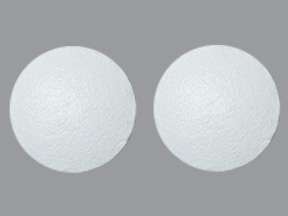 MELATONIN 5 MG TABLET
 MELATONIN 10 MG QUICK DSSLV SL
The following indications for MELATONIN (melatonin) have been approved by the FDA:
Indications:
None.
Professional Synonyms:
None.
Indications:
None.
Professional Synonyms:
None.
The following dosing information is available for MELATONIN (melatonin):
No enhanced Dosing information available for this drug.
No enhanced Administration information available for this drug.
No dosing information available.
No generic dosing information available.
The following drug interaction information is available for MELATONIN (melatonin):
There are 0 contraindications.
There are 1 severe interactions.
These drug interactions can produce serious consequences in most patients. Actions required for severe interactions include, but are not limited to, discontinuing one or both agents, adjusting dosage, altering administration scheduling, and providing additional patient monitoring. Review the full interaction monograph for more information.
| Drug Interaction | Drug Names |
|---|---|
| Melatonin/Strong CYP1A2 Inhibitors SEVERITY LEVEL: 2-Severe Interaction: Action is required to reduce the risk of severe adverse interaction. MECHANISM OF ACTION: Strong CYP1A2 inhibitors may significantly increase the area-under-curve (AUC) of melatonin by inhibiting CYP1A2.(1,2) Fluvoxamine, a strong CYP1A2 inhibitor, has also been shown to increase endogenous melatonin levels. CLINICAL EFFECTS: The concurrent administration of melatonin and strong CYP1A2 inhibitors may result in significantly increased melatonin levels and subsequent side effects.(1-3) PREDISPOSING FACTORS: None determined. PATIENT MANAGEMENT: The UK manufacturer of melatonin recommends against the concurrent use of melatonin and CYP1A2 inhibitors.(1) The Australian manufacturer of melatonin states concurrent use of melatonin and CYP1A2 inhibitors should be avoided.(2) Patients should be monitored for increased effects of melatonin when melatonin and CYP1A2 inhibitors are used concurrently. DISCUSSION: In a study, fluvoxamine increased the area-under-curve (AUC) and concentration maximum (Cmax) of melatonin by 17-fold and 12-fold, respectively.(2) In a case report, a 51 year old female with chronic primary insomnia who received 5 mg melatonin at bedtime and 75 mg fluvoxamine in the afternoon experienced increased nocturnal sleep, from 2.5 hours (drug free) to 4.2 hours (melatonin alone) up to 5.5 hours per night (melatonin with fluvoxamine). Both melatonin and fluvoxamine alone increased melatonin levels; however administration of melatonin alone increased melatonin levels more than fluvoxamine alone. Concurrent use of melatonin and fluvoxamine increased melatonin levels 20-fold when compared to the administration of melatonin alone.(3) In a study involving five males, 5 mg of melatonin daily was given for one week, then 50 mg of fluvoxamine was added (administered three hours apart. The AUC of melatonin increased at least nine-fold (p<0.05). The Cmax increased at least six-fold in melatonin (p<0.01), versus the Cmax in patients who received melatonin alone.(4) Strong CYP1A2 inhibitors include: enasidenib, fluvoxamine, and viloxazine.(5) |
FLUVOXAMINE MALEATE, FLUVOXAMINE MALEATE ER, IDHIFA, QELBREE |
There are 0 moderate interactions.
The following contraindication information is available for MELATONIN (melatonin):
Drug contraindication overview.
No enhanced Contraindications information available for this drug.
No enhanced Contraindications information available for this drug.
There are 0 contraindications.
There are 2 severe contraindications.
Adequate patient monitoring is recommended for safer drug use.
| Severe List |
|---|
| Autoimmune disease |
| Systemic lupus erythematosus |
There are 0 moderate contraindications.
The following adverse reaction information is available for MELATONIN (melatonin):
Adverse reaction overview.
No enhanced Common Adverse Effects information available for this drug.
No enhanced Common Adverse Effects information available for this drug.
There are 0 severe adverse reactions.
There are 15 less severe adverse reactions.
| More Frequent | Less Frequent |
|---|---|
|
Dizziness Headache disorder Sedation hangover effect |
Abdominal pain with cramps Acute cognitive impairment CNS depression Concentration difficulty Depression Hypotension Irritability Nausea Symptoms of anxiety Tremor Vomiting |
| Rare/Very Rare |
|---|
|
Panic disorder |
The following precautions are available for MELATONIN (melatonin):
No enhanced Pediatric Use information available for this drug.
Contraindicated
Severe Precaution
Management or Monitoring Precaution
Contraindicated
| None |
Severe Precaution
| None |
Management or Monitoring Precaution
| None |
No enhanced Pregnancy information available for this drug.
No enhanced Lactation information available for this drug.
No enhanced Geriatric Use information available for this drug.
The following prioritized warning is available for MELATONIN (melatonin):
No warning message for this drug.
No warning message for this drug.
The following icd codes are available for MELATONIN (melatonin)'s list of indications:
No ICD codes found for this drug.
No ICD codes found for this drug.
Formulary Reference Tool