Please wait while the formulary information is being retrieved.
DRUG IMAGES
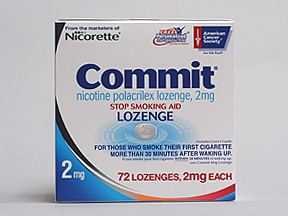 NICORETTE 2 MG LOZENGE
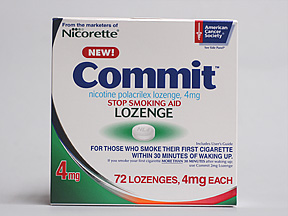 NICORETTE 4 MG LOZENGE
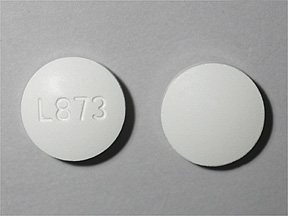 EQ NICOTINE 4 MG LOZENGE
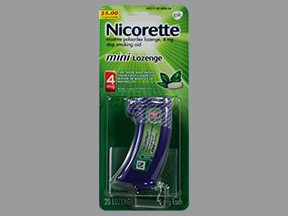 NICORETTE 4 MG MINI LOZENGE
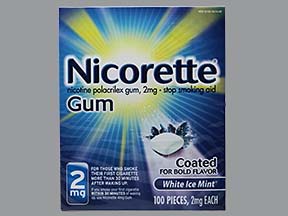 NICORETTE 2 MG CHEWING GUM
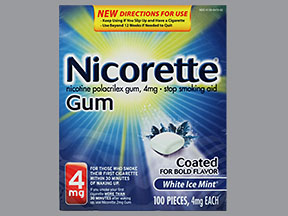 NICORETTE 4 MG CHEWING GUM
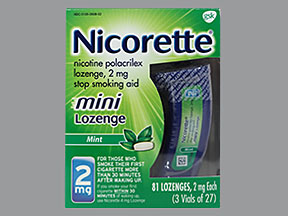 NICORETTE 2 MG MINI LOZENGE
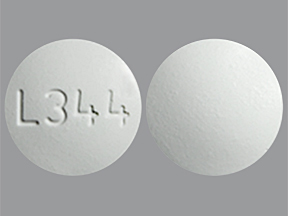 NICOTINE 2 MG LOZENGE
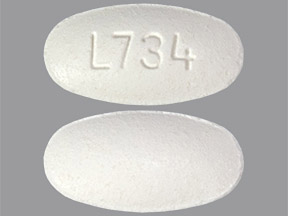 NICOTINE 2 MG MINI LOZENGE
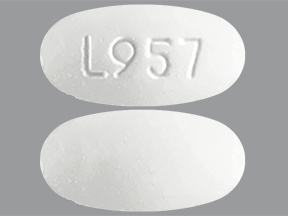 NICOTINE 4 MG MINI LOZENGE
The following indications for NICORETTE (nicotine polacrilex) have been approved by the FDA:
Indications:
Smoking cessation
Professional Synonyms:
Smoking cessation assistance
Indications:
Smoking cessation
Professional Synonyms:
Smoking cessation assistance
The following dosing information is available for NICORETTE (nicotine polacrilex):
The manufacturers recommend that nicotine replacement therapy (NRT) be initiated on a planned quit date for cigarette smoking. However, there is some evidence supporting the efficacy of initiating NRT in people who continue to smoke and do not plan to quit immediately. It is important to complete the full treatment regimen to increase the likelihood of successful smoking cessation.
Nicotine gum and lozenges are available as nicotine polacrilex; dosage is expressed in terms of nicotine.
Nicotine gum and lozenges are available as nicotine polacrilex; dosage is expressed in terms of nicotine.
Administer nicotine replacement products buccally (using a lozenge or chewing gum), transdermally (using a patch), or intranasally (using a metered-dose spray pump).
| DRUG LABEL | DOSING TYPE | DOSING INSTRUCTIONS |
|---|---|---|
| NICORETTE 2 MG CHEWING GUM | Maintenance | Adults chew 1 piece of gum (2 mg) by oral route every 2 hours as needed and as directed |
| NICORETTE 4 MG CHEWING GUM | Maintenance | Adults chew 1 piece of gum (4 mg) by oral route every 2 hours as needed and as directed |
| NICORETTE 2 MG LOZENGE | Maintenance | Adults take 1 tablet (2 mg) dissolved slowly in the mouth by oral route every 8 hours |
| NICORETTE 4 MG LOZENGE | Maintenance | Adults take 1 tablet (4 mg) dissolved slowly in the mouth by oral route every 2-4 hours |
| DRUG LABEL | DOSING TYPE | DOSING INSTRUCTIONS |
|---|---|---|
| GS NICOTINE 2 MG CHEWING GUM | Maintenance | Adults chew 1 piece of gum (2 mg) by oral route every 2 hours as needed and as directed |
| GS NICOTINE 4 MG CHEWING GUM | Maintenance | Adults chew 1 piece of gum (4 mg) by oral route every 2 hours as needed and as directed |
| GS NICOTINE 2 MG LOZENGE | Maintenance | Adults take 1 tablet (2 mg) dissolved slowly in the mouth by oral route every 8 hours |
| GS NICOTINE 4 MG LOZENGE | Maintenance | Adults take 1 tablet (4 mg) dissolved slowly in the mouth by oral route every 2-4 hours |
| NICOTINE 2 MG LOZENGE | Maintenance | Adults take 1 tablet (2 mg) dissolved slowly in the mouth by oral route every 8 hours |
| NICOTINE 4 MG LOZENGE | Maintenance | Adults take 1 tablet (4 mg) dissolved slowly in the mouth by oral route every 2-4 hours |
| NICOTINE 2 MG CHEWING GUM | Maintenance | Adults chew 1 piece of gum (2 mg) by oral route every 2 hours as needed and as directed |
| NICOTINE 4 MG CHEWING GUM | Maintenance | Adults chew 1 piece of gum (4 mg) by oral route every 2 hours as needed and as directed |
| SW NICOTINE 2 MG LOZENGE | Maintenance | Adults take 1 tablet (2 mg) dissolved slowly in the mouth by oral route every 8 hours |
| SW NICOTINE 2 MG CHEWING GUM | Maintenance | Adults chew 1 piece of gum (2 mg) by oral route every 2 hours as needed and as directed |
| SW NICOTINE 4 MG CHEWING GUM | Maintenance | Adults chew 1 piece of gum (4 mg) by oral route every 2 hours as needed and as directed |
| SW NICOTINE 4 MG LOZENGE | Maintenance | Adults take 1 tablet (4 mg) dissolved slowly in the mouth by oral route every 2-4 hours |
| KRO NICOTINE 2 MG CHEWING GUM | Maintenance | Adults chew 1 piece of gum (2 mg) by oral route every 2 hours as needed and as directed |
| KRO NICOTINE 2 MG LOZENGE | Maintenance | Adults take 1 tablet (2 mg) dissolved slowly in the mouth by oral route every 8 hours |
| KRO NICOTINE 4 MG LOZENGE | Maintenance | Adults take 1 tablet (4 mg) dissolved slowly in the mouth by oral route every 2-4 hours |
| KRO NICOTINE 4 MG CHEWING GUM | Maintenance | Adults chew 1 piece of gum (4 mg) by oral route every 2 hours as needed and as directed |
| GNP NICOTINE 2 MG CHEWING GUM | Maintenance | Adults chew 1 piece of gum (2 mg) by oral route every 2 hours as needed and as directed |
| GNP NICOTINE 4 MG CHEWING GUM | Maintenance | Adults chew 1 piece of gum (4 mg) by oral route every 2 hours as needed and as directed |
| GNP NICOTINE 4 MG LOZENGE | Maintenance | Adults take 1 tablet (4 mg) dissolved slowly in the mouth by oral route every 2-4 hours |
| GNP NICOTINE 2 MG LOZENGE | Maintenance | Adults take 1 tablet (2 mg) dissolved slowly in the mouth by oral route every 8 hours |
| EQ NICOTINE 2 MG CHEWING GUM | Maintenance | Adults chew 1 piece of gum (2 mg) by oral route every 2 hours as needed and as directed |
| EQ NICOTINE 2 MG LOZENGE | Maintenance | Adults take 1 tablet (2 mg) dissolved slowly in the mouth by oral route every 8 hours |
| EQ NICOTINE 4 MG CHEWING GUM | Maintenance | Adults chew 1 piece of gum (4 mg) by oral route every 2 hours as needed and as directed |
| EQ NICOTINE 4 MG LOZENGE | Maintenance | Adults take 1 tablet (4 mg) dissolved slowly in the mouth by oral route every 2-4 hours |
| CVS NICOTINE 2 MG LOZENGE | Maintenance | Adults take 1 tablet (2 mg) dissolved slowly in the mouth by oral route every 8 hours |
| CVS NICOTINE 4 MG LOZENGE | Maintenance | Adults take 1 tablet (4 mg) dissolved slowly in the mouth by oral route every 2-4 hours |
| CVS NICOTINE 4 MG CHEWING GUM | Maintenance | Adults chew 1 piece of gum (4 mg) by oral route every 2 hours as needed and as directed |
| CVS NICOTINE 2 MG CHEWING GUM | Maintenance | Adults chew 1 piece of gum (2 mg) by oral route every 2 hours as needed and as directed |
| FT NICOTINE 2 MG CHEWING GUM | Maintenance | Adults chew 1 piece of gum (2 mg) by oral route every 2 hours as needed and as directed |
| FT NICOTINE 4 MG CHEWING GUM | Maintenance | Adults chew 1 piece of gum (4 mg) by oral route every 2 hours as needed and as directed |
| FT NICOTINE 2 MG LOZENGE | Maintenance | Adults take 1 tablet (2 mg) dissolved slowly in the mouth by oral route every 8 hours |
| FT NICOTINE 4 MG LOZENGE | Maintenance | Adults take 1 tablet (4 mg) dissolved slowly in the mouth by oral route every 2-4 hours |
The following drug interaction information is available for NICORETTE (nicotine polacrilex):
There are 0 contraindications.
There are 0 severe interactions.
There are 0 moderate interactions.
The following contraindication information is available for NICORETTE (nicotine polacrilex):
Drug contraindication overview.
*Known hypersensitivity or allergy to nicotine or any component in the formulation.
*Known hypersensitivity or allergy to nicotine or any component in the formulation.
There are 1 contraindications.
Absolute contraindication.
| Contraindication List |
|---|
| Temporomandibular joint disorder |
There are 8 severe contraindications.
Adequate patient monitoring is recommended for safer drug use.
| Severe List |
|---|
| 30 day risk period post-myocardial infarction |
| Acute myocardial infarction |
| Angina |
| Buerger's disease |
| Life-threatening cardiac arrhythmias |
| Raynaud's phenomenon |
| Severe uncontrolled hypertension |
| Unstable angina pectoris |
There are 8 moderate contraindications.
Clinically significant contraindication, where the condition can be managed or treated before the drug may be given safely.
| Moderate List |
|---|
| Disease of liver |
| Esophagitis |
| Hyperthyroidism |
| Peptic ulcer |
| Pharyngitis |
| Pheochromocytoma |
| Prinzmetal angina |
| Type 1 diabetes mellitus |
The following adverse reaction information is available for NICORETTE (nicotine polacrilex):
Adverse reaction overview.
Buccal therapy (gum): Indigestion; nausea; hiccups; traumatic injury to oral mucosa and/or teeth; irritation and/or tingling of the tongue, mouth, and throat; oral mucosal ulceration; jaw-muscle ache; eructation; gum sticking to teeth; unpleasant taste; dizziness; lightheadedness; headache. Buccal therapy (lozenges): Nausea, dyspepsia, flatulence, headache, upper respiratory tract infections. Transdermal therapy: Application site reactions (i.e., pruritus, burning, or erythema), dyspepsia, abdominal pain, dry mouth. Intranasal therapy: Nasal irritation, runny nose, throat irritation, watery eyes, sneezing, cough.
Buccal therapy (gum): Indigestion; nausea; hiccups; traumatic injury to oral mucosa and/or teeth; irritation and/or tingling of the tongue, mouth, and throat; oral mucosal ulceration; jaw-muscle ache; eructation; gum sticking to teeth; unpleasant taste; dizziness; lightheadedness; headache. Buccal therapy (lozenges): Nausea, dyspepsia, flatulence, headache, upper respiratory tract infections. Transdermal therapy: Application site reactions (i.e., pruritus, burning, or erythema), dyspepsia, abdominal pain, dry mouth. Intranasal therapy: Nasal irritation, runny nose, throat irritation, watery eyes, sneezing, cough.
There are 15 severe adverse reactions.
| More Frequent | Less Frequent |
|---|---|
|
Mouth irritation |
Hypertension |
| Rare/Very Rare |
|---|
|
Allergic dermatitis Angioedema Atrial fibrillation Cardiac arrhythmia Erythema Hypersensitivity drug reaction Hypertension Pruritus of skin Seizure disorder Skin rash Tachycardia Urticaria Wheezing |
There are 52 less severe adverse reactions.
| More Frequent | Less Frequent |
|---|---|
|
Dysgeusia Eructation Headache disorder Hiccups Increased appetite Jaw pain Nausea Sialorrhea Sore throat Tachycardia |
Abdominal pain with cramps Aphthous stomatitis Constipation Dizziness Flatulence Flushing Hoarseness Vomiting |
| Rare/Very Rare |
|---|
|
Abdominal pain with cramps Acute cognitive impairment Anorexia Arthralgia Constipation Cough Depression Diarrhea Dizziness Drowsy Dysgeusia Dysmenorrhea Edema Euphoria Flatulence Gastric acid hypersecretory conditions General weakness Headache disorder Heartburn Hiccups Hyperhidrosis Hypoesthesia Insomnia Irritability Myalgia Nausea Nervousness Nightmares Paresthesia Sneezing Syncope Tinnitus Vomiting Xerostomia |
The following precautions are available for NICORETTE (nicotine polacrilex):
Safety and efficacy not evaluated in the pediatric population. Individuals <18 years of age should consult a clinician prior to use of OTC nicotine replacement therapy products. Use or ingestion of used or unused nicotine replacement systems by children may cause poisoning or be fatal; keep used and unused containers out of the reach of children.
Contraindicated
Severe Precaution
Management or Monitoring Precaution
Contraindicated
| None |
Severe Precaution
| None |
Management or Monitoring Precaution
| None |
Animal studies indicate that nicotine may cause fetal harm when administered to pregnant women. Tobacco smoke, which contains nicotine, hydrogen cyanide, and carbon monoxide, has been shown to be harmful to the fetus; adverse effects include fetal growth retardation, increased risk of spontaneous abortion, and increased perinatal mortality. Substantial evidence indicates that decreased birthweight in neonates born to women who smoke is in part caused by a direct vasoconstrictive effect of nicotine on uterine vasculature resulting in fetal hypoxia.
The teratogenic potential of cigarette smoking or nicotine in humans has not been clearly established. Cigarette smoking is known to increase fetal aortic blood flow and heart rate and decrease uterine blood flow and fetal breathing movements. In a limited study of pregnant (e.g., between 24-36 weeks of gestation) women who continued to smoke at least 10 cigarettes daily for 5 days or who discontinued smoking and began taking nicotine polacrilex gum for 5 days at a dosage of at least 6 pieces of 2-mg gum (up to 30 pieces) daily chewed at a rate not to exceed 2 pieces hourly, there were no differences between the groups in changes in maternal or fetal hemodynamic measurements (e.g., maternal heart rate and mean arterial pressure, fetal heart rate, uterine resistance index, umbilical resistance index).
The maternal serum cotinine concentration after 5 days was decreased with nicotine polacrilex gum but did not change with continuance of smoking. Peak and trough maternal serum nicotine concentrations after 5 days were lower with nicotine polacrilex gum than with continuance of smoking. Individuals who are pregnant should consult a healthcare provider prior to the use of OTC nicotine replacement therapy products.
Although these products are believed to be safer than smoking, the fetal/neonatal risks are not fully known. The USPHS guideline states that behavioral counseling interventions are effective in improving smoking cessation during pregnancy, but additional research is needed on pharmacotherapy options.
The teratogenic potential of cigarette smoking or nicotine in humans has not been clearly established. Cigarette smoking is known to increase fetal aortic blood flow and heart rate and decrease uterine blood flow and fetal breathing movements. In a limited study of pregnant (e.g., between 24-36 weeks of gestation) women who continued to smoke at least 10 cigarettes daily for 5 days or who discontinued smoking and began taking nicotine polacrilex gum for 5 days at a dosage of at least 6 pieces of 2-mg gum (up to 30 pieces) daily chewed at a rate not to exceed 2 pieces hourly, there were no differences between the groups in changes in maternal or fetal hemodynamic measurements (e.g., maternal heart rate and mean arterial pressure, fetal heart rate, uterine resistance index, umbilical resistance index).
The maternal serum cotinine concentration after 5 days was decreased with nicotine polacrilex gum but did not change with continuance of smoking. Peak and trough maternal serum nicotine concentrations after 5 days were lower with nicotine polacrilex gum than with continuance of smoking. Individuals who are pregnant should consult a healthcare provider prior to the use of OTC nicotine replacement therapy products.
Although these products are believed to be safer than smoking, the fetal/neonatal risks are not fully known. The USPHS guideline states that behavioral counseling interventions are effective in improving smoking cessation during pregnancy, but additional research is needed on pharmacotherapy options.
Nicotine is distributed into human milk in a milk to plasma ratio averaging 2.9. Proper use of nicotine polacrilex preparations or transdermal or intranasal nicotine would be expected to produce lower nicotine concentrations in milk than would cigarette smoking because of lower maternal plasma nicotine concentrations with nicotine replacement therapy.
Although some clearance of orally absorbed nicotine in infants will occur through first-pass metabolism in the liver, the efficiency of nicotine removal is probably lowest at birth. Nicotine replacement therapy should be used with caution in breastfeeding individuals. The safety of nicotine replacement therapy in infants who are breastfeeding has not been evaluated.
Whether to use nicotine replacement therapy in a nursing woman should be based on comparison of the risks associated with exposure to tobacco smoke from continued smoking by the mother, and those associated with use of nicotine replacement therapy alone or in combination with continued smoking. Individuals who are breastfeeding should consult a healthcare provider prior to the use of any nicotine replacement therapy product.
Although some clearance of orally absorbed nicotine in infants will occur through first-pass metabolism in the liver, the efficiency of nicotine removal is probably lowest at birth. Nicotine replacement therapy should be used with caution in breastfeeding individuals. The safety of nicotine replacement therapy in infants who are breastfeeding has not been evaluated.
Whether to use nicotine replacement therapy in a nursing woman should be based on comparison of the risks associated with exposure to tobacco smoke from continued smoking by the mother, and those associated with use of nicotine replacement therapy alone or in combination with continued smoking. Individuals who are breastfeeding should consult a healthcare provider prior to the use of any nicotine replacement therapy product.
Nicotine nasal spray: Insufficient experience in patients >=65 years of age to determine whether geriatric patients respond differently than younger adults; select dosage with caution because of age-related decreases in hepatic, renal, and/or cardiac function and potential for concomitant disease. Pharmacokinetics of nicotine in geriatric patients have not been studied.
The following prioritized warning is available for NICORETTE (nicotine polacrilex):
No warning message for this drug.
No warning message for this drug.
The following icd codes are available for NICORETTE (nicotine polacrilex)'s list of indications:
| Smoking cessation | |
| F17 | Nicotine dependence |
| F17.2 | Nicotine dependence |
| F17.20 | Nicotine dependence, unspecified |
| F17.200 | Nicotine dependence, unspecified, uncomplicated |
| F17.201 | Nicotine dependence, unspecified, in remission |
| F17.203 | Nicotine dependence unspecified, with withdrawal |
| F17.208 | Nicotine dependence, unspecified, with other nicotine-induced disorders |
| F17.209 | Nicotine dependence, unspecified, with unspecified nicotine-induced disorders |
| F17.21 | Nicotine dependence, cigarettes |
| F17.210 | Nicotine dependence, cigarettes, uncomplicated |
| F17.211 | Nicotine dependence, cigarettes, in remission |
| F17.213 | Nicotine dependence, cigarettes, with withdrawal |
| F17.218 | Nicotine dependence, cigarettes, with other nicotine-induced disorders |
| F17.219 | Nicotine dependence, cigarettes, with unspecified nicotine-induced disorders |
| O99.33 | Tobacco use disorder complicating pregnancy, childbirth, and the puerperium |
| O99.330 | Smoking (tobacco) complicating pregnancy, unspecified trimester |
| O99.331 | Smoking (tobacco) complicating pregnancy, first trimester |
| O99.332 | Smoking (tobacco) complicating pregnancy, second trimester |
| O99.333 | Smoking (tobacco) complicating pregnancy, third trimester |
| O99.334 | Smoking (tobacco) complicating childbirth |
| O99.335 | Smoking (tobacco) complicating the puerperium |
| Z87.891 | Personal history of nicotine dependence |
Formulary Reference Tool