Please wait while the formulary information is being retrieved.
Drug overview for XYVONA (levorphanol tartrate):
Generic name: LEVORPHANOL TARTRATE (lee-VOR-fa-nole)
Drug class: Opioid Analgesics- IR (with all antitussive opiates)
Therapeutic class: Analgesic, Anti-inflammatory or Antipyretic
Levorphanol tartrate is an opiate agonist.
Levorphanol tartrate is a strong analgesic used in relief of moderate to severe pain. The drug is also used to relieve severe, intractable pain (e.g., in terminally ill patients). For further information on the role of opiate analgesics in the management of acute or chronic pain, see Uses: Pain, in the Opiate Agonists General Statement 28:08.08.
DRUG IMAGES
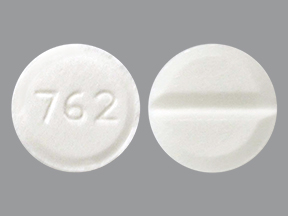 XYVONA 2 MG TABLET
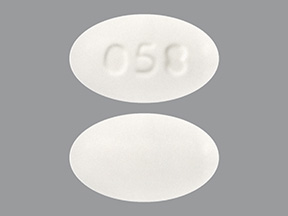 XYVONA 3 MG TABLET
The following indications for XYVONA (levorphanol tartrate) have been approved by the FDA:
Indications:
Pain
Professional Synonyms:
None.
Indications:
Pain
Professional Synonyms:
None.
The following dosing information is available for XYVONA (levorphanol tartrate):
Levorphanol tartrate should be given at the lowest effective dosage and for the shortest duration of therapy consistent with the treatment goals of the patient. Reduced dosage is indicated in poor-risk patients and in very old patients. If concomitant therapy with other CNS depressants is required, the lowest effective dosages and shortest possible duration of concomitant therapy should be used.
The initial dose of levorphanol tartrate should be reduced by 50% or more in patients with compromised respiratory function and in those receiving other drugs that depress respiration.
The usual oral adult dosage of levorphanol tartrate is 2 mg every 6-8 hours as needed; the dosage may be increased to 3 mg every 6-8 hours if necessary.
When an ''around-the-clock'' dosing regimen is used, at least 72 hours should elapse between dosage adjustments.
For acute pain not related to trauma or surgery, the prescribed quantity should be limited to the amount needed for the expected duration of pain severe enough to require opiate analgesia (generally 3 days or less and rarely more than 7 days). When opiate analgesics are used for the management of chronic noncancer pain, the US Centers for Disease Control and Prevention (CDC) recommends that primary care clinicians carefully reassess individual benefits and risks before prescribing dosages equivalent to 50 mg or more of morphine sulfate daily and avoid dosages equivalent to 90 mg or more of morphine sulfate daily or carefully justify their decision to titrate the dosage to such levels. Other experts recommend consulting a pain management specialist before exceeding a dosage equivalent to 80-120 mg of morphine sulfate daily.
For further information on the management of opiate analgesic therapy, see Dosage and Administration: Dosage, in the Opiate Agonists General Statement 28:08.08.
Levorphanol tartrate is administered orally.
No dosing information available.
No generic dosing information available.
The following drug interaction information is available for XYVONA (levorphanol tartrate):
There are 0 contraindications.
There are 0 severe interactions.
There are 0 moderate interactions.
The following contraindication information is available for XYVONA (levorphanol tartrate):
Drug contraindication overview.
No enhanced Contraindications information available for this drug.
No enhanced Contraindications information available for this drug.
There are 1 contraindications.
Absolute contraindication.
| Contraindication List |
|---|
| Acute asthma attack |
There are 29 severe contraindications.
Adequate patient monitoring is recommended for safer drug use.
| Severe List |
|---|
| Alcohol intoxication |
| Alcohol withdrawal delirium |
| Benign prostatic hyperplasia |
| Bradycardia |
| Cardiac arrhythmia |
| Coma |
| Cor pulmonale |
| Debilitation |
| Dehydration |
| Drug abuse |
| Exacerbation of chronic obstructive pulmonary disease |
| Familial dysautonomia |
| Gastrointestinal tract surgery |
| History of opioid overdose |
| Hypotension |
| Inflammatory bowel disease |
| Intracranial hypertension |
| Morbid obesity |
| Neoplasm of brain |
| Primary adrenocortical insufficiency |
| Respiratory depression |
| Shock |
| Sleep apnea |
| Suicidal ideation |
| Systemic mastocytosis |
| Toxic psychosis |
| Ulcerative colitis |
| Urethral stricture |
| Urinary retention |
There are 11 moderate contraindications.
Clinically significant contraindication, where the condition can be managed or treated before the drug may be given safely.
| Moderate List |
|---|
| Acute abdominal pain |
| Biliary spasm |
| Chronic obstructive pulmonary disease |
| Constipation |
| Disease of liver |
| Gallbladder disease |
| Kidney disease with reduction in glomerular filtration rate (GFr) |
| Lower seizure threshold |
| Mood changes |
| Seizure disorder |
| Untreated hypothyroidism |
The following adverse reaction information is available for XYVONA (levorphanol tartrate):
Adverse reaction overview.
No enhanced Common Adverse Effects information available for this drug.
No enhanced Common Adverse Effects information available for this drug.
There are 24 severe adverse reactions.
| More Frequent | Less Frequent |
|---|---|
| None. |
Acute cognitive impairment Angioedema Atelectasis Biliary spasm Bradycardia Bronchospastic pulmonary disease Dyspnea Orthostatic hypotension Respiratory depression Tachycardia |
| Rare/Very Rare |
|---|
|
Accidental fall Adrenocortical insufficiency Allergic dermatitis Anaphylaxis Cyanosis Depression Drug dependence Extrasystoles Hallucinations Pruritus of skin Renal failure Sleep apnea Suicidal Urticaria |
There are 40 less severe adverse reactions.
| More Frequent | Less Frequent |
|---|---|
|
Dizziness General weakness Hypotension Malaise Nausea Syncope Vomiting |
Acute abdominal pain Blurred vision Constipation Diplopia Gastrointestinal irritation Headache disorder Nervousness Oliguria Ureteral spasm Visual changes Xerostomia |
| Rare/Very Rare |
|---|
|
Anorexia Apnea Disturbance in thinking Dream disorder Drowsy Dyskinesia Dyspepsia Dysuria Erectile dysfunction Hyperhidrosis Hyperkinesis Hypokinesia Hypoventilation Infertility Insomnia Lethargy Libido changes Memory impairment Mood changes Palpitations Personality disorders Skin rash |
The following precautions are available for XYVONA (levorphanol tartrate):
No enhanced Pediatric Use information available for this drug.
Contraindicated
Severe Precaution
Management or Monitoring Precaution
Contraindicated
| None |
Severe Precaution
| None |
Management or Monitoring Precaution
| None |
No enhanced Pregnancy information available for this drug.
No enhanced Lactation information available for this drug.
Precaution Exists
Precaution exists. (No data or inconclusive human data.) Use of this drug by breast feeding mothers should be evaluated carefully.
Precaution Exists
Precaution exists. (No data or inconclusive human data.) Use of this drug by breast feeding mothers should be evaluated carefully.
| Drug Name | Excretion Potential | Effect on Infant | Notes |
|---|---|---|---|
| Levorphanol Tartrate | Unknown. It is unknown whether the drug is excreted in human breast milk. | It is not known whether this drug has an adverse effect on the nursing infant. (No data or inconclusive human data) | Moleculr wt low enough for possible excretion;Long term neuro effects unknown |
No enhanced Geriatric Use information available for this drug.
Precaution Exists
Geriatric management or monitoring precaution exists.
Precaution Exists
Geriatric management or monitoring precaution exists.
| Drug Name | Narrative | REN | HEP | CARDIO | NEURO | PULM | ENDO |
|---|---|---|---|---|---|---|---|
| Levorphanol | General-Consider adding naloxone/nalmefene Rx, especially when total opioid dose is >=50 MME/day. Pulmonary-Life threatening resp depression risk with high doses, cachexia or debilitation due to altered PK. Monitor closely at initiation and dose titration. Neuro/Psych-Risk for increased confusion, delirium and fall risk. Avoid treatment with 3 or more CNS active drugs. Gastrointestinal-Constip risk. Encourage exercise and consider bowel regimen. Urogenital-Urinary retention risk. | N | Y | Y | Y | Y | N |
The following prioritized warning is available for XYVONA (levorphanol tartrate):
WARNING: Levorphanol has a risk for abuse and addiction, which can lead to overdose and death. Levorphanol may also cause severe, possibly fatal, breathing problems. To lower your risk, your doctor should have you take the smallest dose of levorphanol that works, and take it for the shortest possible time.
See also How to Use section for more information about addiction. Ask your doctor or pharmacist if you should have medication available to treat opioid overdose (such as naloxone, nalmefene). Teach your family or household members about the signs of an opioid overdose and how to treat it.
The risk for severe breathing problems is higher when you start this medication and after a dose increase, or if you take the wrong dose/strength. Taking this medication with alcohol or other drugs that can cause drowsiness or breathing problems may cause very serious side effects, including death. Be sure you know how to take levorphanol and what other drugs you should avoid taking with it.
See also Drug Interactions section. Get medical help right away if any of these very serious side effects occur: slow/shallow breathing, unusual lightheadedness, severe drowsiness/dizziness, difficulty waking up. Keep this medicine in a safe place to prevent theft, misuse, or abuse.
If someone accidentally swallows this drug, get medical help right away. Before using this medication, women of childbearing age should talk with their doctor(s) about the risks and benefits. Tell your doctor if you are pregnant or if you plan to become pregnant.
During pregnancy, this medication should be used only when clearly needed. It may slightly increase the risk of birth defects if used during the first two months of pregnancy. Also, using it for a long time or in high doses near the expected delivery date may harm the unborn baby.
To lessen the risk, take the smallest effective dose for the shortest possible time. Babies born to mothers who use this drug for a long time may develop severe (possibly fatal) withdrawal symptoms. Tell the doctor right away if you notice any symptoms in your newborn baby such as crying that doesn't stop, slow/shallow breathing, irritability, shaking, vomiting, diarrhea, poor feeding, or difficulty gaining weight.
The following icd codes are available for XYVONA (levorphanol tartrate)'s list of indications:
| Pain | |
| G43 | Migraine |
| G43.0 | Migraine without aura |
| G43.00 | Migraine without aura, not intractable |
| G43.001 | Migraine without aura, not intractable, with status migrainosus |
| G43.009 | Migraine without aura, not intractable, without status migrainosus |
| G43.01 | Migraine without aura, intractable |
| G43.011 | Migraine without aura, intractable, with status migrainosus |
| G43.019 | Migraine without aura, intractable, without status migrainosus |
| G43.1 | Migraine with aura |
| G43.10 | Migraine with aura, not intractable |
| G43.101 | Migraine with aura, not intractable, with status migrainosus |
| G43.109 | Migraine with aura, not intractable, without status migrainosus |
| G43.11 | Migraine with aura, intractable |
| G43.111 | Migraine with aura, intractable, with status migrainosus |
| G43.119 | Migraine with aura, intractable, without status migrainosus |
| G43.4 | Hemiplegic migraine |
| G43.40 | Hemiplegic migraine, not intractable |
| G43.401 | Hemiplegic migraine, not intractable, with status migrainosus |
| G43.409 | Hemiplegic migraine, not intractable, without status migrainosus |
| G43.41 | Hemiplegic migraine, intractable |
| G43.411 | Hemiplegic migraine, intractable, with status migrainosus |
| G43.419 | Hemiplegic migraine, intractable, without status migrainosus |
| G43.5 | Persistent migraine aura without cerebral infarction |
| G43.50 | Persistent migraine aura without cerebral infarction, not intractable |
| G43.501 | Persistent migraine aura without cerebral infarction, not intractable, with status migrainosus |
| G43.509 | Persistent migraine aura without cerebral infarction, not intractable, without status migrainosus |
| G43.51 | Persistent migraine aura without cerebral infarction, intractable |
| G43.511 | Persistent migraine aura without cerebral infarction, intractable, with status migrainosus |
| G43.519 | Persistent migraine aura without cerebral infarction, intractable, without status migrainosus |
| G43.6 | Persistent migraine aura with cerebral infarction |
| G43.60 | Persistent migraine aura with cerebral infarction, not intractable |
| G43.601 | Persistent migraine aura with cerebral infarction, not intractable, with status migrainosus |
| G43.609 | Persistent migraine aura with cerebral infarction, not intractable, without status migrainosus |
| G43.61 | Persistent migraine aura with cerebral infarction, intractable |
| G43.611 | Persistent migraine aura with cerebral infarction, intractable, with status migrainosus |
| G43.619 | Persistent migraine aura with cerebral infarction, intractable, without status migrainosus |
| G43.7 | Chronic migraine without aura |
| G43.70 | Chronic migraine without aura, not intractable |
| G43.701 | Chronic migraine without aura, not intractable, with status migrainosus |
| G43.709 | Chronic migraine without aura, not intractable, without status migrainosus |
| G43.71 | Chronic migraine without aura, intractable |
| G43.711 | Chronic migraine without aura, intractable, with status migrainosus |
| G43.719 | Chronic migraine without aura, intractable, without status migrainosus |
| G43.8 | Other migraine |
| G43.80 | Other migraine, not intractable |
| G43.801 | Other migraine, not intractable, with status migrainosus |
| G43.809 | Other migraine, not intractable, without status migrainosus |
| G43.81 | Other migraine, intractable |
| G43.811 | Other migraine, intractable, with status migrainosus |
| G43.819 | Other migraine, intractable, without status migrainosus |
| G43.82 | Menstrual migraine, not intractable |
| G43.821 | Menstrual migraine, not intractable, with status migrainosus |
| G43.829 | Menstrual migraine, not intractable, without status migrainosus |
| G43.83 | Menstrual migraine, intractable |
| G43.831 | Menstrual migraine, intractable, with status migrainosus |
| G43.839 | Menstrual migraine, intractable, without status migrainosus |
| G43.9 | Migraine, unspecified |
| G43.90 | Migraine, unspecified, not intractable |
| G43.901 | Migraine, unspecified, not intractable, with status migrainosus |
| G43.909 | Migraine, unspecified, not intractable, without status migrainosus |
| G43.91 | Migraine, unspecified, intractable |
| G43.911 | Migraine, unspecified, intractable, with status migrainosus |
| G43.919 | Migraine, unspecified, intractable, without status migrainosus |
| G43.B | Ophthalmoplegic migraine |
| G43.B0 | Ophthalmoplegic migraine, not intractable |
| G43.B1 | Ophthalmoplegic migraine, intractable |
| G43.C | Periodic headache syndromes in child or adult |
| G43.C0 | Periodic headache syndromes in child or adult, not intractable |
| G43.C1 | Periodic headache syndromes in child or adult, intractable |
| G43.D | Abdominal migraine |
| G43.D0 | Abdominal migraine, not intractable |
| G43.D1 | Abdominal migraine, intractable |
| G43.E | Chronic migraine with aura |
| G43.E0 | Chronic migraine with aura, not intractable |
| G43.E01 | Chronic migraine with aura, not intractable, with status migrainosus |
| G43.E09 | Chronic migraine with aura, not intractable, without status migrainosus |
| G43.E1 | Chronic migraine with aura, intractable |
| G43.E11 | Chronic migraine with aura, intractable, with status migrainosus |
| G43.E19 | Chronic migraine with aura, intractable, without status migrainosus |
| G44 | Other headache syndromes |
| G44.00 | Cluster headache syndrome, unspecified |
| G44.001 | Cluster headache syndrome, unspecified, intractable |
| G44.009 | Cluster headache syndrome, unspecified, not intractable |
| G44.01 | Episodic cluster headache |
| G44.011 | Episodic cluster headache, intractable |
| G44.019 | Episodic cluster headache, not intractable |
| G44.02 | Chronic cluster headache |
| G44.021 | Chronic cluster headache, intractable |
| G44.029 | Chronic cluster headache, not intractable |
| G44.03 | Episodic paroxysmal hemicrania |
| G44.031 | Episodic paroxysmal hemicrania, intractable |
| G44.039 | Episodic paroxysmal hemicrania, not intractable |
| G44.04 | Chronic paroxysmal hemicrania |
| G44.041 | Chronic paroxysmal hemicrania, intractable |
| G44.049 | Chronic paroxysmal hemicrania, not intractable |
| G44.05 | Short lasting unilateral neuralgiform headache with conjunctival injection and tearing (SUNCt) |
| G44.051 | Short lasting unilateral neuralgiform headache with conjunctival injection and tearing (SUNCt), intractable |
| G44.059 | Short lasting unilateral neuralgiform headache with conjunctival injection and tearing (SUNCt), not intractable |
| G44.1 | Vascular headache, not elsewhere classified |
| G44.2 | Tension-type headache |
| G44.20 | Tension-type headache, unspecified |
| G44.201 | Tension-type headache, unspecified, intractable |
| G44.209 | Tension-type headache, unspecified, not intractable |
| G44.21 | Episodic tension-type headache |
| G44.211 | Episodic tension-type headache, intractable |
| G44.219 | Episodic tension-type headache, not intractable |
| G44.22 | Chronic tension-type headache |
| G44.221 | Chronic tension-type headache, intractable |
| G44.229 | Chronic tension-type headache, not intractable |
| G44.3 | Post-traumatic headache |
| G44.30 | Post-traumatic headache, unspecified |
| G44.301 | Post-traumatic headache, unspecified, intractable |
| G44.309 | Post-traumatic headache, unspecified, not intractable |
| G44.31 | Acute post-traumatic headache |
| G44.311 | Acute post-traumatic headache, intractable |
| G44.319 | Acute post-traumatic headache, not intractable |
| G44.32 | Chronic post-traumatic headache |
| G44.321 | Chronic post-traumatic headache, intractable |
| G44.329 | Chronic post-traumatic headache, not intractable |
| G44.4 | Drug-induced headache, not elsewhere classified |
| G44.40 | Drug-induced headache, not elsewhere classified, not intractable |
| G44.41 | Drug-induced headache, not elsewhere classified, intractable |
| G44.5 | Complicated headache syndromes |
| G44.51 | Hemicrania continua |
| G44.52 | New daily persistent headache (NDPh) |
| G44.53 | Primary thunderclap headache |
| G44.59 | Other complicated headache syndrome |
| G44.8 | Other specified headache syndromes |
| G44.81 | Hypnic headache |
| G44.82 | Headache associated with sexual activity |
| G44.83 | Primary cough headache |
| G44.84 | Primary exertional headache |
| G44.85 | Primary stabbing headache |
| G44.86 | Cervicogenic headache |
| G44.89 | Other headache syndrome |
| G50.1 | Atypical facial pain |
| G89 | Pain, not elsewhere classified |
| G89.0 | Central pain syndrome |
| G89.1 | Acute pain, not elsewhere classified |
| G89.11 | Acute pain due to trauma |
| G89.12 | Acute post-thoracotomy pain |
| G89.18 | Other acute postprocedural pain |
| G89.2 | Chronic pain, not elsewhere classified |
| G89.21 | Chronic pain due to trauma |
| G89.22 | Chronic post-thoracotomy pain |
| G89.28 | Other chronic postprocedural pain |
| G89.29 | Other chronic pain |
| G89.3 | Neoplasm related pain (acute) (chronic) |
| G89.4 | Chronic pain syndrome |
| G90.5 | Complex regional pain syndrome I (CRPS i) |
| G90.50 | Complex regional pain syndrome i, unspecified |
| G90.51 | Complex regional pain syndrome I of upper limb |
| G90.511 | Complex regional pain syndrome I of right upper limb |
| G90.512 | Complex regional pain syndrome I of left upper limb |
| G90.513 | Complex regional pain syndrome I of upper limb, bilateral |
| G90.519 | Complex regional pain syndrome I of unspecified upper limb |
| G90.52 | Complex regional pain syndrome I of lower limb |
| G90.521 | Complex regional pain syndrome I of right lower limb |
| G90.522 | Complex regional pain syndrome I of left lower limb |
| G90.523 | Complex regional pain syndrome I of lower limb, bilateral |
| G90.529 | Complex regional pain syndrome I of unspecified lower limb |
| G90.59 | Complex regional pain syndrome I of other specified site |
| H57.1 | Ocular pain |
| H57.10 | Ocular pain, unspecified eye |
| H57.11 | Ocular pain, right eye |
| H57.12 | Ocular pain, left eye |
| H57.13 | Ocular pain, bilateral |
| H92 | Otalgia and effusion of ear |
| H92.0 | Otalgia |
| H92.01 | Otalgia, right ear |
| H92.02 | Otalgia, left ear |
| H92.03 | Otalgia, bilateral |
| H92.09 | Otalgia, unspecified ear |
| K14.6 | Glossodynia |
| M25.5 | Pain in joint |
| M25.50 | Pain in unspecified joint |
| M25.51 | Pain in shoulder |
| M25.511 | Pain in right shoulder |
| M25.512 | Pain in left shoulder |
| M25.519 | Pain in unspecified shoulder |
| M25.52 | Pain in elbow |
| M25.521 | Pain in right elbow |
| M25.522 | Pain in left elbow |
| M25.529 | Pain in unspecified elbow |
| M25.53 | Pain in wrist |
| M25.531 | Pain in right wrist |
| M25.532 | Pain in left wrist |
| M25.539 | Pain in unspecified wrist |
| M25.54 | Pain in joints of hand |
| M25.541 | Pain in joints of right hand |
| M25.542 | Pain in joints of left hand |
| M25.549 | Pain in joints of unspecified hand |
| M25.55 | Pain in hip |
| M25.551 | Pain in right hip |
| M25.552 | Pain in left hip |
| M25.559 | Pain in unspecified hip |
| M25.56 | Pain in knee |
| M25.561 | Pain in right knee |
| M25.562 | Pain in left knee |
| M25.569 | Pain in unspecified knee |
| M25.57 | Pain in ankle and joints of foot |
| M25.571 | Pain in right ankle and joints of right foot |
| M25.572 | Pain in left ankle and joints of left foot |
| M25.579 | Pain in unspecified ankle and joints of unspecified foot |
| M25.59 | Pain in other specified joint |
| M26.62 | Arthralgia of temporomandibular joint |
| M26.621 | Arthralgia of right temporomandibular joint |
| M26.622 | Arthralgia of left temporomandibular joint |
| M26.623 | Arthralgia of bilateral temporomandibular joint |
| M26.629 | Arthralgia of temporomandibular joint, unspecified side |
| M54 | Dorsalgia |
| M54.2 | Cervicalgia |
| M54.4 | Lumbago with sciatica |
| M54.40 | Lumbago with sciatica, unspecified side |
| M54.41 | Lumbago with sciatica, right side |
| M54.42 | Lumbago with sciatica, left side |
| M54.5 | Low back pain |
| M54.50 | Low back pain, unspecified |
| M54.51 | Vertebrogenic low back pain |
| M54.59 | Other low back pain |
| M54.6 | Pain in thoracic spine |
| M54.8 | Other dorsalgia |
| M54.89 | Other dorsalgia |
| M54.9 | Dorsalgia, unspecified |
| M77.4 | Metatarsalgia |
| M77.40 | Metatarsalgia, unspecified foot |
| M77.41 | Metatarsalgia, right foot |
| M77.42 | Metatarsalgia, left foot |
| M79.1 | Myalgia |
| M79.10 | Myalgia, unspecified site |
| M79.11 | Myalgia of mastication muscle |
| M79.12 | Myalgia of auxiliary muscles, head and neck |
| M79.18 | Myalgia, other site |
| M79.6 | Pain in limb, hand, foot, fingers and toes |
| M79.60 | Pain in limb, unspecified |
| M79.601 | Pain in right arm |
| M79.602 | Pain in left arm |
| M79.603 | Pain in arm, unspecified |
| M79.604 | Pain in right leg |
| M79.605 | Pain in left leg |
| M79.606 | Pain in leg, unspecified |
| M79.609 | Pain in unspecified limb |
| M79.62 | Pain in upper arm |
| M79.621 | Pain in right upper arm |
| M79.622 | Pain in left upper arm |
| M79.629 | Pain in unspecified upper arm |
| M79.63 | Pain in forearm |
| M79.631 | Pain in right forearm |
| M79.632 | Pain in left forearm |
| M79.639 | Pain in unspecified forearm |
| M79.64 | Pain in hand and fingers |
| M79.641 | Pain in right hand |
| M79.642 | Pain in left hand |
| M79.643 | Pain in unspecified hand |
| M79.644 | Pain in right finger(s) |
| M79.645 | Pain in left finger(s) |
| M79.646 | Pain in unspecified finger(s) |
| M79.65 | Pain in thigh |
| M79.651 | Pain in right thigh |
| M79.652 | Pain in left thigh |
| M79.659 | Pain in unspecified thigh |
| M79.66 | Pain in lower leg |
| M79.661 | Pain in right lower leg |
| M79.662 | Pain in left lower leg |
| M79.669 | Pain in unspecified lower leg |
| M79.67 | Pain in foot and toes |
| M79.671 | Pain in right foot |
| M79.672 | Pain in left foot |
| M79.673 | Pain in unspecified foot |
| M79.674 | Pain in right toe(s) |
| M79.675 | Pain in left toe(s) |
| M79.676 | Pain in unspecified toe(s) |
| N23 | Unspecified renal colic |
| N64.4 | Mastodynia |
| N94 | Pain and other conditions associated with female genital organs and menstrual cycle |
| N94.0 | Mittelschmerz |
| N94.3 | Premenstrual tension syndrome |
| N94.4 | Primary dysmenorrhea |
| N94.5 | Secondary dysmenorrhea |
| N94.6 | Dysmenorrhea, unspecified |
| R07 | Pain in throat and chest |
| R07.0 | Pain in throat |
| R07.1 | Chest pain on breathing |
| R07.2 | Precordial pain |
| R07.81 | Pleurodynia |
| R07.82 | Intercostal pain |
| R07.89 | Other chest pain |
| R07.9 | Chest pain, unspecified |
| R10 | Abdominal and pelvic pain |
| R10.0 | Acute abdomen |
| R10.1 | Pain localized to upper abdomen |
| R10.10 | Upper abdominal pain, unspecified |
| R10.11 | Right upper quadrant pain |
| R10.12 | Left upper quadrant pain |
| R10.2 | Pelvic and perineal pain |
| R10.20 | Pelvic and perineal pain unspecified side |
| R10.21 | Pelvic and perineal pain right side |
| R10.22 | Pelvic and perineal pain left side |
| R10.23 | Pelvic and perineal pain bilateral |
| R10.24 | Suprapubic pain |
| R10.3 | Pain localized to other parts of lower abdomen |
| R10.30 | Lower abdominal pain, unspecified |
| R10.31 | Right lower quadrant pain |
| R10.32 | Left lower quadrant pain |
| R10.33 | Periumbilical pain |
| R10.8 | Other abdominal pain |
| R10.83 | Colic |
| R10.84 | Generalized abdominal pain |
| R10.85 | Abdominal pain of multiple sites |
| R10.9 | Unspecified abdominal pain |
| R10.A | Pain localized to flank |
| R10.A0 | Flank pain, unspecified side |
| R10.A1 | Flank pain, right side |
| R10.A2 | Flank pain, left side |
| R10.A3 | Flank pain, bilateral |
| R51 | Headache |
| R51.0 | Headache with orthostatic component, not elsewhere classified |
| R51.9 | Headache, unspecified |
| R52 | Pain, unspecified |
| R68.84 | Jaw pain |
| T82.84 | Pain due to cardiac and vascular prosthetic devices, implants and grafts |
| T82.847 | Pain due to cardiac prosthetic devices, implants and grafts |
| T82.847A | Pain due to cardiac prosthetic devices, implants and grafts, initial encounter |
| T82.847D | Pain due to cardiac prosthetic devices, implants and grafts, subsequent encounter |
| T82.848 | Pain due to vascular prosthetic devices, implants and grafts |
| T82.848A | Pain due to vascular prosthetic devices, implants and grafts, initial encounter |
| T82.848D | Pain due to vascular prosthetic devices, implants and grafts, subsequent encounter |
| T83.84 | Pain due to genitourinary prosthetic devices, implants and grafts |
| T83.84xA | Pain due to genitourinary prosthetic devices, implants and grafts, initial encounter |
| T83.84xD | Pain due to genitourinary prosthetic devices, implants and grafts, subsequent encounter |
| T84.84 | Pain due to internal orthopedic prosthetic devices, implants and grafts |
| T84.84xA | Pain due to internal orthopedic prosthetic devices, implants and grafts, initial encounter |
| T84.84xD | Pain due to internal orthopedic prosthetic devices, implants and grafts, subsequent encounter |
| T85.84 | Pain due to internal prosthetic devices, implants and grafts, not elsewhere classified |
| T85.840 | Pain due to nervous system prosthetic devices, implants and grafts |
| T85.840A | Pain due to nervous system prosthetic devices, implants and grafts, initial encounter |
| T85.840D | Pain due to nervous system prosthetic devices, implants and grafts, subsequent encounter |
| T85.848 | Pain due to other internal prosthetic devices, implants and grafts |
| T85.848A | Pain due to other internal prosthetic devices, implants and grafts, initial encounter |
| T85.848D | Pain due to other internal prosthetic devices, implants and grafts, subsequent encounter |
Formulary Reference Tool