Please wait while the formulary information is being retrieved.
Drug overview for RIVASTIGMINE (rivastigmine tartrate):
Generic name: RIVASTIGMINE TARTRATE (riv-uh-STIG-meen)
Drug class: Alzheimer's Disease Agents
Therapeutic class: Cognitive Disorder Therapy
Rivastigmine is a centrally active, reversible cholinesterase inhibitor.
No enhanced Uses information available for this drug.
Generic name: RIVASTIGMINE TARTRATE (riv-uh-STIG-meen)
Drug class: Alzheimer's Disease Agents
Therapeutic class: Cognitive Disorder Therapy
Rivastigmine is a centrally active, reversible cholinesterase inhibitor.
No enhanced Uses information available for this drug.
DRUG IMAGES
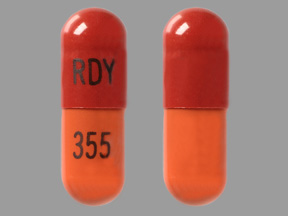 RIVASTIGMINE 6 MG CAPSULE
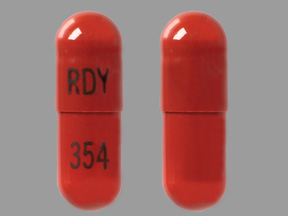 RIVASTIGMINE 4.5 MG CAPSULE
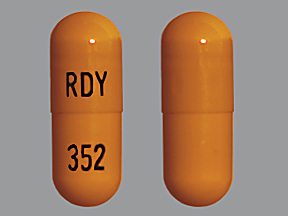 RIVASTIGMINE 1.5 MG CAPSULE
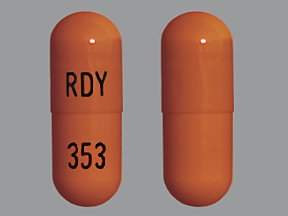 RIVASTIGMINE 3 MG CAPSULE
The following indications for RIVASTIGMINE (rivastigmine tartrate) have been approved by the FDA:
Indications:
Dementia associated with Parkinson's disease
Mild to moderate Alzheimer's type dementia
Moderate to severe Alzheimer's type dementia
Professional Synonyms:
None.
Indications:
Dementia associated with Parkinson's disease
Mild to moderate Alzheimer's type dementia
Moderate to severe Alzheimer's type dementia
Professional Synonyms:
None.
The following dosing information is available for RIVASTIGMINE (rivastigmine tartrate):
Dosage of rivastigmine tartrate is expressed in terms of rivastigmine.
Rivastigmine is administered orally (as capsules or oral solution) twice daily. The drug also is available as a transdermal system for topical application.
| DRUG LABEL | DOSING TYPE | DOSING INSTRUCTIONS |
|---|---|---|
| RIVASTIGMINE 1.5 MG CAPSULE | Maintenance | Adults take 1 capsule (1.5 mg) by oral route 2 times per day in the morning and evening with food |
| RIVASTIGMINE 3 MG CAPSULE | Maintenance | Adults take 1 capsule (3 mg) by oral route 2 times per day in the morning and evening with food |
| RIVASTIGMINE 4.5 MG CAPSULE | Maintenance | Adults take 1 capsule (4.5 mg) by oral route 2 times per day in the morning and evening with food |
| RIVASTIGMINE 6 MG CAPSULE | Maintenance | Adults take 1 capsule (6 mg) by oral route 2 times per day in the morning and evening with food |
| DRUG LABEL | DOSING TYPE | DOSING INSTRUCTIONS |
|---|---|---|
| RIVASTIGMINE 1.5 MG CAPSULE | Maintenance | Adults take 1 capsule (1.5 mg) by oral route 2 times per day in the morning and evening with food |
| RIVASTIGMINE 3 MG CAPSULE | Maintenance | Adults take 1 capsule (3 mg) by oral route 2 times per day in the morning and evening with food |
| RIVASTIGMINE 4.5 MG CAPSULE | Maintenance | Adults take 1 capsule (4.5 mg) by oral route 2 times per day in the morning and evening with food |
| RIVASTIGMINE 6 MG CAPSULE | Maintenance | Adults take 1 capsule (6 mg) by oral route 2 times per day in the morning and evening with food |
The following drug interaction information is available for RIVASTIGMINE (rivastigmine tartrate):
There are 0 contraindications.
There are 1 severe interactions.
These drug interactions can produce serious consequences in most patients. Actions required for severe interactions include, but are not limited to, discontinuing one or both agents, adjusting dosage, altering administration scheduling, and providing additional patient monitoring. Review the full interaction monograph for more information.
| Drug Interaction | Drug Names |
|---|---|
| Metoclopramide/Antipsychotics; Phenothiazines; Rivastigmine SEVERITY LEVEL: 2-Severe Interaction: Action is required to reduce the risk of severe adverse interaction. MECHANISM OF ACTION: These agents block dopamine (D2) receptors. D2 blockade can cause extrapyramidal reactions, such acute dystonic reactions, pseudoparkinsonian tremors, akathisia, or tardive dyskinesia. Neuroleptic malignant syndrome may also occur in patients receiving D2 blockers. The risk of these adverse effects may be increased by concurrent use.(1-3) CLINICAL EFFECTS: Concurrent use may increase the risk of extrapyramidal reactions (e.g. acute dystonic reactions, pseudoparkinsonian tremors, akathisia, or tardive dyskinesia) and neuroleptic malignant syndrome. Tardive dyskinesia, which may be permanent, typically affects the facial muscles and may result in uncontrollable lip smacking, chewing, puckering of the mouth, frowning or scowling, sticking out the tongue, blinking and moving the eyes, and shaking of the arms and/or legs.(1-3) Symptoms of neuroleptic malignant syndrome include hyperpyrexia, muscle rigidity, altered mental status, an autonomic instability (irregular pulse or blood pressure, tachycardia, diaphoresis, and cardiac arrhythmias), elevated creatine phosphokinase, myoglobinuria (rhabdomyolysis), and acute renal failure.(1) PREDISPOSING FACTORS: Patients with Parkinson's or Lewy Body Disease may be more likely to have extrapyramidal reactions or unmasking of their primary disease symptoms. The risk of extrapyramidal symptoms is also increased in patients on metoclopramide for longer than 12 weeks. Elderly patients, especially elderly women, and diabetics are at higher risk of developing tardive dyskinesia. Other extrapyramidal symptoms, like acute dystonia, have occurred more frequently in patients younger than 30 years old.(1) PATIENT MANAGEMENT: The concurrent use of metoclopramide and agents likely to cause extrapyramidal reactions should be avoided.(1) If concurrent use is warranted, monitor patients closely for extrapyramidal reactions and neuroleptic malignant syndrome. The manufacturer of metoclopramide says to avoid treatment with metoclopramide for longer than 12 weeks, and to use the lowest possible dose.(1) Discontinue therapy if symptoms occur. Instruct patients to seek immediate medical attention if symptoms develop. Symptoms of extrapyramidal reactions, including tardive dyskinesia, include involuntary movements of limbs and facial grimacing, torticollis, oculogyric crisis, rhythmic protrusion of the tongue, bulbar type of speech, trismus, and/or dystonic reactions resembling tetanus/stridor/dyspnea.(3) DISCUSSION: Both metoclopramide and phenothiazines can cause extrapyramidal reactions, such as tardive dyskinesia, and neuroleptic malignant syndrome. The risk may be increased by concurrent use.(1,2) Extrapyramidal symptoms have been reported with concurrent metoclopramide and neuroleptics, prochlorperazine, and chlorpromazine.(4-6) |
GIMOTI, METOCLOPRAMIDE HCL, REGLAN |
There are 3 moderate interactions.
The clinician should assess the patient’s characteristics and take action as needed. Actions required for moderate interactions include, but are not limited to, discontinuing one or both agents, adjusting dosage, altering administration.
| Drug Interaction | Drug Names |
|---|---|
| Cholinergics/Quinidine SEVERITY LEVEL: 3-Moderate Interaction: Assess the risk to the patient and take action as needed. MECHANISM OF ACTION: The anticholinergic properties of quinidine may oppose cholinergic drug effects. CLINICAL EFFECTS: Quinidine may antagonize the effects of cholinergic drugs in the treatment of myasthenia gravis. Cardiac slowing secondary to cholinergic drugs would tend to be prevented by quinidine. PREDISPOSING FACTORS: None determined. PATIENT MANAGEMENT: If both drugs are administered, observe the myasthenic patient for signs and symptoms of the disease. DISCUSSION: Caution is warranted in co-administration of these drugs due to their opposing pharmacologic properties. |
NUEDEXTA, QUINIDINE GLUCONATE, QUINIDINE SULFATE |
| Anticholinesterases/Succinylcholine SEVERITY LEVEL: 3-Moderate Interaction: Assess the risk to the patient and take action as needed. MECHANISM OF ACTION: Anticholinesterases inhibit plasma cholinesterases, delaying succinylcholine hydrolysis and prolonging its duration of action. CLINICAL EFFECTS: May see an increase in the neuromuscular blocking effects of succinylcholine, producing profound sedation, respiratory depression, coma, and/or death. PREDISPOSING FACTORS: None determined. PATIENT MANAGEMENT: Avoid concurrent administration of anticholinesterases and succinylcholine in patients with depolarizing type (phase I) neuromuscular blockade. In addition, use with caution in the presence of a nondepolarizing type (phase II) blockade. If concurrent use is necessary, monitor patients for unusual dizziness or lightheadedness, extreme sleepiness, slowed or difficult breathing, or unresponsiveness. DISCUSSION: Concomitant administration of anticholinesterases and succinylcholine has been associated with prolonged respiratory depression and apnea. |
ANECTINE, QUELICIN, SUCCINYLCHOLINE CHLORIDE, SUCCINYLCHOLINE CHLORIDE-NACL |
| Anticholinesterases/Beta-Blockers SEVERITY LEVEL: 3-Moderate Interaction: Assess the risk to the patient and take action as needed. MECHANISM OF ACTION: Anticholinesterases inhibit plasma cholinesterases and increase cholinergic activity. Use of anticholinesterases may have vagotonic effects on heart rate (e.g. bradycardia). Concurrent use of anticholinesterases and beta-blockers may have additive effects on bradycardia.(1) CLINICAL EFFECTS: Concurrent use of anticholinesterases and beta-blockers may have additive effects on bradycardia.(1) PREDISPOSING FACTORS: None determined. PATIENT MANAGEMENT: Concurrent use of anticholinesterases and beta-blockers is not recommended. Additive effects may be increased with cardioselective beta-blockers (e.g. atenolol). Monitor patients closely if concurrent use is warranted.(1) DISCUSSION: Concurrent use of anticholinesterases and beta-blockers may have additive effects on cardiac conduction and increase the risk of bradycardia.(1) A case report of a 65 year old African American female had a witnessed a presyncopal episode followed by a true syncopal episode with concurrent use of rivastigmine and atenolol. On day 2 of the hospital stay, the patient developed bradycardia with a heart rate in the 40s and sinus pauses greater than 2 seconds. Atenolol was discontinued yet bradycardia persisted. Following discontinuation of rivastigmine, sinus pauses resolved and heart rate returned to normal.(2) A population-based cohort study in Ontario, Canada reviewed the relationship between cholinesterase inhibitor use and syncope-related outcomes over a two year period. Hospital visits for syncope were more frequent in patients receiving cholinesterase inhibitors than controls (31.5 vs 18.6 events per 1000 person-years; adjusted hazard ratio (HR) 1.76; 95% confidence interval (CI) 1.57-1.98). Other syncope-related events were also more common in patients receiving cholinesterase inhibitors than controls: hospital visits for bradycardia (6.9 vs 4.4 events per 1000 person-years; HR 1.69; 95% CI 1.32-2.15); permanent pacemaker insertion (4.7 vs 3.3 events per 1000 person-years; HR 1.49; 95% CI 1.12-2.00); and hip fracture (22.4 vs 19.8 events per 1000 person-years; HR 1.18; 95% CI 1.04-1.34).(3) A population based case-time-control study of 1,009 patients hospitalized for bradycardia within 9 months of using a cholinesterase inhibitor were reviewed for outcomes. Of these patients, 11% required pacemaker insertion during hospitalization and 4% died prior to discharge. With adjustment for temporal changes in drug utilization, hospitalization for bradycardia was associated with recent initiation of a cholinesterase inhibitor drug (adjusted odds ratio (OR) 2.13; 95% CI 1.29-3.51). Risk was similar in patients with pre-existing cardiac disease (adjusted OR 2.25; 95% CI 1.18-4.28) and those receiving negative chronotropic drugs (adjusted OR 2.34; 95% CI 1.16-4.71).(4) |
ACEBUTOLOL HCL, ATENOLOL, ATENOLOL-CHLORTHALIDONE, BETAPACE, BETAPACE AF, BETAXOLOL HCL, BISOPROLOL FUMARATE, BISOPROLOL-HYDROCHLOROTHIAZIDE, BREVIBLOC, BYSTOLIC, CARVEDILOL, CARVEDILOL ER, COREG, COREG CR, ESMOLOL HCL, ESMOLOL HCL-SODIUM CHLORIDE, ESMOLOL HCL-WATER, HEMANGEOL, INDERAL LA, INDERAL XL, INNOPRAN XL, KAPSPARGO SPRINKLE, LABETALOL HCL, LABETALOL HCL-WATER, LOPRESSOR, METOPROLOL SUCCINATE, METOPROLOL TARTRATE, METOPROLOL-HYDROCHLOROTHIAZIDE, NADOLOL, NEBIVOLOL HCL, PINDOLOL, PROPRANOLOL HCL, PROPRANOLOL HCL ER, PROPRANOLOL-HYDROCHLOROTHIAZID, RAPIBLYK, SOTALOL, SOTALOL AF, SOTALOL HCL, SOTYLIZE, TENORETIC 100, TENORETIC 50, TENORMIN, TIMOLOL MALEATE, TOPROL XL |
The following contraindication information is available for RIVASTIGMINE (rivastigmine tartrate):
Drug contraindication overview.
Known hypersensitivity to rivastigmine or any ingredient in the formulation. Although there are no reports of cross-sensitivity to date, the manufacturer states that the drug also is contraindicated in patients with known hypersensitivity to other carbamates. History of previous application site reactions with rivastigmine transdermal system suggestive of allergic contact dermatitis, in the absence of negative allergy testing.
Known hypersensitivity to rivastigmine or any ingredient in the formulation. Although there are no reports of cross-sensitivity to date, the manufacturer states that the drug also is contraindicated in patients with known hypersensitivity to other carbamates. History of previous application site reactions with rivastigmine transdermal system suggestive of allergic contact dermatitis, in the absence of negative allergy testing.
There are 0 contraindications.
There are 15 severe contraindications.
Adequate patient monitoring is recommended for safer drug use.
| Severe List |
|---|
| Asthma |
| Bradycardia |
| Cardiac arrhythmia |
| Child-pugh class A hepatic impairment |
| Child-pugh class B hepatic impairment |
| Chronic obstructive pulmonary disease |
| Congenital long QT syndrome |
| Disease of liver |
| Extrapyramidal disease |
| Gastrointestinal hemorrhage |
| Gastrointestinal ulcer |
| Prolonged QT interval |
| Sick sinus syndrome |
| Torsades de pointes |
| Weight loss |
There are 6 moderate contraindications.
Clinically significant contraindication, where the condition can be managed or treated before the drug may be given safely.
| Moderate List |
|---|
| Anorexia |
| Diarrhea |
| Parkinsonism |
| Seizure disorder |
| Urinary tract obstructive uropathy |
| Vomiting |
The following adverse reaction information is available for RIVASTIGMINE (rivastigmine tartrate):
Adverse reaction overview.
In clinical trials of oral rivastigmine in patients with dementia of the Alzheimer's type, adverse effects occurring in 5% or more of patients receiving rivastigmine and more than twice as frequently as among those receiving placebo included nausea, vomiting, anorexia, dyspepsia, and asthenia. Dizziness, diarrhea, headache, abdominal pain, accidental trauma, fatigue, insomnia, confusion, urinary tract infection, depression, malaise, somnolence, constipation, and anxiety occurred in at least 5% of patients receiving rivastigmine and more frequently than in patients receiving placebo in clinical studies in patients with dementia of the Alzheimer's type. In clinical trials of oral rivastigmine in patients with dementia associated with Parkinson's disease, adverse effects occurring in 5% or more of patients receiving rivastigmine and more than twice as frequently as among those receiving placebo included nausea, vomiting, tremor, anorexia, and dizziness.
In a clinical trial that evaluated rivastigmine transdermal therapy in patients with dementia of the Alzheimer's type, nausea, vomiting, and diarrhea occurred in at least 5% of patients receiving rivastigmine (one system delivering 9.5 mg/24 hours) and more frequently than in patients receiving placebo. Most patients experienced no, slight, or mild skin irritation.
In clinical trials of oral rivastigmine in patients with dementia of the Alzheimer's type, adverse effects occurring in 5% or more of patients receiving rivastigmine and more than twice as frequently as among those receiving placebo included nausea, vomiting, anorexia, dyspepsia, and asthenia. Dizziness, diarrhea, headache, abdominal pain, accidental trauma, fatigue, insomnia, confusion, urinary tract infection, depression, malaise, somnolence, constipation, and anxiety occurred in at least 5% of patients receiving rivastigmine and more frequently than in patients receiving placebo in clinical studies in patients with dementia of the Alzheimer's type. In clinical trials of oral rivastigmine in patients with dementia associated with Parkinson's disease, adverse effects occurring in 5% or more of patients receiving rivastigmine and more than twice as frequently as among those receiving placebo included nausea, vomiting, tremor, anorexia, and dizziness.
In a clinical trial that evaluated rivastigmine transdermal therapy in patients with dementia of the Alzheimer's type, nausea, vomiting, and diarrhea occurred in at least 5% of patients receiving rivastigmine (one system delivering 9.5 mg/24 hours) and more frequently than in patients receiving placebo. Most patients experienced no, slight, or mild skin irritation.
There are 21 severe adverse reactions.
| More Frequent | Less Frequent |
|---|---|
| None. |
Bradycardia Hypertension Syncope |
| Rare/Very Rare |
|---|
|
Abnormal hepatic function tests Acquired dystonia Allergic dermatitis Atrial fibrillation Atrioventricular block Bloody vomit Dehydration Dyskinesia Hepatitis Hyponatremia Pancreatitis Peptic ulcer Prolonged QT interval Seizure disorder Sick sinus syndrome Stevens-johnson syndrome Tachycardia Torsades de pointes |
There are 39 less severe adverse reactions.
| More Frequent | Less Frequent |
|---|---|
|
Diarrhea Dizziness Dyspepsia Hallucinations Nausea Vomiting |
Abdominal pain with cramps Anorexia Depression Drowsy Fatigue General weakness Headache disorder Hyperhidrosis Insomnia Symptoms of anxiety Urinary tract infection Weight loss |
| Rare/Very Rare |
|---|
|
Acute eruptions of skin Aggressive behavior Agitation Athetoid movements Blurred vision Chest pain Contact dermatitis Dyspnea Extrapyramidal disease Gait abnormality Gastroesophageal reflux disease Nightmares Pharyngitis Pruritus of skin Sialorrhea Skin rash Treatment site sequelae Tremor Urinary incontinence Urticaria Vertigo |
The following precautions are available for RIVASTIGMINE (rivastigmine tartrate):
Safety and efficacy of rivastigmine in pediatric patients have not been established. The drug is not recommended for pediatric use.
Contraindicated
Severe Precaution
Management or Monitoring Precaution
Contraindicated
| None |
Severe Precaution
| None |
Management or Monitoring Precaution
| None |
There are no adequate data on the developmental risks associated with the use of rivastigmine in pregnant women. In animal reproduction studies, no adverse embryofetal effects were observed with oral dose exposures of 2-4 times the maximum recommended human dose.
It is not known whether rivastigmine is distributed into milk or if the drug has any effects on nursing infants or on milk production. The known benefits of breast-feeding should be considered along with the mother's clinical need for rivastigmine and any potential adverse effects on the breast-fed infant from the drug or the underlying maternal condition.
Precaution Exists
Precaution exists. (No data or inconclusive human data.) Use of this drug by breast feeding mothers should be evaluated carefully.
Precaution Exists
Precaution exists. (No data or inconclusive human data.) Use of this drug by breast feeding mothers should be evaluated carefully.
| Drug Name | Excretion Potential | Effect on Infant | Notes |
|---|---|---|---|
| Rivastigmine | Unknown. It is unknown whether the drug is excreted in human breast milk. | It is not known whether this drug has an adverse effect on the nursing infant. (No data or inconclusive human data) | Insufficient human data available |
No overall differences in safety and efficacy have been observed between geriatric patients and younger adults in clinical studies of rivastigmine and in other reported clinical experiences; however, the possibility of increased sensitivity to rivastigmine in some geriatric patients cannot be ruled out.
Precaution Exists
Geriatric management or monitoring precaution exists.
Precaution Exists
Geriatric management or monitoring precaution exists.
| Drug Name | Narrative | REN | HEP | CARDIO | NEURO | PULM | ENDO |
|---|---|---|---|---|---|---|---|
| Rivastigmine | Cardiovascular-Cholinesterase inhibitors may have vagotonic effects on the SA and AV nodes possibly resulting in bradycardia or AV block. Urogenital-May cause bladder outflow obstruction in those patients who are predisposed. Pulmonary-Use with caution in patients with pre-existing asthma or obstructive pulmonary disease. Gastrointestinal-Use with caution in patients with history of or active peptic ulcer disease or GI bleeding. Dose dependent nausea, vomiting and diarrhea. | N | N | Y | Y | Y | N |
The following prioritized warning is available for RIVASTIGMINE (rivastigmine tartrate):
No warning message for this drug.
No warning message for this drug.
The following icd codes are available for RIVASTIGMINE (rivastigmine tartrate)'s list of indications:
| Dementia associated with parkinson's disease | |
| G31.83 | Neurocognitive disorder with lewy bodies |
| Mild to moderate alzheimer's type dementia | |
| G30 | Alzheimer's disease |
| G30.0 | Alzheimer's disease with early onset |
| G30.1 | Alzheimer's disease with late onset |
| G30.8 | Other alzheimer's disease |
| G30.9 | Alzheimer's disease, unspecified |
| Moderate to severe alzheimer's type dementia | |
| G30 | Alzheimer's disease |
| G30.0 | Alzheimer's disease with early onset |
| G30.1 | Alzheimer's disease with late onset |
| G30.8 | Other alzheimer's disease |
| G30.9 | Alzheimer's disease, unspecified |
Formulary Reference Tool