Please wait while the formulary information is being retrieved.
Drug overview for RILUTEK (riluzole):
Generic name: RILUZOLE (RIL-ue-zole)
Drug class: Amyotrophic Lateral Sclerosis Agents - Anti-glutamatergics
Therapeutic class: Locomotor System
Riluzole is an antiglutamate agent that acts in the CNS.
No enhanced Uses information available for this drug.
Generic name: RILUZOLE (RIL-ue-zole)
Drug class: Amyotrophic Lateral Sclerosis Agents - Anti-glutamatergics
Therapeutic class: Locomotor System
Riluzole is an antiglutamate agent that acts in the CNS.
No enhanced Uses information available for this drug.
DRUG IMAGES
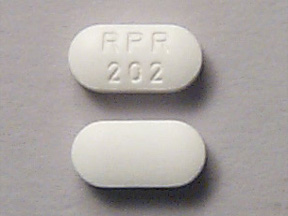 RILUTEK 50 MG TABLET
The following indications for RILUTEK (riluzole) have been approved by the FDA:
Indications:
Amyotrophic lateral sclerosis
Professional Synonyms:
None.
Indications:
Amyotrophic lateral sclerosis
Professional Synonyms:
None.
The following dosing information is available for RILUTEK (riluzole):
For the management of amyotrophic lateral sclerosis (ALS), the recommended dosage of riluzole is 50 mg twice daily. Higher daily dosages have not been shown to provide any additional benefit but may increase the risk of adverse effects.
Riluzole is administered orally twice daily (as tablets or oral suspension). Because food decreases oral bioavailability of the drug, the manufacturer recommends that riluzole be taken in a fasting state (e.g., 1 hour before or 2 hours after a meal). Store riluzole tablets at 20-25degreesC and protect from bright light.
Store the oral suspension upright at 20-25degreesC (excursions permitted to 15-30degreesC); protect from bright light and do not freeze. Use the oral suspension within 15 days of initially opening the bottle.
Store the oral suspension upright at 20-25degreesC (excursions permitted to 15-30degreesC); protect from bright light and do not freeze. Use the oral suspension within 15 days of initially opening the bottle.
No dosing information available.
| DRUG LABEL | DOSING TYPE | DOSING INSTRUCTIONS |
|---|---|---|
| RILUZOLE 50 MG TABLET | Maintenance | Adults take 1 tablet (50 mg) by oral route 2 times per day |
The following drug interaction information is available for RILUTEK (riluzole):
There are 0 contraindications.
There are 1 severe interactions.
These drug interactions can produce serious consequences in most patients. Actions required for severe interactions include, but are not limited to, discontinuing one or both agents, adjusting dosage, altering administration scheduling, and providing additional patient monitoring. Review the full interaction monograph for more information.
| Drug Interaction | Drug Names |
|---|---|
| Selected CYP1A2 Substrates/Viloxazine SEVERITY LEVEL: 2-Severe Interaction: Action is required to reduce the risk of severe adverse interaction. MECHANISM OF ACTION: Viloxazine is a strong inhibitor of CYP1A2 and may increase the total exposure of sensitive CYP1A2 substrates.(1) The FDA defines strong inhibition as an increase in drug area-under-curve (AUC) greater than 5-fold.(2) CLINICAL EFFECTS: Concurrent use of viloxazine with drugs primarily metabolized by CYP1A2 may lead to elevated drug levels and increase the risk of adverse reactions associated with the CYP1A2 substrate.(1) PREDISPOSING FACTORS: None determined. PATIENT MANAGEMENT: Drugs linked to this monograph are moderately sensitive to CYP1A2 inhibition. Coadministration of viloxazine with moderately sensitive CYP1A2 substrates is not recommended. If coadministered, dose reduction of the CYP1A2 substrate may be warranted.(1) DISCUSSION: Concomitant use of viloxazine significantly increases the total exposure, but not peak exposure, of sensitive CYP1A2 substrates, which may increase the risk of adverse reactions associated with these CYP1A2 substrates. In a study, viloxazine increased the AUC of caffeine by almost 6-fold.(1) Though not designed to evaluate drug interactions, the open-label portion of a pediatric randomized controlled trial looking at the association of riluzole concentrations with efficacy and adverse effects found that fluvoxamine (a strong CYP1A2 inhibitor) increased riluzole concentrations by about 2-fold.(3) CYP1A2 substrates linked to this monograph include: caffeine and riluzole.(2,4) |
QELBREE |
There are 0 moderate interactions.
The following contraindication information is available for RILUTEK (riluzole):
Drug contraindication overview.
*History of severe hypersensitivity reactions to the drug or any ingredient in the formulation.
*History of severe hypersensitivity reactions to the drug or any ingredient in the formulation.
There are 0 contraindications.
There are 1 severe contraindications.
Adequate patient monitoring is recommended for safer drug use.
| Severe List |
|---|
| Disease of liver |
There are 2 moderate contraindications.
Clinically significant contraindication, where the condition can be managed or treated before the drug may be given safely.
| Moderate List |
|---|
| Interstitial lung disease |
| Neutropenic disorder |
The following adverse reaction information is available for RILUTEK (riluzole):
Adverse reaction overview.
The most common adverse effects (>=5% and greater than placebo) with riluzole tablets include asthenia, nausea, dizziness, decreased lung function, and abdominal pain. The most common adverse effects (>=5% and greater than placebo) with riluzole oral suspension include oral hypoesthesia, asthenia, nausea, decreased lung function, hypertension, and abdominal pain.
The most common adverse effects (>=5% and greater than placebo) with riluzole tablets include asthenia, nausea, dizziness, decreased lung function, and abdominal pain. The most common adverse effects (>=5% and greater than placebo) with riluzole oral suspension include oral hypoesthesia, asthenia, nausea, decreased lung function, hypertension, and abdominal pain.
There are 25 severe adverse reactions.
| More Frequent | Less Frequent |
|---|---|
|
Respiratory depression |
Apnea Dyspnea Hypertension Increased alanine transaminase Pneumonia Respiration changes |
| Rare/Very Rare |
|---|
|
Acute hepatitis Anaphylaxis Angioedema Exfoliative dermatitis Facial edema Hepatitis Hyperbilirubinemia Hypersensitivity pneumonitis Hypokalemia Hyponatremia Increased urinary frequency Interstitial lung disease Necrotizing pancreatitis Neutropenic disorder Pancreatitis Phlebitis Seizure disorder Tachycardia |
There are 36 less severe adverse reactions.
| More Frequent | Less Frequent |
|---|---|
|
Acute abdominal pain Anorexia Diarrhea Dizziness Drowsy Flatulence General weakness Nausea Oral hypoesthesia Paresthesia Tremor Vomiting |
Abnormal hepatic function tests Alopecia Arthralgia Back pain Bronchitis Constipation Cough Eczema Headache disorder Insomnia Peripheral edema Pruritus of skin Rhinitis Stomatitis Vertigo Xerostomia |
| Rare/Very Rare |
|---|
|
Candidiasis Depression Dysphagia Dysuria Hostility Malaise Tooth disorder Urinary tract infection |
The following precautions are available for RILUTEK (riluzole):
Efficacy and safety of riluzole have not been established in pediatric patients.
Contraindicated
Severe Precaution
Management or Monitoring Precaution
Contraindicated
| None |
Severe Precaution
| None |
Management or Monitoring Precaution
| None |
There are no adequate data to determine whether riluzole is associated with a risk of developmental abnormalities when used during pregnancy. In animal studies, administration of riluzole to pregnant rats and rabbits resulted in adverse developmental effects (e.g., decreased embryofetal/offspring viability, growth, and functional development) at clinically relevant doses. If riluzole is used during pregnancy, the patient should be advised of the potential risk to the fetus.
It is not known whether riluzole is distributed into human milk. Riluzole or its metabolites have been detected in milk of lactating rats. Patients should be advised that the potential for serious adverse effects in nursing infants from riluzole is not known.
No overall differences in safety and efficacy have been observed in geriatric patients 65 years of age or older compared with younger adults. Age does not appear to have a clinically important effect on the pharmacokinetics of riluzole. However, greater sensitivity in some older individuals cannot be ruled out.
The following prioritized warning is available for RILUTEK (riluzole):
No warning message for this drug.
No warning message for this drug.
The following icd codes are available for RILUTEK (riluzole)'s list of indications:
| Amyotrophic lateral sclerosis | |
| G12.21 | Amyotrophic lateral sclerosis |
Formulary Reference Tool