Please wait while the formulary information is being retrieved.
Drug overview for RUFINAMIDE (rufinamide):
Generic name: RUFINAMIDE (roo-FIN-a-mide)
Drug class: Anticonvulsants
Therapeutic class: Central Nervous System Agents
Rufinamide is a triazole-derivative anticonvulsant.
No enhanced Uses information available for this drug.
Generic name: RUFINAMIDE (roo-FIN-a-mide)
Drug class: Anticonvulsants
Therapeutic class: Central Nervous System Agents
Rufinamide is a triazole-derivative anticonvulsant.
No enhanced Uses information available for this drug.
DRUG IMAGES
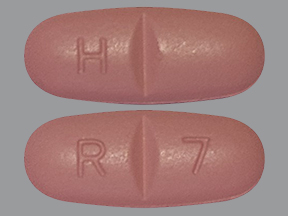 RUFINAMIDE 200 MG TABLET
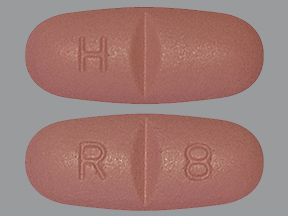 RUFINAMIDE 400 MG TABLET
The following indications for RUFINAMIDE (rufinamide) have been approved by the FDA:
Indications:
Lennox-Gastaut epilepsy
Professional Synonyms:
Epilepsy of Lennox Gastaut syndrome
Indications:
Lennox-Gastaut epilepsy
Professional Synonyms:
Epilepsy of Lennox Gastaut syndrome
The following dosing information is available for RUFINAMIDE (rufinamide):
For the adjunctive management of seizures associated with Lennox-Gastaut syndrome in children and adolescents 1 to less than 17 years of age, rufinamide therapy should be initiated at a dosage of approximately 10 mg/kg daily administered in 2 equally divided doses. Dosage should be increased in increments of approximately 10 mg/kg every other day up to a maximum dosage of 45 mg/kg (not to exceed 3.2 g) daily, administered in 2 equally divided doses. The manufacturer states that the efficacy of dosages lower than the target dosage has not been established.
For the adjunctive management of seizures associated with Lennox-Gastaut syndrome in adults 17 years of age and older, rufinamide therapy should be initiated at a dosage of 400-800 mg daily administered in 2 equally divided doses. Dosage should be increased in increments of 400-800 mg every other day until a maximum daily dosage of 3.2 g, administered in 2 equally divided doses, is reached.
The manufacturer states that the efficacy of dosages lower than 3.2 g daily has not been established.
The target dosage was achieved in 88% of rufinamide-treated patients with Lennox-Gastaut syndrome in the principal efficacy study; the majority of these patients reached the target dosage within 7 days, with the remaining patients achieving the target dosage within 14 days.
Valproic acid may increase plasma concentrations of rufinamide by up to 70% during concurrent use. Patients who are stabilized on rufinamide therapy should initiate valproic acid therapy at a low dosage; dosage of valproic acid should then be titrated to a clinically effective dosage. Patients already receiving valproic acid therapy should begin rufinamide therapy at a dosage lower than 10 mg/kg daily (in children) or a dosage lower than 400 mg daily (in adults).
For the adjunctive management of seizures associated with Lennox-Gastaut syndrome in adults 17 years of age and older, rufinamide therapy should be initiated at a dosage of 400-800 mg daily administered in 2 equally divided doses. Dosage should be increased in increments of 400-800 mg every other day until a maximum daily dosage of 3.2 g, administered in 2 equally divided doses, is reached.
The manufacturer states that the efficacy of dosages lower than 3.2 g daily has not been established.
The target dosage was achieved in 88% of rufinamide-treated patients with Lennox-Gastaut syndrome in the principal efficacy study; the majority of these patients reached the target dosage within 7 days, with the remaining patients achieving the target dosage within 14 days.
Valproic acid may increase plasma concentrations of rufinamide by up to 70% during concurrent use. Patients who are stabilized on rufinamide therapy should initiate valproic acid therapy at a low dosage; dosage of valproic acid should then be titrated to a clinically effective dosage. Patients already receiving valproic acid therapy should begin rufinamide therapy at a dosage lower than 10 mg/kg daily (in children) or a dosage lower than 400 mg daily (in adults).
Rufinamide is administered orally (as tablets or suspension) twice daily in equally divided doses with food. Scored tablets of rufinamide may be administered whole, as half tablets, or crushed. Rufinamide oral suspension should be shaken well prior to administration of each dose.
The appropriate dose should be administered using the bottle adapter and calibrated oral dosing syringe supplied by the manufacturer. The adapter should be inserted firmly into the neck of the bottle before first use and should remain in place as long as the bottle is in use (up to 90 days). The commercially available 200- and 400-mg scored tablets of rufinamide may not provide the exact mg/kg dosage that has been calculated for use in children; the manufacturer's recommended dosages in children are therefore designated as approximate.
Rufinamide therapy should be withdrawn gradually to minimize the risk of precipitating or exacerbating seizures and status epilepticus. (See Discontinuance of Therapy under Cautions: Warnings/Precautions.) If abrupt discontinuance is medically necessary, the transition to another anticonvulsant should be made under close medical supervision. In clinical trials, rufinamide discontinuance was achieved by reducing the dosage by approximately 25% every 2 days.
Patients currently receiving or beginning therapy with rufinamide and/or any other anticonvulsant for any indication should be closely monitored for the emergence or worsening of depression, suicidal thoughts or behavior (suicidality), and/or any unusual changes in mood or behavior. (See Suicidality Risk under Cautions: Warnings/Precautions.)
The appropriate dose should be administered using the bottle adapter and calibrated oral dosing syringe supplied by the manufacturer. The adapter should be inserted firmly into the neck of the bottle before first use and should remain in place as long as the bottle is in use (up to 90 days). The commercially available 200- and 400-mg scored tablets of rufinamide may not provide the exact mg/kg dosage that has been calculated for use in children; the manufacturer's recommended dosages in children are therefore designated as approximate.
Rufinamide therapy should be withdrawn gradually to minimize the risk of precipitating or exacerbating seizures and status epilepticus. (See Discontinuance of Therapy under Cautions: Warnings/Precautions.) If abrupt discontinuance is medically necessary, the transition to another anticonvulsant should be made under close medical supervision. In clinical trials, rufinamide discontinuance was achieved by reducing the dosage by approximately 25% every 2 days.
Patients currently receiving or beginning therapy with rufinamide and/or any other anticonvulsant for any indication should be closely monitored for the emergence or worsening of depression, suicidal thoughts or behavior (suicidality), and/or any unusual changes in mood or behavior. (See Suicidality Risk under Cautions: Warnings/Precautions.)
| DRUG LABEL | DOSING TYPE | DOSING INSTRUCTIONS |
|---|---|---|
| RUFINAMIDE 200 MG TABLET | Maintenance | Adults take 1 tablet (200 mg) by oral route 2 times per day |
| RUFINAMIDE 400 MG TABLET | Maintenance | Adults take 1 tablet (400 mg) by oral route 2 times per day |
| RUFINAMIDE 40 MG/ML SUSPENSION | Maintenance | Adults take 5 milliliters (200 mg) by oral route 2 times per day |
| DRUG LABEL | DOSING TYPE | DOSING INSTRUCTIONS |
|---|---|---|
| RUFINAMIDE 200 MG TABLET | Maintenance | Adults take 1 tablet (200 mg) by oral route 2 times per day |
| RUFINAMIDE 400 MG TABLET | Maintenance | Adults take 1 tablet (400 mg) by oral route 2 times per day |
| RUFINAMIDE 40 MG/ML SUSPENSION | Maintenance | Adults take 5 milliliters (200 mg) by oral route 2 times per day |
| RUFINAMIDE 400MG/10ML SUSP CUP | Maintenance | Adults take 5 milliliters (200 mg) by oral route 2 times per day |
The following drug interaction information is available for RUFINAMIDE (rufinamide):
There are 0 contraindications.
There are 5 severe interactions.
These drug interactions can produce serious consequences in most patients. Actions required for severe interactions include, but are not limited to, discontinuing one or both agents, adjusting dosage, altering administration scheduling, and providing additional patient monitoring. Review the full interaction monograph for more information.
| Drug Interaction | Drug Names |
|---|---|
| Hormonal Contraceptives/Selected Anticonvulsants SEVERITY LEVEL: 2-Severe Interaction: Action is required to reduce the risk of severe adverse interaction. MECHANISM OF ACTION: Carbamazepine is a strong inducer of CYP3A4; oxcarbazepine and rufinamide are weak inducers of CYP3A4.(1) CLINICAL EFFECTS: Concurrent use with carbamazepine, oxcarbazepine or rufinamide may result in decreased contraceptive levels, which may result in menstrual abnormalities or unintended pregnancy. PREDISPOSING FACTORS: Intermittent compliance with oral contraceptives. PATIENT MANAGEMENT: To avoid pregnancy, additional or alternative means of non-hormonal contraception should be utilized. If larger doses of hormonal contraceptives are utilized, titrating the dose against a response such as lack of spotting or breakthrough bleeding may not guarantee contraceptive efficacy. In women who wish to continue oral contraceptives with the addition of a second form of contraception, emphasize the importance of not missing doses of the oral contraceptive. For emergency contraception, the UK's Medicines & Healthcare Products Regulatory Agency (MHRA) recommends that women who have used a CYP3A4 inducer in the previous 4 weeks should consider a non-hormonal emergency contraceptive (ie a copper IUD). If a non-hormonal emergency contraceptive is not an option, double the usual dose of levonorgestrel from 1.5 to 3 mg. Advise the patient to have a pregnancy test to exclude pregnancy after use and to seek medical advice if they do become pregnant. DISCUSSION: In a study of four epileptic patients receiving an oral contraceptive containing ethinyl estradiol 50 mcg plus levonorgestrel 250 mcg carbamazepine reduced the area-under-curve (AUC) for ethinyl estradiol by 42% and for levonorgestrel by 40%. Pregnancy has been reported. Pregnancy has been reported in a woman receiving low-dose oral contraceptives six weeks after initiation of treatment with carbamazepine. In a randomized, open label study, concurrent administration of carbamazepine (600 mg daily) and Ortho Novum 1/35 (ethinyl estradiol, norethindrone) decreased the AUC of ethinyl estradiol and norethindrone by 42% and 58%, respectively. The apparent oral clearance of ethinyl estradiol and norethindrone increased by 127% and 69%, respectively. Concurrent use of rufinamide (800 mg twice daily) and ethinyl estradiol / norethindrone (35 mcg/1 mg) for 14 days decreased the AUC of ethinyl estradiol and norethindrone by 22% and 14%, respectively. The maximum concentration (Cmax) of ethinyl estradiol and norethindrone decreased by 31% and 18%, respectively. Double-blind, randomized, crossover study with 24 women (only 20 analyzed) given 20 micrograms ethinyl estradiol and 100 micrograms levonorgestrel and either carbamazepine 600 mg or a matched placebo for 4 months. Ethinyl estradiol and levonorgestrel levels were measured and mean AUC was significantly lower in those taking carbamazepine. Cmax of ethinyl estradiol was also significantly decreased. Additionally more cases of breakthrough bleeding and ovulation occurred with concurrent use of the carbamazepine. In a case report, a patient with an etonogestrel implant became pregnant while taking carbamazepine for epilepsy. Coadministration of immediate-release oxcarbazepine decreased mean ethinyl estradiol AUC levels in two different studies by 48% and 52%, respectively. Additionally, mean AUC of levonorgestrel was decreased in two different studies by 32% and 52%, respectively. |
2-METHOXYESTRADIOL, AFIRMELLE, ALTAVERA, ALYACEN, AMETHIA, AMETHYST, ANNOVERA, APRI, ARANELLE, ASHLYNA, AUBRA, AUBRA EQ, AUROVELA, AUROVELA 24 FE, AUROVELA FE, AVERI, AVIANE, AYUNA, AZURETTE, BALCOLTRA, BALZIVA, BEYAZ, BLISOVI 24 FE, BLISOVI FE, BRIELLYN, CAMILA, CAMRESE, CAMRESE LO, CAZIANT, CHARLOTTE 24 FE, CHATEAL EQ, CRYSELLE, CYRED, CYRED EQ, DASETTA, DAYSEE, DEBLITANE, DEPO-PROVERA, DEPO-SUBQ PROVERA 104, DESOGESTR-ETH ESTRAD ETH ESTRA, DIETHYLSTILBESTROL, DOLISHALE, DROSPIRENONE-ETH ESTRA-LEVOMEF, DROSPIRENONE-ETHINYL ESTRADIOL, ELINEST, ELURYNG, EMZAHH, ENILLORING, ENPRESSE, ENSKYCE, ERRIN, ESTARYLLA, ESTRADIOL, ESTRADIOL BENZOATE, ESTRADIOL CYPIONATE, ESTRADIOL HEMIHYDRATE, ESTRADIOL HEMIHYDRATE MICRO, ESTRADIOL MICRONIZED, ESTRADIOL VALERATE, ESTRIOL, ESTRIOL MICRONIZED, ESTRONE, ETHINYL ESTRADIOL, ETHYNODIOL-ETHINYL ESTRADIOL, ETONOGESTREL-ETHINYL ESTRADIOL, FALMINA, FEIRZA, FEMLYV, FINZALA, GALBRIELA, GEMMILY, HAILEY, HAILEY 24 FE, HAILEY FE, HALOETTE, HEATHER, ICLEVIA, INCASSIA, INTROVALE, ISIBLOOM, JAIMIESS, JASMIEL, JENCYCLA, JOLESSA, JOYEAUX, JULEBER, JUNEL, JUNEL FE, JUNEL FE 24, KAITLIB FE, KALLIGA, KARIVA, KELNOR 1-35, KURVELO, LARIN, LARIN 24 FE, LARIN FE, LESSINA, LEVONEST, LEVONORG-ETH ESTRAD ETH ESTRAD, LEVONORG-ETH ESTRAD-FE BISGLYC, LEVONORGESTREL-ETH ESTRADIOL, LO LOESTRIN FE, LO-ZUMANDIMINE, LOESTRIN, LOESTRIN FE, LOJAIMIESS, LORYNA, LOW-OGESTREL, LUIZZA, LUTERA, LYLEQ, LYZA, MARLISSA, MEDROXYPROGESTERONE ACETATE, MELEYA, MIBELAS 24 FE, MICROGESTIN, MICROGESTIN FE, MILI, MINZOYA, MONO-LINYAH, NATAZIA, NECON, NEXPLANON, NEXTSTELLIS, NIKKI, NORA-BE, NORELGESTROMIN-ETH ESTRADIOL, NORETHIN-ETH ESTRA-FERROUS FUM, NORETHINDRON-ETHINYL ESTRADIOL, NORETHINDRONE, NORETHINDRONE-E.ESTRADIOL-IRON, NORGESTIMATE-ETHINYL ESTRADIOL, NORTREL, NUVARING, NYLIA, OCELLA, ORQUIDEA, ORTHO TRI-CYCLEN, ORTHO-NOVUM, PHILITH, PIMTREA, PORTIA, RECLIPSEN, RIVELSA, ROSYRAH, SAFYRAL, SETLAKIN, SHAROBEL, SIMLIYA, SIMPESSE, SLYND, SPRINTEC, SYEDA, TARINA 24 FE, TARINA FE, TARINA FE 1-20 EQ, TAYTULLA, TILIA FE, TRI-ESTARYLLA, TRI-LEGEST FE, TRI-LINYAH, TRI-LO-ESTARYLLA, TRI-LO-MARZIA, TRI-LO-MILI, TRI-LO-SPRINTEC, TRI-MILI, TRI-SPRINTEC, TRI-VYLIBRA, TRI-VYLIBRA LO, TULANA, TURQOZ, TWIRLA, TYBLUME, TYDEMY, VALTYA, VELIVET, VESTURA, VIENVA, VIORELE, VOLNEA, VYFEMLA, VYLIBRA, WERA, WYMZYA FE, XARAH FE, XELRIA FE, XULANE, YASMIN 28, YAZ, ZAFEMY, ZARAH, ZOVIA 1-35, ZUMANDIMINE |
| Lumateperone/CYP3A4 Inducers SEVERITY LEVEL: 2-Severe Interaction: Action is required to reduce the risk of severe adverse interaction. MECHANISM OF ACTION: Lumateperone is a substrate of CYP3A4. Inducers of CYP3A4 may induce the metabolism of lumateperone.(1) CLINICAL EFFECTS: The concurrent administration of a CYP3A4 inducer may decrease the exposure to lumateperone.(1) PREDISPOSING FACTORS: Induction effects may be more likely with regular use of the inducer for longer than 1-2 weeks. PATIENT MANAGEMENT: The manufacturer of lumateperone states that concurrent use with CYP3A4 inducers should be avoided.(1) DISCUSSION: Coadministration of lumateperone with rifampin, a strong CYP3A4 inducer, resulted in a 98% reduction in area-under-curve (AUC) and a 90% reduction in concentration maximum (Cmax).(1) Strong inducers of CYP3A4 include: apalutamide, barbiturates, carbamazepine, encorafenib, enzalutamide, fosphenytoin, ivosidenib, lumacaftor, mitotane, phenobarbital, phenytoin, primidone, rifampin, rifapentine, and St. John's wort.(2,3) Moderate inducers of CYP3A4 include: belzutifan, bosentan, cenobamate, dabrafenib, efavirenz, elagolix, etravirine, lesinurad, lorlatinib, mavacamten, mitapivat, modafinil, nafcillin, pacritinib, repotrectinib, rifabutin, telotristat, thioridazine, and tovorafenib.(2,3) Weak inducers of CYP3A4 include: amprenavir, armodafinil, bexarotene, brivaracetam, clobazam, danshen, darolutamide, dexamethasone, dicloxacillin, echinacea, eslicarbazepine, garlic, genistein, gingko, ginseng, glycyrrhizin, nevirapine, omaveloxolone, oxcarbazepine, pioglitazone, quercetin, rufinamide, sotorasib, sulfinpyrazone, sunvozertinib, tecovirimat, terbinafine, ticlopidine, troglitazone, vemurafenib, and vinblastine.(2,3) |
CAPLYTA |
| Ulipristal/Selected Anticonvulsants SEVERITY LEVEL: 2-Severe Interaction: Action is required to reduce the risk of severe adverse interaction. MECHANISM OF ACTION: Eslicarbazepine, mephenytoin, oxcarbazepine, rufinamide, and topiramate may induce the metabolism of ulipristal by CYP3A4.(1,2) CLINICAL EFFECTS: Concurrent use or use of eslicarbazepine, mephenytoin, oxcarbazepine, rufinamide, or topiramate within the previous 2-3 weeks may result in decreased levels and effectiveness of ulipristal.(1,2) In addition, topiramate has been associated with an increased risk of birth defects, including cleft palate.(3) PREDISPOSING FACTORS: None determined. PATIENT MANAGEMENT: The US and UK manufacturers of ulipristal states that concurrent use with CYP3A4 inducers such as eslicarbazepine, mephenytoin, oxcarbazepine, rufinamide, or topiramate is not recommended. Decreased effectiveness of ulipristal may occur even 2-3 weeks after discontinuation of these agents.(1,2) DISCUSSION: CYP3A4 inducers may decrease levels and effectiveness of ulipristal. Enzyme induction may take 2-3 weeks to wear off. Plasma levels of ulipristal may be reduced even if the CYP3A4 inducer was discontinued in the previous 2-3 weeks.(1) Concurrent administration of ulipristal 30 mg and rifampin 600 mg, another CYP3A4 inducer, for 9 days decreased the maximum concentration (Cmax) and area-under-the-curve (AUC) by 90% and 93%, respectively. The Cmax and AUC of monodemethyl-ulipristal decreased by 84% and 90%, respectively.(2) |
ELLA |
| Erlotinib/CYP3A4 Inducers SEVERITY LEVEL: 2-Severe Interaction: Action is required to reduce the risk of severe adverse interaction. MECHANISM OF ACTION: Inducers of CYP3A4 may induce the metabolism of erlotinib.(1) CLINICAL EFFECTS: Concurrent or recent use of a CYP3A4 inducer may result in decreased levels and effectiveness of erlotinib.(1) PREDISPOSING FACTORS: Induction effects may be more likely with regular use of the inducer for longer than 1-2 weeks. PATIENT MANAGEMENT: Avoid the concurrent use of CYP3A4 inducers in patients receiving therapy with erlotinib. Consider the use of alternative agents with less enzyme induction potential.(1) Consider increasing the dosage of erlotinib by 50 mg increments as tolerated at two week intervals (to a maximum of 450 mg) while closely monitoring the patient. The highest dosage studied with concurrent rifampin is 450 mg. If the dosage of erlotinib is increased, it will need to be decreased when the inducer is discontinued.(1) DISCUSSION: Pretreatment and concurrent therapy with rifampin increased erlotinib clearance by 3-fold and decreased the erlotinib area-under-curve (AUC) by 66% to 80%. This is equivalent to a dose of about 30 mg to 50 mg in NSCLC.(1) In a study, pretreatment with rifampin for 11 days decreased the AUC of a single 450 mg dose of erlotinib to 57.6% of the AUC observed with a single 150 mg dose of erlotinib.(1) In a case report, coadministration of phenytoin (180mg daily) and erlotinib (150mg daily) increased the phenytoin concentration from 8.2mcg/ml to 24.2mcg/ml and decreased the erlotinib concentration 12-fold (from 1.77mcg/ml to 0.15mcg/ml) and increased the erlotinib clearance by 10-fold (from 3.53 L/h to 41.7 L/h).(2) In a study, concurrent use of sorafenib (400 mg twice daily) and erlotinib (150 mg daily) decreased the concentration minimum (Cmin), concentration maximum (Cmax), and AUC of erlotinib.(3) In an animal study, concurrent use of dexamethasone and erlotinib decreased the AUC of erlotinib by 0.6-fold.(4) Strong inducers of CYP3A4 include: barbiturates, encorafenib, enzalutamide, fosphenytoin, ivosidenib, mitotane, phenobarbital, phenytoin, primidone, rifampin, and rifapentine.(5,6) Moderate inducers of CYP3A4 include: belzutifan, bosentan, cenobamate, dabrafenib, dipyrone, efavirenz, elagolix, etravirine, lesinurad, lorlatinib, mavacamten, mitapivat, modafinil, nafcillin, pacritinib, pexidartinib, repotrectinib, sotorasib, telotristat, thioridazine, and tovorafenib.(5,6) Weak inducers of CYP3A4 include: amprenavir, armodafinil, bexarotene, brigatinib, brivaracetam, clobazam, danshen, darolutamide, dicloxacillin, echinacea, eslicarbazepine, flucloxacillin, garlic, genistein, ginkgo, ginseng, glycyrrhizin, mobocertinib, nevirapine, omaveloxolone, oritavancin, oxcarbazepine, pioglitazone, pitolisant, quercetin, relugolix, rufinamide, sarilumab, sulfinpyrazone, sunvozertinib, tazemetostat, tecovirimat, terbinafine, ticlopidine, topiramate, troglitazone, vemurafenib, vinblastine, and zanubrutinib.(5,6) |
ERLOTINIB HCL |
| Zuranolone/CYP3A4 Inducers SEVERITY LEVEL: 2-Severe Interaction: Action is required to reduce the risk of severe adverse interaction. MECHANISM OF ACTION: Inducers of CYP3A4 may induce the metabolism of zuranolone.(1) CLINICAL EFFECTS: Concurrent use of a CYP3A4 inducer may result in a loss of zuranolone efficacy.(1) PREDISPOSING FACTORS: Induction effects may be more likely with regular use of the inducer for longer than 1-2 weeks. PATIENT MANAGEMENT: Avoid the concurrent use of zuranolone with CYP3A4 inducers.(1) DISCUSSION: Coadministration of zuranolone with rifampin decreased the maximum concentration (Cmax) by 0.31-fold and area-under-curve (AUC) by 0.15-fold.(1) Strong CYP3A4 inducers linked to this monograph include: apalutamide, barbiturates, carbamazepine, encorafenib, enzalutamide, fosphenytoin, ivosidenib, lumacaftor, mitotane, phenobarbital, phenytoin, primidone, rifampin, rifapentine, and St. John's wort. Moderate CYP3A4 inducers linked to this monograph include: belzutifan, bosentan, cenobamate, dabrafenib, dipyrone, efavirenz, elagolix, etravirine, lesinurad, lorlatinib, mavacamten, mitapivat, modafinil, nafcillin, pacritinib, pexidartinib, repotrectinib, rifabutin, sotorasib, telotristat ethyl, thioridazine, and tovorafenib. Weak CYP3A4 inducers linked to this monograph include: armodafinil, bexarotene, brigatinib, brivaracetam, clobazam, danshen, darolutamide, dexamethasone, dicloxacillin, echinacea, eslicarbazepine, flucloxacillin, garlic, genistein, ginseng, glycyrrhizin, methylprednisolone, mobocertinib, nevirapine, omaveloxolone, oritavancin, oxcarbazepine, pioglitazone, pitolisant, quercetin, relugolix, rufinamide, sarilumab, sulfinpyrazone, sunvozertinib, tazemetostat, tecovirimat, terbinafine, ticlopidine, topiramate, troglitazone, vemurafenib, vinblastine, and zanubrutinib.(2,3) |
ZURZUVAE |
There are 5 moderate interactions.
The clinician should assess the patient’s characteristics and take action as needed. Actions required for moderate interactions include, but are not limited to, discontinuing one or both agents, adjusting dosage, altering administration.
| Drug Interaction | Drug Names |
|---|---|
| Rufinamide/Valproate SEVERITY LEVEL: 3-Moderate Interaction: Assess the risk to the patient and take action as needed. MECHANISM OF ACTION: Valproate decreases the clearance of rufinamide.(1-3) CLINICAL EFFECTS: Concurrent use of valproate may result in elevated levels of and toxicity from rufinamide.(1-3) PREDISPOSING FACTORS: Greater increases in rufinamide concentrations have been observed in patients with body weights less than 30 kg(1,3) and with higher dosages of valproate.(1-3) PATIENT MANAGEMENT: The US manufacturers of rufinamide and valproic acid state that if patients are stabilized on rufinamide, valproate should be initiated at a low dose and titrated to an effective dose. Patients maintained on valproate should begin rufinamide at a dosage lower than 400 mg. Pediatric patients taking valproate should begin rufinamide at a dose lower than 10 mg/kg per day.(2) The UK manufacturer of rufinamide recommends that in children from 1 year to less than 4 years of age receiving valproate, rufinamide treatment should be initiated at a dose of 10 mg/kg/day and according to clinical response and tolerability, the dose may be increased by up to 10 mg/kg/day every third day to a maximum target dose of 30 mg/kg/day administered in two equally divided doses separated by approximately 12 hours.(1) The Australian and UK manufacturers of rufinamide recommend that children 4 years of age or older and less than 30 kg receiving valproate should initiate rufinamide treatment at a daily dose of 200 mg. According to clinical response and tolerability, after a minimum of 2 days the dose may be increased by 200 mg/day, to the maximum recommended dose of 600 mg/day.(1,3) The Australian and UK manufacturers of rufinamide recommend that adults, adolescents and children 4 years of age or older and 30 kg or over receiving valproate should initiate rufinamide treatment at a daily dose of 400 mg. According to clinical response and tolerability, the dose may be increased by 400 mg/day increments, as frequently as every other day, up to a maximum recommended dose as defined by weight: - Weight range: 30.0 to 50.0 kg = maximum recommended dose of 1,200 mg/day. - Weight range: 50.1 to 70.0 kg = maximum recommended dose of 1,600 mg/day. - Weight range: 70.1 kg or greater = maximum recommended dose of 2,200 mg/day.(1,3) The UK manufacturer of rufinamide recommends that in patients established on rufinamide treatment a dosage reduction of rufinamide be considered if valproate is initiated.(1) DISCUSSION: Valproate increases rufinamide by 16% to 70%. The largest effects were seen in children at high doses/concentration of valproate.(1-3) The largest increases were seen in patients weighing less than 30 kg.(1) |
DEPAKOTE, DEPAKOTE ER, DEPAKOTE SPRINKLE, DIVALPROEX SODIUM, DIVALPROEX SODIUM ER, SODIUM VALPROATE, VALPROATE SODIUM, VALPROIC ACID |
| Exemestane/Selected Moderate-Weak CYP3A4 Inducers SEVERITY LEVEL: 3-Moderate Interaction: Assess the risk to the patient and take action as needed. MECHANISM OF ACTION: CYP3A4 inducers may induce the metabolism of exemestane.(1) CLINICAL EFFECTS: Concurrent use of a CYP3A4 inducer may result in decreased levels and effectiveness of exemestane.(1) PREDISPOSING FACTORS: Induction effects may be more likely with regular use of the inducer for longer than 1-2 weeks. PATIENT MANAGEMENT: The US manufacturer of exemestane recommends that patients receiving concurrent therapy with a strong CYP3A4 inducer receive 50 mg of exemestane daily after a meal.(1) It may be prudent to consider a dosage increase for patients receiving weaker CYP3A4 inducers. DISCUSSION: In a study in 10 healthy postmenopausal subjects, pretreatment with rifampin (a strong CYP3A4 inducer, 600 mg daily for 14 days) decreased the area-under-curve (AUC) and maximum concentration (Cmax) of a single dose of exemestane (25 mg) by 54% and 41%, respectively.(1) Strong inducers of CYP3A4 would be expected to decrease the AUC of a sensitive 3A4 substrate by 80% or more and include: carbamazepine, enzalutamide, mitotane, phenobarbital, phenytoin, rifabutin, rifampin, and St. John's wort.(1-3) Moderate inducers of CYP3A4 would be expected to decrease the AUC of a sensitive 3A4 substrate by 50-80% and include: belzutifan, bosentan, cenobamate, dabrafenib, dipyrone, efavirenz, elagolix, etravirine, lesinurad, mavacamten, mitapivat, modafinil, nafcillin, pacritinib, pexidartinib, repotrectinib, rifabutin, sotorasib, telotristat ethyl, thioridazine, and tovorafenib.(2,3) Weak inducers of CYP3A4 would be expected to decrease the AUC of a sensitive 3A4 substrate by 20-50% and include: armodafinil, bexarotene, brigatinib, brivaracetam, clobazam, danshen, darolutamide, dexamethasone, dicloxacillin, echinacea, elafibranor, enasidenib, eslicarbazepine, floxacillin, garlic, gingko, ginseng, glycyrrhizin, lorlatinib, meropenem-vaborbactam, methylprednisolone, nevirapine, omaveloxolone, oritavancin, oxcarbazepine, pioglitazone, pitolisant, quercetin, relugolix, rufinamide, sarilumab, sulfinpyrazone, sunvozertinib, suzetrigine, tazemetostat, tecovirimat, terbinafine, ticlopidine, topiramate, troglitazone, vemurafenib, vinblastine, and zanubrutinib.(2,3) |
AROMASIN, EXEMESTANE |
| Ubrogepant/Moderate and Weak CYP3A4 Inducers SEVERITY LEVEL: 3-Moderate Interaction: Assess the risk to the patient and take action as needed. MECHANISM OF ACTION: Moderate or weak CYP3A4 inducers may induce the metabolism of ubrogepant.(1) CLINICAL EFFECTS: Concurrent use of a moderate or weak CYP3A4 inducer may result in decreased levels and effectiveness of ubrogepant.(1) PREDISPOSING FACTORS: Induction effects may be more likely with regular use of the inducer for longer than 1-2 weeks. PATIENT MANAGEMENT: The manufacturer recommends a dosage adjustment of ubrogepant when coadministered with moderate or weak CYP3A4 inducers. Initial dose of ubrogepant should be 100 mg. If a second dose is needed, the dose of ubrogepant should be 100 mg.(1) DISCUSSION: Coadministration of ubrogepant with rifampin, a strong CYP3A4 inducer, resulted in an 80% reduction in ubrogepant exposure. No dedicated drug interaction studies were conducted to assess concomitant use with moderate or weak CYP3A4 inducers. Dose adjustment for concomitant use of ubrogepant with moderate or weak CYP3A4 inducers is recommended based on a conservative prediction of 50% reduction in exposure of ubrogepant.(1) Moderate inducers of CYP3A4 would be expected to decrease the AUC of a sensitive 3A4 substrate by 50-80% and include: belzutifan, bosentan, cenobamate, dabrafenib, dipyrone, efavirenz, elagolix, etravirine, lesinurad, lorlatinib, mavacamten, mitapivat, modafinil, nafcillin, pexidartinib, rifabutin, telotristat, thioridazine, and tovorafenib.(2,3) Weak inducers of CYP3A4 would be expected to decrease the AUC of a sensitive 3A4 substrate by 20-50% and include: armodafinil, bexarotene, brigatinib, brivaracetam, clobazam, danshen, dexamethasone, dicloxacillin, echinacea, elafibranor, eslicarbazepine, floxacillin, garlic, genistein, ginseng, glycyrrhizin, meropenem-vaborbactam, methylprednisolone, nevirapine, omaveloxolone, oritavancin, oxcarbazepine, pioglitazone, pitolisant, relugolix, repotrectinib, rufinamide, sarilumab, sulfinpyrazone, sunvozertinib, suzetrigine, tazemetostat, tecovirimat, terbinafine, ticlopidine, topiramate, troglitazone, vemurafenib, vinblastine, and zanubrutinib.(2,3) |
UBRELVY |
| Tacrolimus/Moderate and Weak CYP3A4 Inducers SEVERITY LEVEL: 3-Moderate Interaction: Assess the risk to the patient and take action as needed. MECHANISM OF ACTION: Moderate or weak CYP3A4 inducers may accelerate the metabolism of tacrolimus.(1) CLINICAL EFFECTS: Concurrent use of a moderate or weak CYP3A4 inducer may result in decreased levels and effectiveness of tacrolimus.(1) PREDISPOSING FACTORS: Induction effects may be more likely with regular use of the inducer for longer than 1-2 weeks. PATIENT MANAGEMENT: The manufacturer of tacrolimus recommends monitoring tacrolimus whole blood trough concentrations and adjusting tacrolimus dose if needed. Monitor clinical response closely.(1) DISCUSSION: A 13-year-old cystic fibrosis patient with a history of liver transplant on stable doses of tacrolimus underwent 2 separate courses of nafcillin therapy (a moderate CYP3A4 inducer). During the 1st course of nafcillin, his tacrolimus levels started to fall 3 days after starting nafcillin, became undetectable at day 8, and recovered to therapeutic levels without a change in tacrolimus dose 5 days after discontinuation of nafcillin. During the 2nd course of nafcillin, tacrolimus level became undetectable 4 days after starting nafcillin and recovered 3 days after stopping nafcillin.(2) Moderate inducers of CYP3A4 would be expected to decrease the AUC of a sensitive 3A4 substrate by 50-80% and include: belzutifan, bosentan, cenobamate, dabrafenib, elagolix, etravirine, lesinurad, lorlatinib, mavacamten, modafinil, nafcillin, repotrectinib, telotristat, and tovorafenib.(3,4) Weak inducers of CYP3A4 would be expected to decrease the AUC of a sensitive 3A4 substrate by 20-50% and include: armodafinil, bexarotene, brigatinib, brivaracetam, clobazam, danshen, darolutamide, dexamethasone, dicloxacillin, echinacea, elafibranor, enasidenib, eslicarbazepine, floxacillin, garlic, genistein, ginseng, glycyrrhizin, meropenem-vaborbactam, nevirapine, oritavancin, omaveloxolone, oxcarbazepine, pioglitazone, relugolix, rufinamide, sulfinpyrazone, sunvozertinib, suzetrigine, tazemetostat, tecovirimat, terbinafine, ticlopidine, topiramate, troglitazone, vinblastine, and zanubrutinib.(3,4) |
ASTAGRAF XL, ENVARSUS XR, PROGRAF, TACROLIMUS, TACROLIMUS XL |
| Atogepant/Weak CYP3A4 Inducers SEVERITY LEVEL: 3-Moderate Interaction: Assess the risk to the patient and take action as needed. MECHANISM OF ACTION: Weak CYP3A4 inducers may increase the metabolism of atogepant by CYP3A4.(1) CLINICAL EFFECTS: The concurrent use of weak CYP3A4 inducers with atogepant may result in decreased levels and clinical effectiveness of atogepant.(1) PREDISPOSING FACTORS: Induction effects may be more likely with regular use of the inducer for longer than 1-2 weeks. PATIENT MANAGEMENT: The manufacturer of atogepant recommends that patients on concomitant weak CYP3A4 inducers receive atogepant 30 mg or 60 mg once daily for prevention of episodic migraines and receive atogepant 60 mg once daily for prevention of chronic migraines.(1) Patients receiving concurrent therapy with CYP3A4 inducers and atogepant should be observed for decreased clinical effectiveness. DISCUSSION: In a study of healthy subjects, rifampin, a strong CYP3A4 inducer, decreased the area-under-curve (AUC) and maximum concentration (Cmax) of atogepant by 60% and 30%, respectively. Topiramate, a weak CYP3A4 inducer, decreased atogepant AUC and Cmax by 25% and 24%, respectively.(1) Weak CYP3A4 inducers linked to this monograph include: armodafinil, bexarotene, brigatinib, brivaracetam, clobazam, danshen, darolutamide, dexamethasone, dicloxacillin, echinacea, eslicarbazepine, floxacillin, garlic, genistein, ginseng, glycyrrhizin, methylprednisolone, mobocertinib, nevirapine, omaveloxolone, oritavancin, oxcarbazepine, pioglitazone, pitolisant, quercetin, relugolix, rufinamide, sarilumab, sulfinpyrazone, tazemetostat, tecovirimat, terbinafine, ticlopidine, topiramate, troglitazone, vemurafenib, vinblastine, and zanubrutinib.(1,2) |
QULIPTA |
The following contraindication information is available for RUFINAMIDE (rufinamide):
Drug contraindication overview.
Patients with familial short QT syndrome. (See Shortening of QT Interval under Cautions: Warnings/Precautions.)
Patients with familial short QT syndrome. (See Shortening of QT Interval under Cautions: Warnings/Precautions.)
There are 1 contraindications.
Absolute contraindication.
| Contraindication List |
|---|
| Shortened QT interval |
There are 3 severe contraindications.
Adequate patient monitoring is recommended for safer drug use.
| Severe List |
|---|
| Depression |
| Renal dialysis |
| Suicidal ideation |
There are 2 moderate contraindications.
Clinically significant contraindication, where the condition can be managed or treated before the drug may be given safely.
| Moderate List |
|---|
| Disease of liver |
| Leukopenia |
The following adverse reaction information is available for RUFINAMIDE (rufinamide):
Adverse reaction overview.
Adverse effects occurring in 3% or more of pediatric patients and more frequently than with placebo in controlled studies in which rufinamide was administered in conjunction with other anticonvulsants include somnolence, headache, fatigue, dizziness, influenza, nasopharyngitis, nausea, vomiting, constipation, stomach pain, decreased appetite, decreased weight, cough, sinusitis, bronchitis, pneumonia, otitis media, rash, pruritus, ataxia, diplopia, aggression, hyperactivity, and disturbance in attention. Adverse effects occurring in 3% or more of adults and more frequently than with placebo in controlled studies in which rufinamide was administered in conjunction with other anticonvulsants include headache, dizziness, fatigue, somnolence, diplopia, tremor, nystagmus, blurred vision, nausea, vomiting, stomach pain, constipation, dyspepsia, ataxia, anxiety, back pain, gait disturbance, and vertigo.
Adverse effects occurring in 3% or more of pediatric patients and more frequently than with placebo in controlled studies in which rufinamide was administered in conjunction with other anticonvulsants include somnolence, headache, fatigue, dizziness, influenza, nasopharyngitis, nausea, vomiting, constipation, stomach pain, decreased appetite, decreased weight, cough, sinusitis, bronchitis, pneumonia, otitis media, rash, pruritus, ataxia, diplopia, aggression, hyperactivity, and disturbance in attention. Adverse effects occurring in 3% or more of adults and more frequently than with placebo in controlled studies in which rufinamide was administered in conjunction with other anticonvulsants include headache, dizziness, fatigue, somnolence, diplopia, tremor, nystagmus, blurred vision, nausea, vomiting, stomach pain, constipation, dyspepsia, ataxia, anxiety, back pain, gait disturbance, and vertigo.
There are 19 severe adverse reactions.
| More Frequent | Less Frequent |
|---|---|
| None. | None. |
| Rare/Very Rare |
|---|
|
Accidental fall Bundle branch block DRESS syndrome Edema Eosinophilia Fever First degree atrioventricular heart block Hematuria Hepatitis Kidney stone Lymphadenopathy Multiple organ failure Shortened QT interval Skin rash Status epilepticus Stevens-johnson syndrome Suicidal ideation Thrombocytopenic disorder Urticaria |
There are 36 less severe adverse reactions.
| More Frequent | Less Frequent |
|---|---|
|
Dizziness Drowsy Fatigue Headache disorder Nausea Vomiting |
Aggressive behavior Appetite changes Ataxia Blurred vision Bronchitis Constipation Diplopia Disturbance of attention Gait abnormality Increased urinary frequency Infection of ear Nystagmus Pharyngitis Polyuria Pruritus of skin Sinusitis Symptoms of anxiety Tremor Upper abdominal pain Vertigo |
| Rare/Very Rare |
|---|
|
Abnormal hepatic function tests Anemia Behavioral disorders Depression Dyspepsia Dysuria Leukopenia Mood changes Nocturia Urinary incontinence |
The following precautions are available for RUFINAMIDE (rufinamide):
Safety and efficacy of rufinamide have not been established in children younger than 1 year of age. A population pharmacokinetic analysis of rufinamide that included 85 pediatric patients, including 24 patients 1-3 years of age, 40 patients 4-11 years of age, and 21 patients 12-17 years of age, demonstrated that the pharmacokinetics of the drug were similar across all pediatric age groups.
Contraindicated
Severe Precaution
Management or Monitoring Precaution
Contraindicated
| None |
Severe Precaution
| None |
Management or Monitoring Precaution
| None |
Category C. (See Users Guide.) There are no adequate and well-controlled studies of rufinamide in pregnant women. Rufinamide produced developmental toxicity when administered orally to pregnant animals at clinically relevant dosages.
The drug should be used during pregnancy only if the potential benefit justifies the potential risk to the fetus. Women who are pregnant while receiving rufinamide should be encouraged to enroll in the North American Antiepileptic Drug (NAAED) Pregnancy Registry; patients can enroll by calling 888-233-2334. Information on the registry also can be found on the website https://www.aedpregnancyregistry.org.
The drug should be used during pregnancy only if the potential benefit justifies the potential risk to the fetus. Women who are pregnant while receiving rufinamide should be encouraged to enroll in the North American Antiepileptic Drug (NAAED) Pregnancy Registry; patients can enroll by calling 888-233-2334. Information on the registry also can be found on the website https://www.aedpregnancyregistry.org.
Rufinamide is likely to be distributed into milk. Because of the potential for serious adverse reactions to rufinamide in nursing infants, a decision should be made whether to discontinue nursing or the drug, taking into account the importance of the drug to the woman.
The manufacturer states that clinical trials of rufinamide did not include sufficient numbers of patients 65 years of age and older to determine whether they respond differently than younger patients. A study evaluating the single- and multiple-dose pharmacokinetics of rufinamide in healthy geriatric individuals and younger healthy adults found no clinically important age-related differences in the pharmacokinetics of the drug. (See Dosage and Administration: Special Populations.)
The following prioritized warning is available for RUFINAMIDE (rufinamide):
No warning message for this drug.
No warning message for this drug.
The following icd codes are available for RUFINAMIDE (rufinamide)'s list of indications:
| Lennox-gastaut epilepsy | |
| G40.81 | Lennox-gastaut syndrome |
| G40.812 | Lennox-gastaut syndrome, not intractable, without status epilepticus |
| G40.814 | Lennox-gastaut syndrome, intractable, without status epilepticus |
Formulary Reference Tool