Please wait while the formulary information is being retrieved.
Drug overview for PLENAMINE (parenteral amino acid 15% combination no.1):
Generic name: PARENTERAL AMINO ACID 15% COMBINATION NO.1
Drug class: Amino Acids, Parenteral
Therapeutic class: Electrolyte Balance-Nutritional Products
No enhanced Introduction information available for this drug.
No enhanced Uses information available for this drug.
Generic name: PARENTERAL AMINO ACID 15% COMBINATION NO.1
Drug class: Amino Acids, Parenteral
Therapeutic class: Electrolyte Balance-Nutritional Products
No enhanced Introduction information available for this drug.
No enhanced Uses information available for this drug.
DRUG IMAGES
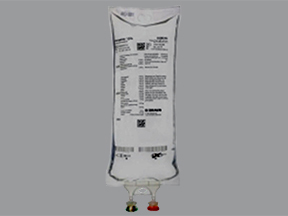 PLENAMINE 15% SOLUTION
The following indications for PLENAMINE (parenteral amino acid 15% combination no.1) have been approved by the FDA:
Indications:
None.
Professional Synonyms:
None.
Indications:
None.
Professional Synonyms:
None.
The following dosing information is available for PLENAMINE (parenteral amino acid 15% combination no.1):
No enhanced Dosing information available for this drug.
No enhanced Administration information available for this drug.
No dosing information available.
No generic dosing information available.
The following drug interaction information is available for PLENAMINE (parenteral amino acid 15% combination no.1):
There are 3 contraindications.
These drug combinations generally should not be dispensed or administered to the same patient. A manufacturer label warning that indicates the contraindication warrants inclusion of a drug combination in this category, regardless of clinical evidence or lack of clinical evidence to support the contraindication.
| Drug Interaction | Drug Names |
|---|---|
| Mixed & Indirect Sympathomimetics; Oral Phenylephrine/MAOIs SEVERITY LEVEL: 1-Contraindicated Drug Combination: This drug combination is contraindicated and generally should not be dispensed or administered to the same patient. MECHANISM OF ACTION: Catecholamine stores increased by MAOIs can be released by indirect acting sympathomimetics such as ephedrine and amphetamine. MAO inhibitors also interfere with gut and liver metabolism of direct acting sympathomimetics (e.g oral phenylephrine). CLINICAL EFFECTS: Concurrent use of MAOIs may result in potentiation of sympathomimetic effects, which may result in headaches, hypertensive crisis, toxic neurological effects, and malignant hyperpyrexia. Fatalities have occurred. PREDISPOSING FACTORS: None determined. PATIENT MANAGEMENT: Concurrent use of monoamine oxidase inhibitors and sympathomimetics is contraindicated. The manufacturers of sympathomimetic agents recommend waiting 14 days after discontinuation of MAO inhibitors before initiating the sympathomimetic. DISCUSSION: Indirect acting sympathomimetic amines may cause abrupt elevation of blood pressure when administered to patients taking monoamine oxidase inhibitors, resulting in a potentially fatal hypertensive crisis. Mixed (direct and indirect) acting sympathomimetics have also been shown to interact with monoamine oxidase inhibitors depending on their degree of indirect action. The direct-acting sympathomimetics have not been reported to interact. Dopamine is metabolized by monoamine oxidase, and its pressor effect is enhanced by monoamine oxidase inhibitors. Since procarbazine, an antineoplastic agent, is a weak monoamine oxidase inhibitor, hypertensive reactions may result from its concurrent use with indirect and mixed acting sympathomimetics. Furazolidone, an antibacterial with monoamine oxidase inhibitor action, has also been shown to interact with indirect acting sympathomimetics. Linezolid is another antibacterial with monoamine oxidase inhibitor properties. Metaxalone is a weak inhibitor of MAO. Foods containing large amounts of tyramine have also been implicated in this interaction. Methylene blue, when administered intravenously, has been shown to reach sufficient concentrations to be a potent inhibitor of MAO-A. At recommended dosages, rasagiline, oral selegiline, and transdermal selegiline up to 6mg/day are selective for MAO-B; however, at higher dosages they have been shown to lose their selectivity. One or more of the drug pairs linked to this monograph have been included in a list of interactions that should be considered "high-priority" for inclusion and should not be inactivated in EHR systems. This DDI subset was vetted by an expert panel commissioned by the U.S. Office of the National Coordinator (ONC) for Health Information Technology. |
EMSAM, FURAZOLIDONE, MARPLAN, MATULANE, METAXALONE, METHYLENE BLUE, NARDIL, PARNATE, PHENELZINE SULFATE, PROCARBAZINE HCL, PROVAYBLUE, SELEGILINE HCL, TRANYLCYPROMINE SULFATE |
| MAO Inhibitors/Tryptophan SEVERITY LEVEL: 1-Contraindicated Drug Combination: This drug combination is contraindicated and generally should not be dispensed or administered to the same patient. MECHANISM OF ACTION: Concurrent use may result in additive effects on serotonin levels. MAOIs may potentiate the effects of tryptophan.(1) CLINICAL EFFECTS: Concurrent administration of tryptophan with a MAO Inhibitor may result in serotonin syndrome and/or hypertensive crisis.(1) Symptoms of serotonin syndrome may include tremor, agitation, diaphoresis, hyperreflexia, clonus, tachycardia, hyperthermia, and muscle rigidity.(15) In addition to these effects, disorientation, delirium, agitation, hypomania, shivering, ocular oscillation, and Babinski signs have been reported with concurrent tryptophan and phenelzine.(1) PREDISPOSING FACTORS: None determined. PATIENT MANAGEMENT: Patients receiving MAO Inhibitors should not take agents such as tryptophan. If concurrent therapy is warranted, patients should be monitored for signs and symptoms of serotonin syndrome. Instruct patients to report muscle twitching, tremors, shivering and stiffness, fever, heavy sweating, heart palpitations, restlessness, confusion, agitation, trouble with coordination, or severe diarrhea. DISCUSSION: In a study in nine subjects, the administration of a single intravenous dose of tryptophan with tranylcypromine significantly increased the normal prolactin response to tryptophan. Four of the nine subjects developed a distinctive neuromotor syndrome characterized by hyperreflexia, ankle clonus, nystagmus, incoordination, tremor, myoclonic jerks, and nausea.(2) Another set of authors reported eight cases of delirium, ranging from mild to severe, in patients who received concurrent tranylcypromine and tryptophan. Symptoms developed within two days to 4 weeks of beginning concurrent therapy.(3) In a case report, the addition of tryptophan to a tranylcypromine regimen resulted in hypomania.(4) In another report, a patient developed hyperventilation, shivering, hyperthermia, increased muscle tone, and hyperreflexia when tryptophan was added to tranylcypromine therapy.(5) There are two reports of fatalities following the concurrent administration of tryptophan and tranylcypromine. In the first report, a a patient had been receiving chlorpromazine, lithium, and tryptophan when phenelzine was initiated. Four weeks later, the patient developed neuroleptic malignant syndrome and expired despite resuscitation efforts.(6) In the second report, a patient had been receiving fluoxetine, levothyroxine, propranolol, quinidine, and hydroxyzine. Fluoxetine was discontinued and tranylcypromine, thioridazine, and tryptophan were initiated. The patient developed neuroleptic malignant syndrome two and one-half hours after the first tryptophan dose and expired 24 hours later. (7) In a case report, the addition of tryptophan to a regimen that included phenelzine resulted in an acute behavioral and neurologic syndrome. The patient's symptoms resolved 24 hours after the discontinuation of both agents.(8) In another report, a patient developed hypomania following the addition of tryptophan to phenelzine therapy.(4) Another report describes the development of delirium following the addition of tryptophan to phenelzine.(9) One set of authors reported three cases of myoclonus, hyperreflexia, and diaphoresis following the addition of tryptophan to phenelzine therapy.(10) Some studies have shown that the addition of tryptophan to MAO Inhibitor therapy may have beneficial results, including greater improvement in depression and faster onset of effects.(11,12) Methylene blue, when administered intravenously, has been shown to reach sufficient concentrations to be a potent inhibitor of MAO-A.(13,14) Metaxalone is a weak inhibitor of MAO.(16,17) |
AZILECT, EMSAM, FURAZOLIDONE, MARPLAN, MATULANE, METAXALONE, METHYLENE BLUE, NARDIL, PARNATE, PHENELZINE SULFATE, PROCARBAZINE HCL, PROVAYBLUE, RASAGILINE MESYLATE, SELEGILINE HCL, TRANYLCYPROMINE SULFATE, XADAGO, ZELAPAR |
| Sodium Oxybate/Sedative Hypnotics; Alcohol SEVERITY LEVEL: 1-Contraindicated Drug Combination: This drug combination is contraindicated and generally should not be dispensed or administered to the same patient. MECHANISM OF ACTION: Oxybate may be associated with respiratory depression. As oxybate is taken at bedtime, concurrent use with alcohol or hypnotics may increase the risk for respiratory depression or loss of consciousness.(1-3) Primidone is metabolized to phenobarbital. CLINICAL EFFECTS: Concurrent use of sodium oxybate and sedative hypnotics or alcohol may further increase the risk for respiratory depression and profound sedation or coma.(1,2) Fatalities have been reported.(3) PREDISPOSING FACTORS: Based upon FDA evaluation of deaths in patients taking sodium oxybate, risk factors may include: use of multiple drugs which depress the CNS, more rapid than recommended oxybate dose titration, exceeding the maximum recommended oxybate dose, and prescribing for unapproved uses such as fibromyalgia, insomnia or migraine. Note that in oxybate clinical trials for narcolepsy 78% - 85% of patients were also receiving concomitant CNS stimulants.(1-3) PATIENT MANAGEMENT: The FDA states that sodium oxybate is contraindicated in patients also taking hypnotics or alcohol.(1,2) Significant quantities of alcohol may be present in medicinal products. Alcohol is is used to improve docetaxel and paclitaxel solubility. - The quantity of alcohol in paclitaxel injection formulations (0.385-0.396 grams/mL) is similar across manufacturers. A paclitaxel 200 mg dose contains approximately 13 grams of alcohol. - The quantity of alcohol in docetaxel formulations varies approximately 3-fold depending upon the manufacturer. FDA data on alcohol content (4): Product Manufacturer Alcohol/200 mg dose Docetaxel Inj. Pfizer 6.4 grams Docetaxel Inj. Sandoz 5.5 grams Docetaxel Inj. Accord 4.0 grams Taxotere-one vial Sanofi 4.0 grams formulation Docetaxel Inj. Hospira 3.7 grams Docefrez Sun Pharma 2.9 grams Taxotere-two vial Sanofi 2.0 grams formulation DISCUSSION: The FDA evaluated sodium oxybate postmarket fatal adverse event reports from the FDA Adverse Event Reporting System(AERS)and from the manufacturer. Although report documentation was not always optimal or complete, useful information was obtained. Factors which may have contributed to fatal outcome: concomitant use of one or more drugs which depress the CNS, more rapid than recommended upward dose titration, exceeding the maximum recommended oxybate dose, and prescribing for unapproved uses such as fibromyalgia, insomnia or migraine. Many deaths occurred in patients with serious psychiatric disorders such as depression and substance abuse. Other concomitant diseases may have also contributed to respiratory and CNS depressant effects of oxybate.(3) |
LUMRYZ, LUMRYZ STARTER PACK, SODIUM OXYBATE, XYREM, XYWAV |
There are 3 severe interactions.
These drug interactions can produce serious consequences in most patients. Actions required for severe interactions include, but are not limited to, discontinuing one or both agents, adjusting dosage, altering administration scheduling, and providing additional patient monitoring. Review the full interaction monograph for more information.
| Drug Interaction | Drug Names |
|---|---|
| Aspartame; Phenylalanine; Tyrosine/Nitisinone SEVERITY LEVEL: 2-Severe Interaction: Action is required to reduce the risk of severe adverse interaction. MECHANISM OF ACTION: Aspartame contains phenylalanine, which is metabolized into tyrosine. Nitisinone prevents the breakdown of tyrosine.(1) CLINICAL EFFECTS: Elevated levels of tyrosine can cause vision changes (cornea ulcers, corneal opacities, keratitis, conjunctivitis, eye pain, and photophobia), skin problems (painful hyperkeratotic plaques on the soles and palms), and nervous system toxicity (variable degrees of mental retardation and developmental delay). PREDISPOSING FACTORS: None determined. PATIENT MANAGEMENT: Patients receiving nitisinone should following dietary restrictions concerning the consumption of aspartame, phenylalanine, and tyrosine, including medications that contain these ingredients.(1) DISCUSSION: In most patients, eye symptoms resulting from elevated tyrosine levels were transient, lasting less than one week; however, six patients had prolonged episodes lasting up to almost 2 years.(1) |
HARLIKU, NITISINONE, NITYR, ORFADIN |
| Linezolid/Tryptophan SEVERITY LEVEL: 2-Severe Interaction: Action is required to reduce the risk of severe adverse interaction. MECHANISM OF ACTION: Concurrent use may result in additive effects on serotonin levels. MAOIs may potentiate the effects of tryptophan.(1) CLINICAL EFFECTS: Concurrent administration of tryptophan with a MAO Inhibitor may result in serotonin syndrome and/or hypertensive crisis.(1) Symptoms of serotonin syndrome may include tremor, agitation, diaphoresis, hyperreflexia, clonus, tachycardia, hyperthermia, and muscle rigidity.(2) In addition to these effects, disorientation, delirium, agitation, hypomania, shivering, ocular oscillation, and Babinski signs have been reported with concurrent tryptophan and phenelzine.(1) PREDISPOSING FACTORS: None determined. PATIENT MANAGEMENT: Patients receiving linezolid should not be administered tryptophan unless they can be closely monitored for serotonin syndrome. If concurrent therapy is warranted, patients should be monitored for signs and symptoms of serotonin syndrome. Instruct patients to report muscle twitching, tremors, shivering and stiffness, fever, heavy sweating, heart palpitations, restlessness, confusion, agitation, trouble with coordination, or severe diarrhea. DISCUSSION: In a case report, a patient receiving metoclopramide and a TPN containing tryptophan developed serotonin syndrome following the addition of linezolid to therapy.(3) In a study in nine subjects, the administration of a single intravenous dose of tryptophan with tranylcypromine significantly increased the normal prolactin response to tryptophan. Four of the nine subjects developed a distinctive neuromotor syndrome characterized by hyperreflexia, ankle clonus, nystagmus, incoordination, tremor, myoclonic jerks, and nausea.(4) Another set of authors reported eight cases of delirium, ranging from mild to severe, in patients who received concurrent tranylcypromine and tryptophan. Symptoms developed within two days to 4 weeks of beginning concurrent therapy.(5) In a case report, the addition of tryptophan to a tranylcypromine regimen resulted in hypomania.(6) In another report, a patient developed hyperventilation, shivering, hyperthermia, increased muscle tone, and hyperreflexia when tryptophan was added to tranylcypromine therapy.(7) There are two reports of fatalities following the concurrent administration of tryptophan and tranylcypromine. In the first report, a a patient had been receiving chlorpromazine, lithium, and tryptophan when phenelzine was initiated. Four weeks later, the patient developed neuroleptic malignant syndrome and expired despite resuscitation efforts.(8) In the second report, a patient had been receiving fluoxetine, levothyroxine, propranolol, quinidine, and hydroxyzine. Fluoxetine was discontinued and tranylcypromine, thioridazine, and tryptophan were initiated. The patient developed neuroleptic malignant syndrome two and one-half hours after the first tryptophan dose and expired 24 hours later. (9) In a case report, the addition of tryptophan to a regimen that included phenelzine resulted in an acute behavioral and neurologic syndrome. The patient's symptoms resolved 24 hours after the discontinuation of both agents.(10) In another report, a patient developed hypomania following the addition of tryptophan to phenelzine therapy.(6) Another report describes the development of delirium following the addition of tryptophan to phenelzine.(11) One set of authors reported three cases of myoclonus, hyperreflexia, and diaphoresis following the addition of tryptophan to phenelzine therapy.(12) Some studies have shown that the addition of tryptophan to MAO Inhibitor therapy may have beneficial results, including greater improvement in depression and faster onset of effects.(13,14) |
LINEZOLID, LINEZOLID-0.9% NACL, LINEZOLID-D5W, ZYVOX |
| Mixed & Indirect Sympathomimetics; Oral Phenylephrine/Rasagiline SEVERITY LEVEL: 2-Severe Interaction: Action is required to reduce the risk of severe adverse interaction. MECHANISM OF ACTION: Catecholamine stores increased by MAOIs can be released by indirect acting sympathomimetics such as ephedrine and amphetamine. MAO inhibitors also interfere with gut and liver metabolism of direct acting sympathomimetics (e.g oral phenylephrine). CLINICAL EFFECTS: Concurrent use of MAOIs may result in potentiation of sympathomimetic effects, which may result in headaches, hypertensive crisis, toxic neurological effects, and malignant hyperpyrexia. Hypertensive crisis has been reported in patients taking recommended doses of rasagiline with sympathomimetic agents. PREDISPOSING FACTORS: None determined. PATIENT MANAGEMENT: At recommended dosages, rasagiline is selective for MAO-B; however, at higher dosages it has been shown to lose its selectivity. Patients receiving higher dosages of rasagiline should be considered susceptive to this interaction. Concurrent use should be approached with caution. DISCUSSION: Indirect acting sympathomimetic amines may cause abrupt elevation of blood pressure when administered to patients taking monoamine oxidase inhibitors, resulting in a potentially fatal hypertensive crisis. Mixed (direct and indirect) acting sympathomimetics have also been shown to interact with monoamine oxidase inhibitors depending on their degree of indirect action. The direct-acting sympathomimetics have not been reported to interact. Dopamine is metabolized by monoamine oxidase, and its pressor effect is enhanced by monoamine oxidase inhibitors. |
AZILECT, RASAGILINE MESYLATE |
There are 2 moderate interactions.
The clinician should assess the patient’s characteristics and take action as needed. Actions required for moderate interactions include, but are not limited to, discontinuing one or both agents, adjusting dosage, altering administration.
| Drug Interaction | Drug Names |
|---|---|
| Gepirone/Serotoninergic Agents SEVERITY LEVEL: 3-Moderate Interaction: Assess the risk to the patient and take action as needed. MECHANISM OF ACTION: Gepirone is a serotonin receptor agonist. Concurrent administration with one or more serotonergic agents may increase serotonin effects, resulting in serotonin toxicity.(1,2) CLINICAL EFFECTS: Concurrent use of gepirone with other serotonergic agents may increase the risk of hypertensive crisis and serotonin syndrome, a potentially life-threatening syndrome which may include one or more of the following symptoms: tremor, agitation, diaphoresis, hyperreflexia, clonus, tachycardia, hyperthermia, and muscle rigidity.(1) PREDISPOSING FACTORS: Serotonin syndrome risk is dose-related. Higher systemic concentrations of either drug would be predicted to increase risk for serotonin toxicity.(2) Concomitant therapy with multiple agents which increase brain serotonin concentrations may also increase risk for serotonin syndrome.(2) PATIENT MANAGEMENT: If concurrent use of gepirone with other serotonergic agents is clinically warranted, counsel the patient on the increased risk of serotonin syndrome and monitor for symptoms. If symptoms of serotonin syndrome develop, discontinue gepirone and/or the other serotonergic agents immediately and initiate supportive measures.(1) DISCUSSION: Gepirone and its 3'-OH metabolite act as agonists at 5HT1A receptors. Use with other agents that also increase serotonin in the body must be undertaken with caution and monitored closely due to the risk of serotonin syndrome.(1) |
EXXUA |
| Ziprasidone/Serotonergic Agents SEVERITY LEVEL: 3-Moderate Interaction: Assess the risk to the patient and take action as needed. MECHANISM OF ACTION: Ziprasidone is a 5-HT1A agonist and serotonin and norepinephrine reuptake inhibitor. Concurrent administration with one or more serotonergic agents may increase serotonin effects, resulting in serotonin toxicity.(1,2) CLINICAL EFFECTS: Concurrent use of ziprasidone and other serotonergic agents may result in serotonin syndrome, a potentially life-threatening condition with symptoms including altered mental status, hypertension, restlessness, myoclonus, hyperthermia, hyperreflexia, diaphoresis, shivering, and tremor.(1) PREDISPOSING FACTORS: Serotonin syndrome risk is dose-related. Higher systemic concentrations of either drug would be predicted to increase risk for serotonin toxicity.(2) Concomitant therapy with multiple agents which increase brain serotonin concentrations may also increase risk for serotonin syndrome.(2) PATIENT MANAGEMENT: Caution patients about the risk of serotonin syndrome with the concomitant use of ziprasidone with other serotonergic drugs. Instruct patients to contact their healthcare provider, or report to the emergency room, should they experience signs or symptoms of serotonin syndrome.(1) DISCUSSION: Several cases of serotonin syndrome have been reported in patients receiving ziprasidone.(4-6) |
GEODON, ZIPRASIDONE HCL, ZIPRASIDONE MESYLATE |
The following contraindication information is available for PLENAMINE (parenteral amino acid 15% combination no.1):
Drug contraindication overview.
No enhanced Contraindications information available for this drug.
No enhanced Contraindications information available for this drug.
There are 1 contraindications.
Absolute contraindication.
| Contraindication List |
|---|
| Phenylketonuria |
There are 0 severe contraindications.
There are 0 moderate contraindications.
The following adverse reaction information is available for PLENAMINE (parenteral amino acid 15% combination no.1):
Adverse reaction overview.
No enhanced Common Adverse Effects information available for this drug.
No enhanced Common Adverse Effects information available for this drug.
There are 0 severe adverse reactions.
There are 0 less severe adverse reactions.
The following precautions are available for PLENAMINE (parenteral amino acid 15% combination no.1):
No enhanced Pediatric Use information available for this drug.
Contraindicated
Severe Precaution
Management or Monitoring Precaution
Contraindicated
| None |
Severe Precaution
| None |
Management or Monitoring Precaution
| None |
No enhanced Pregnancy information available for this drug.
No enhanced Lactation information available for this drug.
No enhanced Geriatric Use information available for this drug.
The following prioritized warning is available for PLENAMINE (parenteral amino acid 15% combination no.1):
No warning message for this drug.
No warning message for this drug.
The following icd codes are available for PLENAMINE (parenteral amino acid 15% combination no.1)'s list of indications:
No ICD codes found for this drug.
No ICD codes found for this drug.
Formulary Reference Tool