Please wait while the formulary information is being retrieved.
Drug overview for HYDROCODONE-ACETAMINOPHEN (hydrocodone bitartrate/acetaminophen):
Generic name: HYDROCODONE BITARTRATE/ACETAMINOPHEN (HYE-droe-KOE-done/a-SEET-a-MIN-oh-fen)
Drug class: Non-Opioid Analgesic/Antipyretic, Non-Salicylate
Therapeutic class:
Acetaminophen is a synthetic nonopiate derivative of p-aminophenol that Hydrocodone and acetaminophen (hydrocodone/acetaminophen) is a fixed Hydrocodone bitartrate is a phenanthrene-derivative opiate agonist Hydrocodone bitartrate is a phenanthrene-derivative opioid agonist. antitussive and analgesic agent. combination containing hydrocodone (an opiate agonist) and acetaminophen (a produces analgesia and antipyresis. non-opioid, non-salicylate analgesic).
No enhanced Uses information available for this drug.
Generic name: HYDROCODONE BITARTRATE/ACETAMINOPHEN (HYE-droe-KOE-done/a-SEET-a-MIN-oh-fen)
Drug class: Non-Opioid Analgesic/Antipyretic, Non-Salicylate
Therapeutic class:
Acetaminophen is a synthetic nonopiate derivative of p-aminophenol that Hydrocodone and acetaminophen (hydrocodone/acetaminophen) is a fixed Hydrocodone bitartrate is a phenanthrene-derivative opiate agonist Hydrocodone bitartrate is a phenanthrene-derivative opioid agonist. antitussive and analgesic agent. combination containing hydrocodone (an opiate agonist) and acetaminophen (a produces analgesia and antipyresis. non-opioid, non-salicylate analgesic).
No enhanced Uses information available for this drug.
DRUG IMAGES
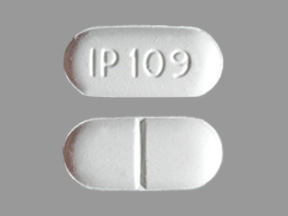 HYDROCODONE-ACETAMIN 5-325 MG
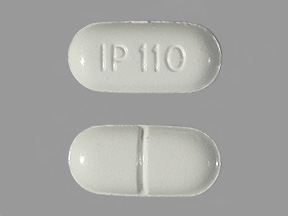 HYDROCODONE-ACETAMIN 10-325 MG
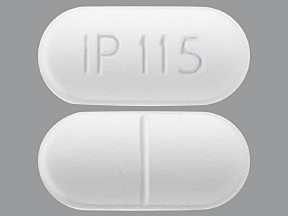 HYDROCODONE-ACETAMIN 7.5-325
The following indications for HYDROCODONE-ACETAMINOPHEN (hydrocodone bitartrate/acetaminophen) have been approved by the FDA:
Indications:
None.
Professional Synonyms:
None.
Indications:
None.
Professional Synonyms:
None.
The following dosing information is available for HYDROCODONE-ACETAMINOPHEN (hydrocodone bitartrate/acetaminophen):
It isessential that the manufacturer's labeling be consulted for more detailed information on dosage and administration of this drug. Dosage summary:
Hydrocodone/acetaminophen should be prescribed only by healthcare professionals who are knowledgeable about the use of opioids and how to mitigate the associated risks.
Use the lowest effective dosage for the shortest duration of time consistent with individual patient treatment goals. Because the risk of overdose increases as opioid doses increase, reserve titration to higher doses for patients in whom lower doses are insufficiently effective and in whom the expected benefits of using a higher dose opioid clearly outweigh the substantial risks.
Many acute pain conditions (e.g., the pain that occurs with a number of surgical procedures or acute musculoskeletal injuries) require no more than a few days of an opioid analgesic. Clinical guidelines on opioid prescribing for some acute pain conditions are available.
There is variability in the opioid analgesic dose and duration needed to adequately manage pain due both to the cause of pain and to individual patient factors. Initiate the dosing regimen for each patient individually, taking into account the patient's underlying cause and severity of pain, prior analgesic treatment and response, and risk factors for addiction, abuse, and misuse.
Do not rapidly reduce or abruptly discontinue hydrocodone/acetaminophen in patients who may be physically dependent on opioids. Rapid reduction or abrupt discontinuation of opioid analgesics in patients who are physically dependent on opioids has resulted in serious withdrawal symptoms, uncontrolled pain, and suicide.
Respiratory depression can occur at any time during opioid therapy, especially when initiating and following dosage increases with hydrocodone/acetaminophen. Consider this risk when selecting an initial dose and when making dose adjustments.
Discuss opioid overdose reversal agents and options for acquiring them with the patient and/or caregiver, both when initiating and renewing treatment with hydrocodone/acetaminophen, especially if the patient has additional risk factors for overdose, or close contacts at risk for exposure and overdose.
Use of hydrocodone/acetaminophen tablets as the first opioid analgesic:Initiate treatment with hydrocodone/acetaminophen tablets in a dosing range of 1 to 2 tablets every 4 to 6 hours as needed for pain, at the lowest dose necessary to achieve adequate analgesia. Titrate the dose based upon the individual patient's response to their initial dose. The total daily dosage should not exceed 8 tablets.
Use of hydrocodone/acetaminophen oral solution as the first opioid analgesic: The oral solution contains 10 mg of hydrocodone bitartrate and 300 mg of acetaminophen per 15 mL. Initiate treatment with hydrocodone/acetaminophen oral solution at a dose of 11.25 mL (equivalent to 7.5 mg hydrocodone bitartrate) every 4 to 6 hours as needed for pain.
Titrate the dose based upon the individual patient's response to their initial dose. The total daily dosage for adults should not exceed 67.5 milliliters (equivalent to 45 mg hydrocodone bitartrate).
Conversion from Other Opioids to hydrocodone/acetaminophen:There is inter-patient variability in the potency of opioid drugs and opioid formulations. Therefore, a conservative approach is advised when determining the total daily dosage of hydrocodone/acetaminophen. It is safer to underestimate a patient's 24-hour hydrocodone/acetaminophen dosage than to overestimate the 24-hour hydrocodone/acetaminophen dosage and manage an adverse reaction due to overdose.
Conversion from hydrocodone/acetaminophen to extended-release hydrocodone: The relative bioavailability of hydrocodone/acetaminophen compared to extended-release hydrocodone products is unknown, so conversion to extended-release hydrocodone may lead to increased risk of excessive sedation and respiratory depression.
Adjust the dosage of hydrocodone/acetaminophen to obtain an appropriate balance between management of pain and opioid-related adverse reactions.
Dosing of hydrocodone/acetaminophen oral solution in pediatric patients older than 2 years of age should be based on weight whenever possible. Adjust the dosage of hydrocodone/acetaminophen to obtain an appropriate balance between management of pain and opioid-related adverse reactions.
See Full Prescribing Information for maximum total daily dose, and the dose to be given every 4 to 6 hours as needed for pain, based on age and body weight. Dosing in children should not exceed 6 doses per day and should not exceed the maximum amounts per dose nor the maximum total daily doses noted in the Full Prescribing Information.
To minimize risk of overdosage, recommended age-appropriate daily dosages of acetaminophen should not be exceeded.
Dosage of hydrocodone bitartrate and hydrocodone polistirex is expressed in terms of hydrocodone bitartrate.
Dosing errors involving hydrocodone can result in accidental overdose and death. A boxed warning regarding this risk has been included in the prescribing information for oral solutions of hydrocodone. Ensure accuracy when prescribing, dispensing, and administering oral solutions containing hydrocodone.
Instruct patients and caregivers on how to measure and administer the correct dose of oral solution containing hydrocodone. Instruct patients and caregivers to always use an accurate measuring device when administering the oral solution to ensure that the dose is measured and administered accurately.
Hydrocodone/acetaminophen should be prescribed only by healthcare professionals who are knowledgeable about the use of opioids and how to mitigate the associated risks.
Use the lowest effective dosage for the shortest duration of time consistent with individual patient treatment goals. Because the risk of overdose increases as opioid doses increase, reserve titration to higher doses for patients in whom lower doses are insufficiently effective and in whom the expected benefits of using a higher dose opioid clearly outweigh the substantial risks.
Many acute pain conditions (e.g., the pain that occurs with a number of surgical procedures or acute musculoskeletal injuries) require no more than a few days of an opioid analgesic. Clinical guidelines on opioid prescribing for some acute pain conditions are available.
There is variability in the opioid analgesic dose and duration needed to adequately manage pain due both to the cause of pain and to individual patient factors. Initiate the dosing regimen for each patient individually, taking into account the patient's underlying cause and severity of pain, prior analgesic treatment and response, and risk factors for addiction, abuse, and misuse.
Do not rapidly reduce or abruptly discontinue hydrocodone/acetaminophen in patients who may be physically dependent on opioids. Rapid reduction or abrupt discontinuation of opioid analgesics in patients who are physically dependent on opioids has resulted in serious withdrawal symptoms, uncontrolled pain, and suicide.
Respiratory depression can occur at any time during opioid therapy, especially when initiating and following dosage increases with hydrocodone/acetaminophen. Consider this risk when selecting an initial dose and when making dose adjustments.
Discuss opioid overdose reversal agents and options for acquiring them with the patient and/or caregiver, both when initiating and renewing treatment with hydrocodone/acetaminophen, especially if the patient has additional risk factors for overdose, or close contacts at risk for exposure and overdose.
Use of hydrocodone/acetaminophen tablets as the first opioid analgesic:Initiate treatment with hydrocodone/acetaminophen tablets in a dosing range of 1 to 2 tablets every 4 to 6 hours as needed for pain, at the lowest dose necessary to achieve adequate analgesia. Titrate the dose based upon the individual patient's response to their initial dose. The total daily dosage should not exceed 8 tablets.
Use of hydrocodone/acetaminophen oral solution as the first opioid analgesic: The oral solution contains 10 mg of hydrocodone bitartrate and 300 mg of acetaminophen per 15 mL. Initiate treatment with hydrocodone/acetaminophen oral solution at a dose of 11.25 mL (equivalent to 7.5 mg hydrocodone bitartrate) every 4 to 6 hours as needed for pain.
Titrate the dose based upon the individual patient's response to their initial dose. The total daily dosage for adults should not exceed 67.5 milliliters (equivalent to 45 mg hydrocodone bitartrate).
Conversion from Other Opioids to hydrocodone/acetaminophen:There is inter-patient variability in the potency of opioid drugs and opioid formulations. Therefore, a conservative approach is advised when determining the total daily dosage of hydrocodone/acetaminophen. It is safer to underestimate a patient's 24-hour hydrocodone/acetaminophen dosage than to overestimate the 24-hour hydrocodone/acetaminophen dosage and manage an adverse reaction due to overdose.
Conversion from hydrocodone/acetaminophen to extended-release hydrocodone: The relative bioavailability of hydrocodone/acetaminophen compared to extended-release hydrocodone products is unknown, so conversion to extended-release hydrocodone may lead to increased risk of excessive sedation and respiratory depression.
Adjust the dosage of hydrocodone/acetaminophen to obtain an appropriate balance between management of pain and opioid-related adverse reactions.
Dosing of hydrocodone/acetaminophen oral solution in pediatric patients older than 2 years of age should be based on weight whenever possible. Adjust the dosage of hydrocodone/acetaminophen to obtain an appropriate balance between management of pain and opioid-related adverse reactions.
See Full Prescribing Information for maximum total daily dose, and the dose to be given every 4 to 6 hours as needed for pain, based on age and body weight. Dosing in children should not exceed 6 doses per day and should not exceed the maximum amounts per dose nor the maximum total daily doses noted in the Full Prescribing Information.
To minimize risk of overdosage, recommended age-appropriate daily dosages of acetaminophen should not be exceeded.
Dosage of hydrocodone bitartrate and hydrocodone polistirex is expressed in terms of hydrocodone bitartrate.
Dosing errors involving hydrocodone can result in accidental overdose and death. A boxed warning regarding this risk has been included in the prescribing information for oral solutions of hydrocodone. Ensure accuracy when prescribing, dispensing, and administering oral solutions containing hydrocodone.
Instruct patients and caregivers on how to measure and administer the correct dose of oral solution containing hydrocodone. Instruct patients and caregivers to always use an accurate measuring device when administering the oral solution to ensure that the dose is measured and administered accurately.
Hydrocodone bitartrate and hydrocodone polistirex are administered orally. When the extended-release oral suspension containing hydrocodone polistirex and chlorpheniramine polistirex (e.g., Tussionex(R) Pennkinetic(R)) is used, patients and caregivers should be strongly advised to use an accurate, calibrated dosing device to measure doses of the suspension. Use of a household teaspoon as a measuring device could result in overdosage.
The extended-release oral suspension should not be diluted with other liquids or mixed with other drugs, since this may alter resin binding, thereby altering the rate of hydrocodone absorption and possibly resulting in toxicity. The extended-release oral suspension should not be given more frequently than every 12 hours; if cough is not controlled, the clinician should be contacted. The extended-release oral suspension should be shaken well before each use.
Acetaminophen injection is administered by IV infusion over 15 minutes. Hydrocodone-containing preparations are administered orally. Acetaminophen is also commercially available in fixed-combination with Hydrocodone bitartrate is commercially available as single-entity extended-release tablets or capsules and in various fixed-combination oral ibuprofen (Combogesic(R)IV) for IV administration.
See the full preparations with acetaminophen, ibuprofen, or aspirin for the management prescribing information for administration of this combination product. of pain. Hydrocodone bitartrate is also commercially available in various fixed combination preparations with chlorpheniramine or homatropine Several commercially available fixed-combination prescription preparations containing acetaminophen are also available for oral use.
See the full methylbromide for the management of cough. See the full prescribing information for additional information on fixed combination preparations. prescribing information for administration of these combination products.
Acetaminophen is commercially available in various oral and rectal Store hydrocodone extended-release capsules and tablets at 25degreesC (excursions permitted between 15-30degreesC) in tight, light-resistant over-the-counter (OTC) preparations as a single ingredient or in combination with other analgesics (e.g., ibuprofen), antihistamines, or containers in a secure location. decongestants. See the FDA Orange Book and the manufacturer's Drug Facts for further information.
The extended-release oral suspension should not be diluted with other liquids or mixed with other drugs, since this may alter resin binding, thereby altering the rate of hydrocodone absorption and possibly resulting in toxicity. The extended-release oral suspension should not be given more frequently than every 12 hours; if cough is not controlled, the clinician should be contacted. The extended-release oral suspension should be shaken well before each use.
Acetaminophen injection is administered by IV infusion over 15 minutes. Hydrocodone-containing preparations are administered orally. Acetaminophen is also commercially available in fixed-combination with Hydrocodone bitartrate is commercially available as single-entity extended-release tablets or capsules and in various fixed-combination oral ibuprofen (Combogesic(R)IV) for IV administration.
See the full preparations with acetaminophen, ibuprofen, or aspirin for the management prescribing information for administration of this combination product. of pain. Hydrocodone bitartrate is also commercially available in various fixed combination preparations with chlorpheniramine or homatropine Several commercially available fixed-combination prescription preparations containing acetaminophen are also available for oral use.
See the full methylbromide for the management of cough. See the full prescribing information for additional information on fixed combination preparations. prescribing information for administration of these combination products.
Acetaminophen is commercially available in various oral and rectal Store hydrocodone extended-release capsules and tablets at 25degreesC (excursions permitted between 15-30degreesC) in tight, light-resistant over-the-counter (OTC) preparations as a single ingredient or in combination with other analgesics (e.g., ibuprofen), antihistamines, or containers in a secure location. decongestants. See the FDA Orange Book and the manufacturer's Drug Facts for further information.
No dosing information available.
No generic dosing information available.
The following drug interaction information is available for HYDROCODONE-ACETAMINOPHEN (hydrocodone bitartrate/acetaminophen):
There are 0 contraindications.
There are 0 severe interactions.
There are 0 moderate interactions.
The following contraindication information is available for HYDROCODONE-ACETAMINOPHEN (hydrocodone bitartrate/acetaminophen):
Drug contraindication overview.
*Significant respiratory depression. *Acute or severe bronchial asthma in an unmonitored setting or in the absence of resuscitative equipment. *Known or suspected GI obstruction, including paralytic ileus.
*Hypersensitivity to hydrocodone or acetaminophen (e.g., anaphylaxis). *Known hypersensitivity to acetaminophen or any ingredient in the formulation. *Severe hepatic impairment or severe active liver disease.
*Significant respiratory depression. *Acute or severe bronchial asthma in an unmonitored setting or in the absence of resuscitative equipment. *Known or suspected GI obstruction, including paralytic ileus. *Hypersensitivity to hydrocodone or any ingredient in the formulations.
*Significant respiratory depression. *Acute or severe bronchial asthma in an unmonitored setting or in the absence of resuscitative equipment. *Known or suspected GI obstruction, including paralytic ileus.
*Hypersensitivity to hydrocodone or acetaminophen (e.g., anaphylaxis). *Known hypersensitivity to acetaminophen or any ingredient in the formulation. *Severe hepatic impairment or severe active liver disease.
*Significant respiratory depression. *Acute or severe bronchial asthma in an unmonitored setting or in the absence of resuscitative equipment. *Known or suspected GI obstruction, including paralytic ileus. *Hypersensitivity to hydrocodone or any ingredient in the formulations.
There are 0 contraindications.
There are 0 severe contraindications.
There are 0 moderate contraindications.
The following adverse reaction information is available for HYDROCODONE-ACETAMINOPHEN (hydrocodone bitartrate/acetaminophen):
Adverse reaction overview.
The most frequently reported adverse reactions are light-headedness, dizziness, sedation, nausea and vomiting. The most common adverse effects reported in clinical trials in >=5% of patients receiving IV acetaminophen were nausea, vomiting, headache, and insomnia in adults and nausea, vomiting, constipation, and pruritus in pediatric patients. Common adverse effects associated with oral or rectal administration of acetaminophen include skin rash, hypersensitivity reactions, nephrotoxicity, and hematologic abnormalities (e.g., anemia, leukopenia, neutropenia, and pancytopenia). The most common adverse effects reported in patients receiving hydrocodone bitartrate extended-release tablets are constipation, nausea, vomiting, fatigue, upper respiratory tract infection, dizziness, headache, and somnolence; common adverse effects in patients receiving hydrocodone bitartrate extended-release capsules include constipation, nausea, somnolence, fatigue, headache, dizziness, dry mouth, vomiting, pruritus, abdominal pain, peripheral edema, upper respiratory tract infection, muscle spasms, urinary tract infection, back pain, and tremor.
The most frequently reported adverse reactions are light-headedness, dizziness, sedation, nausea and vomiting. The most common adverse effects reported in clinical trials in >=5% of patients receiving IV acetaminophen were nausea, vomiting, headache, and insomnia in adults and nausea, vomiting, constipation, and pruritus in pediatric patients. Common adverse effects associated with oral or rectal administration of acetaminophen include skin rash, hypersensitivity reactions, nephrotoxicity, and hematologic abnormalities (e.g., anemia, leukopenia, neutropenia, and pancytopenia). The most common adverse effects reported in patients receiving hydrocodone bitartrate extended-release tablets are constipation, nausea, vomiting, fatigue, upper respiratory tract infection, dizziness, headache, and somnolence; common adverse effects in patients receiving hydrocodone bitartrate extended-release capsules include constipation, nausea, somnolence, fatigue, headache, dizziness, dry mouth, vomiting, pruritus, abdominal pain, peripheral edema, upper respiratory tract infection, muscle spasms, urinary tract infection, back pain, and tremor.
There are 0 severe adverse reactions.
There are 0 less severe adverse reactions.
The following precautions are available for HYDROCODONE-ACETAMINOPHEN (hydrocodone bitartrate/acetaminophen):
The safety and effectiveness of hydrocodone/acetaminophen tablets in pediatric patients have not been established. The safety and effectiveness of hydrocodone/acetaminophen oral solution in the pediatric population below the age of 2 years have not been established. Use of hydrocodone/acetaminophen oral solution in the pediatric patients over the age of 2 years is supported by evidence from adequate and well controlled studies of hydrocodone and acetaminophen combination products in adults, along with additional data which support the development of metabolic pathways in children 2 years of age and over for pediatric dosage information.
Use of IV acetaminophen for analgesia in pediatric patients >=2 years of age is supported by evidence from adequate and well-controlled studies of IV acetaminophen in adults and additional safety and pharmacokinetic data from 483 pediatric patients ranging in age from neonates to adolescents. Efficacy of IV acetaminophen for analgesia has not been established in pediatric patients <2 years of age. Use of IV acetaminophen for fever in pediatric patients <2 years of age, including premature neonates (postmenstrual age of at least 32 weeks) is supported by evidence from adequate and well-controlled studies of IV acetaminophen in adults, clinical data in pediatric patients >=2 years of age, and additional safety and pharmacokinetic data from 239 patients <2 years of age, including neonates with a postmenstrual age of at least 32 weeks. The safety and effectiveness of hydrocodone bitartrate extended-release capsules and tablets have not been established in pediatric patients.
Contraindicated
Severe Precaution
Management or Monitoring Precaution
Use of IV acetaminophen for analgesia in pediatric patients >=2 years of age is supported by evidence from adequate and well-controlled studies of IV acetaminophen in adults and additional safety and pharmacokinetic data from 483 pediatric patients ranging in age from neonates to adolescents. Efficacy of IV acetaminophen for analgesia has not been established in pediatric patients <2 years of age. Use of IV acetaminophen for fever in pediatric patients <2 years of age, including premature neonates (postmenstrual age of at least 32 weeks) is supported by evidence from adequate and well-controlled studies of IV acetaminophen in adults, clinical data in pediatric patients >=2 years of age, and additional safety and pharmacokinetic data from 239 patients <2 years of age, including neonates with a postmenstrual age of at least 32 weeks. The safety and effectiveness of hydrocodone bitartrate extended-release capsules and tablets have not been established in pediatric patients.
Contraindicated
| None |
Severe Precaution
| None |
Management or Monitoring Precaution
| None |
Safe use of hydrocodone during pregnancy has not been established; therefore, the drug should not be administered to pregnant women unless the possible benefits outweigh the potential risks. Epidemiologic data regarding oral acetaminophen use in pregnant females There are no adequate and well-controlled studies in pregnant women. have shown no increased risk of major congenital malformations in infants Hydrocodone/acetaminophen should be used during pregnancy only if the exposed in utero to the medication.
In a large population-based prospective potential benefit justifies the potential risk to the fetus. cohort study involving more than 26,000 females with live-born singleton infants who were exposed to oral acetaminophen during the first trimester Use of opioid analgesics for an extended period of time during pregnancy for medical or nonmedical purposes can result in physical dependence in the of pregnancy, no increase in the risk of congenital malformations was neonate and neonatal opioid withdrawal syndrome shortly after birth. observed in exposed children compared with a control group of unexposed children; rate of congenital malformations (4.3%) was similar to the rate in the general population.
A population-based, case-control study from the Neonatal opioid withdrawal syndrome presents as irritability, hyperactivity and abnormal sleep pattern, high pitched cry, tremor, vomiting, diarrhea, National Birth Defects Prevention Study also found no increase in the risk and failure to gain weight. The onset, duration, and severity of neonatal of major birth defects in a group of 11,610 children who had been exposed opioid withdrawal syndrome vary based on the specific opioid used, duration to acetaminophen during the first trimester of pregnancy compared with a control group of 4,500 children. of use, timing and amount of last maternal use, and rate of elimination of the drug by the newborn.
Observe newborns for symptoms of neonatal opioid Animal reproduction studies in pregnant rats given oral acetaminophen withdrawal syndrome and manage accordingly. during organogenesis at dosages up to 0.85 times the maximum recommended human daily dosage (4 g daily, based on body surface area comparison) Opioids cross the placenta and may produce respiratory depression and psychophysiologic effects in neonates.
An opioid overdose reversal agent, showed evidence of fetotoxicity (reduced fetal weight and length) and a dose-related increase in bone variations (reduced ossification and such as naloxone or nalmefene, must be available for reversal of opioid-induced respiratory depression in the neonate. rudimentary rib changes); the offspring showed no evidence of external, Hydrocodone/acetaminophen is not recommended for use in pregnant women visceral, or skeletal malformations. When pregnant rats received oral acetaminophen throughout gestation at a dosage of 1.2 times the maximum during or immediately prior to labor, when other analgesic techniques are more appropriate.
Opioid analgesics can prolong labor through actions which recommended human daily dosage, areas of necrosis occurred in both the liver and kidney of pregnant rats and fetuses; these effects did not occur temporarily reduce the strength, duration, and frequency of uterine contractions. However, this effect is not consistent and may be offset by in animals given acetaminophen at dosages of 0.3 times the maximum an increased rate of cervical dilation, which tends to shorten labor.
recommended human dosage. Monitor neonates exposed to opioid analgesics during labor for signs of excess sedation and respiratory depression. In a continuous breeding study in which pregnant mice were given acetaminophen at dosages approximately equivalent to 0.43,
0.87, or 1.7 times the maximum recommended human daily dosage (based on body surface area comparison), a dose-related reduction in body weight of the fourth and fifth litter offspring of the treated mating pair occurred during lactation and following weaning at all dosages studied.
Animals receiving the highest dosage had a reduced number of litters per mating pair, male offspring with an increased percentage of abnormal sperm, and reduced birth weights in the next-generation pups. The manufacturer states that there are no animal reproductive studies with IV acetaminophen. A correlation between acetaminophen use during pregnancy and neurodevelopmental disorders in children, including autism and attention-deficit/hyperactivity disorder (ADHD), has been observed in studies; however, inconsistent findings have been reported in the literature and a causal relationship has not been established.
Results of 2 high-quality studies with sibling controls indicate prenatal exposure to acetaminophen was not associated with an increased risk of a neurodevelopmental diagnosis. There are unmeasured familial confounding factors that may explain the apparent association observed in some studies. Acetaminophen is considered the preferred analgesic/antipyretic for use during pregnancy because of its relatively favorable safety profile compared with other common analgesics.
The American College of Obstetricians and Gynecologists (ACOG) supports use of acetaminophen during pregnancy when taken as needed in moderation and after consultation with a doctor. There is no evidence to support any risk associated with appropriate use of acetaminophen during pregnancy. However, untreated maternal fever and pain pose risks such as neural tube defects and preterm birth, necessitating a balanced approach.
Use of opioid analgesics for an extended period of time during pregnancy may cause neonatal opioid withdrawal syndrome. Available data with extended-release hydrocodone preparations in pregnant women are insufficient to inform a drug-associated risk for major birth defects and miscarriage. Opioids cross the placenta and may produce respiratory depression and psycho-physiologic effects in neonates.
An opioid antagonist, such as naloxone, must be available for reversal of opioid-induced respiratory depression in the neonate. Monitor neonates exposed to opioid analgesics during labor for signs of excessive sedation and respiratory depression.
In a large population-based prospective potential benefit justifies the potential risk to the fetus. cohort study involving more than 26,000 females with live-born singleton infants who were exposed to oral acetaminophen during the first trimester Use of opioid analgesics for an extended period of time during pregnancy for medical or nonmedical purposes can result in physical dependence in the of pregnancy, no increase in the risk of congenital malformations was neonate and neonatal opioid withdrawal syndrome shortly after birth. observed in exposed children compared with a control group of unexposed children; rate of congenital malformations (4.3%) was similar to the rate in the general population.
A population-based, case-control study from the Neonatal opioid withdrawal syndrome presents as irritability, hyperactivity and abnormal sleep pattern, high pitched cry, tremor, vomiting, diarrhea, National Birth Defects Prevention Study also found no increase in the risk and failure to gain weight. The onset, duration, and severity of neonatal of major birth defects in a group of 11,610 children who had been exposed opioid withdrawal syndrome vary based on the specific opioid used, duration to acetaminophen during the first trimester of pregnancy compared with a control group of 4,500 children. of use, timing and amount of last maternal use, and rate of elimination of the drug by the newborn.
Observe newborns for symptoms of neonatal opioid Animal reproduction studies in pregnant rats given oral acetaminophen withdrawal syndrome and manage accordingly. during organogenesis at dosages up to 0.85 times the maximum recommended human daily dosage (4 g daily, based on body surface area comparison) Opioids cross the placenta and may produce respiratory depression and psychophysiologic effects in neonates.
An opioid overdose reversal agent, showed evidence of fetotoxicity (reduced fetal weight and length) and a dose-related increase in bone variations (reduced ossification and such as naloxone or nalmefene, must be available for reversal of opioid-induced respiratory depression in the neonate. rudimentary rib changes); the offspring showed no evidence of external, Hydrocodone/acetaminophen is not recommended for use in pregnant women visceral, or skeletal malformations. When pregnant rats received oral acetaminophen throughout gestation at a dosage of 1.2 times the maximum during or immediately prior to labor, when other analgesic techniques are more appropriate.
Opioid analgesics can prolong labor through actions which recommended human daily dosage, areas of necrosis occurred in both the liver and kidney of pregnant rats and fetuses; these effects did not occur temporarily reduce the strength, duration, and frequency of uterine contractions. However, this effect is not consistent and may be offset by in animals given acetaminophen at dosages of 0.3 times the maximum an increased rate of cervical dilation, which tends to shorten labor.
recommended human dosage. Monitor neonates exposed to opioid analgesics during labor for signs of excess sedation and respiratory depression. In a continuous breeding study in which pregnant mice were given acetaminophen at dosages approximately equivalent to 0.43,
0.87, or 1.7 times the maximum recommended human daily dosage (based on body surface area comparison), a dose-related reduction in body weight of the fourth and fifth litter offspring of the treated mating pair occurred during lactation and following weaning at all dosages studied.
Animals receiving the highest dosage had a reduced number of litters per mating pair, male offspring with an increased percentage of abnormal sperm, and reduced birth weights in the next-generation pups. The manufacturer states that there are no animal reproductive studies with IV acetaminophen. A correlation between acetaminophen use during pregnancy and neurodevelopmental disorders in children, including autism and attention-deficit/hyperactivity disorder (ADHD), has been observed in studies; however, inconsistent findings have been reported in the literature and a causal relationship has not been established.
Results of 2 high-quality studies with sibling controls indicate prenatal exposure to acetaminophen was not associated with an increased risk of a neurodevelopmental diagnosis. There are unmeasured familial confounding factors that may explain the apparent association observed in some studies. Acetaminophen is considered the preferred analgesic/antipyretic for use during pregnancy because of its relatively favorable safety profile compared with other common analgesics.
The American College of Obstetricians and Gynecologists (ACOG) supports use of acetaminophen during pregnancy when taken as needed in moderation and after consultation with a doctor. There is no evidence to support any risk associated with appropriate use of acetaminophen during pregnancy. However, untreated maternal fever and pain pose risks such as neural tube defects and preterm birth, necessitating a balanced approach.
Use of opioid analgesics for an extended period of time during pregnancy may cause neonatal opioid withdrawal syndrome. Available data with extended-release hydrocodone preparations in pregnant women are insufficient to inform a drug-associated risk for major birth defects and miscarriage. Opioids cross the placenta and may produce respiratory depression and psycho-physiologic effects in neonates.
An opioid antagonist, such as naloxone, must be available for reversal of opioid-induced respiratory depression in the neonate. Monitor neonates exposed to opioid analgesics during labor for signs of excessive sedation and respiratory depression.
It is not known whether hydrocodone is distributed into human milk. A decision should be made to discontinue nursing or the drug, taking into account the importance of the drug to the woman. Hydrocodone is present in human milk.
The developmental and health benefits It is not known if IV acetaminophen is excreted into human milk; however, data suggest following oral administration of acetaminophen, infant of breastfeeding should be considered along with the mother's clinical need exposure is approximately 1-2% of the weight-adjusted maternal daily for hydrocodone/acetaminophen and any potential adverse effects on the breastfed infant from hydrocodone/acetaminophen or from the underlying dosage. Limited published studies report acetaminophen passes rapidly into human milk with similar levels noted in milk and plasma. A case of rash in maternal condition.
Infants exposed to hydrocodone/acetaminophen through a breast-fed infant has been reported; the rash resolved when the mother breast milk should be monitored for excess sedation and respiratory depression. Withdrawal symptoms can occur in breastfed infants when discontinued acetaminophen use and recurred when she resumed acetaminophen maternal administration of an opioid analgesic is stopped, or when therapy. The developmental and health benefits of breast-feeding should be breast-feeding is stopped.
considered along with the mother's clinical need for acetaminophen and any potential adverse effects on the breast-fed infant from exposure to the medication or to the underlying maternal condition. Hydrocodone is present in human milk. Variable concentrations of hydrocodone and hydromorphone (an active metabolite) have been detected in breast milk with administration of immediate-release hydrocodone to nursing mothers in the early post-partum period. Because of the potential for serious adverse reactions, including excess sedation and respiratory depression in a breastfed infant, advise patients that breastfeeding is not recommended during treatment with hydrocodone.
Precaution Exists
Precaution exists. (No data or inconclusive human data.) Use of this drug by breast feeding mothers should be evaluated carefully.
No Known Risk
No known risk. This drug has no known risks to nursing infants and does not adversely affect lactation.
The developmental and health benefits It is not known if IV acetaminophen is excreted into human milk; however, data suggest following oral administration of acetaminophen, infant of breastfeeding should be considered along with the mother's clinical need exposure is approximately 1-2% of the weight-adjusted maternal daily for hydrocodone/acetaminophen and any potential adverse effects on the breastfed infant from hydrocodone/acetaminophen or from the underlying dosage. Limited published studies report acetaminophen passes rapidly into human milk with similar levels noted in milk and plasma. A case of rash in maternal condition.
Infants exposed to hydrocodone/acetaminophen through a breast-fed infant has been reported; the rash resolved when the mother breast milk should be monitored for excess sedation and respiratory depression. Withdrawal symptoms can occur in breastfed infants when discontinued acetaminophen use and recurred when she resumed acetaminophen maternal administration of an opioid analgesic is stopped, or when therapy. The developmental and health benefits of breast-feeding should be breast-feeding is stopped.
considered along with the mother's clinical need for acetaminophen and any potential adverse effects on the breast-fed infant from exposure to the medication or to the underlying maternal condition. Hydrocodone is present in human milk. Variable concentrations of hydrocodone and hydromorphone (an active metabolite) have been detected in breast milk with administration of immediate-release hydrocodone to nursing mothers in the early post-partum period. Because of the potential for serious adverse reactions, including excess sedation and respiratory depression in a breastfed infant, advise patients that breastfeeding is not recommended during treatment with hydrocodone.
Precaution Exists
Precaution exists. (No data or inconclusive human data.) Use of this drug by breast feeding mothers should be evaluated carefully.
| Drug Name | Excretion Potential | Effect on Infant | Notes |
|---|---|---|---|
| Hydrocodone | Excreted.This drug is known to be excreted in human breast milk. | This drug has been shown to have an adverse effect on the nursing infant. | Monitor for changes in respiration, gi effects, sedation, feeding patterns |
No Known Risk
No known risk. This drug has no known risks to nursing infants and does not adversely affect lactation.
| Drug Name | Excretion Potential | Effect on Infant | Notes |
|---|---|---|---|
| Acetaminophen | Excreted.This drug is known to be excreted in human breast milk. | This drug has been shown not to have an adverse effect on the nursing infant. | Low levels excreted with low risk for adverse effects in infant |
Elderly patients (aged 65 years or older) may have increased sensitivity to hydrocodone/acetaminophen. In general, use caution when selecting a dosage for an elderly patient, usually starting at the low end of the dosing range, reflecting the greater frequency of decreased hepatic, renal, or cardiac function and of concomitant disease or other drug therapy. Respiratory depression is the chief risk for elderly patients treated with opioids, and has occurred after large initial doses were administered to patients who were not opioid-tolerant or when opioids were co-administered with other agents that depress respiration.
Titrate the dosage of hydrocodone/acetaminophen slowly in geriatric patients and frequently reevaluate the patient for signs of CNS and respiratory depression. Hydrocodone/acetaminophen is known to be substantially excreted by the kidney, and the risk of adverse reactions to this drug may be greater in patients with impaired renal function. Because elderly patients are more likely to have decreased renal function, care should be taken in dose selection, and it may be useful to regularly evaluate renal function.
When the total number of patients studied in clinical trials of IV acetaminophen is considered, 15% were >=65 years of age, while 5% were >=75 years of age. Although no overall differences in efficacy or safety were observed between geriatric and younger patients, and other clinical experience revealed no evidence of age-related differences, the possibility some older patients may exhibit increased sensitivity to acetaminophen cannot be ruled out. Geriatric patients may have increased sensitivity to hydrocodone.
Use caution when selecting dosage. Respiratory depression is the main risk for geriatric patients treated with opioids and has occurred after administration of large initial doses in patients who were not opioid-tolerant or when opioids were co-administered with other drugs that depress respiration. Titrate dosage slowly and frequently re-evaluate patients for signs of CNS and respiratory depression.
Precaution Exists
Geriatric management or monitoring precaution exists.
Titrate the dosage of hydrocodone/acetaminophen slowly in geriatric patients and frequently reevaluate the patient for signs of CNS and respiratory depression. Hydrocodone/acetaminophen is known to be substantially excreted by the kidney, and the risk of adverse reactions to this drug may be greater in patients with impaired renal function. Because elderly patients are more likely to have decreased renal function, care should be taken in dose selection, and it may be useful to regularly evaluate renal function.
When the total number of patients studied in clinical trials of IV acetaminophen is considered, 15% were >=65 years of age, while 5% were >=75 years of age. Although no overall differences in efficacy or safety were observed between geriatric and younger patients, and other clinical experience revealed no evidence of age-related differences, the possibility some older patients may exhibit increased sensitivity to acetaminophen cannot be ruled out. Geriatric patients may have increased sensitivity to hydrocodone.
Use caution when selecting dosage. Respiratory depression is the main risk for geriatric patients treated with opioids and has occurred after administration of large initial doses in patients who were not opioid-tolerant or when opioids were co-administered with other drugs that depress respiration. Titrate dosage slowly and frequently re-evaluate patients for signs of CNS and respiratory depression.
Precaution Exists
Geriatric management or monitoring precaution exists.
| Drug Name | Narrative | REN | HEP | CARDIO | NEURO | PULM | ENDO |
|---|---|---|---|---|---|---|---|
| Acetaminophen (oral,rectal) | Hepatic-Elderly may be more susceptible to hepatotoxicity. Strict adherence to a maximum daily dose is recommended; maximum dose 3000-3800 mg depending on dose form strength used and recommendation source. | N | Y | N | N | N | N |
| Hydrocodone | Pulmonary-Respiratory depression is more likely to occur in elderly due to altered PK. Consider naloxone/nalmefene Rx, especially when total opioid dose is >=50 MME/day. Neuro/Psych-Risk for confusion, delirium and falls. Avoid tx with 3 or more CNS active agents. Gastrointestinal-Constipation risk. Encourage exercise and consider bowel regimen. Renal-Impaired function may lead to toxicity due to accum of drug and metabolites. Cardiovascular-Monitor for hypotension with high doses. | Y | Y | Y | Y | Y | N |
The following prioritized warning is available for HYDROCODONE-ACETAMINOPHEN (hydrocodone bitartrate/acetaminophen):
WARNING: Hydrocodone/acetaminophen has a risk for abuse and addiction, which can lead to overdose and death. Hydrocodone/acetaminophen may also cause severe, possibly fatal, breathing problems. To lower your risk, your doctor should have you take the smallest dose of hydrocodone/acetaminophen that works, and take it for the shortest possible time.
See also How to Use section for more information about addiction. Ask your doctor or pharmacist if you should have medication available to treat opioid overdose (such as naloxone, nalmefene). Teach your family or household members about the signs of an opioid overdose and how to treat it.
The risk for severe breathing problems is higher when you start this medication and after a dose increase, or if you take the wrong dose/strength. Taking this medication with alcohol or other drugs that can cause drowsiness or breathing problems may cause very serious side effects, including death. Also, other medications can affect the removal of hydrocodone/acetaminophen from your body, which may affect how it works.
Be sure you know how to take hydrocodone/acetaminophen and what other drugs you should avoid taking with it. See also Drug Interactions section. Get medical help right away if any of these very serious side effects occur: slow/shallow breathing, unusual lightheadedness, severe drowsiness/dizziness, difficulty waking up.
Keep this medicine in a safe place to prevent theft, misuse, or abuse. If someone accidentally swallows this drug, get medical help right away. One ingredient in this product is acetaminophen.
Taking too much acetaminophen may cause serious (possibly fatal) liver disease. Adults should not take more than 4000 milligrams (4 grams) of acetaminophen a day. People with liver problems and children should take less acetaminophen.
Ask your doctor or pharmacist how much acetaminophen is safe to take. Do not use with any other drug containing acetaminophen without asking your doctor or pharmacist first. Acetaminophen is in many nonprescription and prescription medications (such as pain/fever drugs or cough-and-cold products).
Check the labels on all your medicines to see if they contain acetaminophen, and ask your pharmacist if you are unsure. Get medical help right away if you take too much acetaminophen (overdose), even if you feel well. Overdose symptoms may include nausea, vomiting, loss of appetite, sweating, stomach/abdominal pain, extreme tiredness, yellowing eyes/skin, and dark urine.
Daily alcohol use, especially when combined with acetaminophen, may damage your liver. Avoid alcohol. Before using this medication, women of childbearing age should talk with their doctor(s) about the risks and benefits.
Tell your doctor if you are pregnant or if you plan to become pregnant. During pregnancy, this medication should be used only when clearly needed. It may slightly increase the risk of birth defects if used during the first two months of pregnancy.
Also, using it for a long time or in high doses near the expected delivery date may harm the unborn baby. To lessen the risk, take the smallest effective dose for the shortest possible time. Babies born to mothers who use this drug for a long time may develop severe (possibly fatal) withdrawal symptoms. Tell the doctor right away if you notice any symptoms in your newborn baby such as crying that doesn't stop, slow/shallow breathing, irritability, shaking, vomiting, diarrhea, poor feeding, or difficulty gaining weight.
WARNING: Hydrocodone/acetaminophen has a risk for abuse and addiction, which can lead to overdose and death. Hydrocodone/acetaminophen may also cause severe, possibly fatal, breathing problems. To lower your risk, your doctor should have you take the smallest dose of hydrocodone/acetaminophen that works, and take it for the shortest possible time.
See also How to Use section for more information about addiction. Ask your doctor or pharmacist if you should have medication available to treat opioid overdose (such as naloxone, nalmefene). Teach your family or household members about the signs of an opioid overdose and how to treat it.
The risk for severe breathing problems is higher when you start this medication and after a dose increase, or if you take the wrong dose/strength. Taking this medication with alcohol or other drugs that can cause drowsiness or breathing problems may cause very serious side effects, including death. Also, other medications can affect the removal of hydrocodone/acetaminophen from your body, which may affect how it works.
Be sure you know how to take hydrocodone/acetaminophen and what other drugs you should avoid taking with it. See also Drug Interactions section. Get medical help right away if any of these very serious side effects occur: slow/shallow breathing, unusual lightheadedness, severe drowsiness/dizziness, difficulty waking up.
Keep this medicine in a safe place to prevent theft, misuse, or abuse. If someone accidentally swallows this drug, get medical help right away. One ingredient in this product is acetaminophen.
Taking too much acetaminophen may cause serious (possibly fatal) liver disease. Adults should not take more than 4000 milligrams (4 grams) of acetaminophen a day. People with liver problems and children should take less acetaminophen.
Ask your doctor or pharmacist how much acetaminophen is safe to take. Do not use with any other drug containing acetaminophen without asking your doctor or pharmacist first. Acetaminophen is in many nonprescription and prescription medications (such as pain/fever drugs or cough-and-cold products).
Check the labels on all your medicines to see if they contain acetaminophen, and ask your pharmacist if you are unsure. Get medical help right away if you take too much acetaminophen (overdose), even if you feel well. Overdose symptoms may include nausea, vomiting, loss of appetite, sweating, stomach/abdominal pain, extreme tiredness, yellowing eyes/skin, and dark urine.
Daily alcohol use, especially when combined with acetaminophen, may damage your liver. Avoid alcohol. Before using this medication, women of childbearing age should talk with their doctor(s) about the risks and benefits.
Tell your doctor if you are pregnant or if you plan to become pregnant. During pregnancy, this medication should be used only when clearly needed. It may slightly increase the risk of birth defects if used during the first two months of pregnancy.
Also, using it for a long time or in high doses near the expected delivery date may harm the unborn baby. To lessen the risk, take the smallest effective dose for the shortest possible time. Babies born to mothers who use this drug for a long time may develop severe (possibly fatal) withdrawal symptoms. Tell the doctor right away if you notice any symptoms in your newborn baby such as crying that doesn't stop, slow/shallow breathing, irritability, shaking, vomiting, diarrhea, poor feeding, or difficulty gaining weight.
The following icd codes are available for HYDROCODONE-ACETAMINOPHEN (hydrocodone bitartrate/acetaminophen)'s list of indications:
No ICD codes found for this drug.
No ICD codes found for this drug.
Formulary Reference Tool