Please wait while the formulary information is being retrieved.
Drug overview for GALANTAMINE ER (galantamine hbr):
Generic name: GALANTAMINE HBR (ga-LAN-tuh-meen)
Drug class: Alzheimer's Disease Agents
Therapeutic class: Cognitive Disorder Therapy
Galantamine hydrobromide is a centrally active, reversible acetylcholinesterase inhibitor.
No enhanced Uses information available for this drug.
Generic name: GALANTAMINE HBR (ga-LAN-tuh-meen)
Drug class: Alzheimer's Disease Agents
Therapeutic class: Cognitive Disorder Therapy
Galantamine hydrobromide is a centrally active, reversible acetylcholinesterase inhibitor.
No enhanced Uses information available for this drug.
DRUG IMAGES
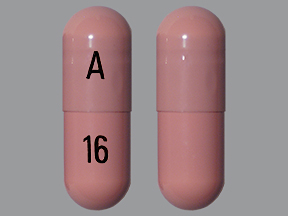 GALANTAMINE ER 16 MG CAPSULE
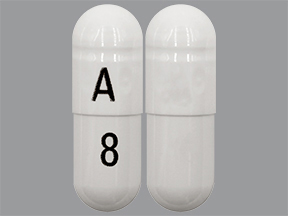 GALANTAMINE ER 8 MG CAPSULE
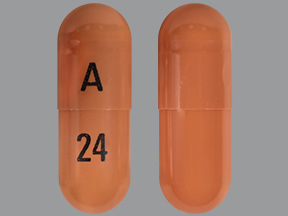 GALANTAMINE ER 24 MG CAPSULE
The following indications for GALANTAMINE ER (galantamine hbr) have been approved by the FDA:
Indications:
Mild to moderate Alzheimer's type dementia
Professional Synonyms:
None.
Indications:
Mild to moderate Alzheimer's type dementia
Professional Synonyms:
None.
The following dosing information is available for GALANTAMINE ER (galantamine hbr):
Dosage of galantamine hydrobromide is expressed in terms of galantamine.
The recommended initial adult dosage of galantamine for the management of mild to moderate Alzheimer's disease is 4 mg twice daily (as conventional tablets or oral solution) or 8 mg once daily (as extended-release capsules). Dosage may be increased after a minimum of 4 weeks to 8 mg twice daily (as conventional tablets or oral solution) or 16 mg once daily (as extended-release capsules). Subsequent increases to 12 mg twice daily (as conventional tablets or oral solution) or 24 mg once daily (as extended-release capsules) should be attempted after a minimum of 4 weeks of treatment at the previous dosage.
Dosage increments should be based on clinical assessment of benefit and tolerance of the previous dosage. The recommended maintenance dosage is 8-12 mg twice daily (as conventional tablets or oral solution) or 16-24 mg once daily (as extended-release capsules). Higher dosages (e.g., 16 mg twice daily) do not result in greater efficacy and are less well tolerated than lower dosages.
If galantamine therapy has been interrupted for more than 3 days, therapy should be restarted using the lowest dosage and titrated upward to the prior dosage.
The recommended initial adult dosage of galantamine for the management of mild to moderate Alzheimer's disease is 4 mg twice daily (as conventional tablets or oral solution) or 8 mg once daily (as extended-release capsules). Dosage may be increased after a minimum of 4 weeks to 8 mg twice daily (as conventional tablets or oral solution) or 16 mg once daily (as extended-release capsules). Subsequent increases to 12 mg twice daily (as conventional tablets or oral solution) or 24 mg once daily (as extended-release capsules) should be attempted after a minimum of 4 weeks of treatment at the previous dosage.
Dosage increments should be based on clinical assessment of benefit and tolerance of the previous dosage. The recommended maintenance dosage is 8-12 mg twice daily (as conventional tablets or oral solution) or 16-24 mg once daily (as extended-release capsules). Higher dosages (e.g., 16 mg twice daily) do not result in greater efficacy and are less well tolerated than lower dosages.
If galantamine therapy has been interrupted for more than 3 days, therapy should be restarted using the lowest dosage and titrated upward to the prior dosage.
Galantamine hydrobromide conventional tablets and oral solution are administered orally twice daily, preferably with morning and evening meals. The extended-release capsules are administered orally once daily in the morning, preferably with food. Slow dosage escalation is recommended to reduce the incidence of adverse cholinergic effects; a minimum of 4 weeks at the prior dosage is recommended before dosage is increased.
Patients should ensure adequate intake of fluids during treatment. The oral solution should be administered using the dosing syringe provided by the manufacturer, referring to the accompanying patient information for instructions. The appropriate dose should be diluted in 100 mL of a nonalcoholic beverage just prior to administration; the mixture should be stirred well and consumed immediately.
Patients should ensure adequate intake of fluids during treatment. The oral solution should be administered using the dosing syringe provided by the manufacturer, referring to the accompanying patient information for instructions. The appropriate dose should be diluted in 100 mL of a nonalcoholic beverage just prior to administration; the mixture should be stirred well and consumed immediately.
| DRUG LABEL | DOSING TYPE | DOSING INSTRUCTIONS |
|---|---|---|
| GALANTAMINE ER 8 MG CAPSULE | Maintenance | Adults take 2 capsules (16 mg) by oral route once daily |
| GALANTAMINE ER 16 MG CAPSULE | Maintenance | Adults take 1 capsule (16 mg) by oral route once daily |
| GALANTAMINE ER 24 MG CAPSULE | Maintenance | Adults take 1 capsule (24 mg) by oral route once daily |
| DRUG LABEL | DOSING TYPE | DOSING INSTRUCTIONS |
|---|---|---|
| GALANTAMINE ER 8 MG CAPSULE | Maintenance | Adults take 2 capsules (16 mg) by oral route once daily |
| GALANTAMINE ER 16 MG CAPSULE | Maintenance | Adults take 1 capsule (16 mg) by oral route once daily |
| GALANTAMINE ER 24 MG CAPSULE | Maintenance | Adults take 1 capsule (24 mg) by oral route once daily |
The following drug interaction information is available for GALANTAMINE ER (galantamine hbr):
There are 0 contraindications.
There are 8 severe interactions.
These drug interactions can produce serious consequences in most patients. Actions required for severe interactions include, but are not limited to, discontinuing one or both agents, adjusting dosage, altering administration scheduling, and providing additional patient monitoring. Review the full interaction monograph for more information.
| Drug Interaction | Drug Names |
|---|---|
| Pimozide/Possible QT Prolonging Agents SEVERITY LEVEL: 2-Severe Interaction: Action is required to reduce the risk of severe adverse interaction. MECHANISM OF ACTION: Pimozide has shown to prolong the QTc interval. Concurrent use with other agents that prolong the QTc interval may result in additive effects on the QTc interval.(1) CLINICAL EFFECTS: The concurrent use of pimozide with other agents that prolong the QTc interval may result in potentially life-threatening cardiac arrhythmias, including torsades de pointes.(1) PREDISPOSING FACTORS: The risk of QT prolongation or torsades de pointes may be increased in patients with cardiovascular disease (e.g. heart failure, myocardial infarction, history of torsades de pointes, congenital long QT syndrome), hypokalemia, hypomagnesemia, hypocalcemia, bradycardia, female gender, or advanced age.(3) Concurrent use of more than one drug known to cause QT prolongation or higher systemic concentrations of either QT prolonging drug are additional risk factors for torsades de pointes. Factors which may increase systemic drug concentrations include rapid infusion of an intravenous dose or impaired metabolism or elimination of the drug (e.g. coadministration with an agent which inhibits its metabolism or elimination, genetic impairment in drug metabolism or elimination, and/or renal/hepatic dysfunction).(3) PATIENT MANAGEMENT: The manufacturer of pimozide states that the use of pimozide is contraindicated in patients taking other drugs which prolong the QT interval.(1) If concurrent therapy is warranted, consider obtaining serum calcium, magnesium, and potassium levels and monitoring ECG at baseline and at regular intervals. Correct any electrolyte abnormalities. Instruct patients to report any irregular heartbeat, dizziness, or fainting. DISCUSSION: Agents that are linked to this monograph may have been associated with torsades de pointes and/or QT prolongation but at this time lack substantial evidence for causing torsades de pointes.(2) One or more of the drug pairs linked to this monograph have been included in a list of interactions that should be considered "high-priority" for inclusion and should not be inactivated in EHR systems. This DDI subset was vetted by an expert panel commissioned by the U.S. Office of the National Coordinator (ONC) for Health Information Technology. |
PIMOZIDE |
| Droperidol/Possible QT Prolonging Agents SEVERITY LEVEL: 2-Severe Interaction: Action is required to reduce the risk of severe adverse interaction. MECHANISM OF ACTION: Droperidol has been shown to prolong the QTc interval. Concurrent use with other agents that prolong the QTc interval may result in additive effects on the QTc interval.(1) CLINICAL EFFECTS: The concurrent use of droperidol with other agents that prolong the QTc interval may result in potentially life-threatening cardiac arrhythmias, including torsades de pointes.(1) PREDISPOSING FACTORS: Congestive heart failure, bradycardia, use of a diuretic, cardiac hypertrophy, hypokalemia, hypomagnesemia, age over 65 years, alcohol abuse, and the use of agents such as benzodiazepines, volatile anesthetics, and intravenous opiates may predispose patients to the development of prolonged QT syndrome.(1) The risk of QT prolongation or torsade de pointes may also be increased in patients with cardiovascular disease (e.g. myocardial infarction, history of torsade de pointes, congenital long QT syndrome), hypocalcemia, or female gender.(3) Concurrent use of more than one drug known to cause QT prolongation or higher systemic concentrations of either QT prolonging drug are additional risk factors for torsade de pointes. Factors which may increase systemic drug concentrations include rapid infusion of an intravenous dose or impaired metabolism or elimination of the drug (e.g. coadministration with an agent which inhibits its metabolism or elimination, genetic impairment in drug metabolism or elimination, and/or renal/hepatic dysfunction).(3) PATIENT MANAGEMENT: The manufacturer of droperidol states under precautions/drug interactions that drugs known to have the potential to prolong the QT interval should not be used together with droperidol.(1) If concurrent therapy is warranted, consider obtaining serum calcium, magnesium, and potassium levels and monitoring ECG at baseline and at regular intervals. Correct any electrolyte abnormalities. Instruct patients to report any irregular heartbeat, dizziness, or fainting. DISCUSSION: Agents that are linked to this monograph may have been associated with torsades de pointes and/or QT prolongation but at this time lack substantial evidence for causing torsades de pointes.(2) One or more of the drug pairs linked to this monograph have been included in a list of interactions that should be considered "high-priority" for inclusion and should not be inactivated in EHR systems. This DDI subset was vetted by an expert panel commissioned by the U.S. Office of the National Coordinator (ONC) for Health Information Technology. |
DROPERIDOL |
| Ziprasidone/Selected QT Prolonging Agents SEVERITY LEVEL: 2-Severe Interaction: Action is required to reduce the risk of severe adverse interaction. MECHANISM OF ACTION: Ziprasidone has been shown to prolong the QTc interval. Concurrent use with other agents that prolong the QTc interval may result in additive effects on the QTc interval.(1) CLINICAL EFFECTS: The concurrent use of ziprasidone with other agents that prolong the QTc interval may result in potentially life-threatening cardiac arrhythmias, including torsades de pointes.(1) PREDISPOSING FACTORS: The risk of QT prolongation or torsade de pointes may be increased in patients with cardiovascular disease (e.g. heart failure, myocardial infarction, history of torsade de pointes, congenital long QT syndrome), hypokalemia, hypomagnesemia, hypocalcemia, bradycardia, female gender, or advanced age.(1,3) Concurrent use of more than one drug known to cause QT prolongation or higher systemic concentrations of either QT prolonging drug are additional risk factors for torsade de pointes. Factors which may increase systemic drug concentrations include rapid infusion of an intravenous dose or impaired metabolism or elimination of the drug (e.g. coadministration with an agent which inhibits its metabolism or elimination, genetic impairment in drug metabolism or elimination, and/or renal/hepatic dysfunction).(3) PATIENT MANAGEMENT: The manufacturer of ziprasidone states under contraindications that ziprasidone should not be used with other drugs that prolong the QT interval such as dofetilide, sotalol, quinidine, other Class Ia and III anti-arrhythmics, mesoridazine, thioridazine, chlorpromazine, droperidol, pimozide, sparfloxacin, gatifloxacin, moxifloxacin, halofantrine, mefloquine, pentamidine, arsenic trioxide, levomethadyl acetate, dolasetron mesylate, probucol or tacrolimus.(1) It would be prudent to avoid the use of ziprasidone with medicines suspected of prolonging the QT interval. If concurrent therapy is warranted, consider obtaining serum calcium, magnesium, and potassium levels and monitoring ECG at baseline and at regular intervals. Correct any electrolyte abnormalities. Instruct patients to report any irregular heartbeat, dizziness, or fainting. DISCUSSION: Agents that are linked to this monograph may have varying degrees of potential to prolong the QTc interval. Agents linked to this monograph have been shown to prolong the QTc interval either through their mechanism of action, through studies on their effects on the QTc interval, or through reports of QTc prolongation and/or torsades de pointes in clinical trials and/or postmarketing reports.(2) |
GEODON, ZIPRASIDONE HCL, ZIPRASIDONE MESYLATE |
| Disopyramide/Possible QT Prolonging Agents SEVERITY LEVEL: 2-Severe Interaction: Action is required to reduce the risk of severe adverse interaction. MECHANISM OF ACTION: Concurrent use of disopyramide and agents known to prolong the QT interval may result in additive or synergistic effects on the QTc interval.(1) CLINICAL EFFECTS: Concurrent administration may result in prolongation of the QTc interval and life-threatening cardiac arrhythmias, including torsades de pointes. PREDISPOSING FACTORS: The risk of QT prolongation or torsade de pointes may be increased in patients with cardiovascular disease (e.g. heart failure, myocardial infarction, history of torsade de pointes, congenital long QT syndrome), hypokalemia, hypomagnesemia, hypocalcemia, bradycardia, female gender, or advanced age.(2) Concurrent use of more than one drug known to cause QT prolongation or higher systemic concentrations of either QT prolonging drug are additional risk factors for torsade de pointes. Factors which may increase systemic drug concentrations include rapid infusion of an intravenous dose or impaired metabolism or elimination of the drug (e.g. coadministration with an agent which inhibits its metabolism or elimination, genetic impairment in drug metabolism or elimination, and/or renal/hepatic dysfunction).(2) PATIENT MANAGEMENT: The Australian manufacturer of disopyramide states that concurrent use with agents liable to produce torsades de pointes, including tricyclic or tetracyclic antidepressants, erythromycin, vincamine, and sultopride, is contraindicated.(1) If concurrent therapy is warranted, consider obtaining serum calcium, magnesium, and potassium levels and monitoring ECG at baseline and at regular intervals. Correct any electrolyte abnormalities. Instruct patients to report any irregular heartbeat, dizziness, or fainting. DISCUSSION: Agents that are linked to this monograph may have been associated with torsades de pointes and/or QT prolongation but at this time lack substantial evidence for causing torsades de pointes.(3) One or more of the drug pairs linked to this monograph have been included in a list of interactions that should be considered "high-priority" for inclusion and should not be inactivated in EHR systems. This DDI subset was vetted by an expert panel commissioned by the U.S. Office of the National Coordinator (ONC) for Health Information Technology. |
DISOPYRAMIDE PHOSPHATE, NORPACE, NORPACE CR |
| Artemether-Lumefantrine/Possible QT Prolonging Agents SEVERITY LEVEL: 2-Severe Interaction: Action is required to reduce the risk of severe adverse interaction. MECHANISM OF ACTION: Concurrent use of artemether-lumefantrine and agents known to prolong the QT interval may result in additive or synergistic effects on the QTc interval.(1) CLINICAL EFFECTS: Concurrent administration may result in prolongation of the QTc interval and life-threatening cardiac arrhythmias, including torsades de pointes. PREDISPOSING FACTORS: The risk of QT prolongation or torsade de pointes may be increased in patients with cardiovascular disease (e.g. heart failure, myocardial infarction, history of torsade de pointes, congenital long QT syndrome), hypokalemia, hypomagnesemia, hypocalcemia, bradycardia, female gender, or advanced age.(4) Concurrent use of more than one drug known to cause QT prolongation or higher systemic concentrations of either QT prolonging drug are additional risk factors for torsade de pointes. Factors which may increase systemic drug concentrations include rapid infusion of an intravenous dose or impaired metabolism or elimination of the drug (e.g. coadministration with an agent which inhibits its metabolism or elimination, and/or renal/hepatic dysfunction).(4) PATIENT MANAGEMENT: The UK manufacturer of artemether-lumefantrine states that the use of artemether-lumefantrine in patients taking drugs that are known to prolong the QTc interval is contraindicated. These agents include class IA and III antiarrhythmics; neuroleptics; antidepressive agents; some macrolides, fluoroquinolones, imidazole and triazole antifungals; terfenadine; astemizole; and cisapride.(1) The US manufacturer of artemether-lumefantrine states that the use of artemether-lumefantrine should be avoided in patients taking drugs that are known to prolong the QTc interval. These agents include class IA and III antiarrhythmics; neuroleptics; antidepressive agents; some macrolides, fluoroquinolones, imidazole and triazole antifungals; terfenadine; astemizole; and cisapride.(2) If concurrent therapy is warranted, consider obtaining serum calcium, magnesium, and potassium levels and monitoring ECG at baseline and at regular intervals. Correct any electrolyte abnormalities. Instruct patients to report any irregular heartbeat, dizziness, or fainting. DISCUSSION: Agents that are linked to this monograph may have varying degrees of potential to prolong the QTc interval. Agents linked to this monograph have been shown to prolong the QTc interval either through their mechanism of action, through studies on their effects on the QTc interval, or through reports of QTc prolongation and/or torsades de pointes in clinical trials and/or postmarketing reports.(3) |
COARTEM |
| Dronedarone/Possible QT Prolonging Agents SEVERITY LEVEL: 2-Severe Interaction: Action is required to reduce the risk of severe adverse interaction. MECHANISM OF ACTION: Concurrent use of dronedarone and agents known to prolong the QT interval may result in additive or synergistic effects on the QTc interval.(1) CLINICAL EFFECTS: Concurrent administration of dronedarone and QT prolonging agents may result in prolongation of the QTc interval and life-threatening cardiac arrhythmias, including torsades de pointes. PREDISPOSING FACTORS: The risk of QT prolongation or torsade de pointes may be increased in patients with cardiovascular disease (e.g. heart failure, myocardial infarction, history of torsade de pointes, congenital long QT syndrome), hypokalemia, hypomagnesemia, hypocalcemia, bradycardia, female gender, or advanced age.(3) Concurrent use of more than one drug known to cause QT prolongation or higher systemic concentrations of either QT prolonging drug are additional risk factors for torsade de pointes. Factors which may increase systemic drug concentrations include rapid infusion of an intravenous dose or impaired metabolism or elimination of the drug (e.g. coadministration with an agent which inhibits its metabolism or elimination, and/or renal/hepatic dysfunction).(3) PATIENT MANAGEMENT: The US manufacturer of dronedarone states that the use of drugs or herbal products that are known to prolong the QTc interval is contraindicated. These agents include phenothiazine anti-psychotics, tricyclic antidepressants, certain oral macrolide antibiotics, and Class IA and III antiarrhythmics.(1) When concurrent therapy of dronedarone and possible QT prolonging agents is warranted, consider obtaining serum calcium, magnesium, and potassium levels and monitoring ECG at baseline and at regular intervals. Correct any electrolyte abnormalities. Instruct patients to report any irregular heartbeat, dizziness, or fainting. DISCUSSION: Agents that are linked to this monograph may have varying degrees of potential to prolong the QTc interval. Agents linked to this monograph have been shown to prolong the QTc interval either through their mechanism of action, through studies on their effects on the QTc interval, or through reports of QTc prolongation and/or torsades de pointes in clinical trials and/or postmarketing reports.(2) One or more of the drug pairs linked to this monograph have been included in a list of interactions that should be considered "high-priority" for inclusion and should not be inactivated in EHR systems. This DDI subset was vetted by an expert panel commissioned by the U.S. Office of the National Coordinator (ONC) for Health Information Technology. |
MULTAQ |
| Anagrelide/Possible QT Prolonging Agents SEVERITY LEVEL: 2-Severe Interaction: Action is required to reduce the risk of severe adverse interaction. MECHANISM OF ACTION: Concurrent use of anagrelide with agents that prolong the QTc interval may result in additive effects on the QTc interval.(1-4) CLINICAL EFFECTS: The concurrent use of anagrelide with agents that prolong the QTc interval may result in potentially life-threatening cardiac arrhythmias, including torsades de pointes.(1-4) PREDISPOSING FACTORS: The risk of QT prolongation or torsades de pointes may be increased in patients with cardiovascular disease (e.g. heart failure, myocardial infarction, history of torsades de pointes, congenital long QT syndrome), hypokalemia, hypomagnesemia, hypocalcemia, bradycardia, female gender, or advanced age.(5) Concurrent use of more than one drug known to cause QT prolongation or higher systemic concentrations of either QT prolonging drug are additional risk factors for torsades de pointes. Factors which may increase systemic drug concentrations include rapid infusion of an intravenous dose or impaired metabolism or elimination of the drug (e.g. coadministration with an agent which inhibits its metabolism or elimination, and/or renal/hepatic dysfunction).(5) PATIENT MANAGEMENT: The US manufacturer of anagrelide states that anagrelide should not be used in patients taking medications known to prolong the QT interval.(1) The Australian, Canadian, and UK manufacturers of anagrelide state use of anagrelide should be approached with caution in patients taking medications that can prolong the QTc interval.(2-4) If concurrent therapy is warranted, consider obtaining serum calcium, magnesium, and potassium levels and monitoring ECG at baseline and at regular intervals. Correct any electrolyte abnormalities. Instruct patients to report any irregular heartbeat, dizziness, or fainting. DISCUSSION: In a thorough QT study, dose-related QT changes were observed with anagrelide. The maximum mean change in QTcI (95% CI) in comparison to placebo was 7.0 (9.8) ms and 13.0 (15.7) msec following doses of 0.5 mg and 2.5mg, respectively.(1) Agents that are linked to this monograph may have varying degrees of potential to prolong the QTc interval. Agents linked to this monograph have been shown to prolong the QTc interval either through their mechanism of action, through studies on their effects on the QTc interval, or through reports of QTc prolongation and/or torsades de pointes in clinical trials and/or postmarketing reports.(6) One or more of the drug pairs linked to this monograph have been included in a list of interactions that should be considered "high-priority" for inclusion and should not be inactivated in EHR systems. This DDI subset was vetted by an expert panel commissioned by the U.S. Office of the National Coordinator (ONC) for Health Information Technology. |
AGRYLIN, ANAGRELIDE HCL |
| Levoketoconazole/Possible QT Prolonging Agents SEVERITY LEVEL: 2-Severe Interaction: Action is required to reduce the risk of severe adverse interaction. MECHANISM OF ACTION: Levoketoconazole has been observed to prolong the QTc interval in a dose-dependent manner. Concurrent use with other agents that prolong the QTc interval may result in additive effects on the QTc interval.(1) CLINICAL EFFECTS: The concurrent use of levoketoconazole with other agents that prolong the QTc interval may result in potentially life-threatening cardiac arrhythmias, including torsades de pointes.(1) PREDISPOSING FACTORS: The risk of QT prolongation or torsades de pointes may be increased in patients with cardiovascular disease (e.g. heart failure, myocardial infarction, history of torsades de pointes, congenital long QT syndrome), hypokalemia, hypomagnesemia, hypocalcemia, bradycardia, female gender, or advanced age.(2) Concurrent use of more than one drug known to cause QT prolongation or higher systemic concentrations of either QT prolonging drug are additional risk factors for torsades de pointes. Factors which may increase systemic drug concentrations include rapid infusion of an intravenous dose or impaired metabolism or elimination of the drug (e.g. coadministration with an agent which inhibits its metabolism or elimination, genetic impairment in drug metabolism or elimination, and/or renal/hepatic dysfunction).(2) PATIENT MANAGEMENT: The US manufacturer of levoketoconazole states that levoketoconazole is contraindicated with other agents that prolong the QT interval.(1) Levoketoconazole is also contraindicated in patients with a prolonged QTcF interval of greater than 470 msec at baseline, history of torsades de pointes, ventricular tachycardia, ventricular fibrillation, or long QT syndrome (including first-degree family history). Use caution in patients with other risk factors for QT prolongation including congestive heart failure, bradyarrhythmias, and uncorrected electrolyte abnormalities. Consider more frequent ECG monitoring. Prior to starting levoketoconazole, obtain a baseline ECG and correct hypokalemia or hypomagnesemia. If a patient develops QT prolongation with a QTc interval greater than 500 msec, temporarily discontinue levoketoconazole. After resolution of prolonged QTc interval, levoketoconazole may be resumed at a lower dose. If QTc interval prolongation recurs, permanently discontinue levoketoconazole.(1) If concurrent therapy is warranted, consider obtaining serum calcium, magnesium, and potassium levels and monitoring ECG at baseline and at regular intervals. Correct any electrolyte abnormalities. Instruct patients to report any irregular heartbeat, dizziness, or fainting. DISCUSSION: During phase 1 and 2 studies, which excluded patients with baseline QTcF interval greater than 470 msec, 4 (2.4%) patients experienced QTcF > 500 msec, and 23 (14.7%) patients experienced change-from-baseline QTcF > 60 msec.(1) Agents that are linked to this monograph may have varying degrees of potential to prolong the QTc interval but are generally accepted to have a risk of causing Torsades de Pointes. Agents linked to this monograph have been shown to prolong the QTc interval either through their mechanism of action, through studies on their effects on the QTc interval, or through reports of QTc prolongation and/or Torsades de Pointes in clinical trials and/or post-marketing reports.(3) |
RECORLEV |
There are 26 moderate interactions.
The clinician should assess the patient’s characteristics and take action as needed. Actions required for moderate interactions include, but are not limited to, discontinuing one or both agents, adjusting dosage, altering administration.
| Drug Interaction | Drug Names |
|---|---|
| Anticholinesterases/Succinylcholine SEVERITY LEVEL: 3-Moderate Interaction: Assess the risk to the patient and take action as needed. MECHANISM OF ACTION: Anticholinesterases inhibit plasma cholinesterases, delaying succinylcholine hydrolysis and prolonging its duration of action. CLINICAL EFFECTS: May see an increase in the neuromuscular blocking effects of succinylcholine, producing profound sedation, respiratory depression, coma, and/or death. PREDISPOSING FACTORS: None determined. PATIENT MANAGEMENT: Avoid concurrent administration of anticholinesterases and succinylcholine in patients with depolarizing type (phase I) neuromuscular blockade. In addition, use with caution in the presence of a nondepolarizing type (phase II) blockade. If concurrent use is necessary, monitor patients for unusual dizziness or lightheadedness, extreme sleepiness, slowed or difficult breathing, or unresponsiveness. DISCUSSION: Concomitant administration of anticholinesterases and succinylcholine has been associated with prolonged respiratory depression and apnea. |
ANECTINE, QUELICIN, SUCCINYLCHOLINE CHLORIDE, SUCCINYLCHOLINE CHLORIDE-NACL |
| Iloperidone/Possible QT Prolonging Agents SEVERITY LEVEL: 3-Moderate Interaction: Assess the risk to the patient and take action as needed. MECHANISM OF ACTION: Iloperidone has been shown to prolong the QTc interval by 9 msec at dosages of 12 mg twice daily. Concurrent use with other agents that prolong the QTc interval may result in additive effects on the QTc interval.(1) CLINICAL EFFECTS: The concurrent use of iloperidone with other agents that prolong the QTc interval may result in potentially life-threatening cardiac arrhythmias, including torsades de pointes.(1) PREDISPOSING FACTORS: The risk of QT prolongation may be increased in patients with cardiovascular disease (e.g. heart failure, myocardial infarction, history of torsade de pointes, congenital long QT syndrome), hypokalemia, hypomagnesemia, hypocalcemia, bradycardia, female gender, advanced age or with concurrent use of inhibitors of CYP3A4 or CYP2D6, which metabolize iloperidone.(1,3) Concurrent use of more than one drug known to cause QT prolongation or higher systemic concentrations of either QT prolonging drug are additional risk factors for torsade de pointes. Factors which may increase systemic drug concentrations include rapid infusion of an intravenous dose or impaired metabolism or elimination of the drug (e.g. co-administration with an agent which inhibits its metabolism or elimination, genetic impairment in drug metabolism or elimination, and/or renal/hepatic dysfunction).(3) PATIENT MANAGEMENT: The US manufacturer of iloperidone states that the concurrent administration of other drugs that are known to prolong the QTc interval should be avoided.(1) If concurrent therapy is warranted, consider obtaining serum calcium, magnesium, and potassium levels and monitoring ECG at baseline and at regular intervals. Correct any electrolyte abnormalities. Instruct patients to report any irregular heartbeat, dizziness, or fainting. DISCUSSION: Agents that are linked to this monograph may have varying degrees of potential to prolong the QTc interval. Agents linked to this monograph have been shown to prolong the QTc interval either through their mechanism of action, through studies on their effects on the QTc interval, or through reports of QTc prolongation and/or torsades de pointes in clinical trials and/or postmarketing reports.(2) Coadministration of ketoconazole (200 mg twice daily, an inhibitor of CYP3A4) and iloperidone (12 mg twice daily) was associated with a mean QTcF increase of 19 msec from baseline, compared with an increase of 9 msec with iloperidone alone.(1) Coadministration of paroxetine (20 mg daily, an inhibitor of CYP2D6) and iloperidone (12 mg twice daily) was associated with a mean QTcF increase of 19 msec from baseline, compared with an increase of 9 msec with iloperidone alone.(1) |
FANAPT |
| Fingolimod/QT Prolonging Agents SEVERITY LEVEL: 3-Moderate Interaction: Assess the risk to the patient and take action as needed. MECHANISM OF ACTION: Fingolimod is a sphingosine 1-phosphate (S1P) receptor modulator. Initiation of fingolimod has a negative chronotropic effect leading to a mean decrease in heart rate of 13 beats per minute (bpm) after the first dose. The first dose has also been associated with heart block.(1-3) Fingolimod blocks the capacity of lymphocytes to egress from lymph nodes, reducing the number of lymphocytes in peripheral blood. The mechanism by which fingolimod exerts therapeutic effects in multiple sclerosis is unknown but may involve the reduction of lymphocyte migration into the central nervous system.(1-3) CLINICAL EFFECTS: The heart rate lowering effect of fingolimod is biphasic with an initial decrease usually within 6 hours, followed by a second decrease 12 to 24 hours after the first dose. Symptomatic bradycardia and heart block, including third degree block, have been observed. Bradycardia may be associated with an increase in the QTc interval, increasing the risk for torsades de pointes. There is no consistent signal of increased incidence of QTc outliers, either absolute or change from baseline, associated with fingolimod treatment.(1-3) PREDISPOSING FACTORS: Pre-existing cardiovascular or cerebrovascular disease (e.g. heart failure, ischemic heart disease, history of myocardial infarction, stroke, or heart block), severe untreated sleep apnea, a prolonged QTc interval prior to fingolimod initiation, factors associated with QTc prolongation (e.g. hypokalemia, hypomagnesemia), or concomitant treatment with QT prolonging agents may increase risk for cardiovascular toxicity due to fingolimod. The risk of QT prolongation or torsades de pointes may also be increased in patients with a history of torsades de pointes, hypocalcemia, bradycardia, female gender, or advanced age.(4) Concurrent use of more than one drug known to cause QT prolongation or higher systemic concentrations of the QT prolonging drug are additional risk factors for torsades de pointes. Factors which may increase systemic drug concentrations include rapid infusion of an intravenous dose or impaired metabolism or elimination of the drug (e.g. coadministration with an agent which inhibits its metabolism or elimination, genetic impairment in drug metabolism or elimination, and/or renal/hepatic dysfunction).(4) PATIENT MANAGEMENT: Patients with a baseline QTc interval greater than or equal to 500 milliseconds should not be started on fingolimod. Patients with pre-existing cardiovascular or cerebrovascular disease (e.g. heart failure, ischemic heart disease, history of myocardial infarction, stroke, or heart block), severe untreated sleep apnea, or a prolonged QTc interval prior to fingolimod initiation should receive cardiologist consultation to evaluate the risks of fingolimod therapy. In all patients, first dose monitoring is recommended to monitor for bradycardia for the first 6 hours. Check blood pressure and pulse hourly. ECG monitoring is recommended prior to dosing and at the end of the observation period. US monitoring recommendations include additional monitoring for the following patients:(1) If heart rate (HR) is less than 45 beats per minute (bpm), the heart rate 6 hours postdose is at the lowest value postdose, or if the ECG shows new onset of second degree or higher AV block at the end of the monitoring period, then monitoring should continue until the finding has resolved. Continuous overnight ECG monitoring is recommended in patients requiring pharmacologic intervention for symptomatic bradycardia, some preexisting heart and cerebrovascular conditions, prolonged QTc before dosing or during 6 hours observation, concurrent therapy with QT prolonging drugs, or concurrent therapy with drugs that slow heart rate or AV conduction. Consult the prescribing information for full monitoring recommendations. United Kingdom recommendations:(3) Obtain a 12-lead ECG prior to initiating fingolimod therapy. Consult a cardiologist for pretreatment risk-benefit assessment if patient has a resting heart rate less than 55 bpm, history of syncope, second degree or greater AV block, sick-sinus syndrome, concurrent therapy with beta-blockers, Class Ia, or Class III antiarrhythmics, heart failure or other significant cardiovascular disease. Perform continuous ECG monitoring, measure blood pressure and heart rate every hour, and perform a 12-lead ECG 6 hours after the first dose. Monitoring should be extended beyond 6 hours if symptomatic bradycardia or new onset of second degree AV block, Mobitz Type II or third degree AV block has occurred at any time during the monitoring period. If heart rate 6 hours after the first dose is less than 40 bpm, has decreased more than 20 bpm compared with baseline, or if a new onset second degree AV block, Mobitz Type I (Wenckebach) persists, then monitoring should also be continued. If fingolimod treatment is discontinued for more than two weeks, the effects on heart rate and conduction could recur. Thus, first dose monitoring precautions should be followed upon reintroduction of fingolimod. Instruct patients to report any irregular heartbeat, dizziness, or fainting. DISCUSSION: After the first dose of fingolimod, heart rate decrease may begin within an hour. Decline is usually maximal at approximately 6 hours followed by a second decrease 12 to 24 hours after the first dose. The second dose may further decrease heart rate, but the magnitude of change is smaller than the first dose. With continued, chronic dosing, heart rate gradually returns to baseline in about one month.(1,2) In a thorough QT interval study of doses of 1.25 or 2.5 mg fingolimod at steady-state, when a negative chronotropic effect of fingolimod was still present, fingolimod treatment resulted in a prolongation of QTc, with the upper boundary of the 90% confidence interval (CI) of 14.0 msec. The cause of death in a patient who died within 24 hour after taking the first dose of fingolimod was not conclusive; however a link to fingolimod or a drug interaction with fingolimod could not be ruled out.(1) |
FINGOLIMOD, GILENYA, TASCENSO ODT |
| Hydroxychloroquine/Possible QT Prolonging Agents SEVERITY LEVEL: 3-Moderate Interaction: Assess the risk to the patient and take action as needed. MECHANISM OF ACTION: Hydroxychloroquine has been observed to prolong the QTc interval. Concurrent use with other agents that prolong the QTc interval may result in additive effects on the QTc interval.(1) CLINICAL EFFECTS: The concurrent use of hydroxychloroquine with other agents that prolong the QTc interval may result in potentially life-threatening cardiac arrhythmias, including torsades de pointes.(1) PREDISPOSING FACTORS: The risk of QT prolongation or torsades de pointes may be increased in patients with cardiovascular disease (e.g. heart failure, myocardial infarction, history of torsades de pointes, congenital long QT syndrome), hypokalemia, hypomagnesemia, hypocalcemia, bradycardia, female gender, or advanced age.(2) Concurrent use of more than one drug known to cause QT prolongation or higher systemic concentrations of either QT prolonging drug are additional risk factors for torsades de pointes. Factors which may increase systemic drug concentrations include rapid infusion of an intravenous dose or impaired metabolism or elimination of the drug (e.g. coadministration with an agent which inhibits its metabolism or elimination, genetic impairment in drug metabolism or elimination, and/or renal/hepatic dysfunction).(2) PATIENT MANAGEMENT: The US manufacturer of hydroxychloroquine states that hydroxychloroquine should not be administered with other agents that prolong the QT interval.(1) If concurrent therapy is warranted, consider obtaining serum calcium, magnesium, and potassium levels and monitoring ECG at baseline and at regular intervals. Correct any electrolyte abnormalities. Instruct patients to report any irregular heartbeat, dizziness, or fainting. DISCUSSION: The manufacturer states that hydroxychloroquine has been shown to prolong the QT interval;(1) however, conditions that hydroxychloroquine treats have also been associated with QT prolongation. Agents that are linked to this monograph may have varying degrees of potential to prolong the QTc interval but are generally accepted to have a risk of causing Torsades de Pointes. Agents linked to this monograph have been shown to prolong the QTc interval either through their mechanism of action, through studies on their effects on the QTc interval, or through reports of QTc prolongation and/or Torsades de Pointes in clinical trials and/or post-marketing reports.(3) |
HYDROXYCHLOROQUINE SULFATE, PLAQUENIL, SOVUNA |
| Galantamine/QT Prolonging Agents SEVERITY LEVEL: 3-Moderate Interaction: Assess the risk to the patient and take action as needed. MECHANISM OF ACTION: Galantamine may reduce heart rate by increasing acetylcholine in the heart and increasing vagal tone. Bradycardia has been associated with increased risk of QTc interval prolongation.(1) Concurrent use of galantamine with other agents that prolong the QTc interval may result in additive effects on the QTc interval.(2) CLINICAL EFFECTS: The use of galantamine in patients maintained on agents that prolong the QTc interval may result in potentially life-threatening cardiac arrhythmias, including torsades de pointes.(2) PREDISPOSING FACTORS: The risk of QT prolongation or torsade de pointes may be increased in patients with cardiovascular disease (e.g. heart failure, myocardial infarction, history of torsade de pointes, congenital long QT syndrome), hypokalemia, hypomagnesemia, hypocalcemia, bradycardia, female gender, advanced age or when receiving concomitant treatment with an inhibitor of CYP3A4.(3) Concurrent use of more than one drug known to cause QT prolongation or higher systemic concentrations of either QT prolonging drug are additional risk factors for torsade de pointes. Factors which may increase systemic drug concentrations include rapid infusion of an intravenous dose or impaired metabolism or elimination of the drug (e.g. coadministration with an agent which inhibits its metabolism or elimination, genetic impairment in drug metabolism or elimination, and/or renal/hepatic dysfunction).(3) PATIENT MANAGEMENT: The UK manufacturer of galantamine states that it should be used with caution in patients treated with drugs that affect the QTc interval.(2) If concurrent therapy is warranted, monitor ECG more frequently and consider obtaining serum calcium, magnesium, and potassium levels at baseline and at regular intervals. Correct any electrolyte abnormalities. Instruct patients to report any irregular heartbeat, dizziness, or fainting. DISCUSSION: Therapeutic doses of galantamine have been reported to cause QTc prolongation in patients.(2) An 85 year old male with dementia was restarted on galantamine 8 mg daily after a 2-week treatment interruption due to a syncopal episode that occurred 3 months previously. During his prior syncopal episode, he was hypotensive and bradycardic, but QTc interval was normal. After restarting galantamine, he was found to be hypotension and bradycardiac again, and QTc interval was significantly prolonged to 503 msec, over 60 msec longer than when he was off galantamine. Galantamine was discontinued and his QTc interval returned to baseline.(4) A 47 year old schizophrenic male experienced prolongation of the QTc interval to 518 msec after galantamine was increased from 8 mg daily to 12 mg daily. Although he was also on quetiapine and metoprolol, he had been stable on his other medications. His QTc interval normalized after galantamine was stopped.(5) The European pharmacovigilance (Eudravigilance) database contains 14 reports of torsades de pointe in patients on galantamine as of October 2019.(1) A pharmacovigilance study based on the FDA Adverse Event Reporting System (FAERS) database found that, of a total of 33,626 cases of TdP/QT prolongation reported between January 2004 and September 2022, 54 cases occurred in patients on galantamine. The disproportionality analysis found a ROR = 5.12, 95% CI (3.92,6.68) and a PRR = 5.11, chi-square = 175.44.(6) Agents that are linked to this monograph may have varying degrees of potential to prolong the QTc interval but are generally accepted to have a risk of causing Torsades de Pointes. Agents linked to this monograph have been shown to prolong the QTc interval either through their mechanism of action, through studies on their effects on the QTc interval, or through reports of QTc prolongation and/or Torsades de Pointes in clinical trials and/or post-marketing reports.(7) |
ADLARITY, ALFUZOSIN HCL ER, AMIODARONE HCL, AMIODARONE HCL-D5W, APOKYN, APOMORPHINE HCL, ARICEPT, ARSENIC TRIOXIDE, ASPRUZYO SPRINKLE, ASTAGRAF XL, AVELOX IV, AZITHROMYCIN, BARHEMSYS, BESPONSA, BRAFTOVI, CAPRELSA, CELEXA, CESIUM CHLORIDE, CHLOROQUINE PHOSPHATE, CHLORPROMAZINE HCL, CILOSTAZOL, CIPRO, CIPROFLOXACIN, CIPROFLOXACIN HCL, CIPROFLOXACIN-D5W, CITALOPRAM HBR, CLARITHROMYCIN, CLARITHROMYCIN ER, CLOZAPINE, CLOZAPINE ODT, CLOZARIL, CORLANOR, CORVERT, DANZITEN, DASATINIB, DAURISMO, DIFLUCAN, DIPRIVAN, DISKETS, DOFETILIDE, DONEPEZIL HCL, DONEPEZIL HCL ODT, E.E.S. 200, E.E.S. 400, EFAVIRENZ, EFAVIRENZ-EMTRIC-TENOFOV DISOP, EFAVIRENZ-LAMIVU-TENOFOV DISOP, ENVARSUS XR, ERIBULIN MESYLATE, ERY-TAB, ERYPED 200, ERYPED 400, ERYTHROCIN LACTOBIONATE, ERYTHROCIN STEARATE, ERYTHROMYCIN, ERYTHROMYCIN ESTOLATE, ERYTHROMYCIN ETHYLSUCCINATE, ERYTHROMYCIN LACTOBIONATE, ERZOFRI, ESCITALOPRAM OXALATE, FARESTON, FARYDAK, FLECAINIDE ACETATE, FLUCONAZOLE, FLUCONAZOLE-NACL, GATIFLOXACIN SESQUIHYDRATE, GRANISETRON HCL, HALAVEN, HALOPERIDOL, HALOPERIDOL DECANOATE, HALOPERIDOL LACTATE, HYDROXYZINE HCL, HYDROXYZINE PAMOATE, IBUTILIDE FUMARATE, INVEGA, INVEGA HAFYERA, INVEGA SUSTENNA, INVEGA TRINZA, ISTODAX, ISTURISA, IVABRADINE HCL, KALETRA, KISQALI, LANSOPRAZOL-AMOXICIL-CLARITHRO, LAPATINIB, LENVIMA, LEVOFLOXACIN, LEVOFLOXACIN HEMIHYDRATE, LEVOFLOXACIN-D5W, LEXAPRO, LOFEXIDINE HCL, LOPINAVIR-RITONAVIR, LUCEMYRA, MEMANTINE HCL-DONEPEZIL HCL ER, METHADONE HCL, METHADONE HCL-0.9% NACL, METHADONE HCL-NACL, METHADONE INTENSOL, METHADOSE, MOXIFLOXACIN, MOXIFLOXACIN HCL, NAMZARIC, NEBUPENT, NEXAVAR, NEXTERONE, NILOTINIB D-TARTRATE, NILOTINIB HCL, NOXAFIL, NUEDEXTA, NUPLAZID, OFLOXACIN, OMECLAMOX-PAK, ONAPGO, ONDANSETRON HCL, ONDANSETRON HCL-0.9% NACL, OXALIPLATIN, PACERONE, PALIPERIDONE ER, PAZOPANIB HCL, PENTAM 300, PENTAMIDINE ISETHIONATE, PHYRAGO, POSACONAZOLE, PROCAINAMIDE HCL, PROGRAF, PROPAFENONE HCL, PROPAFENONE HCL ER, PROPOFOL, QUALAQUIN, QUETIAPINE FUMARATE, QUETIAPINE FUMARATE ER, QUINIDINE GLUCONATE, QUINIDINE SULFATE, QUININE HCL, QUININE SULFATE, RALDESY, RANOLAZINE ER, RETEVMO, ROMIDEPSIN, ROZLYTREK, RUBRACA, RYDAPT, SANCUSO, SEROQUEL, SEROQUEL XR, SEVOFLURANE, SIGNIFOR, SIGNIFOR LAR, SIRTURO, SORAFENIB, SPRYCEL, SUNITINIB MALATE, SUSTOL, SUTENT, SYMFI, TACROLIMUS, TACROLIMUS XL, TAGRISSO, TASIGNA, THIORIDAZINE HCL, THIORIDAZINE HYDROCHLORIDE, TIBSOVO, TIKOSYN, TOLTERODINE TARTRATE, TOLTERODINE TARTRATE ER, TOREMIFENE CITRATE, TRAZODONE HCL, TRISENOX, TYKERB, ULTANE, UROXATRAL, VERSACLOZ, VFEND, VFEND IV, VIBATIV, VOQUEZNA TRIPLE PAK, VORICONAZOLE, VORICONAZOLE (HPBCD), VOTRIENT, WAKIX, XALKORI, XENLETA, XOSPATA, ZELBORAF, ZITHROMAX, ZITHROMAX TRI-PAK, ZYKADIA |
| Galantamine/Sotalol SEVERITY LEVEL: 3-Moderate Interaction: Assess the risk to the patient and take action as needed. MECHANISM OF ACTION: Galantamine inhibits plasma cholinesterases and increases cholinergic activity. Use of galantamine may have vagotonic effects on heart rate (e.g. bradycardia). Concurrent use of galantamine and sotalol may have additive effects on bradycardia and result in additive effects on the QTc interval.(1) CLINICAL EFFECTS: Concurrent use of galantamine and sotalol may have additive effects on bradycardia and prolongation of the QTc interval.(1) PREDISPOSING FACTORS: The risk of QT prolongation or torsade de pointes may be increased in patients with cardiovascular disease (e.g. heart failure, myocardial infarction, history of torsade de pointes, congenital long QT syndrome), hypokalemia, hypomagnesemia, hypocalcemia, bradycardia, female gender, or advanced age.(2) Concurrent use of more than one drug known to cause QT prolongation or higher systemic concentrations of either QT prolonging drug are additional risk factors for torsade de pointes. Factors which may increase systemic drug concentrations include rapid infusion of an intravenous dose or impaired metabolism or elimination of the drug (e.g. coadministration with an agent which inhibits its metabolism or elimination, genetic impairment in drug metabolism or elimination, and/or renal/hepatic dysfunction).(2) PATIENT MANAGEMENT: Concurrent use of galantamine and sotalol is not recommended. Monitor patients closely if concurrent use is warranted.(1) During concomitant therapy, monitor patients closely for prolongation of the QT interval. Obtain serum calcium, magnesium, and potassium levels and monitor ECG at regular intervals. Correct any electrolyte abnormalities. Instruct patients to report any irregular heartbeat, dizziness, or fainting. DISCUSSION: Concurrent use of anticholinesterases and beta-blockers may have additive effects on cardiac conduction and increase the risk of bradycardia.(1) A case report of a 65 year old African American female had a witnessed a presyncopal episode followed by a true syncopal episode with concurrent use of rivastigmine and atenolol. On day 2 of the hospital stay, the patient developed bradycardia with a heart rate in the 40s and sinus pauses greater than 2 seconds. Atenolol was discontinued yet bradycardia persisted. Following discontinuation of rivastigmine, sinus pauses resolved and heart rate returned to normal.(3) A population-based cohort study in Ontario, Canada reviewed the relationship between cholinesterase inhibitor use and syncope-related outcomes over a two year period. Hospital visits for syncope were more frequent in patients receiving cholinesterase inhibitors than controls (31.5 vs 18.6 events per 1000 person-years; adjusted hazard ratio (HR) 1.76; 95% confidence interval (CI) 1.57-1.98). Other syncope-related events were also more common in patients receiving cholinesterase inhibitors than controls: hospital visits for bradycardia (6.9 vs 4.4 events per 1000 person-years; HR 1.69; 95% CI 1.32-2.15); permanent pacemaker insertion (4.7 vs 3.3 events per 1000 person-years; HR 1.49; 95% CI 1.12-2.00); and hip fracture (22.4 vs 19.8 events per 1000 person-years; HR 1.18; 95% CI 1.04-1.34).(4) A population based case-time-control study of 1,009 patients hospitalized for bradycardia within 9 months of using a cholinesterase inhibitor were reviewed for outcomes. Of these patients, 11% required pacemaker insertion during hospitalization and 4% died prior to discharge. With adjustment for temporal changes in drug utilization, hospitalization for bradycardia was associated with recent initiation of a cholinesterase inhibitor drug (adjusted odds ratio (OR) 2.13; 95% CI 1.29-3.51). Risk was similar in patients with pre-existing cardiac disease (adjusted OR 2.25; 95% CI 1.18-4.28) and those receiving negative chronotropic drugs (adjusted OR 2.34; 95% CI 1.16-4.71).(5) A pharmacovigilance study based on the FDA Adverse Event Reporting System (FAERS) database found that, of a total of 33,626 cases of TdP/QT prolongation reported between January 2004 and September 2022, 54 cases occurred in patients on galantamine. The disproportionality analysis found a ROR = 5.12, 95% CI (3.92,6.68) and a PRR = 5.11, chi-square = 175.44.(6) |
BETAPACE, BETAPACE AF, SOTALOL, SOTALOL AF, SOTALOL HCL, SOTYLIZE |
| Donepezil; Galantamine/Beta-Blockers SEVERITY LEVEL: 3-Moderate Interaction: Assess the risk to the patient and take action as needed. MECHANISM OF ACTION: Anticholinesterases like donepezil and galantamine inhibit plasma cholinesterases and increase cholinergic activity. Use of anticholinesterases may have vagotonic effects on heart rate (e.g. bradycardia). Concurrent use of anticholinesterases and beta-blockers may have additive effects on bradycardia.(1,2) CLINICAL EFFECTS: Concurrent use of donepezil or galantamine with beta-blockers may have additive effects on bradycardia.(1,2) PREDISPOSING FACTORS: None determined. PATIENT MANAGEMENT: Concurrent use of anticholinesterases like donepezil or galantamine with beta-blockers is not recommended. Additive effects may be increased with cardioselective beta-blockers (e.g. atenolol). Monitor patients closely if concurrent use is warranted.(1,2) DISCUSSION: Concurrent use of anticholinesterases and beta-blockers may have additive effects on cardiac conduction and increase the risk of bradycardia.(1,2) A case report of a 65 year old African American female had a witnessed a presyncopal episode followed by a true syncopal episode with concurrent use of rivastigmine and atenolol. On day 2 of the hospital stay, the patient developed bradycardia with a heart rate in the 40s and sinus pauses greater than 2 seconds. Atenolol was discontinued yet bradycardia persisted. Following discontinuation of rivastigmine, sinus pauses resolved and heart rate returned to normal.(3) A population-based cohort study in Ontario, Canada reviewed the relationship between cholinesterase inhibitor use and syncope-related outcomes over a two year period. Hospital visits for syncope were more frequent in patients receiving cholinesterase inhibitors than controls (31.5 vs 18.6 events per 1000 person-years; adjusted hazard ratio (HR) 1.76; 95% confidence interval (CI) 1.57-1.98). Other syncope-related events were also more common in patients receiving cholinesterase inhibitors than controls: hospital visits for bradycardia (6.9 vs 4.4 events per 1000 person-years; HR 1.69; 95% CI 1.32-2.15); permanent pacemaker insertion (4.7 vs 3.3 events per 1000 person-years; HR 1.49; 95% CI 1.12-2.00); and hip fracture (22.4 vs 19.8 events per 1000 person-years; HR 1.18; 95% CI 1.04-1.34).(4) A population based case-time-control study of 1,009 patients hospitalized for bradycardia within 9 months of using a cholinesterase inhibitor were reviewed for outcomes. Of these patients, 11% required pacemaker insertion during hospitalization and 4% died prior to discharge. With adjustment for temporal changes in drug utilization, hospitalization for bradycardia was associated with recent initiation of a cholinesterase inhibitor drug (adjusted odds ratio (OR) 2.13; 95% CI 1.29-3.51). Risk was similar in patients with pre-existing cardiac disease (adjusted OR 2.25; 95% CI 1.18-4.28) and those receiving negative chronotropic drugs (adjusted OR 2.34; 95% CI 1.16-4.71).(5) |
ACEBUTOLOL HCL, ATENOLOL, ATENOLOL-CHLORTHALIDONE, BETAXOLOL HCL, BISOPROLOL FUMARATE, BISOPROLOL-HYDROCHLOROTHIAZIDE, BREVIBLOC, BYSTOLIC, CARVEDILOL, CARVEDILOL ER, COREG, COREG CR, ESMOLOL HCL, ESMOLOL HCL-SODIUM CHLORIDE, ESMOLOL HCL-WATER, HEMANGEOL, INDERAL LA, INDERAL XL, INNOPRAN XL, KAPSPARGO SPRINKLE, LABETALOL HCL, LABETALOL HCL-WATER, LOPRESSOR, METOPROLOL SUCCINATE, METOPROLOL TARTRATE, METOPROLOL-HYDROCHLOROTHIAZIDE, NADOLOL, NEBIVOLOL HCL, PINDOLOL, PROPRANOLOL HCL, PROPRANOLOL HCL ER, PROPRANOLOL-HYDROCHLOROTHIAZID, RAPIBLYK, TENORETIC 100, TENORETIC 50, TENORMIN, TIMOLOL MALEATE, TOPROL XL |
| Siponimod/QT Prolonging Agents SEVERITY LEVEL: 3-Moderate Interaction: Assess the risk to the patient and take action as needed. MECHANISM OF ACTION: Siponimod is a sphingosine-1-phosphate (S1P) receptor modulator. Initiation of siponimod has a negative chronotropic effect. Siponimod blocks the capacity of lymphocytes to egress from lymph nodes, reducing the number of lymphocytes in peripheral blood. The mechanism by which siponimod exerts therapeutic effects in multiple sclerosis is unknown, but may involve reduction of lymphocyte migration into the central nervous system.(1,2) CLINICAL EFFECTS: The heart rate lowering effect of siponimod starts within an hour, and the Day 1 decline is maximal at approximately 3-4 hours. This leads to a mean decrease in heart rate of 5-6 beats per minute after the first dose. The first dose has also been associated with heart block. With continued up-titration, further heart rate decreases are seen on subsequent days, with maximal decrease from Day 1-baseline reached on Day 5-6. Symptomatic bradycardia has been observed. Bradycardia may be associated with an increase in the QTc interval, increasing the risk for torsades de pointes.(1) PREDISPOSING FACTORS: Pre-existing cardiovascular or cerebrovascular disease (e.g. heart failure, ischemic heart disease, history of myocardial infarction, stroke, or heart block), severe untreated sleep apnea, a prolonged QTc interval prior to siponimod initiation, factors associated with QTc prolongation (e.g. hypokalemia, hypomagnesemia), or concomitant treatment with QT prolonging agents may increase risk for cardiovascular toxicity due to siponimod. The risk of QT prolongation or torsades de pointes may also be increased in patients with a history of torsades de pointes, hypocalcemia, bradycardia, female gender, or advanced age.(3) Concurrent use of more than one drug known to cause QT prolongation or higher systemic concentrations of the QT prolonging drug are additional risk factors for torsades de pointes. Factors which may increase systemic drug concentrations include rapid infusion of an intravenous dose or impaired metabolism or elimination of the drug (e.g. coadministration with an agent which inhibits its metabolism or elimination, genetic impairment in drug metabolism or elimination, and/or renal/hepatic dysfunction).(3) PATIENT MANAGEMENT: Prior to initiation of siponimod, obtain an ECG to determine if preexisting conduction abnormalities are present.(1) Advice from a cardiologist is recommended in patients with preexisting heart and cerebrovascular conditions, prolonged QTc interval before or during the 6 hour observation, risk factors for QT prolongation, concurrent therapy with QT prolonging drugs or drugs that slow the heart rate or AV conduction.(1) In patients with heart rate (HR) less than 55 beats per minute (bpm), first- or second-degree AV block, or history of myocardial infarction or heart failure, first dose monitoring is recommended with hourly pulse and blood pressure to monitor for bradycardia for the first 6 hours. ECG monitoring is recommended prior to dosing and at the end of the observation period.(1) Additional US monitoring recommendations include: If HR is less than 45 bpm, the heart rate 6 hours postdose is at the lowest value postdose or if the ECG shows new onset of second degree or higher AV block at the end of the monitoring period, then monitoring should continue until the finding has resolved. If patient requires treatment for symptomatic bradycardia, second-degree or higher AV block, or QTc interval greater than or equal to 500 msec, perform continuous overnight ECG monitoring. Repeat the first dose monitoring strategy for the second dose of siponimod. If a titration dose is missed or if 4 or more consecutive daily doses are missed during maintenance treatment, reinitiate Day 1 of the dose titration and follow titration monitoring recommendations. Patient will need to be observed in the doctor's office or other facility for at least 6 hours after the first dose and after reinitiation if treatment is interrupted or discontinued for certain periods. Consult the prescribing information for full monitoring recommendations. United Kingdom recommendations:(3) In certain patients, it is recommended that an electrocardiogram (ECG) is obtained prior to dosing and at the end of the observation period. If post-dose bradyarrhythmia or conduction-related symptoms occur or if ECG 6 hours post-dose shows new onset second-degree or higher AV block or QTc > 500 msec, appropriate management should be initiated and observation continued until the symptoms/findings have resolved. If pharmacological treatment is required, monitoring should be continued overnight and 6-hour monitoring should be repeated after the second dose. During the first 6 days of treatment, if a titration dose is missed on one day, treatment needs to be re-initiated with a new titration pack. If there is a missed dose after day 6 the prescribed dose should be taken at the next scheduled time; the next dose should not be doubled. If maintenance treatment is interrupted for 4 or more consecutive daily doses, siponimod needs to be re-initiated with a new titration pack.(1,2) DISCUSSION: After the first dose of siponimod, heart rate decrease may begin within an hour. Decline is usually maximal at approximately 3-4 hours. With continued, chronic dosing, heart rate gradually returns to baseline in about 10 days.(1,2) A transient, dose-dependent decrease in heart rate was observed during the initial dosing phase of siponimod, which plateaued at doses greater than or equal to 5 mg, and bradyarrhythmic events (AV blocks and sinus pauses) were detected at a higher incidence under siponimod treatment than placebo. AV blocks and sinus pauses occurred above the recommended dose of 2 mg, with notably higher incidence under non-titrated conditions compared to dose titration conditions.(1) |
MAYZENT |
| Ponesimod/QT Prolonging Agents SEVERITY LEVEL: 3-Moderate Interaction: Assess the risk to the patient and take action as needed. MECHANISM OF ACTION: Ponesimod is a sphingosine 1-phosphate (S1P) receptor 1 modulator. Initiation of ponesimod has a negative chronotropic effect leading to a mean decrease in heart rate of 6 beats per minute (bpm) after the first dose. The first dose has also been associated with heart block.(1) CLINICAL EFFECTS: After a dose of ponesimod, a decrease in heart rate typically begins within an hour and reaches its nadir within 2-4 hours. The heart rate typically recovers to baseline levels 4-5 hours after administration. All patients recovered from bradycardia. The conduction abnormalities typically were transient, asymptomatic, and resolved within 24 hours. Second- and third-degree AV blocks were not reported. With up-titration after Day 1, the post-dose decrease in heart rate is less pronounced. Bradycardia may be associated with an increase in the QTc interval, increasing the risk for torsades de pointes.(1,2) PREDISPOSING FACTORS: Pre-existing cardiovascular or cerebrovascular disease (e.g. heart failure, ischemic heart disease, history of myocardial infarction, stroke, or heart block), severe untreated sleep apnea, a prolonged QTc interval prior to ponesimod initiation, factors associated with QTc prolongation, or concomitant treatment with QT prolonging agents may increase risk for cardiovascular toxicity due to ponesimod.(1) The risk of QT prolongation or torsades de pointes may also be increased in patients with a history of torsades de pointes, hypocalcemia, bradycardia, female gender, or advanced age.(2) Concurrent use of more than one drug known to cause QT prolongation or higher systemic concentrations of the QT prolonging drug are additional risk factors for torsades de pointes. Factors which may increase systemic drug concentrations include rapid infusion of an intravenous dose or impaired metabolism or elimination of the drug (e.g. coadministration with an agent which inhibits its metabolism or elimination, genetic impairment in drug metabolism or elimination, and/or renal/hepatic dysfunction).(2) PATIENT MANAGEMENT: Prior to initiation of ponesimod, obtain an ECG to determine if preexisting conduction abnormalities are present. Ponesimod is generally not recommended in patients who are receiving concurrent treatment with a QT prolonging agent, anti-arrhythmic drugs, or drugs that may decrease heart rate. Consultation with a cardiologist is recommended.(1) In patients with heart rate (HR) less than 55 beats per minute (bpm), first- or second-degree AV block, or history of myocardial infarction or heart failure, monitor patients for 4 hours after the first dose for signs and symptoms of bradycardia with a minimum of hourly pulse and blood pressure measurements. Obtain an ECG in these patients prior to dosing and at the end of the 4-hour observation period.(1) Additional US monitoring recommendations include: If HR is less than 45 bpm, the heart rate 4 hours post-dose is at the lowest value post-dose or if the ECG shows new onset of second degree or higher AV block at the end of the monitoring period, then monitoring should continue until the finding has resolved. If patient requires treatment for symptomatic bradycardia, second-degree or higher AV block, or QTc interval greater than or equal to 500 msec, perform continuous overnight ECG monitoring and repeat the first dose monitoring strategy for the second dose of ponesimod. Consult the prescribing information for full monitoring recommendations. If fewer than 4 consecutive doses are missed during titration: resume treatment with the first missed titration dose and resume the titration schedule at that dose and titration day. If fewer than 4 consecutive doses are missed during maintenance: resume treatment with the maintenance dosage. If 4 or more consecutive daily doses are missed during treatment initiation or maintenance treatment, reinitiate Day 1 of the dose titration (new starter pack) and follow first-dose monitoring recommendations. Instruct patients to report any irregular heartbeat, dizziness, or fainting. DISCUSSION: After the first dose of ponesimod, heart rate decrease may begin within the first hour. Decline is usually maximal at approximately 4 hours. With continued, chronic dosing, post-dose decrease in heart rate is less pronounced. Heart rate gradually returns to baseline in about 4-5 hours.(1) |
PONVORY |
| Ozanimod/QT Prolonging Agents SEVERITY LEVEL: 3-Moderate Interaction: Assess the risk to the patient and take action as needed. MECHANISM OF ACTION: Ozanimod is a sphingosine 1-phosphate (S1P) receptor modulator. Initiation of ozanimod has a negative chronotropic effect leading to a mean decrease in heart rate of 13 beats per minute (bpm) after the first dose. The first dose has also been associated with heart block.(1,2) Ozanimod blocks the capacity of lymphocytes to egress from lymph nodes, reducing the number of lymphocytes in peripheral blood. The mechanism by which ozanimod exerts therapeutic effects in multiple sclerosis is unknown but may involve the reduction of lymphocyte migration into the central nervous system. CLINICAL EFFECTS: The initial heart rate lowering effect of ozanimod usually occurs within 5 hours. With continued up-titration, the maximal heart rate effect of ozanimod occurred on Day 8. Symptomatic bradycardia and heart block, including third degree block, have been observed. Bradycardia may be associated with an increase in the QTc interval, increasing the risk for torsades de pointes.(1,2) PREDISPOSING FACTORS: Pre-existing cardiovascular or cerebrovascular disease (e.g. heart failure, ischemic heart disease, history of myocardial infarction, stroke, or heart block), severe untreated sleep apnea, a prolonged QTc interval prior to ozanimod initiation, factors associated with QTc prolongation (e.g. hypokalemia, hypomagnesemia), or concomitant treatment with QT prolonging agents may increase risk for cardiovascular toxicity due to ozanimod.(1,2) The risk of QT prolongation or torsades de pointes may also be increased in patients with a history of torsades de pointes, hypocalcemia, bradycardia, female gender, or advanced age.(3) Concurrent use of more than one drug known to cause QT prolongation or higher systemic concentrations of the QT prolonging drug are additional risk factors for torsades de pointes. Factors which may increase systemic drug concentrations include rapid infusion of an intravenous dose or impaired metabolism or elimination of the drug (e.g. coadministration with an agent which inhibits its metabolism or elimination, genetic impairment in drug metabolism or elimination, and/or renal/hepatic dysfunction).(3) PATIENT MANAGEMENT: Prior to initiation of ozanimod, obtain an ECG to determine if preexisting conduction abnormalities are present. Patients with preexisting cardiac conditions, significant QT prolongation (QTc >450 msec in males, >470 msec in females), concurrent Class Ia or Class III antiarrhythmics, or receiving concurrent treatment with a QT prolonging agent at the time ozanimod is initiated or resumed should be referred to a cardiologist.(1) The US recommendations state: Dose titration is recommended with initiation of ozanimod due to transient decrease in heart rate and AV conduction delays.(1) United Kingdom recommendations:(2) Due to the risk of transient decreases in HR with the initiation of ozanimod, first dose, 6-hour monitoring for signs and symptoms of symptomatic bradycardia is recommended in patients with resting HR <55 bpm, second-degree [Mobitz type I] AV block or a history of myocardial infarction or heart failure. Patients should be monitored with hourly pulse and blood pressure measurement during this 6-hour period. An ECG prior to and at the end of this 6-hour period is recommended. Additional monitoring after 6 hours is recommended in patients with: heart rate less than 45 bpm, heart rate at the lowest value post-dose (suggesting that the maximum decrease in HR may not have occurred yet), evidence of a new onset second-degree or higher AV block at the 6-hour post dose ECG, or QTc interval greater than 500 msec. In these cases, appropriate management should be initiated and observation continued until the symptoms/findings have resolved. Instruct patients to report any irregular heartbeat, dizziness, or fainting.(2,3) DISCUSSION: After the first dose of ozanimod heart rate decline is usually maximal at approximately 5 hours, returning to baseline at 6 hours. With continued, chronic dosing, maximum heart rate effect occurred on day 8.(1,2) |
ZEPOSIA |
| Pacritinib/Possible QT Prolonging Agents SEVERITY LEVEL: 3-Moderate Interaction: Assess the risk to the patient and take action as needed. MECHANISM OF ACTION: Pacritinib has been observed to prolong the QTc interval. Concurrent use with other agents that prolong the QTc interval may result in additive effects on the QTc interval.(1) CLINICAL EFFECTS: The concurrent use of pacritinib with other agents that prolong the QTc interval may result in potentially life-threatening cardiac arrhythmias, including torsades de pointes.(1) PREDISPOSING FACTORS: The risk of QT prolongation or torsades de pointes may be increased in patients with cardiovascular disease (e.g. heart failure, myocardial infarction, history of torsades de pointes, congenital long QT syndrome), hypokalemia, hypomagnesemia, hypocalcemia, bradycardia, female gender, or advanced age.(2) Concurrent use of more than one drug known to cause QT prolongation or higher systemic concentrations of either QT prolonging drug are additional risk factors for torsades de pointes. Factors which may increase systemic drug concentrations include rapid infusion of an intravenous dose or impaired metabolism or elimination of the drug (e.g. coadministration with an agent which inhibits its metabolism or elimination, genetic impairment in drug metabolism or elimination, and/or renal/hepatic dysfunction).(2) PATIENT MANAGEMENT: The manufacturer of pacritinib states concurrent use with agents known to prolong the QT interval should be avoided. Avoid the use of pacritinib in patients with a baseline QTc > 480 msec. Correct hypokalemia prior to initiation and during therapy with pacritinib.(1) If patients develop QTc prolongation >500 msec or >60 msec from baseline, hold pacritinib. If QTc prolongation resolves to <=480 msec or to baseline within 1 week, resume pacritinib at the same dose. If time to resolution of the QTc interval takes greater than 1 week to resolve, reduce the pacritinib dose.(1) If concurrent therapy is warranted, consider obtaining serum calcium, magnesium, and potassium levels and monitoring ECG at baseline and at regular intervals. Correct any electrolyte abnormalities. Instruct patients to report any irregular heartbeat, dizziness, or fainting. DISCUSSION: In a 24 week clinical study, patients treatment with pacritinib 200 mg twice daily had a change in QTc from baseline of 11 msec (90% CI: 5-17).(1) Pacritinib has been associated with QTc interval prolongation. In clinical trials, patients with QTc prolongation >500 msec occurred in 1.4% of patients in the treatment arm compared to 1% in the control arm. The treatment arm had a greater incidence of an increase in QTc > 60 msec from baseline than the control arm (1.9% vs 1%, respectively). QTc prolongation adverse reactions were higher in the treatment arm than the control group (3.8% vs 2%, respectively).(1) Agents that are linked to this monograph may have varying degrees of potential to prolong the QTc interval but are generally accepted to have a risk of causing Torsades de Pointes. Agents linked to this monograph have been shown to prolong the QTc interval either through their mechanism of action, through studies on their effects on the QTc interval, or through reports of QTc prolongation and/or Torsades de Pointes in clinical trials and/or post-marketing reports.(3) |
VONJO |
| Triclabendazole/QT Prolonging Agents SEVERITY LEVEL: 3-Moderate Interaction: Assess the risk to the patient and take action as needed. MECHANISM OF ACTION: Triclabendazole has been observed to prolong the QTc interval. Concurrent use with other agents that prolong the QTc interval may result in additive effects on the QTc interval.(1) Triclabendazole is partially metabolized by CYP1A2. Ciprofloxacin, propafenone, and vemurafenib are CYP1A2 inhibitors and may inhibit the CYP1A2 mediated metabolism of triclabendazole. CLINICAL EFFECTS: The concurrent use of triclabendazole with other agents that prolong the QTc interval may result in potentially life-threatening cardiac arrhythmias, including torsades de pointes.(1) PREDISPOSING FACTORS: The risk of QT prolongation or torsades de pointes may be increased in patients with cardiovascular disease (e.g. heart failure, myocardial infarction, history of torsades de pointes, congenital long QT syndrome), hypokalemia, hypomagnesemia, hypocalcemia, bradycardia, female gender, or advanced age.(2) Concurrent use of more than one drug known to cause QT prolongation or higher systemic concentrations of either QT prolonging drug are additional risk factors for torsades de pointes. Factors which may increase systemic drug concentrations include rapid infusion of an intravenous dose or impaired metabolism or elimination of the drug (e.g. coadministration with an agent which inhibits its metabolism or elimination, genetic impairment in drug metabolism or elimination, and/or renal/hepatic dysfunction).(2) Hepatic impairment and concurrent use of CYP1A2 inhibitors may raise triclabendazole levels and increase the risk of QT prolongation.(1) PATIENT MANAGEMENT: The manufacturer of triclabendazole states concurrent use with agents known to prolong the QT interval should be used with caution. Monitor ECG in patients with a history of QTc prolongation, symptoms of long QT interval, electrolyte imbalances, concurrent CYP1A2 inhibitors, or hepatic impairment. If signs of a cardiac arrhythmia develop, stop treatment with triclabendazole and monitor ECG.(1) If concurrent therapy is warranted, consider obtaining serum calcium, magnesium, and potassium levels and monitoring ECG at baseline and at regular intervals. Correct any electrolyte abnormalities. Instruct patients to report any irregular heartbeat, dizziness, or fainting. DISCUSSION: In a thorough QT study, a dose-dependent prolongation in the QTc interval was observed with triclabendazole. The largest placebo-corrected mean increase in QTc was 9.2 msec (upper limit of confidence interval (UCI): 12.2 msec) following oral administration of 10 mg/kg triclabendazole twice daily (at the recommended dose), and the largest placebo-corrected mean increase in QTc was 21.7 msec (UCI: 24.7 msec) following oral administration of 10 mg/kg triclabendazole twice daily for 3 days (3 times the approved recommended dosing duration).(1) Agents that are linked to this monograph may have varying degrees of potential to prolong the QTc interval but are generally accepted to have a risk of causing Torsades de Pointes. Agents linked to this monograph have been shown to prolong the QTc interval either through their mechanism of action, through studies on their effects on the QTc interval, or through reports of QTc prolongation and/or Torsades de Pointes in clinical trials and/or post-marketing reports.(3) |
EGATEN |
| Adagrasib/Possible QT Prolonging Agents SEVERITY LEVEL: 3-Moderate Interaction: Assess the risk to the patient and take action as needed. MECHANISM OF ACTION: Adagrasib has been shown to prolong the QTc interval. Concurrent use with other agents that prolong the QTc interval may result in additive effects on the QTc interval.(1-3) CLINICAL EFFECTS: The concurrent use of adagrasib with other agents that prolong the QTc interval may result in potentially life-threatening cardiac arrhythmias, including torsades de pointes.(1-3) PREDISPOSING FACTORS: The risk of QT prolongation or torsade de pointes may be increased in patients with cardiovascular disease (e.g. heart failure, myocardial infarction, history of torsade de pointes, congenital long QT syndrome), hypokalemia, hypomagnesemia, hypocalcemia, bradycardia, female gender, or advanced age.(2) Concurrent use of more than one drug known to cause QT prolongation or higher systemic concentrations of either QT prolonging drug are additional risk factors for torsade de pointes. Factors which may increase systemic drug concentrations include rapid infusion of an intravenous dose or impaired metabolism or elimination of the drug (e.g. coadministration with an agent which inhibits its metabolism or elimination, genetic impairment in drug metabolism or elimination, and/or renal/hepatic dysfunction).(2) PATIENT MANAGEMENT: The US manufacturer of adagrasib states that the concurrent use of QT prolonging agents should be avoided.(1) When concurrent therapy cannot be avoided, obtain ECGs and electrolyte values (serum calcium, magnesium, and potassium) prior to the start of treatment, after initiation of any drug known to prolong the QT interval, and periodically monitor during therapy. Correct any electrolyte abnormalities. Instruct patients to report any irregular heartbeat, dizziness, or fainting. If patients develop QTc prolongation >500 msec or >60 msec from baseline, withhold adagrasib until QTc interval less than 481 msec or QTc interval returns to baseline. Resume adagrasib at the next lower dose level. If patients develop torsade de pointes, polymorphic ventricular tachycardia, or signs and symptoms of serious or life-threatening arrhythmia, permanently discontinue adagrasib.(1) DISCUSSION: Adagrasib has been associated with QTc interval prolongation. Adagrasib increased QTc in a concentration-dependent manner. In patients administered adagrasib 600 mg twice daily, the mean QTcF change from baseline was 18 msec. In the pooled safety population, 6% of 366 patients with at least one post-baseline ECG had an average QTc greater than 501 msec and 11% of patients had a increase from baseline QTc greater than 60 msec.(1) Agents that are linked to this monograph may have been associated with Torsade de Pointes and/or QT prolongation but at this time lack substantial evidence for causing Torsade de Pointes.(3) |
KRAZATI |
| Quizartinib/Possible QT Prolonging Agents SEVERITY LEVEL: 3-Moderate Interaction: Assess the risk to the patient and take action as needed. MECHANISM OF ACTION: Quizartinib has been shown to prolong the QTc interval in a dose- and concentration dependent manner. Concurrent use with other agents that prolong the QTc interval may result in additive effects on the QTc interval.(1-3) CLINICAL EFFECTS: The concurrent use of quizartinib with other agents that prolong the QTc interval may result in potentially life-threatening cardiac arrhythmias, including torsades de pointes.(1-3) PREDISPOSING FACTORS: The risk of QT prolongation or torsade de pointes may be increased in patients with cardiovascular disease (e.g. heart failure, myocardial infarction, history of torsade de pointes, congenital long QT syndrome), hypokalemia, hypomagnesemia, hypocalcemia, bradycardia, female gender, or advanced age.(2) Concurrent use of more than one drug known to cause QT prolongation or higher systemic concentrations of either QT prolonging drug are additional risk factors for torsade de pointes. Factors which may increase systemic drug concentrations include rapid infusion of an intravenous dose or impaired metabolism or elimination of the drug (e.g. coadministration with an agent which inhibits its metabolism or elimination, genetic impairment in drug metabolism or elimination, and/or renal/hepatic dysfunction).(2) PATIENT MANAGEMENT: The US manufacturer of quizartinib states that the concurrent use of QT prolonging agents should be avoided.(1) Quizartinib is only available through a restricted REMS program due to the serious risk of QT prolongation, torsades de pointes, and cardiac arrest. The manufacturer recommends monitoring as follows: -Initiate quizartinib only if the QTcF is less than or equal to 450 ms. -During induction and consolidation, monitor ECGs prior to initiation and then at minimum once weekly during treatment. -During maintenance, monitor ECGs prior to initiation and then at minimum once weekly for the first month following dose initiation and escalation and clinically therafter. Dose escalation may occur only if the QTcF is less than or equal to 450 ms. The manufacturer recommends the following dose modifications for adverse reactions: -If the QTcF is 450 ms to 480 ms (Grade 1) - Continue quizartinib dose. -If the QTcF is 481 ms to 500 ms (Grade 2) - Reduce the dose of quizartinib without interruption based on prescribing information. Resume the previous dose in the next cycle if the QTcF has decreased to less than 450 ms. -If the QTcF is greater than 500 ms (Grade 3) - Interrupt quizartinib. Resume at a reduced dose based on prescribing information when the QTcF is less than 450 ms. Maintain the dose of 26.5 mg once daily during maintenance if the QTcF is greater than 500 ms during induction or consolidation. -If recurrent QTcF is greater than 500 ms (Grade 3) - Permanently discontinue quizartinib if QTcF is greater than 500 ms despite dose reduction and correction/elimination of other risk factors. -If TdP, polymorphic ventricular tachycardia, or signs/symptoms of life-threatening arrhythmia occur (Grade 4) - Permanently discontinue quizartinib. When concurrent therapy cannot be avoided, obtain ECGs and electrolyte values (serum calcium, magnesium, and potassium) prior to the start of treatment, after initiation of any drug known to prolong the QT interval, and periodically monitor during therapy. Correct any electrolyte abnormalities. Instruct patients to report any irregular heartbeat, dizziness, or fainting. DISCUSSION: Quizartinib has been associated with QTc interval prolongation, Torsades de Pointes, ventricular arrhythmias, cardiac arrest, and sudden death. Quizartinib increased QTc in a dose- and concentration-dependent manner.(1) In an exposure-response analysis, quizartinib had a predicted concentration-dependent QTc prolongation of 18 to 24 ms (upper bound of 2-sided 90% CI: 21 and 27 ms) at a median steady-state Cmax dose of 26.5 mg and 53 mg during maintenance therapy.(1) In patients administered quizartinib, 2.3% of 265 patients had a QTcF greater than 500 msec and 10% of patients had a increase from baseline QTcF greater than 60 msec.(1) In patients administered quizartinib during the induction phase, torsades de pointes occurred in approximately 0.2% of patients, cardiac arrest occurred in 0.6%, including 0.4% with a fatal outcome, and 0.1% of patients experienced ventricular fibrillation.(1) Agents that are linked to this monograph may have varying degrees of potential to prolong the QTc interval but are generally accepted to have a risk of causing Torsades de Pointes. Agents linked to this monograph have been shown to prolong the QTc interval either through their mechanism of action, through studies on their effects on the QTc interval, or through reports of QTc prolongation and/or torsades de pointes in clinical trials and/or postmarketing reports.(3) |
VANFLYTA |
| Gepirone/QT Prolonging Agents SEVERITY LEVEL: 3-Moderate Interaction: Assess the risk to the patient and take action as needed. MECHANISM OF ACTION: Gepirone has been shown to prolong the QTc interval. Concurrent use with other agents that prolong the QTc interval may result in additive effects on the QTc interval.(1) CLINICAL EFFECTS: The concurrent use of gepirone with other agents that prolong the QTc interval may result in potentially life-threatening cardiac arrhythmias, including torsades de pointes.(1) PREDISPOSING FACTORS: The risk of QT prolongation or torsade de pointes may be increased in patients with cardiovascular disease (e.g. heart failure, myocardial infarction, history of torsade de pointes, congenital long QT syndrome), hypokalemia, hypomagnesemia, hypocalcemia, bradycardia, female gender, or advanced age.(2) Concurrent use of more than one drug known to cause QT prolongation or higher systemic concentrations of either QT prolonging drug are additional risk factors for torsade de pointes. Factors which may increase systemic drug concentrations include rapid infusion of an intravenous dose or impaired metabolism or elimination of the drug (e.g. coadministration with an agent which inhibits its metabolism or elimination, genetic impairment in drug metabolism or elimination, and/or renal/hepatic dysfunction).(2) PATIENT MANAGEMENT: The manufacturer of gepirone states that gepirone should be used with caution and ECGs should be monitored more frequently when used with other agents known to prolong the QTc interval.(1) If QTcF is > 450 msec at baseline, do not initiate gepirone. If QTc increases to > 450 msec during treatment, monitor ECGs more frequently and do not increase the dose of gepirone.(1) If concurrent therapy is warranted, consider obtaining serum calcium, magnesium, and potassium levels and monitoring ECG at baseline and at regular intervals. Correct any electrolyte abnormalities. Instruct patients to report any irregular heartbeat, dizziness, or fainting. DISCUSSION: In a thorough QT study, 100 mg per day of immediate-release gepirone increased the mean QTc 18.4 msec (upper 90% CI = 22.7 msec) on day 1 and 16.1 msec (upper 90% CI = 20.7) on day 7. The dose of gepirone was 2-fold the exposure of the recommended maximum daily dose.(1) Agents that are linked to this monograph may have varying degrees of potential to prolong the QTc interval. Agents linked to this monograph have been shown to prolong the QTc interval either through their mechanism of action, through studies on their effects on the QTc interval, or through reports of QTc prolongation and/or torsades de pointes in clinical trials and/or postmarketing reports.(3) |
EXXUA |
| Etrasimod/QT Prolonging Agents SEVERITY LEVEL: 3-Moderate Interaction: Assess the risk to the patient and take action as needed. MECHANISM OF ACTION: Etrasimod is a sphingosine-1-phosphate (S1P) receptor modulator. Initiation of etrasimod has a negative chronotropic effect, which may increase the risk of developing QT prolongation. CLINICAL EFFECTS: Initiation of etrasimod may result in a transient decrease in heart rate. A mean decrease in heart rate of 7.2 (8.98) beats per minute was seen 2 to 3 hours after the first dose. The first dose has also been associated with heart block. Symptomatic bradycardia has been observed. Bradycardia may be associated with an increase in the QTc interval, increasing the risk for torsades de pointes.(1) PREDISPOSING FACTORS: Pre-existing cardiovascular or cerebrovascular disease (e.g. heart failure, ischemic heart disease, history of myocardial infarction, stroke, or heart block), severe untreated sleep apnea, a prolonged QTc interval prior to etrasimod initiation, factors associated with QTc prolongation (e.g. hypokalemia, hypomagnesemia), or concomitant treatment with QT prolonging agents may increase risk for cardiovascular toxicity due to etrasimod. The risk of QT prolongation or torsades de pointes may also be increased in patients with a history of torsades de pointes, hypocalcemia, bradycardia, female gender, or advanced age.(2) Concurrent use of more than one drug known to cause QT prolongation or higher systemic concentrations of the QT prolonging drug are additional risk factors for torsades de pointes. Factors which may increase systemic drug concentrations include rapid infusion of an intravenous dose or impaired metabolism or elimination of the drug (e.g. coadministration with an agent which inhibits its metabolism or elimination, genetic impairment in drug metabolism or elimination, and/or renal/hepatic dysfunction).(2) PATIENT MANAGEMENT: Prior to initiation of etrasimod, obtain an ECG to determine if preexisting conduction abnormalities are present.(1) Advice from a cardiologist is recommended in patients with preexisting heart and cerebrovascular conditions, prolonged QTc interval, risk factors for QT prolongation, concurrent therapy with QT prolonging drugs or drugs that slow the heart rate or AV conduction.(1) Monitor blood pressure during treatment.(1) If concurrent therapy is warranted, consider obtaining serum calcium, magnesium, and potassium levels and monitoring ECG at baseline and at regular intervals. Correct any electrolyte abnormalities. Instruct patients to report any irregular heartbeat, dizziness, or fainting. DISCUSSION: Initiation of etrasimod may result in a transient decrease in heart rate or transient AV conduction delays.(1) A transient decrease in heart rate was observed during the initial dosing phase of etrasimod and bradyarrhythmic events (AV blocks) were detected at a higher incidence under etrasimod treatment than placebo.(1) |
VELSIPITY |
| Dexmedetomidine Sublingual/Possible QT Prolonging Agents SEVERITY LEVEL: 3-Moderate Interaction: Assess the risk to the patient and take action as needed. MECHANISM OF ACTION: Dexmedetomidine sublingual has been shown to prolong the QTc interval. Concurrent use with other agents that prolong the QTc interval may result in additive effects on the QTc interval.(1) CLINICAL EFFECTS: The concurrent use of dexmedetomidine sublingual with other agents that prolong the QTc interval may result in potentially life-threatening cardiac arrhythmias, including torsades de pointes.(1) PREDISPOSING FACTORS: The risk of QT prolongation or torsade de pointes may be increased in patients with cardiovascular disease (e.g. heart failure, myocardial infarction, history of torsade de pointes, congenital long QT syndrome), hypokalemia, hypomagnesemia, hypocalcemia, bradycardia, female gender, or advanced age.(2) Concurrent use of more than one drug known to cause QT prolongation or higher systemic concentrations of either QT prolonging drug are additional risk factors for torsade de pointes. Factors which may increase systemic drug concentrations include rapid infusion of an intravenous dose or impaired metabolism or elimination of the drug (e.g. coadministration with an agent which inhibits its metabolism or elimination, genetic impairment in drug metabolism or elimination, and/or renal/hepatic dysfunction).(2) PATIENT MANAGEMENT: The manufacturer of dexmedetomidine sublingual states that concurrent use should be avoided with other agents known to prolong the QTc interval.(1) If concurrent therapy is warranted, consider obtaining serum calcium, magnesium, and potassium levels and monitoring ECG at baseline and at regular intervals. Correct any electrolyte abnormalities. Instruct patients to report any irregular heartbeat, dizziness, or fainting. DISCUSSION: In a QT study, dexmedetomidine sublingual had a concentration dependent effect on the QT interval. The mean QTc (95% confidence interval) increased from baseline by 6 (7) msec with a 120 mcg single dose, 8 (9) msec with 120 mcg followed by 2 additional doses of 60 mcg (total 3 doses), 8 (11) msec with a single 180 mcg dose, and 11 (14) msec with 180 mcg followed by 2 additional doses of 90 mcg (total 3 doses), respectively.(1) Agents that are linked to this monograph may have varying degrees of potential to prolong the QTc interval. Agents linked to this monograph have been shown to prolong the QTc interval either through their mechanism of action, through studies on their effects on the QTc interval, or through reports of QTc prolongation and/or torsades de pointes in clinical trials and/or postmarketing reports.(3) |
IGALMI |
| Mavorixafor/QT Prolonging Agents SEVERITY LEVEL: 3-Moderate Interaction: Assess the risk to the patient and take action as needed. MECHANISM OF ACTION: Mavorixafor has been shown to prolong the QTc interval. Concurrent use with other agents that prolong the QTc interval may result in additive effects on the QTc interval.(1) CLINICAL EFFECTS: The concurrent use of mavorixafor with other agents that prolong the QTc interval may result in potentially life-threatening cardiac arrhythmias, including torsades de pointes.(1) PREDISPOSING FACTORS: The risk of QT prolongation or torsade de pointes may be increased in patients with cardiovascular disease (e.g. heart failure, myocardial infarction, history of torsade de pointes, congenital long QT syndrome), hypokalemia, hypomagnesemia, hypocalcemia, bradycardia, female gender, or advanced age.(2) Concurrent use of more than one drug known to cause QT prolongation or higher systemic concentrations of either QT prolonging drug are additional risk factors for torsade de pointes. Factors which may increase systemic drug concentrations include rapid infusion of an intravenous dose or impaired metabolism or elimination of the drug (e.g. coadministration with an agent which inhibits its metabolism or elimination, genetic impairment in drug metabolism or elimination, and/or renal/hepatic dysfunction).(2) PATIENT MANAGEMENT: The manufacturer of mavorixafor states that concurrent use of mavorixafor with other agents known to prolong the QTc interval should be approached with caution. ECG monitoring is recommended prior to initiation, during concurrent therapy, and as clinically indicated with other agents known to prolong the QTc interval.(1) If QT prolongation occurs, a dose reduction or discontinuation of mavorixafor may be required.(1) If concurrent therapy is warranted, consider obtaining serum calcium, magnesium, and potassium levels and monitoring ECG at baseline and at regular intervals. Correct any electrolyte abnormalities. Instruct patients to report any irregular heartbeat, dizziness, or fainting. DISCUSSION: In a thorough QT study, a dose of mavorixafor 800 mg increased the mean QTc 15.6 msec (upper 90% CI = 19.9 msec). The dose of mavorixafor was 2 times the recommended maximum daily dose.(1) Agents that are linked to this monograph may have varying degrees of potential to prolong the QTc interval. Agents linked to this monograph have been shown to prolong the QTc interval either through their mechanism of action, through studies on their effects on the QTc interval, or through reports of QTc prolongation and/or torsades de pointes in clinical trials and/or postmarketing reports.(3) |
XOLREMDI |
| Lonafarnib/Possible QT Prolonging Agents SEVERITY LEVEL: 3-Moderate Interaction: Assess the risk to the patient and take action as needed. MECHANISM OF ACTION: Lonafarnib has been shown to prolong the QTc interval. Concurrent use with other agents that prolong the QTc interval may result in additive effects on the QTc interval.(1) CLINICAL EFFECTS: The concurrent use of lonafarnib with other agents that prolong the QTc interval may result in potentially life-threatening cardiac arrhythmias, including torsades de pointes.(1) PREDISPOSING FACTORS: The risk of QT prolongation or torsade de pointes may be increased in patients with cardiovascular disease (e.g. heart failure, myocardial infarction, history of torsade de pointes, congenital long QT syndrome), hypokalemia, hypomagnesemia, hypocalcemia, bradycardia, female gender, or advanced age.(2) Concurrent use of more than one drug known to cause QT prolongation or higher systemic concentrations of either QT prolonging drug are additional risk factors for torsade de pointes. Factors which may increase systemic drug concentrations include rapid infusion of an intravenous dose or impaired metabolism or elimination of the drug (e.g. coadministration with an agent which inhibits its metabolism or elimination, genetic impairment in drug metabolism or elimination, and/or renal/hepatic dysfunction).(2) PATIENT MANAGEMENT: The manufacturer of lonafarnib states that the concurrent use of QT prolonging agents should be avoided. If concurrent use cannot be avoided, obtain ECGs when initiating, during concurrent use, and as clinically indicated.(1) Lonafarnib dose modification recommendation: if the QTc interval is greater than or equal to 500 msec, withhold lonafarnib until the QTc interval is less than 470 msec, then resume lonafarnib at the same dosage.(1) If concurrent therapy is warranted, consider obtaining serum calcium, magnesium, and potassium levels and monitoring ECG at baseline and at regular intervals. Correct any electrolyte abnormalities.(1) Instruct patients to report any irregular heartbeat, dizziness, or fainting. DISCUSSION: In a thorough QT study, lonafarnib 200 mg twice daily for 9 consecutive days and a single 200 mg dose on day 10 increased the mean QTc interval by 19 msec (upper bound of 90% confidence interval = 27 msec) on day 10 at 48 hours after administration of the morning dose of lonafarnib 200 mg. The maximum concentration (Cmax) on Day 10 was 2233 ng/ml, which is similar to the mean Cmax of 2695 ng/ml observed in the Hutchinson-Gilford Progeria Syndrome patient population.(1) Agents that are linked to this monograph may have varying degrees of potential to prolong the QTc interval. Agents linked to this monograph have been shown to prolong the QTc interval either through their mechanism of action, through studies on their effects on the QTc interval, or through reports of QTc prolongation and/or torsades de pointes in clinical trials and/or postmarketing reports.(3) |
ZOKINVY |
| Givinostat/Possible QT Prolonging Agents SEVERITY LEVEL: 3-Moderate Interaction: Assess the risk to the patient and take action as needed. MECHANISM OF ACTION: Givinostat may prolong the QTc interval. Concurrent use with other agents that prolong the QTc interval may result in additive effects on the QTc interval.(1) CLINICAL EFFECTS: The concurrent use of givinostat with other agents that prolong the QTc interval may result in potentially life-threatening cardiac arrhythmias, including torsades de pointes.(1) PREDISPOSING FACTORS: The risk of QT prolongation or torsade de pointes may be increased in patients with cardiovascular disease (e.g. heart failure, myocardial infarction, history of torsade de pointes, congenital long QT syndrome), hypokalemia, hypomagnesemia, hypocalcemia, bradycardia, female gender, or advanced age.(2) Concurrent use of more than one drug known to cause QT prolongation or higher systemic concentrations of either QT prolonging drug are additional risk factors for torsade de pointes. Factors which may increase systemic drug concentrations include rapid infusion of an intravenous dose or impaired metabolism or elimination of the drug (e.g. coadministration with an agent which inhibits its metabolism or elimination, genetic impairment in drug metabolism or elimination, and/or renal/hepatic dysfunction).(2) PATIENT MANAGEMENT: The manufacturer of givinostat states that the concurrent use of QT prolonging agents should be avoided. If concurrent use cannot be avoided, obtain ECGs prior to initiating givinostat, during concomitant use, and as clinically indicated.(1) If the QTc interval is greater than 500 ms or the change from baseline is greater than 60 ms, withhold givinostat therapy.(1) If concurrent therapy is warranted, consider obtaining serum calcium, magnesium, and potassium levels and monitoring ECG at baseline and at regular intervals. Correct any electrolyte abnormalities.(1) Instruct patients to report any irregular heartbeat, dizziness, or fainting. DISCUSSION: In a QT study, the largest mean increase in QTc interval of 13.6 ms (upper confidence interval of 17.1 ms) occurred 5 hours after administration of givinostat 265.8 mg (approximately 5 times the recommended 53.2 mg dose in patients weighing 60 kg or more).(1) Agents that are linked to this monograph may have varying degrees of potential to prolong the QTc interval. Agents linked to this monograph have been shown to prolong the QTc interval either through their mechanism of action, through studies on their effects on the QTc interval, or through reports of QTc prolongation and/or torsades de pointes in clinical trials and/or postmarketing reports.(3) |
DUVYZAT |
| Revumenib/Possible QT Prolonging Agents SEVERITY LEVEL: 3-Moderate Interaction: Assess the risk to the patient and take action as needed. MECHANISM OF ACTION: Revumenib may prolong the QTc interval. Concurrent use with other agents that prolong the QTc interval may result in additive effects on the QTc interval.(1) CLINICAL EFFECTS: The concurrent use of revumenib with other agents that prolong the QTc interval may result in potentially life-threatening cardiac arrhythmias, including torsades de pointes.(1) PREDISPOSING FACTORS: The risk of QT prolongation or torsade de pointes may be increased in patients with cardiovascular disease (e.g. heart failure, myocardial infarction, history of torsade de pointes, congenital long QT syndrome), hypokalemia, hypomagnesemia, hypocalcemia, bradycardia, female gender, or advanced age.(2) Concurrent use of more than one drug known to cause QT prolongation or higher systemic concentrations of either QT prolonging drug are additional risk factors for torsade de pointes. Factors which may increase systemic drug concentrations include rapid infusion of an intravenous dose or impaired metabolism or elimination of the drug (e.g. coadministration with an agent which inhibits its metabolism or elimination, genetic impairment in drug metabolism or elimination, and/or renal/hepatic dysfunction).(2) PATIENT MANAGEMENT: The manufacturer of revumenib states that the concurrent use of QT prolonging agents should be avoided. If concurrent use cannot be avoided, obtain ECGs prior to initiating revumenib, during concomitant use, and as clinically indicated.(1) If the QTc interval is greater than 480 ms, withhold revumenib therapy. Resume revumenib after the QTc interval drops to 480 msec or less.(1) If concurrent therapy is warranted, consider obtaining serum calcium, magnesium, and potassium levels and monitoring ECG at baseline and at regular intervals. Correct any electrolyte abnormalities.(1) Instruct patients to report any irregular heartbeat, dizziness, or fainting. DISCUSSION: In clinical trials, QTc interval prolongation was reported as an adverse event in 29% of 135 patients treated with the recommended dosage of revumenib; 12% of patients had Grade 3 QTc prolongation. Revumenib increased the QTc interval in a concentration-dependent manner. At the mean steady-state Cmax using the highest approved recommended dosage of revumenib without CYP3A4 inhibitors, QTc increase was predicted to be 27 msec (upper bound of 90% confidence interval = 30 msec). At the steady-state Cmax using the highest approved recommended dosage of revumenib with CYP3A4 inhibitors, QTc increase was predicted to be 19 msec (upper bound of 90% confidence interval = 22 msec).(1) Agents that are linked to this monograph may have varying degrees of potential to prolong the QTc interval. Agents linked to this monograph have been shown to prolong the QTc interval either through their mechanism of action, through studies on their effects on the QTc interval, or through reports of QTc prolongation and/or torsades de pointes in clinical trials and/or postmarketing reports.(3) |
REVUFORJ |
| Gepotidacin/Possible QT Prolonging Agents SEVERITY LEVEL: 3-Moderate Interaction: Assess the risk to the patient and take action as needed. MECHANISM OF ACTION: Gepotidacin may prolong the QTc interval. Concurrent use with other agents that prolong the QTc interval may result in additive effects on the QTc interval.(1) CLINICAL EFFECTS: The concurrent use of gepotidacin with other agents that prolong the QTc interval may result in potentially life-threatening cardiac arrhythmias, including torsades de pointes.(1) PREDISPOSING FACTORS: The risk of QT prolongation or torsade de pointes may be increased in patients with cardiovascular disease (e.g. heart failure, myocardial infarction, history of torsade de pointes, congenital long QT syndrome), hypokalemia, hypomagnesemia, hypocalcemia, bradycardia, female gender, or advanced age.(2) Concurrent use of more than one drug known to cause QT prolongation or higher systemic concentrations of either QT prolonging drug are additional risk factors for torsade de pointes. Factors which may increase systemic drug concentrations include rapid infusion of an intravenous dose or impaired metabolism or elimination of the drug (e.g. coadministration with an agent which inhibits its metabolism or elimination, genetic impairment in drug metabolism or elimination, and/or renal/hepatic dysfunction).(2) PATIENT MANAGEMENT: The manufacturer of gepotidacin states that the concurrent use of QT prolonging agents should be avoided. If concurrent use cannot be avoided, obtain ECGs prior to initiating gepotidacin, during concomitant use, and as clinically indicated.(1) If concurrent therapy is warranted, consider obtaining serum calcium, magnesium, and potassium levels and monitoring ECG at baseline and at regular intervals. Correct any electrolyte abnormalities.(1) Instruct patients to report any irregular heartbeat, dizziness, or fainting. DISCUSSION: The effect of gepotidacin on the QTc interval was evaluated in a randomized, active (moxifloxacin 400 mg) and placebo-controlled, double-blind cross-over trial in healthy subjects who received single intravenous (IV) infusions of gepotidacin over 2 hours. A dose- and concentration-dependent QTc prolongation effect of gepotidacin was observed. The mean placebo-corrected change from baseline QTcF values around Tmax were 12 msec at 1,000 mg IV and 22 msec at 1,800 mg IV (not approved dosing regimens and route of administration). Agents that are linked to this monograph may have varying degrees of potential to prolong the QTc interval. Agents linked to this monograph have been shown to prolong the QTc interval either through their mechanism of action, through studies on their effects on the QTc interval, or through reports of QTc prolongation and/or torsades de pointes in clinical trials and/or postmarketing reports.(3) |
BLUJEPA |
| Taletrectinib/Possible QT Prolonging Agents SEVERITY LEVEL: 3-Moderate Interaction: Assess the risk to the patient and take action as needed. MECHANISM OF ACTION: Taletrectinib has been shown to prolong the QTc interval. Concurrent use with other agents that prolong the QTc interval may result in additive effects on the QTc interval.(1) CLINICAL EFFECTS: The concurrent use of taletrectinib with other agents that prolong the QTc interval may result in potentially life-threatening cardiac arrhythmias, including torsades de pointes (TdP).(1) PREDISPOSING FACTORS: In general, the risk of QT prolongation or torsade de pointes may be increased in patients with cardiovascular disease (e.g. heart failure, myocardial infarction, history of torsade de pointes, congenital long QT syndrome), hypokalemia, hypomagnesemia, hypocalcemia, bradycardia, female gender, or advanced age.(2) Concurrent use of more than one drug known to cause QT prolongation or higher systemic concentrations of either QT prolonging drug are additional risk factors for torsade de pointes. Factors which may increase systemic drug concentrations include rapid infusion of an intravenous dose or impaired metabolism or elimination of the drug (e.g. coadministration with an agent which inhibits its metabolism or elimination, genetic impairment in drug metabolism or elimination, and/or renal/hepatic dysfunction).(2) Taletrectinib should be taken on an empty stomach. Administration with food may increase the risk of QT prolongation or torsade de pointes. PATIENT MANAGEMENT: If possible, avoid the use of taletrectinib with other agents known to prolong the QT interval.(1) If concurrent therapy cannot be avoided, adjust the frequency of monitoring as recommended in the prescribing information. If QTc is >500 msec or the change from baseline is >60 msec, withhold taletrectinib.(1) If concurrent therapy is warranted, consider obtaining serum calcium, magnesium, and potassium levels and monitoring ECG at baseline and at regular intervals. Correct any electrolyte abnormalities. Instruct patients to report any irregular heartbeat, dizziness, or fainting. DISCUSSION: Taletrectinib causes concentration-dependent QTc prolongation. At steady state maximal concentration, taletrectinib (600 mg daily) increased the QTc interval by 12.8 msec (upper confidence interval 15.4 msec). At plasma concentrations achieved with taletrectinib (600 mg daily) with high fat food (1.5-fold higher than on an empty stomach), the predicted QTc interval increase is 20.5 (16.3, 24.7) msec.(1) In a clinical trial including 351 evaluable patients, 13% experienced an increase in QTcF of >60 msec compared to baseline and 2.6% had an increase in QTcF to >500 msec. Overall, 3.4% of patients had Grade 3 QTc interval prolongation. The median time from the first dose of taletrectinib to the onset of QT prolongation was 22 days (range: 1 day to 38.7 months). Agents that are linked to this monograph may have varying degrees of potential to prolong the QTc interval but are generally accepted to have a risk of causing Torsades de Pointes. Agents linked to this monograph have been shown to prolong the QTc interval either through their mechanism of action, through studies on their effects on the QTc interval, or through reports of QTc prolongation and/or Torsades de Pointes in clinical trials and/or post-marketing reports.(9) |
IBTROZI |
| Dordaviprone/Possible QT Prolonging Agents SEVERITY LEVEL: 3-Moderate Interaction: Assess the risk to the patient and take action as needed. MECHANISM OF ACTION: Dordaviprone has been shown to prolong the QTc interval. Concurrent use with other agents that prolong the QTc interval may result in additive effects on the QTc interval.(1) CLINICAL EFFECTS: The concurrent use of dordaviprone with other agents that prolong the QTc interval may result in potentially life-threatening cardiac arrhythmias, including torsades de pointes (TdP).(1) PREDISPOSING FACTORS: In general, the risk of QT prolongation or torsade de pointes may be increased in patients with cardiovascular disease (e.g. heart failure, myocardial infarction, history of torsade de pointes, congenital long QT syndrome), hypokalemia, hypomagnesemia, hypocalcemia, bradycardia, female gender, or advanced age.(2) Concurrent use of more than one drug known to cause QT prolongation or higher systemic concentrations of either QT prolonging drug are additional risk factors for torsade de pointes. Factors which may increase systemic drug concentrations include rapid infusion of an intravenous dose or impaired metabolism or elimination of the drug (e.g. coadministration with an agent which inhibits its metabolism or elimination, genetic impairment in drug metabolism or elimination, and/or renal/hepatic dysfunction).(2) PATIENT MANAGEMENT: If possible, avoid the use of dordaviprone with other agents known to prolong the QTc interval. If current use cannot be avoided, separate administration of dordaviprone and the QT-prolonging agent. The manufacturer does not provide details about how to separate administration and states that the exposure-response relationship and time course of pharmacodynamic response is not fully characterized. Dordaviprone's time to maximum concentration (Tmax) occurs at 1.4 hours (0.5, 5.6 hours) and mean terminal half-life is 11 hours.(1) Baseline and periodic monitoring of ECG and electrolytes is recommended.(1) Increase the frequency of monitoring in patients with congenital long QT syndrome, existing QTc prolongation, history of ventricular arrhythmias, electrolyte abnormalities, heart failure, or are taking strong or moderate CYP3A4 inhibitors.(1) If QTc interval prolongation occurs, dose modifications are warranted. If QTc is >500 msec or the change from baseline is >60 msec, interrupt dordaviprone therapy until QTc interval is <= 480 msec or returns to baseline. If the patient has Torsades de pointes, polymorphic ventricular tachycardia, or signs or symptoms of serious or life-threatening arrhythmia, permanently discontinue dordaviprone.(1) If concurrent therapy is warranted, consider obtaining serum calcium, magnesium, and potassium levels and monitoring ECG at baseline and at regular intervals. Correct any electrolyte abnormalities. Instruct patients to report any irregular heartbeat, dizziness, or fainting. DISCUSSION: Dordaviprone causes concentration-dependent QTc prolongation.(1) In a QT study, the estimated change in QTcF was 11.8 msec (90% CI: 9.8, 13.7) with dordaviprone (1.2 times the maximum recommended dose).(1) In a pooled safety analysis, out of 82 patients with baseline ECG, 6% of patients had an increase in QTc of >60 msec from baseline and 1.2% had an increase in QTc >500 msec. Agents that are linked to this monograph may have varying degrees of potential to prolong the QTc interval but are generally accepted to have a risk of causing Torsades de Pointes. Agents linked to this monograph have been shown to prolong the QTc interval either through their mechanism of action, through studies on their effects on the QTc interval, or through reports of QTc prolongation and/or Torsades de Pointes in clinical trials and/or post-marketing reports.(3) |
MODEYSO |
| Clofazimine/QT Prolonging Agents SEVERITY LEVEL: 3-Moderate Interaction: Assess the risk to the patient and take action as needed. MECHANISM OF ACTION: Clofazimine has been shown to prolong the QTc interval. Concurrent use with other agents that prolong the QTc interval may result in additive effects on the QTc interval.(1) CLINICAL EFFECTS: The concurrent use of clofazimine with other agents that prolong the QTc interval may result in potentially life-threatening cardiac arrhythmias, including torsades de pointes (TdP).(1) PREDISPOSING FACTORS: In general, the risk of QT prolongation or torsade de pointes may be increased in patients with cardiovascular disease (e.g. heart failure, myocardial infarction, history of torsade de pointes, congenital long QT syndrome), hypokalemia, hypomagnesemia, hypocalcemia, bradycardia, female gender, or advanced age.(2) Concurrent use of more than one drug known to cause QT prolongation or higher systemic concentrations of either QT prolonging drug are additional risk factors for torsade de pointes. Factors which may increase systemic drug concentrations include rapid infusion of an intravenous dose or impaired metabolism or elimination of the drug (e.g. coadministration with an agent which inhibits its metabolism or elimination, genetic impairment in drug metabolism or elimination, and/or renal/hepatic dysfunction).(2) PATIENT MANAGEMENT: The concurrent use of clofazimine with other agents known to prolong the QTc interval should be approached with caution and monitored closely. Monitor ECG and electrolytes regularly if clofazimine is administered with concurrent QTc prolonging drugs.(1) If concurrent therapy is warranted, consider obtaining serum calcium, magnesium, and potassium levels and monitoring ECG at baseline and at regular intervals. Correct any electrolyte abnormalities. Instruct patients to report any irregular heartbeat, dizziness, or fainting. DISCUSSION: Clofazimine has been reported to cause QTc prolongation and torsades de pointes when combined with medications that also prolong the QT interval.(1) In a pharmacovigilance analysis based on FAERS data from 2004-2025, a disproportionality analysis identified multiple serious and consistent safety signals associated with clofazimine. The most prominent safety signals included QT prolongation (ROR 37.61).(3) In an observational cohort of 321 patients with rifampin-resistant tuberculosis (RR-TB), the mean maximum increase of QTcF was 27.1 ms (IQR 13.8-42.4) for treatment with fluoroquinolones, 43.3 ms (IQR 31.3-65.9) for clofazimine, and 53.2 ms (IQR 36.2-73.2) for clofazimine with fluoroquinolone. Clofazimine was significantly associated with QTcF >=501 ms in multivariable analysis (adjusted HR 4.35, 95% CI 2.01-9.44).(4) A post-hoc analysis of an open label phase 2/3 randomized controlled trial compared QTcF associated with RR-TB therapies using bedaquiline/pretomanid/linezolid (BPaL), BPaL with clofazimine (BPaLC), or BPaL with moxifloxacin (BPaLM). Only 1 incidence of QTcF >500 ms occurred in the BPaLC arm. Peak QTcF values were higher in the BPaLC arm than in the BPaL or BPaLM arms (446.5 ms +/- 19.4 ms, 436 ms +/- 22.2 ms, 439.5 ms +/- 20.7 ms, respectively), but the differences were considered to be small and not clinically important.(5) An analysis of a phase 3 randomized controlled trial (STREAM) compared the effects of a short 9-month regimen (moxifloxacin + clofazimine) with a long 20-month regimen (moxifloxacin or levofloxacin) on the QT interval. The long regimen had a median maximum QTcF change of 30 ms (IQR 22-41) compared to 50 ms (IQR 36-65 ms) on the short regimen. Thirty-one patients (11%) on the short regimen had a maximum QTcF >=500 ms, compared to seven patients (5%) on the long regimen.(6) In a case report, a 66 year old male on clofazimine 300 mg daily for 11 days for leprosy developed torsades de pointe. Although his magnesium level was also low, it was believed that clofazimine alone or with the electrolyte disturbance was responsible for his arrhythmia.(7) Agents that are linked to this monograph may have varying degrees of potential to prolong the QTc interval but are generally accepted to have a risk of causing Torsades de Pointes. Agents linked to this monograph have been shown to prolong the QTc interval either through their mechanism of action, through studies on their effects on the QTc interval, or through reports of QTc prolongation and/or Torsades de Pointes in clinical trials and/or post-marketing reports.(8) |
CLOFAZIMINE |
| Ziftomenib/Possible QT Prolonging Agents SEVERITY LEVEL: 3-Moderate Interaction: Assess the risk to the patient and take action as needed. MECHANISM OF ACTION: Ziftomenib may prolong the QTc interval. Concurrent use with other agents that prolong the QTc interval may result in additive effects on the QTc interval.(1) CLINICAL EFFECTS: The concurrent use of ziftomenib with other agents that prolong the QTc interval may result in potentially life-threatening cardiac arrhythmias, including torsades de pointes.(1) PREDISPOSING FACTORS: The risk of QT prolongation or torsade de pointes may be increased in patients with cardiovascular disease (e.g. heart failure, myocardial infarction, history of torsade de pointes, congenital long QT syndrome), hypokalemia, hypomagnesemia, hypocalcemia, bradycardia, female gender, or advanced age.(2) Concurrent use of more than one drug known to cause QT prolongation or higher systemic concentrations of either QT prolonging drug are additional risk factors for torsade de pointes. Factors which may increase systemic drug concentrations include rapid infusion of an intravenous dose or impaired metabolism or elimination of the drug (e.g. coadministration with an agent which inhibits its metabolism or elimination, genetic impairment in drug metabolism or elimination, and/or renal/hepatic dysfunction).(2) PATIENT MANAGEMENT: The manufacturer of ziftomenib states that the concurrent use of QT prolonging agents should be avoided. If concurrent use cannot be avoided, obtain ECGs prior to initiating ziftomenib, during concomitant use, and as clinically indicated. More frequent ECG monitoring may be necessary. Do not initiate ziftomenib if baseline QTcF > 480 ms.(1) Perform ECG at least once weekly for the first 4 weeks on treatment, then at least monthly thereafter. If the QTc interval is greater than 500 ms or the change from baseline is greater than 60 ms, withhold ziftomenib therapy.(1) If concurrent therapy is warranted, consider obtaining serum calcium, magnesium, and potassium levels and monitoring ECG at baseline and at regular intervals. Correct any electrolyte abnormalities.(1) Instruct patients to report any irregular heartbeat, dizziness, or fainting. DISCUSSION: In clinical trials, QTc interval prolongation was reported as an adverse event in 12% of 112 patients treated with the recommended dosage of ziftomenib. QTc was >500 ms in 9% of patients and the increase from baseline QTcF was >60 ms in 12% of patients. Ziftomenib increased the QTc interval in a concentration-dependent manner. At a dose of 600 mg daily, the largest mean increase in QTc was 7.7 ms (upper bound of confidence interval = 12.6 ms).(1) Agents that are linked to this monograph may have varying degrees of potential to prolong the QTc interval. Agents linked to this monograph have been shown to prolong the QTc interval either through their mechanism of action, through studies on their effects on the QTc interval, or through reports of QTc prolongation and/or torsades de pointes in clinical trials and/or postmarketing reports.(3) |
KOMZIFTI |
The following contraindication information is available for GALANTAMINE ER (galantamine hbr):
Drug contraindication overview.
Known hypersensitivity to galantamine hydrobromide or any ingredient in the formulation.
Known hypersensitivity to galantamine hydrobromide or any ingredient in the formulation.
There are 0 contraindications.
There are 16 severe contraindications.
Adequate patient monitoring is recommended for safer drug use.
| Severe List |
|---|
| Asthma |
| Atrioventricular block |
| Bladder outflow obstruction |
| Child-pugh class B hepatic impairment |
| Child-pugh class C hepatic impairment |
| Chronic kidney disease stage 3A (moderate) GFR 45-59 ml/min |
| Chronic kidney disease stage 3B (moderate) GFR 30-44 ml/min |
| Chronic kidney disease stage 4 (severe) GFR 15-29 ml/min |
| Chronic kidney disease stage 5 (failure) GFr<15 ml/min |
| Chronic obstructive pulmonary disease |
| Congenital long QT syndrome |
| Cystic fibrosis |
| Disease of liver |
| Gastrointestinal obstruction |
| Prolonged QT interval |
| Torsades de pointes |
There are 11 moderate contraindications.
Clinically significant contraindication, where the condition can be managed or treated before the drug may be given safely.
| Moderate List |
|---|
| 30 day risk period post-myocardial infarction |
| Atrial fibrillation |
| Chronic heart failure |
| CYp2d6 poor metabolizer |
| Hyperkalemia |
| Hypokalemia |
| Kidney disease with likely reduction in glomerular filtration rate (GFr) |
| Lower seizure threshold |
| Pneumonia |
| Seizure disorder |
| Sick sinus syndrome |
The following adverse reaction information is available for GALANTAMINE ER (galantamine hbr):
Adverse reaction overview.
Adverse effects reported in 5% or more of patients receiving galantamine hydrobromide include nausea, vomiting, diarrhea, dizziness, headache, and decreased appetite. Most adverse effects associated with galantamine occurred during upward titration of dosages.
Adverse effects reported in 5% or more of patients receiving galantamine hydrobromide include nausea, vomiting, diarrhea, dizziness, headache, and decreased appetite. Most adverse effects associated with galantamine occurred during upward titration of dosages.
There are 15 severe adverse reactions.
| More Frequent | Less Frequent |
|---|---|
| None. |
Depression |
| Rare/Very Rare |
|---|
|
Abnormal hepatic function tests Acute generalized exanthematous pustulosis Atrioventricular block Bladder outflow obstruction Chest pain Complete atrioventricular block Dehydration Erythema multiforme Extrapyramidal disease Hepatitis Prolonged QT interval Seizure disorder Stevens-johnson syndrome Supraventricular premature beats |
There are 31 less severe adverse reactions.
| More Frequent | Less Frequent |
|---|---|
|
Anorexia Diarrhea Dizziness Headache disorder Nausea Vomiting Weight loss |
Acute abdominal pain Bradycardia Drowsy Dyspepsia Fatigue General weakness Malaise Syncope Tremor |
| Rare/Very Rare |
|---|
|
Blurred vision Dysgeusia Flushing Hallucinations Hyperhidrosis Hypersomnia Hypertension Hypotension Lethargy Muscle spasm Muscle weakness Palpitations Paresthesia Skin rash Tinnitus |
The following precautions are available for GALANTAMINE ER (galantamine hbr):
Safety and efficacy of galantamine have not been established in pediatric patients.
Contraindicated
Severe Precaution
Management or Monitoring Precaution
Contraindicated
| None |
Severe Precaution
| None |
Management or Monitoring Precaution
| None |
There are no adequate data to inform the developmental risks associated with the use of galantamine in pregnant women. Animal reproduction studies revealed some evidence of developmental toxicity when the drug was administered to pregnant rats and rabbits during the period of organogenesis at doses similar to or higher than those used clinically.
It is not known whether galantamine is distributed into milk of if the drug has any effects on the nursing infant or milk production. The known benefits of breast-feeding should be considered along with the mother's clinical need for galantamine and any potential adverse effects on the breast-fed infant from the drug or underlying maternal condition.
The mean age of patients receiving galantamine in clinical studies was 75 years; 78% of patients were 65-84 years of age and 10% were 85 years of age or older.
The following prioritized warning is available for GALANTAMINE ER (galantamine hbr):
No warning message for this drug.
No warning message for this drug.
The following icd codes are available for GALANTAMINE ER (galantamine hbr)'s list of indications:
| Mild to moderate alzheimer's type dementia | |
| G30 | Alzheimer's disease |
| G30.0 | Alzheimer's disease with early onset |
| G30.1 | Alzheimer's disease with late onset |
| G30.8 | Other alzheimer's disease |
| G30.9 | Alzheimer's disease, unspecified |
Formulary Reference Tool