
Please wait while the formulary information is being retrieved.
Drug overview for VEOZAH (fezolinetant):
Generic name: fezolinetant
Drug class: Menopausal Symptoms Suppressant - Neurokinin Receptor Antago
Therapeutic class: Endocrine
Fezolinetant is a small molecule neurokinin 3 (NK3) receptor antagonist.
No enhanced Uses information available for this drug.
Generic name: fezolinetant
Drug class: Menopausal Symptoms Suppressant - Neurokinin Receptor Antago
Therapeutic class: Endocrine
Fezolinetant is a small molecule neurokinin 3 (NK3) receptor antagonist.
No enhanced Uses information available for this drug.
DRUG IMAGES
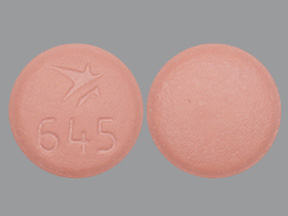 VEOZAH 45 MG TABLET
The following indications for VEOZAH (fezolinetant) have been approved by the FDA:
Indications:
Vasomotor symptoms associated with menopause
Professional Synonyms:
None.
Indications:
Vasomotor symptoms associated with menopause
Professional Synonyms:
None.
The following dosing information is available for VEOZAH (fezolinetant):
No enhanced Dosing information available for this drug.
No enhanced Administration information available for this drug.
| DRUG LABEL | DOSING TYPE | DOSING INSTRUCTIONS |
|---|---|---|
| VEOZAH 45 MG TABLET | Maintenance | Adults take 1 tablet (45 mg) by oral route once daily |
No generic dosing information available.
The following drug interaction information is available for VEOZAH (fezolinetant):
There are 1 contraindications.
These drug combinations generally should not be dispensed or administered to the same patient. A manufacturer label warning that indicates the contraindication warrants inclusion of a drug combination in this category, regardless of clinical evidence or lack of clinical evidence to support the contraindication.
| Drug Interaction | Drug Names |
|---|---|
| Fezolinetant/CYP1A2 Inhibitors SEVERITY LEVEL: 1-Contraindicated Drug Combination: This drug combination is contraindicated and generally should not be dispensed or administered to the same patient. MECHANISM OF ACTION: Inhibitors of CYP1A2 may inhibit the metabolism of fezolinetant.(1-4) CLINICAL EFFECTS: Concurrent use of a CYP1A2 inhibitor may increase levels of and adverse effects from fezolinetant.(1-4) PREDISPOSING FACTORS: None determined. PATIENT MANAGEMENT: Recommendations for concurrent use of fezolinetant with CYP1A2 inhibitors differ in different regions. The US manufacturer of fezolinetant states that concurrent use with strong, moderate, and weak CYP1A2 inhibitors is contraindicated.(1) The Australian, Canadian, and UK manufacturers of fezolinetant state that concurrent use with strong and moderate CYP1A2 inhibitors is contraindicated, while weak CYP1A2 inhibitors are not predicted to cause clinically relevant changes in fezolinetant exposure.(2-4) DISCUSSION: In a study, fluvoxamine, a strong CYP1A2 inhibitor, increased fezolinetant maximum concentration (Cmax) and area-under-curve (AUC) by 80% and 840%, respectively. Mexiletine (400 mg every 8 hours), a moderate CYP1A2 inhibitor, increased fezolinetant Cmax and AUC by 40% and 360%, respectively. Cimetidine (300 mg every 6 hours), a weak CYP1A2 inhibitor, increased fezolinetant Cmax and AUC by 30% and 100%, respectively.(1) Strong CYP1A2 inhibitors linked to this monograph include angelica root, ciprofloxacin, enasidenib, enoxacin, fluvoxamine, and rofecoxib. Moderate CYP1A2 inhibitors linked to this monograph include capmatinib, dipyrone, fexinidazole, genistein, hormonal contraceptives, methoxsalen, mexiletine, osilodrostat, phenylpropanolamine, pipemidic acid, rucaparib, troleandomycin, vemurafenib, and viloxazine. Weak CYP1A2 inhibitors linked to this monograph include acyclovir, allopurinol, artemisinin, belumosudil, caffeine, cannabidiol, cimetidine, curcumin, dan-shen, deferasirox, disulfiram, Echinacea, famotidine, ginseng, norfloxacin, obeticholic acid, parsley, piperine, propafenone, propranolol, ribociclib, simeprevir, thiabendazole, ticlopidine, triclabendazole, valacyclovir, verapamil, and zileuton.(5-7) |
2-METHOXYESTRADIOL, ABIGALE, ABIGALE LO, ACETAMIN-CAFF-DIHYDROCODEINE, ACTIVELLA, ACYCLOVIR, ACYCLOVIR SODIUM, ACYCLOVIR SODIUM-0.9% NACL, AFIRMELLE, ALLOPURINOL, ALLOPURINOL SODIUM, ALOPRIM, ALTAVERA, ALYACEN, AMETHIA, AMETHYST, ANGELIQ, ANNOVERA, APRI, ARANELLE, ASA-BUTALB-CAFFEINE-CODEINE, ASCOMP WITH CODEINE, ASHLYNA, AUBRA, AUBRA EQ, AUROVELA, AUROVELA 24 FE, AUROVELA FE, AVERI, AVIANE, AYUNA, AZURETTE, BALCOLTRA, BALZIVA, BEYAZ, BIJUVA, BLISOVI 24 FE, BLISOVI FE, BRIELLYN, BUTALB-ACETAMINOPH-CAFF-CODEIN, BUTALBITAL-ACETAMINOPHEN-CAFFE, BUTALBITAL-ASPIRIN-CAFFEINE, CAFCIT, CAFERGOT, CAFFEINE, CAFFEINE AND SODIUM BENZOATE, CAFFEINE CITRATE, CAMRESE, CAMRESE LO, CAZIANT, CHARLOTTE 24 FE, CHATEAL EQ, CIMETIDINE, CIPRO, CIPROFLOXACIN, CIPROFLOXACIN HCL, CIPROFLOXACIN-D5W, CLIMARA, CLIMARA PRO, COMBIPATCH, CONJUGATED ESTROGENS, COVARYX, COVARYX H.S., CRYSELLE, CYRED, CYRED EQ, DASETTA, DAYSEE, DEFERASIROX, DELESTROGEN, DEPO-ESTRADIOL, DESOGESTR-ETH ESTRAD ETH ESTRA, DIETHYLSTILBESTROL, DISULFIRAM, DIVIGEL, DOLISHALE, DOTTI, DROSPIRENONE-ETH ESTRA-LEVOMEF, DROSPIRENONE-ETHINYL ESTRADIOL, DUAVEE, EEMT, EEMT H.S., EGATEN, ELESTRIN, ELINEST, ELURYNG, ENILLORING, ENPRESSE, ENSKYCE, EPIDIOLEX, ERGOTAMINE-CAFFEINE, ESTARYLLA, ESTRACE, ESTRADIOL, ESTRADIOL (ONCE WEEKLY), ESTRADIOL (TWICE WEEKLY), ESTRADIOL BENZOATE, ESTRADIOL CYPIONATE, ESTRADIOL HEMIHYDRATE, ESTRADIOL HEMIHYDRATE MICRO, ESTRADIOL MICRONIZED, ESTRADIOL VALERATE, ESTRADIOL-NORETHINDRONE ACETAT, ESTRIOL, ESTRIOL MICRONIZED, ESTROGEL, ESTROGEN-METHYLTESTOSTERONE, ESTRONE, ETHINYL ESTRADIOL, ETONOGESTREL-ETHINYL ESTRADIOL, EVAMIST, EXJADE, FALMINA, FAMOTIDINE, FEIRZA, FEMLYV, FEMRING, FINZALA, FIORICET, FLUVOXAMINE MALEATE, FLUVOXAMINE MALEATE ER, FYAVOLV, GALBRIELA, GEMMILY, HAILEY, HAILEY 24 FE, HAILEY FE, HALOETTE, HEMANGEOL, IBUPROFEN-FAMOTIDINE, ICLEVIA, IDHIFA, INDERAL LA, INDERAL XL, INNOPRAN XL, INTROVALE, ISIBLOOM, ISTURISA, JADENU, JADENU SPRINKLE, JAIMIESS, JASMIEL, JINTELI, JOLESSA, JOYEAUX, JULEBER, JUNEL, JUNEL FE, JUNEL FE 24, KAITLIB FE, KALLIGA, KARIVA, KELNOR 1-35, KISQALI, KURVELO, LARIN, LARIN 24 FE, LARIN FE, LESSINA, LEVONEST, LEVONORG-ETH ESTRAD ETH ESTRAD, LEVONORG-ETH ESTRAD-FE BISGLYC, LEVONORGESTREL-ETH ESTRADIOL, LO LOESTRIN FE, LO-ZUMANDIMINE, LOESTRIN, LOESTRIN FE, LOJAIMIESS, LORYNA, LOW-OGESTREL, LUIZZA, LUTERA, LYLLANA, MARLISSA, MENEST, MENOSTAR, METHOXSALEN, MEXILETINE HCL, MIBELAS 24 FE, MICROGESTIN, MICROGESTIN FE, MIGERGOT, MILI, MIMVEY, MINIVELLE, MINZOYA, MONO-LINYAH, MORGIDOX, MYFEMBREE, NATAZIA, NECON, NEXTSTELLIS, NIKKI, NORELGESTROMIN-ETH ESTRADIOL, NORETHINDRON-ETHINYL ESTRADIOL, NORETHINDRONE-E.ESTRADIOL-IRON, NORGESIC, NORGESIC FORTE, NORGESTIMATE-ETHINYL ESTRADIOL, NORTREL, NUVARING, NYLIA, OCELLA, ORIAHNN, ORPHENADRINE-ASPIRIN-CAFFEINE, ORPHENGESIC FORTE, ORTHO TRI-CYCLEN, ORTHO-NOVUM, PEPCID, PHILITH, PIMTREA, PORTIA, PREMARIN, PREMPHASE, PREMPRO, PROPAFENONE HCL, PROPAFENONE HCL ER, PROPRANOLOL HCL, PROPRANOLOL HCL ER, QELBREE, RECLIPSEN, REZUROCK, RIVELSA, ROSYRAH, RUBRACA, SAFYRAL, SETLAKIN, SIMLIYA, SIMPESSE, SLYND, SPRINTEC, SYEDA, TABRECTA, TARINA 24 FE, TARINA FE, TARINA FE 1-20 EQ, TAYTULLA, THIABENDAZOLE, TILIA FE, TRANDOLAPRIL-VERAPAMIL ER, TREZIX, TRI-ESTARYLLA, TRI-LEGEST FE, TRI-LINYAH, TRI-LO-ESTARYLLA, TRI-LO-MARZIA, TRI-LO-MILI, TRI-LO-SPRINTEC, TRI-MILI, TRI-SPRINTEC, TRI-VYLIBRA, TRI-VYLIBRA LO, TURQOZ, TWIRLA, TYBLUME, TYDEMY, UVADEX, VALACYCLOVIR, VALACYCLOVIR HCL, VALTREX, VALTYA, VELIVET, VERAPAMIL ER, VERAPAMIL ER PM, VERAPAMIL HCL, VERAPAMIL SR, VESTURA, VIENVA, VIORELE, VIVELLE-DOT, VOLNEA, VONJO, VYFEMLA, VYLIBRA, WERA, WYMZYA FE, XARAH FE, XELRIA FE, XULANE, YASMIN 28, YAZ, ZAFEMY, ZARAH, ZELBORAF, ZILEUTON ER, ZOVIA 1-35, ZUMANDIMINE, ZYLOPRIM |
There are 0 severe interactions.
There are 0 moderate interactions.
The following contraindication information is available for VEOZAH (fezolinetant):
Drug contraindication overview.
*Known cirrhosis. *Severe renal impairment or end-stage renal disease. *Concomitant use with cytochrome P-450 (CYP) isoenzyme 1A2 inhibitors.
*Known cirrhosis. *Severe renal impairment or end-stage renal disease. *Concomitant use with cytochrome P-450 (CYP) isoenzyme 1A2 inhibitors.
There are 1 contraindications.
Absolute contraindication.
| Contraindication List |
|---|
| Pregnancy |
There are 1 severe contraindications.
Adequate patient monitoring is recommended for safer drug use.
| Severe List |
|---|
| Disease of liver |
There are 2 moderate contraindications.
Clinically significant contraindication, where the condition can be managed or treated before the drug may be given safely.
| Moderate List |
|---|
| Chronic kidney disease stage 4 (severe) GFR 15-29 ml/min |
| Chronic kidney disease stage 5 (failure) GFr<15 ml/min |
The following adverse reaction information is available for VEOZAH (fezolinetant):
Adverse reaction overview.
The most common adverse reactions with fezolinetant (reported in at least 2% of patients and more than placebo) are abdominal pain, diarrhea, insomnia, back pain, hot flush, and elevated hepatic transaminases.
The most common adverse reactions with fezolinetant (reported in at least 2% of patients and more than placebo) are abdominal pain, diarrhea, insomnia, back pain, hot flush, and elevated hepatic transaminases.
There are 3 severe adverse reactions.
| More Frequent | Less Frequent |
|---|---|
| None. |
Increased alanine transaminase Increased aspartate transaminase |
| Rare/Very Rare |
|---|
|
Drug-induced hepatitis |
There are 5 less severe adverse reactions.
| More Frequent | Less Frequent |
|---|---|
|
Acute abdominal pain Back pain Diarrhea Insomnia |
Drug-induced hot flash |
| Rare/Very Rare |
|---|
| None. |
The following precautions are available for VEOZAH (fezolinetant):
There is no experience with fezolinetant in individuals younger than 18 years of age.
Contraindicated
Severe Precaution
Management or Monitoring Precaution
Contraindicated
| None |
Severe Precaution
| None |
Management or Monitoring Precaution
| None |
There are no data on fezolinetant use in pregnant women to evaluate for a drug-associated risk of major birth defects, miscarriage, or adverse maternal or fetal outcomes. In animal reproduction studies, embryolethality, but no teratogenicity, was observed at doses above the human therapeutic dose.
There are no data on the presence of fezolinetant in human milk, the effects on the breastfed child, or the effects on milk production.
There is not enough data to assess if women over 65 years of age respond differently to fezolinetant than younger women.
The following prioritized warning is available for VEOZAH (fezolinetant):
WARNING: Fezolinetant may rarely cause serious liver disease. Your doctor will test your liver function before you start taking this medication and while you are taking it. Stop taking this medication and tell your doctor right away if you have any symptoms of liver damage, including nausea/vomiting that doesn't stop, loss of appetite, severe stomach/abdominal pain, yellowing eyes/skin, or dark urine.
WARNING: Fezolinetant may rarely cause serious liver disease. Your doctor will test your liver function before you start taking this medication and while you are taking it. Stop taking this medication and tell your doctor right away if you have any symptoms of liver damage, including nausea/vomiting that doesn't stop, loss of appetite, severe stomach/abdominal pain, yellowing eyes/skin, or dark urine.
The following icd codes are available for VEOZAH (fezolinetant)'s list of indications:
| Vasomotor symptoms associated with menopause | |
| N95.1 | Menopausal and female climacteric states |
| N95.9 | Unspecified menopausal and perimenopausal disorder |
Formulary Reference Tool