
Please wait while the formulary information is being retrieved.
Drug overview for PIVYA (pivmecillinam hcl):
Generic name: PIVMECILLINAM HCL
Drug class: Beta-Lactams
Therapeutic class: Anti-Infective Agents
Pivmecillinam hydrochloride, a prodrug of mecillinam, is an amidinopenicillin antibiotic.
No enhanced Uses information available for this drug.
Generic name: PIVMECILLINAM HCL
Drug class: Beta-Lactams
Therapeutic class: Anti-Infective Agents
Pivmecillinam hydrochloride, a prodrug of mecillinam, is an amidinopenicillin antibiotic.
No enhanced Uses information available for this drug.
DRUG IMAGES
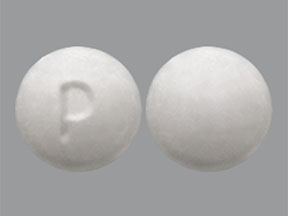 PIVYA 185 MG TABLET
The following indications for PIVYA (pivmecillinam hcl) have been approved by the FDA:
Indications:
E. coli genitourinary tract infection
Genitourinary tract infection due to Proteus
Genitourinary tract infections
Staphylococcus saprophyticus urinary tract infection
Professional Synonyms:
Genitourinary infection due to E. coli
Genitourinary infection due to Escherichia coli
Genitourinary infection due to Proteus species
Genitourinary infection
Genitourinary tract infection due to E. coli
Genitourinary tract infection due to Proteus species
Genitourinary tract infection
UTI due to Staphylococcus saprophyticus
Indications:
E. coli genitourinary tract infection
Genitourinary tract infection due to Proteus
Genitourinary tract infections
Staphylococcus saprophyticus urinary tract infection
Professional Synonyms:
Genitourinary infection due to E. coli
Genitourinary infection due to Escherichia coli
Genitourinary infection due to Proteus species
Genitourinary infection
Genitourinary tract infection due to E. coli
Genitourinary tract infection due to Proteus species
Genitourinary tract infection
UTI due to Staphylococcus saprophyticus
The following dosing information is available for PIVYA (pivmecillinam hcl):
Dosage of pivmecillinam hydrochloride is expressed in terms of pivmecillinam.
The recommended dosage of pivmecillinam in female patients >=18 years of age with uncomplicated urinary tract infections (uUTI) caused by susceptible isolates of Escherichia coli, Proteus mirabilis and Staphylococcus saprophyticus is 185 mg (1 tablet) orally 3 times daily for 3 to 7 days as clinically indicated.
The recommended dosage of pivmecillinam in female patients >=18 years of age with uncomplicated urinary tract infections (uUTI) caused by susceptible isolates of Escherichia coli, Proteus mirabilis and Staphylococcus saprophyticus is 185 mg (1 tablet) orally 3 times daily for 3 to 7 days as clinically indicated.
Administer pivmecillinam orally with or without food. If a dose of pivmecillinam is missed, instruct patients to take the dose as soon as possible. Do not double the dose to make up for the missed dose.
Store pivmecillinam tablets at 20-25degreesC; excursions permitted between 15-30degreesC. Store and dispense tablets in the unit-dose blisters.
Store pivmecillinam tablets at 20-25degreesC; excursions permitted between 15-30degreesC. Store and dispense tablets in the unit-dose blisters.
| DRUG LABEL | DOSING TYPE | DOSING INSTRUCTIONS |
|---|---|---|
| PIVYA 185 MG TABLET | Maintenance | Adults take 1 tablet (185 mg) by oral route 3 times per day |
No generic dosing information available.
The following drug interaction information is available for PIVYA (pivmecillinam hcl):
There are 3 contraindications.
These drug combinations generally should not be dispensed or administered to the same patient. A manufacturer label warning that indicates the contraindication warrants inclusion of a drug combination in this category, regardless of clinical evidence or lack of clinical evidence to support the contraindication.
| Drug Interaction | Drug Names |
|---|---|
| Live Typhoid Vaccine/Antimicrobials SEVERITY LEVEL: 1-Contraindicated Drug Combination: This drug combination is contraindicated and generally should not be dispensed or administered to the same patient. MECHANISM OF ACTION: The antimicrobial may be active against the organism in the live-vaccine. Antimicrobial therapy may prevent the vaccine organism from replicating enough to trigger an immune response.(1) CLINICAL EFFECTS: Vaccination may be ineffective. PREDISPOSING FACTORS: None determined. PATIENT MANAGEMENT: Do not give oral typhoid vaccine until 72 hours after the last dose of antimicrobial. If possible, to optimize vaccine effectiveness, do not start antibacterial drugs for 72 hours after the last dose of oral typhoid vaccine. A longer interval should be considered for long-acting antimicrobials, such as azithromycin.(3) DISCUSSION: Because antimicrobial therapy may prevent sufficient vaccine-organism replication to generate an immune response, the manufacturer of live-attenuated typhoid vaccine and the Centers for Disease Control (CDC) state that the vaccine should not be administered to patients receiving antimicrobial therapy.(1-3) |
VIVOTIF |
| Fecal Microbiota Spores/Antibiotics SEVERITY LEVEL: 1-Contraindicated Drug Combination: This drug combination is contraindicated and generally should not be dispensed or administered to the same patient. MECHANISM OF ACTION: Fecal microbiota spores is a suspension of live bacterial spores, which may be compromised by concurrent use of antibiotics.(1) CLINICAL EFFECTS: Antibiotics may decrease the effectiveness of fecal microbiota spores.(1) PREDISPOSING FACTORS: None determined. PATIENT MANAGEMENT: Antibiotics should not be used concurrently with fecal microbiota spores. Antibacterial treatment should be completed for 2 to 4 days before initiating treatment with fecal microbiota spores.(1) DISCUSSION: Antibiotics may compromise the effectiveness of fecal microbiota spores. |
VOWST |
| Fecal Microbiota/Antibiotics SEVERITY LEVEL: 1-Contraindicated Drug Combination: This drug combination is contraindicated and generally should not be dispensed or administered to the same patient. MECHANISM OF ACTION: Fecal microbiota is a suspension of live bacteria, which may be compromised by concurrent use of antibiotics.(1) CLINICAL EFFECTS: Antibiotics may decrease the effectiveness of fecal microbiota.(1) PREDISPOSING FACTORS: None determined. PATIENT MANAGEMENT: Antibiotics should not be used concurrently with fecal microbiota. Antibacterial treatment should be completed for 24 to 72 hours before initiating treatment with fecal microbiota. Do not use antibiotics for up to 8 weeks after fecal microbiota.(1) DISCUSSION: Antibiotics may compromise the effectiveness of fecal microbiota. |
REBYOTA |
There are 2 severe interactions.
These drug interactions can produce serious consequences in most patients. Actions required for severe interactions include, but are not limited to, discontinuing one or both agents, adjusting dosage, altering administration scheduling, and providing additional patient monitoring. Review the full interaction monograph for more information.
| Drug Interaction | Drug Names |
|---|---|
| Methotrexate/Penicillins SEVERITY LEVEL: 2-Severe Interaction: Action is required to reduce the risk of severe adverse interaction. MECHANISM OF ACTION: Penicillins may compete with the renal tubular secretion of methotrexate. CLINICAL EFFECTS: The concurrent use of methotrexate and penicillins may result in elevated levels of methotrexate and methotrexate toxicity, leading to increased risk of severe neurotoxicity, stomatitis, and myelosuppression. PREDISPOSING FACTORS: Risk factors for methotrexate toxicity include: - High-dose oncology regimens - Impaired renal function, ascites, or pleural effusions PATIENT MANAGEMENT: Patients receiving concurrent therapy with methotrexate and penicillins should be monitored closely for elevated methotrexate levels and methotrexate toxicity. The dose and duration of leucovorin rescue therapy may need to be increased. DISCUSSION: Elevated methotrexate levels, signs of methotrexate toxicity, and death have been reported following the concurrent use of methotrexate (both low dose and high dose) and penicillin derivatives. In a patient being treated with high-dose methotrexate (8 G/m2), the concurrent use of amoxicillin resulted in a 56% decrease in the clearance of methotrexate and signs of methotrexate toxicity.(1) There are two cases of methotrexate toxicity following the addition of amoxicillin to low-dose methotrexate therapy (7.5 mg-10 mg weekly) for psoriasis. In another case, a patient was found to have a toxic methotrexate level 12 days after her last dose of weekly methotrexate (7.5 mg). The patient had been treated with amoxicillin followed by flucloxacillin.(2) In a case report, dicloxacillin decreased methotrexate clearance 93%.(4) Flucloxacillin was shown to increase the area-under-curve (AUC) of methotrexate by 7.3% in a study in 10 subjects.(5) In a case report, a patient on low-dose methotrexate (5 mg) developed methotrexate pneumonia following the addition of flucloxacillin to his regimen.(5) In a patient being treated with high-dose methotrexate (12 G/m2), the concurrent use of mezlocillin increased the half-life of methotrexate from 10.1 to 27.2 hours.(6) In a case report, a patient developed methotrexate toxicity following the addition of penicillin V potassium to his methotrexate (50 mg weekly).(7) In a case report, penicillin decreased methotrexate clearance 36%.(4) In one report, leucovorin rescue therapy had to be continued for 192 hours following the concurrent use of methotrexate (3 G/m2) and piperacillin. During cycles without concurrent piperacillin, leucovorin rescue therapy was only required for 72 hours.(8) There are two reports of neutropenia and death following the concurrent use of piperacillin and low-dose methotrexate (2.5 mg three times weekly in one patient, 5 mg weekly in another) for psoriasis. One of these patients also received flucloxacillin. (3) In another case report, the concurrent use of piperacillin decreased methotrexate clearance by 67%.(4) In a case report, ticarcillin decreased methotrexate clearance by 60%.(4) |
JYLAMVO, METHOTREXATE, METHOTREXATE SODIUM, METHOTREXATE-NACL, RASUVO, TREXALL, XATMEP |
| Valproic Acid Derivatives/Pivmecillinam SEVERITY LEVEL: 2-Severe Interaction: Action is required to reduce the risk of severe adverse interaction. MECHANISM OF ACTION: Pivalic acid is released after hydrolysis from several prodrugs. In humans, formation and urinary excretion of pivaloylcarnitine generated from pivaloyl-CoA is the major route of pivalate elimination. CLINICAL EFFECTS: Concurrent use of valproic acid or its derivatives and pivmecillinam may increase the risk of low carnitine levels leading to neurologic deficits with or without encephalopathy. Neurologic deficits may present as changes in state of consciousness and/or cognitive function with lethargy and vomiting.(1-3) PREDISPOSING FACTORS: Patients with low carnitine levels, significant renal impairment, or decreased muscle mass. PATIENT MANAGEMENT: The US and UK manufacturers of pivmecillinam state that the use of pivmecillinam and valproic acid and its derivatives should be avoided.(1,2) In patients receiving concurrent valproic acid derivatives and pivmecillinam, monitor for unexplained lethargy, vomiting, and/ or changes in mental status. If these symptoms develop, check the patient's carnitine level and administer exogenous carnitine to increase body stores.(3) DISCUSSION: There are reports of low carnitine levels caused by the long term (> 6 months) use of these agents resulting in neurological deficits caused by the concurrent use of pivalic acid containing products.(3) The patient improved after carnitine supplementation. |
DEPAKOTE, DEPAKOTE ER, DEPAKOTE SPRINKLE, DIVALPROEX SODIUM, DIVALPROEX SODIUM ER, SODIUM VALPROATE, VALPROATE SODIUM, VALPROIC ACID |
There are 1 moderate interactions.
The clinician should assess the patient’s characteristics and take action as needed. Actions required for moderate interactions include, but are not limited to, discontinuing one or both agents, adjusting dosage, altering administration.
| Drug Interaction | Drug Names |
|---|---|
| Selected Cephalosporins & Penicillins/Probenecid SEVERITY LEVEL: 3-Moderate Interaction: Assess the risk to the patient and take action as needed. MECHANISM OF ACTION: Probenecid impairs the clearance of some cephalosporins and penicillins via inhibition of renal anion transporters in the proximal tubule.(49) It has also been hypothesized that probenecid may affect tissue distribution of cephalosporins.(1-5) CLINICAL EFFECTS: The concurrent administration of probenecid may result in increased maximum concentration (Cmax), area-under-curve (AUC), and half-life of the cephalosporin or penicillin.(49) While this may improve antibiotic efficacy,(46-48) increased levels may also increase the risk for antibiotic-associated nephrotoxicity.(4) PREDISPOSING FACTORS: Underlying renal dysfunction may increase the risk for nephrotoxicity. PATIENT MANAGEMENT: In patients receiving the combination to improve antibiotic efficacy, monitor for antibiotic adverse effects and consider monitoring renal function. In patients receiving probenecid therapy to prevent or treat hyperuricemia, exposure to the antibiotic will be increased. A decrease in antibiotic dose or frequency may be required. The US manufacturer of piperacillin-tazobactam states probenecid should not be coadministered with piperacillin-tazobactam unless the benefit outweighs the risk.(50) DISCUSSION: Concurrent use of probenecid with a cephalosporin or penicillin may cause an increase in the Cmax, AUC, and an increased elimination half life of the antibiotic.(6-8,49) This may be beneficial or necessary in difficult to treat infections,(46-48) but an increased risk for adverse effects should be expected. Antibiotics not dose adjusted for concurrent use with probenecid may be associated with an increased risk for adverse effects, such as nephrotoxicity. Probenecid administered concurrently with piperacillin-tazobactam prolongs the half-life of piperacillin by 21% and tazobactam by 71%. In a study in 8 healthy males, concurrent administration of probenecid (1 g) with piperacillin (1 g IM) increased piperacillin's Cmax and AUC by 30% and 60%. Renal clearance was reduced by 40%.(51) The cephalosporins affected by probenecid include cefazolin,(9-11) cephacetrile,(12,13) cephaloglycin,(14,15) cephalexin,(16-21) cephradine, (22-23) cefoxitin,(24-28) cefadroxil(29), cefaclor,(23) cefamandole,(30) ceftizoxime,(31,32) cefuroxime,(33,34) cefprozil,(35) cefonicid,(36) cefmetazole,(37) cefmenoxime,(38) and cefditoren.(39) Probenecid has been shown not to affect moxalactam,(4,40,41) ceforanide, (4,42), cefoperazone, ceftazidime(4,34,43) or ceftriaxone.(4) |
ORLYNVAH, PROBENECID, PROBENECID-COLCHICINE |
The following contraindication information is available for PIVYA (pivmecillinam hcl):
Drug contraindication overview.
*Serious hypersensitivity reaction (e.g., anaphylaxis or Stevens-Johnson syndrome) to pivmecillinam or other beta-lactam antibacterial drugs (e.g., penicillins and cephalosporins). *Primary or secondary carnitine deficiency resulting from inherited disorders of mitochondrial fatty acid oxidation and carnitine metabolism, and other inborn errors of metabolism (e.g., methylmalonic aciduria, or propionic acidemia). *Acute porphyria.
*Serious hypersensitivity reaction (e.g., anaphylaxis or Stevens-Johnson syndrome) to pivmecillinam or other beta-lactam antibacterial drugs (e.g., penicillins and cephalosporins). *Primary or secondary carnitine deficiency resulting from inherited disorders of mitochondrial fatty acid oxidation and carnitine metabolism, and other inborn errors of metabolism (e.g., methylmalonic aciduria, or propionic acidemia). *Acute porphyria.
There are 4 contraindications.
Absolute contraindication.
| Contraindication List |
|---|
| Carnitine deficiency |
| Methylmalonic acidemia |
| Porphyria |
| Propionic acidemia |
There are 6 severe contraindications.
Adequate patient monitoring is recommended for safer drug use.
| Severe List |
|---|
| Barrett's esophagus |
| Clostridioides difficile infection |
| Dysphagia |
| Esophageal dysmotility |
| Esophageal obstruction |
| Esophagitis |
There are 1 moderate contraindications.
Clinically significant contraindication, where the condition can be managed or treated before the drug may be given safely.
| Moderate List |
|---|
| Kidney disease with reduction in glomerular filtration rate (GFr) |
The following adverse reaction information is available for PIVYA (pivmecillinam hcl):
Adverse reaction overview.
The most common adverse reactions observed in >=2% of the patients receiving pivmecillinam in clinical trials are nausea and diarrhea.
The most common adverse reactions observed in >=2% of the patients receiving pivmecillinam in clinical trials are nausea and diarrhea.
There are 12 severe adverse reactions.
| More Frequent | Less Frequent |
|---|---|
| None. | None. |
| Rare/Very Rare |
|---|
|
Abnormal hepatic function tests Acute generalized exanthematous pustulosis Angioedema Carnitine deficiency Clostridioides difficile infection DRESS syndrome Esophageal ulcer Hypersensitivity drug reaction Porphyria Stevens-johnson syndrome Thrombocytopenic disorder Toxic epidermal necrolysis |
There are 13 less severe adverse reactions.
| More Frequent | Less Frequent |
|---|---|
|
Diarrhea Nausea |
Genital organ pruritus Headache disorder |
| Rare/Very Rare |
|---|
|
Acute abdominal pain Aphthous stomatitis Dizziness Dyspepsia Skin rash Urticaria Vertigo Vomiting Vulvovaginal candidiasis |
The following precautions are available for PIVYA (pivmecillinam hcl):
The safety and effectiveness of pivmecillinam have not been established in pediatric patients. Symptomatic hypocarnitinemia has been reported in pediatric patients outside the US who were receiving long-term pivmecillinam therapy. Symptoms such as irritability, altered mental status, fatigue, muscle weakness, and vomiting were observed.
Pivmecillinam is not recommended when prolonged antibacterial treatment is necessary and is contraindicated in patients with primary or secondary carnitine deficiency. Newborns exposed to pivmecillinam in utero prior to delivery may have a false positive newborn screening test for isovaleric acidemia. Prompt follow-up of a positive result for isovaleric acidemia is recommended.
Contraindicated
Severe Precaution
Management or Monitoring Precaution
Pivmecillinam is not recommended when prolonged antibacterial treatment is necessary and is contraindicated in patients with primary or secondary carnitine deficiency. Newborns exposed to pivmecillinam in utero prior to delivery may have a false positive newborn screening test for isovaleric acidemia. Prompt follow-up of a positive result for isovaleric acidemia is recommended.
Contraindicated
| None |
Severe Precaution
| None |
Management or Monitoring Precaution
| None |
Published observational studies in pregnant women who were exposed to pivmecillinam during the first trimester of pregnancy did not indicate an increased risk of major birth defects compared to pregnant women exposed to other antibacterial drugs. There are limited studies evaluating the risk of miscarriage and other adverse maternal or fetal outcomes with the use of pivmecillinam during pregnancy. In animal reproductive studies, reduced ossification was observed in the offspring of rats administered pivmecillinam during organogenesis at doses approximately 10.2-fold
higher than the recommended maximum daily human dose; there was no evidence of other embryofetal toxicity. No dosage adjustment of pivmecillinam is required in pregnant women. Treatment of a pregnant individual with pivmecillinam prior to delivery may cause a false positive test for isovaleric acidemia in the newborn.
higher than the recommended maximum daily human dose; there was no evidence of other embryofetal toxicity. No dosage adjustment of pivmecillinam is required in pregnant women. Treatment of a pregnant individual with pivmecillinam prior to delivery may cause a false positive test for isovaleric acidemia in the newborn.
Mecillinam is present in animal milk; when a drug is present in animal milk, it is likely to be present in human milk. Adverse reactions including rash and diarrhea have been reported in breastfed infants exposed to mecillinam. There are no data on the effects of mecillinam on milk production. Consider the developmental and health benefits of breastfeeding along with the mother`s clinical need for pivmecillinam and any potential adverse effects on the breastfed child from the drug or from the underlying maternal condition.
In clinical trials evaluating safety and efficacy of pivmecillinam, approximately 13-14% of patients were 65 years of age and older and 3% were 75 years of age and older. The pharmacokinetics of mecillinam in geriatric patients have not been evaluated; however, pivmecillinam is known to be substantially excreted by the kidneys, and geriatric patients are more likely to have reduced renal function. The clinical significance of these changes on efficacy or safety is unknown. The available safety information does not suggest a need for dosage adjustment.
The following prioritized warning is available for PIVYA (pivmecillinam hcl):
No warning message for this drug.
No warning message for this drug.
The following icd codes are available for PIVYA (pivmecillinam hcl)'s list of indications:
| E. coli genitourinary tract infection | |
| B96.2 | Escherichia coli [e. coli ] as the cause of diseases classified elsewhere |
| B96.20 | Unspecified escherichia coli [e. coli] as the cause of diseases classified elsewhere |
| B96.29 | Other escherichia coli [e. coli] as the cause of diseases classified elsewhere |
| N30.0 | Acute cystitis |
| N30.00 | Acute cystitis without hematuria |
| N30.01 | Acute cystitis with hematuria |
| N30.9 | Cystitis, unspecified |
| N30.90 | Cystitis, unspecified without hematuria |
| N30.91 | Cystitis, unspecified with hematuria |
| N39.0 | Urinary tract infection, site not specified |
| O03.38 | Urinary tract infection following incomplete spontaneous abortion |
| O03.88 | Urinary tract infection following complete or unspecified spontaneous abortion |
| O04.88 | Urinary tract infection following (induced) termination of pregnancy |
| O07.38 | Urinary tract infection following failed attempted termination of pregnancy |
| O08.83 | Urinary tract infection following an ectopic and molar pregnancy |
| O23.0 | Infections of kidney in pregnancy |
| O23.00 | Infections of kidney in pregnancy, unspecified trimester |
| O23.01 | Infections of kidney in pregnancy, first trimester |
| O23.02 | Infections of kidney in pregnancy, second trimester |
| O23.03 | Infections of kidney in pregnancy, third trimester |
| O23.1 | Infections of bladder in pregnancy |
| O23.10 | Infections of bladder in pregnancy, unspecified trimester |
| O23.11 | Infections of bladder in pregnancy, first trimester |
| O23.12 | Infections of bladder in pregnancy, second trimester |
| O23.13 | Infections of bladder in pregnancy, third trimester |
| O23.2 | Infections of urethra in pregnancy |
| O23.20 | Infections of urethra in pregnancy, unspecified trimester |
| O23.21 | Infections of urethra in pregnancy, first trimester |
| O23.22 | Infections of urethra in pregnancy, second trimester |
| O23.23 | Infections of urethra in pregnancy, third trimester |
| O23.3 | Infections of other parts of urinary tract in pregnancy |
| O23.30 | Infections of other parts of urinary tract in pregnancy, unspecified trimester |
| O23.31 | Infections of other parts of urinary tract in pregnancy, first trimester |
| O23.32 | Infections of other parts of urinary tract in pregnancy, second trimester |
| O23.33 | Infections of other parts of urinary tract in pregnancy, third trimester |
| O23.4 | Unspecified infection of urinary tract in pregnancy |
| O23.40 | Unspecified infection of urinary tract in pregnancy, unspecified trimester |
| O23.41 | Unspecified infection of urinary tract in pregnancy, first trimester |
| O23.42 | Unspecified infection of urinary tract in pregnancy, second trimester |
| O23.43 | Unspecified infection of urinary tract in pregnancy, third trimester |
| O23.9 | Unspecified genitourinary tract infection in pregnancy |
| O23.90 | Unspecified genitourinary tract infection in pregnancy, unspecified trimester |
| O23.91 | Unspecified genitourinary tract infection in pregnancy, first trimester |
| O23.92 | Unspecified genitourinary tract infection in pregnancy, second trimester |
| O23.93 | Unspecified genitourinary tract infection in pregnancy, third trimester |
| O86.2 | Urinary tract infection following delivery |
| O86.20 | Urinary tract infection following delivery, unspecified |
| O86.21 | Infection of kidney following delivery |
| O86.22 | Infection of bladder following delivery |
| O86.29 | Other urinary tract infection following delivery |
| P39.3 | Neonatal urinary tract infection |
| Genitourinary tract infection due to proteus | |
| B96.4 | Proteus (mirabilis) (morganii) as the cause of diseases classified elsewhere |
| N30.0 | Acute cystitis |
| N30.00 | Acute cystitis without hematuria |
| N30.01 | Acute cystitis with hematuria |
| N30.9 | Cystitis, unspecified |
| N30.90 | Cystitis, unspecified without hematuria |
| N30.91 | Cystitis, unspecified with hematuria |
| N39.0 | Urinary tract infection, site not specified |
| O03.38 | Urinary tract infection following incomplete spontaneous abortion |
| O03.88 | Urinary tract infection following complete or unspecified spontaneous abortion |
| O04.88 | Urinary tract infection following (induced) termination of pregnancy |
| O07.38 | Urinary tract infection following failed attempted termination of pregnancy |
| O08.83 | Urinary tract infection following an ectopic and molar pregnancy |
| O23.0 | Infections of kidney in pregnancy |
| O23.00 | Infections of kidney in pregnancy, unspecified trimester |
| O23.01 | Infections of kidney in pregnancy, first trimester |
| O23.02 | Infections of kidney in pregnancy, second trimester |
| O23.03 | Infections of kidney in pregnancy, third trimester |
| O23.1 | Infections of bladder in pregnancy |
| O23.10 | Infections of bladder in pregnancy, unspecified trimester |
| O23.11 | Infections of bladder in pregnancy, first trimester |
| O23.12 | Infections of bladder in pregnancy, second trimester |
| O23.13 | Infections of bladder in pregnancy, third trimester |
| O23.2 | Infections of urethra in pregnancy |
| O23.20 | Infections of urethra in pregnancy, unspecified trimester |
| O23.21 | Infections of urethra in pregnancy, first trimester |
| O23.22 | Infections of urethra in pregnancy, second trimester |
| O23.23 | Infections of urethra in pregnancy, third trimester |
| O23.3 | Infections of other parts of urinary tract in pregnancy |
| O23.30 | Infections of other parts of urinary tract in pregnancy, unspecified trimester |
| O23.31 | Infections of other parts of urinary tract in pregnancy, first trimester |
| O23.32 | Infections of other parts of urinary tract in pregnancy, second trimester |
| O23.33 | Infections of other parts of urinary tract in pregnancy, third trimester |
| O23.4 | Unspecified infection of urinary tract in pregnancy |
| O23.40 | Unspecified infection of urinary tract in pregnancy, unspecified trimester |
| O23.41 | Unspecified infection of urinary tract in pregnancy, first trimester |
| O23.42 | Unspecified infection of urinary tract in pregnancy, second trimester |
| O23.43 | Unspecified infection of urinary tract in pregnancy, third trimester |
| O23.9 | Unspecified genitourinary tract infection in pregnancy |
| O23.90 | Unspecified genitourinary tract infection in pregnancy, unspecified trimester |
| O23.91 | Unspecified genitourinary tract infection in pregnancy, first trimester |
| O23.92 | Unspecified genitourinary tract infection in pregnancy, second trimester |
| O23.93 | Unspecified genitourinary tract infection in pregnancy, third trimester |
| O86.2 | Urinary tract infection following delivery |
| O86.20 | Urinary tract infection following delivery, unspecified |
| O86.21 | Infection of kidney following delivery |
| O86.22 | Infection of bladder following delivery |
| O86.29 | Other urinary tract infection following delivery |
| P39.3 | Neonatal urinary tract infection |
| Genitourinary tract infections | |
| N30.0 | Acute cystitis |
| N30.00 | Acute cystitis without hematuria |
| N30.01 | Acute cystitis with hematuria |
| N30.9 | Cystitis, unspecified |
| N30.90 | Cystitis, unspecified without hematuria |
| N30.91 | Cystitis, unspecified with hematuria |
| N39.0 | Urinary tract infection, site not specified |
| O03.38 | Urinary tract infection following incomplete spontaneous abortion |
| O03.88 | Urinary tract infection following complete or unspecified spontaneous abortion |
| O04.88 | Urinary tract infection following (induced) termination of pregnancy |
| O07.38 | Urinary tract infection following failed attempted termination of pregnancy |
| O23.0 | Infections of kidney in pregnancy |
| O23.00 | Infections of kidney in pregnancy, unspecified trimester |
| O23.01 | Infections of kidney in pregnancy, first trimester |
| O23.02 | Infections of kidney in pregnancy, second trimester |
| O23.03 | Infections of kidney in pregnancy, third trimester |
| O23.1 | Infections of bladder in pregnancy |
| O23.10 | Infections of bladder in pregnancy, unspecified trimester |
| O23.11 | Infections of bladder in pregnancy, first trimester |
| O23.12 | Infections of bladder in pregnancy, second trimester |
| O23.13 | Infections of bladder in pregnancy, third trimester |
| O23.2 | Infections of urethra in pregnancy |
| O23.20 | Infections of urethra in pregnancy, unspecified trimester |
| O23.21 | Infections of urethra in pregnancy, first trimester |
| O23.22 | Infections of urethra in pregnancy, second trimester |
| O23.23 | Infections of urethra in pregnancy, third trimester |
| O23.3 | Infections of other parts of urinary tract in pregnancy |
| O23.30 | Infections of other parts of urinary tract in pregnancy, unspecified trimester |
| O23.31 | Infections of other parts of urinary tract in pregnancy, first trimester |
| O23.32 | Infections of other parts of urinary tract in pregnancy, second trimester |
| O23.33 | Infections of other parts of urinary tract in pregnancy, third trimester |
| O23.4 | Unspecified infection of urinary tract in pregnancy |
| O23.40 | Unspecified infection of urinary tract in pregnancy, unspecified trimester |
| O23.41 | Unspecified infection of urinary tract in pregnancy, first trimester |
| O23.42 | Unspecified infection of urinary tract in pregnancy, second trimester |
| O23.43 | Unspecified infection of urinary tract in pregnancy, third trimester |
| O23.9 | Unspecified genitourinary tract infection in pregnancy |
| O23.90 | Unspecified genitourinary tract infection in pregnancy, unspecified trimester |
| O23.91 | Unspecified genitourinary tract infection in pregnancy, first trimester |
| O23.92 | Unspecified genitourinary tract infection in pregnancy, second trimester |
| O23.93 | Unspecified genitourinary tract infection in pregnancy, third trimester |
| O86.2 | Urinary tract infection following delivery |
| O86.20 | Urinary tract infection following delivery, unspecified |
| O86.21 | Infection of kidney following delivery |
| O86.22 | Infection of bladder following delivery |
| O86.29 | Other urinary tract infection following delivery |
| P39.3 | Neonatal urinary tract infection |
| Staphylococcus saprophyticus urinary tract infection | |
| B95.7 | Other staphylococcus as the cause of diseases classified elsewhere |
| N30.0 | Acute cystitis |
| N30.00 | Acute cystitis without hematuria |
| N30.01 | Acute cystitis with hematuria |
| N30.9 | Cystitis, unspecified |
| N30.90 | Cystitis, unspecified without hematuria |
| N30.91 | Cystitis, unspecified with hematuria |
| N39.0 | Urinary tract infection, site not specified |
| O03.38 | Urinary tract infection following incomplete spontaneous abortion |
| O03.88 | Urinary tract infection following complete or unspecified spontaneous abortion |
| O04.88 | Urinary tract infection following (induced) termination of pregnancy |
| O07.38 | Urinary tract infection following failed attempted termination of pregnancy |
| O08.83 | Urinary tract infection following an ectopic and molar pregnancy |
| O23.0 | Infections of kidney in pregnancy |
| O23.00 | Infections of kidney in pregnancy, unspecified trimester |
| O23.01 | Infections of kidney in pregnancy, first trimester |
| O23.02 | Infections of kidney in pregnancy, second trimester |
| O23.03 | Infections of kidney in pregnancy, third trimester |
| O23.1 | Infections of bladder in pregnancy |
| O23.10 | Infections of bladder in pregnancy, unspecified trimester |
| O23.11 | Infections of bladder in pregnancy, first trimester |
| O23.12 | Infections of bladder in pregnancy, second trimester |
| O23.13 | Infections of bladder in pregnancy, third trimester |
| O23.2 | Infections of urethra in pregnancy |
| O23.20 | Infections of urethra in pregnancy, unspecified trimester |
| O23.21 | Infections of urethra in pregnancy, first trimester |
| O23.22 | Infections of urethra in pregnancy, second trimester |
| O23.23 | Infections of urethra in pregnancy, third trimester |
| O23.3 | Infections of other parts of urinary tract in pregnancy |
| O23.30 | Infections of other parts of urinary tract in pregnancy, unspecified trimester |
| O23.31 | Infections of other parts of urinary tract in pregnancy, first trimester |
| O23.32 | Infections of other parts of urinary tract in pregnancy, second trimester |
| O23.33 | Infections of other parts of urinary tract in pregnancy, third trimester |
| O23.4 | Unspecified infection of urinary tract in pregnancy |
| O23.40 | Unspecified infection of urinary tract in pregnancy, unspecified trimester |
| O23.41 | Unspecified infection of urinary tract in pregnancy, first trimester |
| O23.42 | Unspecified infection of urinary tract in pregnancy, second trimester |
| O23.43 | Unspecified infection of urinary tract in pregnancy, third trimester |
| O23.9 | Unspecified genitourinary tract infection in pregnancy |
| O23.90 | Unspecified genitourinary tract infection in pregnancy, unspecified trimester |
| O23.91 | Unspecified genitourinary tract infection in pregnancy, first trimester |
| O23.92 | Unspecified genitourinary tract infection in pregnancy, second trimester |
| O23.93 | Unspecified genitourinary tract infection in pregnancy, third trimester |
| O86.2 | Urinary tract infection following delivery |
| O86.20 | Urinary tract infection following delivery, unspecified |
| O86.21 | Infection of kidney following delivery |
| O86.22 | Infection of bladder following delivery |
| O86.29 | Other urinary tract infection following delivery |
| P39.3 | Neonatal urinary tract infection |
Formulary Reference Tool