Please wait while the formulary information is being retrieved.
Drug overview for RIFAMPIN (rifampin):
Generic name: RIFAMPIN (rif-AM-pin)
Drug class: Rifamycins
Therapeutic class: Anti-Infective Agents
Rifampin is a rifamycin B-derivative antibiotic active against mycobacteria and some gram-positive and -negative bacteria.
No enhanced Uses information available for this drug.
Generic name: RIFAMPIN (rif-AM-pin)
Drug class: Rifamycins
Therapeutic class: Anti-Infective Agents
Rifampin is a rifamycin B-derivative antibiotic active against mycobacteria and some gram-positive and -negative bacteria.
No enhanced Uses information available for this drug.
DRUG IMAGES
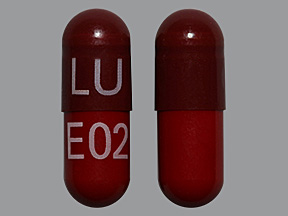 RIFAMPIN 300 MG CAPSULE
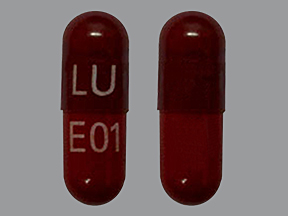 RIFAMPIN 150 MG CAPSULE
The following indications for RIFAMPIN (rifampin) have been approved by the FDA:
Indications:
Active tuberculosis
Inactive tuberculosis
Meningococcal carrier
Prevention of meningococcal meningitis
Professional Synonyms:
Active TB
Acute tuberculosis
Asymptomatic carrier of Meningococcus
Asymptomatic Neisseria meningitidis carrier
Latent tuberculosis
Prevention of CNS meningococcal disease
Indications:
Active tuberculosis
Inactive tuberculosis
Meningococcal carrier
Prevention of meningococcal meningitis
Professional Synonyms:
Active TB
Acute tuberculosis
Asymptomatic carrier of Meningococcus
Asymptomatic Neisseria meningitidis carrier
Latent tuberculosis
Prevention of CNS meningococcal disease
The following dosing information is available for RIFAMPIN (rifampin):
Dosage of rifampin is identical for oral and IV administration.
The manufacturer states that the usual dosage of rifampin for the treatment of active tuberculosis in adults is 10 mg/kg (up to 600 mg) once daily.
The ATS, CDC, and IDSA recommend that when rifampin is used in conjunction with other antituberculosis agents in a daily regimen, adults and children 15 years of age or older should receive a rifampin dosage of 10 mg/kg (up to 600 mg) once daily.
When an intermittent multiple-drug regimen is used, adults and children 15 years of age or older should receive a rifampin dosage of 10 mg/kg (up to 600 mg) 2 or 3 times weekly.
The manufacturer states that the usual dosage of rifampin for the treatment of active tuberculosis in children is 10-20 mg/kg (up to 600 mg) daily.
The ATS, CDC, IDSA, and American Academy of Pediatrics (AAP) recommend that when rifampin is used in daily multiple-drug regimens in pediatric patients, a dosage of 10-20 mg/kg (up to 600 mg) daily should be used.
If an intermittent multiple-drug regimen is used in pediatric patients, the ATS, CDC, IDSA, and AAP recommend a rifampin dosage of 10-20 mg/kg (up to 600 mg) twice weekly.
The manufacturer states that the usual dosage of rifampin for the treatment of active tuberculosis in adults is 10 mg/kg (up to 600 mg) once daily.
The ATS, CDC, and IDSA recommend that when rifampin is used in conjunction with other antituberculosis agents in a daily regimen, adults and children 15 years of age or older should receive a rifampin dosage of 10 mg/kg (up to 600 mg) once daily.
When an intermittent multiple-drug regimen is used, adults and children 15 years of age or older should receive a rifampin dosage of 10 mg/kg (up to 600 mg) 2 or 3 times weekly.
The manufacturer states that the usual dosage of rifampin for the treatment of active tuberculosis in children is 10-20 mg/kg (up to 600 mg) daily.
The ATS, CDC, IDSA, and American Academy of Pediatrics (AAP) recommend that when rifampin is used in daily multiple-drug regimens in pediatric patients, a dosage of 10-20 mg/kg (up to 600 mg) daily should be used.
If an intermittent multiple-drug regimen is used in pediatric patients, the ATS, CDC, IDSA, and AAP recommend a rifampin dosage of 10-20 mg/kg (up to 600 mg) twice weekly.
No enhanced Administration information available for this drug.
| DRUG LABEL | DOSING TYPE | DOSING INSTRUCTIONS |
|---|---|---|
| RIFAMPIN 150 MG CAPSULE | Maintenance | Adults take 10 mg/kg up to 600 mg by oral route once daily 1 hour before a meal or 2 hours after a meal |
| RIFAMPIN 300 MG CAPSULE | Maintenance | Adults take 10 mg/kg up to 600 mg by oral route once daily 1 hour before a meal or 2 hours after a meal |
| DRUG LABEL | DOSING TYPE | DOSING INSTRUCTIONS |
|---|---|---|
| RIFAMPIN 300 MG CAPSULE | Maintenance | Adults take 10 mg/kg up to 600 mg by oral route once daily 1 hour before a meal or 2 hours after a meal |
| RIFAMPIN 150 MG CAPSULE | Maintenance | Adults take 10 mg/kg up to 600 mg by oral route once daily 1 hour before a meal or 2 hours after a meal |
The following drug interaction information is available for RIFAMPIN (rifampin):
There are 153 contraindications.
These drug combinations generally should not be dispensed or administered to the same patient. A manufacturer label warning that indicates the contraindication warrants inclusion of a drug combination in this category, regardless of clinical evidence or lack of clinical evidence to support the contraindication.
| Drug Interaction | Drug Names |
|---|---|
| Live Typhoid Vaccine/Antimicrobials SEVERITY LEVEL: 1-Contraindicated Drug Combination: This drug combination is contraindicated and generally should not be dispensed or administered to the same patient. MECHANISM OF ACTION: The antimicrobial may be active against the organism in the live-vaccine. Antimicrobial therapy may prevent the vaccine organism from replicating enough to trigger an immune response.(1) CLINICAL EFFECTS: Vaccination may be ineffective. PREDISPOSING FACTORS: None determined. PATIENT MANAGEMENT: Do not give oral typhoid vaccine until 72 hours after the last dose of antimicrobial. If possible, to optimize vaccine effectiveness, do not start antibacterial drugs for 72 hours after the last dose of oral typhoid vaccine. A longer interval should be considered for long-acting antimicrobials, such as azithromycin.(3) DISCUSSION: Because antimicrobial therapy may prevent sufficient vaccine-organism replication to generate an immune response, the manufacturer of live-attenuated typhoid vaccine and the Centers for Disease Control (CDC) state that the vaccine should not be administered to patients receiving antimicrobial therapy.(1-3) |
VIVOTIF |
| Selected CYP3A4 Substrates/Rifampin SEVERITY LEVEL: 1-Contraindicated Drug Combination: This drug combination is contraindicated and generally should not be dispensed or administered to the same patient. MECHANISM OF ACTION: Rifampin may increase the metabolism of the protease inhibitors(1-12) and cobicistat(13) by inducing CYP3A4. CLINICAL EFFECTS: Concurrent use of rifampin with protease inhibitors may result in decreased levels and clinical effectiveness of the protease inhibitors(1-12,14) and cobicistat.(13) Concurrent use of rifampin with the combination of saquinavir/ritonavir may result in drug-induced hepatitis.(1,14-16) PREDISPOSING FACTORS: None determined. PATIENT MANAGEMENT: The manufacturers of atazanavir,(3,4), cobicistat,(12) darunavir,(5) fosamprenavir,(6) the combination of lopinavir and ritonavir,(8) nelfinavir,(9) saquinavir,(1,11) and tipranavir(12) state that concurrent use of rifampin is contraindicated. The manufacturers of amprenavir,(2) indinavir,(7) and ritonavir(10) state that these agents should not be used with rifampin. The manufacturer of rifampin states that concurrent use of atazanavir, darunavir, fosamprenavir, saquinavir, and tipranavir is contraindicated.(14) The Department of Health and Human Services (DHHS) Guidelines for the Use of Antiretroviral Agents states that rifampin is contraindicated for patients on boosted or unboosted protease inhibitors. Additional ritonavir does not overcome the interaction and may increase hepatotoxicity, and additional cobicistat is not recommended. DHHS recommends use of rifabutin as an alternative.(17) The CDC/NIH guidelines on treatment of opportunistic infections (OI) in HIV(18) and the CDC's guidelines on managing drug interactions in HIV-related tuberculosis (TB)(19) provide guidance for the use of rifampin with the combination product of lopinavir/ritonavir when rifabutin is not available. The OI guidelines recommend increasing the dose of lopinavir/ritonavir by 50%, and subsequently, increasing to a full double dose, when used with rifampin. Transaminases should be monitored more frequently than usual. The guidelines on drug interactions in HIV-related TB state that higher doses of lopinavir/ritonavir should be used only when close monitoring for hepatotoxicity is possible, and when there is a pressing need to start antiretroviral therapy and other antiretrovirals are not an option. In adults, it is recommended to increase the dose of lopinavir/ritonavir by 50% (to 600/150 mg) for one week, then to double the dose (to 800/200 mg). In children, "super-boosted" lopinavir/ritonavir is recommended, achieved by using pediatric weight-based dosing for lopinavir/ritonavir, plus additional ritonavir to reach milligram to milligram parity of lopinavir and ritonavir doses. For both double dosing and super-boosting, the guidelines caution that unacceptable rates of hepatotoxicity was seen in healthy volunteers, though early clinical experience in HIV+ adults found that double dosing was reasonably well tolerated. DISCUSSION: The concurrent administration of amprenavir and rifampin decreased amprenavir maximum concentration (Cmax), area-under-curve (AUC), and minimum concentration (Cmin) by 70%, 82%, and 92%, respectively. There was no change in rifampin Cmax or AUC.(2,6,20) In a study in 16 subjects, concurrent rifampin (600 mg daily) and atazanavir/ritonavir (300/100 mg daily) decreased atazanavir Cmax, AUC, and Cmin by 53%, 72%, and 98%, respectively.(3) In a study in 12 healthy, HIV-negative subjects, concurrent rifampin (600 mg daily) and indinavir (800 mg three times daily) decreased indinavir Cmax and AUC by 87% and 92%, respectively.(7) In a study in 6 HIV-positive subjects, concurrent indinavir/ritonavir (800/100 mg twice daily) and rifampin (300 mg daily) decreased the AUC of indinavir and ritonavir by 87% and 94%, respectively.(21) In a study in 11 HIV-positive subjects, concurrent indinavir (800 mg three times daily) increased the AUC of a dose of rifampin (600 mg) by 73%.(22) The concurrent administration of lopinavir/ritonavir (400/100 mg twice daily for 20 days) and rifampin (600 mg daily for 10 days) in 22 subjects decreased lopinavir Cmax, AUC, and Cmin by 55%, 75%, and 99%, respectively. Concurrent administration of lopinavir/ritonavir (800/200 mg twice daily for 9 days) and rifampin (600 mg daily for 14 days) in 10 subjects did not change lopinavir Cmax and decreased lopinavir AUC and Cmin by 16% and 57%, respectively. Concurrent lopinavir/ritonavir (400/400 mg twice daily for 9 days) and rifampin (600 mg daily for 14 days) in 9 subjects decreased lopinavir Cmax and AUC by 7% and 2%, respectively, and did not change lopinavir Cmin. In these studies, 28% of subjects experienced a grade 2 increase in ALT/AST, of which 7 (21%) prematurely discontinued the study per protocol.(8) In an open-label, randomized study in 32 healthy subjects, all subjects initially received lopinavir/ritonavir 400/100 mg twice daily. During concurrent rifampin (600 mg daily), subjects received either 800/200 mg or 400/400 mg of lopinavir/ritonavir twice daily. Concurrent 800/200 mg lopinavir/ritonavir and rifampin decreased lopinavir Cmin by 57% but did not affect lopinavir Cmax. During concurrent 400/400 mg lopinavir/ritonavir and rifampin, lopinavir Cmin and Cmax were similar to levels seen with 400/100 mg lopinavir/ritonavir. Twelve subjects dropped out of the study and 9 developed elevated liver enzymes during concurrent therapy with lopinavir/ritonavir and rifampin.(23) Three studies examining double dosing (800/200 mg) or super-boosting (400/400 mg) of lopinavir/ritonavir with concurrent rifampin in HIV+ patients have been conducted. A study of double dosing and super-boosting in 18 HIV-TB patients(24) and a study of double dosing in 21 HIV+ patients without TB(25) both found that adequate lopinavir/ritonavir levels were achieved with lopinavir/ritonavir dose adjustments. In the study of HIV-TB patients, there were 3 isolated subtherapeutic lopinavir levels which were attributed to poor adherence. Ten of the 11 patients who were followed to completion of TB therapy had undetectable viral loads. There were no grade 3/4 adverse events, and 10 patients had mild side effects. In the study of patients without TB, two patients experienced grade 3/4 transaminitis, and other adverse events were mild. The third study of 25 HIV-TB patients confirmed the frequent but mild GI toxicity and reported that 2 patients had grade 3 transaminitis.(26) Concurrent administration of nelfinavir (750 mg three times daily) and rifampin (600 mg daily) in 12 subjects decreased nelfinavir AUC, Cmax, and Cmin by 83%, 76%, and 92%, respectively.(9) The concurrent administration of ritonavir and rifampin decreased the area-under-curve (AUC), maximum concentration (Cmax), and minimum concentration (Cmin) of ritonavir by 35%, 25%, and 49%, respectively.(10) The concurrent administration of saquinavir and rifampin in 14 subjects reduced the AUC and Cmax of saquinavir by 70% and 65%, respectively.(1,11) In a study in 28 healthy subjects, concurrent administration of rifampin (600 mg daily) with saquinavir (1000 mg twice daily) and ritonavir (100 mg twice daily), 65% (11/17) of subjects developed significant hepatocellular toxicity during the 28 day study. Transaminase elevations of up to greater than 20 times the upper limit of normal values were noted. One subject was admitted to the hospital. All study medications were discontinued in all subjects and all liver function tests were returning to normal. No deaths had been reported.(1,15,16) In an open-label, prospective, single arm study, 32 HIV-positive subjects received concurrent daily didanosine, lamivudine, ritonavir (200 mg), saquinavir (1600 mg), rifampin (600 mg), and isoniazid (300 mg). After 48 weeks, 62.5% had an HIV RNA level less than 50 copies/ml. Two patients had hepatic toxicity. In 10 subjects, saquinavir Cmin was less than 0.05 mcg/ml and 5 of these had virologic failure. Saquinavir Cmin was 44% lower during concurrent rifampin.(27) In an open-label, randomized, cross-over study, rifampin decreased saquinavir AUC by 70% in healthy subjects and by 46% in HIV-positive subjects.(28) One or more of the drug pairs linked to this monograph have been included in a list of interactions that should be considered "high-priority" for inclusion and should not be inactivated in EHR systems. This DDI subset was vetted by an expert panel commissioned by the U.S. Office of the National Coordinator (ONC) for Health Information Technology. |
APTIVUS, ATAZANAVIR SULFATE, DARUNAVIR, EVOTAZ, FOSAMPRENAVIR CALCIUM, GENVOYA, KALETRA, LOPINAVIR-RITONAVIR, NORVIR, PREZISTA, REYATAZ, RITONAVIR, STRIBILD, VIRACEPT |
| Mifepristone/Strong CYP3A4 Inducers SEVERITY LEVEL: 1-Contraindicated Drug Combination: This drug combination is contraindicated and generally should not be dispensed or administered to the same patient. MECHANISM OF ACTION: Strong CYP3A4 inducers may accelerate the metabolism of mifepristone by CYP3A4.(1,2) CLINICAL EFFECTS: The concurrent use of mifepristone and strong CYP3A4 inducers may result in decreased levels and effectiveness of mifepristone.(1,2) PREDISPOSING FACTORS: Induction effects may be more likely with regular use of the inducer for longer than 1-2 weeks. PATIENT MANAGEMENT: Avoid co-administration of mifepristone with strong CYP3A4 inducers.(1-3) If mifepristone is used as a progestin antagonist and concurrent use cannot be avoided, conduct post-treatment assessment as detailed in the mifepristone prescribing information to verify treatment success.(1,3) DISCUSSION: In a study, rifampin decreased mifepristone area-under-curve (AUC) by 6.3-fold. The AUC of mifepristone active metabolites 22-hydroxy-mifepristone and N-demethyl-mifepristone decreased by 20-fold and 5.9-fold, respectively.(4) Strong CYP3A4 inducers linked to this monograph include: apalutamide, barbiturates, enzalutamide, fosphenytoin, lumacaftor, mitotane, phenobarbital, phenytoin, primidone, rifampin, rifapentine and St. John's Wort.(5) |
MIFEPREX, MIFEPRISTONE |
| Isavuconazonium; Voriconazole/Selected CYP3A4 Inducers SEVERITY LEVEL: 1-Contraindicated Drug Combination: This drug combination is contraindicated and generally should not be dispensed or administered to the same patient. MECHANISM OF ACTION: Strong inducers of CYP3A4 and rifabutin may increase the metabolism of isavuconazonium(1,2) and voriconazole.(3) CLINICAL EFFECTS: The concurrent use of strong inducers of CYP3A4 or rifabutin with isavuconazonium(1,2) or voriconazole(3) may result in severely reduced levels of the azole antifungal and therapeutic failure. PREDISPOSING FACTORS: Induction effects may be more likely with regular use of the inducer for longer than 1-2 weeks. PATIENT MANAGEMENT: The concurrent use of isavuconazonium(1,2) or voriconazole(3) with strong inducers of CYP3A4 is contraindicated. The concurrent use of voriconazole with rifabutin is also contraindicated.(3,4) The UK manufacturer of voriconazole states that concurrent use with rifabutin should be avoided. If concurrent use is necessary, the maintenance dose of voriconazole may be increased from 200 mg to 350 mg orally twice daily. If the patient weighs less than 40 kg, the maintenance dose of voriconazole may be increased from 100 mg to 200 mg orally twice daily. If concurrent use is necessary, the maintenance dose of intravenous voriconazole can be increased to 5 mg/kg intravenously twice daily.(9) The US manufacturer of isavuconazonium does not make any recommendations for concurrent use with rifabutin,(1) but the UK manufacturer states that concurrent use of rifabutin is contraindicated.(2) DISCUSSION: The concurrent use of rifampin (600 mg) with isavuconazonium (multiple doses) decreased the maximum concentration (Cmax) and area-under-curve (AUC) of voriconazole by 75% and 97%, respectively.(1) The concurrent use of rifampin (600 mg once daily) with voriconazole (200 mg every 12 hours for 7 days) decreased the Cmax and AUC of voriconazole by 93% and 96%, respectively. Doubling the dose of voriconazole did not restore adequate exposure to voriconazole during rifampin.(3) The concurrent use of rifabutin (300 mg once daily) with voriconazole (200 mg twice daily) decreased the Cmax and AUC of voriconazole by 67% and 79%, respectively. The concurrent use of rifabutin (300 mg once daily) with voriconazole (400 mg twice daily) increased the Cmax and AUC of voriconazole to twice that seen with voriconazole alone at 200 mg twice daily. However, the Cmax and AUC of rifabutin were 3-fold and 4-fold higher, respectively, when given with voriconazole at 400 mg twice daily.(3) In a study in 16 subjects, subjects received single doses of voriconazole (400 mg) alone, after one dose of St. John's wort (300 mg), and after 15 days of St. John's wort (300 mg daily). After 10 hours of St. John's wort, voriconazole area-under-curve (AUC) increased 22%. After 15 days of St. John's wort, voriconazole AUC decreased 59%.(5) Therapeutic failures have been reported with voriconazole in patients treated concurrently with carbamazepine,(6) phenobarbital,(7) and rifampin.(8) In a study in 12 healthy male subjects, voriconazole (400 mg twice daily for 7 days) with rifabutin (300 mg daily for 7 days) increased rifabutin's AUC and Cmax by 331% and 195%, respectively. The AUC and Cmax of voriconazole were increased by approximately 100%.(4) Selected CYP3A4 inducers linked to this monograph include apalutamide, barbiturates, carbamazepine, encorafenib, enzalutamide, ivosidenib, lumacaftor, mitotane, phenobarbital, primidone, rifabutin, rifampin, rifapentine, and St. John's wort. |
CRESEMBA, VFEND, VFEND IV, VORICONAZOLE, VORICONAZOLE (HPBCD) |
| Etravirine; Nevirapine/Rifampin; Rifapentine SEVERITY LEVEL: 1-Contraindicated Drug Combination: This drug combination is contraindicated and generally should not be dispensed or administered to the same patient. MECHANISM OF ACTION: Rifampin may induce the metabolism of etravirine(1) and nevirapine by CYP3A4.(2-4) CLINICAL EFFECTS: Concurrent use of rifampin may result in decreased levels and clinical effectiveness of etravirine(1) and nevirapine.(2-4) PREDISPOSING FACTORS: None determined. PATIENT MANAGEMENT: The US manufacturer of etravirine states that it should not be used with rifampin or rifapentine.(1) The Australian, UK, and US manufacturers of nevirapine state that rifampin should not be coadministered with nevirapine.(2-4) The Canadian manufacturer of nevirapine states that nevirapine should only be used in combination with rifampin if clearly indicated and with careful monitoring.(5) Rifabutin may be an alternative to rifampin.(2-4) DISCUSSION: In a study in 14 subjects, concurrent nevirapine and rifampin decreased nevirapine area-under-curve (AUC), maximum concentration (Cmax), and minimum concentration (Cmin) of nevirapine by 58%, 50%, and 68%, respectively.(3) There were no significant changes to rifampin Cmax or AUC. (3,4) In a study in 10 HIV-positive tuberculosis patients, concurrent rifampin and nevirapine decreased nevirapine AUC and Cmax by 31% and by 36%, respectively. There was a non-statistically significant decrease in nevirapine Cmin by 21%.(6) |
ETRAVIRINE, INTELENCE, NEVIRAPINE, NEVIRAPINE ER |
| Bosutinib/Strong CYP3A4 Inducers SEVERITY LEVEL: 1-Contraindicated Drug Combination: This drug combination is contraindicated and generally should not be dispensed or administered to the same patient. MECHANISM OF ACTION: Agents that induce the CYP3A4 isoenzyme may induce the metabolism of bosutinib.(1) CLINICAL EFFECTS: Concurrent use of strong CYP3A4 inducers may decrease the levels and effectiveness of bosutinib.(1) PREDISPOSING FACTORS: Induction effects may be more likely with regular use of the inducer for longer than 1-2 weeks. PATIENT MANAGEMENT: Avoid the concurrent use of strong CYP3A4 inducers in patients receiving therapy with bosutinib. Consider the use of alternative agents with less enzyme induction potential.(1) DISCUSSION: In a study in 24 healthy subjects, rifampin decreased bosutinib area-under-curve (AUC) and maximum concentration (Cmax) by 94% and 86%.(1) In a study, 24 healthy subjects received a single dose of bosutinib 500 mg (days 1 and 14) and rifampin 600 mg (days 8-17). Bosutinib Cmax and AUC decreased by 86% and 92%, respectively. Bosutinib clearance increased by 13-fold.(2) Strong inducers of CYP3A4 include: barbiturates, encorafenib, enzalutamide, fosphenytoin, ivosidenib, mitotane, phenobarbital, phenytoin, primidone, rifampin, and rifapentine.(3,4) |
BOSULIF, BOSUTINIB |
| Macitentan/Strong CYP3A4 Inducers SEVERITY LEVEL: 1-Contraindicated Drug Combination: This drug combination is contraindicated and generally should not be dispensed or administered to the same patient. MECHANISM OF ACTION: Strong CYP3A4 inducers may induce the metabolism of macitentan.(1) CYP3A4 is the primary metabolism pathway of macitentan to its less active metabolite.(1,2) CLINICAL EFFECTS: Concurrent use of strong CYP3A4 inducers may decrease systemic levels and effectiveness of macitentan.(1,2) PREDISPOSING FACTORS: Induction effects may be more likely with regular use of the inducer for longer than 1-2 weeks. PATIENT MANAGEMENT: The manufacturer of macitentan recommends avoiding concurrent use of macitentan and strong CYP3A4 inducers.(2) If concurrent therapy is warranted, monitor closely for loss of efficacy and adjust macitentan dose or dosing interval if needed. Note the onset of induction is gradual; maximal induction may not occur for 2 or more weeks. When concurrent treatment with rifampin is stopped, induction will gradually wane and systemic concentrations of macitentan will gradually increase over 2 or more weeks. Monitor for toxicity and adjust dose as required. DISCUSSION: An interaction study in 10 healthy male subjects evaluated the effect of rifampin on macitentan and active metabolite pharmacokinetics. Although less potent, the active metabolite was evaluated as its longer half-life leads to a 3-fold higher systemic exposure than macitentan. About 40% of macitentan pharmacologic activity is thought due to this metabolite.(2) Subjects received a 30 mg macitentan loading dose followed by 10 mg daily for four more days. Beginning on day 6, rifampin 600 mg and macitentan 10 mg were co-administered daily for 7 days. Macitentan area-under-curve (AUC) and concentration minimum (Cmin) were measured on days 5 and 12. Co-administration decreased macitentan AUC 79% and trough concentration 93%. The AUC and Cmin of the macitentan active metabolite was unchanged and decreased 17% respectively.(1) Strong CYP3A4 inducers linked to this monograph include: apalutamide, barbiturates, carbamazepine, encorafenib, enzalutamide, fosphenytoin, ivosidenib, lumacaftor, mitotane, phenobarbital, phenytoin, primidone, rifampin, rifapentine, and St. John's Wort.(3) |
MACITENTAN, OPSUMIT, OPSYNVI |
| Nimodipine/Selected Strong CYP3A4 Inducers SEVERITY LEVEL: 1-Contraindicated Drug Combination: This drug combination is contraindicated and generally should not be dispensed or administered to the same patient. MECHANISM OF ACTION: Concurrent use of strong CYP3A4 inducers may induce the metabolism of nimodipine.(1,2) CLINICAL EFFECTS: Concurrent use of strong CYP3A4 inducers may result in decreased levels and effectiveness of nimodipine.(1,2) PREDISPOSING FACTORS: Induction effects may be more likely with regular use of the inducer for longer than 1-2 weeks. PATIENT MANAGEMENT: The UK manufacturer of nimodipine states that the concurrent use of strong CYP3A4 inducers is contraindicated.(1) The US manufacturer of nimodipine states that the concurrent use of strong CYP3A4 inducers should be avoided.(2) DISCUSSION: A study examined nimodipine pharmacokinetics in three groups: normal drug-free controls (n=8), epileptic patients taking enzyme-inducing anticonvulsants (phenobarbital alone, n=4; phenobarbital with carbamazepine, n=2, carbamazepine with clobazam, n=1, and carbamazepine with phenytoin, n=1). In patients taking enzyme-inducing anticonvulsants, nimodipine area-under-curve (AUC), maximum concentration (Cmax), and half-life (T1/2) were 86.2%, 89.2%, and 68.1%, respectively, lower than in controls.(2) Strong CYP3A4 inducers linked include: apalutamide, encorafenib, enzalutamide, ivosidenib, lumacaftor, mitotane, rifampin, rifapentine, and St. Johns wort.(3) |
NIMODIPINE, NYMALIZE |
| Ranolazine/Strong CYP3A4 Inducers SEVERITY LEVEL: 1-Contraindicated Drug Combination: This drug combination is contraindicated and generally should not be dispensed or administered to the same patient. MECHANISM OF ACTION: Strong inducers of CYP3A4 may induce the metabolism of ranolazine.(1,2) CLINICAL EFFECTS: Concurrent use of a strong inducer of CYP3A4 may result in decreased levels and effectiveness of ranolazine.(1,2) PREDISPOSING FACTORS: Induction effects may be more likely with regular use of the inducer for longer than 1-2 weeks. PATIENT MANAGEMENT: The US manufacturer of ranolazine states that the concurrent use of CYP3A4 inducers is contraindicated.(1) The UK manufacturer of ranolazine states that ranolazine should not be used in patients receiving CYP3A4 inducers such as rifampin.(2) DISCUSSION: Concurrent rifampin (600 mg daily), strong inducer of CYP3A4, decreased ranolazine plasma concentrations by 95%.(1,2) Strong inducers of CYP3A4 include: apalutamide, barbiturates, carbamazepine, encorafenib, enzalutamide, fosphenytoin, ivosidenib, lumacaftor, mitotane, phenobarbital, phenytoin, primidone, rifabutin, rifampin, rifapentine, and St. John's wort.(1-4) |
ASPRUZYO SPRINKLE, RANOLAZINE ER |
| Tolvaptan/Strong CYP3A4 Inducers SEVERITY LEVEL: 1-Contraindicated Drug Combination: This drug combination is contraindicated and generally should not be dispensed or administered to the same patient. MECHANISM OF ACTION: Inducers of CYP3A4 may induce the metabolism of tolvaptan.(1) CLINICAL EFFECTS: Concurrent use of strong CYP3A4 inducers may result in decreased levels and effectiveness of tolvaptan.(1) PREDISPOSING FACTORS: Induction effects may be more likely with regular use of the inducer for longer than 1-2 weeks. PATIENT MANAGEMENT: Concurrent administration with strong CYP3A4 inducers should be avoided. If concurrent use is required, the dosage of tolvaptan may need to be increased.(1) DISCUSSION: Concurrent administration of rifampin, a strong inducer of CYP3A4, decreased tolvaptan exposure by 85%.(1) Strong inducers of CYP3A4 include: apalutamide, barbiturates, carbamazepine, encorafenib, enzalutamide, fosphenytoin, ivosidenib, lumacaftor, mitotane, phenytoin, primidone, rifabutin, rifampin, rifapentine, and St. John's wort.(1,2) |
JYNARQUE, SAMSCA, TOLVAPTAN |
| Amiodarone; Dronedarone/Rifampin; Rifapentine SEVERITY LEVEL: 1-Contraindicated Drug Combination: This drug combination is contraindicated and generally should not be dispensed or administered to the same patient. MECHANISM OF ACTION: Rifampin and rifapentine, strong inducers of CYP3A4, may induce the metabolism of amiodarone(1) and dronedarone.(2) CLINICAL EFFECTS: Concurrent or recent use of rifampin or rifapentine may result in decreased levels and effectiveness of amiodarone(1) and dronedarone.(2) PREDISPOSING FACTORS: None determined. PATIENT MANAGEMENT: Avoid the use of rifampin or rifapentine in patients maintained on amiodarone or dronedarone. If concurrent use is warranted, monitor patients for decreased antiarrythmic response. DISCUSSION: Concurrent rifampin has been shown to decrease levels of amiodarone and desethylamiodarone.(1) There is a case report of increased palpitations and triggering of an internal defibrillator that occurred five weeks after the addition of rifampin to amiodarone therapy.(3) Concurrent use of rifampin and dronedarone (exact dosages not stated) decreased dronedarone exposure by 80%.(2) |
AMIODARONE HCL, AMIODARONE HCL-D5W, MULTAQ, NEXTERONE, PACERONE |
| Praziquantel/Rifampin; Rifapentine SEVERITY LEVEL: 1-Contraindicated Drug Combination: This drug combination is contraindicated and generally should not be dispensed or administered to the same patient. MECHANISM OF ACTION: Rifampin and rifapentine may induce the metabolism of praziquantel by CYP3A4.(1) CLINICAL EFFECTS: Concurrent or recent use of rifampin or rifapentine may decrease the levels and effectiveness of praziquantel.(1,2) PREDISPOSING FACTORS: Induction effects may be more likely with regular use of the inducer for longer than 1-2 weeks. PATIENT MANAGEMENT: The concurrent use of praziquantel and rifampin or rifapentine is contraindicated.(1) In patients receiving rifampin or rifapentine who need immediate treatment for schistosomiasis, alternative agents for schistosomiasis should be used. If praziquantel is required, increase monitoring for praziquantel efficacy. If schistosomiasis treatment can be delayed, discontinue rifampin or rifapentine at least 2 to 4 weeks before administration of praziquantel. Rifampin or rifapentine therapy may be resumed 1 day after completion of praziquantel therapy.(1) DISCUSSION: In an open, randomized, cross-over study in 10 healthy Thai males, pretreatment with rifampin (600 mg daily for 5 days) decreased the levels of a single oral dose of praziquantel (40 mg/kg) to undetectable levels in 7 of 10 subjects. In the 3 subjects with detectable levels, the maximum concentration (Cmax) and area-under-curve (AUC) of praziquantel were decreased by 81% and 85%, respectively. In the same subjects, pretreatment with rifampin (600 mg daily for 5 days) decreased the levels of praziquantel (3 doses of 40 mg/kg, 8 hours apart) to undetectable levels in 5 of 10 subjects. In the 5 subjects with detectable levels, Cmax and AUC of praziquantel were decreased by 74% and 80%, respectively.(2) |
PRAZIQUANTEL |
| Nifedipine/Selected CYP3A4 Inducers SEVERITY LEVEL: 1-Contraindicated Drug Combination: This drug combination is contraindicated and generally should not be dispensed or administered to the same patient. MECHANISM OF ACTION: CYP3A4 inducers may induce the hepatic metabolism of nifedipine.(1) CLINICAL EFFECTS: Concurrent use of an inducer of CYP3A4 may decrease levels and effectiveness of nifedipine.(1) PREDISPOSING FACTORS: Induction effects may be more likely with regular use of the inducer for longer than 1-2 weeks. PATIENT MANAGEMENT: The concurrent use of strong CYP3A4 inducers with nifedipine is contraindicated.(1) DISCUSSION: In a study in 12 healthy males, pretreatment with rifampin (600 mg daily for 14 days) decreased the maximum concentration (Cmax) and area-under-curve (AUC) of a single dose of nifedipine (20 mg) by 95% and 97%, respectively.(1) In a study of 6 healthy subjects, pretreatment with rifampin (600 mg daily for 7 days) increased the clearance of a single oral dose of nifedipine (20 mg) by 9.28-fold and decrease the nifedipine bioavailability by 87%. There were no significant effects on a single intravenous dose of nifedipine.(2) In a study in 6 healthy subjects, pretreatment with a single dose of rifampin (600 mg) 8 hours before a single oral dose of nifedipine decreased nifedipine bioavailability by 64.2%. Nifedipine half-life decreased by 60%. Nifedipine clearance increased by 1.89-fold.(3) There have been case reports of decreased effectiveness of nifedipine during concurrent rifampin therapy.(4-6) Enzalutamide is a strong inducer of CYP3A4.(7) Selected CYP3A4 inducers linked to this monograph include apalutamide, encorafenib, enzalutamide, ivosidenib, lumacaftor, mitotane, rifabutin, rifampin, and rifapentine. |
NIFEDIPINE, NIFEDIPINE ER, NIFEDIPINE MICRONIZED, PROCARDIA XL |
| Pitavastatin (Greater Than 2 mg)/Rifampin SEVERITY LEVEL: 1-Contraindicated Drug Combination: This drug combination is contraindicated and generally should not be dispensed or administered to the same patient. MECHANISM OF ACTION: Rifampin is an organic anion transporting polypeptide (OATP) inhibitor and pitavastatin is an OATP substrate. When used concomitantly, rifampin inhibits hepatic uptake of pitavastatin in a concentration dependent manner.(2) CLINICAL EFFECTS: Concurrent use of rifampin and pitavastatin may result in elevated levels of and toxicity from pitavastatin, which may include rhabdomyolysis, and a small decrease in rifampin levels.(1) PREDISPOSING FACTORS: None determined. PATIENT MANAGEMENT: The dosage of pitavastatin should not exceed 2 mg daily in patients receiving rifampin.(1) Monitor patients receiving concurrent therapy with other dosages for signs of myopathy and rifampin efficacy. DISCUSSION: In a study, concurrent use of rifampin (600 mg daily for 5 days) and pitavastatin (4 mg daily) increased pitavastatin area-under-curve (AUC) and maximum concentration (Cmax) by 29% and 2-fold, respectively. The AUC and Cmax of rifampin 15% and 18%, respectively.(1) In an animal study, rifampicin inhibited uptake of pitavastatin into cynomolgus monkey hepatocytes in a manner comparable to human hepatocytes.(2) |
LIVALO, PITAVASTATIN CALCIUM, ZYPITAMAG |
| Dabigatran/P-glycoprotein (P-gp) Inducers SEVERITY LEVEL: 1-Contraindicated Drug Combination: This drug combination is contraindicated and generally should not be dispensed or administered to the same patient. MECHANISM OF ACTION: Dabigatran is a substrate of the intestinal efflux transporter P-glycoprotein (P-gp), and has a low oral bioavailability of 3-7%. CLINICAL EFFECTS: Concurrent or recent use of apalutamide, carbamazepine, fosphenytoin, lorlatinib, phenytoin, rifampin, rifapentine, or St. John's wort may result in decreased levels and effectiveness of dabigatran.(1-3) PREDISPOSING FACTORS: None determined. PATIENT MANAGEMENT: Avoid concurrent use of an inducer of P-gp such as apalutamide, carbamazepine, fosphenytoin, lorlatinib, phenytoin, rifampin, rifapentine or St. John's wort in patients maintained on dabigatran.(1) Consider alternatives to these agents in patients maintained on dabigatran. If therapy with an inducer of P-gp is required, alternatives to dabigatran may need to be considered. If a P-gp inducer is discontinued, dabigatran exposure will remain impaired for at least one week after the completion of therapy.(1,2) DISCUSSION: Pretreatment with rifampin (an inducer of P-gp, 600 mg daily for 7 days) decreased the area-under-curve (AUC) and maximum concentration (Cmax) of a single dose of dabigatran by 66% and 67%, respectively.(1-3) One week after rifampin discontinuation, exposure to dabigatran was close to normal.(1,2) In a case report, a patient taking concomitant dabigatran (150 mg twice a day) and phenytoin (100 mg three times a day) had no detectable serum concentration of dabigatran 10 hours after the morning dabigatran dose.(6) Other inducers of P-glycoprotein include apalutamide, carbamazepine, fosphenytoin, lorlatinib, phenytoin, rifampin, rifapentine, and St. John's wort.(2-5) |
DABIGATRAN ETEXILATE, PRADAXA |
| Lurasidone/Strong CYP3A4 Inducers SEVERITY LEVEL: 1-Contraindicated Drug Combination: This drug combination is contraindicated and generally should not be dispensed or administered to the same patient. MECHANISM OF ACTION: Strong inducers of CYP3A4 may induce the metabolism of lurasidone.(1) CLINICAL EFFECTS: Concurrent or recent use of strong inducers of CYP3A4 may result in decreased levels and efficacy of lurasidone.(1) PREDISPOSING FACTORS: Induction effects may be more likely with regular use of the inducer for longer than 1-2 weeks. PATIENT MANAGEMENT: The US manufacturer of lurasidone states that concurrent use of strong CYP3A4 inducers is contraindicated.(1) DISCUSSION: Pretreatment with rifampin (600 mg daily for 8 days) decreased the maximum concentration (Cmax) and area-under-curve (AUC) of a single dose of lurasidone (40 mg) by 86%, and 80%, respectively.(1) Strong inducers of CYP3A4 include apalutamide, barbiturates, carbamazepine, encorafenib, enzalutamide, fosphenytoin, ivosidenib, lumacaftor, mitotane, phenobarbital, phenytoin, primidone, rifampin, rifapentine and St. John's wort.(2) |
LATUDA, LURASIDONE HCL |
| Ticagrelor; Vorapaxar/Strong CYP3A4 Inducers SEVERITY LEVEL: 1-Contraindicated Drug Combination: This drug combination is contraindicated and generally should not be dispensed or administered to the same patient. MECHANISM OF ACTION: Strong inducers of CYP3A4 may induce the metabolism of ticagrelor(1,2) and vorapaxar.(3) CLINICAL EFFECTS: Concurrent or recent use of strong CYP3A4 inducers may result in decreased levels and loss of efficacy of ticagrelor(1,2) and vorapaxar.(3) PREDISPOSING FACTORS: Induction effects may be more likely with regular use of the inducer for longer than 1-2 weeks. PATIENT MANAGEMENT: The manufacturers of ticagrelor and vorapaxar state concurrent use with strong CYP3A4 inducers should be avoided due to the substantially reduced levels which may result in loss of ticagrelor and vorapaxar efficacy.(1,3) If therapy with a strong CYP3A4 inducer is needed, it would be prudent to select an alternative antiplatelet agent. If concurrent therapy cannot be avoided, consider performing platelet reactivity measurements to determine patient-specific risk for treatment failure. Monitor patients receiving concurrent therapy for signs of heart attack, stroke, or blood clots. DISCUSSION: Concurrent use of rifampin (600 mg once daily) decreased the maximum concentration (Cmax) and area-under-curve (AUC) of ticagrelor by 73% and 86%, respectively. The AUC of ticagrelor's active metabolite decreased 46%.(1,4) A retrospective study of CArdiovascular Percutaneous Intervention TriAL (CAPITAL) registry participants was performed to determine the effects of antiepileptic (AED) CYP3A4 inducers on ticagrelor efficacy. Platelet reactivity in 8 patients receiving one or more AED CYP3A4 inducers were compared with 49 patients on identical doses of aspirin and ticagrelor who were not receiving CYP3A4 inducers. The mean P2Y12 reaction units (PRU) in AED patients was 194.6(+ or - 29.9) vs 26.3(+ or - 29.8) in control patients. Three of 8 AED patients had PRU = or > 208, the cut off for high platelet reactivity. One ticagrelor AED patient was changed to clopidogrel. PRU on ticagrelor was 220, and after conversion to clopidogrel was reduced to 110.(5) In a study in 12 healthy subjects, rifampin (600 mg daily for 28 days) decreased the exposure of vorapaxar (20 mg on Day 7, 2.5 mg on Days 8-28) by 50%.(6) Strong inducers of CYP3A4 include apalutamide, barbiturates, carbamazepine, encorafenib, enzalutamide, fosphenytoin, ivosidenib, lumacaftor, mitotane, phenobarbital, phenytoin, primidone, rifampin, rifapentine and St. John's wort.(7,8) |
BRILINTA, TICAGRELOR, ZONTIVITY |
| Aliskiren/Selected P-glycoprotein (P-gp) Inhibitors SEVERITY LEVEL: 1-Contraindicated Drug Combination: This drug combination is contraindicated and generally should not be dispensed or administered to the same patient. MECHANISM OF ACTION: Aliskiren is a substrate for the P-glycoprotein (P-gp) system. Inhibitors of P-gp may increase the absorption of aliskiren.(1-3) CLINICAL EFFECTS: The concurrent use of aliskiren and P-gp inhibitors may result in elevated levels of aliskiren. This may result in increased effect and toxicity of aliskiren including hypotension.(1-3) PREDISPOSING FACTORS: None determined. PATIENT MANAGEMENT: The US manufacturer of aliskiren states that concurrent use of itraconazole should be avoided.(1) The UK manufacturer of aliskiren states that the concurrent use of P-gp inhibitors such as itraconazole is contraindicated.(2) The US manufacturer of itraconazole states that concurrent administration of aliskiren is not recommended during and two weeks after itraconazole treatment.(4) The manufacturer of daraxonrasib states P-gp substrates should be administered at least 4 hours apart from daraxonrasib.(7) DISCUSSION: In a study in healthy subjects, concurrent itraconazole (100 mg) increased the maximum concentration (Cmax) and area-under-curve (AUC) of aliskiren (150 mg) by 5.8-fold and 6.5-fold, respectively.(2,3) Selected P-gp inhibitors linked to this monograph include: aumolertinib, clarithromycin, daraxonrasib, indinavir, itraconazole, lopinavir/ritonavir, propafenone, rifampin, vepdegestrant, and vimseltinib.(4,5) |
ALISKIREN, TEKTURNA |
| Toremifene/Strong CYP3A4 Inducers SEVERITY LEVEL: 1-Contraindicated Drug Combination: This drug combination is contraindicated and generally should not be dispensed or administered to the same patient. MECHANISM OF ACTION: Strong inducers of CYP3A4 may induce the metabolism of toremifene.(1) Toremifene may inhibit the metabolism of phenytoin.(1) CLINICAL EFFECTS: Concurrent or recent use of apalutamide, barbiturates, carbamazepine, dexamethasone, enzalutamide, fosphenytoin, lumacaftor, mitotane, phenobarbital, phenytoin, primidone, rifabutin, rifampin, rifapentine, and St. John's wort may result in decreased levels and effectiveness of toremifene.(1) Concurrent use of toremifene may decrease phenytoin levels.(1) PREDISPOSING FACTORS: Induction effects may be more likely with regular use of the inducer for longer than 1-2 weeks. PATIENT MANAGEMENT: Avoid the use of strong inducers of CYP3A4 in patients receiving toremifene. If concurrent toremifene and phenytoin are required, monitor phenytoin levels. The dosage of phenytoin may need to be adjusted.(1) DISCUSSION: In clinical trials, ten patients on anticonvulsants which included carbamazepine, phenobarbital, and phenytoin experienced a 2-fold increase in clearance and a decrease in the elimination half-life of toremifene.(1,2) The area-under-curve (AUC) and half-life of N-demethyltoremifene, an active metabolite of toremifene, decreased by 61% and 78%, respectively.(2) In a study in healthy males, rifampin (600 mg daily for 5 days) decreased maximum concentration (Cmax) and AUC of a single dose of toremifene (120 mg) by 55% and 87%, respectively. The Cmax of N-demethyltoremifene increased 48% and the AUC of N-demethyltoremifene decreased by 80%.(3) Strong inducers of CYP3A4 include apalutamide, barbiturates, carbamazepine, dexamethasone, enzalutamide, fosphenytoin, lumacaftor, mitotane, phenobarbital, phenytoin, primidone, rifabutin, rifampin, rifapentine, and St. John's wort.(4,5) |
FARESTON, TOREMIFENE CITRATE |
| Selected Protease Inhibitors; Cobicistat/CYP3A4 Inducers SEVERITY LEVEL: 1-Contraindicated Drug Combination: This drug combination is contraindicated and generally should not be dispensed or administered to the same patient. MECHANISM OF ACTION: Strong inducers of CYP3A4 are expected to increase the metabolism of boceprevir,(1) cobicistat,(2,3) and telaprevir.(4) Inhibitors of CYP3A4 may inhibit the metabolism of carbamazepine.(5,6) Boceprevir, cobicistat, and telaprevir are CYP3A4 inhibitors.(7,8) CLINICAL EFFECTS: Concurrent or recent use of strong inducers of CYP3A4 may result in decreased levels and effectiveness of boceprevir,(1) cobicistat,(2,3) and telaprevir.(4) Increased serum carbamazepine levels with subsequent increases in the pharmacological and toxic effects of carbamazepine, including dizziness, ataxia, blurred vision, or SIADH.(5) PREDISPOSING FACTORS: Induction effects may be more likely with regular use of the inducer for longer than 1-2 weeks. PATIENT MANAGEMENT: Concurrent administration of strong inducers of CYP3A4 with boceprevir,(1) cobicistat,(2,3) and telaprevir(4) is contraindicated. DISCUSSION: Boceprevir is metabolized by CYP3A4. Strong inducers of CYP3A4 are expected to reduce boceprevir levels, which may lead to loss of response.(1) In a study in 16 subjects, rifampin (600 mg daily for 8 days), a strong inducer of CYP3A4, decreased the maximum concentration (Cmax) and area-under-curve (AUC) of a single dose of telaprevir (750 mg) by 86% and 92%, respectively.(4) Carbamazepine is almost completely metabolized to carbamazepine-10,11-epoxide, with only 5% of the drug excreted unchanged. Pharmacokinetic studies have indicated the major pathway for carbamazepine metabolism is catalyzed by CYP3A4, with minor contributions from CYP2C8 and CYP3A5.(5,6) Strong inducers of CYP3A4 include apalutamide, barbiturates, carbamazepine, encorafenib, enzalutamide, fosphenytoin, ivosidenib, lumacaftor, mitotane, natisedine, phenobarbital, phenytoin, primidone, rifampin, and St. John's wort.(7,8) |
PREZCOBIX, PREZCOBIX PED, SYMTUZA |
| Rilpivirine/Selected Strong CYP3A4 Inducers SEVERITY LEVEL: 1-Contraindicated Drug Combination: This drug combination is contraindicated and generally should not be dispensed or administered to the same patient. MECHANISM OF ACTION: Apalutamide, barbiturates, carbamazepine, dexamethasone, enzalutamide, eslicarbazepine, fosphenytoin, ivosidenib, lumacaftor, mitotane, natisedine, phenobarbital, phenytoin, primidone, oxcarbazepine, rifampin, rifapentine, and St. John's wort may induce the metabolism of rilpivirine by CYP3A4.(1) CLINICAL EFFECTS: Concurrent or recent use of apalutamide, barbiturates, carbamazepine, dexamethasone, enzalutamide, eslicarbazepine, fosphenytoin, ivosidenib, lumacaftor, mitotane, natisedine, phenobarbital, phenytoin, primidone, oxcarbazepine, rifampin, rifapentine, or St. John's wort may result in decreased levels and effectiveness of rilpivirine, as well as the development of resistance.(1) PREDISPOSING FACTORS: Induction effects may be more likely with regular use of the inducer for longer than 1-2 weeks. PATIENT MANAGEMENT: The US manufacturer of rilpivirine states that concurrent use of CYP3A4 inducers such as apalutamide, barbiturates, carbamazepine, dexamethasone, enzalutamide, eslicarbazepine, fosphenytoin, ivosidenib, lumacaftor, mitotane, natisedine, phenobarbital, phenytoin, primidone, oxcarbazepine, rifampin, rifapentine, or St. John's wort is contraindicated.(1) It may take several weeks after the discontinuation of an enzyme inducer for enzyme activity to return to normal.(1) DISCUSSION: In a study in 16 subjects, rifampin (600 mg daily) decreased the Cmax, AUC, and Cmin of rilpivirine (150 mg daily) by 69%, 80%, and 89%, respectively. There were no significant effects on the Cmax or AUC of rifampin or 25-desacetylrifampin.(1) Strong CYP3A4 inducers linked include: apalutamide, barbiturates, carbamazepine, dexamethasone, encorafenib, enzalutamide, fosphenytoin, ivosidenib, lumacaftor, mitotane, natisedine, phenobarbital, phenytoin, primidone, oxcarbazepine, rifampin, rifapentine, or St. John's wort. |
COMPLERA, EDURANT, EDURANT PED, EMTRICITABINE-RILPIVIRNE-TENOF, JULUCA, ODEFSEY, RILPIVIRINE, RILPIVIRINE ER (CABENUVA), RILPIVIRINE HCL |
| Apixaban;Rivaroxaban/P-gp & Strong 3A4 Inducers; Phenobarb SEVERITY LEVEL: 1-Contraindicated Drug Combination: This drug combination is contraindicated and generally should not be dispensed or administered to the same patient. MECHANISM OF ACTION: Apalutamide, carbamazepine, fosphenytoin, phenytoin, rifampin, rifapentine, and St. John's wort may induce the metabolism of apixaban(1-4) and rivaroxaban(5) by both P-gp and CYP3A4. Phenobarbital and primidone may also induce the metabolism of apixaban and rivaroxaban.(1-5) CLINICAL EFFECTS: Concurrent or recent use of apalutamide, carbamazepine, fosphenytoin, phenobarbital, phenytoin, primidone, rifapentine, rifampin, or St. John's wort may result in decreased levels and effectiveness of apixaban(1-4) or rivaroxaban.(5) PREDISPOSING FACTORS: Induction effects may be more likely with regular use of the inducer for longer than 1-2 weeks. PATIENT MANAGEMENT: The manufacturer of apixaban and rivaroxaban states to avoid the concurrent use of agents that are combined P-gp and strong CYP3A4 inducers (such as apalutamide, carbamazepine, fosphenytoin, phenytoin, rifampin, rifapentine, and St. John's wort), phenobarbital, and primidone in patients receiving apixaban or rivaroxaban. DISCUSSION: Concurrent rifampin decreased the area-under-curve (AUC) and maximum concentration (Cmax) of apixaban by 54% and 42%, respectively.(1-4) In a clinical trial, rifampin (600 mg daily) decreased the AUC and Cmax of a single dose of rivaroxaban (20 mg with food) by 50% and 22%,respectively. Similar decreases in pharmacodynamic effects were seen.(5) A self-controlled case study of 1,622 oral anticoagulant-precipitant drug pairs were reviewed and found 14% of drug pairs were associated with a statistically significant elevated risk of thromboembolism. Concurrent use of rivaroxaban and phenytoin resulted in a ratio of rate ratios (95% CI) of 2.39 (1.33-3.29).(6) |
ELIQUIS, ELIQUIS SPRINKLE, RIVAROXABAN, XARELTO |
| Cobimetinib/Strong & Moderate CYP3A4 Inducers SEVERITY LEVEL: 1-Contraindicated Drug Combination: This drug combination is contraindicated and generally should not be dispensed or administered to the same patient. MECHANISM OF ACTION: Agents that induce the CYP3A4 isoenzyme may induce the metabolism of cobimetinib.(1) CLINICAL EFFECTS: Concurrent use of strong or moderate CYP3A4 inducers may decrease the levels and effectiveness of cobimetinib.(1) PREDISPOSING FACTORS: Induction effects may be more likely with regular use of the inducer for longer than 1-2 weeks. PATIENT MANAGEMENT: Avoid the concurrent use of strong or moderate CYP3A4 inducers in patients receiving therapy with cobimetinib.(1) Consider the use of alternatives with little to no induction potential. DISCUSSION: Based upon simulations, coadministration of cobimetinib with a strong CYP3A4 inducer may decrease cobimetinib exposure by 83%, with a moderate CYP3A4 inducer by 73%, leading to a reduction in efficacy.(1) Strong inducers of CYP3A4 include: apalutamide, barbiturates, carbamazepine, cenobamate, encorafenib, enzalutamide, ivosidenib, lorlatinib, lumacaftor, mitotane, phenobarbital, phenytoin, primidone, rifabutin, rifampin, rifapentine, and St. John's wort. Moderate inducers of CYP3A4 include: bosentan, dabrafenib, efavirenz, elagolix, etravirine, fexinidazole, lesinurad, mavacamten, mitapivat, modafinil, nafcillin, pacritinib, pexidartinib, repotrectinib, sotorasib, telotristat ethyl, thioridazine, and tovorafenib.(1-3) |
COTELLIC |
| Ivacaftor/Strong CYP3A4 Inducers SEVERITY LEVEL: 1-Contraindicated Drug Combination: This drug combination is contraindicated and generally should not be dispensed or administered to the same patient. MECHANISM OF ACTION: Strong inducers of CYP3A4 may induce the metabolism of elexacaftor, tezacaftor, and ivacaftor.(1-3) CLINICAL EFFECTS: Concurrent or recent use of a strong inducer of CYP3A4 may result in decreased levels and effectiveness of elexacaftor, tezacaftor, and ivacaftor.(1-3) PREDISPOSING FACTORS: Induction effects may be more likely with regular use of the inducer for longer than 1-2 weeks. PATIENT MANAGEMENT: Avoid the use of strong CYP3A4 inducers in patients maintained on ivacaftor or the combination of elexacaftor-tezacaftor-ivacaftor, tezacaftor-ivacaftor.(1-3) Enzyme induction may last for several weeks after discontinuation a CYP3A4 inducer. DISCUSSION: Concurrent administration with rifampin (a strong inducer of CYP3A4) decreased ivacaftor area-under-curve (AUC) by 9-fold.(1) Strong inducers of CYP3A4 include: apalutamide, barbiturates, carbamazepine, encorafenib, enzalutamide, fosphenytoin, ivosidenib, lumacaftor, mitotane, phenobarbital, phenytoin, primidone, rifampin, rifapentine and St. John's wort.(1-4) |
KALYDECO, SYMDEKO, TRIKAFTA |
| Bortezomib/Selected Strong CYP3A4 Inducers SEVERITY LEVEL: 1-Contraindicated Drug Combination: This drug combination is contraindicated and generally should not be dispensed or administered to the same patient. MECHANISM OF ACTION: Agents that induce the CYP3A4 isoenzyme may induce the metabolism of antineoplastic systemic enzyme inhibitors, including bortezomib(1). CLINICAL EFFECTS: Concurrent use of strong CYP3A4 inducers may decrease the levels and effectiveness of bortezomib. PREDISPOSING FACTORS: Induction effects may be more likely with regular use of the inducer for longer than 1-2 weeks. PATIENT MANAGEMENT: Avoid the concurrent use of strong CYP3A4 inducers in patients receiving bortezomib therapy. Consider the use of alternative agents with less enzyme induction potential.(1-2) DISCUSSION: Rifampin (600 mg daily), a CYP3A4 inducer, decreased bortezomib area-under-curve (AUC) by 45%.(1,2) Strong inducers of CYP3A4 include apalutamide, barbiturates, carbamazepine, encorafenib, enzalutamide, fosphenytoin, ivosidenib, lumacaftor, mitotane, phenobarbital, phenytoin, primidone, rifampin, and rifapentine.(1,3) |
BORTEZOMIB, BORUZU, VELCADE |
| Artemether; Lumefantrine/Strong CYP3A4 Inducers SEVERITY LEVEL: 1-Contraindicated Drug Combination: This drug combination is contraindicated and generally should not be dispensed or administered to the same patient. MECHANISM OF ACTION: Strong inducers of CYP3A4 may induce the metabolism of artemether and lumefantrine.(1) CLINICAL EFFECTS: Concurrent use of strong CYP3A4 inducers with artemether and lumefantrine may result in decreased levels and effectiveness of the antimalarial agents and treatment failure.(1) PREDISPOSING FACTORS: Induction effects may be more likely with regular use of the inducer for longer than 1-2 weeks. PATIENT MANAGEMENT: The manufacturer of artemether-lumefantrine states that the concurrent use of artemether-lumefantrine with strong CYP3A4 inducers is contraindicated.(1) DISCUSSION: In a study in 6 subjects, administration of rifampin (600 mg daily, a strong inducer of CYP3A4) with artemether-lumefantrine (6 dose regimen over 3 days) decreased the area-under-curve (AUC) of artemether, dihydroartemisinin (DHA), and lumefantrine by 89%, 85%, and 68%, respectively.(1) Strong CYP3A4 inducers linked to this monograph include: apalutamide, barbiturates, carbamazepine, enzalutamide, fosphenytoin, lumacaftor, mitotane, phenobarbital, phenytoin, primidone, rifampin, rifapentine, and St. John's wort.(2) |
COARTEM |
| Ponatinib/Strong CYP3A4 Inducers; Rifabutin SEVERITY LEVEL: 1-Contraindicated Drug Combination: This drug combination is contraindicated and generally should not be dispensed or administered to the same patient. MECHANISM OF ACTION: Strong inducers of CYP3A4 and rifabutin may induce the metabolism of ponatinib via this pathway.(1-3) CLINICAL EFFECTS: Concurrent or recent use of strong CYP3A4 inducers or rifabutin may reduce the clinical effectiveness of ponatinib.(1-3) PREDISPOSING FACTORS: Induction effects may be more likely with regular use of the inducer for longer than 1-2 weeks. PATIENT MANAGEMENT: Avoid the concurrent use of ponatinib with strong CYP3A4 inducers.(1-3) The Canadian and UK manufacturers of ponatinib include rifabutin in their list of CYP3A4 inducers that should be avoided.(2-3) When possible, select alternative agents in place of the strong CYP3A4 inducer. Monitor patients receiving concurrent therapy for reduced efficacy. DISCUSSION: Coadministration of a single ponatinib 45 mg dose with rifampin 600 mg daily in 19 healthy volunteers resulted in a decrease in ponatinib area-under-the-curve (AUC) and maximum concentration (Cmax) by 62% and 42%, respectively. (1) Strong CYP3A4 inducers linked to this monograph are: apalutamide, barbiturates, carbamazepine, encorafenib, enzalutamide, fosphenytoin, ivosidenib, lumacaftor, mitotane, phenobarbital, phenytoin, primidone, rifabutin, rifampin, rifapentine and St John's Wort.(4,5) |
ICLUSIG |
| Bedaquiline/Strong & Moderate CYP3A4 Inducers SEVERITY LEVEL: 1-Contraindicated Drug Combination: This drug combination is contraindicated and generally should not be dispensed or administered to the same patient. MECHANISM OF ACTION: Strong and moderate CYP3A4 inducers may induce the metabolism of bedaquiline.(1) CLINICAL EFFECTS: Concurrent or recent use of strong or moderate CYP3A4 inducers may result in decreased levels and effectiveness of bedaquiline.(1) PREDISPOSING FACTORS: Induction effects may be more likely with regular use of the inducer for longer than 1-2 weeks. PATIENT MANAGEMENT: The concurrent administration of strong or moderate CYP3A4 inducers and bedaquiline should be avoided.(1) DISCUSSION: In a study in healthy subjects, concurrent administration of rifampin (600 mg daily) and bedaquiline (300 mg daily) for 21 days decreased the area-under-curve (AUC) of bedaquiline by 52%.(1) In a study in healthy subjects, pretreatment with efavirenz (600 mg daily for 27 days) decreased the AUC of a single dose of bedaquiline by 20%. There was no effect on bedaquiline Cmax. The AUC and Cmax of the primary metabolite of bedaquiline increased by 70% and 80%, respectively.(1) Strong inducers of CYP3A4 include: apalutamide, barbiturates, carbamazepine, enzalutamide, fosphenytoin, lumacaftor, mitotane, phenobarbital, phenytoin, primidone, rifabutin, rifampin, rifapentine, and St. John's wort.(1-3) Moderate inducers of CYP3A4 include: belzutifan, bosentan, cenobamate, dabrafenib, elagolix, etravirine, lesinurad, lorlatinib, mavacamten, mitapivat, modafinil, nafcillin, pexidartinib, repotrectinib, sotorasib, telotristat and tovorafenib.(1-3) |
SIRTURO |
| Selected Hepatitis C Agents/P-gp Inducers; Phenobarbital SEVERITY LEVEL: 1-Contraindicated Drug Combination: This drug combination is contraindicated and generally should not be dispensed or administered to the same patient. MECHANISM OF ACTION: Inducers of P-glycoprotein (P-gp) may decrease the absorption of ledipasvir,(1) sofosbuvir,(1-4) velpatasvir,(3,4) and voxilaprevir.(4) CLINICAL EFFECTS: Concurrent or recent use of a P-gp inducer may result in decreased levels and effectiveness of ledipasvir,(1) sofosbuvir,(1-4) velpatasvir,(3,4) and voxilaprevir.(4) PREDISPOSING FACTORS: None determined. PATIENT MANAGEMENT: The US manufacturers of ledipasvir-sofosbuvir,(1) sofosbuvir,(2) sofosbuvir/velpatasvir,(3) and sofosbuvir-velpatasvir-voxilaprevir,(4) do not recommend coadministration with inducers of P-gp. DISCUSSION: A study of 24 healthy subjects found that carbamazepine (300 mg twice daily) decreased the maximum concentration (Cmax) and exposure (AUC, area-under-curve) of sofosbuvir both by 48%.(3) In a study in 31 subjects, rifampin (600 mg daily) decreased the Cmax and AUC of ledipasvir by 35% and 59%, respectively.(1) In a study in 17 subjects, rifampin (600 mg daily) decreased the Cmax and AUC of sofosbuvir by 77% and 72%, respectively.(2-4) In a study in 12 subjects, rifampin (600 mg daily) decreased the Cmax and AUC of velpatasvir by 71% and 82%, respectively.(3-4) In a study in 24 subjects, rifampin (600 mg daily) decreased the Cmax and AUC of voxilaprevir by 9% and 73%, respectively.(4) Agents linked to this monograph include apalutamide, carbamazepine, fosphenytoin, lorlatinib, phenobarbital, phenytoin, primidone, rifampin, rifapentine, St. John's wort, and tipranavir.(1-6) |
EPCLUSA, HARVONI, LEDIPASVIR-SOFOSBUVIR, SOFOSBUVIR-VELPATASVIR, SOVALDI, VOSEVI |
| Eliglustat/Strong CYP3A4 Inducers SEVERITY LEVEL: 1-Contraindicated Drug Combination: This drug combination is contraindicated and generally should not be dispensed or administered to the same patient. MECHANISM OF ACTION: Strong inducers of CYP3A4 may significantly increase the metabolism of eliglustat.(1) CLINICAL EFFECTS: Coadministration of eliglustat with a strong CYP3A4 inducer may increase the risk for treatment failure. PREDISPOSING FACTORS: Induction effects may be more likely with regular use of the inducer for longer than 1-2 weeks. PATIENT MANAGEMENT: The concurrent use of eliglustat with strong CYP3A4 inducers should be avoided.(1) Due to the risk for treatment failure, if treatment with a strong CYP3A4 inducer is required consider conversion to an alternate treatment for Gaucher disease. DISCUSSION: In CYP2D6 extensive metabolizers (EMs) and intermediate metabolizers (IMs) the concurrent use of eliglustat 127 mg twice daily (higher than approved dose) with rifampin 600mg PO daily decreased eliglustat maximum concentration (Cmax) and area-under-curve (AUC) by approximately 90%.(1) In CYP2D6 poor metabolizers (PMs), concurrent use of eliglustat 84 mg twice daily (twice the recommended dose for CYP2D6 PMs) with rifampin 600 mg PO daily decreased systemic eliglustat exposures approximately 95%.(1) Strong CYP3A4 inducers linked to this monograph are: apalutamide, barbiturates, carbamazepine, encorafenib, enzalutamide, fosphenytoin, ivosidenib, lumacaftor, mitotane, phenobarbital, phenytoin, primidone, rifampin, rifapentine and St. John's wort.(2,3) |
CERDELGA |
| Abiraterone/Strong CYP3A4 Inducers SEVERITY LEVEL: 1-Contraindicated Drug Combination: This drug combination is contraindicated and generally should not be dispensed or administered to the same patient. MECHANISM OF ACTION: Strong inducers of CYP3A4 may induce the metabolism of abiraterone.(1) CLINICAL EFFECTS: Concurrent or recent use of a strong inducer of CYP3A4 may result in decreased levels and effectiveness of abiraterone.(1) PREDISPOSING FACTORS: Induction effects may be more likely with regular use of the inducer for longer than 1-2 weeks. PATIENT MANAGEMENT: Avoid concurrent use of strong inducers of CYP3A4 with abiraterone.(1) Consider the use of agents with no or minimal induction potential if possible. Monitor patients for decreased response to therapy. If concurrent administration of abiraterone and a strong CYP3A4 inducers is required, increase the dosing frequency of abiraterone from once daily to twice daily during the co-administration period. If the strong inducer is discontinued, reduce the dose of abiraterone back to the previous dose and frequency.(1) DISCUSSION: In a drug interaction trial, concurrent administration of rifampin, a strong CYP3A4 inducer, decreased abiraterone levels by 55%.(1) Strong inducers of CYP3A4 include: apalutamide, barbiturates, carbamazepine, encorafenib, enzalutamide, fosphenytoin, ivosidenib, lumacaftor, mitotane, phenobarbital, phenytoin, primidone, rifampin, rifapentine, and St. John's wort.(2,3) |
ABIRATERONE ACETATE, ABIRTEGA, AKEEGA, YONSA, ZYTIGA |
| Edoxaban/Rifampin SEVERITY LEVEL: 1-Contraindicated Drug Combination: This drug combination is contraindicated and generally should not be dispensed or administered to the same patient. MECHANISM OF ACTION: Edoxaban is a P-glycoprotein (P-gp) substrate. Rifampin induces production of P-gp which may reduce systemic absorption of edoxaban.(1) CLINICAL EFFECTS: Concurrent or recent use of rifampin may result in decreased levels and effectiveness of edoxaban.(1) PREDISPOSING FACTORS: None determined. PATIENT MANAGEMENT: Avoid concurrent use of an inducer of P-gp such as rifampin in patients maintained on edoxaban.(1) When possible use an alternative to rifampin in patients maintained on edoxaban. If therapy with rifampin is required an alternative to edoxaban may need to be considered. If rifampin is discontinued, edoxaban exposure will remain impaired for at least one week after the completion of therapy.(1) DISCUSSION: Co-administration of rifampin (600 mg QD for 7 days) and edoxaban (60 mg single dose on Day 7) decreased total systemic exposure to edoxaban by 40% without having an apparent effect on peak exposure. Total and peak systemic exposure to the active M4 metabolite increased 2.86-fold and 5.06-fold, respectively. Metabolite to parent ratios increased approximately 4.5-fold from approximately 9 to 40% for area-under-curve (AUC) and from approximately 10 to 45% for maximum concentration (Cmax). While an increase in systemic exposure to its equipotent active M4 metabolite makes up for this loss in total systemic exposure, it is driven by an increase in peak systemic exposure (Cmax) to M4. At trough (end of inter-dosing interval), there still exists a approximately 80% reduction in exposure to both edoxaban and the active metabolite combined.(2) |
SAVAYSA |
| Trabectedin/Strong CYP3A4 Inducers SEVERITY LEVEL: 1-Contraindicated Drug Combination: This drug combination is contraindicated and generally should not be dispensed or administered to the same patient. MECHANISM OF ACTION: Trabectedin is primarily metabolized by CYP3A4.(1) CLINICAL EFFECTS: Concurrent use of strong CYP3A4 inducers will result in decreased systemic concentrations of trabectedin.(1) PREDISPOSING FACTORS: Induction effects may be more likely with regular use of the inducer for longer than 1-2 weeks. PATIENT MANAGEMENT: The manufacturer of trabectedin states that concomitant use with CYP3A4 inducers should be avoided.(1) The onset of induction is gradual but may begin within one week for potent agents (e.g. rifampin). The time to maximal induction may be 2 or more weeks depending upon the half-life and dose of the inducer. DISCUSSION: In an interaction study, coadministration of multiple doses of rifampin (600 mg daily for 6 days) with a single dose of trabectedin on day 6 lowered trabectedin AUC by 31% compared to a single dose of trabectedin alone.(1) Strong CYP3A4 inducers linked to this monograph are: apalutamide, barbiturates, carbamazepine, encorafenib, enzalutamide, fosphenytoin, ivosidenib, lumacaftor, mitotane, natisedine, phenytoin, primidone, rifampin, rifapentine and St. John's Wort.(2) |
EVDI, YONDELIS |
| Ixazomib/Slt Moderate and Strong CYP3A4 Inducers SEVERITY LEVEL: 1-Contraindicated Drug Combination: This drug combination is contraindicated and generally should not be dispensed or administered to the same patient. MECHANISM OF ACTION: Ixazomib is primarily metabolized by CYP3A4.(1) CLINICAL EFFECTS: Concurrent use of strong or selected moderate CYP3A4 inducers will result in decreased systemic concentrations of ixazomib.(1) PREDISPOSING FACTORS: Induction effects may be more likely with regular use of the inducer for longer than 1-2 weeks. PATIENT MANAGEMENT: The manufacturer of ixazomib states that concomitant use with CYP3A4 inducers should be avoided. In an interaction study, rifampin decreased ixazomib exposure(AUC) by 74%.(1) Use an alternative to the inducing agent when possible. The onset of induction is gradual but may begin within one week for potent agents (e.g. rifampin). The time to maximal induction may be 2 or more weeks depending upon the half-life and dose of the inducer. DISCUSSION: In an interaction study, coadministration with rifampin decreased ixazomib AUC 74% and maximum concentration (Cmax) by 54%(1) Selected moderate and strong CYP3A4 inducers linked to this monograph are: apalutamide, barbiturates, belzutifan, carbamazepine, cenobamate, dabrafenib, elagolix, encorafenib, enzalutamide, fexinidazole, fosphenytoin, ivosidenib, lesinurad, lorlatinib, lumacaftor, mavacamten, mitapivat, mitotane, pacritinib, pexidartinib, phenobarbital, phenytoin, primidone, repotrectinib, rifabutin, rifampin, rifapentine, St. John's Wort, sotorasib, telotristat, and tovorafenib.(2) |
NINLARO |
| Ribociclib/Strong CYP3A4 Inducers SEVERITY LEVEL: 1-Contraindicated Drug Combination: This drug combination is contraindicated and generally should not be dispensed or administered to the same patient. MECHANISM OF ACTION: Strong inducers of CYP3A4 may induce the metabolism of ribociclib.(1) CLINICAL EFFECTS: Concurrent use of a strong inducer of CYP3A4 may result in decreased levels and effectiveness of ribociclib.(1) PREDISPOSING FACTORS: Induction effects may be more likely with regular use of the inducer for longer than 1-2 weeks. PATIENT MANAGEMENT: The US manufacturer of ribociclib states that the concurrent use of CYP3A4 inducers should be avoided, and that alternative treatments with less CYP3A4 induction should be considered.(1) DISCUSSION: In a study with healthy subjects, co-administration of rifampin(600 mg daily for 14 days), decreased ribociclib area-under-curve (AUC) by 89% and maximum concentration (Cmax) by 81%.(1) A pharmacokinetic simulation suggests that a moderate CYP3A4 inducer, efavirenz, may decrease ribociclib's Cmax and AUC by 51% and 70%.(4) Strong inducers of CYP3A4 include: apalutamide, barbiturates, enzalutamide, fosphenytoin, mitotane, phenobarbital, phenytoin, primidone, rifampin, rifapentine, and St. John's wort.(2-4) |
KISQALI |
| Midostaurin/Strong CYP3A4 Inducers SEVERITY LEVEL: 1-Contraindicated Drug Combination: This drug combination is contraindicated and generally should not be dispensed or administered to the same patient. MECHANISM OF ACTION: Midostaurin is a substrate of CYP3A4. Strong inducers of CYP3A4 may induce the metabolism of midostaurin.(1) CLINICAL EFFECTS: Concurrent use of a strong inducer of CYP3A4 may result in decreased levels and effectiveness of midostaurin.(1) PREDISPOSING FACTORS: Induction effects may be more likely with regular use of the inducer for longer than 1-2 weeks. PATIENT MANAGEMENT: The manufacturer of midostaurin states to avoid concurrent use with strong CYP3A4 inducers.(1) DISCUSSION: Midostaurin is a substrate of CYP3A4.(1) Concurrent administration of rifampicin (600 mg daily for 14 days, a strong CYP3A4 inducer) with a single 50 mg dose of midostaurin on day 9 decreased the area-under-curve (AUC) of midostaurin and CGP62221, the active metabolite, by 96% and 92%, respectively. The AUC over time to last measurable concentration of CGP62221 decreased by 59%.(1) Strong CYP3A4 inducers linked to this monograph include: barbiturates, carbamazepine, enzalutamide, fosphenytoin, lumacaftor, mitotane, phenobarbital, phenytoin, primidone, rifampin, rifapentine, and St. John's wort.(2-3) |
RYDAPT |
| Brigatinib/Strong CYP3A4 Inducers; Rifabutin SEVERITY LEVEL: 1-Contraindicated Drug Combination: This drug combination is contraindicated and generally should not be dispensed or administered to the same patient. MECHANISM OF ACTION: Brigatinib is a substrate of CYP3A4. Strong inducers of CYP3A4 and rifabutin may induce the metabolism of brigatinib.(1,2) CLINICAL EFFECTS: Concurrent use of a strong inducer of CYP3A4 or rifabutin may result in decreased levels and effectiveness of brigatinib.(1,2) PREDISPOSING FACTORS: Induction effects may be more likely with regular use of the inducer for longer than 1-2 weeks. PATIENT MANAGEMENT: The manufacturer of brigatinib states to avoid concurrent administration with strong CYP3A4 inducers.(1,2) The UK manufacturer of brigatinib includes rifabutin on its list of strong CYP3A4 inducers that should be avoided.(2) DISCUSSION: Brigatinib is a substrate of CYP3A4.(1) Concurrent administration of rifampin (600 mg daily, a strong CYP3A4 inducer) with a single 180 mg dose of brigatinib decreased the brigatinib maximum concentration (Cmax) by 60% and area-under-curve (AUC) by 80% compared to brigatinib alone.(1) Strong CYP3A4 inducers linked to this monograph include: apalutamide, barbiturates, carbamazepine, encorafenib, enzalutamide, fosphenytoin, ivosidenib, lumacaftor, mitotane, phenobarbital, phenytoin, primidone, rifabutin, rifampin, rifapentine, and St. John's wort.(3-4) |
ALUNBRIG |
| Neratinib/Strong and Moderate CYP3A4 Inducers SEVERITY LEVEL: 1-Contraindicated Drug Combination: This drug combination is contraindicated and generally should not be dispensed or administered to the same patient. MECHANISM OF ACTION: Inducers of CYP3A4 may induce the metabolism of neratinib.(1) CLINICAL EFFECTS: Concurrent use of strong or moderate CYP3A4 inducers may result in decreased effectiveness of neratinib.(1) PREDISPOSING FACTORS: Induction effects may be more likely with regular use of the inducer for longer than 1-2 weeks. PATIENT MANAGEMENT: Avoid the concurrent use of neratinib with strong or moderate inducers of CYP3A4.(1) If concurrent use is warranted, monitor patients closely for decreased neratinib effectiveness. DISCUSSION: Rifampin, a strong CYP3A4 inducer, decreased maximum concentration (Cmax) and area-under-curve (AUC) of a single dose of neratinib (240 mg) by 76% and 87%, respectively.(1) Strong CYP3A4 inducers include: apalutamide, barbiturates, carbamazepine, encorafenib, enzalutamide, fosphenytoin, ivosidenib, lumacaftor, mitotane, phenobarbital, phenytoin, primidone, rifabutin, rifampin, rifapentine and St. John's wort.(1,2) Moderate CYP3A4 inducers include: belzutifan, bosentan, cenobamate, dabrafenib, efavirenz, elagolix, etravirine, fexinidazole, lesinurad, lorlatinib, mavacamten, mitapivat, modafinil, pacritinib, pexidartinib, repotrectinib, sotorasib, telotristat, thioridazine, and tovorafenib.(1,2) |
NERLYNX |
| Glecaprevir-Pibrentasvir/Strong CYP3A4 & P-gp Inducers; Phenobarbital SEVERITY LEVEL: 1-Contraindicated Drug Combination: This drug combination is contraindicated and generally should not be dispensed or administered to the same patient. MECHANISM OF ACTION: Glecaprevir and pibrentasvir are substrates of the P-glycoprotein (P-gp) transporter. Glecaprevir is also a minor substrate of CYP3A4. Agents that are inducers of P-gp and CYP3A4 may induce efflux and decrease the absorption as well as induce the metabolism of glecaprevir-pibrentasvir.(1) CLINICAL EFFECTS: The combination of glecaprevir-pibrentasvir may not be effective for the treatment of hepatitis C.(1) PREDISPOSING FACTORS: Induction effects may be more likely with regular use of the inducer for longer than 1-2 weeks. PATIENT MANAGEMENT: Because of the risk of treatment failure, the manufacturer of glecaprevir-pibrentasvir states that concomitant use with rifampin is contraindicated.(1,2) The US manufacturer of glecaprevir-pibrentasvir states that the use of other P-gp inducers is not recommended.(1) The European manufacturer of glecaprevir-pibrentasvir states that strong P-gp and CYP3A4 inducers are contraindicated.(2) DISCUSSION: In a single dose study in 12 subjects, a single dose of rifampin (600 mg) with glecaprevir/pibrentasvir (300mg/120 mg single dose) increased glecaprevir's maximum concentration (Cmax) and area-under-the-curve (AUC) by 6.52-fold and 8.55-fold, respectively. In another single dose study in 12 subjects, rifampin (600 mg daily) with glecaprevir/pibrentasvir (300 mg/120 mg single dose) decreased glecaprevir's Cmax and AUC by 86% and 88% and pibrentasvir's Cmax and AUC by 83% and 87%, respectively.(1) In a study in 10 subjects, carbamazepine (200 mg twice daily) administered concomitantly with glecaprevir/pibrentasvir (300/120 mg daily) decreased the Cmax and AUC of glecaprevir by 67% and 66%, and the Cmax and AUC of pibrentasvir by 50% and 51%, respectively.(1) Strong CYP3A4 and P-gp inducers linked to this monograph include: apalutamide, carbamazepine, fosphenytoin, phenobarbital, phenytoin, primidone, rifampin, rifapentine, and St. John's wort. |
MAVYRET |
| Abemaciclib/Strong CYP3A4 Inducers SEVERITY LEVEL: 1-Contraindicated Drug Combination: This drug combination is contraindicated and generally should not be dispensed or administered to the same patient. MECHANISM OF ACTION: Abemaciclib is a substrate of CYP3A4. Strong inducers of CYP3A4 may induce the metabolism of abemaciclib.(1) CLINICAL EFFECTS: Concurrent use of a strong inducer of CYP3A4 may result in decreased levels and effectiveness of abemaciclib.(1) PREDISPOSING FACTORS: Induction effects may be more likely with regular use of the inducer for longer than 1-2 weeks. PATIENT MANAGEMENT: The manufacturer of abemaciclib states to avoid concurrent administration with strong CYP3A4 inducers and consider alternative agents.(1) DISCUSSION: Abemaciclib is a substrate of CYP3A4.(1) Concurrent administration of rifampin (600 mg once daily, a strong CYP3A4 inducer) with a single 200 mg dose of abemaciclib decreased the relative potency adjusted unbound area-under-curve (AUC) of abemaciclib and its active metabolites (M2, M18, and M20) by 67% in healthy subjects.(1) Strong CYP3A4 inducers linked to this monograph include: apalutamide, barbiturates, carbamazepine, encorafenib, enzalutamide, fosphenytoin, ivosidenib, lumacaftor, mitotane, phenobarbital, phenytoin, primidone, rifampin, rifapentine, and St. John's wort.(2-3) |
VERZENIO |
| Acalabrutinib/Strong CYP3A4 Inducers SEVERITY LEVEL: 1-Contraindicated Drug Combination: This drug combination is contraindicated and generally should not be dispensed or administered to the same patient. MECHANISM OF ACTION: Acalabrutinib is a substrate of CYP3A4. Strong inducers of CYP3A4 may induce the metabolism of acalabrutinib.(1) CLINICAL EFFECTS: Concurrent use of a strong inducer of CYP3A4 may result in decreased levels and effectiveness of acalabrutinib.(1) PREDISPOSING FACTORS: Induction effects may be more likely with regular use of the inducer for longer than 1-2 weeks. PATIENT MANAGEMENT: The US, UK, and Australian manufacturers of acalabrutinib states to avoid concurrent administration with strong CYP3A4 inducers and consider alternative agents.(1-3) The US manufacturer of acalabrutinib states if concomitant use with a strong 3A4 inducer cannot be avoided, increase the acalabrutinib dose to 200 mg twice daily.(1) DISCUSSION: Concurrent administration of rifampin (600 mg once daily for 9 days, a strong CYP3A4 inducer) with acalabrutinib decreased the maximum concentration (Cmax) and area-under-curve (AUC) of acalabrutinib by 68% and 77%, respectively, in healthy subjects.(1) Strong CYP3A4 inducers linked to this monograph include: apalutamide, barbiturates, carbamazepine, encorafenib, enzalutamide, fosphenytoin, ivosidenib, lumacaftor, mitotane, phenobarbital, phenytoin, primidone, rifampin, rifapentine, and St. John's wort.(4,5) |
CALQUENCE |
| Bictegravir/Rifampin SEVERITY LEVEL: 1-Contraindicated Drug Combination: This drug combination is contraindicated and generally should not be dispensed or administered to the same patient. MECHANISM OF ACTION: Rifampin may induce the metabolism of bictegravir via CYP3A4 and UGT1A1.(1) CLINICAL EFFECTS: The concurrent use of bictegravir and rifampin may lead to decreased levels of bictegravir, which may result in the loss of therapeutic effect and development of resistance to bictegravir.(1) PREDISPOSING FACTORS: None determined. PATIENT MANAGEMENT: Concurrent use of bictegravir and rifampin is contraindicated.(1) DISCUSSION: In a single dose study, rifampin decreased the maximum concentration (Cmax) and area-under-curve (AUC) levels of bictegravir by 28% and 75%, respectively.(1) |
BIKTARVY |
| Ivosidenib/Strong CYP3A4 Inducers SEVERITY LEVEL: 1-Contraindicated Drug Combination: This drug combination is contraindicated and generally should not be dispensed or administered to the same patient. MECHANISM OF ACTION: Strong inducers of CYP3A4 may induce the metabolism of ivosidenib. Ivosidenib induces its own metabolism.(1) CLINICAL EFFECTS: Concurrent use of a strong inducer of CYP3A4 may result in decreased levels and effectiveness of ivosidenib.(1) PREDISPOSING FACTORS: Induction effects may be more likely with regular use of the inducer for longer than 1-2 weeks. PATIENT MANAGEMENT: The US manufacturer of ivosidenib states that the concurrent use of strong CYP3A4 inducers should be avoided.(1) DISCUSSION: Coadministration of ivosidenib with a strong 3A4 inducer (600 mg rifampin once daily for 15 days) is predicted to decrease ivosidenib steady state area-under-the-curve (AUC) by 33%.(1) Strong inducers of CYP3A4 include: apalutamide, barbiturates, carbamazepine, enzalutamide, fosphenytoin, mitotane, phenobarbital, phenytoin, primidone, rifampin, rifapentine, and St. John's wort.(2-3) |
TIBSOVO |
| Doravirine/Strong CYP3A4 Inducers SEVERITY LEVEL: 1-Contraindicated Drug Combination: This drug combination is contraindicated and generally should not be dispensed or administered to the same patient. MECHANISM OF ACTION: Strong inducers of CYP3A4 are expected to increase the metabolism of doravirine.(1) CLINICAL EFFECTS: Concurrent or recent use of strong inducers of CYP3A4 may result in decreased levels and effectiveness of doravirine.(3) PREDISPOSING FACTORS: Induction effects may be more likely with regular use of the inducer for longer than 1-2 weeks. PATIENT MANAGEMENT: Concurrent administration of strong inducers of CYP3A4 with doravirine is contraindicated. A washout period of 4 weeks for the CYP3A4 inducer is recommended prior to initiation of doravirine.(1) DISCUSSION: Doravirine is metabolized by CYP3A4. Strong inducers of CYP3A4 are expected to reduce doravirine levels, which may lead to loss of response.(1) In a study in 10 subjects, rifampin (600 mg daily), a strong inducer of CYP3A4, decreased the area-under-curve (AUC), maximum concentration (Cmax), and 24 hour concentration (C24) of a single dose of doravirine (100 mg) by 88%, 57%, and 97% respectively.(1) Strong inducers of CYP3A4 include apalutamide, barbiturates, carbamazepine, encorafenib, enzalutamide, fosphenytoin, ivosidenib, lumacaftor, mitotane, oxcarbazepine, phenobarbital, phenytoin, primidone, rifampin, rifapentine, and St. John's wort.(1) |
DELSTRIGO, IDVYNSO, PIFELTRO |
| Duvelisib/Strong CYP3A4 Inducers SEVERITY LEVEL: 1-Contraindicated Drug Combination: This drug combination is contraindicated and generally should not be dispensed or administered to the same patient. MECHANISM OF ACTION: Strong inducers of CYP3A4 may induce the metabolism of duvelisib.(1) CLINICAL EFFECTS: The concurrent administration of a strong CYP3A4 inducer may result in decreased levels and effectiveness of duvelisib.(1) PREDISPOSING FACTORS: Induction effects may be more likely with regular use of the inducer for longer than 1-2 weeks. PATIENT MANAGEMENT: The manufacturer of duvelisib states that concurrent use with strong CYP3A4 inducers should be avoided. (1) DISCUSSION: Concurrent administration of rifampin 600 mg once daily for 7 days, a strong inducer of CYP3A4, decreased duvelisib concentration maximum (Cmax) and area-under-curve (AUC) by 66% and 82%, respectively.(1) Strong inducers of CYP3A4 include: apalutamide, barbiturates, enzalutamide, fosphenytoin, lumacaftor, mitotane, phenobarbital, phenytoin, primidone, rifampin, rifapentine, and St. John's wort.(2-3) |
COPIKTRA |
| Lorlatinib/Strong CYP3A4 Inducers SEVERITY LEVEL: 1-Contraindicated Drug Combination: This drug combination is contraindicated and generally should not be dispensed or administered to the same patient. MECHANISM OF ACTION: Strong inducers of CYP3A4 are expected to increase the metabolism of lorlatinib.(1) Concurrent use of lorlatinib and rifampin may result in hepatotoxicity through activation of the pregnane X receptor (PXR) by both drugs, which are PXR agonists.(1) CLINICAL EFFECTS: Concurrent or recent use of strong inducers of CYP3A4 may result in decreased levels and effectiveness of lorlatinib. Concurrent lorlatinib and strong CYP3A4 inducers may result in hepatotoxicity. Symptoms may include nausea, vomiting, jaundice, dark urine, abdominal pain, and unexplained fatigue.(1) PREDISPOSING FACTORS: Underlying liver disease, concurrent therapy with agents associated with liver injury, and alcoholism may predispose patients to liver damage. Induction effects may be more likely with regular use of the inducer for longer than 1-2 weeks. PATIENT MANAGEMENT: Concurrent administration of strong inducers of CYP3A4 with lorlatinib is contraindicated due to the potential for serious hepatotoxicity. Discontinue strong CYP3A4 inducers for three plasma half-lives of the strong CYP3A inducer prior to initiation of lorlatinib.(1) DISCUSSION: Lorlatinib is metabolized by CYP3A4. Strong inducers of CYP3A4 are expected to reduce lorlatinib levels, which may lead to loss of response.(1) In a study in 12 healthy subjects, rifampin (600 mg daily for 8 days), a strong inducer of CYP3A4, decreased the area-under-curve (AUC) and maximum concentration (Cmax) of a single dose of lorlatinib (100 mg) by 85% and 76%, respectively. Severe hepatotoxicity occurred in 10 of 12 subjects. Grade 4 alanine aminotransferase (ALT) or aspartate aminotransferase (AST) elevations occurred in 50% of subjects, Grade 3 ALT/AST elevations occurred in 33%, and Grade 2 ALT/AST elevations occurred in 8%.(1) Strong inducers of CYP3A4 include apalutamide, barbiturates, carbamazepine, encorafenib, enzalutamide, fosphenytoin, ivosidenib, lumacaftor, mitotane, phenobarbital, phenytoin, primidone, rifampin, rifapentine, and St. John's wort.(1) |
LORBRENA |
| Tamoxifen/Strong CYP3A4 Inducers SEVERITY LEVEL: 1-Contraindicated Drug Combination: This drug combination is contraindicated and generally should not be dispensed or administered to the same patient. MECHANISM OF ACTION: Strong inducers of CYP3A4 may induce the metabolism of tamoxifen.(1) CLINICAL EFFECTS: Concurrent or recent use of apalutamide, barbiturates, carbamazepine, enzalutamide, fosphenytoin, lumacaftor, mitotane, phenobarbital, phenytoin, primidone, rifampin, rifapentine, and St. John's wort may result in decreased levels and effectiveness of tamoxifen.(1) PREDISPOSING FACTORS: Induction effects may be more likely with regular use of the inducer for longer than 1-2 weeks. PATIENT MANAGEMENT: Strong inducers of CYP3A4 should not be used in patients receiving tamoxifen.(1) DISCUSSION: In a study in healthy males, rifampin (600 mg daily for 5 days) decreased maximum concentration (Cmax) and AUC of a single dose of tamoxifen (80 mg) by 86% and 55%, respectively. The AUC of N-demethyltoremifene decreased by 62%.(1,2) Strong inducers of CYP3A4 include apalutamide, barbiturates, carbamazepine, encorafenib, enzalutamide, fosphenytoin, ivosidenib, lumacaftor, mitotane, phenobarbital, phenytoin, primidone, rifampin, rifapentine, and St. John's wort.(3,4) |
SOLTAMOX, TAMOXIFEN CITRATE |
| Glasdegib/Strong CYP3A4 Inducers SEVERITY LEVEL: 1-Contraindicated Drug Combination: This drug combination is contraindicated and generally should not be dispensed or administered to the same patient. MECHANISM OF ACTION: Strong inducers of CYP3A4 may induce the metabolism of glasdegib.(1) CLINICAL EFFECTS: Concurrent use of a strong inducer of CYP3A4 may result in decreased levels and effectiveness of glasdegib.(1) PREDISPOSING FACTORS: Induction effects may be more likely with regular use of the inducer for longer than 1-2 weeks. PATIENT MANAGEMENT: The US manufacturer of glasdegib states that the concurrent use of CYP3A4 inducers should be avoided.(1) DISCUSSION: In a study with healthy subjects, co-administration of rifampin (strong 3A4 inducer), decreased glasdegib area-under-curve (AUC) by 70% and maximum concentration (Cmax) by 35%.(1) Strong inducers of CYP3A4 include: apalutamide, barbiturates, carbamazepine, enzalutamide, fosphenytoin, lumacaftor, mitotane, phenobarbital, phenytoin, primidone, rifampin, rifapentine, and St. John's wort.(2-3) |
DAURISMO |
| Gilteritinib/P-gp and Strong CYP3A4 Inducers SEVERITY LEVEL: 1-Contraindicated Drug Combination: This drug combination is contraindicated and generally should not be dispensed or administered to the same patient. MECHANISM OF ACTION: Strong P-gp or CYP3A4 inducers may decrease absorption, increase elimination rate, or increase the metabolism of gilteritinib.(1) CLINICAL EFFECTS: Concurrent or recent use of strong P-gp or CYP3A4 inducers may result in decreased levels and effectiveness of gilteritinib.(1) PREDISPOSING FACTORS: Induction effects may be more likely with regular use of the inducer for longer than 1-2 weeks. PATIENT MANAGEMENT: The manufacturer recommends avoiding concomitant use of gilteritinib with agents which are inducers of both P-gp and CYP3A4 as coadministration may decrease gilteritinib exposure.(1) DISCUSSION: In an interaction study, concurrent rifampin decreased the area-under-curve (AUC) and maximum concentration (Cmax) of gilteritinib by 70% and 30%, respectively.(1) Inducers of both P-gp and CYP3A4 linked to this monograph are apalutamide, carbamazepine, fosphenytoin, phenytoin, rifampin, rifapentine, and St. John's wort. |
XOSPATA |
| Erdafitinib/Strong CYP3A4 Inducers SEVERITY LEVEL: 1-Contraindicated Drug Combination: This drug combination is contraindicated and generally should not be dispensed or administered to the same patient. MECHANISM OF ACTION: Erdafitinib is a substrate of CYP2C9 and CYP3A4. Strong inducers of CYP2C9 or CYP3A4 may induce the metabolism of erdafitinib.(1) CLINICAL EFFECTS: The concurrent administration of a strong CYP3A4 inducer may result in decreased levels and effectiveness of erdafitinib.(1) PREDISPOSING FACTORS: Induction effects may be more likely with regular use of the inducer for longer than 1-2 weeks. PATIENT MANAGEMENT: The manufacturer of erdafitinib states that concurrent use with strong CYP3A4 inducers should be avoided. (1) DISCUSSION: Simulations suggested that rifampin (a strong CYP3A4 and moderate CYP2C9 inducer) may significantly decrease the Cmax and AUC of erdafitinib.(1) Strong inducers of CYP3A4 include: apalutamide, barbiturates, carbamazepine, encorafenib, enzalutamide, fosphenytoin, ivosidenib, lumacaftor, mitotane, phenobarbital, phenytoin, primidone, rifampin, rifapentine, and St. John's wort.(2-3) |
BALVERSA |
| Darolutamide/P-gp and Strong CYP3A4 Inducers SEVERITY LEVEL: 1-Contraindicated Drug Combination: This drug combination is contraindicated and generally should not be dispensed or administered to the same patient. MECHANISM OF ACTION: Apalutamide, carbamazepine, enzalutamide, fosphenytoin, phenytoin, rifampin, rifapentine, and St. John's wort may induce the metabolism of darolutamide by both P-gp and CYP3A4. CLINICAL EFFECTS: Concurrent or recent use of apalutamide, carbamazepine, enzalutamide, fosphenytoin, phenytoin, rifampin, rifapentine, or St. John's wort may result in decreased levels and effectiveness of darolutamide. PREDISPOSING FACTORS: Induction effects may be more likely with regular use of the inducer for longer than 1-2 weeks. PATIENT MANAGEMENT: If possible, avoid the concurrent use of agents that are combined P-gp and strong CYP3A4 inducers, such as apalutamide, carbamazepine, enzalutamide, fosphenytoin, phenytoin, rifampin, rifapentine, and St. John's wort, in patients receiving darolutamide. DISCUSSION: Concurrent rifampin (combined P-gp and strong CYP3A4 inducer) decreased the area-under-curve (AUC) and maximum concentration (Cmax) of darolutamide by 72% and 52%, respectively.(1) |
NUBEQA |
| Pexidartinib/Strong CYP3A4 Inducers SEVERITY LEVEL: 1-Contraindicated Drug Combination: This drug combination is contraindicated and generally should not be dispensed or administered to the same patient. MECHANISM OF ACTION: Pexidartinib is a substrate of CYP3A4. Strong inducers of CYP3A4 may induce the metabolism of pexidartinib.(1) CLINICAL EFFECTS: The concurrent administration of a strong CYP3A4 inducer may result in decreased levels and effectiveness of pexidartinib.(1) PREDISPOSING FACTORS: Induction effects may be more likely with regular use of the inducer for longer than 1-2 weeks. PATIENT MANAGEMENT: The manufacturer of pexidartinib states that concurrent use with strong CYP3A4 inducers should be avoided. (1) DISCUSSION: Concomitant administration of rifampin (strong CYP3A4 inducer) decreased pexidartinib maximum concentration (Cmax) and area-under-the-curve (AUC) by 33% and 65%.(1) Strong inducers of CYP3A4 include: apalutamide, barbiturates, encorafenib, enzalutamide, fosphenytoin, ivosidenib, lumacaftor, mitotane, phenobarbital, phenytoin, primidone, rifampin, rifapentine, and St. John's wort.(2-3) |
TURALIO |
| Entrectinib/Strong CYP3A4 Inducers SEVERITY LEVEL: 1-Contraindicated Drug Combination: This drug combination is contraindicated and generally should not be dispensed or administered to the same patient. MECHANISM OF ACTION: Entrectinib is a substrate of CYP3A4. Strong inducers of CYP3A4 may induce the metabolism of entrectinib.(1) CLINICAL EFFECTS: The concurrent administration of a strong CYP3A4 inducer may result in decreased levels and effectiveness of entrectinib.(1) PREDISPOSING FACTORS: Induction effects may be more likely with regular use of the inducer for longer than 1-2 weeks. PATIENT MANAGEMENT: The manufacturer of entrectinib states that concurrent use with strong CYP3A4 inducers should be avoided. (1) DISCUSSION: Concomitant administration of rifampin (strong CYP3A4 inducer) with a single 600 mg entrectinib dose decreased entrectinib maximum concentration (Cmax) and area-under-the-curve (AUC) by 56% and 77%.(1) Coadministration with a moderate CYP3A4 inducer is predicted to decrease entrectinib's AUC and Cmax by 56% and 43%.(1) Strong inducers of CYP3A4 include: apalutamide, barbiturates, carbamazepine, enzalutamide, fosphenytoin, lumacaftor, mitotane, phenobarbital, phenytoin, primidone, rifampin, rifapentine, and St. John's wort.(2-3) |
ROZLYTREK |
| Fedratinib/Strong CYP3A4 Inducers SEVERITY LEVEL: 1-Contraindicated Drug Combination: This drug combination is contraindicated and generally should not be dispensed or administered to the same patient. MECHANISM OF ACTION: Fedratinib is a substrate of CYP3A4. Strong inducers of CYP3A4 may induce the metabolism of fedratinib.(1) CLINICAL EFFECTS: The concurrent administration of a strong CYP3A4 inducer may result in decreased levels and effectiveness of fedratinib.(1) PREDISPOSING FACTORS: Induction effects may be more likely with regular use of the inducer for longer than 1-2 weeks. PATIENT MANAGEMENT: The manufacturer of fedratinib states that concurrent use with strong CYP3A4 inducers should be avoided.(1) DISCUSSION: Coadministration with rifampin (a strong CYP3A4 inducer) resulted in a 70% decrease in fedratinib maximum concentration (Cmax) and an 81% decrease in fedratinib area-under-curve (AUC).(2) Strong inducers of CYP3A4 include: apalutamide, barbiturates, enzalutamide, fosphenytoin, lumacaftor, mitotane, phenobarbital, phenytoin, primidone, rifampin, rifapentine, and St. John's wort.(3-4) |
INREBIC |
| Istradefylline/Selected Strong CYP3A4 Inducers SEVERITY LEVEL: 1-Contraindicated Drug Combination: This drug combination is contraindicated and generally should not be dispensed or administered to the same patient. MECHANISM OF ACTION: Istradefylline is a substrate of CYP3A4. Strong inducers of CYP3A4 may induce the metabolism of istradefylline.(1) CLINICAL EFFECTS: The concurrent administration of a strong CYP3A4 inducer may result in decreased levels and effectiveness of istradefylline.(1) PREDISPOSING FACTORS: Tobacco smokers who smoke more than 20 cigarettes per day may have lower exposure to istradefylline and be more susceptible to the effects of a strong CYP3A4 inducer.(1) Induction effects may be more likely with regular use of the inducer for longer than 1-2 weeks. PATIENT MANAGEMENT: The manufacturer of istradefylline states that concurrent use with strong CYP3A4 inducers should be avoided.(1) DISCUSSION: Concomitant administration of rifampin (600 mg once daily for 20 days, strong CYP3A4 inducer) with istradefylline (40 mg) decreased istradefylline maximum concentration (Cmax) and area-under-the-curve (AUC) by 45% and 81%, respectively, compared to istradefylline administered alone.(1) Strong inducers of CYP3A4 include: apalutamide, barbiturates, enzalutamide, fosphenytoin, lumacaftor, mitotane, phenobarbital, phenytoin, primidone, rifampin, rifapentine, and St. John's wort.(2-3) |
NOURIANZ |
| Zanubrutinib/Strong CYP3A4 Inducers SEVERITY LEVEL: 1-Contraindicated Drug Combination: This drug combination is contraindicated and generally should not be dispensed or administered to the same patient. MECHANISM OF ACTION: Zanubrutinib is a substrate of CYP3A4. Strong inducers of CYP3A4 may induce the metabolism of zanubrutinib.(1) CLINICAL EFFECTS: The concurrent administration of strong CYP3A4 inducers may result in decreased levels and effectiveness of zanubrutinib.(1) PREDISPOSING FACTORS: Induction effects may be more likely with regular use of the inducer for longer than 1-2 weeks. PATIENT MANAGEMENT: The manufacturer of zanubrutinib states that concurrent use with strong CYP3A4 inducers should be avoided.(1) DISCUSSION: Co-administration of multiple doses of rifampin, a strong CYP3A4 inducer, decreased the zanubrutinib concentration maximum (Cmax) by 92% and area-under-curve (AUC) by 93%. Strong inducers of CYP3A4 include: apalutamide, barbiturates, carbamazepine, encorafenib, enzalutamide, ivosidenib, lumacaftor, mitotane, phenobarbital, phenytoin, primidone, rifampin, rifapentine, and St. John's wort.(2-3) |
BRUKINSA |
| Ubrogepant/Strong CYP3A4 Inducers SEVERITY LEVEL: 1-Contraindicated Drug Combination: This drug combination is contraindicated and generally should not be dispensed or administered to the same patient. MECHANISM OF ACTION: Strong inducers of CYP3A4 may induce the metabolism of ubrogepant.(1) CLINICAL EFFECTS: The concurrent administration of a strong CYP3A4 inducer may result in decreased levels and effectiveness of ubrogepant.(1) PREDISPOSING FACTORS: Induction effects may be more likely with regular use of the inducer for longer than 1-2 weeks. PATIENT MANAGEMENT: The manufacturer of ubrogepant states that concurrent use with strong CYP3A4 inducers should be avoided.(1) DISCUSSION: Coadministration of ubrogepant with rifampin, a strong CYP3A4 inducer, resulted in an 80% reduction in ubrogepant exposure.(1) Strong inducers of CYP3A4 include: apalutamide, barbiturates, carbamazepine, enzalutamide, fosphenytoin, ivosidenib, lumacaftor, mitotane, phenobarbital, phenytoin, primidone, rifampin, rifapentine, and St. John's wort.(2-3) |
UBRELVY |
| Daridorexant/Strong or Moderate CYP3A4 Inducers SEVERITY LEVEL: 1-Contraindicated Drug Combination: This drug combination is contraindicated and generally should not be dispensed or administered to the same patient. MECHANISM OF ACTION: Daridorexant is a substrate of CYP3A4. Strong or moderate inducers of CYP3A4 may induce the metabolism of daridorexant.(1) CLINICAL EFFECTS: The concurrent administration of strong or moderate CYP3A4 inducers may result in decreased levels and effectiveness of daridorexant.(1) PREDISPOSING FACTORS: Induction effects may be more likely with regular use of the inducer for longer than 1-2 weeks. PATIENT MANAGEMENT: The manufacturer of daridorexant states that concurrent use with strong or moderate CYP3A4 inducers should be avoided.(1) DISCUSSION: Concomitant use of rifampin, a strong CYP3A4 inducer, with daridorexant 50 mg decreased daridorexant area-under-curve (AUC) by more than 50%. Efavirenz 600 mg, a moderate CYP3A4 inducer, decreased daridorexant AUC and maximum concentration (Cmax) by 60% and 40%, respectively.(1) Strong inducers of CYP3A4 include: apalutamide, barbiturates, carbamazepine, encorafenib, enzalutamide, fosphenytoin, ivosidenib, lumacaftor, mitotane, phenobarbital, phenytoin, primidone, rifampin, rifapentine, and St. John's wort. Moderate inducers of CYP3A4 include: belzutifan, bosentan, cenobamate, dabrafenib, efavirenz, elagolix, etravirine, fexinidazole, lesinurad, lorlatinib, mavacamten, mitapivat, modafinil, nafcillin, pacritinib, pexidartinib, repotrectinib, rifabutin, sotorasib, telotristat ethyl, thioridazine, and tovorafenib.(2,3) |
QUVIVIQ |
| Lumateperone/CYP3A4 Inducers SEVERITY LEVEL: 1-Contraindicated Drug Combination: This drug combination is contraindicated and generally should not be dispensed or administered to the same patient. MECHANISM OF ACTION: Lumateperone is a substrate of CYP3A4. Inducers of CYP3A4 may induce the metabolism of lumateperone.(1) CLINICAL EFFECTS: The concurrent administration of a CYP3A4 inducer may decrease the exposure to lumateperone.(1) PREDISPOSING FACTORS: Induction effects may be more likely with regular use of the inducer for longer than 1-2 weeks. PATIENT MANAGEMENT: The manufacturer of lumateperone states that concurrent use with CYP3A4 inducers should be avoided.(1) DISCUSSION: Coadministration of lumateperone with rifampin, a strong CYP3A4 inducer, resulted in a 98% reduction in area-under-curve (AUC) and a 90% reduction in concentration maximum (Cmax).(1) Strong inducers of CYP3A4 include: apalutamide, barbiturates, carbamazepine, encorafenib, enzalutamide, fosphenytoin, ivosidenib, lumacaftor, mitotane, phenobarbital, phenytoin, primidone, rifampin, rifapentine, and St. John's wort.(2,3) Moderate inducers of CYP3A4 include: belzutifan, bosentan, cenobamate, dabrafenib, efavirenz, elagolix, etravirine, fexinidazole, lesinurad, lorlatinib, mavacamten, mitapivat, modafinil, nafcillin, pacritinib, repotrectinib, rifabutin, telotristat, thioridazine, and tovorafenib.(2,3) Weak inducers of CYP3A4 include: amprenavir, armodafinil, aumolertinib, bexarotene, brivaracetam, clobazam, danshen, darolutamide, dexamethasone, dicloxacillin, echinacea, eslicarbazepine, garlic, genistein, gingko, ginseng, glycyrrhizin, nevirapine, omaveloxolone, oxcarbazepine, pioglitazone, quercetin, rufinamide, sotorasib, sulfinpyrazone, sunvozertinib, tecovirimat, terbinafine, ticlopidine, troglitazone, vemurafenib, and vinblastine.(2,3) |
CAPLYTA |
| Avapritinib/Strong or Moderate CYP3A4 Inducers SEVERITY LEVEL: 1-Contraindicated Drug Combination: This drug combination is contraindicated and generally should not be dispensed or administered to the same patient. MECHANISM OF ACTION: Strong or moderate CYP3A4 inducers may induce the metabolism of avapritinib. CLINICAL EFFECTS: Coadministration of avapritinib with a strong or moderate CYP3A4 inducer decreases avapritinib plasma concentrations, which may decrease efficacy of avapritinib.(1) PREDISPOSING FACTORS: Induction effects may be more likely with regular use of the inducer for longer than 1-2 weeks. PATIENT MANAGEMENT: The manufacturer of avapritinib states that concurrent use with strong or moderate CYP3A4 inducers should be avoided.(1) DISCUSSION: Coadministration of avapritinib 400 mg as a single dose with rifampin 600 mg daily, a strong CYP3A4 inducer, decreased avapritinib concentration maximum (Cmax) by 74% and area-under-curve (AUC) by 92%.(1) Coadministration of avapritinib 300 mg once daily with efavirenz 600 mg once daily, a moderate CYP3A4 inducer, is predicted to decrease avapritinib Cmax by 55% and AUC by 62% at steady state.(1) Strong inducers of CYP3A4 include: apalutamide, barbiturates, carbamazepine, encorafenib, enzalutamide, fosphenytoin, ivosidenib, lumacaftor, mitotane, phenobarbital, phenytoin, primidone, rifampin, rifapentine, and St. John's wort.(2,3) Moderate inducers of CYP3A4 include: belzutifan, bosentan, cenobamate, dabrafenib, efavirenz, elagolix, etravirine, fexinidazole, lesinurad, lorlatinib, mavacamten, mitapivat, modafinil, nafcillin, pacritinib, pexidartinib, repotrectinib, rifabutin, sotorasib, telotristat ethyl, thioridazine and tovorafenib.(2,3) |
AYVAKIT |
| Regorafenib/Strong CYP3A4 Inducers SEVERITY LEVEL: 1-Contraindicated Drug Combination: This drug combination is contraindicated and generally should not be dispensed or administered to the same patient. MECHANISM OF ACTION: Strong inducers of CYP3A4 may induce the metabolism of regorafenib via this pathway. Regorafenib and active M2 and M5 metabolites contribute to anticancer activity.(1,2) Although interpatient variability is high, with repeated dosing the systemic exposure to each component (regorafenib, M2 and M5) is similar. CYP3A4 converts regorafenib to the active M2 metabolite. M2 is subsequently converted, via an unknown pathway, to the active M5 metabolite.(2) CLINICAL EFFECTS: Concurrent or recent use of strong CYP3A4 inducers may alter the clinical effectiveness of regorafenib.(1,2) PREDISPOSING FACTORS: Induction effects may be more likely with regular use of the inducer for longer than 1-2 weeks. PATIENT MANAGEMENT: Avoid the concurrent use of regorafenib with strong CYP3A4 inducers.(1) When possible, select alternative agents in place of the strong CYP3A4 inducer. Monitor patients receiving concurrent therapy for reduced efficacy. DISCUSSION: In an interaction study of rifampin and regorafenib, rifampin was associated with a 50% decrease in exposure to regorafenib and no change in exposure to M2. However, the mean exposure to M5 increased 264%. Due to this large increase in M5, overall exposure to the combination of regorafenib, M2 and M5 was increased by 68%.(2) Regorafenib was approved for use prior to completion of an exposure-response analysis or a population pharmacokinetic study.(2) The outcomes of these studies will increase understanding and improve prediction of regorafenib interaction risks. Strong CYP3A4 inducers linked to this monograph are: apalutamide, barbiturates, carbamazepine, encorafenib, enzalutamide, fosphenytoin, ivosidenib, lumacaftor, mitotane, phenobarbital, phenytoin, primidone, rifampin, rifapentine and St John's Wort.(3,4) |
STIVARGA |
| Rimegepant/Strong and Moderate CYP3A4 Inducers SEVERITY LEVEL: 1-Contraindicated Drug Combination: This drug combination is contraindicated and generally should not be dispensed or administered to the same patient. MECHANISM OF ACTION: Strong and moderate CYP3A4 inducers may increase the metabolism of rimegepant by CYP3A4.(1) CLINICAL EFFECTS: The concurrent use of strong and moderate CYP3A4 inducers and rimegepant may result in decreased levels and clinical effectiveness of rimegepant.(1) PREDISPOSING FACTORS: Induction effects may be more likely with regular use of the inducer for longer than 1-2 weeks. PATIENT MANAGEMENT: The manufacturer of rimegepant recommends avoiding concurrent use with strong or moderate CYP3A4 inducers due to potential decrease in exposure to rimegepant and loss of efficacy.(1) Patients receiving concurrent therapy with strong and moderate CYP3A4 inducers and rimegepant should be observed for decreased clinical effectiveness. DISCUSSION: In a drug interaction study, rifampin, a strong CYP3A4 inducer, decreased the area-under-curve (AUC) and maximum concentration (Cmax) of rimegepant (75 mg) by 80% and 64%, respectively.(1) Strong and moderate CYP3A4 inducers linked to this monograph include: apalutamide, barbiturates, belzutifan, bosentan, carbamazepine, cenobamate, dabrafenib, efavirenz, elagolix, encorafenib, enzalutamide, etravirine, fexinidazole, fosphenytoin, ivosidenib, lesinurad, lorlatinib, lumacaftor, mavacamten, mitapivat, mitotane, modafinil, nafcillin, pacritinib, pexidartinib, phenobarbital, phenytoin, primidone, repotrectinib, rifabutin, rifampin, rifapentine, St. John's wort, sotorasib, telotristat, thioridazine, and tovorafenib.(1,2) |
NURTEC ODT |
| Ozanimod/Moderate CYP2C8 Inducers SEVERITY LEVEL: 1-Contraindicated Drug Combination: This drug combination is contraindicated and generally should not be dispensed or administered to the same patient. MECHANISM OF ACTION: Ozanimod is a substrate of CYP2C8. Moderate inducers of CYP2C8 may induce the metabolism of ozanimod.(1) CLINICAL EFFECTS: Concurrent use of a moderate inducer of CYP2C8 may result in decreased levels and effectiveness of ozanimod and the active metabolites CC112273 and CC1084037.(1) PREDISPOSING FACTORS: Induction effects may be more likely with regular use of the inducer for longer than 1-2 weeks. PATIENT MANAGEMENT: The manufacturer of ozanimod states to avoid concurrent administration with moderate CYP2C8 inducers.(1) DISCUSSION: Coadministration of rifampin (a strong CYP3A4 and P-gp inducer, and moderate CYP2C8 inducer - 600 mg once daily) decreased the area-under-curve (AUC) of ozanimod, CC112273, and CC1084037 by 24%, 60%, and 55%, respectively.(1) Moderate CYP2C8 inducers linked to this monograph include: carbamazepine and rifampin.(2-3) |
ZEPOSIA |
| Selumetinib/Strong and Moderate CYP3A4 Inducers SEVERITY LEVEL: 1-Contraindicated Drug Combination: This drug combination is contraindicated and generally should not be dispensed or administered to the same patient. MECHANISM OF ACTION: Strong and moderate CYP3A4 inducers may increase the metabolism of selumetinib by CYP3A4.(1) CLINICAL EFFECTS: The concurrent use of strong and moderate CYP3A4 inducers and selumetinib may result in decreased levels and clinical effectiveness of selumetinib.(1) PREDISPOSING FACTORS: Induction effects may be more likely with regular use of the inducer for longer than 1-2 weeks. PATIENT MANAGEMENT: The manufacturer of selumetinib recommends avoiding concurrent use with strong or moderate CYP3A4 inducers due to potential decrease in exposure to selumetinib and loss of efficacy.(1) Patients receiving concurrent therapy with strong and moderate CYP3A4 inducers and selumetinib should be observed for decreased clinical effectiveness. DISCUSSION: In a study of 22 healthy subjects, rifampin 600 mg daily (a strong CYP3A4 inducer) decreased selumetinib area-under-curve (AUC) and maximum concentration (Cmax) by 51% and 26%, respectively.(2) Concomitant use of efavirenz, a moderate CYP3A4 inducer, is predicted to decrease selumetinib AUC and Cmax by 38% and 22%, respectively.(1) Strong and moderate CYP3A4 inducers linked to this monograph include: apalutamide, barbiturates, belzutifan, bosentan, carbamazepine, cenobamate, dabrafenib, efavirenz, elagolix, encorafenib, enzalutamide, etravirine, fexinidazole, fosphenytoin, ivosidenib, lesinurad, lorlatinib, lumacaftor, mavacamten, mitapivat, mitotane, modafinil, nafcillin, pacritinib, pexidartinib, phenobarbital, phenytoin, primidone, repotrectinib, rifabutin, rifampin, rifapentine, St. John's wort, sotorasib, telotristat, thioridazine, and tovorafenib.(3) |
KOSELUGO |
| Pemigatinib/Strong and Moderate CYP3A4 Inducers SEVERITY LEVEL: 1-Contraindicated Drug Combination: This drug combination is contraindicated and generally should not be dispensed or administered to the same patient. MECHANISM OF ACTION: Strong and moderate CYP3A4 inducers may increase the metabolism of pemigatinib by CYP3A4.(1) CLINICAL EFFECTS: The concurrent use of strong and moderate CYP3A4 inducers and pemigatinib may result in decreased levels and clinical effectiveness of pemigatinib.(1) PREDISPOSING FACTORS: Induction effects may be more likely with regular use of the inducer for longer than 1-2 weeks. PATIENT MANAGEMENT: Avoid concomitant use of strong and moderate CYP3A4 inducers with pemigatinib.(1) DISCUSSION: Rifampin, a strong CYP3A4 inducer, decreased pemigatinib maximum concentration (Cmax) by 62% and area-under-curve (AUC) by 85% following a single pemigatinib oral dose of 13.5 mg. Concomitant use of a moderate CYP3A4 inducer is predicted to decrease pemigatinib exposure by more than 50%. Strong and moderate CYP3A4 inducers linked to this monograph include: apalutamide, barbiturates, belzutifan, bosentan, carbamazepine, cenobamate, dabrafenib, efavirenz, elagolix, encorafenib, enzalutamide, etravirine, fexinidazole, fosphenytoin, ivosidenib, lesinurad, lorlatinib, mavacamten, lumacaftor, mitapivat, mitotane, modafinil, nafcillin, pacritinib, pexidartinib, phenobarbital, phenytoin, primidone, repotrectinib, rifabutin, rifampin, rifapentine, St. John's wort, sotorasib, telotristat, thioridazine, and tovorafenib.(3) |
PEMAZYRE |
| Tucatinib/Strong CYP3A4 Inducers; Moderate CYP2C8 Inducers SEVERITY LEVEL: 1-Contraindicated Drug Combination: This drug combination is contraindicated and generally should not be dispensed or administered to the same patient. MECHANISM OF ACTION: Tucatinib is a substrate of CYP3A4 and CYP2C8. Strong inducers of CYP3A4 or moderate inducers of CYP2C8 may induce the metabolism of tucatinib.(1) CLINICAL EFFECTS: Concurrent use of a strong inducer of CYP3A4 or a moderate inducer of CYP2C8 may result in decreased levels and effectiveness of tucatinib.(1) PREDISPOSING FACTORS: Induction effects may be more likely with regular use of the inducer for longer than 1-2 weeks. PATIENT MANAGEMENT: The manufacturer of tucatinib states to avoid concurrent administration with strong CYP3A4 inducers or moderate CYP2C8 inducers.(1) DISCUSSION: Coadministration of rifampin (a strong CYP3A4 and moderate CYP2C8 inducer- 600 mg once daily) decreased the area-under-the-curve (AUC) and maximum concentration (Cmax) of tucatinib (300 mg single dose) by 50% and 40%, respectively.(1) Strong CYP3A4 inducers linked to this monograph include: apalutamide, barbiturates, enzalutamide, fosphenytoin, mitotane, phenobarbital, phenytoin, primidone, rifampin, rifapentine, and St. John's wort.(2-3) Moderate CYP2C8 inducers linked to this monograph include: rifampin.(2-3) |
TUKYSA |
| Sacituzumab Govitecan/UGT1A1 Inducers SEVERITY LEVEL: 1-Contraindicated Drug Combination: This drug combination is contraindicated and generally should not be dispensed or administered to the same patient. MECHANISM OF ACTION: Inducers of UGT1A1 may increase the metabolism of SN-38, the topoisomerase inhibitor which is the antineoplastic component of sacituzumab govitecan.(1) CLINICAL EFFECTS: Concurrent use of UGT1A1 inducers may result in decreased exposure to sacituzumab govitecan and therapeutic failure.(1) PREDISPOSING FACTORS: None determined. PATIENT MANAGEMENT: Avoid the use of UGT1A1 inducers in patients receiving sacituzumab govitecan.(1) DISCUSSION: SN-38, the small molecule moiety of sacituzumab govitecan, is metabolized by UGT1A1, and inducers of UGT1A1 are expected to decrease SN-38 levels and effectiveness.(1) In a clinical trial, patients homozygous for decreased function UGT1A1*28 allele had a 26% incidence of Grade 4 neutropenia, compared to 13% of patients heterozygous for the UGT1A1*28 allele and 11% of patients homozygous for the wild type allele.(1) UGT1A1 inducers linked to this monograph include: carbamazepine, efavirenz, fosphenytoin, lorlatinib, phenobarbital, phenytoin, primidone, rifampin, ritonavir. |
TRODELVY |
| Capmatinib/Strong and Moderate CYP3A4 Inducers SEVERITY LEVEL: 1-Contraindicated Drug Combination: This drug combination is contraindicated and generally should not be dispensed or administered to the same patient. MECHANISM OF ACTION: Strong and moderate CYP3A4 inducers may increase the metabolism of capmatinib by CYP3A4.(1) CLINICAL EFFECTS: The concurrent use of strong and moderate CYP3A4 inducers and capmatinib may result in decreased exposure to capmatinib and decreased anti-tumor activity.(1) PREDISPOSING FACTORS: Induction effects may be more likely with regular use of the inducer for longer than 1-2 weeks. PATIENT MANAGEMENT: Avoid concomitant use of strong and moderate CYP3A4 inducers with capmatinib.(1) DISCUSSION: Coadministration with rifampin (a strong CYP3A4 inducer) decreased capmatinib area-under-curve (AUC) by 67% and maximum concentration (Cmax) by 56%. Coadministration with efavirenz (a moderate CYP3A4 inducer) was predicted to decrease capmatinib AUC by 44% and Cmax by 34%.(1) Strong and moderate CYP3A4 inducers linked to this monograph include: apalutamide, barbiturates, belzutifan, bosentan, carbamazepine, cenobamate, dabrafenib, efavirenz, elagolix, encorafenib, enzalutamide, etravirine, fexinidazole, fosphenytoin, ivosidenib, lesinurad, lorlatinib, lumacaftor, mavacamten, mitapivat, mitotane, modafinil, nafcillin, pacritinib, pexidartinib, phenobarbital, phenytoin, primidone, repotrectinib, rifabutin, rifampin, rifapentine, St. John's wort, sotorasib, telotristat, thioridazine, and tovorafenib.(2) |
TABRECTA |
| Selpercatinib/Strong and Moderate CYP3A4 Inducers SEVERITY LEVEL: 1-Contraindicated Drug Combination: This drug combination is contraindicated and generally should not be dispensed or administered to the same patient. MECHANISM OF ACTION: Strong and moderate CYP3A4 inducers may increase the metabolism of selpercatinib.(1) CLINICAL EFFECTS: Coadministration of selpercatinib with a strong or moderate CYP3A4 inducer decreases selpercatinib plasma concentrations, which may decrease the efficacy of selpercatinib.(1) PREDISPOSING FACTORS: Induction effects may be more likely with regular use of the inducer for longer than 1-2 weeks. PATIENT MANAGEMENT: The manufacturer of selpercatinib states that concurrent use with strong and moderate CYP3A4 inducers should be avoided.(1) DISCUSSION: In a study, multiple doses of rifampin (a strong CYP3A inducer) decreased the area-under-curve (AUC) and maximum concentration (Cmax) of selpercatinib by 87% and 70%, respectively.(1) Coadministration of multiple doses of bosentan or efavirenz (moderate CYP3A inducers) is predicted to decrease the AUC and Cmax of selpercatinib 40-70% and 34-57%, respectively.(1) Strong inducers of CYP3A4 include: apalutamide, barbiturates, carbamazepine, enzalutamide, fosphenytoin, lumacaftor, mitotane, phenobarbital, phenytoin, primidone, rifampin, rifapentine, and St. John's wort.(2,3) Moderate inducers of CYP3A4 include: belzutifan, bosentan, cenobamate, dabrafenib, elagolix, etravirine, lesinurad, lorlatinib, mavacamten, mitapivat, modafinil, nafcillin, pexidartinib, repotrectinib, rifabutin, sotorasib, and telotristat ethyl.(2,3) |
RETEVMO |
| Ripretinib/Strong CYP3A4 Inducers SEVERITY LEVEL: 1-Contraindicated Drug Combination: This drug combination is contraindicated and generally should not be dispensed or administered to the same patient. MECHANISM OF ACTION: Strong inducers of CYP3A4 may induce the metabolism of ripretinib via this pathway. Ripretinib and the active metabolite DP-5439 contribute to anticancer activity. CYP3A4 is the primary metabolism pathway for both ripretinib and the active metabolite DP-5439.(1) CLINICAL EFFECTS: Concurrent or recent use of strong CYP3A4 inducers may alter the clinical effectiveness of ripretinib.(1) PREDISPOSING FACTORS: Induction effects may be more likely with regular use of the inducer for longer than 1-2 weeks. PATIENT MANAGEMENT: Avoid the concurrent use of ripretinib with strong CYP3A4 inducers.(1) When possible, select alternative agents in place of the strong CYP3A4 inducer. Monitor patients receiving concurrent therapy for reduced efficacy. The Australian and UK manufacturers of ripretinib state if co-administration of a strong CYP3A4 inducer cannot be avoided, the dose of ripretinib can be increased from 150 mg once daily to 150 mg twice daily. Co-administration of ripretinib with a strong CYP3A4 inducer must be balanced against a risk of reduced efficacy due to reduced exposure. Monitor for clinical response and tolerability.(2,3) If the strong CYP3A4 inducer is discontinued, reduce the dose of ripretinib back to 150 mg once daily 14 days after discontinuation of the strong CYP3A4 inducer. If a dose of ripretinib is missed (in patients taking twice daily dosing): -If less than 4 hours have passed since missed dose, patient should take the dose as soon as possible and then take the next dose at the regularly scheduled time. -If more than 4 hours have passed since missed dose, patient should skip the missed dose and then take the next dose at the regularly scheduled time.(2,3) DISCUSSION: The primary metabolism pathway for ripretinib and DP-5439 is via CYP3A4.(1) In an interaction study of rifampin (a strong CYP3A inducer) and ripretinib, concurrent use decreased ripretinib concentration maximum (Cmax) by 18% and area-under-curve (AUC) by 61%, as well as decreased the active metabolite DP-5439 AUC by 57% and increased Cmax by 37%.(1) In an interaction study of efavirenz (a moderate CYP3A inducer), concurrent use was predicted to decrease ripretinib Cmax by 24% and decrease AUC by 56%.(1) In the presence of a strong CYP3A inducer, a doubled ripretinib dose (twice daily rather than once daily), is predicted to result in a 40% reduction in combined AUC of ripretinib and active metabolite DP-5439, compared to the usual recommended once daily dose with no inducer present.(2) In an interaction study of itraconazole (a strong CYP3A4 inhibitor) and ripretinib, concurrent use increased ripretinib Cmax by 36% and AUC by 99%. Concurrent use increased the AUC of DP-5439 by 99% with no change in Cmax.(1) Strong CYP3A4 inducers linked to this monograph are: apalutamide, barbiturates, carbamazepine, encorafenib, enzalutamide, fosphenytoin, ivosidenib, lumacaftor, mitotane, phenobarbital, phenytoin, primidone, rifampin, rifapentine and St John's Wort.(4,5) |
QINLOCK |
| Lurbinectedin/Strong CYP3A4 Inducers SEVERITY LEVEL: 1-Contraindicated Drug Combination: This drug combination is contraindicated and generally should not be dispensed or administered to the same patient. MECHANISM OF ACTION: Strong CYP3A4 inducers may increase the metabolism of lurbinectedin.(1) CLINICAL EFFECTS: Concurrent use of strong CYP3A4 inducers may decrease the serum levels and effectiveness of lurbinectedin.(1) PREDISPOSING FACTORS: Induction effects may be more likely with regular use of the inducer for longer than 1-2 weeks. PATIENT MANAGEMENT: The US manufacturer of lurbinectedin states that the concurrent use of lurbinectedin with strong CYP3A4 inducers should be avoided.(1) DISCUSSION: Pharmacokinetic studies have not been conducted with extended doses of CYP3A4 inducers with concurrent lurbinectedin therapy.(1) Bosentan (a moderate CYP3A4 inducer) decreased the area-under-curve (AUC) of total lurbinectedin by 20% and unbound lurbinectedin by 19%. This change was not considered to be clinically significant.(1) Strong CYP3A4 inducers would be expected to have a larger impact on lurbinectedin levels and may affect therapeutic effects. In a study including data from 443 patients with solid and hematologic malignancies treated in six phase I and three phase II trials with lurbinectedin as a single agent or combined with other agents, CYP3A inducers were coadministered in 52.2% of the patients but no changes in lurbinectedin pharmacokinetics were observed in in these patients. This is likely due to the CYP3A inducers mostly consisting of single-dose corticosteroids given as per-protocol antiemetic prophylaxis, minutes before lurbinectedin infusion.(2) Strong inducers of CYP3A4 include: apalutamide, barbiturates, carbamazepine, encorafenib, enzalutamide, fosphenytoin, ivosidenib, lumacaftor, mitotane, phenobarbital, phenytoin, primidone, rifampin, rifapentine, and St. John's wort.(3,4) |
ZEPZELCA |
| Fostemsavir/Strong CYP3A4 Inducers SEVERITY LEVEL: 1-Contraindicated Drug Combination: This drug combination is contraindicated and generally should not be dispensed or administered to the same patient. MECHANISM OF ACTION: Strong inducers of CYP3A4 may induce the metabolism of fostemsavir via this pathway.(1) CLINICAL EFFECTS: Concurrent or recent use of strong CYP3A4 inducers may result in reduced plasma levels of fostemsavir, resulting in loss of virologic response.(1) PREDISPOSING FACTORS: Induction effects may be more likely with regular use of the inducer for longer than 1-2 weeks. PATIENT MANAGEMENT: The concurrent use of fostemsavir with strong CYP3A4 inducers is contraindicated.(1) DISCUSSION: In an interaction study of rifampin 600 mg daily (a strong CYP3A4 inducer) and a single 1200 mg dose of fostemsavir, concurrent use decreased fostemsavir concentration maximum (Cmax) by 76% and area-under-curve (AUC) by 82%.(1) Strong CYP3A4 inducers linked to this monograph are: apalutamide, barbiturates, carbamazepine, encorafenib, enzalutamide, fosphenytoin, ivosidenib, lumacaftor, mitotane, phenobarbital, phenytoin, primidone, rifampin, rifapentine and St John's Wort.(2,3) |
RUKOBIA |
| Lumacaftor-Ivacaftor/Strong CYP3A4 Inducers SEVERITY LEVEL: 1-Contraindicated Drug Combination: This drug combination is contraindicated and generally should not be dispensed or administered to the same patient. MECHANISM OF ACTION: Strong inducers of CYP3A4 may induce the metabolism of lumacaftor-ivacaftor.(1) CLINICAL EFFECTS: Concurrent or recent use of a strong inducer of CYP3A4 may result in decreased levels and effectiveness of lumacaftor-ivacaftor.(1) PREDISPOSING FACTORS: Induction effects may be more likely with regular use of the inducer for longer than 1-2 weeks. PATIENT MANAGEMENT: Avoid the use of strong CYP3A4 inducers in patients maintained on lumacaftor-ivacaftor.(1) Enzyme induction may last for several weeks after discontinuation a CYP3A4 inducer. DISCUSSION: Concurrent administration of the combination of lumacaftor-ivacaftor with rifampin decreased ivacaftor area-under-curve (AUC) 57%.(1) Strong inducers of CYP3A4 include: apalutamide, barbiturates, carbamazepine, enzalutamide, fosphenytoin, mitotane, phenobarbital, phenytoin, primidone, rifampin, rifapentine and St. John's wort.(1-2) |
ORKAMBI |
| Lonafarnib/Strong and Moderate CYP3A4 Inducers SEVERITY LEVEL: 1-Contraindicated Drug Combination: This drug combination is contraindicated and generally should not be dispensed or administered to the same patient. MECHANISM OF ACTION: Strong and moderate CYP3A4 inducers may increase the metabolism of lonafarnib.(1) CLINICAL EFFECTS: Concurrent use of strong and moderate CYP3A4 inducers may decrease the serum levels and effectiveness of lonafarnib.(1) PREDISPOSING FACTORS: Induction effects may be more likely with regular use of the inducer for longer than 1-2 weeks. PATIENT MANAGEMENT: The use of strong or moderate CYP3A4 inducers with lonafarnib is contraindicated. DISCUSSION: With coadministration of a single oral dose of 50 mg lonafarnib (combined with a single oral dose of 100 mg ritonavir) following 600 mg rifampin (a strong CYP3A4 inducer) for 8 days, the area-under-curve (AUC) was reduced by 98% and the maximum concentration (Cmax) was reduced by 92%.(1) Strong inducers of CYP3A4 include: apalutamide, barbiturates, carbamazepine, enzalutamide, fosphenytoin, lumacaftor, mitotane, phenobarbital, phenytoin, primidone, rifampin, rifapentine, and St. John's wort.(2,3) Moderate inducers of CYP3A4 include: belzutifan, bosentan, cenobamate, dabrafenib, elagolix, etravirine, lesinurad, lorlatinib, modafinil, nafcillin, pexidartinib, repotrectinib, rifabutin, sotorasib, telotristat ethyl, and tovorafenib.(2,3) |
ZOKINVY |
| Berotralstat/Selected P-gp Inducers SEVERITY LEVEL: 1-Contraindicated Drug Combination: This drug combination is contraindicated and generally should not be dispensed or administered to the same patient. MECHANISM OF ACTION: Berotralstat is a substrate of the intestinal efflux transporter P-glycoprotein (P-gp). Inducers of P-gp may decrease systemic absorption of berotralstat.(1) CLINICAL EFFECTS: Concurrent or recent use of P-gp inducers may result in decreased systemic levels and effectiveness of berotralstat.(1) PREDISPOSING FACTORS: None determined. PATIENT MANAGEMENT: The US manufacturer of berotralstat states avoid concurrent use of P-gp inducers with berotralstat.(1) DISCUSSION: Berotralstat is a substrate P-gp. Concomitant administration with a P-gp inducer may decrease berotralstat plasma concentration leading to reduced efficacy of berotralstat.(1) Selected P-gp inducers linked to this monograph include: apalutamide, carbamazepine, efavirenz, fosphenytoin, lorlatinib, phenytoin, rifabutin, rifampin, rifapentine, and St. John's wort.(1) |
ORLADEYO |
| Cabotegravir-Rilpivirine/Strong CYP3A4 & UGT1A1 Inducers SEVERITY LEVEL: 1-Contraindicated Drug Combination: This drug combination is contraindicated and generally should not be dispensed or administered to the same patient. MECHANISM OF ACTION: Apalutamide, barbiturates, carbamazepine, dexamethasone, efavirenz, encorafenib, enzalutamide, eslicarbazepine, fosphenytoin, ivosidenib, lumacaftor, mitotane, natisedine, oxcarbazepine, phenobarbital, phenytoin, primidone, rifabutin, rifampin, rifapentine, ritonavir, or St. John's wort may induce the metabolism of cabotegravir-rilpivirine by CYP3A4 and uridine diphosphate (UDP)-glucuronosyl transferase 1A1 (UGT1A1).(1) CLINICAL EFFECTS: Concurrent or recent use of apalutamide, barbiturates, carbamazepine, dexamethasone, efavirenz, encorafenib, enzalutamide, eslicarbazepine, fosphenytoin, ivosidenib, lumacaftor, mitotane, natisedine, oxcarbazepine, phenobarbital, phenytoin, primidone, rifabutin, rifampin, rifapentine, ritonavir, or St. John's wort may result in decreased levels and effectiveness of cabotegravir-rilpivirine, as well as the development of resistance.(1) PREDISPOSING FACTORS: Induction effects may be more likely with regular use of the inducer for longer than 1-2 weeks. PATIENT MANAGEMENT: The US manufacturer of cabotegravir-rilpivirine states that concurrent use of CYP3A4 inducers and/or UGT1A1 inducers is contraindicated.(1) It may take several weeks after the discontinuation of an enzyme inducer for enzyme activity to return to normal.(1) DISCUSSION: In a study in 16 subjects, rifampin (600 mg daily) decreased the concentration maximum (Cmax), area-under-curve (AUC), and concentration minimum (Cmin) of rilpivirine (150 mg daily) by 69%, 80%, and 89%, respectively. There were no significant effects on the Cmax or AUC of rifampin or 25-desacetylrifampin.(1) In a study in 15 subjects, rifampin (600 mg daily) decreased the Cmax, AUC, and Cmin of cabotegravir by 6%, 59%, and 50%, respectively.(1) Strong CYP3A4 inducers linked include: apalutamide, barbiturates, carbamazepine, dexamethasone, encorafenib, enzalutamide, eslicarbazepine, fosphenytoin, ivosidenib, lumacaftor, mitotane, natisedine, oxcarbazepine, phenobarbital, phenytoin, primidone, rifabutin, rifampin, rifapentine, or St. John's wort.(1,2) UGT1A1 inducers linked include: carbamazepine, efavirenz, fosphenytoin, oxcarbazepine, phenobarbital, phenytoin, primidone, rifapentine, rifampin, and ritonavir.(1,2) |
CABENUVA |
| Cabotegravir/UGT1A1 Inducers SEVERITY LEVEL: 1-Contraindicated Drug Combination: This drug combination is contraindicated and generally should not be dispensed or administered to the same patient. MECHANISM OF ACTION: Carbamazepine, efavirenz, fosphenytoin, oxcarbazepine, phenobarbital, phenytoin, primidone, rifapentine, rifampin, and ritonavir may induce the metabolism of cabotegravir by uridine diphosphate (UDP)-glucuronosyl transferase 1A1 (UGT1A1).(1) CLINICAL EFFECTS: Concurrent or recent use of carbamazepine, efavirenz, fosphenytoin, oxcarbazepine, phenobarbital, phenytoin, primidone, rifapentine, rifampin, or ritonavir may result in decreased levels and effectiveness of cabotegravir, as well as the development of resistance.(1) PREDISPOSING FACTORS: None determined. PATIENT MANAGEMENT: The US manufacturer of cabotegravir states that concurrent use of UGT1A1 inducers such as carbamazepine, fosphenytoin, oxcarbazepine, phenobarbital, phenytoin, primidone, rifapentine, rifampin, and ritonavir is contraindicated.(1) It may take several weeks after the discontinuation of an enzyme inducer for enzyme activity to return to normal.(1) DISCUSSION: In a study in 15 subjects, rifampin (600 mg daily) decreased the concentration maximum (Cmax), area-under-curve (AUC), and concentration minimum (Cmin) of cabotegravir by 6%, 59%, and 50%, respectively.(1) UGT1A1 inducers linked include: carbamazepine, efavirenz, fosphenytoin, oxcarbazepine, phenobarbital, phenytoin, primidone, rifapentine, rifampin, and ritonavir.(1,2) |
APRETUDE, CABOTEGRAVIR ER (CABENUVA), VOCABRIA |
| Voclosporin/Strong and Moderate CYP3A4 Inducers SEVERITY LEVEL: 1-Contraindicated Drug Combination: This drug combination is contraindicated and generally should not be dispensed or administered to the same patient. MECHANISM OF ACTION: Strong and moderate CYP3A4 inducers may increase the metabolism of voclosporin.(1) CLINICAL EFFECTS: Concurrent use of strong and moderate CYP3A4 inducers may decrease the serum levels and effectiveness of voclosporin.(1) PREDISPOSING FACTORS: Induction effects may be more likely with regular use of the inducer for longer than 1-2 weeks. PATIENT MANAGEMENT: The use of strong or moderate CYP3A4 inducers with voclosporin should be avoided.(1) DISCUSSION: Concurrent use of voclosporin with rifampin 600 mg daily for 10 days (strong CYP3A4 inducer) decreased the concentration maximum (Cmax) and area-under-curve (AUC) by 0.32-fold and 0.13-fold, respectively.(1) Strong inducers of CYP3A4 include: apalutamide, barbiturates, carbamazepine, encorafenib, enzalutamide, fosphenytoin, ivosidenib, lumacaftor, mitotane, phenobarbital, phenytoin, primidone, rifampin, rifapentine, and St. John's wort.(2,3) Moderate inducers of CYP3A4 include: belzutifan, bosentan, cenobamate, dabrafenib, efavirenz, etravirine, fexinidazole, lesinurad, lorlatinib, mavacamten, mitapivat, modafinil, nafcillin, pacritinib, pexidartinib, repotrectinib, rifabutin, sotorasib, telotristat ethyl, thioridazine, and tovorafenib.(2,3) |
LUPKYNIS |
| Sotorasib/Strong CYP3A4 Inducers SEVERITY LEVEL: 1-Contraindicated Drug Combination: This drug combination is contraindicated and generally should not be dispensed or administered to the same patient. MECHANISM OF ACTION: Strong inducers of CYP3A4 may induce the metabolism of sotorasib.(1) CLINICAL EFFECTS: Concurrent use of a strong CYP3A4 inducer may result in a loss of sotorasib efficacy.(1) PREDISPOSING FACTORS: Induction effects may be more likely with regular use of the inducer for longer than 1-2 weeks. PATIENT MANAGEMENT: Avoid the concurrent use of sotorasib with strong CYP3A4 inducers.(1) DISCUSSION: Coadministration of repeat doses of rifampin (a strong CYP3A4 inducer) with a single dose of sotorasib decreased sotorasib area-under-curve (AUC) and maximum concentration (Cmax) by 51% and 35%, respectively.(1) Strong CYP3A4 inducers linked to this monograph are: apalutamide, barbiturates, encorafenib, enzalutamide, fosphenytoin, ivosidenib, lumacaftor, mitotane, phenobarbital, phenytoin, primidone, rifampin, rifapentine and St John's Wort.(2,3) |
LUMAKRAS |
| Samidorphan/Strong CYP3A4 Inducers SEVERITY LEVEL: 1-Contraindicated Drug Combination: This drug combination is contraindicated and generally should not be dispensed or administered to the same patient. MECHANISM OF ACTION: Samidorphan is a substrate of CYP3A4. Strong inducers of CYP3A4 may increase the metabolism of samidorphan.(1) For co-formulations of samidorphan with olanzapine, strong CYP3A4 inducers that also induce CYP1A2 (e.g., carbamazepine, phenytoin, rifampin), may increase olanzapine metabolism.(1,2) CLINICAL EFFECTS: The concurrent administration of a strong CYP3A4 inducer may result in decreased levels and effectiveness of samidorphan.(1) In co-formulations of samidorphan with olanzapine, dual inducers of CYP1A2 and CYP3A4 (e.g., carbamazepine, phenytoin, rifampin) may decrease the levels and effectiveness of olanzapine.(1,2) PREDISPOSING FACTORS: Induction effects may be more likely with regular use of the inducer for longer than 1-2 weeks. PATIENT MANAGEMENT: The manufacturer of olanzapine-samidorphan states that concurrent use with strong CYP3A4 inducers is not recommended. (1) DISCUSSION: In a clinical study of healthy subjects, rifampin (600 mg daily for 7 days, a strong CYP3A4 inducer and moderate CYP1A2 inducer) decreased the area-under-curve (AUC) and maximum concentration (Cmax) of single-dose samidorphan 10 mg by 73% and 44%, respectively, and the AUC and Cmax of single-dose olanzapine 10 mg by 48% and 11%.(1,3) Concurrent use of carbamazepine increased olanzapine clearance by 50%, probably due to CYP1A2 induction by carbamazepine.(1,4) Strong inducers of CYP3A4 include: apalutamide, barbiturates, carbamazepine, encorafenib, enzalutamide, fosphenytoin, ivosidenib, lumacaftor, mitotane, phenobarbital, phenytoin, primidone, rifampin, rifapentine, and St. John's wort.(2,5) |
LYBALVI |
| Finerenone/Strong and Moderate CYP3A4 Inducers SEVERITY LEVEL: 1-Contraindicated Drug Combination: This drug combination is contraindicated and generally should not be dispensed or administered to the same patient. MECHANISM OF ACTION: Strong and moderate CYP3A4 inducers may increase the metabolism of finerenone by CYP3A4.(1) CLINICAL EFFECTS: The concurrent use of strong or moderate CYP3A4 inducers with finerenone may result in decreased levels and clinical effectiveness of finerenone.(1) PREDISPOSING FACTORS: Induction effects may be more likely with regular use of the inducer for longer than 1-2 weeks. PATIENT MANAGEMENT: Avoid concomitant use of strong or moderate CYP3A4 inducers with finerenone.(1) DISCUSSION: Finerenone is a substrate of CYP3A4. Concurrent use of efavirenz (a moderate CYP3A4 inducer) and rifampicin (a strong CYP3A4 inducer) decreased finerenone area-under-curve (AUC) by 80% and 90%, respectively.(1) Strong and moderate CYP3A4 inducers linked to this monograph include: apalutamide, barbiturates, belzutifan, bosentan, carbamazepine, cenobamate, dabrafenib, efavirenz, elagolix, encorafenib, enzalutamide, etravirine, fexinidazole, fosphenytoin, ivosidenib, lesinurad, lorlatinib, lumacaftor, mavacamten, mitapivat, mitotane, modafinil, nafcillin, pacritinib, pexidartinib, phenobarbital, phenytoin, primidone, repotrectinib, rifabutin, rifampin, rifapentine, St. John's wort, sotorasib, telotristat, thioridazine, and tovorafenib.(2,3) |
KERENDIA |
| Avacopan/Strong or Moderate CYP3A4 Inducers SEVERITY LEVEL: 1-Contraindicated Drug Combination: This drug combination is contraindicated and generally should not be dispensed or administered to the same patient. MECHANISM OF ACTION: Avacopan is a substrate of CYP3A4. Strong or moderate inducers of CYP3A4 may induce the metabolism of avacopan.(1) CLINICAL EFFECTS: The concurrent administration of strong or moderate CYP3A4 inducers may result in decreased levels and effectiveness of avacopan.(1) PREDISPOSING FACTORS: Induction effects may be more likely with regular use of the inducer for longer than 1-2 weeks. PATIENT MANAGEMENT: The manufacturer of avacopan states that concurrent use with strong or moderate CYP3A4 inducers should be avoided.(1) The Australian manufacturer of avacopan states that patients anticipated to require long-term administration of a CYP3A4 inducer should not be treated with avacopan. If short term co-administration cannot be avoided in a patient already on avacopan, closely monitor for reoccurrence of disease activity.(4) DISCUSSION: Co-administration of rifampin 600 mg once daily for 11 days, a strong CYP3A4 inducer, decreased the avacopan concentration maximum (Cmax) by 79% and area-under-curve (AUC) by 93%.(1) Strong inducers of CYP3A4 include: apalutamide, barbiturates, carbamazepine, enzalutamide, fosphenytoin, lumacaftor, mitotane, phenobarbital, phenytoin, primidone, rifampin, rifapentine, and St. John's wort. Moderate inducers of CYP3A4 include: belzutifan, cenobamate, dabrafenib, efavirenz, elagolix, etravirine, lesinurad, lorlatinib, modafinil, nafcillin, rifabutin, sotorasib, telotristat ethyl, thioridazine and tovorafenib.(2-3) |
TAVNEOS |
| Levoketoconazole/Strong CYP3A4 Inducers SEVERITY LEVEL: 1-Contraindicated Drug Combination: This drug combination is contraindicated and generally should not be dispensed or administered to the same patient. MECHANISM OF ACTION: Strong inducers of CYP3A4 may induce the metabolism of levoketoconazole.(1) CLINICAL EFFECTS: Concurrent use of strong CYP3A4 inducers may reduce the clinical effectiveness of levoketoconazole.(1) PREDISPOSING FACTORS: Induction effects may be more likely with regular use of the inducer for longer than 1-2 weeks. PATIENT MANAGEMENT: The US manufacturer of levoketoconazole states that concurrent use with strong CYP3A4 inducers is not recommended. Avoid use during and two weeks before treatment with levoketoconazole.(1) DISCUSSION: The US manufacturer of levoketoconazole states that levoketoconazole is a substrate of CYP3A4.(1) Strong CYP3A4 inducers linked to this monograph are: barbiturates, carbamazepine, enzalutamide, fosphenytoin, mitotane, phenobarbital, phenytoin, primidone, rifampin, rifapentine and St. John's Wort.(3,4) |
RECORLEV |
| Abrocitinib/Strong CYP2C9 or CYP2C19 Inducers SEVERITY LEVEL: 1-Contraindicated Drug Combination: This drug combination is contraindicated and generally should not be dispensed or administered to the same patient. MECHANISM OF ACTION: Abrocitinib is primarily metabolized by CYP2C9 and CYP2C19. Strong inducers of CYP2C9 or CYP2C19 may accelerate the metabolism of abrocitinib.(1) CLINICAL EFFECTS: Concurrent use of abrocitinib with a strong CYP2C9 or CYP2C19 inducer may result in decreased levels and effectiveness of abrocitinib and its active metabolites, M1 and M2.(1) PREDISPOSING FACTORS: Induction effects may be more likely with regular use of the inducer for longer than 1-2 weeks. PATIENT MANAGEMENT: The manufacturer of abrocitinib states that the combination of abrocitinib with a strong CYP2C9 or CYP2C19 inducer should be avoided.(1) DISCUSSION: In a study, rifampin (600 mg daily for 8 days), a strong CYP2C19 and moderate CYP2C9 inducer, decreased the maximum concentration (Cmax) and area-under-curve (AUC) of abrocitinib (200 mg) by 31% and 56%, respectively.(1) Drugs that are strong CYP2C19 inducers linked to this monograph include: apalutamide and rifampin.(2-3) |
CIBINQO |
| Mitapivat/Strong CYP3A4 Inducers SEVERITY LEVEL: 1-Contraindicated Drug Combination: This drug combination is contraindicated and generally should not be dispensed or administered to the same patient. MECHANISM OF ACTION: Strong inducers of CYP3A4 may decrease the metabolism of mitapivat.(1) CLINICAL EFFECTS: Concurrent use of a strong CYP3A4 inducer may result in decreased levels and effectiveness of mitapivat.(1) PREDISPOSING FACTORS: Induction effects may be more likely with regular use of the inducer for longer than 1-2 weeks. PATIENT MANAGEMENT: Avoid the concurrent use of mitapivat with medications that are strong CYP3A4 inducers.(1) DISCUSSION: Mitapivat is a CYP3A4 substrate. In a pharmacokinetic study with a single 50 mg dose of mitapivat, rifampin decreased area-under-curve (AUC) and concentration maximum (Cmax) by 91% and 77%, respectively. After mitapivat doses of 5, 20, or 50 mg twice daily, rifampin decreased AUC and Cmax by 95% and 85%, respectively.(1) Strong inducers of CYP3A4 include: apalutamide, barbiturates, encorafenib, fosphenytoin, ivosidenib, lumacaftor, mitotane, phenobarbital, phenytoin, primidone, rifampin, rifapentine, and St. John's wort.(2,3) |
AQVESME, PYRUKYND |
| Pacritinib/Strong CYP3A4 Inducers SEVERITY LEVEL: 1-Contraindicated Drug Combination: This drug combination is contraindicated and generally should not be dispensed or administered to the same patient. MECHANISM OF ACTION: Agents that induce the CYP3A4 isoenzyme may induce the metabolism of pacritinib.(1) CLINICAL EFFECTS: Concurrent use of strong CYP3A4 inducers may decrease the levels and effectiveness of pacritinib.(1) PREDISPOSING FACTORS: Induction effects may be more likely with regular use of the inducer for longer than 1-2 weeks. PATIENT MANAGEMENT: The use of strong CYP3A4 inducers in patients receiving therapy with pacritinib is contraindicated.(1) Consider the use of alternative agents with less enzyme induction potential.(1) DISCUSSION: Rifampin (600 mg daily for 10 days), a strong CYP3A4 inducer, decreased the maximum concentration (Cmax) and area-under-curve (AUC) of a single dose of pacritinib (400 mg) by 51% and 87%, respectively.(1) Strong CYP3A4 inducers linked to this monograph include: apalutamide, barbiturates, carbamazepine, enzalutamide, fosphenytoin, lumacaftor, mitotane, phenobarbital, phenytoin, primidone, rifampin, rifapentine, and St. John's wort.(2) |
VONJO |
| Mavacamten/Dual Strong or Moderate CYP2C19 & CYP3A4 Inducers SEVERITY LEVEL: 1-Contraindicated Drug Combination: This drug combination is contraindicated and generally should not be dispensed or administered to the same patient. MECHANISM OF ACTION: Strong and moderate inducers of CYP2C19 or CYP3A4 may increase the metabolism of mavacamten.(1-3) CLINICAL EFFECTS: Concurrent use of strong or moderate CYP2C19 or CYP3A4 inducers with mavacamten may decrease the levels of and effectiveness of mavacamten.(1-3) PREDISPOSING FACTORS: Induction effects may be more likely with regular use of the inducer for longer than 1-2 weeks. PATIENT MANAGEMENT: The US and Canadian manufacturers of mavacamten state concurrent use of strong or moderate inducers of CYP2C19 or CYP3A4 is contraindicated.(1,2) The UK manufacturer of mavacamten states concomitant use with strong or moderate CYP2C19 or CYP3A4 inducers is dependent on CYP2C19 phenotype. Labeling recommends: -When initiating or increasing the dose of a strong CYP2C19 or CYP3A4 inducer in patients who are CYP2C19 poor metabolizers, monitor patients closely and adjust mavacamten dose based on clinical response. The maximum recommended dose of mavacamten is 5 mg daily. -When initiating or increasing the dose of a moderate CYP3A4 inducer in patients who are CYP2C19 poor metabolizers, monitor patients closely and adjust mavacamten dose based on clinical response. -When initiating or increasing the dose a strong or moderate CYP2C19 or strong CYP3A4 inducer in patients who are CYP2C19 intermediate, normal, rapid, or ultrarapid metabolizers, monitor patients closely and adjust mavacamten dose based on clinical response. -When discontinuing or decreasing the dose of a strong CYP2C19 or a strong or moderate CYP3A4 inducer in patients who are CYP2C19 poor metabolizers, decrease the dose of mavacamten from 5 mg to 2.5 mg, or pause therapy if dose is 2.5 mg. -When discontinuing or decreasing the dose of a strong CYP2C19 or CYP3A4 inducer in patients who are CYP2C19 intermediate, normal, rapid, or ultrarapid metabolizers, decrease the dose of mavacamten by one dose level when on doses of 5 mg or higher. Maintain mavacamten dose when on 2.5 mg. -When discontinuing or decreasing the dose of a moderate CYP2C19 inducer in patients who are CYP2C19 intermediate, normal, rapid, or ultrarapid metabolizers, no dose adjustment is warranted. Monitor patients closely and adjust mavacamten dose based on clinical response. -No dose adjustment is warranted with moderate CYP2C19 inducers in patients who are CYP2C19 poor metabolizers. -No dose adjustment is warranted with moderate CYP3A4 inducers in patients who are CYP2C19 intermediate, normal, rapid, or ultrarapid metabolizers.(3) DISCUSSION: Concomitant use of mavacamten (a single 15 mg dose) with a strong CYP2C19 and CYP3A4 inducer (rifampin 600 mg daily dose) is predicted to decrease mavacamten area-under-curve (AUC) and maximum concentration (Cmax) by 87% and 22%, respectively, in CYP2C19 normal metabolizers, and by 69% and 4%, respectively, in CYP2C19 poor metabolizers. Drugs that induce both CYP2C19 and CYP3A4 linked to this monograph include: apalutamide, asunaprevir, dipyrone, efavirenz, enzalutamide, fosphenytoin, pacritinib, phenytoin, and rifampin.(4,5) |
CAMZYOS |
| Vonoprazan/Strong or Moderate CYP3A4 Inducers SEVERITY LEVEL: 1-Contraindicated Drug Combination: This drug combination is contraindicated and generally should not be dispensed or administered to the same patient. MECHANISM OF ACTION: Vonoprazan is a substrate of CYP3A4. Strong or moderate inducers of CYP3A4 may increase the metabolism of vonoprazan.(1) CLINICAL EFFECTS: The concurrent administration of strong or moderate CYP3A4 inducers may result in decreased levels and effectiveness of vonoprazan.(1) PREDISPOSING FACTORS: Induction effects may be more likely with regular use of the inducer for longer than 1-2 weeks. PATIENT MANAGEMENT: The manufacturer of vonoprazan states that concurrent use with strong or moderate CYP3A4 inducers should be avoided.(1) DISCUSSION: Strong CYP3A4 inducers like rifampin are predicted to decrease the area-under-curve (AUC) of vonoprazan by 80%, and moderate CYP3A4 inducers like efavirenz are predicted to decrease vonoprazan AUC by 50%.(1) Strong inducers of CYP3A4 include: apalutamide, barbiturates, carbamazepine, encorafenib, enzalutamide, fosphenytoin, ivosidenib, lumacaftor, mitotane, phenobarbital, phenytoin, primidone, rifampin, rifapentine, and St. John's wort. Moderate inducers of CYP3A4 include: belzutifan, bosentan, cenobamate, dabrafenib, dipyrone, efavirenz, elagolix, etravirine, fexinidazole, lesinurad, lorlatinib, mavacamten, mitapivat, modafinil, nafcillin, pacritinib, repotrectinib, rifabutin, sotorasib, telotristat ethyl, thioridazine, and tovorafenib.(2-3) |
VOQUEZNA, VOQUEZNA DUAL PAK |
| Vonoprazan-Clarithromycin-Amoxicillin/Strong or Moderate CYP3A4 Inducers SEVERITY LEVEL: 1-Contraindicated Drug Combination: This drug combination is contraindicated and generally should not be dispensed or administered to the same patient. MECHANISM OF ACTION: Vonoprazan and clarithromycin are substrates of CYP3A4. Strong or moderate inducers of CYP3A4 may increase the metabolism of vonoprazan and clarithromycin.(1) CLINICAL EFFECTS: The concurrent administration of strong or moderate CYP3A4 inducers may result in decreased levels and effectiveness of vonoprazan and clarithromycin.(1) PREDISPOSING FACTORS: Induction effects may be more likely with regular use of the inducer for longer than 1-2 weeks. PATIENT MANAGEMENT: The manufacturer of vonoprazan states that concurrent use with strong or moderate CYP3A4 inducers should be avoided.(1) DISCUSSION: Vonoprazan and clarithromycin are CYP3A4 substrates. Strong CYP3A4 inducers like rifampin are predicted to decrease the area-under-curve (AUC) of vonoprazan by 80%, and moderate CYP3A4 inducers like efavirenz are predicted to decrease vonoprazan AUC by 50%.(1) Strong inducers of CYP3A4 include: apalutamide, barbiturates, enzalutamide, fosphenytoin, mitotane, phenobarbital, phenytoin, primidone, rifampin, rifapentine, and St. John's wort. Moderate inducers of CYP3A4 include: belzutifan, cenobamate, dipyrone, etravirine, lesinurad, modafinil, nafcillin, telotristat ethyl, and tovorafenib.(2-3) |
VOQUEZNA TRIPLE PAK |
| Nirmatrelvir-Ritonavir/Strong CYP3A4 Inducers SEVERITY LEVEL: 1-Contraindicated Drug Combination: This drug combination is contraindicated and generally should not be dispensed or administered to the same patient. MECHANISM OF ACTION: Strong inducers of CYP3A4 are expected to increase the metabolism of nirmatrelvir.(1) CLINICAL EFFECTS: Concurrent or recent use of strong inducers of CYP3A4 may result in decreased levels and effectiveness of nirmatrelvir.(1) PREDISPOSING FACTORS: Induction effects may be more likely with regular use of the inducer for longer than 1-2 weeks. PATIENT MANAGEMENT: Concurrent administration of strong CYP3A4 inducers with nirmatrelvir is contraindicated.(1) DISCUSSION: In a study of 12 healthy volunteers, carbamazepine was titrated to 300 mg every 12 hours and then coadministered with nirmatrelvir/ritonavir 300 mg/100 mg on day 15 of carbamazepine. Carbamazepine decreased nirmatrelvir AUC and Cmax by 55% and 43%, respectively, and decreased ritonavir AUC and Cmax both by about 74%.(2) Strong inducers of CYP3A4 include apalutamide, barbiturates, carbamazepine, encorafenib, enzalutamide, fosphenytoin, ivosidenib, lumacaftor, mitotane, phenobarbital, phenytoin, primidone, rifampin, rifapentine, and St. John's wort.(8,9) |
PAXLOVID |
| Futibatinib/Strong CYP3A4 Inducers SEVERITY LEVEL: 1-Contraindicated Drug Combination: This drug combination is contraindicated and generally should not be dispensed or administered to the same patient. MECHANISM OF ACTION: Futibatinib is primarily metabolized by CYP3A4. Agents that induce CYP3A4 may reduce the plasma levels of futibatinib.(1) CLINICAL EFFECTS: Concurrent or recent use of strong CYP3A4 inducers may result in decreased levels and effectiveness of futibatinib.(1) PREDISPOSING FACTORS: Induction effects may be more likely with regular use of the inducer for longer than 1-2 weeks. PATIENT MANAGEMENT: The manufacturer of futibatinib states concurrent use with strong CYP3A4 inducers should be avoided.(1) DISCUSSION: Coadministration with rifampin (strong CYP3A4 inducer) decreased the maximum concentration (Cmax) and area-under-curve (AUC) of futibatinib by 53% and 64%, respectively.(1) Strong CYP3A4 inducers linked to this monograph include: apalutamide, barbiturates, carbamazepine, encorafenib, enzalutamide, fosphenytoin, ivosidenib, lumacaftor, mitotane, phenobarbital, phenytoin, primidone, rifampin, rifapentine, and St. John's wort.(2,3) |
LYTGOBI |
| Olutasidenib/Strong and Moderate CYP3A4 Inducers SEVERITY LEVEL: 1-Contraindicated Drug Combination: This drug combination is contraindicated and generally should not be dispensed or administered to the same patient. MECHANISM OF ACTION: Strong and moderate CYP3A4 inducers may increase the metabolism of olutasidenib by CYP3A4.(1) CLINICAL EFFECTS: The concurrent use of strong and moderate CYP3A4 inducers and olutasidenib may result in decreased levels and clinical effectiveness of olutasidenib.(1) PREDISPOSING FACTORS: Induction effects may be more likely with regular use of the inducer for longer than 1-2 weeks. PATIENT MANAGEMENT: Avoid concomitant use of strong and moderate CYP3A4 inducers with olutasidenib.(1) DISCUSSION: Coadministration of multiple doses of rifampin (a strong CYP3A4 inducer) decreased olutasidenib area-under-curve (AUC) and maximum concentration (Cmax) by 80% and 43%, respectively.(1) Strong and moderate CYP3A4 inducers linked to this monograph include: apalutamide, barbiturates, belzutifan, bosentan, carbamazepine, cenobamate, dabrafenib, dipyrone, efavirenz, elagolix, encorafenib, enzalutamide, etravirine, fexinidazole, fosphenytoin, ivosidenib, lesinurad, lorlatinib, lumacaftor, mavacamten, mitapivat, mitotane, modafinil, nafcillin, pacritinib, pexidartinib, phenobarbital, phenytoin, primidone, repotrectinib, rifabutin, rifampin, rifapentine, St. John's wort, sotorasib, telotristat, thioridazine, and tovorafenib.(2) |
REZLIDHIA |
| Adagrasib/Strong CYP3A4 Inducers SEVERITY LEVEL: 1-Contraindicated Drug Combination: This drug combination is contraindicated and generally should not be dispensed or administered to the same patient. MECHANISM OF ACTION: Strong inducers of CYP3A4 may increase the metabolism of adagrasib.(1) CLINICAL EFFECTS: Concurrent use of a strong inducer of CYP3A4 may result in decreased levels and effectiveness of adagrasib.(1) PREDISPOSING FACTORS: Induction effects may be more likely with regular use of the inducer for longer than 1-2 weeks. PATIENT MANAGEMENT: The manufacturer of adagrasib states that the concurrent use of strong CYP3A4 inducers should be avoided, and that alternative treatments with less CYP3A4 induction should be considered.(1) DISCUSSION: In a study with healthy subjects, co-administration of rifampin (strong 3A4 inducer) with a single dose of adagrasib (600 mg), decreased adagrasib area-under-curve (AUC) by 95% and maximum concentration (Cmax) by 88%.(1) Co-administration of rifampin (strong 3A4 inducer) with multiple doses of adagrasib (600 mg) is predicted to decrease adagrasib AUC by greater than 61% and Cmax by greater than 66%. Strong inducers of CYP3A4 linked to this monograph include: apalutamide, barbiturates, carbamazepine, enzalutamide, fosphenytoin, lumacaftor, mitotane, phenobarbital, phenytoin, primidone, rifampin, rifapentine, and St. John's wort.(3-4) |
KRAZATI |
| Lenacapavir/Strong CYP3A4 Inducers SEVERITY LEVEL: 1-Contraindicated Drug Combination: This drug combination is contraindicated and generally should not be dispensed or administered to the same patient. MECHANISM OF ACTION: Agents that induce the CYP3A4 isoenzyme may accelerate the metabolism of lenacapavir.(1-3) CLINICAL EFFECTS: Concurrent use of strong CYP3A4 inducers may decrease the levels and effectiveness of lenacapavir.(1-3) PREDISPOSING FACTORS: Induction effects may be more likely with regular use of the inducer for longer than 1-2 weeks. PATIENT MANAGEMENT: The manufacturer of lenacapavir for HIV treatment states that concurrent use of strong CYP3A4 inducers is contraindicated.(1-3) DISCUSSION: In a study, rifampin 600 mg once daily (inducer of CYP3A4 [strong], P-glycoprotein, and UGT1A1) decreased the maximum concentration (Cmax) and area-under-curve (AUC) of lenacapavir by 55% and 84%, respectively.(1) Strong CYP3A4 inducers linked to this monograph include: apalutamide, carbamazepine, encorafenib, enzalutamide, fosphenytoin, ivosidenib, lumacaftor, mitotane, phenytoin, rifampin, and St. John's wort.(4,5) |
BIXLENVO, BIXLENVO-SUNLENCA, SUNLENCA |
| Elacestrant/Strong and Moderate CYP3A4 Inducers SEVERITY LEVEL: 1-Contraindicated Drug Combination: This drug combination is contraindicated and generally should not be dispensed or administered to the same patient. MECHANISM OF ACTION: Elacestrant is metabolized by CYP3A4. Strong and moderate inducers of CYP3A4 may increase the metabolism of elacestrant.(1) CLINICAL EFFECTS: Concurrent use of a strong or moderate inducer of CYP3A4 may result in decreased levels and effectiveness of elacestrant.(1) PREDISPOSING FACTORS: Induction effects may be more likely with regular use of the inducer for longer than 1-2 weeks. PATIENT MANAGEMENT: The US manufacturer of elacestrant states avoid concomitant use of elacestrant with strong or moderate CYP3A4 inducers.(1) The US manufacturer of elacestrant does not provide dose modification recommendations with strong and moderate CYP3A4 inducers. The Australian and UK manufacturers of elacestrant state concomitant use of strong or moderate CYP3A4 inducers should be avoided and an alternative concomitant medicinal product with no or minimal potential to induce CYP3A4 should be considered. If a strong or moderate CYP3A4 inducer must be used for a short duration of time (i.e. less than or equal to 3 days) or intermittently (i.e. treatment periods less than or equal to 3 days separated by at least 2 weeks or 1 week + 5 half-lives of the CYP3A4 inducer, whichever is longer), continue elacestrant without increasing the dose.(2,3) DISCUSSION: Coadministration of 200 mg dose of elacestrant with rifampin (a strong CYP3A inducer) decreased the maximum concentration (Cmax) and area-under-curve (AUC) of elacestrant by 73% and 86%, respectively.(1) Efavirenz is predicted to decrease the Cmax and AUC of elacestrant by 44 to 63% and 55% to 73%, respectively.(1) Strong inducers of CYP3A4 include: apalutamide, barbiturates, carbamazepine, encorafenib, enzalutamide, fosphenytoin, ivosidenib, lumacaftor, mitotane, phenobarbital, phenytoin, primidone, rifampin, rifapentine, and St. John's wort.(4,5) Moderate inducers of CYP3A4 include: belzutifan, bosentan, cenobamate, dabrafenib, dipyrone, efavirenz, elagolix, etravirine, fexinidazole, lesinurad, lorlatinib, mavacamten, mitapivat, modafinil, nafcillin, pacritinib, pexidartinib, repotrectinib, rifabutin, sotorasib, telotristat, thioridazine, and tovorafenib.(4,5) |
ORSERDU |
| Sparsentan/Strong CYP3A4 Inducers SEVERITY LEVEL: 1-Contraindicated Drug Combination: This drug combination is contraindicated and generally should not be dispensed or administered to the same patient. MECHANISM OF ACTION: Sparsentan is metabolized by CYP3A4. Strong inducers of CYP3A4 may increase the metabolism of sparsentan.(1) CLINICAL EFFECTS: Concurrent use of a strong inducer of CYP3A4 may result in decreased levels and effectiveness of sparsentan.(1) PREDISPOSING FACTORS: Induction effects may be more likely with regular use of the inducer for longer than 1-2 weeks. PATIENT MANAGEMENT: Avoid concomitant use of sparsentan with strong CYP3A4 inducers.(1) DISCUSSION: Coadministration of a single dose of sparsentan with rifampin (a strong CYP3A inducer) is predicted to decrease the concentration maximum (Cmax) and area-under-curve (AUC) of sparsentan by 23% and 47%, respectively.(1) Strong inducers of CYP3A4 include: apalutamide, barbiturates, carbamazepine, encorafenib, enzalutamide, fosphenytoin, ivosidenib, lumacaftor, mitotane, phenobarbital, phenytoin, primidone, rifampin, rifapentine, and St. John's wort.(2,3) |
FILSPARI |
| Omaveloxolone/Strong and Moderate CYP3A4 Inducers SEVERITY LEVEL: 1-Contraindicated Drug Combination: This drug combination is contraindicated and generally should not be dispensed or administered to the same patient. MECHANISM OF ACTION: Omaveloxolone is metabolized by CYP3A4. Strong and moderate inducers of CYP3A4 may increase the metabolism of omaveloxolone.(1) CLINICAL EFFECTS: Concurrent use of a strong or moderate inducer of CYP3A4 may result in decreased levels and effectiveness of omaveloxolone.(1) PREDISPOSING FACTORS: Induction effects may be more likely with regular use of the inducer for longer than 1-2 weeks. PATIENT MANAGEMENT: Avoid concomitant use of omaveloxolone with strong or moderate CYP3A4 inducers.(1) DISCUSSION: Omaveloxolone is a substrate of CYP3A4. The effect of concomitant use with strong CYP3A4 inducers is unknown. Concurrent administration of a single dose of efavirenz (moderate CYP3A4 inducer) with omaveloxolone decreased the maximum concentration (Cmax) and area-under-the-curve (AUC) of omaveloxolone by 38% and 48%.(1) Strong inducers of CYP3A4 include: apalutamide, barbiturates, carbamazepine, encorafenib, enzalutamide, fosphenytoin, ivosidenib, lumacaftor, mitotane, phenobarbital, phenytoin, primidone, rifampin, rifapentine, and St. John's wort.(2,3) Moderate inducers of CYP3A4 include: belzutifan, bosentan, cenobamate, dabrafenib, dipyrone, efavirenz, elagolix, etravirine, fexinidazole, lesinurad, lorlatinib, mavacamten, mitapivat, modafinil, nafcillin, pacritinib, pexidartinib, repotrectinib, rifabutin, sotorasib, telotristat, thioridazine, and tovorafenib.(2,3) |
SKYCLARYS |
| Zavegepant/OATP1B3 Inhibitors SEVERITY LEVEL: 1-Contraindicated Drug Combination: This drug combination is contraindicated and generally should not be dispensed or administered to the same patient. MECHANISM OF ACTION: Zavegepant is a substrate of the organic anion transporting polypeptide 1B3 (OATP1B3) transporter. Inhibitors of OATP1B3 may increase zavegepant exposure.(1) CLINICAL EFFECTS: Concurrent use of OATP1B3 inhibitors may result in increased levels of and toxicity from zavegepant.(1) PREDISPOSING FACTORS: None determined. PATIENT MANAGEMENT: Concurrent administration of zavegepant with OATP1B3 inhibitors should be avoided.(1) DISCUSSION: In a study, rifampin (an OATP1B3 and NTCP inhibitor) at steady state increased the area-under-curve (AUC) and maximum concentration (Cmax) of zavegepant by 2.3-fold and 2.2-fold. Since rifampin is also a CYP3A4 inducer and zavegepant is metabolized by CYP3A4, concurrent use of zavegepant with other OATP1B3 inhibitors that are not CYP3A4 inducers may have an even more significant effect on zavegepant exposure.(1) OATP1B3 inhibitors include: atazanavir, belumosudil, cobicistat, cyclosporine, darolutamide, enasidenib, encorafenib, fostemsavir, glecaprevir/pibrentasvir, leflunomide, leniolisib, letermovir, lopinavir/ritonavir, paritaprevir, resmetirom, rifampin, ritonavir, teriflunomide, velpatasvir, voclosporin, and voxilaprevir.(2-9) |
ZAVZPRET |
| Leniolisib/Strong and Moderate CYP3A4 Inducers SEVERITY LEVEL: 1-Contraindicated Drug Combination: This drug combination is contraindicated and generally should not be dispensed or administered to the same patient. MECHANISM OF ACTION: Leniolisib is metabolized by CYP3A4. Strong and moderate inducers of CYP3A4 may increase the metabolism of leniolisib.(1) CLINICAL EFFECTS: Concurrent use of a strong or moderate inducer of CYP3A4 may result in decreased levels and effectiveness of leniolisib.(1) PREDISPOSING FACTORS: Induction effects may be more likely with regular use of the inducer for longer than 1-2 weeks. PATIENT MANAGEMENT: Avoid concomitant use of leniolisib with strong or moderate CYP3A4 inducers.(1) DISCUSSION: PBPK model-based simulations predicted a maximum decrease of 78% and 58% in leniolisib area-under-curve (AUC) with rifampin (strong CYP3A4 inducer) and efavirenz (moderate CYP3A4 inducer), respectively.(1) Strong inducers of CYP3A4 include: apalutamide, barbiturates, carbamazepine, encorafenib, enzalutamide, fosphenytoin, ivosidenib, lumacaftor, mitotane, phenobarbital, phenytoin, primidone, rifampin, rifapentine, and St. John's wort.(2,3) Moderate inducers of CYP3A4 include: belzutifan, cenobamate, dabrafenib, dipyrone, efavirenz, elagolix, etravirine, fexinidazole, lesinurad, lorlatinib, mavacamten, mitapivat, modafinil, nafcillin, pacritinib, pexidartinib, repotrectinib, rifabutin, sotorasib, telotristat, thioridazine, and tovorafenib.(2,3) |
JOENJA |
| Fecal Microbiota Spores/Antibiotics SEVERITY LEVEL: 1-Contraindicated Drug Combination: This drug combination is contraindicated and generally should not be dispensed or administered to the same patient. MECHANISM OF ACTION: Fecal microbiota spores is a suspension of live bacterial spores, which may be compromised by concurrent use of antibiotics.(1) CLINICAL EFFECTS: Antibiotics may decrease the effectiveness of fecal microbiota spores.(1) PREDISPOSING FACTORS: None determined. PATIENT MANAGEMENT: Antibiotics should not be used concurrently with fecal microbiota spores. Antibacterial treatment should be completed for 2 to 4 days before initiating treatment with fecal microbiota spores.(1) DISCUSSION: Antibiotics may compromise the effectiveness of fecal microbiota spores. |
VOWST |
| Axitinib/Strong & Moderate CYP3A4 Inducers SEVERITY LEVEL: 1-Contraindicated Drug Combination: This drug combination is contraindicated and generally should not be dispensed or administered to the same patient. MECHANISM OF ACTION: Agents that induce the CYP3A4 isoenzyme may induce the metabolism of axitinib.(1) CLINICAL EFFECTS: Concurrent use of strong or moderate CYP3A4 inducers may decrease the levels and effectiveness of axitinib.(1) PREDISPOSING FACTORS: Induction effects may be more likely with regular use of the inducer for longer than 1-2 weeks. PATIENT MANAGEMENT: Avoid the concurrent use of strong or moderate CYP3A4 inducers in patients receiving therapy with axitinib.(1) Consider the use of alternatives with little to no induction potential.(1) DISCUSSION: Rifampin (600 mg daily for 9 days), a strong CYP3A4 inducer, decreased the maximum concentration (Cmax) and area-under-curve (AUC) of axitinib to less than half and less than 25% of levels seen without concurrent rifampin.(1) Strong inducers of CYP3A4 include: apalutamide, barbiturates, carbamazepine, dexamethasone, encorafenib, enzalutamide, ivosidenib, lumacaftor, mitotane, phenobarbital, phenytoin, primidone, rifabutin, rifampin, rifapentine, and St. John's wort. Moderate inducers of CYP3A4 include: bosentan, cenobamate, dabrafenib, efavirenz, elagolix, etravirine, fexinidazole, lesinurad, lorlatinib, mavacamten, mitapivat, modafinil, nafcillin, pacritinib, pexidartinib, repotrectinib, sotorasib, telotristat ethyl, thioridazine and tovorafenib.(1-3) |
INLYTA |
| Palovarotene/Strong and Moderate CYP3A4 Inducers SEVERITY LEVEL: 1-Contraindicated Drug Combination: This drug combination is contraindicated and generally should not be dispensed or administered to the same patient. MECHANISM OF ACTION: Palovarotene is extensively metabolized by CYP3A4. Strong and moderate inducers of CYP3A4 may increase the metabolism of palovarotene.(1) CLINICAL EFFECTS: Concurrent use of a strong or moderate inducer of CYP3A4 may result in decreased levels and effectiveness of palovarotene.(1) PREDISPOSING FACTORS: Induction effects may be more likely with regular use of the inducer for longer than 1-2 weeks. PATIENT MANAGEMENT: Avoid concomitant use of palovarotene with strong and moderate CYP3A4 inducers.(1) DISCUSSION: In a clinical trial, rifampin, a strong CYP3A4 inducer, decreased the maximum concentration (Cmax) and area-under-curve (AUC) of palovarotene by 81% and 89%, respectively.(1) Strong inducers of CYP3A4 include: apalutamide, barbiturates, carbamazepine, encorafenib, enzalutamide, fosphenytoin, ivosidenib, lumacaftor, mitotane, phenobarbital, phenytoin, primidone, rifampin, rifapentine, and St. John's wort.(2) Moderate inducers of CYP3A4 include: belzutifan, bosentan, cenobamate, dabrafenib, dipyrone, efavirenz, elagolix, etravirine, fexinidazole, lesinurad, lorlatinib, mavacamten, mitapivat, modafinil, nafcillin, pacritinib, pexidartinib, repotrectinib, rifabutin, sotorasib, telotristat ethyl, thioridazine, and tovorafenib.(2) |
SOHONOS |
| Crizotinib/Strong CYP3A4 Inducers SEVERITY LEVEL: 1-Contraindicated Drug Combination: This drug combination is contraindicated and generally should not be dispensed or administered to the same patient. MECHANISM OF ACTION: Strong inducers of CYP3A4 may induce the metabolism of crizotinib.(1) CLINICAL EFFECTS: Concurrent or recent use of a strong inducer of CYP3A4 may result in decreased levels and effectiveness of crizotinib.(1) PREDISPOSING FACTORS: Induction effects may be more likely with regular use of the inducer for longer than 1-2 weeks. PATIENT MANAGEMENT: Avoid the concurrent use of strong CYP3A4 inducers in patients receiving therapy with crizotinib. Consider the use of alternative agents with less enzyme induction potential.(1) DISCUSSION: Rifampin (600 mg daily) decreased the maximum concentration (Cmax) and area-under-curve (AUC) of a single dose of crizotinib (250 mg) by 69% and 82%, respectively.(1) Strong inducers of CYP3A4 include: barbiturates, enzalutamide, fosphenytoin, mitotane, phenobarbital, phenytoin, primidone, rifampin, and rifapentine.(2,3) |
XALKORI |
| Ibrutinib/Strong CYP3A4 Inducers SEVERITY LEVEL: 1-Contraindicated Drug Combination: This drug combination is contraindicated and generally should not be dispensed or administered to the same patient. MECHANISM OF ACTION: Strong inducers of CYP3A4 may induce the metabolism of ibrutinib.(1) CLINICAL EFFECTS: Concurrent or recent use of a strong inducer of CYP3A4 may result in decreased levels and effectiveness of ibrutinib.(1) PREDISPOSING FACTORS: Induction effects may be more likely with regular use of the inducer for longer than 1-2 weeks. PATIENT MANAGEMENT: Avoid the concurrent use of strong CYP3A4 inducers in patients receiving therapy with ibrutinib. Consider the use of alternative agents with less enzyme induction potential.(1) DISCUSSION: The coadministration of rifampin decreased the maximum concentration (Cmax) and area-under-curve (AUC) of ibrutinib by more than 13-fold and 10-fold.(1) Strong inducers of CYP3A4 include: barbiturates, encorafenib, enzalutamide, fosphenytoin, ivosidenib, mitotane, phenobarbital, phenytoin, primidone, rifampin, and rifapentine.(2,3) |
IMBRUVICA |
| Idelalisib/Strong CYP3A4 Inducers SEVERITY LEVEL: 1-Contraindicated Drug Combination: This drug combination is contraindicated and generally should not be dispensed or administered to the same patient. MECHANISM OF ACTION: Strong inducers of CYP3A4 may induce the metabolism of idelalisib.(1) CLINICAL EFFECTS: Concurrent or recent use of a strong inducer of CYP3A4 may result in decreased levels and effectiveness of idelalisib.(1) PREDISPOSING FACTORS: Induction effects may be more likely with regular use of the inducer for longer than 1-2 weeks. PATIENT MANAGEMENT: Avoid the concurrent use of strong CYP3A4 inducers in patients receiving therapy with idelalisib. Consider the use of alternative agents with less enzyme induction potential.(1) DISCUSSION: In a study in healthy subjects, rifampin (600 mg daily for 8 days) decreased the maximum concentration (Cmax) and area-under-curve (AUC) of idelalisib (150 mg single dose) by 58% and 75%, respectively.(1) Strong inducers of CYP3A4 include: barbiturates, enzalutamide, fosphenytoin, mitotane, phenobarbital, phenytoin, primidone, rifampin, and rifapentine.(2,3) |
ZYDELIG |
| Nilotinib/Strong CYP3A4 Inducers SEVERITY LEVEL: 1-Contraindicated Drug Combination: This drug combination is contraindicated and generally should not be dispensed or administered to the same patient. MECHANISM OF ACTION: Strong inducers of CYP3A4 may induce the metabolism of nilotinib.(1) CLINICAL EFFECTS: Concurrent or recent use of a strong inducer of CYP3A4 may result in decreased levels and effectiveness of nilotinib.(1) PREDISPOSING FACTORS: Induction effects may be more likely with regular use of the inducer for longer than 1-2 weeks. PATIENT MANAGEMENT: Avoid the concurrent use of strong CYP3A4 inducers in patients receiving therapy with nilotinib. Consider the use of alternative agents with less enzyme induction potential.(1) Because of the nonlinear pharmacokinetic profile of nilotinib, increasing its dose is unlikely to compensate for enzyme induction.(1) DISCUSSION: In a study in healthy subjects, concurrent rifampin (600 mg daily for 12 days) decreased nilotinib area-under-curve (AUC) by 80%.(1) Strong inducers of CYP3A4 include: barbiturates, enzalutamide, fosphenytoin, mitotane, phenobarbital, phenytoin, primidone, rifampin, and rifapentine.(2,3) |
CAVHANZA, DANZITEN, NILOTINIB HCL, TASIGNA |
| Pazopanib/Strong CYP3A4 Inducers SEVERITY LEVEL: 1-Contraindicated Drug Combination: This drug combination is contraindicated and generally should not be dispensed or administered to the same patient. MECHANISM OF ACTION: Strong inducers of CYP3A4 may induce the metabolism of pazopanib.(1) CLINICAL EFFECTS: Concurrent or recent use of a strong inducer of CYP3A4 may result in decreased levels and effectiveness of pazopanib.(1) PREDISPOSING FACTORS: Induction effects may be more likely with regular use of the inducer for longer than 1-2 weeks. PATIENT MANAGEMENT: Avoid the concurrent use of strong CYP3A4 inducers in patients receiving therapy with pazopanib. Consider the use of alternative agents with less enzyme induction potential.(1) Pazopanib should not be administered to patients who cannot avoid chronic use of strong CYP3A4 inducers.(1) DISCUSSION: Pazopanib is primarily metabolized by CYP3A4.(1) Strong inducers of CYP3A4 include: barbiturates, enzalutamide, fosphenytoin, mitotane, phenobarbital, phenytoin, primidone, rifampin, and rifapentine.(2,3) |
PAZOPANIB HCL, VOTRIENT |
| Sorafenib/Strong CYP3A4 Inducers SEVERITY LEVEL: 1-Contraindicated Drug Combination: This drug combination is contraindicated and generally should not be dispensed or administered to the same patient. MECHANISM OF ACTION: Strong inducers of CYP3A4 may induce the metabolism of sorafenib.(1) CLINICAL EFFECTS: Concurrent or recent use of a strong inducer of CYP3A4 may result in decreased levels and effectiveness of sorafenib.(1) PREDISPOSING FACTORS: Induction effects may be more likely with regular use of the inducer for longer than 1-2 weeks. PATIENT MANAGEMENT: Avoid the concurrent use of strong CYP3A4 inducers in patients receiving therapy with sorafenib. Consider the use of alternative agents with less enzyme induction potential.(1) DISCUSSION: Concurrent rifampin (600 mg daily for 5 days) decreased the area-under-curve (AUC) of a single dose of sorafenib (400 mg) by 37%.(1) Strong inducers of CYP3A4 include: barbiturates, enzalutamide, fosphenytoin, mitotane, phenobarbital, phenytoin, primidone, rifampin, and rifapentine.(2,3) |
NEXAVAR, SORAFENIB |
| Vandetanib/Strong CYP3A4 Inducers SEVERITY LEVEL: 1-Contraindicated Drug Combination: This drug combination is contraindicated and generally should not be dispensed or administered to the same patient. MECHANISM OF ACTION: Strong inducers of CYP3A4 may induce the metabolism of vandetanib.(1) CLINICAL EFFECTS: Concurrent or recent use of a strong inducer of CYP3A4 may result in decreased levels and effectiveness of vandetanib.(1) PREDISPOSING FACTORS: Induction effects may be more likely with regular use of the inducer for longer than 1-2 weeks. PATIENT MANAGEMENT: Avoid the concurrent use of strong CYP3A4 inducers in patients receiving therapy with vandetanib. Consider the use of alternative agents with less enzyme induction potential.(1) DISCUSSION: In healthy volunteers, rifampin 600 mg daily (a strong CYP3A4 inducer) for 31 days decreased the area-under-curve (AUC) of vandetanib by 40% on day 10. There was no change in vandetanib maximum concentration (Cmax). The AUC and Cmax of N-desmethylvandetanib increased by 266% and 414%, respectively.(1) Strong inducers of CYP3A4 include: barbiturates, enzalutamide, fosphenytoin, mitotane, phenobarbital, phenytoin, primidone, rifampin, and rifapentine.(2,3) |
CAPRELSA |
| Palbociclib/Strong CYP3A4 Inducers SEVERITY LEVEL: 1-Contraindicated Drug Combination: This drug combination is contraindicated and generally should not be dispensed or administered to the same patient. MECHANISM OF ACTION: Agents that induce the CYP3A4 isoenzyme may induce the metabolism of palbociclib.(1) CLINICAL EFFECTS: Concurrent use of strong CYP3A4 inducers may decrease the levels and effectiveness of palbociclib.(1) PREDISPOSING FACTORS: Induction effects may be more likely with regular use of the inducer for longer than 1-2 weeks. PATIENT MANAGEMENT: Avoid the concurrent use of strong CYP3A4 inducers in patients receiving therapy with palbociclib.(1) Consider the use of alternatives with little to no induction potential. DISCUSSION: In a study in 14 healthy subjects, rifampin (600 mg daily) decreased the maximum concentration (Cmax) and area-under-curve (AUC) of a single dose of palbociclib by 70% and 85%, respectively.(1) Strong inducers of CYP3A4 include: apalutamide, barbiturates, carbamazepine, encorafenib, enzalutamide, fosphenytoin, ivosidenib, lumacaftor, mitotane, phenobarbital, phenytoin, primidone, rifampin, rifapentine, and St. John's wort.(2-3) |
IBRANCE |
| Sonidegib/Strong & Moderate CYP3A4 Inducers SEVERITY LEVEL: 1-Contraindicated Drug Combination: This drug combination is contraindicated and generally should not be dispensed or administered to the same patient. MECHANISM OF ACTION: Agents that induce the CYP3A4 isoenzyme may induce the metabolism of sonidegib.(1) CLINICAL EFFECTS: Concurrent use of strong or moderate CYP3A4 inducers may decrease the levels and effectiveness of sonidegib.(1) PREDISPOSING FACTORS: Induction effects may be more likely with regular use of the inducer for longer than 1-2 weeks. PATIENT MANAGEMENT: Avoid the concurrent use of strong or moderate CYP3A4 inducers in patients receiving therapy with sonidegib.(1) Consider the use of alternatives with little to no induction potential. DISCUSSION: In an interaction study, 16 healthy subjects received a single dose of sonidegib 800mg alone or 5 days after receiving rifampin 600 mg daily for 14 days. Mean sonidegib area-under-curve (AUC) was decreased by 75% and maximum concentration (Cmax) decreased 54% when taken with rifampin. Based upon population based pharmacokinetic (PBPK) simulations, a moderate CYP3A4 inducer such as efavirenz given for 14 days is predicted to decrease sonidegib AUC 56% in cancer patients taking sonidegib 200 mg daily. Coadministration with a moderate CYP3A4 inducer for 4 months is predicted to decrease sonidegib exposure (AUC) by 69%.(1) Strong inducers of CYP3A4 include: apalutamide, barbiturates, carbamazepine, encorafenib, enzalutamide, fosphenytoin, ivosidenib, lumacaftor, mitotane, phenobarbital, phenytoin, primidone, rifampin, rifapentine, and St. John's wort. Moderate inducers of CYP3A4 include: bosentan, cenobamate, dabrafenib, efavirenz, elagolix, etravirine, fexinidazole, lesinurad, lorlatinib, mavacamten, mitapivat, modafinil, nafcillin, pacritinib, pexidartinib, repotrectinib, rifabutin, sotorasib, telotristat ethyl, thioridazine, and tovorafenib.(2-3) |
ODOMZO |
| Doxorubicin/Strong CYP3A4 Inducers SEVERITY LEVEL: 1-Contraindicated Drug Combination: This drug combination is contraindicated and generally should not be dispensed or administered to the same patient. MECHANISM OF ACTION: Strong inducers of CYP3A4 may induce the metabolism of doxorubicin.(1) CLINICAL EFFECTS: Concurrent or recent use of a strong inducer of CYP3A4 may result in decreased levels and effectiveness of doxorubicin.(1) PREDISPOSING FACTORS: Induction effects may be more likely with regular use of the inducer for longer than 1-2 weeks. PATIENT MANAGEMENT: Avoid concurrent use of strong inducers of CYP3A4 with doxorubicin.(1) Consider the use of agents with no or minimal induction potential if possible. Monitor patients for decreased response to therapy. DISCUSSION: Doxorubicin is metabolized by CYP3A4 and strong inducers of this isoenzyme are expected to decrease levels of doxorubicin.(1) Strong inducers of CYP3A4 include: apalutamide, barbiturates, carbamazepine, encorafenib, enzalutamide, fosphenytoin, ivosidenib, lumacaftor, mitotane, phenobarbital, phenytoin, primidone, rifampin, rifapentine, and St. John's wort.(2,3) |
ADRIAMYCIN, CAELYX, DOXIL, DOXORUBICIN HCL, DOXORUBICIN HCL LIPOSOME |
| Vincristine/Strong CYP3A4 Inducers SEVERITY LEVEL: 1-Contraindicated Drug Combination: This drug combination is contraindicated and generally should not be dispensed or administered to the same patient. MECHANISM OF ACTION: Strong inducers of CYP3A4 may induce the metabolism of vincristine.(1) CLINICAL EFFECTS: Concurrent or recent use of a strong inducer of CYP3A4 may result in decreased levels and effectiveness of vincristine.(1) PREDISPOSING FACTORS: Induction effects may be more likely with regular use of the inducer for longer than 1-2 weeks. PATIENT MANAGEMENT: Avoid concurrent use of strong inducers of CYP3A4 with vincristine.(1) Consider the use of agents with no or minimal induction potential if possible. Monitor patients for decreased response to therapy. DISCUSSION: Vincristine is metabolized by CYP3A4 and strong inducers of this isoenzyme are expected to decrease levels of vincristine.(1) Strong inducers of CYP3A4 include: apalutamide, barbiturates, carbamazepine, encorafenib, enzalutamide, fosphenytoin, ivosidenib, lumacaftor, mitotane, phenobarbital, phenytoin, primidone, rifampin, rifapentine, and St. John's wort.(2,3) |
VINCASAR PFS, VINCRISTINE SULFATE |
| Quizartinib/Strong & Moderate CYP3A4 Inducers SEVERITY LEVEL: 1-Contraindicated Drug Combination: This drug combination is contraindicated and generally should not be dispensed or administered to the same patient. MECHANISM OF ACTION: Agents that induce the CYP3A4 isoenzyme may induce the metabolism of quizartinib.(1) CLINICAL EFFECTS: Concurrent use of strong or moderate CYP3A4 inducers may decrease the levels and effectiveness of quizartinib.(1) PREDISPOSING FACTORS: Induction effects may be more likely with regular use of the inducer for longer than 1-2 weeks. PATIENT MANAGEMENT: Avoid the concurrent use of strong or moderate CYP3A4 inducers in patients receiving therapy with quizartinib.(1) DISCUSSION: The area-under-curve (AUC) of quizartinib decreased by 90% and maximum concentration (Cmax) by 45% following concomitant use of a single 53 mg dose of quizartinib with efavirenz (a moderate CYP3A inducer). The AUC of active metabolite AC886 decreased by 96% and the Cmax by 68%. The effect of concomitant use with a strong CYP3A inducer may result in even greater effect on quizartinib pharmacokinetics based on mechanistic understanding of the drugs involved. Strong inducers of CYP3A4 include: apalutamide, barbiturates, carbamazepine, enzalutamide, fosphenytoin, lumacaftor, mitotane, phenobarbital, phenytoin, primidone, rifampin, rifapentine, and St. John's wort. Moderate inducers of CYP3A4 include: bosentan, cenobamate, dabrafenib, elagolix, etravirine, lesinurad, lorlatinib, mavacamten, mitapivat, modafinil, nafcillin, pexidartinib, repotrectinib, rifabutin, sotorasib, telotristat ethyl, and tovorafenib.(2-3) |
VANFLYTA |
| Zuranolone/CYP3A4 Inducers SEVERITY LEVEL: 1-Contraindicated Drug Combination: This drug combination is contraindicated and generally should not be dispensed or administered to the same patient. MECHANISM OF ACTION: Inducers of CYP3A4 may induce the metabolism of zuranolone.(1) CLINICAL EFFECTS: Concurrent use of a CYP3A4 inducer may result in a loss of zuranolone efficacy.(1) PREDISPOSING FACTORS: Induction effects may be more likely with regular use of the inducer for longer than 1-2 weeks. PATIENT MANAGEMENT: Avoid the concurrent use of zuranolone with CYP3A4 inducers.(1) DISCUSSION: Coadministration of zuranolone with rifampin decreased the maximum concentration (Cmax) by 0.31-fold and area-under-curve (AUC) by 0.15-fold.(1) Strong CYP3A4 inducers linked to this monograph include: apalutamide, barbiturates, carbamazepine, encorafenib, enzalutamide, fosphenytoin, ivosidenib, lumacaftor, mitotane, phenobarbital, phenytoin, primidone, rifampin, rifapentine, and St. John's wort. Moderate CYP3A4 inducers linked to this monograph include: belzutifan, bosentan, cenobamate, dabrafenib, dipyrone, efavirenz, elagolix, etravirine, fexinidazole, lesinurad, lorlatinib, mavacamten, mitapivat, modafinil, nafcillin, pacritinib, pexidartinib, repotrectinib, rifabutin, sotorasib, telotristat ethyl, thioridazine, and tovorafenib. Weak CYP3A4 inducers linked to this monograph include: armodafinil, aumolertinib, bexarotene, brigatinib, brivaracetam, clobazam, danshen, darolutamide, dexamethasone, dicloxacillin, echinacea, eslicarbazepine, flucloxacillin, garlic, genistein, ginseng, glycyrrhizin, methylprednisolone, mobocertinib, nevirapine, omaveloxolone, oritavancin, oxcarbazepine, pioglitazone, pitolisant, quercetin, relugolix, rufinamide, sarilumab, sulfinpyrazone, sunvozertinib, tazemetostat, tecovirimat, terbinafine, ticlopidine, topiramate, troglitazone, vemurafenib, vinblastine, and zanubrutinib.(2,3) |
ZURZUVAE |
| Fruquintinib/Strong CYP3A4 Inducers SEVERITY LEVEL: 1-Contraindicated Drug Combination: This drug combination is contraindicated and generally should not be dispensed or administered to the same patient. MECHANISM OF ACTION: Strong inducers of CYP3A4 may induce the metabolism of fruquintinib.(1) CLINICAL EFFECTS: Concurrent or recent use of a strong inducer of CYP3A4 may result in decreased levels and effectiveness of fruquintinib.(1) PREDISPOSING FACTORS: Induction effects may be more likely with regular use of the inducer for longer than 1-2 weeks. PATIENT MANAGEMENT: Avoid concurrent use of strong inducers of CYP3A4 with fruquintinib.(1) DISCUSSION: Concomitant use with rifampin (strong CYP3A4 inducer) decreased the fruquintinib maximum concentration (Cmax) by 12% and the area-under-curve (AUC) by 65%.(1) Strong inducers of CYP3A4 include: apalutamide, barbiturates, carbamazepine, encorafenib, enzalutamide, fosphenytoin, ivosidenib, lumacaftor, mitotane, phenobarbital, phenytoin, primidone, rifampin, rifapentine, and St. John's wort.(2,3) |
FRUZAQLA |
| Capivasertib/Strong and Moderate CYP3A4 Inducers SEVERITY LEVEL: 1-Contraindicated Drug Combination: This drug combination is contraindicated and generally should not be dispensed or administered to the same patient. MECHANISM OF ACTION: Strong and moderate inducers of CYP3A4 may increase the metabolism of capivasertib.(1) CLINICAL EFFECTS: Concurrent use of a strong or moderate inducer of CYP3A4 may result in decreased levels and effectiveness of capivasertib.(1) PREDISPOSING FACTORS: Induction effects may be more likely with regular use of the inducer for longer than 1-2 weeks. PATIENT MANAGEMENT: Avoid concomitant use of capivasertib with strong and moderate CYP3A4 inducers.(1) DISCUSSION: Rifampin (strong CYP3A4 inducer) is predicted to decrease capivasertib area-under-curve (AUC) by 70% and maximum concentration (Cmax) by 60%.(1) Efavirenz (moderate CYP3A4 inducer) is predicted to decrease capivasertib AUC by 60% and Cmax by 50%.(1) Strong inducers of CYP3A4 include: apalutamide, barbiturates, carbamazepine, encorafenib, enzalutamide, fosphenytoin, ivosidenib, lumacaftor, mitotane, phenobarbital, phenytoin, primidone, rifampin, rifapentine, and St. John's wort.(2,3) Moderate inducers of CYP3A4 include: belzutifan, bosentan, cenobamate, dabrafenib, dipyrone, efavirenz, elagolix, etravirine, fexinidazole, lesinurad, lorlatinib, mavacamten, mitapivat, modafinil, nafcillin, pacritinib, pexidartinib, repotrectinib, rifabutin, sotorasib, telotristat ethyl, and tovorafenib.(2,3) |
TRUQAP |
| Repotrectinib/Strong or Moderate CYP3A4 Inducers SEVERITY LEVEL: 1-Contraindicated Drug Combination: This drug combination is contraindicated and generally should not be dispensed or administered to the same patient. MECHANISM OF ACTION: Strong or moderate CYP3A4 inducers may induce the metabolism of repotrectinib.(1) CLINICAL EFFECTS: Coadministration of repotrectinib with a strong or moderate CYP3A4 inducer decreases repotrectinib plasma concentrations, which may decrease efficacy of repotrectinib.(1) PREDISPOSING FACTORS: Induction effects may be more likely with regular use of the inducer for longer than 1-2 weeks. PATIENT MANAGEMENT: The manufacturer of repotrectinib states that concurrent use with strong or moderate CYP3A4 inducers should be avoided.(1) DISCUSSION: Coadministration of repotrectinib with rifampin, a strong CYP3A4 and P-glycoprotein inducer, decreased concentration maximum (Cmax) by 79% and area-under-curve (AUC) by 92%.(1) Strong inducers of CYP3A4 include: apalutamide, barbiturates, enzalutamide, fosphenytoin, ivosidenib, lumacaftor, mitotane, phenobarbital, phenytoin, primidone, rifampin, rifapentine, and St. John's wort.(2,3) Moderate inducers of CYP3A4 include: belzutifan, bosentan, cenobamate, dabrafenib, dipyrone, efavirenz, elagolix, encorafenib, etravirine, lesinurad, modafinil, nafcillin, pacritinib, pexidartinib, rifabutin, sotorasib, telotristat ethyl, thioridazine, and tovorafenib.(2,3) |
AUGTYRO |
| Nirogacestat/Strong and Moderate CYP3A4 Inducers SEVERITY LEVEL: 1-Contraindicated Drug Combination: This drug combination is contraindicated and generally should not be dispensed or administered to the same patient. MECHANISM OF ACTION: Strong or moderate CYP3A4 inducers may induce the metabolism of nirogacestat.(1) CLINICAL EFFECTS: Coadministration of nirogacestat with a strong or moderate CYP3A4 inducer decreases nirogacestat plasma concentrations, which may decrease efficacy of nirogacestat.(1) PREDISPOSING FACTORS: Induction effects may be more likely with regular use of the inducer for longer than 1-2 weeks. PATIENT MANAGEMENT: The manufacturer of nirogacestat states that concurrent use with strong or moderate CYP3A4 inducers should be avoided.(1) DISCUSSION: In a PKPB model, coadministration of rifampin, a strong CYP3A4 inducer, following multiple doses of nirogacestat (150 mg BID) is predicted to decrease the area-under-curve (AUC) of nirogacestat by 85%.(1) In a PKPB model, coadministration of efavirenz, a moderate CYP3A4 inducer, following multiple doses of nirogacestat (150 mg BID) is predicted to decrease the AUC of nirogacestat by 67%.(1) Strong inducers of CYP3A4 include: apalutamide, barbiturates, encorafenib, enzalutamide, fosphenytoin, ivosidenib, lumacaftor, mitotane, phenobarbital, phenytoin, primidone, rifampin, rifapentine, and St. John's wort.(2,3) Moderate inducers of CYP3A4 include: belzutifan, bosentan, cenobamate, dabrafenib, dipyrone, efavirenz, elagolix, etravirine, fexinidazole, lesinurad, lorlatinib, mavacamten, modafinil, nafcillin, pacritinib, pexidartinib, rifabutin, sotorasib, telotristat ethyl, thioridazine, and tovorafenib.(2,3) |
OGSIVEO |
| Lemborexant/Strong and Moderate CYP3A4 Inducers SEVERITY LEVEL: 1-Contraindicated Drug Combination: This drug combination is contraindicated and generally should not be dispensed or administered to the same patient. MECHANISM OF ACTION: Lemborexant is a substrate of CYP3A4. Strong or moderate inducers of CYP3A4 may induce the metabolism of lemborexant.(1) CLINICAL EFFECTS: The concurrent administration of strong or moderate CYP3A4 inducers may result in decreased levels and effectiveness of lemborexant.(1) PREDISPOSING FACTORS: Induction effects may be more likely with regular use of the inducer for longer than 1-2 weeks. PATIENT MANAGEMENT: The manufacturer of lemborexant states that concurrent use with strong or moderate CYP3A4 inducers should be avoided.(1) DISCUSSION: A pharmacokinetic model predicted that co-administration of rifampin, a strong CYP3A4 inducer, would decrease the AUC of lemborexant by 90%.(1) Strong inducers of CYP3A4 include: apalutamide, barbiturates, carbamazepine, encorafenib, enzalutamide, fosphenytoin, ivosidenib, lumacaftor, mitotane, phenobarbital, phenytoin, primidone, rifampin, rifapentine, and St. John's wort. Moderate inducers of CYP3A4 include: belzutifan, bosentan, cenobamate, dabrafenib, dipyrone, elagolix, etravirine, fexinidazole, lesinurad, lorlatinib, mavacamten, mitapivat, modafinil, nafcillin, pacritinib, pexidartinib, repotrectinib, rifabutin, sotorasib, telotristat ethyl, thioridazine, and tovorafenib.(2,3) |
DAYVIGO |
| Tovorafenib/Strong and Moderate CYP2C8 Inducers SEVERITY LEVEL: 1-Contraindicated Drug Combination: This drug combination is contraindicated and generally should not be dispensed or administered to the same patient. MECHANISM OF ACTION: Tovorafenib is a substrate of CYP2C8. Strong and moderate inducers of CYP2C8 may induce the metabolism of tovorafenib.(1) CLINICAL EFFECTS: Concurrent use of a strong or moderate inducer of CYP2C8 may result in decreased levels and effectiveness of tovorafenib.(1) PREDISPOSING FACTORS: Induction effects may be more likely with regular use of the inducer for longer than 1-2 weeks. PATIENT MANAGEMENT: The manufacturer of tovorafenib states to avoid concurrent administration with strong and moderate CYP2C8 inducers.(1) DISCUSSION: Strong and moderate CYP2C8 inducers are predicted to decrease tovorafenib exposure.(1) Moderate CYP2C8 inducers linked to this monograph include: carbamazepine, ivosidenib, and rifampin.(2-3) |
OJEMDA |
| Mavorixafor/Dual Strong CYP3A4 Inducers and P-gp Inhibitors SEVERITY LEVEL: 1-Contraindicated Drug Combination: This drug combination is contraindicated and generally should not be dispensed or administered to the same patient. MECHANISM OF ACTION: Mavorixafor is a substrate of CYP3A4 and of the P-glycoprotein (P-gp) transporter.(1) Agents that are both strong CYP3A4 inducers and P-gp inhibitors such as enzalutamide, rifampin and St. John's Wort may induce the metabolism and increase the absorption of mavorixafor.(2,3) CLINICAL EFFECTS: The net effect of this interaction is unknown. Concurrent use of strong CYP3A4 inducers may result in decreased levels and effectiveness of mavorixafor. Concurrent use of P-gp inhibitors may result in elevated levels and toxicities of mavorixafor including QTc prolongation, which may result in potentially life-threatening cardiac arrhythmias like torsades de pointes (TdP).(1) PREDISPOSING FACTORS: The risk of QT prolongation or torsade de pointes may be increased in patients with cardiovascular disease (e.g. heart failure, myocardial infarction, history of torsade de pointes, congenital long QT syndrome), hypokalemia, hypomagnesemia, hypocalcemia, bradycardia, female gender, or advanced age.(4) Concurrent use of more than one drug known to cause QT prolongation or higher systemic concentrations of either QT prolonging drug are additional risk factors for torsade de pointes. Factors which may increase systemic drug concentrations include rapid infusion of an intravenous dose or impaired metabolism or elimination of the drug (e.g. coadministration with an agent which inhibits its metabolism or elimination, and/or renal/hepatic dysfunction).(4) CYP3A4 induction effects may be more likely with regular use of the inducer for longer than 1-2 weeks. PATIENT MANAGEMENT: Coadministration of mavorixafor with combined strong CYP3A4 inducers and P-gp inhibitors should be avoided. If concurrent therapy is warranted, consider obtaining serum calcium, magnesium, and potassium levels and monitoring ECG at baseline and at regular intervals. Correct any electrolyte abnormalities. Instruct patients to report any irregular heartbeat, dizziness, or fainting.(1) DISCUSSION: No interaction studies have been conducted between mavorixafor and dual strong CYP3A4 inducers and P-gp inhibitors. Mavorixafor is a CYP3A4 substrate. Concurrent use with strong CYP3A4 inducers is predicted to decrease the maximum concentration (Cmax) and area-under-curve (AUC) of mavorixafor.(1) Mavorixafor is also a P-gp substrate. In a study with healthy subjects, itraconazole 200 mg daily (a strong CYP3A4 and P-gp inhibitor) increased the exposure to single-dose mavorixafor 200 mg similar to that from single-dose mavorixafor 400 mg alone. This suggests that itraconazole increased mavorixafor exposure by about 2-fold.(1) A study in healthy volunteers found that ritonavir 100 mg twice daily (a strong CYP3A4 inhibitor and P-gp inhibitor) increased the area-under-curve (AUC) and maximum concentration (Cmax) of single-dose mavorixafor 200 mg by 60% and 39%, respectively.(5) Combined strong CYP3A4 inducers and P-gp inhibitors linked to this monograph include: enzalutamide, rifampin and St. John's Wort.(2,3) |
XOLREMDI |
| Colchicine (for Cardioprotection)/Rifampin SEVERITY LEVEL: 1-Contraindicated Drug Combination: This drug combination is contraindicated and generally should not be dispensed or administered to the same patient. MECHANISM OF ACTION: Colchicine is a substrate of CYP3A4 and P-glycoprotein (P-gp).(1) Rifampin is a P-gp inhibitor with short-term use (<7 days) and a CYP3A4 and P-gp inducer with longer use.(2-5) CLINICAL EFFECTS: The exact course of this interaction is undefined. The addition of rifampin to existing colchicine therapy may initially increase colchicine absorption, resulting in increased colchicine levels and side effects including GI distress, neuropathy, myopathy, and myelosuppression.(1,6) Continued use will cause P-gp and CYP3A4 induction, resulting in decreased colchicine levels and effectiveness.(1,2) The addition of colchicine to a patient already receiving rifampin or who has recently discontinued rifampin may result in induction of colchicine metabolism and decreased levels and efficacy of colchicine.(1,2) PREDISPOSING FACTORS: This interaction is expected to be more severe in patients with renal or hepatic impairment.(1,6) PATIENT MANAGEMENT: The manufacturer of colchicine used for cardiovascular risk reduction states that concurrent use of colchicine in patients on P-gp inhibitors, including patients starting rifampin therapy, is contraindicated.(1) In patients who have been on rifampin for at least 1 week and require colchicine therapy, monitor for decreased colchicine response. DISCUSSION: The combination of colchicine and rifampin has not been studied. Colchicine is a known P-gp and CYP3A4 substrate and concurrent therapy with inhibitors of P-gp and/or CYP3A4 increases the risk for colchicine toxicity, including death.(1) An FDA review of 117 colchicine-related deaths that were not attributable to overdose found that 60 deaths (51%) involved concurrent use of clarithromycin (a P-gp and strong CYP3A4 inhibitor).(2) In a study of 11 healthy volunteers, digoxin administered 1 hour after the last dose of a 28-day course of rifampin increased the area-under-curve (AUC(0-3h)) and maximum concentration (Cmax) of digoxin by 45% and 49%, respectively, compared to digoxin administered in the absence of induction. These digoxin levels represent both acute and chronic effects of rifampin on digoxin disposition. Digoxin AUC(0-3h) and Cmax at 1 week after rifampin discontinuation were 68% and 69%, respectively, of the reference values, demonstrating induction effects.(3) A study of 45 healthy volunteers investigated the effects of single-dose rifampin on the pharmacokinetics of a probe-drug cocktail of digoxin, furosemide, metformin, and rosuvastatin. The AUC and Cmax of digoxin were increased by 31% and 118%, respectively.(4) In a physiologically-based pharmacokinetic (PBPK) model, the effects of rifampin on P-gp activity in the liver, intestine, and kidney were predicted. Single-dose rifampin 600 mg is expected to decrease P-gp activity to 28% in the liver, <=5% in the intestine, and 44% in the kidney. Rifampin 600 mg daily at steady state is predicted to increase P-gp activity in the liver to 321%, in the intestine to 276%-284%, and in the kidney to 266%.(5) |
LODOCO |
| Deuruxolitinib/Dual Inducers of CYP2C9 & CYP3A4 SEVERITY LEVEL: 1-Contraindicated Drug Combination: This drug combination is contraindicated and generally should not be dispensed or administered to the same patient. MECHANISM OF ACTION: Drugs that are both strong CYP3A4 and strong or moderate inducers of CYP2C9 may increase the metabolism of deuruxolitinib.(1) CLINICAL EFFECTS: Concurrent use with a strong CYP3A4 and strong or moderate CYP2C9 dual inducer may result in decreased levels and effectiveness of deuruxolitinib.(1) PREDISPOSING FACTORS: Induction effects may be more likely with regular use of the inducer for longer than 1-2 weeks. PATIENT MANAGEMENT: The manufacturer of deuruxolitinib states to avoid concomitant use with strong CYP3A4 and strong or moderate CYP2C9 inducers.(1) DISCUSSION: In a study with rifampin (a strong CYP3A4 and moderate CYP2C9 inducer), deuruxolitinib area-under-curve (AUC) decreased by 78% and maximum concentration (Cmax) by 41% following concomitant use of multiple doses of 600 mg rifampin and a single dose of 12mg deuruxolitinib (1.5 times the licensed 8 mg dose).(1) Drugs that are dual strong CYP3A4 and strong or moderate CYP2C9 inducers linked to this monograph include: enzalutamide, rifampin and ritonavir.(2-3) |
LEQSELVI |
| Vorasidenib/Moderate CYP1A2 Inducers SEVERITY LEVEL: 1-Contraindicated Drug Combination: This drug combination is contraindicated and generally should not be dispensed or administered to the same patient. MECHANISM OF ACTION: Moderate CYP1A2 inducers may increase the metabolism of vorasidenib.(1) CLINICAL EFFECTS: Concurrent use of a CYP1A2 inducer may result in decreased levels and effectiveness of vorasidenib.(1) PREDISPOSING FACTORS: Induction effects may be more likely with regular use of the inducer for longer than 1-2 weeks. PATIENT MANAGEMENT: The US manufacturer of vorasidenib states concurrent use with moderate CYP1A2 inducers should be avoided.(1) DISCUSSION: Vorasidenib is primarily metabolized by CYP1A2.(1) Concurrent use of vorasidenib with phenytoin or rifampin (moderate CYP1A2 inducers) is predicted to decrease vorasidenib concentration maximum (Cmax) by 30% and area-under-curve (AUC) by 40%.(1) Moderate CYP1A2 inducers linked to this monograph include: fosphenytoin, leflunomide, nelfinavir, phenytoin, rifampin, ritonavir, and teriflunomide.(2) |
VORANIGO |
| Lazertinib/Strong CYP3A4 Inducers SEVERITY LEVEL: 1-Contraindicated Drug Combination: This drug combination is contraindicated and generally should not be dispensed or administered to the same patient. MECHANISM OF ACTION: Strong inducers of CYP3A4 may induce the metabolism of lazertinib.(1) CLINICAL EFFECTS: Concurrent or recent use of strong CYP3A4 inducers may reduce the clinical effectiveness of lazertinib.(1) PREDISPOSING FACTORS: Induction effects may be more likely with regular use of the inducer for longer than 1-2 weeks. PATIENT MANAGEMENT: The US manufacturer of lazertinib states that concurrent use of strong CYP3A4 inducers should be avoided. Consider an alternative concomitant medication with no potential to induce CYP3A4.(1) DISCUSSION: In a clinical pharmacokinetic study, concomitant use of rifampin (strong CYP3A4 inducer) decreased lazertinib concentration maximum (Cmax) by 72% and area-under-curve (AUC) by 83%.(1) Strong CYP3A4 inducers linked to this monograph are: apalutamide, barbiturates, carbamazepine, enzalutamide, fosphenytoin, ivosidenib, lumacaftor, mitotane, phenobarbital, phenytoin, primidone, rifampin, rifapentine, and St. John's Wort.(2,3) |
LAZCLUZE |
| Revumenib/Strong CYP3A4 Inducers SEVERITY LEVEL: 1-Contraindicated Drug Combination: This drug combination is contraindicated and generally should not be dispensed or administered to the same patient. MECHANISM OF ACTION: Strong CYP3A4 inducers may induce the metabolism of revumenib by CYP3A4 and increase formation of the M1 metabolite which contributes to revumenib's effects on the QTc interval.(1) CLINICAL EFFECTS: Concurrent use of strong CYP3A4 inducers may result in decreased levels and effectiveness of revumenib and increased risk of QT prolongation due to increased exposure to revumenib's M1 metabolite. The risk of potentially life-threatening arrhythmias including torsades de pointes may be increased.(1) PREDISPOSING FACTORS: The risk of QT prolongation or torsades de pointes may be increased in patients with cardiovascular disease (e.g. heart failure, myocardial infarction, history of torsades de pointes, congenital long QT syndrome), hypokalemia, hypomagnesemia, hypocalcemia, bradycardia, female gender, or advanced age.(2) Concurrent use of more than one drug known to cause QT prolongation or higher systemic concentrations of either QT prolonging drug are additional risk factors for torsades de pointes. Factors which may increase systemic drug concentrations include rapid infusion of an intravenous dose or impaired metabolism or elimination of the drug (e.g. coadministration with an agent which inhibits its metabolism or elimination, genetic impairment in drug metabolism or elimination, and/or renal/hepatic dysfunction).(2) Induction effects may be more likely with regular use of the inducer for longer than 1-2 weeks. PATIENT MANAGEMENT: The manufacturer of revumenib states that concomitant use of strong CYP3A4 inducers should be avoided.(1) DISCUSSION: Revumenib is primarily metabolized by CYP3A4. Concomitant use of a strong CYP3A4 inducer may decrease revumenib concentrations and increase M1 systemic exposure, resulting in decreased revumenib efficacy or increased risk of QT prolongation.(1) In clinical trials, QTc interval prolongation was reported as an adverse event in 29% of 135 patients treated with the recommended dosage of revumenib; 12% of patients had Grade 3 QTc prolongation. Revumenib increased the QTc interval in a concentration-dependent manner. At the mean steady-state Cmax using the highest approved recommended dosage of revumenib without CYP3A4 inhibitors, QTc increase was predicted to be 27 msec (upper bound of 90% confidence interval = 30 msec). At the steady-state Cmax using the highest approved recommended dosage of revumenib with CYP3A4 inhibitors, QTc increase was predicted to be 19 msec (upper bound of 90% confidence interval = 22 msec).(1) Strong CYP3A4 inducers linked to this monograph include: apalutamide, barbiturates, carbamazepine, enzalutamide, fosphenytoin, lumacaftor, mitotane, phenobarbital, phenytoin, primidone, rifampin, rifapentine, and St. John's wort.(3) |
REVUFORJ |
| Ensartinib/Selected Strong CYP3A4 Inducers SEVERITY LEVEL: 1-Contraindicated Drug Combination: This drug combination is contraindicated and generally should not be dispensed or administered to the same patient. MECHANISM OF ACTION: Strong inducers of CYP3A4 may induce the metabolism of ensartinib.(1) CLINICAL EFFECTS: Concurrent or recent use of strong CYP3A4 inducers may reduce the clinical effectiveness of ensartinib.(1) PREDISPOSING FACTORS: Induction effects may be more likely with regular use of the inducer for longer than 1-2 weeks. PATIENT MANAGEMENT: The US manufacturer of ensartinib states that concurrent use of strong CYP3A4 inducers should be avoided.(1) DISCUSSION: Ensartinib is predominately metabolized by CYP3A4.(1) Strong CYP3A4 inducers linked to this monograph are: apalutamide, barbiturates, carbamazepine, encorafenib, fosphenytoin, ivosidenib, mitotane, phenobarbital, phenytoin, primidone, rifampin, and rifapentine.(2,3) |
ENSACOVE |
| Suzetrigine/Strong CYP3A4 Inducers SEVERITY LEVEL: 1-Contraindicated Drug Combination: This drug combination is contraindicated and generally should not be dispensed or administered to the same patient. MECHANISM OF ACTION: Strong inducers of CYP3A4 may induce the metabolism of suzetrigine.(1) CLINICAL EFFECTS: Concurrent or recent use of strong CYP3A4 inducers may reduce the clinical effectiveness of suzetrigine.(1) PREDISPOSING FACTORS: Induction effects may be more likely with regular use of the inducer for longer than 1-2 weeks. PATIENT MANAGEMENT: The US manufacturer of suzetrigine states that concurrent use of strong CYP3A4 inducers should be avoided.(1) DISCUSSION: In a study, concomitant use of rifampin (strong CYP3A4 inducer) decreased suzetrigine maximum concentration (Cmax) by 80% and area-under-curve (AUC) by 93%. Active metabolite M6-SUZ AUC decreased by 85% and Cmax was increased by 1.3-fold.(1) Strong CYP3A4 inducers linked to this monograph are: apalutamide, barbiturates, carbamazepine, encorafenib, enzalutamide, fosphenytoin, ivosidenib, lumacaftor, mitotane, phenobarbital, phenytoin, primidone, rifampin, rifapentine, and St. John's Wort.(2,3) |
JOURNAVX |
| Gepotidacin/Strong CYP3A4 Inducers SEVERITY LEVEL: 1-Contraindicated Drug Combination: This drug combination is contraindicated and generally should not be dispensed or administered to the same patient. MECHANISM OF ACTION: Strong CYP3A4 inducers may induce the metabolism of gepotidacin.(1) CLINICAL EFFECTS: Concurrent or recent use of a strong CYP3A4 inducer may result in decreased antimicrobial activity of gepotidacin.(1) PREDISPOSING FACTORS: Induction effects may be more likely with regular use of the inducer for longer than 1-2 weeks. PATIENT MANAGEMENT: The manufacturer of gepotidacin states that concomitant use of strong CYP3A4 inducers should be avoided.(1) DISCUSSION: Gepotidacin is primarily metabolized by CYP3A4.(1) Concomitant administration of gepotidacin (single 1500 mg dose) with a strong inducer (rifampin; 600 mg once daily for 7 days) resulted in a decrease of 52% in gepotidacin area under the curve (AUC).(1) Strong CYP3A4 inducers linked to this monograph include: apalutamide, barbiturates, enzalutamide, ethotoin, fosphenytoin, lumacaftor, mephenytoin, mitotane, phenobarbital, phenytoin, primidone, rifampin, rifapentine, and St. John's wort.(2) |
BLUJEPA |
| Diazoxide/Dual Strong CYP3A4 & Moderate CYP1A2 Inducers SEVERITY LEVEL: 1-Contraindicated Drug Combination: This drug combination is contraindicated and generally should not be dispensed or administered to the same patient. MECHANISM OF ACTION: Diazoxide is a substrate of both CYP3A4 and CYP1A2. Inducers of CYP3A4 and CYP1A2 may induce the metabolism of diazoxide.(1) CLINICAL EFFECTS: Concomitant administration may result in decreased concentration and effectiveness of diazoxide.(1) PREDISPOSING FACTORS: Induction effects may be more likely with regular use of the inducer for longer than 1-2 weeks. PATIENT MANAGEMENT: Concomitant use of diazoxide with dual strong CYP3A4 and moderate CYP1A2 inducers is not recommended. DISCUSSION: A PBPK analysis suggests that concomitant use of diazoxide with rifampin (a strong CYP3A4 inducer and moderate CYP1A2 inducer) may decrease the maximum concentration (Cmax) and area-under-curve (AUC) of diazoxide by 14% to 30% and 40% to 70%, respectively, compared to diazoxide alone.(1) Dual strong CYP3A4 and moderate 1A2 inducers linked to this monograph include: fosphenytoin, phenytoin, and rifampin. |
VYKAT XR |
| Atrasentan/Dual Strong 3A4 Inducers & OATP1B1-3 Inhibitors SEVERITY LEVEL: 1-Contraindicated Drug Combination: This drug combination is contraindicated and generally should not be dispensed or administered to the same patient. MECHANISM OF ACTION: Atrasentan is a substrate of CYP3A4 and of the OATP1B1 and OATP1B3 transporters.(1) Agents that are both strong CYP3A4 inducers and OATP1B1 and OATP1B3 inhibitors such as encorafenib and rifampin may induce the metabolism and increase the absorption of atrasentan.(2,3) CLINICAL EFFECTS: The net effect of this interaction is unknown. Concurrent use of strong CYP3A4 inducers may result in decreased levels and effectiveness of atrasentan. Concurrent use of OATP1B1 and OATP1B3 inhibitors may result in elevated levels and toxicities of atrasentan including fluid retention or hepatotoxicity.(1) PREDISPOSING FACTORS: CYP3A4 induction effects may be more likely with regular use of the inducer for longer than 1-2 weeks. PATIENT MANAGEMENT: Coadministration of atrasentan with combined strong CYP3A4 inducers and OATP1B1 and OATP1B3 inhibitors should be avoided.(1) DISCUSSION: In a study, atrasentan trough concentration (Ctrough) decreased by 90% following coadministration of a single dose of 10 mg of atrasentan with rifampin (dual strong CYP3A4 inducer and OATP1B1 and OATP1B3 inhibitor).(1) Combined strong CYP3A4 inducers and OATP1B1 and OATP1B3 inhibitors linked to this monograph include: encorafenib and rifampin.(2,3) |
VANRAFIA |
| Defactinib/Strong CYP3A4 Inducers SEVERITY LEVEL: 1-Contraindicated Drug Combination: This drug combination is contraindicated and generally should not be dispensed or administered to the same patient. MECHANISM OF ACTION: Strong CYP3A4 inducers may accelerate the metabolism of defactinib by CYP3A4.(1) CLINICAL EFFECTS: The concurrent use of defactinib and strong CYP3A4 inducers may result in decreased levels and effectiveness of defactinib.(1) PREDISPOSING FACTORS: Induction effects may be more likely with regular use of the inducer for longer than 1-2 weeks. PATIENT MANAGEMENT: The manufacturer of defactinib states that the concurrent use of strong CYP3A4 inducers should be avoided.(1) DISCUSSION: In a study, defactinib maximum concentration (Cmax) decreased by 83% and area-under-curve (AUC) by 87% following coadministration with phenytoin (strong CYP3A4 inducer) three times daily for 23 days and a single dose of defactinib 200 mg (1.0 times the approved recommended dose) on Day 14. The AUC and Cmax of N-desmethyl amide (M4), a major active metabolite of defactinib, decreased by 79% and 70%, respectively.(1) Strong CYP3A4 inducers linked to this monograph include: apalutamide, barbiturates, carbamazepine, encorafenib, enzalutamide, fosphenytoin, ivosidenib, lumacaftor, mitotane, phenobarbital, phenytoin, primidone, rifampin, rifapentine, and St. John's Wort.(2) |
AVMAPKI-FAKZYNJA, FAKZYNJA |
| Taletrectinib/Strong CYP3A4 Inducers SEVERITY LEVEL: 1-Contraindicated Drug Combination: This drug combination is contraindicated and generally should not be dispensed or administered to the same patient. MECHANISM OF ACTION: Strong CYP3A4 inducers may induce the metabolism of taletrectinib.(1) CLINICAL EFFECTS: Concurrent or recent use of a strong CYP3A4 inducer may result in decreased levels and effectiveness of taletrectinib.(1) PREDISPOSING FACTORS: Induction effects may be more likely with regular use of the inducer for longer than 1-2 weeks. PATIENT MANAGEMENT: The manufacturer of taletrectinib states that concomitant use of strong CYP3A4 inducers should be avoided.(1) DISCUSSION: Taletrectinib is primarily metabolized by CYP3A4.(1) Concomitant administration of taletrectinib with a strong inducer (rifampin; 600 mg once daily) resulted in a decrease in taletrectinib area under the curve (AUC) and maximum concentration (Cmax) by 86% and 42%, respectively.(1) Strong CYP3A4 inducers linked to this monograph include: apalutamide, barbiturates, carbamazepine, enzalutamide, ethotoin, fosphenytoin, lumacaftor, mephenytoin, mitotane, phenobarbital, phenytoin, primidone, rifampin, rifapentine, and St. John's wort.(2) |
IBTROZI |
| Sebetralstat/Strong CYP3A4 Inducers SEVERITY LEVEL: 1-Contraindicated Drug Combination: This drug combination is contraindicated and generally should not be dispensed or administered to the same patient. MECHANISM OF ACTION: Strong CYP3A4 inducers may accelerate the metabolism of sebetralstat by CYP3A4.(1) CLINICAL EFFECTS: The concurrent use of sebetralstat and strong CYP3A4 inducers may result in decreased levels and effectiveness of sebetralstat.(1) PREDISPOSING FACTORS: Induction effects may be more likely with regular use of the inducer for longer than 1-2 weeks. PATIENT MANAGEMENT: The manufacturer of sebetralstat states that the concurrent use of strong CYP3A4 inducers should be avoided.(1) DISCUSSION: Sebetralstat maximum concentration (Cmax) decreased by 66% and area-under-curve (AUC) decreased by 83% following concomitant administration with phenytoin (a strong CYP3A4 inducer) 100 mg three times daily for 15 days.(1) Strong CYP3A4 inducers linked to this monograph include: apalutamide, barbiturates, carbamazepine, encorafenib, enzalutamide, fosphenytoin, ivosidenib, lumacaftor, mitotane, phenobarbital, phenytoin, primidone, rifampin, rifapentine, and St. John's Wort.(2) |
EKTERLY |
| Dordaviprone/Strong CYP3A4 Inducers SEVERITY LEVEL: 1-Contraindicated Drug Combination: This drug combination is contraindicated and generally should not be dispensed or administered to the same patient. MECHANISM OF ACTION: Dordaviprone is a CYP3A4 substrate. Strong CYP3A4 inducers may induce the metabolism of dordaviprone.(1) CLINICAL EFFECTS: Concurrent or recent use of a strong inducer of CYP3A4 may decrease the levels and effectiveness of dordaviprone.(1) PREDISPOSING FACTORS: Induction effects may be more likely with regular use of the inducer for longer than 1-2 weeks. PATIENT MANAGEMENT: The manufacturer of dordaviprone states that co-administration with strong inducers of CYP3A4 should be avoided. Monitor patients for loss of efficacy or consider the use of alternative medicinal products.(1) DISCUSSION: Concurrent use of rifampin (a strong CYP3A4 inducer) is predicted to decrease dordaviprone maximum concentration (Cmax) by 68% and area-under-curve (AUC) by 83%.(1) Strong CYP3A4 inducers linked to this monograph include: apalutamide, barbiturates, carbamazepine, enzalutamide, fosphenytoin, lumacaftor, mitotane, phenobarbital, phenytoin, primidone, rifampin, rifapentine, and St. John's Wort.(2,3) |
MODEYSO |
| Rilzabrutinib/Strong CYP3A4 Inducers SEVERITY LEVEL: 1-Contraindicated Drug Combination: This drug combination is contraindicated and generally should not be dispensed or administered to the same patient. MECHANISM OF ACTION: Strong CYP3A4 inducers may induce the metabolism of rilzabrutinib.(1) CLINICAL EFFECTS: Concurrent or recent use of a strong CYP3A4 inducer may result in decreased levels and effectiveness of rilzabrutinib.(1) PREDISPOSING FACTORS: Induction effects may be more likely with regular use of the inducer for longer than 1-2 weeks. PATIENT MANAGEMENT: The manufacturer of rilzabrutinib states that concomitant use of strong CYP3A4 inducers should be avoided.(1) DISCUSSION: Rilzabrutinib is primarily metabolized by CYP3A4.(1) Concomitant administration of rilzabrutinib with rifampin (a strong CYP3A4 inducer) resulted in a decrease in rilzabrutinib area under the curve (AUC) and maximum concentration (Cmax) by 80% and 80%, respectively.(1) Strong CYP3A4 inducers linked to this monograph include: apalutamide, barbiturates, carbamazepine, enzalutamide, fosphenytoin, lumacaftor, mitotane, phenobarbital, phenytoin, primidone, rifampin, rifapentine, and St. John's wort.(2) |
WAYRILZ |
| Remibrutinib/Strong CYP3A4 Inducers SEVERITY LEVEL: 1-Contraindicated Drug Combination: This drug combination is contraindicated and generally should not be dispensed or administered to the same patient. MECHANISM OF ACTION: Strong CYP3A4 inducers may induce the metabolism of remibrutinib.(1) CLINICAL EFFECTS: Concurrent or recent use of strong CYP3A4 inducers may alter the clinical effectiveness of remibrutinib.(1) PREDISPOSING FACTORS: Induction effects may be more likely with regular use of the inducer for longer than 1-2 weeks. PATIENT MANAGEMENT: Avoid the concurrent use of remibrutinib with strong CYP3A4 inducers.(1) Monitor patients receiving concurrent therapy for reduced efficacy. DISCUSSION: Remibrutinib is primarily metabolized by CYP3A4.(1) In an interaction study, remibrutinib area-under-curve (AUC) decreased by 77% and concentration maximum (Cmax) decreased by 74% following concomitant use of carbamazepine (300 mg twice daily, strong CYP3A inducer) for 14 days.(1) Strong CYP3A4 inducers linked to this monograph include: apalutamide, barbiturates, carbamazepine, encorafenib, enzalutamide, fosphenytoin, ivosidenib, lumacaftor, mitotane, phenobarbital, phenytoin, primidone, rifampin, rifapentine and St John's Wort.(2,3) |
RHAPSIDO |
| Nerandomilast/Strong CYP3A4 Inducers SEVERITY LEVEL: 1-Contraindicated Drug Combination: This drug combination is contraindicated and generally should not be dispensed or administered to the same patient. MECHANISM OF ACTION: Strong CYP3A4 inducers may induce the metabolism of nerandomilast by CYP3A4. CLINICAL EFFECTS: Concurrent or recent use of strong CYP3A4 inducers may reduce the clinical effectiveness of nerandomilast.(1) PREDISPOSING FACTORS: Induction effects may be more likely with regular use of the inducer for longer than 1-2 weeks. PATIENT MANAGEMENT: Concurrent use of nerandomilast and strong CYP3A4 inducers should be avoided.(1) DISCUSSION: Nerandomilast is primarily metabolized by CYP3A4.(1) Strong CYP3A4 inducers linked to this monograph include: apalutamide, barbiturates, carbamazepine, encorafenib, enzalutamide, fosphenytoin, ivosidenib, lumacaftor, mitotane, phenobarbital, phenytoin, primidone, rifampin, rifapentine and St. John's wort.(2,3) |
JASCAYD |
| Fecal Microbiota/Antibiotics SEVERITY LEVEL: 1-Contraindicated Drug Combination: This drug combination is contraindicated and generally should not be dispensed or administered to the same patient. MECHANISM OF ACTION: Fecal microbiota is a suspension of live bacteria, which may be compromised by concurrent use of antibiotics.(1) CLINICAL EFFECTS: Antibiotics may decrease the effectiveness of fecal microbiota.(1) PREDISPOSING FACTORS: None determined. PATIENT MANAGEMENT: Antibiotics should not be used concurrently with fecal microbiota. Antibacterial treatment should be completed for 24 to 72 hours before initiating treatment with fecal microbiota. Do not use antibiotics for up to 8 weeks after fecal microbiota.(1) DISCUSSION: Antibiotics may compromise the effectiveness of fecal microbiota. |
REBYOTA |
| Ziftomenib/Strong CYP3A4 Inducers SEVERITY LEVEL: 1-Contraindicated Drug Combination: This drug combination is contraindicated and generally should not be dispensed or administered to the same patient. MECHANISM OF ACTION: Ziftomenib is a CYP3A4 substrate. Strong CYP3A4 inducers may induce the metabolism of ziftomenib.(1) CLINICAL EFFECTS: Concurrent or recent use of a strong inducer of CYP3A4 may decrease the levels and effectiveness of ziftomenib.(1) PREDISPOSING FACTORS: Induction effects may be more likely with regular use of the inducer for longer than 1-2 weeks. PATIENT MANAGEMENT: The manufacturer of ziftomenib states that co-administration with strong inducers of CYP3A4 should be avoided. Monitor patients for loss of efficacy or consider the use of alternative medicinal products.(1) DISCUSSION: Rifampin (strong CYP3A4 inducer) is estimated to decrease ziftomenib area-under-curve (AUC) by up to 80% and maximum concentration (Cmax) by up to 70%.(1) Efavirenz (moderate CYP3A4 inducer) is estimated to decrease ziftomenib AUC and Cmax by up to 70%. Strong CYP3A4 inducers linked to this monograph include: apalutamide, barbiturates, carbamazepine, enzalutamide, fosphenytoin, lumacaftor, mitotane, phenobarbital, phenytoin, primidone, rifampin, rifapentine, and St. John's Wort.(2,3) |
KOMZIFTI |
| Sevabertinib/Strong CYP3A4 Inducers SEVERITY LEVEL: 1-Contraindicated Drug Combination: This drug combination is contraindicated and generally should not be dispensed or administered to the same patient. MECHANISM OF ACTION: Sevabertinib is a CYP3A4 substrate. Strong CYP3A4 inducers may induce the metabolism of sevabertinib.(1) CLINICAL EFFECTS: Concurrent or recent use of a strong inducer of CYP3A4 may decrease the levels and effectiveness of sevabertinib.(1) PREDISPOSING FACTORS: Induction effects may be more likely with regular use of the inducer for longer than 1-2 weeks. PATIENT MANAGEMENT: The manufacturer of sevabertinib states that co-administration with strong inducers of CYP3A4 should be avoided. Monitor patients for loss of efficacy or consider the use of alternative medicinal products.(1) DISCUSSION: In a study, carbamazepine (strong CYP3A4 inducer) decreased sevabertinib's area-under-curve (AUC) 79% and maximum concentration (Cmax) 57%.(1) Strong CYP3A4 inducers linked to this monograph include: apalutamide, barbiturates, encorafenib, enzalutamide, fosphenytoin, ivosidenib, lumacaftor, mitotane, phenobarbital, phenytoin, primidone, rifampin, rifapentine, and St. John's Wort.(2,3) |
HYRNUO |
| Zoliflodacin/Strong CYP3A4 Inducers SEVERITY LEVEL: 1-Contraindicated Drug Combination: This drug combination is contraindicated and generally should not be dispensed or administered to the same patient. MECHANISM OF ACTION: Zoliflodacin is a CYP3A4 substrate. Strong CYP3A4 inducers may induce the metabolism of zoliflodacin.(1) CLINICAL EFFECTS: Concurrent or recent use of a strong inducer of CYP3A4 may decrease the levels and effectiveness of zoliflodacin.(1) PREDISPOSING FACTORS: Induction effects may be more likely with regular use of the inducer for longer than 1-2 weeks. PATIENT MANAGEMENT: The manufacturer of zoliflodacin states that co-administration with strong inducers of CYP3A4 is contraindicated.(1) DISCUSSION: Rifampin, a strong CYP3A4 inducer, is predicted to decrease the area-under-curve (AUC) of zoliflodacin by approximately 56%.(1) Strong CYP3A4 inducers linked to this monograph include: apalutamide, barbiturates, carbamazepine, encorafenib, enzalutamide, fosphenytoin, ivosidenib, lumacaftor, mitotane, phenobarbital, phenytoin, primidone, rifampin, rifapentine, and St. John's Wort.(2,3) |
NUZOLVENCE |
| Aficamten/Rifampin SEVERITY LEVEL: 1-Contraindicated Drug Combination: This drug combination is contraindicated and generally should not be dispensed or administered to the same patient. MECHANISM OF ACTION: Aficamten is a CYP3A4, CYP2C19, and CYP2C9 substrate. Rifampin, a strong CYP3A4 inducer, strong CYP2C19 inducer, and moderate CYP2C9 inducer may induce the metabolism of aficamten.(1) CLINICAL EFFECTS: Concurrent or recent use of rifampin may decrease the levels and effectiveness of aficamten and increase the risk of developing heart failure due to systolic dysfunction.(1) PREDISPOSING FACTORS: Induction effects may be more likely with regular use of the inducer for longer than 1-2 weeks. PATIENT MANAGEMENT: The manufacturer of aficamten states coadministration with rifampin is contraindicated.(1) DISCUSSION: In a study, rifampin (strong CYP3A4 inducer, strong CYP2C19 inducer, moderate CYP2C9 inducer) decreased aficamten's area-under-curve (AUC) 79%.(1) |
MYQORZO |
| Orforglipron/Strong CYP3A4 Inducers SEVERITY LEVEL: 1-Contraindicated Drug Combination: This drug combination is contraindicated and generally should not be dispensed or administered to the same patient. MECHANISM OF ACTION: Orforglipron is a CYP3A4 substrate. Strong CYP3A4 inducers may induce the metabolism of orforglipron.(1) CLINICAL EFFECTS: Concurrent or recent use of a strong inducer of CYP3A4 may decrease the levels and effectiveness of orforglipron.(1) PREDISPOSING FACTORS: Induction effects may be more likely with regular use of the inducer for longer than 1-2 weeks. PATIENT MANAGEMENT: The manufacturer of orforglipron states that co-administration with strong inducers of CYP3A4 should be avoided.(1) DISCUSSION: In a clinical study, concurrent use of carbamazepine 300 mg twice daily (strong CYP3A4 inducer) decreased orforglipron area-under-curve (AUC) by 82% and maximum concentration (Cmax) by 55%.(1) Strong CYP3A4 inducers linked to this monograph include: apalutamide, barbiturates, carbamazepine, encorafenib, enzalutamide, fosphenytoin, ivosidenib, lumacaftor, mitotane, phenobarbital, phenytoin, primidone, rifampin, rifapentine, and St. John's Wort.(2,3) |
FOUNDAYO |
| Sonrotoclax/Strong CYP3A4 Inducers SEVERITY LEVEL: 1-Contraindicated Drug Combination: This drug combination is contraindicated and generally should not be dispensed or administered to the same patient. MECHANISM OF ACTION: Sonrotoclax is a CYP3A4 substrate. Strong CYP3A4 inducers may induce the metabolism of sonrotoclax.(1) CLINICAL EFFECTS: Concurrent or recent use of a strong inducer of CYP3A4 may decrease the levels and effectiveness of sonrotoclax.(1) PREDISPOSING FACTORS: Induction effects may be more likely with regular use of the inducer for longer than 1-2 weeks. PATIENT MANAGEMENT: The manufacturer of sonrotoclax states that co-administration with strong inducers of CYP3A4 should be avoided.(1) DISCUSSION: In a clinical study, sonrotoclax area-under-curve (AUC) decreased by 65% and maximum concentration (Cmax) by 42% following concomitant use of phenytoin (strong CYP3A4 inducer).(1) Strong CYP3A4 inducers linked to this monograph include: apalutamide, barbiturates, carbamazepine, encorafenib, enzalutamide, fosphenytoin, ivosidenib, lumacaftor, mitotane, phenobarbital, phenytoin, primidone, rifampin, rifapentine, and St. John's Wort.(2,3) |
BEQALZI |
| Ensitrelvir/Strong CYP3A4 Inducers SEVERITY LEVEL: 1-Contraindicated Drug Combination: This drug combination is contraindicated and generally should not be dispensed or administered to the same patient. MECHANISM OF ACTION: Strong inducers of CYP3A4 are expected to increase the metabolism of ensitrelvir.(1) CLINICAL EFFECTS: Concurrent or recent use of strong inducers of CYP3A4 may result in decreased levels and effectiveness of ensitrelvir.(1) PREDISPOSING FACTORS: Induction effects may be more likely with regular use of the inducer for longer than 1-2 weeks. PATIENT MANAGEMENT: Concurrent administration of strong CYP3A4 inducers with ensitrelvir is contraindicated.(1) DISCUSSION: In a study of healthy volunteers, carbamazepine was titrated to 300 mg twice daily over 1 week and then maintained at 300 mg twice daily for 11 days and then coadministered with ensitrelvir. Carbamazepine decreased ensitrelvir area-under-curve (AUC) by 40-45%.(1) Strong inducers of CYP3A4 include apalutamide, barbiturates, carbamazepine, encorafenib, enzalutamide, fosphenytoin, ivosidenib, lumacaftor, mitotane, phenobarbital, phenytoin, primidone, rifampin, rifapentine, and St. John's wort.(2,3) |
XOCOVA |
| Zidesamtinib/Strong CYP3A4 Inducers SEVERITY LEVEL: 1-Contraindicated Drug Combination: This drug combination is contraindicated and generally should not be dispensed or administered to the same patient. MECHANISM OF ACTION: Zidesamtinib is a CYP3A4 substrate. Strong CYP3A4 inducers may induce the metabolism of zidesamtinib.(1) CLINICAL EFFECTS: Concurrent or recent use of a strong inducer of CYP3A4 may decrease the levels and effectiveness of zidesamtinib.(1) PREDISPOSING FACTORS: Induction effects may be more likely with regular use of the inducer for longer than 1-2 weeks. PATIENT MANAGEMENT: The manufacturer of zidesamtinib states that concurrent use of strong CYP3A4 inducers should be avoided.(1) DISCUSSION: Zidesamtinib is a CYP3A4 substrate.(1) Strong CYP3A4 inducers linked to this monograph include: apalutamide, barbiturates, carbamazepine, enzalutamide, fosphenytoin, lumacaftor, mitotane, phenobarbital, phenytoin, primidone, rifampin, rifapentine, and St. John's Wort.(2,3) |
JIDEYTRO |
| Iberdomide/Strong CYP3A4 Inducers SEVERITY LEVEL: 1-Contraindicated Drug Combination: This drug combination is contraindicated and generally should not be dispensed or administered to the same patient. MECHANISM OF ACTION: Iberdomide is a CYP3A4 substrate. Strong CYP3A4 inducers may induce the metabolism of iberdomide.(1) CLINICAL EFFECTS: Concurrent or recent use of a strong inducer of CYP3A4 may decrease the levels and effectiveness of iberdomide.(1) PREDISPOSING FACTORS: Induction effects may be more likely with regular use of the inducer for longer than 1-2 weeks. PATIENT MANAGEMENT: The manufacturer of iberdomide states that concomitant use of strong CYP3A4 inducers should be avoided.(1) DISCUSSION: In a clinical study of healthy subjects, iberdomide area-under-curve (AUC) decreased by 10% and maximum concentration (Cmax) decreased by 29% following concomitant use of rifampin (strong CYP3A4 inducer).(1) Strong CYP3A4 inducers linked to this monograph include: apalutamide, barbiturates, carbamazepine, encorafenib, enzalutamide, fosphenytoin, ivosidenib, lumacaftor, mitotane, phenobarbital, phenytoin, primidone, rifampin, rifapentine, and St. John's Wort.(2,3) |
ZENBEXUS |
| Daraxonrasib/Dual Strong CYP3A Inducer & P-gp Inhibitor SEVERITY LEVEL: 1-Contraindicated Drug Combination: This drug combination is contraindicated and generally should not be dispensed or administered to the same patient. MECHANISM OF ACTION: Daraxonrasib is a substrate of P-glycoprotein (P-gp) and CYP3A. P-gp inhibitors may inhibit the metabolism of daraxonrasib. Strong CYP3A4 inducers may induce the metabolism of daraxonrasib.(1) CLINICAL EFFECTS: The combined effect of dual strong CYP3A inducers and P-gp inhibitors on daraxonrasib is unknown. Concurrent use may result in decreased effectiveness or higher systemic concentrations of daraxonrasib which may increase the risk of gastrointestinal perforation, dermatologic toxicity, stomatitis, interstitial pneumonitis, or gastrointestinal adverse effects (nausea/vomiting/diarrhea).(1) PREDISPOSING FACTORS: Induction effects may be more likely with regular use of the inducer for longer than 1-2 weeks. PATIENT MANAGEMENT: Concurrent use of daraxonrasib and dual strong CYP3A4 inducers and P-gp inhibitors should be avoided.(1) DISCUSSION: In a clinical study, daraxonrasib area-under-the-curve (AUC) decreased by approximately 50% following concomitant use of phenytoin 100 mg three times daily (strong CYP3A4 inducer) and is predicted to decrease by 30% with concomitant use of rifampin 600 mg once daily (strong CYP3A4 inducer).(1) In a study, concurrent use of daraxonrasib with quinidine (300 mg three times daily, P-gp inhibitor) increased daraxonrasib area-under-the-curve (AUC) 1.8-fold.(1) Dual strong CYP3A inducers and P-gp inhibitors linked to this monograph include rifampin.(2,3) |
RASONQUE |
| Camizestrant/Strong CYP3A4 Inducers SEVERITY LEVEL: 1-Contraindicated Drug Combination: This drug combination is contraindicated and generally should not be dispensed or administered to the same patient. MECHANISM OF ACTION: Agents that induce the CYP3A4 isoenzyme may induce the metabolism of camizestrant.(1) CLINICAL EFFECTS: Concurrent use of strong CYP3A4 inducers may decrease the levels and effectiveness of camizestrant.(1) PREDISPOSING FACTORS: Induction effects may be more likely with regular use of the inducer for longer than 1-2 weeks. PATIENT MANAGEMENT: Avoid the concurrent use of strong CYP3A4 inducers in patients receiving therapy with camizestrant.(1) Consider the use of alternatives with little to no induction potential. DISCUSSION: In a clinical study, camizestrant maximum concentration (Cmax) decreased to 41% and area-under-curve (AUC) decreased to 30% following concomitant administration of carbamazepine (strong CYP3A inducer) 100 mg once daily for 3 days, followed by 200 mg once daily for 3 days and then 300 mg once daily for 6 days.(1) Strong inducers of CYP3A4 include: apalutamide, carbamazepine, encorafenib, enzalutamide, fosphenytoin, ivosidenib, lumacaftor, mitotane, phenytoin, rifampin, rifapentine, and St. John's wort.(2-3) |
ETCAMAH |
| Tavapadon/Strong CYP3A4 Inducers SEVERITY LEVEL: 1-Contraindicated Drug Combination: This drug combination is contraindicated and generally should not be dispensed or administered to the same patient. MECHANISM OF ACTION: Strong inducers of CYP3A4 may induce the metabolism of tavapadon.(1) CLINICAL EFFECTS: Concurrent or recent use of a strong inducer of CYP3A4 may result in decreased levels and effectiveness of tavapadon.(1) PREDISPOSING FACTORS: Induction effects may be more likely with regular use of the inducer for longer than 1-2 weeks. PATIENT MANAGEMENT: Avoid concomitant use of strong CYP3A4 inducers during titration and maintenance of tavapadon.(1) DISCUSSION: In a drug interaction study, concurrent administration of carbamazepine (300 mg twice daily), a strong CYP3A4 inducer, decreased tavapadon area-under-the-curve (AUC) and maximum concentration (Cmax) by 63% and 49%, respectively.(1) Strong inducers of CYP3A4 include: apalutamide, barbiturates, carbamazepine, encorafenib, enzalutamide, fosphenytoin, ivosidenib, lumacaftor, mitotane, phenobarbital, phenytoin, primidone, rifampin, rifapentine, and St. John's wort.(2,3) |
JUVMO |
| Zilurgisertib/Strong CYP3A4 Inducers SEVERITY LEVEL: 1-Contraindicated Drug Combination: This drug combination is contraindicated and generally should not be dispensed or administered to the same patient. MECHANISM OF ACTION: Strong inducers of CYP3A4 may induce the metabolism of zilurgisertib.(1) CLINICAL EFFECTS: Concurrent or recent use of a strong inducer of CYP3A4 may result in decreased levels and effectiveness of zilurgisertib.(1) PREDISPOSING FACTORS: Induction effects may be more likely with regular use of the inducer for longer than 1-2 weeks. PATIENT MANAGEMENT: Avoid concomitant use of strong CYP3A4 inducers with zilurgisertib.(1) DISCUSSION: In a clinical study, rifampin (a strong CYP3A4 inducer) decreased zilurgisertib area-under-the-curve (AUC) by 79% and maximum concentration (Cmax) by 56%.(1) Strong inducers of CYP3A4 include: apalutamide, barbiturates, carbamazepine, encorafenib, enzalutamide, fosphenytoin, ivosidenib, lumacaftor, mitotane, phenobarbital, phenytoin, primidone, rifampin, rifapentine, and St. John's wort.(2,3) |
ATEBRIOZ |
There are 107 severe interactions.
These drug interactions can produce serious consequences in most patients. Actions required for severe interactions include, but are not limited to, discontinuing one or both agents, adjusting dosage, altering administration scheduling, and providing additional patient monitoring. Review the full interaction monograph for more information.
| Drug Interaction | Drug Names |
|---|---|
| Hormonal Contraceptives/Rifamycins SEVERITY LEVEL: 2-Severe Interaction: Action is required to reduce the risk of severe adverse interaction. MECHANISM OF ACTION: Rifamycins (rifampin, rifabutin and rifapentine) induce the CYP3A4 mediated metabolism of both estrogen and progestin components of hormonal contraceptives. CLINICAL EFFECTS: Concurrent use of rifampin, rifabutin, or rifapentine may result in reduced levels and clinical effectiveness of hormone containing contraceptives. Breakthrough bleeding and contraceptive failure/pregnancy may result. Effects may be seen for several weeks after discontinuation of the rifamycin. PREDISPOSING FACTORS: None determined. PATIENT MANAGEMENT: Patients receiving rifamycins should be alerted to the risk for decreased effectiveness(e.g. contraceptive failure) of their hormonal contraceptive therapy. It is recommended that alternative or additional contraceptive methods be used during and for several weeks after rifamycin therapy. If a combined oral contraceptive is used, the preparation should contain at least 30 mcg of ethinyl estradiol should be used. The patient should be asked to report any spotting or bleeding. For emergency contraception, the UK's Medicines & Healthcare Products Regulatory Agency (MHRA) recommends that women who have used a CYP3A4 inducer in the previous 4 weeks should consider a non-hormonal emergency contraceptive (ie a copper IUD). If a non-hormonal emergency contraceptive is not an option, double the usual dose of levonorgestrel from 1.5 to 3 mg. Advise the patient to have a pregnancy test to exclude pregnancy after use and to seek medical advice if they do become pregnant. DISCUSSION: In an open-label, randomized crossover study, 22 healthy females received oral contraceptives for 21 days, then were randomized to receive rifampin or rifabutin (300 mg/d for 10 days). Rifampin and rifabutin decreased the area-under-curve (AUC) of ethinyl estradiol by 64% and 35%, respectively, and maximum concentration (Cmax) by 42% and 20%, respectively. Rifampin and rifabutin decreased the AUC of norethindrone by 60% and 20%, respectively. Incidences of spotting were much greater in the rifampin co-administration group. In a study, a single dose of oral contraceptive (ethinyl estradiol 50 mcg and norethindrone acetate 1 mg) was administered to 7 female patients with tuberculosis, both during TB treatment and one month after stopping rifampin (450-600 mg/d). Upon cessation of rifampin therapy, the AUC for ethinyl estradiol significantly increased by 70%, and terminal plasma half-life more than doubled. A similar study design analyzed the pharmacokinetics of norethisterone (1 mg) in 8 women receiving rifampin (450-600 mg/d). Upon termination of TB treatment, it was found that rifampin reduced the AUC of a single dose of norethisterone (1 mg) by approximately 40%, with a half-life reduction of 50%. In a study, male volunteers received 50 mcg iv of ethinyl estradiol, followed by rifampin (600 mg for 6 days). Ethinyl estradiol half-life decreased by approximately 55%. The upward titration of ethinyl estradiol to 100 mcg resulted in a more than 2-fold increase in ethinyl estradiol metabolism caused by rifampicin treatment. An analytical trial evaluated liver biopsies from four patients treated with rifampin 600 mg for a period of 6-10 days. Hepatic microsomes from the biopsies were incubated with hormone substrates, including oestradiol and ethinyl estradiol. Rifampin resulted in a fourfold increase in hydroxylation. Not only did rifampin increase the rate of hydroxylation through enzyme induction, it also caused an increase in cytochrome P-450. There are reports of breakthrough bleeding and unintended pregnancy during concurrent use. A study of 118 HIV-positive females compared levonorgestrel pharmacokinetics and safety between the following groups: 1. levonorgestrel 1.5 mg with dolutegravir-based antiretrovirals (ART)(control group), 2. levonorgestrel 1.5 mg with efavirenz-based ART, 3. levonorgestrel 3 mg with efavirenz-based ART, and 4. levonorgestrel 3 mg with rifampin. While both levonorgestrel 3 mg groups had Cmax and AUC(0-8h) similar to the control group, the half life of levonorgestrel was shorter, resulting in an AUC(inf) that was 53% lower in the efavirenz group and 37% lower in the rifampin group than the control group. Tolerability was similar between groups. No pregnancies were reported but it is unknown whether the correction of levonorgestrel levels early in the dosing period is sufficient to maintain overall emergency contraceptive effectiveness.(25) |
AFIRMELLE, ALTAVERA, ALYACEN, AMETHIA, AMETHYST, ANNOVERA, APRI, ARANELLE, ASHLYNA, AUBRA, AUBRA EQ, AUROVELA, AUROVELA 24 FE, AUROVELA FE, AVERI, AVIANE, AYUNA, AZURETTE, BALCOLTRA, BALZIVA, BEYAZ, BLISOVI 24 FE, BLISOVI FE, BRIELLYN, CAMILA, CAMRESE, CAMRESE LO, CAZIANT, CHARLOTTE 24 FE, CHATEAL EQ, CRYSELLE, CYRED, CYRED EQ, DASETTA, DAYSEE, DEBLITANE, DEPO-PROVERA, DEPO-SUBQ PROVERA 104, DESOGESTR-ETH ESTRAD ETH ESTRA, DESOGESTREL-ETHINYL ESTRADIOL, DOLISHALE, DROSPIRENONE-ETH ESTRA-LEVOMEF, DROSPIRENONE-ETHINYL ESTRADIOL, ELINEST, ELURYNG, EMZAHH, ENILLORING, ENPRESSE, ENSKYCE, ERRIN, ESTARYLLA, ETONOGESTREL-ETHINYL ESTRADIOL, FALMINA, FEIRZA, FEMLYV, FINZALA, GALBRIELA, GEMMILY, GWYN LO, HAILEY, HAILEY 24 FE, HAILEY FE, HALOETTE, HEATHER, ICLEVIA, INCASSIA, INTROVALE, ISIBLOOM, JAIMIESS, JASMIEL, JENCYCLA, JOLESSA, JOYEAUX, JULEBER, JUNEL, JUNEL FE, JUNEL FE 24, KAITLIB FE, KALLIGA, KARIVA, KELNOR 1-35, KURVELO, LARIN, LARIN 24 FE, LARIN FE, LESSINA, LEVONEST, LEVONORG-ETH ESTRAD-FE BISGLYC, LEVONORGESTREL-ETH ESTRADIOL, LO LOESTRIN FE, LO-ZUMANDIMINE, LOESTRIN, LOESTRIN FE, LOJAIMIESS, LORYNA, LOW-OGESTREL, LUIZZA, LUTERA, LYLEQ, LYZA, MARLISSA, MEDROXYPROGESTERONE ACETATE, MELEYA, MIBELAS 24 FE, MICROGESTIN, MICROGESTIN FE, MILI, MINZOYA, MONO-LINYAH, NATAZIA, NECON, NEXPLANON, NEXTSTELLIS, NIKKI, NORA-BE, NORELGESTROMIN-ETH ESTRADIOL, NORETHINDRON-ETHINYL ESTRADIOL, NORETHINDRONE, NORETHINDRONE-E.ESTRADIOL-IRON, NORGESTIMATE-ETHINYL ESTRADIOL, NORTREL, NUVARING, NYLIA, OCELLA, ORQUIDEA, ORTHO TRI-CYCLEN, ORTHO-NOVUM, PHILITH, PIMTREA, PORTIA, RECLIPSEN, RIVELSA, ROSYRAH, SAFYRAL, SETLAKIN, SHAROBEL, SIMLIYA, SIMPESSE, SLYND, SPRINTEC, SYEDA, TARINA 24 FE, TARINA FE, TARINA FE 1-20 EQ, TAYTULLA, TILIA FE, TRI-ESTARYLLA, TRI-LEGEST FE, TRI-LINYAH, TRI-LO-ESTARYLLA, TRI-LO-MARZIA, TRI-LO-MILI, TRI-LO-SPRINTEC, TRI-MILI, TRI-SPRINTEC, TRI-VYLIBRA, TRI-VYLIBRA LO, TULANA, TURQOZ, TWIRLA, TYBLUME, TYDEMY, VALTYA, VELIVET, VESTURA, VIENVA, VIORELE, VOLNEA, VYFEMLA, VYLIBRA, WERA, WYMZYA FE, XARAH FE, XELRIA FE, XULANE, YASMIN 28, YAZ, ZAFEMY, ZARAH, ZOVIA 1-35, ZUMANDIMINE |
| Hydantoins/Rifamycins SEVERITY LEVEL: 2-Severe Interaction: Action is required to reduce the risk of severe adverse interaction. MECHANISM OF ACTION: Phenytoin is primarily metabolized by CYP2C9, and secondarily metabolized by CYP2C19. Rifapentine induces CYP2C9. Rifampin induces CYP2C9 and CYP2C19. CLINICAL EFFECTS: Phenytoin concentrations may be substantially decreased, increasing the risk for seizures. PREDISPOSING FACTORS: None determined. PATIENT MANAGEMENT: The magnitude of induction may gradually increase over 1-2 weeks. Monitor phenytoin levels and adjust phenytoin dose until patient is stabilized on concurrent therapy. When the rifamycin is subsequently discontinued, induction will gradually wane. Monitor and adjust the phenytoin dose to maintain therapeutic concentration and prevent phenytoin toxicity. DISCUSSION: Rifampin administration to patients receiving phenytoin has been reported to increase clearance and decrease the elimination half-life of the anticonvulsant. |
CEREBYX, DILANTIN, DILANTIN-125, FOSPHENYTOIN SODIUM, PHENYTEK, PHENYTOIN, PHENYTOIN SODIUM, PHENYTOIN SODIUM EXTENDED |
| Selected Antimalarials/Strong CYP3A4 Inducers; Selected Barbiturates, Hydantoin SEVERITY LEVEL: 2-Severe Interaction: Action is required to reduce the risk of severe adverse interaction. MECHANISM OF ACTION: Strong CYP3A4 inducers may induce the metabolism of mefloquine, quinidine, and quinine. CLINICAL EFFECTS: Concurrent use of strong CYP3A4 inducers may result in decreased levels and effectiveness of mefloquine, quinidine, or quinine. PREDISPOSING FACTORS: Induction effects may be more likely with regular use of the inducer for longer than 1-2 weeks. PATIENT MANAGEMENT: In patients receiving concurrent strong CYP3A4 inducers, monitor mefloquine, quinidine, or quinine serum levels and observe the patient for symptoms of reduced efficacy. Adjust the dosage accordingly. The US manufacturer of quinine recommends avoiding the concurrent use of rifampin, a strong CYP3A4 inducer, because of the increased risk of malaria treatment failure. DISCUSSION: Several studies document the reduction in quinidine response in patients receiving concurrent rifampin. Decreased elimination half-life, reduced area-under-curve (AUC), and low serum quinidine level were observed. In healthy volunteers, quinine AUC and maximum concentration (Cmax) were reduced 85% and 55%, respectively, after a single dose of rifampin was added after two weeks of quinine therapy.(6) In a randomized control trial of 59 male patients with Plasmodium falciparum malaria, treatment with concomitant quinine and rifampin was associated with a cure rate of only 35% compared to 88% in those treated with quinine monotherapy. The AUC of quinine during treatment days 3 through 7 was significantly reduced in the quinine plus rifampin group compared to those treated with quinine alone (11.7 vs. 47.5 mcg/ml/day; p < 0.004).(7) In an open-label, cross-over study in 7 healthy subjects, concurrent rifampin (600 mg daily) decreased the AUC and Cmax of a single dose of mefloquine (500 mg) by 68% and 19%, respectively.(8,9) Agents linked to this monograph include: apalutamide, barbiturates, carbamazepine, enzalutamide, ethotoin, fosphenytoin, lumacaftor, mitotane, natisedine, phenobarbital, phenytoin, primidone, rifabutin, rifampin, rifapentine, and St. John's wort.(10) |
DEXTROMETHORPHAN HBR-QUINIDINE, MEFLOQUINE HCL, NUEDEXTA, QUALAQUIN, QUINIDINE GLUCONATE, QUINIDINE SULFATE, QUININE HCL, QUININE SULFATE |
| Rifamycins/Selected Anticoagulants (Vitamin K antagonists) SEVERITY LEVEL: 2-Severe Interaction: Action is required to reduce the risk of severe adverse interaction. MECHANISM OF ACTION: Rifamycins may induce the hepatic metabolism of the anticoagulants. CLINICAL EFFECTS: Concurrent or recent use of a rifamycin may result in decreased levels of and clinical effects from anticoagulants. If the rifamycin is withdrawn, levels and effects of the anticoagulant may increase, increasing the risk of hemorrhage. This effect may be dose-related and continue beyond discontinuation of the rifamycin. PREDISPOSING FACTORS: None determined. PATIENT MANAGEMENT: If concurrent use of rifamycins and warfarin is warranted, use caution during concurrent use and monitor patients closely. The dose of the anticoagulant will need to be adjusted when the rifamycin is initiated or discontinued. If concurrent use of rifampin and warfarin is warranted, monitor INR closely to maintain target INR. The dose of warfarin may need to be increased 3-5 times higher than a stable baseline dose. Goal INR may be delayed and labile for months after starting rifampin. After discontinuation of rifampin, INR requires close monitoring to de-escalate warfarin dose as induction effects fade. Evaluate patients closely for benefits of bridging with LMWH with risks of additional bleeding.(2) The time of highest risk for an anticoagulant drug interaction is when the precipitant drug is initiated or discontinued. Contact the prescriber before initiating, altering the dose, or discontinuing either drug. DISCUSSION: In a study in 4 healthy subjects, concurrent rifampin (300 mg twice daily) decreased warfarin (0.75 mg/kg) area-under-curve (AUC) by 70%.(1) In a study in 10 healthy males, concurrent rifampin (600 mg daily) decreased oral warfarin (1.5 mg/kg) AUC by 57%. Prothrombin time decreased by 52%. Intravenous warfarin AUC decreased by 58%. Prothrombin time decreased by 56%.(3) In a study in 8 healthy subjects, concurrent rifampin (600 mg daily) decreased warfarin (dosed to therapeutic effect) plasma levels by 85%. On warfarin alone, subjects averaged 25% of normal prothrombin activity. On concurrent rifampin, subjects averaged 85% of normal prothrombin activity.(4) There are several case reports of decreased warfarin(5-8) and phenprocoumon(9) effects during concurrent rifampin therapy. A self-controlled case study of 1,622 oral anticoagulant-precipitant drug pairs were reviewed and found 14% of drug pairs were associated with a statistically significant elevated risk of thromboembolism. Concurrent use of warfarin and rifampin resulted in a ratio of rate ratios (RR) (95% CI) of 2.25 (1.1-4.61).(10) |
ANISINDIONE, DICUMAROL, PHENINDIONE, WARFARIN SODIUM |
| Clozapine/Selected Dual CYP1A2 and CYP3A4 Inducers SEVERITY LEVEL: 2-Severe Interaction: Action is required to reduce the risk of severe adverse interaction. MECHANISM OF ACTION: While clozapine is primarily metabolized by CYP1A2, CYP3A4 also plays a role.(1) Barbiturates, phenytoin, phenobarbital, primidone and rifampin induce both of these metabolic pathways. CLINICAL EFFECTS: Concomitant administration may result in decreased concentration and effectiveness of clozapine.(1-3) PREDISPOSING FACTORS: Induction effects may be more likely with regular use of the inducer for longer than 1-2 weeks. PATIENT MANAGEMENT: If concurrent treatment of clozapine with barbiturates, phenytoin, phenobarbital, primidone or rifampin is required, then close monitoring for decreased clozapine efficacy is needed. The onset of induction is gradual. Depending upon the inducing agent, it may take as little as one week to more than 4 weeks to see maximal induction effects. In stable clozapine patients beginning treatment with an enzyme inducer, consider measurement of clozapine levels prior to start of concomitant therapy with an inducer. The magnitude of this interaction can be large; combined CYP1A2 and CYP3A4 enzyme inducers may decrease clozapine levels = or > 50%. Adjust clozapine dose accordingly. After stabilization on concomitant therapy, if the enzyme inducer is subsequently discontinued, then the clozapine dosage will need to be gradually decreased to the original dose as the effects of enzyme induction wane over approximately 2-3 weeks. DISCUSSION: A case report describes a clozapine patient with schizophrenia and a history of smoking 20-30 cigarettes(an inducer of CYP1A2 metabolism) per day who was stable on a clozapine dosage of 400 mg per day. Clozapine concentrations were approximately 250 micrograms/L. Due to suspected mycobacteria infection he was started on rifampin, isoniazid, and pyrazinamide. Three and one-half weeks later his clozapine level was rechecked due to signs of decompensation. Clozapine levels had fallen approximately 80%. An increase of the clozapine dose to 600 mg per day led to minimal improvement in clozapine levels (to approximately 80 micrograms/L). Simultaneous discontinuation of rifampin and initiation of ciprofloxacin (a CYP1A2 inhibitor) led to a rapid increase in clozapine concentrations.(2) |
CLOZAPINE, CLOZAPINE ODT, CLOZARIL, VERSACLOZ |
| Selected Calcium Channel Blockers/Rifamycins SEVERITY LEVEL: 2-Severe Interaction: Action is required to reduce the risk of severe adverse interaction. MECHANISM OF ACTION: Multiple mechanisms appear to be involved. Rifampin may increase the hepatic metabolism of the calcium channel blockers, increase first-pass hepatic metabolism of oral calcium channel blockers, and decrease the protein binding of calcium channel blockers.(1-8) CLINICAL EFFECTS: Concurrent use of rifampin may decrease levels and effectiveness of the calcium channel blocker.(1-8) PREDISPOSING FACTORS: None determined. PATIENT MANAGEMENT: Observe the patient for a decrease in the therapeutic effects of the calcium channel blocker if rifampin is initiated. The dose of the calcium channel blocker may need to be adjusted if rifampin is initiated or discontinued.(1-7) The US manufacturer of diltiazem states that concurrent use should be avoided.(2) The manufacturer of lercanidipine states that concurrent use is not recommended.(10) DISCUSSION: In healthy subjects, pretreatment with rifampin (600 mg daily) reduced the concentration of a single dose of isradipine (5 mg) below a detectable level. The study concluded that the concentrations and effects of isradipine may be either reduced or absent as a result of increased isradipine metabolism.(1) Concurrent administration of rifampin has been shown to lower diltiazem levels below detectable limits.(2) In a study in 5 healthy subjects, pretreatment with rifampin (6 days) decreased the area-under-curve (AUC) of a single oral dose of nilvadipine (4 mg) by 96.5%. Pretreatment with rifampin abolished nilvadipine-induced hypotensive effects and tachycardia.(3) A study in six subjects examined the effects of pretreatment with rifampin (600 mg daily for 15 days) on single doses of verapamil (10 mg intravenously or 120 mg orally). Rifampin significantly decreased the maximum concentration (Cmax) and AUC of oral verapamil and resulted in no changes in the P-R interval. There were small decreases in the AUC of intravenous verapamil.(4) In a study in 8 male subjects, pretreatment with rifampin (600 mg daily for 15 days) increased the systemic clearance of S-verapamil by 1.3-fold and the apparent oral-clearance of S-verapamil by 32-fold. The bioavailability of S-verapamil decreased 25-fold. The effect of oral verapamil on AV conduction was almost abolished. No significant changes were noted for intravenous administration of verapamil.(5) In a study in 16 hypertensive chronic kidney disease patients, amlodipine levels decreased an average of 82% after initiation of rifampin. In eight of the 16 patients, the levels were undetectable.(9) There have been case reports of decreased effectiveness of barnidipine,(6) manidipine,(6) nisoldipine,(6) and verapamil(7,8) during concurrent rifampin therapy. |
AMLODIPINE BESILATE, AMLODIPINE BESYLATE, AMLODIPINE BESYLATE-BENAZEPRIL, AMLODIPINE-ATORVASTATIN, AMLODIPINE-OLMESARTAN, AMLODIPINE-VALSARTAN, AMLODIPINE-VALSARTAN-HCTZ, AZOR, CADUET, CARDIZEM, CARDIZEM CD, CARDIZEM LA, CARTIA XT, CONSENSI, DILT-XR, DILTIAZEM 12HR ER, DILTIAZEM 24HR ER, DILTIAZEM 24HR ER (CD), DILTIAZEM 24HR ER (LA), DILTIAZEM 24HR ER (XR), DILTIAZEM HCL, DILTIAZEM HCL-0.7% NACL, DILTIAZEM HCL-0.9% NACL, DILTIAZEM HCL-NACL, DILTIAZEM-D5W, EXFORGE, EXFORGE HCT, FELODIPINE ER, ISRADIPINE, KATERZIA, LOTREL, MATZIM LA, NISOLDIPINE, NORLIQVA, NORVASC, OLMESARTAN-AMLODIPINE-HCTZ, PRESTALIA, SDAMLO, SULAR, TELMISARTAN-AMLODIPINE, TIADYLT ER, TIAZAC, TRANDOLAPRIL-VERAPAMIL ER, TRIBENZOR, VERAPAMIL ER, VERAPAMIL ER PM, VERAPAMIL HCL, VERAPAMIL SR |
| Theophylline/Rifampin SEVERITY LEVEL: 2-Severe Interaction: Action is required to reduce the risk of severe adverse interaction. MECHANISM OF ACTION: The hepatic metabolism of theophyllines is increased by rifampin. CLINICAL EFFECTS: Serum theophylline concentrations are reduced, possibly resulting in a decrease in therapeutic effects. PREDISPOSING FACTORS: Induction effects may be more likely with regular use of the inducer for longer than 1-2 weeks. PATIENT MANAGEMENT: Monitor the patients for a change in therapeutic response to theophylline if rifampin therapy is started or stopped. Adjust the dose of theophylline accordingly. DISCUSSION: Concurrent administration of theophylline and rifampin can produce a clinically significant increase in theophylline clearance. This interaction has been documented in adult and pediatric patients. |
AMINOPHYLLINE, THEO-24, THEOPHYLLINE, THEOPHYLLINE ANHYDROUS, THEOPHYLLINE ER, THEOPHYLLINE ETHYLENEDIAMINE |
| Selected Azole Antifungal Agents/Selected Rifamycins SEVERITY LEVEL: 2-Severe Interaction: Action is required to reduce the risk of severe adverse interaction. MECHANISM OF ACTION: Multiple mechanisms may be involved: 1) Rifampin or rifapentine appear to increase the CYP3A4 metabolism of the azole antifungal agents. 2) The azole antifungals may interfere with the gastrointestinal absorption of the rifamycins. CLINICAL EFFECTS: The pharmacological effects of both the azole antifungal and the rifamycin may be decreased. PREDISPOSING FACTORS: None determined. PATIENT MANAGEMENT: Rifampin or rifapentine is not recommended two weeks before and during treatment with itraconazole or ketoconazole.(9-10) Concurrent therapy should only be undertaken if benefits are considered to outweigh risks. If concurrent therapy is necessary, observe the patient for a decrease in the therapeutic effect of both drugs. It may be necessary to increase the dose of the antifungal agent. DISCUSSION: Rifampin administration has been shown to decrease serum concentrations of itraconazole and ketoconazole. The majority of documentation supports a clinically significant interaction with ketoconazole demonstrating a greater than 50% decrease in ketoconazole concentrations. Documentation for the interaction with itraconazole is less dramatic. Ketoconazole can also cause greater than 50% reduction in rifampin levels. |
ITRACONAZOLE, ITRACONAZOLE MICRONIZED, KETOCONAZOLE, SPORANOX, TOLSURA |
| Rifampin/Pyrazinamide SEVERITY LEVEL: 2-Severe Interaction: Action is required to reduce the risk of severe adverse interaction. MECHANISM OF ACTION: The concurrent use of rifampin and pyrazinamide for the treatment of latent tuberculosis (TB prophylaxis) may result in additive or synergistic hepatotoxicity.(1,2) CLINICAL EFFECTS: The concurrent use of rifampin and pyrazinamide for the treatment of latent tuberculosis (TB prophylaxis) may result in hepatotoxicity and death.(2) PREDISPOSING FACTORS: Underlying liver disease, concurrent therapy with agents associated with liver injury, alcoholism, and/or a previous history of isoniazid-associated liver injury may predispose patients to liver damage from the combination of rifampin and pyrazinamide when used for the treatment of latent tuberculosis (TB prophylaxis).(1) PATIENT MANAGEMENT: The combination of rifampin and pyrazinamide is recommended by the Centers for Disease Control (CDC) as part of a standard 4-drug regimen for the treatment of active TB disease.(1,2) The American Thoracic Society (ATS) and the CDC state that the combination of rifampin and pyrazinamide should generally not be offered to patients with latent tuberculosis infection for either HIV-negative or HIV-positive persons.(2) The combination of rifampin and pyrazinamide for the treatment of latent tuberculosis should never be offered to patients who are 1) concurrently taking other medicines associated with liver injury, 2) drink excessive amounts of alcohol (even if alcohol use is discontinued during therapy), 3) have underlying liver disease, or 4) have a history of underlying isoniazid associated liver injury.(2) The combination of rifampin and pyrazinamide for the treatment of latent tuberculosis may be considered if the potential benefit outweigh the risk of severe liver injury and death, but only if 1) the preferred or alternative regimens are not likely to be completed and 2) oversight by a clinician with experience in the treatment of latent tuberculosis can be provided.(1) When used as therapy for latent TB (TB prophylaxis), the ATS and CDC recommend that the combination of rifampin and pyrazinamide be used with the following cautions. No more than a two-week supply of rifampin-pyrazinamide should be dispensed at one time. The daily pyrazinamide dose should not exceed 20 mg/kg/day or a maximum of 2 grams/day and the twice weekly dose should not exceed 50 mg/kg/day or a maximum of 4 grams/day. Patients, serum AT, and bilirubin should be assessed at 2, 4, 6, and 8 weeks of therapy. Therapy should be discontinued and should not be resumed if the AT is 5 times the upper limit of normal range in asymptomatic patients, or if the AT is above normal range when accompanied by symptoms of hepatitis, or if serum bilirubin is greater than the normal range. Patients should be instructed to stop taking the combination and seek medical attention if they develop abdominal pain, emesis, jaundice, or other hepatitis symptoms.(2) These recommendations have been endorsed by the Infectious Diseases Society of America (IDSA).(2) DISCUSSION: From October of 2000 to June of 2003, 48 cases of liver injury (defined as clinical and laboratory findings consistent with hepatitis leading to hospital admission or death) associated with the combination of rifampin and pyrazinamide for the treatment of latent tuberculosis were were reported to the CDC. Of these 48 cases, 37 patients recovered and 11 died of liver failure. Of these 48 cases, 33% occurred in the second month of treatment. Of the 7,737 patients who started combination rifampin and pyrazinamide during this period, 204 discontinued the regimen because of elevated AST concentration greater than 5 times the upper limit of normal (rate 26.4 per 1,000 initiations) and an additional 146 patients discontinued the regimen because of symptoms of hepatitis (rate 18.9 per 1,000 initiations). The estimated rates of hospitalization and death during this period were 3.0 per 1,000 initiations and 0.9 per 1,000 initiations, respectively.(2) |
PYRAZINAMIDE |
| Brivaracetam; Lamotrigine; Perampanel/Rifampin; Rifapentine SEVERITY LEVEL: 2-Severe Interaction: Action is required to reduce the risk of severe adverse interaction. MECHANISM OF ACTION: Rifampin and rifapentine may induce the metabolism of brivaracetam by CYP2C19(1) and lamotrigine(2,3) and perampanel(4) by CYP3A4. CLINICAL EFFECTS: The concurrent use of rifampin or rifapentine with brivaracetam,(1) lamotrigine,(2,3) or perampanel(4) may result in decreased levels and clinical effectiveness of the anticonvulsant. PREDISPOSING FACTORS: None determined. PATIENT MANAGEMENT: Patients receiving rifampin or rifapentine concurrently with brivaracetam, lamotrigine, or perampanel should be observed for decreased anticonvulsant levels and clinical effectiveness. The dose of the anticonvulsant may need to be adjusted if the rifamycin is added to or removed from therapy. Refer to the current anticonvulsant prescribing information for information on dosage adjustments. DISCUSSION: Concurrent rifampin decreases brivaracetam levels by 45%.(1) A study in 10 healthy subjects examined the effects of rifampin (600 mg daily for five days) on a single dose of lamotrigine (25 mg). Pretreatment with rifampin decreased the lamotrigine area-under-curve (AUC) and half-life (T1/2) by 43.7% and 40.8%, respectively. Lamotrigine clearance over bioavailability increased 98.3%. The amount of lamotrigine excreted as the glucuronide metabolite increased 36%.(2) A study in 10 healthy subjects examining the effects of rifampin (600 mg daily for 5 days) on a single dose of lamotrigine (25 mg) showed that rifampin increased the apparent clearance of lamotrigine by approximately 2-fold and decreased the AUC by 40%.(3) Rifampin and rifapentine are expected to decrease perampanel concentrations.(4) |
BRIVARACETAM, BRIVIACT, FYCOMPA, LAMICTAL, LAMICTAL (BLUE), LAMICTAL (GREEN), LAMICTAL (ORANGE), LAMICTAL ODT, LAMICTAL ODT (BLUE), LAMICTAL ODT (GREEN), LAMICTAL ODT (ORANGE), LAMICTAL XR, LAMICTAL XR (BLUE), LAMICTAL XR (GREEN), LAMICTAL XR (ORANGE), LAMOTRIGINE, LAMOTRIGINE (BLUE), LAMOTRIGINE (GREEN), LAMOTRIGINE (ORANGE), LAMOTRIGINE ER, LAMOTRIGINE ODT, LAMOTRIGINE ODT (BLUE), LAMOTRIGINE ODT (GREEN), LAMOTRIGINE ODT (ORANGE), PERAMPANEL, SUBVENITE, SUBVENITE (BLUE), SUBVENITE (GREEN), SUBVENITE (ORANGE) |
| Rifampin; Rifapentine/Clarithromycin; Erythromycin; Telithromycin SEVERITY LEVEL: 2-Severe Interaction: Action is required to reduce the risk of severe adverse interaction. MECHANISM OF ACTION: Rifampin and rifapentine may induce the metabolism of clarithromycin, erythromycin, and telithromycin by CYP3A4.(1-5) CLINICAL EFFECTS: Concurrent use of rifampin or rifapentine may result in decreased levels and effectiveness of clarithromycin, erythromycin, and telithromycin.(1-5) PREDISPOSING FACTORS: Induction effects may be more likely with regular use of the inducer for longer than 1-2 weeks. PATIENT MANAGEMENT: Concurrent use of rifampin or rifapentine with clarithromycin should be approached with caution and may require clarithromycin dose adjustment.(1) Consideration of alternative therapies to rifamycins may be required.(1-2) The UK manufacturer of erythromycin states erythromycin should not be used during and two weeks after treatment with CYP3A4 inducers.(3) Concurrent treatment of rifampin or rifapentine with telithromycin should be avoided.(4-5) The UK manufacturer of telithromycin states that treatment with telithromycin should be avoided during and for two weeks after treatment with rifampin.(4) If concurrent use cannot be avoided, monitor patients receiving concurrent therapy for decreased antibiotic efficacy. DISCUSSION: Clarithromycin and its active metabolite (14-OH-clarithromycin) have different microbiologic activities. Induction of clarithromycin metabolism lowers clarithromycin exposure while increasing the active metabolite exposure. Depending on the infection being treated, CYP3A4 inducers may or may not have an impact on therapeutic efficacy.(2) Concurrent use of telithromycin with rifampin decreased the maximum concentration (Cmax) and area-under-curve (AUC) of telithromycin by 79% and by 86%, respectively.(5) The induction effect decreases during the two weeks following the discontinuation of the inducer.(4) |
CLARITHROMYCIN, CLARITHROMYCIN ER, E.E.S. 200, E.E.S. 400, ERY-TAB, ERYPED 200, ERYPED 400, ERYTHROCIN LACTOBIONATE, ERYTHROCIN STEARATE, ERYTHROMYCIN, ERYTHROMYCIN ESTOLATE, ERYTHROMYCIN ETHYLSUCCINATE, ERYTHROMYCIN LACTOBIONATE, LANSOPRAZOL-AMOXICIL-CLARITHRO, OMECLAMOX-PAK |
| Rolapitant/Strong CYP3A4 Inducers SEVERITY LEVEL: 2-Severe Interaction: Action is required to reduce the risk of severe adverse interaction. MECHANISM OF ACTION: Rolapitant is metabolized primarily by CYP3A4. Strong inducers of CYP3A4 may increase the metabolism and clearance via CYP3A4.(1) CLINICAL EFFECTS: Concurrent use with strong inducers of CYP3A4 may result in significantly decreased levels and effectiveness of rolapitant.(1) PREDISPOSING FACTORS: Induction effects may be more likely with regular use of the inducer for longer than 1-2 weeks. PATIENT MANAGEMENT: The manufacturer of rolapitant states concurrent use with strong CYP3A4 inducers should be avoided.(1) Patients treated concurrently with a strong CYP3A4 inducer should be monitored for decreased antiemetic efficacy. When possible and clinically appropriate, consider use of an alternative antiemetic or alternatives to the strong CYP3A4 inducer.(1) DISCUSSION: Rifampin (600 mg daily for 14 days) decreased the Cmax and AUC of a single dose of rolapitant (180 mg on Day 7) by 30% and 85%, respectively. The half-life of rolapitant decreased from 176 hours to 41 hours.(1) Strong CYP3A4 inducers linked to this monograph are: apalutamide, barbiturates, carbamazepine, encorafenib, enzalutamide, fosphenytoin, ivosidenib, lumacaftor, mitotane, phenobarbital, phenytoin, primidone, rifampin, rifapentine, and St. John's Wort.(2,3) FDA defines a Strong CYP inducer as an agent which decreases the area-under-curve (AUC) of a Sensitive Substrate by > or = 80 per cent.(2) |
VARUBI |
| Selected Antipsychotics/Strong CYP3A4 Inducers SEVERITY LEVEL: 2-Severe Interaction: Action is required to reduce the risk of severe adverse interaction. MECHANISM OF ACTION: Strong CYP3A4 inducers may increase the metabolic clearance of aripiprazole(1), brexpiprazole(2), and risperidone.(3) CLINICAL EFFECTS: Strong CYP3A4 inducers may result in decreased levels and effectiveness of aripiprazole, brexpiprazole, and risperidone.(1-3) PREDISPOSING FACTORS: Induction effects may be more likely with regular use of the inducer for longer than 1-2 weeks. PATIENT MANAGEMENT: The dose of immediate release aripiprazole should be doubled over 1-2 weeks if a CYP3A4 inducer is added to aripiprazole therapy. Additional dosage increases should be based on clinical observation of the patient. If the inducer is withdrawn from concurrent therapy, the dosage of aripiprazole should be gradually reduced to the original level over 1-2 weeks.(1) The dose of brexpiprazole should be doubled over 1-2 weeks in patients taking strong CYP3A4 inducers. If the inducer is discontinued, reduce the dosage of brexpiprazole to the original level over 1-2 weeks.(2) The US manufacturer of risperidone (Risperdal) recommends that patients increase the dose of risperidone up to double the patient's usual dose when taken concurrently with a CYP3A4 inducer. Do not exceed twice the patient's usual dose. It may be necessary to decrease the risperidone dose when the CYP3A4 inducer is discontinued.(3) DISCUSSION: The concurrent administration of carbamazepine (200 mg twice daily) with aripiprazole (30 mg daily) resulted in 70% decreases in the area-under-curve (AUC) and maximum concentration (Cmax) of both aripiprazole and dehydro-aripiprazole, its active metabolite.(1) Rifampin decreased the AUC of brexpiprazole by approximately 75%.(2) A study in 11 schizophrenic inpatients examined the effects of the addition of carbamazepine (200 mg twice daily) for one week to risperidone (3 mg twice daily). Concurrent carbamazepine decreased plasma concentrations of risperidone, 9-hydroxyrisperidone, and active moiety by 50%, 44%, and 45%, respectively.(4) A study compared 23 patients receiving risperidone alone to 11 patients receiving concurrent risperidone and carbamazepine. The groups were matched for sex, age, body weight, and risperidone dosage. Plasma concentrations of 9-hydroxyrisperidone and the sum of risperidone and 9-hydroxyrisperidone were significantly lower in patients receiving concurrent carbamazepine. Five subjects received risperidone with and without carbamazepine. In these patients, dose-normalized plasma risperidone and 9-hydroxyrisperidone concentrations were lower during concurrent carbamazepine.(5) In a case report, a patient developed an exacerbation of psychotic symptoms four weeks after the addition of carbamazepine (800 mg daily) to his regimen. Plasma levels of risperidone and 9-hydroxyrisperidone had decreased by 77% and 63%, respectively.(6) In an open, randomized cross-over study in 10 healthy males, pretreatment with rifampin (600 mg daily for 5 days) decreased the area-under-curve (AUC) and maximum concentration (Cmax) of a single oral dose of risperidone (4 mg) by 72% and 50%, respectively.(7) In a study in 10 healthy males, pretreatment with rifampin (600 mg daily for 7 days) decreased the AUC and Cmax of a single oral dose of risperidone (1 mg) by 51% and 38%, respectively. The AUC of 9-hydroxyrisperidone and the active moieties (risperidone + 9-hydroxyrisperidone) decreased by 43% and 45%, respectively. The Cmax of 9-hydroxyrisperidone and the active moieties decreased by 46% and 41%, respectively.(8) Strong CYP3A4 inducers linked to this monograph are: apalutamide, barbiturates, carbamazepine, enzalutamide, fosphenytoin, lumacaftor, mitotane, natisedine, phenytoin, primidone, rifampin, rifapentine and St. John's Wort.(9,10) |
ABILIFY, ARIPIPRAZOLE, ARIPIPRAZOLE ODT, OPIPZA, REXULTI, RISPERDAL, RISPERIDONE, RISPERIDONE ODT |
| Exemestane/Strong CYP3A4 Inducers SEVERITY LEVEL: 2-Severe Interaction: Action is required to reduce the risk of severe adverse interaction. MECHANISM OF ACTION: Strong CYP3A4 inducers may induce the metabolism of exemestane.(1) CLINICAL EFFECTS: Concurrent use of a strong CYP3A4 inducer may result in decreased levels and effectiveness of exemestane.(1) PREDISPOSING FACTORS: Induction effects may be more likely with regular use of the inducer for longer than 1-2 weeks. PATIENT MANAGEMENT: The US manufacturer of exemestane recommends that patients receiving concurrent therapy with a strong CYP3A4 inducer receive 50 mg of exemestane daily after a meal.(1) The dosage of exemestane may need to be adjusted if the inducer is discontinued. DISCUSSION: In a study in 10 healthy postmenopausal subjects, pretreatment with rifampin (600 mg daily for 14 days) decreased the area-under-curve (AUC) and maximum concentration (Cmax) of a single dose of exemestane (25 mg) by 54% and 41%, respectively.(1) Strong inducers of CYP3A4 would be expected to decrease the AUC of a sensitive 3A4 substrate by 80% or more and include: apalutamide, barbiturates, carbamazepine, encorafenib, enzalutamide, fosphenytoin, ivosidenib, lumacaftor, mitotane, phenobarbital, phenytoin, primidone, rifampin, rifapentine and St. John's wort.(1-3) Moderate inducers of CYP3A4 would be expected to decrease the AUC of a sensitive 3A4 substrate by 50-80% and include: bosentan, efavirenz, etravirine, modafinil, nafcillin, rifabutin, and thioridazine.(2,3) Weak inducers of CYP3A4 would be expected to decrease the AUC of a sensitive 3A4 substrate by 20-50% and include: aprepitant, armodafinil, bexarotene, boceprevir, clobazam, danshen, dexamethasone, echinacea, garlic, gingko, ginseng, glycyrrhizin, nevirapine, oxcarbazepine, pioglitazone, prednisone, quercetin, raltegravir, rufinamide, sorafenib, sulfinpyrazone, telaprevir, terbinafine, ticagrelor, ticlopidine, vemurafenib, and vinblastine.(2,3) |
AROMASIN, EXEMESTANE |
| Ivabradine/Strong CYP3A4 Inducers SEVERITY LEVEL: 2-Severe Interaction: Action is required to reduce the risk of severe adverse interaction. MECHANISM OF ACTION: Strong inducers of CYP3A4 may induce the metabolism of ivabradine.(1,2) CLINICAL EFFECTS: Concurrent use of strong inducers of CYP3A4 may result in decreased levels and effectiveness of ivabradine.(1,2) PREDISPOSING FACTORS: Induction effects may be more likely with regular use of the inducer for longer than 1-2 weeks. PATIENT MANAGEMENT: The concurrent use of strong CYP3A4 inducers should be avoided during ivabradine therapy.(1,2) If concurrent use is necessary, monitor patients for signs and symptoms of worsening heart failure and heart rate greater than 60 bpm. DISCUSSION: Concurrent use of St. John's wort with ivabradine (10 mg twice daily) decreased ivabradine area-under-curve (AUC) by 50%.(1,2) Strong CYP3A4 inducers linked to this monograph include: apalutamide, barbiturates, carbamazepine, enzalutamide, fosphenytoin, lumacaftor, mitotane, phenobarbital, phenytoin, primidone, rifampin, rifapentine, and St. John's wort. |
CORLANOR, IVABRADINE HCL |
| Posaconazole/Rifamycins SEVERITY LEVEL: 2-Severe Interaction: Action is required to reduce the risk of severe adverse interaction. MECHANISM OF ACTION: Posaconazole is primarily metabolized via glucuronidation (UGT). Rifamycins induce one or more UGT pathways.(1,2) Posaconazole may inhibit the metabolism of rifabutin.(1,2) CLINICAL EFFECTS: Concurrent use of rifamycins may result in decreased levels and clinical effectiveness of posaconazole.(1,2) Concurrent use of posaconazole may result in elevated levels of and toxicity from rifabutin, including uveitis and leukopenia.(2) PREDISPOSING FACTORS: None determined. PATIENT MANAGEMENT: The UK manufacturer of posaconazole states that concurrent use of rifamycins should be avoided unless the benefit to the patient outweighs the risk of concurrent therapy.(1) The US manufacturer of posaconazole states that concurrent use of rifabutin should be avoided unless benefit outweighs the risk. If concurrent use is warranted, frequent monitoring of full blood counts and for adverse effects such as uveitis and leucopenia should be performed.(2) DISCUSSION: Concurrent rifabutin (300 mg daily) decreased posaconazole area-under-curve (AUC) and maximum concentration (Cmax) by 51% and 57%, respectively.(1) Concurrent rifabutin (300 mg daily) with posaconazole (200 mg daily) decreased posaconazole AUC and Cmax by 43% and 49%, respectively. Rifabutin AUC and Cmax increased by 72% and by 31%, respectively.(2) |
NOXAFIL, POSACONAZOLE |
| Irinotecan/Selected Strong CYP3A4 Inducers SEVERITY LEVEL: 2-Severe Interaction: Action is required to reduce the risk of severe adverse interaction. MECHANISM OF ACTION: Strong CYP3A4 inducers may induce the metabolism of irinotecan by CYP3A4.(1) CLINICAL EFFECTS: Concurrent use of strong CYP3A4 inducers may result in decreased levels of irinotecan, as well as its active metabolites, and decreased clinical effectiveness. PREDISPOSING FACTORS: Induction effects may be more likely with regular use of the inducer for longer than 1-2 weeks. PATIENT MANAGEMENT: The manufacturer states do not administer strong CYP3A4 inducers with irinotecan unless there are no therapeutic alternatives. Consideration should be given to substituting non-enzyme inducing therapies at least 2 weeks prior to irinotecan therapy.(1) Levels of irinotecan and the active metabolites should be monitored in patients receiving concurrent use of strong CYP3A4 inducers. If strong CYP3A4 inducers are added to or discontinued from concurrent irinotecan, the dosage of irinotecan may need to be adjusted to ensure therapeutic effects or prevent toxicity. DISCUSSION: The manufactures states that irinotecan may interact with strong CYP3A4 inducers which may result in increased irinotecan metabolism.(1) In a clinical trial, irinotecan clearance values were 65.4% higher in patients receiving phenytoin when compared to patients who were not taking enzyme-inducing anticonvulsants.(2) In another clinical trial, irinotecan clearance was 117% higher in patients receiving anticonvulsants that included phenytoin.(5) Data from another clinical trial also suggested that phenytoin increases irinotecan clearance.(6) Case reports have also noted increased irinotecan clearance by 4-fold(3) and by 62.7%(4) in patients receiving concurrent phenytoin. Levels of irinotecan and its active metabolite, SN-38 were both decreased. Selected strong CYP3A4 inducers linked include: apalutamide, encorafenib, enzalutamide, ivosidenib, lumacaftor, mitotane, rifabutin, rifampin, and rifapentine. |
CAMPTOSAR, IRINOTECAN HCL, ONIVYDE |
| Maraviroc/Strong CYP3A4 Inducers SEVERITY LEVEL: 2-Severe Interaction: Action is required to reduce the risk of severe adverse interaction. MECHANISM OF ACTION: Strong CYP3A4 inducers may increase the metabolism of maraviroc.(1) CLINICAL EFFECTS: Concurrent use of strong inducers of CYP3A4 in the absence of an inhibitor of CYP3A4 and without a dosage adjustment of maraviroc may result in decreased levels and effectiveness of maraviroc.(1) PREDISPOSING FACTORS: This interaction may be more severe in patients with renal impairment.(1) Induction effects may be more likely with regular use of the inducer for longer than 1-2 weeks. PATIENT MANAGEMENT: The US manufacturer of maraviroc states that adult patients receiving therapy with inducers of CYP3A4 who are not also receiving an inhibitor of CYP3A4 should receive a dose of 600 mg maraviroc twice daily.(1) The US manufacturer of maraviroc states that adult patients receiving therapy with inducers of CYP3A4 who are also receiving a strong inhibitor of CYP3A4 should receive a dose of 150 mg maraviroc twice daily.(1) In adults, maraviroc should not be used with a strong CYP3A4 inducer in patients with a creatinine clearance less than 30 ml/min or end-stage renal disease.(1) In children aged 2 years and older weighing at least 10 kg, patients receiving therapy with strong CYP3A4 inducers who are not also receiving an inhibitor of CYP3A4 is not recommended.(1) In children aged 2 years and older weighing at least 10 kg, patients receiving therapy with a strong CYP3A4 inducer and a strong CYP3A4 inhibitor should receive the following maraviroc dose based on tablet or oral solution (20 mg/ml): - 10 - <20 kg: 50 mg twice daily or 50 mg (2.5ml) twice daily - 20 - <30 kg: 75 mg twice daily or 80 mg (4 ml) twice daily - 30 - <40 kg: 100 mg twice daily or 100 mg (5 ml) twice daily - >= 40 kg: 150 mg twice daily or 150 mg (7.5 ml) twice daily In pediatric patients aged 2 years and older weighing at least 10 kg, no dose recommendations are available with mild to moderate renal impairment. Maraviroc is contraindicated in pediatric patients with severe renal impairment or end-stage renal disease who are on concurrent therapy with strong CYP3A4 inhibitors.(1) DISCUSSION: In a study in 12 subjects, concurrent efavirenz (600 mg daily) decreased the minimum concentration (Cmin), area-under-curve (AUC), and maximum concentration (Cmax) of maraviroc (100 mg twice daily) by 45%, 44.8%, and 51.4%, respectively.(1) In a study in 12 subjects, concurrent efavirenz (600 mg daily) increased the Cmin, AUC, and Cmax of maraviroc (200 mg twice daily) by 9%, 15%, and 16%, respectively, when compared to the administration of maraviroc (100 mg twice daily) alone.(1) In a study in 12 subjects, concurrent rifampin (600 mg daily) decreased the Cmin, AUC, and Cmax of maraviroc (100 mg twice daily) by 78%, 63%, and 66%, respectively.(1) In a study in 12 subjects, concurrent rifampin (600 mg daily) decreased the Cmin and Cmax of maraviroc (200 mg twice daily) by 34% and 4%, respectively, when compared to the administration of maraviroc (100 mg twice daily) alone. The AUC of maraviroc increased by 3%.(1) Strong CYP3A4 inducers linked to this monograph include: apalutamide, barbiturates, carbamazepine, efavirenz, encorafenib, enzalutamide, fosphenytoin, ivosidenib, lumacaftor, mitotane, natisedine, phenobarbital, phenytoin, primidone, rifampin, and rifapentine. |
MARAVIROC, SELZENTRY |
| Live BCG/Selected Antimycobacterials SEVERITY LEVEL: 2-Severe Interaction: Action is required to reduce the risk of severe adverse interaction. MECHANISM OF ACTION: Bacillus Calmette-Guerin (BCG) is a live, attenuated strain of Mycobacterium bovis (M.bovis) used to induce a granulomatous response in the treatment of localized bladder cancer and as a vaccine to prevent tuberculosis.(1-2) Co-treatment with antibacterial agents active against M.bovis may lead to an attenuation of the immune response associated with BCG administration.(1-2) CLINICAL EFFECTS: The effectiveness of chemotherapy may be impaired, or the vaccine may be ineffective. Agents linked to this monograph may have activity against M.bovis: amikacin, capreomycin, ciprofloxacin, clofazimine, cycloserine, ethambutol, ethionamide, gatifloxacin, isoniazid, kanamycin, levofloxacin, moxifloxacin, ofloxacin, rifabutin, rifampin, rifapentine, and streptomycin. PREDISPOSING FACTORS: None determined. PATIENT MANAGEMENT: Intravesical instillation of BCG should be postponed during treatment with antibacterials which may decrease effectiveness.(2) Administration of BCG vaccine to patients receiving antibiotic therapy should only be done under close medical supervision.(1) If a patient develops a systemic BCG infection due to intravesicular or vaccine administration, treatment with multiple antimycobacterial agents may be required. DISCUSSION: Because antibiotic therapy may prevent sufficient vaccine-organism replication to generate an immune response, the manufacturer of BCG vaccine states that administration of BCG vaccine to patients receiving antibiotic therapy should only be done under close medical supervision.(1) Pyrazinamide is not included in this interaction as BCG is not sensitive to pyrazinamide.(2) |
BCG (TICE STRAIN), BCG VACCINE (TICE STRAIN) |
| Fesoterodine/Rifampin SEVERITY LEVEL: 2-Severe Interaction: Action is required to reduce the risk of severe adverse interaction. MECHANISM OF ACTION: Rifampicin may induce the metabolism of fesoterodine by CYP3A4.(1,2) CLINICAL EFFECTS: Administering rifampicin with fesoterodine may result in decreased levels of fesoterodine, as well as its active metabolites, and decreased clinical effectiveness. PREDISPOSING FACTORS: None determined. PATIENT MANAGEMENT: Concurrent or recent use may lead to subtherapeutic levels of fesoterodine. Monitor patients for decreased effectiveness. The UK manufacturer of fesoterodine suggests that the concomitant use of these agents is not recommended;(1) however, the US manufacturer states no dosage adjustment is necessary.(2) DISCUSSION: In one clinical study, the induction of CYP3A4 by co-administration of rifampicin (600 mg once a day), maximum concentration (Cmax) and area-under-curve (AUC) of the active metabolite of fesoterodine decreased by 70% and 75%, respectively, following the oral administration of 8mg of fesoterodine.(1,2) |
FESOTERODINE FUMARATE ER, TOVIAZ |
| Terbinafine/Rifampin SEVERITY LEVEL: 2-Severe Interaction: Action is required to reduce the risk of severe adverse interaction. MECHANISM OF ACTION: Rifampin may induce the metabolism of terbinafine.(1) CLINICAL EFFECTS: Concurrent use of rifampin may result in decreased levels of and clinical effects from terbinafine.(1) PREDISPOSING FACTORS: None determined. PATIENT MANAGEMENT: Consider the use of alternative agents if possible. If concurrent therapy is warranted, monitor for decreased levels and effectiveness of terbinafine. The dosage of terbinafine may need to be adjusted or rifampin may need to be discontinued. DISCUSSION: Rifampin has been shown to increase the clearance of terbinafine by 100%.(1) |
TERBINAFINE HCL |
| Selected Immunosuppressants/Strong CYP3A4 Inducers SEVERITY LEVEL: 2-Severe Interaction: Action is required to reduce the risk of severe adverse interaction. MECHANISM OF ACTION: Strong inducers of CYP3A4 may increase the metabolism of cyclosporine, everolimus, sirolimus, tacrolimus, and temsirolimus.(1) CLINICAL EFFECTS: Concurrent use of strong inducers of CYP3A4 may result in decreased levels and effectiveness of cyclosporine, everolimus, sirolimus, tacrolimus, and temsirolimus.(1) PREDISPOSING FACTORS: Induction effects may be more likely with regular use of the inducer for longer than 1-2 weeks. PATIENT MANAGEMENT: The American Society of Transplantation guidelines state that cyclosporine and tacrolimus should be avoided in combination with rifabutin and rifampin. Everolimus should be avoided in combination with rifampin and is contraindicated with rifabutin. Sirolimus is contraindicated with rifabutin and rifampin. If concurrent therapy of cyclosporine, everolimus, sirolimus, or tacrolimus with rifampin is needed, increase the dose of the immunosuppressant by 2-fold when the combination is initiated and monitor immunosuppressant concentrations frequently with rapid subsequent dose increases as needed. The reverse is recommended when rifampin is discontinued.(62) The US manufacturer of everolimus states that concurrent use with strong CYP3A4 inducers should be avoided. If concurrent use is warranted, consider increasing the dose of everolimus. In patients with advanced hormone receptor-positive, HER2-negative breast cancer (HR+BC); advanced pancreatic neuroendocrine tumors (PNET); or advanced renal cell carcinoma; or renal angiomyolipoma with TSC, double the daily dose of everolimus using 5 mg increments or less. If the inducer is discontinued, return the dose to that used prior to inducer therapy once the inducer has been stopped for 5 days. In patients with subependymal giant cell astrocytoma with TSC, double the dose of everolimus using 5 mg increments or less. Subsequent dosing should be individualized based on therapeutic drug monitoring. If the inducer is discontinued, return the dose of everolimus to the dose used prior to the inducer once the inducer has been stopped for 5 days, and assess everolimus trough levels 2 weeks later.(1) St. John's wort may decrease everolimus levels unpredictably and should be avoided entirely.(1) The US manufacturer of temsirolimus states that concurrent use of strong inducers of CYP3A4, such as carbamazepine, phenobarbital, phenytoin, rifabutin, rifampicin, or rifampin should be avoided. If concurrent therapy is warranted, consider increasing the dosage of temsirolimus from 25 mg/week to 50 mg/week. If the inducer is discontinued, the dosage of temsirolimus should be returned to the previous dose.(2) If possible, consider alternatives to strong CYP3A4 inducers in patients maintained on cyclosporine, sirolimus, and tacrolimus. If concurrent therapy is warranted, monitor cyclosporine, sirolimus, and tacrolimus serum levels and observe the patient for graft rejection. The dosage of cyclosporine, sirolimus, and tacrolimus may need to be adjusted following the initiation or discontinuation of these agents. Strong CYP3A4 inducers linked to this monograph include: allobarbital, amobarbital, apalutamide, aprobarbital, barbexaclone, barbital, brallobarbital, butabarbital, butalbital, butethal, carbamazepine, cyclobarbital, difebarbamate, ethotoin, febarbamate, fosphenytoin, hexobarbital, lumacaftor, mephenytoin, mephobarbital, metharbital, mitotane, natisedine, pentobarbital, phenobarbital, phenytoin, primidone, probarbital, proxibarbal, rifabutin, rifampin, rifapentine, secobarbital, St. John's wort, talbutal, vinbarbital, and vinylbital. DISCUSSION: In a study in 10 lung transplant patients, significantly higher doses of cyclosporine were required during nafcillin therapy to maintain therapeutic trough levels. Patients also developed higher serum creatinine levels and more renal dysfunction than patients not receiving nafcillin. In a case report, a patient experienced 70% and 85% drops in cyclosporine levels during two separate courses of nafcillin therapy. Trough cyclosporine concentrations have been found to decrease within 48 hours after starting phenytoin even when the dose of cyclosporine is increased. Conversely, cyclosporine concentrations may increase when the hydantoin is discontinued. The effect of the hydantoin on cyclosporine may reverse over a period of one to three weeks after stopping the hydantoin. Concurrent administration of cyclosporine and rifampin has been associated with lowering of cyclosporine to undetectable serum levels. Decreases in cyclosporine levels have been observed within 2 days of concomitant therapy but will probably not be maximal for 1 week. The effects of the interaction may persist for up to 3 weeks after rifampin is stopped. In an open-label study in 11 renal transplant patients, subjects received St. John's wort (600 mg daily) for 14 days in addition to their normal cyclosporine regimen. After 14 days of St. John's wort, dose-corrected cyclosporine area-under-curve (AUC), maximum concentration (Cmax), and minimum concentration (Cmin) decreased by 46%, 42%, and 41%, respectively. Mean cyclosporine dose increased from 2.7 mg/kg/day at 4.2 mg/kg/day at the end of the study. Subjects required their first cyclosporine dosage adjustment at Day 3. There are several case reports of decreased cyclosporine with concurrent carbamazepine, phenobarbital, and St. John's wort. In healthy subjects, concurrent use of rifampin, a strong inducer of CYP3A4, decreased everolimus AUC and Cmax by 64% and 58%, respectively. Increasing the dosage of everolimus to 20 mg daily in patients taking a strong inducer of CYP3A4 is expected to increase the AUC of everolimus to levels seen without a concurrent inducer; however, there are no clinical data available with this dosage in patients receiving strong CYP3A4 inducers. In an open-label clinical trial, 10 male patients received ridaforolimus (40 mg daily, days 1 and 14) and rifampin (600 mg daily, days 1-21). Administration of rifampin resulted in a reduction in the mean whole-blood concentration of ridaforolimus (AUC-GMR 0.57, Cmax- GMR 0.66). The mean whole-blood concentration of ridaforolimus increased 1.5-fold following ketoconazole administration. In a study in 14 healthy subjects, pretreatment with rifampin (600 mg daily for 14 days) decreased the AUC and Cmax of a single dose of sirolimus (20 mg) by 82% and 71%, respectively. The oral clearance of sirolimus increased by 5.5-fold. There are case report of decreased sirolimus levels with concurrent phenytoin and rifampin. A study in six healthy subjects examined the effects of rifampin on single doses of oral (0.1 mg/kg) and intravenous (0.025 mg/kg/4 hours) tacrolimus. Rifampin increased tacrolimus clearance by 47% and decreased tacrolimus bioavailability by 51%. In a study in 10 healthy subjects, pretreatment with St. John's wort (300 mg 3 times daily for 18 days) decreased the AUC of a single dose of tacrolimus (0.1 mg/kg) by 35.3%. Tacrolimus apparent oral clearance and volume of distribution increased by 68% and 53%, respectively. In a study in 10 renal transplant patients, concurrent St. John's wort (600 mg daily) for 2 weeks increased tacrolimus dose requirements from a baseline of 4.5 mg/day to 8.0 mg/day. Dose-correct tacrolimus AUC decreased by 57.8%. There have been several case reports of decreased tacrolimus levels with concurrent carbamazepine, phenobarbital, phenytoin, rifampin, and St. John's wort. Phenobarbital and phenytoin have been used successfully to treat tacrolimus overdose. Concurrent rifampin had no significant effects on the AUC or Cmax of temsirolimus; however, sirolimus AUC and Cmax decreased by 56% and 65%, respectively. A dosage adjustment to 50 mg/week of temsirolimus in the presence of strong CYP3A4 inducers is predicted to adjust levels to those seen without inducers; however, there are no clinical data in patients using this dose. There is a case report of decreased temsirolimus effectiveness with concurrent rifampin. |
AFINITOR, AFINITOR DISPERZ, ASTAGRAF XL, CYCLOSPORINE, CYCLOSPORINE MODIFIED, ENVARSUS XR, EVEROLIMUS, FYARRO, GENGRAF, NEORAL, PROGRAF, SANDIMMUNE, SIROLIMUS, TACROLIMUS, TACROLIMUS XL, TEMSIROLIMUS, TORISEL, TORPENZ, YULITHIRA, ZORTRESS |
| Ulipristal/Rifamycins SEVERITY LEVEL: 2-Severe Interaction: Action is required to reduce the risk of severe adverse interaction. MECHANISM OF ACTION: Rifamycins (rifabutin, rifampin, rifapentine) may induce the metabolism of ulipristal by CYP3A4.(1) CLINICAL EFFECTS: Concurrent use or use of rifamycins within the previous 2-3 weeks may result in decreased levels and effectiveness of ulipristal.(1) PREDISPOSING FACTORS: None determined. PATIENT MANAGEMENT: The US and UK manufacturers of ulipristal state that concurrent use with CYP3A4 inducers such as rifampin is not recommended. Decreased effectiveness of ulipristal may occur even 2-3 weeks after discontinuation of rifamycins.(1,2) For emergency contraception, the UK's Medicines & Healthcare Products Regulatory Agency (MHRA) recommends that women who have used a CYP3A4 inducer in the previous 4 weeks should consider a non-hormonal emergency contraceptive (ie a copper IUD). Advise the patient to have a pregnancy test to exclude pregnancy after use and to seek medical advice if they do become pregnant. DISCUSSION: CYP3A4 inducers may decrease levels and effectiveness of ulipristal. Enzyme induction may take 2-3 weeks to wear off. Plasma levels of ulipristal may be reduced even if the CYP3A4 inducer was discontinued in the previous 2-3 weeks.(1) Concurrent administration of ulipristal 30 mg and rifampin 600 mg for 9 days decreased the maximum concentration (Cmax) and area-under-the-curve (AUC) by 90% and 93%, respectively. The Cmax and AUC of monodemethyl-ulipristal decreased by 84% and 90% respectively.(2) |
ELLA |
| Mycophenolate/Rifampin SEVERITY LEVEL: 2-Severe Interaction: Action is required to reduce the risk of severe adverse interaction. MECHANISM OF ACTION: Rifampin may induce the metabolism of mycophenolate.(1-3) CLINICAL EFFECTS: Concurrent use of rifampin may decrease the levels and effectiveness of mycophenolate.(1-3) PREDISPOSING FACTORS: None determined. PATIENT MANAGEMENT: The US manufacturer of mycophenolate mofetil states that concurrent use is not recommended unless the benefit outweighs the risk.(1) DISCUSSION: In a prospective, open-label, nonrandomized, controlled trial in 8 stable renal allograft recipients, rifampin (600 mg daily for 8 days) decreased the 0-12 hour area-under-curve (AUC) of mycophenolic acid by 17.5%.(2) In a single heart-lung transplant patient, concurrent rifampin decreased exposure to mycophenolic acid by 67%.(1,3) |
CELLCEPT, MYCOPHENOLATE MOFETIL, MYCOPHENOLIC ACID, MYFORTIC, MYHIBBIN |
| Deferasirox/Strong UGT Inducers SEVERITY LEVEL: 2-Severe Interaction: Action is required to reduce the risk of severe adverse interaction. MECHANISM OF ACTION: Strong inducers of UDP-glucuronosyltransferase (UGT) may induce the metabolism of deferasirox.(1) CLINICAL EFFECTS: Concurrent use of carbamazepine, efavirenz, etravirine, fosphenytoin, phenobarbital, phenytoin, primidone, rifampin, or ritonavir may result in decreased levels and effectiveness of deferasirox.(1) PREDISPOSING FACTORS: None determined. PATIENT MANAGEMENT: Avoid the use of strong UGT inducers with deferasirox. If concurrent therapy is warranted, consider increasing the initial dose of deferasirox by 50%. Further dosage adjustments should be made based upon serum ferritin levels and clinical response. Doses above 40 mg/kg are not recommended.(1) DISCUSSION: In a study in healthy subjects, administration of rifampin (600 mg/day for 9 days) decreased the area-under-curve (AUC) of a single dose of deferasirox (30 mg/kg) by 44%.(1) Other strong inducers of UGT, such as carbamazepine, efavirenz, fosphenytoin, phenobarbital, phenytoin, primidone, and ritonavir are expected to produce similar results.(1) |
DEFERASIROX, EXJADE, JADENU, JADENU SPRINKLE |
| Ixabepilone/Rifamycins SEVERITY LEVEL: 2-Severe Interaction: Action is required to reduce the risk of severe adverse interaction. MECHANISM OF ACTION: Rifamycins may induce the metabolism of ixabepilone by CYP3A4.(1) CLINICAL EFFECTS: Concurrent or recent use of rifamycins may result in decreased levels and effectiveness of ixabepilone.(1) PREDISPOSING FACTORS: None determined. PATIENT MANAGEMENT: The US manufacturer of ixabepilone states that concurrent use of strong inducers of CYP3A4, such as rifampin, rifapentine, and rifabutin, should be avoided. If concurrent therapy is required, the dose of ixabepilone may be gradually increased from 40 mg/m2 to 60 mg/m2, depending on tolerance. If the dose is increased, ixabepilone should be given as a 4 hour infusion. Monitor patients closely for toxicity. If the inducer is discontinued, the dose of ixabepilone should be returned to the dose used prior to concurrent therapy.(1) DISCUSSION: Concurrent use of rifampin increased ixabepilone area-under-curve (AUC) by 43%, compared to treatment with ixabepilone alone.(1) Adjustment of the ixabepilone dose in the presence of a strong CYP3A4 inducer to 60 mg/m2 given over 4 hours is predicted to adjust the ixabepilone AUC to the range observed without inducers; however, there is no clinical data with this dose.(1) |
IXEMPRA |
| Apremilast; Roflumilast/Strong CYP3A4 Inducers SEVERITY LEVEL: 2-Severe Interaction: Action is required to reduce the risk of severe adverse interaction. MECHANISM OF ACTION: CYP3A4 inducers may induce the metabolism of apremilast(1) and roflumilast(2,3) by CYP3A4. CLINICAL EFFECTS: Concurrent or recent use of strong CYP3A4 inducers may reduce the clinical effectiveness of apremilast(1) and roflumilast.(2,3) PREDISPOSING FACTORS: Induction effects may be more likely with regular use of the inducer for longer than 1-2 weeks. PATIENT MANAGEMENT: Monitor patients receiving concurrent CYP3A4 inducers for decreased apremilast(1) and roflumilast(2,3) efficacy. Concurrent use is not recommended.(1,2) The dosage of roflumilast may need to be adjusted or additional COPD therapy may need to be adjusted during and for up to two weeks after therapy with a CYP3A4 inducer has been completed. DISCUSSION: Pretreatment with rifampin (600 mg daily for 15 days) decreased the maximum concentration (Cmax) and area-under-curve (AUC) of a single dose of apremilast by 43% and 72%, respectively.(1) In an open-label study in 16 healthy males, rifampin (600 mg daily) decreased AUC and Cmax of a single dose of roflumilast (500 mcg) by 80% and 68%, respectively. The AUC and Cmax of roflumilast N-oxide decreased by 56% and 30%, respectively.(2) The total PDE4 inhibitory activity of roflumilast decreased by 60%.(2-4) Strong CYP3A4 inducers linked to this monograph include: apalutamide, barbiturates, carbamazepine, encorafenib, enzalutamide, fosphenytoin, ivosidenib, lumacaftor, mitotane, natisedine, phenobarbital, phenytoin, primidone, rifampin, rifapentine and St. John's wort. |
DALIRESP, OTEZLA, OTEZLA XR, ROFLUMILAST |
| Linagliptin/Strong P-gp or CYP3A4 Inducer SEVERITY LEVEL: 2-Severe Interaction: Action is required to reduce the risk of severe adverse interaction. MECHANISM OF ACTION: Strong P-gp or CYP3A4 inducers may increase the metabolism of linagliptin.(1) CLINICAL EFFECTS: Concurrent or recent use of strong P-gp or CYP3A4 inducers may result in decreased levels and effectiveness of linagliptin.(1) PREDISPOSING FACTORS: Induction effects may be more likely with regular use of the inducer for longer than 1-2 weeks. PATIENT MANAGEMENT: If possible, use an alternative agent to strong P-gp or CYP3A4 inducers in patients maintained on linagliptin. If concurrent therapy is required, patients may need adjustment to their diabetes therapy, including replacement of linagliptin.(1) DISCUSSION: Concurrent rifampin (600 mg daily) decreased the area-under-curve (AUC) and maximum concentration (Cmax) of linagliptin (5 mg daily) by 40% and 44%, respectively.(1) Strong P-gp or CYP3A4 inducers linked to this monograph include: apalutamide, barbiturates, carbamazepine, efavirenz, encorafenib, enzalutamide, fosphenytoin, ivosidenib, lorlatinib, lumacaftor, mitotane, phenobarbital, phenytoin, primidone, rifabutin, rifampin, rifapentine, and St. John's wort.(2) |
GLYXAMBI, JENTADUETO, JENTADUETO XR, LINAGLIPTIN, TRADJENTA, TRIJARDY XR |
| Enzalutamide/Strong CYP3A4 Inducers SEVERITY LEVEL: 2-Severe Interaction: Action is required to reduce the risk of severe adverse interaction. MECHANISM OF ACTION: Strong inducers of CYP3A4 may increase the metabolism of enzalutamide.(1) CLINICAL EFFECTS: Concurrent use of strong inducers of CYP3A4 may result in decreased levels and effectiveness of enzalutamide.(1) PREDISPOSING FACTORS: Induction effects may be more likely with regular use of the inducer for longer than 1-2 weeks. PATIENT MANAGEMENT: Avoid concurrent use of strong inducers of CYP3A4 with enzalutamide. Consider the use of agents with no or minimal induction potential if possible.(1) If concurrent therapy with a strong CYP3A4 inducer is necessary, increase the enzalutamide dose from 160 mg to 240 mg once daily. If concurrent therapy with a strong CYP3A4 inducer is discontinued, the enzalutamide dose should be returned to the dose used prior to initiation of the strong CYP3A4 inducer.(1) DISCUSSION: Enzalutamide is primarily metabolized by CYP2C8 and CYP3A4. CYP2C8 is responsible for metabolism of enzalutamide to the active metabolite.(1) Coadministration of rifampin (strong CYP3A4 inducer and moderate CYP2C8 inducer) decreased the composite area-under-curve (AUC) of enzalutamide and its active metabolite by 37% with no effect on concentration maximum (Cmax).(1) Strong CYP3A4 inducers linked to this monograph include: barbiturates, lumacaftor, mitotane, phenobarbital, primidone, rifampin, rifapentine, and St. John's wort.(2) |
XTANDI |
| Canagliflozin/UGT Inducers SEVERITY LEVEL: 2-Severe Interaction: Action is required to reduce the risk of severe adverse interaction. MECHANISM OF ACTION: UGT inducers may induce the metabolism of canagliflozin, which is glucuronidated by UGT1A9 and UGT2B4.(1) CLINICAL EFFECTS: Concurrent use of an inducer of UGT may result in decreased levels and effectiveness of canagliflozin.(1) PREDISPOSING FACTORS: This interaction may be more severe in patients who have a eGFR of less than 60 ml/min/1.73m2.(1) PATIENT MANAGEMENT: In patients with a eGFR of 60 ml/min/1.73m2 or more who are currently tolerating canagliflozin 100 mg daily and require therapy with an inducer of UGT, the manufacturer of canagliflozin recommends increasing the dose of canagliflozin to 200 mg daily. Patients currently tolerating canagliflozin 200 mg daily and require additional glycemic control may have their dose increased to 300 mg daily.(1) In patients with a eGFR of less than 60 ml/min/1.73m2 who are currently tolerating canagliflozin 100 mg daily and receiving therapy with a UGT inducer, increase the dose of canagliflozin to 200 mg daily. Consider other antihyperglycemic agents in patients who require additional glycemic control.(1) DISCUSSION: Pretreatment with rifampin (600 mg daily for 8 days) decreased the area-under-curve (AUC) and maximum concentration (Cmax) of a single dose of canagliflozin (300 mg) by 51% and 28%, respectively.(1) Inducers of UGT include: carbamazepine, efavirenz, fosphenytoin, lorlatinib, phenobarbital, phenytoin, primidone, rifampin, and ritonavir.(1) |
INVOKAMET, INVOKAMET XR, INVOKANA |
| Dolutegravir/Selected UGT1A & CYP3A4 Inducers SEVERITY LEVEL: 2-Severe Interaction: Action is required to reduce the risk of severe adverse interaction. MECHANISM OF ACTION: Dolutegravir is metabolized by UGT1A1 and to a smaller extent by CYP3A4. Inducers of UGT1A1 and CYP3A4 may induce the metabolism of dolutegravir.(1-6) CLINICAL EFFECTS: Concurrent use of UGT1A1 and CYP3A4 inducers may result in decreased levels of and clinical effectiveness of dolutegravir.(1-6) PREDISPOSING FACTORS: Induction effects may be more likely with regular use of the inducer for longer than 1-2 weeks. PATIENT MANAGEMENT: When used with carbamazepine, fosamprenavir/ritonavir, rifampin, or tipranavir/ritonavir, the dosage of dolutegravir should be 50 mg twice daily. When using the combination abacavir-dolutegravir-lamivudine or dolutegravir-lamivudine product, an additional 50 mg dolutegravir table should be taken 12 hours apart from the combination product. In pediatric patients, increase the weight-based dose to twice daily. Refer to the current labeling for the specific dosing recommendation. Alternative combinations that do not induce metabolic inducers should be considered when possible for INSTI-experience patients with certain INSTI-associated resistance substitutions or clinically suspected INSTI resistance.(1,4-6) Recommendations for other UGT1A1 and CYP3A4 inducers differ by region. The US manufacturer of dolutegravir states that concurrent use should be avoided due to insufficient data to make dosing recommendations for concomitant use.(1,4) The Canadian and UK manufacturers of dolutegravir state that the dosage of dolutegravir should be 50 mg twice daily when used concurrently with other UGT1A1 and CYP3A4 inducers. When using the combination abacavir-dolutegravir-lamivudine product, an additional 50 mg dolutegravir table should be taken 12 hours apart from the combination product. In pediatric patients, increase the weight-based dose to twice daily. Refer to the current labeling for the specific dosing recommendation. Alternative combinations that do not induce metabolic inducers should be considered when possible for patients with certain INSTI-associated resistance substitutions or clinically suspected INSTI resistance.(5,6) DISCUSSION: In a study in 12 subjects, the administration of fosamprenavir/ritonavir (700/100 mg BID) with dolutegravir (50 mg daily) decreased the maximum concentration (Cmax), area-under-curve (AUC), and minimum concentration (Cmin) of dolutegravir by 24%, 35%, and 49%, respectively.(1) In a study in 11 subjects, the administration of rifampin (600 mg daily) with dolutegravir (50 mg BID) decreased the Cmax, AUC, and Cmin of dolutegravir by 43%, 54%, and 32%, respectively, when compared to the administration of dolutegravir (50 mg BID) alone.(1) In a study in 11 subjects, the administration of rifampin (600 mg daily) with dolutegravir (50 mg BID) increased the Cmax, AUC, and Cmin of dolutegravir by 18%, 33%, and 22%, respectively, when compared to the administration of dolutegravir (50 mg daily) alone.(1) In a study in 14 subjects, the administration of tipranavir/ritonavir (500/200 mg BID) with dolutegravir (50 mg daily) decreased the Cmax, AUC, and Cmin of dolutegravir by 46%, 59%, and 76%, respectively.(1) In a study in 16 subjects, the administration of carbamazepine (300 mg twice daily) with dolutegravir (50 mg daily) decreased the Cmax, AUC, and Cmin of dolutegravir by 33%, 49%, and 73%, respectively. (1) UGT1A1 and CYP3A4 inducers linked to this monograph include: apalutamide, barbiturates, carbamazepine, encorafenib, enzalutamide, fosamprenavir/ritonavir, fosphenytoin, ivosidenib, lorlatinib, lumacaftor, mitotane, oxcarbazepine, phenobarbital, phenytoin, primidone, rifampin, rifapentine, and tipranavir/ritonavir.(1,7) |
DOVATO, JULUCA, TIVICAY, TIVICAY PD, TRIUMEQ, TRIUMEQ PD |
| Valproic Acid/Rifampin SEVERITY LEVEL: 2-Severe Interaction: Action is required to reduce the risk of severe adverse interaction. MECHANISM OF ACTION: Rifampin induces the metabolism of valproic acid.(1) CLINICAL EFFECTS: Lower valproic acid concentrations may lead to diminished efficacy, e.g. loss of seizure control, increased frequency of migraine headaches, or new onset/more difficult to control manic episodes. PREDISPOSING FACTORS: None determined. PATIENT MANAGEMENT: Initiation of rifampin in a patient already stabilized on valproic acid therapy will lead to a lowering of valproic acid concentrations. While induction onset may begin within 3 to 7 days, maximal effects may not be seen for 2 to 3 weeks. Monitor valproate levels and adjust the dose as needed to maintain therapeutic efficacy. When rifampin therapy is discontinued, systemic valproic acid concentrations will increase over a 1 to 3 week period as enzyme induction wanes. Valproic acid dosage may need to be lowered. DISCUSSION: Valproate metabolites are formed via three major pathways: mitochondrial beta-oxidation (40%), glucuronidation (30-50%), and CYP P-450 (10%). Rifampin induces several glucuronidation and CYP P-450 pathways, but not mitochondrial pathways. A study described in manufacturer prescribing information reports a 40% increase in valproate clearance when rifampin 600 mg daily for 5 days was followed by a single dose of valproate 7 mg/kg. |
DEPAKOTE, DEPAKOTE ER, DEPAKOTE SPRINKLE, DIVALPROEX SODIUM, DIVALPROEX SODIUM ER, SODIUM VALPROATE, VALPROATE SODIUM, VALPROIC ACID |
| Romidepsin/Rifampin SEVERITY LEVEL: 2-Severe Interaction: Action is required to reduce the risk of severe adverse interaction. MECHANISM OF ACTION: Rifampin may inhibit the hepatic uptake of romidepsin through an unknown mechanism.(1) CLINICAL EFFECTS: Concurrent use of rifampin may result in increased levels of and toxicity from romidepsin.(1) PREDISPOSING FACTORS: None determined. PATIENT MANAGEMENT: The US manufacturer of romidepsin recommends avoiding the use of rifampin in patients receiving romidepsin.(1) If concurrent therapy is warranted, monitor for romidepsin toxicity and follow recommended dose modifications for toxicity, if necessary. DISCUSSION: In a study in advanced cancer patients, rifampin, a strong inducer of CYP3A4 and an inhibitor and inducer of other CYP enzymes and transporters, unexpectedly increased the maximum concentration (Cmax) and area-under-curve (AUC) of romidepsin (14 mg/m2) by 60% and 80%, respectively. Romidepsin clearance and volume of distribution decreased by 44% and 52%, respectively. This is likely due to inhibition of an undetermined hepatic uptake process responsible for the disposition of romidepsin.(1) |
ISTODAX, ROMIDEPSIN |
| Guanfacine/Strong & Moderate CYP3A4 Inducers SEVERITY LEVEL: 2-Severe Interaction: Action is required to reduce the risk of severe adverse interaction. MECHANISM OF ACTION: Strong or moderate inducers of CYP3A4 may induce the metabolism of guanfacine.(1) CLINICAL EFFECTS: The concurrent administration of a strong or moderate CYP3A4 inducer may result in decreased levels and effectiveness of guanfacine.(1) PREDISPOSING FACTORS: Induction effects may be more likely with regular use of the inducer for longer than 1-2 weeks. PATIENT MANAGEMENT: Patients maintained on guanfacine may need dosage adjustments if strong or moderate inducers of CYP3A4 are initiated or discontinued. The manufacturer of extended-release guanfacine recommends a starting dose of extended-release guanfacine initiated at up to double the recommended level of the weight based dosing in patients receiving strong or moderate inducers of CYP3A4. If a patient has been maintained on extended-release guanfacine and is started on a strong or moderate CYP3A4 inducer, the dose of extended-release guanfacine should be increased up to double the recommended weight based dose over 1 to 2 weeks. If a patient has been maintained on extended-release guanfacine and a strong or moderate CYP3A4 inducer, and the strong or moderate CYP3A4 inducer is discontinued, the dose of extended-release guanfacine may need to be decreased to the recommended weight based dose over 1 to 2 weeks. Extended-release guanfacine target dose range for attention deficit hyperactivity disorder is 0.05-0.12 mg/kg/day. Doses above 4 mg/day have not been evaluated in children ages 6-12 years and doses above 7 mg/day have not been evaluated in adolescents ages 13-17 years.(1) DISCUSSION: Rifampin (dosage not stated), a strong inducer of CYP3A4, decreased the maximum concentration (Cmax) and area-under-curve (AUC) of guanfacine (dosage not stated) by approximately 50%.(1) Strong inducers of CYP3A4 include: apalutamide, barbiturates, carbamazepine, encorafenib, enzalutamide, fosphenytoin, ivosidenib, lumacaftor, mitotane, phenobarbital, phenytoin, primidone, rifabutin, rifampin, rifapentine, and St. John's wort.(1-3) Moderate inducers of CYP3A4 include: belzutifan, bosentan, cenobamate, dabrafenib, efavirenz, elagolix, etravirine, fexinidazole, lesinurad, lorlatinib, mavacamten, mitapivat, modafinil, nafcillin, pacritinib, pexidartinib, repotrectinib, sotorasib, telotristat, thioridazine, and tovorafenib.(1-3) |
GUANFACINE HCL, GUANFACINE HCL ER, INTUNIV |
| Quetiapine (Greater Than 150 mg)/Strong CYP3A4 Inducers SEVERITY LEVEL: 2-Severe Interaction: Action is required to reduce the risk of severe adverse interaction. MECHANISM OF ACTION: Quetiapine and its active metabolite are metabolized by CYP3A4.(1) In addition, FDA describes quetiapine as a sensitive CYP3A4 substrate: a drug which can have large changes in systemic exposure due to induction (or inhibition) of the CYP3A4 pathway.(2) CLINICAL EFFECTS: Concurrent use of strong CYP3A4 inducers and quetiapine will result in decreased systemic concentrations of quetiapine and may lead to therapeutic failure.(1) PREDISPOSING FACTORS: Induction effects may be more likely with regular use of the inducer for longer than 1-2 weeks. PATIENT MANAGEMENT: In patients on quetiapine receiving chronic treatment (i.e., greater than 7-14 days) of inducers of CYP3A4, titrate the dose of quetiapine based on the patient's clinical response and tolerance, up to 5-fold of the original dose. The onset of induction is gradual but may begin within one week for potent agents (e.g. rifampin). The time to maximal induction may be 2 or more weeks depending upon the half-life and dose of the inducer. If the CYP3A4 inducer is discontinued, the dose of quetiapine should be reduced to the original level within 7-14 days.(1) DISCUSSION: In an interaction study, 18 stable patients with schizophrenia, schizoaffective or bipolar disorder started treatment with quetiapine, achieving the target dose of 300 mg twice daily on day five. On day 9 carbamazepine was started, gradually increasing to the target dose of 200 mg three times a day on day 13. Patients continued on the combination through day 33 to assure maximal enzyme induction was achieved. Carbamazepine decreased quetiapine AUC 87%, decreased steady-state maximum concentration (Cmax) by 80%, and increased clearance approximately 7-fold.(3) In a review of 2111 quetiapine levels from 1179 patients, quetiapine levels were 86% lower in patients receiving concurrent carbamazepine.(4) In a review of 62 psychiatric patients, patients receiving carbamazepine had significantly lower quetiapine concentration-to-dose ratios.(5) A case report described a newly hospitalized patient admitted on carbamazepine 600 mg daily and risperidone 8 mg daily for schizoaffective disorder. She was then converted from risperidone to quetiapine. After 7 days of treatment at the target quetiapine dose of 700 mg daily, serum quetiapine concentrations were undetectable. A repeat level 7 days later was also undetectable. The decision was then made to discontinue carbamazepine and continue quetiapine without dose adjustment. Quetiapine concentrations increased over the following days to weeks and were accompanied by clinical improvement sufficient for discharge. The authors also briefly described 2 additional patients, each receiving carbamazepine for a seizure disorder who were subsequently treated with quetiapine 600 mg or 700 mg daily for more than two weeks. As with the first case, quetiapine serum concentrations with concurrent carbamazepine therapy were below the limit of detection for each patient (lower limit of detection was 25 mcg/mL).(6) Concurrent use of phenytoin (100 mg three times daily), a strong CYP3A4 inducer, and quetiapine increased oral clearance of quetiapine by 5-fold.(7) FDA defines strong CYP inducers as agents which cause at least an 80% decrease in systemic exposure (area-under-curve or AUC) of a drug metabolized by a specific CYP enzyme.(2) Strong CYP3A4 inducers linked to this monograph include: apalutamide, barbiturates, carbamazepine, enzalutamide, fosphenytoin, lumacaftor, mitotane, natisedine, phenytoin, primidone, rifampin, rifapentine and St. John's Wort.(8) |
QUETIAPINE FUMARATE, QUETIAPINE FUMARATE ER, SEROQUEL, SEROQUEL XR |
| Ramelteon; Suvorexant; Tasimelteon/Strong CYP3A4 Inducers SEVERITY LEVEL: 2-Severe Interaction: Action is required to reduce the risk of severe adverse interaction. MECHANISM OF ACTION: Strong CYP3A4 inducers may induce the metabolism of ramelteon, suvorexant or tasimelteon.(1-3) CLINICAL EFFECTS: Concurrent use with strong inducers of CYP3A4 may result in substantially lower systemic concentrations and decreased efficacy of ramelteon, suvorexant or tasimelteon.(1-3) PREDISPOSING FACTORS: Induction effects may be more likely with regular use of the inducer for longer than 1-2 weeks. PATIENT MANAGEMENT: Ramelteon: The manufacturer notes that ramelteon efficacy may be reduced when used in combination with a strong CYP3A4 inducer.(1) Suvorexant: If possible, use alternatives to strong CYP3A4 inducers in patients who require suvorexant therapy. Patients requiring concurrent therapy may need larger doses of suvorexant; however, the maximum daily dose of 20 mg should not be exceeded.(2) Tasimelteon: The manufacturer of tasimelteon recommends avoiding concurrent use with strong CYP3A4 inducers due to the potentially large decrease in tasimelteon exposure and reduced efficacy.(3) DISCUSSION: Rifampin (600 mg daily for 11 days) decreased both maximum concentration (Cmax) and total exposure (area-under-curve or AUC) to ramelteon by 80%.(1) In an interaction study, rifampin substantially decreased levels of suvorexant. Suvorexant AUC and Cmax decreased by approximately 90% and 70%, respectively.(2) Rifampin (600 mg daily for 11 days) decreased exposure to tasimelteon by 90%.(3) Strong inducers of CYP3A4 include apalutamide, barbiturates, carbamazepine, encorafenib, enzalutamide, fosphenytoin, ivosidenib, lumacaftor, mitotane, phenobarbital, phenytoin, primidone, rifampin, rifapentine and St. John's wort.(4-5) |
BELSOMRA, HETLIOZ, HETLIOZ LQ, RAMELTEON, ROZEREM, TASIMELTEON |
| Nintedanib/P-gp and Strong CYP3A4 Inducers SEVERITY LEVEL: 2-Severe Interaction: Action is required to reduce the risk of severe adverse interaction. MECHANISM OF ACTION: Strong P-gp or CYP3A4 inducers may decrease absorption, increase elimination rate, or increase the metabolism of nintedanib.(1) CLINICAL EFFECTS: Concurrent or recent use of strong P-gp or CYP3A4 inducers may result in decreased levels and effectiveness of nintedanib.(1) PREDISPOSING FACTORS: Induction effects may be more likely with regular use of the inducer for longer than 1-2 weeks. PATIENT MANAGEMENT: The manufacturer recommends avoiding concomitant use of nintedanib with agents which are inducers of both P-gp and CYP3A4 as coadministration may decrease nintedanib exposure by 50%.(1) DISCUSSION: In an interaction study, concurrent rifampin decreased the area-under-curve (AUC) and maximum concentration (Cmax) of nintedanib by 50.3% and 60.3%, respectively.(1) Inducers of both P-gp and CYP3A4 linked to this monograph are apalutamide, carbamazepine, fosphenytoin, phenytoin, rifampin, rifapentine, and St. John's wort. |
NINTEDANIB ESYLATE, OFEV |
| Naloxegol/Strong CYP3A4 Inducers SEVERITY LEVEL: 2-Severe Interaction: Action is required to reduce the risk of severe adverse interaction. MECHANISM OF ACTION: Inducers of CYP3A4 may induce the metabolism of naloxegol.(1) CLINICAL EFFECTS: Concurrent use of a strong inducers of CYP3A4 may result in decreased levels and effectiveness of naloxegol.(1) PREDISPOSING FACTORS: Patients taking methadone may be more likely to experience gastrointestinal side effects such as abdominal pain and diarrhea as a result of opioid withdrawal.(1) Induction effects may be more likely with regular use of the inducer for longer than 1-2 weeks. PATIENT MANAGEMENT: Concurrent use of a strong inducer of CYP3A4 with naloxegol is not recommended.(1) If concurrent use is warranted, monitor patients for signs of decreased naloxegol effectiveness, such as constipation. Patients may require additional laxative therapy. DISCUSSION: Rifampin (600 mg daily for 13 days), a strong inducer of CYP3A4, decreased the maximum concentration (Cmax) and area-under-curve (AUC) of a single dose of naloxegol by 75% and 89%, respectively.(2) Strong inducers of CYP3A4 include apalutamide, barbiturates, carbamazepine, encorafenib, enzalutamide, fosphenytoin, ivosidenib, lumacaftor, mitotane, phenobarbital, phenytoin, primidone, rifampin, rifapentine, and St. John's wort.(1,3,4) |
MOVANTIK |
| Esomeprazole; Omeprazole/Select CYP2C19 or CYP3A4 Inducer SEVERITY LEVEL: 2-Severe Interaction: Action is required to reduce the risk of severe adverse interaction. MECHANISM OF ACTION: Proton pump inhibitors are primarily metabolized by CYP2C19, while CYP3A4 also plays a role in metabolism.(1,2) Enzalutamide, rifampin, and St. John's wort are moderate inducers of CYP2C19 and strong inducers of CYP3A4.(3,4) Apalutamide is a strong inducer of CYP2C19 and CYP3A4.(5) Efavirenz and pacritinib are moderate inducers of CYP2C19 and CYP3A4.(3,6) Sparsentan is a moderate inducer of CYP2C19.(8) Fexinidazole is a moderate inducer of CYP3A4.(3) CLINICAL EFFECTS: Concurrent use of agents which induce both CYP2C19 and CYP3A4 decrease systemic exposure and may result in decreased effectiveness of proton pump inhibitors.(1-7) PREDISPOSING FACTORS: Induction effects may be more likely with regular use of the inducer for longer than 1-2 weeks. PATIENT MANAGEMENT: Avoid concurrent use of esomeprazole or omeprazole with CYP2C19 or CYP3A4 inducers.(1,2) Monitor patients receiving concurrent therapy for reduced proton pump inhibitor (PPI) effectiveness. Although specific dosing recommendations are not available, a higher dose of the proton pump inhibitor may be considered to maintain PPI efficacy. DISCUSSION: In an interaction study, subjects with prostate cancer received omeprazole before and after enzalutamide 160 mg daily for at least 55 days. Enzalutamide decreased omeprazole area-under-curve (AUC) by 70.5%.(3,4) In an interaction study, rifampin 600 mg daily for 7 days decreased omeprazole AUC by 89.5%.(3,7) In an interaction study, pacritinib 200 mg twice daily at steady state decreased the Cmax and AUC of a single dose of omeprazole (20 mg) by 27% and 51%, respectively.(6) Concomitant use with sparsentan (moderate CYP2C19 inducer) decreased the exposure of omeprazole Cmax by 49% and AUC by 60%.(8) In an interaction study, St. John's wort decreased the maximum concentration (Cmax) and AUC of omeprazole by 37.5% and 49.6%, respectively. The Cmax and AUC of omeprazole sulfone (via CYP2C19) increased by 160.3% and 136.6%, respectively. The Cmax and AUC of 5-hydroxyomeprazole (via CYP3A4) increased by 38.1% and 37.2%, respectively.(9,10) |
ESOMEPRAZOLE MAGNESIUM, ESOMEPRAZOLE SODIUM, KONVOMEP, NAPROXEN-ESOMEPRAZOLE MAG, NEXIUM, OMECLAMOX-PAK, OMEPRAZOLE, OMEPRAZOLE-SODIUM BICARBONATE, PRILOSEC, TALICIA, YOSPRALA |
| Eluxadoline/OATP1B1 Inhibitors SEVERITY LEVEL: 2-Severe Interaction: Action is required to reduce the risk of severe adverse interaction. MECHANISM OF ACTION: OATP1B1 inhibitors may decrease the hepatic uptake of eluxadoline.(1) CLINICAL EFFECTS: Concurrent use of OATP1B1 inhibitors may result in elevated levels of and side effects from eluxadoline, including constipation, nausea, abdominal pain, and impaired mental and physical abilities.(1) PREDISPOSING FACTORS: None determined. PATIENT MANAGEMENT: Patients receiving concurrent OATP1B1 inhibitors should receive a dose of eluxadoline of 75 mg twice daily. Monitor patients for impaired mental or physical abilities, abdominal pain, nausea, and constipation.(1) DISCUSSION: Concurrent administration of a single dose (600 mg) of cyclosporine, an OATP1B1 inhibitor, increased the maximum concentration (Cmax) and area-under-curve (AUC) of a single dose of eluxadoline (100 mg) by 4.4-fold and 6.2-fold, respectively.(1) OATP1B1 inhibitors include: atazanavir, belumosudil, boceprevir, cyclosporine, darunavir, encorafenib, eltrombopag, erythromycin, gemfibrozil, leflunomide, leniolisib, letermovir, lopinavir, paritaprevir, resmetirom, rifampin, ritonavir, roxadustat, saquinavir, simeprevir, telaprevir, teriflunomide, tipranavir, vadadustat, and voclosporin.(1,2) |
VIBERZI |
| Flibanserin/Strong CYP3A4 Inducers SEVERITY LEVEL: 2-Severe Interaction: Action is required to reduce the risk of severe adverse interaction. MECHANISM OF ACTION: Flibanserin is primarily metabolized by CYP3A4.(1) CLINICAL EFFECTS: Concurrent use of strong CYP3A4 inducers and flibanserin will result in decreased systemic concentrations of flibanserin and may lead to therapeutic failure.(1,6) PREDISPOSING FACTORS: Induction effects may be more likely with regular use of the inducer for longer than 1-2 weeks. PATIENT MANAGEMENT: The manufacturer of flibanserin states that concomitant use with CYP3A4 inducers is not recommended. In an interaction study, rifampin decreased flibanserin exposure(AUC) 95%.(1) The onset of induction is gradual but may begin within one week for potent agents (e.g. rifampin). The time to maximal induction may be 2 or more weeks depending upon the half-life and dose of the inducer. DISCUSSION: In an interaction study described in prescribing information, rifampin decreased flibanserin exposure (AUC) 95%.(1) FDA defines strong CYP inducers as agents which cause a > or = to 80% decrease in systemic exposure (area-under-curve or AUC) of a drug metabolized by a specific CYP enzyme.(2) Strong CYP3A4 inducers linked to this monograph are: apalutamide, barbiturates, carbamazepine, encorafenib, enzalutamide, fosphenytoin, ivosidenib, lumacaftor, mitotane, natisedine, phenytoin, primidone, rifabutin, rifampin, rifapentine and St. John's Wort.(3) |
ADDYI, FLIBANSERIN |
| Osimertinib/Strong CYP3A4 Inducers SEVERITY LEVEL: 2-Severe Interaction: Action is required to reduce the risk of severe adverse interaction. MECHANISM OF ACTION: Strong inducers of CYP3A4 may induce the metabolism of osimertinib via this pathway.(1) CLINICAL EFFECTS: Concurrent or recent use of strong CYP3A4 inducers may reduce the clinical effectiveness of osimertinib.(1) PREDISPOSING FACTORS: Induction effects may be more likely with regular use of the inducer for longer than 1-2 weeks. PATIENT MANAGEMENT: Whenever possible, it would be prudent to use an alternative agent in place of the strong CYP3A4 inducer. After discontinuation of a strong CYP3A4 inducer, osimertinib systemic concentrations will gradually increase due to the relatively long half-life of osimertinib.(1) The US manufacturer of osimertinib states that concurrent use of CYP3A4 inducers should be avoided.(1) If concurrent therapy cannot be avoided increase the osimertinib dose to 160 mg daily. Resume osimertinib at 80 mg three weeks after the discontinuation of the strong CYP3A4 inducer. DISCUSSION: Osimertinib is itself an inducer of CYP3A4. The magnitude of induction and whether osimertinib auto-induces its own metabolism has not yet been described.(1) In a clinical pharmacokinetic study, the AUC of osimertinib was reduced by 78% in patients when coadministered with rifampin (600 mg daily for 21 days).(1) Strong CYP3A4 inducers linked to this monograph are: apalutamide, barbiturates, carbamazepine, enzalutamide, fosphenytoin, lumacaftor, mitotane, phenobarbital, phenytoin, primidone, rifampin, rifapentine and St. John's Wort.(4,5) |
TAGRISSO |
| Tofacitinib/Strong CYP3A4 Inducers SEVERITY LEVEL: 2-Severe Interaction: Action is required to reduce the risk of severe adverse interaction. MECHANISM OF ACTION: Strong inducers of CYP3A4 may induce the metabolism of tofacitinib.(1) CLINICAL EFFECTS: Concurrent use of a strong inducer of CYP3A4 may result in decreased levels and effectiveness of tofacitinib(1) PREDISPOSING FACTORS: Induction effects may be more likely with regular use of the inducer for longer than 1-2 weeks. PATIENT MANAGEMENT: The US manufacturer of tofacitinib states that the concurrent use of CYP3A4 inducers is not recommended and may result in loss of or reduced clinical response of tofacitinib(1) DISCUSSION: A study of 12 subjects received tofacitinib (30 mg) with concurrent rifampin (600 mg daily), a strong inducer of CYP3A4, with a decreased tofacitinib area-under-curve (AUC) by 84% and maximum concentration (Cmax) by 74%.(4) Strong inducers of CYP3A4 include: apalutamide, barbiturates, carbamazepine, enzalutamide, fosphenytoin, ivosidenib, lumacaftor, mitotane, phenobarbital, phenytoin, primidone, rifampin, rifapentine, and St. John's wort.(1-3) |
TOFACITINIB CITRATE, TOFACITINIB CITRATE ER, XELJANZ, XELJANZ XR |
| Vemurafenib/Strong CYP3A4 Inducers; Rifabutin SEVERITY LEVEL: 2-Severe Interaction: Action is required to reduce the risk of severe adverse interaction. MECHANISM OF ACTION: Vemurafenib is a substrate of CYP3A4. Strong inducers of CYP3A4 and rifabutin may increase the metabolism of vemurafenib.(1-3) CLINICAL EFFECTS: Concurrent use of a strong inducer of CYP3A4 or rifabutin may result in decreased levels and effectiveness of vemurafenib.(1-3) PREDISPOSING FACTORS: Induction effects may be more likely with regular use of the inducer for longer than 1-2 weeks. PATIENT MANAGEMENT: The manufacturer of vemurafenib states to avoid concurrent use with strong CYP3A4 inducers and replace these drugs with alternative drugs when possible.(1-3) The Canadian and UK manufacturers include rifabutin on their lists of CYP3A4 inducers that are to be avoided.(2,3) If concurrent administration with a strong CYP3A4 inducer is unavoidable, increase the dose of vemurafenib by 240 mg (one tablet) as tolerated.(1) If concurrent use of a strong CYP3A4 inducer is discontinued, allow a 2 week period to lapse and then resume the dose of vemurafenib that was taken prior to initiation of the strong CYP3A4 inducer.(1) DISCUSSION: In a study in healthy subjects, coadministration of single dose vemurafenib 960 mg with rifampin (600 mg daily, a strong CYP3A inducer) decreased vemurafenib area-under-curve (AUC) by 40% (90% CI: 24%, 53%) with no effect on maximum concentration (Cmax), when compared to vemurafenib alone.(1) Strong CYP3A4 inducers linked to this monograph include: apalutamide, barbiturates, carbamazepine, enzalutamide, fosphenytoin, lumacaftor, mitotane, phenobarbital, phenytoin, primidone, rifabutin, rifampin, rifapentine, and St. John's wort.(4-5) |
ZELBORAF |
| Venetoclax/Strong CYP3A4 Inducers SEVERITY LEVEL: 2-Severe Interaction: Action is required to reduce the risk of severe adverse interaction. MECHANISM OF ACTION: Strong inducers of CYP3A4 may induce the metabolism of venetoclax.(1) CLINICAL EFFECTS: Concurrent use of a strong inducer of CYP3A4 may result in decreased levels and effectiveness of venetoclax.(1) PREDISPOSING FACTORS: Induction effects may be more likely with regular use of the inducer for longer than 1-2 weeks. PATIENT MANAGEMENT: The US manufacturer of venetoclax states that the concurrent use of CYP3A4 inducers should be avoided, and that alternative treatments with less CYP3A4 induction should be considered.(1) DISCUSSION: In a study with 10 healthy subjects, co-administration of rifampin (600 mg daily for 13 days), decreased venetoclax area-under-curve (AUC) by 71% and maximum concentration (Cmax) by 42%.(1) Strong inducers of CYP3A4 include: apalutamide, barbiturates, carbamazepine, encorafenib, enzalutamide, fosphenytoin, ivosidenib, lumacaftor, mitotane, phenobarbital, phenytoin, primidone, rifampin, rifapentine, and St. John's wort.(2-4) |
VENCLEXTA, VENCLEXTA STARTING PACK |
| Pimavanserin/Strong and Moderate CYP3A4 Inducers SEVERITY LEVEL: 2-Severe Interaction: Action is required to reduce the risk of severe adverse interaction. MECHANISM OF ACTION: Strong or moderate inducers of CYP3A4 may induce the metabolism of pimavanserin.(1) CLINICAL EFFECTS: Concurrent use of a strong or moderate inducer of CYP3A4 may result in decreased levels and effectiveness of pimavanserin.(1) PREDISPOSING FACTORS: Induction effects may be more likely with regular use of the inducer for longer than 1-2 weeks. PATIENT MANAGEMENT: The US manufacturer of pimavanserin recommends avoiding concomitant use of strong or moderate CYP3A4 inducers.(1) DISCUSSION: Pimavanserin is primarily metabolized by CYP3A4 while other metabolic enzymes CYP2J2, CYP2D6 and FMO play a lesser role.(1) In a study of subjects pretreated with 7 days of rifampin (600 mg daily, a strong CYP3A4 inducer), a single dose of pimavanserin (34 mg) produced an area-under-curve (AUC) and maximum concentration (Cmax) that was 91 % and 71 % lower, respectively, than when pimavanserin is given without rifampin.(1) A physiology-based pharmacokinetic model predicted that efavirenz (a moderate CYP3A4 inducer) would decrease pimavanserin AUC and Cmax by 70 % and 60 %, respectively.(1) Strong inducers of CYP3A4 include: apalutamide, barbiturates, carbamazepine, enzalutamide, fosphenytoin, lumacaftor, mitotane, phenobarbital, phenytoin, primidone, rifampin, rifapentine, and St. John's wort.(3-4) Moderate inducers of CYP3A4 include: belzutifan, bosentan, cenobamate, dabrafenib, elagolix, etravirine, lesinurad, lorlatinib, mavacamten, mitapivat, modafinil, nafcillin, pexidartinib, repotrectinib, rifabutin, sotorasib, telotristat, and tovorafenib.(3-4) |
NUPLAZID |
| Naldemedine/Strong CYP3A4 Inducers SEVERITY LEVEL: 2-Severe Interaction: Action is required to reduce the risk of severe adverse interaction. MECHANISM OF ACTION: Inducers of CYP3A4 may induce the metabolism of naldemedine.(1) CLINICAL EFFECTS: Concurrent use of strong inducers of CYP3A4 may result in decreased levels and effectiveness of naldemedine.(1) PREDISPOSING FACTORS: Induction effects may be more likely with regular use of the inducer for longer than 1-2 weeks. PATIENT MANAGEMENT: The US manufacturer recommends avoid concurrent use of a strong inducer of CYP3A4 with naldemedine.(1) The UK manufacturer states concurrent use of a strong inducer of CYP3A4 is not recommended.(2) If concurrent use is warranted, monitor patients for signs of decreased naldemedine effectiveness, such as constipation. Patients may require additional laxative therapy. DISCUSSION: Rifampin (600 mg daily), a strong inducer of CYP3A4, decreased the maximum concentration (Cmax) and area-under-curve (AUC) of a single dose of naldemedine by 38% and 83%, respectively.(1) Strong inducers of CYP3A4 include apalutamide, barbiturates, carbamazepine, encorafenib, enzalutamide, fosphenytoin, ivosidenib, lumacaftor, mitotane, phenobarbital, phenytoin, primidone, rifampin, rifapentine, and St. John's wort.(1-4) |
SYMPROIC |
| Valbenazine/Strong CYP3A4 Inducers SEVERITY LEVEL: 2-Severe Interaction: Action is required to reduce the risk of severe adverse interaction. MECHANISM OF ACTION: Strong inducers of CYP3A4 may induce the metabolism of valbenazine.(1) CLINICAL EFFECTS: Concurrent use of a strong inducer of CYP3A4 may result in decreased levels and effectiveness of valbenazine.(1) PREDISPOSING FACTORS: Induction effects may be more likely with regular use of the inducer for longer than 1-2 weeks. PATIENT MANAGEMENT: The US manufacturer of valbenazine states that the concurrent use of CYP3A4 inducers is not recommended, and that alternative treatments with less CYP3A4 induction should be considered.(1) DISCUSSION: In a study, co-administration of rifampin, approximately decreased valbenazine area-under-curve (AUC) by 70% and maximum concentration (Cmax) by 25%. The active metabolite of valbenazine (alpha-HTBZ) AUC and Cmax was decreased by 50% and 75%, respectively.(1) Strong inducers of CYP3A4 include: apalutamide, barbiturates, carbamazepine, encorafenib, enzalutamide, fosphenytoin, ivosidenib, lumacaftor, mitotane, phenobarbital, phenytoin, primidone, rifampin, rifapentine, and St. John's wort.(2-3) |
INGREZZA, INGREZZA INITIATION PK(TARDIV), INGREZZA SPRINKLE |
| Etoposide/P-glycoprotein (P-gp) Inducers SEVERITY LEVEL: 2-Severe Interaction: Action is required to reduce the risk of severe adverse interaction. MECHANISM OF ACTION: Etoposide is a substrate of the efflux transporter P-glycoprotein (P-gp).(1-5) P-gp induction may decrease cellular concentrations of etoposide, increase biliary or renal elimination of etoposide, and decrease systemic absorption of oral etoposide. CLINICAL EFFECTS: Concurrent or recent use of P-glycoprotein inducers may result in decreased levels and effectiveness of etoposide. PREDISPOSING FACTORS: None determined. PATIENT MANAGEMENT: Avoid concurrent use of an inducer of P-gp in patients treated with etoposide and consider use of alternative agents when possible. If therapy with a P-gp inducer is required, consider therapeutic drug monitoring of etoposide to assure treatment efficacy. The time to maximal induction may be delayed 1-2 weeks depending upon the half-life and dose of the inducer. After discontinuation of the inducer the offset of induction is also gradual. DISCUSSION: This monograph is based upon the relatively recent understanding of the role of transporters in the absorption, distribution and elimination of etoposide.(1-3) Apalutamide, carbamazepine, efavirenz, fosphenytoin, lorlatinib, phenobarbital, phenytoin, primidone, rifabutin, rifampin, rifapentine, and St. John's wort may induce production of P-gp and lead to decreased systemic or cellular exposure to etoposide.(4,6) |
AVOPEF, ETOPOPHOS, ETOPOSIDE, VEPESID |
| Slt Proton Pump Inhibitors/Strong 2C19 and 3A4 Inducers SEVERITY LEVEL: 2-Severe Interaction: Action is required to reduce the risk of severe adverse interaction. MECHANISM OF ACTION: Strong CYP2C19 and CYP3A4 inducers may induce the metabolism of dexlansoprazole, lansoprazole, or pantoprazole.(1-3) CLINICAL EFFECTS: Concurrent use of strong CYP2C19 and CYP3A4 inducers may decrease systemic levels and effectiveness of lansoprazole, dexlansoprazole, or pantoprazole.(1) PREDISPOSING FACTORS: Induction effects may be more likely with regular use of the inducer for longer than 1-2 weeks. PATIENT MANAGEMENT: The manufacturers of lansoprazole and dexlansoprazole recommend avoiding concurrent use of CYP2C19 or CYP3A4 inducers.(1,2) Although the manufacturer of pantoprazole does not mention an interaction with CYP2C19 inducers, pantoprazole is also a substrate of CYP2C19 and CYP3A4.(3) The Clinical Pharmacogenetics Implementation Consortium (CPIC) guidelines indicates the plasma concentrations of dexlansoprazole, lansoprazole, and pantoprazole is based on the variability in CYP2C19 genotype. CYP2C19 phenotype may be linked to variability in plasma concentrations and efficacy of PPIs.(4) If concurrent therapy is warranted, monitor closely for loss of efficacy. Although specific dosing recommendations are not available, a higher dose of the proton pump inhibitor may be considered to maintain PPI efficacy. DISCUSSION: Decreased exposure of lansoprazole, dexlansoprazole, or pantoprazole is expected when used concomitantly with strong CYP2C19 and CYP3A4 inducers. Strong CYP2C19 and CYP3A4 inducers linked to this monograph include: apalutamide, efavirenz, enzalutamide, fosphenytoin, phenytoin, rifampin, and St. John's Wort.(4,5) |
DEXILANT, DEXLANSOPRAZOLE DR, LANSOPRAZOL-AMOXICIL-CLARITHRO, LANSOPRAZOLE, PANTOPRAZOLE SODIUM, PANTOPRAZOLE SODIUM-0.9% NACL, PREVACID, PROTONIX, PROTONIX IV |
| Fostamatinib/Strong CYP3A4 Inducers SEVERITY LEVEL: 2-Severe Interaction: Action is required to reduce the risk of severe adverse interaction. MECHANISM OF ACTION: Strong inducers of CYP3A4 may induce the metabolism of fostamatinib via this pathway.(1) CLINICAL EFFECTS: Concurrent or recent use of strong CYP3A4 inducers may reduce the clinical effectiveness of fostamatinib's metabolite, R406.(1) PREDISPOSING FACTORS: Induction effects may be more likely with regular use of the inducer for longer than 1-2 weeks. PATIENT MANAGEMENT: The US manufacturer of fostamatinib states that concurrent use of CYP3A4 inducers is not recommended.(1) DISCUSSION: In a clinical pharmacokinetic study, the AUC of R406 was reduced by 75% in patients when coadministered with rifampin (600 mg daily for 8 days).(1) Strong CYP3A4 inducers linked to this monograph are: apalutamide, barbiturates, enzalutamide, carbamazepine, fosphenytoin, encorafenib, ivosidenib, lumacaftor, mitotane, phenobarbital, phenytoin, primidone, rifampin, rifapentine, and St. John's Wort.(2,3) |
TAVALISSE |
| Encorafenib/Strong CYP3A4 Inducers SEVERITY LEVEL: 2-Severe Interaction: Action is required to reduce the risk of severe adverse interaction. MECHANISM OF ACTION: Strong CYP3A4 inducers may induce the metabolism of encorafenib.(1) CLINICAL EFFECTS: The concurrent use of strong CYP3A4 inducers and encorafenib may result in decreased levels and clinical effectiveness of encorafenib.(1) PREDISPOSING FACTORS: Induction effects may be more likely with regular use of the inducer for longer than 1-2 weeks. PATIENT MANAGEMENT: The concurrent use of strong CYP3A4 inducers and encorafenib should be avoided. Concurrent use may decrease efficacy of encorafenib.(1) DISCUSSION: Concurrent use of strong CYP3A4 inducers and encorafenib has not been studied. In clinical trials, steady-state encorafenib exposures were lower than encorafenib exposure after the first dose, suggesting CYP3A4 auto-induction.(1) Strong CYP3A4 inducers linked to this monograph include: apalutamide, barbiturates, carbamazepine, fosphenytoin, mitotane, phenobarbital, phenytoin, primidone, rifampin, rifapentine, and St. John's wort.(2) |
BRAFTOVI |
| Selected Long-Acting Aripiprazole Injections/Strong CYP3A4 Inducers SEVERITY LEVEL: 2-Severe Interaction: Action is required to reduce the risk of severe adverse interaction. MECHANISM OF ACTION: Strong CYP3A4 inducers may increase the metabolic clearance of aripiprazole.(1,2) CLINICAL EFFECTS: Strong CYP3A4 inducers may result in decreased levels and effectiveness of aripiprazole.(1,2) PREDISPOSING FACTORS: Induction effects may be more likely with regular use of the inducer for longer than 1-2 weeks. PATIENT MANAGEMENT: The US manufacturer of the extended release injectable aripiprazole lauroxil, submicronized (Aristada Initio) recommends avoiding use of strong CYP3A4 inducers with Aristada Initio. Aristada Initio is only available in a single strength as a single-dose prefilled syringe.(1) For patients receiving aripiprazole extended-release injection (Abilify Maintena or Abilify Asimtuffi), dose adjustments are not recommended by the manufacturer if the duration of strong CYP3A4 inducer treatment is less than 14 days. Concurrent use of Abilify Maintena or Abilify Asimtuffi with strong CYP3A4 inducers for greater than 14 days should be avoided.(2-3) DISCUSSION: Drug interaction studies have not been conducted with Aristada Initio,(1) Abilify Maintena,(2) or Abilify Asimtuffi.(3) Aristada Initio has a long half-life (15-18 days).(1) Abilify Maintena has a half-life of 29.9 days and 46.5 days after multiple injections for every 4-week injection with the 300 mg and 400 mg dose, respectively.(2) The concurrent administration of carbamazepine (200 mg twice daily) with aripiprazole (30 mg daily) resulted in 70% decreases in the area-under-curve (AUC) and maximum concentration (Cmax) of both aripiprazole and dehydro-aripiprazole, its active metabolite.(1) Strong CYP3A4 inducers linked to this monograph are: apalutamide, barbiturates, carbamazepine, encorafenib, enzalutamide, fosphenytoin, ivosidenib, lumacaftor, mitotane, natisedine, phenytoin, primidone, rifampin, rifapentine and St. John's Wort.(4-5) |
ABILIFY ASIMTUFII, ABILIFY MAINTENA, ARISTADA INITIO |
| Elagolix/Rifampin SEVERITY LEVEL: 2-Severe Interaction: Action is required to reduce the risk of severe adverse interaction. MECHANISM OF ACTION: Rifampin is an inhibitor of OATP1B1 and P-glycoprotein (P-gp) and may inhibit the metabolism of elagolix. CLINICAL EFFECTS: Concurrent use of an OATP1B1 and P-gp inhibitor may result in elevated levels of elagolix including an increased risk of ALT elevations.(1) PREDISPOSING FACTORS: None determined. PATIENT MANAGEMENT: The US manufacturer states that the concurrent use of elagolix 200 mg twice daily and rifampin is not recommended. Limit concurrent use of elagolix 150 mg once daily and rifampin to 6 months.(1) DISCUSSION: In a drug interaction study in 12 healthy subjects, coadministration of rifampin (600 mg single dose) with elagolix (150 mg single dose) increased maximum concentration (Cmax) and area-under-the-curve (AUC) by 4.37-fold and 5.58-fold, respectively.(1) In a drug interaction study in 12 healthy subjects, coadministration of rifampin (600 mg once daily) with elagolix (150 mg single dose) increased maximum concentration (Cmax) and area-under-the-curve (AUC) by 2-fold and 1.65-fold, respectively.(1) |
ORIAHNN, ORILISSA |
| Eravacycline/Strong CYP3A4 Inducers SEVERITY LEVEL: 2-Severe Interaction: Action is required to reduce the risk of severe adverse interaction. MECHANISM OF ACTION: Strong inducers of CYP3A4 may induce the metabolism of eravacycline.(1) CLINICAL EFFECTS: Concurrent use of a strong inducer of CYP3A4 may result in decreased levels of eravacycline and may lead to decreased efficacy of eravacycline and increase the risk of treatment failure.(1) PREDISPOSING FACTORS: Induction effects may be more likely with regular use of the inducer for longer than 1-2 weeks. PATIENT MANAGEMENT: For the treatment of complicated intra-abdominal infections, the US manufacturer of eravacycline recommends dose adjustment of eravacycline to 1.5 mg/kg every 12 hours for a total duration of 4 to 14 days with concurrent use of a strong CYP3A4 inducer. No dose adjustment is warranted with concurrent use of a weak or moderate CYP3A4 inducer.(1) Standard dosing of eravacycline is 1 mg/kg every 12 hours for 4 to 14 days for complicated intra-abdominal infections.(1) DISCUSSION: Concurrent use of rifampin (a strong inducer of CYP3A4) decreased eravacycline area-under-curve (AUC) by 35% and increased eravacycline clearance by 54%.(1) Strong inducers of CYP3A4 include: apalutamide, barbiturates, carbamazepine, encorafenib, enzalutamide, fosphenytoin, ivosidenib, lumacaftor, mitotane, phenobarbital, phenytoin, primidone, rifampin, rifapentine, and St. John's wort.(2-4) |
XERAVA |
| Larotrectinib/Strong CYP3A4 Inducers; Rifabutin SEVERITY LEVEL: 2-Severe Interaction: Action is required to reduce the risk of severe adverse interaction. MECHANISM OF ACTION: Strong inducers of CYP3A4 and rifabutin may increase the metabolism of larotrectinib.(1,2) CLINICAL EFFECTS: Concurrent use of a strong inducer of CYP3A4 or rifabutin may result in decreased levels and effectiveness of larotrectinib.(1,2) PREDISPOSING FACTORS: Induction effects may be more likely with regular use of the inducer for longer than 1-2 weeks. PATIENT MANAGEMENT: The manufacturer of larotrectinib states that the concurrent use of strong CYP3A4 inducers should be avoided, and that alternative treatments with less CYP3A4 induction should be considered.(1,2) The Canadian manufacturer includes rifabutin on its list of CYP3A4 inducers that should be avoided.(2) If coadministration of a strong 3A4 inducer cannot be avoided, double the larotrectinib dose. After the strong 3A4 inducer has been discontinued for 3 to 5 elimination half-lives, resume the larotrectinib dose at the dose taken prior to initiating the 3A4 inducer.(1,2) DISCUSSION: In a study with healthy subjects, co-administration of rifampin (strong 3A4 inducer) with a single dose of larotrectinib (100 mg), decreased larotrectinib area-under-curve (AUC) by 81% and maximum concentration (Cmax) by 71%.(1) Strong inducers of CYP3A4 include: apalutamide, barbiturates, carbamazepine, encorafenib, enzalutamide, fosphenytoin, ivosidenib, lumacaftor, mitotane, phenobarbital, phenytoin, primidone, rifabutin, rifampin, rifapentine, and St. John's wort.(3-4) |
VITRAKVI |
| Siponimod/Dual Inducers of CYP2C9 and CYP3A4 SEVERITY LEVEL: 2-Severe Interaction: Action is required to reduce the risk of severe adverse interaction. MECHANISM OF ACTION: Drugs that are both moderate inducers of CYP2C9 and strong inducers of CYP3A4 may increase the metabolism of siponimod.(1) CLINICAL EFFECTS: Concurrent use of a siponimod with a moderate CYP2C9/strong CYP3A4 dual inducer may result in decreased levels and effectiveness of siponimod.(1) PREDISPOSING FACTORS: Induction effects may be more likely with regular use of the inducer for longer than 1-2 weeks. PATIENT MANAGEMENT: The manufacturer of siponimod says that the combination of siponimod with a moderate CYP2C9/strong CYP3A4 dual inducer is not recommended.(1) DISCUSSION: In a study, rifampin (600 mg daily) decreased siponimod area-under-curve (AUC) and maximum concentration (Cmax) by 57 % and 45 %, respectively in CYP2C9 normal metabolizers. Across all CYP2C9 genotypes, rifampin decreased the AUC of siponimod by 78 % in an in silico evaluation.(1) Drugs that are both moderate CYP2C9 inducers and strong CYP3A4 inducers linked to this monograph include: carbamazepine, enzalutamide, and rifampin.(1-3) |
MAYZENT |
| Tivozanib/Strong CYP3A4 Inducers SEVERITY LEVEL: 2-Severe Interaction: Action is required to reduce the risk of severe adverse interaction. MECHANISM OF ACTION: Strong CYP3A4 inducers may induce the metabolism of tivozanib by CYP3A4.(1,2) CLINICAL EFFECTS: The concurrent use of strong CYP3A4 inducers and tivozanib may result in decreased levels of tivozanib, which may lead to treatment failure.(1,2) PREDISPOSING FACTORS: Induction effects may be more likely with regular use of the inducer for longer than 1-2 weeks. PATIENT MANAGEMENT: The US manufacturer of tivozanib recommends avoiding concomitant use of strong CYP3A4 inducers.(1) The UK manufacturer of tivozanib states that concurrent use with strong CYP3A4 inducers should be undertaken with caution.(2) DISCUSSION: Concomitant use of multiple doses of rifampin (a strong CYP3A inducer) did not change tivozanib maximum concentration (Cmax) but decreased tivozanib area-under-curve (AUC) by 52%.(1) In a study in health volunteers, concurrent administration of single dose tivozanib (1340 mcg) with rifampin 600 mg once daily (a strong CYP3A4 inducer) decreased the half-life of tivozanib from 121 to 54 hours and decreased single dose AUC by 48%. The clinical effects of strong CYP3A4 inducers on repeated daily dosing has not been studied.(2) Strong CYP3A4 inducers linked to this monograph include: apalutamide, barbiturates, carbamazepine, dexamethasone, encorafenib, enzalutamide, fosphenytoin, ivosidenib, lumacaftor, mitotane, phenobarbital, phenytoin, primidone, rifampin, and rifapentine.(3,4) |
FOTIVDA |
| Avatrombopag/Dual Inducers of CYP2C9 and CYP3A4 SEVERITY LEVEL: 2-Severe Interaction: Action is required to reduce the risk of severe adverse interaction. MECHANISM OF ACTION: Agents that are both moderate or strong inducers of CYP2C9 and CYP3A4 may increase the metabolism of avatrombopag.(1-2) CLINICAL EFFECTS: Concurrent use of a dual inducer of CYP2C9 and CYP3A4 may result in decreased levels of and clinical effects of avatrombopag.(1-2) PREDISPOSING FACTORS: Induction effects may be more likely with regular use of the inducer for longer than 1-2 weeks. PATIENT MANAGEMENT: The manufacturer of avatrombopag recommends dose adjustment of avatrombopag when used with drugs that are dual inducers of CYP2C9 and CYP3A4 in patients with persistent or chronic immune thrombocytopenia (ITP). When starting avatrombopag in a patient 6 years and older with persistent or chronic ITP already taking a dual CYP2C9 and CYP3A4 inducer, increase the dose of avatrombopag to 40 mg once daily. In pediatric patients 1 year to less than 6 years old who are on a dual CYP2C9 and CYP3A4 inducer, increase the starting dose of avatrombopag to 20 mg daily.(1) When starting a dual CYP2C9 and CYP3A4 inducer in a chronic ITP patient already taking avatrombopag, monitor platelet counts and adjust the dose of avatrombopag as needed, according to the prescribing information for avatrombopag.(1) No dose adjustments are required for patients with chronic liver disease.(1) DISCUSSION: A study of 16 healthy subjects found that coadministration of rifampin (a moderate CYP2C9 and strong CYP3A4 inducer) and avatrombopag led to a 43 % decrease in the area-under-curve (AUC) of avatrombopag compared to avatrombopag administered alone and an approximately 5-fold reduction in the area-under-effect-curve (AUEC). There was no difference in the maximum concentration (Cmax) of avatrombopag or the maximum platelet count (Emax) with or without rifampin.(1-2) Drugs that are both moderate CYP2C9 inducers and strong CYP3A4 inducers linked to this monograph include: carbamazepine, enzalutamide, mavacamten, and rifampin.(1,3-4) |
DOPTELET, DOPTELET SPRINKLE |
| Pretomanid/Strong and Moderate CYP3A4 Inducers SEVERITY LEVEL: 2-Severe Interaction: Action is required to reduce the risk of severe adverse interaction. MECHANISM OF ACTION: Strong and moderate CYP3A4 inducers may induce the metabolism of pretomanid by CYP3A4.(1) CLINICAL EFFECTS: The concurrent use of strong and moderate CYP3A4 inducers and pretomanid may result in decreased levels and clinical effectiveness of pretomanid.(1) PREDISPOSING FACTORS: Induction effects may be more likely with regular use of the inducer for longer than 1-2 weeks. PATIENT MANAGEMENT: The manufacturer of pretomanid recommends avoiding concurrent use with strong or moderate CYP3A4 inducers during pretomanid therapy.(1) Patients receiving concurrent therapy with strong and moderate CYP3A4 inducers and pretomanid should be observed for decreased levels and clinical effectiveness. DISCUSSION: In a clinical study, concurrent use of pretomanid 200 mg with efavirenz 600 mg for 7 days resulted in decreased mean area-under-curve (AUC) by 35% and maximum concentration (Cmax) by 28%.(1) In a clinical study, concurrent use of pretomanid 200 mg with rifampin 600 mg for 7 days resulted in decreased mean AUC by 66% and Cmax by 53%.(1) Strong and moderate CYP3A4 inducers linked to this monograph include: apalutamide, barbiturates, belzutifan, bosentan, carbamazepine, cenobamate, dabrafenib, efavirenz, elagolix, encorafenib, enzalutamide, etravirine, fexinidazole, fosphenytoin, ivosidenib, lesinurad, lorlatinib, lumacaftor, mavacamten, mitapivat, mitotane, modafinil, nafcillin, pacritinib, pexidartinib, phenobarbital, phenytoin, primidone, repotrectinib, rifabutin, rifampin, rifapentine, St. John's wort, sotorasib, telotristat, thioridazine, and tovorafenib.(1,2) |
PRETOMANID |
| Upadacitinib/Strong CYP3A4 Inducers SEVERITY LEVEL: 2-Severe Interaction: Action is required to reduce the risk of severe adverse interaction. MECHANISM OF ACTION: Upadacitinib is a substrate of CYP3A4. Strong inducers of CYP3A4 may induce the metabolism of upadacitinib. (1) CLINICAL EFFECTS: The concurrent administration of a strong CYP3A4 inducer may result in decreased levels and effectiveness of upadacitinib.(1) PREDISPOSING FACTORS: Induction effects may be more likely with regular use of the inducer for longer than 1-2 weeks. PATIENT MANAGEMENT: The manufacturer of upadacitinib states that concurrent use with strong CYP3A4 inducers is not recommended. (1) DISCUSSION: Concomitant administration of rifampin (600 mg once daily for 9 days, strong CYP3A4 inducer) with upadacitinib decreased upadacitinib maximum concentration (Cmax) and area-under-the-curve (AUC) by 51% and 61%.(1) Strong inducers of CYP3A4 include: apalutamide, barbiturates, carbamazepine, enzalutamide, fosphenytoin, ivosidenib, lumacaftor, mitotane, phenobarbital, phenytoin, primidone, rifampin, rifapentine, and St. John's wort.(2-3) |
RINVOQ, RINVOQ LQ |
| Intravenous and Oral Lefamulin/Strong CYP3A4 or P-glycoprotein (P-gp) Inducer SEVERITY LEVEL: 2-Severe Interaction: Action is required to reduce the risk of severe adverse interaction. MECHANISM OF ACTION: Lefamulin is a substrate of CYP3A4 and of intestinal efflux transporter P-glycoprotein (P-gp). Strong inducers of CYP3A4 may induce the metabolism of lefamulin. P-gp inducers may decrease absorption of and exposure to lefamulin.(1) CLINICAL EFFECTS: The concurrent administration of a strong CYP3A4 or P-gp inducer may result in decreased levels and effectiveness of lefamulin.(1) PREDISPOSING FACTORS: Induction effects may be more likely with regular use of the inducer for longer than 1-2 weeks. PATIENT MANAGEMENT: The manufacturer of lefamulin states that concurrent use with strong CYP3A4 or P-gp inducers should be avoided. (1) DISCUSSION: In a study, concurrent administration of rifampin (strong inducer) with lefamulin injection decreased lefamulin area-under-the-curve (AUC) and maximum concentration (Cmax) by 28% and 8%.(1) In a study, concurrent administration of rifampin (strong inducer) with oral lefamulin (tablets) decreased lefamulin AUC and Cmax by 72% and 57%.(1) Strong inducers of CYP3A4 include: apalutamide, barbiturates, enzalutamide, fosphenytoin, lumacaftor, mitotane, phenobarbital, phenytoin, primidone, rifampin, rifapentine, and St. John's wort.(2-3) |
XENLETA |
| Letermovir/P-glycoprotein (P-gp) or UGT Inducers SEVERITY LEVEL: 2-Severe Interaction: Action is required to reduce the risk of severe adverse interaction. MECHANISM OF ACTION: Letermovir is a substrate of the efflux transporter P-glycoprotein (P-gp) and of UDP-glucuronosyltransferase (UGT) 1A1/3 enzymes. P-gp induction may decrease systemic absorption of letermovir, while UGT1A1/3 induction may increase the metabolism of letermovir.(1) CLINICAL EFFECTS: Concurrent or recent use of P-glycoprotein or UGT1A1/3 inducers may result in decreased levels and loss of effectiveness of letermovir. PREDISPOSING FACTORS: None determined. PATIENT MANAGEMENT: The manufacturer of letermovir states that coadministration of P-gp inducers or UGT1A1/3 inducers is not recommended. DISCUSSION: In a study, at 24 hours after the last dose of rifampin (600 mg daily), the AUC of letermovir was decreased by 85 %, compared to letermovir when taken alone.(1) Inducers of P-glycoprotein or of UGT1A1/3 linked to this monograph include: apalutamide, efavirenz, fosphenytoin, lorlatinib, phenobarbital, phenytoin, primidone, rifampin, rifapentine, ritonavir, and St. John's wort.(2) |
PREVYMIS |
| Fenfluramine/Strong CYP1A2, CYP2B6 or CYP3A4 Inducers SEVERITY LEVEL: 2-Severe Interaction: Action is required to reduce the risk of severe adverse interaction. MECHANISM OF ACTION: Strong inducers of CYP1A2, CYP2B6, or CYP3A4 may increase the metabolism of fenfluramine.(1) Over 75% of fenfluramine is metabolized to norfenfluramine prior to elimination, primarily by CYP1A2, CYP2B6, and CYP2D6. CYP2C9, CYP2C19, and CYP3A4 play a minor role in fenfluramine metabolism.(1) CLINICAL EFFECTS: Concurrent use of agents that are strong inducers of CYP1A2, CYP2B6, or CYP3A4 may result in decreased levels and effectiveness of fenfluramine.(1) PREDISPOSING FACTORS: Induction effects may be more likely with regular use of the inducer for longer than 1-2 weeks. PATIENT MANAGEMENT: The manufacturer of fenfluramine recommends avoiding coadministration with strong CYP1A2, CYP2B6, or CYP3A4 inducers. Patients who must receive concurrent therapy should be monitored for decreased efficacy and may require increased dosages of fenfluramine, not to exceed the maximum fenfluramine dosages below.(1) The maximum daily dose for patients with concomitant stiripentol and clobazam is 17 mg.(1) The maximum daily dose for patients without concomitant stiripentol is 26 mg.(1) If a strong CYP1A2, CYP2B6, or CYP3A4 inducer is discontinued, gradually lower the fenfluramine dosage to the dose administered before initiation of the inducer.(1) DISCUSSION: In a study with healthy volunteers, steady-state rifampin (a CYP1A2, CYP2B6, and CYP3A4 inducer) 600 mg daily decreased the area-under curve (AUC) and maximum concentration (Cmax) of single-dose fenfluramine 0.4 mg/kg by 58% and 40%, respectively, and increased the AUC and Cmax of norfenfluramine by 50% and 13%, respectively.(1) Strong inducers of CYP1A2, CYP2B6, or CYP3A4 linked to this monograph include apalutamide, barbiturates, carbamazepine, encorafenib, enzalutamide, fosphenytoin, ivosidenib, lumacaftor, mitotane, phenobarbital, phenytoin, primidone, rifampin, and rifapentine.(1-3) |
FINTEPLA |
| Atovaquone/Rifampin; Rifapentine SEVERITY LEVEL: 2-Severe Interaction: Action is required to reduce the risk of severe adverse interaction. MECHANISM OF ACTION: The exact mechanism is unknown.(1,2) CLINICAL EFFECTS: Concurrent use may lead to decreased levels and clinical effects of atovaquone and increased levels of and side effects from the rifamycin.(1,2) PREDISPOSING FACTORS: None determined. PATIENT MANAGEMENT: Concomitant administration with rifampin or rifapentine is not recommended by the US manufacturer of atovaquone and the National Institute of Health HIV guidelines.(1-3) DISCUSSION: In a study of 13 HIV-positive patients, rifampin (600 mg every 24 hours) and atovaquone (750 mg every 12 hours) resulted in a decrease in average atovaquone steady-state plasma concentration by 52% and an increase in average rifampin steady-state plasma concentration by 37%.(1) |
ATOVAQUONE, ATOVAQUONE-PROGUANIL HCL, MALARONE, MEPRON |
| Clopidogrel/Selected Strong CYP2C19 Inducers SEVERITY LEVEL: 2-Severe Interaction: Action is required to reduce the risk of severe adverse interaction. MECHANISM OF ACTION: Clopidogrel is a prodrug and is converted to its active metabolite via a 2 step process. The first conversion step is mediated by CYP2C19, CYP1A2 and CYP2B6, while the second step is mediated by CYP3A4, CYP2B6 and CYP2C19.(1-3) As CYP2C19 contributes to both steps, it is thought to be the more important enzyme involved in formation of the pharmacologically active metabolite. Strong inducers of CYP2C19 may increase the conversion of clopidogrel to its active metabolite.(1,2) CLINICAL EFFECTS: Concurrent use of strong CYP2C19 inducers with clopidogrel may increase the effects and toxicity of clopidogrel, including bleeding.(1,2) PREDISPOSING FACTORS: The risk for bleeding episodes may be greater in patient with disease-associated factors (e.g. thrombocytopenia). Drug associated risk factors include concurrent use of multiple drugs which inhibit anticoagulant/antiplatelet metabolism and/or have an inherent risk for bleeding (e.g. NSAIDs). Induction effects may be more likely with regular use of the inducer for longer than 1-2 weeks. PATIENT MANAGEMENT: The manufacturer of clopidogrel states that concomitant use of strong CYP2C19 inducers should be avoided.(1,2) If concurrent therapy cannot be avoided, monitor patients for signs of blood loss, including decreased hemoglobin, hematocrit, fecal occult blood, and/or decreased blood pressure and promptly evaluate patients with any symptoms. Discontinue clopidogrel in patients with active pathologic bleeding. Instruct patients to report any signs and symptoms of bleeding, such as unusual bleeding from the gums or nose; unusual bruising; red or black, tarry stools; red, pink or dark brown urine; acute abdominal or joint pain and/or swelling. DISCUSSION: In a study of 12 healthy volunteers, rifampin (300 mg twice daily for 7 days) increased the maximum concentration (Cmax) and area-under-curve (AUC) of the active metabolite of clopidogrel by approximately 4-fold. In conjunction with this, there was a higher level of P2Y12 receptor blockade by clopidogrel after rifampin pre-treatment. Clopidogrel 600 mg alone decreased the number of unblocked receptors at 4 hours from 248 +/- 40 to 48 +/- 24 per platelet. After rifampin pre-treatment, clopidogrel decreased the number of unblocked receptors from 266 +/- 63 to 4 +/- 2 (p < 0.0001).(4) A study of 10 healthy volunteers found that rifampin 300 mg twice daily for 4 days then combined with clopidogrel 75 mg daily for 6 days led to a significantly greater inhibition of platelet aggregation compared to clopidogrel alone (56% versus 33%, respectively). Three subjects who were initially clopidogrel nonresponders and 1 subject who was a low responder all became responders after treatment with rifampin.(5) Strong CYP2C19 inducers linked to this monograph include: apalutamide, rifabutin and rifampin.(6,7) |
CLOPIDOGREL, CLOPIDOGREL BISULFATE, PLAVIX |
| Pralsetinib/Strong CYP3A4 Inducers SEVERITY LEVEL: 2-Severe Interaction: Action is required to reduce the risk of severe adverse interaction. MECHANISM OF ACTION: Strong inducers of CYP3A4 may induce the metabolism of pralsetinib.(1) CLINICAL EFFECTS: Concurrent use of a strong CYP3A4 inducer may result in a loss of pralsetinib efficacy.(1) PREDISPOSING FACTORS: Induction effects may be more likely with regular use of the inducer for longer than 1-2 weeks. PATIENT MANAGEMENT: Avoid the concurrent use of pralsetinib with strong CYP3A4 inducers.(1) If coadministration cannot be avoided, increase the starting dose of pralsetinib to double the current dose on day 7 of coadministration with a strong CYP3A4 inducer. After discontinuation of a strong CYP3A4 inducer for at least 14 days, resume the previous pralsetinib dose prior to initiating the strong CYP3A4 inducer.(1) Monitor patients receiving concurrent therapy for reduced efficacy. DISCUSSION: Coadministration of rifampin 600 mg once daily with a single pralsetinib 400 mg dose decreased pralsetinib concentration maximum (Cmax) by 30% and area-under-curve (AUC) by 68%.(1) Strong CYP3A4 inducers linked to this monograph are: apalutamide, barbiturates, carbamazepine, encorafenib, enzalutamide, fosphenytoin, ivosidenib, lumacaftor, mitotane, phenobarbital, phenytoin, primidone, rifampin, rifapentine and St John's Wort.(2,3) |
GAVRETO |
| Relugolix/P-gp and Strong CYP3A4 Inducers SEVERITY LEVEL: 2-Severe Interaction: Action is required to reduce the risk of severe adverse interaction. MECHANISM OF ACTION: Relugolix is a substrate of the intestinal P-glycoprotein (P-gp) efflux transporter and is primarily metabolized by CYP3A4. Agents that induce both P-gp and CYP3A4 may reduce the plasma levels of relugolix.(1) CLINICAL EFFECTS: Concurrent or recent use of P-gp and strong CYP3A4 inducers may result in decreased levels and effectiveness of relugolix.(1) PREDISPOSING FACTORS: Induction effects may be more likely with regular use of the inducer for longer than 1-2 weeks. PATIENT MANAGEMENT: If possible, avoid the concurrent use of agents that are combined P-gp and strong CYP3A4 inducers in patients receiving relugolix.(1) If coadministration is necessary, increase the dose of relugolix to 240 mg daily. If the P-gp/CYP3A4 inducer is discontinued, resume the recommended dose of 120 mg once daily.(1) DISCUSSION: Concurrent rifampin (combined P-gp and strong CYP3A4 inducer) decreased the area-under-curve (AUC) and maximum concentration (Cmax) of relugolix by 55% and 23%, respectively.(1) Dual P-gp and CYP3A4 inducers linked to this monograph include: apalutamide, carbamazepine, fosphenytoin, phenytoin, rifampin, rifapentine, and St. John's wort.(2,3) |
ORGOVYX |
| Aprepitant; Netupitant/Selected Strong CYP3A4 Inducers SEVERITY LEVEL: 2-Severe Interaction: Action is required to reduce the risk of severe adverse interaction. MECHANISM OF ACTION: Aprepitant and netupitant are metabolized primarily by CYP3A4. Strong inducers of CYP3A4 may increase their metabolism and clearance via CYP3A4.(1,2) CLINICAL EFFECTS: Concurrent use with strong inducers of CYP3A4 may result in significantly decreased levels and effectiveness of aprepitant and netupitant.(1,2) PREDISPOSING FACTORS: Induction effects may be more likely with regular use of the inducer for longer than 1-2 weeks. PATIENT MANAGEMENT: The manufacturer of aprepitant recommends avoiding concurrent use with strong CYP3A4 inducers.(1) The manufacturer of netupitant recommends avoiding use of netupitant in patients who are chronically using strong CYP3A4 inducers.(2) Patients treated concurrently with a strong CYP3A4 inducer should be monitored for decreased antiemetic efficacy. When possible and clinically appropriate, consider use of an alternative antiemetic or alternatives to the strong CYP3A4 inducer. DISCUSSION: Rifampin (600 mg daily) decreased the area-under-curve (AUC) and half-life of aprepitant (375 mg single dose) by 11-fold and 3-fold, respectively.(1) Rifampin (600 mg daily for 17 days) decreased the mean maximum concentration (Cmax) and AUC of netupitant by 62% and 82% respectively.(2) Strong CYP3A4 inducers linked to this monograph are: apalutamide, enzalutamide, fosphenytoin, lumacaftor, mitotane, phenobarbital, phenytoin, primidone, rifampin, rifapentine, and St. John's Wort.(3,4) FDA defines a Strong CYP inducer as an agent which decreases the area-under-curve (AUC) of a Sensitive Substrate by > or = 80 per cent.(3) |
AKYNZEO, APONVIE, APREPITANT, CINVANTI, EMEND, FOCINVEZ, FOSAPREPITANT DIMEGLUMINE, NAVITRUX |
| Dapsone/Rifamycins SEVERITY LEVEL: 2-Severe Interaction: Action is required to reduce the risk of severe adverse interaction. MECHANISM OF ACTION: The exact mechanism is unknown but likely involves induction of hepatic enzymes resulting in increased clearance of dapsone.(1-3) CLINICAL EFFECTS: Concurrent use may lead to decreased levels and clinical effects of dapsone when it is used for treatment or prophylaxis of Pneumocystis jiroveci pneumonia (PCP).(1-5) Since dapsone is extremely potent for treatment of leprosy, this interaction is not clinically relevant in the setting of leprosy.(5) PREDISPOSING FACTORS: None determined. PATIENT MANAGEMENT: The US Department of Health and Human Service guidelines for prevention and treatment of opportunistic infections in patients with HIV recommend avoiding concomitant administration of dapsone with rifamycins if possible and considering use of alternatives to dapsone.(4) Since dapsone is extremely potent for treatment of leprosy, this interaction is not clinically relevant in the setting of leprosy.(5) DISCUSSION: When given with rifampin, dapsone levels have been found to decrease by 7- to 10-fold.(3,4) In a trial of 16 HIV-positive patients, rifabutin (300 mg daily) lowered the area-under-curve (AUC) of dapsone (50 mg daily) by 27% to 40%.(2,4) Although dapsone dose adjustment is not necessary when it is used for leprosy, the implications of this interaction when dapsone is used for PCP is unknown. Mycobacterium leprae is very sensitive to dapsone, with a minimum inhibitory concentration (MIC) of 2.5 to 10 mcg/L. In contrast, the MIC of dapsone against P. jiroveci is 100 to 10,000 mcg/L. Dapsone concentrations reached with typical PCP therapy is in the range of 100 to 7,000 mcg/L. Thus, a 10-fold reduction in dapsone levels could result in dapsone levels below the MIC for PCP.(5) |
DAPSONE |
| Relugolix-Hormonal Combinations/Dual P-gp & Strong 3A4 Inducers SEVERITY LEVEL: 2-Severe Interaction: Action is required to reduce the risk of severe adverse interaction. MECHANISM OF ACTION: Relugolix, estradiol, and norethindrone are substrates of the intestinal P-glycoprotein (P-gp) efflux transporter and are primarily metabolized by CYP3A4. Agents that induce both P-gp and CYP3A4 may reduce the plasma levels of relugolix, estradiol, and norethindrone.(1) CLINICAL EFFECTS: Concurrent or recent use of P-gp and strong CYP3A4 inducers may result in decreased levels and effectiveness of relugolix, estradiol, and norethindrone.(1) PREDISPOSING FACTORS: Induction effects may be more likely with regular use of the inducer for longer than 1-2 weeks. PATIENT MANAGEMENT: Avoid use of relugolix-estradiol-norethindrone with combined P-gp and strong CYP3A4 inducers.(1) DISCUSSION: Coadministration with rifampin (P-gp and strong CYP3A4 inducer) decreased the area-under-curve (AUC) and maximum concentration (Cmax) of relugolix by 55% and 23%, respectively.(1) Dual P-gp and CYP3A4 inducers linked to this monograph include: apalutamide, carbamazepine, fosphenytoin, phenytoin, rifampin, rifapentine, and St. John's wort.(2,3) |
MYFEMBREE |
| Brincidofovir/OATP1B1-3 Inhibitors SEVERITY LEVEL: 2-Severe Interaction: Action is required to reduce the risk of severe adverse interaction. MECHANISM OF ACTION: OATP1B1 and 1B3 inhibitors may increase the absorption and/or decrease the hepatic uptake of brincidofovir.(1) CLINICAL EFFECTS: Concurrent use of OATP1B1 or 1B3 inhibitors may result in elevated levels of and side effects from brincidofovir.(1) PREDISPOSING FACTORS: None determined. PATIENT MANAGEMENT: The manufacturer of brincidofovir states that alternative medications that are not OATP1B1 or 1B3 inhibitors should be considered. If concurrent use is necessary, instruct the patient to take the OATP1B1 or 1B3 inhibitor at least 3 hours after brincidofovir and increase monitoring for side effects, including transaminase and bilirubin elevations and GI side effects like diarrhea.(1) DISCUSSION: In a clinical trial, single-dose oral cyclosporine (600 mg, an OATP1B1 and 1B3 inhibitor) increased the mean brincidofovir area-under-curve (AUC) and maximum concentration (Cmax) by 374% and 269%, respectively.(1) OATP1B1 and 1B3 inhibitors include: atazanavir, belumosudil, boceprevir, clarithromycin, cyclosporine, darunavir, eltrombopag, encorafenib, erythromycin, gemfibrozil, glecaprevir-pibrentasvir, ledipasvir, leflunomide, leniolisib, letermovir, lopinavir, ombitasvir-paritaprevir, paritaprevir, resmetirom, rifampin, ritonavir, roxadustat, saquinavir, simeprevir, sofosbuvir, telaprevir, teriflunomide, tipranavir, vadadustat, velpatasvir, and voclosporin.(1,2) |
TEMBEXA |
| Atogepant/Encorafenib; Rifampin SEVERITY LEVEL: 2-Severe Interaction: Action is required to reduce the risk of severe adverse interaction. MECHANISM OF ACTION: Atogepant is a substrate of CYP3A4 and OATP1B1/1B3.(1) Encorafenib and rifampin are inhibitors of the OATP transporters may decrease the hepatic uptake of atogepant. Encorafenib and rifampin are also strong CYP3A4 inducers and may increase the metabolism of atogepant.(2,3) CLINICAL EFFECTS: The exact course of this interaction is unknown. When encorafenib or rifampin is first started and before CYP enzyme induction occurs, atogepant levels may increase and result in side effects from atogepant, including nausea, constipation and fatigue. After CYP3A4 enzymes are induced, atogepant levels and effectiveness may decrease.(1) PREDISPOSING FACTORS: None determined. PATIENT MANAGEMENT: When used concurrently with an OATP inhibitor, the recommended atogepant dose for episodic migraine is 10 mg or 30 mg once daily, and the recommended atogepant dose for chronic migraine is 30 mg once daily. When used concurrently with a strong CYP3A4 inducer, the recommended atogepant dose for episodic migraine is 30 mg or 60 mg daily. When atogepant is used for chronic migraine, concurrent CYP3A4 inducers should be avoided.(1) Atogepant dose may need to be adjusted in the first weeks of concurrent therapy with encorafenib or rifampin. Monitor the patient for side effects and efficacy. DISCUSSION: In a clinical trial of healthy subjects, single-dose rifampin increased the atogepant area-under-curve (AUC) and maximum concentration (Cmax) by 2.85-fold and 2.23-fold, respectively.(1) In a study of healthy subjects, steady state rifampin decreased the AUC and Cmax of atogepant by 60% and 30%, respectively.(1) |
QULIPTA |
| Maribavir/Selected Strong CYP3A4 Inducers SEVERITY LEVEL: 2-Severe Interaction: Action is required to reduce the risk of severe adverse interaction. MECHANISM OF ACTION: Strong inducers of CYP3A4 may accelerate the metabolism of maribavir.(1) CLINICAL EFFECTS: The concurrent administration of a strong CYP3A4 inducer may result in decreased levels and effectiveness of maribavir.(1) PREDISPOSING FACTORS: Induction effects may be more likely with regular use of the inducer for longer than 1-2 weeks. PATIENT MANAGEMENT: The manufacturer of maribavir states that concurrent use with strong CYP3A4 inducers is not recommended. If concurrent use is necessary, closely monitor for treatment response.(1) DISCUSSION: In vitro data shows that maribavir is metabolized by CYP3A4. A study in 14 subjects with concurrent maribavir 400 mg twice daily and rifampin 600 mg daily resulted in a decrease in maribavir area-under-curve (AUC) and maximum concentration (Cmax) by 60% and 39%, respectively.(1) Strong inducers of CYP3A4 include: apalutamide, encorafenib, enzalutamide, ivosidenib, lumacaftor, mitotane, rifampin, rifapentine, and St. John's wort.(2-3) |
LIVTENCITY |
| Tadalafil (PAH)/Strong CYP3A4 Inducers SEVERITY LEVEL: 2-Severe Interaction: Action is required to reduce the risk of severe adverse interaction. MECHANISM OF ACTION: Strong inducers of CYP3A4 may accelerate the metabolism of tadalafil.(1-3) CLINICAL EFFECTS: The concurrent administration of a strong CYP3A4 inducer may result in decreased levels and effectiveness of tadalafil.(1-3) PREDISPOSING FACTORS: Induction effects may be more likely with regular use of the inducer for longer than 1-2 weeks. PATIENT MANAGEMENT: Concurrent use of strong CYP3A4 inducers with tadalafil is not recommended. If concurrent use is necessary, closely monitor for treatment response.(1-3) DISCUSSION: Rifampin (600 mg daily), a strong CYP3A4 inducer, reduced tadalafil 10 mg single-dose exposure AUC by 88% and Cmax by 46%, respectively, compared to tadalafil alone.(1-3) Strong inducers of CYP3A4 include: apalutamide, barbiturates, carbamazepine, encorafenib, enzalutamide, fosphenytoin, ivosidenib, lumacaftor, mitotane, phenobarbital, phenytoin, primidone, rifampin, rifapentine, and St. John's wort.(4,5) |
ALYQ, OPSYNVI, TADALAFIL, TADLIQ |
| Ganaxolone/Strong or Moderate CYP3A4 Inducers SEVERITY LEVEL: 2-Severe Interaction: Action is required to reduce the risk of severe adverse interaction. MECHANISM OF ACTION: Ganaxolone is a substrate of CYP3A4. Strong or moderate inducers of CYP3A4 may induce the metabolism of ganaxolone.(1) CLINICAL EFFECTS: The concurrent administration of strong or moderate CYP3A4 inducers may result in decreased levels and effectiveness of ganaxolone.(1) PREDISPOSING FACTORS: Induction effects may be more likely with regular use of the inducer for longer than 1-2 weeks. PATIENT MANAGEMENT: The manufacturer of ganaxolone states that concurrent use with strong or moderate CYP3A4 inducers should be avoided. If concurrent use is unavoidable, consider increasing the dose of ganaxolone. Do not exceed the recommended maximum daily dose.(1) In patients who are stable on ganaxolone and are initiated on anticonvulsants that are CYP3A4 inducers, consider increasing the dose of ganaxolone. Do not exceed the recommended maximum daily dose.(1) DISCUSSION: Co-administration of rifampin, a strong CYP3A4 inducer, decreased the ganaxolone concentration maximum (Cmax) by 57% and area-under-curve (AUC) by 68%.(1) Strong inducers of CYP3A4 include: apalutamide, barbiturates, carbamazepine, encorafenib, enzalutamide, fosphenytoin, ivosidenib, lumacaftor, mitotane, phenobarbital, phenytoin, primidone, rifampin, rifapentine, and St. John's wort. Moderate inducers of CYP3A4 include: belzutifan, bosentan, cenobamate, dabrafenib, dipyrone, efavirenz, elagolix, etravirine, fexinidazole, lesinurad, lorlatinib, mavacamten, mitapivat, modafinil, nafcillin, pacritinib, pexidartinib, repotrectinib, rifabutin, sotorasib, telotristat ethyl, thioridazine, and tovorafenib.(2-3) |
ZTALMY |
| Alpelisib/Strong CYP3A4 Inducers SEVERITY LEVEL: 2-Severe Interaction: Action is required to reduce the risk of severe adverse interaction. MECHANISM OF ACTION: Agents that induce the CYP3A4 isoenzyme may induce the metabolism of alpelisib.(1,2) CLINICAL EFFECTS: Concurrent use of strong CYP3A4 inducers may decrease the levels and effectiveness of alpelisib.(1,2) PREDISPOSING FACTORS: Induction effects may be more likely with regular use of the inducer for longer than 1-2 weeks. PATIENT MANAGEMENT: The manufacturer of alpelisib states the use of strong CYP3A4 inducers in patients receiving therapy with alpelisib should be avoided. Consider the use of alternative agents with less enzyme induction potential.(1,2) DISCUSSION: In a study, rifampin, a strong CYP3A4 inducer, decreased the maximum concentration (Cmax) and area-under-curve (AUC) of single-dose alpelisib (300 mg) by 38% and 57%, respectively, and of multiple doses of alpelisib (300 mg) by 59% and 74%, respectively.(1) Strong CYP3A4 inducers linked to this monograph include: apalutamide, barbiturates, carbamazepine, encorafenib, enzalutamide, fosphenytoin, ivosidenib, lumacaftor, mitotane, phenobarbital, phenytoin, primidone, rifampin, rifapentine, and St. John's wort.(3,4) |
PIQRAY, VIJOICE |
| Thiotepa/Strong CYP3A4 Inducers SEVERITY LEVEL: 2-Severe Interaction: Action is required to reduce the risk of severe adverse interaction. MECHANISM OF ACTION: Thiotepa is a prodrug and is converted to its active metabolite via CYP3A4. Strong CYP3A4 inducers may increase the conversion of thiotepa to its active metabolite, TEPA.(1-3) CLINICAL EFFECTS: Concurrent use of strong CYP3A4 inducers may increase the levels of the active metabolite TEPA and increase the risk of toxicity, including bone marrow suppression, CNS effects (including headache, apathy, confusion, or seizures), and exfoliative dermatitis.(1) PREDISPOSING FACTORS: Induction effects may be more likely with regular use of the inducer for longer than 1-2 weeks. PATIENT MANAGEMENT: The manufacturer of thiotepa states concurrent use of strong CYP3A4 inducers in patients receiving therapy with thiotepa should be avoided. Consider the use of alternative agents with less enzyme induction potential.(1) If concomitant use of strong CYP3A4 inducer cannot be avoided, closely monitor for signs of toxicity. A dose reduction of thiotepa may be required based on plasma levels of TEPA.(1) DISCUSSION: Thiotepa is converted to its active metabolite primarily through the CYP3A4 and CYP2B6 enzymes.(2) A case report demonstrated the effects of phenytoin on thiotepa metabolism. When phenytoin was co-administered with thiotepa, the area-under-the curve (AUC) of TEPA increased 115%.(3) Strong CYP3A4 inducers linked to this monograph include: apalutamide, barbiturates, carbamazepine, encorafenib, enzalutamide, fosphenytoin, lumacaftor, mitotane, phenobarbital, phenytoin, primidone, rifampin, rifapentine, and St. John's wort.(1,4-5) |
TEPADINA, TEPYLUTE, THIOTEPA |
| Cariprazine/Strong and Moderate CYP3A4 Inducers SEVERITY LEVEL: 2-Severe Interaction: Action is required to reduce the risk of severe adverse interaction. MECHANISM OF ACTION: Cariprazine and its major active metabolite DDCAR are metabolized by CYP3A4. Strong and moderate inducers of CYP3A4 may accelerate the metabolism of cariprazine.(1-4) CLINICAL EFFECTS: Concurrent use of a strong or moderate inducer of CYP3A4 may result in decreased levels and effectiveness of cariprazine.(1-4) PREDISPOSING FACTORS: Induction effects may be more likely with regular use of the inducer for longer than 1-2 weeks. PATIENT MANAGEMENT: The US manufacturer of cariprazine does not recommend concurrent use of strong CYP3A4 inducers.(1) The Australian, Canadian, and UK manufacturers of cariprazine state that concurrent use of strong and moderate CYP3A4 inducers is contraindicated.(2-4) DISCUSSION: Cariprazine and its active metabolites are primarily metabolized by CYP3A4. Coadministration with CYP3A4 inducers has not been studied and the net effect is unclear. Due to the long half life of the active metabolites, it takes several weeks for cariprazine to reach steady state after dosage changes.(1) Strong inducers of CYP3A4 include: apalutamide, barbiturates, carbamazepine, encorafenib, enzalutamide, fosphenytoin, ivosidenib, lumacaftor, mitotane, phenobarbital, phenytoin, primidone, rifampin, rifapentine, and St. John's wort.(5-6) Moderate inducers of CYP3A4 include: belzutifan, bosentan, cenobamate, dabrafenib, dipyrone, efavirenz, elagolix, etravirine, fexinidazole, lesinurad, lorlatinib, mavacamten, mitapivat, modafinil, nafcillin, pacritinib, pexidartinib, repotrectinib, rifabutin, sotorasib, telotristat, thioridazine, and tovorafenib.(5-6) |
VRAYLAR |
| Pirtobrutinib/Strong CYP3A4 Inducers SEVERITY LEVEL: 2-Severe Interaction: Action is required to reduce the risk of severe adverse interaction. MECHANISM OF ACTION: Pirtobrutinib is metabolized by CYP3A4. Strong inducers of CYP3A4 may increase the metabolism of pirtobrutinib.(1) CLINICAL EFFECTS: Concurrent use of a strong inducer of CYP3A4 may result in decreased levels and effectiveness of pirtobrutinib.(1) PREDISPOSING FACTORS: Induction effects may be more likely with regular use of the inducer for longer than 1-2 weeks. PATIENT MANAGEMENT: Avoid concomitant use of pirtobrutinib with strong CYP3A4 inducers.(1) DISCUSSION: Coadministration of a single 200 mg dose of pirtobrutinib with rifampin (a strong CYP3A inducer) decreased the area-under-curve (AUC) of pirtobrutinib by 71%.(1) Strong inducers of CYP3A4 include: apalutamide, barbiturates, carbamazepine, encorafenib, enzalutamide, fosphenytoin, ivosidenib, lumacaftor, mitotane, phenobarbital, phenytoin, primidone, rifampin, rifapentine, and St. John's wort.(2,3) |
JAYPIRCA |
| Tretinoin/Strong CYP3A4 Inducers SEVERITY LEVEL: 2-Severe Interaction: Action is required to reduce the risk of severe adverse interaction. MECHANISM OF ACTION: Tretinoin is metabolized by CYP3A4. Strong inducers of CYP3A4 may increase the metabolism of tretinoin.(1) CLINICAL EFFECTS: Concurrent use of a strong inducer of CYP3A4 may result in decreased levels and effectiveness of tretinoin.(1) PREDISPOSING FACTORS: Induction effects may be more likely with regular use of the inducer for longer than 1-2 weeks. PATIENT MANAGEMENT: Avoid concomitant use of tretinoin with strong CYP3A4 inducers.(1) DISCUSSION: The coadministration of tretinoin with strong CYP3A4 inducers has not been studied. Tretinoin is metabolized by CYP3A4, CYP2C8, and CYP2E, and undergoes glucuronidation.(1) Strong inducers of CYP3A4 include: apalutamide, barbiturates, carbamazepine, encorafenib, enzalutamide, fosphenytoin, ivosidenib, lumacaftor, mitotane, phenobarbital, phenytoin, primidone, rifampin, rifapentine, and St. John's wort.(2) |
RETINOIC ACID, TRETINOIN, TRETINOIN ACID |
| Imatinib/Strong CYP3A4 Inducers SEVERITY LEVEL: 2-Severe Interaction: Action is required to reduce the risk of severe adverse interaction. MECHANISM OF ACTION: Agents that induce the CYP3A4 isoenzyme may induce the metabolism of imatinib.(1) CLINICAL EFFECTS: Concurrent use of strong CYP3A4 inducers may decrease the levels and effectiveness of imatinib.(1) PREDISPOSING FACTORS: Induction effects may be more likely with regular use of the inducer for longer than 1-2 weeks. PATIENT MANAGEMENT: Avoid the concurrent use of strong CYP3A4 inducers in patients receiving therapy with antineoplastic enzyme inhibitors. Consider the use of alternative agents with less enzyme induction potential.(1) The dose of imatinib should be increased by at least 50% and clinical response should be carefully monitored. Dosages up to 1,200 mg daily (600 mg twice daily) have been used in patients receiving concurrent therapy with strong CYP3A4 inducers.(1) DISCUSSION: Pretreatment of 14 healthy subjects with rifampin (600 mg daily for 10 days) increased the clearance of a single dose of imatinib (400 mg) by 3.8-fold. The area-under-curve (AUC) and maximum concentration (Cmax) decreased by 74% and 54%, respectively.(1,2) The Cmax of the CGP74588 metabolite increased by 88.6%, but the AUC of CGP74588 decreased by 11%.(2) Strong inducers of CYP3A4 include: barbiturates, dexamethasone, enzalutamide, fosphenytoin, mitotane, phenobarbital, phenytoin, primidone, rifampin, and rifapentine.(3,4) |
GLEEVEC, IMATINIB MESYLATE, IMKELDI |
| Lapatinib/Strong CYP3A4 Inducers SEVERITY LEVEL: 2-Severe Interaction: Action is required to reduce the risk of severe adverse interaction. MECHANISM OF ACTION: Agents that induce the CYP3A4 isoenzyme may induce the metabolism of lapatinib.(1) CLINICAL EFFECTS: Concurrent use of strong CYP3A4 inducers may decrease the levels and effectiveness of lapatinib.(1) PREDISPOSING FACTORS: Induction effects may be more likely with regular use of the inducer for longer than 1-2 weeks. PATIENT MANAGEMENT: Avoid the concurrent use of strong CYP3A4 inducers in patients receiving therapy with lapatinib. Consider the use of alternative agents with less enzyme induction potential.(1) The dose of lapatinib should be gradually titrated from 1,250 mg/day up to 4,500 mg/day (HER2 positive metastatic breast cancer indication) or from 1,500 mg/day up to 5,500 mg/day (hormone receptor positive, HER2 positive breast cancer indication) based on patient tolerability. If the inducer is discontinued, the dose of lapatinib should be adjusted to the normal dose.(1) DISCUSSION: In healthy subjects, carbamazepine (100 mg twice daily for 3 days and 200 mg twice daily for 17 days), another CYP3A4 inducer, decreased the area-under-curve (AUC) of lapatinib by 72%. The dose adjustment recommendations are based on pharmacokinetic studies and are predicted to adjust lapatinib AUC to the range observed without concurrent CYP3A4 inducers; however, there are no clinical data with these doses in patients receiving strong CYP3A4 inducers.(1) Strong inducers of CYP3A4 include: barbiturates, dexamethasone, enzalutamide, fosphenytoin, mitotane, phenobarbital, phenytoin, primidone, rifampin, and rifapentine.(2,3) |
LAPATINIB, TYKERB |
| Ritlecitinib/Strong CYP3A4 Inducers SEVERITY LEVEL: 2-Severe Interaction: Action is required to reduce the risk of severe adverse interaction. MECHANISM OF ACTION: Ritlecitinib is a substrate of CYP3A4. Strong inducers of CYP3A4 may induce the metabolism of ritlecitinib.(1) CLINICAL EFFECTS: Concurrent use of a strong inducer of CYP3A4 may result in decreased levels and effectiveness of ritlecitinib.(1) PREDISPOSING FACTORS: Induction effects may be more likely with regular use of the inducer for longer than 1-2 weeks. PATIENT MANAGEMENT: The manufacturer of ritlecitinib states concurrent administration with strong CYP3A4 inducers is not recommended.(1) DISCUSSION: Ritlecitinib is a substrate of CYP3A4.(1) Concurrent administration of rifampin (600 mg once daily for 8 days, a strong CYP3A4 inducer) with a single 50 mg dose of ritlecitinib decreased the area-under-curve (AUC) and maximum concentration (Cmax) of ritlecitinib by 44% and 25%, respectively, in healthy subjects.(1) Strong CYP3A4 inducers linked to this monograph include: apalutamide, barbiturates, carbamazepine, enzalutamide, fosphenytoin, ivosidenib, lumacaftor, mitotane, phenobarbital, phenytoin, primidone, rifampin, rifapentine, and St. John's wort.(2-3) |
LITFULO |
| Cabozantinib S-Malate Capsules/Strong CYP3A4 Inducers SEVERITY LEVEL: 2-Severe Interaction: Action is required to reduce the risk of severe adverse interaction. MECHANISM OF ACTION: Strong inducers of CYP3A4 may induce the metabolism of cabozantinib.(1) CLINICAL EFFECTS: Concurrent or recent use of a strong inducer of CYP3A4 may result in decreased levels and effectiveness of cabozantinib.(1) PREDISPOSING FACTORS: Induction effects may be more likely with regular use of the inducer for longer than 1-2 weeks. PATIENT MANAGEMENT: Avoid the concurrent use of strong CYP3A4 inducers in patients receiving therapy with cabozantinib. Consider the use of alternative agents with less enzyme induction potential.(1) Dosage adjustments are specific to the formulation of cabozantinib prescribed. If concurrent use of a CYP3A4 inducer cannot be avoided, increase the daily dose of cabozantinib CAPsules by 40 mg (from 140 mg to 180 mg daily or from 100 mg to 140 mg daily) as tolerated. The daily dose of cabozantinib should not exceed 180 mg. If the CYP3A4 inducer is discontinued, reduce the dosage of cabozantinib to the dose used prior to initiation of the inducer 2 to 3 days after discontinuation of the strong inducer.(1) DISCUSSION: In a study in healthy subjects, rifampin (600 mg daily for 31 days) decreased the AUC of a single dose of cabozantinib by 77%.(1) Strong inducers of CYP3A4 include: apalutamide, barbiturates, carbamazepine, encorafenib, enzalutamide, fosphenytoin, ivosidenib, lumacaftor, mitotane, phenobarbital, phenytoin, primidone, rifabutin, rifampin, and rifapentine.(1-3) |
COMETRIQ |
| Ceritinib/Strong CYP3A4 Inducers SEVERITY LEVEL: 2-Severe Interaction: Action is required to reduce the risk of severe adverse interaction. MECHANISM OF ACTION: Strong inducers of CYP3A4 may induce the metabolism of ceritinib.(1) CLINICAL EFFECTS: Concurrent or recent use of a strong inducer of CYP3A4 may result in decreased levels and effectiveness of ceritinib.(1) PREDISPOSING FACTORS: Induction effects may be more likely with regular use of the inducer for longer than 1-2 weeks. PATIENT MANAGEMENT: Avoid the concurrent use of strong CYP3A4 inducers in patients receiving therapy with ceritinib. Consider the use of alternative agents with less enzyme induction potential.(1) DISCUSSION: In a study in 19 healthy subjects, rifampin (600 mg daily for 14 days) decreased the maximum concentration (Cmax) and area-under-curve (AUC) of a single dose of ceritinib by 44% and 70%, respectively.(1) Strong inducers of CYP3A4 include: barbiturates, enzalutamide, fosphenytoin, mitotane, phenobarbital, phenytoin, primidone, rifampin, and rifapentine.(2,3) |
ZYKADIA |
| Dasatinib/Strong CYP3A4 Inducers SEVERITY LEVEL: 2-Severe Interaction: Action is required to reduce the risk of severe adverse interaction. MECHANISM OF ACTION: Strong inducers of CYP3A4 may induce the metabolism of dasatinib.(1) CLINICAL EFFECTS: Concurrent or recent use of a strong inducer of CYP3A4 may result in decreased levels and effectiveness of dasatinib.(1) PREDISPOSING FACTORS: Induction effects may be more likely with regular use of the inducer for longer than 1-2 weeks. PATIENT MANAGEMENT: Avoid the concurrent use of strong CYP3A4 inducers in patients receiving therapy with dasatinib. Consider the use of alternative agents with less enzyme induction potential.(1) If concurrent use is necessary, consider increasing the dose of dasatinib.(1) DISCUSSION: In a study in healthy subjects, concurrent rifampin (600 mg daily) decreased the maximum concentration (Cmax) and area-under-curve (AUC) of a single dose of dasatinib by 81% and 82%, respectively.(1) Strong inducers of CYP3A4 include: barbiturates, enzalutamide, fosphenytoin, mitotane, phenobarbital, phenytoin, primidone, rifampin, and rifapentine.(2,3) |
DASATINIB, PHYRAGO, SPRYCEL |
| Erlotinib/CYP3A4 Inducers SEVERITY LEVEL: 2-Severe Interaction: Action is required to reduce the risk of severe adverse interaction. MECHANISM OF ACTION: Inducers of CYP3A4 may induce the metabolism of erlotinib.(1) CLINICAL EFFECTS: Concurrent or recent use of a CYP3A4 inducer may result in decreased levels and effectiveness of erlotinib.(1) PREDISPOSING FACTORS: Induction effects may be more likely with regular use of the inducer for longer than 1-2 weeks. PATIENT MANAGEMENT: Avoid the concurrent use of CYP3A4 inducers in patients receiving therapy with erlotinib. Consider the use of alternative agents with less enzyme induction potential.(1) Consider increasing the dosage of erlotinib by 50 mg increments as tolerated at two week intervals (to a maximum of 450 mg) while closely monitoring the patient. The highest dosage studied with concurrent rifampin is 450 mg. If the dosage of erlotinib is increased, it will need to be decreased when the inducer is discontinued.(1) DISCUSSION: Pretreatment and concurrent therapy with rifampin increased erlotinib clearance by 3-fold and decreased the erlotinib area-under-curve (AUC) by 66% to 80%. This is equivalent to a dose of about 30 mg to 50 mg in NSCLC.(1) In a study, pretreatment with rifampin for 11 days decreased the AUC of a single 450 mg dose of erlotinib to 57.6% of the AUC observed with a single 150 mg dose of erlotinib.(1) In a case report, coadministration of phenytoin (180mg daily) and erlotinib (150mg daily) increased the phenytoin concentration from 8.2mcg/ml to 24.2mcg/ml and decreased the erlotinib concentration 12-fold (from 1.77mcg/ml to 0.15mcg/ml) and increased the erlotinib clearance by 10-fold (from 3.53 L/h to 41.7 L/h).(2) In a study, concurrent use of sorafenib (400 mg twice daily) and erlotinib (150 mg daily) decreased the concentration minimum (Cmin), concentration maximum (Cmax), and AUC of erlotinib.(3) In an animal study, concurrent use of dexamethasone and erlotinib decreased the AUC of erlotinib by 0.6-fold.(4) Strong inducers of CYP3A4 include: barbiturates, encorafenib, enzalutamide, fosphenytoin, ivosidenib, mitotane, phenobarbital, phenytoin, primidone, rifampin, and rifapentine.(5,6) Moderate inducers of CYP3A4 include: belzutifan, bosentan, cenobamate, dabrafenib, dipyrone, efavirenz, elagolix, etravirine, fexinidazole, lesinurad, lorlatinib, mavacamten, mitapivat, modafinil, nafcillin, pacritinib, pexidartinib, repotrectinib, sotorasib, telotristat, thioridazine, and tovorafenib.(5,6) Weak inducers of CYP3A4 include: amprenavir, armodafinil, aumolertinib, bexarotene, brigatinib, brivaracetam, clobazam, danshen, darolutamide, dicloxacillin, echinacea, eslicarbazepine, flucloxacillin, garlic, genistein, ginkgo, ginseng, glycyrrhizin, mobocertinib, nevirapine, omaveloxolone, oritavancin, oxcarbazepine, pioglitazone, pitolisant, quercetin, relugolix, rufinamide, sarilumab, sulfinpyrazone, sunvozertinib, tazemetostat, tecovirimat, terbinafine, ticlopidine, topiramate, troglitazone, vemurafenib, vinblastine, and zanubrutinib.(5,6) |
ERLOTINIB HCL |
| Gefitinib/Strong CYP3A4 Inducers SEVERITY LEVEL: 2-Severe Interaction: Action is required to reduce the risk of severe adverse interaction. MECHANISM OF ACTION: Strong inducers of CYP3A4 may induce the metabolism of gefitinib.(1) CLINICAL EFFECTS: Concurrent or recent use of a strong inducer of CYP3A4 may result in decreased levels and effectiveness of gefitinib.(1) PREDISPOSING FACTORS: Induction effects may be more likely with regular use of the inducer for longer than 1-2 weeks. PATIENT MANAGEMENT: Avoid the concurrent use of strong CYP3A4 inducers in patients receiving therapy with gefitinib. Consider the use of alternative agents with less enzyme induction potential.(1) If concurrent use of a CYP3A4 inducer cannot be avoided, consider a dose increase to 500 mg daily of gefitinib in the absence of severe adverse drug reaction. Clinical response and adverse events should be closely monitored.(1) DISCUSSION: In a study in healthy male volunteers, rifampicin decreased area-under-curve (AUC) of gefitinib by 85%.(1) Strong inducers of CYP3A4 include: barbiturates, encorafenib, enzalutamide, fosphenytoin, ivosidenib, mitotane, phenobarbital, phenytoin, primidone, rifampin, and rifapentine.(2,3) |
GEFITINIB, IRESSA |
| Sunitinib/Strong CYP3A4 Inducers SEVERITY LEVEL: 2-Severe Interaction: Action is required to reduce the risk of severe adverse interaction. MECHANISM OF ACTION: Strong inducers of CYP3A4 may induce the metabolism of sunitinib.(1) CLINICAL EFFECTS: Concurrent or recent use of a strong inducer of CYP3A4 may result in decreased levels and effectiveness of sunitinib.(1) PREDISPOSING FACTORS: Induction effects may be more likely with regular use of the inducer for longer than 1-2 weeks. PATIENT MANAGEMENT: Avoid the concurrent use of strong CYP3A4 inducers in patients receiving therapy with sunitinib. Consider the use of alternative agents with less enzyme induction potential.(1) A dosage increase of sunitinib to a maximum of 87.5 mg daily in patients with gastrointestinal stromal tumors (GIST) or advanced renal cell carcinoma (RCC) or to a maximum of 62.5 mg in patients with pancreatic neuroendocrine tumors (pNET) should be considered.(1) DISCUSSION: In a study with healthy subjects, concurrent rifampin decreased the combined sunitinib plus primary active metabolite maximum concentration (Cmax) and area-under-curve (AUC) by 23% and 46%, respectively, of a single dose of sunitinib.(1) Strong inducers of CYP3A4 include: barbiturates, enzalutamide, fosphenytoin, mitotane, phenobarbital, phenytoin, primidone, rifampin, and rifapentine.(2,3) |
SUNITINIB MALATE, SUTENT |
| Olaparib/Strong & Moderate CYP3A4 Inducers SEVERITY LEVEL: 2-Severe Interaction: Action is required to reduce the risk of severe adverse interaction. MECHANISM OF ACTION: Agents that induce the CYP3A4 isoenzyme may induce the metabolism of olaparib.(1) CLINICAL EFFECTS: Concurrent use of strong or moderate CYP3A4 inducers may decrease the levels and effectiveness of olaparib.(1) PREDISPOSING FACTORS: Induction effects may be more likely with regular use of the inducer for longer than 1-2 weeks. PATIENT MANAGEMENT: Avoid the concurrent use of strong or moderate CYP3A4 inducers in patients receiving therapy with olaparib.(1) Consider the use of alternatives with little to no induction potential. DISCUSSION: In a drug interaction trial, olaparib area-under-curve (AUC) and maximum concentration (Cmax) decreased 87% and 71% respectively when olaparib was administered with rifampin. Based upon simulated models, a moderate CYP3A4 inducer is predicted to decrease olaparib AUC by 50-60% and Cmax by 20-30%.(1-3) Strong inducers of CYP3A4 include: apalutamide, barbiturates, carbamazepine, encorafenib, enzalutamide, fosphenytoin, ivosidenib, lumacaftor, mitotane, phenobarbital, phenytoin, primidone, rifampin, rifapentine, and St. John's wort. Moderate inducers of CYP3A4 include: bosentan, cenobamate, dabrafenib, efavirenz, elagolix, etravirine, fexinidazole, lesinurad, lorlatinib, mavacamten, mitapivat, modafinil, nafcillin, pacritinib, pexidartinib, repotrectinib, rifabutin, sotorasib, telotristat ethyl, thioridazine, and tovorafenib.(4-5) |
LYNPARZA |
| Cabazitaxel/Strong CYP3A4 Inducers SEVERITY LEVEL: 2-Severe Interaction: Action is required to reduce the risk of severe adverse interaction. MECHANISM OF ACTION: Strong inducers of CYP3A4 may induce the metabolism of cabazitaxel.(1-3) CLINICAL EFFECTS: Concurrent or recent use of a strong inducer of CYP3A4 may result in decreased levels and effectiveness of cabazitaxel.(1,2) PREDISPOSING FACTORS: Induction effects may be more likely with regular use of the inducer for longer than 1-2 weeks. PATIENT MANAGEMENT: The UK and Canadian prescribing information recommends avoiding concurrent use of strong inducers of CYP3A4 with cabazitaxel.(1,2) Consider the use of agents with no or minimal induction potential if possible. Monitor patients for decreased response to therapy. The US prescribing information does not make a recommendation for concurrent use of cabazitaxel with strong CYP3A4 inducers.(3) DISCUSSION: Cabazitaxel is metabolized by CYP3A4 and strong inducers of this isoenzyme are expected to decrease levels of cabazitaxel.(1-3) In a study in 21 advanced cancer patients, rifampin (600mg) decreased the exposure to cabazitaxel (15mg/m2) by 17%.(1-3) Strong inducers of CYP3A4 include: apalutamide, barbiturates, carbamazepine, encorafenib, enzalutamide, fosphenytoin, ivosidenib, lumacaftor, mitotane, phenobarbital, phenytoin, primidone, rifampin, rifapentine, and St. John's wort.(4,5) |
JEVTANA |
| Docetaxel/Strong CYP3A4 Inducers SEVERITY LEVEL: 2-Severe Interaction: Action is required to reduce the risk of severe adverse interaction. MECHANISM OF ACTION: Strong inducers of CYP3A4 may induce the metabolism of docetaxel.(1) CLINICAL EFFECTS: Concurrent or recent use of a strong inducer of CYP3A4 may result in decreased levels and effectiveness of docetaxel.(1) PREDISPOSING FACTORS: Induction effects may be more likely with regular use of the inducer for longer than 1-2 weeks. PATIENT MANAGEMENT: Avoid concurrent use of strong inducers of CYP3A4 with docetaxel.(1) Consider the use of agents with no or minimal induction potential if possible. Monitor patients for decreased response to therapy. DISCUSSION: Docetaxel is metabolized by CYP3A4 and strong inducers of this isoenzyme are expected to decrease levels of docetaxel.(1) In a study in 10 cancer patients, St. John's wort decreased the area-under-curve (AUC) of docetaxel by 11.6%. There were no significant decreases in docetaxel maximum concentration (Cmax) or half-life. Docetaxel-related toxicities were lower during St. John's wort.(2) In an in vitro study, hyperforin, a constituent of St. John's wort, induced the metabolism of docetaxel in a dose-dependent fashion with induction ranged from 2.6-fold to 7-fold greater than controls. In this same experiment, rifampin induced docetaxel metabolism 6.8-fold to 32-fold.(3) Strong inducers of CYP3A4 include: apalutamide, barbiturates, carbamazepine, encorafenib, enzalutamide, fosphenytoin, ivosidenib, lumacaftor, mitotane, phenobarbital, phenytoin, primidone, rifampin, rifapentine, and St. John's wort.(4-5) |
BEIZRAY, BEIZRAY-ALBUMIN, DOCETAXEL, DOCIVYX |
| Paclitaxel/Strong CYP3A4 Inducers SEVERITY LEVEL: 2-Severe Interaction: Action is required to reduce the risk of severe adverse interaction. MECHANISM OF ACTION: Strong inducers of CYP3A4 may induce the metabolism of paclitaxel.(1) CLINICAL EFFECTS: Concurrent or recent use of a strong inducer of CYP3A4 may result in decreased levels and effectiveness of paclitaxel.(1) PREDISPOSING FACTORS: Induction effects may be more likely with regular use of the inducer for longer than 1-2 weeks. PATIENT MANAGEMENT: Avoid concurrent use of strong inducers of CYP3A4 with paclitaxel.(1) Consider the use of agents with no or minimal induction potential if possible. Monitor patients for decreased response to therapy. DISCUSSION: Paclitaxel is metabolized by CYP3A4 and strong inducers of this isoenzyme are expected to decrease levels of paclitaxel.(1) In a Phase 2 study of paclitaxel, none of the subjects taking phenytoin experienced a partial or complete response to paclitaxel. Paclitaxel levels were 70% lower in these patients than in patients not receiving phenytoin.(2) Strong inducers of CYP3A4 include: apalutamide, barbiturates, carbamazepine, encorafenib, enzalutamide, fosphenytoin, ivosidenib, lumacaftor, mitotane, phenobarbital, phenytoin, primidone, rifampin, rifapentine, and St. John's wort.(3,4) |
ABRAXANE, PACLITAXEL, PACLITAXEL PROTEIN-BOUND |
| Gepirone/Strong CYP3A4 Inducers SEVERITY LEVEL: 2-Severe Interaction: Action is required to reduce the risk of severe adverse interaction. MECHANISM OF ACTION: Agents that induce the CYP3A4 isoenzyme may accelerate the metabolism of gepirone.(1) CLINICAL EFFECTS: Concurrent use of strong CYP3A4 inducers may decrease the levels and effectiveness of gepirone.(1) PREDISPOSING FACTORS: Induction effects may be more likely with regular use of the inducer for longer than 1-2 weeks. PATIENT MANAGEMENT: The use of strong CYP3A4 inducers in patients receiving therapy with gepirone should be avoided.(1) Consider the use of alternative agents with less enzyme induction potential.(1) DISCUSSION: In a study, rifampin 600 mg daily decrease the maximum concentration (Cmax) and area-under-curve (AUC) of gepirone by 20-fold and 29-fold, respectively. The Cmax and AUC of the active metabolite, 3'-OH gepirone, also decreased by 2.5-fold and 3-fold, respectively.(1) Strong CYP3A4 inducers linked to this monograph include: apalutamide, barbiturates, carbamazepine, enzalutamide, fosphenytoin, lumacaftor, mitotane, phenobarbital, phenytoin, primidone, rifampin, and rifapentine.(2) |
EXXUA |
| Etrasimod/Combined CYP2C8; CYP2C9; CYP3A4 Inducers SEVERITY LEVEL: 2-Severe Interaction: Action is required to reduce the risk of severe adverse interaction. MECHANISM OF ACTION: Inducers of CYP2C8, CYP2C9, and CYP3A4 may increase the metabolism of etrasimod.(1) Etrasimod is metabolized by CYP2C8, CYP2C9, and CYP3A4.(1) CLINICAL EFFECTS: Concurrent use of a combined inducer of CYP2C8, CYP2C9, and CYP3A4 may result in decreased levels and effectiveness of etrasimod.(1) PREDISPOSING FACTORS: Induction effects may be more likely with regular use of the inducer for longer than 1-2 weeks. PATIENT MANAGEMENT: Concomitant use of etrasimod with combined inducers of CYP2C8, CYP2C9, and CYP3A4 is not recommended.(1) DISCUSSION: Concomitant use of etrasimod with rifampin (strong CYP3A4, moderate CYP2C8, and CYP2C9 inducer) decreased etrasimod area-under-curve (AUC) by 49%.(1) Combined inducers of CYP2C8, CYP2C9, and CYP3A4 include: carbamazepine and rifampin.(2,3) |
VELSIPITY |
| Paliperidone Intramuscular Injection/Strong CYP3A4 Inducers SEVERITY LEVEL: 2-Severe Interaction: Action is required to reduce the risk of severe adverse interaction. MECHANISM OF ACTION: Strong CYP3A4 inducers may increase the metabolic clearance of paliperidone by CYP3A4.(1-3) CLINICAL EFFECTS: Strong CYP3A4 inducers may result in decreased levels and effectiveness of paliperidone.(1-3) PREDISPOSING FACTORS: Induction effects may be more likely with regular use of the inducer for longer than 1-2 weeks. PATIENT MANAGEMENT: The US manufacturer of extended release paliperidone injections recommends avoiding concurrent use of CYP3A4 inducers during the dosing interval. If concurrent therapy with a strong CYP3A4 inducer is necessary, consider managing the patient with paliperidone extended-release oral tablets.(1-3) DISCUSSION: In a study in 6 schizophrenic patients, carbamazepine at doses of 200 mg/day, 400 mg/day, and 600 mg/day decreased paliperidone concentrations by 55.7%, 36.1%, and 33.6%, respectively. Some patients experienced worsening of psychotic symptoms during concurrent therapy.(4) Strong CYP3A4 inducers linked to this monograph are: apalutamide, barbiturates, carbamazepine, enzalutamide, fosphenytoin, lumacaftor, mitotane, natisedine, phenytoin, primidone, rifampin, rifapentine and St. John's Wort.(5-6) |
ERZOFRI, INVEGA HAFYERA, INVEGA SUSTENNA, INVEGA TRINZA |
| Stiripentol/Strong CYP3A4 or CYP2C19 Inducers SEVERITY LEVEL: 2-Severe Interaction: Action is required to reduce the risk of severe adverse interaction. MECHANISM OF ACTION: Strong inducers of CYP3A4 or CYP2C19 may increase the metabolism of stiripentol.(1) CLINICAL EFFECTS: Concurrent use of a strong inducer of CYP3A4 or CYP2C19 may result in decreased levels and effectiveness of stiripentol.(1) PREDISPOSING FACTORS: Induction effects may be more likely with regular use of the inducer for longer than 1-2 weeks. PATIENT MANAGEMENT: Avoid the concurrent use of stiripentol with strong CYP3A4 or strong CYP2C19 inducers. If concurrent therapy cannot be avoided, consider a dose adjustment of stiripentol based on clinical monitoring and plasma levels.(1) DISCUSSION: Stiripentol is a substrate of CYP3A4 and CYP2C19.(1) Strong CYP3A4 or CYP2C19 inducers include: apalutamide, barbiturates, enzalutamide, fosphenytoin, lumacaftor, mitotane, phenobarbital, phenytoin, primidone, rifampin, rifapentine, and St. John's wort.(1-3) |
DIACOMIT |
| Colchicine (for Gout & FMF)/Rifampin SEVERITY LEVEL: 2-Severe Interaction: Action is required to reduce the risk of severe adverse interaction. MECHANISM OF ACTION: Colchicine is a substrate of CYP3A4 and P-glycoprotein (P-gp).(1) Rifampin is a P-gp inhibitor with short-term use (<7 days) and a CYP3A4 and P-gp inducer with longer use.(2-5) CLINICAL EFFECTS: The exact course of this interaction is undefined. The addition of rifampin to existing colchicine therapy may initially increase colchicine absorption, resulting in increased colchicine levels and side effects including GI distress, neuropathy, myopathy, and myelosuppression.(1,6) Continued use will cause P-gp and CYP3A4 induction, resulting in decreased colchicine levels and effectiveness.(1,2) The addition of colchicine to a patient already receiving rifampin or who has recently discontinued rifampin may result in induction of colchicine metabolism and decreased levels and efficacy of colchicine.(1,2) PREDISPOSING FACTORS: This interaction is expected to be more severe in patients with renal and/or hepatic impairment.(1,6) PATIENT MANAGEMENT: The use of colchicine in patients with renal or hepatic impairment on P-gp inhibitors, including patients starting rifampin therapy, is contraindicated. Avoid concurrent use in other patients, if possible. In patients without renal or hepatic impairment who are starting rifampin, the dosage of colchicine should be reduced. For gout flares, the recommended dosage is 0.6 mg (1 tablet) for one dose. This dose should be repeated no earlier than in 3 days. For gout prophylaxis, if the original dosage was 0.6 mg twice daily, use 0.3 mg daily. If the original dosage was 0.6 mg daily, use 0.3 mg every other day. For Familial Mediterranean fever (FMF), the recommended maximum daily dose is 0.6 mg (may be given as 0.3 mg twice a day).(1,6) Patients should be instructed to immediately report any signs of colchicine toxicity, such as abdominal pain, nausea, significant diarrhea or vomiting, muscle weakness or pain, numbness or tingling in the fingers or toes, unusual bleeding or bruising, infections, weakness, tiredness, or pale or gray color of the lips, tongue, or palms of hands. In patients who have been on rifampin for at least 1 week and require colchicine therapy, monitor for decreased colchicine response. DISCUSSION: The combination of colchicine and rifampin has not been studied. Colchicine is a known P-gp and CYP3A4 substrate and concurrent therapy with inhibitors of P-gp and/or CYP3A4 increases the risk for colchicine toxicity, including death.(1) An FDA review of 117 colchicine-related deaths that were not attributable to overdose found that 60 deaths (51%) involved concurrent use of clarithromycin (a P-gp and strong CYP3A4 inhibitor).(2) In a study of 11 healthy volunteers, digoxin administered 1 hour after the last dose of a 28-day course of rifampin increased the area-under-curve (AUC(0-3h)) and maximum concentration (Cmax) of digoxin by 45% and 49%, respectively, compared to digoxin administered in the absence of induction. These digoxin levels represent both acute and chronic effects of rifampin on digoxin disposition. Digoxin AUC(0-3h) and Cmax at 1 week after rifampin discontinuation were 68% and 69%, respectively, of the reference values, demonstrating induction effects.(3) A study of 45 healthy volunteers investigated the effects of single-dose rifampin on the pharmacokinetics of a probe-drug cocktail of digoxin, furosemide, metformin, and rosuvastatin. The AUC and Cmax of digoxin were increased by 31% and 118%, respectively.(4) In a physiologically-based pharmacokinetic (PBPK) model, the effects of rifampin on P-gp activity in the liver, intestine, and kidney were predicted. Single-dose rifampin 600 mg is expected to decrease P-gp activity to 28% in the liver, <=5% in the intestine, and 44% in the kidney. Rifampin 600 mg daily at steady state is predicted to increase P-gp activity in the liver to 321%, in the intestine to 276%-284%, and in the kidney to 266%.(5) |
COLCHICINE, COLCRYS, GLOPERBA, MITIGARE, PROBENECID-COLCHICINE |
| Acoramidis/UGT and Selected CYP3A4 Inducers SEVERITY LEVEL: 2-Severe Interaction: Action is required to reduce the risk of severe adverse interaction. MECHANISM OF ACTION: UGT and selected CYP3A4 inducers may induce the metabolism of acoramidis, which is glucuronidated by UGT1A9, UGT1A1, and UGT2B7.(1) CLINICAL EFFECTS: Concurrent use of UGT and selected CYP3A4 inducers may result in decreased levels and effectiveness of acoramidis.(1) PREDISPOSING FACTORS: None determined. PATIENT MANAGEMENT: The manufacturer of acoramidis states to avoid concomitant use of acoramidis with UGT inducers and strong CYP3A inducers.(1) DISCUSSION: UGT and selected CYP3A4 inducers linked to this monograph include: carbamazepine, efavirenz, fosphenytoin, phenobarbital, phenytoin, primidone, rifampin, rifapentine, and ritonavir. |
ATTRUBY |
| Vanzacaftor-Tezacaftor-Deutivacaftor/Strong CYP3A4 Inducers SEVERITY LEVEL: 2-Severe Interaction: Action is required to reduce the risk of severe adverse interaction. MECHANISM OF ACTION: Strong inducers of CYP3A4 may induce the metabolism of vanzacaftor, tezacaftor, and deutivacaftor.(1) CLINICAL EFFECTS: Concurrent or recent use of a strong inducer of CYP3A4 may result in decreased levels and effectiveness of vanzacaftor, tezacaftor, and deutivacaftor.(1) PREDISPOSING FACTORS: Induction effects may be more likely with regular use of the inducer for longer than 1-2 weeks. PATIENT MANAGEMENT: Concurrent use of strong CYP3A4 inducers in patients maintained on vanzacaftor- tezacaftor-deutivacaftor is not recommended.(1) DISCUSSION: Concurrent administration with rifampin (a strong inducer of CYP3A4) is predicted to decrease vanzacaftor and deutivacaftor area-under-curve (AUC) by 82% and 90%, respectively, and maximum concentration (Cmax) by 78% and 80%, respectively.(1) Carbamazepine (a strong CYP3A4 inducer) is predicted to decrease vanzacaftor and deutivacaftor AUC by 56% and 76%, respectively, and Cmax by 54% and 68%, respectively.(1) Strong inducers of CYP3A4 include: apalutamide, barbiturates, carbamazepine, encorafenib, enzalutamide, fosphenytoin, ivosidenib, lumacaftor, mitotane, phenobarbital, phenytoin, primidone, rifampin, rifapentine and St. John's wort.(2-3) |
ALYFTREK |
| Sunvozertinib/Strong CYP3A4 Inducers SEVERITY LEVEL: 2-Severe Interaction: Action is required to reduce the risk of severe adverse interaction. MECHANISM OF ACTION: Strong CYP3A4 inducers may induce the metabolism of sunvozertinib.(1) CLINICAL EFFECTS: Concurrent or recent use of a strong CYP3A4 inducer may result in decreased levels and effectiveness of sunvozertinib.(1) PREDISPOSING FACTORS: Induction effects may be more likely with regular use of the inducer for longer than 1-2 weeks. PATIENT MANAGEMENT: The manufacturer of sunvozertinib states that concomitant use of strong CYP3A4 inducers should be avoided.(1) If concurrent use cannot be avoided, increase sunvozertinib dose from 200 mg to 400 mg.(1) After stopping the CYP3A4 inducer, resume the prior sunvozertinib dose 7-14 days after stopping the CYP3A4 inducer.(1) DISCUSSION: Sunvozertinib is primarily metabolized by CYP3A4.(1) Concomitant administration of sunvozertinib with a strong inducer (carbamazepine) resulted in a decrease in sunvozertinib area under the curve (AUC) and maximum concentration (Cmax) by 48% and 38%, respectively.(1) Strong CYP3A4 inducers linked to this monograph include: apalutamide, barbiturates, carbamazepine, encorafenib, enzalutamide, fosphenytoin, ivosidenib, lumacaftor, mitotane, phenobarbital, phenytoin, primidone, rifampin, rifapentine, and St. John's wort.(2) |
ZEGFROVY |
| Zongertinib/Strong CYP3A4 Inducers SEVERITY LEVEL: 2-Severe Interaction: Action is required to reduce the risk of severe adverse interaction. MECHANISM OF ACTION: Strong CYP3A4 inducers may induce the metabolism of zongertinib.(1) CLINICAL EFFECTS: Concurrent or recent use of a strong CYP3A4 inducer may result in decreased levels and effectiveness of zongertinib.(1) PREDISPOSING FACTORS: Induction effects may be more likely with regular use of the inducer for longer than 1-2 weeks. PATIENT MANAGEMENT: The manufacturer of zongertinib states that concomitant use of strong CYP3A4 inducers should be avoided.(1) If concurrent use cannot be avoided, increase the zongertinib dose based on body weight: - Less than 90 kg: increase from 120 mg to 240 mg dose - Greater than or equal to 90 kg: increase from 180 mg to 360 mg dose After stopping the CYP3A4 inducer, resume the prior zongertinib dose 7-14 days after stopping the CYP3A4 inducer.(1) DISCUSSION: Zongertinib area-under-curve (AUC) and maximum concentration (Cmax) decreased by 63% and 43%, respectively, following concomitant use of carbamazepine (strong CYP3A4 inducer) 600 mg once daily for 7 days.(1) Strong CYP3A4 inducers linked to this monograph include: apalutamide, barbiturates, carbamazepine, encorafenib, enzalutamide, fosphenytoin, ivosidenib, lumacaftor, mitotane, phenobarbital, phenytoin, primidone, rifampin, rifapentine, and St. John's wort.(2) |
HERNEXEOS |
| Imlunestrant/Strong CYP3A4 Inducers SEVERITY LEVEL: 2-Severe Interaction: Action is required to reduce the risk of severe adverse interaction. MECHANISM OF ACTION: Strong CYP3A4 inducers may induce the metabolism of imlunestrant.(1) CLINICAL EFFECTS: Concurrent or recent use of strong CYP3A4 inducers may alter the clinical effectiveness of imlunestrant.(1) PREDISPOSING FACTORS: Induction effects may be more likely with regular use of the inducer for longer than 1-2 weeks. PATIENT MANAGEMENT: Avoid the concurrent use of imlunestrant with strong CYP3A4 inducers.(1) If concurrent use cannot be avoided, increase the dosage of imlunestrant to 600 mg once daily.(1) Monitor patients receiving concurrent therapy for reduced efficacy. DISCUSSION: Imlunestrant is primarily metabolized by CYP3A4.(1) In an interaction study, imlunestrant area-under-curve (AUC) decreased by 42% and concentration maximum (Cmax) decreased by 29% following concomitant use of carbamazepine (strong CYP3A inducer) for multiple days.(1) Strong CYP3A4 inducers linked to this monograph include: apalutamide, barbiturates, carbamazepine, encorafenib, enzalutamide, fosphenytoin, ivosidenib, lumacaftor, mitotane, phenobarbital, phenytoin, primidone, rifampin, rifapentine and St John's Wort.(2,3) |
INLURIYO |
| Elinzanetant/Strong CYP3A4 Inducers SEVERITY LEVEL: 2-Severe Interaction: Action is required to reduce the risk of severe adverse interaction. MECHANISM OF ACTION: Strong CYP3A4 inducers may induce the metabolism of elinzanetant by CYP3A4.(1,2) CLINICAL EFFECTS: Concurrent or recent use of strong CYP3A4 inducers may reduce the clinical effectiveness of elinzanetant.(1,2) PREDISPOSING FACTORS: Induction effects may be more likely with regular use of the inducer for longer than 1-2 weeks. PATIENT MANAGEMENT: The US manufacturer of elinzanetant states concurrent use with strong CYP3A4 inducers should be avoided.(1) The Canadian manufacturer of elinzanetant states no dose adjustment is recommended for the concomitant use of elinzanetant with CYP3A4 and P-gp inducers.(2) DISCUSSION: Elinzanetant maximum concentration (Cmax) reduced by 44% and area-under-curve (AUC) reduced by 64% following concomitant use with carbamazepine (moderate to strong CYP3A4 inducer) 600 mg administered twice daily.(1) Strong CYP3A4 inducers linked to this monograph include: apalutamide, barbiturates, carbamazepine, encorafenib, enzalutamide, fosphenytoin, ivosidenib, lumacaftor, mitotane, phenobarbital, phenytoin, primidone, rifampin, rifapentine and St. John's wort.(3,4) |
LYNKUET |
| Vepdegestrant/Strong CYP3A4 Inducers SEVERITY LEVEL: 2-Severe Interaction: Action is required to reduce the risk of severe adverse interaction. MECHANISM OF ACTION: Vepdegestrant is a CYP3A4 substrate. Strong CYP3A4 inducers may induce the metabolism of vepdegestrant.(1) CLINICAL EFFECTS: Concurrent or recent use of a strong inducer of CYP3A4 may decrease the levels and effectiveness of vepdegestrant.(1) PREDISPOSING FACTORS: Induction effects may be more likely with regular use of the inducer for longer than 1-2 weeks. PATIENT MANAGEMENT: The manufacturer of vepdegestrant states that concurrent use of strong CYP3A4 inducers should be avoided. In patients taking 200 mg daily of vepdegestrant, if concurrent use cannot be avoided, increase the dosage of vepdegestrant to 300 mg daily. After the CYP3A4 inducer is discontinued for 7 to 14 days, resume vepdegestrant 200 mg daily. Patients on vepdegestrant 100 mg daily should avoid coadministration of strong CYP3A4 inducers.(1) DISCUSSION: Vepdegestrant is a CYP3A4 substrate. In a study, carbamazepine 200 mg three times daily (a strong CYP3A4 inducer) decreased the area-under-curve (AUC) and maximum concentration (Cmax) of vepdegestrant by 64% and 80%, respectively.(1) Strong CYP3A4 inducers linked to this monograph include: apalutamide, barbiturates, carbamazepine, enzalutamide, fosphenytoin, lumacaftor, mitotane, phenobarbital, phenytoin, primidone, rifampin, rifapentine, and St. John's Wort.(2,3) |
VEPPANU |
| Cabozantinib S-Malate Tablets/Strong CYP3A4 Inducers SEVERITY LEVEL: 2-Severe Interaction: Action is required to reduce the risk of severe adverse interaction. MECHANISM OF ACTION: Strong inducers of CYP3A4 may induce the metabolism of cabozantinib.(1) CLINICAL EFFECTS: Concurrent or recent use of a strong inducer of CYP3A4 may result in decreased levels and effectiveness of cabozantinib.(1) PREDISPOSING FACTORS: Induction effects may be more likely with regular use of the inducer for longer than 1-2 weeks. PATIENT MANAGEMENT: Avoid the concurrent use of strong CYP3A4 inducers in patients receiving therapy with cabozantinib. Consider the use of alternative agents with less enzyme induction potential.(1) Dosage adjustments are specific to the formulation of cabozantinib prescribed. If concurrent use of a strong CYP3A4 inducer cannot be avoided, increase the daily dose of cabozantinib TABlets by 20 mg (e.g. from 60 mg to 80 mg daily) as tolerated. The daily dose should not exceed 80 mg. Resume the dose that was used prior to initiating the CYP3A4 inducer 2 to 3 days after discontinuation of the strong inducer.(1) DISCUSSION: In a study in healthy subjects, rifampin (600 mg daily for 31 days) decreased the AUC of a single dose of cabozantinib by 77%.(1) Strong inducers of CYP3A4 include: apalutamide, barbiturates, carbamazepine, encorafenib, enzalutamide, fosphenytoin, ivosidenib, lumacaftor, mitotane, phenobarbital, phenytoin, primidone, rifampin, and rifapentine.(2,3) |
CABOMETYX |
There are 45 moderate interactions.
The clinician should assess the patient’s characteristics and take action as needed. Actions required for moderate interactions include, but are not limited to, discontinuing one or both agents, adjusting dosage, altering administration.
| Drug Interaction | Drug Names |
|---|---|
| Corticosteroids/Selected Strong CYP3A4 Inducers SEVERITY LEVEL: 3-Moderate Interaction: Assess the risk to the patient and take action as needed. MECHANISM OF ACTION: Strong CYP3A4 inducers may induce the metabolism of corticosteroids. Corticosteroids may affect the metabolism of phenytoin. CLINICAL EFFECTS: Concurrent or recent use of strong CYP3A4 inducers may result in decreased levels and effectiveness of corticosteroids. Dexamethasone has been shown to increase and decrease phenytoin levels. PREDISPOSING FACTORS: Induction effects may be more likely with regular use of the inducer for longer than 1-2 weeks. PATIENT MANAGEMENT: Patients receiving concurrent therapy with a strong CYP3A4 inducer should be monitored for decreased effectiveness of their corticosteroid. Increased dosage of corticosteroid may be required during concurrent therapy and for several weeks after completing concurrent therapy. If concurrent therapy is discontinued, the dosage of the corticosteroid may need to be adjusted. Phenytoin levels should be closely monitored in patients receiving corticosteroids. The dosage of phenytoin may need to be adjusted if corticosteroids are initiated or discontinued. DISCUSSION: Carbamazepine has been shown to increase the metabolism of methylprednisolone, prednisolone, and prednisone, resulting in decreased levels and effectiveness of these agents. Phenobarbital has been shown to increase the metabolism of dexamethasone, methylprednisolone, and prednisolone. Primidone is metabolized to phenobarbital. Phenytoin has been shown to increase the metabolism of dexamethasone, hydrocortisone, methylprednisolone, prednisolone, and prednisone, resulting in decreased levels and effectiveness of these agents Rifampin has been shown to increase the metabolism of cortisol, dexamethasone, methylprednisolone, prednisolone, and prednisone. Strong CYP3A4 inducers linked to this monograph include: apalutamide, barbiturates, carbamazepine, encorafenib, enzalutamide, fosphenytoin, ivosidenib, lumacaftor, mitotane, phenobarbital, phenytoin, primidone, rifabutin, rifapentine, rifampin, and St. John's wort. |
ALDOSTERONE, ALKINDI SPRINKLE, ANUCORT-HC, ANUSOL-HC, BECLOMETHASONE DIPROPIONATE, BETALOAN SUIK, BETAMETHASONE ACETATE MICRO, BETAMETHASONE ACETATE-SOD PHOS, BETAMETHASONE DIPROPIONATE, BETAMETHASONE SOD PHOS-ACETATE, BETAMETHASONE SOD PHOS-WATER, BETAMETHASONE SODIUM PHOSPHATE, BETAMETHASONE VALERATE, BUDESONIDE, BUDESONIDE DR, BUDESONIDE EC, BUDESONIDE ER, BUDESONIDE MICRONIZED, BUPIVACAINE-DEXAMETH-EPINEPHRN, CELESTONE, CLOBETASOL PROPIONATE MICRO, CORTEF, CORTENEMA, CORTIFOAM, CORTISONE ACETATE, DEFLAZACORT, DEPO-MEDROL, DESONIDE MICRONIZED, DESOXIMETASONE, DESOXYCORTICOSTERONE ACETATE, DEXABLISS, DEXAMETHASONE, DEXAMETHASONE ACETATE, DEXAMETHASONE ACETATE MICRO, DEXAMETHASONE INTENSOL, DEXAMETHASONE ISONICOTINATE, DEXAMETHASONE MICRONIZED, DEXAMETHASONE SOD PHOS-WATER, DEXAMETHASONE SODIUM PHOSPHATE, DEXAMETHASONE-0.9% NACL, DEXLYT, DMT SUIK, DOUBLEDEX, EMFLAZA, EOHILIA, FLUDROCORTISONE ACETATE, FLUNISOLIDE, FLUOCINOLONE ACETONIDE, FLUOCINOLONE ACETONIDE MICRO, FLUOCINONIDE MICRONIZED, FLUTICASONE PROPIONATE, FLUTICASONE PROPIONATE MICRO, HEMADY, HEMMOREX-HC, HEXATRIONE, HYDROCORTISONE, HYDROCORTISONE ACETATE, HYDROCORTISONE SOD SUCCINATE, HYDROCORTISONE-PRAMOXINE, JAYTHARI, KENALOG-10, KENALOG-40, KENALOG-80, KHINDIVI, KYMBEE, LIDOCIDEX-I, MAS CARE-PAK, MEDROL, MEDROLOAN II SUIK, MEDROLOAN SUIK, METHYLPREDNISOLONE, METHYLPREDNISOLONE AC MICRO, METHYLPREDNISOLONE ACETATE, METHYLPREDNISOLONE SODIUM SUCC, MILLIPRED, MILLIPRED DP, MOMETASONE FUROATE, ORAPRED ODT, P-PACK PREDNISONE, PREDNISOLONE, PREDNISOLONE ACETATE MICRONIZE, PREDNISOLONE MICRONIZED, PREDNISOLONE SODIUM PHOS ODT, PREDNISOLONE SODIUM PHOSPHATE, PREDNISONE, PREDNISONE INTENSOL, PREDNISONE MICRONIZED, PROCTOCORT, PYQUVI, SOLU-CORTEF, SOLU-MEDROL, TAPERDEX, TARPEYO, TRIAMCINOLONE, TRIAMCINOLONE ACETONIDE, TRIAMCINOLONE DIACETATE, TRIAMCINOLONE DIACETATE MICRO, TRILOAN II SUIK, TRILOAN SUIK, UCERIS, VERIPRED 20, ZCORT, ZILRETTA |
| Doxycycline/Strong CYP3A4 Inducers SEVERITY LEVEL: 3-Moderate Interaction: Assess the risk to the patient and take action as needed. MECHANISM OF ACTION: CYP3A4 inducers may induce the metabolism of doxycyline. CLINICAL EFFECTS: Concurrent or recent use of an inducer of CYP3A4 may result in decreased antimicrobial activity of doxycycline. PREDISPOSING FACTORS: Induction effects may be more likely with regular use of the inducer for longer than 1-2 weeks. PATIENT MANAGEMENT: If both drugs are administered, monitor the response to doxycycline. Adjust the dose of the drug or consider administration of a non-interacting tetracycline analogue (e.g. tetracycline) if necessary. DISCUSSION: The effects of the interaction develop over approximately one to two weeks after starting the inducer and reverse over a period of several weeks after stopping the inducer. The elimination of demeclocycline, methacycline, oxytetracycline and tetracycline are not expected to be altered by CYP3A4 inducers as these tetracyclines are primarily excreted by the kidneys. Serum doxycycline concentrations may increase when the inducer is stopped. In a study, the half-life of doxycycline in 7 patients on long-term phenytoin therapy, 5 patients on long-term carbamazepine therapy, 4 patients on long-term combination phenytoin and carbamazepine therapy, and 9 control subjects was 7.2 hours, 8.4 hours, 7.4 hours, and 15.1 hours, respectively.(1) In a study, the half-life of doxycycline was significantly reduced in patients receiving barbiturate therapy.(2) In a study that compared healthy-controls with patients on long-term antiepileptic therapy, the half-life of doxycyline was significantly decreased in patients receiving barbiturates, phenytoin, or carbamazepine. The half-lives of chlortetracycline, demethylchlortetracycline, methacycline, oxytetracycline, and tetracycline were unaffected.(3) In a study in 7 patients, the half-life of doxycycline (200 mg/day) decreased from 17.9 hours to 9.2 hours following the addition of rifampin (10 mg/kg/day) to therapy.(4) CYP3A4 inducers linked to this monograph include: apalutamide, barbiturates, carbamazepine, encorafenib, enzalutamide, fosphenytoin, ivosidenib, lumacaftor, mitotane, phenytoin, primidone, rifamycins, and St. John's Wort. |
AVIDOXY, AVIDOXY DK, BENZODOX 30, BENZODOX 60, DORYX, DORYX MPC, DOXY 100, DOXYCYCLINE HYCLATE, DOXYCYCLINE IR-DR, DOXYCYCLINE MONOHYDRATE, MONDOXYNE NL, MORGIDOX, ORACEA, TARGADOX |
| Disopyramide; Mexiletine; Propafenone/Rifamycins SEVERITY LEVEL: 3-Moderate Interaction: Assess the risk to the patient and take action as needed. MECHANISM OF ACTION: Rifampin and other rifamycins may increase the hepatic metabolism of disopyramide,(1-2) mexiletine(3) and propafenone(4-6). CLINICAL EFFECTS: Concurrent use of rifampin may result in decreased levels and effectiveness of disopyramide,(2) mexiletine(3) and propafenone(4-6). PREDISPOSING FACTORS: None determined. PATIENT MANAGEMENT: Monitor patient's cardiac function and serum disopyramide, mexiletine or propafenone levels. Adjust the dosage accordingly. DISCUSSION: Coadministration of mexiletine and rifampin have been reported to decrease the elimination half-life and increase the nonrenal clearance of mexiletine.(3) In a study in six elderly subjects, pretreatment with rifampin (600 mg daily for 9 days) decreased the bioavailability of a single dose of oral propafenone (300 mg) by 86%. Maximum QRS prolongation after oral propafenone was decreased by 50%. There were no significant effects on intravenous propafenone.(5) In a study in six extensive CYP2D6 metabolizers and six poor CYP2D6 metabolizers, pretreatment with rifampin (600 mg daily for 9 days) decreased the bioavailability of a single dose of oral propafenone by 67% and by 41% in extensive and poor metabolizers, respectively. Maximum QRS prolongation after oral propafenone decreased by 38% and by 40% in extensive and poor metabolizers, respectively. There were no effects on intravenous propafenone.(6) During concomitant administration of disopyramide and rifampin to patients with tuberculosis, serum disopyramide concentrations decreased by approximately 50% while the concentration of an active metabolite of disopyramide increased.(1) Concurrent administration of disopyramide and rifampin to a 62-year-old patient produced subtherapeutic disopyramide levels and a failure in correcting the patient's arrhythmia. Five days after stopping rifampin, disopyramide levels increased and the arrhythmia was abolished.(2) Rifamycins linked to this monograph are rifabutin, rifampin and rifapentine. |
DISOPYRAMIDE PHOSPHATE, MEXILETINE HCL, NORPACE, PROPAFENONE HCL, PROPAFENONE HCL ER |
| Digitalis Glycosides/Rifamycins SEVERITY LEVEL: 3-Moderate Interaction: Assess the risk to the patient and take action as needed. MECHANISM OF ACTION: Rifamycins may inhibit the absorption of digitalis glycosides by inducing P-glycoprotein.(1-2) CLINICAL EFFECTS: Concurrent or recent use of rifamycins may result in decreased levels and effectiveness of digitalis glycosides. PREDISPOSING FACTORS: None determined. PATIENT MANAGEMENT: Monitor digoxin levels if a rifamycin is initiated or discontinued. The dosage of digoxin may need to be increased by 20% to 40%.(2) DISCUSSION: In a study in 18 healthy volunteers, rifampin (300 mg BID for 7 days) decreased the maximum concentration (Cmax), 3-hour area-under-curve (AUC), and 24-hour AUC by 38.5%, 30.4%, and 24.6%, respectively.(1) Case reports also document decreased digoxin(3-5) and digitoxin(6-7) levels with rifampin. |
DIGOXIN, DIGOXIN MICRONIZED, LANOXIN, LANOXIN PEDIATRIC |
| Beta-Blockers, Oral/Rifamycins SEVERITY LEVEL: 3-Moderate Interaction: Assess the risk to the patient and take action as needed. MECHANISM OF ACTION: Rifampin is a well recognized enzyme inducer that increases the clearance of many drugs that are metabolized.(1) Beta-blockers that are extensively metabolized may be affected by rifampin. CLINICAL EFFECTS: Decreased pharmacologic effects of certain beta-blockers. PREDISPOSING FACTORS: Dose ranging of rifampin did not suggest a dose proportional interaction.(2) PATIENT MANAGEMENT: Monitor the patient's response to beta-blocker therapy when starting or stopping treatment with rifampin and adjust the dose accordingly. DISCUSSION: Controlled studies involving healthy volunteers have demonstrated rifampin to increase the clearance of metoprolol and propranolol by more than two fold.(2),(3),(4) Steady state plasma concentrations of propranolol were also reduced. The elimination half-life and protein binding of propranolol were not altered by rifampin. In a study in eight subjects, the concurrent administration of rifampin and carvedilol decreased carvedilol concentrations by 70%.(5) |
BYSTOLIC, CARVEDILOL, CARVEDILOL ER, COREG, COREG CR, HEMANGEOL, INDERAL LA, INDERAL XL, INNOPRAN XL, KAPSPARGO SPRINKLE, LOPRESSOR, METOPROLOL SUCCINATE, METOPROLOL TARTRATE, METOPROLOL-HYDROCHLOROTHIAZIDE, NEBIVOLOL HCL, PROPRANOLOL HCL, PROPRANOLOL HCL ER, TOPROL XL |
| Selected Opioids/Selected Strong CYP3A4 Inducers SEVERITY LEVEL: 3-Moderate Interaction: Assess the risk to the patient and take action as needed. MECHANISM OF ACTION: Strong inducers of CYP3A4 may induce the metabolism of alfentanil, benzhydrocodone, buprenorphine,(1) fentanyl, hydrocodone, meperidine,(2-4) morphine,(5) oxycodone, papaveretum, and sufentanil.(6) CLINICAL EFFECTS: Concurrent use of a strong CYP3A4 inducer may result in decreased levels of alfentanil, benzhydrocodone, buprenorphine, fentanyl, hydrocodone, meperidine, morphine, oxycodone, papaveretum, and sufentanil, which may result in decreased effectiveness and may precipitate withdrawal symptoms.(1-6) Induction of meperidine metabolism may result in an increase in levels of normeperidine, the toxic metabolite of meperidine, resulting in a higher risk of excitatory effects, including hallucinations, tremors, and seizures.(2,3) PREDISPOSING FACTORS: Induction effects may be more likely with regular use of the inducer for longer than 1-2 weeks. PATIENT MANAGEMENT: Patients maintained on alfentanil, benzhydrocodone, buprenorphine, fentanyl, hydrocodone, meperidine, morphine, oxycodone, papaveretum, and sufentanil may require dosage adjustments if a strong CYP3A4 inducer is initiated or discontinued. The effects of the interaction may last for several weeks after the discontinuation of the inducer. Patients who transfer to Sublocade (extended release subcutaneous syringe buprenorphine) from transmucosal buprenorphine used concomitantly with CYP3A4 inducers should be monitored to ensure that the plasma buprenorphine level produced by Sublocade is adequate. If patients already on Sublocade require newly-initiated treatment with CYP3A4 inducer, the patient should be monitored for withdrawal. If the dose of Sublocade is not adequate in the absence of the concomitant medication, and the concomitant medication cannot be reduced or discontinued, the patient should be transitioned back to a formulation of buprenorphine that permits dose adjustment. If a patient has been stabilized on Sublocade with a CYP3A4 inducer and the concomitant medication is discontinued, the patient should be monitored for signs and symptoms of over-medication. Within 2 weeks of Sublocade administration, if the dose provided by Sublocade is excessive in the absence of the concomitant inducer, it may be necessary to remove the Sublocade and treat the patient with a formulation of buprenorphine that permits dose adjustments.(15) The manufacturer of sufentanil sublingual tablets states that if concomitant use with CYP3A4 inducers is necessary, consider use of an alternate agent that allows dose adjustment.(6) DISCUSSION: In a study in 12 opoid-dependent patients, rifampin (600 mg daily) decreased the area-under-curve (AUC) of buprenorphine by 70%. Half of the subjects experienced withdrawal symptoms. When compared to historical values, there was no effect on rifampin levels.(1) In a study of four healthy volunteers, phenytoin increased meperidine clearance from 1017 +/- 225 ml/min (mean +/- SD) to 1280 +/- 130 ml/min and decreased half-life from 6.4 hours to 4.3 hours. Phenytoin also increased normeperidine AUC by 1.53-fold after IV meperidine and by 1.25-fold after oral meperidine.(3) In a study in 10 healthy subjects, pretreatment with rifampin (600 mg daily) for 13 days decreased the area-under-curve (AUC) and maximum concentration (Cmax) of a single dose of morphine by 28% and 41%, respectively. The AUCs of morphine-3-glucuronide and morphine-6-glucuronide were proportionally decreased as well. Following rifampin pretreatment, no analgesic effects of morphine were seen.(5) In a randomized controlled trial of 12 healthy participants St. John's wort decreased the oxycodone AUC by 50%, shortened the oxycodone elimination half-life, and decreased the self-reported drug effect of oxycodone compared to placebo.(7) In a study in 12 healthy subjects, pretreatment with rifampin had no effect on fentanyl Cmax or time to Cmax (Tmax) after administration of oral transmucosal fentanyl. However, fentanyl AUC decreased 62%.(8) In a study in 9 healthy subjects, rifampin increased the clearance of alfentanil by 169%. Alfentanil half-life decreased 61%.(9) In a study of patients undergoing craniotomy, higher fentanyl maintenance doses were required in patients receiving carbamazepine and phenytoin compared to control subjects not receiving enzyme-inducing agents.(10) There are case reports of decreased levels and effectiveness of oxycodone with concurrent phenytoin(11) and rifampin(12) and with concurrent fentanyl and rifampin.(13-14) Selected strong CYP3A4 inducers linked to this monograph include: apalutamide, carbamazepine, encorafenib, enzalutamide, fosphenytoin, ivosidenib, lumacaftor, mitotane, phenytoin, rifampin, rifapentine, and St. John's Wort. |
BELBUCA, BRIXADI, BUPRENORPHINE, BUPRENORPHINE HCL, BUPRENORPHINE-NALOXONE, BUTRANS, DEMEROL, DURAMORPH, ENDOCET, FENTANYL, FENTANYL CITRATE, FENTANYL CITRATE-0.9% NACL, FENTANYL CITRATE-D5W, FENTANYL CITRATE-STERILE WATER, FENTANYL CITRATE-WATER, FENTANYL-BUPIVACAINE-0.9% NACL, FENTANYL-BUPIVACAINE-NACL, FENTANYL-ROPIVACAINE-0.9% NACL, FENTANYL-ROPIVACAINE-NACL, HYCODAN, HYDROCODONE BITARTRATE, HYDROCODONE BITARTRATE ER, HYDROCODONE-ACETAMINOPHEN, HYDROCODONE-CHLORPHENIRAMNE ER, HYDROCODONE-HOMATROPINE MBR, HYDROCODONE-IBUPROFEN, HYSINGLA ER, INFUMORPH, MEPERIDINE HCL, MEPERIDINE HCL-0.9% NACL, MITIGO, MORPHINE SULFATE, MORPHINE SULFATE ER, MORPHINE SULFATE-0.9% NACL, MORPHINE SULFATE-NACL, MS CONTIN, NALOCET, OXYCODONE HCL, OXYCODONE HCL ER, OXYCODONE HYDROCHLORIDE, OXYCODONE-ACETAMINOPHEN, OXYCONTIN, PERCOCET, PRIMLEV, PROLATE, ROXICODONE, ROXYBOND, SUBLOCADE, SUBOXONE, SUFENTANIL CITRAT-KETAMINE HCL, SUFENTANIL CITRATE, XTAMPZA ER, ZUBSOLV |
| Caspofungin/Rifampin SEVERITY LEVEL: 3-Moderate Interaction: Assess the risk to the patient and take action as needed. MECHANISM OF ACTION: Rifampin may induce the metabolism of caspofungin by CYP3A4.(1) CLINICAL EFFECTS: The concurrent administration of caspofungin with rifampin may result in decreased levels and clinical effectiveness of caspofungin.(1) PREDISPOSING FACTORS: None determined. PATIENT MANAGEMENT: In adult patients receiving concurrent therapy with rifampin, the US manufacturer of caspofungin states that a daily dose of 70 mg of caspofungin should be used.(1) In pediatric patients receiving concurrent therapy with rifampin, the US manufacturer of caspofungin recommends that an increase in the daily dose of caspofungin to 70 mg/m2 (to a maximum of 70 mg daily, following the usual 70 mg/m2 loading dose) be considered.(1) DISCUSSION: In a study in healthy volunteers, rifampin decreased caspofungin trough concentrations by 30%.(1) |
CASPOFUNGIN ACETATE |
| Select Sedative Hypnotics; Buspirone/Strong CYP3A4 Inducers SEVERITY LEVEL: 3-Moderate Interaction: Assess the risk to the patient and take action as needed. MECHANISM OF ACTION: Strong inducers of CYP3A4 may induce the metabolism of buspirone,(1-3) eszopiclone,(4) zopiclone,(5) and zolpidem.(6) CLINICAL EFFECTS: Concurrent use of strong CYP3A4 inducers may result in decreased levels and clinical effectiveness of buspirone,(1-3) eszopiclone,(4) zopiclone,(5) and zolpidem.(6) PREDISPOSING FACTORS: Induction effects may be more likely with regular use of the inducer for longer than 1-2 weeks. PATIENT MANAGEMENT: The dose of buspirone may need adjusting to maintain anxiolytic effect.(1) Concurrent use of strong CYP3A4 inducers with zolpidem is not recommended.(6) If concomitant therapy is warranted, patients should be counseled about possible decreased buspirone or hypnotic effectiveness. DISCUSSION: In a randomized, placebo-controlled, cross-over study in 10 subjects, rifampin (600 mg daily) decreased buspirone (30 mg single dose) maximum concentration (Cmax), area-under-curve (AUC), and half-life by 89.6%, 83.7%, and 54%, respectively. During the placebo phase, all subjects had measurable plasma buspirone concentrations at 10 hours after administration; however, no subject had measurable plasma buspirone concentrations at 6 hours after administration during the rifampin phase.(2) The Cmax of the buspirone piperazine metabolite increased by 35%.(3) There were significant decreases in the effects of buspirone in the postural sway test with eyes closed, the visual analogue scale (VAS) test for subjective drowsiness, and the VAS test for overall drug effect during concurrent rifampin. Buspirone side effects were reported more often during the placebo phase.(2) In a study in 8 subjects, rifampin (600 mg daily for 6 days) decreased the area-under-curve (AUC) of a single dose of zopiclone (10 mg) by 82%. The maximum concentration (Cmax) and half-life of zopiclone were decreased by 71% and 15%, respectively. A significant reduction in zopiclone effects were seen in 3 of 5 psychomotor tests.(5) In a randomized cross-over study in 8 subjects, rifampin (600 mg daily for 6 days) decreased the AUC, Cmax, and half-life of a single dose of zolpidem (20 mg) by 73%, 58%, and 36%, respectively. A significant reduction in zolpidem effects were seen in all 6 psychomotor tests.(6,7) Similar effects are expected with eszopiclone.(4) |
AMBIEN, AMBIEN CR, BUCAPSOL, BUSPIRONE HCL, EDLUAR, ESZOPICLONE, LUNESTA, ZOLPIDEM TARTRATE, ZOLPIDEM TARTRATE ER |
| Raltegravir/Rifampin SEVERITY LEVEL: 3-Moderate Interaction: Assess the risk to the patient and take action as needed. MECHANISM OF ACTION: Rifampin may induce the metabolism of raltegravir by UDP-glucuronosyltransferase 1A1 (UGT-1A1).(1-4) CLINICAL EFFECTS: Concurrent use of rifampin may reduce levels and clinical effectiveness of raltegravir.(1-4) PREDISPOSING FACTORS: None determined. PATIENT MANAGEMENT: The concurrent use of rifampin and raltegravir should be approached with caution.(1,2) The US manufacturer of raltegravir recommends a dosage of 800 mg raltegravir twice daily with or without food in adult patients receiving concurrent rifampin.(2) The UK manufacturer recommends considering this dosage adjustment as well if concurrent use of rifampin is unavoidable.(4) No dosage adjustment recommendation is available for patients younger than 18 years of age.(1) DISCUSSION: Concurrent rifampin (600 mg daily) with raltegravir (400 mg single dose) decreased raltegravir maximum concentration (Cmax), area-under-curve (AUC), and minimum concentration (Cmin) by 38%, 40%, and 61%, respectively.(1-4) When raltegravir was given at a dosage of 800 mg twice daily with rifampin (600 mg daily), the Cmax and AUC of raltegravir were increased 62% and 27%, respectively, and the Cmin was decreased 53% when compared to the administration of raltegravir (400 mg twice daily) alone.(2) |
ISENTRESS, ISENTRESS HD |
| Linezolid/Rifampin SEVERITY LEVEL: 3-Moderate Interaction: Assess the risk to the patient and take action as needed. MECHANISM OF ACTION: The exact mechanism is unknown, but may involve induction of linezolid metabolism by CYP2D6(1) or induction of linezolid excretion by P-glycoprotein.(2,3) CLINICAL EFFECTS: Concurrent or recent use of rifampin may result in decreased levels and effectiveness of linezolid.(1-3) PREDISPOSING FACTORS: None determined. PATIENT MANAGEMENT: Monitor linezolid levels and clinical response in patients who are receiving concurrent rifampin or who have recently discontinued rifampin. The dosage of linezolid may need to be adjusted. DISCUSSION: In a study in 16 healthy males, pretreatment with oral rifampin (600 mg daily for 8 days) decreased the maximum concentration (Cmax) and area-under-curve (AUC) of a single oral dose of linezolid by 21% and 32%, respectively. when compared to the administration of linezolid alone.(1) In a study in 8 healthy males, administration of a single intravenous dose of rifampin (600 mg) decreased the plasma levels of a single intravenous dose of linezolid (600 mg) by 10% at 6 hours post-dose, 20% at 9 hours post-dose, and by 35% at 12 hours post-dose when compared to the administration of linezolid alone.(2) In a case report, low linezolid levels and slow clinical response were noted in a 31 year-old female undergoing concurrent treatment with linezolid and rifampin.(3) |
LINEZOLID, LINEZOLID-0.9% NACL, LINEZOLID-D5W, ZYVOX |
| Pitavastatin (<= 2 mg)/Rifampin SEVERITY LEVEL: 3-Moderate Interaction: Assess the risk to the patient and take action as needed. MECHANISM OF ACTION: Although the exact mechanisms are not known,(1) pitavastatin is a substrate for the OATP1B1 transporter and rifampin inhibits the activity of this transport protein.(2) CLINICAL EFFECTS: Concurrent use of rifampin and pitavastatin may result in elevated levels of and toxicity from pitavastatin, which may include rhabdomyolysis, and a small decrease in rifampin levels.(1) PREDISPOSING FACTORS: The risk for myopathy or rhabdomyolysis may be greater in patients 65 years and older, inadequately treated hypothyroidism, renal impairment, carnitine deficiency, malignant hyperthermia, or in patients with a history of myopathy or rhabdomyolysis. Patients with a SLCO1B1 polymorphism that leads to decreased function of the hepatic uptake transporter OATP1B1 may have increased statin concentrations and be predisposed to myopathy or rhabdomyolysis. PATIENT MANAGEMENT: The dosage of pitavastatin should not exceed 2 mg daily in patients receiving rifampin.(1) Monitor patients receiving concurrent therapy with other dosages for signs of myopathy and rifampin efficacy. DISCUSSION: In a study, concurrent use of rifampin (600 mg daily for 5 days) and pitavastatin (4 mg daily) increased pitavastatin area-under-curve (AUC) and maximum concentration (Cmax) by 29% and 2-fold, respectively. The AUC and Cmax of rifampin 15% and 18%, respectively.(1) |
LIVALO, PITAVASTATIN CALCIUM, ZYPITAMAG |
| Leflunomide/Rifampin SEVERITY LEVEL: 3-Moderate Interaction: Assess the risk to the patient and take action as needed. MECHANISM OF ACTION: Rifampin may induce the metabolism of leflunomide to its active metabolite.(1) CLINICAL EFFECTS: Concurrent or recent use of rifampin may result in elevated levels of the active metabolite of leflunomide and toxicity.(1) PREDISPOSING FACTORS: None determined. PATIENT MANAGEMENT: Monitor patients closely who are receiving concurrent therapy with rifampin.(1) DISCUSSION: Multiple doses of rifampin (exact dose/duration not specified) increased the maximum concentration (Cmax) of the active metabolite of leflunomide by 40% following a single dose of leflunomide. Levels are expected to increase more with multiple dosing.(1) |
ARAVA, LEFLUNICLO, LEFLUNOMIDE |
| Selected Benzodiazepines/Selected CYP3A4 Inducers SEVERITY LEVEL: 3-Moderate Interaction: Assess the risk to the patient and take action as needed. MECHANISM OF ACTION: CYP3A4 inducers may induce the metabolism of some benzodiazepines. CLINICAL EFFECTS: Concurrent or recent use of CYP3A4 inducers may result in decreased levels and loss of effectiveness of some benzodiazepines. PREDISPOSING FACTORS: Induction effects may be more likely with regular use of the inducer for longer than 1-2 weeks. PATIENT MANAGEMENT: Monitor patients receiving CYP3A4 inducers or who have received these agents in the previous 2 weeks for decreased benzodiazepine effectiveness. The dose of the benzodiazepine may need to be adjusted or an alternative agent used. If the CYP3A4 inducer is discontinued, benzodiazepine levels will gradually rise as induction effects diminish. Monitor for increased benzodiazepine effects and adjust the dose accordingly. DISCUSSION: In a study in 95 healthy subjects, rifampin (450 mg daily for 5 days) decreased the plasma concentrations of a single oral dose of alprazolam (1 mg) by 79%.(1) In another study in 4 healthy subjects, rifampin (given for 4 days) decreased the area-under-curve (AUC) of a single oral dose of alprazolam (1 mg) by 88%.(2) In a double-blind, randomized, cross-over trial in 13 healthy subjects, rifampin (450 mg daily for 7 days) decreased the maximum concentration (Cmax), AUC, and half-life of a single oral dose of brotizolam (0.5 mg) by 69%, 90%, and 69%, respectively. Concurrent rifampin increased scores on the Digit Symbol Substitution Test (DSST) and decreased scores on the Stanford Sleepiness Scale.(3) In a study in 21 healthy subjects, rifampin (600 mg or 1200 mg daily for 7 days) increased total body clearance of diazepam by 300%.(4) An in vitro study in human hepatocytes found that rifampin increased the biotransformation of diazepam and midazolam by 1.9-fold.(5) In a study in 24 healthy subjects, rifampin (600 mg daily for 10 days) increased the clearance of a single intravenous dose of lorazepam by 140%.(6) In an open-label cross-over study in 19 healthy subjects, rifampin (600 mg daily for 9 days) increased the clearance of a single oral dose of midazolam (0.075 mg/kg) by 7-fold.(7) In a study in 57 healthy subjects, rifampin increased the systemic and oral clearance of midazolam by 2-fold and 16-fold, respectively.(8) In a study in 8 healthy subjects, rifampin (given for 6 days) significantly increased the clearance of midazolam.(9) In a study in 9 healthy subjects, received a single oral dose of midazolam (15 mg) before, one day after the administration of rifampin (600 mg daily for 5 days), and 4 days after the last dose of rifampin. One day after rifampin, the AUC of midazolam was decreased by 97.7% when compared to the administration of midazolam prior to rifampin. Four days after the completion of rifampin, the AUC of midazolam was decreased by 87% when compared to the administration of midazolam prior to rifampin.(10) In a double-blind, randomized, cross-over study in 10 healthy subjects, rifampin (600 mg daily for 5 days) decreased the Cmax, AUC, and half-life of a single oral dose of midazolam (15 mg) by 94%, 96%, and 58%, respectively. The pharmacodynamic effects of midazolam were also significantly decreased during rifampin therapy.(11) In a study in 16 healthy subjects, rifampin (600 mg daily for 7 days) increased the clearance of nitrazepam by 83%. There were no significant effects on the pharmacokinetics of temazepam.(12) In a randomized, double-blind, cross-over study in 10 healthy subjects, rifampin (600 mg daily for 5 days) decreased the Cmax, AUC, and half-life of a single dose of triazolam (0.5 mg) by 87.6%, 94.9%, and 54%, respectively. The pharmacodynamic effects of triazolam were also significantly decreased during rifampin therapy.(13) In an open-label, randomized, cross-over study in 27 healthy subjects, rifaximin (200 mg three times daily for 7 days) had no effect on the pharmacokinetics of single doses of oral or intravenous midazolam.(14) In a study in 98 patients with schizophrenia or bipolar disorder, the expression of CYP3A4 was found to be the major determinant of clonazepam plasma concentrations normalized by the dose and bodyweight (1263 +/- 482.9 and 558.5 +/- 202.4 ng/mL per mg/kg bodyweight in low and normal expressers, respectively, p<0.0001).(18) Selected CYP3A4 inducers linked to this monograph include: apalutamide, carbamazepine, encorafenib, enzalutamide, fosphenytoin, ivosidenib, lumacaftor, mitotane, phenytoin, rifabutin, rifampin, rifapentine, and St. John's wort. |
ALPRAZOLAM, ALPRAZOLAM ER, ALPRAZOLAM INTENSOL, ALPRAZOLAM ODT, ALPRAZOLAM XR, ATIVAN, CLONAZEPAM, DIAZEPAM, KLONOPIN, LORAZEPAM, LORAZEPAM INTENSOL, LOREEV XR, MIDAZOLAM, MIDAZOLAM HCL, MIDAZOLAM HCL-0.8% NACL, MIDAZOLAM HCL-0.9% NACL, MIDAZOLAM HCL-D5W, MIDAZOLAM HCL-NACL, MIDAZOLAM-0.9% NACL, MIDAZOLAM-NACL, MKO (MIDAZOLAM-KETAMINE-ONDAN), NAYZILAM, TRIAZOLAM, VALIUM, VALTOCO, XANAX |
| Bupropion/Moderate CYP2B6 Inducers SEVERITY LEVEL: 3-Moderate Interaction: Assess the risk to the patient and take action as needed. MECHANISM OF ACTION: Moderate CYP2B6 inducers may induce the metabolism of bupropion.(1) CLINICAL EFFECTS: Concurrent use of moderate CYP2B6 inducers may decrease the effectiveness of bupropion.(1) PREDISPOSING FACTORS: Induction effects may be more likely with regular use of the inducer for longer than 1-2 weeks. PATIENT MANAGEMENT: Consider the use of alternative agents in patients maintained on bupropion for psychiatric indications and inform patients that bupropion may not be effective for smoking cessation during concurrent moderate CYP2B6 inducers. If concurrent use is warranted, monitor patients for decreased levels and effectiveness if moderate CYP2B6 inducers are initiated. The dosage of bupropion may need to be increased; however, the maximum recommended dose of bupropion should not be exceeded.(2) DISCUSSION: In a study in 16 healthy subjects, rifampin (600 mg/day, a moderate CYP2B6 inducer) increased bupropion (150 mg single dose) apparent clearance 2-fold and decreased the bupropion half-life by 48%. In addition, concurrent rifampin increased the maximum concentration (Cmax) of hydroxybupropion by 43% and decreased the hydroxybupropion area-under-curve (AUC) by 38%.(2) In a study with 34 subjects, the effects of 150 mg of bupropion alone and 150 mg of bupropion with carbamazepine (a strong CYP2B6 inducer) were compared. Carbamazepine decreased bupropion AUC by 90% and peak Cmax by 87%. In addition, hydroxybupropion peak concentration Cmax by 71% and AUC by 50%.(3) Moderate CYP2B6 inducers linked include: dipyrone, efavirenz, rifampin, and ritonavir.(4,5) |
APLENZIN, BUPROPION HCL, BUPROPION HCL SR, BUPROPION XL, WELLBUTRIN SR, WELLBUTRIN XL |
| Ospemifene/Selected CYP2C and CYP3A4 Inducers SEVERITY LEVEL: 3-Moderate Interaction: Assess the risk to the patient and take action as needed. MECHANISM OF ACTION: Ospemifene is metabolized by CYP3A4, CYP2C9 and CYP2C19.(1) Agents linked to this monograph are strong inducers of CYP3A4, and moderate inducers of CYP2C9 and/or CYP2C19. CLINICAL EFFECTS: Concurrent or recent use of ospemifene with agents which induce both CYP3A4 and CYP2C enzyme pathways may lead to decreased levels and effectiveness of ospemifene.(1) PREDISPOSING FACTORS: Induction effects may be more likely with regular use of the inducer for longer than 1-2 weeks. PATIENT MANAGEMENT: Systemic levels of ospemifene are expected to decrease after starting an inducer, then stabilize at a new lower systemic concentration over approximately 2 to 4 weeks depending upon the dose and half-life of the inducing agent. The manufacturer of ospemifene notes that decreased systemic exposure may lead to a decrease in clinical effectiveness, but does not make recommendations for a dosage adjustment.(1) Instruct patient to contact their prescriber for a significant decrease in ospemifene effectiveness. To ensure maximal absorption, counsel patient to take ospemifene with a meal as food increases bioavailability 2-3 fold.(1) DISCUSSION: An interaction study included 12 postmenopausal women who received rifampin 600 mg daily for 5 days. On the 6th day, ospemifene 60mg was administered with food. Rifampin reduced maximum concentrations (Cmax) and area-under-curve (AUC) of ospemifene by 51% and 58% respectively.(1) Agents linked to this monograph are apalutamide, carbamazepine, dabrafenib, enzalutamide and rifampin. |
OSPHENA |
| Afatinib/P-glycoprotein (P-gp) Inducers; Phenobarbital SEVERITY LEVEL: 3-Moderate Interaction: Assess the risk to the patient and take action as needed. MECHANISM OF ACTION: Afatinib is a substrate of the intestinal efflux transporter P-glycoprotein (P-gp). Apalutamide, carbamazepine, efavirenz, lorlatinib, phenytoin, rifabutin, rifampin, rifapentine, and St. John's wort induce production of P-gp which may lead to decreased exposure to afatinib.(1,2) Phenobarbital may also induce the metabolism of afatinib.(1) Primidone is metabolized to phenobarbital. CLINICAL EFFECTS: Concurrent or recent use of P-glycoprotein inducers (apalutamide, carbamazepine, efavirenz, lorlatinib, phenytoin, rifabutin, rifampin, rifapentine, or St. John's wort), phenobarbital, or primidone may result in decreased levels and effectiveness of afatinib. PREDISPOSING FACTORS: None determined. PATIENT MANAGEMENT: The manufacturer of afatinib recommends an increase of afatinib dose by 10 mg per day as tolerated in patients receiving chronic therapy with a P-gp inducer or phenobarbital.(1) Onset of induction is gradual and maximal induction may be delayed for many days or longer, depending upon the inducing agent and dose. If the P-gp inducer, phenobarbital, or primidone is stopped, the manufacturer of afatinib recommends resumption of previous afatinib dose 2 to 3 days after discontinuation of the inducing agent.(1) DISCUSSION: In a drug interaction study, co-administration of rifampin 600 mg once daily for 7 days decreased afatinib exposure 34%.(1) P-gp inducers include apalutamide, carbamazepine, efavirenz, lorlatinib, phenytoin, rifabutin, rifampin, rifapentine, and St. John's wort.(1,2) Based on 2 case reports(3,4) and in vitro studies,(5,6) the manufacturer of afatinib also includes phenobarbital as a P-gp inducer.(1) |
AFATINIB, GILOTRIF |
| Vilazodone/Strong CYP3A4 Inducers SEVERITY LEVEL: 3-Moderate Interaction: Assess the risk to the patient and take action as needed. MECHANISM OF ACTION: Strong inducers of CYP3A4 may induce the metabolism of vilazodone.(1) CLINICAL EFFECTS: The concurrent administration of a strong CYP3A4 inducer may result in decreased levels and effectiveness of vilazodone.(1) PREDISPOSING FACTORS: Induction effects may be more likely with regular use of the inducer for longer than 1-2 weeks. PATIENT MANAGEMENT: The manufacturer of vilazodone states that the vilazodone dosage may need to be increased 2-fold, up to a maximum of 80 mg daily in patients receiving strong inducers of CYP3A4 for 14 days or more. (1) If a patient has been maintained on concomitant treatment with vilazodone and a strong CYP3A4 inducer and the strong CYP3A4 inducer is subsequently discontinued, the dose of vilazodone should be decreased by 50% over 1-2 weeks based upon patient response.(1) DISCUSSION: Carbamazepine (dosage not stated), a strong inducer of CYP3A4, decreased vilazodone exposure approximately 45%.(1) Strong inducers of CYP3A4 include: apalutamide, barbiturates, carbamazepine, encorafenib, enzalutamide, fosphenytoin, ivosidenib, lumacaftor, mitotane, phenobarbital, phenytoin, primidone, rifampin, rifapentine, and St. John's wort.(2-3) |
VIIBRYD, VILAZODONE HCL |
| Thyroid Preparations/Rifampin SEVERITY LEVEL: 3-Moderate Interaction: Assess the risk to the patient and take action as needed. MECHANISM OF ACTION: Rifampin is an organic anion transporting polypeptide (OATP) inhibitor and has been found to decrease measured free T4 when taking thyroid replacements. The mechanism for the rifampin effect may be due to induction of hepatic metabolic and biliary clearance. It is also possible that rifampin may have increased net intestinal absorption of L-T4 through inhibition of P-glycoprotein, an intestinal efflux transporter. CLINICAL EFFECTS: The concurrent or recent use of rifampin may result in altered levels and clinical effects of thyroid hormones. Some patients may experience increased thyroid hormone effects, while others may experience decreased effects.(1) PREDISPOSING FACTORS: None determined. PATIENT MANAGEMENT: Patients taking thyroid preparations and rifampin should be monitored for changes in thyroid function. Symptoms of hyperthyroidism include weight loss, rapid heartbeat, nervousness, sweating, tremor, fatigue, and difficulty sleeping. Symptoms of hypothyroidism include fatigue, sluggishness, constipation, stiffness, muscle cramps, loss of appetite, excessive weight gain, or dry skin. The dosage of levothyroxine may need to be adjusted accordingly. DISCUSSION: In a study, 8 healthy individuals received 100 mcg of levothyroxine combined with placebo or rifampin 600 mg. The coadministration of rifampin significantly increased the 4 AUC by 25% (p=0.003). Levothyroxine absorptions with rifampin was 125% compared to controls.(1) In contrast to this study, two case reports exist documenting decreased effects of levothyroxine during concurrent rifampin. In a case report, a 31 year old woman had a total thyroidectomy and was receiving levothyroxine and was recently started on rifampin. The patient did not develop symptoms of hypothyroidism, but had a decrease in serum thyroxine levels and free thyroxine index during rifampin therapy and an increase in serum thyrotropin levels.(2) In a case report of a 50 year old male, stable on levothyroxine, who exhibited significantly elevated TSH levels during therapy with rifampin. The patient's TSH levels returned to baseline 9 days after discontinuing rifampin.(3) |
ADTHYZA, AMERITHROID, ARMOUR THYROID, CYTOMEL, EMCITATE, EVEXITHROID, LEVO-T, LEVOTHYROXINE SODIUM, LEVOTHYROXINE SODIUM DILUTION, LEVOXYL, LIOMNY, LIOTHYRONINE SODIUM, NIVA THYROID, NP THYROID, PCCA T3 SODIUM DILUTION, PCCA T4 SODIUM DILUTION, RENTHYROID, SYNTHROID, THYQUIDITY, THYROID, TIROSINT, TIROSINT-SOL, UNITHROID |
| Tenofovir alafenamide/Selected P-gp Inducers; Phenobarbital SEVERITY LEVEL: 3-Moderate Interaction: Assess the risk to the patient and take action as needed. MECHANISM OF ACTION: Tenofovir alafenamide (TAF) is a substrate of the intestinal efflux transporter P-glycoprotein (P-gp). Inducers of P-gp may decrease systemic absorption of TAF.(1-4) Phenobarbital may also induce the metabolism of tenofovir alafenamide.(1-4) Primidone is metabolized to phenobarbital. CLINICAL EFFECTS: Concurrent or recent use of P-gp inducers, phenobarbital, or primidone may result in decreased systemic levels and effectiveness of tenofovir alafenamide.(1-4) PREDISPOSING FACTORS: None determined. PATIENT MANAGEMENT: Recommendations regarding concurrent use of tenofovir alafenamide and P-gp inducers vary depending on the region and drug formulation. The European manufacturer of tenofovir alafenamide (DESCOVY for HIV infection and VEMLIDY for hepatitis B) states that concurrent use is not recommended with carbamazepine, phenobarbital, phenytoin, primidone, rifabutin, rifampin, rifapentine, or St. John's wort.(1,2) The US manufacturer of DESCOVY states that rifabutin, rifampin, rifapentine, and St. John's wort are not recommended. Alternatives should be considered for carbamazepine, phenobarbital, phenytoin, and primidone.(3) The Australian and US manufacturers of tenofovir alafenamide (VEMLIDY for hepatitis B) states that concurrent use with phenobarbital, phenytoin, primidone, rifabutin, rifampin, rifapentine, or St. John's wort is not recommended. If concurrent therapy with carbamazepine is indicated during treatment for Hepatitis B, the manufacturer recommends increasing the dose of tenofovir alafenamide to two tablets (50 mg) once daily.(4-5) DISCUSSION: When tenofovir alafenamide (TAF) was coadministered with carbamazepine, the maximum concentration (Cmax) and area-under-curve (AUC) were decreased 57% and 55%, respectively.(1-4) A subsequent study suggests that this interaction may not have clinically significant effects on intracellular levels of tenofovir diphosphate, the active metabolite of tenofovir alafenamide. In a study of 23 healthy volunteers, the intracellular Cmax and AUC of tenofovir diphosphate were 38% and 36% lower, respectively, when tenofovir alafenamide was coadministered with rifampin than without rifampin. However, these levels of tenofovir diphosphate were 4.4- and 4.21-fold higher, respectively, than levels obtained from tenofovir disoproxil 300 mg daily without rifampin.(6) Selected P-gp inducers linked to this monograph include: apalutamide, carbamazepine, fosphenytoin, lorlatinib, phenytoin, rifabutin, rifampin, rifapentine, or St. John's wort.(1-7) The manufacturer of tenofovir alafenamide also classifies phenobarbital as a P-gp inducer.(1-4) |
DESCOVY, VEMLIDY |
| Olanzapine/Selected CYP1A2 Inducers SEVERITY LEVEL: 3-Moderate Interaction: Assess the risk to the patient and take action as needed. MECHANISM OF ACTION: Inducers of CYP1A2 may increase the metabolism of olanzapine.(1,2) CLINICAL EFFECTS: Concurrent use of a CYP1A2 inducer may result in decreased levels and effectiveness of olanzapine.(1,2) PREDISPOSING FACTORS: Induction effects may be more likely with regular use of the inducer for longer than 1-2 weeks. PATIENT MANAGEMENT: Patients receiving concurrent therapy with olanzapine and a CYP1A2 inducer may require increased dosages of olanzapine. The dosage of olanzapine may need to be adjusted if concurrent therapy with a CYP1A2 inducer is initiated or discontinued.(1,2) If a CYP1A2 inducer is initiated in a patient maintained on olanzapine, monitor for decreased effectiveness of olanzapine. If a CYP1A2 inducer is discontinued in a patient maintained on olanzapine, monitor for olanzapine toxicity. DISCUSSION: Concurrent use of carbamazepine, a CYP1A2 inducer, increased olanzapine clearance by 50%.(1,2) |
OLANZAPINE, OLANZAPINE ODT, OLANZAPINE-FLUOXETINE HCL, WELTRUZA, ZYPREXA, ZYPREXA RELPREVV, ZYPREXA ZYDIS |
| Estrogen Replacement Therapy/Rifamycins SEVERITY LEVEL: 3-Moderate Interaction: Assess the risk to the patient and take action as needed. MECHANISM OF ACTION: Rifamycins (rifampin, rifabutin and rifapentine) induce the the CYP3A4 mediated metabolism of estrogens and progestins. CLINICAL EFFECTS: Concurrent use of rifampin, rifabutin, or rifapentine may result in reduced levels and clinical effectiveness of hormone replacement therapy. Effects may be seen for several weeks after discontinuation of the rifamycin. PREDISPOSING FACTORS: None determined. PATIENT MANAGEMENT: Patients receiving rifamycins should be alerted to the risk for decreased effectiveness of their hormone replacement therapy. The patient should be asked to report any spotting or bleeding. DISCUSSION: In an open-label, randomized crossover study, 22 healthy females received oral contraceptives for 21 days, then were randomized to receive rifampin or rifabutin (300 mg/d for 10 days). Rifampin and rifabutin decreased the area-under-curve (AUC) of ethinyl estradiol by 64% and 35%, respectively, and maximum concentration (Cmax) by 42% and 20%, respectively. Rifampin and rifabutin decreased the AUC of norethindrone by 60% and 20%, respectively. Incidences of spotting were much greater in the rifampin co-administration group. In a study, a single dose of oral contraceptive (ethinyl estradiol 50 mcg and norethindrone acetate 1 mg) was administered to 7 female patients with tuberculosis, both during TB treatment and one month after stopping rifampin (450-600 mg/d). Upon cessation of rifampin therapy, the AUC for ethinyl estradiol significantly increased by 70%, and terminal plasma half-life more than doubled. A similar study design analyzed the pharmacokinetics of norethisterone (1 mg) in 8 women receiving rifampin (450-600 mg/d). Upon termination of TB treatment, it was found that rifampin reduced the AUC of a single dose of norethisterone (1 mg) by approximately 40%, with a half-life reduction of 50%. In a study, male volunteers received 50 mcg iv of ethinyl estradiol, followed by rifampin (600 mg for 6 days). Ethinyl estradiol half-life decreased by approximately 55%. The upward titration of ethinyl estradiol to 100 mcg resulted in a more than 2-fold increase in ethinyl estradiol metabolism caused by rifampicin treatment. An analytical trial evaluated liver biopsies from four patients treated with rifampin 600 mg for a period of 6-10 days. Hepatic microsomes from the biopsies were incubated with hormone substrates, including oestradiol and ethinyloestradiol. Rifampin resulted in a fourfold increase in hydroxylation. Not only did rifampin increase the rate of hydroxylation through enzyme induction, it also caused an increase in cytochrome P-450. There are reports of breakthrough bleeding and unintended pregnancy during concurrent use. |
2-METHOXYESTRADIOL, ABIGALE, ABIGALE LO, ACTIVELLA, ANGELIQ, BIJUVA, CLIMARA, CLIMARA PRO, COMBIPATCH, CONJUGATED ESTROGENS, COVARYX, COVARYX H.S., DELESTROGEN, DEPO-ESTRADIOL, DIETHYLSTILBESTROL, DIVIGEL, DOTTI, DUAVEE, EEMT, EEMT H.S., ELESTRIN, ESTRADIOL, ESTRADIOL (ONCE WEEKLY), ESTRADIOL (TWICE WEEKLY), ESTRADIOL BENZOATE, ESTRADIOL CYPIONATE, ESTRADIOL HEMIHYDRATE, ESTRADIOL HEMIHYDRATE MICRO, ESTRADIOL MICRONIZED, ESTRADIOL VALERATE, ESTRADIOL-NORETHINDRONE ACETAT, ESTRIOL, ESTRIOL MICRONIZED, ESTROGEL, ESTROGEN-METHYLTESTOSTERONE, ESTRONE, ETHINYL ESTRADIOL, EVAMIST, FYAVOLV, JINTELI, LYLLANA, MENOSTAR, MIMVEY, MINIVELLE, NORETHINDRON-ETHINYL ESTRADIOL, PREMARIN, PREMPHASE, PREMPRO, VIVELLE-DOT |
| Selexipag/Rifampin SEVERITY LEVEL: 3-Moderate Interaction: Assess the risk to the patient and take action as needed. MECHANISM OF ACTION: Rifampin may induce the metabolism of selexipag by CYP2C8 and UGT 1A3 and 2B7 enzymes.(1) CLINICAL EFFECTS: Concurrent use of rifampin may decrease levels and effectiveness of selexipag.(1) PREDISPOSING FACTORS: None determined. PATIENT MANAGEMENT: When used with rifampin, increase the dose of selexipag up to two-fold. Reduce the dose of selexipag when rifampin is discontinued.(1) DISCUSSION: Rifampin decreased the area-under-curve (AUC) of the active metabolite of selexipag by 50%. |
UPTRAVI |
| Rifampin/Barbiturates SEVERITY LEVEL: 3-Moderate Interaction: Assess the risk to the patient and take action as needed. MECHANISM OF ACTION: Rifampin and barbiturates may induce the metabolism of each other. CLINICAL EFFECTS: Concurrent use may result in decreased levels and effectiveness of the barbiturate and/or rifampin. PREDISPOSING FACTORS: Induction effects may be more likely with regular use of the inducer for longer than 1-2 weeks. PATIENT MANAGEMENT: Monitor patients receiving concurrent therapy for decreased effectiveness of both agents. If one agent is discontinued, the dosage of the remaining agent may need to be adjusted. DISCUSSION: Eight days of rifampin therapy increased hexobarbital metabolism approximately three-fold and reduced the effectiveness of hexobarbital. (1) Similar reports further indicated that hexobarbital clearance was increased even in patients with chronic liver disease(2) and returned to pre-rifampin levels within 14 days after discontinuation of rifampin.(3) In a study in 15 patients taking phenobarbital (100 mg), rifampin levels were decreased by 20% to 40% in 12 patients.(4) In another study, phenobarbital reduced rifampin half-life by 2.2 hours and resulted in a non-statistically significant decrease in rifampin levels by 15%.(5) |
ASA-BUTALB-CAFFEINE-CODEINE, ASCOMP WITH CODEINE, BUTALB-ACETAMINOPH-CAFF-CODEIN, BUTALBITAL, BUTALBITAL-ACETAMINOPHEN, BUTALBITAL-ACETAMINOPHEN-CAFFE, BUTALBITAL-ASPIRIN-CAFFEINE, DONNATAL, FIORICET, MYSOLINE, PENTOBARBITAL SODIUM, PHENOBARBITAL, PHENOBARBITAL SODIUM, PHENOBARBITAL-HYOSC-ATROP-SCOP, PHENOHYTRO, PRIMIDONE, SEZABY, TENCON |
| Oxcarbazepine/Selected UGT and Strong CYP3A4 Inducers SEVERITY LEVEL: 3-Moderate Interaction: Assess the risk to the patient and take action as needed. MECHANISM OF ACTION: Oxcarbazepine is metabolized by CYP3A4 to the active metabolite, eslicarbazepine, which is conjugated by UDP-glucuronosyltransferase (UGT) enzymes. Strong CYP3A4 inducers and UGT inducers decrease exposure to eslicarbazepine.(3) CLINICAL EFFECTS: Concurrent use of oxcarbazepine with UGT inducers and strong CYP3A4 inducers may lead to decreased levels and effectiveness of oxcarbazepine, e.g loss of seizure control.(3) PREDISPOSING FACTORS: Induction effects may be more likely with regular use of the inducer for longer than 1-2 weeks. PATIENT MANAGEMENT: For patients stabilized on UGT or strong CYP3A4 inducers, the US manufacturer of extended release oxcarbazepine recommends initiating extended release oxcarbazepine at 900 mg once daily in adults and 12-15 mg/kg once daily (not to exceed 900 mg per day in the first week) in pediatric patients.(3) If a strong CYP3A4 inducer or UGT inducer is added in a patient stabilized on oxcarbazepine, the dose of oxcarbazepine may need to be increased. Onset of induction is gradual and may not be maximal for days or weeks. If a strong CYP3A4 inducer or UGT inducer is discontinued in a patient stabilized on oxcarbazepine, the concentration of oxcarbazepine will increase over 1 to 4 weeks. Monitor serum levels and adjust dosages as needed. DISCUSSION: In interaction studies, phenytoin doses of 250 mg to 500 mg daily decreased the concentration of oxcarbazepine's active metabolite (eslicarbazepine) by approximately 30%.(3) Similarly, phenobarbital doses of 100 mg to 150 mg daily decreased the mean concentration of eslicarbazepine by 25%.(3) UGT and strong CYP3A inducers linked to this monograph include: apalutamide, carbamazepine, efavirenz, encorafenib, enzalutamide, ivosidenib, lorlatinib, lumacaftor, mitotane, rifampin, rifapentine, and St. John's wort.(1-2) |
OXCARBAZEPINE, OXCARBAZEPINE ER, OXTELLAR XR, TRILEPTAL |
| Vortioxetine/Carbamazepine; Rifampin SEVERITY LEVEL: 3-Moderate Interaction: Assess the risk to the patient and take action as needed. MECHANISM OF ACTION: While vortioxetine is primarily metabolized by CYP2D6, many other CYP enzymes also play a role, including CYP3A4/5, CYP2C19, CYP2C9, CYP2A6, CYP2C8 and CYP2B6.(1) Carbamazepine and rifampin may induce these enzymes.(2-3) CLINICAL EFFECTS: The concurrent administration of carbamazepine or rifampin may result in decreased levels and effectiveness of vortioxetine.(1) PREDISPOSING FACTORS: None determined. PATIENT MANAGEMENT: The manufacturer of vortioxetine states that patients receiving strong CYP enzyme inducers for greater than 14 days may require an increase in their dosage of vortioxetine, up to a maximum of three times the original dose.(1) If carbamazepine or rifampin is discontinued in a patient who has been maintained on vortioxetine, the dose of vortioxetine should be reduced to the original level within 14 days.(1) DISCUSSION: In a study of 14 healthy volunteers, rifampin decreased the area-under-curve (AUC) and maximum concentration (Cmax) of vortioxetine by 72.3% and 50.9%, respectively, compared to vortioxetine when given alone.(4) |
TRINTELLIX |
| Pitolisant/Strong CYP3A4 Inducers SEVERITY LEVEL: 3-Moderate Interaction: Assess the risk to the patient and take action as needed. MECHANISM OF ACTION: Strong inducers of CYP3A4 may induce the metabolism of pitolisant via this pathway.(1) CLINICAL EFFECTS: Concurrent or recent use of strong CYP3A4 inducers may reduce the clinical effectiveness of pitolisant.(1) PREDISPOSING FACTORS: Induction effects may be more likely with regular use of the inducer for longer than 1-2 weeks. PATIENT MANAGEMENT: The US manufacturer of pitolisant states that concurrent use of strong CYP3A4 inducers requires a dose adjustment. For patients stable on pitolisant 8.9 mg or 17.8 mg, increase the dose of pitolisant to double the original daily dose (ex 17.8 mg or 35.6 mg, respectively) over 7 days. If concurrent use of a strong CYP3A4 inducer is discontinued, decrease the pitolisant dose by half.(1) The UK manufacturer of pitolisant states that concurrent use of strong CYP3A4 inducers should be done with caution and dose adjustment should be considered after during concurrent therapy and for one week after discontinuing the inducer.(2) DISCUSSION: In a clinical study, concurrent use of pitolisant with rifampin decreased the concentration maximum (Cmax) and area-under-curve (AUC) by approximately 0.75-fold and 0.5-fold change, respectively.(1) Strong CYP3A4 inducers linked to this monograph are: apalutamide, barbiturates, carbamazepine, enzalutamide, fosphenytoin, lumacaftor, mitotane, phenobarbital, phenytoin, primidone, rifampin, rifapentine and St. John's Wort.(3,4) |
WAKIX |
| Cannabidiol; Tetrahydrocannabinol/Strong CYP3A4 Inducers SEVERITY LEVEL: 3-Moderate Interaction: Assess the risk to the patient and take action as needed. MECHANISM OF ACTION: Cannabidiol (CBD) and tetrahydrocannabinol (THC) are substrates of CYP3A4. Strong inducers of CYP3A4 may induce the metabolism of CBD and THC.(1) CLINICAL EFFECTS: The concurrent administration of a strong CYP3A4 inducer may result in decreased levels and effectiveness of CBD and THC.(1) PREDISPOSING FACTORS: Induction effects may be more likely with regular use of the inducer for longer than 1-2 weeks. PATIENT MANAGEMENT: The US manufacturer of CBD solution recommends considering increasing cannabidiol dosage by up to 2-fold, based on the patient's clinical response and tolerance, when used concurrently with a strong CYP3A4 inducer.(1) The Canadian manufacturer of CBD-THC spray states that concurrent use with strong CYP3A4 inducers should be avoided. If concurrent therapy is necessary, careful dose adjustment is recommended. If the CYP3A4 inducer is discontinued, the dose of CBD and THC may need to be lowered within the two weeks following discontinuation of the CYP3A4 inducer.(2) DISCUSSION: In a study of 12 healthy volunteers, rifampin 600 mg (a strong CYP3A4 inducer) decreased the maximum concentration (Cmax) and area-under-curve (AUC) of CBD by 52% and 58%, respectively, of THC by 39% and 24%, respectively, and of 11-hydroxy-THC (a primary metabolite of THC) by 86% and 87%, respectively.(3) In a study in 16 healthy volunteers, a single dose of cannabidiol with steady state rifampin decreased the Cmax and AUC of CBD by 34% and 32%, respectively, of 7-hydroxy-CBD by 67% and 63%, and 7-carboxy-CBD by 3% and 44%.(4) Strong inducers of CYP3A4 include: apalutamide, barbiturates, carbamazepine, encorafenib, enzalutamide, fosphenytoin, ivosidenib, lumacaftor, mitotane, phenobarbital, phenytoin, primidone, rifampin, rifapentine, and St. John's wort.(5-6) |
EPIDIOLEX |
| Levomethadone; Methadone/CYP2B6 and Selected CYP3A4 Inducers SEVERITY LEVEL: 3-Moderate Interaction: Assess the risk to the patient and take action as needed. MECHANISM OF ACTION: CYP2B6 inducers, phenytoin, and St. John's wort may increase the metabolism of levomethadone and methadone.(1-7) CLINICAL EFFECTS: Concurrent use of CYP2B6 inducers, phenytoin, or St. John's wort may result in decreased levels of levomethadone and methadone, which may result in decreased effectiveness and may precipitate withdrawal symptoms.(1-7) PREDISPOSING FACTORS: Induction effects may be more likely with regular use of the inducer for longer than 1-2 weeks. PATIENT MANAGEMENT: Patients maintained on levomethadone or methadone may require dosage adjustments if a CYP2B6 inducer, phenytoin, or St. John's wort is initiated or discontinued. The effects of the interaction may last for several weeks after the discontinuation of the inducer. DISCUSSION: In a study, efavirenz (600 mg daily) given for 3 weeks in patients on levomethadone led to a decrease in maximum concentration (Cmax) and area-under-curve (AUC) of levomethadone of 48 % and 57 %, respectively.(2) There are three case reports of patients in methadone maintenance programs who experienced withdrawal symptoms following the initiation of rifampin for tuberculosis therapy.(7,8) In one of these patients, the methadone clearance was measured at 8.97 ml/min/kg during concurrent administration of rifampin, compared with 2.11 ml/min/kg during methadone alone.(7) Other reports have documented that methadone-treated patients who received concurrent antituberculosis therapy which included rifampin experienced withdrawal symptoms while methadone-treated patients who received antituberculosis therapy which did not include rifampin did not.(9-12) Subsequently, it was determined that methadone plasma concentrations were decreased 33% to 68% in patients receiving concurrent rifampin compared with patients on non-rifampin regimens.(9,11-12) In a study in five patients maintained on methadone, the addition of phenytoin to their regimens resulted in moderately severe withdrawal symptoms and a decrease in the area-under-curve (AUC) for methadone. Methadone plasma concentrations returned to baseline levels two to three days after the discontinuation of phenytoin.(6) In a study in four patients in a methadone maintenance program, the addition of St. John's wort (900 mg daily) decreased methadone levels by 47% (range: 19%-60%). Two patients reported withdrawal symptoms.(7) CYP2B6 inducers linked to this monograph include: carbamazepine, dipyrone, isavuconazonium, ledipasvir/sofosbuvir, phenobarbital, primidone, rifampin, and sparsentan. Fosphenytoin, phenytoin and St. John's wort are also linked. |
DISKETS, METHADONE HCL, METHADONE HCL-0.9% NACL, METHADONE HCL-NACL, METHADONE INTENSOL, METHADOSE |
| Artesunate/Strong UGT Inducers; Nevirapine SEVERITY LEVEL: 3-Moderate Interaction: Assess the risk to the patient and take action as needed. MECHANISM OF ACTION: Strong inducers of UDP-glucuronosyltransferase (UGT) and nevirapine may increase the metabolism of dihydroartemisinin (DHA, the active metabolite of artesunate).(1) CLINICAL EFFECTS: Concurrent use of carbamazepine, efavirenz, etravirine, fosphenytoin, nevirapine, phenobarbital, phenytoin, primidone, rifampin, or ritonavir may result in decreased levels and effectiveness of DHA.(1) PREDISPOSING FACTORS: None determined. PATIENT MANAGEMENT: If coadministration of strong UGT inducers or nevirapine with artesunate is necessary, monitor for possible reduced antimalarial efficacy.(1) DISCUSSION: In a study, nevirapine decreased the maximum concentration (Cmax) and area-under-curve (AUC) of DHA by 59% and 68%, respectively.(1) In a study of healthy volunteers, ritonavir (100 mg twice daily for 7 days) decreased the Cmax and AUC of DHA by 27% and 38%, respectively.(1,2) A study of healthy subjects who were coadministered lopinavir-ritonavir 400 mg-100 mg twice daily for 14 days) and artesunate-mefloquine found that artesunate Cmax and AUC decreased by 37% and 45%, respectively, compared to artesunate-mefloquine alone.(3) Agents linked to this monograph include: carbamazepine, efavirenz, fosphenytoin, nevirapine, phenobarbital, phenytoin, primidone, rifampin, and ritonavir. |
ARTESUNATE |
| Haloperidol/Selected Strong CYP3A4 Inducers SEVERITY LEVEL: 3-Moderate Interaction: Assess the risk to the patient and take action as needed. MECHANISM OF ACTION: Strong CYP3A4 inducers may increase the metabolic clearance of haloperidol.(1) CLINICAL EFFECTS: Coadministration with a strong CYP3A4 inducer may result in decreased levels and effectiveness of haloperidol.(1) PREDISPOSING FACTORS: Induction effects may be more likely with regular use of the inducer for longer than 1-2 weeks. PATIENT MANAGEMENT: Monitor clinical response in patients maintained on haloperidol when initiating or discontinuing strong CYP3A4 inducers. The dosage of haloperidol may need to be adjusted.(1) DISCUSSION: In a study in 11 schizophrenic patients, the addition of carbamazepine resulted in a dose related decrease in haloperidol levels. Haloperidol levels were decreased by 2%, 61%, and 85%, respectively, from baseline following the addition and increase of carbamazepine at 100 mg/day, 300 mg/day, and 600 mg/day.(1,2) In a study in 27 patients with schizophrenia or schizoaffective disorder, the use of haloperidol with carbamazepine was associated with lower haloperidol levels and worse clinical outcomes than the use of haloperidol alone.(3) In a study in schizophrenic patients, haloperidol levels were significantly decreased in patients receiving concurrent carbamazepine.(4) In a study in 7 patients, haloperidol levels fell 60% following the addition of carbamazepine to therapy. Haloperidol levels were undetectable in 2 subjects, whose symptoms worsened.(5) In a study in 23 patients, the addition of carbamazepine to haloperidol resulted in improvement in symptoms.(6) In a retrospective review of 231 schizophrenic patients, patients receiving concurrent carbamazepine or phenobarbital had haloperidol levels that were 37% and 22% lower, respectively, than patients taking haloperidol without these agents.(7) In a study in 6 schizophrenic patients, switching carbamazepine to oxcarbazepine resulted in increased in haloperidol levels by 50% to 200% after 2-4 weeks of therapy.(8) In a study in schizophrenic patients, carbamazepine decreased haloperidol levels by 50%. One subject developed worsening of symptoms, while two improved.(9) There are also case reports documenting decreased haloperidol levels and effectiveness with concurrent carbamazepine.(10-14) In a study in schizophrenic patients, the addition of rifampin in 12 patients resulted in decreases in haloperidol levels by 37%, 58.7%, and 70% by Day 3, Day 7, and Day 28, respectively, of concurrent therapy. Mean scores on the Brief Psychiatric Rating Scale decreased from baseline. Discontinuation of rifampin from concurrent therapy in 5 patients increased haloperidol levels by 140.7%, 228.7%, and 329% of baseline by Day 3, Day 7, and Day 28, respectively, after rifampin discontinuation.(1,15) In a study in 7 schizophrenic patients, rifampin decreased the half-life of haloperidol by 48%.(16) Strong CYP3A4 inducers linked to this monograph are: carbamazepine, enzalutamide, fosphenytoin, lumacaftor, mitotane, phenytoin, rifampin, rifapentine and St. John's Wort.(17,18) |
HALOPERIDOL, HALOPERIDOL DECANOATE, HALOPERIDOL LACTATE |
| Citalopram; Escitalopram/Slt Dual CYP2C19 & CYP3A4 Inducers SEVERITY LEVEL: 3-Moderate Interaction: Assess the risk to the patient and take action as needed. MECHANISM OF ACTION: Dual CYP2C19 and CYP3A4 inducers may induce the metabolism of citalopram and escitalopram.(1,2) Citalopram and escitalopram are metabolized by CYP2C19 and CYP3A4.(1,2) CLINICAL EFFECTS: Concurrent use of dual CYP2C19 and CYP3A4 inducers may decrease systemic levels and effectiveness of citalopram and escitalopram.(1,2) PREDISPOSING FACTORS: The degree to which citalopram and escitalopram systemic levels are decreased may be related to higher doses of carbamazepine.(3) Induction effects may be more likely with regular use of the inducer for longer than 1-2 weeks. PATIENT MANAGEMENT: When used concomitantly with dual CYP2C19 and CYP3A4 inducers, monitoring of concentrations or dosage adjustment of citalopram and escitalopram may be necessary.(1,2) DISCUSSION: Combined administration of racemic citalopram (40 mg/day for 14 days) and carbamazepine (a dual CYP3A4 and CYP2C19 inducer) titrated to 400 mg/day for 35 days did not affect citalopram plasma trough levels. Given the enzyme-inducing properties of carbamazepine, the possibility that carbamazepine might increase the clearance of escitalopram should be considered if the two drugs are coadministered.(1,2) In an open pilot study of six patients who were nonresponders to a 4-week pretreatment with 40 to 60 mg/day of citalopram, carbamazepine (200-400 mg/day) augmentation therapy resulted in a decrease of plasma concentrations of S-citalopram and R-citalopram by 27% and 31%, respectively.(3) A case report of a 55-year-old man receiving citalopram 60 mg daily for panic disorder reported decreased therapeutic efficacy when rifampin 600 mg twice daily was started. His condition improved when rifampin was stopped.(4) In two case reports, patients on concomitant citalopram and carbamazepine experienced an increase in citalopram serum concentrations one month after carbamazepine therapy was changed to oxcarbazepine. A 31-year-old man taking citalopram 30 mg daily and carbamazepine 800 mg daily experienced an 8-fold increase in citalopram serum concentration after carbamazepine was discontinued, and a 42-year-old woman taking concomitant citalopram 80 mg daily and carbamazepine 400 mg daily experienced a 3.4-fold increase in citalopram serum concentration after carbamazepine was discontinued.(5) A case report of a 27-year-old female patient treated with citalopram 20 mg daily for two years describes a recurrence of panic attacks 5 days after starting rifampin 600 mg daily.(6) Dual CYP2C19 and CYP3A4 inducers linked to this monograph include: apalutamide, carbamazepine, enzalutamide, fosphenytoin, phenytoin, and rifampin.(7,8) |
CELEXA, CITALOPRAM HBR, ESCITALOPRAM OXALATE, LEXAPRO |
| Belumosudil/Strong CYP3A4 Inducers SEVERITY LEVEL: 3-Moderate Interaction: Assess the risk to the patient and take action as needed. MECHANISM OF ACTION: Belumosudil is primarily metabolized by CYP3A4.(1) CLINICAL EFFECTS: Concurrent use of strong CYP3A4 inducers and belumosudil may result in decreased systemic concentrations of belumosudil, which may decrease the efficacy of belumosudil.(1) PREDISPOSING FACTORS: Induction effects may be more likely with regular use of the inducer for longer than 1-2 weeks. PATIENT MANAGEMENT: Increase the dosage of belumosudil to 200 mg twice daily when coadministered with strong CYP3A inducers.(1) DISCUSSION: Coadministration of rifampin decreased belumosudil maximum concentration (Cmax) by 59% and area-under-curve (AUC) by 72% in healthy subjects. Strong CYP3A4 inducers linked to this monograph include: apalutamide, barbiturates, carbamazepine, encorafenib, enzalutamide, fosphenytoin, ivosidenib, lumacaftor, mitotane, natisedine, phenytoin, primidone, rifampin, rifapentine and St. John's Wort.(2,3) |
REZUROCK |
| Cyclophosphamide/Strong CYP3A4 Inducers SEVERITY LEVEL: 3-Moderate Interaction: Assess the risk to the patient and take action as needed. MECHANISM OF ACTION: Strong CYP3A4 inducers may induce the metabolism of cyclophosphamide, resulting in increased formation of the active and toxic metabolites.(1) CLINICAL EFFECTS: The concurrent administration of cyclophosphamide and strong CYP3A4 inducers may result in increased levels and toxicity of cyclophosphamide metabolites.(1) PREDISPOSING FACTORS: Induction effects may be more likely with regular use of the inducer for longer than 1-2 weeks. PATIENT MANAGEMENT: Patients receiving both of these medications should be alerted to the possibility of increased toxicity from cyclophosphamide.(1) Monitor closely for signs of toxicity during concurrent therapy. The dosage of cyclophosphamide may need to be adjusted. DISCUSSION: A case report of a breast cancer patient who received three cycles of high-dose chemotherapy including cyclophosphamide (1,000 mg/m2) over 4 days with concomitant carbamazepine resulted in increased exposure to cyclophosphamide active metabolite 4-hydroxycyclophosphamide by 58% and decreased exposure to cyclophosphamide by 40%.(2) A case report of a 42-year-old patient with relapsing germ-cell cancer taking high-dose chemotherapy including cyclophosphamide (1,500 mg/m2) with concomitant phenytoin resulted in increased exposure to 4-hydroxycyclophosphamide by 51% and decreased exposure to cyclophosphamide by 67%.(3) Strong CYP3A4 inducers linked to this monograph are: apalutamide, barbiturates, carbamazepine, encorafenib, enzalutamide, fosphenytoin, ivosidenib, lumacaftor, mitotane, phenobarbital, phenytoin, primidone, rifampin, and rifapentine.(4,5) |
CYCLOPHOSPHAMIDE, CYCLOPHOSPHAMIDE MONOHYDRATE, FRINDOVYX |
| Bupropion Combinations/Moderate CYP2B6 Inducers SEVERITY LEVEL: 3-Moderate Interaction: Assess the risk to the patient and take action as needed. MECHANISM OF ACTION: Moderate CYP2B6 inducers may induce the metabolism of bupropion.(1,2) For the dextromethorphan/bupropion combination, the metabolism of dextromethorphan may also be increased.(1) CLINICAL EFFECTS: Concurrent use of moderate CYP2B6 inducers may decrease the effectiveness of bupropion.(1,2) For the dextromethorphan/bupropion combination, the levels and effectiveness of dextromethorphan may also be decreased.(1) PREDISPOSING FACTORS: Induction effects may be more likely with regular use of the inducer for longer than 1-2 weeks. PATIENT MANAGEMENT: Consider the use of alternative agents in patients maintained on bupropion for psychiatric indications and inform patients that bupropion may not be effective for smoking cessation during concurrent moderate CYP2B6 inducers. If concurrent use is warranted, monitor patients for decreased levels and effectiveness if moderate CYP2B6 inducers are initiated. The dosage of bupropion may need to be increased; however, the maximum recommended dose of bupropion should not be exceed.(2) DISCUSSION: In a clinical study, carbamazepine 200 mg decreased the maximum concentration (Cmax) and area-under-curve (AUC) of bupropion by 74% and 76%, respectively, and decreased the Cmax and AUC of dextromethorphan by 59% and 64%, respectively.(1) In a study with 34 subjects, the effects of 150 mg of bupropion alone and 150 mg of bupropion with carbamazepine (a strong CYP2B6 inducer) were compared. Carbamazepine decreased bupropion AUC by 90% and peak Cmax by 87%. In addition, carbamazepine increased hydroxybupropion Cmax by 71% and AUC by 50%.(3) In a study in 16 healthy subjects, rifampin (600 mg/day, a moderate CYP2B6 inducer) increased bupropion (150 mg single dose) apparent clearance 2-fold and decreased the bupropion half-life by 48%. In addition, concurrent rifampin increased the Cmax of hydroxybupropion by 43% and decreased the hydroxybupropion AUC by 38%.(4) Moderate CYP2B6 inducers linked include: dipyrone, efavirenz, rifampin, and ritonavir.(4,5) |
AUVELITY, CONTRAVE |
| Sildenafil (PAH)/Strong and Moderate CYP3A4 Inducers SEVERITY LEVEL: 3-Moderate Interaction: Assess the risk to the patient and take action as needed. MECHANISM OF ACTION: Sildenafil is metabolized by CYP3A4. Strong and moderate inducers of CYP3A4 may increase the metabolism of sildenafil.(1) CLINICAL EFFECTS: Concurrent use of a strong or moderate inducer of CYP3A4 may result in substantially decreased levels and effectiveness of sildenafil.(1) PREDISPOSING FACTORS: Induction effects may be more likely with regular use of the inducer for longer than 1-2 weeks. PATIENT MANAGEMENT: Concomitant use of sildenafil with strong or moderate CYP3A4 inducers should be monitored closely. An increased dosage of sildenafil may be needed. Reduce sildenafil dose to 20 mg three times daily when discontinuing treatment with strong and moderate CYP3A4 inducers.(1) DISCUSSION: Population pharmacokinetic analysis of data from patients in clinical trials found that sildenafil clearance increased about 3-fold when coadministered with mild CYP3A4 inducers.(1) A randomized, double-blind, placebo-controlled, parallel-group study of 55 healthy volunteers found that 10 days of bosentan (125 mg twice daily), a moderate CYP3A4 inducer, decreased the maximum concentration (Cmax) and area-under-curve (AUC) of sildenafil by 55.4% and 62.6%, respectively. Sildenafil increased bosentan Cmax and AUC by 42% and 49.8%, respectively. The combination was well tolerated without serious adverse events.(2) In a study of 15 HIV-negative subjects, etravirine (800 mg twice daily for 14 days), a moderate CYP3A4 inducer, decreased the Cmax and AUC of sildenafil by 45% and 57%, respectively.(3) The authors of a review article on drug interactions in pulmonary arterial hypertension therapy state that phenytoin and rifampin (strong CYP3A4 inducers) are not recommended with sildenafil due to an expected near-complete clearance of sildenafil.(4) Strong inducers of CYP3A4 include: apalutamide, barbiturates, carbamazepine, encorafenib, enzalutamide, fosphenytoin, ivosidenib, lumacaftor, mitotane, phenobarbital, phenytoin, primidone, rifampin, rifapentine, and St. John's wort.(5,6) Moderate inducers of CYP3A4 include: belzutifan, bosentan, cenobamate, dabrafenib, dipyrone, efavirenz, elagolix, etravirine, fexinidazole, lesinurad, lorlatinib, mavacamten, mitapivat, modafinil, nafcillin, pacritinib, pexidartinib, repotrectinib, rifabutin, sotorasib, telotristat, thioridazine, and tovorafenib.(5,6) |
REVATIO, SILDENAFIL CITRATE |
| Momelotinib/OATP1B1-3 Inhibitors SEVERITY LEVEL: 3-Moderate Interaction: Assess the risk to the patient and take action as needed. MECHANISM OF ACTION: OATP1B1 and 1B3 inhibitors may decrease the hepatic uptake of momelotinib.(1) CLINICAL EFFECTS: Concurrent use of OATP1B1 and 1B3 inhibitors may result in elevated levels of and side effects from momelotinib, including myelosuppression and hepatotoxicity.(1) PREDISPOSING FACTORS: None determined. PATIENT MANAGEMENT: Concurrent use of momelotinib with OATP1B1 and 1B3 inhibitors should be approached with caution. Monitor patients closely for adverse reactions and consider dose modifications per momelotinib prescribing recommendations.(1) DISCUSSION: Concurrent administration of a single dose rifampin, an OATP1B1/1B3 inhibitor, increased the maximum concentration (Cmax) and area-under-curve (AUC) of a single dose of momelotinib by 40% and 57%, respectively. The M21 metabolite Cmax increased 6% and AUC increased 12%.(1) OATP1B1 inhibitors include: atazanavir, belumosudil, boceprevir, cobicistat, cyclosporine, darolutamide, darunavir, eltrombopag, enasidenib, encorafenib, erythromycin, fostemsavir, gemfibrozil, glecaprevir-pibrentasvir, ledipasvir, letermovir, lopinavir, nirmatrelvir, paritaprevir, resmetirom, rifampin, roxadustat, saquinavir, simeprevir, telaprevir, tipranavir, vadadustat, velpatasvir, and voclosporin.(1,2) |
OJJAARA |
| Quetiapine (Less Than or Equal To 150 mg)/Strong CYP3A4 Inducers SEVERITY LEVEL: 3-Moderate Interaction: Assess the risk to the patient and take action as needed. MECHANISM OF ACTION: Quetiapine and its active metabolite are metabolized by CYP3A4.(1) In addition, FDA describes quetiapine as a sensitive CYP3A4 substrate: a drug which can have large changes in systemic exposure due to induction (or inhibition) of the CYP3A4 pathway.(2) CLINICAL EFFECTS: Concurrent use of strong CYP3A4 inducers and quetiapine will result in decreased systemic concentrations of quetiapine and may lead to therapeutic failure.(1) PREDISPOSING FACTORS: Induction effects may be more likely with regular use of the inducer for longer than 1-2 weeks. PATIENT MANAGEMENT: In patients on quetiapine receiving chronic treatment (i.e., greater than 7-14 days) of inducers of CYP3A4, titrate the dose of quetiapine based on the patient's clinical response and tolerance, up to 5-fold of the original dose. The onset of induction is gradual but may begin within one week for potent agents (e.g. rifampin). The time to maximal induction may be 2 or more weeks depending upon the half-life and dose of the inducer. If the CYP3A4 inducer is discontinued, the dose of quetiapine should be reduced to the original level within 7-14 days.(1) DISCUSSION: In an interaction study, 18 stable patients with schizophrenia, schizoaffective or bipolar disorder started treatment with quetiapine, achieving the target dose of 300 mg twice daily on day five. On day 9 carbamazepine was started, gradually increasing to the target dose of 200 mg three times a day on day 13. Patients continued on the combination through day 33 to assure maximal enzyme induction was achieved. Carbamazepine decreased quetiapine AUC 87%, decreased steady-state maximum concentration (Cmax) by 80%, and increased clearance approximately 7-fold.(3) In a review of 2111 quetiapine levels from 1179 patients, quetiapine levels were 86% lower in patients receiving concurrent carbamazepine.(4) In a review of 62 psychiatric patients, patients receiving carbamazepine had significantly lower quetiapine concentration-to-dose ratios.(5) A case report described a newly hospitalized patient admitted on carbamazepine 600 mg daily and risperidone 8 mg daily for schizoaffective disorder. She was then converted from risperidone to quetiapine. After 7 days of treatment at the target quetiapine dose of 700 mg daily, serum quetiapine concentrations were undetectable. A repeat level 7 days later was also undetectable. The decision was then made to discontinue carbamazepine and continue quetiapine without dose adjustment. Quetiapine concentrations increased over the following days to weeks and were accompanied by clinical improvement sufficient for discharge. The authors also briefly described 2 additional patients, each receiving carbamazepine for a seizure disorder who were subsequently treated with quetiapine 600 mg or 700 mg daily for more than two weeks. As with the first case, quetiapine serum concentrations with concurrent carbamazepine therapy were below the limit of detection for each patient (lower limit of detection was 25 mcg/mL).(6) Concurrent use of phenytoin (100 mg three times daily), a strong CYP3A4 inducer, and quetiapine increased oral clearance of quetiapine by 5-fold.(7) FDA defines strong CYP inducers as agents which cause at least an 80% decrease in systemic exposure (area-under-curve or AUC) of a drug metabolized by a specific CYP enzyme.(2) Strong CYP3A4 inducers linked to this monograph include: apalutamide, barbiturates, carbamazepine, enzalutamide, fosphenytoin, lumacaftor, mitotane, natisedine, phenytoin, primidone, rifampin, rifapentine and St. John's Wort.(8) |
QUETIAPINE FUMARATE, QUETIAPINE FUMARATE ER, SEROQUEL, SEROQUEL XR |
| Risperidone Intramuscular Every 2 Weeks (Consta)/Strong CYP3A4 Inducers SEVERITY LEVEL: 3-Moderate Interaction: Assess the risk to the patient and take action as needed. MECHANISM OF ACTION: Strong CYP3A4 inducers may increase the metabolic clearance of risperidone by CYP3A4.(1) Risperidone may inhibit the metabolism of carbamazepine.(2) CLINICAL EFFECTS: Strong CYP3A4 inducers may result in decreased levels and effectiveness of risperidone.(1) PREDISPOSING FACTORS: Induction effects may be more likely with regular use of the inducer for longer than 1-2 weeks. PATIENT MANAGEMENT: The US manufacturer of extended release risperidone microspheres for injection (Risperdal Consta) recommends that patients maintained on this product be closely monitored during the first 4-8 weeks of concurrent therapy if an inducer of CYP3A4 is initiated. Patients may need a dosage increase of this product or additional oral risperidone. If the CYP3A4 inducer is discontinued, the manufacturer recommends that the dosage of risperidone should be re-evaluated and, if necessary, decreased. Patients may be placed on a lower dose between 2 to 4 weeks before the planned discontinuation of strong CYP3A4 inducers to adjust for the expected increase in risperidone concentrations. For patients treated with the recommended dose of 25 mg who are discontinuing from CYP3A4 inducers, it is recommended to continue treatment with the 25 mg dose unless clinical judgment necessitates lowering the dose to 12.5 mg or necessitates interruption of risperidone treatment. The efficacy of the 12.5 mg dose has not been investigated in clinical trials. Patients receiving carbamazepine should be closely monitored if risperidone is initiated or discontinued from concurrent therapy. The dosage of carbamazepine may need to be adjusted.(2) DISCUSSION: A study in 11 schizophrenic inpatients examined the effects of the addition of carbamazepine (200 mg twice daily) for one week to risperidone (3 mg twice daily). Concurrent carbamazepine decreased plasma concentrations of risperidone, 9-hydroxyrisperidone, and active moiety by 50%, 44%, and 45%, respectively.(3) A study compared 23 patients receiving risperidone alone to 11 patients receiving concurrent risperidone and carbamazepine. The groups were matched for sex, age, body weight, and risperidone dosage. Plasma concentrations of 9-hydroxyrisperidone and the sum of risperidone and 9-hydroxyrisperidone were significantly lower in patients receiving concurrent carbamazepine. Five subjects received risperidone with and without carbamazepine. In these patients, dose-normalized plasma risperidone and 9-hydroxyrisperidone concentrations were lower during concurrent carbamazepine.(4) A study in eight patients examined the effects of the addition of risperidone (1 mg daily) to carbamazepine (400 mg to 1200 mg daily). After two weeks of risperidone, carbamazepine levels increased 19%.(1) In a case report, a patient developed an exacerbation of psychotic symptoms four weeks after the addition of carbamazepine (800 mg daily) to his regimen. Plasma levels of risperidone and 9-hydroxyrisperidone had decreased by 77% and 63%, respectively.(5) In an open, randomized cross-over study in 10 healthy males, pretreatment with rifampin (600 mg daily for 5 days) decreased the area-under-curve (AUC) and maximum concentration (Cmax) of a single oral dose of risperidone (4 mg) by 72% and 50%, respectively.(6) In a study in 10 healthy males, pretreatment with rifampin (600 mg daily for 7 days) decreased the AUC and Cmax of a single oral dose of risperidone (1 mg) by 51% and 38%, respectively. The AUC of 9-hydroxyrisperidone and the active moieties (risperidone + 9-hydroxyrisperidone) decreased by 43% and 45%, respectively. The Cmax of 9-hydroxyrisperidone and the active moieties decreased by 46% and 41%, respectively.(7) Strong CYP3A4 inducers linked to this monograph are: apalutamide, barbiturates, carbamazepine, enzalutamide, fosphenytoin, lumacaftor, mitotane, natisedine, phenytoin, primidone, rifampin, rifapentine and St. John's Wort.(8,9) |
RISPERDAL CONSTA, RISPERIDONE ER, RYKINDO |
| Risperidone Subcutaneous Every 1-2 Months (Uzedy)/Strong CYP3A4 Inducers SEVERITY LEVEL: 3-Moderate Interaction: Assess the risk to the patient and take action as needed. MECHANISM OF ACTION: Strong CYP3A4 inducers may increase the metabolic clearance of risperidone by CYP3A4.(1) Risperidone may inhibit the metabolism of carbamazepine.(2) CLINICAL EFFECTS: Strong CYP3A4 inducers may result in decreased levels and effectiveness of risperidone.(1) PREDISPOSING FACTORS: Induction effects may be more likely with regular use of the inducer for longer than 1-2 weeks. PATIENT MANAGEMENT: The US manufacturer of extended release risperidone injectable suspension (Uzedy) recommends that patients maintained on this product be closely monitored during the first 4-8 weeks of concurrent therapy if an inducer of CYP3A4 is initiated. In patients receiving Uzedy at a specific dose, consider increasing the dose to the next highest dose. In patients receiving the 125 mg dose monthly or 250 mg once every 2 months, additional oral risperidone therapy may need to be considered. If the CYP3A4 inducer is discontinued, the dose of Uzedy or any additional risperidone therapy should be re-evaluated and, if necessary, decreased to adjust for the expected increase in plasma concentration of risperidone. For patients treated with Uzedy 50 mg once monthly or Uzedy 100 mg once every 2 months and discontinuing a strong CYP3A4 inducer, it is recommended to continue treatment with the same dose unless clinical judgment necessitates interruption of risperidone treatment.(1) Patients receiving carbamazepine should be closely monitored if risperidone is initiated or discontinued from concurrent therapy. The dosage of carbamazepine may need to be adjusted.(2) DISCUSSION: A study in 11 schizophrenic inpatients examined the effects of the addition of carbamazepine (200 mg twice daily) for one week to risperidone (3 mg twice daily). Concurrent carbamazepine decreased plasma concentrations of risperidone, 9-hydroxyrisperidone, and active moiety by 50%, 44%, and 45%, respectively.(3) A study compared 23 patients receiving risperidone alone to 11 patients receiving concurrent risperidone and carbamazepine. The groups were matched for sex, age, body weight, and risperidone dosage. Plasma concentrations of 9-hydroxyrisperidone and the sum of risperidone and 9-hydroxyrisperidone were significantly lower in patients receiving concurrent carbamazepine. Five subjects received risperidone with and without carbamazepine. In these patients, dose-normalized plasma risperidone and 9-hydroxyrisperidone concentrations were lower during concurrent carbamazepine.(4) A study in eight patients examined the effects of the addition of risperidone (1 mg daily) to carbamazepine (400 mg to 1200 mg daily). After two weeks of risperidone, carbamazepine levels increased 19%.(1) In a case report, a patient developed an exacerbation of psychotic symptoms four weeks after the addition of carbamazepine (800 mg daily) to his regimen. Plasma levels of risperidone and 9-hydroxyrisperidone had decreased by 77% and 63%, respectively.(5) In an open, randomized cross-over study in 10 healthy males, pretreatment with rifampin (600 mg daily for 5 days) decreased the area-under-curve (AUC) and maximum concentration (Cmax) of a single oral dose of risperidone (4 mg) by 72% and 50%, respectively.(6) In a study in 10 healthy males, pretreatment with rifampin (600 mg daily for 7 days) decreased the AUC and Cmax of a single oral dose of risperidone (1 mg) by 51% and 38%, respectively. The AUC of 9-hydroxyrisperidone and the active moieties (risperidone + 9-hydroxyrisperidone) decreased by 43% and 45%, respectively. The Cmax of 9-hydroxyrisperidone and the active moieties decreased by 46% and 41%, respectively.(7) Strong CYP3A4 inducers linked to this monograph are: apalutamide, barbiturates, carbamazepine, enzalutamide, fosphenytoin, lumacaftor, mitotane, natisedine, phenytoin, primidone, rifampin, rifapentine and St. John's Wort.(8,9) |
UZEDY |
| Risperidone Subcutaneous Monthly (Perseris)/Strong CYP3A4 Inducers SEVERITY LEVEL: 3-Moderate Interaction: Assess the risk to the patient and take action as needed. MECHANISM OF ACTION: Strong CYP3A4 inducers may increase the metabolic clearance of risperidone by CYP3A4.(1) Risperidone may inhibit the metabolism of carbamazepine.(2) CLINICAL EFFECTS: Strong CYP3A4 inducers may result in decreased levels and effectiveness of risperidone.(1) PREDISPOSING FACTORS: Induction effects may be more likely with regular use of the inducer for longer than 1-2 weeks. PATIENT MANAGEMENT: The US manufacturer of extended release risperidone injectable suspension (Perseris) recommends that patients maintained on this product be closely monitored during the first 4-8 weeks of concurrent therapy if an inducer of CYP3A4 is initiated. In patients receiving Perseris 90 mg, consider increasing the dose to 120 mg. In patients receiving the 120 mg dose, additional oral risperidone therapy may need to be considered. If the CYP3A4 inducer is discontinued, the dose of Perseris or any additional risperidone therapy should be re-evaluated and, if necessary, decreased to adjust for the expected increase in plasma concentration of risperidone. For patients treated with Perseris 90 mg and discontinuing a strong CYP3A4 inducer, it is recommended to continue treatment with the 90 mg dose unless clinical judgment necessitates interruption of risperidone treatment. Patients receiving carbamazepine should be closely monitored if risperidone is initiated or discontinued from concurrent therapy. The dosage of carbamazepine may need to be adjusted.(2) DISCUSSION: A study in 11 schizophrenic inpatients examined the effects of the addition of carbamazepine (200 mg twice daily) for one week to risperidone (3 mg twice daily). Concurrent carbamazepine decreased plasma concentrations of risperidone, 9-hydroxyrisperidone, and active moiety by 50%, 44%, and 45%, respectively.(3) A study compared 23 patients receiving risperidone alone to 11 patients receiving concurrent risperidone and carbamazepine. The groups were matched for sex, age, body weight, and risperidone dosage. Plasma concentrations of 9-hydroxyrisperidone and the sum of risperidone and 9-hydroxyrisperidone were significantly lower in patients receiving concurrent carbamazepine. Five subjects received risperidone with and without carbamazepine. In these patients, dose-normalized plasma risperidone and 9-hydroxyrisperidone concentrations were lower during concurrent carbamazepine.(4) A study in eight patients examined the effects of the addition of risperidone (1 mg daily) to carbamazepine (400 mg to 1200 mg daily). After two weeks of risperidone, carbamazepine levels increased 19%.(2) In a case report, a patient developed an exacerbation of psychotic symptoms four weeks after the addition of carbamazepine (800 mg daily) to his regimen. Plasma levels of risperidone and 9-hydroxyrisperidone had decreased by 77% and 63%, respectively.(5) In an open, randomized cross-over study in 10 healthy males, pretreatment with rifampin (600 mg daily for 5 days) decreased the area-under-curve (AUC) and maximum concentration (Cmax) of a single oral dose of risperidone (4 mg) by 72% and 50%, respectively.(6) In a study in 10 healthy males, pretreatment with rifampin (600 mg daily for 7 days) decreased the AUC and Cmax of a single oral dose of risperidone (1 mg) by 51% and 38%, respectively. The AUC of 9-hydroxyrisperidone and the active moieties (risperidone + 9-hydroxyrisperidone) decreased by 43% and 45%, respectively. The Cmax of 9-hydroxyrisperidone and the active moieties decreased by 46% and 41%, respectively.(7) Strong CYP3A4 inducers linked to this monograph are: apalutamide, barbiturates, carbamazepine, enzalutamide, fosphenytoin, lumacaftor, mitotane, natisedine, phenytoin, primidone, rifampin, rifapentine and St. John's Wort.(8,9) |
PERSERIS |
| Aripiprazole Lauroxil (Aristada)/Strong 3A4 Inducers SEVERITY LEVEL: 3-Moderate Interaction: Assess the risk to the patient and take action as needed. MECHANISM OF ACTION: Strong CYP3A4 inducers may increase the metabolic clearance of aripiprazole.(1,2) CLINICAL EFFECTS: Strong CYP3A4 inducers may result in decreased levels and effectiveness of aripiprazole.(1) PREDISPOSING FACTORS: Induction effects may be more likely with regular use of the inducer for longer than 1-2 weeks. PATIENT MANAGEMENT: For patients receiving the 441 mg dose of aripiprazole lauroxil extended-release injection and concomitant treatment with a CYP3A4 inducer for greater than 14 days, increase the aripiprazole lauroxil to 662 mg. No dose adjustment is needed for patients receiving the 662 mg, 882 mg, or 1,064 mg doses.(2) DISCUSSION: The concurrent administration of carbamazepine (200 mg twice daily) with aripiprazole (30 mg daily) resulted in 70% decreases in the area-under-curve (AUC) and maximum concentration (Cmax) of both aripiprazole and dehydro-aripiprazole, its active metabolite.(1) Strong CYP3A4 inducers linked to this monograph are: apalutamide, barbiturates, carbamazepine, enzalutamide, fosphenytoin, lumacaftor, mitotane, natisedine, phenytoin, primidone, rifampin, rifapentine and St. John's Wort.(3,4) |
ARISTADA |
| Crinecerfont/Strong CYP3A4 Inducers SEVERITY LEVEL: 3-Moderate Interaction: Assess the risk to the patient and take action as needed. MECHANISM OF ACTION: Strong inducers of CYP3A4 may induce the metabolism of crinecerfont.(1) CLINICAL EFFECTS: Concurrent or recent use of strong CYP3A4 inducers may reduce the clinical effectiveness of crinecerfont.(1) PREDISPOSING FACTORS: Induction effects may be more likely with regular use of the inducer for longer than 1-2 weeks. PATIENT MANAGEMENT: The US manufacturer of crinecerfont states that concurrent use of strong CYP3A4 inducers requires a dose adjustment of crinecerfont. Increase the morning and evening doses of crinecerfont by 2-fold. In adults, increase the dosage of crinecerfont to 200 mg twice daily. In pediatric patients 4 years and older weighing: - 10 kg to <20 kg: increase the crinecerfont dosage to 50 mg twice daily, - 20 kg to <55 kg: increase the crinecerfont dosage to 100 mg twice daily, - >=55 kg: increase the crinecerfont dosage to 200 mg twice daily.(1) DISCUSSION: In a study, concomitant use of rifampin (strong CYP3A4 inducer) decreased crinecerfont maximum concentration (Cmax) by 23% and area-under-curve (AUC) by 62%.(1) Strong CYP3A4 inducers linked to this monograph are: apalutamide, barbiturates, carbamazepine, encorafenib, enzalutamide, fosphenytoin, ivosidenib, lumacaftor, mitotane, phenobarbital, phenytoin, primidone, rifampin, rifapentine, and St. John's Wort.(2,3) |
CRENESSITY |
| Dabrafenib/Strong CYP3A4 Inducers SEVERITY LEVEL: 3-Moderate Interaction: Assess the risk to the patient and take action as needed. MECHANISM OF ACTION: Strong CYP3A4 inducers may induce the metabolism of dabrafenib.(1-4) CLINICAL EFFECTS: Concurrent or recent use of a strong inducer of CYP3A4 may decrease the levels and effectiveness of dabrafenib.(1-4) PREDISPOSING FACTORS: Induction effects may be more likely with regular use of the inducer for longer than 1-2 weeks. PATIENT MANAGEMENT: Recommendations for management of this interaction vary in different regions. The Australian, Canadian, and UK manufacturers of dabrafenib state that co-administration with strong inducers of CYP3A4 should be avoided due to the possibility of subtherapeutic exposure to dabrafenib. Monitor patients for loss of efficacy or consider the use of alternative medicinal products.(1-3) The US manufacturer of dabrafenib does not provide recommendations with strong inducers of CYP3A4.(4) DISCUSSION: Concurrent use of rifampin (a strong CYP3A4 inducer) 600 mg once daily and dabrafenib 150 mg twice daily resulted in a decrease in repeat-dose dabrafenib maximum concentration (Cmax) by 27% and area-under-curve (AUC) by 34%. No relevant change in AUC was noted for hydroxy-dabrafenib. There was an increase in AUC of 73% for carboxy-dabrafenib and a decrease in AUC of 30% for desmethyl-dabrafenib.(1-4) Strong CYP3A4 inducers linked to this monograph include: apalutamide, barbiturates, carbamazepine, encorafenib, enzalutamide, fosphenytoin, ivosidenib, lumacaftor, mitotane, phenytoin, primidone, rifamycins, and St. John's Wort.(5-6) |
TAFINLAR |
| Paltusotine/Strong CYP3A4 Inducers SEVERITY LEVEL: 3-Moderate Interaction: Assess the risk to the patient and take action as needed. MECHANISM OF ACTION: Strong CYP3A4 inducers may induce the metabolism of paltusotine.(1) CLINICAL EFFECTS: Concurrent or recent use of strong CYP3A4 inducers may alter the clinical effectiveness of paltusotine.(1) PREDISPOSING FACTORS: Induction effects may be more likely with regular use of the inducer for longer than 1-2 weeks. PATIENT MANAGEMENT: Patients taking strong CYP3A4 inducers may require an increased dosage of paltusotine.(1) The manufacturer of paltusotine states do not exceed three-fold the paltusotine dosage prior to concomitant use or 120 mg daily, whichever is less.(1) Monitor patients receiving concurrent therapy for reduced efficacy. DISCUSSION: Paltusotine is metabolized by CYP3A4.(1) In an interaction study, paltusotine concentration maximum (Cmax) and area-under-curve (AUC) decreased by 44% and 70%, respectively, following concomitant administration of carbamazepine (strong CYP3A inducer).(1) Strong CYP3A4 inducers linked to this monograph include: apalutamide, barbiturates, carbamazepine, encorafenib, enzalutamide, fosphenytoin, ivosidenib, lumacaftor, mitotane, phenobarbital, phenytoin, primidone, rifampin, rifapentine and St John's Wort.(2,3) |
PALSONIFY |
| Lenacapavir (PrEP)/Strong CYP3A4 Inducers SEVERITY LEVEL: 3-Moderate Interaction: Assess the risk to the patient and take action as needed. MECHANISM OF ACTION: Agents that induce the CYP3A4 isoenzyme may accelerate the metabolism of lenacapavir.(1) CLINICAL EFFECTS: Concurrent use of strong CYP3A4 inducers may decrease the levels and effectiveness of lenacapavir.(1) PREDISPOSING FACTORS: Induction effects may be more likely with regular use of the inducer for longer than 1-2 weeks. PATIENT MANAGEMENT: The manufacturer of lenacapavir for PrEP states that concurrent use of strong CYP3A inducers requires supplemental doses of lenacapavir. Strong CYP3A inducers may be initiated starting at least 2 days after the first dose of lenacapavir. Recommendations for supplemental doses of lenacapavir state: -On the day strong CYP3A inducer is initiated (at least 2 days after first dose of lenacapavir): Step 1 - Supplement with 927 mg subcutaneously and 600 mg orally. -On the day after strong CYP3A inducer is initiated: Step 2 - Supplement with 600 mg orally. -If strong CYP3A inducer is coadministered longer than 6 months: Every 6 months after CYP3A inducer is initiated, supplement lenacapavir following Step 1 and Step 2 above. After a strong CYP3A inducer is stopped, continue the scheduled continuation doses of lenacapavir every 6 months.(1) DISCUSSION: In a study, rifampin 600 mg once daily (inducer of CYP3A4 [strong], P-glycoprotein, and UGT1A1) decreased the maximum concentration (Cmax) and area-under-curve (AUC) of lenacapavir by 55% and 84%, respectively.(1) Strong CYP3A4 inducers linked to this monograph include: apalutamide, carbamazepine, encorafenib, enzalutamide, fosphenytoin, ivosidenib, lumacaftor, mitotane, phenytoin, rifampin, rifapentine, and St. John's wort.(2,3) |
YEZTUGO |
The following contraindication information is available for RIFAMPIN (rifampin):
Drug contraindication overview.
No enhanced Contraindications information available for this drug.
No enhanced Contraindications information available for this drug.
There are 0 contraindications.
There are 6 severe contraindications.
Adequate patient monitoring is recommended for safer drug use.
| Severe List |
|---|
| Alcohol use disorder |
| Disease of liver |
| Hemolytic uremic syndrome |
| Interstitial lung disease |
| Porphyria |
| Thrombotic thrombocytopenic purpura |
There are 2 moderate contraindications.
Clinically significant contraindication, where the condition can be managed or treated before the drug may be given safely.
| Moderate List |
|---|
| Diabetes mellitus |
| Vitamin K deficiency induced hypoprothrombinemia |
The following adverse reaction information is available for RIFAMPIN (rifampin):
Adverse reaction overview.
No enhanced Common Adverse Effects information available for this drug.
No enhanced Common Adverse Effects information available for this drug.
There are 46 severe adverse reactions.
| More Frequent | Less Frequent |
|---|---|
| None. |
Skin rash |
| Rare/Very Rare |
|---|
|
Abnormal hepatic function tests Acquired hemolytic anemia Acute generalized exanthematous pustulosis Adrenocortical insufficiency Agranulocytosis Anaphylaxis Anemia Angioedema Bronchospastic pulmonary disease Cholestasis Clostridioides difficile infection Dental discoloration Disseminated intravascular coagulation DRESS syndrome Drug-induced psychosis Dyspnea Erythema multiforme Hemoglobinuria Hemolytic anemia Hemolytic uremic syndrome Hepatitis Hepatocellular damage Hyperbilirubinemia Hypersensitivity drug reaction Hypotension Increased risk of bleeding due to coagulation disorder Interstitial lung disease Interstitial nephritis Interstitial pneumonitis Jaundice Leukopenia Lymphadenopathy Myopathy Neutropenic disorder Pemphigoid Porphyria Purpura Renal tubular necrosis Stevens-johnson syndrome Thrombocytopenic disorder Thrombotic microangiography Thrombotic thrombocytopenic purpura Toxic epidermal necrolysis Vasculitis Vitamin K deficiency induced hypoprothrombinemia |
There are 38 less severe adverse reactions.
| More Frequent | Less Frequent |
|---|---|
|
Abdominal pain with cramps Diarrhea Discoloration of sweat Discolored feces Saliva discoloration Sputum discoloration |
Allergic dermatitis Dyspepsia Pruritus of skin |
| Rare/Very Rare |
|---|
|
Acute cognitive impairment Anorexia Ataxia Behavioral disorders Concentration difficulty Conjunctivitis Dizziness Drowsy Eosinophilia Facial edema Fatigue Fever Flatulence Flu-like symptoms Flushing Headache disorder Heartburn Menstrual disorder Muscle weakness Nausea Pain Peripheral edema Sore throat Sore tongue Tear discoloration Urine discoloration Urticaria Visual changes Vomiting |
The following precautions are available for RIFAMPIN (rifampin):
No enhanced Pediatric Use information available for this drug.
Contraindicated
Severe Precaution
Management or Monitoring Precaution
Contraindicated
| None |
Severe Precaution
| None |
Management or Monitoring Precaution
| None |
An increased incidence of congenital malformations (principally spina bifida and cleft palate) has been reported in the offspring of mice and rats given rifampin in a dosage of 150-250 mg/kg daily during pregnancy. The incidence of these anomalies was dose dependent. In addition, imperfect osteogenesis and embryotoxicity occurred when rifampin doses up to 20 times the usual daily human dose were used in pregnant rabbits.
The manufacturer states that isolated cases of fetal malformations have been reported. Although safe use of the drugs during pregnancy has not been definitely established, rifampin (combined with isoniazid and/or ethambutol) has been used to treat clinical tuberculosis in pregnant women. There are no adequate and controlled studies to date using rifampin in pregnant women, and the drug should be used during pregnancy only when the potential benefits justify the possible risks to the fetus.
The American Thoracic Society (ATS), US Centers for Disease Control and Prevention (CDC), and Infectious Diseases Society of America (IDSA) state that rifampin is considered safe for use in pregnant women. The manufacturer states that neonates of rifampin-treated mothers should be carefully observed for evidence of adverse reactions.
The manufacturer states that isolated cases of fetal malformations have been reported. Although safe use of the drugs during pregnancy has not been definitely established, rifampin (combined with isoniazid and/or ethambutol) has been used to treat clinical tuberculosis in pregnant women. There are no adequate and controlled studies to date using rifampin in pregnant women, and the drug should be used during pregnancy only when the potential benefits justify the possible risks to the fetus.
The American Thoracic Society (ATS), US Centers for Disease Control and Prevention (CDC), and Infectious Diseases Society of America (IDSA) state that rifampin is considered safe for use in pregnant women. The manufacturer states that neonates of rifampin-treated mothers should be carefully observed for evidence of adverse reactions.
Since rifampin is distributed into milk and because animal studies indicate that the drug has a potential for tumorigenic effects, a decision should be made whether to discontinue nursing or the drug, taking into account the importance of the drug to the woman.
No enhanced Geriatric Use information available for this drug.
The following prioritized warning is available for RIFAMPIN (rifampin):
No warning message for this drug.
No warning message for this drug.
The following icd codes are available for RIFAMPIN (rifampin)'s list of indications:
| Active tuberculosis | |
| A15 | Respiratory tuberculosis |
| A15.0 | Tuberculosis of lung |
| A15.4 | Tuberculosis of intrathoracic lymph nodes |
| A15.5 | Tuberculosis of larynx, trachea and bronchus |
| A15.6 | Tuberculous pleurisy |
| A15.7 | Primary respiratory tuberculosis |
| A15.8 | Other respiratory tuberculosis |
| A15.9 | Respiratory tuberculosis unspecified |
| A17 | Tuberculosis of nervous system |
| A17.0 | Tuberculous meningitis |
| A17.1 | Meningeal tuberculoma |
| A17.8 | Other tuberculosis of nervous system |
| A17.81 | Tuberculoma of brain and spinal cord |
| A17.82 | Tuberculous meningoencephalitis |
| A17.83 | Tuberculous neuritis |
| A17.89 | Other tuberculosis of nervous system |
| A17.9 | Tuberculosis of nervous system, unspecified |
| A18 | Tuberculosis of other organs |
| A18.0 | Tuberculosis of bones and joints |
| A18.01 | Tuberculosis of spine |
| A18.02 | Tuberculous arthritis of other joints |
| A18.03 | Tuberculosis of other bones |
| A18.09 | Other musculoskeletal tuberculosis |
| A18.1 | Tuberculosis of genitourinary system |
| A18.10 | Tuberculosis of genitourinary system, unspecified |
| A18.11 | Tuberculosis of kidney and ureter |
| A18.12 | Tuberculosis of bladder |
| A18.13 | Tuberculosis of other urinary organs |
| A18.14 | Tuberculosis of prostate |
| A18.15 | Tuberculosis of other male genital organs |
| A18.16 | Tuberculosis of cervix |
| A18.17 | Tuberculous female pelvic inflammatory disease |
| A18.18 | Tuberculosis of other female genital organs |
| A18.2 | Tuberculous peripheral lymphadenopathy |
| A18.3 | Tuberculosis of intestines, peritoneum and mesenteric glands |
| A18.31 | Tuberculous peritonitis |
| A18.32 | Tuberculous enteritis |
| A18.39 | Retroperitoneal tuberculosis |
| A18.4 | Tuberculosis of skin and subcutaneous tissue |
| A18.5 | Tuberculosis of eye |
| A18.50 | Tuberculosis of eye, unspecified |
| A18.51 | Tuberculous episcleritis |
| A18.52 | Tuberculous keratitis |
| A18.53 | Tuberculous chorioretinitis |
| A18.54 | Tuberculous iridocyclitis |
| A18.59 | Other tuberculosis of eye |
| A18.6 | Tuberculosis of (inner) (middle) ear |
| A18.7 | Tuberculosis of adrenal glands |
| A18.8 | Tuberculosis of other specified organs |
| A18.81 | Tuberculosis of thyroid gland |
| A18.82 | Tuberculosis of other endocrine glands |
| A18.83 | Tuberculosis of digestive tract organs, not elsewhere classified |
| A18.84 | Tuberculosis of heart |
| A18.85 | Tuberculosis of spleen |
| A18.89 | Tuberculosis of other sites |
| A19 | Miliary tuberculosis |
| A19.0 | Acute miliary tuberculosis of a single specified site |
| A19.1 | Acute miliary tuberculosis of multiple sites |
| A19.2 | Acute miliary tuberculosis, unspecified |
| A19.8 | Other miliary tuberculosis |
| A19.9 | Miliary tuberculosis, unspecified |
| O98.0 | Tuberculosis complicating pregnancy, childbirth and the puerperium |
| O98.01 | Tuberculosis complicating pregnancy |
| O98.011 | Tuberculosis complicating pregnancy, first trimester |
| O98.012 | Tuberculosis complicating pregnancy, second trimester |
| O98.013 | Tuberculosis complicating pregnancy, third trimester |
| O98.019 | Tuberculosis complicating pregnancy, unspecified trimester |
| O98.02 | Tuberculosis complicating childbirth |
| O98.03 | Tuberculosis complicating the puerperium |
| P37.0 | Congenital tuberculosis |
| Inactive tuberculosis | |
| Z22.7 | Latent tuberculosis |
| Meningococcal carrier | |
| Z22.31 | Carrier of bacterial disease due to meningococci |
| Prevention of meningococcal meningitis | |
| Z20.811 | Contact with and (suspected) exposure to meningococcus |
Formulary Reference Tool