Please wait while the formulary information is being retrieved.
Drug overview for DEXTROAMPHETAMINE-AMPHET ER (dextroamphetamine sulf-saccharate/amphetamine sulf-aspartate):
Generic name: DEXTROAMPHETAMINE SULF-SACCHARATE/AMPHETAMINE SULF-ASPARTATE (DEX-troe-am-FET-a-meen/am-FET-a-meen)
Drug class: Amphetamines/Anorexiants/Stimulants
Therapeutic class: Central Nervous System Agents
Amphetamine is a non-catecholamine, sympathomimetic amine with Dextroamphetamine is the dextrorotatory isomer of amphetamine, a CNS-stimulating activity. non-catecholamine, sympathomimetic amine with CNS-stimulating activity.
Amphetamine is commercially available as amphetamine, amphetamine sulfate, Dextroamphetamine is commercially available as dextroamphetamine, and in mixed salt preparations containing either amphetamine aspartate, dextroamphetamine sulfate, and in mixed salt preparations containing either amphetamine aspartate, amphetamine sulfate, dextroamphetamine saccharate, amphetamine sulfate, dextroamphetamine saccharate, and dextroamphetamine and dextroamphetamine sulfate or amphetamine, amphetamine aspartate, and sulfate or amphetamine, amphetamine aspartate, and dextroamphetamine dextroamphetamine sulfate. sulfate. Amphetamine sulfate conventional tablets (e.g., Evekeo(R)) and amphetamine mixed salt immediate-release conventional tablets containing amphetamine aspartate, amphetamine sulfate, dextroamphetamine saccharate, and dextroamphetamine sulfate (e.g., Adderall(R)) are used for the treatment of attention deficit hyperactivity disorder (ADHD) in pediatric patients 3 years of age and older.
Amphetamine mixed salt triphasic extended-release capsules containing amphetamine aspartate, amphetamine sulfate, dextroamphetamine saccharate, and dextroamphetamine sulfate (e.g., Mydayis(R)) are used for the treatment of ADHD in adults and pediatric patients 13 years of age and older. Amphetamine extended-release orally disintegrating tablets (e.g., Adzenys XR-ODT(R)), amphetamine mixed salt biphasic extended-release capsules containing amphetamine aspartate, amphetamine sulfate, dextroamphetamine saccharate, and dextroamphetamine sulfate (e.g., Adderall XR(R)), and extended-release oral suspension and extended-release tablets containing amphetamine, amphetamine aspartate, and dextroamphetamine sulfate (e.g., Dyanavel(R) XR) are used for the treatment of ADHD in adults and pediatric patients 6 years of age and older. Amphetamine sulfate conventional tablets (e.g., Evekeo(R)) and amphetamine mixed salt immediate-release conventional tablets containing amphetamine aspartate, amphetamine sulfate, dextroamphetamine saccharate, and dextroamphetamine sulfate (e.g., Adderall(R)) are also used for the treatment of narcolepsy in adults and pediatric patients 6 years of age and older.
Amphetamine sulfate conventional tablets (e.g., Evekeo(R)) are also used for the short-term treatment of exogenous obesity as an adjunct in a regimen for weight reduction based on caloric restriction in adults and pediatric patients 12 years of age and older who are refractory to alternative therapy (e.g., repeated diets, group programs, and other drugs).
Generic name: DEXTROAMPHETAMINE SULF-SACCHARATE/AMPHETAMINE SULF-ASPARTATE (DEX-troe-am-FET-a-meen/am-FET-a-meen)
Drug class: Amphetamines/Anorexiants/Stimulants
Therapeutic class: Central Nervous System Agents
Amphetamine is a non-catecholamine, sympathomimetic amine with Dextroamphetamine is the dextrorotatory isomer of amphetamine, a CNS-stimulating activity. non-catecholamine, sympathomimetic amine with CNS-stimulating activity.
Amphetamine is commercially available as amphetamine, amphetamine sulfate, Dextroamphetamine is commercially available as dextroamphetamine, and in mixed salt preparations containing either amphetamine aspartate, dextroamphetamine sulfate, and in mixed salt preparations containing either amphetamine aspartate, amphetamine sulfate, dextroamphetamine saccharate, amphetamine sulfate, dextroamphetamine saccharate, and dextroamphetamine and dextroamphetamine sulfate or amphetamine, amphetamine aspartate, and sulfate or amphetamine, amphetamine aspartate, and dextroamphetamine dextroamphetamine sulfate. sulfate. Amphetamine sulfate conventional tablets (e.g., Evekeo(R)) and amphetamine mixed salt immediate-release conventional tablets containing amphetamine aspartate, amphetamine sulfate, dextroamphetamine saccharate, and dextroamphetamine sulfate (e.g., Adderall(R)) are used for the treatment of attention deficit hyperactivity disorder (ADHD) in pediatric patients 3 years of age and older.
Amphetamine mixed salt triphasic extended-release capsules containing amphetamine aspartate, amphetamine sulfate, dextroamphetamine saccharate, and dextroamphetamine sulfate (e.g., Mydayis(R)) are used for the treatment of ADHD in adults and pediatric patients 13 years of age and older. Amphetamine extended-release orally disintegrating tablets (e.g., Adzenys XR-ODT(R)), amphetamine mixed salt biphasic extended-release capsules containing amphetamine aspartate, amphetamine sulfate, dextroamphetamine saccharate, and dextroamphetamine sulfate (e.g., Adderall XR(R)), and extended-release oral suspension and extended-release tablets containing amphetamine, amphetamine aspartate, and dextroamphetamine sulfate (e.g., Dyanavel(R) XR) are used for the treatment of ADHD in adults and pediatric patients 6 years of age and older. Amphetamine sulfate conventional tablets (e.g., Evekeo(R)) and amphetamine mixed salt immediate-release conventional tablets containing amphetamine aspartate, amphetamine sulfate, dextroamphetamine saccharate, and dextroamphetamine sulfate (e.g., Adderall(R)) are also used for the treatment of narcolepsy in adults and pediatric patients 6 years of age and older.
Amphetamine sulfate conventional tablets (e.g., Evekeo(R)) are also used for the short-term treatment of exogenous obesity as an adjunct in a regimen for weight reduction based on caloric restriction in adults and pediatric patients 12 years of age and older who are refractory to alternative therapy (e.g., repeated diets, group programs, and other drugs).
DRUG IMAGES
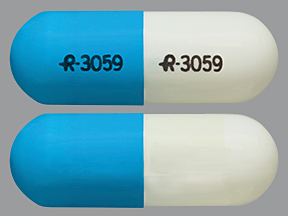 DEXTROAMP-AMPHET ER 10 MG CAP
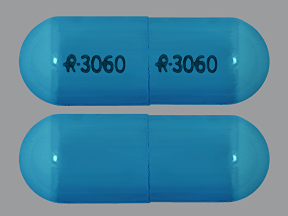 DEXTROAMP-AMPHET ER 20 MG CAP
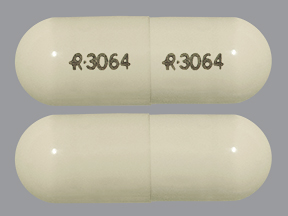 DEXTROAMP-AMPHET ER 25 MG CAP
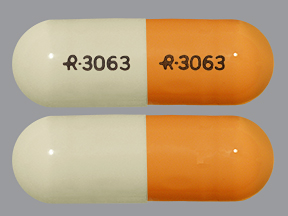 DEXTROAMP-AMPHET ER 15 MG CAP
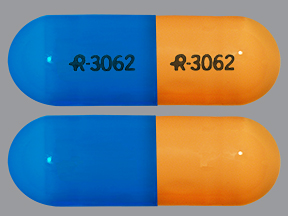 DEXTROAMP-AMPHET ER 5 MG CAP
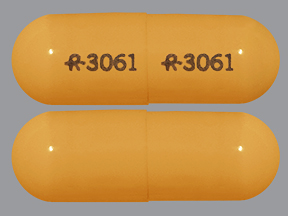 DEXTROAMP-AMPHET ER 30 MG CAP
The following indications for DEXTROAMPHETAMINE-AMPHET ER (dextroamphetamine sulf-saccharate/amphetamine sulf-aspartate) have been approved by the FDA:
Indications:
Attention-deficit hyperactivity disorder
Professional Synonyms:
ADD with hyperactivity
Indications:
Attention-deficit hyperactivity disorder
Professional Synonyms:
ADD with hyperactivity
The following dosing information is available for DEXTROAMPHETAMINE-AMPHET ER (dextroamphetamine sulf-saccharate/amphetamine sulf-aspartate):
Dosage of dextroamphetamine sulfate for the treatment of attention deficit hyperactivity disorder (ADHD) should be individualized based on patient response and tolerance. The smallest dose required to produce the desired response should always be used.
The manufacturer states that the total daily dosage of immediate-release mixed amphetamine salts (Adderall(R)) is bioequivalent to the same total daily dosage of mixed amphetamine salts extended-release capsules (Adderall XR(R)) administered once daily.
Manufacturers state that Mydayis(R) should not be substituted with other amphetamine products on a milligram-per-milligram basis due to different amphetamine base compositions and pharmacokinetic profiles.
Substitution of Dyanavel(R) XR extended-release oral suspension for Dyanavel(R) XR extended-release oral tablets may occur on a milligram-per-milligram basis; however, other amphetamine products should not be substituted on a milligram-per-milligram basis due to different amphetamine base compositions and pharmacokinetic profiles.
Dosages of Dyanavel(R) XR are expressed as the amount of amphetamine base, and dosages of Xelstrym(R) are expressed as the amount of dextroamphetamine delivered over 9 hours; the dosages of other dextroamphetamine products are expressed in terms of the total amount of the salt(s).
Immediate-release (Adderall(R)) and extended-release formulations of mixed amphetamine salts (Adderall XR(R), Mydayis(R), Adzenys XR-ODT(R)) contain d-amphetamine and l-amphetamine salts in a 3:1 ratio. Evekeo(R) contains a racemic mixture of d-amphetamine and l-amphetamine. Dyanavel(R) XR extended-release tablets and oral suspension contain d-amphetamine and l-amphetamine in a 3.2:1
ratio.
The manufacturer states that the total daily dosage of immediate-release mixed amphetamine salts (Adderall(R)) is bioequivalent to the same total daily dosage of mixed amphetamine salts extended-release capsules (Adderall XR(R)) administered once daily.
Manufacturers state that Mydayis(R) and Adzenys XR-ODT(R) should not be substituted with other amphetamine products on a milligram-per-milligram basis due to different amphetamine base compositions and pharmacokinetic profiles.
The manufacturer states that substitution of Dyanavel(R) XR extended-release oral suspension for Dyanavel(R) XR extended-release oral tablets may occur on a milligram-per-milligram basis; however, other amphetamine products should not be substituted on a milligram-per-milligram basis due to different amphetamine base compositions and pharmacokinetic profiles.
Dosages of Adzenys XR-ODT(R) and Dyanavel(R) XR are expressed as the amount of amphetamine base, whereas the dosages of other amphetamine products are expressed in terms of the total amount of amphetamine salts.
Dosage of amphetamines should be adjusted according to individual response, therapeutic needs, and tolerance; the smallest dosage required to produce the desired response should always be used. When possible, therapy should be interrupted occasionally to determine if there is a recurrence of behavioral symptoms sufficient to require continued treatment.
The manufacturer states that medication errors, including substitution and dispensing errors, can occur with Mydayis(R) and other amphetamine products, which can lead to potential overdosage. To avoid potential errors and overdosage, Mydayis(R) should not be substituted with other amphetamine products on a milligram-per-milligram basis due to different amphetamine base compositions and differences in pharmacokinetics.
The manufacturer states that medication errors, including substitution and dispensing errors, can occur with Mydayis(R), Adzenys XR-ODT(R), and other amphetamine products, which can lead to potential overdosage. To avoid potential errors and overdosage, Mydayis(R) and Adzenys XR-ODT(R) should not be substituted with other amphetamine products on a milligram-per-milligram basis due to different amphetamine base compositions and differences in pharmacokinetics.
The manufacturer states that the total daily dosage of immediate-release mixed amphetamine salts (Adderall(R)) is bioequivalent to the same total daily dosage of mixed amphetamine salts extended-release capsules (Adderall XR(R)) administered once daily.
Manufacturers state that Mydayis(R) should not be substituted with other amphetamine products on a milligram-per-milligram basis due to different amphetamine base compositions and pharmacokinetic profiles.
Substitution of Dyanavel(R) XR extended-release oral suspension for Dyanavel(R) XR extended-release oral tablets may occur on a milligram-per-milligram basis; however, other amphetamine products should not be substituted on a milligram-per-milligram basis due to different amphetamine base compositions and pharmacokinetic profiles.
Dosages of Dyanavel(R) XR are expressed as the amount of amphetamine base, and dosages of Xelstrym(R) are expressed as the amount of dextroamphetamine delivered over 9 hours; the dosages of other dextroamphetamine products are expressed in terms of the total amount of the salt(s).
Immediate-release (Adderall(R)) and extended-release formulations of mixed amphetamine salts (Adderall XR(R), Mydayis(R), Adzenys XR-ODT(R)) contain d-amphetamine and l-amphetamine salts in a 3:1 ratio. Evekeo(R) contains a racemic mixture of d-amphetamine and l-amphetamine. Dyanavel(R) XR extended-release tablets and oral suspension contain d-amphetamine and l-amphetamine in a 3.2:1
ratio.
The manufacturer states that the total daily dosage of immediate-release mixed amphetamine salts (Adderall(R)) is bioequivalent to the same total daily dosage of mixed amphetamine salts extended-release capsules (Adderall XR(R)) administered once daily.
Manufacturers state that Mydayis(R) and Adzenys XR-ODT(R) should not be substituted with other amphetamine products on a milligram-per-milligram basis due to different amphetamine base compositions and pharmacokinetic profiles.
The manufacturer states that substitution of Dyanavel(R) XR extended-release oral suspension for Dyanavel(R) XR extended-release oral tablets may occur on a milligram-per-milligram basis; however, other amphetamine products should not be substituted on a milligram-per-milligram basis due to different amphetamine base compositions and pharmacokinetic profiles.
Dosages of Adzenys XR-ODT(R) and Dyanavel(R) XR are expressed as the amount of amphetamine base, whereas the dosages of other amphetamine products are expressed in terms of the total amount of amphetamine salts.
Dosage of amphetamines should be adjusted according to individual response, therapeutic needs, and tolerance; the smallest dosage required to produce the desired response should always be used. When possible, therapy should be interrupted occasionally to determine if there is a recurrence of behavioral symptoms sufficient to require continued treatment.
The manufacturer states that medication errors, including substitution and dispensing errors, can occur with Mydayis(R) and other amphetamine products, which can lead to potential overdosage. To avoid potential errors and overdosage, Mydayis(R) should not be substituted with other amphetamine products on a milligram-per-milligram basis due to different amphetamine base compositions and differences in pharmacokinetics.
The manufacturer states that medication errors, including substitution and dispensing errors, can occur with Mydayis(R), Adzenys XR-ODT(R), and other amphetamine products, which can lead to potential overdosage. To avoid potential errors and overdosage, Mydayis(R) and Adzenys XR-ODT(R) should not be substituted with other amphetamine products on a milligram-per-milligram basis due to different amphetamine base compositions and differences in pharmacokinetics.
Preparations containing dextroamphetamine sulfate are administered orally or transdermally. The following dextroamphetamine formulations are commercially available in the US: immediate-release dextroamphetamine sulfate conventional tablets (e.g., Zenzedi(R)); immediate-release dextroamphetamine sulfate oral solution (e.g, ProCentra(R)); dextroamphetamine sulfate sustained-release capsules (e.g., Dexedrine(R) Spansule(R)); dextroamphetamine transdermal system (e.g., Xelstrym(R)); immediate-release conventional tablets containing mixed amphetamine salts (amphetamine aspartate monohydrate, amphetamine sulfate, dextroamphetamine saccharate, and dextroamphetamine sulfate; e.g., Adderall(R)); triphasic extended-release capsules containing mixed amphetamine salts (amphetamine aspartate monohydrate, amphetamine sulfate, dextroamphetamine saccharate, and dextroamphetamine sulfate; e.g., Mydayis(R)); biphasic extended-release capsules containing mixed amphetamine salts (amphetamine aspartate monohydrate, amphetamine sulfate, dextroamphetamine saccharate, and dextroamphetamine sulfate; e.g., Adderall XR(R)); extended-release tablets containing amphetamine, amphetamine aspartate, and dextroamphetamine sulfate (e.g., Dyanavel(R) XR); and extended-release oral suspension containing amphetamine, amphetamine aspartate, and dextroamphetamine sulfate (e.g., Dyanavel(R) XR). Amphetamine products are administered orally.
The following amphetamine formulations are commercially available in the United States: immediate-release amphetamine sulfate conventional tablets (e.g., Evekeo(R)); immediate-release conventional tablets containing mixed amphetamine salts (amphetamine aspartate, amphetamine sulfate, dextroamphetamine saccharate, and dextroamphetamine sulfate; e.g., Adderall(R)); triphasic extended-release capsules containing mixed amphetamine salts (amphetamine aspartate, amphetamine sulfate, dextroamphetamine saccharate, and dextroamphetamine sulfate; e.g., Mydayis(R)); biphasic extended-release capsules containing mixed amphetamine salts (amphetamine aspartate, amphetamine sulfate, dextroamphetamine saccharate, and dextroamphetamine sulfate; e.g., Adderall XR(R)); extended-release amphetamine orally disintegrating tablets (e.g., Adzenys XR-ODT(R)); extended-release tablets containing amphetamine, amphetamine aspartate, and dextroamphetamine sulfate (e.g., Dyanavel(R) XR); and extended-release oral suspension containing amphetamine, amphetamine aspartate, and dextroamphetamine sulfate (e.g., Dyanavel(R) XR).
The following amphetamine formulations are commercially available in the United States: immediate-release amphetamine sulfate conventional tablets (e.g., Evekeo(R)); immediate-release conventional tablets containing mixed amphetamine salts (amphetamine aspartate, amphetamine sulfate, dextroamphetamine saccharate, and dextroamphetamine sulfate; e.g., Adderall(R)); triphasic extended-release capsules containing mixed amphetamine salts (amphetamine aspartate, amphetamine sulfate, dextroamphetamine saccharate, and dextroamphetamine sulfate; e.g., Mydayis(R)); biphasic extended-release capsules containing mixed amphetamine salts (amphetamine aspartate, amphetamine sulfate, dextroamphetamine saccharate, and dextroamphetamine sulfate; e.g., Adderall XR(R)); extended-release amphetamine orally disintegrating tablets (e.g., Adzenys XR-ODT(R)); extended-release tablets containing amphetamine, amphetamine aspartate, and dextroamphetamine sulfate (e.g., Dyanavel(R) XR); and extended-release oral suspension containing amphetamine, amphetamine aspartate, and dextroamphetamine sulfate (e.g., Dyanavel(R) XR).
| DRUG LABEL | DOSING TYPE | DOSING INSTRUCTIONS |
|---|---|---|
| DEXTROAMP-AMPHET ER 10 MG CAP | Maintenance | Adults take 1 capsule (10 mg) by oral route once daily in the morning upon awakening |
| DEXTROAMP-AMPHET ER 20 MG CAP | Maintenance | Adults take 1 capsule (20 mg) by oral route once daily in the morning upon awakening |
| DEXTROAMP-AMPHET ER 30 MG CAP | Maintenance | Adults take 1 capsule (30 mg) by oral route once daily in the morning upon awakening |
| DEXTROAMP-AMPHET ER 5 MG CAP | Maintenance | Adults take 1 capsule (5 mg) by oral route once daily in the morning upon awakening |
| DEXTROAMP-AMPHET ER 15 MG CAP | Maintenance | Adults take 1 capsule (15 mg) by oral route once daily in the morning upon awakening |
| DEXTROAMP-AMPHET ER 25 MG CAP | Maintenance | Adults take 1 capsule (25 mg) by oral route once daily in the morning upon awakening |
| DRUG LABEL | DOSING TYPE | DOSING INSTRUCTIONS |
|---|---|---|
| DEXTROAMP-AMPHET ER 5 MG CAP | Maintenance | Adults take 1 capsule (5 mg) by oral route once daily in the morning upon awakening |
| DEXTROAMP-AMPHET ER 10 MG CAP | Maintenance | Adults take 1 capsule (10 mg) by oral route once daily in the morning upon awakening |
| DEXTROAMP-AMPHET ER 15 MG CAP | Maintenance | Adults take 1 capsule (15 mg) by oral route once daily in the morning upon awakening |
| DEXTROAMP-AMPHET ER 20 MG CAP | Maintenance | Adults take 1 capsule (20 mg) by oral route once daily in the morning upon awakening |
| DEXTROAMP-AMPHET ER 25 MG CAP | Maintenance | Adults take 1 capsule (25 mg) by oral route once daily in the morning upon awakening |
| DEXTROAMP-AMPHET ER 30 MG CAP | Maintenance | Adults take 1 capsule (30 mg) by oral route once daily in the morning upon awakening |
The following drug interaction information is available for DEXTROAMPHETAMINE-AMPHET ER (dextroamphetamine sulf-saccharate/amphetamine sulf-aspartate):
There are 2 contraindications.
These drug combinations generally should not be dispensed or administered to the same patient. A manufacturer label warning that indicates the contraindication warrants inclusion of a drug combination in this category, regardless of clinical evidence or lack of clinical evidence to support the contraindication.
| Drug Interaction | Drug Names |
|---|---|
| Mixed & Indirect Sympathomimetics; Oral Phenylephrine/MAOIs SEVERITY LEVEL: 1-Contraindicated Drug Combination: This drug combination is contraindicated and generally should not be dispensed or administered to the same patient. MECHANISM OF ACTION: Catecholamine stores increased by MAOIs can be released by indirect acting sympathomimetics such as ephedrine and amphetamine. MAO inhibitors also interfere with gut and liver metabolism of direct acting sympathomimetics (e.g oral phenylephrine). CLINICAL EFFECTS: Concurrent use of MAOIs may result in potentiation of sympathomimetic effects, which may result in headaches, hypertensive crisis, toxic neurological effects, and malignant hyperpyrexia. Fatalities have occurred. PREDISPOSING FACTORS: None determined. PATIENT MANAGEMENT: Concurrent use of monoamine oxidase inhibitors and sympathomimetics is contraindicated. The manufacturers of sympathomimetic agents recommend waiting 14 days after discontinuation of MAO inhibitors before initiating the sympathomimetic. DISCUSSION: Indirect acting sympathomimetic amines may cause abrupt elevation of blood pressure when administered to patients taking monoamine oxidase inhibitors, resulting in a potentially fatal hypertensive crisis. Mixed (direct and indirect) acting sympathomimetics have also been shown to interact with monoamine oxidase inhibitors depending on their degree of indirect action. The direct-acting sympathomimetics have not been reported to interact. Dopamine is metabolized by monoamine oxidase, and its pressor effect is enhanced by monoamine oxidase inhibitors. Since procarbazine, an antineoplastic agent, is a weak monoamine oxidase inhibitor, hypertensive reactions may result from its concurrent use with indirect and mixed acting sympathomimetics. Furazolidone, an antibacterial with monoamine oxidase inhibitor action, has also been shown to interact with indirect acting sympathomimetics. Linezolid is another antibacterial with monoamine oxidase inhibitor properties. Metaxalone is a weak inhibitor of MAO. Foods containing large amounts of tyramine have also been implicated in this interaction. Methylene blue, when administered intravenously, has been shown to reach sufficient concentrations to be a potent inhibitor of MAO-A. At recommended dosages, rasagiline, oral selegiline, and transdermal selegiline up to 6mg/day are selective for MAO-B; however, at higher dosages they have been shown to lose their selectivity. One or more of the drug pairs linked to this monograph have been included in a list of interactions that should be considered "high-priority" for inclusion and should not be inactivated in EHR systems. This DDI subset was vetted by an expert panel commissioned by the U.S. Office of the National Coordinator (ONC) for Health Information Technology. |
EMSAM, FURAZOLIDONE, MARPLAN, MATULANE, METAXALONE, METHYLENE BLUE, NARDIL, PARNATE, PHENELZINE SULFATE, PROCARBAZINE HCL, PROVAYBLUE, SELEGILINE HCL, TRANYLCYPROMINE SULFATE |
| Dihydroergotamine/Sympathomimetics SEVERITY LEVEL: 1-Contraindicated Drug Combination: This drug combination is contraindicated and generally should not be dispensed or administered to the same patient. MECHANISM OF ACTION: Concurrent use of dihydroergotamine and sympathomimetics may result in additive or synergistic effect on peripheral blood vessels.(1) CLINICAL EFFECTS: Concurrent use of dihydroergotamine and sympathomimetics may result in increased blood pressure due to peripheral vasoconstriction.(1) PREDISPOSING FACTORS: None determined. PATIENT MANAGEMENT: Dihydroergotamine is contraindicated with sympathomimetics because the combination may result in additive or synergistic elevation of blood pressure.(1) DISCUSSION: Significant elevation in blood pressure has been reported in patients treated with dihydroergotamine.(1) Sympathomimetics can be expected to have additional effects on blood pressure. |
BREKIYA, DIHYDROERGOTAMINE MESYLATE, MIGRANAL, TRUDHESA |
There are 8 severe interactions.
These drug interactions can produce serious consequences in most patients. Actions required for severe interactions include, but are not limited to, discontinuing one or both agents, adjusting dosage, altering administration scheduling, and providing additional patient monitoring. Review the full interaction monograph for more information.
| Drug Interaction | Drug Names |
|---|---|
| Select Indirect-Acting Sympathomimetics/Tricyclic Compounds SEVERITY LEVEL: 2-Severe Interaction: Action is required to reduce the risk of severe adverse interaction. MECHANISM OF ACTION: Unknown. However, it is speculated that indirect-acting sympathomimetics would have decreased activity due to tricyclic blockage of their uptake into the adrenergic neuron. CLINICAL EFFECTS: Decreased effect of indirect acting sympathomimetics. PREDISPOSING FACTORS: None determined. PATIENT MANAGEMENT: Use of tricyclic compounds and indirect-acting sympathomimetics should be approached with caution. Monitor patients receiving concurrent therapy for decreased sympathomimetic efficacy. DISCUSSION: The pressor effects of the indirect-acting sympathomimetic amines (e.g., amphetamines, ephedrine, and methylphenidate) are antagonized by tricyclic antidepressants. |
AMITRIPTYLINE HCL, AMOXAPINE, ANAFRANIL, CHLORDIAZEPOXIDE-AMITRIPTYLINE, CLOMIPRAMINE HCL, DESIPRAMINE HCL, DOXEPIN HCL, IMIPRAMINE HCL, IMIPRAMINE PAMOATE, NORPRAMIN, NORTRIPTYLINE HCL, PAMELOR, PERPHENAZINE-AMITRIPTYLINE, PROTRIPTYLINE HCL, SILENOR, TRIMIPRAMINE MALEATE |
| Ergot Alkaloids/Sympathomimetics SEVERITY LEVEL: 2-Severe Interaction: Action is required to reduce the risk of severe adverse interaction. MECHANISM OF ACTION: Concurrent use of ergot alkaloids and sympathomimetics may result in additive or synergistic effect on peripheral blood vessels. CLINICAL EFFECTS: Concurrent use of ergot alkaloids and sympathomimetics may result in increased blood pressure due to peripheral vasoconstriction. PREDISPOSING FACTORS: None determined. PATIENT MANAGEMENT: When possible, avoid the concurrent use of ergot alkaloids and sympathomimetics. If concurrent use is warranted, monitor blood pressure and for signs of vasoconstriction. Decreasing the dose of one or both drugs may be necessary. DISCUSSION: There have been reports of severe vasoconstriction resulting in gangrene in patients receiving intravenous ergonovine with dopamine or norepinephrine. |
ERGOLOID MESYLATES, ERGOMAR, ERGOTAMINE TARTRATE, ERGOTAMINE-CAFFEINE, METHYLERGONOVINE MALEATE, METHYSERGIDE MALEATE, MIGERGOT |
| Guanethidine/Sympathomimetics (Indirect Acting) SEVERITY LEVEL: 2-Severe Interaction: Action is required to reduce the risk of severe adverse interaction. MECHANISM OF ACTION: Indirect-acting sympathomimetics may displace guanethidine from adrenergic neurons, thereby antagonizing the clinical effect. CLINICAL EFFECTS: Blood pressure may be increased. PREDISPOSING FACTORS: None determined. PATIENT MANAGEMENT: When possible, use an alternative antihypertensive agent or sympathomimetic. DISCUSSION: This interaction has been demonstrated with concomitant administration of anorexiant-type indirect-acting sympathomimetics and guanethidine. Increased blood pressure has been reported. |
GUANETHIDINE HEMISULFATE |
| Selected Inhalation Anesthetic Agents/Sympathomimetics SEVERITY LEVEL: 2-Severe Interaction: Action is required to reduce the risk of severe adverse interaction. MECHANISM OF ACTION: The exact mechanism is unknown. The anesthetics produce conduction changes that increase impulse re-entry into the myocardial tissue.(1) The anesthetics' ability to precipitate arrhythmias is enhanced by elevated arterial blood pressure, tachycardia, hypercapnia, and/or hypoxia, events that stimulate the release of endogenous catecholamines.(1) CLINICAL EFFECTS: Concurrent use of inhalation anesthetic agents and sympathomimetics may result in ventricular arrhythmias or sudden blood pressure and heart rate increase during surgery.(2) PREDISPOSING FACTORS: None determined. PATIENT MANAGEMENT: Monitor blood pressure and avoid use of sympathomimetics in patients being treated with anesthetics on the day of surgery.(2) Intravenous use of epinephrine during surgery with halothane and related halogenated general anesthetics should be strongly discouraged. When intravenous epinephrine is necessary, nitrous oxide anesthesia supplemented with ether, muscle relaxants, or opioids should be used instead of halothane.(3,4) Epinephrine may safely be used subcutaneously with the following precautions: the patient is adequately ventilated to prevent hypoxia or respiratory acidosis; the total dose of epinephrine is limited to 100 mcg/10 minute period or 300 mcg/hour in adults, 3.5 mcg/Kg in infants, 2.5 mcg/Kg in children up to two years of age, and 1.45 mcg/Kg in children over two years of age; a minimum effective concentration of anesthetic is maintained; the drugs are not co-administered in patients with hypertension or other cardiovascular disorders; and the cardiac rhythm is continuously monitored during and after injection.(3-10) If arrhythmias occur after the administration of the epinephrine, the drugs of choice are lidocaine or propranolol, depending on the type of arrhythmia.(1) DISCUSSION: Administration of epinephrine during halothane anesthesia may may lead to serious ventricular arrhythmias.(3-6,11-18) This has occurred when epinephrine was administered intravenously,(6) when it was administered with lidocaine as a dental block,(11,14) or when it was administered supraperiosteally.(5) Norepinephrine has been shown to interact with halothane in a manner similar to epinephrine.(1) In two case reports, patients were given terbutaline (0.25 to 0.35 mg) for wheezing following induction of anesthesia with halothane. One patient's heart rate increased from 68 to 100 beats/minute, and the ECG showed premature ventricular contractions and bigeminy, while the other patient developed multiple unifocal premature ventricular contractions and bigeminy. The arrhythmias resolved in both patients following lidocaine administration.(19) Although not documented, isoproterenol causes effects on the heart similar to terbutaline(20) and would probably interact with halothane in a similar manner. Other inhalation anesthetics that increase the incidence of arrhythmias with epinephrine include chloroform,(20) methoxyflurane,(20) and enflurane.(12) A similar interaction may be expected between the other inhalation anesthetics and sympathomimetics. |
DESFLURANE, FORANE, ISOFLURANE, SEVOFLURANE, SUPRANE, TERRELL, ULTANE |
| Mixed & Indirect Sympathomimetics; Oral Phenylephrine/Selected MAOIs SEVERITY LEVEL: 2-Severe Interaction: Action is required to reduce the risk of severe adverse interaction. MECHANISM OF ACTION: Catecholamine stores increased by MAOIs can be released by indirect acting sympathomimetics such as ephedrine and amphetamine. MAO inhibitors also interfere with gut and liver metabolism of direct acting sympathomimetics (e.g oral phenylephrine). CLINICAL EFFECTS: Concurrent use of MAOIs may result in potentiation of sympathomimetic effects, which may result in headaches, hypertensive crisis, toxic neurological effects, and malignant hyperpyrexia. Fatalities have occurred with combinations of sympathomimetics and MAO-A inhibitors. PREDISPOSING FACTORS: None determined. PATIENT MANAGEMENT: Concurrent use of MAO-A inhibitors and sympathomimetics is contraindicated. The manufacturers of sympathomimetic agents recommend waiting 14 days after discontinuation of MAO inhibitors before initiating the sympathomimetic. Patients receiving indirect acting sympathomimetics should not receive linezolid unless they are monitored for potential increases in blood pressure. Initial dosages of dopamine should be reduced. At recommended dosages, oral selegiline and transdermal selegiline up to 6mg/day are selective for MAO-B; however, at higher dosages they have been shown to lose their selectivity. Patients receiving higher dosages of selegiline should be considered susceptive to this interaction. DISCUSSION: Indirect acting sympathomimetic amines may cause abrupt elevation of blood pressure when administered to patients taking monoamine oxidase inhibitors, resulting in a potentially fatal hypertensive crisis. Mixed (direct and indirect) acting sympathomimetics have also been shown to interact with monoamine oxidase inhibitors depending on their degree of indirect action. The direct-acting sympathomimetics have not been reported to interact. Dopamine is metabolized by monoamine oxidase, and its pressor effect is enhanced by monoamine oxidase inhibitors. Furazolidone, an antibacterial with monoamine oxidase inhibitor action, has also been shown to interact with indirect acting sympathomimetics. Foods containing large amounts of tyramine have also been implicated in this interaction. A significant pressor response was observed in normal subjects receiving linezolid and tyramine doses of more than 100 mg. Administration of linezolid (600 mg BID for 3 days) with pseudoephedrine (60 mg q 4 hours for 2 doses) increased blood pressure by 32 mmHg. Administration of linezolid (600 mg BID for 3 days) with phenylpropanolamine (25 mg q 4 hours for 2 doses) increased blood pressure by 38 mmHg. One or more of the drug pairs linked to this monograph have been included in a list of interactions that should be considered "high-priority" for inclusion and should not be inactivated in EHR systems. This DDI subset was vetted by an expert panel commissioned by the U.S. Office of the National Coordinator (ONC) for Health Information Technology. |
EMSAM, LINEZOLID, LINEZOLID-0.9% NACL, LINEZOLID-D5W, SELEGILINE HCL, XADAGO, ZELAPAR, ZYVOX |
| Ioflupane I 123/Dopamine Transporter Binders SEVERITY LEVEL: 2-Severe Interaction: Action is required to reduce the risk of severe adverse interaction. MECHANISM OF ACTION: Ioflupane binds to the dopamine transporter. Agents that also bind to this transporter may affect the results of single photon emission computed tomography (SPECT) brain imaging using ioflupane.(1) CLINICAL EFFECTS: SPECT imaging using ioflupane may not be accurate in patients taking other drugs that bind to the dopamine transporter binders.(1) PREDISPOSING FACTORS: None determined. PATIENT MANAGEMENT: It is unknown if discontinuing other agents that bind to the dopamine transporter prior to a scan with ioflupane will decrease interference with the scan.(1) Make sure the radiologist interpreting the scan knows the patient is taking another agent that binds to the dopamine transporter. Alternative diagnostic tools may need to be considered. DISCUSSION: Ioflupane binds to the dopamine transporter. Agents that also bind to this transporter may affect the results of the scan. These agents include amoxapine, amphetamine, armodafinil, benztropine, bupropion, buspirone, citalopram, cocaine, dexmethylphenidate, escitalopram, fluoxetine, fluvoxamine, mazindol, methamphetamine, methylphenidate, modafinil, norephedrine, paroxetine, phentermine, phenylpropanolamine, selegiline, and sertraline.(1) |
DATSCAN, IOFLUPANE I-123 |
| Iobenguane I 123/Agents that Affect Catecholamines SEVERITY LEVEL: 2-Severe Interaction: Action is required to reduce the risk of severe adverse interaction. MECHANISM OF ACTION: Many compounds that reduce catecholamine uptake or that deplete catecholamine stores may interfere with iobenguane uptake into cells.(1) CLINICAL EFFECTS: Compounds that reduce catecholamine uptake or that deplete catecholamine stores may interfere with imaging completed with iobenguane.(1) PREDISPOSING FACTORS: None determined. PATIENT MANAGEMENT: Discuss the use of agents that affect catecholamines. Discontinue drugs that reduce catecholamine uptake or deplete catecholamine stores prior to imaging with iobenguane. Before imaging with iobenguane, discontinue agents that affect catecholamines for at least 5 biological half-lives, as clinically tolerated.(1) DISCUSSION: Many agents may reduce catecholamine uptake or deplete catecholamine stores.(1) Examples include: - CNS stimulants or amphetamines (e.g. cocaine, methylphenidate, dextroamphetamine) - norepinephrine and dopamine reuptake inhibitors (e.g. phentermine) - norepinephrine and serotonin reuptake inhibitors (e.g. tramadol) - monoamine oxidase inhibitors (e.g. phenelzine, linezolid) - central monoamine depleting drugs (e.g. reserpine) - non-select beta adrenergic blocking drugs (e.g. labetalol) - alpha agonists or alpha/beta agonists (e.g. pseudoephedrine, phenylephrine, ephedrine, phenylpropanolamine, naphazoline) - tricyclic antidepressants or norepinephrine reuptake inhibitors (e.g. amitriptyline, bupropion, duloxetine, mirtazapine, venlafaxine) - botanicals that may inhibit reuptake of norepinephrine, serotonin or dopamine (e.g. ephedra, ma huang, St. John's Wort, yohimbine) |
ADREVIEW |
| Mixed & Indirect Sympathomimetics; Oral Phenylephrine/Rasagiline SEVERITY LEVEL: 2-Severe Interaction: Action is required to reduce the risk of severe adverse interaction. MECHANISM OF ACTION: Catecholamine stores increased by MAOIs can be released by indirect acting sympathomimetics such as ephedrine and amphetamine. MAO inhibitors also interfere with gut and liver metabolism of direct acting sympathomimetics (e.g oral phenylephrine). CLINICAL EFFECTS: Concurrent use of MAOIs may result in potentiation of sympathomimetic effects, which may result in headaches, hypertensive crisis, toxic neurological effects, and malignant hyperpyrexia. Hypertensive crisis has been reported in patients taking recommended doses of rasagiline with sympathomimetic agents. PREDISPOSING FACTORS: None determined. PATIENT MANAGEMENT: At recommended dosages, rasagiline is selective for MAO-B; however, at higher dosages it has been shown to lose its selectivity. Patients receiving higher dosages of rasagiline should be considered susceptive to this interaction. Concurrent use should be approached with caution. DISCUSSION: Indirect acting sympathomimetic amines may cause abrupt elevation of blood pressure when administered to patients taking monoamine oxidase inhibitors, resulting in a potentially fatal hypertensive crisis. Mixed (direct and indirect) acting sympathomimetics have also been shown to interact with monoamine oxidase inhibitors depending on their degree of indirect action. The direct-acting sympathomimetics have not been reported to interact. Dopamine is metabolized by monoamine oxidase, and its pressor effect is enhanced by monoamine oxidase inhibitors. |
AZILECT, RASAGILINE MESYLATE |
There are 11 moderate interactions.
The clinician should assess the patient’s characteristics and take action as needed. Actions required for moderate interactions include, but are not limited to, discontinuing one or both agents, adjusting dosage, altering administration.
| Drug Interaction | Drug Names |
|---|---|
| Amphetamines; Phentermine/SSRIs; SNRIs SEVERITY LEVEL: 3-Moderate Interaction: Assess the risk to the patient and take action as needed. MECHANISM OF ACTION: Amphetamines may affect serotonin release and/or reuptake, depending on their molecular structure. Ring substitution tends to increase amphetamine-induced release of endogenous serotonin. However, the effect on serotonin release may also be dose related and is more likely if the amphetamine is taken in doses greater than those approved and generally employed in treating Attention-deficit-hyperactivity-disorder, or if abused, especially over long periods of time.(1) Amphetamines, phentermine and serotonin-norepinephrine reuptake inhibitors(SNRIs) may have additive effects on blood pressure. CLINICAL EFFECTS: Concurrent use of amphetamines with agents that affect serotonin may increase the risk of serotonin syndrome. Symptoms of serotonin syndrome may include tremor, agitation, diaphoresis, hyperreflexia, clonus, tachycardia, hyperthermia, and muscle rigidity.(8) Concurrent use of amphetamines or phentermine and a SNRI may increase the risk for high blood pressure or make hypertension more difficult to control. SSRIs and SNRIs linked to this monograph are: citalopram, desvenlafaxine, duloxetine, escitalopram, fluoxetine, fluvoxamine, levomilnacipran, milnacipran, paroxetine, sertraline, venlafaxine, vilazodone and vortioxetine. PREDISPOSING FACTORS: High doses or long-term abuse of amphetamines may increase the risk of this interaction. PATIENT MANAGEMENT: The concurrent use of amphetamines with SSRIs or SNRIs should be approached with appropriate monitoring. Instruct patients receiving concurrent therapy to report any signs or symptoms of serotonin syndrome immediately. Monitor blood pressure during concurrent therapy and adjust dosage or change medication for persistent increases in blood pressure. If concurrent therapy is warranted, patients should be monitored for signs and symptoms of serotonin syndrome. Instruct patients to report muscle twitching, tremors, shivering and stiffness, fever, heavy sweating, heart palpitations, restlessness, confusion, agitation, trouble with coordination, or severe diarrhea. DISCUSSION: In a case report, a 13 year-old female experienced tachycardia when amphetamine was added to her sertraline regimen.(2) Increased side effects have also been reported in patients maintained on fluoxetine who ingested illicit amphetamines.(3) In a case report, a 22 year-old female had previously been taking phentermine and oral contraceptive agents. The patient stopped taking phentermine and, after an undetermined length of time, started taking fluoxetine (20 mg daily). The patient discontinued her fluoxetine after three months. Eight days later, she took one dose of phentermine (30 mg). Within several hours, she developed jitteriness, stomach cramps, dry eyes, palpitations, and tremors. The patient received once dose of lorazepam (1.5 mg) and her symptoms resolved over night.(4) In a case report, a 32 year-old male developed agitation, anxiety, shivering, tremors, and diaphoresis two weeks after adding venlafaxine to his dexamphetamine.(5) There have also been reports of safe and effective use of amphetamines with fluoxetine,(6) dextroamphetamine and sertraline,(6) and dextroamphetamine with fluoxetine.(7) |
CELEXA, CITALOPRAM HBR, DESVENLAFAXINE ER, DESVENLAFAXINE SUCCINATE ER, DRIZALMA SPRINKLE, DULOXETINE HCL, DULOXICAINE, EFFEXOR XR, ESCITALOPRAM OXALATE, FETZIMA, FLUOXETINE DR, FLUOXETINE HCL, FLUVOXAMINE MALEATE, FLUVOXAMINE MALEATE ER, LEXAPRO, MILNACIPRAN HCL, OLANZAPINE-FLUOXETINE HCL, PAROXETINE CR, PAROXETINE ER, PAROXETINE HCL, PAROXETINE MESYLATE, PAXIL, PAXIL CR, PRISTIQ, PROZAC, SAVELLA, SERTRALINE HCL, TRINTELLIX, VENLAFAXINE BESYLATE ER, VENLAFAXINE HCL, VENLAFAXINE HCL ER, VIIBRYD, VILAZODONE HCL, ZOLOFT |
| Amphetamines/H2 Antagonists; Proton Pump Inhibitors SEVERITY LEVEL: 3-Moderate Interaction: Assess the risk to the patient and take action as needed. MECHANISM OF ACTION: H2 antagonists and proton pump inhibitors (PPIs) may alter the timing of absorption of amphetamines. CLINICAL EFFECTS: Concurrent use of amphetamines and H2 antagonists or PPIs may result in an increased absorption rate and a change in timing of peak amphetamine levels. PREDISPOSING FACTORS: None determined. PATIENT MANAGEMENT: The US manufacturer states that patients receiving concurrent amphetamines and H2 antagonists or PPIs should be monitored for changes in the timing and clinical effects of amphetamines.(1) Monitor patients receiving concurrent therapy for changes in amphetamine effectiveness and side effects. The Canadian manufacturer states that concurrent use of proton pump inhibitors and amphetamines should be avoided.(3) DISCUSSION: During concurrent use of a proton pump inhibitor, the median time to maximum concentration (Tmax) of Adderall XR decreased from 5 hours to 2.75 hours.(3) In a 4-way crossover study in healthy subjects, omeprazole had no effect on the total exposure a single dose of mixed amphetamine salts (20 mg); however median Tmax decreased from 5 hours to 2.75 hours. Approximately 50% of subjects had a decrease in Tmax of equal to or greater than 1 hour.(4) |
ACIPHEX, ACIPHEX SPRINKLE, CIMETIDINE, DEXILANT, DEXLANSOPRAZOLE DR, ESOMEPRAZOLE MAGNESIUM, ESOMEPRAZOLE SODIUM, FAMOTIDINE, IBUPROFEN-FAMOTIDINE, KONVOMEP, LANSOPRAZOL-AMOXICIL-CLARITHRO, LANSOPRAZOLE, NAPROXEN-ESOMEPRAZOLE MAG, NEXIUM, NIZATIDINE, OMEPRAZOLE, OMEPRAZOLE-SODIUM BICARBONATE, PANTOPRAZOLE SODIUM, PANTOPRAZOLE SODIUM-0.9% NACL, PEPCID, PREVACID, PRILOSEC, PROTONIX, PROTONIX IV, RABEPRAZOLE SODIUM, RANITIDINE HCL, TALICIA, VOQUEZNA, VOQUEZNA DUAL PAK, VOQUEZNA TRIPLE PAK, YOSPRALA |
| Amphetamines/Tramadol SEVERITY LEVEL: 3-Moderate Interaction: Assess the risk to the patient and take action as needed. MECHANISM OF ACTION: Opioids and stimulants exhibit opposing effects on the CNS.(1) Amphetamines may affect serotonin release and/or reuptake, depending on their molecular structure. Ring substitution tends to increase amphetamine-induced release of endogenous serotonin. However, the effect on serotonin release may also be dose related and is more likely if the amphetamine is taken in doses greater than those approved and generally employed in treating attention-deficit-hyperactivity-disorder, or if abused, especially over long periods of time.(2) Concurrent administration of amphetamines with tramadol may result in additive effects on serotonin, resulting in serotonin syndrome.(3,4) CLINICAL EFFECTS: Concurrent use of opioids and stimulants may have unpredictable effects and may mask overdose symptoms of the opioid, such as drowsiness and inability to focus. Concurrent use of amphetamines with other serotonergic agents may increase the risk of serotonin syndrome, a potentially life-threatening syndrome which may include one or more of the following symptoms: tremor, agitation, diaphoresis, hyperreflexia, clonus, tachycardia, hyperthermia, and muscle rigidity.(5) PREDISPOSING FACTORS: Concurrent use of alcohol or other CNS depressants may increase the risk of adverse effects. High doses or long-term abuse of amphetamines may increase the risk of serotonin syndrome. Use of multiple drugs which increase serotonin levels is associated with an increased risk for this toxidrome. PATIENT MANAGEMENT: Limit prescribing tramadol with CNS stimulants such as amphetamines to patients for whom alternatives are ineffective, not tolerated, or would be otherwise inadequate to provide sufficient management of pain. If concurrent use is necessary, limit the dosages and duration of each drug to the minimum possible while achieving the desired clinical effect. Consider initiating amphetamines or tramadol at lower doses and monitor for signs and symptoms of serotonin syndrome. Concurrent use of amphetamines with tramadol should be approached with appropriate monitoring. Discontinue medication if symptoms occur.(3,4) Instruct patients receiving concurrent therapy to report any signs or symptoms of serotonin syndrome immediately. Monitor patients receiving concurrent therapy for signs of substance abuse. Respiratory depression can occur at any time during opioid therapy, especially during therapy initiation and following dosage increases. The risk of opioid-related overdose or overdose-related death is increased with higher opioid doses, and this risk persists over the course of therapy. Consider these risks when using concurrently with stimulants.(1) Discuss opioid reversal agents (e.g., naloxone, nalmefene) with all patients when prescribing or renewing an opioid analgesic or medicine to treat opioid use disorder (OUD). Consider prescribing opioid reversal agents (e.g., naloxone, nalmefene) to patients prescribed medicines to treat OUD or opioid analgesics who are at increased risk of opioid overdose (such as those taking CNS depressants) and when a patient has household members/close contacts at risk for accidental overdose. Discuss the options for obtaining an opioid reversal agent (e.g., prescription, over-the-counter, or as part of a community-based program).(1) DISCUSSION: A total of 70,237 persons died from drug overdoses in the United States in 2017; approximately two thirds of these deaths involved an opioid.(2). The CDC analyzed 2016-2017 changes in age-adjusted death rates involving cocaine and psychostimulants by demographic characteristics, urbanization levels, U.S. Census region, 34 states, and the District of Columbia (DC). The CDC also examined trends in age-adjusted cocaine-involved and psychostimulant-involved death rates from 2003 to 2017 overall, as well as with and without co-involvement of opioids. Among all 2017 drug overdose deaths, 13,942 (19.8%) involved cocaine, and 10,333 (14.7%) involved psychostimulants. Death rates increased from 2016 to 2017 for both drug categories across demographic characteristics, urbanization levels, Census regions, and states. In 2017, opioids were involved in 72.7% and 50.4% of cocaine-involved and psychostimulant-involved overdoses, respectively, and the data suggest that increases in cocaine-involved overdose deaths from 2012 to 2017 were driven primarily by synthetic opioids.(7) There was opioid co-involvement in 72.7 percent of cocaine and 50.4 percent of stimulant-involved overdose deaths. This was largely driven by synthetic opioids such as fentanyl. However, stimulant-involved overdose without opioid co-involvement is also increasing.(6) |
CONZIP, QDOLO, TRAMADOL HCL, TRAMADOL HCL ER, TRAMADOL HCL-ACETAMINOPHEN |
| Opioids (Immediate Release)/Selected Stimulants SEVERITY LEVEL: 3-Moderate Interaction: Assess the risk to the patient and take action as needed. MECHANISM OF ACTION: Opioids and stimulants exhibit opposing effects on the CNS. CLINICAL EFFECTS: Concurrent use of opioids and stimulants may have unpredictable effects and may mask overdose symptoms of the opioid, such as drowsiness and inability to focus. PREDISPOSING FACTORS: Concurrent use of alcohol or other CNS depressants may increase the risk of adverse effects. PATIENT MANAGEMENT: Limit prescribing opioid analgesics with CNS stimulants such as amphetamines to patients for whom alternatives are ineffective, not tolerated, or would be otherwise inadequate to provide sufficient management of pain. If concurrent use is necessary, limit the dosages and duration of each drug to the minimum possible while achieving the desired clinical effect. Respiratory depression can occur at any time during opioid therapy, especially during therapy initiation and following dosage increases. The risk of opioid-related overdose or overdose-related death is increased with higher opioid doses, and this risk persists over the course of therapy. Consider these risks when using concurrently with other agents that may cause CNS depression.(1) Monitor patients receiving concurrent therapy for signs of substance abuse. Monitor patients receiving concurrent therapy for unusual dizziness or lightheadedness, extreme sleepiness, slowed or difficult breathing, or unresponsiveness. Discuss opioid reversal agents (e.g., naloxone, nalmefene) with all patients when prescribing or renewing an opioid analgesic or medicine to treat opioid use disorder (OUD). Consider prescribing an opioid reversal agent (e.g., naloxone, nalmefene) to patients prescribed medicines to treat OUD or opioid analgesics who are at increased risk of opioid overdose (such as those taking CNS depressants) and when a patient has household members/close contacts at risk for accidental overdose. Discuss the options for obtaining an opioid reversal agent (e.g., prescription, over-the-counter, or as part of a community-based program). DISCUSSION: A total of 70,237 persons died from drug overdoses in the United States in 2017; approximately two thirds of these deaths involved an opioid.(2). The CDC analyzed 2016-2017 changes in age-adjusted death rates involving cocaine and psychostimulants by demographic characteristics, urbanization levels, U.S. Census region, 34 states, and the District of Columbia (DC). The CDC also examined trends in age-adjusted cocaine-involved and psychostimulant-involved death rates from 2003 to 2017 overall, as well as with and without co-involvement of opioids. Among all 2017 drug overdose deaths, 13,942 (19.8%) involved cocaine, and 10,333 (14.7%) involved psychostimulants. Death rates increased from 2016 to 2017 for both drug categories across demographic characteristics, urbanization levels, Census regions, and states. In 2017, opioids were involved in 72.7% and 50.4% of cocaine-involved and psychostimulant-involved overdoses, respectively, and the data suggest that increases in cocaine-involved overdose deaths from 2012 to 2017 were driven primarily by synthetic opioids.(3) There was opioid co-involvement in 72.7 percent of cocaine and 50.4 percent of stimulant-involved overdose deaths. This was largely driven by synthetic opioids such as fentanyl. However, stimulant-involved overdose without opioid co-involvement is also increasing.(2) |
ACETAMIN-CAFF-DIHYDROCODEINE, ACETAMINOPHEN-CODEINE, ASA-BUTALB-CAFFEINE-CODEINE, ASCOMP WITH CODEINE, BELBUCA, BELLADONNA-OPIUM, BUPRENORPHINE HCL, BUPRENORPHINE-NALOXONE, BUTALB-ACETAMINOPH-CAFF-CODEIN, BUTORPHANOL TARTRATE, CARISOPRODOL-ASPIRIN-CODEINE, CODEINE PHOSPHATE, CODEINE SULFATE, DIHYDROCODEINE BITARTRATE, DILAUDID, DISKETS, DSUVIA, DURAMORPH, ENDOCET, FENTANYL CITRATE, FENTANYL CITRATE-0.9% NACL, FENTANYL CITRATE-D5W, FENTANYL CITRATE-STERILE WATER, FENTANYL CITRATE-WATER, FENTANYL-BUPIVACAINE-0.9% NACL, FENTANYL-BUPIVACAINE-NACL, FENTANYL-ROPIVACAINE-0.9% NACL, FENTANYL-ROPIVACAINE-NACL, HYDROCODONE BITARTRATE, HYDROCODONE-ACETAMINOPHEN, HYDROCODONE-IBUPROFEN, HYDROMORPHONE HCL, HYDROMORPHONE HCL-0.9% NACL, HYDROMORPHONE HCL-D5W, HYDROMORPHONE HCL-NACL, HYDROMORPHONE HCL-WATER, INFUMORPH, LEVORPHANOL TARTRATE, METHADONE HCL, METHADONE HCL-0.9% NACL, METHADONE HCL-NACL, METHADONE INTENSOL, METHADOSE, MITIGO, MORPHINE SULFATE, MORPHINE SULFATE-0.9% NACL, MORPHINE SULFATE-NACL, NALBUPHINE HCL, NALOCET, NUCYNTA, OPIUM TINCTURE, OXYCODONE HCL, OXYCODONE HYDROCHLORIDE, OXYCODONE-ACETAMINOPHEN, OXYMORPHONE HCL, PENTAZOCINE-NALOXONE HCL, PERCOCET, PRIMLEV, PROLATE, REMIFENTANIL HCL, ROXICODONE, ROXYBOND, SUBOXONE, SUFENTANIL CITRATE, TAPENTADOL HCL, TREZIX, ULTIVA, XYVONA, ZUBSOLV |
| Opioids (Extended Release)/Selected Stimulants SEVERITY LEVEL: 3-Moderate Interaction: Assess the risk to the patient and take action as needed. MECHANISM OF ACTION: Opioids and stimulants exhibit opposing effects on the CNS. CLINICAL EFFECTS: Concurrent use of opioids and stimulants may have unpredictable effects and may mask overdose symptoms of the opioid, such as drowsiness and inability to focus. PREDISPOSING FACTORS: Concurrent use of alcohol or other CNS depressants may increase the risk of adverse effects. PATIENT MANAGEMENT: Limit prescribing opioid analgesics with CNS stimulants such as amphetamines to patients for whom alternatives are ineffective, not tolerated, or would be otherwise inadequate to provide sufficient management of pain. If concurrent use is necessary, limit the dosages and duration of each drug to the minimum possible while achieving the desired clinical effect. Respiratory depression can occur at any time during opioid therapy, especially during therapy initiation and following dosage increases. The risk of opioid-related overdose or overdose-related death is increased with higher opioid doses, and this risk persists over the course of therapy. Consider these risks when using concurrently with other agents that may cause CNS depression.(1) Monitor patients receiving concurrent therapy for signs of substance abuse. Monitor patients receiving concurrent therapy for unusual dizziness or lightheadedness, extreme sleepiness, slowed or difficult breathing, or unresponsiveness. Discuss opioid reversal agents (e.g., naloxone, nalmefene) with all patients when prescribing or renewing an opioid analgesic or medicine to treat opioid use disorder (OUD). Consider prescribing opioid reversal agents (e.g., naloxone, nalmefene) to patients prescribed medicines to treat OUD or opioid analgesics who are at increased risk of opioid overdose (such as those taking CNS depressants) and when a patient has household members/close contacts at risk for accidental overdose. Discuss the options for obtaining an opioid reversal agent (e.g., prescription, over-the-counter, or as part of a community-based program). DISCUSSION: A total of 70,237 persons died from drug overdoses in the United States in 2017; approximately two thirds of these deaths involved an opioid.(2). The CDC analyzed 2016-2017 changes in age-adjusted death rates involving cocaine and psychostimulants by demographic characteristics, urbanization levels, U.S. Census region, 34 states, and the District of Columbia (DC). The CDC also examined trends in age-adjusted cocaine-involved and psychostimulant-involved death rates from 2003 to 2017 overall, as well as with and without co-involvement of opioids. Among all 2017 drug overdose deaths, 13,942 (19.8%) involved cocaine, and 10,333 (14.7%) involved psychostimulants. Death rates increased from 2016 to 2017 for both drug categories across demographic characteristics, urbanization levels, Census regions, and states. In 2017, opioids were involved in 72.7% and 50.4% of cocaine-involved and psychostimulant-involved overdoses, respectively, and the data suggest that increases in cocaine-involved overdose deaths from 2012 to 2017 were driven primarily by synthetic opioids.(3) There was opioid co-involvement in 72.7 percent of cocaine and 50.4 percent of stimulant-involved overdose deaths. This was largely driven by synthetic opioids such as fentanyl. However, stimulant-involved overdose without opioid co-involvement is also increasing.(2) |
BRIXADI, BUPRENORPHINE, BUTRANS, FENTANYL, HYDROCODONE BITARTRATE ER, HYDROMORPHONE ER, HYSINGLA ER, MORPHINE SULFATE ER, MS CONTIN, NUCYNTA ER, OXYCODONE HCL ER, OXYCONTIN, OXYMORPHONE HCL ER, SUBLOCADE, TAPENTADOL ER, XTAMPZA ER |
| Benzodiazepines/Selected Stimulants SEVERITY LEVEL: 3-Moderate Interaction: Assess the risk to the patient and take action as needed. MECHANISM OF ACTION: Benzodiazepines and stimulants exhibit opposing effects on the CNS. CLINICAL EFFECTS: Concurrent use of benzodiazepine and stimulants may have unpredictable effects and may mask overdose symptoms of the benzodiazepine, such as drowsiness and inability to focus. PREDISPOSING FACTORS: Concurrent use of alcohol or other CNS depressants may increase the risk of adverse effects. PATIENT MANAGEMENT: Limit prescribing benzodiazepines with CNS stimulants such as amphetamines to patients for whom alternatives are inadequate. If concurrent use is necessary, limit the dosages and duration of each drug to the minimum possible while achieving the desired clinical effect. Monitor patients receiving concurrent therapy for signs of substance abuse. DISCUSSION: Analysis of the 2015 and 2016 National Survey on Drug Use and Health found that misuse of benzodiazepines was strongly associated with misuse of or dependences on stimulants.(1) Benzodiazepines are used to reduce the adverse effects of stimulant use, such as insomnia.(2) Patients abusing benzodiazepines in combination with other drugs tend to consume higher dosages of benzodiazepines than patients abusing only benzodiazepines.(3) |
ALPRAZOLAM, ALPRAZOLAM ER, ALPRAZOLAM INTENSOL, ALPRAZOLAM ODT, ALPRAZOLAM XR, ATIVAN, BYFAVO, CHLORDIAZEPOXIDE HCL, CHLORDIAZEPOXIDE-AMITRIPTYLINE, CHLORDIAZEPOXIDE-CLIDINIUM, CLOBAZAM, CLONAZEPAM, CLORAZEPATE DIPOTASSIUM, DIAZEPAM, DORAL, ESTAZOLAM, FLURAZEPAM HCL, HALCION, KLONOPIN, LIBRAX, LORAZEPAM, LORAZEPAM INTENSOL, LOREEV XR, MIDAZOLAM, MIDAZOLAM HCL, MIDAZOLAM HCL-0.8% NACL, MIDAZOLAM HCL-0.9% NACL, MIDAZOLAM HCL-D5W, MIDAZOLAM HCL-NACL, MIDAZOLAM-0.9% NACL, MIDAZOLAM-NACL, MKO (MIDAZOLAM-KETAMINE-ONDAN), NAYZILAM, ONFI, OXAZEPAM, QUAZEPAM, RESTORIL, SYMPAZAN, TEMAZEPAM, TRIAZOLAM, VALIUM, VALTOCO, XANAX, XANAX XR |
| Opioids (Cough & Cold)/Selected Stimulants SEVERITY LEVEL: 3-Moderate Interaction: Assess the risk to the patient and take action as needed. MECHANISM OF ACTION: Opioids and stimulants exhibit opposing effects on the CNS. CLINICAL EFFECTS: Concurrent use of opioids and stimulants may have unpredictable effects and may mask overdose symptoms of the opioid, such as drowsiness and inability to focus. PREDISPOSING FACTORS: Concurrent use of alcohol or other CNS depressants may increase the risk of adverse effects. PATIENT MANAGEMENT: Limit prescribing opioid analgesics with CNS stimulants such as amphetamines to patients for whom alternatives are ineffective, not tolerated, or would be otherwise inadequate to provide sufficient management of pain. If concurrent use is necessary, limit the dosages and duration of each drug to the minimum possible while achieving the desired clinical effect. Respiratory depression can occur at any time during opioid therapy, especially during therapy initiation and following dosage increases. The risk of opioid-related overdose or overdose-related death is increased with higher opioid doses, and this risk persists over the course of therapy. Consider these risks when using concurrently with other agents that may cause CNS depression.(1) Monitor patients receiving concurrent therapy for signs of substance abuse. Monitor patients receiving concurrent therapy for unusual dizziness or lightheadedness, extreme sleepiness, slowed or difficult breathing, or unresponsiveness. Discuss opioid reversal agents (e.g., naloxone, nalmefene) with all patients when prescribing or renewing an opioid analgesic or medicine to treat opioid use disorder (OUD). Consider prescribing opioid reversal agents (e.g., naloxone, nalmefene) to patients prescribed medicines to treat OUD or opioid analgesics who are at increased risk of opioid overdose (such as those taking CNS depressants) and when a patient has household members/close contacts at risk for accidental overdose. Discuss the options for obtaining an opioid reversal agent (e.g., prescription, over-the-counter, or as part of a community-based program). DISCUSSION: A total of 70,237 persons died from drug overdoses in the United States in 2017; approximately two thirds of these deaths involved an opioid.(2). The CDC analyzed 2016-2017 changes in age-adjusted death rates involving cocaine and psychostimulants by demographic characteristics, urbanization levels, U.S. Census region, 34 states, and the District of Columbia (DC). The CDC also examined trends in age-adjusted cocaine-involved and psychostimulant-involved death rates from 2003 to 2017 overall, as well as with and without co-involvement of opioids. Among all 2017 drug overdose deaths, 13,942 (19.8%) involved cocaine, and 10,333 (14.7%) involved psychostimulants. Death rates increased from 2016 to 2017 for both drug categories across demographic characteristics, urbanization levels, Census regions, and states. In 2017, opioids were involved in 72.7% and 50.4% of cocaine-involved and psychostimulant-involved overdoses, respectively, and the data suggest that increases in cocaine-involved overdose deaths from 2012 to 2017 were driven primarily by synthetic opioids.(3) There was opioid co-involvement in 72.7 percent of cocaine and 50.4 percent of stimulant-involved overdose deaths. This was largely driven by synthetic opioids such as fentanyl. However, stimulant-involved overdose without opioid co-involvement is also increasing.(2) |
HYCODAN, HYDROCODONE-CHLORPHENIRAMNE ER, HYDROCODONE-HOMATROPINE MBR, HYDROMET, PROMETHAZINE-CODEINE, TUXARIN ER |
| Amphetamines/Meperidine SEVERITY LEVEL: 3-Moderate Interaction: Assess the risk to the patient and take action as needed. MECHANISM OF ACTION: Opioids and stimulants exhibit opposing effects on the CNS.(1) Amphetamines may affect serotonin release and/or reuptake, depending on their molecular structure. Ring substitution tends to increase amphetamine-induced release of endogenous serotonin. However, the effect on serotonin release may also be dose related and is more likely if the amphetamine is taken in doses greater than those approved and generally employed in treating attention-deficit-hyperactivity-disorder, or if abused, especially over long periods of time.(1) Meperidine blocks serotonin reuptake. Concurrent administration of amphetamines with meperidine may produce additive effects on serotonin, resulting in serotonin syndrome.(2,3) CLINICAL EFFECTS: Concurrent use of opioids and stimulants may have unpredictable effects and may mask overdose symptoms of the opioid, such as drowsiness and inability to focus. Concurrent use of amphetamines with meperidine may increase the risk of serotonin syndrome, a potentially life-threatening syndrome which may include one or more of the following symptoms: tremor, agitation, diaphoresis, hyperreflexia, clonus, tachycardia, hyperthermia, and muscle rigidity.(4) PREDISPOSING FACTORS: Concurrent use of alcohol or other CNS depressants may increase the risk of adverse effects. High doses or long-term abuse of amphetamines may increase the risk of this interaction. Renal dysfunction and chronic use of meperidine would also be expected to increase the risk for serotonin toxicity. Use of multiple drugs which increase serotonin levels is associated with an increased risk for this toxidrome. PATIENT MANAGEMENT: Limit prescribing meperidine with CNS stimulants such as amphetamines to patients for whom alternatives are ineffective, not tolerated, or would be otherwise inadequate to provide sufficient management of pain.(1) Concurrent use of amphetamines with meperidine should be approached with appropriate monitoring, especially during therapy initiation and dose increase. Instruct patients receiving concurrent therapy to report any signs or symptoms of serotonin syndrome immediately. Consider initiating amphetamines or meperidine at lower doses and monitor for signs and symptoms of serotonin syndrome. Discontinue one or both medications if symptoms occur. Respiratory depression can occur at any time during opioid therapy, especially during therapy initiation and following dosage increases. The risk of opioid-related overdose or overdose-related death is increased with higher opioid doses, and this risk persists over the course of therapy. Consider these risks when using concurrently with stimulants. Monitor patients receiving concurrent therapy for unusual dizziness or lightheadedness, extreme sleepiness, slowed or difficult breathing, or unresponsiveness.(1) Discuss opioid reversal agents (e.g., naloxone, nalmefene) to patients when prescribing or renewing an opioid analgesic or medicine to treat opioid use disorder (OUD). Consider prescribing opioid reversal agents (e.g., naloxone, nalmefene) to patients prescribed medicines to treat OUD or opioid analgesics who are at increased risk of opioid overdose (such as those taking CNS depressants) and when a patient has household members/close contacts at risk for accidental overdose. Discuss the options for obtaining an opioid reversal agent (e.g., prescription, over-the-counter, or as part of a community-based program).(1) Monitor patients receiving concurrent therapy for signs of substance abuse. DISCUSSION: A total of 70,237 persons died from drug overdoses in the United States in 2017; approximately two thirds of these deaths involved an opioid.(2). The CDC analyzed 2016-2017 changes in age-adjusted death rates involving cocaine and psychostimulants by demographic characteristics, urbanization levels, U.S. Census region, 34 states, and the District of Columbia (DC). The CDC also examined trends in age-adjusted cocaine-involved and psychostimulant-involved death rates from 2003 to 2017 overall, as well as with and without co-involvement of opioids. Among all 2017 drug overdose deaths, 13,942 (19.8%) involved cocaine, and 10,333 (14.7%) involved psychostimulants. Death rates increased from 2016 to 2017 for both drug categories across demographic characteristics, urbanization levels, Census regions, and states. In 2017, opioids were involved in 72.7% and 50.4% of cocaine-involved and psychostimulant-involved overdoses, respectively, and the data suggest that increases in cocaine-involved overdose deaths from 2012 to 2017 were driven primarily by synthetic opioids.(7) There was opioid co-involvement in 72.7 percent of cocaine and 50.4 percent of stimulant-involved overdose deaths. This was largely driven by synthetic opioids such as fentanyl. However, stimulant-involved overdose without opioid co-involvement is also increasing.(6) |
DEMEROL, MEPERIDINE HCL, MEPERIDINE HCL-0.9% NACL |
| Amphetamines/Antacids; Urinary Alkalinizers SEVERITY LEVEL: 3-Moderate Interaction: Assess the risk to the patient and take action as needed. MECHANISM OF ACTION: Antacids and urinary alkalinizers increase the absorption of amphetamines. CLINICAL EFFECTS: Concurrent use of amphetamines and antacids or urinary alkalinizers may result in increased amphetamine levels and side effects. PREDISPOSING FACTORS: None determined. PATIENT MANAGEMENT: The US and Canadian manufacturers state that coadministration of alkalinizing agents with amphetamines should be avoided.(1-3) The Canadian manufacturer states that concurrent use of proton pump inhibitors and amphetamines should be avoided.(3) The US manufacturer states that patients receiving concurrent therapy should be monitored for changes in clinical effects.(1) Monitor patients receiving concurrent therapy for changes in amphetamine effectiveness and side effects. If concurrent use cannot be avoided, separate the administration times of amphetamines and antacids. Some vitamin preparations may contain sufficient quantities of calcium and/or magnesium salts with antacid properties to interact as well. DISCUSSION: Concurrent use of alkalinizing agents with amphetamines increase the absorption of amphetamines. Co-administration of these should be avoided because of the potential of increased actions of the amphetamines.(1,2) |
ALUMINUM HYDROXIDE, CLENPIQ, MAGNESIUM CHLORIDE, MAGNESIUM CITRATE, MAGNESIUM OXIDE, MAGNESIUM SULFATE, SODIUM BICARBONATE, VAXCHORA BUFFER COMPONENT |
| Gepirone/Serotoninergic Agents SEVERITY LEVEL: 3-Moderate Interaction: Assess the risk to the patient and take action as needed. MECHANISM OF ACTION: Gepirone is a serotonin receptor agonist. Concurrent administration with one or more serotonergic agents may increase serotonin effects, resulting in serotonin toxicity.(1,2) CLINICAL EFFECTS: Concurrent use of gepirone with other serotonergic agents may increase the risk of hypertensive crisis and serotonin syndrome, a potentially life-threatening syndrome which may include one or more of the following symptoms: tremor, agitation, diaphoresis, hyperreflexia, clonus, tachycardia, hyperthermia, and muscle rigidity.(1) PREDISPOSING FACTORS: Serotonin syndrome risk is dose-related. Higher systemic concentrations of either drug would be predicted to increase risk for serotonin toxicity.(2) Concomitant therapy with multiple agents which increase brain serotonin concentrations may also increase risk for serotonin syndrome.(2) PATIENT MANAGEMENT: If concurrent use of gepirone with other serotonergic agents is clinically warranted, counsel the patient on the increased risk of serotonin syndrome and monitor for symptoms. If symptoms of serotonin syndrome develop, discontinue gepirone and/or the other serotonergic agents immediately and initiate supportive measures.(1) DISCUSSION: Gepirone and its 3'-OH metabolite act as agonists at 5HT1A receptors. Use with other agents that also increase serotonin in the body must be undertaken with caution and monitored closely due to the risk of serotonin syndrome.(1) |
EXXUA |
| Ziprasidone/Serotonergic Agents SEVERITY LEVEL: 3-Moderate Interaction: Assess the risk to the patient and take action as needed. MECHANISM OF ACTION: Ziprasidone is a 5-HT1A agonist and serotonin and norepinephrine reuptake inhibitor. Concurrent administration with one or more serotonergic agents may increase serotonin effects, resulting in serotonin toxicity.(1,2) CLINICAL EFFECTS: Concurrent use of ziprasidone and other serotonergic agents may result in serotonin syndrome, a potentially life-threatening condition with symptoms including altered mental status, hypertension, restlessness, myoclonus, hyperthermia, hyperreflexia, diaphoresis, shivering, and tremor.(1) PREDISPOSING FACTORS: Serotonin syndrome risk is dose-related. Higher systemic concentrations of either drug would be predicted to increase risk for serotonin toxicity.(2) Concomitant therapy with multiple agents which increase brain serotonin concentrations may also increase risk for serotonin syndrome.(2) PATIENT MANAGEMENT: Caution patients about the risk of serotonin syndrome with the concomitant use of ziprasidone with other serotonergic drugs. Instruct patients to contact their healthcare provider, or report to the emergency room, should they experience signs or symptoms of serotonin syndrome.(1) DISCUSSION: Several cases of serotonin syndrome have been reported in patients receiving ziprasidone.(4-6) |
GEODON, ZIPRASIDONE HCL, ZIPRASIDONE MESYLATE |
The following contraindication information is available for DEXTROAMPHETAMINE-AMPHET ER (dextroamphetamine sulf-saccharate/amphetamine sulf-aspartate):
Drug contraindication overview.
*Hypersensitivity to dextroamphetamine or other components of the formulation. *Concomitant use of monoamine oxidase inhibitors (MAOIs), or within 14 days of discontinuing an MAOI (including linezolid and IV methylene blue), because of the increased risk of hypertensive crisis. *Hypersensitivity to amphetamines or other components of the formulation. *Concomitant use of monoamine oxidase (MAO) inhibitors, or within 14 days of discontinuing an MAO inhibitor (including linezolid and IV methylene blue), because of the increased risk of hypertensive crisis.
*Hypersensitivity to dextroamphetamine or other components of the formulation. *Concomitant use of monoamine oxidase inhibitors (MAOIs), or within 14 days of discontinuing an MAOI (including linezolid and IV methylene blue), because of the increased risk of hypertensive crisis. *Hypersensitivity to amphetamines or other components of the formulation. *Concomitant use of monoamine oxidase (MAO) inhibitors, or within 14 days of discontinuing an MAO inhibitor (including linezolid and IV methylene blue), because of the increased risk of hypertensive crisis.
There are 6 contraindications.
Absolute contraindication.
| Contraindication List |
|---|
| Cardiac arrhythmia |
| Chronic kidney disease stage 5 (failure) GFr<15 ml/min |
| Congenital heart disease |
| Congenital long QT syndrome |
| Coronary artery disease |
| Valvular heart disease |
There are 13 severe contraindications.
Adequate patient monitoring is recommended for safer drug use.
| Severe List |
|---|
| Bipolar disorder |
| Cerebrovascular accident |
| Chronic heart failure |
| Chronic kidney disease stage 4 (severe) GFR 15-29 ml/min |
| Drug abuse |
| Glaucoma |
| History of drug abuse |
| Manic disorder |
| Motor tic disorder |
| Pheochromocytoma |
| Psychotic disorder |
| Seizure disorder |
| Suicidal ideation |
There are 4 moderate contraindications.
Clinically significant contraindication, where the condition can be managed or treated before the drug may be given safely.
| Moderate List |
|---|
| Aggressive behavior |
| Kidney disease with likely reduction in glomerular filtration rate (GFr) |
| Raynaud's phenomenon |
| Weight loss |
The following adverse reaction information is available for DEXTROAMPHETAMINE-AMPHET ER (dextroamphetamine sulf-saccharate/amphetamine sulf-aspartate):
Adverse reaction overview.
Adverse effects reported in patients receiving conventional and sustained-release dextroamphetamine preparations include palpitations, tachycardia, blood pressure elevations, sudden death, myocardial infarction, reports of cardiomyopathy with chronic use, psychotic episodes (rare), overstimulation, restlessness, dizziness, insomnia, irritability, euphoria, dyskinesia, dysphoria, depression, tremor, headache, motor and verbal tics, exacerbation of Tourette's syndrome, aggression, anger, logorrhea, dermatillomania, blurred vision, mydriasis, mouth dryness, unpleasant taste, diarrhea, constipation, intestinal ischemia, other gastrointestinal disturbances, anorexia, weight loss, urticaria, rash, angioedema, anaphylaxis, serious skin rashes (e.g., Stevens-Johnson syndrome, toxic epidermal necrolysis), impotence, libido changes, frequent or prolonged erections, alopecia, and rhabdomyolysis. Common adverse effects reported in >=5% of patients and at least twice the rate of placebo in pediatric patients >=13 years of age receiving extended-release capsules containing mixed amphetamine salts (Mydayis(R)) include decreased appetite, insomnia, nausea, irritability, and weight loss; in studies in adults, the most common adverse effects were insomnia, decreased appetite, dry mouth, weight loss, tachycardia, and anxiety. Common adverse effects reported in >=5% of patients and with an incidence higher than placebo in pediatric patients 6-12 years of age receiving extended-release amphetamine capsules containing mixed amphetamine salts (Adderall XR(R)) include loss of appetite, insomnia, abdominal pain, emotional lability, vomiting, nervousness, nausea, and fever.
In pediatric patients 13-17 years of age, the most common adverse effects were loss of appetite, insomnia, abdominal pain, weight loss, and nervousness. In adults, the most common adverse effects were dry mouth, loss of appetite, insomnia, headache, weight loss, nausea, anxiety, agitation, dizziness, tachycardia, diarrhea, asthenia, and urinary tract infections. The most common adverse effects reported in patients receiving amphetamine extended-release oral suspension or extended-release oral tablets (Dyanavel(R) XR) include dry mouth, anorexia, weight loss, abdominal pain, nausea, insomnia, restlessness, emotional lability, dizziness, and tachycardia.
The most common adverse reactions reported in >=2% of pediatric patients 6 to 17 years of age treated with dextroamphetamine transdermal system were decreased appetite, headache, insomnia, tic, abdominal pain, vomiting, nausea, irritability, increased blood pressure, and increased heart rate. The most common adverse reactions reported in >=5% of adults treated with lisdexamfetamine (Vyvanse(R)) in clinical studies (which were used to support efficacy of dextroamphetamine transdermal system) were decreased appetite, insomnia, dry mouth, diarrhea, nausea, and anxiety. Adverse effects reported in patients receiving immediate-release amphetamine preparations (Adderall(R), Evekeo(R)) include palpitations, tachycardia, blood pressure elevations, sudden death, myocardial infarction, isolated reports of cardiomyopathy with chronic use, psychotic episodes at recommended dosages (rare), overstimulation, restlessness, dizziness, insomnia, irritability, euphoria, dyskinesia, dysphoria, depression, tremor, headache, motor and verbal tics, Tourette's syndrome, aggression, anger, logorrhea, dermatillomania, blurred vision, mydriasis, dry mouth, unpleasant taste, diarrhea, constipation, intestinal ischemia, other GI disturbances, anorexia, weight loss, urticaria, rash, angioedema, anaphylaxis, serious skin rashes (e.g., Stevens-Johnson syndrome, toxic epidermal necrolysis), impotence, libido changes, frequent or prolonged erections, alopecia, and rhabdomyolysis.
Common adverse effects reported in >=5% of patients and at least twice the rate of placebo in pediatric patients >=13 years of age receiving extended-release capsules containing mixed amphetamine salts (Mydayis(R)) include insomnia, decreased appetite, weight loss, irritability, and nausea; in studies in adults, the most common adverse effects were insomnia, decreased appetite, weight loss, dry mouth, increased heart rate, and anxiety. Common adverse effects reported in >=5% of patients and with an incidence higher than placebo in pediatric patients 6-12 years of age receiving extended-release amphetamine capsules containing mixed amphetamine salts (Adderall XR(R)) or extended-release orally disintegrating amphetamine tablets (Adzenys XR-ODT(R)) include loss of appetite, insomnia, abdominal pain, emotional lability, vomiting, nervousness, nausea, and fever. In pediatric patients 13-17 years of age, the most common adverse effects were loss of appetite, insomnia, abdominal pain, weight loss, and nervousness.
In adults, the most common adverse effects were dry mouth, loss of appetite, insomnia, headache, weight loss, nausea, anxiety, agitation, dizziness, tachycardia, diarrhea, asthenia, and urinary tract infections. The most common adverse effects reported in patients receiving amphetamine extended-release oral suspension or extended-release oral tablets (Dyanavel(R) XR) include dry mouth, anorexia, weight loss, abdominal pain, nausea, insomnia, restlessness, emotional lability, dizziness, and tachycardia.
Adverse effects reported in patients receiving conventional and sustained-release dextroamphetamine preparations include palpitations, tachycardia, blood pressure elevations, sudden death, myocardial infarction, reports of cardiomyopathy with chronic use, psychotic episodes (rare), overstimulation, restlessness, dizziness, insomnia, irritability, euphoria, dyskinesia, dysphoria, depression, tremor, headache, motor and verbal tics, exacerbation of Tourette's syndrome, aggression, anger, logorrhea, dermatillomania, blurred vision, mydriasis, mouth dryness, unpleasant taste, diarrhea, constipation, intestinal ischemia, other gastrointestinal disturbances, anorexia, weight loss, urticaria, rash, angioedema, anaphylaxis, serious skin rashes (e.g., Stevens-Johnson syndrome, toxic epidermal necrolysis), impotence, libido changes, frequent or prolonged erections, alopecia, and rhabdomyolysis. Common adverse effects reported in >=5% of patients and at least twice the rate of placebo in pediatric patients >=13 years of age receiving extended-release capsules containing mixed amphetamine salts (Mydayis(R)) include decreased appetite, insomnia, nausea, irritability, and weight loss; in studies in adults, the most common adverse effects were insomnia, decreased appetite, dry mouth, weight loss, tachycardia, and anxiety. Common adverse effects reported in >=5% of patients and with an incidence higher than placebo in pediatric patients 6-12 years of age receiving extended-release amphetamine capsules containing mixed amphetamine salts (Adderall XR(R)) include loss of appetite, insomnia, abdominal pain, emotional lability, vomiting, nervousness, nausea, and fever.
In pediatric patients 13-17 years of age, the most common adverse effects were loss of appetite, insomnia, abdominal pain, weight loss, and nervousness. In adults, the most common adverse effects were dry mouth, loss of appetite, insomnia, headache, weight loss, nausea, anxiety, agitation, dizziness, tachycardia, diarrhea, asthenia, and urinary tract infections. The most common adverse effects reported in patients receiving amphetamine extended-release oral suspension or extended-release oral tablets (Dyanavel(R) XR) include dry mouth, anorexia, weight loss, abdominal pain, nausea, insomnia, restlessness, emotional lability, dizziness, and tachycardia.
The most common adverse reactions reported in >=2% of pediatric patients 6 to 17 years of age treated with dextroamphetamine transdermal system were decreased appetite, headache, insomnia, tic, abdominal pain, vomiting, nausea, irritability, increased blood pressure, and increased heart rate. The most common adverse reactions reported in >=5% of adults treated with lisdexamfetamine (Vyvanse(R)) in clinical studies (which were used to support efficacy of dextroamphetamine transdermal system) were decreased appetite, insomnia, dry mouth, diarrhea, nausea, and anxiety. Adverse effects reported in patients receiving immediate-release amphetamine preparations (Adderall(R), Evekeo(R)) include palpitations, tachycardia, blood pressure elevations, sudden death, myocardial infarction, isolated reports of cardiomyopathy with chronic use, psychotic episodes at recommended dosages (rare), overstimulation, restlessness, dizziness, insomnia, irritability, euphoria, dyskinesia, dysphoria, depression, tremor, headache, motor and verbal tics, Tourette's syndrome, aggression, anger, logorrhea, dermatillomania, blurred vision, mydriasis, dry mouth, unpleasant taste, diarrhea, constipation, intestinal ischemia, other GI disturbances, anorexia, weight loss, urticaria, rash, angioedema, anaphylaxis, serious skin rashes (e.g., Stevens-Johnson syndrome, toxic epidermal necrolysis), impotence, libido changes, frequent or prolonged erections, alopecia, and rhabdomyolysis.
Common adverse effects reported in >=5% of patients and at least twice the rate of placebo in pediatric patients >=13 years of age receiving extended-release capsules containing mixed amphetamine salts (Mydayis(R)) include insomnia, decreased appetite, weight loss, irritability, and nausea; in studies in adults, the most common adverse effects were insomnia, decreased appetite, weight loss, dry mouth, increased heart rate, and anxiety. Common adverse effects reported in >=5% of patients and with an incidence higher than placebo in pediatric patients 6-12 years of age receiving extended-release amphetamine capsules containing mixed amphetamine salts (Adderall XR(R)) or extended-release orally disintegrating amphetamine tablets (Adzenys XR-ODT(R)) include loss of appetite, insomnia, abdominal pain, emotional lability, vomiting, nervousness, nausea, and fever. In pediatric patients 13-17 years of age, the most common adverse effects were loss of appetite, insomnia, abdominal pain, weight loss, and nervousness.
In adults, the most common adverse effects were dry mouth, loss of appetite, insomnia, headache, weight loss, nausea, anxiety, agitation, dizziness, tachycardia, diarrhea, asthenia, and urinary tract infections. The most common adverse effects reported in patients receiving amphetamine extended-release oral suspension or extended-release oral tablets (Dyanavel(R) XR) include dry mouth, anorexia, weight loss, abdominal pain, nausea, insomnia, restlessness, emotional lability, dizziness, and tachycardia.
There are 20 severe adverse reactions.
| More Frequent | Less Frequent |
|---|---|
| None. |
Hypersensitivity drug reaction |
| Rare/Very Rare |
|---|
|
Acute myocardial infarction Anaphylaxis Angioedema Atrial fibrillation Cardiac arrhythmia Cardiomyopathy Cerebrovascular accident Drug-induced psychosis Exacerbation of gilles de la tourette's syndrome Gastrointestinal vascular ischemia Hallucinations Hepatitis Hypertension Priapism Rhabdomyolysis Seizure disorder Stevens-johnson syndrome Suicidal ideation Toxic epidermal necrolysis |
There are 67 less severe adverse reactions.
| More Frequent | Less Frequent |
|---|---|
|
Anorexia False sense of well-being Insomnia Irritability Nausea Nervousness Symptoms of anxiety Upper abdominal pain Vomiting |
Abnormal sexual function Acute abdominal pain Agitation Allergic rhinitis Constipation Diarrhea Dizziness Drowsy Dysgeusia Dyspnea Erectile dysfunction Fatigue Fever General weakness Headache disorder Hostility Hyperhidrosis Libido changes Motor tic disorder Palpitations Skin rash Tachycardia Tremor Urinary tract infection Urticaria Weight loss Xerostomia |
| Rare/Very Rare |
|---|
|
Accommodation disorder Aggressive behavior Alopecia Altered mental status Blurred vision Bruising Bruxism Chest pain Depression Diplopia Drug dependence Dyschromia Dysglycemia Dyskinesia Dysphoric mood Epistaxis Euphoria Excoriation disorder Frequent erections Livedo reticularis Logorrhea Manic disorder Mood changes Muscle spasm Mydriasis Pain in oropharynx Paresthesia Peripheral vasoconstriction Raynaud's phenomenon Syncope Tooth disorder |
The following precautions are available for DEXTROAMPHETAMINE-AMPHET ER (dextroamphetamine sulf-saccharate/amphetamine sulf-aspartate):
Safety and efficacy of immediate-release dextroamphetamine tablets (Zenzedi(R)), immediate-release dextroamphetamine oral solution (ProCentra(R)), and immediate-release mixed amphetamine salts (Adderall(R)) have been established for ADHD in pediatric patients >=3 years of age. Safety and efficacy of these preparations have not been established in pediatric patients <3 years of age. Safety and efficacy of dextroamphetamine sustained-release capsules (Dexedrine(R) Spansule(R)) have been established for ADHD in pediatric patients >=6 years of age.
Use of the dextroamphetamine sustained-release capsule formulation is not recommended in children <6 years of age. Safety and efficacy of amphetamine extended-release oral tablets and suspension (Dyanavel(R) XR) and the dextroamphetamine transdermal system (Xelstrym(R)) are established for ADHD in pediatric patients 6-17 years of age. Safety and efficacy of these preparations have not been established in children<6 years of age.
Safety and efficacy of extended-release capsules containing mixed amphetamine salts (Mydayis(R)) have been established for ADHD in pediatric patients 13-17 years of age. Safety and efficacy of extended-release capsules containing mixed amphetamine salts have not been established for ADHD in pediatric patients <=12 years of age. Although extended-release capsules containing mixed amphetamine salts have been studied in patients 6-12 years of age in 2 clinical studies, a safe and effective dosage has not been established in patients <=12 years of age.
Safety and efficacy of extended-release capsules containing mixed amphetamine salts (Adderall XR(R)) have been established for ADHD in pediatric patients >=6 years of age. Safety and efficacy of extended-release capsules containing mixed amphetamine salts have not been established for ADHD in pediatric patients <6 years of age. Long-term effects of amphetamines are not well established in the pediatric patient population.
Safety and efficacy of immediate-release amphetamine sulfate (Evekeo(R)) and mixed amphetamine salts (Adderall(R)) for ADHD have been established in pediatric patients >=3 years of age. Safety and efficacy of immediate-release amphetamine sulfate and mixed amphetamine salts for ADHD have not been established in pediatric patients <3 years of age. Safety and efficacy of immediate-release amphetamine sulfate (Evekeo(R)) have been established for the treatment of exogenous obesity in pediatric patients >=12 years of age.
Amphetamines are not recommended for use as anorectic agents in pediatric patients <12 years of age. Safety and efficacy of extended-release capsules containing mixed amphetamine salts (Mydayis(R)) for ADHD have been established in pediatric patients 13-17 years of age. Safety and efficacy of extended-release capsules containing mixed amphetamine salts for ADHD have not been established in pediatric patients <=12 years of age.
Although extended-release capsules containing mixed amphetamine salts have been studied in pediatric patients 6-12 years of age in 2 clinical studies, a safe and effective dosage has not been established in patients <=12 years of age. Safety and efficacy of extended-release capsules containing mixed amphetamine salts (Adderall XR(R)) for ADHD have been established in pediatric patients >=6 years of age. Safety and efficacy of extended-release capsules containing mixed amphetamine salts for ADHD have not been established in pediatric patients <6 years of age.
Long-term effects of amphetamines are not well established in the pediatric patient population. Safety and efficacy of extended-release orally disintegrating tablets (Adzenys XR-ODT(R)) have been established in pediatric patients 6-17 years of age based on 3 controlled clinical trials of up to 4 weeks in duration. Safety and efficacy of extended-release orally disintegrating tablets have not been established in pediatric patients <6 years of age.
Safety and efficacy of extended-release oral tablets and suspension (Dyanavel(R) XR) for ADHD have been established in pediatric patients 6-17 years of age. Safety and efficacy of extended-release oral tablets and suspension for ADHD have not been established in pediatric patients <6 years of age.
Contraindicated
Severe Precaution
Management or Monitoring Precaution
Use of the dextroamphetamine sustained-release capsule formulation is not recommended in children <6 years of age. Safety and efficacy of amphetamine extended-release oral tablets and suspension (Dyanavel(R) XR) and the dextroamphetamine transdermal system (Xelstrym(R)) are established for ADHD in pediatric patients 6-17 years of age. Safety and efficacy of these preparations have not been established in children<6 years of age.
Safety and efficacy of extended-release capsules containing mixed amphetamine salts (Mydayis(R)) have been established for ADHD in pediatric patients 13-17 years of age. Safety and efficacy of extended-release capsules containing mixed amphetamine salts have not been established for ADHD in pediatric patients <=12 years of age. Although extended-release capsules containing mixed amphetamine salts have been studied in patients 6-12 years of age in 2 clinical studies, a safe and effective dosage has not been established in patients <=12 years of age.
Safety and efficacy of extended-release capsules containing mixed amphetamine salts (Adderall XR(R)) have been established for ADHD in pediatric patients >=6 years of age. Safety and efficacy of extended-release capsules containing mixed amphetamine salts have not been established for ADHD in pediatric patients <6 years of age. Long-term effects of amphetamines are not well established in the pediatric patient population.
Safety and efficacy of immediate-release amphetamine sulfate (Evekeo(R)) and mixed amphetamine salts (Adderall(R)) for ADHD have been established in pediatric patients >=3 years of age. Safety and efficacy of immediate-release amphetamine sulfate and mixed amphetamine salts for ADHD have not been established in pediatric patients <3 years of age. Safety and efficacy of immediate-release amphetamine sulfate (Evekeo(R)) have been established for the treatment of exogenous obesity in pediatric patients >=12 years of age.
Amphetamines are not recommended for use as anorectic agents in pediatric patients <12 years of age. Safety and efficacy of extended-release capsules containing mixed amphetamine salts (Mydayis(R)) for ADHD have been established in pediatric patients 13-17 years of age. Safety and efficacy of extended-release capsules containing mixed amphetamine salts for ADHD have not been established in pediatric patients <=12 years of age.
Although extended-release capsules containing mixed amphetamine salts have been studied in pediatric patients 6-12 years of age in 2 clinical studies, a safe and effective dosage has not been established in patients <=12 years of age. Safety and efficacy of extended-release capsules containing mixed amphetamine salts (Adderall XR(R)) for ADHD have been established in pediatric patients >=6 years of age. Safety and efficacy of extended-release capsules containing mixed amphetamine salts for ADHD have not been established in pediatric patients <6 years of age.
Long-term effects of amphetamines are not well established in the pediatric patient population. Safety and efficacy of extended-release orally disintegrating tablets (Adzenys XR-ODT(R)) have been established in pediatric patients 6-17 years of age based on 3 controlled clinical trials of up to 4 weeks in duration. Safety and efficacy of extended-release orally disintegrating tablets have not been established in pediatric patients <6 years of age.
Safety and efficacy of extended-release oral tablets and suspension (Dyanavel(R) XR) for ADHD have been established in pediatric patients 6-17 years of age. Safety and efficacy of extended-release oral tablets and suspension for ADHD have not been established in pediatric patients <6 years of age.
Contraindicated
| None |
Severe Precaution
| None |
Management or Monitoring Precaution
| None |
The National Pregnancy Registry for ADHD Medications monitors pregnancy outcomes in females exposed to ADHD medication during pregnancy. Clinicians are encouraged to register females who become pregnant while receiving amphetamines by calling 1-866-961-2388 or visiting https://womensmentalhealth.org/research/pregnancyregistry/.
Available data from published studies and postmarketing reports have not identified a drug-associated risk of major birth defects and miscarriage in females exposed to amphetamine during pregnancy. Adverse pregnancy outcomes, including premature delivery and low birth weight, have been observed in infants of mothers taking amphetamines. In embryofetal development studies in rats and rabbits, no effects on morphologic development were observed following oral administration of amphetamine during organogenesis.
In a pre- and postnatal development study in rats, oral administration of amphetamine throughout pregnancy and lactation was associated with decreased pup weight, which correlated with delayed development, and with decreased pup survival. Adverse effects on pup reproductive performance were also observed. Animal developmental studies have also reported long-term neurochemical and behavioral effects.
Amphetamines can cause vasoconstriction and may decrease placental perfusion. Additionally, amphetamines can stimulate uterine contractions, increasing the risk of preterm delivery. Infants born to mothers receiving amphetamines during pregnancy are an increased risk of preterm delivery and low birth weight.
Infants born to mothers receiving amphetamines during pregnancy should be monitored for symptoms of withdrawal such as feeding difficulties, irritability, agitation, and excessive drowsiness. The National Pregnancy Registry for ADHD Medications monitors pregnancy outcomes in women exposed to ADHD medication during pregnancy. Clinicians are encouraged to register women who become pregnant while receiving amphetamines by calling 1-866-961-2388 or visiting https://womensmentalhealth.org/research/pregnancyregistry/.
Limited data from published studies and postmarketing reports are not sufficient to establish a drug-associated risk of major birth defects and miscarriage in women exposed to amphetamine during pregnancy. Adverse pregnancy outcomes, including premature delivery and low birth weight, have been observed in infants of mothers dependent on amphetamines. In embryofetal development studies in rats and rabbits, no effects on morphologic development were observed following oral administration of amphetamine during organogenesis at dosages up to 2 and 12 times, respectively, the maximum recommended human dosage.
In a pre- and postnatal development study in rats, oral administration of amphetamine throughout pregnancy and lactation was associated with decreased pup survival and pup weight, which correlated with delayed development. Adverse effects on pup reproductive performance were also observed. Animal developmental studies have also reported long-term neurochemical and behavioral effects.
Amphetamines can cause vasoconstriction and may decrease placental perfusion. Additionally, amphetamines can stimulate uterine contractions, increasing the risk of preterm delivery. Infants born to mothers receiving amphetamines during pregnancy are at increased risk of preterm delivery and low birth weight. Infants born to mothers receiving amphetamines during pregnancy should be monitored for symptoms of withdrawal such as feeding difficulties, irritability, agitation, and excessive drowsiness.
Available data from published studies and postmarketing reports have not identified a drug-associated risk of major birth defects and miscarriage in females exposed to amphetamine during pregnancy. Adverse pregnancy outcomes, including premature delivery and low birth weight, have been observed in infants of mothers taking amphetamines. In embryofetal development studies in rats and rabbits, no effects on morphologic development were observed following oral administration of amphetamine during organogenesis.
In a pre- and postnatal development study in rats, oral administration of amphetamine throughout pregnancy and lactation was associated with decreased pup weight, which correlated with delayed development, and with decreased pup survival. Adverse effects on pup reproductive performance were also observed. Animal developmental studies have also reported long-term neurochemical and behavioral effects.
Amphetamines can cause vasoconstriction and may decrease placental perfusion. Additionally, amphetamines can stimulate uterine contractions, increasing the risk of preterm delivery. Infants born to mothers receiving amphetamines during pregnancy are an increased risk of preterm delivery and low birth weight.
Infants born to mothers receiving amphetamines during pregnancy should be monitored for symptoms of withdrawal such as feeding difficulties, irritability, agitation, and excessive drowsiness. The National Pregnancy Registry for ADHD Medications monitors pregnancy outcomes in women exposed to ADHD medication during pregnancy. Clinicians are encouraged to register women who become pregnant while receiving amphetamines by calling 1-866-961-2388 or visiting https://womensmentalhealth.org/research/pregnancyregistry/.
Limited data from published studies and postmarketing reports are not sufficient to establish a drug-associated risk of major birth defects and miscarriage in women exposed to amphetamine during pregnancy. Adverse pregnancy outcomes, including premature delivery and low birth weight, have been observed in infants of mothers dependent on amphetamines. In embryofetal development studies in rats and rabbits, no effects on morphologic development were observed following oral administration of amphetamine during organogenesis at dosages up to 2 and 12 times, respectively, the maximum recommended human dosage.
In a pre- and postnatal development study in rats, oral administration of amphetamine throughout pregnancy and lactation was associated with decreased pup survival and pup weight, which correlated with delayed development. Adverse effects on pup reproductive performance were also observed. Animal developmental studies have also reported long-term neurochemical and behavioral effects.
Amphetamines can cause vasoconstriction and may decrease placental perfusion. Additionally, amphetamines can stimulate uterine contractions, increasing the risk of preterm delivery. Infants born to mothers receiving amphetamines during pregnancy are at increased risk of preterm delivery and low birth weight. Infants born to mothers receiving amphetamines during pregnancy should be monitored for symptoms of withdrawal such as feeding difficulties, irritability, agitation, and excessive drowsiness.
Based on limited reports, amphetamine is present in human milk at a relative infant dose of 2-13.8% of the maternal weight-adjusted dosage and has a milk/plasma ratio between 1.9 and 7.5.
There have been no reports of adverse effects from amphetamine exposure on the breast-fed infant. Long-term neurodevelopmental effects from amphetamine exposure through the breast milk are not known. There is the potential that large doses of amphetamine could interfere with milk production, particularly in mothers whose lactation has not been established.
Because of the potential for serious adverse effects in breast-fed infants, breastfeeding is not recommended during amphetamine therapy. Based on limited case reports, amphetamine is present in human milk at a relative infant dose of 2-13.8% of the maternal weight-adjusted dosage and has a milk/plasma ratio between 1.9
and 7.5. There have been no reports of adverse effects from amphetamine exposure on the breast-fed infant.
Long-term neurodevelopmental effects from amphetamine exposure through the breast milk are not known. There is the possibility that large dosages of amphetamine could interfere with milk production, particularly in mothers whose lactation has not been well established. Because of the potential for serious adverse effects in breast-fed infants, breastfeeding is not recommended during amphetamine therapy.
There have been no reports of adverse effects from amphetamine exposure on the breast-fed infant. Long-term neurodevelopmental effects from amphetamine exposure through the breast milk are not known. There is the potential that large doses of amphetamine could interfere with milk production, particularly in mothers whose lactation has not been established.
Because of the potential for serious adverse effects in breast-fed infants, breastfeeding is not recommended during amphetamine therapy. Based on limited case reports, amphetamine is present in human milk at a relative infant dose of 2-13.8% of the maternal weight-adjusted dosage and has a milk/plasma ratio between 1.9
and 7.5. There have been no reports of adverse effects from amphetamine exposure on the breast-fed infant.
Long-term neurodevelopmental effects from amphetamine exposure through the breast milk are not known. There is the possibility that large dosages of amphetamine could interfere with milk production, particularly in mothers whose lactation has not been well established. Because of the potential for serious adverse effects in breast-fed infants, breastfeeding is not recommended during amphetamine therapy.
Clinical studies of amphetamine did not include a sufficient number of patients >=65 years of age to assess differences in response compared to younger adults. Other reported clinical experience has not identified differences in response between geriatric patients and younger adults. The manufacturer of Mydayis(R)states that clinical studies of amphetamine did not include a sufficient number of patients >=65 years of age to assess differences in response compared to younger adults.
Other reported clinical experience has not identified differences in response between geriatric patients and younger adults. Some other manufacturers state that their amphetamine formulations have not been studied in geriatric patients.
Other reported clinical experience has not identified differences in response between geriatric patients and younger adults. Some other manufacturers state that their amphetamine formulations have not been studied in geriatric patients.
The following prioritized warning is available for DEXTROAMPHETAMINE-AMPHET ER (dextroamphetamine sulf-saccharate/amphetamine sulf-aspartate):
WARNING: Misuse or abuse of amphetamines may cause serious (possibly fatal) heart and blood pressure problems. Amphetamine-type medications can be habit-forming. Use only as directed.
If you use this drug for a long time, you may become dependent on it and may have withdrawal symptoms after stopping the drug. Consult your doctor or pharmacist for more details. (See also How to Use section).
WARNING: Misuse or abuse of amphetamines may cause serious (possibly fatal) heart and blood pressure problems. Amphetamine-type medications can be habit-forming. Use only as directed.
If you use this drug for a long time, you may become dependent on it and may have withdrawal symptoms after stopping the drug. Consult your doctor or pharmacist for more details. (See also How to Use section).
The following icd codes are available for DEXTROAMPHETAMINE-AMPHET ER (dextroamphetamine sulf-saccharate/amphetamine sulf-aspartate)'s list of indications:
| Attention-deficit hyperactivity disorder | |
| F90 | Attention-deficit hyperactivity disorders |
| F90.0 | Attention-deficit hyperactivity disorder, predominantly inattentive type |
| F90.1 | Attention-deficit hyperactivity disorder, predominantly hyperactive type |
| F90.2 | Attention-deficit hyperactivity disorder, combined type |
| F90.8 | Attention-deficit hyperactivity disorder, other type |
| F90.9 | Attention-deficit hyperactivity disorder, unspecified type |
Formulary Reference Tool