
Please wait while the formulary information is being retrieved.
Drug overview for CIPROFLOXACIN HCL (ciprofloxacin hcl):
Generic name: CIPROFLOXACIN HCL (SIP-roe-FLOX-a-sin)
Drug class: Quinolones
Therapeutic class: Anti-Infective Agents
Ciprofloxacin is a fluoroquinolone anti-infective agent.
Ciprofloxacin is used orally or IV for the treatment of urinary tract infections (UTIs), chronic bacterial prostatitis, acute sinusitis, lower respiratory tract infections (including nosocomial pneumonia and acute exacerbations of chronic bronchitis), GI infections, skin and skin structure infections, or bone and joint infections caused by susceptible gram-negative and gram-positive aerobic bacteria. Ciprofloxacin is used orally or IV for inhalational anthrax (postexposure) following suspected or confirmed exposure to aerosolized Bacillus anthracis spores and also is used for prophylaxis following ingestion of B. anthracis spores+ and for the treatment of inhalational anthrax+, cutaneous anthrax+, or GI and oropharyngeal anthrax+.
Ciprofloxacin is used orally or IV for the treatment or prophylaxis of plague. In addition, ciprofloxacin is used orally or IV in conjunction with metronidazole for the treatment of complicated intra-abdominal infections caused by Escherichia coli, Pseudomonas aeruginosa, Proteus mirabilis, Klebsiella pneumoniae, or Bacteroides fragilis. Because ciprofloxacin is inactive against most anaerobic bacteria, the drug is ineffective in and should not be used alone if a mixed aerobic-anaerobic bacterial infection is suspected.
Ciprofloxacin has been used in conjunction with other anti-infectives for empiric anti-infective therapy in febrile neutropenic patients. Ciprofloxacin extended-release tablets containing both the hydrochloride and the base are used in adults for the treatment of uncomplicated UTIs (acute cystitis), complicated UTIs, or acute uncomplicated pyelonephritis. Safety and efficacy of ciprofloxacin extended-release tablets have been established only for infections involving the urinary tract; the extended-release tablets should not be used for the treatment of infections at other sites (e.g., respiratory tract, skin and skin structure, bone and joint, GI tract, intra-abdominal) that are treated with ciprofloxacin conventional tablets or oral suspension or with IV ciprofloxacin.
Prior to initiation of ciprofloxacin therapy, appropriate specimens should be obtained for identification of the causative organism(s) and in vitro susceptibility tests. Ciprofloxacin therapy may be started pending results of susceptibility tests, but should be discontinued and other appropriate anti-infective therapy substituted if the organism is found to be resistant to ciprofloxacin. Because resistant strains of Pseudomonas aeruginosa have developed during ciprofloxacin therapy, in vitro susceptibility tests should be performed periodically when the drug is used in the treatment of infections caused by this organism.
Because staphylococci may develop resistance to ciprofloxacin during prolonged therapy with the drug, in vitro susceptibility tests should be repeated during therapy, especially when infections are caused by methicillin-resistant strains of Staphylococcus aureus (MRSA; also known as oxacillin-resistant S. aureus or ORSA).
Generic name: CIPROFLOXACIN HCL (SIP-roe-FLOX-a-sin)
Drug class: Quinolones
Therapeutic class: Anti-Infective Agents
Ciprofloxacin is a fluoroquinolone anti-infective agent.
Ciprofloxacin is used orally or IV for the treatment of urinary tract infections (UTIs), chronic bacterial prostatitis, acute sinusitis, lower respiratory tract infections (including nosocomial pneumonia and acute exacerbations of chronic bronchitis), GI infections, skin and skin structure infections, or bone and joint infections caused by susceptible gram-negative and gram-positive aerobic bacteria. Ciprofloxacin is used orally or IV for inhalational anthrax (postexposure) following suspected or confirmed exposure to aerosolized Bacillus anthracis spores and also is used for prophylaxis following ingestion of B. anthracis spores+ and for the treatment of inhalational anthrax+, cutaneous anthrax+, or GI and oropharyngeal anthrax+.
Ciprofloxacin is used orally or IV for the treatment or prophylaxis of plague. In addition, ciprofloxacin is used orally or IV in conjunction with metronidazole for the treatment of complicated intra-abdominal infections caused by Escherichia coli, Pseudomonas aeruginosa, Proteus mirabilis, Klebsiella pneumoniae, or Bacteroides fragilis. Because ciprofloxacin is inactive against most anaerobic bacteria, the drug is ineffective in and should not be used alone if a mixed aerobic-anaerobic bacterial infection is suspected.
Ciprofloxacin has been used in conjunction with other anti-infectives for empiric anti-infective therapy in febrile neutropenic patients. Ciprofloxacin extended-release tablets containing both the hydrochloride and the base are used in adults for the treatment of uncomplicated UTIs (acute cystitis), complicated UTIs, or acute uncomplicated pyelonephritis. Safety and efficacy of ciprofloxacin extended-release tablets have been established only for infections involving the urinary tract; the extended-release tablets should not be used for the treatment of infections at other sites (e.g., respiratory tract, skin and skin structure, bone and joint, GI tract, intra-abdominal) that are treated with ciprofloxacin conventional tablets or oral suspension or with IV ciprofloxacin.
Prior to initiation of ciprofloxacin therapy, appropriate specimens should be obtained for identification of the causative organism(s) and in vitro susceptibility tests. Ciprofloxacin therapy may be started pending results of susceptibility tests, but should be discontinued and other appropriate anti-infective therapy substituted if the organism is found to be resistant to ciprofloxacin. Because resistant strains of Pseudomonas aeruginosa have developed during ciprofloxacin therapy, in vitro susceptibility tests should be performed periodically when the drug is used in the treatment of infections caused by this organism.
Because staphylococci may develop resistance to ciprofloxacin during prolonged therapy with the drug, in vitro susceptibility tests should be repeated during therapy, especially when infections are caused by methicillin-resistant strains of Staphylococcus aureus (MRSA; also known as oxacillin-resistant S. aureus or ORSA).
DRUG IMAGES
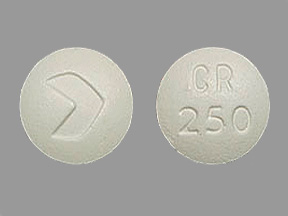 CIPROFLOXACIN HCL 250 MG TAB
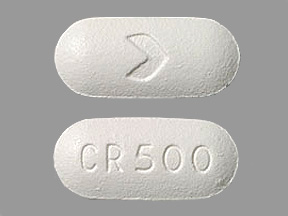 CIPROFLOXACIN HCL 500 MG TAB
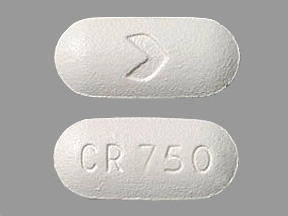 CIPROFLOXACIN HCL 750 MG TAB
The following indications for CIPROFLOXACIN HCL (ciprofloxacin hcl) have been approved by the FDA:
Indications:
Acute maxillary Haemophilus influenzae sinusitis
Acute maxillary Moraxella catarrhalis sinusitis
Acute maxillary Streptococcus pneumoniae sinusitis
Bacterial diarrhea
Bacterial pneumonia
Bacterial urinary tract infection
Bone infection
Chronic bacterial prostatitis
Citrobacter urinary tract infection
Complicated Bacteroides peritonitis
Complicated E. coli peritonitis
Complicated Klebsiella peritonitis
Complicated Proteus peritonitis
Complicated Pseudomonas aeruginosa peritonitis
Diarrhea due to E. coli
E. coli cystitis
E. coli prostatitis
E. coli pyelonephritis
E. coli urinary tract infection
Enteric campylobacteriosis
Enterobacter cloacae urinary tract infection
Enterobacter joint infection
Enterobacter osteomyelitis
Enterobacter pneumonia
Enterococcus urinary tract infection
Escherichia coli pneumonia
Gastroenteritis due to Shigella
Gram-negative aerobic bacillary pneumonia
Haemophilus influenzae pneumonia
Haemophilus parainfluenza pneumonia
Infectious disease of abdomen
Infectious disorder of joint
Intra-abdominal abscess
Klebsiella pneumonia
Klebsiella urinary tract infection
Lower respiratory infection
Moraxella catarrhalis bronchitis
Morganella morganii urinary tract infection
Plague
Post-exposure anthrax prevention
Postexposure plague prophylaxis
Proteus pneumonia
Proteus prostatitis
Proteus urinary tract infection
Providencia urinary tract infection
Pseudomonas aeruginosa joint infection
Pseudomonas aeruginosa osteomyelitis
Pseudomonas aeruginosa pneumonia
Pseudomonas aeruginosa urinary tract infection
Serratia joint infection
Serratia osteomyelitis
Serratia urinary tract infection
Skin and skin structure Citrobacter infection
Skin and skin structure E. coli infection
Skin and skin structure Enterobacter infection
Skin and skin structure infection
Skin and skin structure Klebsiella infection
Skin and skin structure Morganella morganii infection
Skin and skin structure Proteus infection
Skin and skin structure Providencia infection
Skin and skin structure Pseudomonas aeruginosa infection
Skin and skin structure Streptococcus pyogenes infection
Staphylococcus aureus skin and skin structure infection
Staphylococcus cystitis
Staphylococcus epidermidis skin and skin structure infection
Staphylococcus epidermidis urinary tract infection
Staphylococcus saprophyticus urinary tract infection
Traveler's diarrhea
Typhoid fever
Professional Synonyms:
Abdominal abscess
Acute maxillary sinusitis due to B. catarrhalis
Acute maxillary sinusitis due to Branhamella catarrhalis
Acute maxillary sinusitis due to diplococcus pneumoniae
Acute maxillary sinusitis due to Fraenkel's pneumococcus
Acute maxillary sinusitis due to H. flu
Acute maxillary sinusitis due to Haemophilus influenzae
Acute maxillary sinusitis due to Hemophilus influenzae
Acute maxillary sinusitis due to influenza bacillus
Acute maxillary sinusitis due to Moraxella catarrhalis
Acute maxillary sinusitis due to Neisseria catarrhalis
Acute maxillary sinusitis due to Pfeiffer's bacillus
Acute maxillary sinusitis due to pneumococcus
Acute maxillary sinusitis due to pneumonococcus
Acute maxillary sinusitis from Streptococcus pneumoniae
Bacillary dysentery from Shigella spp.
Bacterial infection of prostate due to Proteus species
Bacterial infection of the prostate due to E. coli
Bacterial infectious diarrhea
Bronchitis due to B. catarrhalis
Bronchitis due to Branhamella catarrhalis
Bronchitis due to M. catarrhalis
Bronchitis due to Moraxella catarrhalis
Bronchitis due to Neisseria catarrhalis
Campylobacter diarrhea
Campylobacter enteritis
Campylobacter enterocolitis
Campylobacter gastrointestinal tract infection
Complicated peritonitis due to Bacteroides species
Complicated peritonitis due to E. coli
Complicated peritonitis due to Escherichia coli
Complicated peritonitis due to Klebsiella species
Complicated peritonitis due to Proteus species
Complicated peritonitis due to Pseudomonas aeruginosa
Cystitis due to E. coli
Cystitis due to Escherichia coli
Cystitis due to Staphylococcus
Diarrhea due to Escherichia coli
Diarrheagenic Escherichia coli
E. coli pneumonia
E. coli UTI
Gastroenteritis due to Shigella species
H. flu pneumonia
H. influenzae pneumonia
Hemophilus influenzae pneumonia
Infection of skin and/or subcutaneous tissue
Infection of the lungs due to Enterobacter
Infection of the lungs due to Pseudomonas aeruginosa
Influenza Bacillus pneumonia
Intestinal Shigella infection
Intra-abdominal infection
Joint infection due to Enterobacter species
Joint infection due to Pseudomonas aeruginosa
Joint infection due to Serratia species
Joint infection
Klebsiella UTI
Lower respiratory tract infection
M. morganii UTI
Nephropyelitis due to Escherichia coli
Osteomyelitis due to Aerobacter
Osteomyelitis due to Enterobacter species
Osteomyelitis due to Enterobacter
Osteomyelitis due to Pseudomonas aeruginosa
Osteomyelitis due to Serratia species
Pfeiffer's Bacillus pneumonia
Pneumonia due to E. coli
Pneumonia due to Escherichia coli
Pneumonia due to gram-negative organism
Pneumonia due to Haemophilus influenzae
Pneumonia due to Haemophilus parainfluenzae
Pneumonia due to Hemophilus parainfluenzae
Pneumonia due to Klebsiella species
Pneumonia due to Klebsiella spp.
Pneumonia due to Proteus species
Pneumonia due to Pseudomonas aeruginosa
Post exposure plague prophylaxis
Post-exposure anthrax prophylaxis
Post-exposure plague prophylaxis
Prostatitis due to E. coli
Prostatitis due to Escherichia coli
Prostatitis due to Proteus species
Proteus spp. pneumonia
Pyelonephritis due to E. coli
Pyelonephritis due to Escherichia coli
Pyogenic bone infection due to Enterobacter
Pyogenic bone infection due to Pseudomonas aeruginosa
Pyogenic bone infection due to Serratia species
Renal & ureteric pelvis infection due to Escherichia coli
Renal and pelvis renalis Escherichia coli infection
Shigellosis
Skin & skin soft tissue Streptococcus pyogenes infection
Skin and skin soft tissue Enterobacter infection
Skin and skin soft tissue Escherichia coli infection
Skin and skin soft tissue infection due to Aerobacter
Skin and skin soft tissue infection due to Citrobacter
Skin and skin soft tissue infection due to Enterobacter
Skin and skin soft tissue infection due to Klebsiella
Skin and skin soft tissue infection due to Morganella morganii
Skin and skin soft tissue infection due to Providencia
Skin and skin soft tissue Proteus infection
Skin and skin soft tissue Pseudomonas aeruginosa infection
Skin and skin soft tissue Staphylococcus aureus infection
Skin and skin soft tissue Staphylococcus epidermidis infection
Skin and skin structure infection due to Morganella morganii
Skin and soft tissue skin infection
Staphylococcus epidermidis UTI
Staphylococcus species cystitis
Urinary cystitis due to Escherichia coli
Urinary cystitis due to Staphylococcus
Urinary tract infection due to Citrobacter species
Urinary tract infection due to Enterobacter cloacae
Urinary tract infection due to Enterococcus species
Urinary tract infection due to Escherichia coli
Urinary tract infection due to Klebsiella species
Urinary tract infection due to Morganella morganii
Urinary tract infection due to Proteus species
Urinary tract infection due to Providencia species
Urinary tract infection due to Pseudomonas aeruginosa
Urinary tract infection due to Serratia species
Urinary tract infection due to Staphylococcus epi
UTI due to Citrobacter species
UTI due to Enterobacter cloacae
UTI due to Enterococcus species
UTI due to Proteus species
UTI due to Providencia species
UTI due to Pseudomonas aeruginosa
UTI due to Serratia species
UTI due to Staphylococcus epidermidis
UTI due to Staphylococcus saprophyticus
Indications:
Acute maxillary Haemophilus influenzae sinusitis
Acute maxillary Moraxella catarrhalis sinusitis
Acute maxillary Streptococcus pneumoniae sinusitis
Bacterial diarrhea
Bacterial pneumonia
Bacterial urinary tract infection
Bone infection
Chronic bacterial prostatitis
Citrobacter urinary tract infection
Complicated Bacteroides peritonitis
Complicated E. coli peritonitis
Complicated Klebsiella peritonitis
Complicated Proteus peritonitis
Complicated Pseudomonas aeruginosa peritonitis
Diarrhea due to E. coli
E. coli cystitis
E. coli prostatitis
E. coli pyelonephritis
E. coli urinary tract infection
Enteric campylobacteriosis
Enterobacter cloacae urinary tract infection
Enterobacter joint infection
Enterobacter osteomyelitis
Enterobacter pneumonia
Enterococcus urinary tract infection
Escherichia coli pneumonia
Gastroenteritis due to Shigella
Gram-negative aerobic bacillary pneumonia
Haemophilus influenzae pneumonia
Haemophilus parainfluenza pneumonia
Infectious disease of abdomen
Infectious disorder of joint
Intra-abdominal abscess
Klebsiella pneumonia
Klebsiella urinary tract infection
Lower respiratory infection
Moraxella catarrhalis bronchitis
Morganella morganii urinary tract infection
Plague
Post-exposure anthrax prevention
Postexposure plague prophylaxis
Proteus pneumonia
Proteus prostatitis
Proteus urinary tract infection
Providencia urinary tract infection
Pseudomonas aeruginosa joint infection
Pseudomonas aeruginosa osteomyelitis
Pseudomonas aeruginosa pneumonia
Pseudomonas aeruginosa urinary tract infection
Serratia joint infection
Serratia osteomyelitis
Serratia urinary tract infection
Skin and skin structure Citrobacter infection
Skin and skin structure E. coli infection
Skin and skin structure Enterobacter infection
Skin and skin structure infection
Skin and skin structure Klebsiella infection
Skin and skin structure Morganella morganii infection
Skin and skin structure Proteus infection
Skin and skin structure Providencia infection
Skin and skin structure Pseudomonas aeruginosa infection
Skin and skin structure Streptococcus pyogenes infection
Staphylococcus aureus skin and skin structure infection
Staphylococcus cystitis
Staphylococcus epidermidis skin and skin structure infection
Staphylococcus epidermidis urinary tract infection
Staphylococcus saprophyticus urinary tract infection
Traveler's diarrhea
Typhoid fever
Professional Synonyms:
Abdominal abscess
Acute maxillary sinusitis due to B. catarrhalis
Acute maxillary sinusitis due to Branhamella catarrhalis
Acute maxillary sinusitis due to diplococcus pneumoniae
Acute maxillary sinusitis due to Fraenkel's pneumococcus
Acute maxillary sinusitis due to H. flu
Acute maxillary sinusitis due to Haemophilus influenzae
Acute maxillary sinusitis due to Hemophilus influenzae
Acute maxillary sinusitis due to influenza bacillus
Acute maxillary sinusitis due to Moraxella catarrhalis
Acute maxillary sinusitis due to Neisseria catarrhalis
Acute maxillary sinusitis due to Pfeiffer's bacillus
Acute maxillary sinusitis due to pneumococcus
Acute maxillary sinusitis due to pneumonococcus
Acute maxillary sinusitis from Streptococcus pneumoniae
Bacillary dysentery from Shigella spp.
Bacterial infection of prostate due to Proteus species
Bacterial infection of the prostate due to E. coli
Bacterial infectious diarrhea
Bronchitis due to B. catarrhalis
Bronchitis due to Branhamella catarrhalis
Bronchitis due to M. catarrhalis
Bronchitis due to Moraxella catarrhalis
Bronchitis due to Neisseria catarrhalis
Campylobacter diarrhea
Campylobacter enteritis
Campylobacter enterocolitis
Campylobacter gastrointestinal tract infection
Complicated peritonitis due to Bacteroides species
Complicated peritonitis due to E. coli
Complicated peritonitis due to Escherichia coli
Complicated peritonitis due to Klebsiella species
Complicated peritonitis due to Proteus species
Complicated peritonitis due to Pseudomonas aeruginosa
Cystitis due to E. coli
Cystitis due to Escherichia coli
Cystitis due to Staphylococcus
Diarrhea due to Escherichia coli
Diarrheagenic Escherichia coli
E. coli pneumonia
E. coli UTI
Gastroenteritis due to Shigella species
H. flu pneumonia
H. influenzae pneumonia
Hemophilus influenzae pneumonia
Infection of skin and/or subcutaneous tissue
Infection of the lungs due to Enterobacter
Infection of the lungs due to Pseudomonas aeruginosa
Influenza Bacillus pneumonia
Intestinal Shigella infection
Intra-abdominal infection
Joint infection due to Enterobacter species
Joint infection due to Pseudomonas aeruginosa
Joint infection due to Serratia species
Joint infection
Klebsiella UTI
Lower respiratory tract infection
M. morganii UTI
Nephropyelitis due to Escherichia coli
Osteomyelitis due to Aerobacter
Osteomyelitis due to Enterobacter species
Osteomyelitis due to Enterobacter
Osteomyelitis due to Pseudomonas aeruginosa
Osteomyelitis due to Serratia species
Pfeiffer's Bacillus pneumonia
Pneumonia due to E. coli
Pneumonia due to Escherichia coli
Pneumonia due to gram-negative organism
Pneumonia due to Haemophilus influenzae
Pneumonia due to Haemophilus parainfluenzae
Pneumonia due to Hemophilus parainfluenzae
Pneumonia due to Klebsiella species
Pneumonia due to Klebsiella spp.
Pneumonia due to Proteus species
Pneumonia due to Pseudomonas aeruginosa
Post exposure plague prophylaxis
Post-exposure anthrax prophylaxis
Post-exposure plague prophylaxis
Prostatitis due to E. coli
Prostatitis due to Escherichia coli
Prostatitis due to Proteus species
Proteus spp. pneumonia
Pyelonephritis due to E. coli
Pyelonephritis due to Escherichia coli
Pyogenic bone infection due to Enterobacter
Pyogenic bone infection due to Pseudomonas aeruginosa
Pyogenic bone infection due to Serratia species
Renal & ureteric pelvis infection due to Escherichia coli
Renal and pelvis renalis Escherichia coli infection
Shigellosis
Skin & skin soft tissue Streptococcus pyogenes infection
Skin and skin soft tissue Enterobacter infection
Skin and skin soft tissue Escherichia coli infection
Skin and skin soft tissue infection due to Aerobacter
Skin and skin soft tissue infection due to Citrobacter
Skin and skin soft tissue infection due to Enterobacter
Skin and skin soft tissue infection due to Klebsiella
Skin and skin soft tissue infection due to Morganella morganii
Skin and skin soft tissue infection due to Providencia
Skin and skin soft tissue Proteus infection
Skin and skin soft tissue Pseudomonas aeruginosa infection
Skin and skin soft tissue Staphylococcus aureus infection
Skin and skin soft tissue Staphylococcus epidermidis infection
Skin and skin structure infection due to Morganella morganii
Skin and soft tissue skin infection
Staphylococcus epidermidis UTI
Staphylococcus species cystitis
Urinary cystitis due to Escherichia coli
Urinary cystitis due to Staphylococcus
Urinary tract infection due to Citrobacter species
Urinary tract infection due to Enterobacter cloacae
Urinary tract infection due to Enterococcus species
Urinary tract infection due to Escherichia coli
Urinary tract infection due to Klebsiella species
Urinary tract infection due to Morganella morganii
Urinary tract infection due to Proteus species
Urinary tract infection due to Providencia species
Urinary tract infection due to Pseudomonas aeruginosa
Urinary tract infection due to Serratia species
Urinary tract infection due to Staphylococcus epi
UTI due to Citrobacter species
UTI due to Enterobacter cloacae
UTI due to Enterococcus species
UTI due to Proteus species
UTI due to Providencia species
UTI due to Pseudomonas aeruginosa
UTI due to Serratia species
UTI due to Staphylococcus epidermidis
UTI due to Staphylococcus saprophyticus
The following dosing information is available for CIPROFLOXACIN HCL (ciprofloxacin hcl):
Dosage of ciprofloxacin hydrochloride and ciprofloxacin is expressed in terms of ciprofloxacin.
Unless otherwise specified, oral ciprofloxacin dosage is for the conventional tablets or oral suspension of the drug.
The extended-release tablets are not interchangeable with the conventional tablets or oral suspension.
Dosage of oral and IV ciprofloxacin is not identical. Based on pharmacokinetic parameters (i.e., area under the plasma concentration-time curve (AUC)), the following oral and IV ciprofloxacin regimens are considered equivalent: 250 mg orally every 12 hours (conventional tablets) is equivalent to 200 mg IV every 12 hours; 500 mg orally every 12 hours (conventional tablets) is equivalent to 400 mg IV every 12 hours; and 750 mg orally every 12 hours (conventional tablets) is equivalent to 400 mg IV every 8 hours.
The duration of ciprofloxacin therapy depends on the type and severity of infection, and should be determined by the clinical and bacteriologic response of the patient.
Unless otherwise specified, oral ciprofloxacin dosage is for the conventional tablets or oral suspension of the drug.
The extended-release tablets are not interchangeable with the conventional tablets or oral suspension.
Dosage of oral and IV ciprofloxacin is not identical. Based on pharmacokinetic parameters (i.e., area under the plasma concentration-time curve (AUC)), the following oral and IV ciprofloxacin regimens are considered equivalent: 250 mg orally every 12 hours (conventional tablets) is equivalent to 200 mg IV every 12 hours; 500 mg orally every 12 hours (conventional tablets) is equivalent to 400 mg IV every 12 hours; and 750 mg orally every 12 hours (conventional tablets) is equivalent to 400 mg IV every 8 hours.
The duration of ciprofloxacin therapy depends on the type and severity of infection, and should be determined by the clinical and bacteriologic response of the patient.
Ciprofloxacin is administered orally as conventional tablets containing the hydrochloride, as a conventional oral suspension containing the base, and as extended-release tablets containing both the hydrochloride and the base. Ciprofloxacin is given by IV infusion as the base. Patients receiving initial therapy with IV ciprofloxacin may be switched to oral ciprofloxacin (conventional tablets, oral suspension) when clinically appropriate.
Ciprofloxacin extended-release tablets are used only for the treatment of certain urinary tract infections (UTIs) in adults and should not be used for any indication in pediatric patients. The extended-release tablets are not interchangeable with other oral ciprofloxacin preparations (conventional tablets, oral suspension). Patients receiving oral or IV ciprofloxacin should be adequately hydrated and should be instructed to drink fluids liberally to prevent highly concentrated urine and formation of crystals in urine.
Ciprofloxacin extended-release tablets are used only for the treatment of certain urinary tract infections (UTIs) in adults and should not be used for any indication in pediatric patients. The extended-release tablets are not interchangeable with other oral ciprofloxacin preparations (conventional tablets, oral suspension). Patients receiving oral or IV ciprofloxacin should be adequately hydrated and should be instructed to drink fluids liberally to prevent highly concentrated urine and formation of crystals in urine.
No dosing information available.
| DRUG LABEL | DOSING TYPE | DOSING INSTRUCTIONS |
|---|---|---|
| CIPROFLOXACIN HCL 250 MG TAB | Maintenance | Adults take 1 tablet (250 mg) by oral route every 12 hours |
| CIPROFLOXACIN HCL 750 MG TAB | Maintenance | Adults take 1 tablet (750 mg) by oral route every 12 hours |
| CIPROFLOXACIN HCL 500 MG TAB | Maintenance | Adults take 1 tablet (500 mg) by oral route every 12 hours |
The following drug interaction information is available for CIPROFLOXACIN HCL (ciprofloxacin hcl):
There are 13 contraindications.
These drug combinations generally should not be dispensed or administered to the same patient. A manufacturer label warning that indicates the contraindication warrants inclusion of a drug combination in this category, regardless of clinical evidence or lack of clinical evidence to support the contraindication.
| Drug Interaction | Drug Names |
|---|---|
| Live Typhoid Vaccine/Antimicrobials SEVERITY LEVEL: 1-Contraindicated Drug Combination: This drug combination is contraindicated and generally should not be dispensed or administered to the same patient. MECHANISM OF ACTION: The antimicrobial may be active against the organism in the live-vaccine. Antimicrobial therapy may prevent the vaccine organism from replicating enough to trigger an immune response.(1) CLINICAL EFFECTS: Vaccination may be ineffective. PREDISPOSING FACTORS: None determined. PATIENT MANAGEMENT: Do not give oral typhoid vaccine until 72 hours after the last dose of antimicrobial. If possible, to optimize vaccine effectiveness, do not start antibacterial drugs for 72 hours after the last dose of oral typhoid vaccine. A longer interval should be considered for long-acting antimicrobials, such as azithromycin.(3) DISCUSSION: Because antimicrobial therapy may prevent sufficient vaccine-organism replication to generate an immune response, the manufacturer of live-attenuated typhoid vaccine and the Centers for Disease Control (CDC) state that the vaccine should not be administered to patients receiving antimicrobial therapy.(1-3) |
VIVOTIF |
| Pimozide/QT Prolonging Agents SEVERITY LEVEL: 1-Contraindicated Drug Combination: This drug combination is contraindicated and generally should not be dispensed or administered to the same patient. MECHANISM OF ACTION: Pimozide has been shown to prolong the QTc interval. Concurrent use with other agents that prolong the QTc interval may result in additive effects on the QTc interval.(1) CLINICAL EFFECTS: The concurrent use of pimozide with other agents that prolong the QTc interval may result in potentially life-threatening cardiac arrhythmias, including torsades de pointes.(1) PREDISPOSING FACTORS: The risk of QT prolongation or torsade de pointes may be increased in patients with cardiovascular disease (e.g. heart failure, myocardial infarction, history of torsade de pointes, congenital long QT syndrome), hypokalemia, hypomagnesemia, hypocalcemia, bradycardia, female gender, or advanced age.(3) Concurrent use of more than one drug know to cause QT prolongation or higher systemic concentrations of either QT prolonging drug are additional risk factors for torsade de pointes. Factors which may increase systemic drug concentrations include rapid infusion of an intravenous dose or impaired metabolism or elimination of the drug (e.g. coadministration with an agent which inhibits its metabolism or elimination, genetic impairment in drug metabolism or elimination, and/or renal/hepatic dysfunction.(3) PATIENT MANAGEMENT: The manufacturer of pimozide states under contraindications that the use of pimozide is contraindicated in patients taking other drugs which prolong the QT interval.(1) If concurrent therapy is deemed medically necessary, consider obtaining serum calcium, magnesium, and potassium levels and monitoring ECG at baseline and at regular intervals. Correct any electrolyte abnormalities. Instruct patients to report any irregular heartbeat, dizziness, or fainting. DISCUSSION: Agents that are linked to this monograph may have varying degrees of potential to prolong the QTc interval. Agents linked to this monograph have been shown to prolong the QTc interval either through their mechanism of action, through studies on their effects on the QTc interval, or through reports of QTc prolongation and/or torsades de pointes in clinical trials and/or postmarketing reports.(2) One or more of the drug pairs linked to this monograph have been included in a list of interactions that should be considered "high-priority" for inclusion and should not be inactivated in EHR systems. This DDI subset was vetted by an expert panel commissioned by the U.S. Office of the National Coordinator (ONC) for Health Information Technology. |
PIMOZIDE |
| Droperidol/QT Prolonging Agents SEVERITY LEVEL: 1-Contraindicated Drug Combination: This drug combination is contraindicated and generally should not be dispensed or administered to the same patient. MECHANISM OF ACTION: Droperidol has been shown to prolong the QTc interval. Concurrent use with other agents that prolong the QTc interval may result in additive effects on the QTc interval.(1) CLINICAL EFFECTS: The concurrent use of droperidol with other agents that prolong the QTc interval may result in potentially life-threatening cardiac arrhythmias, including torsades de pointes.(1) PREDISPOSING FACTORS: Congestive heart failure, bradycardia, use of a diuretic, cardiac hypertrophy, hypokalemia, hypomagnesemia, age over 65 years, alcohol abuse, and the use of agents such as benzodiazepines, volatile anesthetics, and intravenous opiate may predispose patients to the development of prolonged QT syndrome.(1) Risk may also be increased in patients with other cardiovascular diseases (e.g. myocardial infarction, history of torsade de pointes, congenital long QT syndrome), hypocalcemia, or female gender.(3) Concurrent use of more than one drug known to cause QT prolongation or higher systemic concentrations of either QT prolonging drug are additional risk factors for torsade de pointes. Factors which may increase systemic drug concentrations include rapid infusion of an intravenous dose or impaired metabolism or elimination of the drug (e.g. coadministration with an agent which inhibits its metabolism or elimination, genetic impairment in drug metabolism or elimination, and/or renal/hepatic dysfunction).(3) PATIENT MANAGEMENT: The manufacturer of droperidol states under precautions drug interactions that drugs known to have the potential to prolong the QT interval should not be used together with droperidol.(1) DISCUSSION: Agents that are linked to this monograph may have varying degrees of potential to prolong the QTc interval. Agents linked to this monograph have been shown to prolong the QTc interval either through their mechanism of action, through studies on their effects on the QTc interval, or through reports of QTc prolongation and/or torsades de pointes in clinical trials and/or postmarketing reports.(2) One or more of the drug pairs linked to this monograph have been included in a list of interactions that should be considered "high-priority" for inclusion and should not be inactivated in EHR systems. This DDI subset was vetted by an expert panel commissioned by the U.S. Office of the National Coordinator (ONC) for Health Information Technology. |
DROPERIDOL |
| Disopyramide/QT Prolonging Agents SEVERITY LEVEL: 1-Contraindicated Drug Combination: This drug combination is contraindicated and generally should not be dispensed or administered to the same patient. MECHANISM OF ACTION: Concurrent use of disopyramide and agents known to prolong the QT interval may result in additive or synergistic effects on the QTc interval.(1) CLINICAL EFFECTS: Concurrent administration may result in prolongation of the QTc interval and life-threatening cardiac arrhythmias, including torsades de pointes. PREDISPOSING FACTORS: The risk of torsades de pointes may be increased in patients with cardiovascular disease (e.g. heart failure, myocardial infarction, history of torsade de pointes, congenital long QT syndrome), hypokalemia, hypomagnesemia, hypocalcemia, bradycardia, female gender, or advanced age.(3) Concurrent use of more than one drug known to cause QT prolongation or higher systemic concentrations of either QT prolonging drug are additional risk factors for torsades de pointes. Factors which may increase systemic drug concentrations include rapid infusion of an intravenous dose or impaired metabolism or elimination of the drug (e.g. coadministration with an agent which inhibits its metabolism or elimination, genetic impairment in drug metabolism or and/or renal/hepatic dysfunction).(3) PATIENT MANAGEMENT: The Australian manufacturer of disopyramide states that concurrent use with agents liable to produce torsades de pointes, including tricyclic or tetracyclic antidepressants, erythromycin, vincamine, and sultopride, is contraindicated.(1) If alternatives are not available and concurrent therapy is deemed medically necessary, obtain serum calcium, magnesium, and potassium levels and monitor ECG at baseline and at regular intervals. Correct any electrolyte abnormalities. Instruct patients to report any irregular heartbeat, dizziness, or fainting. DISCUSSION: Agents that are linked to this monograph may have varying degrees of potential to prolong the QTc interval. Agents linked to this monograph have been shown to prolong the QTc interval either through their mechanism of action, through studies on their effects on the QTc interval, or through reports of QTc prolongation and/or torsades de pointes in clinical trials and/or postmarketing reports.(2) One or more of the drug pairs linked to this monograph have been included in a list of interactions that should be considered "high-priority" for inclusion and should not be inactivated in EHR systems. This DDI subset was vetted by an expert panel commissioned by the U.S. Office of the National Coordinator (ONC) for Health Information Technology. |
DISOPYRAMIDE PHOSPHATE, NORPACE, NORPACE CR |
| Artemether-Lumefantrine/QT Prolonging Agents SEVERITY LEVEL: 1-Contraindicated Drug Combination: This drug combination is contraindicated and generally should not be dispensed or administered to the same patient. MECHANISM OF ACTION: Concurrent use of artemether-lumefantrine and agents known to prolong the QT interval may result in additive or synergistic effects on the QTc interval.(1) CLINICAL EFFECTS: Concurrent administration may result in prolongation of the QTc interval and life-threatening cardiac arrhythmias, including torsades de pointes. PREDISPOSING FACTORS: The risk of QT prolongation or torsade de pointes may be increased in patients with cardiovascular disease (e.g. heart failure, myocardial infarction, history of torsade de pointes, congenital long QT syndrome), hypokalemia, hypomagnesemia, hypocalcemia, bradycardia, female gender, or advanced age.(4) Concurrent use of more than one drug known to cause QT prolongation or higher systemic concentrations of either QT prolonging drug are additional risk factors for torsade de pointes. Factors which may increase systemic drug concentrations include rapid infusion of an intravenous dose or impaired metabolism or elimination of the drug (e.g. coadministration with an agent which inhibits its metabolism or elimination, and/or renal/hepatic dysfunction).(4) PATIENT MANAGEMENT: The UK manufacturer of artemether-lumefantrine states that the use of artemether-lumefantrine in patients taking drugs that are known to prolong the QTc interval is contraindicated. These agents include class IA and III antiarrhythmics; neuroleptics; antidepressive agents; some macrolides, fluoroquinolones, imidazole and triazole antifungals; terfenadine; astemizole; and cisapride.(1) The US manufacturer of artemether-lumefantrine states that the use of artemether-lumefantrine should be avoided in patients taking drugs that are known to prolong the QTc interval. These agents include class IA and III antiarrhythmics; neuroleptics; antidepressive agents; some macrolides, fluoroquinolones, imidazole and triazole antifungals; terfenadine; astemizole; and cisapride.(2) If concurrent therapy is deemed medically necessary, consider obtaining serum calcium, magnesium, and potassium levels and monitoring ECG at baseline and at regular intervals. Correct any electrolyte abnormalities. Instruct patients to report any irregular heartbeat, dizziness, or fainting. DISCUSSION: Agents that are linked to this monograph may have varying degrees of potential to prolong the QTc interval. Agents linked to this monograph have been shown to prolong the QTc interval either through their mechanism of action, through studies on their effects on the QTc interval, or through reports of QTc prolongation and/or torsades de pointes in clinical trials and/or postmarketing reports.(3) |
COARTEM |
| Dronedarone/QT Prolonging Agents SEVERITY LEVEL: 1-Contraindicated Drug Combination: This drug combination is contraindicated and generally should not be dispensed or administered to the same patient. MECHANISM OF ACTION: Concurrent use of dronedarone and agents known to prolong the QT interval may result in additive or synergistic effects on the QTc interval.(1) CLINICAL EFFECTS: Concurrent administration may result in prolongation of the QTc interval and life-threatening cardiac arrhythmias, including torsades de pointes. PREDISPOSING FACTORS: The risk of QT prolongation or torsade de pointes may be increased in patients with cardiovascular disease (e.g. heart failure, myocardial infarction, history of torsade de pointes, congenital long QT syndrome), hypokalemia, hypomagnesemia, hypocalcemia, bradycardia, female gender, or advanced age.(3) Concurrent use of more than one drug known to cause QT prolongation or higher systemic concentrations of either QT prolonging drug are additional risk factors for torsade de pointes. Factors which may increase systemic drug concentrations include rapid infusion of an intravenous dose or impaired metabolism or elimination of the drug (e.g. coadministration with an agent which inhibits its metabolism or elimination, and/or renal/hepatic dysfunction).(3) PATIENT MANAGEMENT: The US manufacturer of dronedarone states that the use of drugs or herbal products that are known to prolong the QTc interval is contraindicated. These agents include phenothiazine anti-psychotics, tricyclic antidepressants, certain oral macrolide antibiotics, and Class IA and III antiarrhythmics.(1) If concurrent therapy is deemed medically necessary, consider obtaining serum calcium, magnesium, and potassium levels and monitoring ECG at baseline and at regular intervals. Correct any electrolyte abnormalities. Instruct patients to report any irregular heartbeat, dizziness, or fainting. DISCUSSION: Agents that are linked to this monograph may have varying degrees of potential to prolong the QTc interval. Agents linked to this monograph have been shown to prolong the QTc interval either through their mechanism of action, through studies on their effects on the QTc interval, or through reports of QTc prolongation and/or torsades de pointes in clinical trials and/or postmarketing reports.(2) One or more of the drug pairs linked to this monograph have been included in a list of interactions that should be considered "high-priority" for inclusion and should not be inactivated in EHR systems. This DDI subset was vetted by an expert panel commissioned by the U.S. Office of the National Coordinator (ONC) for Health Information Technology. |
MULTAQ |
| Anagrelide/QT Prolonging Agents SEVERITY LEVEL: 1-Contraindicated Drug Combination: This drug combination is contraindicated and generally should not be dispensed or administered to the same patient. MECHANISM OF ACTION: Concurrent use of anagrelide with agents that prolong the QTc interval may result in additive effects on the QTc interval.(1-4) CLINICAL EFFECTS: The concurrent use of anagrelide with agents that prolong the QTc interval may result in potentially life-threatening cardiac arrhythmias, including torsades de pointes.(1-4) PREDISPOSING FACTORS: The risk of QT prolongation or torsades de pointes may be increased in patients with cardiovascular disease (e.g. heart failure, myocardial infarction, history of torsades de pointes, congenital long QT syndrome), hypokalemia, hypomagnesemia, hypocalcemia, bradycardia, female gender, or advanced age.(5) Concurrent use of more than one drug known to cause QT prolongation or higher systemic concentrations of either QT prolonging drug are additional risk factors for torsades de pointes. Factors which may increase systemic drug concentrations include rapid infusion of an intravenous dose or impaired metabolism or elimination of the drug (e.g. coadministration with an agent which inhibits its metabolism or elimination, and/or renal/hepatic dysfunction).(5) PATIENT MANAGEMENT: The US manufacturer of anagrelide states that anagrelide should not be used in patients taking medications known to prolong the QT interval.(1) The Australian, Canadian, and UK manufacturers of anagrelide state use of anagrelide should be approached with caution in patients taking medications that can prolong the QTc interval.(2-4) If concurrent therapy is deemed medically necessary, consider obtaining serum calcium, magnesium, and potassium levels and monitoring ECG at baseline and at regular intervals. Correct any electrolyte abnormalities. Instruct patients to report any irregular heartbeat, dizziness, or fainting. DISCUSSION: In a thorough QT study, dose-related QT changes were observed with anagrelide. The maximum mean change in QTcI (95% CI) in comparison to placebo was 7.0 (9.8) ms and 13.0 (15.7) msec following doses of 0.5 mg and 2.5mg, respectively.(1) Agents that are linked to this monograph may have varying degrees of potential to prolong the QTc interval. Agents linked to this monograph have been shown to prolong the QTc interval either through their mechanism of action, through studies on their effects on the QTc interval, or through reports of QTc prolongation and/or torsades de pointes in clinical trials and/or postmarketing reports.(6) One or more of the drug pairs linked to this monograph have been included in a list of interactions that should be considered "high-priority" for inclusion and should not be inactivated in EHR systems. This DDI subset was vetted by an expert panel commissioned by the U.S. Office of the National Coordinator (ONC) for Health Information Technology. |
AGRYLIN, ANAGRELIDE HCL |
| Rasagiline (Greater Than 0.5 mg)/Selected CYP1A2 Inhibitors SEVERITY LEVEL: 1-Contraindicated Drug Combination: This drug combination is contraindicated and generally should not be dispensed or administered to the same patient. MECHANISM OF ACTION: Inhibitors of CYP1A2 may inhibit the metabolism of rasagiline.(1) CLINICAL EFFECTS: Concurrent use of a CYP1A2 inhibitor may increase levels of and adverse effects from rasagiline.(1) PREDISPOSING FACTORS: None determined. PATIENT MANAGEMENT: The US manufacturer of rasagiline states that patients receiving concurrent therapy with an inhibitor of CYP1A2 should receive no more than 0.5 mg of rasagiline daily.(1) Concurrent therapy with vemurafenib may require extended monitoring for interaction onset and severity because steady-state levels of vemurafenib are not attained for approximately 15 days.(2) DISCUSSION: In a study in 12 healthy subjects, ciprofloxacin (500 mg twice daily) increased the area-under-curve (AUC) of rasagiline (2 mg twice daily) by 83%.(1) Strong CYP1A2 inhibitors linked to this monograph include angelica root, ciprofloxacin, enasidenib, enoxacin, and rofecoxib. Moderate CYP1A2 inhibitors linked to this monograph include capmatinib, dipyrone, fexinidazole, genistein, hormonal contraceptives, methoxsalen, mexiletine, osilodrostat, phenylpropanolamine, pipemidic acid, rucaparib, troleandomycin, and vemurafenib.(3-5) |
AZILECT, RASAGILINE MESYLATE |
| Levoketoconazole/QT Prolonging Agents SEVERITY LEVEL: 1-Contraindicated Drug Combination: This drug combination is contraindicated and generally should not be dispensed or administered to the same patient. MECHANISM OF ACTION: Levoketoconazole has been observed to prolong the QTc interval in a dose-dependent manner. Concurrent use with other agents that prolong the QTc interval may result in additive effects on the QTc interval.(1) CLINICAL EFFECTS: The concurrent use of levoketoconazole with other agents that prolong the QTc interval may result in potentially life-threatening cardiac arrhythmias, including torsades de pointes.(1) PREDISPOSING FACTORS: The risk of QT prolongation or torsades de pointes may be increased in patients with cardiovascular disease (e.g. heart failure, myocardial infarction, history of torsades de pointes, congenital long QT syndrome), hypokalemia, hypomagnesemia, hypocalcemia, bradycardia, female gender, or advanced age.(2) Concurrent use of more than one drug known to cause QT prolongation or higher systemic concentrations of either QT prolonging drug are additional risk factors for torsades de pointes. Factors which may increase systemic drug concentrations include rapid infusion of an intravenous dose or impaired metabolism or elimination of the drug (e.g. coadministration with an agent which inhibits its metabolism or elimination, genetic impairment in drug metabolism or elimination, and/or renal/hepatic dysfunction).(2) PATIENT MANAGEMENT: The US manufacturer of levoketoconazole states that levoketoconazole is contraindicated with other agents that prolong the QT interval.(1) Levoketoconazole is also contraindicated in patients with a prolonged QTcF interval of greater than 470 msec at baseline, history of torsades de pointes, ventricular tachycardia, ventricular fibrillation, or long QT syndrome (including first-degree family history). Use caution in patients with other risk factors for QT prolongation including congestive heart failure, bradyarrhythmias, and uncorrected electrolyte abnormalities. Consider more frequent ECG monitoring. Prior to starting levoketoconazole, obtain a baseline ECG and correct hypokalemia or hypomagnesemia. If a patient develops QT prolongation with a QTc interval greater than 500 msec, temporarily discontinue levoketoconazole. After resolution of prolonged QTc interval, levoketoconazole may be resumed at a lower dose. If QTc interval prolongation recurs, permanently discontinue levoketoconazole.(1) If concurrent therapy is warranted, consider obtaining serum calcium, magnesium, and potassium levels and monitoring ECG at baseline and at regular intervals. Correct any electrolyte abnormalities. Instruct patients to report any irregular heartbeat, dizziness, or fainting. DISCUSSION: During phase 1 and 2 studies, which excluded patients with baseline QTcF interval greater than 470 msec, 4 (2.4%) patients experienced QTcF > 500 msec, and 23 (14.7%) patients experienced change-from-baseline QTcF > 60 msec.(1) Agents that are linked to this monograph may have varying degrees of potential to prolong the QTc interval but are generally accepted to have a risk of causing Torsades de Pointes. Agents linked to this monograph have been shown to prolong the QTc interval either through their mechanism of action, through studies on their effects on the QTc interval, or through reports of QTc prolongation and/or Torsades de Pointes in clinical trials and/or post-marketing reports.(3) |
RECORLEV |
| Lemborexant (Greater Than 5 mg)/Weak CYP3A4 Inhibitors SEVERITY LEVEL: 1-Contraindicated Drug Combination: This drug combination is contraindicated and generally should not be dispensed or administered to the same patient. MECHANISM OF ACTION: Inhibitors of CYP3A4 may inhibit the metabolism of lemborexant.(1) CLINICAL EFFECTS: Concurrent use of an inhibitor of CYP3A4 may result in increased levels of and effects from lemborexant, including somnolence, fatigue, CNS depressant effects, daytime impairment, headache, and nightmare or abnormal dreams.(1) PREDISPOSING FACTORS: None determined. PATIENT MANAGEMENT: The maximum recommended dose of lemborexant with concurrent use of a weak CYP3A4 inhibitors should not exceed 5 mg per dose.(1) DISCUSSION: Lemborexant is a CYP3A4 substrate. In a PKPB model, concurrent use of lemborexant with itraconazole increased area-under-curve (AUC) and concentration maximum (Cmax) by 3.75-fold and 1.5-fold, respectively. Concurrent use of lemborexant with fluconazole increased AUC and Cmax by 4.25-fold and 1.75-fold, respectively.(1) Weak inhibitors of CYP3A4 include: alprazolam, amiodarone, amlodipine, anamorelin, asciminib, azithromycin, Baikal skullcap, belumosudil, berberine, bicalutamide, blueberry, brodalumab, cannabidiol, capivasertib, chlorzoxazone, cilostazol, cimetidine, ciprofloxacin, clotrimazole, cranberry, cyclosporine, daclatasvir, daridorexant, delavirdine, dihydroberberine, diosmin, elinzanetant, everolimus, flibanserin, fosaprepitant, fostamatinib, gepotidacin, ginkgo, givinostat, glecaprevir/pibrentasvir, goldenseal, grazoprevir, isoniazid, istradefylline, ivacaftor, lacidipine, lapatinib, larotrectinib, lazertinib, leflunomide, levamlodipine, linagliptin, lomitapide, lurasidone, mavorixafor, olaparib, osilodrostat, palbociclib, pazopanib, peppermint oil, piperine, propiverine, propofol, ranitidine, ranolazine, resveratrol, roxithromycin, rucaparib, selpercatinib, simeprevir, sitaxsentan, skullcap, suvorexant, teriflunomide, ticagrelor, tolvaptan, trofinetide, viloxazine, vonoprazan, and ziftomenib.(1,2) |
DAYVIGO |
| Fezolinetant/CYP1A2 Inhibitors SEVERITY LEVEL: 1-Contraindicated Drug Combination: This drug combination is contraindicated and generally should not be dispensed or administered to the same patient. MECHANISM OF ACTION: Inhibitors of CYP1A2 may inhibit the metabolism of fezolinetant.(1-4) CLINICAL EFFECTS: Concurrent use of a CYP1A2 inhibitor may increase levels of and adverse effects from fezolinetant.(1-4) PREDISPOSING FACTORS: None determined. PATIENT MANAGEMENT: Recommendations for concurrent use of fezolinetant with CYP1A2 inhibitors differ in different regions. The US manufacturer of fezolinetant states that concurrent use with strong, moderate, and weak CYP1A2 inhibitors is contraindicated.(1) The Australian, Canadian, and UK manufacturers of fezolinetant state that concurrent use with strong and moderate CYP1A2 inhibitors is contraindicated, while weak CYP1A2 inhibitors are not predicted to cause clinically relevant changes in fezolinetant exposure.(2-4) DISCUSSION: In a study, fluvoxamine, a strong CYP1A2 inhibitor, increased fezolinetant maximum concentration (Cmax) and area-under-curve (AUC) by 80% and 840%, respectively. Mexiletine (400 mg every 8 hours), a moderate CYP1A2 inhibitor, increased fezolinetant Cmax and AUC by 40% and 360%, respectively. Cimetidine (300 mg every 6 hours), a weak CYP1A2 inhibitor, increased fezolinetant Cmax and AUC by 30% and 100%, respectively.(1) Strong CYP1A2 inhibitors linked to this monograph include angelica root, ciprofloxacin, enasidenib, enoxacin, fluvoxamine, and rofecoxib. Moderate CYP1A2 inhibitors linked to this monograph include capmatinib, dipyrone, fexinidazole, genistein, hormonal contraceptives, methoxsalen, mexiletine, osilodrostat, phenylpropanolamine, pipemidic acid, rucaparib, troleandomycin, vemurafenib, and viloxazine. Weak CYP1A2 inhibitors linked to this monograph include acyclovir, allopurinol, artemisinin, belumosudil, caffeine, cannabidiol, cimetidine, curcumin, dan-shen, deferasirox, disulfiram, Echinacea, famotidine, ginseng, norfloxacin, obeticholic acid, parsley, piperine, propafenone, propranolol, ribociclib, simeprevir, thiabendazole, ticlopidine, triclabendazole, valacyclovir, verapamil, and zileuton.(5-7) |
VEOZAH |
| Tizanidine/Strong CYP1A2 Inhibitors SEVERITY LEVEL: 1-Contraindicated Drug Combination: This drug combination is contraindicated and generally should not be dispensed or administered to the same patient. MECHANISM OF ACTION: Strong CYP1A2 inhibitors may inhibit the metabolism of tizanidine. CLINICAL EFFECTS: Concurrent use of strong CYP1A2 inhibitors may result in elevated levels of and effects from tizanidine, including hypotension (including decreases in both systolic and diastolic pressure), bradycardia, drowsiness, sedation, and decreased psychomotor function.(1-5) PREDISPOSING FACTORS: The risk of anticholinergic toxicities including cognitive decline, delirium, falls and fractures is increased in geriatric patients using more than one medicine with anticholinergic properties.(6) PATIENT MANAGEMENT: The US manufacturer for tizanidine states concurrent use with strong CYP1A2 inhibitors is contraindicated.(1,3) DISCUSSION: In a double-blind, randomized, cross-over study in 10 healthy subjects, pretreatment with ciprofloxacin (500 mg twice daily) for 3 days increased the tizanidine area-under-curve (AUC) and maximum concentration (Cmax) by 10-fold (range 6-fold to 24-fold) and 7-fold (range 4-fold to 21-fold), respectively, when compared to administration with placebo. During the ciprofloxacin phase, tizanidine pharmacodynamic effects were also increased; the mean decreases in systolic and diastolic blood pressure were 35 mmHg and 24 mmHg, respectively, and there were significant increases in sedation as shown by the Digit Symbol Substitution Test, subjective drug effect, and subjective drowsiness. During the placebo phase, the mean decreases in systolic and diastolic blood pressure were 15 mmHg and 11mm Hg, respectively.(7) In a case report, a 45 year old woman on maintenance tizanidine therapy was given ciprofloxacin which reduced her systolic and diastolic blood pressure 22 and 14 mmHg, respectively, on the day of ciprofloxacin administration. On day three the patient's blood pressure was reported low at 92/54 mmHg. On days 5 and 6, her body temperature and urine volume decreased 1.1 C and 496 mL/dL, respectively. The patient's symptoms improved immediately after ciprofloxacin was discontinued.(8) A retrospective study looked at adverse reaction case reports in the WHO pharmacovigilance database with concurrent tizanidine and ciprofloxacin administration and found that 57.1% of the adverse reactions were qualified as serious because of hospitalization. The most frequently observed reactions included hypotension, somnolence, fatigue, and asthenia.(9) A retrospective cohort study assessed the impact of concurrent administration of tizanidine and ciprofloxacin on outpatient physician visits and hospitalizations and found a significant association between exposure to tizanidine and ciprofloxacin and outpatient physician visits at 14 and 30 days (odds ratio (OR) = 1.61, (95% CI = 1.17-2.24)(p = 0.004); OR = 1.59 (95% CI = 1.1-2.34)(p = 0.016)) and a trend for increased risk of hospitalization for all evaluated time periods (OR = 1.68 (95% CI = 0.84-3.17), OR = 1.52 (95% CI = 0.63-3.33), OR = 2.19 (95% CI = 0.88-5.02).(10) Following multiple doses of enasidenib 100 mg, the AUC and Cmax of a single dose of caffeine 100 mg (a sensitive CYP1A2 substrate) increased by 655% and 18%, respectively.(3) In a study in 10 healthy subjects, pretreatment with fluvoxamine (100 mg daily for 4 days) increased the AUC and Cmax of a single dose of tizanidine (4 mg) by 33-fold (range: 14-fold to 103-fold) and by 12-fold (range 5-fold to 33-fold), respectively. Tizanidine half-life increased from 1.5 hours to 4.3 hours. The mean decrease in systolic blood pressure was 35 mmHg. The mean decrease in diastolic blood pressure was 20 mmHg. Heart rate decreased by 4 beats/minute. There were also significant effects on the Digit Substitution Test, subjective drug effects, and drowsiness.(1,11) There is one case report of an interaction between tizanidine and fluvoxamine.(12) In a study in human liver microsomes, fluvoxamine inhibited the metabolism of tizanidine.(13) Concomitant use of viloxazine significantly increases the total exposure, but not peak exposure, of sensitive CYP1A2 substrates, which may increase the risk of adverse reactions associated with these CYP1A2 substrates. In a study, viloxazine increased the AUC of caffeine by almost 6-fold.(5) Strong CYP1A2 inhibitors linked to this monograph include: angelica root (angelica dahurica radix), ciprofloxacin, enasidenib, enoxacin, fluvoxamine, rofecoxib, and viloxazine.(3) One or more of the drug pairs linked to this monograph have been included in a list of interactions that should be considered "high-priority" for inclusion and should not be inactivated in EHR systems. This DDI subset was vetted by an expert panel commissioned by the U.S. Office of the National Coordinator (ONC) for Health Information Technology. |
ONTRALFY, TIZANIDINE HCL, ZANAFLEX |
| Ubrogepant (Greater Than 50 mg)/Weak CYP3A4 Inhibitors SEVERITY LEVEL: 1-Contraindicated Drug Combination: This drug combination is contraindicated and generally should not be dispensed or administered to the same patient. MECHANISM OF ACTION: Weak inhibitors of CYP3A4 may inhibit the metabolism of ubrogepant.(1) CLINICAL EFFECTS: Concurrent use of ubrogepant with weak CYP3A4 inhibitors may result in an increase in exposure of ubrogepant.(1) PREDISPOSING FACTORS: None determined. PATIENT MANAGEMENT: The manufacturer recommends a dosage adjustment of ubrogepant when used concomitantly with weak CYP3A4 inhibitors. Initial dose of ubrogepant should not exceed 50 mg when used concomitantly with weak inhibitors of CYP3A4. A second dose may be given within 24 hours but should not exceed 50 mg when used concurrently with weak CYP3A4 inhibitors.(1) DISCUSSION: Coadministration of ubrogepant with verapamil, a moderate CYP3A4 inhibitor, resulted in a 3.5-fold and 2.8-fold increase in area-under-curve (AUC) and concentration maximum (Cmax), respectively. No dedicated drug interaction study was conducted to assess concomitant use with weak CYP3A4 inhibitors. The conservative prediction of the maximal potential increase in ubrogepant exposure with weak CYP3A4 inhibitors is not expected to be more than 2-fold.(1) Weak inhibitors of CYP3A4 include: alprazolam, amiodarone, amlodipine, anamorelin, asciminib, azithromycin, Baikal skullcap, berberine, bicalutamide, blueberry, brodalumab, cannabidiol, capivasertib, chlorzoxazone, cilostazol, cimetidine, ciprofloxacin, clotrimazole, cranberry, cyclosporine, daclatasvir, delavirdine, deutivacaftor, dihydroberberine, diosmin, elinzanetant, everolimus, flibanserin, fosaprepitant, fostamatinib, gepotidacin, givinostat, glecaprevir/pibrentasvir, goldenseal, grazoprevir, isoniazid, istradefylline, ivacaftor, lacidipine, lapatinib, larotrectinib, lazertinib, leflunomide, levamlodipine, linagliptin, lomitapide, lurasidone, maribavir, mavorixafor, olaparib, osilodrostat, palbociclib, pazopanib, peppermint oil, piperine, pirtobrutinib, propiverine, propofol, ranitidine, ranolazine, resveratrol, roxithromycin, rucaparib, simeprevir, sitaxsentan, skullcap, suvorexant, teriflunomide, ticagrelor, tolvaptan, trofinetide, viloxazine, vonoprazan, and ziftomenib.(2,3) |
UBRELVY |
There are 88 severe interactions.
These drug interactions can produce serious consequences in most patients. Actions required for severe interactions include, but are not limited to, discontinuing one or both agents, adjusting dosage, altering administration scheduling, and providing additional patient monitoring. Review the full interaction monograph for more information.
| Drug Interaction | Drug Names |
|---|---|
| Theophyllines/Selected Quinolones SEVERITY LEVEL: 2-Severe Interaction: Action is required to reduce the risk of severe adverse interaction. MECHANISM OF ACTION: Quinolones may inhibit the hepatic microsomal enzymes responsible for the metabolism of theophyllines. CLINICAL EFFECTS: May see an increase in the pharmacologic and toxic effects of theophylline due to elevated serum levels. Fatalities have been reported. PREDISPOSING FACTORS: Older age. PATIENT MANAGEMENT: Monitor theophylline serum levels and observe the patient for symptoms of theophylline toxicity (e.g, nausea, seizure). Adjust the dose of theophylline as needed. DISCUSSION: Several studies have demonstrated that quinolones (e.g., ciprofloxacin, enoxacin, norfloxacin) may increase serum theophylline levels and decrease theophylline clearance. In addition, ciprofloxacin has been reported to increase the half-life and volume of distribution of theophylline. Theophylline toxicity has been associated with concurrent administration of quinolone antibiotics. Some studies indicate that norfloxacin does not interact with theophyllines. |
AMINOPHYLLINE, DYPHYLLINE, PENTOXIFYLLINE, THEO-24, THEOPHYLLINE, THEOPHYLLINE ANHYDROUS, THEOPHYLLINE ER, THEOPHYLLINE ETHYLENEDIAMINE |
| Selected Anticoagulants (Vit K antagonists)/Quinolones SEVERITY LEVEL: 2-Severe Interaction: Action is required to reduce the risk of severe adverse interaction. MECHANISM OF ACTION: The exact mechanism is unknown. Some quinolones may affect the metabolism of anticoagulants or the infection process may be responsible for the changes seen. CLINICAL EFFECTS: Concurrent use of quinolones may be associated with an increase in hypoprothrombinemic effects of anticoagulants, which may result in an increased risk of bleeding. PREDISPOSING FACTORS: The risk for bleeding episodes may be greater in patients with disease-associated factors (e.g. thrombocytopenia). Drug associated risk factors include concurrent use of multiple drugs which inhibit anticoagulant/antiplatelet metabolism and/or have an inherent risk for bleeding (e.g. NSAIDs). PATIENT MANAGEMENT: If concurrent therapy is warranted, monitor patients receiving concurrent therapy for signs of blood loss, including decreased hemoglobin, hematocrit, fecal occult blood, and/or decreased blood pressure and promptly evaluate patients with any symptoms. A study suggested not preemptively reducing the dose of warfarin upon initiation of levofloxacin, but instead just a short-term INR follow-up appears reasonable.(33) When applicable, perform agent-specific laboratory test (e.g. INR, aPTT) to monitor efficacy and safety of anticoagulation. Discontinue anticoagulation in patients with active pathologic bleeding. Instruct patients to report any signs and symptoms of bleeding, such as unusual bleeding from the gums or nose; unusual bruising; red or black, tarry stools; red, pink or dark brown urine; acute abdominal or joint pain and/or swelling. The time of highest risk for a coumarin-type drug interaction is when the precipitant drug is initiated or discontinued. Contact the prescriber before initiating, altering the dose or discontinuing either drug. DISCUSSION: A large systematic review was performed on 72 warfarin drug-drug interactions studies that reported on bleeding, thromboembolic events, or death. Most studies were retrospective cohorts. A meta-analysis of 11 of those studies found a higher rate of clinically significant bleeding in patients on warfarin and antimicrobials (OR=1.63; 95% CI 1.45-1.83). Increased bleeding risk was also seen in subgroup analyses with fluoroquinolones (OR=1.68; 95% CI 1.34-2.11).(42) In a study in 16 patients stabilized on warfarin therapy, the addition of ciprofloxacin (500 mg twice daily for 10 days) had no significant effects on INR values and no patients experienced a bleeding event.(1) In a study in 36 patients stabilized on warfarin therapy, the addition of ciprofloxacin (750 mg twice daily for 12 days) had no effects on the amount of S-warfarin. Levels of R-warfarin increased 1.15-fold, concentrations of clotting factors decreased, and the mean PT ratio increased slightly. However, no patient required warfarin dosage adjustment and no bleeding episodes were reported.(2) In contrast to these studies, there have been several case reports of bleeding episodes following the addition of ciprofloxacin to warfarin therapy,(3-9) including 66 reports to the FDA from 1987 to 1997.(4) Of these 66 reports, 15 resulted in hospitalization, 25 in bleeding, and 1 in death.(4) As of January 14, 2004, Health Canada had received 10 case reports of interactions between warfarin and ciprofloxacin. Four of these patients died.(10) Another study showed that ciprofloxacin prolonged release (PR) concomitantly administered with warfarin does not alter the pharmacokinetics and pharmacodynamics of warfarin.(31) In a study in 6 healthy males, concurrent enoxacin did not affect the hypothrombinemic effects of warfarin, but did decrease the clearance of R-warfarin.(11) In a case report, enoxacin did interact with warfarin.(12) Gatifloxacin has been reported to interact with warfarin in a case report.(13) As of January 14, 2004, Health Canada had received 13 reports of interactions between warfarin and gatifloxacin. Two of these patients died.(10) In a study in 16 healthy subjects, the addition of grepafloxacin (600 mg daily for 14 days) had no effects on the pharmacodynamics of warfarin or the pharmacokinetics of grepafloxacin.(14) In a study in 6 patients stabilized on warfarin therapy, the addition of levofloxacin had no effect on INR values.(15) In a study in 16 healthy subjects, levofloxacin (500 mg twice daily for 6 days) had no effects on the pharmacokinetics or pharmacodynamics of a single dose of warfarin (30 mg).(16) In contrast, there are several case reports documenting an interaction between levofloxacin and warfarin.(17-19) As of January 14, 2004, Health Canada had received 16 reports of interactions between warfarin and levofloxacin. One of these patients died.(10) In a retrospective study, the addition of levofloxacin to warfarin therapy showed an increase in INR.(35) However, in another retrospective study, the addition of levofloxacin to long-term warfarin therapy showed no interaction.(34) An article on the pharmacokinetics of levofloxacin states that with warfarin there were no pharmacokinetic alterations detected for either the R- or S-enantiomers and there were no significant differences in prothrombin times.(32) There are several reports of an interaction between moxifloxacin and warfarin.(20-21) As of January 14, 2004, Health Canada had received 12 reports of interactions between warfarin and moxifloxacin.(10) According to the Institute of Clinical Pharmacology, moxifloxacin shows no pharmacokinetic interaction with warfarin.(38,39) According to moxifloxacin official package insert, warfarin did not significantly affect the pharmacokinetics of moxifloxacin because the in vitro studies suggest that moxifloxacin is unlikely to significantly alter the metabolic clearance of drugs metabolized by the cytochrome P450 system.(41) One case report, of an elderly female concomitantly administered moxifloxacin and warfarin, observed an INR increase from 2.3 to 5.1 and development of hemoperitoneum and left abdominal wall hematoma.(40) Another case report of an elderly female concomitantly administered warfarin and moxifloxacin observed a prolonged INR level despite withholding warfarin for 6 days; however, the INR did decrease after 2 days upon discontinuing moxifloxacin.(36,37) Two case reports show an interaction between moxifloxacin and warfarin due to evidence of elevated PT and INR following coadministration.(36) There are case reports documenting interactions between nalidixic acid and warfarin(22-24) and nicoumalone.(25) In a study in 10 healthy subjects, norfloxacin (400 mg twice daily for 6 days) had no effects on the pharmacokinetics or pharmacodynamics of a single dose of warfarin (30 mg).(26) In a case report, norfloxacin did interact with warfarin.(27) As of January 14, 2004, Health Canada had received 6 reports of interactions between warfarin and norfloxacin.(10) There are reports of an interaction between ofloxacin and warfarin.(28-29) In a study in 10 healthy subjects, temafloxacin (600 mg twice daily for 4 days) had no effects on prothrombin times.(30) |
ANISINDIONE, DICUMAROL, JANTOVEN, WARFARIN SODIUM |
| Thioridazine/QT Prolonging Agents SEVERITY LEVEL: 2-Severe Interaction: Action is required to reduce the risk of severe adverse interaction. MECHANISM OF ACTION: Thioridazine has been shown to prolong the QTc interval. Concurrent use with other agents that prolong the QTc interval may result in additive effects on the QTc interval.(1) CLINICAL EFFECTS: The concurrent use of thioridazine with other agents that prolong the QTc interval may result in potentially life-threatening cardiac arrhythmias, including torsades de pointes.(1) PREDISPOSING FACTORS: Use of thioridazine in patients with reduced CYP2D6 activity (either through genetic predisposition or use of drugs that inhibit CYP2D6 activity) may increase the risk of torsades de pointes and/or sudden death in patients taking thioridazine.(1) The risk of QT prolongation or torsade de pointes may be increased in patients with cardiovascular disease (e.g. heart failure, myocardial infarction, history of torsade de pointes, congenital long QT syndrome), hypokalemia, hypomagnesemia, hypocalcemia, bradycardia, female gender, or advanced age.(4) Concurrent use of more than one drug known to cause QT prolongation or higher systemic concentrations of either QT prolonging drug are additional risk factors for torsade de pointes. Factors which may increase systemic drug concentrations include rapid infusion of an intravenous dose or impaired metabolism or elimination of the drug (e.g. impairment in the drug metabolism or elimination, and/or renal/hepatic dysfunction).(4) PATIENT MANAGEMENT: The manufacturer of thioridazine states under contraindications that the use of thioridazine should be avoided in combination with other drugs that are known to prolong the QTc interval. If concurrent therapy is warranted, consider obtaining serum calcium, magnesium, and potassium levels and monitoring ECG at baseline and at regular intervals. Correct any electrolyte abnormalities. Instruct patients to report any irregular heartbeat, dizziness, or fainting. DISCUSSION: Agents that are linked to this monograph may have varying degrees of potential to prolong the QTc interval. Agents linked to this monograph have been shown to prolong the QTc interval either through their mechanism of action, through studies on their effects on the QTc interval, or through reports of QTc prolongation and/or torsades de pointes in clinical trials and/or postmarketing reports.(2) One or more of the drug pairs linked to this monograph have been included in a list of interactions that should be considered "high-priority" for inclusion and should not be inactivated in EHR systems. This DDI subset was vetted by an expert panel commissioned by the U.S. Office of the National Coordinator (ONC) for Health Information Technology. |
THIORIDAZINE HCL, THIORIDAZINE HYDROCHLORIDE |
| Clozapine/Ciprofloxacin SEVERITY LEVEL: 2-Severe Interaction: Action is required to reduce the risk of severe adverse interaction. MECHANISM OF ACTION: Ciprofloxacin may inhibit the metabolism of clozapine by CYP1A2.(1) Both agents have been shown to prolong the QT interval.(2,3) CLINICAL EFFECTS: Concurrent use of ciprofloxacin and clozapine may result in elevated levels of clozapine and possible toxicity including orthostatic hypotension, syncope, QT prolongation, profound sedation and seizures. Concurrent use may also result in QT prolongation, which may result in potentially life-threatening cardiac arrhythmias, including torsades de pointes.(2) PREDISPOSING FACTORS: The risk of QT prolongation or torsade de pointes may be increased in patients with cardiovascular disease (e.g. heart failure, myocardial infarction, history of torsade de pointes, congenital long QT syndrome), hypokalemia, hypomagnesemia, hypocalcemia, bradycardia, female gender, or advanced age.(4) Concurrent use of more than one drug known to cause QT prolongation or higher systemic concentrations of either QT prolonging drug are additional risk factors for torsade de pointes. Factors which may increase systemic drug concentrations include rapid infusion of an intravenous dose or impaired metabolism or elimination of the drug (e.g. coadministration with an agent which inhibits its metabolism or elimination, and/or renal/hepatic dysfunction).(4) The risk of anticholinergic toxicities including cognitive decline, delirium, falls and fractures is increased in geriatric patients using more than one medicine with anticholinergic properties.(5) PATIENT MANAGEMENT: The manufacturer recommends reducing the clozapine dose to one-third the original dose with concurrent ciprofloxacin. When ciprofloxacin is discontinued, the clozapine dose should be increased to original clozapine dose. Clozapine levels should be monitored in patients receiving concurrent therapy with ciprofloxacin. Patients receiving concurrent therapy should be monitored for adverse clozapine effects and QT prolongation. If concurrent therapy is warranted, consider obtaining serum calcium, magnesium, and potassium levels and monitoring ECG at baseline and at regular intervals. Correct any electrolyte abnormalities. Instruct patients to report any irregular heartbeat, dizziness, or fainting. DISCUSSION: A randomized, double-blind study in seven patients examined the effects of ciprofloxacin (250 mg twice daily for 7 days) on clozapine (the patients' usual dosages). Concurrent ciprofloxacin increased the concentration of clozapine and N-desmethylclozapine by 29% and 31%, respectively.(1,6) There are also several case reports of toxicity with concurrent therapy.(7-11) Ciprofloxacin is a moderate to strong CYP1A2 inhibitor.(12) |
CLOZAPINE, CLOZAPINE ODT, CLOZARIL, VERSACLOZ |
| Amiodarone/QT Prolonging Agents SEVERITY LEVEL: 2-Severe Interaction: Action is required to reduce the risk of severe adverse interaction. MECHANISM OF ACTION: Amiodarone has been shown to prolong the QTc interval. Concurrent use with other agents that prolong the QTc interval may result in additive effects on the QTc interval.(1-3) CLINICAL EFFECTS: The concurrent use of amiodarone with other agents that prolong the QTc interval may result in potentially life-threatening cardiac arrhythmias, including torsades de pointes.(1-3) PREDISPOSING FACTORS: The risk of QT prolongation or torsade de pointes may be increased in patients with cardiovascular disease (e.g. heart failure, myocardial infarction, history of torsade de pointes, congenital long QT syndrome), hypokalemia, hypomagnesemia, hypocalcemia, bradycardia, female gender, or advanced age.(6) Concurrent use of more than one drug known to cause QT prolongation or higher systemic concentrations of either QT prolonging drug are additional risk factors for torsade de pointes. Factors which may increase systemic drug concentrations include rapid infusion of an intravenous dose or impaired metabolism or elimination of the drug (e.g. coadministration with an agent which inhibits its metabolism or elimination, genetic impairment in drug metabolism or elimination, and/or renal/hepatic dysfunction).(6) PATIENT MANAGEMENT: The US manufacturer of amiodarone states that the concurrent use of QT prolonging agents should be avoided and that the need to co-administer amiodarone with any other drug known to prolong the QTc interval must be based on a careful assessment of the potential risks and benefits of doing so for each patient.(3) The Australian(1) and UK(2) manufacturers of amiodarone states that concurrent use of agents known to cause torsades de pointes is contraindicated. DISCUSSION: QTc prolongation has been reported during concurrent amiodarone and azole antifungals, fluoroquinolones, and macrolide antibiotics.(3) A retrospective review of patients who received concurrent amiodarone and haloperidol over a 24 month period found 49 patients who received concurrent therapy for 381 exposures. The mean increase in QTc interval was 9.8 msec; the average change in QTc interval per patient was 23.6 msec.(4) Agents that are linked to this monograph may have varying degrees of potential to prolong the QTc interval but are generally accepted to have a risk of causing Torsades de Pointes. Agents linked to this monograph have been shown to prolong the QTc interval either through their mechanism of action, through studies on their effects on the QTc interval, or through reports of QTc prolongation and/or torsades de pointes in clinical trials and/or postmarketing reports.(5) One or more of the drug pairs linked to this monograph have been included in a list of interactions that should be considered "high-priority" for inclusion and should not be inactivated in EHR systems. This DDI subset was vetted by an expert panel commissioned by the U.S. Office of the National Coordinator (ONC) for Health Information Technology. |
AMIODARONE HCL, AMIODARONE HCL-D5W, NEXTERONE, PACERONE |
| Selected Quinolones/Class IA & III Antiarrhythmics SEVERITY LEVEL: 2-Severe Interaction: Action is required to reduce the risk of severe adverse interaction. MECHANISM OF ACTION: Unknown. Possibly additive or synergistic effects on the QTc interval. Proposed mechanisms for this interaction may stem from quinolone inhibition of hepatic cytochromes and/or competitive inhibition of renal elimination via active tubular secretion. Ciprofloxacin and norfloxacin are moderate inhibitors of CYP3A4. Quinidine is metabolized by CYP3A4. CLINICAL EFFECTS: Increased QTc intervals which may result in potentially life-threatening arrhythmias such as torsades de pointes. PREDISPOSING FACTORS: The risk of QT prolongation or torsades de pointes may be increased in patients with cardiovascular disease (e.g. heart failure, myocardial infarction, history of torsades de pointes, congenital long QT syndrome), hypokalemia, hypomagnesemia, hypocalcemia, bradycardia, female gender, or advanced age.(15) Concurrent use of more than one drug known to cause QT prolongation or higher systemic concentrations of either QT prolonging drug are additional risk factors for torsades de pointes. Factors which may increase systemic drug concentrations include rapid infusion of an intravenous dose or impaired metabolism or elimination of the drug (e.g. coadministration with an agent which inhibits its metabolism or elimination, genetic impairment in drug metabolism or elimination, and/or renal/hepatic dysfunction).(15) PATIENT MANAGEMENT: The manufacturers of ciprofloxacin,(1) gatifloxacin,(2) gemifloxacin,(3) levofloxacin,(4) lomefloxacin,(5), moxifloxacin,(6) nalidixic acid,(7) norfloxacin(8) and ofloxacin(9) state that these agents should be avoided in patients receiving Class IA and III antiarrhythmic agents. If concurrent therapy is warranted, consider obtaining serum calcium, magnesium, and potassium levels and monitoring ECG at baseline and at regular intervals. Correct any electrolyte abnormalities. Instruct patients to report any irregular heartbeat, dizziness, or fainting. DISCUSSION: Ciprofloxacin,(1) gatifloxacin,(2) gemifloxacin,(3) levofloxacin,(4) lomefloxacin,(5), moxifloxacin,(6) nalidixic acid,(7) norfloxacin(8) and ofloxacin(9) have the potential to prolong the QTc interval. Torsades de pointes has been reported during post-marketing surveillance in patients receiving lomefloxacin.(5) There are reports of prolonged QTc intervals with levofloxacin and amiodarone(9) and ciprofloxacin(11) with amiodarone or sotalol. However, a randomized, crossover study evaluated seven healthy males in which quinidine sulfate (400 mg) were administered alone then crossed over with ciprofloxacin (750 mg b.i.d. for 5 days) pretreatment. No significant significant differences were found in the quinidine clearance, half-life, or or Cmax or in QRS or QTc prolongation.(10) Another randomized, crossover study was conducted to determine pharmacokinetic interactions between levofloxacin plus procainamide and ciprofloxacin with procainamide. Levofloxacin significantly decreased renal clearance and the renal clearance/creatinine clearance ratios of procainamide and N-acetylprocainamide (NAPA), the major metabolite of procainamide; however, ciprofloxacin only changed the renal clearance of procainamide and NAPA.(13) A pharmacokinetic and pharmacodynamic study evaluated the interaction between ofloxacin and procainamide. Nine healthy volunteers randomly received one dose of procainamide 1 G, including or excluding pretreatment with ofloxacin (400 mg b.i.d. for 5 doses). A 12-point EKG monitored for any pharmacodynamic abnormalities and blood urine samples evaluated for pharmacokinetic variations. The AUC and Cmax for procainamide were increased by 27% and 21% with clearance diminished by 22%.(14) One or more of the drug pairs linked to this monograph have been included in a list of interactions that should be considered "high-priority" for inclusion and should not be inactivated in EHR systems. This DDI subset was vetted by an expert panel commissioned by the U.S. Office of the National Coordinator (ONC) for Health Information Technology. |
BETAPACE, BETAPACE AF, CORVERT, DOFETILIDE, IBUTILIDE FUMARATE, NUEDEXTA, PROCAINAMIDE HCL, QUINIDINE GLUCONATE, QUINIDINE SULFATE, SOTALOL, SOTALOL AF, SOTALOL HCL, SOTYLIZE, TIKOSYN |
| Duloxetine/Strong CYP1A2 Inhibitors SEVERITY LEVEL: 2-Severe Interaction: Action is required to reduce the risk of severe adverse interaction. MECHANISM OF ACTION: Inhibitors of CYP1A2 may inhibit the metabolism of duloxetine.(1) CLINICAL EFFECTS: Concurrent use of inhibitors of CYP1A2 may result in elevated levels of and toxicity from duloxetine.(1) PREDISPOSING FACTORS: None determined. PATIENT MANAGEMENT: The manufacturer of duloxetine states that concurrent use with strong inhibitors of CYP1A2 should be avoided.(1) DISCUSSION: In a study in 14 male subjects, concurrent fluvoxamine increased duloxetine area-under-curve (AUC), maximum concentration (Cmax), and half-life by over 5-fold, about 2.5-fold, and approximately 3-fold, respectively.(1) In a study in 14 subjects who were poor metabolizers of CYP2D6, fluvoxamine (100 mg) increased the AUC and Cmax of duloxetine (40 mg BID) by 6-fold each.(1) |
DRIZALMA SPRINKLE, DULOXETINE HCL, DULOXICAINE |
| Ziprasidone/Selected QT Prolonging Agents SEVERITY LEVEL: 2-Severe Interaction: Action is required to reduce the risk of severe adverse interaction. MECHANISM OF ACTION: Ziprasidone has been shown to prolong the QTc interval. Concurrent use with other agents that prolong the QTc interval may result in additive effects on the QTc interval.(1) CLINICAL EFFECTS: The concurrent use of ziprasidone with other agents that prolong the QTc interval may result in potentially life-threatening cardiac arrhythmias, including torsades de pointes.(1) PREDISPOSING FACTORS: The risk of QT prolongation or torsade de pointes may be increased in patients with cardiovascular disease (e.g. heart failure, myocardial infarction, history of torsade de pointes, congenital long QT syndrome), hypokalemia, hypomagnesemia, hypocalcemia, bradycardia, female gender, or advanced age.(1,3) Concurrent use of more than one drug known to cause QT prolongation or higher systemic concentrations of either QT prolonging drug are additional risk factors for torsade de pointes. Factors which may increase systemic drug concentrations include rapid infusion of an intravenous dose or impaired metabolism or elimination of the drug (e.g. coadministration with an agent which inhibits its metabolism or elimination, genetic impairment in drug metabolism or elimination, and/or renal/hepatic dysfunction).(3) PATIENT MANAGEMENT: The manufacturer of ziprasidone states under contraindications that ziprasidone should not be used with other drugs that prolong the QT interval such as dofetilide, sotalol, quinidine, other Class Ia and III anti-arrhythmics, mesoridazine, thioridazine, chlorpromazine, droperidol, pimozide, sparfloxacin, gatifloxacin, moxifloxacin, halofantrine, mefloquine, pentamidine, arsenic trioxide, levomethadyl acetate, dolasetron mesylate, probucol or tacrolimus.(1) It would be prudent to avoid the use of ziprasidone with medicines suspected of prolonging the QT interval. If concurrent therapy is warranted, consider obtaining serum calcium, magnesium, and potassium levels and monitoring ECG at baseline and at regular intervals. Correct any electrolyte abnormalities. Instruct patients to report any irregular heartbeat, dizziness, or fainting. DISCUSSION: Agents that are linked to this monograph may have varying degrees of potential to prolong the QTc interval. Agents linked to this monograph have been shown to prolong the QTc interval either through their mechanism of action, through studies on their effects on the QTc interval, or through reports of QTc prolongation and/or torsades de pointes in clinical trials and/or postmarketing reports.(2) |
GEODON, ZIPRASIDONE HCL, ZIPRASIDONE MESYLATE |
| Ivabradine/QT Prolonging Agents SEVERITY LEVEL: 2-Severe Interaction: Action is required to reduce the risk of severe adverse interaction. MECHANISM OF ACTION: QT prolongation may be exacerbated by ivabradine-induced reduction in heart rate.(1) CLINICAL EFFECTS: Concurrent use of ivabradine and agents known to prolong the QT interval may exacerbate QT prolongation.(1) PREDISPOSING FACTORS: The risk of QT prolongation or torsade de pointes may be increased in patients with cardiovascular disease (e.g. heart failure, myocardial infarction, history of torsade de pointes, congenital long QT syndrome), hypokalemia, hypomagnesemia, hypocalcemia, bradycardia, female gender, or advanced age.(3) Concurrent use of more than one drug known to cause QT prolongation or higher systemic concentrations of either QT prolonging drug are additional risk factors for torsade de pointes. Factors which may increase systemic drug concentrations include rapid infusion of an intravenous dose or impaired metabolism or elimination of the drug (e.g. coadministration with an agent which inhibits its metabolism or elimination, genetic impairment in drug metabolism or elimination, and/or renal/hepatic dysfunction).(3) PATIENT MANAGEMENT: The UK, AU, and Canadian manufacturer of ivabradine states that concurrent use with cardiovascular and non-cardiovascular QT prolonging agents should be avoided.(1,4,5) The Canadian manufacturer states that if concurrent therapy is deemed necessary, close cardiac monitoring (12-lead ECG) is required. Depending on the ECG results, ivabradine dosing may need to be decreased or stopped.(4) If concurrent therapy is warranted, consider obtaining serum calcium, magnesium, and potassium levels and monitoring ECG at baseline and at regular intervals. Correct any electrolyte abnormalities. Instruct patients to report any irregular heartbeat, dizziness, or fainting. DISCUSSION: Agents that are linked to this monograph may have varying degrees of potential to prolong the QTc interval. Agents linked to this monograph have been shown to prolong the QTc interval either through their mechanism of action, through studies on their effects on the QTc interval, or through reports of QTc prolongation and/or torsades de pointes in clinical trials and/or postmarketing reports.(2) |
CORLANOR, IVABRADINE HCL |
| Paliperidone/QT Prolonging Agents SEVERITY LEVEL: 2-Severe Interaction: Action is required to reduce the risk of severe adverse interaction. MECHANISM OF ACTION: Paliperidone has been shown to cause a modest increase in the QTc interval. Concurrent use with other agents that prolong the QTc interval may result in additive effects on the QTc interval.(1,2) CLINICAL EFFECTS: The concurrent use of paliperidone with other agents that prolong the QTc interval may result in potentially life-threatening cardiac arrhythmias, including torsades de pointes.(1,2) PREDISPOSING FACTORS: The risk of QT prolongation or torsade de pointes may be increased in patients with cardiovascular disease (e.g. heart failure, myocardial infarction, history of torsade de pointes, congenital long QT syndrome), hypokalemia, hypomagnesemia, hypocalcemia, bradycardia, female gender, or advanced age.(4) Concurrent use of more than one drug known to cause QT prolongation or higher systemic concentrations of either QT prolonging drug are additional risk factors for torsade de pointes. Factors which may increase systemic drug concentrations include rapid infusion of an intravenous dose or impaired metabolism or elimination of the drug (e.g. coadministration with an agent which inhibits its metabolism or elimination, genetic impairment in drug metabolism or elimination, and/or renal/hepatic dysfunction).(4) PATIENT MANAGEMENT: The US manufacturer of paliperidone states that the use of paliperidone should be avoided with other drugs that are known to prolong the QTc interval, including Class IA and Class III antiarrhythmics, antipsychotics, antibiotics such as gatifloxacin and moxifloxacin, or any other class of medications known to prolong the QTc interval.(1,2) If concurrent therapy is warranted, consider obtaining serum calcium, magnesium, and potassium levels and monitoring ECG at baseline and at regular intervals. Correct any electrolyte abnormalities. Instruct patients to report any irregular heartbeat, dizziness, or fainting. DISCUSSION: Agents that are linked to this monograph may have varying degrees of potential to prolong the QTc interval. Agents linked to this monograph have been shown to prolong the QTc interval either through their mechanism of action, through studies on their effects on the QTc interval, or through reports of QTc prolongation and/or torsades de pointes in clinical trials and/or postmarketing reports.(3) |
ERZOFRI, INVEGA, INVEGA HAFYERA, INVEGA SUSTENNA, INVEGA TRINZA, PALIPERIDONE ER |
| Live BCG/Selected Antimycobacterials SEVERITY LEVEL: 2-Severe Interaction: Action is required to reduce the risk of severe adverse interaction. MECHANISM OF ACTION: Bacillus Calmette-Guerin (BCG) is a live, attenuated strain of Mycobacterium bovis (M.bovis) used to induce a granulomatous response in the treatment of localized bladder cancer and as a vaccine to prevent tuberculosis.(1-2) Co-treatment with antibacterial agents active against M.bovis may lead to an attenuation of the immune response associated with BCG administration.(1-2) CLINICAL EFFECTS: The effectiveness of chemotherapy may be impaired, or the vaccine may be ineffective. Agents linked to this monograph may have activity against M.bovis: amikacin, capreomycin, ciprofloxacin, clofazimine, cycloserine, ethambutol, ethionamide, gatifloxacin, isoniazid, kanamycin, levofloxacin, moxifloxacin, ofloxacin, rifabutin, rifampin, rifapentine, and streptomycin. PREDISPOSING FACTORS: None determined. PATIENT MANAGEMENT: Intravesical instillation of BCG should be postponed during treatment with antibacterials which may decrease effectiveness.(2) Administration of BCG vaccine to patients receiving antibiotic therapy should only be done under close medical supervision.(1) If a patient develops a systemic BCG infection due to intravesicular or vaccine administration, treatment with multiple antimycobacterial agents may be required. DISCUSSION: Because antibiotic therapy may prevent sufficient vaccine-organism replication to generate an immune response, the manufacturer of BCG vaccine states that administration of BCG vaccine to patients receiving antibiotic therapy should only be done under close medical supervision.(1) Pyrazinamide is not included in this interaction as BCG is not sensitive to pyrazinamide.(2) |
BCG (TICE STRAIN), BCG VACCINE (TICE STRAIN) |
| Nilotinib/QT Prolonging Agents SEVERITY LEVEL: 2-Severe Interaction: Action is required to reduce the risk of severe adverse interaction. MECHANISM OF ACTION: Nilotinib prolongs the QTc interval. Concurrent use with other agents that prolong the QTc interval may result in additive effects on the QTc interval.(1,3) CLINICAL EFFECTS: The concurrent use of nilotinib with other agents that prolong the QTc interval may result in potentially life-threatening cardiac arrhythmias, including torsades de pointes.(1,3) PREDISPOSING FACTORS: The risk of QT prolongation or torsade de pointes may be increased in patients with cardiovascular disease (e.g. heart failure, myocardial infarction, history of torsade de pointes, congenital long QT syndrome), hypokalemia, hypomagnesemia, hypocalcemia, bradycardia, female gender, or advanced age.(4) Concurrent use of more than one drug known to cause QT prolongation or higher systemic concentrations of either QT prolonging drug are additional risk factors for torsade de pointes. Factors which may increase systemic drug concentrations include rapid infusion of an intravenous dose or impaired metabolism or elimination of the drug (e.g. coadministration with an agent which inhibits its metabolism or elimination, genetic impairment in drug metabolism or elimination, and/or renal/hepatic dysfunction).(4) PATIENT MANAGEMENT: The US manufacturer of nilotinib states that the use of nilotinib should be avoided with other drugs that are known to prolong the QTc interval. Should treatment with a QT prolonging agent be required, interruption of nilotinib therapy should be considered. If concurrent therapy cannot be avoided, monitor patients closely for prolongation of the QT interval and follow recommended nilotinib dosage adjustments for QT prolongation.(1) Consider obtaining serum calcium, magnesium, and potassium levels and monitoring ECG at baseline and at regular intervals. Correct any electrolyte abnormalities. Instruct patients to report any irregular heartbeat, dizziness, or fainting. The UK manufacturer of nilotinib states that the use of nilotinib should be used with caution with other drugs that are known to prolong the QTc interval.(3) DISCUSSION: A retrospective review of 618 cancer patients treated with 902 administrations of tyrosine kinase inhibitors were evaluated for rate and incidence of QTc prolongation. In patients who received nilotinib, QTc prolongation was identified in 29 (38.7%) with 1 (3.5%) having Grade 1 (QTc 450-480 ms) and 2 (7%) having Grade 2 (QTc 480-500 ms). Grade 3 events occurred in 9 (31%) having QTc greater than or equal to 500 ms and 17 (58.6%) having QTc change greater than or equal to 60 ms. No patients developed ventricular tachycardia, sudden cardiac death, or TdP.(5) Agents that are linked to this monograph may have varying degrees of potential to prolong the QTc interval. Agents linked to this monograph have been shown to prolong the QTc interval either through their mechanism of action, through studies on their effects on the QTc interval, or through reports of QTc prolongation and/or torsades de pointes in clinical trials and/or postmarketing reports.(2) |
DANZITEN, NILOTINIB D-TARTRATE, NILOTINIB HCL, TASIGNA |
| Lopinavir/QT Prolonging Agents SEVERITY LEVEL: 2-Severe Interaction: Action is required to reduce the risk of severe adverse interaction. MECHANISM OF ACTION: Lopinavir has been shown to prolong the QTc interval by 5 msec. Concurrent use with other agents that prolong the QTc interval may result in additive effects on the QTc interval.(1) CLINICAL EFFECTS: The concurrent use of lopinavir with other agents that prolong the QTc interval may result in potentially life-threatening cardiac arrhythmias, including torsades de pointes.(1) PREDISPOSING FACTORS: The risk of QT prolongation or torsade de pointes may be increased in patients with cardiovascular disease (e.g. heart failure, myocardial infarction, history of torsade de pointes, congenital long QT syndrome), hypokalemia, hypomagnesemia, hypocalcemia, bradycardia, female gender, or advanced age.(3) Concurrent use of more than one drug known to cause QT prolongation or higher systemic concentrations of either QT prolonging drug are additional risk factors for torsade de pointes. Factors which may increase systemic drug concentrations include rapid infusion of an intravenous dose or impaired metabolism or elimination of the drug (e.g. coadministration with an agent which inhibits its metabolism or elimination, and/or renal/hepatic dysfunction).(3) PATIENT MANAGEMENT: The US manufacturer of lopinavir states that the concurrent administration of other drugs that are known to prolong the QTc interval should be avoided.(1) If concurrent therapy is warranted, consider obtaining serum calcium, magnesium, and potassium levels and monitoring ECG at baseline and at regular intervals. Correct any electrolyte abnormalities. Instruct patients to report any irregular heartbeat, dizziness, or fainting. DISCUSSION: In a randomized, placebo and active controlled crossover study in 39 healthy subjects designed to evaluated QTc intervals, lopinavir/ritonavir increased QTc by 5.3 msec and 15.2 msec for 400/100 mg twice daily and 800/200 mg twice daily, respectively.(1) Agents that are linked to this monograph may have varying degrees of potential to prolong the QTc interval. Agents linked to this monograph have been shown to prolong the QTc interval either through their mechanism of action, through studies on their effects on the QTc interval, or through reports of QTc prolongation and/or torsades de pointes in clinical trials and/or postmarketing reports.(2) |
KALETRA, LOPINAVIR-RITONAVIR |
| Iloperidone/QT Prolonging Agents SEVERITY LEVEL: 2-Severe Interaction: Action is required to reduce the risk of severe adverse interaction. MECHANISM OF ACTION: Iloperidone has been shown to prolong the QTc interval by 9 msec at dosages of 12 mg twice daily. Concurrent use with other agents that prolong the QTc interval may result in additive effects on the QTc interval.(1) CLINICAL EFFECTS: The concurrent use of iloperidone with other agents that prolong the QTc interval may result in potentially life-threatening cardiac arrhythmias, including torsades de pointes.(1) PREDISPOSING FACTORS: The risk of QT prolongation may be increased in patients with cardiovascular disease (e.g. heart failure, myocardial infarction, history of torsades de pointes), hypokalemia, hypomagnesemia, hypocalcemia, bradycardia, congenital prolongation of the QT interval, female gender, advanced age and with concurrent use of inhibitors of CYP3A4 or CYP2D6, which metabolize iloperidone. Concurrent use of more than one drug known to cause QT prolongation or higher systemic concentrations of either QT prolonging drug are additional risk factors for torsades de pointes. Factors which may increase systemic drug concentrations include rapid infusion of an intravenous dose or impaired metabolism or elimination of the drug (e.g. coadministration with an agent which inhibits its metabolism or elimination, genetic impairment in drug metabolism or elimination, and/or renal/hepatic dysfunction).(3) PATIENT MANAGEMENT: The US manufacturer of iloperidone states that the concurrent administration of other drugs that are known to prolong the QTc interval should be avoided. Disopyramide and procainamide should not be used to treat iloperidone-overdose-induced arrhythmias.(1) If concurrent therapy is warranted, consider obtaining serum calcium, magnesium, and potassium levels and monitoring ECG at baseline and at regular intervals. Correct any electrolyte abnormalities. Instruct patients to report any irregular heartbeat, dizziness, or fainting. DISCUSSION: Agents that are linked to this monograph may have varying degrees of potential to prolong the QTc interval. Agents linked to this monograph have been shown to prolong the QTc interval either through their mechanism of action, through studies on their effects on the QTc interval, or through reports of QTc prolongation and/or torsades de pointes in clinical trials and/or postmarketing reports.(2) Coadministration of ketoconazole (200 mg twice daily, an inhibitor of CYP3A4) and iloperidone (12 mg twice daily) was associated with a mean QTcF increase of 19 msec from baseline, compared with an increase of 9 msec with iloperidone alone.(1) Coadministration of paroxetine (20 mg daily, an inhibitor of CYP2D6) and iloperidone (12 mg twice daily) was associated with a mean QTcF increase of 19 msec from baseline, compared with an increase of 9 msec with iloperidone alone.(1) |
FANAPT |
| Quinine/QT Prolonging Agents SEVERITY LEVEL: 2-Severe Interaction: Action is required to reduce the risk of severe adverse interaction. MECHANISM OF ACTION: Quinine has been shown to prolong the QTc interval. Concurrent use with other agents that prolong the QTc interval may result in additive effects on the QTc interval.(1) CLINICAL EFFECTS: The concurrent use of quinine with other agents that prolong the QTc interval may result in potentially life-threatening cardiac arrhythmias, including torsades de pointes.(1) PREDISPOSING FACTORS: The risk of QT prolongation or torsade de pointes may be increased in patients with cardiovascular disease (e.g. heart failure, myocardial infarction, history of torsade de pointes, congenital long QT syndrome), hypokalemia, hypomagnesemia, hypocalcemia, bradycardia, female gender, or advanced age.(3) Concurrent use of more than one drug known to cause QT prolongation or higher systemic concentrations of either QT prolonging drug are additional risk factors for torsade de pointes. Factors which may increase systemic drug concentrations include rapid infusion of an intravenous dose or impaired metabolism or elimination of the drug (e.g. coadministration with an agent which inhibits its metabolism or elimination, and/or renal/hepatic dysfunction).(3) PATIENT MANAGEMENT: The US manufacturer of quinine states that concurrent use with agents known to prolong the QT interval should be avoided.(1) If concurrent therapy is warranted, consider obtaining serum calcium, magnesium, and potassium levels and monitoring ECG at baseline and at regular intervals. Correct any electrolyte abnormalities. Instruct patients to report any irregular heartbeat, dizziness, or fainting. DISCUSSION: Agents that are linked to this monograph may have varying degrees of potential to prolong the QTc interval but are generally accepted to have a risk of causing Torsades de Pointes. Agents linked to this monograph have been shown to prolong the QTc interval either through their mechanism of action, through studies on their effects on the QTc interval, or through reports of QTc prolongation and/or Torsades de Pointes in clinical trials and/or post-marketing reports. |
QUALAQUIN, QUININE HCL, QUININE SULFATE |
| Propafenone/QT Prolonging Agents SEVERITY LEVEL: 2-Severe Interaction: Action is required to reduce the risk of severe adverse interaction. MECHANISM OF ACTION: Propafenone has been shown to prolong the QTc interval. Concurrent use with other agents that prolong the QTc interval may result in additive effects on the QTc interval.(1) CLINICAL EFFECTS: The concurrent use of propafenone with other agents that prolong the QTc interval may result in potentially life-threatening cardiac arrhythmias, including torsades de pointes.(1) PREDISPOSING FACTORS: The risk of QT prolongation or torsade de pointes may be increased in patients with cardiovascular disease (e.g. heart failure, myocardial infarction, history of torsade de pointes, congenital long QT syndrome), hypokalemia, hypomagnesemia, hypocalcemia, bradycardia, female gender, or advanced age.(3) Concurrent use of more than one drug known to cause QT prolongation or higher systemic concentrations of either QT prolonging drug are additional risk factors for torsade de pointes. Factors which may increase systemic drug concentrations include rapid infusion of an intravenous dose or impaired metabolism or elimination of the drug (e.g. coadministration with an agent which inhibits its metabolism or elimination, and/or renal/hepatic dysfunction).(3) PATIENT MANAGEMENT: The manufacturer of propafenone states that the use of propafenone with other agents known to prolong the QT interval should be avoided.(1) If concurrent therapy is warranted, consider obtaining serum calcium, magnesium, and potassium levels and monitoring ECG at baseline and at regular intervals. Correct any electrolyte abnormalities. Instruct patients to report any irregular heartbeat, dizziness, or fainting. DISCUSSION: Agents that are linked to this monograph may have varying degrees of potential to prolong the QTc interval. Agents linked to this monograph have been shown to prolong the QTc interval either through their mechanism of action, through studies on their effects on the QTc interval, or through reports of QTc prolongation and/or torsades de pointes in clinical trials and/or postmarketing reports.(2) |
PROPAFENONE HCL, PROPAFENONE HCL ER |
| Moxifloxacin/QT Prolonging Agents SEVERITY LEVEL: 2-Severe Interaction: Action is required to reduce the risk of severe adverse interaction. MECHANISM OF ACTION: Moxifloxacin has been shown to prolong the QTc interval. Concurrent use with other agents that prolong the QTc interval may result in additive effects on the QTc interval.(1) CLINICAL EFFECTS: The concurrent use of moxifloxacin with other agents that prolong the QTc interval may result in potentially life-threatening cardiac arrhythmias, including torsades de pointes.(1) PREDISPOSING FACTORS: The risk of QT prolongation or torsade de pointes may be increased in patients with cardiovascular disease (e.g. heart failure, myocardial infarction, history of torsade de pointes, congenital long QT syndrome), hypokalemia, hypomagnesemia, hypocalcemia, bradycardia, female gender, or advanced age.(3) Concurrent use of more than one drug known to cause QT prolongation or higher systemic concentrations of either QT prolonging drug are additional risk factors for torsade de pointes. Factors which may increase systemic drug concentrations include rapid infusion of an intravenous dose or impaired metabolism or elimination of the drug (e.g. coadministration with an agent which inhibits its metabolism or elimination, genetic impairment in drug metabolism or elimination, and/or renal/hepatic dysfunction).(3) PATIENT MANAGEMENT: The manufacturer of moxifloxacin states that moxifloxacin should avoided in patients receiving agents known to prolong the QT interval.(1) If concurrent therapy is warranted, consider obtaining serum calcium, magnesium, and potassium levels and monitoring ECG at baseline and at regular intervals. Correct any electrolyte abnormalities. Instruct patients to report any irregular heartbeat, dizziness, or fainting. DISCUSSION: Agents that are linked to this monograph may have varying degrees of potential to prolong the QTc interval. Agents linked to this monograph have been shown to prolong the QTc interval either through their mechanism of action, through studies on their effects on the QTC interval, or through reports of QTc prolongation and/or torsades de pointes in clinical trials and/or postmarketing reports.(2) One or more of the drug pairs linked to this monograph have been included in a list of interactions that should be considered "high-priority" for inclusion and should not be inactivated in EHR systems. This DDI subset was vetted by an expert panel commissioned by the U.S. Office of the National Coordinator (ONC) for Health Information Technology. |
AVELOX IV, MOXIFLOXACIN, MOXIFLOXACIN HCL |
| Vandetanib/QT Prolonging Agents SEVERITY LEVEL: 2-Severe Interaction: Action is required to reduce the risk of severe adverse interaction. MECHANISM OF ACTION: Vandetanib has been shown to prolong the QTc interval. Concurrent use with other agents that prolong the QTc interval may result in additive effects on the QTc interval.(1) CLINICAL EFFECTS: The concurrent use of vandetanib with other agents that prolong the QTc interval may result in potentially life-threatening cardiac arrhythmias, including torsades de pointes.(1) PREDISPOSING FACTORS: The risk of QT prolongation or torsade de pointes may be increased in patients with cardiovascular disease (e.g. heart failure, myocardial infarction, history of torsade de pointes, congenital long QT syndrome), hypokalemia, hypomagnesemia, hypocalcemia, bradycardia, female gender, or advanced age.(3) Concurrent use of more than one drug known to cause QT prolongation or higher systemic concentrations of either QT prolonging drug are additional risk factors for torsade de pointes. Factors which may increase systemic drug concentrations include rapid infusion of an intravenous dose or impaired metabolism or elimination of the drug (e.g. coadministration with an agent which inhibits its metabolism or elimination, genetic impairment in drug metabolism or elimination, and/or renal/hepatic dysfunction).(3) PATIENT MANAGEMENT: The manufacturer of vandetanib states that the use of vandetanib with other agents known to prolong the QT interval should be avoided.(1) The manufacturer of vandetanib states therapy should be interrupted if Corrected QT interval, Frederica (QTcF) is greater than 500 ms; resume at a reduced dose when the QTcF returns to less than 450 ms. Consult current prescribing information for further details.(1) If concurrent therapy is warranted, consider obtaining serum calcium, magnesium, and potassium levels and monitoring ECG at baseline and at regular intervals. Correct any electrolyte abnormalities. Instruct patients to report any irregular heartbeat, dizziness, or fainting. DISCUSSION: Vandetanib has been shown to prolong the QTc interval in a dose-dependent manner. Vandetanib has a long half-life (19 days) and effects on the QTc interval may not resolve quickly following vandetanib discontinuation.(1) A retrospective review of 618 cancer patients treated with 902 administrations of tyrosine kinase inhibitors were evaluated for rate and incidence of QTc prolongation. In patients who received vandetanib, QTc prolongation was identified in 4 (80%) with 0 (0%) having Grade 1 (QTc 450-480 ms) and 1 (25%) having Grade 2 (QTc 480-500 ms). Grade 3 events occurred in 1 (25%) having QTc greater than or equal to 500 ms and 2 (50%) having QTc change greater than or equal to 60 ms. No patients had ventricular tachycardia, sudden cardiac death, or TdP.(4) Agents that are linked to this monograph may have varying degrees of potential to prolong the QTc interval. Agents linked to this monograph have been shown to prolong the QTc interval either through their mechanism of action, through studies on their effects on the QTc interval, or through reports of QTc prolongation and/or torsades de pointes in clinical trials and/or postmarketing reports.(2) One or more of the drug pairs linked to this monograph have been included in a list of interactions that should be considered "high-priority" for inclusion and should not be inactivated in EHR systems. This DDI subset was vetted by an expert panel commissioned by the U.S. Office of the National Coordinator (ONC) for Health Information Technology. |
CAPRELSA |
| Quetiapine/QT Prolonging Agents SEVERITY LEVEL: 2-Severe Interaction: Action is required to reduce the risk of severe adverse interaction. MECHANISM OF ACTION: Concurrent use with other agents that prolong the QTc interval may result in additive effects on the QTc interval.(1) CLINICAL EFFECTS: The use of quetiapine in patients maintained on agents that prolong the QTc interval may result in potentially life-threatening cardiac arrhythmias, including torsades de pointes.(1) PREDISPOSING FACTORS: The risk of QT prolongation or torsades de pointes may be increased in patients with cardiovascular disease (e.g. heart failure, myocardial infarction, history of torsades de pointes, congenital long QT syndrome), hypokalemia, hypomagnesemia, hypocalcemia, bradycardia, female gender, or advanced age.(3) Concurrent use of more than one drug known to cause QT prolongation or higher systemic concentrations of either QT prolonging drug are additional risk factors for torsades de pointes. Factors which may increase systemic drug concentrations include rapid infusion of an intravenous dose or impaired metabolism or elimination of the drug (e.g. coadministration with an agent which inhibits its metabolism or elimination, genetic impairment in drug metabolism or elimination, and/or renal/hepatic dysfunction).(3) PATIENT MANAGEMENT: The US manufacturer of quetiapine states that concurrent use with agents known to prolong the QT interval should be avoided.(1) If concurrent therapy is warranted, consider obtaining serum calcium, magnesium, and potassium levels and monitoring ECG at baseline and at regular intervals. Correct any electrolyte abnormalities. Instruct patients to report any irregular heartbeat, dizziness, or fainting. DISCUSSION: Although quetiapine was not associated with QT or QTc changes in clinical trials, QT prolongation has been reported in post-marketing reports in conjunction with the use of other agents known to prolong the QT interval.(1) Agents that are linked to this monograph may have varying degrees of potential to prolong the QTc interval but are generally accepted to have a risk of causing Torsades de Pointes. Agents linked to this monograph have been shown to prolong the QTc interval either through their mechanism of action, through studies on their effects on the QTc interval, or through reports of QTc prolongation and/or Torsades de Pointes in clinical trials and/or post-marketing reports.(2) |
QUETIAPINE FUMARATE, QUETIAPINE FUMARATE ER, SEROQUEL, SEROQUEL XR |
| Methotrexate (Oncology-Injection )/Ciprofloxacin SEVERITY LEVEL: 2-Severe Interaction: Action is required to reduce the risk of severe adverse interaction. MECHANISM OF ACTION: Ciprofloxacin inhibits renal tubular elimination of methotrexate.(1,2) CLINICAL EFFECTS: The concurrent use of methotrexate and ciprofloxacin may result in elevated levels of methotrexate and increased methotrexate-related adverse effects and toxicities, leading to increased risk of severe neurotoxicity, stomatitis, and myelosuppression. PREDISPOSING FACTORS: Risk factors for methotrexate toxicity include: - High-dose oncology regimens - Impaired renal function, ascites, or pleural effusions PATIENT MANAGEMENT: For patients receiving high dose methotrexate, consider an alternative antibiotic or discontinuation of ciprofloxacin for the duration of therapy.(3) Manufacturers recommend patients receiving concomitant ciprofloxacin and methotrexate therapy should be closely monitored for elevated methotrexate levels and methotrexate toxicity.(1,2) DISCUSSION: Two patients undergoing high dose methotrexate therapy had normal methotrexate elimination on other courses of chemotherapy, but delayed elimination with concomitant ciprofloxacin treatment leading to elevated methotrexate concentrations and toxicity.(3) - A 15 year old boy with recurrent osteosarcoma had a history of normal methotrexate elimination after all of 17 previous courses of high-dose methotrexate therapy over a 4 year period. At the time of osteosarcoma recurrence he received ciprofloxacin, prednisolone, and fenoxazoline (decongestant nasal drops) for a sinus infection. On the sixth day of antibiotic therapy he received high-dose methotrexate per protocol. Methotrexate serum concentration at 24 hours was 300 micromoles/L leading to grade 3 skin toxicity, neutropenia, renal failure, and elevated liver function tests. All drugs were discontinued and leucovorin rescue doses were increased per protocol leading to normalization of methotrexate concentrations after 10 days. - A 12 year old girl was started on ciprofloxacin as the sole antibiotic treatment for a Pseudomonas aeruginosa skin infection at the site of a telangiectatic osteosarcoma. Two days later she was started on high-dose methotrexate at 12 gm/meter-squared. Methotrexate elimination was delayed: serum concentrations were 25, 5.3 and 2.84 micromoles/L at 24, 48 and 72 hours respectively. Leucovorin rescue doses were increased per protocol, but ciprofloxacin was continued. The patient developed grade 2 skin toxicity and moderate renal impairment. Methotrexate serum concentrations normalized after 7 days. On 6 subsequent courses of high-dose methotrexate therapy methotrexate elimination was normal. In a case report, a 28-year-old woman with B-cell non-Hodgkin's lymphoma was started on ciprofloxacin 500 mg twice daily for fever of unknown origin 20 hours after receiving high-dose methotrexate (3 gram/m2). She had tolerated her first cycle with methotrexate well, but after concurrent treatment with ciprofloxacin, she developed febrile pancytopenia, mucositis, diarrhea, and necrotic skin lesions. Eleven days after her methotrexate infusion, methotrexate level was 0.1 micromol/L. Despite hydration, leucovorin, and non-detectable methotrexate level on day 16, she went to require an autologous stem cell transplant due to persistent aplasia.(4) A 17-year-old male with acute lymphoblastic leukemia on ciprofloxacin 200 mg daily for pleuropneumopathy started high-dose methotrexate (5 grams/m2). Methotrexate elimination was delayed with serum methotrexate level at 36 hours of 24 micromol/L, and remaining above 0.2 micromol/L for 9 days. The patient developed vomiting and renal impairment, which resolved with intensification of leucovorin therapy. A second course of high-dose methotrexate 4 months later without ciprofloxacin was tolerated with normal methotrexate levels.(5) |
METHOTREXATE, METHOTREXATE SODIUM, METHOTREXATE-NACL |
| Olanzapine Extended Release IM/Ciprofloxacin; Fluvoxamine SEVERITY LEVEL: 2-Severe Interaction: Action is required to reduce the risk of severe adverse interaction. MECHANISM OF ACTION: Inhibitors of CYP1A2 may inhibit the metabolism of olanzapine by this pathway.(1-5) Ciprofloxacin is a moderate CYP1A2 inhibitor and fluvoxamine is a strong CYP1A2 inhibitor.(6,7) CLINICAL EFFECTS: Concurrent use of ciprofloxacin or fluvoxamine may result in elevated levels of and toxicity from olanzapine. This may be particularly problematic in patients receiving the intramuscular(IM) extended release suspension as this dose form as been associated with post-injection delirium sedation syndrome. Patients with this syndrome have unexpectedly high olanzapine concentrations after a therapeutic dose. Symptoms usually begin within 3 hours of an injection and if not managed may be fatal. Although the cause has not been identified, very high olanzapine blood levels were also found in two patients who died 3-4 days after a therapeutic dose of extended release olanzapine injection.(8) PREDISPOSING FACTORS: None determined. PATIENT MANAGEMENT: Whenever possible, it would be prudent to use an alternative antibiotic or serotonin reuptake inhibitor. If concurrent therapy cannot be avoided, the dose of olanzapine may need to be adjusted when ciprofloxacin or fluvoxamine is initiated or discontinued. Concurrent therapy should be closely monitored for olanzapine side effects as described in the REMS for this product. Assure that patient has received, read and understood possible serious side effects described in the Medication Guide for olanzapine extended release injection. DISCUSSION: In a study in 10 male smokers with schizophrenia, pretreatment with fluvoxamine (100 mg daily for 10 days) increased olanzapine area-under-curve (AUC), maximum concentration (Cmax), and half-life by 30-50%, 12-64%, and by 25-32%, respectively. Olanzapine volume of distribution and clearance were decreased by 4-26% and 26-38%, respectively.(1) In a study in 8 schizophrenic patients, the addition of fluvoxamine (100 mg daily) to olanzapine (10-20 mg daily) increased olanzapine levels from 12-112%. N-desmethylolanzapine levels were not significantly affected.(2) In a retrospective review, 10 patients receiving concurrent fluvoxamine and olanzapine were compared to 134 patients receiving olanzapine alone. The ratio of olanzapine concentration/daily dose was 2.3-fold higher in patients receiving concurrent fluvoxamine.(3) Fluvoxamine has been shown to increase olanzapine Cmax and AUC by 54% and by 52%, respectively, in female nonsmokers. Fluvoxamine has been shown to increase olanzapine Cmax and AUC by 77% and by 108%, respectively, in male smokers.(4,5) |
ZYPREXA RELPREVV |
| Atorvastatin (> 40mg); Lovastatin; Simvastatin/Ciprofloxacin SEVERITY LEVEL: 2-Severe Interaction: Action is required to reduce the risk of severe adverse interaction. MECHANISM OF ACTION: Ciprofloxacin may inhibit the metabolism of atorvastatin, lovastatin, and simvastatin by CYP3A4.(1) CLINICAL EFFECTS: Concurrent use of ciprofloxacin may result in elevated levels of atorvastatin, lovastatin, and simvastatin which could result in rhabdomyolysis. PREDISPOSING FACTORS: The risk for myopathy or rhabdomyolysis may be greater in patients 65 years and older, inadequately treated hypothyroidism, renal impairment, carnitine deficiency, malignant hyperthermia, or in patients with a history of myopathy or rhabdomyolysis. Patients with a SLCO1B1 polymorphism that leads to decreased function of the hepatic uptake transporter OATP1B1 may have increased statin concentrations and be predisposed to myopathy or rhabdomyolysis. PATIENT MANAGEMENT: For patients receiving atorvastatin (especially high doses), lovastatin, or simvastatin, consider holding statin therapy for the duration of ciprofloxacin therapy. If atorvastatin is used with ciprofloxacin, consider limiting the dose of atorvastatin to less than or equal to 40 mg daily for the duration of ciprofloxacin therapy. Monitor patient for statin-associated myopathy. DISCUSSION: A specific interaction study between atorvastatin and ciprofloxacin has not been performed. Rhabdomyolysis has been reported with concurrent ciprofloxacin and simvastatin.(3-5) |
AMLODIPINE-ATORVASTATIN, ATORVALIQ, ATORVASTATIN CALCIUM, CADUET, EZETIMIBE-SIMVASTATIN, FLOLIPID, LIPITOR, LOVASTATIN, SIMVASTATIN, VYTORIN, ZOCOR |
| Tasimelteon/Strong CYP1A2 Inhibitors SEVERITY LEVEL: 2-Severe Interaction: Action is required to reduce the risk of severe adverse interaction. MECHANISM OF ACTION: Strong CYP1A2 inhibitors may inhibit the metabolism of tasimelteon.(1) CLINICAL EFFECTS: Concurrent use of strong inhibitors of CYP1A2 may result in elevated levels of and toxicity from tasimelteon.(1) PREDISPOSING FACTORS: None determined. PATIENT MANAGEMENT: Avoid the concurrent use of strong CYP1A2 inhibitors and tasimelteon.(1) DISCUSSION: Fluvoxamine (50 mg daily for 6 days) increased the maximum concentration (Cmax) and area-under-curve (AUC) of tasimelteon by 2-fold and 7-fold, respectively.(1) Strong inhibitors of CYP1A2 include angelica root (angelica dahurica radix), ciprofloxacin, enasidenib, enoxacin, fluvoxamine, and rofecoxib.(2,3) |
HETLIOZ, HETLIOZ LQ, TASIMELTEON |
| Trazodone (Greater Than or Equal To 100 mg)/QT Prolonging Agents SEVERITY LEVEL: 2-Severe Interaction: Action is required to reduce the risk of severe adverse interaction. MECHANISM OF ACTION: Concurrent use of trazodone with other agents that prolong the QTc interval may result in additive effects on the QTc interval.(1,2) CLINICAL EFFECTS: The use of trazodone in patients maintained on agents that prolong the QTc interval may result in potentially life-threatening cardiac arrhythmias, including torsades de pointes.(1,2) PREDISPOSING FACTORS: The risk of QT prolongation or torsades de pointes may be increased in patients with cardiovascular disease (e.g. heart failure, myocardial infarction, history of torsades de pointes, congenital long QT syndrome), hypokalemia, hypomagnesemia, hypocalcemia, bradycardia, female gender, or advanced age.(2) Concurrent use of more than one drug known to cause QT prolongation or higher systemic concentrations of either QT prolonging drug are additional risk factors for torsades de pointes. Factors which may increase systemic drug concentrations include rapid infusion of an intravenous dose or impaired metabolism or elimination of the drug (e.g. coadministration with an agent which inhibits its metabolism or elimination, genetic impairment in drug metabolism or elimination, and/or renal/hepatic dysfunction).(2) PATIENT MANAGEMENT: The US manufacturer of trazodone states that concurrent use with agents known to prolong the QT interval should be avoided.(1) If concurrent therapy is warranted, consider obtaining serum calcium, magnesium, and potassium levels and monitoring ECG at baseline and at regular intervals. Correct any electrolyte abnormalities. Instruct patients to report any irregular heartbeat, dizziness, or fainting. DISCUSSION: Trazodone has been reported to prolong the QT interval.(1) A thorough QT study in 20 subjects evaluated the effects of trazodone at doses of 20 mg, 60 mg and 140 mg. There was no evidence of QTc prolongation at the lowest trazodone dose of 20mg (mean effect on QTc of 4.5 ms 95% CI 3.7-5.3 ms), but at 60 mg and 140 mg, there was a significant effect that exceeds the E14 FDA Guidelines threshold of prolonging the QT/QTc interval by more than 5 ms. The study found a dose-dependent effect on QTc prolongation starting at 60 mg with a mean effect on QTc of 12.3 ms (95% CI 11-13.6 ms) and increasing with a 140 mg dose to a mean effect on QTc of 19.8 ms (95% CI 17.6-22.1).(3) Agents that are linked to this monograph may have varying degrees of potential to prolong the QTc interval but are generally accepted to have a risk of causing Torsades de Pointes. Agents linked to this monograph have been shown to prolong the QTc interval either through their mechanism of action, through studies on their effects on the QTc interval, or through reports of QTc prolongation and/or Torsades de Pointes in clinical trials and/or post-marketing reports.(4) |
RALDESY, TRAZODONE HCL |
| Citalopram/QT Prolonging Agents SEVERITY LEVEL: 2-Severe Interaction: Action is required to reduce the risk of severe adverse interaction. MECHANISM OF ACTION: Concurrent use with other agents that prolong the QTc interval may result in additive effects on the QTc interval.(1-3) CLINICAL EFFECTS: The use of citalopram in patients maintained on agents that prolong the QTc interval may result in potentially life-threatening cardiac arrhythmias, including torsades de pointes.(1-3) PREDISPOSING FACTORS: Higher doses of citalopram, especially doses greater than 40 mg, may increase the risk of QT prolongation. The risk of QT prolongation or torsades de pointes may be increased in patients with cardiovascular disease (e.g. heart failure, myocardial infarction, history of torsades de pointes, congenital long QT syndrome), hypokalemia, hypomagnesemia, hypocalcemia, bradycardia, female gender, or advanced age.(4) Concurrent use of more than one drug known to cause QT prolongation or higher systemic concentrations of either QT prolonging drug are additional risk factors for torsades de pointes. Factors which may increase systemic drug concentrations include rapid infusion of an intravenous dose or impaired metabolism or elimination of the drug (e.g. coadministration with an agent which inhibits its metabolism or elimination, genetic impairment in drug metabolism or elimination, and/or renal/hepatic dysfunction).(4) PATIENT MANAGEMENT: Concurrent use of citalopram with agents known to prolong the QT interval should be avoided. Due to the risk of QT prolongation, citalopram doses greater than 40 mg once daily are not recommended. Citalopram doses should be limited to 20 mg once daily in patients who are CYP2C19 poor metabolizers or patients receiving CYP2C19 inhibitors. If patients have a persistent QTc measurement > 500 ms, discontinue citalopram. If a patient develops symptoms including dizziness, palpitations, or syncope, further evaluation is warranted included cardiac monitoring. The manufacturer recommends ECG monitoring in patients for whom citalopram is not recommended, including those receiving concurrent therapy with agents known to prolong the QT interval. Citalopram should be discontinued in patients with persistent QTc measurements greater than 500 ms.(1-2) Consider obtaining serum calcium, magnesium, and potassium levels at regular intervals. Correct any electrolyte abnormalities. Instruct patients to report any irregular heartbeat, dizziness, or fainting. DISCUSSION: Citalopram has been associated with dose-depended increases in the QTc interval. In healthy subjects, the maximum mean difference in QTc interval seen with 20 mg of citalopram and 60 mg of citalopram were 8.5 msec (90% CI = 6.2-10.8 msec) and 18.5 msec (90% CI = 16.0-21.0 msec), respectively. Based on extrapolation, a 40 mg dose of citalopram is expected to produce a mean increase in the QTc interval of 12.6 msec (90% CI = 10.9-14.3 msec).(1) In a clinical trial of use of citalopram for agitation in Alzheimer's disease, citalopram (30 mg daily) was associated with a mean increase in QTc of 18.1 msec.(5) Agents that are linked to this monograph may have varying degrees of potential to prolong the QTc interval but are generally accepted to have a risk of causing Torsades de Pointes. Agents linked to this monograph have been shown to prolong the QTc interval either through their mechanism of action, through studies on their effects on the QTc interval, or through reports of QTc prolongation and/or Torsades de Pointes in clinical trials and/or post-marketing reports.(6) One or more of the drug pairs linked to this monograph have been included in a list of interactions that should be considered "high-priority" for inclusion and should not be inactivated in EHR systems. This DDI subset was vetted by an expert panel commissioned by the U.S. Office of the National Coordinator (ONC) for Health Information Technology. |
CELEXA, CITALOPRAM HBR |
| Flecainide/QT Prolonging Agents SEVERITY LEVEL: 2-Severe Interaction: Action is required to reduce the risk of severe adverse interaction. MECHANISM OF ACTION: Flecainide has been shown to prolong the QTc interval. Concurrent use with other agents that prolong the QTc interval may result in additive effects on the QTc interval.(1) CLINICAL EFFECTS: The concurrent use of flecainide with other agents that prolong the QTc interval may result in potentially life-threatening cardiac arrhythmias, including torsades de pointes(TdP).(1) PREDISPOSING FACTORS: In general, the risk of QT prolongation or torsade de pointes may be increased in patients with cardiovascular disease (e.g. heart failure, myocardial infarction, history of torsade de pointes, congenital long QT syndrome), hypokalemia, hypomagnesemia, hypocalcemia, bradycardia, female gender, or advanced age.(1) Concurrent use of more than one drug known to cause QT prolongation or higher systemic concentrations of either QT prolonging drug are additional risk factors for torsade de pointes. Factors which may increase systemic drug concentrations include rapid infusion of an intravenous dose or impaired metabolism or elimination of the drug (e.g. coadministration with an agent which inhibits its metabolism or elimination, genetic impairment in drug metabolism or elimination, and/or renal/hepatic dysfunction).(1) PATIENT MANAGEMENT: If possible, avoid the use of flecainide with other agents known to prolong the QT interval. If concurrent therapy is warranted, consider obtaining serum calcium, magnesium, and potassium levels and monitoring ECG at baseline and at regular intervals. Correct any electrolyte abnormalities. Instruct patients to report any irregular heartbeat, dizziness, or fainting. DISCUSSION: Agents that are linked to this monograph may have varying degrees of potential to prolong the QTc interval but are generally accepted to have a risk of causing Torsades de Pointes. Agents linked to this monograph have been shown to prolong the QTc interval either through their mechanism of action, through studies on their effects on the QTc interval, or through reports of QTc prolongation and/or Torsades de Pointes in clinical trials and/or post-marketing reports.(2) One or more of the drug pairs linked to this monograph have been included in a list of interactions that should be considered "high-priority" for inclusion and should not be inactivated in EHR systems. This DDI subset was vetted by an expert panel commissioned by the U.S. Office of the National Coordinator (ONC) for Health Information Technology. |
FLECAINIDE ACETATE |
| Azithromycin/QT Prolonging Agents SEVERITY LEVEL: 2-Severe Interaction: Action is required to reduce the risk of severe adverse interaction. MECHANISM OF ACTION: Azithromycin has been shown to prolong the QTc interval. Concurrent use with other agents that prolong the QTc interval may result in additive effects on the QTc interval.(1,2) CLINICAL EFFECTS: The concurrent use of azithromycin with other agents that prolong the QTc interval may result in potentially life-threatening cardiac arrhythmias, including torsades de pointes(TdP).(1,2) PREDISPOSING FACTORS: In general, the risk of QT prolongation or torsade de pointes may be increased in patients with cardiovascular disease (e.g. heart failure, myocardial infarction, history of torsade de pointes, congenital long QT syndrome), hypokalemia, hypomagnesemia, hypocalcemia, bradycardia, female gender, or advanced age.(2) Concurrent use of more than one drug known to cause QT prolongation or higher systemic concentrations of either QT prolonging drug are additional risk factors for torsade de pointes. Factors which may increase systemic drug concentrations include rapid infusion of an intravenous dose or impaired metabolism or elimination of the drug (e.g. coadministration with an agent which inhibits its metabolism or elimination, genetic impairment in drug metabolism or elimination, and/or renal/hepatic dysfunction).(2) PATIENT MANAGEMENT: If possible, avoid the use of azithromycin with other agents known to prolong the QT interval. If concurrent therapy is warranted, consider obtaining serum calcium, magnesium, and potassium levels and monitoring ECG at baseline and at regular intervals. Correct any electrolyte abnormalities. Instruct patients to report any irregular heartbeat, dizziness, or fainting. DISCUSSION: In a randomized, placebo-controlled parallel trial 116 healthy subjects received either chloroquine (1000 mg) alone or in combination with oral azithromycin (500 mg, 1000 mg, and 1500 mg once daily). Co-administration of azithromycin increased the QTc interval in a dose- and concentration- dependent manner. In comparison to chloroquine alone, the maximum mean (95% upper confidence bound) increases in QTcF were 5 (10) ms, 7 (12) ms and 9 (14) ms with the co-administration of 500 mg, 1000 mg and 1500 mg azithromycin, respectively.(1) Agents that are linked to this monograph may have varying degrees of potential to prolong the QTc interval but are generally accepted to have a risk of causing Torsades de Pointes. Agents linked to this monograph have been shown to prolong the QTc interval either through their mechanism of action, through studies on their effects on the QTc interval, or through reports of QTc prolongation and/or Torsades de Pointes in clinical trials and/or post-marketing reports.(3) One or more of the drug pairs linked to this monograph have been included in a list of interactions that should be considered "high-priority" for inclusion and should not be inactivated in EHR systems. This DDI subset was vetted by an expert panel commissioned by the U.S. Office of the National Coordinator (ONC) for Health Information Technology. |
AZITHROMYCIN, ZITHROMAX, ZITHROMAX TRI-PAK |
| Chloroquine/QT Prolonging Agents SEVERITY LEVEL: 2-Severe Interaction: Action is required to reduce the risk of severe adverse interaction. MECHANISM OF ACTION: Chloroquine has been shown to prolong the QTc interval. Concurrent use with other agents that prolong the QTc interval may result in additive effects on the QTc interval.(1) CLINICAL EFFECTS: The concurrent use of chloroquine with other agents that prolong the QTc interval may result in potentially life-threatening cardiac arrhythmias, including torsades de pointes(TdP).(1) PREDISPOSING FACTORS: In general, the risk of QT prolongation or torsade de pointes may be increased in patients with cardiovascular disease (e.g. heart failure, myocardial infarction, history of torsade de pointes, congenital long QT syndrome), hypokalemia, hypomagnesemia, hypocalcemia, bradycardia, female gender, or advanced age.(1) Concurrent use of more than one drug known to cause QT prolongation or higher systemic concentrations of either QT prolonging drug are additional risk factors for torsade de pointes. Factors which may increase systemic drug concentrations include rapid infusion of an intravenous dose or impaired metabolism or elimination of the drug (e.g. coadministration with an agent which inhibits its metabolism or elimination, genetic impairment in drug metabolism or elimination, and/or renal/hepatic dysfunction).(1) PATIENT MANAGEMENT: If possible, avoid the use of chloroquine with other agents known to prolong the QT interval. If concurrent therapy is warranted, consider obtaining serum calcium, magnesium, and potassium levels and monitoring ECG at baseline and at regular intervals. Correct any electrolyte abnormalities. Instruct patients to report any irregular heartbeat, dizziness, or fainting. DISCUSSION: Agents that are linked to this monograph may have varying degrees of potential to prolong the QTc interval but are generally accepted to have a risk of causing Torsades de Pointes. Agents linked to this monograph have been shown to prolong the QTc interval either through their mechanism of action, through studies on their effects on the QTc interval, or through reports of QTc prolongation and/or Torsades de Pointes in clinical trials and/or post-marketing reports.(2) One or more of the drug pairs linked to this monograph have been included in a list of interactions that should be considered "high-priority" for inclusion and should not be inactivated in EHR systems. This DDI subset was vetted by an expert panel commissioned by the U.S. Office of the National Coordinator (ONC) for Health Information Technology. |
CHLOROQUINE PHOSPHATE |
| Chlorpromazine/QT Prolonging Agents SEVERITY LEVEL: 2-Severe Interaction: Action is required to reduce the risk of severe adverse interaction. MECHANISM OF ACTION: Chlorpromazine has been shown to prolong the QTc interval. Concurrent use with other agents that prolong the QTc interval may result in additive effects on the QTc interval.(1) CLINICAL EFFECTS: The concurrent use of chlorpromazine with other agents that prolong the QTc interval may result in potentially life-threatening cardiac arrhythmias, including torsades de pointes(TdP).(1) PREDISPOSING FACTORS: In general, the risk of QT prolongation or torsade de pointes may be increased in patients with cardiovascular disease (e.g. heart failure, myocardial infarction, history of torsade de pointes, congenital long QT syndrome), hypokalemia, hypomagnesemia, hypocalcemia, bradycardia, female gender, or advanced age.(1) Concurrent use of more than one drug known to cause QT prolongation or higher systemic concentrations of either QT prolonging drug are additional risk factors for torsade de pointes. Factors which may increase systemic drug concentrations include rapid infusion of an intravenous dose or impaired metabolism or elimination of the drug (e.g. coadministration with an agent which inhibits its metabolism or elimination, genetic impairment in drug metabolism or elimination, and/or renal/hepatic dysfunction).(1) PATIENT MANAGEMENT: If possible, avoid the use of chlorpromazine with other agents known to prolong the QT interval. If concurrent therapy is warranted, consider obtaining serum calcium, magnesium, and potassium levels and monitoring ECG at baseline and at regular intervals. Correct any electrolyte abnormalities. Instruct patients to report any irregular heartbeat, dizziness, or fainting. DISCUSSION: Agents that are linked to this monograph may have varying degrees of potential to prolong the QTc interval but are generally accepted to have a risk of causing Torsades de Pointes. Agents linked to this monograph have been shown to prolong the QTc interval either through their mechanism of action, through studies on their effects on the QTc interval, or through reports of QTc prolongation and/or Torsades de Pointes in clinical trials and/or post-marketing reports.(2) One or more of the drug pairs linked to this monograph have been included in a list of interactions that should be considered "high-priority" for inclusion and should not be inactivated in EHR systems. This DDI subset was vetted by an expert panel commissioned by the U.S. Office of the National Coordinator (ONC) for Health Information Technology. |
CHLORPROMAZINE HCL |
| Cilostazol/QT Prolonging Agents SEVERITY LEVEL: 2-Severe Interaction: Action is required to reduce the risk of severe adverse interaction. MECHANISM OF ACTION: Cilostazol has been shown to prolong the QTc interval. Concurrent use with other agents that prolong the QTc interval may result in additive effects on the QTc interval.(1) CLINICAL EFFECTS: The concurrent use of cilostazol with other agents that prolong the QTc interval may result in potentially life-threatening cardiac arrhythmias, including torsades de pointes(TdP).(1) PREDISPOSING FACTORS: In general, the risk of QT prolongation or torsade de pointes may be increased in patients with cardiovascular disease (e.g. heart failure, myocardial infarction, history of torsade de pointes, congenital long QT syndrome), hypokalemia, hypomagnesemia, hypocalcemia, bradycardia, female gender, or advanced age.(1) Concurrent use of more than one drug known to cause QT prolongation or higher systemic concentrations of either QT prolonging drug are additional risk factors for torsade de pointes. Factors which may increase systemic drug concentrations include rapid infusion of an intravenous dose or impaired metabolism or elimination of the drug (e.g. coadministration with an agent which inhibits its metabolism or elimination, genetic impairment in drug metabolism or elimination, and/or renal/hepatic dysfunction).(1) PATIENT MANAGEMENT: If possible, avoid the use of cilostazol with other agents known to prolong the QT interval. If concurrent therapy is warranted, consider obtaining serum calcium, magnesium, and potassium levels and monitoring ECG at baseline and at regular intervals. Correct any electrolyte abnormalities. Instruct patients to report any irregular heartbeat, dizziness, or fainting. DISCUSSION: Agents that are linked to this monograph may have varying degrees of potential to prolong the QTc interval but are generally accepted to have a risk of causing Torsades de Pointes. Agents linked to this monograph have been shown to prolong the QTc interval either through their mechanism of action, through studies on their effects on the QTc interval, or through reports of QTc prolongation and/or Torsades de Pointes in clinical trials and/or post-marketing reports.(2) One or more of the drug pairs linked to this monograph have been included in a list of interactions that should be considered "high-priority" for inclusion and should not be inactivated in EHR systems. This DDI subset was vetted by an expert panel commissioned by the U.S. Office of the National Coordinator (ONC) for Health Information Technology. |
CILOSTAZOL |
| Donepezil/QT Prolonging Agents SEVERITY LEVEL: 2-Severe Interaction: Action is required to reduce the risk of severe adverse interaction. MECHANISM OF ACTION: Donepezil has been shown to prolong the QTc interval. Concurrent use with other agents that prolong the QTc interval may result in additive effects on the QTc interval.(1) CLINICAL EFFECTS: The concurrent use of donepezil with other agents that prolong the QTc interval may result in potentially life-threatening cardiac arrhythmias, including torsades de pointes(TdP).(1) PREDISPOSING FACTORS: In general, the risk of QT prolongation or torsade de pointes may be increased in patients with cardiovascular disease (e.g. heart failure, myocardial infarction, history of torsade de pointes, congenital long QT syndrome), hypokalemia, hypomagnesemia, hypocalcemia, bradycardia, female gender, or advanced age.(1) Concurrent use of more than one drug known to cause QT prolongation or higher systemic concentrations of either QT prolonging drug are additional risk factors for torsade de pointes. Factors which may increase systemic drug concentrations include rapid infusion of an intravenous dose or impaired metabolism or elimination of the drug (e.g. coadministration with an agent which inhibits its metabolism or elimination, genetic impairment in drug metabolism or elimination, and/or renal/hepatic dysfunction).(1) PATIENT MANAGEMENT: If possible, avoid the use of donepezil with other agents known to prolong the QT interval. If concurrent therapy is warranted, consider obtaining serum calcium, magnesium, and potassium levels and monitoring ECG at baseline and at regular intervals. Correct any electrolyte abnormalities. Instruct patients to report any irregular heartbeat, dizziness, or fainting. DISCUSSION: A pharmacovigilance study based on the FDA Adverse Event Reporting System (FAERS) database found that, of a total of 33,626 cases of TdP/QT prolongation reported between January 2004 and September 2022, 430 cases occurred in patients on donepezil. The disproportionality analysis found a ROR = 8.98, 95% CI (8.16, 9.89) and a PRR = 8.88, chi-square = 2944.95.(2) Agents that are linked to this monograph may have varying degrees of potential to prolong the QTc interval but are generally accepted to have a risk of causing Torsades de Pointes. Agents linked to this monograph have been shown to prolong the QTc interval either through their mechanism of action, through studies on their effects on the QTc interval, or through reports of QTc prolongation and/or Torsades de Pointes in clinical trials and/or post-marketing reports.(3) One or more of the drug pairs linked to this monograph have been included in a list of interactions that should be considered "high-priority" for inclusion and should not be inactivated in EHR systems. This DDI subset was vetted by an expert panel commissioned by the U.S. Office of the National Coordinator (ONC) for Health Information Technology. |
ADLARITY, ARICEPT, DONEPEZIL HCL, DONEPEZIL HCL ODT, MEMANTINE HCL-DONEPEZIL HCL ER, NAMZARIC |
| Erythromycin/QT Prolonging Agents SEVERITY LEVEL: 2-Severe Interaction: Action is required to reduce the risk of severe adverse interaction. MECHANISM OF ACTION: Erythromycin has been shown to prolong the QTc interval. Concurrent use with other agents that prolong the QTc interval may result in additive effects on the QTc interval.(1) CLINICAL EFFECTS: The concurrent use of erythromycin with other agents that prolong the QTc interval may result in potentially life-threatening cardiac arrhythmias, including torsades de pointes(TdP).(1) PREDISPOSING FACTORS: In general, the risk of QT prolongation or torsade de pointes may be increased in patients with cardiovascular disease (e.g. heart failure, myocardial infarction, history of torsade de pointes, congenital long QT syndrome), hypokalemia, hypomagnesemia, hypocalcemia, bradycardia, female gender, or advanced age.(1) Concurrent use of more than one drug known to cause QT prolongation or higher systemic concentrations of either QT prolonging drug are additional risk factors for torsade de pointes. Factors which may increase systemic drug concentrations include rapid infusion of an intravenous dose or impaired metabolism or elimination of the drug (e.g. coadministration with an agent which inhibits its metabolism or elimination, genetic impairment in drug metabolism or elimination, and/or renal/hepatic dysfunction).(1) PATIENT MANAGEMENT: If possible, avoid the use of erythromycin with other agents known to prolong the QT interval. The Australian manufacturer of erythromycin states that concurrent use with agents known to prolong the QT interval is contraindicated.(4) If concurrent therapy is warranted, consider obtaining serum calcium, magnesium, and potassium levels and monitoring ECG at baseline and at regular intervals. Correct any electrolyte abnormalities. Instruct patients to report any irregular heartbeat, dizziness, or fainting. DISCUSSION: Agents that are linked to this monograph may have varying degrees of potential to prolong the QTc interval but are generally accepted to have a risk of causing Torsades de Pointes. Agents linked to this monograph have been shown to prolong the QTc interval either through their mechanism of action, through studies on their effects on the QTc interval, or through reports of QTc prolongation and/or Torsades de Pointes in clinical trials and/or post-marketing reports.(2) One or more of the drug pairs linked to this monograph have been included in a list of interactions that should be considered "high-priority" for inclusion and should not be inactivated in EHR systems. This DDI subset was vetted by an expert panel commissioned by the U.S. Office of the National Coordinator (ONC) for Health Information Technology. |
E.E.S. 200, E.E.S. 400, ERY-TAB, ERYPED 200, ERYPED 400, ERYTHROCIN LACTOBIONATE, ERYTHROCIN STEARATE, ERYTHROMYCIN, ERYTHROMYCIN ESTOLATE, ERYTHROMYCIN ETHYLSUCCINATE, ERYTHROMYCIN LACTOBIONATE |
| Fluconazole/QT Prolonging Agents SEVERITY LEVEL: 2-Severe Interaction: Action is required to reduce the risk of severe adverse interaction. MECHANISM OF ACTION: Fluconazole has been shown to prolong the QTc interval. Concurrent use with other agents that prolong the QTc interval may result in additive effects on the QTc interval.(1) CLINICAL EFFECTS: The concurrent use of fluconazole with other agents that prolong the QTc interval may result in potentially life-threatening cardiac arrhythmias, including torsades de pointes(TdP).(1) PREDISPOSING FACTORS: In general, the risk of QT prolongation or torsade de pointes may be increased in patients with cardiovascular disease (e.g. heart failure, myocardial infarction, history of torsade de pointes, congenital long QT syndrome), hypokalemia, hypomagnesemia, hypocalcemia, bradycardia, female gender, or advanced age.(1) Concurrent use of more than one drug known to cause QT prolongation or higher systemic concentrations of either QT prolonging drug are additional risk factors for torsade de pointes. Factors which may increase systemic drug concentrations include rapid infusion of an intravenous dose or impaired metabolism or elimination of the drug (e.g. coadministration with an agent which inhibits its metabolism or elimination, genetic impairment in drug metabolism or elimination, and/or renal/hepatic dysfunction).(1) PATIENT MANAGEMENT: If possible, avoid the use of fluconazole with other agents known to prolong the QT interval. If concurrent therapy is warranted, consider obtaining serum calcium, magnesium, and potassium levels and monitoring ECG at baseline and at regular intervals. Correct any electrolyte abnormalities. Instruct patients to report any irregular heartbeat, dizziness, or fainting. DISCUSSION: Agents that are linked to this monograph may have varying degrees of potential to prolong the QTc interval but are generally accepted to have a risk of causing Torsades de Pointes. Agents linked to this monograph have been shown to prolong the QTc interval either through their mechanism of action, through studies on their effects on the QTc interval, or through reports of QTc prolongation and/or Torsades de Pointes in clinical trials and/or post-marketing reports.(2) One or more of the drug pairs linked to this monograph have been included in a list of interactions that should be considered "high-priority" for inclusion and should not be inactivated in EHR systems. This DDI subset was vetted by an expert panel commissioned by the U.S. Office of the National Coordinator (ONC) for Health Information Technology. |
DIFLUCAN, FLUCONAZOLE, FLUCONAZOLE-NACL |
| Pentamidine/QT Prolonging Agents SEVERITY LEVEL: 2-Severe Interaction: Action is required to reduce the risk of severe adverse interaction. MECHANISM OF ACTION: Pentamidine has been shown to prolong the QTc interval. Concurrent use with other agents that prolong the QTc interval may result in additive effects on the QTc interval.(1) CLINICAL EFFECTS: The concurrent use of pentamidine with other agents that prolong the QTc interval may result in potentially life-threatening cardiac arrhythmias, including torsades de pointes(TdP).(1) PREDISPOSING FACTORS: In general, the risk of QT prolongation or torsade de pointes may be increased in patients with cardiovascular disease (e.g. heart failure, myocardial infarction, history of torsade de pointes, congenital long QT syndrome), hypokalemia, hypomagnesemia, hypocalcemia, bradycardia, female gender, or advanced age.(1) Concurrent use of more than one drug known to cause QT prolongation or higher systemic concentrations of either QT prolonging drug are additional risk factors for torsade de pointes. Factors which may increase systemic drug concentrations include rapid infusion of an intravenous dose or impaired metabolism or elimination of the drug (e.g. coadministration with an agent which inhibits its metabolism or elimination, genetic impairment in drug metabolism or elimination, and/or renal/hepatic dysfunction).(1) PATIENT MANAGEMENT: If possible, avoid the use of pentamidine with other agents known to prolong the QT interval. If concurrent therapy is warranted, consider obtaining serum calcium, magnesium, and potassium levels and monitoring ECG at baseline and at regular intervals. Correct any electrolyte abnormalities. Instruct patients to report any irregular heartbeat, dizziness, or fainting. DISCUSSION: Agents that are linked to this monograph may have varying degrees of potential to prolong the QTc interval but are generally accepted to have a risk of causing Torsades de Pointes. Agents linked to this monograph have been shown to prolong the QTc interval either through their mechanism of action, through studies on their effects on the QTc interval, or through reports of QTc prolongation and/or Torsades de Pointes in clinical trials and/or post-marketing reports.(2) One or more of the drug pairs linked to this monograph have been included in a list of interactions that should be considered "high-priority" for inclusion and should not be inactivated in EHR systems. This DDI subset was vetted by an expert panel commissioned by the U.S. Office of the National Coordinator (ONC) for Health Information Technology. |
PENTAM 300, PENTAMIDINE ISETHIONATE |
| Propofol/QT Prolonging Agents SEVERITY LEVEL: 2-Severe Interaction: Action is required to reduce the risk of severe adverse interaction. MECHANISM OF ACTION: Propofol has been shown to prolong the QTc interval. Concurrent use with other agents that prolong the QTc interval may result in additive effects on the QTc interval.(1) CLINICAL EFFECTS: The concurrent use of propofol with other agents that prolong the QTc interval may result in potentially life-threatening cardiac arrhythmias, including torsades de pointes(TdP).(1) PREDISPOSING FACTORS: In general, the risk of QT prolongation or torsade de pointes may be increased in patients with cardiovascular disease (e.g. heart failure, myocardial infarction, history of torsade de pointes, congenital long QT syndrome), hypokalemia, hypomagnesemia, hypocalcemia, bradycardia, female gender, or advanced age.(1) Concurrent use of more than one drug known to cause QT prolongation or higher systemic concentrations of either QT prolonging drug are additional risk factors for torsade de pointes. Factors which may increase systemic drug concentrations include rapid infusion of an intravenous dose or impaired metabolism or elimination of the drug (e.g. coadministration with an agent which inhibits its metabolism or elimination, genetic impairment in drug metabolism or elimination, and/or renal/hepatic dysfunction).(1) PATIENT MANAGEMENT: If possible, avoid the use of propofol with other agents known to prolong the QT interval. If concurrent therapy is warranted, consider obtaining serum calcium, magnesium, and potassium levels and monitoring ECG at baseline and at regular intervals. Correct any electrolyte abnormalities. Instruct patients to report any irregular heartbeat, dizziness, or fainting. DISCUSSION: Agents that are linked to this monograph may have varying degrees of potential to prolong the QTc interval but are generally accepted to have a risk of causing Torsades de Pointes. Agents linked to this monograph have been shown to prolong the QTc interval either through their mechanism of action, through studies on their effects on the QTc interval, or through reports of QTc prolongation and/or Torsades de Pointes in clinical trials and/or post-marketing reports.(2) One or more of the drug pairs linked to this monograph have been included in a list of interactions that should be considered "high-priority" for inclusion and should not be inactivated in EHR systems. This DDI subset was vetted by an expert panel commissioned by the U.S. Office of the National Coordinator (ONC) for Health Information Technology. |
DIPRIVAN, PROPOFOL |
| Osimertinib/QT Prolonging Agents SEVERITY LEVEL: 2-Severe Interaction: Action is required to reduce the risk of severe adverse interaction. MECHANISM OF ACTION: Osimertinib prolongs the QTc interval.(1) Concurrent use with other agents that prolong the QTc interval may result in additive effects on the QTc interval.(2,3) CLINICAL EFFECTS: The concurrent use of osimertinib with other agents that prolong the QTc interval may result in potentially life-threatening cardiac arrhythmias, including torsades de pointes.(2,3) PREDISPOSING FACTORS: The risk of QT prolongation or torsade de pointes may be increased in patients with cardiovascular disease (e.g. heart failure, myocardial infarction, history of torsade de pointes, congenital long QT syndrome), hypokalemia, hypomagnesemia, hypocalcemia, bradycardia, female gender, or advanced age.(3) Concurrent use of more than one drug known to cause QT prolongation or higher systemic concentrations of either QT prolonging drug are additional risk factors for torsade de pointes. Factors which may increase systemic drug concentrations include rapid infusion of an intravenous dose or impaired metabolism or elimination of the drug (e.g. coadministration with an agent which inhibits its metabolism or elimination, genetic impairment in drug metabolism or elimination, and/or renal/hepatic dysfunction).(3) PATIENT MANAGEMENT: Osimertinib prolongs the QT interval. Premarket clinical trials excluded patients with a baseline QTc > or = 470 msec. In these trials 11 patients (2.7%) had increase in QTc greater than 60 msec.(1) Manufacturer recommendations: when feasible, avoid concurrent administrations of osimertinib with drugs known to prolong the QTc interval. Conduct baseline and periodic monitoring with ECGs in patients with congenital long QTc syndrome, congestive heart failure, electrolyte abnormalities (e.g. serum calcium, magnesium, and potassium), or those taking medications known to prolong the QT interval.(1) Dose adjustments (1): - If QTc is greater than 500 msec on at least 2 separate ECGs, withhold osimertinib until QTc is < 481 msec or recovery to baseline (if baseline QTc was greater than or equal to 481 msec), then resume osimertinib at 40 mg per day. - For QTc prolongation with signs or symptoms of life threatening arrhythmia, permanently discontinue osimertinib. During concomitant therapy with another QT prolonging agent, monitor patients closely for prolongation of the QT interval.(1) Obtain serum calcium, magnesium, and potassium levels and monitoring ECG at regular intervals. Correct any electrolyte abnormalities. Instruct patients to report any irregular heartbeat, dizziness, or fainting. DISCUSSION: A retrospective review of 618 cancer patients treated with 902 administrations of tyrosine kinase inhibitors were evaluated for rate and incidence of QTc prolongation. In patients who received osimertinib, QTc prolongation was identified in 4 (25%) with 1 (25%) having Grade 1 (QTc 450-480 ms) and 1 (25%) having Grade 2 (QTc 480-500 ms). Grade 3 events occurred in 1 (25%) having QTc greater than or equal to 500 ms and 1 (25%) having QTc change greater than or equal to 60 ms. No patients had ventricular tachycardia, sudden cardiac death, or TdP.(4) In clinical studies of 1813 patients treated with osimertinib monotherapy, 1.1% of patients were found to have a QTc interval greater than 500 ms and 4.3% of patients had an increase from baseline QTc > 60 ms.(1) Agents that are linked to this monograph may have varying degrees of potential to prolong the QTc interval. Agents linked to this monograph have been shown to prolong the QTc interval either through their mechanism of action, through studies on their effects on the QTc interval, or through reports of QTc prolongation and/or torsades de pointes in clinical trials and/or postmarketing reports.(2) |
TAGRISSO |
| Arsenic/QT Prolonging Agents SEVERITY LEVEL: 2-Severe Interaction: Action is required to reduce the risk of severe adverse interaction. MECHANISM OF ACTION: Arsenic has been shown to prolong the QTc interval. Concurrent use with other agents that prolong the QTc interval may result in additive effects on the QTc interval.(1) CLINICAL EFFECTS: The concurrent use of arsenic with other agents that prolong the QTc interval may result in potentially life-threatening cardiac arrhythmias, including torsades de pointes.(1) PREDISPOSING FACTORS: The risk of torsade de pointes is related to the extent of QT prolongation, concomitant administration of QT prolonging drugs, a history of torsade de pointes, preexisting QT interval prolongation, congestive heart failure, use of potassium-wasting diuretics, or other conditions that result in hypokalemia or hypomagnesemia.(1) Risk may also be increased in patients with other cardiovascular disease (e.g. myocardial infarction, congenital long QT syndrome), hypocalcemia, bradycardia, female gender, or advanced age.(2) Higher systemic concentrations of either QT prolonging drug are additional risk factors for torsade de pointes. Factors which may increase systemic drug concentrations include rapid infusion of an intravenous dose or impaired metabolism or elimination of the drug (e.g. coadministration with an agent which inhibits its metabolism or elimination, genetic impairment in drug metabolism or elimination, and/or renal/hepatic dysfunction).(2) PATIENT MANAGEMENT: The manufacturer of arsenic trioxide states that, if possible, drugs that are known to prolong the QT interval should be discontinued prior to therapy and caution is advised during coadministration.(1) In patients who reach a QTc interval value > 450 msec in men or >460 msec in women, withhold arsenic and any other QT prolonging agents. Monitor electrolytes and correct abnormalities. After the QTc normalizes, follow manufacturer instructions concerning restarting arsenic and escalation of dosing.(1) Instruct patients to report any irregular heartbeat, dizziness, or fainting. DISCUSSION: Agents that are linked to this monograph may have varying degrees of potential to prolong the QTc interval. Agents linked to this monograph have been shown to prolong the QTc interval either through their mechanism of action, through studies on their effects on the QTc interval, or through reports of QTc prolongation and/or torsades de pointes in clinical trials and/or postmarketing reports.(3) One or more of the drug pairs linked to this monograph have been included in a list of interactions that should be considered "high-priority" for inclusion and should not be inactivated in EHR systems. This DDI subset was vetted by an expert panel commissioned by the U.S. Office of the National Coordinator (ONC) for Health Information Technology. |
ARSENIC TRIOXIDE, TRISENOX |
| Ceritinib/QT Prolonging Agents SEVERITY LEVEL: 2-Severe Interaction: Action is required to reduce the risk of severe adverse interaction. MECHANISM OF ACTION: Concurrent use with other agents that prolong the QTc interval may result in additive effects on the QTc interval.(1) CLINICAL EFFECTS: The use of ceritinib in patients maintained on agents that prolong the QTc interval may result in potentially life-threatening cardiac arrhythmias, including torsades de pointes.(1) PREDISPOSING FACTORS: The risk of QT prolongation or torsades de pointes may be increased in patients with cardiovascular disease (e.g. heart failure, myocardial infarction, history of torsades de pointes, congenital long QT syndrome), hypokalemia, hypomagnesemia, hypocalcemia, bradycardia, female gender, or advanced age.(2) Concurrent use of more than one drug known to cause QT prolongation or higher systemic concentrations of either QT prolonging drug are additional risk factors for torsades de pointes. Factors which may increase systemic drug concentrations include rapid infusion of an intravenous dose or impaired metabolism or elimination of the drug (e.g. coadministration with an agent which inhibits its metabolism or elimination, genetic impairment in drug metabolism or elimination, and/or renal/hepatic dysfunction).(2) Patients with severe hepatic impairment (Child-Pugh C) may be at increased risk of this interaction. Ceritinib dose reduction may be warranted in severe hepatic impairment. See prescribing information for recommendations.(1) PATIENT MANAGEMENT: When possible, avoid coadministration of ceritinib with other QT prolonging agents. Obtain an electrocardiogram (ECG) and monitor serum calcium, magnesium, and potassium levels at baseline and regular intervals in patients receiving concurrent therapy with ceritinib and another agent that prolongs the QTc interval.(1) In patients who develop a QTC interval greater than 500 msec on at least 2 occasions, withhold ceritinib until the QTc interval is less than 481 msec or recovery to baseline if baseline QTc was greater than or equal to 481 msec, then resume ceritinib with a 150 mg dose reduction. If the patient develops QTc interval prolongation in combination with torsades de pointes or polymorphic ventricular tachycardia or signs/symptoms of serious arrhythmia, permanently discontinue ceritinib.(1) Instruct patients to report any irregular heartbeat, dizziness, or fainting. DISCUSSION: In a clinical trial 3% of patients experienced a QTc interval increase over baseline greater than 60 msec. Less than 1% of patients (1 of 304) treated with ceritinib was found to have a QTc greater than 500 msec. The upper limit of the 90% confidence interval for mean QTC increase was 16 msec at ceritinib 750 mg. Data suggested that ceritinib produces concentration-dependent QTc interval prolongation.(1) Agents that are linked to this monograph may have varying degrees of potential to prolong the QTc interval but are generally accepted to have a risk of causing Torsades de Pointes. Agents linked to this monograph have been shown to prolong the QTc interval either through their mechanism of action, through studies on their effects on the QTc interval, or through reports of QTc prolongation and/or Torsades de Pointes in clinical trials and/or post-marketing reports.(3) |
ZYKADIA |
| Crizotinib/QT Prolonging Agents SEVERITY LEVEL: 2-Severe Interaction: Action is required to reduce the risk of severe adverse interaction. MECHANISM OF ACTION: Concurrent use with other agents that prolong the QTc interval may result in additive effects on the QTc interval.(1) CLINICAL EFFECTS: The use of crizotinib in patients maintained on agents that prolong the QTc interval may result in potentially life-threatening cardiac arrhythmias, including torsades de pointes.(1) PREDISPOSING FACTORS: The risk of QT prolongation or torsades de pointes may be increased in patients with cardiovascular disease (e.g. heart failure, myocardial infarction, history of torsades de pointes, congenital long QT syndrome), hypokalemia, hypomagnesemia, hypocalcemia, bradycardia, female gender, or advanced age.(2) Concurrent use of more than one drug known to cause QT prolongation or higher systemic concentrations of either QT prolonging drug are additional risk factors for torsades de pointes. Factors which may increase systemic drug concentrations include rapid infusion of an intravenous dose or impaired metabolism or elimination of the drug (e.g. coadministration with an agent which inhibits its metabolism or elimination, genetic impairment in drug metabolism or elimination, and/or renal/hepatic dysfunction).(2) PATIENT MANAGEMENT: Consider periodic electrocardiogram (ECG) and electrolyte monitoring (calcium, magnesium, and potassium levels at baseline and regular intervals) in patients receiving concurrent therapy with crizotinib and another agent that prolongs the QTc interval.(1) In patients who develop a QTc greater than 500 ms on at least 2 separate ECGs, withhold crizotinib until recovery to baseline or to a QTc less than 481 ms, then resume crizotinib at reduced dose.(1) In patients who develop a QTc greater than 500 ms or greater than or equal to 60 ms change from baseline with Torsade de pointes or polymorphic ventricular tachycardia or signs/symptoms of serious arrhythmia, permanently discontinue crizotinib.(1) Instruct patients to report any irregular heartbeat, dizziness, or fainting. DISCUSSION: Crizotinib is associated with concentration-dependent QTc interval prolongation. In a clinical trial 2.1% of patients were found to have a QTcF greater than or equal to 500 msec and 5% of patients had an increase in QTcF by greater than or equal to 60 msec.(1) A retrospective review of 618 cancer patients treated with 902 administrations of tyrosine kinase inhibitors were evaluated for rate and incidence of QTc prolongation. In patients who received crizotinib, QTc prolongation was identified in 1 (50%) with 1 (100%) having Grade 1 (QTc 450-480 ms). No patients had a QTc change greater than or equal to 60 ms, ventricular tachycardia, sudden cardiac death, or TdP.(3) Agents that are linked to this monograph may have varying degrees of potential to prolong the QTc interval but are generally accepted to have a risk of causing Torsades de Pointes. Agents linked to this monograph have been shown to prolong the QTc interval either through their mechanism of action, through studies on their effects on the QTc interval, or through reports of QTc prolongation and/or Torsades de Pointes in clinical trials and/or post-marketing reports.(4) |
XALKORI |
| Lenvatinib/QT Prolonging Agents SEVERITY LEVEL: 2-Severe Interaction: Action is required to reduce the risk of severe adverse interaction. MECHANISM OF ACTION: Concurrent use with other agents that prolong the QTc interval may result in additive effects on the QTc interval.(1) CLINICAL EFFECTS: Concurrent use of lenvatinib in patients taking other medications that prolong the QT interval may result in additive QT prolongation. QT prolongation may result in potentially life-threatening cardiac arrhythmias, including torsades de pointes.(1) PREDISPOSING FACTORS: The risk of QT prolongation or torsades de pointes may be increased in patients with cardiovascular disease (e.g. heart failure, myocardial infarction, history of torsades de pointes, congenital long QT syndrome), hypokalemia, hypomagnesemia, hypocalcemia, hypoalbuminemia, bradycardia, female gender, or advanced age.(1,2) Concurrent use of more than one drug known to cause QT prolongation or higher systemic concentrations of either QT prolonging drug are additional risk factors for torsades de pointes. Factors which may increase systemic drug concentrations include rapid infusion of an intravenous dose or impaired metabolism or elimination of the drug (e.g. coadministration with an agent which inhibits its metabolism or elimination, genetic impairment in drug metabolism or elimination, and/or renal/hepatic dysfunction).(2) PATIENT MANAGEMENT: Monitor electrocardiograms during concurrent therapy with lenvatinib and agents that prolong the QT interval. In a clinical trial of patients with refractory, progressive thyroid cancer, QT prolongation was reported in 9% of lenvatinib patients. Monitor and correct electrolyte abnormalities in all patients.(1) This is particularly important in lenvatinib patients as diarrhea, nausea, vomiting, and decreased appetite are common side effects which may increase the risk for electrolyte disturbances. Monitor ECG at baseline and at regular intervals. Lenvatinib dose must be withheld if the QTc exceeds 500 msec until QTc resolves to less than 480 msec or baseline. Lenvatinib must be resumed at reduced dose when QTc prolongation resolves to less than 480 ms or to baseline. Dose adjustments below are indication specific and are for patients with normal hepatic and renal function:(1) Dose Modifications in Differentiated Thyroid Cancer(DTC): - First occurrence of QTc > 500 msec or onset of another Grade 2 or Grade 3 Adverse Reaction or Grade 4 Laboratory Abnormality: Interrupt therapy until resolved to Grade 0-1 or baseline then decrease dose to 20 mg once daily - Second occurrence of QTc > 500 msec or onset of another Grade 2 or Grade 3 Adverse Reaction or Grade 4 Laboratory Abnormality: Interrupt therapy until resolved to Grade 0-1 or baseline then decrease dose to 14 mg once daily - Third occurrence of QTc > 500 msec or onset of another Grade 2 or Grade 3 Adverse Reaction or Grade 4 Laboratory Abnormality: Interrupt therapy until resolved to Grade 0-1 or baseline then decrease dose 10 mg once daily Dose Modifications in Renal Cell Cancer (RCC): - First occurrence of QTc > 500 msec or onset of another Grade 2 or Grade 3 Adverse Reaction or Grade 4 Laboratory Abnormality: Interrupt therapy until resolved to Grade 0-1 or baseline then decrease dose to 14 mg once daily - Second occurrence of QTc > 500 msec or onset of another Grade 2 or Grade 3 Adverse Reaction or Grade 4 Laboratory Abnormality: Interrupt therapy until resolved to Grade 0-1 or baseline then decrease dose to 10 mg once daily - Third occurrence of QTc > 500 msec or onset of another Grade 2 or Grade 3 Adverse Reaction or Grade 4 Laboratory Abnormality: Interrupt therapy until resolved to Grade 0-1 or baseline then decrease dose 8 mg once daily Dose Modifications in Hepatocellular Carcinoma (HCC) for Actual weight 60 kg or greater: - First occurrence of QTc > 500 msec or onset of another Grade 2 or Grade 3 Adverse Reaction or Grade 4 Laboratory Abnormality: Interrupt therapy until resolved to Grade 0-1 or baseline then decrease dose to 8 mg once daily - Second occurrence of QTc > 500 msec or onset of another Grade 2 or Grade 3 Adverse Reaction or Grade 4 Laboratory Abnormality: Interrupt therapy until resolved to Grade 0-1 or baseline then decrease dose to 4 mg once daily - Third occurrence of QTc > 500 msec or onset of another Grade 2 or Grade 3 Adverse Reaction or Grade 4 Laboratory Abnormality: Interrupt therapy until resolved to Grade 0-1 or baseline then decrease dose 4 mg every other day Dose Modifications in Hepatocellular Carcinoma (HCC) for Actual weight less than 60 kg: - First occurrence of QTc > 500 msec or onset of another Grade 2 or Grade 3 Adverse Reaction or Grade 4 Laboratory Abnormality: Interrupt therapy until resolved to Grade 0-1 or baseline then decrease dose to 4 mg once daily - Second occurrence of QTc > 500 msec or onset of another Grade 2 or Grade 3 Adverse Reaction or Grade 4 Laboratory Abnormality: Interrupt therapy until resolved to Grade 0-1 or baseline then decrease dose to 4 mg every other day - Third occurrence of QTc > 500 msec or onset of another Grade 2 or Grade 3 Adverse Reaction or Grade 4 Laboratory Abnormality: Interrupt therapy until resolved to Grade 0-1 or baseline and discontinue lenvatinib (1) Instruct patients to report any irregular heartbeat, dizziness, or fainting. DISCUSSION: In a clinical trial of patients with refractory, progressive thyroid cancer, QT prolongation was reported in 9% of lenvatinib patients and 2% of placebo patients. The incidence of Grade 3 QT prolongation of > 500 msec was reported in 2% of lenvatinib patients compared with no reports in placebo patients.(1) In contrast, a single lenvatinib dose of 32 mg (1.3 times the recommended daily dose) did not prolong the QT/QTc interval in a thorough QT study performed in healthy subjects.(1) A retrospective review of 618 cancer patients treated with 902 administrations of tyrosine kinase inhibitors were evaluated for rate and incidence of QTc prolongation. In patients who received lenvatinib, QTc prolongation was identified in 9 (42.9%) with 4 (44.4%) having Grade 1 (QTc 450-480 ms) and 3 (33.3%) having Grade 2 (QTc 480-500 ms). Grade 3 events occurred in 0 (0%) having QTc greater than or equal to 500 ms and 1 (11.1%) having QTc change greater than or equal to 60 ms. Ventricular tachycardia was seen in 1 (11.1%) patient.(3) |
LENVIMA |
| Levomethadone; Methadone/QT Prolonging Agents SEVERITY LEVEL: 2-Severe Interaction: Action is required to reduce the risk of severe adverse interaction. MECHANISM OF ACTION: Levomethadone and methadone have been shown to prolong the QTc interval. Concurrent use with other agents that prolong the QTc interval may result in additive effects on the QTc interval.(1,2) CLINICAL EFFECTS: The concurrent use of levomethadone or methadone with other agents that prolong the QTc interval may result in potentially life-threatening cardiac arrhythmias, including torsades de pointes.(1,2) PREDISPOSING FACTORS: The risk of QT prolongation or torsade de pointes may be increased in patients with cardiovascular disease (e.g. heart failure, myocardial infarction, history of torsade de pointes, congenital long QT syndrome), hypokalemia, hypomagnesemia, hypocalcemia, bradycardia, female gender, or advanced age.(3) Concurrent use of more than one drug known to cause QT prolongation or higher systemic concentrations of either QT prolonging drug are additional risk factors for torsade de pointes. Factors which may increase systemic drug concentrations include rapid infusion of an intravenous dose or impaired metabolism or elimination of the drug (e.g. coadministration with an agent which inhibits its metabolism or elimination, genetic impairment in drug metabolism or elimination, and/or renal/hepatic dysfunction).(3) PATIENT MANAGEMENT: Concurrent use of levomethadone or methadone with other agents known to prolong the QT interval should be approached with extreme caution.(1,2) If concurrent therapy is warranted, consider obtaining serum calcium, magnesium, and potassium levels and monitoring ECG at baseline and at regular intervals. Correct any electrolyte abnormalities. Instruct patients to report any irregular heartbeat, dizziness, or fainting. DISCUSSION: Agents that are linked to this monograph may have varying degrees of potential to prolong the QTc interval. Agents linked to this monograph have been shown to prolong the QTc interval either through their mechanism of action, through studies on their effects on the QTc interval, or through reports of QTc prolongation and/or torsades de pointes in clinical trials and/or postmarketing reports.(4) Most cases of methadone-induced QT prolongation are associated with, but not limited to, higher dose treatment (greater than 200 mg daily) and most involve patients being treated for pain with large, multiple daily doses. Cases have been reported in patients treated with doses commonly used for maintenance treatment of opioid addiction.(2) Levomethadone should be used with caution in patients with a history of QT prolongation, advanced heart disease, concomitant CYP3A4 inhibitors, or electrolyte abnormalities. Cases of QT prolongation and torsades de pointes have been reported, most commonly with high doses.(1) One or more of the drug pairs linked to this monograph have been included in a list of interactions that should be considered "high-priority" for inclusion and should not be inactivated in EHR systems. This DDI subset was vetted by an expert panel commissioned by the U.S. Office of the National Coordinator (ONC) for Health Information Technology. |
DISKETS, METHADONE HCL, METHADONE HCL-0.9% NACL, METHADONE HCL-NACL, METHADONE INTENSOL, METHADOSE |
| Ondansetron/QT Prolonging Agents SEVERITY LEVEL: 2-Severe Interaction: Action is required to reduce the risk of severe adverse interaction. MECHANISM OF ACTION: Concurrent use with other agents that prolong the QTc interval may result in additive effects on the QTc interval.(1-3) CLINICAL EFFECTS: The use of ondansetron in patients maintained on agents that prolong the QTc interval may result in potentially life-threatening cardiac arrhythmias, including torsades de pointes.(1-3) PREDISPOSING FACTORS: The risk of QT prolongation or torsades de pointes may be increased in patients with cardiovascular disease (e.g. heart failure, myocardial infarction, history of torsades de pointes, congenital long QT syndrome), hypokalemia, hypomagnesemia, hypocalcemia, bradycardia, female gender, or in the elderly (> or = 75 years of age).(4) Concurrent use of more than one drug known to cause QT prolongation or higher systemic concentrations of either QT prolonging drug are additional risk factors for torsades de pointes. Factors which may increase systemic drug concentrations include rapid infusion of an intravenous dose or impaired metabolism or elimination of the drug (e.g. coadministration with an agent which inhibits its metabolism or elimination, genetic impairment in drug metabolism or elimination, and/or renal/hepatic dysfunction).(4) PATIENT MANAGEMENT: The risk for QT prolongation due to ondansetron is dose and route related. Intravenous (IV) doses lead to higher peak concentrations and systemic exposure and so have a greater risk for QT prolongation compared with the same dose given orally. Faster rates of IV infusion are also associated with a greater risk for QT prolongation.(5) If concomitant therapy is needed, correct electrolyte abnormalities prior to starting therapy. Monitor closely, particularly in patients with predisposing risk factors for QT prolongation (e.g. cardiac disease, female, elderly). Electrocardiogram (ECG) monitoring should be performed in patients receiving concurrent therapy.(1-3) The Canadian manufacturer of Zofran injection has specific recommendations for use of IV ondansetron in oncology patients greater than or equal to 75 years of age (5): - all IV doses must be diluted in 50 - 100 mL of compatible fluid and infused over at least 15 minutes - initial and repeat IV doses must not exceed 8 mg. Instruct patients to report any irregular heartbeat, dizziness, or fainting. DISCUSSION: In a double-blind, randomized, placebo and positive controlled cross-over study, an ondansetron intravenous (IV) dose of 32 mg increased the maximum mean QTcF by 19.6 msec (upper limit of 90% CI: 21.5). A dose of 8mg increased the QTcF by a maximum mean of 5.8 (upper limit of 90% CI: 7.8). A dose of 16 mg was predicted to have a mean increase in QTcF of 9.1 msec (upper limit of 90% CI: 11.2).(1) QT prolongation and torsades de pointes have been reported in post-marketing reports in patients receiving ondansetron.(2-3) In a review of published reports of QT prolongation associated with ondansetron administration, 67% of patients were also receiving another medication known to prolong the QT interval.(6) In a prospective, observational study, administration of a single ondansetron IV dose of 4 mg in the emergency department increased the mean and median QTc interval by 16.2 msec (95% CI 4.2-28.2 msec; p=0.01) and 12 msec (IQR 5.5-18 msec; p<0.01), respectively. Three patients had extreme QTc prolongation. With exclusion of those 3 patients, the median QTc prolongation was 10 msec (IQR 5-15 msec; p<0.01).(7) Agents that are linked to this monograph may have varying degrees of potential to prolong the QTc interval but are generally accepted to have a risk of causing Torsades de Pointes. Agents linked to this monograph have been shown to prolong the QTc interval either through their mechanism of action, through studies on their effects on the QTc interval, or through reports of QTc prolongation and/or Torsades de Pointes in clinical trials and/or post-marketing reports.(8) One or more of the drug pairs linked to this monograph have been included in a list of interactions that should be considered "high-priority" for inclusion and should not be inactivated in EHR systems. This DDI subset was vetted by an expert panel commissioned by the U.S. Office of the National Coordinator (ONC) for Health Information Technology. |
ONDANSETRON HCL, ONDANSETRON HCL-0.9% NACL |
| Romidepsin/QT Prolonging Agents SEVERITY LEVEL: 2-Severe Interaction: Action is required to reduce the risk of severe adverse interaction. MECHANISM OF ACTION: Romidepsin has been shown to prolong the QTc interval. Concurrent use with other agents that prolong the QTc interval may result in additive effects on the QTc interval.(1) CLINICAL EFFECTS: The concurrent use of romidepsin with other agents that prolong the QTc interval may result in potentially life-threatening cardiac arrhythmias, including torsades de pointes.(1) PREDISPOSING FACTORS: The risk of QT prolongation or torsade de pointes may be increased in patients with cardiovascular disease (e.g. heart failure, myocardial infarction, history of torsade de pointes, congenital long QT syndrome), hypokalemia, hypomagnesemia, hypocalcemia, bradycardia, female gender, or advanced age.(2) Concurrent use of more than one drug known to cause QT prolongation or higher systemic concentrations of either QT prolonging drug are additional risk factors for torsade de pointes. Factors which may increase systemic drug concentrations include rapid infusion of an intravenous dose or impaired metabolism or elimination of the drug (e.g. coadministration with an agent which inhibits its metabolism or elimination, and/or renal/hepatic dysfunction).(2) PATIENT MANAGEMENT: The US manufacturer of romidepsin states that appropriate cardiovascular monitoring, such as baseline and regular monitoring of ECG and obtaining serum calcium, magnesium, and potassium levels, should be performed if concurrent therapy with agents known to prolong the QT interval is warranted.(1) Instruct patients to report any irregular heartbeat, dizziness, or fainting. DISCUSSION: In two clinical trials, discontinuation of romidepsin secondary to QT prolongation occurred in at least 2% of patients.(1) Agents that are linked to this monograph may have varying degrees of potential to prolong the QTc interval but are generally accepted to have a risk of causing Torsades de Pointes. Agents linked to this monograph have been shown to prolong the QTc interval either through their mechanism of action, through studies on their effects on the QTc interval, or through reports of QTc prolongation and/or Torsades de Pointes in clinical trials and/or post-marketing reports.(3) |
ISTODAX, ROMIDEPSIN |
| Sorafenib/QT Prolonging Agents SEVERITY LEVEL: 2-Severe Interaction: Action is required to reduce the risk of severe adverse interaction. MECHANISM OF ACTION: Concurrent use of sorafenib with other agents that prolong the QTc interval may result in additive effects on the QTc interval.(1) CLINICAL EFFECTS: The use of sorafenib patients maintained on agents that prolong the QTc interval may result in potentially life-threatening cardiac arrhythmias, including torsades de pointes.(1) PREDISPOSING FACTORS: The risk of QT prolongation or torsades de pointes may be increased in patients with cardiovascular disease (e.g. heart failure, myocardial infarction, history of torsades de pointes, congenital long QT syndrome), hypokalemia, hypomagnesemia, hypocalcemia, bradycardia, female gender, or advanced age.(2) Concurrent use of more than one drug known to cause QT prolongation or higher systemic concentrations of either QT prolonging drug are additional risk factors for torsades de pointes. Factors which may increase systemic drug concentrations include rapid infusion of an intravenous dose or impaired metabolism or elimination of the drug (e.g. coadministration with an agent which inhibits its metabolism or elimination, genetic impairment in drug metabolism or elimination, and/or renal/hepatic dysfunction).(2) PATIENT MANAGEMENT: Patients receiving concurrent therapy with agents known to prolong the QTc interval should be monitored with electrocardiograms during treatment with sorafenib. Electrolytes (calcium, magnesium, and potassium) should also be monitored.(1) Instruct patients to report any irregular heartbeat, dizziness, or fainting. DISCUSSION: In a non-randomized trial in 53 patients, sorafenib resulted in a mean change in QTc of 8.5 msec (upper bound of 90% CI: 13.3 msec).(1) A retrospective review of 618 cancer patients treated with 902 administrations of tyrosine kinase inhibitors were evaluated for rate and incidence of QTc prolongation. In patients who received sorafenib, QTc prolongation was identified in 13 (31.7%) with 5 (38.5%) having Grade 1 (QTc 450-480 ms) and 4 (30.7%) having Grade 2 (QTc 480-500 ms). Grade 3 events occurred in 2 (15.4%) having QTc greater than or equal to 500 ms and 2 (15.4%) having QTc change greater than or equal to 60 ms. No patients developed ventricular tachycardia, sudden cardiac death, or TdP.(3) Agents that are linked to this monograph may have varying degrees of potential to prolong the QTc interval but are generally accepted to have a risk of causing Torsades de Pointes. Agents linked to this monograph have been shown to prolong the QTc interval either through their mechanism of action, through studies on their effects on the QTc interval, or through reports of QTc prolongation and/or Torsades de Pointes in clinical trials and/or post-marketing reports.(4) |
NEXAVAR, SORAFENIB |
| Telavancin/QT Prolonging Agents SEVERITY LEVEL: 2-Severe Interaction: Action is required to reduce the risk of severe adverse interaction. MECHANISM OF ACTION: Telavancin has been shown to prolong the QTc interval. Concurrent use with other agents that prolong the QTc interval may result in additive effects on the QTc interval.(1) CLINICAL EFFECTS: The concurrent use of telavancin with other agents that prolong the QTc interval may result in potentially life-threatening cardiac arrhythmias, including torsades de pointes.(1) PREDISPOSING FACTORS: The risk of QT prolongation or torsades de pointes may be increased in patients with cardiovascular disease (e.g. heart failure, myocardial infarction, history of torsades de pointes, congenital long QT syndrome), hypokalemia, hypomagnesemia, hypocalcemia, bradycardia, female gender, or advanced age.(2) Concurrent use of more than one drug known to cause QT prolongation or higher systemic concentrations of either QT prolonging drug are additional risk factors for torsades de pointes. Factors which may increase systemic drug concentrations include rapid infusion of an intravenous dose or impaired metabolism or elimination of the drug (e.g. coadministration with an agent which inhibits its metabolism or elimination, genetic impairment in drug metabolism or elimination, and/or renal/hepatic dysfunction).(2) PATIENT MANAGEMENT: The US manufacturer of telavancin recommends against the use of telavancin with other drugs known to cause QT prolongation.(1) If concurrent therapy is warranted, consider obtaining serum calcium, magnesium, and potassium levels and monitoring ECG at baseline and at regular intervals. Correct any electrolyte abnormalities. Instruct patients to report any irregular heartbeat, dizziness, or fainting. DISCUSSION: In a randomized, double-blind, multiple-dose, positive-controlled, placebo-controlled, parallel study in healthy subjects, the mean maximum baseline-corrected, placebo-corrected QTc prolongation was 11.6 msec and 15.1 msec for telavancin at dosages of 7.5 mg/kg and 15 mg/kg, respectively. The estimated mean maximum baseline-corrected, placebo-corrected QTc prolongation for a telavancin dosage of 10 mg/kg is 12-15 msec.(1) In studies in patients, 21% of patients receiving telavancin (214 of 1029, 10 mg/kg) and 16% of patients receiving vancomycin (164 of 1033) received concurrent QT prolonging agents. The rate of QTc prolongation greater than 60 msec was 1.5% (15 patients) in the telavancin group and 0.6% (6 patients) in the vancomycin group. Nine of the 15 telavancin subjects with QTc prolongation received concurrent QT prolongers, compared with 1 of the vancomycin patients.(1) Agents that are linked to this monograph may have varying degrees of potential to prolong the QTc interval but are generally accepted to have a risk of causing Torsades de Pointes. Agents linked to this monograph have been shown to prolong the QTc interval either through their mechanism of action, through studies on their effects on the QTc interval, or through reports of QTc prolongation and/or Torsades de Pointes in clinical trials and/or post-marketing reports.(3) |
VIBATIV |
| Vemurafenib/QT Prolonging Agents SEVERITY LEVEL: 2-Severe Interaction: Action is required to reduce the risk of severe adverse interaction. MECHANISM OF ACTION: Concurrent use with other agents that prolong the QTc interval may result in additive effects on the QTc interval.(1) CLINICAL EFFECTS: The use of vemurafenib in patients maintained on agents that prolong the QTc interval may result in potentially life-threatening cardiac arrhythmias, including torsades de pointes.(1) PREDISPOSING FACTORS: The risk of QT prolongation or torsades de pointes may be increased in patients with cardiovascular disease (e.g. heart failure, myocardial infarction, history of torsades de pointes, congenital long QT syndrome), hypokalemia, hypomagnesemia, hypocalcemia, bradycardia, female gender, or advanced age.(2) Concurrent use of more than one drug known to cause QT prolongation or higher systemic concentrations of either QT prolonging drug are additional risk factors for torsades de pointes. Factors which may increase systemic drug concentrations include rapid infusion of an intravenous dose or impaired metabolism or elimination of the drug (e.g. coadministration with an agent which inhibits its metabolism or elimination, genetic impairment in drug metabolism or elimination, and/or renal/hepatic dysfunction).(2) PATIENT MANAGEMENT: Vemurafenib should not be initiated in patients taking medications known to prolong the QT interval, patients having a baseline QTc greater than 500 msec, uncorrectable electrolyte abnormalities, or known long QT syndrome is not recommended.(1) All patients receiving vemurafenib should undergo ECG testing at baseline, after 15 days of treatment, monthly during the first 3 months of treatment, and then every 3 months. If a patient's QTc exceeds 500 msec during treatment, vemurafenib should be discontinued and cardiac risk factors for QT prolongation should be controlled. Consider discontinuing other medications known to prolong the QT interval at this time. If the patient's QTc decreases below 500 msec, vemurafenib may be introduced at a lower dosage according to the current labeling recommendations. If the patient's QTc remains greater than 500 msec and increased >60 msec from pre-treatment values after controlling cardiac risk factors for prolongation, permanently discontinue vemurafenib.(1) Consider obtaining serum calcium, magnesium, and potassium levels at baseline and regular intervals. Correct any electrolyte abnormalities. Instruct patients to report any irregular heartbeat, dizziness, or fainting. DISCUSSION: Vemurafenib is associated with concentration-dependent QTc interval prolongation. In the first month of treatment, the largest mean QTc change was 12.8 msec (upper boundary of 90% CI: 14.9 msec). In the first 6 months of treatment, the largest mean QTc change was 15.1 msec (upper boundary of 90% CI: 17.7 msec).(1) Agents that are linked to this monograph may have varying degrees of potential to prolong the QTc interval but are generally accepted to have a risk of causing Torsades de Pointes. Agents linked to this monograph have been shown to prolong the QTc interval either through their mechanism of action, through studies on their effects on the QTc interval, or through reports of QTc prolongation and/or Torsades de Pointes in clinical trials and/or post-marketing reports.(3) |
ZELBORAF |
| Lomitapide/Weak CYP3A4 Inhibitors SEVERITY LEVEL: 2-Severe Interaction: Action is required to reduce the risk of severe adverse interaction. MECHANISM OF ACTION: Weak inhibitors of CYP3A4 may inhibit the metabolism of lomitapide.(1) Lomitapide is very susceptible to CYP3A4 inhibition. For example, in an interaction study with a strong CYP3A4 inhibitor (ketoconazole) lomitapide exposure was increased 27-fold.(2) Thus even weak CYP3A4 inhibitors may affect lomitapide exposure (AUC, area-under-curve). CLINICAL EFFECTS: Concurrent use of a weak inhibitor of CYP3A4 may result in 2-fold increases in lomitapide levels and toxicity from lomitapide.(1) PREDISPOSING FACTORS: This interaction may be more severe in patients with hepatic impairment or with end-stage renal disease.(1) PATIENT MANAGEMENT: When initiating lomitapide in patients taking a stable dose of a weak CYP3A4 inhibitor, follow the recommended dose and titration schedule per labeling. When initiating a weak CYP3A4 inhibitor in patients taking lomitapide, decrease the dose of lomitapide by 50%. The maximum recommended lomitapide dose with concurrent weak CYP3A4 inhibitors should be: -Adults (age 18 years and older): 30 mg daily, -Age group 11 to 17 years: 20 mg daily, -Age group 2 to 10 years: 10 mg daily. Due to lomitapide's long half-life, it may take 1 to 2 weeks to see the full effect of this interaction.(1) DISCUSSION: Lomitapide is very susceptible to CYP3A4 inhibition. For example, in an interaction study with a strong CYP3A4 inhibitor (ketoconazole) lomitapide exposure was increased 27-fold.(2) Based upon interactions with stronger inhibitors, weak inhibitors of CYP3A4 are predicted to increase lomitapide area-under-curve(AUC) 2-fold.(1) Weak CYP3A4 inhibitors linked to this interaction include alprazolam, amiodarone, amlodipine, anamorelin, asciminib, atorvastatin, azithromycin, Baikal skullcap, belumosudil, bicalutamide, blueberry juice, brodalumab, cannabidiol, capivasertib, cilostazol, cimetidine, ciprofloxacin, chlorzoxazone, clotrimazole, cranberry juice, cyclosporine, daridorexant, delavirdine, diosmin, elinzanetant, everolimus, flibanserin, fosaprepitant, fostamatinib, gepotidacin, ginkgo, givinostat, glecaprevir/pibrentasvir, goldenseal, grazoprevir, isoniazid, istradefylline, ivacaftor, lacidipine, lapatinib, larotrectinib, lazertinib, leflunomide, levamlodipine, linagliptin, lurasidone, maribavir, mavorixafor, olaparib, osilodrostat, palbociclib, pazopanib, peppermint oil, piperine, propiverine, propofol, ranitidine, ranolazine, resveratrol, roxithromycin, rucaparib, selpercatinib, sitaxsentan, skullcap, teriflunomide, ticagrelor, tolvaptan, trofinetide, viloxazine, vonoprazan, ziftomenib, and zileuton.(1-3) |
JUXTAPID |
| Pimavanserin/QT Prolonging Agents SEVERITY LEVEL: 2-Severe Interaction: Action is required to reduce the risk of severe adverse interaction. MECHANISM OF ACTION: Pimavanserin prolongs the QTc interval.(1) Concurrent use with other agents that prolong the QTc interval may result in additive effects on the QTc interval.(2,3) CLINICAL EFFECTS: The concurrent use of pimavanserin with other agents that prolong the QTc interval may result in potentially life-threatening cardiac arrhythmias, including torsades de pointes.(2,3) PREDISPOSING FACTORS: The risk of QT prolongation or torsade de pointes may be increased in patients with cardiovascular disease (e.g. heart failure, myocardial infarction, history of torsade de pointes, congenital long QT syndrome), hypokalemia, hypomagnesemia, hypocalcemia, bradycardia, female gender, or advanced age.(3) Concurrent use of more than one drug known to cause QT prolongation or higher systemic concentrations of either QT prolonging drug are additional risk factors for torsade de pointes. Factors which may increase systemic drug concentrations include rapid infusion of an intravenous dose or impaired metabolism or elimination of the drug (e.g. coadministration with an agent which inhibits its metabolism or elimination, genetic impairment in drug metabolism or elimination, and/or renal/hepatic dysfunction).(3) PATIENT MANAGEMENT: Avoid the use of pimavanserin in patients receiving QT prolonging agents.(1) During concomitant therapy with another QT prolonging agent, monitor patients closely for prolongation of the QT interval.(1) Obtain serum calcium, magnesium, and potassium levels and monitoring ECG at regular intervals. Correct any electrolyte abnormalities. Instruct patients to report any irregular heartbeat, dizziness, or fainting. DISCUSSION: In thorough-QT study, pimavanserin (at twice the therapeutic dose) found that the maximum mean change was 13.5 (16.6) msec. In placebo-controlled effectiveness studies, mean increases of 5-8 msec were observed with normal dosages of 37 mg daily. Sporadic QTcF values of equal to or greater than 500 msec and change from baseline values equal to or greater than 60 msec were observed at this dose as well.(1) Agents that are linked to this monograph may have varying degrees of potential to prolong the QTc interval. Agents linked to this monograph have been shown to prolong the QTc interval either through their mechanism of action, through studies on their effects on the QTc interval, or through reports of QTc prolongation and/or torsades de pointes in clinical trials and/or postmarketing reports.(2) |
NUPLAZID |
| Hydroxyzine/QT Prolonging Agents SEVERITY LEVEL: 2-Severe Interaction: Action is required to reduce the risk of severe adverse interaction. MECHANISM OF ACTION: Concurrent use of hydroxyzine with agents that prolong the QTc interval may result in additive effects on the QTc interval.(1-4) CLINICAL EFFECTS: The concurrent use of hydroxyzine with agents that prolong the QTc interval may result in potentially life-threatening cardiac arrhythmias, including torsades de pointes.(1-4) PREDISPOSING FACTORS: The risk of QT prolongation or torsades de pointes may be increased in patients with cardiovascular disease (e.g. heart failure, myocardial infarction, history of torsades de pointes, congenital long QT syndrome), hypokalemia, hypomagnesemia, hypocalcemia, bradycardia, female gender, or advanced age.(5) Concurrent use of more than one drug known to cause QT prolongation or higher systemic concentrations of either QT prolonging drug are additional risk factors for torsades de pointes. Factors which may increase systemic drug concentrations include rapid infusion of an intravenous dose or impaired metabolism or elimination of the drug (e.g. coadministration with an agent which inhibits its metabolism or elimination, and/or renal/hepatic dysfunction).(5) Doses of hydroxyzine greater than 100 mg/day may also increase the risk.(1,2) PATIENT MANAGEMENT: Concurrent use of hydroxyzine with agents known to prolong the QT interval is contraindicated in Canada(1,2) and the UK.(3) The US manufacturer states that concurrent use should be approached with caution.(4) If concurrent therapy is deemed medically necessary, consider obtaining serum calcium, magnesium, and potassium levels and monitoring ECG at baseline and at regular intervals. Correct any electrolyte abnormalities. Instruct patients to report any irregular heartbeat, dizziness, or fainting. DISCUSSION: In vitro data indicates that hydroxyzine blocks the hERG channel, which results in the potential risk of QT interval prolongation.(6) In a placebo controlled, non-thorough QT study, 10 patients in the placebo group (n=152) had a change in QT interval from baseline between 30 ms and 60 ms and one patient presented a change from baseline higher than 60 ms. In the hydroxyzine group (n=148), 14 subjects had a change in QT interval from baseline between 30 and 60 ms and were considered to have a potential risk factor for risk of QT interval prolongation and TdP due to relevant medical history, concomitant medication potentially associated with the induction of prolongation of QT interval, and/or polymedication.(6) Health Canada reviewed 61 cases of QT interval prolongation or torsades de pointes with hydroxyzine. In a majority of cases, patients had additional risk factors for QT prolongation. Three reports provided enough data for a more detailed review. Hydroxyzine was found to be either "possible" or "probably" contribution to QT prolongation/torsades in these reports.(1) The European Medicines Agency's Pharmacovigilance Risk Assessment Committee (PRAC) reviewed 190 case reports found in a search of "torsade de pointes/QT prolongation with hydroxyzine". Forty-two non-fatality cases were subdivided into torsades (n=16), QT prolongation (n=21), and ventricular tachycardia (n=5). All included risk factors for QT interval prolongation and TdP (cardiac disorders, hypokalemia, long QT syndrome, bradycardia, concomitant drugs which are known to prolong the QT interval). Dosages ranged from <= 100 mg/day (n=10), > 100 mg/day to <=300 mg/day (n=4), > 300 mg/day (n=8), overdosages (n=11), and premedication (n=9). Twenty-one cases involving fatalities had at least one risk factor for QT prolongation. The PRAC concluded that post-marketing cases of QT interval prolongation, TdP and ventricular tachycardia confirm the findings of the hERG studies suggesting that hydroxyzine blocks hERG channels. No difference in the risk of QT interval prolongation could be observed based on the indication, age of the subject, or dose.(6) Agents that are linked to this monograph may have varying degrees of potential to prolong the QTc interval. Agents linked to this monograph have been shown to prolong the QTc interval either through their mechanism of action, through studies on their effects on the QTc interval, or through reports of QTc prolongation and/or torsades de pointes in clinical trials and/or postmarketing reports.(7) |
HYDROXYZINE HCL, HYDROXYZINE PAMOATE |
| Cholera Vaccine Live/Selected Antibiotics SEVERITY LEVEL: 2-Severe Interaction: Action is required to reduce the risk of severe adverse interaction. MECHANISM OF ACTION: Antibiotics with activity against Vibrio cholerae may attenuate the immunization response to the live cholera vaccine.(1) CLINICAL EFFECTS: Concurrent or recent antibiotic use may make the cholera vaccine ineffective.(1) PREDISPOSING FACTORS: None determined. PATIENT MANAGEMENT: The manufacturer of live cholera vaccine states that it should not be administered to patients who have received antibiotics within 14 days prior to vaccination.(1) If antimalarial prophylaxis with chloroquine is required, administer the live cholera vaccine at least 10 days before beginning chloroquine.(1) Antibiotics linked to this monograph are: macrolides, quinolones, tetracyclines, ampicillin, cefprozil, chloramphenicol, furazolidone, sulfamethoxazole-trimethoprim, and sulfametrole-trimethoprim.(2,3) DISCUSSION: Antibiotics with activity against Vibrio cholerae may attenuate the immunization response to the live cholera vaccine, rendering the vaccine ineffective. |
VAXCHORA ACTIVE COMPONENT, VAXCHORA VACCINE |
| Erlotinib/Ciprofloxacin SEVERITY LEVEL: 2-Severe Interaction: Action is required to reduce the risk of severe adverse interaction. MECHANISM OF ACTION: Ciprofloxacin may inhibit the metabolism of erlotinib. Erlotinib is metabolized primarily by CYP3A4 and to a lesser extent by CYP1A2. Ciprofloxacin is a weak inhibitor of CYP3A4 and a moderate inhibitor of CYP1A2.(1,2) CLINICAL EFFECTS: Concurrent use of ciprofloxacin may increase systemic exposure and the risk for erlotinib toxicities. PREDISPOSING FACTORS: None determined. PATIENT MANAGEMENT: Avoid the concurrent use of ciprofloxacin in patients receiving therapy with erlotinib. Patients receiving concurrent therapy with erlotinib should be monitored closely for increased levels of and toxicity if ciprofloxacin is initiated. The dosage of erlotinib may need to be adjusted if ciprofloxacin is initiated or discontinued.(1) If concurrent use of ciprofloxacin cannot be avoided with erlotinib, decrease the dose of erlotinib by 50 mg decrements.(1) DISCUSSION: Co-administration of erlotinib with ciprofloxacin increased erlotinib area-under-curve (AUC) and maximum concentration (Cmax) by 39% and 17%, respectively.(1) Two patients developed gastrointestinal perforations while taking erlotinib, corticosteroids, and ciprofloxacin.(3) |
ERLOTINIB HCL |
| Ribociclib/QT Prolonging Agents SEVERITY LEVEL: 2-Severe Interaction: Action is required to reduce the risk of severe adverse interaction. MECHANISM OF ACTION: Concurrent use of ribociclib with agents that prolong the QTc interval may result in additive effects on the QTc interval.(1) CLINICAL EFFECTS: The concurrent use of ribociclib with agents that prolong the QTc interval may result in potentially life-threatening cardiac arrhythmias, including torsades de pointes.(1) PREDISPOSING FACTORS: The risk of QT prolongation or torsades de pointes may be increased in patients with cardiovascular disease (e.g. heart failure, myocardial infarction, history of torsades de pointes, congenital long QT syndrome), hypokalemia, hypomagnesemia, hypocalcemia, bradycardia, female gender, or advanced age.(2) Concurrent use of more than one drug known to cause QT prolongation or higher systemic concentrations of either QT prolonging drug are additional risk factors for torsades de pointes. Factors which may increase systemic drug concentrations include rapid infusion of an intravenous dose or impaired metabolism or elimination of the drug (e.g. coadministration with an agent which inhibits its metabolism or elimination, and/or renal/hepatic dysfunction).(2) PATIENT MANAGEMENT: Avoid concurrent use of ribociclib with agents known to prolong the QT interval.(1) If concurrent therapy is deemed medically necessary, monitor patients closely. Obtain serum calcium, magnesium, and potassium levels and correct any electrolyte abnormalities at the beginning of each ribociclib cycle. Monitor ECG at baseline, Day 14 of the first cycle, at the beginning of the second cycle, and as necessary. If a prolonged QTc is noted, refer to ribociclib prescribing information for current dose modification and management instructions. Ribociclib may need to be interrupted, reduced, or discontinued.(1) Instruct patients to report any irregular heartbeat, dizziness, or fainting. DISCUSSION: Ribociclib has been shown to prolong the QTc interval in a concentration-dependent manner. At steady state, the mean increase in QTc interval exceeded 20 msec.(1) Agents that are linked to this monograph may have varying degrees of potential to prolong the QTc interval. Agents linked to this monograph have been shown to prolong the QTc interval either through their mechanism of action, through studies on their effects on the QTc interval, or through reports of QTc prolongation and/or torsades de pointes in clinical trials and/or postmarketing reports.(3) |
KISQALI |
| Hydroxychloroquine/QT Prolonging Agents SEVERITY LEVEL: 2-Severe Interaction: Action is required to reduce the risk of severe adverse interaction. MECHANISM OF ACTION: Hydroxychloroquine has been observed to prolong the QTc interval. Concurrent use with other agents that prolong the QTc interval may result in additive effects on the QTc interval.(1) CLINICAL EFFECTS: The concurrent use of hydroxychloroquine with other agents that prolong the QTc interval may result in potentially life-threatening cardiac arrhythmias, including torsades de pointes.(1) PREDISPOSING FACTORS: The risk of QT prolongation or torsades de pointes may be increased in patients with cardiovascular disease (e.g. heart failure, myocardial infarction, history of torsades de pointes, congenital long QT syndrome), hypokalemia, hypomagnesemia, hypocalcemia, bradycardia, female gender, or advanced age.(2) Concurrent use of more than one drug known to cause QT prolongation or higher systemic concentrations of either QT prolonging drug are additional risk factors for torsades de pointes. Factors which may increase systemic drug concentrations include rapid infusion of an intravenous dose or impaired metabolism or elimination of the drug (e.g. coadministration with an agent which inhibits its metabolism or elimination, genetic impairment in drug metabolism or elimination, and/or renal/hepatic dysfunction).(2) PATIENT MANAGEMENT: The US manufacturer of hydroxychloroquine states that hydroxychloroquine should not be administered with other agents that prolong the QT interval.(1) If concurrent therapy is warranted, consider obtaining serum calcium, magnesium, and potassium levels and monitoring ECG at baseline and at regular intervals. Correct any electrolyte abnormalities. Instruct patients to report any irregular heartbeat, dizziness, or fainting. DISCUSSION: The manufacturer states that hydroxychloroquine has been shown to prolong the QT interval;(1) however, conditions that hydroxychloroquine treats have also been associated with QT prolongation. Agents that are linked to this monograph may have varying degrees of potential to prolong the QTc interval but are generally accepted to have a risk of causing Torsades de Pointes. Agents linked to this monograph have been shown to prolong the QTc interval either through their mechanism of action, through studies on their effects on the QTc interval, or through reports of QTc prolongation and/or Torsades de Pointes in clinical trials and/or post-marketing reports.(3) |
HYDROXYCHLOROQUINE SULFATE, PLAQUENIL, SOVUNA |
| Inotuzumab Ozogamicin/QT Prolonging Agents SEVERITY LEVEL: 2-Severe Interaction: Action is required to reduce the risk of severe adverse interaction. MECHANISM OF ACTION: Concurrent use of inotuzumab ozogamicin with agents that prolong the QTc interval may result in additive effects on the QTc interval.(1) CLINICAL EFFECTS: The concurrent use of inotuzumab ozogamicin with agents that prolong the QTc interval may result in potentially life-threatening cardiac arrhythmias, including torsades de pointes.(1) PREDISPOSING FACTORS: The risk of QT prolongation or torsades de pointes may be increased in patients with cardiovascular disease (e.g. heart failure, myocardial infarction, history of torsades de pointes, congenital long QT syndrome), hypokalemia, hypomagnesemia, hypocalcemia, bradycardia, female gender, or advanced age.(2) Concurrent use of more than one drug known to cause QT prolongation or higher systemic concentrations of either QT prolonging drug are additional risk factors for torsades de pointes. Factors which may increase systemic drug concentrations include rapid infusion of an intravenous dose or impaired metabolism or elimination of the drug (e.g. coadministration with an agent which inhibits its metabolism or elimination, and/or renal/hepatic dysfunction).(2) PATIENT MANAGEMENT: When possible, discontinue QT prolonging agents prior to therapy with inotuzumab ozogamicin or use alternative agents during inotuzumab ozogamicin therapy.(1) When concurrent therapy cannot be avoided, obtain ECGs and electrolyte values (serum calcium, magnesium, and potassium) prior to the start of treatment, after initiation of any drug known to prolong the QT interval, and periodically monitor during therapy.(1) Correct any electrolyte abnormalities. Instruct patients to report any irregular heartbeat, dizziness, or fainting.(1) DISCUSSION: Inotuzumab ozogamicin was shown to prolong the QT interval in clinical trials. In the INO-VATE trial, 3% (4/162) of patients experienced an increase in QTc equal to or greater than 60 msec. No patients has QTc values greater than 500 msec. Grade 2 QT prolongation was reported in 1% (2/164) patients. There were no reports of Grade 3 QT prolongation or Torsade de Pointes.(1) Agents that are linked to this monograph may have varying degrees of potential to prolong the QTc interval. Agents linked to this monograph have been shown to prolong the QTc interval either through their mechanism of action, through studies on their effects on the QTc interval, or through reports of QTc prolongation and/or torsades de pointes in clinical trials and/or postmarketing reports.(3) |
BESPONSA |
| Lofexidine/QT Prolonging Agents SEVERITY LEVEL: 2-Severe Interaction: Action is required to reduce the risk of severe adverse interaction. MECHANISM OF ACTION: Lofexidine has been shown to prolong the QTc interval. Concurrent use with other agents that prolong the QTc interval may result in additive effects on the QTc interval.(1,2) CLINICAL EFFECTS: Concurrent use of lofexidine and agents known to prolong the QT interval may exacerbate QT prolongation.(1,2) PREDISPOSING FACTORS: The risk of QT prolongation or torsade de pointes may be increased in patients with cardiovascular disease (e.g. heart failure, myocardial infarction, history of torsade de pointes, congenital long QT syndrome), hypokalemia, hypomagnesemia, hypocalcemia, bradycardia, female gender, advanced age,(3) renal impairment, and/or hepatic impairment.(1,2) Concurrent use of more than one drug known to cause QT prolongation or higher systemic concentrations of either QT prolonging drug are additional risk factors for torsade de pointes. Factors which may increase systemic drug concentrations include rapid infusion of an intravenous dose or impaired metabolism or elimination of the drug (e.g. coadministration with an agent which inhibits its metabolism or elimination, genetic impairment in drug metabolism or elimination, and/or renal/hepatic dysfunction).(3) PATIENT MANAGEMENT: The UK manufacturer of lofexidine states that concurrent use of lofexidine and QT prolonging agents should be avoided.(1) The US manufacturer states that ECGs should be monitored in patients receiving concurrent therapy with lofexidine and agents that are known to prolong the QT interval.(2) Consider obtaining serum calcium, magnesium, and potassium levels at baseline and at regular intervals. Correct any electrolyte abnormalities. Instruct patients to report any irregular heartbeat, dizziness, or fainting. DISCUSSION: In a study of healthy volunteers, lofexidine 1.44 mg to 1.8 mg had a change from baseline in QTc of 14.4 msec and 13.6 msec, respectively.(2) In a dose response study, lofexidine had a mean QTc prolongation of 7.3 msec and 9.3 msec at doses of 2.16 mg/day and 2.88 mg/day, respectively.(2) Agents that are linked to this monograph may have varying degrees of potential to prolong the QTc interval. Agents linked to this monograph have been shown to prolong the QTc interval either through their mechanism of action, through studies on their effects on the QTc interval, or through reports of QTc prolongation and/or torsades de pointes in clinical trials and/or postmarketing reports.(4) |
LOFEXIDINE HCL, LUCEMYRA |
| Aminolevulinic Acid/Selected Photosensitizers SEVERITY LEVEL: 2-Severe Interaction: Action is required to reduce the risk of severe adverse interaction. MECHANISM OF ACTION: Aminolevulinic acid, anthralin, coal tar and derivatives, fluoroquinolones, griseofulvin, organic staining dyes (such as methylene blue, rose bengal, or toluidine blue), phenothiazines, selected NSAIDs (such as diclofenac, ketoprofen, nabumetone, naproxen, piroxicam, and tiaprofenic acid), methotrexate, St. John's wort, sulfonamides, sulfonylureas, tetracyclines, and thiazides are all known photosensitizers.(1) CLINICAL EFFECTS: Concurrent use of aminolevulinic acid in patients taking anthralin, coal tar and derivatives, fluoroquinolones, griseofulvin, organic staining dyes (such as methylene blue, rose bengal, or toluidine blue), phenothiazines, selected NSAIDs (such as diclofenac, ketoprofen, nabumetone, naproxen, piroxicam, and tiaprofenic acid), methotrexate, St. John's wort, sulfonamides, sulfonylureas, tetracyclines, and thiazides may increase the risk of phototoxicity.(1) PREDISPOSING FACTORS: None determined. PATIENT MANAGEMENT: The US manufacturer states that aminolevulinic acid should be avoided in patients receiving photosensitizers including anthralin, coal tar and derivatives, fluoroquinolones, griseofulvin, organic staining dyes (such as methylene blue, rose bengal, or toluidine blue), phenothiazines, selected NSAIDs (such as diclofenac, ketoprofen, nabumetone, naproxen, piroxicam, and tiaprofenic acid), methotrexate, St. John's wort, sulfonamides, sulfonylureas, tetracyclines, and thiazides for 24 hours before and after administration of aminolevulinic acid.(1) DISCUSSION: Because of the risk of increased photosensitivity, the US manufacturer states that aminolevulinic acid should be avoided in patients receiving photosensitizers including anthralin, coal tar and derivatives, fluoroquinolones, griseofulvin, organic staining dyes (such as methylene blue, rose bengal, or toluidine blue), phenothiazines, selected NSAIDs (such as diclofenac, ketoprofen, nabumetone, naproxen, piroxicam, and tiaprofenic acid), methotrexate, St. John's wort, sulfonamides, sulfonylureas, tetracyclines, and thiazides for 24 hours before and after administration of aminolevulinic acid.(1) |
AMINOLEVULINIC ACID HCL, GLEOLAN |
| Encorafenib/QT Prolonging Agents SEVERITY LEVEL: 2-Severe Interaction: Action is required to reduce the risk of severe adverse interaction. MECHANISM OF ACTION: Concurrent use of encorafenib with agents that prolong the QTc interval may result in additive effects on the QTc interval.(1) CLINICAL EFFECTS: The concurrent use of encorafenib with agents that prolong the QTc interval may result in potentially life-threatening cardiac arrhythmias, including torsades de pointes.(1) PREDISPOSING FACTORS: The risk of QT prolongation or torsades de pointes may be increased in patients with cardiovascular disease (e.g. heart failure, myocardial infarction, history of torsades de pointes, congenital long QT syndrome), hypokalemia, hypomagnesemia, hypocalcemia, bradycardia, female gender, or advanced age.(2) Concurrent use of more than one drug known to cause QT prolongation or higher systemic concentrations of either QT prolonging drug are additional risk factors for torsades de pointes. Factors which may increase systemic drug concentrations include rapid infusion of an intravenous dose or impaired metabolism or elimination of the drug (e.g. coadministration with an agent which inhibits its metabolism or elimination, and/or renal/hepatic dysfunction).(2) PATIENT MANAGEMENT: Avoid the concurrent use of encorafenib with medications that prolong the QT interval.(1) Recommended dosage modifications for encorafenib and QTc prolongation adverse reactions include: - QTcF greater than 500 ms and less than or equal to 60 ms increase from baseline: Withhold encorafenib until QTcF less than or equal to 500 ms. Resume at reduced dose. If more than one recurrence, permanently discontinue encorafenib. - QTcF greater than 500 ms and greater than 60 ms increase from baseline: Permanently discontinue encorafenib.(1) See prescribing information for additional information regarding dose reductions.(1) When concurrent therapy cannot be avoided, obtain ECGs and electrolyte values (serum calcium, magnesium, and potassium) prior to the start of treatment, after initiation of any drug known to prolong the QT interval, and periodically monitor during therapy. Correct any electrolyte abnormalities. Instruct patients to report any irregular heartbeat, dizziness, or fainting. DISCUSSION: Encorafenib has been associated with a dose-dependent QTc interval prolongation. Following administration of encorafenib in combination with binimetinib, the largest mean (90% CI) QTcF change from baseline was 18 ms (14-22 ms), based on central tendency analysis.(1) Following administration of encorafenib in combination with cetuximab and mFOLFOX6, an increase of QTcF >500 ms was measured in 4% (9/226) of patients. Following administration of encorafenib with cetuximab and FOLFIRI, an increase of QTcF >500 ms was measured in 1.5% (1/65) of patients.(1) Agents that are linked to this monograph may have varying degrees of potential to prolong the QTc interval. Agents linked to this monograph have been shown to prolong the QTc interval either through their mechanism of action, through studies on their effects on the QTc interval, or through reports of QTc prolongation and/or torsades de pointes in clinical trials and/or postmarketing reports.(3) |
BRAFTOVI |
| Ivosidenib/QT Prolonging Agents SEVERITY LEVEL: 2-Severe Interaction: Action is required to reduce the risk of severe adverse interaction. MECHANISM OF ACTION: Concurrent use of ivosidenib with agents that prolong the QTc interval may result in additive effects on the QTc interval.(1) CLINICAL EFFECTS: The concurrent use of ivosidenib with agents that prolong the QTc interval may result in potentially life-threatening cardiac arrhythmias, including torsades de pointes.(1) PREDISPOSING FACTORS: The risk of QT prolongation or torsades de pointes may be increased in patients with cardiovascular disease (e.g. heart failure, myocardial infarction, history of torsades de pointes, congenital long QT syndrome), hypokalemia, hypomagnesemia, hypocalcemia, bradycardia, female gender, or advanced age.(2) Concurrent use of more than one drug known to cause QT prolongation or higher systemic concentrations of either QT prolonging drug are additional risk factors for torsades de pointes. Factors which may increase systemic drug concentrations include rapid infusion of an intravenous dose or impaired metabolism or elimination of the drug (e.g. coadministration with an agent which inhibits its metabolism or elimination, and/or renal/hepatic dysfunction).(2) PATIENT MANAGEMENT: Avoid the concurrent use of ivosidenib with medications that prolong the QT interval.(1) When concurrent therapy cannot be avoided, obtain ECGs and electrolyte values (serum calcium, magnesium, and potassium) prior to the start of treatment, after initiation of any drug known to prolong the QT interval, and periodically monitor during therapy. Correct any electrolyte abnormalities. Instruct patients to report any irregular heartbeat, dizziness, or fainting. If QTc prolongation develops: ---Monitor and supplement electrolytes as clinically indicated ---Review and adjust concomitant QT prolonging medications ---Interrupt ivosidenib therapy ---Monitor ECGs at least weekly for 2 weeks following resolution of QTc prolongation ---Follow labeling recommendations regarding restarting ivosidenib.(1) DISCUSSION: In clinical trials of ivosidenib, 9% of patients experienced a QTc interval greater than 500 msec and 14% of patients had an increased from baseline QTc interval of greater than 60 msec. Patients with a baseline QTc of equal to or greater than 450 msec without pre-existing bundle branch block, or with a history of long QT syndrome were excluded from this trial.(1) Agents that are linked to this monograph may have varying degrees of potential to prolong the QTc interval. Agents linked to this monograph have been shown to prolong the QTc interval either through their mechanism of action, through studies on their effects on the QTc interval, or through reports of QTc prolongation and/or torsades de pointes in clinical trials and/or postmarketing reports.(3) |
TIBSOVO |
| Eliglustat/Weak CYP3A4 Inhibitors SEVERITY LEVEL: 2-Severe Interaction: Action is required to reduce the risk of severe adverse interaction. MECHANISM OF ACTION: Weak inhibitors of CYP3A4 may inhibit the metabolism of eliglustat. If the patient is also taking an inhibitor of CYP2D6, eliglustat metabolism can be further inhibited.(1) CLINICAL EFFECTS: Concurrent use of an agent that is a weak inhibitor of CYP3A4 may result in elevated levels of and clinical effects of eliglustat, including prolongation of the PR, QTc, and/or QRS intervals, which may result in life-threatening cardiac arrhythmias.(1) PREDISPOSING FACTORS: If the patient is also taking an inhibitor of CYP2D6, is a poor metabolizer of CYP2D6, and/or has hepatic impairment, eliglustat metabolism can be further inhibited.(1) The risk of QT prolongation or torsades de pointes may be increased in patients with cardiovascular disease (e.g. heart failure, myocardial infarction, history of torsades de pointes, congenital long QT syndrome), hypokalemia, hypomagnesemia, hypocalcemia, bradycardia, female gender, or advanced age.(2) Concurrent use of more than one drug known to cause QT prolongation or higher systemic concentrations of either QT prolonging drug are additional risk factors for torsades de pointes. Factors which may increase systemic drug concentrations include rapid infusion of an intravenous dose or impaired metabolism or elimination of the drug (e.g. coadministration with an agent which inhibits its metabolism or elimination, genetic impairment in drug metabolism or elimination, and/or renal/hepatic dysfunction).(2) PATIENT MANAGEMENT: The concurrent use of eliglustat with weak inhibitors of CYP3A4 in poor metabolizers of CYP2D6 should be avoided.(1) The dosage of eliglustat with weak inhibitors of CYP3A4 in extensive metabolizers of CYP2D6 with mild (Child-Pugh Class A) hepatic impairment should be limited to 84 mg daily.(1) If concurrent therapy is warranted, consider obtaining serum calcium, magnesium, and potassium levels and monitoring ECG at baseline and at regular intervals. Correct any electrolyte abnormalities. Instruct patients to report any irregular heartbeat, dizziness, or fainting. DISCUSSION: Ketoconazole (400 mg daily), a strong inhibitor of CYP3A4, increased eliglustat (84 mg BID) maximum concentration (Cmax) and area-under-curve (AUC) by 4-fold and 4.4-fold, respectively, in extensive metabolizers. Physiologically-based pharmacokinetic (PKPB) models suggested ketoconazole would increase eliglustat Cmax and AUC by 4.4-fold and 5.4-fold, respectively, in intermediate metabolizers. PKPB models suggested ketoconazole may increase the Cmax and AUC of eliglustat (84 mg daily) by 4.3-fold and 6.2-fold, respectively, in poor metabolizers.(1) PKPB models suggested fluconazole, a moderate inhibitor of CYP3A4, would increase eliglustat Cmax and AUC by 2.8-fold and 3.2-fold, respectively, in extensive metabolizers and by 2.5-fold and 2.9-fold, respectively in intermediate metabolizers. PKPB models suggest that concurrent eliglustat (84 mg BID), paroxetine (a strong inhibitor of CYP2D6), and ketoconazole would increase eliglustat Cmax and AUC by 16.7-fold and 24.2-fold, respectively, in extensive metabolizers. In intermediate metabolizers, eliglustat Cmax and AUC would be expected to increase 7.5-fold and 9.8-fold, respectively.(1) PKPB models suggest that concurrent eliglustat (84 mg BID), terbinafine (a moderate inhibitor of CYP2D6), and ketoconazole would increase eliglustat Cmax and AUC by 10.2-fold and 13.6-fold, respectively, in extensive metabolizers. In intermediate metabolizers, eliglustat Cmax and AUC would be expected to increase 4.2-fold and 5-fold, respectively.(1) Weak inhibitors of CYP3A4 include: alprazolam, amlodipine, anamorelin, asciminib, azithromycin, Baikal skullcap, belumosudil, berberine, bicalutamide, blueberry, brodalumab, cannabidiol, chlorzoxazone, cilostazol, cimetidine, ciprofloxacin, clotrimazole, cranberry, cyclosporine, daclatasvir, daridorexant, delavirdine, dihydroberberine, diosmin, elinzanetant, everolimus, flibanserin, fosaprepitant, fostamatinib, gepotidacin, ginkgo, givinostat, glecaprevir/pibrentasvir, goldenseal, grazoprevir, isoniazid, istradefylline, ivacaftor, lacidipine, lapatinib, larotrectinib, lazertinib, leflunomide, levamlodipine, linagliptin, lomitapide, lurasidone, olaparib, osilodrostat, palbociclib, pazopanib, peppermint oil, piperine, propiverine, propofol, ranolazine, resveratrol, roxithromycin, rucaparib, selpercatinib, simeprevir, sitaxsentan, skullcap, suvorexant, teriflunomide, ticagrelor, tolvaptan, trofinetide, vonoprazan, and ziftomenib.(3,4) |
CERDELGA |
| Glasdegib/QT Prolonging Agents SEVERITY LEVEL: 2-Severe Interaction: Action is required to reduce the risk of severe adverse interaction. MECHANISM OF ACTION: Concurrent use of glasdegib with agents that prolong the QTc interval may result in additive effects on the QTc interval.(1) CLINICAL EFFECTS: The concurrent use of glasdegib with agents that prolong the QTc interval may result in potentially life-threatening cardiac arrhythmias, including torsades de pointes.(1) PREDISPOSING FACTORS: The risk of QT prolongation or torsades de pointes may be increased in patients with cardiovascular disease (e.g. heart failure, myocardial infarction, history of torsades de pointes, congenital long QT syndrome), hypokalemia, hypomagnesemia, hypocalcemia, bradycardia, female gender, or advanced age.(2) Concurrent use of more than one drug known to cause QT prolongation or higher systemic concentrations of either QT prolonging drug are additional risk factors for torsades de pointes. Factors which may increase systemic drug concentrations include rapid infusion of an intravenous dose or impaired metabolism or elimination of the drug (e.g. coadministration with an agent which inhibits its metabolism or elimination, and/or renal/hepatic dysfunction).(2) PATIENT MANAGEMENT: Avoid the concurrent use of glasdegib with medications that prolong the QT interval.(1) When concurrent therapy cannot be avoided, obtain ECGs and electrolyte values (serum calcium, magnesium, and potassium) prior to the start of treatment, after initiation of any drug known to prolong the QT interval, and periodically monitor during therapy. Correct any electrolyte abnormalities. Instruct patients to report any irregular heartbeat, dizziness, or fainting. If QTc prolongation develops: ---Monitor and supplement electrolytes as clinically indicated ---Review and adjust concomitant QT prolonging medications ---Interrupt glasdegib therapy for QTc interval greater than 500 ms. ---Monitor ECGs at least weekly for 2 weeks following resolution of QTc prolongation ---Follow labeling recommendations regarding restarting glasdegib.(1) DISCUSSION: In a randomized, single-dose, double-blind, 4-way cross-over, placebo- and open-label moxifloxacin-controlled study in 36 healthy subjects, the largest placebo and baseline-adjusted QTc interval change was 8 msec (90% CI: 6-10 msec) with a single 150 mg dose of glasdegib (The 150 mg single dose was used to achieve therapeutic plasma concentrations). With two-fold therapeutic plasma concentrations (achieved with a 300 mg single dose), the QTc change was 13 msec (90% CI: 11-16 msec).(1) Agents that are linked to this monograph may have varying degrees of potential to prolong the QTc interval. Agents linked to this monograph have been shown to prolong the QTc interval either through their mechanism of action, through studies on their effects on the QTc interval, or through reports of QTc prolongation and/or torsades de pointes in clinical trials and/or postmarketing reports.(3) |
DAURISMO |
| Selected BCRP Substrates/Darolutamide SEVERITY LEVEL: 2-Severe Interaction: Action is required to reduce the risk of severe adverse interaction. MECHANISM OF ACTION: Darolutamide inhibits BCRP, which may result in increased absorption of BCRP substrates.(1) CLINICAL EFFECTS: Administration of darolutamide with BCRP substrates may result in elevated levels of and toxicity from these agents.(1) PREDISPOSING FACTORS: None determined. PATIENT MANAGEMENT: The US manufacturer recommends avoiding concurrent use of darolutamide with BCRP substrates when possible. DISCUSSION: Concurrent administration of darolutamide with rosuvastatin increased the mean area-under-the-curve (AUC) and maximum concentration (Cmax) of rosuvastatin approximately 5-fold.(1) BCRP substrates linked to this monograph include: ciprofloxacin, diclofenac, glyburide, imatinib, irinotecan, lapatinib, methotrexate, mitoxantrone, sulfasalazine, and topotecan.(1-3) |
NUBEQA |
| Entrectinib/QT Prolonging Agents SEVERITY LEVEL: 2-Severe Interaction: Action is required to reduce the risk of severe adverse interaction. MECHANISM OF ACTION: Concurrent use of entrectinib with agents that prolong the QTc interval may result in additive effects on the QTc interval.(1) CLINICAL EFFECTS: The concurrent use of entrectinib with agents that prolong the QTc interval may result in potentially life-threatening cardiac arrhythmias, including torsades de pointes.(1) PREDISPOSING FACTORS: The risk of QT prolongation or torsades de pointes may be increased in patients with cardiovascular disease (e.g. heart failure, myocardial infarction, history of torsades de pointes, congenital long QT syndrome), hypokalemia, hypomagnesemia, hypocalcemia, bradycardia, female gender, or advanced age.(2) Concurrent use of more than one drug known to cause QT prolongation or higher systemic concentrations of either QT prolonging drug are additional risk factors for torsades de pointes. Factors which may increase systemic drug concentrations include rapid infusion of an intravenous dose or impaired metabolism or elimination of the drug (e.g. coadministration with an agent which inhibits its metabolism or elimination, and/or renal/hepatic dysfunction).(2) PATIENT MANAGEMENT: Avoid the concurrent use of entrectinib with medications that prolong the QT interval.(1) When concurrent therapy cannot be avoided, obtain ECGs and electrolyte values (serum calcium, magnesium, and potassium) prior to the start of treatment, after initiation of any drug known to prolong the QT interval, and periodically monitor during therapy. Correct any electrolyte abnormalities. Instruct patients to report any irregular heartbeat, dizziness, or fainting. If QTc prolongation develops: ---Monitor and supplement electrolytes as clinically indicated ---Review and adjust concomitant QT prolonging medications ---Interrupt entrectinib therapy for QTc interval greater than 500 ms. ---Follow labeling recommendations regarding restarting entrectinib.(1) If torsade de pointes, polymorphic ventricular tachycardia, and/or signs/symptoms of serious arrhythmia occur, permanently discontinue entrectinib.(1) DISCUSSION: In clinical trials, 3.1% of patients with at least one post-baseline ECG experienced QTcF prolongation of greater than 60 msec after starting entrectinib..(1) Agents that are linked to this monograph may have varying degrees of potential to prolong the QTc interval. Agents linked to this monograph have been shown to prolong the QTc interval either through their mechanism of action, through studies on their effects on the QTc interval, or through reports of QTc prolongation and/or torsades de pointes in clinical trials and/or postmarketing reports.(3) |
ROZLYTREK |
| Lefamulin/QT Prolonging Agents SEVERITY LEVEL: 2-Severe Interaction: Action is required to reduce the risk of severe adverse interaction. MECHANISM OF ACTION: Concurrent use of lefamulin with agents that prolong the QTc interval may result in additive effects on the QTc interval.(1) CLINICAL EFFECTS: The concurrent use of lefamulin with agents that prolong the QTc interval may result in potentially life-threatening cardiac arrhythmias, including torsades de pointes.(1) PREDISPOSING FACTORS: The risk of QT prolongation or torsades de pointes may be increased in patients with cardiovascular disease (e.g. heart failure, myocardial infarction, history of torsades de pointes, congenital long QT syndrome), hypokalemia, hypomagnesemia, hypocalcemia, bradycardia, female gender, or advanced age.(2) Concurrent use of more than one drug known to cause QT prolongation or higher systemic concentrations of either QT prolonging drug are additional risk factors for torsades de pointes. Factors which may increase systemic drug concentrations include rapid infusion of an intravenous dose or impaired metabolism or elimination of the drug (e.g. coadministration with an agent which inhibits its metabolism or elimination, and/or renal/hepatic dysfunction).(2) PATIENT MANAGEMENT: Avoid the concurrent use of lefamulin with medications that prolong the QT interval.(1) When concurrent therapy cannot be avoided, obtain ECGs and electrolyte values (serum calcium, magnesium, and potassium) prior to the start of treatment, after initiation of any drug known to prolong the QT interval, and periodically monitor during therapy. Correct any electrolyte abnormalities.(1) Instruct patients to report any irregular heartbeat, dizziness, or fainting. DISCUSSION: In a thorough QT study, intravenous lefamulin increased the QTcF 13.6 msec (90% CI = 15.5 msec) and oral lefamulin increased the QTcF by 9.3 msec (90% CI = 10.9 msec).(1) Agents that are linked to this monograph may have varying degrees of potential to prolong the QTc interval. Agents linked to this monograph have been shown to prolong the QTc interval either through their mechanism of action, through studies on their effects on the QTc interval, or through reports of QTc prolongation and/or torsades de pointes in clinical trials and/or postmarketing reports.(3) |
XENLETA |
| Porfimer/Selected Photosensitizers SEVERITY LEVEL: 2-Severe Interaction: Action is required to reduce the risk of severe adverse interaction. MECHANISM OF ACTION: Porfimer causes photosensitivity due to residual drug which is present in all parts of the skin. Anthralin, coal tar and derivatives, fluoroquinolones, griseofulvin, organic staining dyes (such as methylene blue, rose bengal, or toluidine blue), phenothiazines, selected NSAIDs (such as diclofenac, ketoprofen, nabumetone, naproxen, piroxicam, and tiaprofenic acid), methotrexate, St. John's wort, sulfonamides, sulfonylureas, tetracyclines, and thiazides are other known photosensitizers.(1) CLINICAL EFFECTS: Concurrent use of porfimer in patients taking anthralin, coal tar and derivatives, fluoroquinolones, griseofulvin, organic staining dyes (such as methylene blue, rose bengal, or toluidine blue), phenothiazines, selected NSAIDs (such as diclofenac, ketoprofen, nabumetone, naproxen, piroxicam, and tiaprofenic acid), methotrexate, St. John's wort, sulfonamides, sulfonylureas, tetracyclines, and thiazides may increase the risk of phototoxicity.(1) PREDISPOSING FACTORS: Patients with any hepatic impairment and patients with severe renal impairment have reduced drug elimination and may remain photosensitive for 90 days or longer.(1) PATIENT MANAGEMENT: The US manufacturer of porfimer states that concurrent use of porfimer with photosensitizers including anthralin, coal tar and derivatives, fluoroquinolones, griseofulvin, organic staining dyes (such as methylene blue, rose bengal, or toluidine blue), phenothiazines, selected NSAIDs (such as diclofenac, ketoprofen, nabumetone, naproxen, piroxicam, and tiaprofenic acid), methotrexate, St. John's wort, sulfonamides, sulfonylureas, tetracyclines, and thiazides should be avoided.(1) Since the photosensitive effect of porfimer may persist for at least 30 days (and for 90 days in some patients), it would be prudent to avoid other photosensitizing agents for at least 30 days after administration of porfimer. DISCUSSION: All patients who have received porfimer become photosensitive. It is unknown what the risk of photosensitivity reactions is when porfimer is used concurrently with other photosensitizing agents. When porfimer was used in clinical trials, photosensitivity reactions occurred in about 20% of cancer patients and in 69% of high-grade dysplasia in Barretts esophagus patients. Most of the reactions were mild to moderate erythema, but they also included swelling, pruritus, burning sensation, feeling hot, or blisters. The majority of reactions occurred within 90 days of porfimer administration.(1) |
PHOTOFRIN |
| Oxaliplatin/QT Prolonging Agents SEVERITY LEVEL: 2-Severe Interaction: Action is required to reduce the risk of severe adverse interaction. MECHANISM OF ACTION: Concurrent use of oxaliplatin with agents that prolong the QTc interval may result in additive effects on the QTc interval.(1) CLINICAL EFFECTS: The concurrent use of oxaliplatin with agents that prolong the QTc interval may result in potentially life-threatening cardiac arrhythmias, including torsades de pointes.(1) PREDISPOSING FACTORS: The risk of QT prolongation or torsades de pointes may be increased in patients with cardiovascular disease (e.g. heart failure, myocardial infarction, history of torsades de pointes, congenital long QT syndrome), hypokalemia, hypomagnesemia, hypocalcemia, bradycardia, female gender, or advanced age.(2) Concurrent use of more than one drug known to cause QT prolongation or higher systemic concentrations of either QT prolonging drug are additional risk factors for torsades de pointes. Factors which may increase systemic drug concentrations include rapid infusion of an intravenous dose or impaired metabolism or elimination of the drug (e.g. coadministration with an agent which inhibits its metabolism or elimination, and/or renal/hepatic dysfunction).(2) PATIENT MANAGEMENT: Avoid the concurrent use of oxaliplatin in patients with congenital long QT syndrome. ECG monitoring is recommended if oxaliplatin therapy is initiated in patients with congestive heart failure, bradyarrhythmias, drugs known to prolong the QT interval, and electrolyte abnormalities.(1) When concurrent therapy cannot be avoided, obtain ECGs and electrolyte values (serum calcium, magnesium, and potassium) prior to the start of treatment, after initiation of any drug known to prolong the QT interval, and periodically monitor during therapy. Correct any electrolyte abnormalities. Instruct patients to report any irregular heartbeat, dizziness, or fainting. DISCUSSION: Prescribing information for oxaliplatin states post-marketing cases of QT prolongation and ventricular arrhythmias, including fatal Torsades de Pointes, have been reported.(1) Case reports have documented QT prolongation in patients with varying cancer indications for oxaliplatin.(3-6) Agents that are linked to this monograph may have varying degrees of potential to prolong the QTc interval. Agents linked to this monograph have been shown to prolong the QTc interval either through their mechanism of action, through studies on their effects on the QTc interval, or through reports of QTc prolongation and/or torsades de pointes in clinical trials and/or postmarketing reports.(7) |
OXALIPLATIN |
| Selected BCRP Substrates/Capmatinib SEVERITY LEVEL: 2-Severe Interaction: Action is required to reduce the risk of severe adverse interaction. MECHANISM OF ACTION: Capmatinib inhibits BCRP, which may result in increased absorption of BCRP substrates.(1) CLINICAL EFFECTS: Administration of capmatinib with BCRP substrates may result in elevated levels of and toxicity from these agents.(1) PREDISPOSING FACTORS: None determined. PATIENT MANAGEMENT: The US manufacturer of capmatinib states that the concurrent use of narrow therapeutic index BCRP substrates should be avoided. If concurrent therapy cannot be avoided, the dosage of the narrow therapeutic index BCRP substrate should be decreased according to the substrate prescribing information.(1) DISCUSSION: In a study, capmatinib increased rosuvastatin (a BCRP substrate) area-under-curve (AUC) by 108% and maximum concentration (Cmax) by 204%.(1) BCRP substrates linked to this monograph include: ciprofloxacin, glyburide, imatinib, irinotecan, lapatinib, methotrexate, and mitoxantrone.(1-2) |
TABRECTA |
| Selpercatinib/QT Prolonging Agents SEVERITY LEVEL: 2-Severe Interaction: Action is required to reduce the risk of severe adverse interaction. MECHANISM OF ACTION: Selpercatinib prolongs the QTc interval.(1) Concurrent use with other agents that prolong the QTc interval may result in additive effects on the QTc interval.(2,3) CLINICAL EFFECTS: The concurrent use of selpercatinib with other agents that prolong the QTc interval may result in potentially life-threatening cardiac arrhythmias, including torsades de pointes.(2,3) PREDISPOSING FACTORS: The risk of QT prolongation or torsade de pointes may be increased in patients with cardiovascular disease (e.g. heart failure, myocardial infarction, history of torsade de pointes, congenital long QT syndrome), hypokalemia, hypomagnesemia, hypocalcemia, bradycardia, female gender, or advanced age.(3) Concurrent use of more than one drug known to cause QT prolongation or higher systemic concentrations of either QT prolonging drug are additional risk factors for torsade de pointes. Factors which may increase systemic drug concentrations include rapid infusion of an intravenous dose or impaired metabolism or elimination of the drug (e.g. coadministration with an agent which inhibits its metabolism or elimination, genetic impairment in drug metabolism or elimination, and/or renal/hepatic dysfunction).(3) PATIENT MANAGEMENT: Selpercatinib prolongs the QT interval. An increase in QT interval to > 500 ms was measured in 6% of patients and increase in the QT interval of at least 60 ms over baseline was measured in 15% of patients. Monitor patients at significant risk of developing QT prolongation, including patients with known long QT syndromes, clinically significant bradyarrhythmias, and severe or uncontrolled heart failure. Assess QT interval, electrolytes, and TSH at baseline and periodically during treatment. Correct hypokalemia, hypomagnesemia, and hypocalcemia prior to initiation and during treatment. Dose adjustments (1): For grade 3 QT interval prolongation, withhold selpercatinib until recovery to baseline or grade 0 or 1. Resume at a reduced dose. -1st dose reduction: For patients weighing less than 50 kg: 80 mg twice daily. For patients weighing 50 kg or greater: 120 mg twice daily. -2nd dose reduction: For patients weighing less than 50 kg: 40 mg twice daily. For patients weighing 50 kg or greater: 80 mg twice daily. -3rd dose reduction: For patients weighing less than 50 kg: 40 mg once daily. For patients weighing 50 kg or greater: 40 mg twice daily. -For grade 4 QT prolongation, discontinue selpercatinib. DISCUSSION: The effect of selpercatinib on the QT interval was evaluated in a thorough QT study in healthy subjects. The largest mean increase in QT is predicted to be 10.6 ms (upper 90% confidence interval: 12.1 ms) at the mean steady state maximum concentration (Cmax) observed in patients after administration of 160 mg twice daily. The increase in QT was concentration-dependent. Agents that are linked to this monograph may have varying degrees of potential to prolong the QTc interval. Agents linked to this monograph have been shown to prolong the QTc interval either through their mechanism of action, through studies on their effects on the QTc interval, or through reports of QTc prolongation and/or torsades de pointes in clinical trials and/or postmarketing reports.(2) |
RETEVMO |
| Pazopanib/QT Prolonging Agents SEVERITY LEVEL: 2-Severe Interaction: Action is required to reduce the risk of severe adverse interaction. MECHANISM OF ACTION: Pazopanib has been shown to prolong the QTc interval. Concurrent use with other agents that prolong the QTc interval may result in additive effects on the QTc interval.(1) CLINICAL EFFECTS: The concurrent use of pazopanib with other agents that prolong the QTc interval may result in potentially life-threatening cardiac arrhythmias, including torsades de pointes.(1) PREDISPOSING FACTORS: The risk of QT prolongation or torsade de pointes may be increased in patients with cardiovascular disease (e.g. heart failure, myocardial infarction, history of torsade de pointes, congenital long QT syndrome), hypokalemia, hypomagnesemia, hypocalcemia, bradycardia, female gender, or advanced age.(3) Concurrent use of more than one drug known to cause QT prolongation or higher systemic concentrations of either QT prolonging drug are additional risk factors for torsade de pointes. Factors which may increase systemic drug concentrations include rapid infusion of an intravenous dose or impaired metabolism or elimination of the drug (e.g. coadministration with an agent which inhibits its metabolism or elimination, and/or renal/hepatic dysfunction).(3) PATIENT MANAGEMENT: The US manufacturer of pazopanib states that pazopanib should be avoided in patients receiving other drugs known to cause QT prolongation.(1) If concurrent therapy is warranted, consider obtaining serum calcium, magnesium, and potassium levels and monitoring ECG at baseline and at regular intervals. Correct any electrolyte abnormalities. Instruct patients to report any irregular heartbeat, dizziness, or fainting. DISCUSSION: In clinical studies, 2% (11/558) of patients receiving pazopanib experienced QT prolongation. Torsades de pointes occurred in less than 1% (2/977) of patients who received pazopanib in monotherapy studies. In a randomized clinical trial, 3 of 290 patients who received pazopanib had post-baseline QTc values between 500 and 549 msec. None of the patients receiving placebo had post-baseline QTc values greater than or equal to 500 msec.(1) A retrospective review of 618 cancer patients treated with 902 administrations of tyrosine kinase inhibitors were evaluated for rate and incidence of QTc prolongation. In patients who received pazopanib, QTc prolongation was identified in 32 (19.4%) with 18 (56.3%) having Grade 1 (QTc 450-480 ms) and 4 (12.5%) having Grade 2 (QTc 480-500 ms). Grade 3 events occurred in 3 (9.3%) having QTc greater than or equal to 500 ms and 4 (12.5%) having QTc change greater than or equal to 60 ms. Ventricular tachycardia was seen in 2 (6.3%) of patients and 1 (3.1%) patient experienced sudden cardiac death.(4) Agents that are linked to this monograph may have varying degrees of potential to prolong the QTc interval but are generally accepted to have a risk of causing Torsades de Pointes. Agents linked to this monograph have been shown to prolong the QTc interval either through their mechanism of action, through studies on their effects on the QTc interval, or through reports of QTc prolongation and/or Torsades de Pointes in clinical trials and/or post-marketing reports.(2) |
PAZOPANIB HCL, VOTRIENT |
| Panobinostat/QT Prolonging Agents SEVERITY LEVEL: 2-Severe Interaction: Action is required to reduce the risk of severe adverse interaction. MECHANISM OF ACTION: Panobinostat has been observed to prolong the QTc interval. Concurrent use with other agents that prolong the QTc interval may result in additive effects on the QTc interval.(1) CLINICAL EFFECTS: The concurrent use of panobinostat with other agents that prolong the QTc interval may result in potentially life-threatening cardiac arrhythmias, including torsades de pointes.(1) PREDISPOSING FACTORS: The risk of QT prolongation or torsades de pointes may be increased in patients with cardiovascular disease (e.g. heart failure, myocardial infarction, history of torsades de pointes, congenital long QT syndrome), hypokalemia, hypomagnesemia, hypocalcemia, bradycardia, female gender, or advanced age.(2) Concurrent use of more than one drug known to cause QT prolongation or higher systemic concentrations of either QT prolonging drug are additional risk factors for torsades de pointes. Factors which may increase systemic drug concentrations include rapid infusion of an intravenous dose or impaired metabolism or elimination of the drug (e.g. coadministration with an agent which inhibits its metabolism or elimination, genetic impairment in drug metabolism or elimination, and/or renal/hepatic dysfunction).(2) PATIENT MANAGEMENT: The manufacturer of panobinostat states concurrent use agents known to prolong the QT interval are not recommended. Panobinostat should not be started in patients with a QTcF > 450 msec or clinically significant baseline ST-segment or T-wave abnormalities. If during panobinostat therapy the QTcF increases to > 480 msec, interrupt treatment and correct any electrolyte abnormalities. If QT prolongation does not resolve, permanently discontinue treatment with panobinostat.(1) If concurrent therapy is warranted, consider obtaining serum calcium, magnesium, and potassium levels and monitoring ECG at baseline and at regular intervals. Correct any electrolyte abnormalities. Instruct patients to report any irregular heartbeat, dizziness, or fainting. DISCUSSION: In the randomized multiple myeloma trial, QTc prolongation with values between 451 msec to 480 msec occurred in 10.8% of panobinostat treated patients and patients with values of 481 msec to 500 msec occurred in 1.3% of patients. A maximum QTcF increase from baseline of between 31 msec and 60 msec was reported in 14.5% of patients and a maximum QTcF increase from baseline of >60 msec was reported in 0.8% of patients.(1) Pooled clinical data from over 500 patients treated with single agent panobinostat in multiple indications and at different dose levels has shown that the incidence of CTC Grade 3 QTc prolongation (QTcF >500 msec) was approximately 1% overall and 5% or more at a dose of 60 mg or higher.(1) Agents that are linked to this monograph may have varying degrees of potential to prolong the QTc interval but are generally accepted to have a risk of causing Torsades de Pointes. Agents linked to this monograph have been shown to prolong the QTc interval either through their mechanism of action, through studies on their effects on the QTc interval, or through reports of QTc prolongation and/or Torsades de Pointes in clinical trials and/or post-marketing reports.(3) |
FARYDAK |
| Pacritinib/QT Prolonging Agents SEVERITY LEVEL: 2-Severe Interaction: Action is required to reduce the risk of severe adverse interaction. MECHANISM OF ACTION: Pacritinib has been observed to prolong the QTc interval. Concurrent use with other agents that prolong the QTc interval may result in additive effects on the QTc interval.(1) CLINICAL EFFECTS: The concurrent use of pacritinib with other agents that prolong the QTc interval may result in potentially life-threatening cardiac arrhythmias, including torsades de pointes.(1) PREDISPOSING FACTORS: The risk of QT prolongation or torsades de pointes may be increased in patients with cardiovascular disease (e.g. heart failure, myocardial infarction, history of torsades de pointes, congenital long QT syndrome), hypokalemia, hypomagnesemia, hypocalcemia, bradycardia, female gender, or advanced age.(2) Concurrent use of more than one drug known to cause QT prolongation or higher systemic concentrations of either QT prolonging drug are additional risk factors for torsades de pointes. Factors which may increase systemic drug concentrations include rapid infusion of an intravenous dose or impaired metabolism or elimination of the drug (e.g. coadministration with an agent which inhibits its metabolism or elimination, genetic impairment in drug metabolism or elimination, and/or renal/hepatic dysfunction).(2) PATIENT MANAGEMENT: The manufacturer of pacritinib states concurrent use with agents known to prolong the QT interval should be avoided. Avoid the use of pacritinib in patients with a baseline QTc > 480 msec. Correct hypokalemia prior to initiation and during therapy with pacritinib.(1) If patients develop QTc prolongation >500 msec or >60 msec from baseline, hold pacritinib. If QTc prolongation resolves to <=480 msec or to baseline within 1 week, resume pacritinib at the same dose. If time to resolution of the QTc interval takes greater than 1 week to resolve, reduce the pacritinib dose.(1) If concurrent therapy is warranted, consider obtaining serum calcium, magnesium, and potassium levels and monitoring ECG at baseline and at regular intervals. Correct any electrolyte abnormalities. Instruct patients to report any irregular heartbeat, dizziness, or fainting. DISCUSSION: In a 24 week clinical study, patients treatment with pacritinib 200 mg twice daily had a change in QTc from baseline of 11 msec (90% CI: 5-17).(1) Pacritinib has been associated with QTc interval prolongation. In clinical trials, patients with QTc prolongation >500 msec occurred in 1.4% of patients in the treatment arm compared to 1% in the control arm. The treatment arm had a greater incidence of an increase in QTc > 60 msec from baseline than the control arm (1.9% vs 1%, respectively). QTc prolongation adverse reactions were higher in the treatment arm than the control group (3.8% vs 2%, respectively).(1) Agents that are linked to this monograph may have varying degrees of potential to prolong the QTc interval but are generally accepted to have a risk of causing Torsades de Pointes. Agents linked to this monograph have been shown to prolong the QTc interval either through their mechanism of action, through studies on their effects on the QTc interval, or through reports of QTc prolongation and/or Torsades de Pointes in clinical trials and/or post-marketing reports.(3) |
VONJO |
| Selected BCRP Substrates/Oteseconazole SEVERITY LEVEL: 2-Severe Interaction: Action is required to reduce the risk of severe adverse interaction. MECHANISM OF ACTION: Oteseconazole is an inhibitor of the BCRP transporter, which may result in increased absorption of BCRP substrates.(1) CLINICAL EFFECTS: Administration of oteseconazole with BCRP substrates may result in elevated levels of and toxicity of the BCRP substrates.(1) PREDISPOSING FACTORS: None determined. PATIENT MANAGEMENT: The US manufacturer of oteseconazole states that the lowest possible starting dose of the BCRP substrate should be used and to consider reducing the dose of the substrate drug according to the product labeling and monitor for adverse reactions.(1) DISCUSSION: Oteseconazole increased the area-under-curve (AUC) and maximum concentration (Cmax) of rosuvastatin, a BCRP substrate, by 118% and 114%, respectively.(1) BCRP substrates linked to this monograph include: ciprofloxacin, diclofenac, glyburide, imatinib, irinotecan, lapatinib, methotrexate, mitoxantrone, rosuvastatin, and sulfasalazine.(1-2) |
VIVJOA |
| Adagrasib/QT Prolonging Agents SEVERITY LEVEL: 2-Severe Interaction: Action is required to reduce the risk of severe adverse interaction. MECHANISM OF ACTION: Adagrasib has been shown to prolong the QTc interval. Concurrent use with other agents that prolong the QTc interval may result in additive effects on the QTc interval.(1-3) CLINICAL EFFECTS: The concurrent use of adagrasib with other agents that prolong the QTc interval may result in potentially life-threatening cardiac arrhythmias, including torsades de pointes.(1-3) PREDISPOSING FACTORS: The risk of QT prolongation or torsade de pointes may be increased in patients with cardiovascular disease (e.g. heart failure, myocardial infarction, history of torsade de pointes, congenital long QT syndrome), hypokalemia, hypomagnesemia, hypocalcemia, bradycardia, female gender, or advanced age.(2) Concurrent use of more than one drug known to cause QT prolongation or higher systemic concentrations of either QT prolonging drug are additional risk factors for torsade de pointes. Factors which may increase systemic drug concentrations include rapid infusion of an intravenous dose or impaired metabolism or elimination of the drug (e.g. coadministration with an agent which inhibits its metabolism or elimination, genetic impairment in drug metabolism or elimination, and/or renal/hepatic dysfunction).(2) PATIENT MANAGEMENT: The US manufacturer of adagrasib states that the concurrent use of QT prolonging agents should be avoided.(1) When concurrent therapy cannot be avoided, obtain ECGs and electrolyte values (serum calcium, magnesium, and potassium) prior to the start of treatment, after initiation of any drug known to prolong the QT interval, and periodically monitor during therapy. Correct any electrolyte abnormalities. Instruct patients to report any irregular heartbeat, dizziness, or fainting. If patients develop QTc prolongation >500 msec or >60 msec from baseline, withhold adagrasib until QTc interval less than 481 msec or QTc interval returns to baseline. Resume adagrasib at the next lower dose level. If patients develop torsade de pointes, polymorphic ventricular tachycardia, or signs and symptoms of serious or life-threatening arrhythmia, permanently discontinue adagrasib.(1) DISCUSSION: Adagrasib has been associated with QTc interval prolongation. Adagrasib increased QTc in a concentration-dependent manner. In patients administered adagrasib 600 mg twice daily, the mean QTcF change from baseline was 18 msec. In the pooled safety population, 6% of 366 patients with at least one post-baseline ECG had an average QTc greater than 501 msec and 11% of patients had a increase from baseline QTc greater than 60 msec.(1) Agents that are linked to this monograph may have varying degrees of potential to prolong the QTc interval but are generally accepted to have a risk of causing Torsades de Pointes. Agents linked to this monograph have been shown to prolong the QTc interval either through their mechanism of action, through studies on their effects on the QTc interval, or through reports of QTc prolongation and/or torsades de pointes in clinical trials and/or postmarketing reports.(3) |
KRAZATI |
| Methoxsalen/Selected Photosensitizers SEVERITY LEVEL: 2-Severe Interaction: Action is required to reduce the risk of severe adverse interaction. MECHANISM OF ACTION: Methoxsalen causes photosensitivity due to residual drug which is present in all parts of the skin from photopheresis. Anthralin, coal tar and derivatives, fluoroquinolones, griseofulvin, organic staining dyes (such as methylene blue, rose bengal, or toluidine blue), phenothiazines, selected NSAIDs (such as diclofenac, ketoprofen, nabumetone, naproxen, piroxicam, and tiaprofenic acid), methotrexate, St. John's wort, sulfonamides, sulfonylureas, tetracyclines, and thiazides are other known photosensitizers.(1) CLINICAL EFFECTS: Concurrent use of methoxsalen in patients taking anthralin, coal tar and derivatives, fluoroquinolones, griseofulvin, organic staining dyes (such as methylene blue, rose bengal, or toluidine blue), phenothiazines, selected NSAIDs (such as diclofenac, ketoprofen, nabumetone, naproxen, piroxicam, and tiaprofenic acid), methotrexate, St. John's wort, sulfonamides, sulfonylureas, tetracyclines, and thiazides may increase the risk of phototoxicity.(1) PREDISPOSING FACTORS: None determined. PATIENT MANAGEMENT: The US manufacturer of methoxsalen states that concurrent use of methoxsalen with anthralin, coal tar and derivatives, fluoroquinolones, griseofulvin, organic staining dyes (such as methylene blue, rose bengal, or toluidine blue), phenothiazines, selected NSAIDs (such as diclofenac, ketoprofen, nabumetone, naproxen, piroxicam, and tiaprofenic acid), methotrexate, St. John's wort, sulfonamides, sulfonylureas, tetracyclines, and thiazides should be avoided.(1) DISCUSSION: All patients who have received methoxsalen become photosensitive. It is unknown what the risk of photosensitivity reactions is when methoxsalen is used concurrently with other photosensitizing agents.(1) |
METHOXSALEN, UVADEX |
| Fecal Microbiota Spores/Antibiotics SEVERITY LEVEL: 2-Severe Interaction: Action is required to reduce the risk of severe adverse interaction. MECHANISM OF ACTION: Fecal microbiota spores is a suspension of live bacterial spores, which may be compromised by concurrent use of antibiotics.(1) CLINICAL EFFECTS: Antibiotics may decrease the effectiveness of fecal microbiota spores.(1) PREDISPOSING FACTORS: None determined. PATIENT MANAGEMENT: Antibiotics should not be used concurrently with fecal microbiota spores. Antibacterial treatment should be completed for 2 to 4 days before initiating treatment with fecal microbiota spores.(1) DISCUSSION: Antibiotics may compromise the effectiveness of fecal microbiota spores. |
VOWST |
| Quizartinib/QT Prolonging Agents SEVERITY LEVEL: 2-Severe Interaction: Action is required to reduce the risk of severe adverse interaction. MECHANISM OF ACTION: Quizartinib has been shown to prolong the QTc interval in a dose- and concentration dependent manner. Concurrent use with other agents that prolong the QTc interval may result in additive effects on the QTc interval.(1-3) CLINICAL EFFECTS: The concurrent use of quizartinib with other agents that prolong the QTc interval may result in potentially life-threatening cardiac arrhythmias, including torsades de pointes.(1-3) PREDISPOSING FACTORS: The risk of QT prolongation or torsade de pointes may be increased in patients with cardiovascular disease (e.g. heart failure, myocardial infarction, history of torsade de pointes, congenital long QT syndrome), hypokalemia, hypomagnesemia, hypocalcemia, bradycardia, female gender, or advanced age.(2) Concurrent use of more than one drug known to cause QT prolongation or higher systemic concentrations of either QT prolonging drug are additional risk factors for torsade de pointes. Factors which may increase systemic drug concentrations include rapid infusion of an intravenous dose or impaired metabolism or elimination of the drug (e.g. coadministration with an agent which inhibits its metabolism or elimination, genetic impairment in drug metabolism or elimination, and/or renal/hepatic dysfunction).(2) PATIENT MANAGEMENT: The US manufacturer of quizartinib states that the concurrent use of QT prolonging agents should be avoided.(1) Quizartinib is only available through a restricted REMS program due to the serious risk of QT prolongation, torsades de pointes, and cardiac arrest. The manufacturer recommends monitoring as follows: -Initiate quizartinib only if the QTcF is less than or equal to 450 ms. -During induction and consolidation, monitor ECGs prior to initiation and then at minimum once weekly during treatment. -During maintenance, monitor ECGs prior to initiation and then at minimum once weekly for the first month following dose initiation and escalation and clinically therafter. Dose escalation may occur only if the QTcF is less than or equal to 450 ms. The manufacturer recommends the following dose modifications for adverse reactions: -If the QTcF is 450 ms to 480 ms (Grade 1) - Continue quizartinib dose. -If the QTcF is 481 ms to 500 ms (Grade 2) - Reduce the dose of quizartinib without interruption based on prescribing information. Resume the previous dose in the next cycle if the QTcF has decreased to less than 450 ms. -If the QTcF is greater than 500 ms (Grade 3) - Interrupt quizartinib. Resume at a reduced dose based on prescribing information when the QTcF is less than 450 ms. Maintain the dose of 26.5 mg once daily during maintenance if the QTcF is greater than 500 ms during induction or consolidation. -If recurrent QTcF is greater than 500 ms (Grade 3) - Permanently discontinue quizartinib if QTcF is greater than 500 ms despite dose reduction and correction/elimination of other risk factors. -If TdP, polymorphic ventricular tachycardia, or signs/symptoms of life-threatening arrhythmia occur (Grade 4) - Permanently discontinue quizartinib. When concurrent therapy cannot be avoided, obtain ECGs and electrolyte values (serum calcium, magnesium, and potassium) prior to the start of treatment, after initiation of any drug known to prolong the QT interval, and periodically monitor during therapy. Correct any electrolyte abnormalities. Instruct patients to report any irregular heartbeat, dizziness, or fainting. DISCUSSION: Quizartinib has been associated with QTc interval prolongation, Torsades de Pointes, ventricular arrhythmias, cardiac arrest, and sudden death. Quizartinib increased QTc in a dose- and concentration-dependent manner.(1) In an exposure-response analysis, quizartinib had a predicted concentration-dependent QTc prolongation of 18 to 24 ms (upper bound of 2-sided 90% CI: 21 and 27 ms) at a median steady-state Cmax dose of 26.5 mg and 53 mg during maintenance therapy.(1) In patients administered quizartinib, 2.3% of 265 patients had a QTcF greater than 500 msec and 10% of patients had a increase from baseline QTcF greater than 60 msec.(1) In patients administered quizartinib during the induction phase, torsades de pointes occurred in approximately 0.2% of patients, cardiac arrest occurred in 0.6%, including 0.4% with a fatal outcome, and 0.1% of patients experienced ventricular fibrillation.(1) Agents that are linked to this monograph may have varying degrees of potential to prolong the QTc interval but are generally accepted to have a risk of causing Torsades de Pointes. Agents linked to this monograph have been shown to prolong the QTc interval either through their mechanism of action, through studies on their effects on the QTc interval, or through reports of QTc prolongation and/or torsades de pointes in clinical trials and/or postmarketing reports.(3) |
VANFLYTA |
| Dexmedetomidine Sublingual/QT Prolonging Agents SEVERITY LEVEL: 2-Severe Interaction: Action is required to reduce the risk of severe adverse interaction. MECHANISM OF ACTION: Dexmedetomidine sublingual has been shown to prolong the QTc interval. Concurrent use with other agents that prolong the QTc interval may result in additive effects on the QTc interval.(1) CLINICAL EFFECTS: The concurrent use of dexmedetomidine sublingual with other agents that prolong the QTc interval may result in potentially life-threatening cardiac arrhythmias, including torsades de pointes.(1) PREDISPOSING FACTORS: The risk of QT prolongation or torsade de pointes may be increased in patients with cardiovascular disease (e.g. heart failure, myocardial infarction, history of torsade de pointes, congenital long QT syndrome), hypokalemia, hypomagnesemia, hypocalcemia, bradycardia, female gender, or advanced age.(2) Concurrent use of more than one drug known to cause QT prolongation or higher systemic concentrations of either QT prolonging drug are additional risk factors for torsade de pointes. Factors which may increase systemic drug concentrations include rapid infusion of an intravenous dose or impaired metabolism or elimination of the drug (e.g. coadministration with an agent which inhibits its metabolism or elimination, genetic impairment in drug metabolism or elimination, and/or renal/hepatic dysfunction).(2) PATIENT MANAGEMENT: The manufacturer of dexmedetomidine sublingual states that concurrent use should be avoided with other agents known to prolong the QTc interval.(1) If concurrent therapy is warranted, consider obtaining serum calcium, magnesium, and potassium levels and monitoring ECG at baseline and at regular intervals. Correct any electrolyte abnormalities. Instruct patients to report any irregular heartbeat, dizziness, or fainting. DISCUSSION: In a QT study, dexmedetomidine sublingual had a concentration dependent effect on the QT interval. The mean QTc (95% confidence interval) increased from baseline by 6 (7) msec with a 120 mcg single dose, 8 (9) msec with 120 mcg followed by 2 additional doses of 60 mcg (total 3 doses), 8 (11) msec with a single 180 mcg dose, and 11 (14) msec with 180 mcg followed by 2 additional doses of 90 mcg (total 3 doses), respectively.(1) Agents that are linked to this monograph may have varying degrees of potential to prolong the QTc interval. Agents linked to this monograph have been shown to prolong the QTc interval either through their mechanism of action, through studies on their effects on the QTc interval, or through reports of QTc prolongation and/or torsades de pointes in clinical trials and/or postmarketing reports.(3) |
IGALMI |
| Lonafarnib/QT Prolonging Agents SEVERITY LEVEL: 2-Severe Interaction: Action is required to reduce the risk of severe adverse interaction. MECHANISM OF ACTION: Lonafarnib has been shown to prolong the QTc interval. Concurrent use with other agents that prolong the QTc interval may result in additive effects on the QTc interval.(1) CLINICAL EFFECTS: The concurrent use of lonafarnib with other agents that prolong the QTc interval may result in potentially life-threatening cardiac arrhythmias, including torsades de pointes.(1) PREDISPOSING FACTORS: The risk of QT prolongation or torsade de pointes may be increased in patients with cardiovascular disease (e.g. heart failure, myocardial infarction, history of torsade de pointes, congenital long QT syndrome), hypokalemia, hypomagnesemia, hypocalcemia, bradycardia, female gender, or advanced age.(2) Concurrent use of more than one drug known to cause QT prolongation or higher systemic concentrations of either QT prolonging drug are additional risk factors for torsade de pointes. Factors which may increase systemic drug concentrations include rapid infusion of an intravenous dose or impaired metabolism or elimination of the drug (e.g. coadministration with an agent which inhibits its metabolism or elimination, genetic impairment in drug metabolism or elimination, and/or renal/hepatic dysfunction).(2) PATIENT MANAGEMENT: The manufacturer of lonafarnib states that the concurrent use of QT prolonging agents should be avoided. If concurrent use cannot be avoided, obtain ECGs when initiating, during concurrent use, and as clinically indicated.(1) Lonafarnib dose modification recommendation: if the QTc interval is greater than or equal to 500 msec, withhold lonafarnib until the QTc interval is less than 470 msec, then resume lonafarnib at the same dosage.(1) If concurrent therapy is warranted, consider obtaining serum calcium, magnesium, and potassium levels and monitoring ECG at baseline and at regular intervals. Correct any electrolyte abnormalities.(1) Instruct patients to report any irregular heartbeat, dizziness, or fainting. DISCUSSION: In a thorough QT study, lonafarnib 200 mg twice daily for 9 consecutive days and a single 200 mg dose on day 10 increased the mean QTc interval by 19 msec (upper bound of 90% confidence interval = 27 msec) on day 10 at 48 hours after administration of the morning dose of lonafarnib 200 mg. The maximum concentration (Cmax) on Day 10 was 2233 ng/ml, which is similar to the mean Cmax of 2695 ng/ml observed in the Hutchinson-Gilford Progeria Syndrome patient population.(1) Agents that are linked to this monograph may have varying degrees of potential to prolong the QTc interval. Agents linked to this monograph have been shown to prolong the QTc interval either through their mechanism of action, through studies on their effects on the QTc interval, or through reports of QTc prolongation and/or torsades de pointes in clinical trials and/or postmarketing reports.(3) |
ZOKINVY |
| Vorasidenib/Moderate CYP1A2 Inhibitors SEVERITY LEVEL: 2-Severe Interaction: Action is required to reduce the risk of severe adverse interaction. MECHANISM OF ACTION: Moderate CYP1A2 inhibitors may inhibit the metabolism of vorasidenib.(1) CLINICAL EFFECTS: Concurrent use of moderate CYP1A2 inhibitors may result in elevated levels of and effects from vorasidenib, including hepatotoxicity.(1) PREDISPOSING FACTORS: None determined. PATIENT MANAGEMENT: The US manufacturer for vorasidenib states concurrent use with moderate CYP1A2 inhibitors should be avoided.(1) If concurrent use of moderate CYP1A2 inhibitors cannot be avoided, monitor for increased risk of adverse reactions and modify the dose of vorasidenib as recommended in the prescribing information.(1) DISCUSSION: Vorasidenib is primarily metabolized by CYP1A2.(1) Concurrent use of vorasidenib and fluvoxamine (a strong CYP1A2 inhibitor) is predicted to increase vorasidenib maximum concentration (Cmax) and area-under-curve (AUC) by greater than 5-fold.(1) In a study, concurrent use of vorasidenib and ciprofloxacin (a moderate CYP1A2 inhibitor) increased vorasidenib Cmax 1.3-fold and AUC 2.5-fold.(1) Moderate CYP1A2 inhibitors linked to this monograph include: capmatinib, ciprofloxacin, dipyrone, fexinidazole, genistein, methoxsalen, mexiletine, osilodrostat, phenylpropanolamine, pipemidic acid, rucaparib, troleandomycin, vemurafenib, and viloxazine.(2) |
VORANIGO |
| Givinostat/QT Prolonging Agents SEVERITY LEVEL: 2-Severe Interaction: Action is required to reduce the risk of severe adverse interaction. MECHANISM OF ACTION: Givinostat may prolong the QTc interval. Concurrent use with other agents that prolong the QTc interval may result in additive effects on the QTc interval.(1) CLINICAL EFFECTS: The concurrent use of givinostat with other agents that prolong the QTc interval may result in potentially life-threatening cardiac arrhythmias, including torsades de pointes.(1) PREDISPOSING FACTORS: The risk of QT prolongation or torsade de pointes may be increased in patients with cardiovascular disease (e.g. heart failure, myocardial infarction, history of torsade de pointes, congenital long QT syndrome), hypokalemia, hypomagnesemia, hypocalcemia, bradycardia, female gender, or advanced age.(2) Concurrent use of more than one drug known to cause QT prolongation or higher systemic concentrations of either QT prolonging drug are additional risk factors for torsade de pointes. Factors which may increase systemic drug concentrations include rapid infusion of an intravenous dose or impaired metabolism or elimination of the drug (e.g. coadministration with an agent which inhibits its metabolism or elimination, genetic impairment in drug metabolism or elimination, and/or renal/hepatic dysfunction).(2) PATIENT MANAGEMENT: The manufacturer of givinostat states that the concurrent use of QT prolonging agents should be avoided. If concurrent use cannot be avoided, obtain ECGs prior to initiating givinostat, during concomitant use, and as clinically indicated.(1) If the QTc interval is greater than 500 ms or the change from baseline is greater than 60 ms, withhold givinostat therapy.(1) If concurrent therapy is warranted, consider obtaining serum calcium, magnesium, and potassium levels and monitoring ECG at baseline and at regular intervals. Correct any electrolyte abnormalities.(1) Instruct patients to report any irregular heartbeat, dizziness, or fainting. DISCUSSION: In a QT study, the largest mean increase in QTc interval of 13.6 ms (upper confidence interval of 17.1 ms) occurred 5 hours after administration of givinostat 265.8 mg (approximately 5 times the recommended 53.2 mg dose in patients weighing 60 kg or more).(1) Agents that are linked to this monograph may have varying degrees of potential to prolong the QTc interval. Agents linked to this monograph have been shown to prolong the QTc interval either through their mechanism of action, through studies on their effects on the QTc interval, or through reports of QTc prolongation and/or torsades de pointes in clinical trials and/or postmarketing reports.(3) |
DUVYZAT |
| Revumenib/QT Prolonging Agents SEVERITY LEVEL: 2-Severe Interaction: Action is required to reduce the risk of severe adverse interaction. MECHANISM OF ACTION: Revumenib may prolong the QTc interval. Concurrent use with other agents that prolong the QTc interval may result in additive effects on the QTc interval.(1) CLINICAL EFFECTS: The concurrent use of revumenib with other agents that prolong the QTc interval may result in potentially life-threatening cardiac arrhythmias, including torsades de pointes.(1) PREDISPOSING FACTORS: The risk of QT prolongation or torsade de pointes may be increased in patients with cardiovascular disease (e.g. heart failure, myocardial infarction, history of torsade de pointes, congenital long QT syndrome), hypokalemia, hypomagnesemia, hypocalcemia, bradycardia, female gender, or advanced age.(2) Concurrent use of more than one drug known to cause QT prolongation or higher systemic concentrations of either QT prolonging drug are additional risk factors for torsade de pointes. Factors which may increase systemic drug concentrations include rapid infusion of an intravenous dose or impaired metabolism or elimination of the drug (e.g. coadministration with an agent which inhibits its metabolism or elimination, genetic impairment in drug metabolism or elimination, and/or renal/hepatic dysfunction).(2) PATIENT MANAGEMENT: The manufacturer of revumenib states that the concurrent use of QT prolonging agents should be avoided. If concurrent use cannot be avoided, obtain ECGs prior to initiating revumenib, during concomitant use, and as clinically indicated.(1) If the QTc interval is greater than 480 ms, withhold revumenib therapy. Resume revumenib after the QTc interval drops to 480 msec or less.(1) If concurrent therapy is warranted, consider obtaining serum calcium, magnesium, and potassium levels and monitoring ECG at baseline and at regular intervals. Correct any electrolyte abnormalities.(1) Instruct patients to report any irregular heartbeat, dizziness, or fainting. DISCUSSION: In clinical trials, QTc interval prolongation was reported as an adverse event in 29% of 135 patients treated with the recommended dosage of revumenib; 12% of patients had Grade 3 QTc prolongation. Revumenib increased the QTc interval in a concentration-dependent manner. At the mean steady-state Cmax using the highest approved recommended dosage of revumenib without CYP3A4 inhibitors, QTc increase was predicted to be 27 msec (upper bound of 90% confidence interval = 30 msec). At the steady-state Cmax using the highest approved recommended dosage of revumenib with CYP3A4 inhibitors, QTc increase was predicted to be 19 msec (upper bound of 90% confidence interval = 22 msec).(1) Agents that are linked to this monograph may have varying degrees of potential to prolong the QTc interval. Agents linked to this monograph have been shown to prolong the QTc interval either through their mechanism of action, through studies on their effects on the QTc interval, or through reports of QTc prolongation and/or torsades de pointes in clinical trials and/or postmarketing reports.(3) |
REVUFORJ |
| Pirfenidone/Ciprofloxacin (Greater Than or Equal To 750 mg BID) SEVERITY LEVEL: 2-Severe Interaction: Action is required to reduce the risk of severe adverse interaction. MECHANISM OF ACTION: Pirfenidone is primarily metabolized by CYP1A2 which is responsible for about 50% of its conversion to inactive drug. CYP2C9, 2C19, 2D6 and 2E1 are additional minor contributors to pirfenidone metabolism.(1,2) Moderate inhibitors of CYP1A2 may inhibit the metabolism of pirfenidone.(1,2) Ciprofloxacin is a moderate inhibitor of CYP1A2.(3,4) CLINICAL EFFECTS: Concurrent pirfenidone use with ciprofloxacin may lead to increased systemic concentrations and toxicity from pirfenidone, including serious liver injury.(1,2) PREDISPOSING FACTORS: A greater risk of adverse events may result from concomitant treatment strong or moderate inhibitors of one or more other CYP isoenzymes involved in the metabolism of pirfenidone such as CYP2C9 (e.g. amiodarone, fluconazole), CYP2C19 (e.g. fluconazole, fluoxetine, ticlopidine) and CYP2D6 (e.g. fluoxetine, paroxetine). The magnitude of this interaction may be reduced in cigarette smokers. Cigarette smoking induces production of CYP1A2 and, in the absence of a CYP1A2 inhibitor, leads to decreased systemic concentrations of pirfenidone.(1) PATIENT MANAGEMENT: The manufacturer of pirfenidone recommends avoiding concurrent use of ciprofloxacin at doses of 750 mg twice daily or higher. If concurrent use cannot be avoided, reduce pirfenidone dose to 534 mg three times daily (total daily dose of 1,602 mg/day). Monitor patients closely when ciprofloxacin is used at a daily dosage of 250 mg to 1,000 mg.(1,2) Combinations of ciprofloxacin with strong or moderate CYP2C9, CYP2C19, and/or CYP2D6 inhibitors should also be discontinued prior to and avoided during pirfenidone treatment.(2) DISCUSSION: Pirfenidone is converted to inactive metabolites prior to elimination. CYP1A2 is responsible for approximately half of this metabolism. In a single-dose study in 27 healthy subjects, coadministration of 801 mg of pirfenidone and 750 mg of ciprofloxacin on Day 6 (ciprofloxacin was dosed at 750 mg twice daily from Day 2 to Day 7) increased the exposure to pirfenidone by 81%.(2) |
ESBRIET, PIRFENIDONE |
| Gepotidacin/QT Prolonging Agents SEVERITY LEVEL: 2-Severe Interaction: Action is required to reduce the risk of severe adverse interaction. MECHANISM OF ACTION: Gepotidacin may prolong the QTc interval. Concurrent use with other agents that prolong the QTc interval may result in additive effects on the QTc interval.(1) CLINICAL EFFECTS: The concurrent use of gepotidacin with other agents that prolong the QTc interval may result in potentially life-threatening cardiac arrhythmias, including torsades de pointes.(1) PREDISPOSING FACTORS: The risk of QT prolongation or torsade de pointes may be increased in patients with cardiovascular disease (e.g. heart failure, myocardial infarction, history of torsade de pointes, congenital long QT syndrome), hypokalemia, hypomagnesemia, hypocalcemia, bradycardia, female gender, or advanced age.(2) Concurrent use of more than one drug known to cause QT prolongation or higher systemic concentrations of either QT prolonging drug are additional risk factors for torsade de pointes. Factors which may increase systemic drug concentrations include rapid infusion of an intravenous dose or impaired metabolism or elimination of the drug (e.g. coadministration with an agent which inhibits its metabolism or elimination, genetic impairment in drug metabolism or elimination, and/or renal/hepatic dysfunction).(2) PATIENT MANAGEMENT: The manufacturer of gepotidacin states that the concurrent use of QT prolonging agents should be avoided. If concurrent use cannot be avoided, obtain ECGs prior to initiating gepotidacin, during concomitant use, and as clinically indicated.(1) If concurrent therapy is warranted, consider obtaining serum calcium, magnesium, and potassium levels and monitoring ECG at baseline and at regular intervals. Correct any electrolyte abnormalities.(1) Instruct patients to report any irregular heartbeat, dizziness, or fainting. DISCUSSION: The effect of gepotidacin on the QTc interval was evaluated in a randomized, active (moxifloxacin 400 mg) and placebo-controlled, double-blind cross-over trial in healthy subjects who received single intravenous (IV) infusions of gepotidacin over 2 hours. A dose- and concentration-dependent QTc prolongation effect of gepotidacin was observed. The mean placebo-corrected change from baseline QTcF values around Tmax were 12 msec at 1,000 mg IV and 22 msec at 1,800 mg IV (not approved dosing regimens and route of administration). Agents that are linked to this monograph may have varying degrees of potential to prolong the QTc interval. Agents linked to this monograph have been shown to prolong the QTc interval either through their mechanism of action, through studies on their effects on the QTc interval, or through reports of QTc prolongation and/or torsades de pointes in clinical trials and/or postmarketing reports.(3) |
BLUJEPA |
| BCRP, OATP1B1, and OATP1B3 Substrates that Prolong QT/Leniolisib SEVERITY LEVEL: 2-Severe Interaction: Action is required to reduce the risk of severe adverse interaction. MECHANISM OF ACTION: Leniolisib is an inhibitor of the BCRP, OATP1B1, and OATP1B3 transporters and may increase the absorption and/or decrease the elimination of drugs that are substrates of these transporters.(1) CLINICAL EFFECTS: Concurrent use of leniolisib with drugs that are substrates of the BCRP, OATP1B1, and OATP1B3 transporters may result in increased toxicity of the substrate, including QTc prolongation, which may lead to life-threatening cardiac arrhythmias like torsade de pointes.(1) PREDISPOSING FACTORS: The risk of QT prolongation or torsade de pointes may be increased in patients with cardiovascular disease (e.g. heart failure, myocardial infarction, history of torsade de pointes, congenital long QT syndrome), hypokalemia, hypomagnesemia, hypocalcemia, bradycardia, female gender, or advanced age.(2) Concurrent use of more than one drug known to cause QT prolongation or higher systemic concentrations of either QT prolonging drug are additional risk factors for torsade de pointes. Factors which may increase systemic drug concentrations include rapid infusion of an intravenous dose or impaired metabolism or elimination of the drug (e.g. coadministration with an agent which inhibits its metabolism or elimination, genetic impairment in drug metabolism or elimination, and/or renal/hepatic dysfunction).(2) PATIENT MANAGEMENT: Avoid coadministration of leniolisib with substrates of BCRP, OATP1B1, and OATP1B3.(1) If concurrent therapy is warranted, consider obtaining serum calcium, magnesium, and potassium levels and monitoring ECG at baseline and at regular intervals. Correct any electrolyte abnormalities. Instruct patients to report any irregular heartbeat, dizziness, or fainting. DISCUSSION: When co-administered, leniolisib increased rosuvastatin (a substrate of BCRP, OATP1B1, and OATP1B3) systemic exposure by 2-fold.(1) Agents that are linked to this monograph may have varying degrees of potential to prolong the QTc interval but are generally accepted to have a risk of causing Torsades de Pointes. Agents linked to this monograph have been shown to prolong the QTc interval either through their mechanism of action, through studies on their effects on the QTc interval, or through reports of QTc prolongation and/or Torsades de Pointes in clinical trials and/or post-marketing reports.(4) Substrates of BCRP, OATP1B1, and OATP1B3 that prolong QT that are linked to this monograph include: ciprofloxacin, lapatinib.(1,4) |
JOENJA |
| Taletrectinib/QT Prolonging Agents SEVERITY LEVEL: 2-Severe Interaction: Action is required to reduce the risk of severe adverse interaction. MECHANISM OF ACTION: Taletrectinib has been shown to prolong the QTc interval. Concurrent use with other agents that prolong the QTc interval may result in additive effects on the QTc interval.(1) CLINICAL EFFECTS: The concurrent use of taletrectinib with other agents that prolong the QTc interval may result in potentially life-threatening cardiac arrhythmias, including torsades de pointes (TdP).(1) PREDISPOSING FACTORS: In general, the risk of QT prolongation or torsade de pointes may be increased in patients with cardiovascular disease (e.g. heart failure, myocardial infarction, history of torsade de pointes, congenital long QT syndrome), hypokalemia, hypomagnesemia, hypocalcemia, bradycardia, female gender, or advanced age.(2) Concurrent use of more than one drug known to cause QT prolongation or higher systemic concentrations of either QT prolonging drug are additional risk factors for torsade de pointes. Factors which may increase systemic drug concentrations include rapid infusion of an intravenous dose or impaired metabolism or elimination of the drug (e.g. coadministration with an agent which inhibits its metabolism or elimination, genetic impairment in drug metabolism or elimination, and/or renal/hepatic dysfunction).(2) Taletrectinib should be taken on an empty stomach. Administration with food may increase the risk of QT prolongation or torsade de pointes. PATIENT MANAGEMENT: If possible, avoid the use of taletrectinib with other agents known to prolong the QT interval.(1) If concurrent therapy cannot be avoided, adjust the frequency of monitoring as recommended in the prescribing information. If QTc is >500 msec or the change from baseline is >60 msec, withhold taletrectinib.(1) If concurrent therapy is warranted, consider obtaining serum calcium, magnesium, and potassium levels and monitoring ECG at baseline and at regular intervals. Correct any electrolyte abnormalities. Instruct patients to report any irregular heartbeat, dizziness, or fainting. DISCUSSION: Taletrectinib causes concentration-dependent QTc prolongation. At steady state maximal concentration, taletrectinib (600 mg daily) increased the QTc interval by 12.8 msec (upper confidence interval 15.4 msec). At plasma concentrations achieved with taletrectinib (600 mg daily) with high fat food (1.5-fold higher than on an empty stomach), the predicted QTc interval increase is 20.5 (16.3, 24.7) msec.(1) In a clinical trial including 351 evaluable patients, 13% experienced an increase in QTcF of >60 msec compared to baseline and 2.6% had an increase in QTcF to >500 msec. Overall, 3.4% of patients had Grade 3 QTc interval prolongation. The median time from the first dose of taletrectinib to the onset of QT prolongation was 22 days (range: 1 day to 38.7 months). Agents that are linked to this monograph may have varying degrees of potential to prolong the QTc interval but are generally accepted to have a risk of causing Torsades de Pointes. Agents linked to this monograph have been shown to prolong the QTc interval either through their mechanism of action, through studies on their effects on the QTc interval, or through reports of QTc prolongation and/or Torsades de Pointes in clinical trials and/or post-marketing reports.(3) |
IBTROZI |
| OAT1-OAT3 Substrates that Prolong QT/Nitisinone SEVERITY LEVEL: 2-Severe Interaction: Action is required to reduce the risk of severe adverse interaction. MECHANISM OF ACTION: Nitisinone is an inhibitor of organic anion transporter 1 and 3 (OAT1/OAT3) which may inhibit the renal excretion of substrates of OAT1/OAT3.(1) CLINICAL EFFECTS: Administration of nitisinone with OAT1/OAT3 substrates that prolong the QT interval may result in elevated levels of and toxicity of the substrates, including QT prolongation, which may lead to life-threatening cardiac arrhythmias like torsade de pointes.(1) PREDISPOSING FACTORS: The risk of QT prolongation or torsade de pointes may be increased in patients with cardiovascular disease (e.g. heart failure, myocardial infarction, history of torsade de pointes, congenital long QT syndrome), hypokalemia, hypomagnesemia, hypocalcemia, bradycardia, female gender, or advanced age.(2) Concurrent use of more than one drug known to cause QT prolongation or higher systemic concentrations of either QT prolonging drug are additional risk factors for torsade de pointes. Factors which may increase systemic drug concentrations include rapid infusion of an intravenous dose or impaired metabolism or elimination of the drug (e.g. coadministration with an agent which inhibits its metabolism or elimination, genetic impairment in drug metabolism or elimination, and/or renal/hepatic dysfunction).(2) PATIENT MANAGEMENT: The US manufacturer of nitisinone states that concurrent use with OAT1/OAT3 substrates should be avoided.(1) If concurrent therapy is warranted, consider obtaining serum calcium, magnesium, and potassium levels and monitoring ECG at baseline and at regular intervals. Correct any electrolyte abnormalities. Instruct patients to report any irregular heartbeat, dizziness, or fainting. DISCUSSION: Nitisinone increased the area-under-curve (AUC) and maximum concentration (Cmax) of furosemide, an OAT1/OAT3 substrate, by 72% and 12%, respectively.(1) OAT1/OAT3 substrates that prolong QT linked to this monograph include: ciprofloxacin.(3) |
HARLIKU, NITISINONE, NITYR, ORFADIN |
| Dordaviprone/QT Prolonging Agents SEVERITY LEVEL: 2-Severe Interaction: Action is required to reduce the risk of severe adverse interaction. MECHANISM OF ACTION: Dordaviprone has been shown to prolong the QTc interval. Concurrent use with other agents that prolong the QTc interval may result in additive effects on the QTc interval.(1) CLINICAL EFFECTS: The concurrent use of dordaviprone with other agents that prolong the QTc interval may result in potentially life-threatening cardiac arrhythmias, including torsades de pointes (TdP).(1) PREDISPOSING FACTORS: In general, the risk of QT prolongation or torsade de pointes may be increased in patients with cardiovascular disease (e.g. heart failure, myocardial infarction, history of torsade de pointes, congenital long QT syndrome), hypokalemia, hypomagnesemia, hypocalcemia, bradycardia, female gender, or advanced age.(2) Concurrent use of more than one drug known to cause QT prolongation or higher systemic concentrations of either QT prolonging drug are additional risk factors for torsade de pointes. Factors which may increase systemic drug concentrations include rapid infusion of an intravenous dose or impaired metabolism or elimination of the drug (e.g. coadministration with an agent which inhibits its metabolism or elimination, genetic impairment in drug metabolism or elimination, and/or renal/hepatic dysfunction).(2) PATIENT MANAGEMENT: If possible, avoid the use of dordaviprone with other agents known to prolong the QTc interval. If current use cannot be avoided, separate administration of dordaviprone and the QT-prolonging agent. The manufacturer does not provide details about how to separate administration and states that the exposure-response relationship and time course of pharmacodynamic response is not fully characterized. Dordaviprone's time to maximum concentration (Tmax) occurs at 1.4 hours (0.5, 5.6 hours) and mean terminal half-life is 11 hours.(1) Baseline and periodic monitoring of ECG and electrolytes is recommended.(1) Increase the frequency of monitoring in patients with congenital long QT syndrome, existing QTc prolongation, history of ventricular arrhythmias, electrolyte abnormalities, heart failure, or are taking strong or moderate CYP3A4 inhibitors.(1) If QTc interval prolongation occurs, dose modifications are warranted. If QTc is >500 msec or the change from baseline is >60 msec, interrupt dordaviprone therapy until QTc interval is <= 480 msec or returns to baseline. If the patient has Torsades de pointes, polymorphic ventricular tachycardia, or signs or symptoms of serious or life-threatening arrhythmia, permanently discontinue dordaviprone.(1) If concurrent therapy is warranted, consider obtaining serum calcium, magnesium, and potassium levels and monitoring ECG at baseline and at regular intervals. Correct any electrolyte abnormalities. Instruct patients to report any irregular heartbeat, dizziness, or fainting. DISCUSSION: Dordaviprone causes concentration-dependent QTc prolongation.(1) In a QT study, the estimated change in QTcF was 11.8 msec (90% CI: 9.8, 13.7) with dordaviprone (1.2 times the maximum recommended dose).(1) In a pooled safety analysis, out of 82 patients with baseline ECG, 6% of patients had an increase in QTc of >60 msec from baseline and 1.2% had an increase in QTc >500 msec. Agents that are linked to this monograph may have varying degrees of potential to prolong the QTc interval but are generally accepted to have a risk of causing Torsades de Pointes. Agents linked to this monograph have been shown to prolong the QTc interval either through their mechanism of action, through studies on their effects on the QTc interval, or through reports of QTc prolongation and/or Torsades de Pointes in clinical trials and/or post-marketing reports.(3) |
MODEYSO |
| Fecal Microbiota/Antibiotics SEVERITY LEVEL: 2-Severe Interaction: Action is required to reduce the risk of severe adverse interaction. MECHANISM OF ACTION: Fecal microbiota is a suspension of live bacteria, which may be compromised by concurrent use of antibiotics.(1) CLINICAL EFFECTS: Antibiotics may decrease the effectiveness of fecal microbiota.(1) PREDISPOSING FACTORS: None determined. PATIENT MANAGEMENT: Antibiotics should not be used concurrently with fecal microbiota. Antibacterial treatment should be completed for 24 to 72 hours before initiating treatment with fecal microbiota. Do not use antibiotics for up to 8 weeks after fecal microbiota.(1) DISCUSSION: Antibiotics may compromise the effectiveness of fecal microbiota. |
REBYOTA |
| Ziftomenib/QT Prolonging Agents SEVERITY LEVEL: 2-Severe Interaction: Action is required to reduce the risk of severe adverse interaction. MECHANISM OF ACTION: Ziftomenib may prolong the QTc interval. Concurrent use with other agents that prolong the QTc interval may result in additive effects on the QTc interval.(1) CLINICAL EFFECTS: The concurrent use of ziftomenib with other agents that prolong the QTc interval may result in potentially life-threatening cardiac arrhythmias, including torsades de pointes.(1) PREDISPOSING FACTORS: The risk of QT prolongation or torsade de pointes may be increased in patients with cardiovascular disease (e.g. heart failure, myocardial infarction, history of torsade de pointes, congenital long QT syndrome), hypokalemia, hypomagnesemia, hypocalcemia, bradycardia, female gender, or advanced age.(2) Concurrent use of more than one drug known to cause QT prolongation or higher systemic concentrations of either QT prolonging drug are additional risk factors for torsade de pointes. Factors which may increase systemic drug concentrations include rapid infusion of an intravenous dose or impaired metabolism or elimination of the drug (e.g. coadministration with an agent which inhibits its metabolism or elimination, genetic impairment in drug metabolism or elimination, and/or renal/hepatic dysfunction).(2) PATIENT MANAGEMENT: The manufacturer of ziftomenib states that the concurrent use of QT prolonging agents should be avoided. If concurrent use cannot be avoided, obtain ECGs prior to initiating ziftomenib, during concomitant use, and as clinically indicated. More frequent ECG monitoring may be necessary. Do not initiate ziftomenib if baseline QTcF > 480 ms.(1) Perform ECG at least once weekly for the first 4 weeks on treatment, then at least monthly thereafter. If the QTc interval is greater than 500 ms or the change from baseline is greater than 60 ms, withhold ziftomenib therapy.(1) If concurrent therapy is warranted, consider obtaining serum calcium, magnesium, and potassium levels and monitoring ECG at baseline and at regular intervals. Correct any electrolyte abnormalities.(1) Instruct patients to report any irregular heartbeat, dizziness, or fainting. DISCUSSION: In clinical trials, QTc interval prolongation was reported as an adverse event in 12% of 112 patients treated with the recommended dosage of ziftomenib. QTc was >500 ms in 9% of patients and the increase from baseline QTcF was >60 ms in 12% of patients. Ziftomenib increased the QTc interval in a concentration-dependent manner. At a dose of 600 mg daily, the largest mean increase in QTc was 7.7 ms (upper bound of confidence interval = 12.6 ms).(1) Agents that are linked to this monograph may have varying degrees of potential to prolong the QTc interval. Agents linked to this monograph have been shown to prolong the QTc interval either through their mechanism of action, through studies on their effects on the QTc interval, or through reports of QTc prolongation and/or torsades de pointes in clinical trials and/or postmarketing reports.(3) |
KOMZIFTI |
There are 49 moderate interactions.
The clinician should assess the patient’s characteristics and take action as needed. Actions required for moderate interactions include, but are not limited to, discontinuing one or both agents, adjusting dosage, altering administration.
| Drug Interaction | Drug Names |
|---|---|
| Quinolones, Oral/Sucralfate SEVERITY LEVEL: 3-Moderate Interaction: Assess the risk to the patient and take action as needed. MECHANISM OF ACTION: Sucralfate decreases the absorption of certain quinolones. The probable mechanism is quinolone chelation with the aluminum contained in sucralfate. CLINICAL EFFECTS: The pharmacologic effects of certain quinolones may be decreased. PREDISPOSING FACTORS: None determined. PATIENT MANAGEMENT: Avoid the concomitant administration of sucralfate and an oral quinolone. If an oral quinolone is administered during sucralfate therapy, the antibiotic should be administered at least two hours before sucralfate. Differences in gastric emptying time may impact the the effectiveness of spacing the administration times in some patients. DISCUSSION: Sucralfate has been shown to extensively decrease the bioavailability of ciprofloxacin (87.5-95.7% decrease in area-under-curve, AUC), lomefloxacin (51% decrease in AUC), norfloxacin (91% decrease in AUC), and ofloxacin (61% decrease in AUC), as well as the urinary concentration of norfloxacin when the agents were administered at the same time. |
CARAFATE, SUCRALFATE |
| Ropinirole/Ciprofloxacin SEVERITY LEVEL: 3-Moderate Interaction: Assess the risk to the patient and take action as needed. MECHANISM OF ACTION: Ciprofloxacin inhibits the metabolism of ropinirole at CYP1A2.(1-3) CLINICAL EFFECTS: The concurrent administration of ciprofloxacin and ropinirole may result in elevated levels of ropinirole, increased clinical effects, and signs of toxicity.(1-3) PREDISPOSING FACTORS: None determined. PATIENT MANAGEMENT: In patients receiving ciprofloxacin who are started on ropinirole, ropinirole may be titrated to effect according to the manufacturer's dosage instructions. If ciprofloxacin is started or discontinued in a patient receiving ropinirole, the dosage of ropinirole may need to be adjusted.(1-2) DISCUSSION: In a study in 12 subjects, the concurrent administration of ropinirole with ciprofloxacin resulted in increases in the maximum concentration (Cmax) and area-under-curve (AUC) of ropinirole by 84% and 60%, respectively. The major pathway for ropinirole metabolism has been shown to be CYP1A2.(1-3) |
ROPINIROLE ER, ROPINIROLE HCL |
| Fosphenytoin; Phenytoin/Ciprofloxacin SEVERITY LEVEL: 3-Moderate Interaction: Assess the risk to the patient and take action as needed. MECHANISM OF ACTION: The exact mechanism in unknown, but several possible mechanisms have been proposed. Ciprofloxacin may decrease phenytoin concentrations by inducing phenytoin metabolism.(1) Ciprofloxacin may also disrupt the enterohepatic circulation of phenytoin(2) or shift the phenytoin volume of distribution.(3) Ciprofloxacin may also increase the renal excretion of phenytoin by inhibiting its tubular reabsorption.(4) CLINICAL EFFECTS: Ciprofloxacin may decrease serum phenytoin levels or increase seizure frequency. PREDISPOSING FACTORS: None determined. PATIENT MANAGEMENT: Phenytoin plasma levels and seizure frequency should be monitored closely when ciprofloxacin is added to or discontinued from therapy. The phenytoin dose should be adjusted as needed based on phenytoin levels and symptoms of seizure activity. Phenytoin doses may need to be readjusted when ciprofloxacin is discontinued from therapy. DISCUSSION: There are two case reports of seizures occurring in patients maintained on phenytoin following the addition of ciprofloxacin to their therapy. There were no changes in phenytoin levels.(5) There are eight reports of decreased phenytoin levels and seizures following the addition of ciprofloxacin to therapy.(1-4,6,7) In contrast to the above reports, one study in seven subjects found an increase in phenytoin levels following the addition of ciprofloxacin to therapy. There were no changes in seizure activity.(8) In another case report, phenytoin levels increased following the addition of ciprofloxacin to therapy.(9) In a study in four subjects, there were no overall changes in phenytoin pharmacokinetics overall during concurrent ciprofloxacin administration. In one subject, phenytoin maximum concentration (Cmax) and area-under-curve (AUC) significantly decreased.(10) |
CEREBYX, DILANTIN, DILANTIN-125, FOSPHENYTOIN SODIUM, PHENYTEK, PHENYTOIN, PHENYTOIN SODIUM, PHENYTOIN SODIUM EXTENDED |
| Cyclosporine/Selected Quinolones SEVERITY LEVEL: 3-Moderate Interaction: Assess the risk to the patient and take action as needed. MECHANISM OF ACTION: Cyclosporine and quinolones may result in synergistic nephrotoxicity.(1,2) Quinolones may inhibit the metabolism of cyclosporine and may interfere with the renal tubular excretion of cyclosporine.(2) CLINICAL EFFECTS: Concurrent use of cyclosporine with quinolones may result in elevated levels of cyclosporine and nephrotoxicity. PREDISPOSING FACTORS: None determined. PATIENT MANAGEMENT: Patients receiving concurrent therapy with cyclosporine and a quinolone should be monitored for increased cyclosporine levels and signs of nephrotoxicity. DISCUSSION: Nephrotoxicity with(1) and without(2) elevated cyclosporine levels has been reported in patients maintained in cyclosporine in whom ciprofloxacin was initiated. A retrospective review found a significantly greater percentage of cases of biopsy-proven rejection in patients who received concurrent cyclosporine and ciprofloxacin (45%) than in matched controls who did not receive ciprofloxacin (19%).(3) In contrast to these reports, three studies found no effect on cyclosporine levels or rates of nephrotoxicity with concurrent ciprofloxacin.(4-6) In a study in 12 healthy subjects, levofloxacin had no effect on the pharmacokinetics of a single dose of cyclosporine.(7) In a study in pediatric patients, the dose of cyclosporine needed to maintain cyclosporine trough levels between 150 ng/ml and 400 ng/ml was found to be 4.5 mg/kg/day in patients receiving concurrent norfloxacin and 7.4 mg/kg/day in patients not receiving norfloxacin.(8) Elevated levels of cyclosporine were noted in a patient following the addition of norfloxacin to his cyclosporine regimen.(9) |
CYCLOSPORINE, CYCLOSPORINE MODIFIED, GENGRAF, NEORAL, SANDIMMUNE |
| Selected Antidiabetic Agents/Selected Quinolones SEVERITY LEVEL: 3-Moderate Interaction: Assess the risk to the patient and take action as needed. MECHANISM OF ACTION: The exact mechanism is unknown. CLINICAL EFFECTS: Concurrent use of quinolones and antidiabetic agents may result in severe hypoglycemia.(1-7) Hypoglycemia can lead to coma. PREDISPOSING FACTORS: Elderly patients, especially those with decreased renal function may be predisposed to this interaction.(5) PATIENT MANAGEMENT: Patients maintained on antidiabetic agents who require concurrent therapy with a quinolone should be closely monitored for hypoglycemia.(1-4) Patients should be instructed to discontinue quinolone use and contact their doctor if hypoglycemia occurs.(2,4) Signs of hypoglycemia may include confusion, dizziness, feeling shaky, unusual hunger, headaches, irritability, pounding heart or very fast pulse, pale skin, sweating, trembling, weakness, or unusual anxiety. DISCUSSION: Hypoglycemia has been reported with concurrent ciprofloxacin and glyburide,(1,8,9) levofloxacin and glyburide,(2,10,11) norfloxacin and glyburide,(3) levofloxacin and glipizide (12) as well as levofloxacin and metformin-glibenclamide.(14) There has been one report of fatal hypoglycemia with concurrent levofloxacin and glyburide(9) and one of the above reports of hypoglycemia with concurrent levofloxacin and glyburide resulted in hypoxic brain injury.(11) A review of postmarketing adverse event data for the fluoroquinolones and hypoglycemic coma identified 56 reports in FAERS search from October 1987- April 2017 and 11 additional cases in the medical literature. Most patients had risk factors for hypoglycemia. 41 patients were taking one or more hypoglycemic drugs. 13 deaths occurred (some of these patients had renal insufficiency). 9 patients did not fully recover and had resultant disability.(13) |
ACARBOSE, ACTOPLUS MET, ACTOS, ADMELOG, ADMELOG SOLOSTAR, AFREZZA, ALOGLIPTIN-PIOGLITAZONE, APIDRA, APIDRA SOLOSTAR, BASAGLAR KWIKPEN U-100, BYDUREON BCISE, DUETACT, EXENATIDE, FIASP, FIASP FLEXTOUCH, FIASP PENFILL, FIASP PUMPCART, GLIMEPIRIDE, GLIPIZIDE, GLIPIZIDE ER, GLIPIZIDE XL, GLIPIZIDE-METFORMIN, GLYBURIDE, GLYBURIDE-METFORMIN HCL, HUMALOG, HUMALOG JUNIOR KWIKPEN, HUMALOG KWIKPEN U-100, HUMALOG KWIKPEN U-200, HUMALOG MIX 50-50 KWIKPEN, HUMALOG MIX 75-25, HUMALOG MIX 75-25 KWIKPEN, HUMALOG TEMPO PEN U-100, HUMULIN R U-500 KWIKPEN, INSULIN GLARGINE MAX SOLOSTAR, INSULIN GLARGINE SOLOSTAR, INSULIN GLARGINE-YFGN, INSULIN LISPRO, INSULIN LISPRO JUNIOR KWIKPEN, INSULIN LISPRO KWIKPEN U-100, INSULIN LISPRO PROTAMINE MIX, KIRSTY, KIRSTY PEN, LANTUS, LANTUS SOLOSTAR, LIRAGLUTIDE, LYUMJEV, LYUMJEV KWIKPEN U-100, LYUMJEV KWIKPEN U-200, LYUMJEV TEMPO PEN U-100, MERILOG, MERILOG SOLOSTAR, MIGLITOL, MOUNJARO, MYXREDLIN, NATEGLINIDE, NOVOLOG, NOVOLOG FLEXPEN, NOVOLOG MIX 70-30, NOVOLOG MIX 70-30 FLEXPEN, NOVOLOG PENFILL, OSENI, OZEMPIC, PIOGLITAZONE HCL, PIOGLITAZONE-GLIMEPIRIDE, PIOGLITAZONE-METFORMIN, PRECOSE, REPAGLINIDE, REZVOGLAR KWIKPEN, RYBELSUS, SAXENDA, SEMGLEE (YFGN), SEMGLEE (YFGN) PEN, SOLIQUA 100-33, TOUJEO MAX SOLOSTAR, TOUJEO SOLOSTAR, TRESIBA, TRESIBA FLEXTOUCH U-100, TRESIBA FLEXTOUCH U-200, TRULICITY, VICTOZA 2-PAK, VICTOZA 3-PAK, WEGOVY, WEGOVY HD, XULTOPHY 100-3.6, ZEPBOUND, ZEPBOUND KWIKPEN |
| Quinolones/Corticosteroids SEVERITY LEVEL: 3-Moderate Interaction: Assess the risk to the patient and take action as needed. MECHANISM OF ACTION: Quinolone-induced arthropathy is a class effect of the quinolones.(1) Exactly how corticosteroid use increases the risk of tendon rupture is unknown. CLINICAL EFFECTS: Concurrent use of quinolones and corticosteroids may increase the risk of tendonitis and/or tendon rupture. This affect is most common in the Achilles tendon, but has been reported in the rotator cuff (shoulder), hand, biceps, thumb, and other tendons.(2-9) PREDISPOSING FACTORS: Risk factors for tendinitis and tendon rupture include age greater than 60; a history of kidney, heart, or lung transplantation, strenuous physical activity, renal failure, and previous tendon disorders such as rheumatoid arthritis. PATIENT MANAGEMENT: Quinolone use should be discontinued if the patient experiences pain, inflammation, or rupture of a tendon. Patients should be instructed to rest and refrain from exercise until the diagnosis of tendonitis tendon rupture has been excluded.(2-9) DISCUSSION: Ruptures of the shoulder, hand, Achilles tendon, or other tendons that required surgical repair or resulted in prolonged disability have been reported in patients receiving ciprofloxacin,(2) gatifloxacin,(3) levofloxacin,(4) lomefloxacin,(5) moxifloxacin,(6) nalidixic acid,(7) norfloxacin,(8) and ofloxacin.(9) A retrospective review of the IMS Health database examined quinolone use use from July 1, 1992 to June 30, 1998. The adjusted relative risk of tendon disorder with concurrent quinolone use was 1.9. Relative risk increased to 3.2 in patients aged 60 or older compared to 0.9 in patients aged less than 60. In patients aged 60 or older who used corticosteroids and quinolones concurrently, relative risk increased to 6.2.(10) In contrast, another retrospective review examined patients from a health insurance claims database and found no apparent effect from concurrent quinolone and corticosteroid use.(11) In a review of the follow-up to 42 spontaneously reported case of quinolone-associated tendon disorders in the Netherlands between January, 1988 and January, 1998, risk factors for tendon disorders included age older than 60, oral corticosteroid use, and existing joint problems.(12) In a review of the Swiss Drug Monitoring system, four of seven cases of levofloxacin-associated tendon problems also involved concurrent oral or inhaled corticosteroids.(13) In a review of the Medline database from 1966-2001, 98 case reports of tendinopathy associated with quinolones were located. Thirty-two (32.7%) of the patients had received systemic or inhaled corticosteroids before and during quinolone therapy. Of the 40 patients who suffered a tendon rupture, 21 (52.5%) were receiving corticosteroids.(14) Other authors have reported cases of tendon disorders in patients receiving concurrent corticosteroids and ciprofloxacin,(15) levofloxacin, (16-20) and ofloxacin.(21) |
ADVAIR DISKUS, ADVAIR HFA, AGAMREE, AIRDUO DIGIHALER, AIRSUPRA, ALDOSTERONE, ALKINDI SPRINKLE, ALVESCO, ANUCORT-HC, ANUSOL-HC, ARMONAIR DIGIHALER, ARNUITY ELLIPTA, ASMANEX, ASMANEX HFA, BECLOMETHASONE DIPROPIONATE, BETALOAN SUIK, BETAMETHASONE ACETATE MICRO, BETAMETHASONE ACETATE-SOD PHOS, BETAMETHASONE DIPROPIONATE, BETAMETHASONE SOD PHOS-ACETATE, BETAMETHASONE SOD PHOS-WATER, BETAMETHASONE SODIUM PHOSPHATE, BETAMETHASONE VALERATE, BREO ELLIPTA, BREYNA, BREZTRI AEROSPHERE, BUDESONIDE, BUDESONIDE DR, BUDESONIDE EC, BUDESONIDE ER, BUDESONIDE MICRONIZED, BUDESONIDE-FORMOTEROL FUMARATE, BUPIVACAINE-DEXAMETH-EPINEPHRN, CELESTONE, CLOBETASOL PROPIONATE MICRO, CORTEF, CORTENEMA, CORTIFOAM, CORTISONE ACETATE, DEFLAZACORT, DEPO-MEDROL, DESONIDE MICRONIZED, DESOXIMETASONE, DESOXYCORTICOSTERONE ACETATE, DEXABLISS, DEXAMETHASONE, DEXAMETHASONE ACETATE, DEXAMETHASONE ACETATE MICRO, DEXAMETHASONE INTENSOL, DEXAMETHASONE ISONICOTINATE, DEXAMETHASONE MICRONIZED, DEXAMETHASONE SOD PHOS-WATER, DEXAMETHASONE SODIUM PHOSPHATE, DEXAMETHASONE-0.9% NACL, DMT SUIK, DOUBLEDEX, DULERA, EMFLAZA, EOHILIA, FLUDROCORTISONE ACETATE, FLUNISOLIDE, FLUOCINOLONE ACETONIDE, FLUOCINOLONE ACETONIDE MICRO, FLUOCINONIDE MICRONIZED, FLUTICASONE FUROATE, FLUTICASONE PROPIONATE, FLUTICASONE PROPIONATE HFA, FLUTICASONE PROPIONATE MICRO, FLUTICASONE-SALMETEROL, FLUTICASONE-SALMETEROL HFA, FLUTICASONE-VILANTEROL, HEMADY, HEMMOREX-HC, HEXATRIONE, HYDROCORTISONE, HYDROCORTISONE ACETATE, HYDROCORTISONE SOD SUCCINATE, HYDROCORTISONE-PRAMOXINE, JAYTHARI, KENALOG-10, KENALOG-40, KENALOG-80, KHINDIVI, KYMBEE, LIDOCIDEX-I, MAS CARE-PAK, MEDROL, MEDROLOAN II SUIK, MEDROLOAN SUIK, METHYLPREDNISOLONE, METHYLPREDNISOLONE AC MICRO, METHYLPREDNISOLONE ACETATE, METHYLPREDNISOLONE SODIUM SUCC, MILLIPRED, MILLIPRED DP, MOMETASONE FUROATE, ORAPRED ODT, P-PACK PREDNISONE, PREDNISOLONE, PREDNISOLONE ACETATE MICRONIZE, PREDNISOLONE MICRONIZED, PREDNISOLONE SODIUM PHOS ODT, PREDNISOLONE SODIUM PHOSPHATE, PREDNISONE, PREDNISONE INTENSOL, PREDNISONE MICRONIZED, PROCTOCORT, PULMICORT, PULMICORT FLEXHALER, PYQUVI, QVAR REDIHALER, SOLU-CORTEF, SOLU-MEDROL, SYMBICORT, TAPERDEX, TARPEYO, TRELEGY ELLIPTA, TRIAMCINOLONE, TRIAMCINOLONE ACETONIDE, TRIAMCINOLONE DIACETATE, TRIAMCINOLONE DIACETATE MICRO, TRILOAN II SUIK, TRILOAN SUIK, UCERIS, VERIPRED 20, WIXELA INHUB, ZCORT, ZILRETTA |
| Oral Fluoroquinolones/Sevelamer SEVERITY LEVEL: 3-Moderate Interaction: Assess the risk to the patient and take action as needed. MECHANISM OF ACTION: Sevelamer may bind to oral fluoroquinolones, preventing its absorption.(1) CLINICAL EFFECTS: Simultaneous administration of sevelamer may result in decreased levels and clinical effectiveness of oral fluoroquinolones.(1) PREDISPOSING FACTORS: None determined. PATIENT MANAGEMENT: If concurrent therapy is warranted, the oral fluoroquinolone should be administered at least two hours before or six hours after sevelamer.(2) DISCUSSION: In a study in 15 subjects, simultaneous administration of ciprofloxacin (750 mg) and sevelamer (seven 403 mg capsules) decreased the bioavailability of ciprofloxacin by 48%.(1,2) Oral fluoroquinolones linked to this monograph are: balofloxacin, cinoxacin, ciprofloxacin, delafloxacin, enoxacin, fleroxacin, flumequine, gatifloxacin, grepafloxacin, levofloxacin, lomefloxacin, moxifloxacin, nadifloxacin, nalidixic acid, nitroxoline, norfloxacin, ofloxacin, pefloxacin, pipemidic acid, prulifloxacin, rosoxacin, sparfloxacin, temafloxacin, tosufloxacin, and trovafloxacin. |
RENVELA, SEVELAMER CARBONATE, SEVELAMER HCL |
| Sildenafil/Ciprofloxacin SEVERITY LEVEL: 3-Moderate Interaction: Assess the risk to the patient and take action as needed. MECHANISM OF ACTION: Ciprofloxacin may increase the absorption and bioavailability of sildenafil.(1,2) CLINICAL EFFECTS: The concurrent use of ciprofloxacin may increase sildenafil levels and effects. PREDISPOSING FACTORS: None determined. PATIENT MANAGEMENT: The dose of sildenafil may need to be adjusted during concurrent therapy with ciprofloxacin.(2) DISCUSSION: In a bioavailability study of 12 male volunteers, concurrent use of sildenafil and ciprofloxacin resulted in an increase in the area-under-curve (AUC) of 112% and maximum concentration (Cmax) by 117%. Sildenafil half-life was prolonged 37.6%.(1) |
REVATIO, SILDENAFIL CITRATE, VIAGRA, VYBRIQUE |
| Ciprofloxacin/QT Prolonging Agents SEVERITY LEVEL: 3-Moderate Interaction: Assess the risk to the patient and take action as needed. MECHANISM OF ACTION: Ciprofloxacin has been shown to prolong the QTc interval. Concurrent use with other agents that prolong the QTc interval may result in additive effects on the QTc interval.(1) CLINICAL EFFECTS: The concurrent use of ciprofloxacin with other agents that prolong the QTc interval may result in potentially life-threatening cardiac arrhythmias, including torsades de pointes.(1) PREDISPOSING FACTORS: The risk of QT prolongation or torsade de pointes may be increased in patients with cardiovascular disease (e.g. heart failure, myocardial infarction, history of torsade de pointes, congenital long QT syndrome), hypokalemia, hypomagnesemia, hypocalcemia, bradycardia, female gender, or advanced age.(4) Concurrent use of more than one drug known to cause QT prolongation or higher systemic concentrations of either QT prolonging drug are additional risk factors for torsade de pointes. Factors which may increase systemic drug concentrations include rapid infusion of an intravenous dose or impaired metabolism or elimination of the drug (e.g. coadministration with an agent which inhibits its metabolism or elimination, and/or renal/hepatic dysfunction).(4) PATIENT MANAGEMENT: The US manufacturer of ciprofloxacin states that ciprofloxacin should be used with caution with other agents known to prolong the QT interval, especially in the elderly.(1) The UK manufacturer of ciprofloxacin states that ciprofloxacin should be used with caution in patients at risk for torsades.(2) If concurrent therapy is warranted, consider obtaining serum calcium, magnesium, and potassium levels and monitoring ECG at baseline and at regular intervals. Correct any electrolyte abnormalities. Instruct patients to report any irregular heartbeat, dizziness, or fainting. DISCUSSION: Agents that are linked to this monograph may have varying degrees of potential to prolong the QTc interval but are generally accepted to have a risk of causing Torsades de Pointes. Agents linked to this monograph have been shown to prolong the QTc interval either through their mechanism of action, through studies on their effects on the QTc interval, or through reports of QTc prolongation and/or Torsades de Pointes in clinical trials and/or post-marketing reports.(3) One or more of the drug pairs linked to this monograph have been included in a list of interactions that should be considered "high-priority" for inclusion and should not be inactivated in EHR systems. This DDI subset was vetted by an expert panel commissioned by the U.S. Office of the National Coordinator (ONC) for Health Information Technology. |
ALFUZOSIN HCL ER, APOKYN, APOMORPHINE HCL, CESIUM CHLORIDE, DASATINIB, ESCITALOPRAM OXALATE, GATIFLOXACIN SESQUIHYDRATE, GRANISETRON HCL, HALOPERIDOL, HALOPERIDOL DECANOATE, HALOPERIDOL LACTATE, LAPATINIB, LEVOFLOXACIN, LEVOFLOXACIN HEMIHYDRATE, LEVOFLOXACIN-D5W, LEXAPRO, NOXAFIL, OFLOXACIN, ONAPGO, PHYRAGO, POSACONAZOLE, RUBRACA, RYDAPT, SANCUSO, SEVOFLURANE, SIGNIFOR, SIGNIFOR LAR, SPRYCEL, SUNITINIB MALATE, SUSTOL, SUTENT, TYKERB, ULTANE, UROXATRAL |
| Selected Oral Quinolones/Selected Oral Cations SEVERITY LEVEL: 3-Moderate Interaction: Assess the risk to the patient and take action as needed. MECHANISM OF ACTION: Aluminum, calcium, iron, lanthanum, magnesium, and zinc may form chelation compounds with the quinolones.(1-40) CLINICAL EFFECTS: Simultaneous administration or administration of products containing aluminum, calcium, iron, lanthanum, magnesium, and/or zinc close to the administration time of an oral quinolone may result in decreased absorption and clinical effectiveness of the quinolone. PREDISPOSING FACTORS: None determined. PATIENT MANAGEMENT: If possible, avoid concurrent therapy with quinolones and cation-containing products. If it is necessary to administer these agents concurrently, follow the manufacturers' recommendations regarding timing of administration of the quinolone and cation-containing products. Manufacturer recommendations regarding the separation of administration times of quinolones and products containing aluminum, calcium, iron, lanthanum, magnesium, and/or zinc vary: ---Do not give ciprofloxacin for at least 2 hours before or 6 hours after oral cations.(1) ---Do not give delafloxacin for at least 2 hours before or 6 hours after oral cations.(2) ---Do not give enoxacin for at least 2 hours before or 8 hours after oral cations.(3) ---Do not give levofloxacin for at least 2 hours before or 2 hours after oral cations.(4) ---Do not give nalidixic acid for at least 2 hours before or 2 hours after oral cations.(5) ---Do not give norfloxacin for at least 2 hours before or 2 hours after oral cations.(6) ---Do not give ofloxacin for at least 2 hours before or 2 hours after oral cations.(7) ---Do not give sparfloxacin for at least 4 hours before oral cations.(8) ---Do not give sitafloxacin for at least 2 hours before or 2 hours after oral cations.(9) The US manufacturer of lanthanum recommends that quinolones be taken at least 1 hour before or 4 hours after lanthanum;(10) however, it would be prudent to follow the specific quinolone manufacturers' recommendations regarding concurrent administration of cations. The US manufacturer of ferric maltose recommends separation of ferric maltose by at least 4 hours. For quinolones not listed above, separate their administration from oral cations by as much time as feasible. DISCUSSION: Aluminum, calcium, iron, magnesium, and zinc products have been shown to form chelation compounds with quinolone antibiotics, resulting in decreased absorption of the quinolone.(1-40) Treatment failures have been reported.(11-12) In a study in 12 healthy subjects, simultaneous administration of didanosine chewable tablets, which contain aluminum and magnesium, decreased ciprofloxacin area-under-curve (AUC) and maximum concentration (Cmax) by 92% and 98%, respectively.(14) The administration of ciprofloxacin 2 hours prior to Videx chewable/dispersible tablets decreased ciprofloxacin concentrations by 26%.(15,16) In a study in healthy subjects, pretreatment with an antacid containing aluminum-magnesium hydroxide at 5-10 minutes, 2 hours, and 4 hours before a single dose of ciprofloxacin decreased ciprofloxacin AUC by 84.9%, 76.8%, and 30%, respectively. There was no effect when the antacid was administered 6 hours before or 2 hours after.(17) In a study in 12 healthy subjects, aluminum hydroxide decreased ciprofloxacin AUC by 85%.(18) In a study in patients on continuous ambulatory peritoneal dialysis, peak levels of ciprofloxacin were decreased by 67% to 92% in patients receiving aluminum-containing antacids.(19) In a study in 15 healthy subjects, simultaneous administration of calcium acetate decreased the bioavailability of ciprofloxacin by 51%.(20) In a study in 6 healthy males, simultaneous administration of calcium carbonate decreased ciprofloxacin Cmax and AUC by 40% and 43%, respectively.(21) In a study in 12 healthy subjects, calcium carbonate decreased ciprofloxacin AUC by 40%.(18) In a study in 13 healthy males, calcium carbonate had no effect on ciprofloxacin bioavailability when administered 2 hours prior to the antibiotic.(22,23) In a study in healthy males, simultaneous administration of calcium polycarbophil decreased ciprofloxacin AUC by 50%.(24) In a study in 8 healthy males, simultaneous administration of ferrous fumarate (200 mg) decreased ciprofloxacin AUC by 70%.(25) In a study in healthy subjects, ferrous gluconate decreased ciprofloxacin bioavailability by 50%; however, no significant effects were seen with iron-ovotransferrin.(26) In a study in 8 healthy subjects, ferrous sulfate decreased the Cmax and AUC of simultaneously administered ciprofloxacin by 54% and 57%, respectively.(27) In a study in 8 healthy subjects, administration of ferrous sulfate decreased the Cmax and AUC of ciprofloxacin by 33% and 46%, respectively. Administration of ferrous gluconate decreased the Cmax and AUC of ciprofloxacin by 57% and 67%, respectively. Administration of a multivitamin product containing calcium, copper, iron, magnesium, manganese, and zinc decreased the Cmax and AUC of ciprofloxacin by 53% and 56%, respectively.(28) In a study in 12 healthy males, ferrous sulfate decreased ciprofloxacin AUC by 63%.(29) In a study in 12 healthy subjects, lanthanum carbonate decreased the area-under-curve (AUC) and maximum concentration (Cmax) of concurrently administered ciprofloxacin by 54% and 56%, respectively.(30) In a study in 12 healthy males, a multivitamin containing zinc decreased ciprofloxacin AUC by 22%.(29) In a study in 12 healthy subjects, an antacid containing aluminum-magnesium hydroxide had no effect on the pharmacokinetics of intravenous enoxacin.(31) In a study in 10 healthy subjects, administration of an aluminum-magnesium hydroxide antacid 0.5 hours or 2 hours before oral enoxacin (400 mg single dose) decreased the AUC of enoxacin by 73% and 43%, respectively. There were no significant effects on enoxacin AUC when the antacid was administered 8 hours before or 2 hours after enoxacin.(32) In a study in 9 healthy subjects, colloidal aluminum phosphate had no effect on the amount of enoxacin absorbed; however, ferrous sulfate (1050 mg) decreased the amount of enoxacin absorption by 10%.(33) In a study in 5 healthy subjects and 5 patients with cystic fibrosis, separation of levofloxacin (750 mg) and calcium carbonate (500 mg 3 times daily with meals) by 2 hours resulted in no interaction in healthy subjects; however, levofloxacin levels were not bioequivalent in patients with cystic fibrosis.(34) Concurrent magnesium-aluminum hydroxide or calcium have been shown to decrease the bioavailability of norfloxacin by 91.0% and 63.5%, respectively.(35) Concurrent zinc has been shown to decrease the bioavailability of norfloxacin.(36) In a study in 8 healthy subjects, ferrous sulfate decreased the Cmax and AUC of simultaneously administered norfloxacin by 75% and 73%, respectively.(27) Simultaneous aluminum phosphate was found to decrease the rate, but not the extent, of absorption of ofloxacin.(37) In a study in 8 healthy subjects, ferrous sulfate decreased the Cmax and AUC of simultaneously administered norfloxacin by 36% and 25%, respectively.(27) In an in vitro study, ferrous sulfate, aluminum hydroxide, and calcium carbonate decreased ofloxacin availability by 32.6%, 30.7%, and 26.2%, respectively. However, in vivo tests showed a significant effect with only aluminum hydroxide.(38) In a study in 9 healthy subjects, simultaneous administration colloidal aluminum phosphate had no effect on ofloxacin (200 mg) absorption; however, ferrous sulfate (1050 mg) decreased the ofloxacin fraction of dose absorbed by 10.85%.(33) In a study in 16 subjects, administration of either aluminum-magnesium hydroxide or calcium carbonate at least 2 hours before or after ofloxacin administration had no significant effects on ofloxacin levels.(39) The administration of an antacid containing aluminum hydroxide and magnesium hydroxide 2 hours before, 2 hours after, and 4 hours after sparfloxacin decreased sparfloxacin levels by 23%, 17%, and 5%, respectively.(40) One or more of the drug pairs linked to this monograph have been included in a list of interactions that could be considered for classification as "non-interruptive" in EHR systems. This DDI subset was vetted by an expert panel commissioned by the U.S. Office of the National Coordinator (ONC) for Health Information Technology. |
ACCRUFER, ALUMINUM HYDROXIDE, AUROVELA 24 FE, AUROVELA FE, AURYXIA, AVERI, BALCOLTRA, BLISOVI 24 FE, BLISOVI FE, CALCIUM ACETATE, CALCIUM CHLORIDE, CALCIUM GLUCONATE, CALCIUM GLUCONATE MONOHYDRATE, CHARLOTTE 24 FE, CLENPIQ, FEIRZA, FERRIC CITRATE, FINZALA, FOSRENOL, GALBRIELA, GALZIN, GEMMILY, HAILEY 24 FE, HAILEY FE, JOYEAUX, JUNEL FE, JUNEL FE 24, KAITLIB FE, KAOLIN, LANTHANUM CARBONATE, LARIN 24 FE, LARIN FE, LEVONORG-ETH ESTRAD-FE BISGLYC, LO LOESTRIN FE, LOESTRIN FE, MAGNESIUM CHLORIDE, MAGNESIUM CITRATE, MAGNESIUM OXIDE, MAGNESIUM SULFATE, MIBELAS 24 FE, MICROGESTIN FE, MINZOYA, NORETHIN-ETH ESTRA-FERROUS FUM, NORETHINDRONE-E.ESTRADIOL-IRON, SOD SULF-POTASS SULF-MAG SULF, SUFLAVE, SUPREP, SUTAB, TARINA 24 FE, TARINA FE, TARINA FE 1-20 EQ, TAYTULLA, TILIA FE, TRI-LEGEST FE, VELPHORO, WILZIN, WYMZYA FE, XARAH FE, XELRIA FE, ZINC ACETATE, ZINC CHLORIDE, ZINC OXIDE, ZINC SULFATE, ZINC UNDECYLENATE |
| Rasagiline (Less Than or Equal To 0.5 mg)/Selected CYP1A2 Inhibitors SEVERITY LEVEL: 3-Moderate Interaction: Assess the risk to the patient and take action as needed. MECHANISM OF ACTION: Inhibitors of CYP1A2 may inhibit the metabolism of rasagiline.(1) CLINICAL EFFECTS: Concurrent use of a CYP1A2 inhibitor may increase levels of and adverse effects from rasagiline.(1) PREDISPOSING FACTORS: None determined. PATIENT MANAGEMENT: The US manufacturer of rasagiline states that patients receiving concurrent therapy with an inhibitor of CYP1A2 should receive no more than 0.5 mg of rasagiline daily.(1) Concurrent therapy with vemurafenib may require extended monitoring for interaction onset and severity because steady-state levels of vemurafenib are not attained for approximately 15 days.(2) DISCUSSION: In a study in 12 healthy subjects, ciprofloxacin (500 mg twice daily) increased the area-under-curve (AUC) of rasagiline (2 mg twice daily) by 83%.(1) Strong CYP1A2 inhibitors linked to this monograph include: angelica root, ciprofloxacin, enasidenib, enoxacin, and rofecoxib. Moderate CYP1A2 inhibitors linked to this monograph include: capmatinib, dipyrone, fexinidazole, genistein, hormonal contraceptives, methoxsalen, mexiletine, osilodrostat, phenylpropanolamine, pipemidic acid, rucaparib, troleandomycin, and vemurafenib.(3-5) |
AZILECT, RASAGILINE MESYLATE |
| Voriconazole/QT Prolonging Agents SEVERITY LEVEL: 3-Moderate Interaction: Assess the risk to the patient and take action as needed. MECHANISM OF ACTION: Concurrent use of voriconazole with agents known to prolong the QTc interval may result in additive effects on the QTc interval.(1) CLINICAL EFFECTS: Concurrent use may result in potentially life-threatening cardiac arrhythmias, including torsades de pointes. PREDISPOSING FACTORS: The risk of QT prolongation or torsades de pointes may be increased in patients with cardiovascular disease (e.g. heart failure, myocardial infarction, history of torsades de pointes, congenital long QT syndrome), hypokalemia, hypomagnesemia, hypocalcemia, bradycardia, female gender, or advanced age.(2) Concurrent use of more than one drug known to cause QT prolongation or higher systemic concentrations of either QT prolonging drug are additional risk factors for torsades de pointes. Factors which may increase systemic drug concentrations include rapid infusion of an intravenous dose or impaired metabolism or elimination of the drug (e.g. coadministration with an agent which inhibits its metabolism or elimination, genetic impairment in drug metabolism or elimination, and/or renal/hepatic dysfunction).(2) PATIENT MANAGEMENT: The manufacturer of voriconazole states concurrent use with agents known to prolong the QT interval should be administered with caution.(1) In patients maintained on voriconazole and other agents known to prolong the QT interval, consider a baseline ECG prior to administration to assess the risk/benefit of therapy. Consider obtaining serum calcium, magnesium, and potassium levels at baseline and at regular intervals. Correct any electrolyte abnormalities prior to initiation of therapy. Instruct patients to report any irregular heartbeat, dizziness, or fainting. DISCUSSION: A placebo-controlled, randomized, crossover study to evaluate the effect on the QT interval of healthy male and female subjects was conducted with three single oral doses of voriconazole and ketoconazole. The placebo-adjusted mean maximum increases in QTc from baseline after 800 mg, 1200 mg, and 1600 mg of voriconazole and after ketoconazole 800 mg were all <10 msec. No subject experienced an interval exceeding the potentially clinically relevant threshold of 500 msec.(1) In a retrospective study of 2,735 patients with a prolonged QTc interval, voriconazole use was associated with an increased risk of torsades de pointes.(4) |
VFEND, VFEND IV, VORICONAZOLE, VORICONAZOLE (HPBCD) |
| Fingolimod/QT Prolonging Agents SEVERITY LEVEL: 3-Moderate Interaction: Assess the risk to the patient and take action as needed. MECHANISM OF ACTION: Fingolimod is a sphingosine 1-phosphate (S1P) receptor modulator. Initiation of fingolimod has a negative chronotropic effect leading to a mean decrease in heart rate of 13 beats per minute (bpm) after the first dose. The first dose has also been associated with heart block.(1-3) Fingolimod blocks the capacity of lymphocytes to egress from lymph nodes, reducing the number of lymphocytes in peripheral blood. The mechanism by which fingolimod exerts therapeutic effects in multiple sclerosis is unknown but may involve the reduction of lymphocyte migration into the central nervous system.(1-3) CLINICAL EFFECTS: The heart rate lowering effect of fingolimod is biphasic with an initial decrease usually within 6 hours, followed by a second decrease 12 to 24 hours after the first dose. Symptomatic bradycardia and heart block, including third degree block, have been observed. Bradycardia may be associated with an increase in the QTc interval, increasing the risk for torsades de pointes. There is no consistent signal of increased incidence of QTc outliers, either absolute or change from baseline, associated with fingolimod treatment.(1-3) PREDISPOSING FACTORS: Pre-existing cardiovascular or cerebrovascular disease (e.g. heart failure, ischemic heart disease, history of myocardial infarction, stroke, or heart block), severe untreated sleep apnea, a prolonged QTc interval prior to fingolimod initiation, factors associated with QTc prolongation (e.g. hypokalemia, hypomagnesemia), or concomitant treatment with QT prolonging agents may increase risk for cardiovascular toxicity due to fingolimod. The risk of QT prolongation or torsades de pointes may also be increased in patients with a history of torsades de pointes, hypocalcemia, bradycardia, female gender, or advanced age.(4) Concurrent use of more than one drug known to cause QT prolongation or higher systemic concentrations of the QT prolonging drug are additional risk factors for torsades de pointes. Factors which may increase systemic drug concentrations include rapid infusion of an intravenous dose or impaired metabolism or elimination of the drug (e.g. coadministration with an agent which inhibits its metabolism or elimination, genetic impairment in drug metabolism or elimination, and/or renal/hepatic dysfunction).(4) PATIENT MANAGEMENT: Patients with a baseline QTc interval greater than or equal to 500 milliseconds should not be started on fingolimod. Patients with pre-existing cardiovascular or cerebrovascular disease (e.g. heart failure, ischemic heart disease, history of myocardial infarction, stroke, or heart block), severe untreated sleep apnea, or a prolonged QTc interval prior to fingolimod initiation should receive cardiologist consultation to evaluate the risks of fingolimod therapy. In all patients, first dose monitoring is recommended to monitor for bradycardia for the first 6 hours. Check blood pressure and pulse hourly. ECG monitoring is recommended prior to dosing and at the end of the observation period. US monitoring recommendations include additional monitoring for the following patients:(1) If heart rate (HR) is less than 45 beats per minute (bpm), the heart rate 6 hours postdose is at the lowest value postdose, or if the ECG shows new onset of second degree or higher AV block at the end of the monitoring period, then monitoring should continue until the finding has resolved. Continuous overnight ECG monitoring is recommended in patients requiring pharmacologic intervention for symptomatic bradycardia, some preexisting heart and cerebrovascular conditions, prolonged QTc before dosing or during 6 hours observation, concurrent therapy with QT prolonging drugs, or concurrent therapy with drugs that slow heart rate or AV conduction. Consult the prescribing information for full monitoring recommendations. United Kingdom recommendations:(3) Obtain a 12-lead ECG prior to initiating fingolimod therapy. Consult a cardiologist for pretreatment risk-benefit assessment if patient has a resting heart rate less than 55 bpm, history of syncope, second degree or greater AV block, sick-sinus syndrome, concurrent therapy with beta-blockers, Class Ia, or Class III antiarrhythmics, heart failure or other significant cardiovascular disease. Perform continuous ECG monitoring, measure blood pressure and heart rate every hour, and perform a 12-lead ECG 6 hours after the first dose. Monitoring should be extended beyond 6 hours if symptomatic bradycardia or new onset of second degree AV block, Mobitz Type II or third degree AV block has occurred at any time during the monitoring period. If heart rate 6 hours after the first dose is less than 40 bpm, has decreased more than 20 bpm compared with baseline, or if a new onset second degree AV block, Mobitz Type I (Wenckebach) persists, then monitoring should also be continued. If fingolimod treatment is discontinued for more than two weeks, the effects on heart rate and conduction could recur. Thus, first dose monitoring precautions should be followed upon reintroduction of fingolimod. Instruct patients to report any irregular heartbeat, dizziness, or fainting. DISCUSSION: After the first dose of fingolimod, heart rate decrease may begin within an hour. Decline is usually maximal at approximately 6 hours followed by a second decrease 12 to 24 hours after the first dose. The second dose may further decrease heart rate, but the magnitude of change is smaller than the first dose. With continued, chronic dosing, heart rate gradually returns to baseline in about one month.(1,2) In a thorough QT interval study of doses of 1.25 or 2.5 mg fingolimod at steady-state, when a negative chronotropic effect of fingolimod was still present, fingolimod treatment resulted in a prolongation of QTc, with the upper boundary of the 90% confidence interval (CI) of 14.0 msec. The cause of death in a patient who died within 24 hour after taking the first dose of fingolimod was not conclusive; however a link to fingolimod or a drug interaction with fingolimod could not be ruled out.(1) |
FINGOLIMOD, GILENYA, TASCENSO ODT |
| Bedaquiline/QT Prolonging Agents SEVERITY LEVEL: 3-Moderate Interaction: Assess the risk to the patient and take action as needed. MECHANISM OF ACTION: Concurrent use of bedaquiline with other agents that prolong the QTc interval may result in additive effects on the QTc interval.(1) CLINICAL EFFECTS: The use of bedaquiline patients maintained on agents that prolong the QTc interval may result in potentially life-threatening cardiac arrhythmias, including torsades de pointes.(1) PREDISPOSING FACTORS: The risk of QT prolongation or torsades de pointes may be increased in patients with cardiovascular disease (e.g. heart failure, myocardial infarction, history of torsades de pointes, congenital long QT syndrome), hypokalemia, hypomagnesemia, hypocalcemia, bradycardia, female gender, or advanced age.(2) Concurrent use of more than one drug known to cause QT prolongation or higher systemic concentrations of either QT prolonging drug are additional risk factors for torsades de pointes. Factors which may increase systemic drug concentrations include rapid infusion of an intravenous dose or impaired metabolism or elimination of the drug (e.g. coadministration with an agent which inhibits its metabolism or elimination, genetic impairment in drug metabolism or elimination, and/or renal/hepatic dysfunction).(2) PATIENT MANAGEMENT: Bedaquiline should be used with caution in patients receiving therapy with agents that prolong the QT interval. Patients should receive a baseline electrocardiogram (ECG) before initiation, 2 weeks after initiation, during treatment as clinically indicated, and at the expected time of maximum increase of the QT interval when receiving concurrent agents that prolong the QT interval. Bedaquiline and other QT prolonging agents should be discontinued if the patient develops a clinically significant ventricular arrhythmia or a QTcF of greater than 500 msec confirmed by repeat ECGs. If a patient develops syncope, perform an ECG.(1) Also consider obtaining serum calcium, magnesium, and potassium levels at baseline and regular intervals. Correct any electrolyte abnormalities. Instruct patients to report any irregular heartbeat, dizziness, or fainting. DISCUSSION: In a clinical trial, mean increases in QTc were greater in patients treated with bedaquiline than with placebo. At Week 1, bedaquiline increased QTc by an average of 9.9 msec, compared with 2.5 msec for placebo. At Week 24, bedaquiline increased QTc by an average of 15.7 msec, compared with 6.2 msec for placebo. In another clinical trial in which patients received bedaquiline with other QT prolonging agents, QT prolongation was additive and proportional to the number of QT prolonging drugs used. Patients receiving bedaquiline alone averaged a QTc increase of 23.7 msec over baseline, while patients receiving bedaquiline with at least one other QT prolonging agent averaged a QTc increase of 30.7 msec.(1) In a study, bedaquiline was coadministered with QTc prolonging agents clofazimine and levofloxacin. In the study, 5% of patients had a QTc >= 500 ms and 43% of patients had an increase in QTc >= 60 ms from baseline.(1) Agents that are linked to this monograph may have varying degrees of potential to prolong the QTc interval but are generally accepted to have a risk of causing Torsades de Pointes. Agents linked to this monograph have been shown to prolong the QTc interval either through their mechanism of action, through studies on their effects on the QTc interval, or through reports of QTc prolongation and/or Torsades de Pointes in clinical trials and/or post-marketing reports.(3) |
SIRTURO |
| Thyroid Preparations/Ciprofloxacin SEVERITY LEVEL: 3-Moderate Interaction: Assess the risk to the patient and take action as needed. MECHANISM OF ACTION: Ciprofloxacin may inhibit organic anion transporting polypeptide (OATP) 1A2 in the intestines, either through competitive or direct inhibition.(1) CLINICAL EFFECTS: The simultaneous administration of thyroid preparations and ciprofloxacin may result in decreased levels and clinical effects of thyroid hormones.(1) PREDISPOSING FACTORS: This interaction may be more significant in patients receiving long term courses of ciprofloxacin. PATIENT MANAGEMENT: Patients taking thyroid preparations and ciprofloxacin should be monitored for changes in thyroid function. Separating the administration times of the thyroid preparation and ciprofloxacin by 6 hours, may decrease the effects of the interaction.(1,2) DISCUSSION: In a study, 8 healthy individuals received single doses of levothyroxine (100 mcg) combined with placebo or ciprofloxacin (750 mg). The simultaneous administration of ciprofloxacin significantly decreased the T4 AUC by 39% (p=0.035). The reduction in T4 AUC after coadministration of ciprofloxacin with levothyroxine is consistent with inhibition of an intestinal T4 uptake transport.(1) In a case report, two patients with hypothyroidism and receiving levothyroxine developed decreased T4 levels after taking ciprofloxacin for 3-4 weeks.(2) |
ADTHYZA, ARMOUR THYROID, CYTOMEL, EUTHYROX, EVEXITHROID, LEVO-T, LEVOTHYROXINE SODIUM, LEVOTHYROXINE SODIUM DILUTION, LEVOXYL, LIOMNY, LIOTHYRONINE SODIUM, NIVA THYROID, NP THYROID, PCCA T3 SODIUM DILUTION, PCCA T4 SODIUM DILUTION, RENTHYROID, SYNTHROID, THYQUIDITY, THYROID, TIROSINT, TIROSINT-SOL, UNITHROID |
| Clarithromycin/QT Prolonging Agents SEVERITY LEVEL: 3-Moderate Interaction: Assess the risk to the patient and take action as needed. MECHANISM OF ACTION: Clarithromycin may prolong the QTc interval. Concurrent use with other agents that prolong the QTc interval may result in additive effects on the QTc interval.(1-15) CLINICAL EFFECTS: The concurrent use of clarithromycin with other agents that prolong the QTc interval may result in potentially life-threatening cardiac arrhythmias, including torsades de pointes.(1-15) PREDISPOSING FACTORS: The risk of QT prolongation or torsade de pointes may be increased in patients with cardiovascular disease (e.g. heart failure, myocardial infarction, history of torsade de pointes, congenital long QT syndrome), hypokalemia, hypomagnesemia, hypocalcemia, bradycardia, female gender, or advanced age.(1) Concurrent use of more than one drug known to cause QT prolongation or higher systemic concentrations of either QT prolonging drug are additional risk factors for torsade de pointes. Factors which may increase systemic drug concentrations include rapid infusion of an intravenous dose or impaired metabolism or elimination of the drug (e.g. coadministration with an agent which inhibits its metabolism or elimination, and/or renal/hepatic dysfunction).(1) PATIENT MANAGEMENT: General monitoring when concurrent therapy is warranted: consider obtaining serum calcium, magnesium, and potassium levels at baseline and regular intervals. Correct any electrolyte abnormalities. Instruct patients to report any irregular heartbeat, dizziness, or fainting. Agent specific recommendations: The manufacturers of apomorphine,(2) clarithromycin,(3) gatifloxacin,(4) gemifloxacin,(5) norfloxacin,(6) and sevoflurane(7) state that these agents should used with caution with other agents known to prolong the QT interval. While the US FDA and manufacturer recommend no special precautions when escitalopram is used with QT prolonging agents,(8,9) Health Canada and the Canadian manufacturer of escitalopram discourage the concurrent use of agents known to prolong the QT interval(10,11) and the UK manufacturer states that concurrent use is contraindicated.(12) The US manufacturer of ciprofloxacin states that ciprofloxacin should be used with caution with other agents known to prolong the QT interval, especially in the elderly.(13) The UK manufacturer of ciprofloxacin states that ciprofloxacin should be used with caution in patients at risk for torsades.(14) DISCUSSION: Agents that are linked to this monograph may have varying degrees of potential to prolong the QTc interval but are generally accepted to have a risk of causing Torsades de Pointes. Agents linked to this monograph have been shown to prolong the QTc interval either through their mechanism of action, through studies on their effects on the QTc interval, or through reports of QTc prolongation and/or Torsades de Pointes in clinical trials and/or post-marketing reports.(15) One or more of the drug pairs linked to this monograph have been included in a list of interactions that should be considered "high-priority" for inclusion and should not be inactivated in EHR systems. This DDI subset was vetted by an expert panel commissioned by the U.S. Office of the National Coordinator (ONC) for Health Information Technology. |
CLARITHROMYCIN, CLARITHROMYCIN ER, LANSOPRAZOL-AMOXICIL-CLARITHRO, OMECLAMOX-PAK |
| Selected BCRP Substrates/Safinamide SEVERITY LEVEL: 3-Moderate Interaction: Assess the risk to the patient and take action as needed. MECHANISM OF ACTION: Safinamide transiently inhibits BCRP in the small intestine, which may result in increased absorption of BCRP substrates.(1) CLINICAL EFFECTS: Administration of safinamide with BCRP substrates may result in elevated levels of and toxicity from these agents.(1) PREDISPOSING FACTORS: None determined. PATIENT MANAGEMENT: The EMA and UK manufacturer of safinamide recommend monitoring patients who are on concomitant drugs that are substrates of BCRP, including ciprofloxacin, diclofenac, methotrexate, rosuvastatin, and topotecan. Dose adjustment of the BCRP substrate should be performed according to the prescribing information for the BCRP substrate.(1) On the other hand, the US manufacturer of safinamide states that rosuvastatin did not have a clinically significant effect on the pharmacokinetics of safinamide.(2) DISCUSSION: Safinamide transiently inhibits BCRP in the small intestine, which may result in increased absorption of BCRP substrates.(1) In a clinical study, safinamide increased the AUC of rosuvastatin by 1.25- to 2-fold.(1,3) BCRP substrates linked to this monograph include: ciprofloxacin, diclofenac, imatinib, irinotecan, lapatinib, methotrexate, mitoxantrone, rosuvastatin, sulfasalazine, and topotecan.(1,3) |
XADAGO |
| Eribulin/QT Prolonging Agents SEVERITY LEVEL: 3-Moderate Interaction: Assess the risk to the patient and take action as needed. MECHANISM OF ACTION: Eribulin has been shown to prolong the QTc interval. Concurrent use with other agents that prolong the QTc interval may result in additive effects on the QTc interval.(1) CLINICAL EFFECTS: The concurrent use of eribulin with other agents that prolong the QTc interval may result in potentially life-threatening cardiac arrhythmias, including torsades de pointes.(1) PREDISPOSING FACTORS: The risk of QT prolongation or torsade de pointes may be increased in patients with cardiovascular disease (e.g. heart failure, myocardial infarction, history of torsade de pointes, congenital long QT syndrome), hypokalemia, hypomagnesemia, hypocalcemia, bradycardia, female gender, or advanced age.(2) Concurrent use of more than one drug known to cause QT prolongation or higher systemic concentrations of either QT prolonging drug are additional risk factors for torsade de pointes. Factors which may increase systemic drug concentrations include rapid infusion of an intravenous dose or impaired metabolism or elimination of the drug (e.g. coadministration with an agent which inhibits its metabolism or elimination, and/or renal/hepatic dysfunction).(2) PATIENT MANAGEMENT: The US manufacturer of eribulin states that patients receiving concurrent therapy with eribulin and other agents known to prolong the QT interval should receive ECG monitoring.(1) If concurrent therapy is warranted, consider obtaining serum calcium, magnesium, and potassium levels and monitoring ECG at baseline and at regular intervals. Correct any electrolyte abnormalities. Instruct patients to report any irregular heartbeat, dizziness, or fainting. DISCUSSION: QT prolongation, independent of eribulin concentration, was observed on Day 8 of therapy but not on Day 1 in an uncontrolled open-label ECG study in 26 patients.(1) Agents that are linked to this monograph may have varying degrees of potential to prolong the QTc interval but are generally accepted to have a risk of causing Torsades de Pointes. Agents linked to this monograph have been shown to prolong the QTc interval either through their mechanism of action, through studies on their effects on the QTc interval, or through reports of QTc prolongation and/or Torsades de Pointes in clinical trials and/or post-marketing reports.(3) |
ERIBULIN MESYLATE, HALAVEN |
| Olanzapine/Ciprofloxacin SEVERITY LEVEL: 3-Moderate Interaction: Assess the risk to the patient and take action as needed. MECHANISM OF ACTION: Ciprofloxacin may inhibit the CYP1A2 mediated metabolism of olanzapine.(1-6) CLINICAL EFFECTS: Concurrent use of ciprofloxacin may result in elevated levels of and toxicity from olanzapine. PREDISPOSING FACTORS: Cytokines or other immune modulators secreted in response to infection or inflammation may also inhibit CYP1A2, resulting in additive suppression of CYP1A2 activity.(3-5) PATIENT MANAGEMENT: Patients receiving concurrent therapy should be monitored for olanzapine side effects. The dose of olanzapine may need to be adjusted if ciprofloxacin is initiated or discontinued. DISCUSSION: In a study with fluvoxamine, another CYP1A2 inhibitor, 10 male smokers with schizophrenia, pretreatment with fluvoxamine (100 mg daily for 10 days) increased olanzapine area-under-curve (AUC), maximum concentration (Cmax), and half-life by 30-50%, 12-64%, and by 25-32%, respectively. Olanzapine volume of distribution and clearance were decreased by 4-26% and 26-38%, respectively.(6) In a study in 10 male smokers with schizophrenia, pretreatment with fluvoxamine (100 mg daily for 10 days) increased olanzapine area-under-curve (AUC), maximum concentration (Cmax), and half-life by 30-50%, 12-64%, and by 25-32%, respectively. Olanzapine volume of distribution and clearance were decreased by 4-26% and 26-38%, respectively.(1) In a study in 8 schizophrenic patients, the addition of fluvoxamine (100 mg daily) to olanzapine (10-20 mg daily) increased olanzapine levels from 12-112%. N-desmethylolanzapine levels were not significantly affected.(7) In a retrospective review, 10 patients receiving concurrent fluvoxamine and olanzapine were compared to 134 patients receiving olanzapine alone. The ratio of olanzapine concentration/daily dose was 2.3-fold higher in patients receiving concurrent fluvoxamine.(8) Fluvoxamine has been shown to increase olanzapine Cmax and AUC by 54% and by 52%, respectively, in female nonsmokers. Fluvoxamine has been shown to increase olanzapine Cmax and AUC by 77% and by 108%, respectively, in male smokers.(9,10) |
LYBALVI, OLANZAPINE, OLANZAPINE ODT, OLANZAPINE-FLUOXETINE HCL, ZYPREXA, ZYPREXA ZYDIS |
| Zolpidem/Ciprofloxacin; Fluvoxamine SEVERITY LEVEL: 3-Moderate Interaction: Assess the risk to the patient and take action as needed. MECHANISM OF ACTION: Ciprofloxacin, a weak CYP3A4 inhibitor and a moderate CYP1A2 inhibitor, may inhibit metabolism of zolpidem via these pathways.(1,2) Fluvoxamine, a weak CYP3A4 inhibitor and a strong CYP1A2 inhibitor, may inhibit metabolism of zolpidem via these pathways.(1,2) CLINICAL EFFECTS: Concurrent use of zolpidem with ciprofloxacin or fluvoxamine may result in an increase in zolpidem systemic concentrations and clinical effects, including profound sedation, respiratory depression, coma, and/or death. PREDISPOSING FACTORS: Adult women clear zolpidem at lower rate than men resulting in approximately 50% higher exposure compared with men taking the same dose.(3) Elderly or debilitated patients are more likely to have impaired motor or cognitive performance when treated with zolpidem.(3) PATIENT MANAGEMENT: Monitor for adverse effects or consider lowering the zolpidem dose, particularly in elderly patients or adult women on higher doses of zolpidem.(3) The US, UK, Australian, and Canadian manufacturers of ciprofloxacin state the concurrent use of zolpidem with ciprofloxacin is not recommended.(4-7) The UK and Australian manufacturers of zolpidem state the concurrent use of fluvoxamine is not recommended.(8,9) Patients should be counseled that concurrent use of ciprofloxacin or fluvoxamine and zolpidem may result in an increase in side effects such as confusion, amnesia, sleep-walking or sleep-driving behaviors, or daytime drowsiness. DISCUSSION: An interaction study was conducted in 18 healthy, non-smoking men. The pharmacokinetics of zolpidem 5 mg was evaluated before and after ciprofloxacin 500 mg daily for 5 days. Zolpidem half-life increased from 2.39 to 3.34 hours and exposure (area-under-curve, AUC) was increased by 46%.(10) An interaction study was conducted in healthy volunteers. The pharmacokinetics of zolpidem 5 mg was evaluated before and after fluvoxamine 100 mg daily for 6 days. Zolpidem half-life increased from 2.24 +/- 0.81 to 4.99 +/- 2.92 hours after pretreatment with fluvoxamine and zolpidem exposure was increased by approximately 150%.(11) |
AMBIEN, AMBIEN CR, EDLUAR, ZOLPIDEM TARTRATE, ZOLPIDEM TARTRATE ER |
| Efavirenz/QT Prolonging Agents SEVERITY LEVEL: 3-Moderate Interaction: Assess the risk to the patient and take action as needed. MECHANISM OF ACTION: Efavirenz has been observed to prolong the QTc interval. Concurrent use with other agents that prolong the QTc interval may result in additive effects on the QTc interval.(1) CLINICAL EFFECTS: The concurrent use of efavirenz with other agents that prolong the QTc interval may result in potentially life-threatening cardiac arrhythmias, including torsades de pointes.(1) PREDISPOSING FACTORS: The risk of QT prolongation or torsades de pointes may be increased in patients with cardiovascular disease (e.g. heart failure, myocardial infarction, history of torsades de pointes, congenital long QT syndrome), hypokalemia, hypomagnesemia, hypocalcemia, bradycardia, female gender, or advanced age.(2) Concurrent use of more than one drug known to cause QT prolongation or higher systemic concentrations of either QT prolonging drug are additional risk factors for torsades de pointes. Factors which may increase systemic drug concentrations include rapid infusion of an intravenous dose or impaired metabolism or elimination of the drug (e.g. coadministration with an agent which inhibits its metabolism or elimination, genetic impairment in drug metabolism or elimination, and/or renal/hepatic dysfunction).(2) CYP2B6 genotype may also increase the risk of this interaction. Patients who are most susceptible to this interaction are patients who are CYP2B6 poor metabolizers with CYP2B6 *6/*6 allele.(3) PATIENT MANAGEMENT: The US manufacturer of efavirenz states alternatives should be considered when concurrent administration with a drug with a known risk of Torsade de Pointes or when administered to patients at higher risk of Torsade de Pointes. Limited information is available on the potential pharmacodynamic interaction between efavirenz and drugs that prolong the QT interval; however, QT prolongation has been observed with efavirenz.(1) If concurrent therapy is warranted, consider obtaining serum calcium, magnesium, and potassium levels and monitoring ECG at baseline and at regular intervals. Correct any electrolyte abnormalities. Instruct patients to report any irregular heartbeat, dizziness, or fainting. DISCUSSION: A thorough QT study was conducted in the general population in 120 healthy subjects receiving efavirenz 600 mg daily. Time-matched differences in QTc with efavirenz compared to placebo was evaluated on day 11, at 6 hours post dose. The mean change in QTc was 5.2 msec and no change in QTc was greater than 10 msec.(4) In addition to the thorough QT study, the effect of efavirenz on the QTc interval was evaluated in 58 healthy subjects based on CYP2B6 genotype. CYP2B6 polymorphism was evaluated for each patient and results were the following: 65% with *1/*1 or *1/*4 allele (wild-type metabolizers), 26% with *1/*6 allele (intermediate metabolizers) and 9% with *6/*6 allele (slow metabolizers). Subjects with 2 copies of the CYP2B6*6 allele had significantly higher efavirenz exposure at steady-state (p<0.05). At steady-state concentrations of efavirenz, patients with CYP2B6 *1/*1 or *1/*6 alleles had no change in the QTc interval (p>0.05). However, patients with CYP2B6 *6/*6 allele had an increase in QTc mean +/- SD from 406 +/- 16.4 to 423 +/- 11.8 msec (p=0.02).(3) Agents that are linked to this monograph may have varying degrees of potential to prolong the QTc interval but are generally accepted to have a risk of causing Torsades de Pointes. Agents linked to this monograph have been shown to prolong the QTc interval either through their mechanism of action, through studies on their effects on the QTc interval, or through reports of QTc prolongation and/or Torsades de Pointes in clinical trials and/or post-marketing reports.(5) |
EFAVIRENZ, EFAVIRENZ-EMTRIC-TENOFOV DISOP, EFAVIRENZ-LAMIVU-TENOFOV DISOP, SYMFI |
| Patiromer/Ciprofloxacin SEVERITY LEVEL: 3-Moderate Interaction: Assess the risk to the patient and take action as needed. MECHANISM OF ACTION: Patiromer may bind to ciprofloxacin.(1) CLINICAL EFFECTS: Concurrent use may result in decreased gastrointestinal absorption and loss of efficacy of ciprofloxacin.(1) PREDISPOSING FACTORS: None determined. PATIENT MANAGEMENT: The US manufacturer of patiromer recommends that you administer patiromer at least 3 hours before or 3 hours after ciprofloxacin.(1) DISCUSSION: A study in healthy volunteers showed that patiromer decreased the systemic exposure of coadministered ciprofloxacin. No interaction was seen when these drugs were taken 3 hours apart.(1) |
VELTASSA |
| Trazodone (Less Than 100 mg)/QT Prolonging Agents SEVERITY LEVEL: 3-Moderate Interaction: Assess the risk to the patient and take action as needed. MECHANISM OF ACTION: Concurrent use of trazodone with other agents that prolong the QTc interval may result in additive effects on the QTc interval.(1,2) CLINICAL EFFECTS: The use of trazodone in patients maintained on agents that prolong the QTc interval may result in potentially life-threatening cardiac arrhythmias, including torsades de pointes.(1,2) PREDISPOSING FACTORS: The risk of QT prolongation or torsades de pointes may be increased in patients with cardiovascular disease (e.g. heart failure, myocardial infarction, history of torsades de pointes, congenital long QT syndrome), hypokalemia, hypomagnesemia, hypocalcemia, bradycardia, female gender, or advanced age.(2) Concurrent use of more than one drug known to cause QT prolongation or higher systemic concentrations of either QT prolonging drug are additional risk factors for torsades de pointes. Factors which may increase systemic drug concentrations include rapid infusion of an intravenous dose or impaired metabolism or elimination of the drug (e.g. coadministration with an agent which inhibits its metabolism or elimination, genetic impairment in drug metabolism or elimination, and/or renal/hepatic dysfunction).(2) PATIENT MANAGEMENT: The US manufacturer of trazodone states that concurrent use with agents known to prolong the QT interval should be avoided.(1) If concurrent therapy is warranted, consider obtaining serum calcium, magnesium, and potassium levels and monitoring ECG at baseline and at regular intervals. Correct any electrolyte abnormalities. Instruct patients to report any irregular heartbeat, dizziness, or fainting. DISCUSSION: Trazodone has been reported to prolong the QT interval.(1) A thorough QT study in 20 subjects evaluated the effects of trazodone at doses of 20 mg, 60 mg and 140 mg. There was no evidence of QTc prolongation at the lowest trazodone dose of 20mg (mean effect on QTc of 4.5 ms 95% CI 3.7-5.3 ms), but at 60 mg and 140 mg, there was a significant effect that exceeds the E14 FDA Guidelines threshold of prolonging the QT/QTc interval by more than 5 ms. The study found a dose-dependent effect on QTc prolongation starting at 60 mg with a mean effect on QTc of 12.3 ms (95% CI 11-13.6 ms) and increasing with a 140 mg dose to a mean effect on QTc of 19.8 ms (95% CI 17.6-22.1).(3) Agents that are linked to this monograph may have varying degrees of potential to prolong the QTc interval but are generally accepted to have a risk of causing Torsades de Pointes. Agents linked to this monograph have been shown to prolong the QTc interval either through their mechanism of action, through studies on their effects on the QTc interval, or through reports of QTc prolongation and/or Torsades de Pointes in clinical trials and/or post-marketing reports.(4) |
TRAZODONE HCL |
| Atorvastatin (Less Than or Equal To 40 mg)/Ciprofloxacin SEVERITY LEVEL: 3-Moderate Interaction: Assess the risk to the patient and take action as needed. MECHANISM OF ACTION: Ciprofloxacin may inhibit the metabolism of atorvastatin by CYP3A4.(1) CLINICAL EFFECTS: Concurrent use of ciprofloxacin may result in elevated levels of atorvastatin which could result in rhabdomyolysis. PREDISPOSING FACTORS: The risk for myopathy or rhabdomyolysis may be greater in patients 65 years and older, inadequately treated hypothyroidism, renal impairment, carnitine deficiency, malignant hyperthermia, or in patients with a history of myopathy or rhabdomyolysis. Patients with a SLCO1B1 polymorphism that leads to decreased function of the hepatic uptake transporter OATP1B1 may have increased statin concentrations and be predisposed to myopathy or rhabdomyolysis. PATIENT MANAGEMENT: For patients receiving atorvastatin (especially high doses), consider holding atorvastatin therapy for the duration of ciprofloxacin therapy. If atorvastatin is used with ciprofloxacin, consider limiting the dose of atorvastatin to less than or equal to 40 mg daily for the duration of ciprofloxacin therapy. Monitor patient for statin-associated myopathy. DISCUSSION: A specific interaction study between atorvastatin and ciprofloxacin has not been performed. Rhabdomyolysis has been reported with concurrent ciprofloxacin and simvastatin.(3-5) |
AMLODIPINE-ATORVASTATIN, ATORVASTATIN CALCIUM, CADUET, LIPITOR |
| Gilteritinib/QT Prolonging Agents SEVERITY LEVEL: 3-Moderate Interaction: Assess the risk to the patient and take action as needed. MECHANISM OF ACTION: Concurrent use of gilteritinib with agents that prolong the QTc interval may result in additive effects on the QTc interval.(1) CLINICAL EFFECTS: The concurrent use of gilteritinib with agents that prolong the QTc interval may result in potentially life-threatening cardiac arrhythmias, including torsades de pointes.(1) PREDISPOSING FACTORS: The risk of QT prolongation or torsades de pointes may be increased in patients with cardiovascular disease (e.g. heart failure, myocardial infarction, history of torsades de pointes, congenital long QT syndrome), hypokalemia, hypomagnesemia, hypocalcemia, bradycardia, female gender, or advanced age.(1) Concurrent use of more than one drug known to cause QT prolongation or higher systemic concentrations of either QT prolonging drug are additional risk factors for torsades de pointes. Factors which may increase systemic drug concentrations include rapid infusion of an intravenous dose or impaired metabolism or elimination of the drug (e.g. coadministration with an agent which inhibits its metabolism or elimination, and/or renal/hepatic dysfunction).(1) PATIENT MANAGEMENT: When concurrent therapy cannot be avoided, obtain ECGs and electrolyte values (serum calcium, magnesium, and potassium) prior to the start of treatment, after initiation of any drug known to prolong the QT interval, and periodically monitor during therapy. Correct any electrolyte abnormalities. Instruct patients to report any irregular heartbeat, dizziness, or fainting. Prior to initiation of therapy with gilteritinib, obtain baseline ECG and on days 8 and 15 of cycle 1, and prior to the start of the next two subsequent cycles. If QTc prolongation develops: ---Monitor and supplement electrolytes as clinically indicated ---Review and adjust concomitant QT prolonging medications For a QTc interval greater than 500 msec: ---Interrupt gilteritinib therapy ---Resume gilteritinib therapy at 80 mg when the QTc interval returns to within 30 msec of baseline or <= 480 msec. For QTc interval increased by > 30 msec on ECG on Day 8 of cycle 1: ---Confirm with ECG on Day 9 ---If confirmed, consider dose reduction to 80 mg.(2) DISCUSSION: In the gilteritinib clinical trial, 1.4% of patients developed a QTc interval greater than 500 msec and 7% of patients had an increase QTc greater than 60 msec.(2) Agents that are linked to this monograph may have varying degrees of potential to prolong the QTc interval. Agents linked to this monograph have been shown to prolong the QTc interval either through their mechanism of action, through studies on their effects on the QTc interval, or through reports of QTc prolongation and/or torsades de pointes in clinical trials and/or postmarketing reports.(3) |
XOSPATA |
| Pitolisant/QT Prolonging Agents SEVERITY LEVEL: 3-Moderate Interaction: Assess the risk to the patient and take action as needed. MECHANISM OF ACTION: Concurrent use of pitolisant with agents that prolong the QTc interval may result in additive effects on the QTc interval.(1) CLINICAL EFFECTS: The concurrent use of pitolisant with agents that prolong the QTc interval may result in potentially life-threatening cardiac arrhythmias, including torsades de pointes.(1) PREDISPOSING FACTORS: Patients who are CYP2D6 poor metabolizers or on concurrent use with CYP2D6 inhibitors are at increased risk for higher systemic exposure to pitolisant and may be at increased risk of QT prolongation.(1) The risk of QT prolongation or torsades de pointes may be increased in patients with cardiovascular disease (e.g. heart failure, myocardial infarction, history of torsades de pointes, congenital long QT syndrome), hypokalemia, hypomagnesemia, hypocalcemia, bradycardia, female gender, or advanced age.(2) Concurrent use of more than one drug known to cause QT prolongation or higher systemic concentrations of either QT prolonging drug are additional risk factors for torsades de pointes. Factors which may increase systemic drug concentrations include rapid infusion of an intravenous dose or impaired metabolism or elimination of the drug (e.g. coadministration with an agent which inhibits its metabolism or elimination, and/or renal/hepatic dysfunction).(2) PATIENT MANAGEMENT: When concurrent therapy cannot be avoided, obtain ECGs and electrolyte values (serum calcium, magnesium, and potassium) prior to the start of treatment, after initiation of any drug known to prolong the QT interval, and periodically monitor during therapy. Correct any electrolyte abnormalities. Instruct patients to report any irregular heartbeat, dizziness, or fainting.(2) DISCUSSION: In two dedicated QT prolongation studies, supra-therapeutic doses of pitolisant at 3-6 times the therapeutic dose (108-216 mg) were seen to cause mild to moderate QTc prolongation (10-13 ms). A study in patients who were CYP2D6 poor metabolizers had higher systemic exposure up to 3-fold compared to CYP2D6 extensive metabolizers.(1) Agents that are linked to this monograph may have varying degrees of potential to prolong the QTc interval. Agents linked to this monograph have been shown to prolong the QTc interval either through their mechanism of action, through studies on their effects on the QTc interval, or through reports of QTc prolongation and/or torsades de pointes in clinical trials and/or postmarketing reports.(3) |
WAKIX |
| Tacrolimus/Moderate & Weak CYP3A4 Inhibitors that Prolong QT SEVERITY LEVEL: 3-Moderate Interaction: Assess the risk to the patient and take action as needed. MECHANISM OF ACTION: Moderate and weak inhibitors of CYP3A4 may inhibit the metabolism of tacrolimus.(1) In addition, concurrent use of tacrolimus with agents known to prolong the QT interval may result in additive or synergistic effects on the QTc interval.(1) CLINICAL EFFECTS: Concurrent use of a CYP3A4 inhibitor may result in elevated levels of and toxicity from tacrolimus, including nephrotoxicity and neurotoxicity.(1) In addition, concurrent administration of a QT prolonging CYP3A4 inhibitor and tacrolimus may result in prolongation of the QTc interval and life-threatening cardiac arrhythmias, including torsades de pointes. PREDISPOSING FACTORS: The risk of QT prolongation or torsade de pointes may be increased in patients with cardiovascular disease (e.g. heart failure, myocardial infarction, history of torsade de pointes, congenital long QT syndrome), hypokalemia, hypomagnesemia, hypocalcemia, bradycardia, female gender, or advanced age.(2) Concurrent use of more than one drug known to cause QT prolongation or higher systemic concentrations of either QT prolonging drug are additional risk factors for torsade de pointes. Factors which may increase systemic drug concentrations include rapid infusion of an intravenous dose or impaired metabolism or elimination of the drug (e.g. coadministration with an agent which inhibits its metabolism or elimination, and/or renal/hepatic dysfunction).(2) PATIENT MANAGEMENT: The US manufacturer of tacrolimus recommends frequently monitoring tacrolimus whole blood trough concentrations and reducing tacrolimus dose if needed.(1) Consider obtaining serum calcium, magnesium, and potassium levels and monitoring ECG at baseline and at regular intervals. Correct any electrolyte abnormalities. Instruct patients to report any irregular heartbeat, dizziness, or fainting. DISCUSSION: The coadministration of amiodarone and tacrolimus was described in a case report of a 73-year-old kidney transplant recipient with normal renal function who was on amiodarone for years. Tacrolimus 7 mg per day was started and after 3 months, the patient was found to have a tacrolimus level of 63 ng/mL. The dose of tacrolimus was lowered to 2 mg per day, and tacrolimus levels dropped to 12.9 ng/mL.(3) In another case report, a 65-year-old man on amiodarone for 5 years started tacrolimus 3 mg twice daily status-post renal transplant. After one day, QTc was prolonged from a baseline of 440 ms to 535 ms. QTc dropped to 493 ms three days after discontinuation of amiodarone and dose reduction of tacrolimus.(4) A case report describes the interaction between azithromycin and tacrolimus in a 27-year old woman with acute myelogenous leukemia who had a bone marrow transplant. On tacrolimus 0.02 mg/kg/day IV, the patient had stable tacrolimus levels of 15.8 to 17.5 ng/mL. Three days after initiation of azithromycin 500 mg daily, tacrolimus levels rose to over 30 ng/mL.(5) In a case report, a 64-year-old kidney transplant recipient on a stable dose of tacrolimus 10 mg twice daily for 5 months was started on ranolazine 500 mg twice daily for angina. Tacrolimus levels rose from the patient's stable levels of 7 to 10 ng/mL in the previous 5 months to 17.8 ng/mL after 1 day.(6) Another case report describes a 54-year-old kidney transplant recipient on tacrolimus 3 mg twice daily with trough levels of 4.5 to 7.4 ng/mL for the previous 4 years. After he was started on ranolazine 375 mg twice daily, tacrolimus levels rose to 10.9 ng/mL and serum creatinine (Scr) rose from 1.2 to 2 mg/dL. Ranolazine was discontinued after one month, and tacrolimus levels dropped to 3.6 ng/mL, with complete reversal of renal failure.(7) A 62-year-old kidney transplant recipient on a stable dose of tacrolimus for years was started on ranolazine and titrated to 1,000 mg twice daily over one month. After 2 weeks, he experienced renal failure with Scr rising from 1.5 to 2.4 mg/dL, and tacrolimus level was elevated at 14 ng/mL. Ranolazine was discontinued and tacrolimus levels decreased to 7 ng/mL after 3 days, with Scr returning to baseline.(8) Moderate CYP3A4 inhibitors that prolong QT linked to this monograph include: ciprofloxacin, clofazimine, crizotinib, and nilotinib.(9) Weak CYP3A4 inhibitors the prolong QT linked to this monograph include: amiodarone, anamorelin, azithromycin, cilostazol, entrectinib, lapatinib, mavorixafor, osilodrostat, propofol, ranolazine, rucaparib, selpercatinib, and ziftomenib.(9) |
ASTAGRAF XL, ENVARSUS XR, PROGRAF, TACROLIMUS, TACROLIMUS XL |
| Lemborexant (Less Than or Equal To 5 mg)/Weak CYP3A4 Inhibitors SEVERITY LEVEL: 3-Moderate Interaction: Assess the risk to the patient and take action as needed. MECHANISM OF ACTION: Inhibitors of CYP3A4 may inhibit the metabolism of lemborexant.(1) CLINICAL EFFECTS: Concurrent use of an inhibitor of CYP3A4 may result in increased levels of and effects from lemborexant, including somnolence, fatigue, CNS depressant effects, daytime impairment, headache, and nightmare or abnormal dreams.(1) PREDISPOSING FACTORS: None determined. PATIENT MANAGEMENT: The maximum recommended dose of lemborexant with concurrent use of a weak CYP3A4 inhibitors should not exceed 5 mg per dose.(1) DISCUSSION: Lemborexant is a CYP3A4 substrate. In a PKPB model, concurrent use of lemborexant with itraconazole increased area-under-curve (AUC) and concentration maximum (Cmax) by 3.75-fold and 1.5-fold, respectively. Concurrent use of lemborexant with fluconazole increased AUC and Cmax by 4.25-fold and 1.75-fold, respectively.(1) Weak inhibitors of CYP3A4 include: alprazolam, amiodarone, amlodipine, anamorelin, asciminib, azithromycin, Baikal skullcap, belumosudil, berberine, bicalutamide, blueberry, brodalumab, cannabidiol, capivasertib, chlorzoxazone, cilostazol, cimetidine, ciprofloxacin, clotrimazole, cranberry, cyclosporine, daclatasvir, daridorexant, delavirdine, dihydroberberine, diosmin, elinzanetant, everolimus, flibanserin, fosaprepitant, fostamatinib, gepotidacin, ginkgo, givinostat, glecaprevir/pibrentasvir, goldenseal, grazoprevir, isoniazid, istradefylline, ivacaftor, lacidipine, lapatinib, larotrectinib, lazertinib, leflunomide, levamlodipine, linagliptin, lomitapide, lurasidone, mavorixafor, olaparib, osilodrostat, palbociclib, pazopanib, peppermint oil, piperine, propiverine, propofol, ranitidine, ranolazine, resveratrol, roxithromycin, rucaparib, selpercatinib, simeprevir, sitaxsentan, skullcap, suvorexant, teriflunomide, ticagrelor, tolvaptan, trofinetide, viloxazine, vonoprazan, and ziftomenib.(1,2) |
DAYVIGO |
| Ubrogepant (Less Than or Equal To 50 mg)/Weak CYP3A4 Inhibitors SEVERITY LEVEL: 3-Moderate Interaction: Assess the risk to the patient and take action as needed. MECHANISM OF ACTION: Weak inhibitors of CYP3A4 may inhibit the metabolism of ubrogepant.(1) CLINICAL EFFECTS: Concurrent use of ubrogepant with weak CYP3A4 inhibitors may result in an increase in exposure of ubrogepant.(1) PREDISPOSING FACTORS: None determined. PATIENT MANAGEMENT: The manufacturer recommends a dosage adjustment of ubrogepant when used concomitantly with weak CYP3A4 inhibitors. Initial dose of ubrogepant should not exceed 50 mg when used concomitantly with weak inhibitors of CYP3A4. A second dose may be given within 24 hours but should not exceed 50 mg when used concurrently with weak CYP3A4 inhibitors.(1) DISCUSSION: Coadministration of ubrogepant with verapamil, a moderate CYP3A4 inhibitor, resulted in a 3.5-fold and 2.8-fold increase in area-under-curve (AUC) and concentration maximum (Cmax), respectively. No dedicated drug interaction study was conducted to assess concomitant use with weak CYP3A4 inhibitors. The conservative prediction of the maximal potential increase in ubrogepant exposure with weak CYP3A4 inhibitors is not expected to be more than 2-fold.(1) Weak inhibitors of CYP3A4 include: alprazolam, amiodarone, amlodipine, anamorelin, asciminib, azithromycin, Baikal skullcap, berberine, bicalutamide, blueberry, brodalumab, cannabidiol, capivasertib, chlorzoxazone, cilostazol, cimetidine, ciprofloxacin, clotrimazole, cranberry, cyclosporine, daclatasvir, delavirdine, deutivacaftor, dihydroberberine, diosmin, elinzanetant, everolimus, flibanserin, fosaprepitant, fostamatinib, gepotidacin, givinostat, glecaprevir/pibrentasvir, goldenseal, grazoprevir, isoniazid, istradefylline, ivacaftor, lacidipine, lapatinib, larotrectinib, lazertinib, leflunomide, levamlodipine, linagliptin, lomitapide, lurasidone, maribavir, mavorixafor, olaparib, osilodrostat, palbociclib, pazopanib, peppermint oil, piperine, pirtobrutinib, propiverine, propofol, ranitidine, ranolazine, resveratrol, roxithromycin, simeprevir, sitaxsentan, skullcap, suvorexant, teriflunomide, ticagrelor, tolvaptan, trofinetide, viloxazine, vonoprazan, and ziftomenib.(2,3) |
UBRELVY |
| Amisulpride/QT Prolonging Agents SEVERITY LEVEL: 3-Moderate Interaction: Assess the risk to the patient and take action as needed. MECHANISM OF ACTION: Amisulpride has been shown to prolong the QT interval. Concurrent use with QT prolonging agents may result in additive effects on the QT interval.(1) CLINICAL EFFECTS: The concurrent use of amisulpride with agents that prolong the QTc interval may result in potentially life-threatening cardiac arrhythmias, including torsades de pointes.(1) PREDISPOSING FACTORS: The risk of QT prolongation or torsades de pointes may be increased in patients with cardiovascular disease (e.g. heart failure, myocardial infarction, history of torsades de pointes, congenital long QT syndrome), hypokalemia, hypomagnesemia, hypocalcemia, bradycardia, female gender, or advanced age.(2) Concurrent use of more than one drug known to cause QT prolongation or higher systemic concentrations of either QT prolonging drug are additional risk factors for torsades de pointes. Factors which may increase systemic drug concentrations include rapid infusion of an intravenous dose or impaired metabolism or elimination of the drug (e.g. coadministration with an agent which inhibits its metabolism or elimination, and/or renal/hepatic dysfunction).(2) PATIENT MANAGEMENT: Use caution when using amisulpride concurrently with other agents that can prolong the QT interval. Amisulpride may cause a dose and concentration dependent increase in the QTc interval. When concurrent therapy cannot be avoided, obtain ECGs and electrolyte values (serum calcium, magnesium, and potassium) prior to the start of treatment, after initiation of any drug known to prolong the QT interval, and periodically monitor during therapy. ECG monitoring is recommended in patients with pre-existing arrhythmias or cardiac conduction disorders; electrolyte abnormalities; congestive heart failure; or in patients taking medications or with other medical conditions known to prolong the QT interval. Correct any electrolyte abnormalities.(1) Instruct patients to report any irregular heartbeat, dizziness, or fainting.(2) DISCUSSION: QT prolongation and torsades de pointes have been reported with amisulpride. In a study in 40 patients with post operative nausea and vomiting, amisulpride increased baseline QTcF by 5 msec after a 2-minute intravenous infusion of 5 mg and by 23.4 msec after an 8-minute intravenous infusion of 40 mg. Based on an exposure-response relationship, it is expected that a 10 mg intravenous infusion over 1 minute may increase the QTcF by 13.4 msec.(1) Agents that are linked to this monograph may have varying degrees of potential to prolong the QTc interval. Agents linked to this monograph have been shown to prolong the QTc interval either through their mechanism of action, through studies on their effects on the QTc interval, or through reports of QTc prolongation and/or torsades de pointes in clinical trials and/or postmarketing reports.(3) |
BARHEMSYS |
| Osilodrostat/QT Prolonging Agents SEVERITY LEVEL: 3-Moderate Interaction: Assess the risk to the patient and take action as needed. MECHANISM OF ACTION: Osilodrostat has been shown to prolong the QT interval. Concurrent use with QT prolonging agents may result in additive effects on the QT interval.(1) CLINICAL EFFECTS: The concurrent use of osilodrostat with agents that prolong the QTc interval may result in potentially life-threatening cardiac arrhythmias, including torsades de pointes.(1) PREDISPOSING FACTORS: The risk of QT prolongation or torsades de pointes may be increased in patients with cardiovascular disease (e.g. heart failure, myocardial infarction, history of torsades de pointes, congenital long QT syndrome), hypokalemia, hypomagnesemia, hypocalcemia, bradycardia, female gender, or advanced age.(2) Concurrent use of more than one drug known to cause QT prolongation or higher systemic concentrations of either QT prolonging drug are additional risk factors for torsades de pointes. Factors which may increase systemic drug concentrations include rapid infusion of an intravenous dose or impaired metabolism or elimination of the drug (e.g. coadministration with an agent which inhibits its metabolism or elimination, and/or renal/hepatic dysfunction).(2) PATIENT MANAGEMENT: Use caution when using osilodrostat concurrently with other agents that can prolong the QT interval and consider more frequent ECG monitoring. A dose-dependent QT interval prolongation was noted in clinical studies. Prior to initiating therapy with osilodrostat, obtain a baseline ECG and monitor for QTc interval changes thereafter. Consider temporary discontinuation of therapy if the QTc interval increases > 480 msec. When concurrent therapy cannot be avoided, obtain ECGs and electrolyte values (serum calcium, magnesium, and potassium) prior to the start of treatment, after initiation of any drug known to prolong the QT interval, and periodically monitor during therapy. Correct any electrolyte abnormalities. Instruct patients to report any irregular heartbeat, dizziness, or fainting.(2) DISCUSSION: QTc prolongation has been reported with osilodrostat. In a thorough QT study in 86 healthy patients, osilodrostat increased baseline QTcF by 1.73 msec at a 10 mg dose and 25.38 msec at a 150 mg dose (up to 2.5 times the maximum recommended dosage). The predicted mean placebo-corrected QTcF at the highest recommended dose in clinical practice (30 mg twice daily) was estimated as 5.3 msec.(1) In a clinical study, five patients (4%) were reported to have an event of QT prolongation, three patients (2%) had a QTcF increase of > 60 msec from baseline, and 18 patients (13%) had a new QTcF value of > 450 msec.(1) Agents that are linked to this monograph may have varying degrees of potential to prolong the QTc interval. Agents linked to this monograph have been shown to prolong the QTc interval either through their mechanism of action, through studies on their effects on the QTc interval, or through reports of QTc prolongation and/or torsades de pointes in clinical trials and/or postmarketing reports.(3) |
ISTURISA |
| Methotrexate (low strength injections, oral)/Ciprofloxacin SEVERITY LEVEL: 3-Moderate Interaction: Assess the risk to the patient and take action as needed. MECHANISM OF ACTION: Ciprofloxacin inhibits renal tubular elimination of methotrexate.(1,2) CLINICAL EFFECTS: The concurrent use of methotrexate and ciprofloxacin may result in elevated levels of methotrexate and increased methotrexate-related adverse effects and toxicities, leading to increased risk of severe neurotoxicity, stomatitis, and myelosuppression, including neutropenia. PREDISPOSING FACTORS: Risk factors for methotrexate toxicity include: - High-dose oncology regimens - Impaired renal function, ascites, or pleural effusions PATIENT MANAGEMENT: For patients receiving high dose methotrexate, consider an alternative antibiotic or discontinuation of ciprofloxacin for the duration of therapy.(3) Manufacturers recommend patients receiving concomitant ciprofloxacin and methotrexate therapy should be closely monitored for elevated methotrexate levels and methotrexate toxicity.(1,2) DISCUSSION: A 90-year-old woman with severe plaque psoriasis vulgaris treated with methotrexate 12.5 mg weekly developed nausea, vomiting, and oral ulcerations after completing a 2-week course of ciprofloxacin 500 mg twice daily for foot ulcers. She had previously tolerated methotrexate for 4 years. Her past medical history is significant for type 2 diabetes mellitus, hypertension, hyperlipidemia, arthritis and nephrolithiasis. The serum methotrexate level was 0.05 micromol/L, under the level of toxicity, but the patient's last dose of methotrexate was 5 days prior. Methotrexate levels typically become undetectable after 18 to 24 hours.(3) |
JYLAMVO, METHOTREXATE, RASUVO, TREXALL, XATMEP |
| BCRP or OATP1B1 Substrates/Eltrombopag SEVERITY LEVEL: 3-Moderate Interaction: Assess the risk to the patient and take action as needed. MECHANISM OF ACTION: Eltrombopag has been shown to inhibit BCRP and OATP1B1.(1-3) Inhibition of BCRP may increase absorption and/or decrease biliary excretion of substrates, while inhibition of OATP1B1 may decrease hepatic uptake of substrates. CLINICAL EFFECTS: Simultaneous use of eltrombopag with BCRP or OATP1B1 substrates may result in increased levels and side effects from the substrates.(1) PREDISPOSING FACTORS: None determined. PATIENT MANAGEMENT: The manufacturer of eltrombopag states that concomitant BCRP or OATP1B1 substrates should be used cautiously. Patients on concurrent therapy should be closely monitored for adverse effects, and dose reduction of the substrate should be considered.(1) DISCUSSION: In a clinical trial in 39 healthy subjects, administration of eltrombopag (75 mg daily) increased the area-under-curve (AUC) and maximum concentration (Cmax) of a single dose of rosuvastatin (10 mg, a BCRP and OATP1B1 substrate) by 55% and 103%, respectively.(1,4) In a physiologically-based pharmacokinetic (PBPK) model, eltrombopag 75 mg was predicted to increase the AUC and Cmax of pitavastatin 1 mg by approximately 2-fold.(5) BCRP substrates linked to this monograph include: ciprofloxacin, imatinib, irinotecan, lapatinib, methotrexate, mitoxantrone, and topotecan.(1) OATP1B1 substrates linked to this monograph include: atorvastatin, bosentan, fluvastatin, glyburide, irinotecan, letermovir, pitavastatin, pravastatin, repaglinide, and simvastatin.(1) |
ALVAIZ, ELTROMBOPAG OLAMINE, PROMACTA |
| Galantamine/QT Prolonging Agents SEVERITY LEVEL: 3-Moderate Interaction: Assess the risk to the patient and take action as needed. MECHANISM OF ACTION: Galantamine may reduce heart rate by increasing acetylcholine in the heart and increasing vagal tone. Bradycardia has been associated with increased risk of QTc interval prolongation.(1) Concurrent use of galantamine with other agents that prolong the QTc interval may result in additive effects on the QTc interval.(2) CLINICAL EFFECTS: The use of galantamine in patients maintained on agents that prolong the QTc interval may result in potentially life-threatening cardiac arrhythmias, including torsades de pointes.(2) PREDISPOSING FACTORS: The risk of QT prolongation or torsade de pointes may be increased in patients with cardiovascular disease (e.g. heart failure, myocardial infarction, history of torsade de pointes, congenital long QT syndrome), hypokalemia, hypomagnesemia, hypocalcemia, bradycardia, female gender, advanced age or when receiving concomitant treatment with an inhibitor of CYP3A4.(3) Concurrent use of more than one drug known to cause QT prolongation or higher systemic concentrations of either QT prolonging drug are additional risk factors for torsade de pointes. Factors which may increase systemic drug concentrations include rapid infusion of an intravenous dose or impaired metabolism or elimination of the drug (e.g. coadministration with an agent which inhibits its metabolism or elimination, genetic impairment in drug metabolism or elimination, and/or renal/hepatic dysfunction).(3) PATIENT MANAGEMENT: The UK manufacturer of galantamine states that it should be used with caution in patients treated with drugs that affect the QTc interval.(2) If concurrent therapy is warranted, monitor ECG more frequently and consider obtaining serum calcium, magnesium, and potassium levels at baseline and at regular intervals. Correct any electrolyte abnormalities. Instruct patients to report any irregular heartbeat, dizziness, or fainting. DISCUSSION: Therapeutic doses of galantamine have been reported to cause QTc prolongation in patients.(2) An 85 year old male with dementia was restarted on galantamine 8 mg daily after a 2-week treatment interruption due to a syncopal episode that occurred 3 months previously. During his prior syncopal episode, he was hypotensive and bradycardic, but QTc interval was normal. After restarting galantamine, he was found to be hypotension and bradycardiac again, and QTc interval was significantly prolonged to 503 msec, over 60 msec longer than when he was off galantamine. Galantamine was discontinued and his QTc interval returned to baseline.(4) A 47 year old schizophrenic male experienced prolongation of the QTc interval to 518 msec after galantamine was increased from 8 mg daily to 12 mg daily. Although he was also on quetiapine and metoprolol, he had been stable on his other medications. His QTc interval normalized after galantamine was stopped.(5) The European pharmacovigilance (Eudravigilance) database contains 14 reports of torsades de pointe in patients on galantamine as of October 2019.(1) A pharmacovigilance study based on the FDA Adverse Event Reporting System (FAERS) database found that, of a total of 33,626 cases of TdP/QT prolongation reported between January 2004 and September 2022, 54 cases occurred in patients on galantamine. The disproportionality analysis found a ROR = 5.12, 95% CI (3.92,6.68) and a PRR = 5.11, chi-square = 175.44.(6) Agents that are linked to this monograph may have varying degrees of potential to prolong the QTc interval but are generally accepted to have a risk of causing Torsades de Pointes. Agents linked to this monograph have been shown to prolong the QTc interval either through their mechanism of action, through studies on their effects on the QTc interval, or through reports of QTc prolongation and/or Torsades de Pointes in clinical trials and/or post-marketing reports.(7) |
GALANTAMINE ER, GALANTAMINE HBR, GALANTAMINE HYDROBROMIDE, ZUNVEYL |
| Siponimod/QT Prolonging Agents SEVERITY LEVEL: 3-Moderate Interaction: Assess the risk to the patient and take action as needed. MECHANISM OF ACTION: Siponimod is a sphingosine-1-phosphate (S1P) receptor modulator. Initiation of siponimod has a negative chronotropic effect. Siponimod blocks the capacity of lymphocytes to egress from lymph nodes, reducing the number of lymphocytes in peripheral blood. The mechanism by which siponimod exerts therapeutic effects in multiple sclerosis is unknown, but may involve reduction of lymphocyte migration into the central nervous system.(1,2) CLINICAL EFFECTS: The heart rate lowering effect of siponimod starts within an hour, and the Day 1 decline is maximal at approximately 3-4 hours. This leads to a mean decrease in heart rate of 5-6 beats per minute after the first dose. The first dose has also been associated with heart block. With continued up-titration, further heart rate decreases are seen on subsequent days, with maximal decrease from Day 1-baseline reached on Day 5-6. Symptomatic bradycardia has been observed. Bradycardia may be associated with an increase in the QTc interval, increasing the risk for torsades de pointes.(1) PREDISPOSING FACTORS: Pre-existing cardiovascular or cerebrovascular disease (e.g. heart failure, ischemic heart disease, history of myocardial infarction, stroke, or heart block), severe untreated sleep apnea, a prolonged QTc interval prior to siponimod initiation, factors associated with QTc prolongation (e.g. hypokalemia, hypomagnesemia), or concomitant treatment with QT prolonging agents may increase risk for cardiovascular toxicity due to siponimod. The risk of QT prolongation or torsades de pointes may also be increased in patients with a history of torsades de pointes, hypocalcemia, bradycardia, female gender, or advanced age.(3) Concurrent use of more than one drug known to cause QT prolongation or higher systemic concentrations of the QT prolonging drug are additional risk factors for torsades de pointes. Factors which may increase systemic drug concentrations include rapid infusion of an intravenous dose or impaired metabolism or elimination of the drug (e.g. coadministration with an agent which inhibits its metabolism or elimination, genetic impairment in drug metabolism or elimination, and/or renal/hepatic dysfunction).(3) PATIENT MANAGEMENT: Prior to initiation of siponimod, obtain an ECG to determine if preexisting conduction abnormalities are present.(1) Advice from a cardiologist is recommended in patients with preexisting heart and cerebrovascular conditions, prolonged QTc interval before or during the 6 hour observation, risk factors for QT prolongation, concurrent therapy with QT prolonging drugs or drugs that slow the heart rate or AV conduction.(1) In patients with heart rate (HR) less than 55 beats per minute (bpm), first- or second-degree AV block, or history of myocardial infarction or heart failure, first dose monitoring is recommended with hourly pulse and blood pressure to monitor for bradycardia for the first 6 hours. ECG monitoring is recommended prior to dosing and at the end of the observation period.(1) Additional US monitoring recommendations include: If HR is less than 45 bpm, the heart rate 6 hours postdose is at the lowest value postdose or if the ECG shows new onset of second degree or higher AV block at the end of the monitoring period, then monitoring should continue until the finding has resolved. If patient requires treatment for symptomatic bradycardia, second-degree or higher AV block, or QTc interval greater than or equal to 500 msec, perform continuous overnight ECG monitoring. Repeat the first dose monitoring strategy for the second dose of siponimod. If a titration dose is missed or if 4 or more consecutive daily doses are missed during maintenance treatment, reinitiate Day 1 of the dose titration and follow titration monitoring recommendations. Patient will need to be observed in the doctor's office or other facility for at least 6 hours after the first dose and after reinitiation if treatment is interrupted or discontinued for certain periods. Consult the prescribing information for full monitoring recommendations. United Kingdom recommendations:(3) In certain patients, it is recommended that an electrocardiogram (ECG) is obtained prior to dosing and at the end of the observation period. If post-dose bradyarrhythmia or conduction-related symptoms occur or if ECG 6 hours post-dose shows new onset second-degree or higher AV block or QTc > 500 msec, appropriate management should be initiated and observation continued until the symptoms/findings have resolved. If pharmacological treatment is required, monitoring should be continued overnight and 6-hour monitoring should be repeated after the second dose. During the first 6 days of treatment, if a titration dose is missed on one day, treatment needs to be re-initiated with a new titration pack. If there is a missed dose after day 6 the prescribed dose should be taken at the next scheduled time; the next dose should not be doubled. If maintenance treatment is interrupted for 4 or more consecutive daily doses, siponimod needs to be re-initiated with a new titration pack.(1,2) DISCUSSION: After the first dose of siponimod, heart rate decrease may begin within an hour. Decline is usually maximal at approximately 3-4 hours. With continued, chronic dosing, heart rate gradually returns to baseline in about 10 days.(1,2) A transient, dose-dependent decrease in heart rate was observed during the initial dosing phase of siponimod, which plateaued at doses greater than or equal to 5 mg, and bradyarrhythmic events (AV blocks and sinus pauses) were detected at a higher incidence under siponimod treatment than placebo. AV blocks and sinus pauses occurred above the recommended dose of 2 mg, with notably higher incidence under non-titrated conditions compared to dose titration conditions.(1) |
MAYZENT |
| Ponesimod/QT Prolonging Agents SEVERITY LEVEL: 3-Moderate Interaction: Assess the risk to the patient and take action as needed. MECHANISM OF ACTION: Ponesimod is a sphingosine 1-phosphate (S1P) receptor 1 modulator. Initiation of ponesimod has a negative chronotropic effect leading to a mean decrease in heart rate of 6 beats per minute (bpm) after the first dose. The first dose has also been associated with heart block.(1) CLINICAL EFFECTS: After a dose of ponesimod, a decrease in heart rate typically begins within an hour and reaches its nadir within 2-4 hours. The heart rate typically recovers to baseline levels 4-5 hours after administration. All patients recovered from bradycardia. The conduction abnormalities typically were transient, asymptomatic, and resolved within 24 hours. Second- and third-degree AV blocks were not reported. With up-titration after Day 1, the post-dose decrease in heart rate is less pronounced. Bradycardia may be associated with an increase in the QTc interval, increasing the risk for torsades de pointes.(1,2) PREDISPOSING FACTORS: Pre-existing cardiovascular or cerebrovascular disease (e.g. heart failure, ischemic heart disease, history of myocardial infarction, stroke, or heart block), severe untreated sleep apnea, a prolonged QTc interval prior to ponesimod initiation, factors associated with QTc prolongation, or concomitant treatment with QT prolonging agents may increase risk for cardiovascular toxicity due to ponesimod.(1) The risk of QT prolongation or torsades de pointes may also be increased in patients with a history of torsades de pointes, hypocalcemia, bradycardia, female gender, or advanced age.(2) Concurrent use of more than one drug known to cause QT prolongation or higher systemic concentrations of the QT prolonging drug are additional risk factors for torsades de pointes. Factors which may increase systemic drug concentrations include rapid infusion of an intravenous dose or impaired metabolism or elimination of the drug (e.g. coadministration with an agent which inhibits its metabolism or elimination, genetic impairment in drug metabolism or elimination, and/or renal/hepatic dysfunction).(2) PATIENT MANAGEMENT: Prior to initiation of ponesimod, obtain an ECG to determine if preexisting conduction abnormalities are present. Ponesimod is generally not recommended in patients who are receiving concurrent treatment with a QT prolonging agent, anti-arrhythmic drugs, or drugs that may decrease heart rate. Consultation with a cardiologist is recommended.(1) In patients with heart rate (HR) less than 55 beats per minute (bpm), first- or second-degree AV block, or history of myocardial infarction or heart failure, monitor patients for 4 hours after the first dose for signs and symptoms of bradycardia with a minimum of hourly pulse and blood pressure measurements. Obtain an ECG in these patients prior to dosing and at the end of the 4-hour observation period.(1) Additional US monitoring recommendations include: If HR is less than 45 bpm, the heart rate 4 hours post-dose is at the lowest value post-dose or if the ECG shows new onset of second degree or higher AV block at the end of the monitoring period, then monitoring should continue until the finding has resolved. If patient requires treatment for symptomatic bradycardia, second-degree or higher AV block, or QTc interval greater than or equal to 500 msec, perform continuous overnight ECG monitoring and repeat the first dose monitoring strategy for the second dose of ponesimod. Consult the prescribing information for full monitoring recommendations. If fewer than 4 consecutive doses are missed during titration: resume treatment with the first missed titration dose and resume the titration schedule at that dose and titration day. If fewer than 4 consecutive doses are missed during maintenance: resume treatment with the maintenance dosage. If 4 or more consecutive daily doses are missed during treatment initiation or maintenance treatment, reinitiate Day 1 of the dose titration (new starter pack) and follow first-dose monitoring recommendations. Instruct patients to report any irregular heartbeat, dizziness, or fainting. DISCUSSION: After the first dose of ponesimod, heart rate decrease may begin within the first hour. Decline is usually maximal at approximately 4 hours. With continued, chronic dosing, post-dose decrease in heart rate is less pronounced. Heart rate gradually returns to baseline in about 4-5 hours.(1) |
PONVORY |
| Ozanimod/QT Prolonging Agents SEVERITY LEVEL: 3-Moderate Interaction: Assess the risk to the patient and take action as needed. MECHANISM OF ACTION: Ozanimod is a sphingosine 1-phosphate (S1P) receptor modulator. Initiation of ozanimod has a negative chronotropic effect leading to a mean decrease in heart rate of 13 beats per minute (bpm) after the first dose. The first dose has also been associated with heart block.(1,2) Ozanimod blocks the capacity of lymphocytes to egress from lymph nodes, reducing the number of lymphocytes in peripheral blood. The mechanism by which ozanimod exerts therapeutic effects in multiple sclerosis is unknown but may involve the reduction of lymphocyte migration into the central nervous system. CLINICAL EFFECTS: The initial heart rate lowering effect of ozanimod usually occurs within 5 hours. With continued up-titration, the maximal heart rate effect of ozanimod occurred on Day 8. Symptomatic bradycardia and heart block, including third degree block, have been observed. Bradycardia may be associated with an increase in the QTc interval, increasing the risk for torsades de pointes.(1,2) PREDISPOSING FACTORS: Pre-existing cardiovascular or cerebrovascular disease (e.g. heart failure, ischemic heart disease, history of myocardial infarction, stroke, or heart block), severe untreated sleep apnea, a prolonged QTc interval prior to ozanimod initiation, factors associated with QTc prolongation (e.g. hypokalemia, hypomagnesemia), or concomitant treatment with QT prolonging agents may increase risk for cardiovascular toxicity due to ozanimod.(1,2) The risk of QT prolongation or torsades de pointes may also be increased in patients with a history of torsades de pointes, hypocalcemia, bradycardia, female gender, or advanced age.(3) Concurrent use of more than one drug known to cause QT prolongation or higher systemic concentrations of the QT prolonging drug are additional risk factors for torsades de pointes. Factors which may increase systemic drug concentrations include rapid infusion of an intravenous dose or impaired metabolism or elimination of the drug (e.g. coadministration with an agent which inhibits its metabolism or elimination, genetic impairment in drug metabolism or elimination, and/or renal/hepatic dysfunction).(3) PATIENT MANAGEMENT: Prior to initiation of ozanimod, obtain an ECG to determine if preexisting conduction abnormalities are present. Patients with preexisting cardiac conditions, significant QT prolongation (QTc >450 msec in males, >470 msec in females), concurrent Class Ia or Class III antiarrhythmics, or receiving concurrent treatment with a QT prolonging agent at the time ozanimod is initiated or resumed should be referred to a cardiologist.(1) The US recommendations state: Dose titration is recommended with initiation of ozanimod due to transient decrease in heart rate and AV conduction delays.(1) United Kingdom recommendations:(2) Due to the risk of transient decreases in HR with the initiation of ozanimod, first dose, 6-hour monitoring for signs and symptoms of symptomatic bradycardia is recommended in patients with resting HR <55 bpm, second-degree [Mobitz type I] AV block or a history of myocardial infarction or heart failure. Patients should be monitored with hourly pulse and blood pressure measurement during this 6-hour period. An ECG prior to and at the end of this 6-hour period is recommended. Additional monitoring after 6 hours is recommended in patients with: heart rate less than 45 bpm, heart rate at the lowest value post-dose (suggesting that the maximum decrease in HR may not have occurred yet), evidence of a new onset second-degree or higher AV block at the 6-hour post dose ECG, or QTc interval greater than 500 msec. In these cases, appropriate management should be initiated and observation continued until the symptoms/findings have resolved. Instruct patients to report any irregular heartbeat, dizziness, or fainting.(2,3) DISCUSSION: After the first dose of ozanimod heart rate decline is usually maximal at approximately 5 hours, returning to baseline at 6 hours. With continued, chronic dosing, maximum heart rate effect occurred on day 8.(1,2) |
ZEPOSIA |
| Sirolimus Protein-Bound/Slt Moderate and Weak CYP3A4 Inhibit SEVERITY LEVEL: 3-Moderate Interaction: Assess the risk to the patient and take action as needed. MECHANISM OF ACTION: Moderate and weak CYP3A4 inhibitors may inhibit the metabolism of sirolimus by CYP3A4.(1) CLINICAL EFFECTS: Concurrent use of moderate or weak CYP3A4 inhibitors may result in elevated levels of and side effects from sirolimus.(1) PREDISPOSING FACTORS: None determined. PATIENT MANAGEMENT: The US manufacturer of sirolimus protein-bound injection (Fyarro) states a dose reduction to 56 mg/m2 is recommended when used concurrently with moderate or weak CYP3A4 inhibitors. Concurrent use with strong CYP3A4 inhibitors should be avoided.(1) DISCUSSION: In an open, randomized, cross-over trial in 18 healthy subjects, concurrent single doses of diltiazem (120 mg) and sirolimus (10 mg) increased sirolimus area-under-curve (AUC) and maximum concentration (Cmax) by 60% and by 43%, respectively. Sirolimus apparent oral clearance and volume of distribution decreased by 38% and 45%, respectively. There were no effects on diltiazem pharmacokinetics or pharmacodynamics.(2) In a study in 26 healthy subjects, concurrent sirolimus (2 mg daily) with verapamil (180 mg twice daily) increased sirolimus AUC and Cmax by 2.2-fold and 2.3-fold, respectively. The AUC and Cmax of the active S-enantiomer of verapamil each increased by 1.5-fold. Verapamil time to Cmax (Tmax) was increased by 1.2 hours.(2) Moderate and weak CYP3A4 inhibitors linked to this monograph include: alprazolam, amlodipine, anamorelin, aprepitant, avacopan, azithromycin, berberine, berotralstat, bicalutamide, blueberry, brodalumab, chlorzoxazone, cilostazol, cimetidine, ciprofloxacin, clofazimine, conivaptan, daclatasvir, daridorexant, delavirdine, diosmin, elinzanetant, entrectinib, erythromycin, estrogen, flibanserin, fluvoxamine, fosaprepitant, fosnetupitant, fostamatinib, ginkgo, givinostat, glecaprevir/pibrentasvir, goldenseal, grazoprevir, isoniazid, istradefylline, ivacaftor, lacidipine, lazertinib, lenacapavir, levamlodipine, linagliptin, lomitapide, lumateperone, lurasidone, mavorixafor, netupitant, omeprazole, osilodrostat, peppermint oil, piperine, propiverine, propofol, ranitidine, ranolazine, resveratrol, rimegepant, roxithromycin, scutellarin, sevabertinib, simeprevir, sitaxsentan, stiripentol, suvorexant, ticagrelor, tofisopam, tolvaptan, trofinetide, and vonoprazan.(3,4) |
FYARRO |
| Tolterodine/QT Prolonging Agents SEVERITY LEVEL: 3-Moderate Interaction: Assess the risk to the patient and take action as needed. MECHANISM OF ACTION: Tolterodine has been observed to prolong the QTc interval. Concurrent use with other agents that prolong the QTc interval may result in additive effects on the QTc interval.(1,2) CLINICAL EFFECTS: The concurrent use of tolterodine with other agents that prolong the QTc interval may result in potentially life-threatening cardiac arrhythmias, including torsades de pointes.(1,2) PREDISPOSING FACTORS: Patients who are CYP2D6 poor metabolizers may be at increased risk.(1,2) The risk of QT prolongation or torsades de pointes may be increased in patients with cardiovascular disease (e.g. heart failure, myocardial infarction, history of torsades de pointes, congenital long QT syndrome), hypokalemia, hypomagnesemia, hypocalcemia, bradycardia, female gender, or advanced age.(3) Concurrent use of more than one drug known to cause QT prolongation or higher systemic concentrations of either QT prolonging drug are additional risk factors for torsades de pointes. Factors which may increase systemic drug concentrations include rapid infusion of an intravenous dose or impaired metabolism or elimination of the drug (e.g. coadministration with an agent which inhibits its metabolism or elimination, genetic impairment in drug metabolism or elimination, and/or renal/hepatic dysfunction).(3) PATIENT MANAGEMENT: The manufacturer of tolterodine states concurrent use agents known to prolong the QT interval should be used with caution. Consider close observation in patients with a known history of QT prolongation or patients taking antiarrhythmic medications.(1,2) If concurrent therapy is warranted, consider obtaining serum calcium, magnesium, and potassium levels and monitoring ECG at baseline and at regular intervals. Correct any electrolyte abnormalities. Instruct patients to report any irregular heartbeat, dizziness, or fainting. DISCUSSION: In a study of the effect of tolterodine immediate release tablets, the effect on the QT interval appeared greater for 8 mg/day (two times the therapeutic dose) compared to 4 mg/day. Tolterodine 2 mg BID and tolterodine 4 mg BID increased the QTcF by 5.01 msec (0.28-9.74 msec) and 11.84 msec (7.11-16.58 msec), respectively. The change in QT interval was more pronounced in CYP2D6 poor metabolizers (PM) than extensive metabolizers (EMs).(1,2) Agents that are linked to this monograph may have varying degrees of potential to prolong the QTc interval but are generally accepted to have a risk of causing Torsades de Pointes. Agents linked to this monograph have been shown to prolong the QTc interval either through their mechanism of action, through studies on their effects on the QTc interval, or through reports of QTc prolongation and/or Torsades de Pointes in clinical trials and/or post-marketing reports.(4) |
TOLTERODINE TARTRATE, TOLTERODINE TARTRATE ER |
| Triclabendazole/QT Prolonging Agents SEVERITY LEVEL: 3-Moderate Interaction: Assess the risk to the patient and take action as needed. MECHANISM OF ACTION: Triclabendazole has been observed to prolong the QTc interval. Concurrent use with other agents that prolong the QTc interval may result in additive effects on the QTc interval.(1) Triclabendazole is partially metabolized by CYP1A2. Ciprofloxacin, propafenone, and vemurafenib are CYP1A2 inhibitors and may inhibit the CYP1A2 mediated metabolism of triclabendazole. CLINICAL EFFECTS: The concurrent use of triclabendazole with other agents that prolong the QTc interval may result in potentially life-threatening cardiac arrhythmias, including torsades de pointes.(1) PREDISPOSING FACTORS: The risk of QT prolongation or torsades de pointes may be increased in patients with cardiovascular disease (e.g. heart failure, myocardial infarction, history of torsades de pointes, congenital long QT syndrome), hypokalemia, hypomagnesemia, hypocalcemia, bradycardia, female gender, or advanced age.(2) Concurrent use of more than one drug known to cause QT prolongation or higher systemic concentrations of either QT prolonging drug are additional risk factors for torsades de pointes. Factors which may increase systemic drug concentrations include rapid infusion of an intravenous dose or impaired metabolism or elimination of the drug (e.g. coadministration with an agent which inhibits its metabolism or elimination, genetic impairment in drug metabolism or elimination, and/or renal/hepatic dysfunction).(2) Hepatic impairment and concurrent use of CYP1A2 inhibitors may raise triclabendazole levels and increase the risk of QT prolongation.(1) PATIENT MANAGEMENT: The manufacturer of triclabendazole states concurrent use with agents known to prolong the QT interval should be used with caution. Monitor ECG in patients with a history of QTc prolongation, symptoms of long QT interval, electrolyte imbalances, concurrent CYP1A2 inhibitors, or hepatic impairment. If signs of a cardiac arrhythmia develop, stop treatment with triclabendazole and monitor ECG.(1) If concurrent therapy is warranted, consider obtaining serum calcium, magnesium, and potassium levels and monitoring ECG at baseline and at regular intervals. Correct any electrolyte abnormalities. Instruct patients to report any irregular heartbeat, dizziness, or fainting. DISCUSSION: In a thorough QT study, a dose-dependent prolongation in the QTc interval was observed with triclabendazole. The largest placebo-corrected mean increase in QTc was 9.2 msec (upper limit of confidence interval (UCI): 12.2 msec) following oral administration of 10 mg/kg triclabendazole twice daily (at the recommended dose), and the largest placebo-corrected mean increase in QTc was 21.7 msec (UCI: 24.7 msec) following oral administration of 10 mg/kg triclabendazole twice daily for 3 days (3 times the approved recommended dosing duration).(1) Agents that are linked to this monograph may have varying degrees of potential to prolong the QTc interval but are generally accepted to have a risk of causing Torsades de Pointes. Agents linked to this monograph have been shown to prolong the QTc interval either through their mechanism of action, through studies on their effects on the QTc interval, or through reports of QTc prolongation and/or Torsades de Pointes in clinical trials and/or post-marketing reports.(3) |
EGATEN |
| Fenfluramine/Strong CYP1A2 or CYP2D6 Inhibitors SEVERITY LEVEL: 3-Moderate Interaction: Assess the risk to the patient and take action as needed. MECHANISM OF ACTION: Strong CYP1A2 or CYP2D6 inhibitors may decrease the metabolism of fenfluramine.(1) Over 75% of fenfluramine is metabolized to norfenfluramine prior to elimination, primarily by CYP1A2, CYP2B6, and CYP2D6.(1) CLINICAL EFFECTS: Concurrent use of agents that are strong CYP1A2 or CYP2D6 inhibitors may result in elevated levels of and toxicity from fenfluramine.(1) PREDISPOSING FACTORS: None determined. PATIENT MANAGEMENT: The US manufacturer of fenfluramine states that the maximum daily dosage of fenfluramine with a strong CYP1A2 or CYP2D6 inhibitor in patients not on stiripentol is 20 mg. In patients on concomitant stiripentol and clobazam, the maximum fenfluramine dosage with strong CYP1A2 or CYP2D6 inhibitors is 17 mg.(1) If the strong CYP1A2 or CYP2D6 inhibitors is discontinued, consider gradually increasing the fenfluramine dosage to the usual recommended dose without the inhibitor.(1) DISCUSSION: In a study of healthy volunteers, fluvoxamine 50 mg daily (a strong CYP1A2 inhibitor) increased the area-under-curve (AUC) and maximum concentration (Cmax) of single-dose fenfluramine 0.4 mg/kg by 102% and 22%, respectively, and decreased the AUC and Cmax of norfenfluramine by 22% and 44%, respectively.(1) In a study of healthy volunteers, paroxetine 30 mg daily (a strong CYP2D6 inhibitor) increased the AUC and Cmax of single-dose fenfluramine 0.4 mg/kg by 81% and 13%, respectively, and decreased the AUC and Cmax of norfenfluramine by 13% and 29%, respectively.(1) Strong CYP1A2 inhibitors linked to this monograph include: Angelica root, ciprofloxacin, enasidenib, vemurafenib, and viloxazine. Strong CYP2D6 inhibitors linked to this monograph include: bupropion, dacomitinib, hydroquinidine, and quinidine.(1-4) |
FINTEPLA |
| Selected BCRP Substrates/Momelotinib SEVERITY LEVEL: 3-Moderate Interaction: Assess the risk to the patient and take action as needed. MECHANISM OF ACTION: Momelotinib is an inhibitor of the BCRP transporter, which may result in increased absorption and decreased hepatic uptake of BCRP substrates.(1) CLINICAL EFFECTS: Administration of momelotinib with BCRP substrates may result in elevated levels of and toxicity of the BCRP substrates.(1) PREDISPOSING FACTORS: None determined. PATIENT MANAGEMENT: The US manufacturer of momelotinib states concurrent use with BCRP substrates should be approached with caution. If concurrent use is warranted, consider reducing the dose of the substrate drug according to the product labeling and monitor for adverse reactions.(1) DISCUSSION: Momelotinib increased the area-under-curve (AUC) and maximum concentration (Cmax) of rosuvastatin, a BCRP substrate, by 220% and 170%, respectively.(1) BCRP substrates linked to this monograph include: ciprofloxacin, glyburide, imatinib, irinotecan, lapatinib, methotrexate, mitoxantrone, and sulfasalazine.(1-2) |
OJJAARA |
| Gepirone/QT Prolonging Agents SEVERITY LEVEL: 3-Moderate Interaction: Assess the risk to the patient and take action as needed. MECHANISM OF ACTION: Gepirone has been shown to prolong the QTc interval. Concurrent use with other agents that prolong the QTc interval may result in additive effects on the QTc interval.(1) CLINICAL EFFECTS: The concurrent use of gepirone with other agents that prolong the QTc interval may result in potentially life-threatening cardiac arrhythmias, including torsades de pointes.(1) PREDISPOSING FACTORS: The risk of QT prolongation or torsade de pointes may be increased in patients with cardiovascular disease (e.g. heart failure, myocardial infarction, history of torsade de pointes, congenital long QT syndrome), hypokalemia, hypomagnesemia, hypocalcemia, bradycardia, female gender, or advanced age.(2) Concurrent use of more than one drug known to cause QT prolongation or higher systemic concentrations of either QT prolonging drug are additional risk factors for torsade de pointes. Factors which may increase systemic drug concentrations include rapid infusion of an intravenous dose or impaired metabolism or elimination of the drug (e.g. coadministration with an agent which inhibits its metabolism or elimination, genetic impairment in drug metabolism or elimination, and/or renal/hepatic dysfunction).(2) PATIENT MANAGEMENT: The manufacturer of gepirone states that gepirone should be used with caution and ECGs should be monitored more frequently when used with other agents known to prolong the QTc interval.(1) If QTcF is > 450 msec at baseline, do not initiate gepirone. If QTc increases to > 450 msec during treatment, monitor ECGs more frequently and do not increase the dose of gepirone.(1) If concurrent therapy is warranted, consider obtaining serum calcium, magnesium, and potassium levels and monitoring ECG at baseline and at regular intervals. Correct any electrolyte abnormalities. Instruct patients to report any irregular heartbeat, dizziness, or fainting. DISCUSSION: In a thorough QT study, 100 mg per day of immediate-release gepirone increased the mean QTc 18.4 msec (upper 90% CI = 22.7 msec) on day 1 and 16.1 msec (upper 90% CI = 20.7) on day 7. The dose of gepirone was 2-fold the exposure of the recommended maximum daily dose.(1) Agents that are linked to this monograph may have varying degrees of potential to prolong the QTc interval. Agents linked to this monograph have been shown to prolong the QTc interval either through their mechanism of action, through studies on their effects on the QTc interval, or through reports of QTc prolongation and/or torsades de pointes in clinical trials and/or postmarketing reports.(3) |
EXXUA |
| Etrasimod/QT Prolonging Agents SEVERITY LEVEL: 3-Moderate Interaction: Assess the risk to the patient and take action as needed. MECHANISM OF ACTION: Etrasimod is a sphingosine-1-phosphate (S1P) receptor modulator. Initiation of etrasimod has a negative chronotropic effect, which may increase the risk of developing QT prolongation. CLINICAL EFFECTS: Initiation of etrasimod may result in a transient decrease in heart rate. A mean decrease in heart rate of 7.2 (8.98) beats per minute was seen 2 to 3 hours after the first dose. The first dose has also been associated with heart block. Symptomatic bradycardia has been observed. Bradycardia may be associated with an increase in the QTc interval, increasing the risk for torsades de pointes.(1) PREDISPOSING FACTORS: Pre-existing cardiovascular or cerebrovascular disease (e.g. heart failure, ischemic heart disease, history of myocardial infarction, stroke, or heart block), severe untreated sleep apnea, a prolonged QTc interval prior to etrasimod initiation, factors associated with QTc prolongation (e.g. hypokalemia, hypomagnesemia), or concomitant treatment with QT prolonging agents may increase risk for cardiovascular toxicity due to etrasimod. The risk of QT prolongation or torsades de pointes may also be increased in patients with a history of torsades de pointes, hypocalcemia, bradycardia, female gender, or advanced age.(2) Concurrent use of more than one drug known to cause QT prolongation or higher systemic concentrations of the QT prolonging drug are additional risk factors for torsades de pointes. Factors which may increase systemic drug concentrations include rapid infusion of an intravenous dose or impaired metabolism or elimination of the drug (e.g. coadministration with an agent which inhibits its metabolism or elimination, genetic impairment in drug metabolism or elimination, and/or renal/hepatic dysfunction).(2) PATIENT MANAGEMENT: Prior to initiation of etrasimod, obtain an ECG to determine if preexisting conduction abnormalities are present.(1) Advice from a cardiologist is recommended in patients with preexisting heart and cerebrovascular conditions, prolonged QTc interval, risk factors for QT prolongation, concurrent therapy with QT prolonging drugs or drugs that slow the heart rate or AV conduction.(1) Monitor blood pressure during treatment.(1) If concurrent therapy is warranted, consider obtaining serum calcium, magnesium, and potassium levels and monitoring ECG at baseline and at regular intervals. Correct any electrolyte abnormalities. Instruct patients to report any irregular heartbeat, dizziness, or fainting. DISCUSSION: Initiation of etrasimod may result in a transient decrease in heart rate or transient AV conduction delays.(1) A transient decrease in heart rate was observed during the initial dosing phase of etrasimod and bradyarrhythmic events (AV blocks) were detected at a higher incidence under etrasimod treatment than placebo.(1) |
VELSIPITY |
| Mavorixafor/QT Prolonging Agents SEVERITY LEVEL: 3-Moderate Interaction: Assess the risk to the patient and take action as needed. MECHANISM OF ACTION: Mavorixafor has been shown to prolong the QTc interval. Concurrent use with other agents that prolong the QTc interval may result in additive effects on the QTc interval.(1) CLINICAL EFFECTS: The concurrent use of mavorixafor with other agents that prolong the QTc interval may result in potentially life-threatening cardiac arrhythmias, including torsades de pointes.(1) PREDISPOSING FACTORS: The risk of QT prolongation or torsade de pointes may be increased in patients with cardiovascular disease (e.g. heart failure, myocardial infarction, history of torsade de pointes, congenital long QT syndrome), hypokalemia, hypomagnesemia, hypocalcemia, bradycardia, female gender, or advanced age.(2) Concurrent use of more than one drug known to cause QT prolongation or higher systemic concentrations of either QT prolonging drug are additional risk factors for torsade de pointes. Factors which may increase systemic drug concentrations include rapid infusion of an intravenous dose or impaired metabolism or elimination of the drug (e.g. coadministration with an agent which inhibits its metabolism or elimination, genetic impairment in drug metabolism or elimination, and/or renal/hepatic dysfunction).(2) PATIENT MANAGEMENT: The manufacturer of mavorixafor states that concurrent use of mavorixafor with other agents known to prolong the QTc interval should be approached with caution. ECG monitoring is recommended prior to initiation, during concurrent therapy, and as clinically indicated with other agents known to prolong the QTc interval.(1) If QT prolongation occurs, a dose reduction or discontinuation of mavorixafor may be required.(1) If concurrent therapy is warranted, consider obtaining serum calcium, magnesium, and potassium levels and monitoring ECG at baseline and at regular intervals. Correct any electrolyte abnormalities. Instruct patients to report any irregular heartbeat, dizziness, or fainting. DISCUSSION: In a thorough QT study, a dose of mavorixafor 800 mg increased the mean QTc 15.6 msec (upper 90% CI = 19.9 msec). The dose of mavorixafor was 2 times the recommended maximum daily dose.(1) Agents that are linked to this monograph may have varying degrees of potential to prolong the QTc interval. Agents linked to this monograph have been shown to prolong the QTc interval either through their mechanism of action, through studies on their effects on the QTc interval, or through reports of QTc prolongation and/or torsades de pointes in clinical trials and/or postmarketing reports.(3) |
XOLREMDI |
| Pirfenidone/Ciprofloxacin (Less Than 750 mg BID) SEVERITY LEVEL: 3-Moderate Interaction: Assess the risk to the patient and take action as needed. MECHANISM OF ACTION: Pirfenidone is primarily metabolized by CYP1A2 which is responsible for about 50% of its conversion to inactive drug. CYP2C9, 2C19, 2D6 and 2E1 are additional minor contributors to pirfenidone metabolism.(1,2) Moderate inhibitors of CYP1A2 may inhibit the metabolism of pirfenidone.(1,2) Ciprofloxacin is a moderate inhibitor of CYP1A2.(3,4) CLINICAL EFFECTS: Concurrent pirfenidone use with ciprofloxacin may lead to increased systemic concentrations and toxicity from pirfenidone, including serious liver injury.(1,2) PREDISPOSING FACTORS: A greater risk of adverse events may result from concomitant treatment strong or moderate inhibitors of one or more other CYP isoenzymes involved in the metabolism of pirfenidone such as CYP2C9 (e.g. amiodarone, fluconazole), CYP2C19 (e.g. fluconazole, fluoxetine, ticlopidine) and CYP2D6 (e.g. fluoxetine, paroxetine). The magnitude of this interaction may be reduced in cigarette smokers. Cigarette smoking induces production of CYP1A2 and, in the absence of a CYP1A2 inhibitor, leads to decreased systemic concentrations of pirfenidone.(1) PATIENT MANAGEMENT: The manufacturer of pirfenidone recommends avoiding concurrent use of ciprofloxacin at doses of 750 mg twice daily or higher. If concurrent use cannot be avoided, reduce pirfenidone dose to 534 mg three times daily (total daily dose of 1,602 mg/day). Monitor patients closely when ciprofloxacin is used at a daily dosage of 250 mg to 1,000 mg.(1,2) Combinations of ciprofloxacin with strong or moderate CYP2C9, CYP2C19, and/or CYP2D6 inhibitors should also be discontinued prior to and avoided during pirfenidone treatment.(2) DISCUSSION: Pirfenidone is converted to inactive metabolites prior to elimination. CYP1A2 is responsible for approximately half of this metabolism. In a single-dose study in 27 healthy subjects, coadministration of 801 mg of pirfenidone and 750 mg of ciprofloxacin on Day 6 (ciprofloxacin was dosed at 750 mg twice daily from Day 2 to Day 7) increased the exposure to pirfenidone by 81%.(2) |
ESBRIET, PIRFENIDONE |
| Mavacamten/Weak CYP3A4 Inhibitors SEVERITY LEVEL: 3-Moderate Interaction: Assess the risk to the patient and take action as needed. MECHANISM OF ACTION: Weak CYP3A4 inhibitors may decrease the metabolism of mavacamten.(1) CLINICAL EFFECTS: Concurrent use of weak CYP3A4 inhibitors may increase the plasma levels and the incidence and severity of adverse reactions of mavacamten.(1) PREDISPOSING FACTORS: CYP2C19 poor metabolizers may experience an increased incidence or severity of adverse effects.(1) PATIENT MANAGEMENT: The UK manufacturer of mavacamten states no dose adjustment is necessary when starting mavacamten in patients on weak CYP3A4 inhibitors or in intermediate, normal, rapid, or ultra-rapid CYP2C19 metabolizers already on mavacamten and starting a weak CYP3A4 inhibitor. In poor CYP2C19 metabolizers already on mavacamten and starting a weak CYP3A4 inhibitor, reduce mavacamten 5 mg to 2.5 mg or if on 2.5 mg pause treatment for 4 weeks. If CYP2C19 phenotype is unknown, consider a mavacamten starting dose of 2.5 mg daily.(1) DISCUSSION: In a PBPK model, concomitant use of mavacamten (15 mg daily) with cimetidine 400 mg twice daily, a weak CYP3A4 inhibitor, was predicted to increase mavacamten area-under-curve (AUC) by 6% and maximum concentration (Cmax) by 4% in poor CYP2C19 metabolizers and by 3% and 2%, respectively, in both intermediate and normal CYP2C19 metabolizers.(2) Weak CYP3A4 inhibitors include: alprazolam, amiodarone, amlodipine, anamorelin, asciminib, azithromycin, Baikal skullcap, belumosudil, berberine, bicalutamide, blueberry, brodalumab, chlorzoxazone, cilostazol, ciprofloxacin, clotrimazole, cranberry, cyclosporine, delavirdine, dihydroberberine, diosmin, everolimus, flibanserin, fosaprepitant, fostamatinib, ginkgo, givinostat, glecaprevir/pibrentasvir, goldenseal, istradefylline, ivacaftor, lacidipine, lapatinib, leflunomide, levamlodipine, linagliptin, lomitapide, lurasidone, mavorixafor, pazopanib, peppermint oil, propiverine, propofol, ranitidine, resveratrol, roxithromycin, sitaxsentan, skullcap, suvorexant, teriflunomide, ticagrelor, tolvaptan, trofinetide, and viloxazine.(4,5) |
CAMZYOS |
| Roflumilast/Strong or Moderate CYP3A4 Inhibitors; Dual CYP3A4 and CYP1A2 Inhibitors SEVERITY LEVEL: 3-Moderate Interaction: Assess the risk to the patient and take action as needed. MECHANISM OF ACTION: Agents that are either strong or moderate CYP3A4 inhibitors or dual inhibitors of CYP1A2 and CYP3A4 may inhibit the metabolism of roflumilast.(1) CLINICAL EFFECTS: The coadministration of roflumilast with strong or moderate CYP3A4 inhibitors or dual inhibitors of CY3A4 and CYP1A2 may increase roflumilast systemic exposure and may result in increased adverse reactions.(1) PREDISPOSING FACTORS: None determined. PATIENT MANAGEMENT: The manufacturer of roflumilast states concurrent use with CYP3A4 inhibitors or dual inhibitors of CYP3A4 and CYP1A2 should be approached with caution and the risk should be weighed carefully against the benefit. Consider alternatives with no or minimal enzyme inhibition.(1) DISCUSSION: In healthy subjects, concurrent use of roflumilast (500 mcg single dose) with erythromycin, a moderate CYP3A4 inhibitor, (500 mg three times daily for 15 days) increased the area-under-curve (AUC) and concentration maximum (Cmax) of roflumilast by 70% and 40%, respectively, and decreased the AUC and Cmax of roflumilast N-oxide by 4% and 34%, respectively.(1,2) In healthy subjects, concurrent use of roflumilast (500 mcg single dose) with ketoconazole, a strong CYP3A4 inhibitor, (200 mg twice daily for 13 days) increased the AUC and Cmax of roflumilast by 99% and 23%, respectively, and decreased the AUC and Cmax of roflumilast N-oxide by 3% and 38%, respectively.(1) In healthy subjects, concurrent use of roflumilast (500 mcg single dose) with fluvoxamine, a dual CYP3A4 and CYP1A2 inhibitor, (50 mg daily for 14 days) increased the AUC and Cmax of roflumilast by 156% and 12%, respectively, and decreased the AUC and Cmax of roflumilast N-oxide by 52% and 210%, respectively.(1) In healthy subjects, concurrent use of roflumilast (500 mcg single dose) with cimetidine, a dual CYP3A4 and CYP1A2 inhibitor, (400 mg twice daily for 14 days) increased the AUC and Cmax of roflumilast by 85% and 46%, respectively, and increased the AUC and decreased Cmax of roflumilast N-oxide by 27% and 4%, respectively.(1) Strong CYP3A4 inhibitors linked to this monograph include: adagrasib, boceprevir, ceritinib, clarithromycin, cobicistat, idelalisib, indinavir, itraconazole, josamycin, ketoconazole, levoketoconazole, lonafarnib, lopinavir, mibefradil, mifepristone, nefazodone, nelfinavir, nirmatrelvir, paritaprevir, posaconazole, saquinavir, telaprevir, tipranavir, tucatinib, and voriconazole.(3,4) Moderate CYP3A4 inhibitors linked to this monograph include: amprenavir, aprepitant, atazanavir, avacopan, berotralstat, clofazimine, conivaptan, crizotinib, darunavir, diltiazem, dronedarone, duvelisib, erythromycin, fedratinib, fluconazole, fluvoxamine, fosamprenavir, fosnetupitant, imatinib, isavuconazole, lefamulin (oral), lenacapavir, letermovir, netupitant, nilotinib, nirogacestat, schisandra, stiripentol, tofisopam, treosulfan, and voxelotor.(3,4) Dual CYP3A4 and CYP1A2 inhibitors linked to this monograph include: belumosudil, cannabidiol, cimetidine, ciprofloxacin, fluvoxamine, glecaprevir/pibrentasvir, grapefruit, osilodrostat, piperine, ribociclib, rucaparib, simeprevir, telithromycin, troleandomycin, verapamil, and viloxazine.(3,4) |
DALIRESP, ROFLUMILAST |
| Clofazimine/QT Prolonging Agents SEVERITY LEVEL: 3-Moderate Interaction: Assess the risk to the patient and take action as needed. MECHANISM OF ACTION: Clofazimine has been shown to prolong the QTc interval. Concurrent use with other agents that prolong the QTc interval may result in additive effects on the QTc interval.(1) CLINICAL EFFECTS: The concurrent use of clofazimine with other agents that prolong the QTc interval may result in potentially life-threatening cardiac arrhythmias, including torsades de pointes (TdP).(1) PREDISPOSING FACTORS: In general, the risk of QT prolongation or torsade de pointes may be increased in patients with cardiovascular disease (e.g. heart failure, myocardial infarction, history of torsade de pointes, congenital long QT syndrome), hypokalemia, hypomagnesemia, hypocalcemia, bradycardia, female gender, or advanced age.(2) Concurrent use of more than one drug known to cause QT prolongation or higher systemic concentrations of either QT prolonging drug are additional risk factors for torsade de pointes. Factors which may increase systemic drug concentrations include rapid infusion of an intravenous dose or impaired metabolism or elimination of the drug (e.g. coadministration with an agent which inhibits its metabolism or elimination, genetic impairment in drug metabolism or elimination, and/or renal/hepatic dysfunction).(2) PATIENT MANAGEMENT: The concurrent use of clofazimine with other agents known to prolong the QTc interval should be approached with caution and monitored closely. Monitor ECG and electrolytes regularly if clofazimine is administered with concurrent QTc prolonging drugs.(1) If concurrent therapy is warranted, consider obtaining serum calcium, magnesium, and potassium levels and monitoring ECG at baseline and at regular intervals. Correct any electrolyte abnormalities. Instruct patients to report any irregular heartbeat, dizziness, or fainting. DISCUSSION: Clofazimine has been reported to cause QTc prolongation and torsades de pointes when combined with medications that also prolong the QT interval.(1) In a pharmacovigilance analysis based on FAERS data from 2004-2025, a disproportionality analysis identified multiple serious and consistent safety signals associated with clofazimine. The most prominent safety signals included QT prolongation (ROR 37.61).(3) In an observational cohort of 321 patients with rifampin-resistant tuberculosis (RR-TB), the mean maximum increase of QTcF was 27.1 ms (IQR 13.8-42.4) for treatment with fluoroquinolones, 43.3 ms (IQR 31.3-65.9) for clofazimine, and 53.2 ms (IQR 36.2-73.2) for clofazimine with fluoroquinolone. Clofazimine was significantly associated with QTcF >=501 ms in multivariable analysis (adjusted HR 4.35, 95% CI 2.01-9.44).(4) A post-hoc analysis of an open label phase 2/3 randomized controlled trial compared QTcF associated with RR-TB therapies using bedaquiline/pretomanid/linezolid (BPaL), BPaL with clofazimine (BPaLC), or BPaL with moxifloxacin (BPaLM). Only 1 incidence of QTcF >500 ms occurred in the BPaLC arm. Peak QTcF values were higher in the BPaLC arm than in the BPaL or BPaLM arms (446.5 ms +/- 19.4 ms, 436 ms +/- 22.2 ms, 439.5 ms +/- 20.7 ms, respectively), but the differences were considered to be small and not clinically important.(5) An analysis of a phase 3 randomized controlled trial (STREAM) compared the effects of a short 9-month regimen (moxifloxacin + clofazimine) with a long 20-month regimen (moxifloxacin or levofloxacin) on the QT interval. The long regimen had a median maximum QTcF change of 30 ms (IQR 22-41) compared to 50 ms (IQR 36-65 ms) on the short regimen. Thirty-one patients (11%) on the short regimen had a maximum QTcF >=500 ms, compared to seven patients (5%) on the long regimen.(6) In a case report, a 66 year old male on clofazimine 300 mg daily for 11 days for leprosy developed torsades de pointe. Although his magnesium level was also low, it was believed that clofazimine alone or with the electrolyte disturbance was responsible for his arrhythmia.(7) Agents that are linked to this monograph may have varying degrees of potential to prolong the QTc interval but are generally accepted to have a risk of causing Torsades de Pointes. Agents linked to this monograph have been shown to prolong the QTc interval either through their mechanism of action, through studies on their effects on the QTc interval, or through reports of QTc prolongation and/or Torsades de Pointes in clinical trials and/or post-marketing reports.(8) |
CLOFAZIMINE |
The following contraindication information is available for CIPROFLOXACIN HCL (ciprofloxacin hcl):
Drug contraindication overview.
No enhanced Contraindications information available for this drug.
No enhanced Contraindications information available for this drug.
There are 10 contraindications.
Absolute contraindication.
| Contraindication List |
|---|
| Aortic aneurysm |
| Congenital long QT syndrome |
| Congenital myasthenic syndrome |
| Dissection of aorta |
| Ehlers-danlos syndrome |
| History of aortic aneurysm |
| Loeys-dietz syndrome |
| Marfan syndrome |
| Myasthenia gravis |
| Torsades de pointes |
There are 20 severe contraindications.
Adequate patient monitoring is recommended for safer drug use.
| Severe List |
|---|
| Bradycardia |
| Cardiac transplantation |
| Chronic kidney disease stage 3A (moderate) GFR 45-59 ml/min |
| Chronic kidney disease stage 3B (moderate) GFR 30-44 ml/min |
| Chronic kidney disease stage 4 (severe) GFR 15-29 ml/min |
| Chronic kidney disease stage 5 (failure) GFr<15 ml/min |
| Clostridioides difficile infection |
| Glucose-6-phosphate dehydrogenase (g6Pd) deficiency |
| Hemolytic anemia from pyruvate kinase and g6PD deficiencies |
| Hepatic failure |
| Hypokalemia |
| Hypomagnesemia |
| Idiopathic intracranial hypertension |
| Intracranial hypertension |
| Lung transplantation |
| Prolonged QT interval |
| Renal transplant |
| Sjogren's syndrome |
| Tendon rupture |
| Tendonitis |
There are 11 moderate contraindications.
Clinically significant contraindication, where the condition can be managed or treated before the drug may be given safely.
| Moderate List |
|---|
| Cerebral ischemia |
| Dehydration |
| Diabetes mellitus |
| Disease of liver |
| Hypoglycemic disorder |
| Kidney disease with likely reduction in glomerular filtration rate (GFr) |
| Lower seizure threshold |
| Peripheral neuropathy |
| Seizure disorder |
| Severe hepatic disease |
| Toxic psychosis |
The following adverse reaction information is available for CIPROFLOXACIN HCL (ciprofloxacin hcl):
Adverse reaction overview.
No enhanced Common Adverse Effects information available for this drug.
No enhanced Common Adverse Effects information available for this drug.
There are 77 severe adverse reactions.
| More Frequent | Less Frequent |
|---|---|
| None. |
Abnormal hepatic function tests |
| Rare/Very Rare |
|---|
|
Acute hepatic failure Acute renal failure Agranulocytosis Allergic dermatitis Anaphylaxis Anemia Angina Angioedema Aortic aneurysm Aplastic anemia Arterial dissection Asthma Atrial fibrillation Cardiac arrhythmia Cerebral thrombosis Clostridioides difficile infection Colitis Depersonalization Dissection of aorta DRESS syndrome Drug-induced hepatitis Drug-induced psychosis Dysglycemia Dyspnea Eosinophilia Erythema nodosum Facial edema Hallucinations Hematuria Hemolytic anemia Hyperbilirubinemia Hyperglycemia Hypersensitivity drug reaction Hypersensitivity pneumonitis Hypertension Hypertonia Hypertriglyceridemia Hyperuricemia Hypoglycemic disorder Hypotension Increased alanine transaminase Increased aspartate transaminase Interstitial nephritis Intracranial hypertension Jaundice Leukopenia Maculopapular rash Methemoglobinemia Myocardial ischemia Neuromuscular blockade Non-traumatic rupture of achilles tendon Pancreatitis Pancytopenia Paroxysmal supraventricular tachycardia Prolonged QT interval Pulmonary edema Rhabdomyolysis Rotator cuff tendon rupture Seizure disorder Serum sickness Severe diarrhea Stevens-johnson syndrome Suicidal ideation Syncope Tendon rupture Tendon rupture extensor of hand and wrist Tendon rupture flexor of hand and wrist Tendonitis Thrombocytopenic disorder Thrombocytosis Thrombotic thrombocytopenic purpura Tonic clonic seizure Torsades de pointes Toxic epidermal necrolysis Valvular regurgitation Vasculitis |
There are 75 less severe adverse reactions.
| More Frequent | Less Frequent |
|---|---|
|
Gastrointestinal irritation |
Chest pain CNS toxicity Diarrhea Dyspepsia Fever Musculoskeletal pain Nausea Skin rash Vomiting |
| Rare/Very Rare |
|---|
|
Acute abdominal pain Acute cognitive impairment Agitation Alopecia Anorexia Arthralgia Arthritis Ataxia Back pain Chills Constipation Crystalluria Delirium Depression Diplopia Disturbance of attention Dizziness Drowsy Dysesthesia Dysgeusia Dysphagia Epistaxis Flatulence Flushing Gait abnormality Gastritis General weakness Headache disorder Hiccups Hyperhidrosis Hypoesthesia Insomnia Lymphadenopathy Malaise Memory impairment Migraine Muscle weakness Myalgia Nervousness Nightmares Nystagmus Oral candidiasis Pain Palpitations Paranoid disorder Paresthesia Parosmia Peripheral edema Peripheral neuropathy Petechiae Polyuria Pruritus of skin Skin photosensitivity Skin pigmentation enhancement Stomatitis Symptoms of anxiety Tachycardia Thrombophlebitis Tinnitus Tremor Urinary retention Urticaria Vaginitis Visual changes Vulvovaginal candidiasis |
The following precautions are available for CIPROFLOXACIN HCL (ciprofloxacin hcl):
No enhanced Pediatric Use information available for this drug.
Contraindicated
Severe Precaution
Management or Monitoring Precaution
Contraindicated
| None |
Severe Precaution
| None |
Management or Monitoring Precaution
| None |
There are no adequate and controlled studies to date using ciprofloxacin in pregnant women. Because ciprofloxacin, like most other fluoroquinolones, causes arthropathy in immature animals, the drug should not be used in pregnant women unless potential benefits justify potential risks to the fetus and mother. CDC states that oral ciprofloxacin is the preferred drug for initial anti-infective postexposure prophylaxis in pregnant and postpartum women following a suspected or confirmed exposure to aerosolized B.
anthracis spores in the context of biologic warfare or bioterrorism. CDC also states that oral ciprofloxacin is the preferred drug for treatment of uncomplicated cutaneous anthrax and IV ciprofloxacin is the preferred bactericidal component of a multiple-drug regimen for treatment of systemic anthrax in pregnant and postpartum women when such infections occur in the context of biologic warfare or bioterrorism. An expert review of published data regarding clinical experience with use of ciprofloxacin during pregnancy concluded that therapeutic doses of the drug during pregnancy are unlikely to pose a substantial teratogenic risk, but that data are insufficient to state that there is no risk.
Although some safety data are available from several postmarketing epidemiology studies involving short-term, first-trimester exposures to ciprofloxacin, these studies are insufficient to evaluate the risk for less common defects or to permit reliable and definitive conclusions regarding the safety of ciprofloxacin in pregnant women and their developing fetuses. In one controlled prospective observational study of 200 women exposed to fluoroquinolones during pregnancy (68% were first-trimester exposures, 52.5% of exposures involved ciprofloxacin), in utero exposure to fluoroquinolones during embryogenesis did not appear to be associated with an increased risk of major congenital malformations (incidence was 2.2% in the fluoroquinolone group and 2.6% in the control group; background incidence is 1-5%). There also was no evidence of increases in the rates of spontaneous abortion, prematurity, or low birthweight and no clinically important increase in musculoskeletal dysfunction in the ciprofloxacin-exposed children followed to 1 year of age.
In another prospective follow-up study that included 549 pregnancies with fluoroquinolone exposure (93% were first-trimester exposures, 70 first-trimester exposures involved ciprofloxacin), there was no increase in the rates of spontaneous abortion, prematurity, or low birthweight, and the malformation rate was similar to the background incidence rate with no evidence of any specific patterns of congenital abnormalities. Reproduction studies in rats and mice using oral ciprofloxacin dosages up to 100 mg/kg (0.6 and 0.3 times, respectively, the maximum daily human dosage of 1 g based on BSA) have not revealed evidence of harm to the fetus. In rabbits, oral ciprofloxacin dosages of 30 and 100 mg/kg (approximately 0.4 and 1.3 times, respectively, the highest recommended therapeutic dosage based on BSA) caused GI toxicity resulting in maternal weight loss and an increased incidence of abortion, but there was no evidence of teratogenicity.
IV ciprofloxacin given to rabbits at dosages up to 20 mg/kg (approximately 0.3 times the highest recommended therapeutic dosage based on BSA) has not resulted in maternal toxicity, embryotoxicity, or teratogenicity.
anthracis spores in the context of biologic warfare or bioterrorism. CDC also states that oral ciprofloxacin is the preferred drug for treatment of uncomplicated cutaneous anthrax and IV ciprofloxacin is the preferred bactericidal component of a multiple-drug regimen for treatment of systemic anthrax in pregnant and postpartum women when such infections occur in the context of biologic warfare or bioterrorism. An expert review of published data regarding clinical experience with use of ciprofloxacin during pregnancy concluded that therapeutic doses of the drug during pregnancy are unlikely to pose a substantial teratogenic risk, but that data are insufficient to state that there is no risk.
Although some safety data are available from several postmarketing epidemiology studies involving short-term, first-trimester exposures to ciprofloxacin, these studies are insufficient to evaluate the risk for less common defects or to permit reliable and definitive conclusions regarding the safety of ciprofloxacin in pregnant women and their developing fetuses. In one controlled prospective observational study of 200 women exposed to fluoroquinolones during pregnancy (68% were first-trimester exposures, 52.5% of exposures involved ciprofloxacin), in utero exposure to fluoroquinolones during embryogenesis did not appear to be associated with an increased risk of major congenital malformations (incidence was 2.2% in the fluoroquinolone group and 2.6% in the control group; background incidence is 1-5%). There also was no evidence of increases in the rates of spontaneous abortion, prematurity, or low birthweight and no clinically important increase in musculoskeletal dysfunction in the ciprofloxacin-exposed children followed to 1 year of age.
In another prospective follow-up study that included 549 pregnancies with fluoroquinolone exposure (93% were first-trimester exposures, 70 first-trimester exposures involved ciprofloxacin), there was no increase in the rates of spontaneous abortion, prematurity, or low birthweight, and the malformation rate was similar to the background incidence rate with no evidence of any specific patterns of congenital abnormalities. Reproduction studies in rats and mice using oral ciprofloxacin dosages up to 100 mg/kg (0.6 and 0.3 times, respectively, the maximum daily human dosage of 1 g based on BSA) have not revealed evidence of harm to the fetus. In rabbits, oral ciprofloxacin dosages of 30 and 100 mg/kg (approximately 0.4 and 1.3 times, respectively, the highest recommended therapeutic dosage based on BSA) caused GI toxicity resulting in maternal weight loss and an increased incidence of abortion, but there was no evidence of teratogenicity.
IV ciprofloxacin given to rabbits at dosages up to 20 mg/kg (approximately 0.3 times the highest recommended therapeutic dosage based on BSA) has not resulted in maternal toxicity, embryotoxicity, or teratogenicity.
Ciprofloxacin is distributed into milk, but the amount of the drug absorbed by a nursing infant is unknown. Because of the potential for serious adverse effects of ciprofloxacin (including articular damage) in nursing infants, a decision should be made whether to discontinue nursing or the drug, taking into account the importance of the drug to the woman. AAP considers ciprofloxacin to be usually compatible with breast-feeding since the amount of the fluoroquinolone potentially absorbed by nursing infants would be small and no observable change in infants associated with such exposure has been reported to date.
CDC states that recommendations for use of ciprofloxacin in breast-feeding women for postexposure prophylaxis following a suspected or confirmed exposure to aerosolized B. anthracis spores in the context of biologic warfare or bioterrorism and for treatment of uncomplicated cutaneous anthrax or systemic anthrax in such situations are the same as those for other adults.
CDC states that recommendations for use of ciprofloxacin in breast-feeding women for postexposure prophylaxis following a suspected or confirmed exposure to aerosolized B. anthracis spores in the context of biologic warfare or bioterrorism and for treatment of uncomplicated cutaneous anthrax or systemic anthrax in such situations are the same as those for other adults.
No enhanced Geriatric Use information available for this drug.
The following prioritized warning is available for CIPROFLOXACIN HCL (ciprofloxacin hcl):
WARNING: Quinolone antibiotics (including ciprofloxacin) may cause serious and possibly permanent tendon damage (such as tendonitis, tendon rupture), nerve problems in the arms and legs (peripheral neuropathy), and nervous system problems. Get medical help right away if you have any of the following symptoms: pain/numbness/burning/tingling/weakness in your arms/hands/legs/feet, changes in how you sense touch/pain/temperature/vibration/body position, severe/lasting headache, vision changes, shaking (tremors), seizures, mental/mood changes (such as agitation, anxiety, confusion, hallucinations, depression, rare thoughts of suicide). Tendon damage may occur during or after treatment with this medication.
Stop exercising, rest, and get medical help right away if you develop joint/muscle/tendon pain or swelling. Your risk for tendon problems is greater if you are over 60 years of age, if you are taking corticosteroids (such as prednisone), or if you have a kidney, heart, or lung transplant. This medication may make a certain muscle condition (myasthenia gravis) worse.
Tell your doctor right away if you have new or worsening muscle weakness (such as drooping eyelids, unsteady walk) or trouble breathing. Discuss the risks and benefits with your doctor before using this medication.
WARNING: Quinolone antibiotics (including ciprofloxacin) may cause serious and possibly permanent tendon damage (such as tendonitis, tendon rupture), nerve problems in the arms and legs (peripheral neuropathy), and nervous system problems. Get medical help right away if you have any of the following symptoms: pain/numbness/burning/tingling/weakness in your arms/hands/legs/feet, changes in how you sense touch/pain/temperature/vibration/body position, severe/lasting headache, vision changes, shaking (tremors), seizures, mental/mood changes (such as agitation, anxiety, confusion, hallucinations, depression, rare thoughts of suicide). Tendon damage may occur during or after treatment with this medication.
Stop exercising, rest, and get medical help right away if you develop joint/muscle/tendon pain or swelling. Your risk for tendon problems is greater if you are over 60 years of age, if you are taking corticosteroids (such as prednisone), or if you have a kidney, heart, or lung transplant. This medication may make a certain muscle condition (myasthenia gravis) worse.
Tell your doctor right away if you have new or worsening muscle weakness (such as drooping eyelids, unsteady walk) or trouble breathing. Discuss the risks and benefits with your doctor before using this medication.
The following icd codes are available for CIPROFLOXACIN HCL (ciprofloxacin hcl)'s list of indications:
| Acute maxillary haemophilus influenzae sinusitis | |
| B96.3 | Hemophilus influenzae [h. influenzae] as the cause of diseases classified elsewhere |
| J01.0 | Acute maxillary sinusitis |
| J01.00 | Acute maxillary sinusitis, unspecified |
| J01.01 | Acute recurrent maxillary sinusitis |
| Acute maxillary moraxella catarrhalis sinusitis | |
| J01.0 | Acute maxillary sinusitis |
| J01.00 | Acute maxillary sinusitis, unspecified |
| J01.01 | Acute recurrent maxillary sinusitis |
| Acute maxillary streptococcus pneumoniae sinusitis | |
| B95.3 | Streptococcus pneumoniae as the cause of diseases classified elsewhere |
| J01.0 | Acute maxillary sinusitis |
| J01.00 | Acute maxillary sinusitis, unspecified |
| J01.01 | Acute recurrent maxillary sinusitis |
| Bacterial diarrhea | |
| A02.0 | Salmonella enteritis |
| A03 | Shigellosis |
| A03.0 | Shigellosis due to shigella dysenteriae |
| A03.1 | Shigellosis due to shigella flexneri |
| A03.2 | Shigellosis due to shigella boydii |
| A03.3 | Shigellosis due to shigella sonnei |
| A03.8 | Other shigellosis |
| A03.9 | Shigellosis, unspecified |
| A04 | Other bacterial intestinal infections |
| A04.0 | Enteropathogenic escherichia coli infection |
| A04.1 | Enterotoxigenic escherichia coli infection |
| A04.4 | Other intestinal escherichia coli infections |
| A04.5 | Campylobacter enteritis |
| A04.6 | Enteritis due to yersinia enterocolitica |
| A04.7 | Enterocolitis due to clostridium difficile |
| A04.71 | Enterocolitis due to clostridium difficile, recurrent |
| A04.72 | Enterocolitis due to clostridium difficile, not specified as recurrent |
| A04.9 | Bacterial intestinal infection, unspecified |
| A09 | Infectious gastroenteritis and colitis, unspecified |
| Bacterial pneumonia | |
| J15.9 | Unspecified bacterial pneumonia |
| Bacterial urinary tract infection | |
| N30.0 | Acute cystitis |
| N30.00 | Acute cystitis without hematuria |
| N30.01 | Acute cystitis with hematuria |
| N30.9 | Cystitis, unspecified |
| N30.90 | Cystitis, unspecified without hematuria |
| N30.91 | Cystitis, unspecified with hematuria |
| N39.0 | Urinary tract infection, site not specified |
| O23.0 | Infections of kidney in pregnancy |
| O23.00 | Infections of kidney in pregnancy, unspecified trimester |
| O23.01 | Infections of kidney in pregnancy, first trimester |
| O23.02 | Infections of kidney in pregnancy, second trimester |
| O23.03 | Infections of kidney in pregnancy, third trimester |
| O23.1 | Infections of bladder in pregnancy |
| O23.10 | Infections of bladder in pregnancy, unspecified trimester |
| O23.11 | Infections of bladder in pregnancy, first trimester |
| O23.12 | Infections of bladder in pregnancy, second trimester |
| O23.13 | Infections of bladder in pregnancy, third trimester |
| O23.2 | Infections of urethra in pregnancy |
| O23.20 | Infections of urethra in pregnancy, unspecified trimester |
| O23.21 | Infections of urethra in pregnancy, first trimester |
| O23.22 | Infections of urethra in pregnancy, second trimester |
| O23.23 | Infections of urethra in pregnancy, third trimester |
| O23.3 | Infections of other parts of urinary tract in pregnancy |
| O23.30 | Infections of other parts of urinary tract in pregnancy, unspecified trimester |
| O23.31 | Infections of other parts of urinary tract in pregnancy, first trimester |
| O23.32 | Infections of other parts of urinary tract in pregnancy, second trimester |
| O23.33 | Infections of other parts of urinary tract in pregnancy, third trimester |
| O23.4 | Unspecified infection of urinary tract in pregnancy |
| O23.40 | Unspecified infection of urinary tract in pregnancy, unspecified trimester |
| O23.41 | Unspecified infection of urinary tract in pregnancy, first trimester |
| O23.42 | Unspecified infection of urinary tract in pregnancy, second trimester |
| O23.43 | Unspecified infection of urinary tract in pregnancy, third trimester |
| O23.90 | Unspecified genitourinary tract infection in pregnancy, unspecified trimester |
| O23.91 | Unspecified genitourinary tract infection in pregnancy, first trimester |
| O23.92 | Unspecified genitourinary tract infection in pregnancy, second trimester |
| O23.93 | Unspecified genitourinary tract infection in pregnancy, third trimester |
| P39.3 | Neonatal urinary tract infection |
| T83 | Complications of genitourinary prosthetic devices, implants and grafts |
| T83.5 | Infection and inflammatory reaction due to prosthetic device, implant and graft in urinary system |
| T83.51 | Infection and inflammatory reaction due to urinary catheter |
| T83.59 | Infection and inflammatory reaction due to prosthetic device, implant and graft in urinary system |
| T83.6 | Infection and inflammatory reaction due to prosthetic device, implant and graft in genital tract |
| Bone infection | |
| H05.02 | Osteomyelitis of orbit |
| H05.021 | Osteomyelitis of right orbit |
| H05.022 | Osteomyelitis of left orbit |
| H05.023 | Osteomyelitis of bilateral orbits |
| H05.029 | Osteomyelitis of unspecified orbit |
| H70 | Mastoiditis and related conditions |
| H70.0 | Acute mastoiditis |
| H70.00 | Acute mastoiditis without complications |
| H70.001 | Acute mastoiditis without complications, right ear |
| H70.002 | Acute mastoiditis without complications, left ear |
| H70.003 | Acute mastoiditis without complications, bilateral |
| H70.009 | Acute mastoiditis without complications, unspecified ear |
| H70.01 | Subperiosteal abscess of mastoid |
| H70.011 | Subperiosteal abscess of mastoid, right ear |
| H70.012 | Subperiosteal abscess of mastoid, left ear |
| H70.013 | Subperiosteal abscess of mastoid, bilateral |
| H70.019 | Subperiosteal abscess of mastoid, unspecified ear |
| H70.09 | Acute mastoiditis with other complications |
| H70.091 | Acute mastoiditis with other complications, right ear |
| H70.092 | Acute mastoiditis with other complications, left ear |
| H70.093 | Acute mastoiditis with other complications, bilateral |
| H70.099 | Acute mastoiditis with other complications, unspecified ear |
| H70.1 | Chronic mastoiditis |
| H70.10 | Chronic mastoiditis, unspecified ear |
| H70.11 | Chronic mastoiditis, right ear |
| H70.12 | Chronic mastoiditis, left ear |
| H70.13 | Chronic mastoiditis, bilateral |
| H70.2 | Petrositis |
| H70.20 | Unspecified petrositis |
| H70.201 | Unspecified petrositis, right ear |
| H70.202 | Unspecified petrositis, left ear |
| H70.203 | Unspecified petrositis, bilateral |
| H70.209 | Unspecified petrositis, unspecified ear |
| H70.21 | Acute petrositis |
| H70.211 | Acute petrositis, right ear |
| H70.212 | Acute petrositis, left ear |
| H70.213 | Acute petrositis, bilateral |
| H70.219 | Acute petrositis, unspecified ear |
| H70.22 | Chronic petrositis |
| H70.221 | Chronic petrositis, right ear |
| H70.222 | Chronic petrositis, left ear |
| H70.223 | Chronic petrositis, bilateral |
| H70.229 | Chronic petrositis, unspecified ear |
| H70.8 | Other mastoiditis and related conditions |
| H70.89 | Other mastoiditis and related conditions |
| H70.891 | Other mastoiditis and related conditions, right ear |
| H70.892 | Other mastoiditis and related conditions, left ear |
| H70.893 | Other mastoiditis and related conditions, bilateral |
| H70.899 | Other mastoiditis and related conditions, unspecified ear |
| H70.9 | Unspecified mastoiditis |
| H70.90 | Unspecified mastoiditis, unspecified ear |
| H70.91 | Unspecified mastoiditis, right ear |
| H70.92 | Unspecified mastoiditis, left ear |
| H70.93 | Unspecified mastoiditis, bilateral |
| H75.0 | Mastoiditis in infectious and parasitic diseases classified elsewhere |
| H75.00 | Mastoiditis in infectious and parasitic diseases classified elsewhere, unspecified ear |
| H75.01 | Mastoiditis in infectious and parasitic diseases classified elsewhere, right ear |
| H75.02 | Mastoiditis in infectious and parasitic diseases classified elsewhere, left ear |
| H75.03 | Mastoiditis in infectious and parasitic diseases classified elsewhere, bilateral |
| M46.2 | Osteomyelitis of vertebra |
| M46.20 | Osteomyelitis of vertebra, site unspecified |
| M46.21 | Osteomyelitis of vertebra, occipito-atlanto-axial region |
| M46.22 | Osteomyelitis of vertebra, cervical region |
| M46.23 | Osteomyelitis of vertebra, cervicothoracic region |
| M46.24 | Osteomyelitis of vertebra, thoracic region |
| M46.25 | Osteomyelitis of vertebra, thoracolumbar region |
| M46.26 | Osteomyelitis of vertebra, lumbar region |
| M46.27 | Osteomyelitis of vertebra, lumbosacral region |
| M46.28 | Osteomyelitis of vertebra, sacral and sacrococcygeal region |
| M46.5 | Other infective spondylopathies |
| M46.50 | Other infective spondylopathies, site unspecified |
| M46.51 | Other infective spondylopathies, occipito-atlanto-axial region |
| M46.52 | Other infective spondylopathies, cervical region |
| M46.53 | Other infective spondylopathies, cervicothoracic region |
| M46.54 | Other infective spondylopathies, thoracic region |
| M46.55 | Other infective spondylopathies, thoracolumbar region |
| M46.56 | Other infective spondylopathies, lumbar region |
| M46.57 | Other infective spondylopathies, lumbosacral region |
| M46.58 | Other infective spondylopathies, sacral and sacrococcygeal region |
| M46.59 | Other infective spondylopathies, multiple sites in spine |
| M86 | Osteomyelitis |
| M86.0 | Acute hematogenous osteomyelitis |
| M86.00 | Acute hematogenous osteomyelitis, unspecified site |
| M86.01 | Acute hematogenous osteomyelitis, shoulder |
| M86.011 | Acute hematogenous osteomyelitis, right shoulder |
| M86.012 | Acute hematogenous osteomyelitis, left shoulder |
| M86.019 | Acute hematogenous osteomyelitis, unspecified shoulder |
| M86.02 | Acute hematogenous osteomyelitis, humerus |
| M86.021 | Acute hematogenous osteomyelitis, right humerus |
| M86.022 | Acute hematogenous osteomyelitis, left humerus |
| M86.029 | Acute hematogenous osteomyelitis, unspecified humerus |
| M86.03 | Acute hematogenous osteomyelitis, radius and ulna |
| M86.031 | Acute hematogenous osteomyelitis, right radius and ulna |
| M86.032 | Acute hematogenous osteomyelitis, left radius and ulna |
| M86.039 | Acute hematogenous osteomyelitis, unspecified radius and ulna |
| M86.04 | Acute hematogenous osteomyelitis, hand |
| M86.041 | Acute hematogenous osteomyelitis, right hand |
| M86.042 | Acute hematogenous osteomyelitis, left hand |
| M86.049 | Acute hematogenous osteomyelitis, unspecified hand |
| M86.05 | Acute hematogenous osteomyelitis, femur |
| M86.051 | Acute hematogenous osteomyelitis, right femur |
| M86.052 | Acute hematogenous osteomyelitis, left femur |
| M86.059 | Acute hematogenous osteomyelitis, unspecified femur |
| M86.06 | Acute hematogenous osteomyelitis, tibia and fibula |
| M86.061 | Acute hematogenous osteomyelitis, right tibia and fibula |
| M86.062 | Acute hematogenous osteomyelitis, left tibia and fibula |
| M86.069 | Acute hematogenous osteomyelitis, unspecified tibia and fibula |
| M86.07 | Acute hematogenous osteomyelitis, ankle and foot |
| M86.071 | Acute hematogenous osteomyelitis, right ankle and foot |
| M86.072 | Acute hematogenous osteomyelitis, left ankle and foot |
| M86.079 | Acute hematogenous osteomyelitis, unspecified ankle and foot |
| M86.08 | Acute hematogenous osteomyelitis, other sites |
| M86.09 | Acute hematogenous osteomyelitis, multiple sites |
| M86.1 | Other acute osteomyelitis |
| M86.10 | Other acute osteomyelitis, unspecified site |
| M86.11 | Other acute osteomyelitis, shoulder |
| M86.111 | Other acute osteomyelitis, right shoulder |
| M86.112 | Other acute osteomyelitis, left shoulder |
| M86.119 | Other acute osteomyelitis, unspecified shoulder |
| M86.12 | Other acute osteomyelitis, humerus |
| M86.121 | Other acute osteomyelitis, right humerus |
| M86.122 | Other acute osteomyelitis, left humerus |
| M86.129 | Other acute osteomyelitis, unspecified humerus |
| M86.13 | Other acute osteomyelitis, radius and ulna |
| M86.131 | Other acute osteomyelitis, right radius and ulna |
| M86.132 | Other acute osteomyelitis, left radius and ulna |
| M86.139 | Other acute osteomyelitis, unspecified radius and ulna |
| M86.14 | Other acute osteomyelitis, hand |
| M86.141 | Other acute osteomyelitis, right hand |
| M86.142 | Other acute osteomyelitis, left hand |
| M86.149 | Other acute osteomyelitis, unspecified hand |
| M86.15 | Other acute osteomyelitis, femur |
| M86.151 | Other acute osteomyelitis, right femur |
| M86.152 | Other acute osteomyelitis, left femur |
| M86.159 | Other acute osteomyelitis, unspecified femur |
| M86.16 | Other acute osteomyelitis, tibia and fibula |
| M86.161 | Other acute osteomyelitis, right tibia and fibula |
| M86.162 | Other acute osteomyelitis, left tibia and fibula |
| M86.169 | Other acute osteomyelitis, unspecified tibia and fibula |
| M86.17 | Other acute osteomyelitis, ankle and foot |
| M86.171 | Other acute osteomyelitis, right ankle and foot |
| M86.172 | Other acute osteomyelitis, left ankle and foot |
| M86.179 | Other acute osteomyelitis, unspecified ankle and foot |
| M86.18 | Other acute osteomyelitis, other site |
| M86.19 | Other acute osteomyelitis, multiple sites |
| M86.2 | Subacute osteomyelitis |
| M86.20 | Subacute osteomyelitis, unspecified site |
| M86.21 | Subacute osteomyelitis, shoulder |
| M86.211 | Subacute osteomyelitis, right shoulder |
| M86.212 | Subacute osteomyelitis, left shoulder |
| M86.219 | Subacute osteomyelitis, unspecified shoulder |
| M86.22 | Subacute osteomyelitis, humerus |
| M86.221 | Subacute osteomyelitis, right humerus |
| M86.222 | Subacute osteomyelitis, left humerus |
| M86.229 | Subacute osteomyelitis, unspecified humerus |
| M86.23 | Subacute osteomyelitis, radius and ulna |
| M86.231 | Subacute osteomyelitis, right radius and ulna |
| M86.232 | Subacute osteomyelitis, left radius and ulna |
| M86.239 | Subacute osteomyelitis, unspecified radius and ulna |
| M86.24 | Subacute osteomyelitis, hand |
| M86.241 | Subacute osteomyelitis, right hand |
| M86.242 | Subacute osteomyelitis, left hand |
| M86.249 | Subacute osteomyelitis, unspecified hand |
| M86.25 | Subacute osteomyelitis, femur |
| M86.251 | Subacute osteomyelitis, right femur |
| M86.252 | Subacute osteomyelitis, left femur |
| M86.259 | Subacute osteomyelitis, unspecified femur |
| M86.26 | Subacute osteomyelitis, tibia and fibula |
| M86.261 | Subacute osteomyelitis, right tibia and fibula |
| M86.262 | Subacute osteomyelitis, left tibia and fibula |
| M86.269 | Subacute osteomyelitis, unspecified tibia and fibula |
| M86.27 | Subacute osteomyelitis, ankle and foot |
| M86.271 | Subacute osteomyelitis, right ankle and foot |
| M86.272 | Subacute osteomyelitis, left ankle and foot |
| M86.279 | Subacute osteomyelitis, unspecified ankle and foot |
| M86.28 | Subacute osteomyelitis, other site |
| M86.29 | Subacute osteomyelitis, multiple sites |
| M86.3 | Chronic multifocal osteomyelitis |
| M86.30 | Chronic multifocal osteomyelitis, unspecified site |
| M86.31 | Chronic multifocal osteomyelitis, shoulder |
| M86.311 | Chronic multifocal osteomyelitis, right shoulder |
| M86.312 | Chronic multifocal osteomyelitis, left shoulder |
| M86.319 | Chronic multifocal osteomyelitis, unspecified shoulder |
| M86.32 | Chronic multifocal osteomyelitis, humerus |
| M86.321 | Chronic multifocal osteomyelitis, right humerus |
| M86.322 | Chronic multifocal osteomyelitis, left humerus |
| M86.329 | Chronic multifocal osteomyelitis, unspecified humerus |
| M86.33 | Chronic multifocal osteomyelitis, radius and ulna |
| M86.331 | Chronic multifocal osteomyelitis, right radius and ulna |
| M86.332 | Chronic multifocal osteomyelitis, left radius and ulna |
| M86.339 | Chronic multifocal osteomyelitis, unspecified radius and ulna |
| M86.34 | Chronic multifocal osteomyelitis, hand |
| M86.341 | Chronic multifocal osteomyelitis, right hand |
| M86.342 | Chronic multifocal osteomyelitis, left hand |
| M86.349 | Chronic multifocal osteomyelitis, unspecified hand |
| M86.35 | Chronic multifocal osteomyelitis, femur |
| M86.351 | Chronic multifocal osteomyelitis, right femur |
| M86.352 | Chronic multifocal osteomyelitis, left femur |
| M86.359 | Chronic multifocal osteomyelitis, unspecified femur |
| M86.36 | Chronic multifocal osteomyelitis, tibia and fibula |
| M86.361 | Chronic multifocal osteomyelitis, right tibia and fibula |
| M86.362 | Chronic multifocal osteomyelitis, left tibia and fibula |
| M86.369 | Chronic multifocal osteomyelitis, unspecified tibia and fibula |
| M86.37 | Chronic multifocal osteomyelitis, ankle and foot |
| M86.371 | Chronic multifocal osteomyelitis, right ankle and foot |
| M86.372 | Chronic multifocal osteomyelitis, left ankle and foot |
| M86.379 | Chronic multifocal osteomyelitis, unspecified ankle and foot |
| M86.38 | Chronic multifocal osteomyelitis, other site |
| M86.39 | Chronic multifocal osteomyelitis, multiple sites |
| M86.4 | Chronic osteomyelitis with draining sinus |
| M86.40 | Chronic osteomyelitis with draining sinus, unspecified site |
| M86.41 | Chronic osteomyelitis with draining sinus, shoulder |
| M86.411 | Chronic osteomyelitis with draining sinus, right shoulder |
| M86.412 | Chronic osteomyelitis with draining sinus, left shoulder |
| M86.419 | Chronic osteomyelitis with draining sinus, unspecified shoulder |
| M86.42 | Chronic osteomyelitis with draining sinus, humerus |
| M86.421 | Chronic osteomyelitis with draining sinus, right humerus |
| M86.422 | Chronic osteomyelitis with draining sinus, left humerus |
| M86.429 | Chronic osteomyelitis with draining sinus, unspecified humerus |
| M86.43 | Chronic osteomyelitis with draining sinus, radius and ulna |
| M86.431 | Chronic osteomyelitis with draining sinus, right radius and ulna |
| M86.432 | Chronic osteomyelitis with draining sinus, left radius and ulna |
| M86.439 | Chronic osteomyelitis with draining sinus, unspecified radius and ulna |
| M86.44 | Chronic osteomyelitis with draining sinus, hand |
| M86.441 | Chronic osteomyelitis with draining sinus, right hand |
| M86.442 | Chronic osteomyelitis with draining sinus, left hand |
| M86.449 | Chronic osteomyelitis with draining sinus, unspecified hand |
| M86.45 | Chronic osteomyelitis with draining sinus, femur |
| M86.451 | Chronic osteomyelitis with draining sinus, right femur |
| M86.452 | Chronic osteomyelitis with draining sinus, left femur |
| M86.459 | Chronic osteomyelitis with draining sinus, unspecified femur |
| M86.46 | Chronic osteomyelitis with draining sinus, tibia and fibula |
| M86.461 | Chronic osteomyelitis with draining sinus, right tibia and fibula |
| M86.462 | Chronic osteomyelitis with draining sinus, left tibia and fibula |
| M86.469 | Chronic osteomyelitis with draining sinus, unspecified tibia and fibula |
| M86.47 | Chronic osteomyelitis with draining sinus, ankle and foot |
| M86.471 | Chronic osteomyelitis with draining sinus, right ankle and foot |
| M86.472 | Chronic osteomyelitis with draining sinus, left ankle and foot |
| M86.479 | Chronic osteomyelitis with draining sinus, unspecified ankle and foot |
| M86.48 | Chronic osteomyelitis with draining sinus, other site |
| M86.49 | Chronic osteomyelitis with draining sinus, multiple sites |
| M86.5 | Other chronic hematogenous osteomyelitis |
| M86.50 | Other chronic hematogenous osteomyelitis, unspecified site |
| M86.51 | Other chronic hematogenous osteomyelitis, shoulder |
| M86.511 | Other chronic hematogenous osteomyelitis, right shoulder |
| M86.512 | Other chronic hematogenous osteomyelitis, left shoulder |
| M86.519 | Other chronic hematogenous osteomyelitis, unspecified shoulder |
| M86.52 | Other chronic hematogenous osteomyelitis, humerus |
| M86.521 | Other chronic hematogenous osteomyelitis, right humerus |
| M86.522 | Other chronic hematogenous osteomyelitis, left humerus |
| M86.529 | Other chronic hematogenous osteomyelitis, unspecified humerus |
| M86.53 | Other chronic hematogenous osteomyelitis, radius and ulna |
| M86.531 | Other chronic hematogenous osteomyelitis, right radius and ulna |
| M86.532 | Other chronic hematogenous osteomyelitis, left radius and ulna |
| M86.539 | Other chronic hematogenous osteomyelitis, unspecified radius and ulna |
| M86.54 | Other chronic hematogenous osteomyelitis, hand |
| M86.541 | Other chronic hematogenous osteomyelitis, right hand |
| M86.542 | Other chronic hematogenous osteomyelitis, left hand |
| M86.549 | Other chronic hematogenous osteomyelitis, unspecified hand |
| M86.55 | Other chronic hematogenous osteomyelitis, femur |
| M86.551 | Other chronic hematogenous osteomyelitis, right femur |
| M86.552 | Other chronic hematogenous osteomyelitis, left femur |
| M86.559 | Other chronic hematogenous osteomyelitis, unspecified femur |
| M86.56 | Other chronic hematogenous osteomyelitis, tibia and fibula |
| M86.561 | Other chronic hematogenous osteomyelitis, right tibia and fibula |
| M86.562 | Other chronic hematogenous osteomyelitis, left tibia and fibula |
| M86.569 | Other chronic hematogenous osteomyelitis, unspecified tibia and fibula |
| M86.57 | Other chronic hematogenous osteomyelitis, ankle and foot |
| M86.571 | Other chronic hematogenous osteomyelitis, right ankle and foot |
| M86.572 | Other chronic hematogenous osteomyelitis, left ankle and foot |
| M86.579 | Other chronic hematogenous osteomyelitis, unspecified ankle and foot |
| M86.58 | Other chronic hematogenous osteomyelitis, other site |
| M86.59 | Other chronic hematogenous osteomyelitis, multiple sites |
| M86.6 | Other chronic osteomyelitis |
| M86.60 | Other chronic osteomyelitis, unspecified site |
| M86.61 | Other chronic osteomyelitis, shoulder |
| M86.611 | Other chronic osteomyelitis, right shoulder |
| M86.612 | Other chronic osteomyelitis, left shoulder |
| M86.619 | Other chronic osteomyelitis, unspecified shoulder |
| M86.62 | Other chronic osteomyelitis, humerus |
| M86.621 | Other chronic osteomyelitis, right humerus |
| M86.622 | Other chronic osteomyelitis, left humerus |
| M86.629 | Other chronic osteomyelitis, unspecified humerus |
| M86.63 | Other chronic osteomyelitis, radius and ulna |
| M86.631 | Other chronic osteomyelitis, right radius and ulna |
| M86.632 | Other chronic osteomyelitis, left radius and ulna |
| M86.639 | Other chronic osteomyelitis, unspecified radius and ulna |
| M86.64 | Other chronic osteomyelitis, hand |
| M86.641 | Other chronic osteomyelitis, right hand |
| M86.642 | Other chronic osteomyelitis, left hand |
| M86.649 | Other chronic osteomyelitis, unspecified hand |
| M86.65 | Other chronic osteomyelitis, thigh |
| M86.651 | Other chronic osteomyelitis, right thigh |
| M86.652 | Other chronic osteomyelitis, left thigh |
| M86.659 | Other chronic osteomyelitis, unspecified thigh |
| M86.66 | Other chronic osteomyelitis, tibia and fibula |
| M86.661 | Other chronic osteomyelitis, right tibia and fibula |
| M86.662 | Other chronic osteomyelitis, left tibia and fibula |
| M86.669 | Other chronic osteomyelitis, unspecified tibia and fibula |
| M86.67 | Other chronic osteomyelitis, ankle and foot |
| M86.671 | Other chronic osteomyelitis, right ankle and foot |
| M86.672 | Other chronic osteomyelitis, left ankle and foot |
| M86.679 | Other chronic osteomyelitis, unspecified ankle and foot |
| M86.68 | Other chronic osteomyelitis, other site |
| M86.69 | Other chronic osteomyelitis, multiple sites |
| M86.8 | Other osteomyelitis |
| M86.8x | Other osteomyelitis |
| M86.8x0 | Other osteomyelitis, multiple sites |
| M86.8x1 | Other osteomyelitis, shoulder |
| M86.8x2 | Other osteomyelitis, upper arm |
| M86.8x3 | Other osteomyelitis, forearm |
| M86.8x4 | Other osteomyelitis, hand |
| M86.8x5 | Other osteomyelitis, thigh |
| M86.8x6 | Other osteomyelitis, lower leg |
| M86.8x7 | Other osteomyelitis, ankle and foot |
| M86.8x8 | Other osteomyelitis, other site |
| M86.8x9 | Other osteomyelitis, unspecified sites |
| M86.9 | Osteomyelitis, unspecified |
| Chronic bacterial prostatitis | |
| N41.1 | Chronic prostatitis |
| Citrobacter urinary tract infection | |
| B96.89 | Other specified bacterial agents as the cause of diseases classified elsewhere |
| N30.0 | Acute cystitis |
| N30.00 | Acute cystitis without hematuria |
| N30.01 | Acute cystitis with hematuria |
| N30.9 | Cystitis, unspecified |
| N30.90 | Cystitis, unspecified without hematuria |
| N30.91 | Cystitis, unspecified with hematuria |
| N39.0 | Urinary tract infection, site not specified |
| O23.0 | Infections of kidney in pregnancy |
| O23.00 | Infections of kidney in pregnancy, unspecified trimester |
| O23.01 | Infections of kidney in pregnancy, first trimester |
| O23.02 | Infections of kidney in pregnancy, second trimester |
| O23.03 | Infections of kidney in pregnancy, third trimester |
| O23.1 | Infections of bladder in pregnancy |
| O23.10 | Infections of bladder in pregnancy, unspecified trimester |
| O23.11 | Infections of bladder in pregnancy, first trimester |
| O23.12 | Infections of bladder in pregnancy, second trimester |
| O23.13 | Infections of bladder in pregnancy, third trimester |
| O23.2 | Infections of urethra in pregnancy |
| O23.20 | Infections of urethra in pregnancy, unspecified trimester |
| O23.21 | Infections of urethra in pregnancy, first trimester |
| O23.22 | Infections of urethra in pregnancy, second trimester |
| O23.23 | Infections of urethra in pregnancy, third trimester |
| O23.3 | Infections of other parts of urinary tract in pregnancy |
| O23.30 | Infections of other parts of urinary tract in pregnancy, unspecified trimester |
| O23.31 | Infections of other parts of urinary tract in pregnancy, first trimester |
| O23.32 | Infections of other parts of urinary tract in pregnancy, second trimester |
| O23.33 | Infections of other parts of urinary tract in pregnancy, third trimester |
| O23.4 | Unspecified infection of urinary tract in pregnancy |
| O23.40 | Unspecified infection of urinary tract in pregnancy, unspecified trimester |
| O23.41 | Unspecified infection of urinary tract in pregnancy, first trimester |
| O23.42 | Unspecified infection of urinary tract in pregnancy, second trimester |
| O23.43 | Unspecified infection of urinary tract in pregnancy, third trimester |
| O23.9 | Unspecified genitourinary tract infection in pregnancy |
| O23.90 | Unspecified genitourinary tract infection in pregnancy, unspecified trimester |
| O23.91 | Unspecified genitourinary tract infection in pregnancy, first trimester |
| O23.92 | Unspecified genitourinary tract infection in pregnancy, second trimester |
| O23.93 | Unspecified genitourinary tract infection in pregnancy, third trimester |
| Complicated bacteroides peritonitis | |
| B96.6 | Bacteroides fragilis [b. fragilis] as the cause of diseases classified elsewhere |
| K65.0 | Generalized (acute) peritonitis |
| K65.2 | Spontaneous bacterial peritonitis |
| T85.71 | Infection and inflammatory reaction due to peritoneal dialysis catheter |
| T85.71xA | Infection and inflammatory reaction due to peritoneal dialysis catheter, initial encounter |
| Complicated e. coli peritonitis | |
| B96.2 | Escherichia coli [e. coli ] as the cause of diseases classified elsewhere |
| B96.20 | Unspecified escherichia coli [e. coli] as the cause of diseases classified elsewhere |
| B96.29 | Other escherichia coli [e. coli] as the cause of diseases classified elsewhere |
| K65.0 | Generalized (acute) peritonitis |
| K65.2 | Spontaneous bacterial peritonitis |
| T85.71 | Infection and inflammatory reaction due to peritoneal dialysis catheter |
| T85.71xA | Infection and inflammatory reaction due to peritoneal dialysis catheter, initial encounter |
| Complicated klebsiella peritonitis | |
| B96.1 | Klebsiella pneumoniae [k. pneumoniae] as the cause of diseases classified elsewhere |
| K65.0 | Generalized (acute) peritonitis |
| K65.2 | Spontaneous bacterial peritonitis |
| T85.71 | Infection and inflammatory reaction due to peritoneal dialysis catheter |
| T85.71xA | Infection and inflammatory reaction due to peritoneal dialysis catheter, initial encounter |
| Complicated proteus peritonitis | |
| B96.4 | Proteus (mirabilis) (morganii) as the cause of diseases classified elsewhere |
| K65.0 | Generalized (acute) peritonitis |
| K65.2 | Spontaneous bacterial peritonitis |
| T85.71 | Infection and inflammatory reaction due to peritoneal dialysis catheter |
| T85.71xA | Infection and inflammatory reaction due to peritoneal dialysis catheter, initial encounter |
| Complicated pseudomonas aeruginosa peritonitis | |
| B96.5 | Pseudomonas (aeruginosa) (mallei) (pseudomallei) as the cause of diseases classified elsewhere |
| K65.0 | Generalized (acute) peritonitis |
| K65.2 | Spontaneous bacterial peritonitis |
| T85.71 | Infection and inflammatory reaction due to peritoneal dialysis catheter |
| T85.71xA | Infection and inflammatory reaction due to peritoneal dialysis catheter, initial encounter |
| Diarrhea due to e. coli | |
| A04.0 | Enteropathogenic escherichia coli infection |
| A04.1 | Enterotoxigenic escherichia coli infection |
| A04.2 | Enteroinvasive escherichia coli infection |
| A04.3 | Enterohemorrhagic escherichia coli infection |
| A04.4 | Other intestinal escherichia coli infections |
| E. coli cystitis | |
| B96.2 | Escherichia coli [e. coli ] as the cause of diseases classified elsewhere |
| B96.20 | Unspecified escherichia coli [e. coli] as the cause of diseases classified elsewhere |
| B96.29 | Other escherichia coli [e. coli] as the cause of diseases classified elsewhere |
| N30.0 | Acute cystitis |
| N30.00 | Acute cystitis without hematuria |
| N30.01 | Acute cystitis with hematuria |
| E. coli prostatitis | |
| B96.20 | Unspecified escherichia coli [e. coli] as the cause of diseases classified elsewhere |
| B96.29 | Other escherichia coli [e. coli] as the cause of diseases classified elsewhere |
| N41.0 | Acute prostatitis |
| N41.1 | Chronic prostatitis |
| E. coli pyelonephritis | |
| B96.2 | Escherichia coli [e. coli ] as the cause of diseases classified elsewhere |
| B96.20 | Unspecified escherichia coli [e. coli] as the cause of diseases classified elsewhere |
| B96.29 | Other escherichia coli [e. coli] as the cause of diseases classified elsewhere |
| N10 | Acute pyelonephritis |
| N12 | Tubulo-interstitial nephritis, not specified as acute or chronic |
| N39.0 | Urinary tract infection, site not specified |
| E. coli urinary tract infection | |
| B96.2 | Escherichia coli [e. coli ] as the cause of diseases classified elsewhere |
| B96.20 | Unspecified escherichia coli [e. coli] as the cause of diseases classified elsewhere |
| B96.29 | Other escherichia coli [e. coli] as the cause of diseases classified elsewhere |
| N30.0 | Acute cystitis |
| N30.00 | Acute cystitis without hematuria |
| N30.01 | Acute cystitis with hematuria |
| N30.9 | Cystitis, unspecified |
| N30.90 | Cystitis, unspecified without hematuria |
| N30.91 | Cystitis, unspecified with hematuria |
| N39.0 | Urinary tract infection, site not specified |
| O23.0 | Infections of kidney in pregnancy |
| O23.00 | Infections of kidney in pregnancy, unspecified trimester |
| O23.01 | Infections of kidney in pregnancy, first trimester |
| O23.02 | Infections of kidney in pregnancy, second trimester |
| O23.03 | Infections of kidney in pregnancy, third trimester |
| O23.1 | Infections of bladder in pregnancy |
| O23.10 | Infections of bladder in pregnancy, unspecified trimester |
| O23.11 | Infections of bladder in pregnancy, first trimester |
| O23.12 | Infections of bladder in pregnancy, second trimester |
| O23.13 | Infections of bladder in pregnancy, third trimester |
| O23.2 | Infections of urethra in pregnancy |
| O23.20 | Infections of urethra in pregnancy, unspecified trimester |
| O23.21 | Infections of urethra in pregnancy, first trimester |
| O23.22 | Infections of urethra in pregnancy, second trimester |
| O23.23 | Infections of urethra in pregnancy, third trimester |
| O23.3 | Infections of other parts of urinary tract in pregnancy |
| O23.30 | Infections of other parts of urinary tract in pregnancy, unspecified trimester |
| O23.31 | Infections of other parts of urinary tract in pregnancy, first trimester |
| O23.32 | Infections of other parts of urinary tract in pregnancy, second trimester |
| O23.33 | Infections of other parts of urinary tract in pregnancy, third trimester |
| O23.4 | Unspecified infection of urinary tract in pregnancy |
| O23.40 | Unspecified infection of urinary tract in pregnancy, unspecified trimester |
| O23.41 | Unspecified infection of urinary tract in pregnancy, first trimester |
| O23.42 | Unspecified infection of urinary tract in pregnancy, second trimester |
| O23.43 | Unspecified infection of urinary tract in pregnancy, third trimester |
| O23.9 | Unspecified genitourinary tract infection in pregnancy |
| O23.90 | Unspecified genitourinary tract infection in pregnancy, unspecified trimester |
| O23.91 | Unspecified genitourinary tract infection in pregnancy, first trimester |
| O23.92 | Unspecified genitourinary tract infection in pregnancy, second trimester |
| O23.93 | Unspecified genitourinary tract infection in pregnancy, third trimester |
| Enteric campylobacteriosis | |
| A04.5 | Campylobacter enteritis |
| Enterobacter cloacae urinary tract infection | |
| B96.89 | Other specified bacterial agents as the cause of diseases classified elsewhere |
| N30.0 | Acute cystitis |
| N30.00 | Acute cystitis without hematuria |
| N30.01 | Acute cystitis with hematuria |
| N30.9 | Cystitis, unspecified |
| N30.90 | Cystitis, unspecified without hematuria |
| N30.91 | Cystitis, unspecified with hematuria |
| N39.0 | Urinary tract infection, site not specified |
| O23.0 | Infections of kidney in pregnancy |
| O23.00 | Infections of kidney in pregnancy, unspecified trimester |
| O23.01 | Infections of kidney in pregnancy, first trimester |
| O23.02 | Infections of kidney in pregnancy, second trimester |
| O23.03 | Infections of kidney in pregnancy, third trimester |
| O23.1 | Infections of bladder in pregnancy |
| O23.10 | Infections of bladder in pregnancy, unspecified trimester |
| O23.11 | Infections of bladder in pregnancy, first trimester |
| O23.12 | Infections of bladder in pregnancy, second trimester |
| O23.13 | Infections of bladder in pregnancy, third trimester |
| O23.2 | Infections of urethra in pregnancy |
| O23.20 | Infections of urethra in pregnancy, unspecified trimester |
| O23.21 | Infections of urethra in pregnancy, first trimester |
| O23.22 | Infections of urethra in pregnancy, second trimester |
| O23.23 | Infections of urethra in pregnancy, third trimester |
| O23.3 | Infections of other parts of urinary tract in pregnancy |
| O23.30 | Infections of other parts of urinary tract in pregnancy, unspecified trimester |
| O23.31 | Infections of other parts of urinary tract in pregnancy, first trimester |
| O23.32 | Infections of other parts of urinary tract in pregnancy, second trimester |
| O23.33 | Infections of other parts of urinary tract in pregnancy, third trimester |
| O23.4 | Unspecified infection of urinary tract in pregnancy |
| O23.40 | Unspecified infection of urinary tract in pregnancy, unspecified trimester |
| O23.41 | Unspecified infection of urinary tract in pregnancy, first trimester |
| O23.42 | Unspecified infection of urinary tract in pregnancy, second trimester |
| O23.43 | Unspecified infection of urinary tract in pregnancy, third trimester |
| O23.9 | Unspecified genitourinary tract infection in pregnancy |
| O23.90 | Unspecified genitourinary tract infection in pregnancy, unspecified trimester |
| O23.91 | Unspecified genitourinary tract infection in pregnancy, first trimester |
| O23.92 | Unspecified genitourinary tract infection in pregnancy, second trimester |
| O23.93 | Unspecified genitourinary tract infection in pregnancy, third trimester |
| Enterobacter joint infection | |
| B96.89 | Other specified bacterial agents as the cause of diseases classified elsewhere |
| M00.8 | Arthritis and polyarthritis due to other bacteria |
| M00.80 | Arthritis due to other bacteria, unspecified joint |
| M00.81 | Arthritis due to other bacteria, shoulder |
| M00.811 | Arthritis due to other bacteria, right shoulder |
| M00.812 | Arthritis due to other bacteria, left shoulder |
| M00.819 | Arthritis due to other bacteria, unspecified shoulder |
| M00.82 | Arthritis due to other bacteria, elbow |
| M00.821 | Arthritis due to other bacteria, right elbow |
| M00.822 | Arthritis due to other bacteria, left elbow |
| M00.829 | Arthritis due to other bacteria, unspecified elbow |
| M00.83 | Arthritis due to other bacteria, wrist |
| M00.831 | Arthritis due to other bacteria, right wrist |
| M00.832 | Arthritis due to other bacteria, left wrist |
| M00.839 | Arthritis due to other bacteria, unspecified wrist |
| M00.84 | Arthritis due to other bacteria, hand |
| M00.841 | Arthritis due to other bacteria, right hand |
| M00.842 | Arthritis due to other bacteria, left hand |
| M00.849 | Arthritis due to other bacteria, unspecified hand |
| M00.85 | Arthritis due to other bacteria, hip |
| M00.851 | Arthritis due to other bacteria, right hip |
| M00.852 | Arthritis due to other bacteria, left hip |
| M00.859 | Arthritis due to other bacteria, unspecified hip |
| M00.86 | Arthritis due to other bacteria, knee |
| M00.861 | Arthritis due to other bacteria, right knee |
| M00.862 | Arthritis due to other bacteria, left knee |
| M00.869 | Arthritis due to other bacteria, unspecified knee |
| M00.87 | Arthritis due to other bacteria, ankle and foot |
| M00.871 | Arthritis due to other bacteria, right ankle and foot |
| M00.872 | Arthritis due to other bacteria, left ankle and foot |
| M00.879 | Arthritis due to other bacteria, unspecified ankle and foot |
| M00.88 | Arthritis due to other bacteria, vertebrae |
| M00.89 | Polyarthritis due to other bacteria |
| M00.9 | Pyogenic arthritis, unspecified |
| Enterobacter osteomyelitis | |
| B96.89 | Other specified bacterial agents as the cause of diseases classified elsewhere |
| H05.02 | Osteomyelitis of orbit |
| H05.021 | Osteomyelitis of right orbit |
| H05.022 | Osteomyelitis of left orbit |
| H05.023 | Osteomyelitis of bilateral orbits |
| H05.029 | Osteomyelitis of unspecified orbit |
| M46.2 | Osteomyelitis of vertebra |
| M46.20 | Osteomyelitis of vertebra, site unspecified |
| M46.21 | Osteomyelitis of vertebra, occipito-atlanto-axial region |
| M46.22 | Osteomyelitis of vertebra, cervical region |
| M46.23 | Osteomyelitis of vertebra, cervicothoracic region |
| M46.24 | Osteomyelitis of vertebra, thoracic region |
| M46.25 | Osteomyelitis of vertebra, thoracolumbar region |
| M46.26 | Osteomyelitis of vertebra, lumbar region |
| M46.27 | Osteomyelitis of vertebra, lumbosacral region |
| M46.28 | Osteomyelitis of vertebra, sacral and sacrococcygeal region |
| M86 | Osteomyelitis |
| M86.0 | Acute hematogenous osteomyelitis |
| M86.00 | Acute hematogenous osteomyelitis, unspecified site |
| M86.01 | Acute hematogenous osteomyelitis, shoulder |
| M86.011 | Acute hematogenous osteomyelitis, right shoulder |
| M86.012 | Acute hematogenous osteomyelitis, left shoulder |
| M86.019 | Acute hematogenous osteomyelitis, unspecified shoulder |
| M86.02 | Acute hematogenous osteomyelitis, humerus |
| M86.021 | Acute hematogenous osteomyelitis, right humerus |
| M86.022 | Acute hematogenous osteomyelitis, left humerus |
| M86.029 | Acute hematogenous osteomyelitis, unspecified humerus |
| M86.03 | Acute hematogenous osteomyelitis, radius and ulna |
| M86.031 | Acute hematogenous osteomyelitis, right radius and ulna |
| M86.032 | Acute hematogenous osteomyelitis, left radius and ulna |
| M86.039 | Acute hematogenous osteomyelitis, unspecified radius and ulna |
| M86.04 | Acute hematogenous osteomyelitis, hand |
| M86.041 | Acute hematogenous osteomyelitis, right hand |
| M86.042 | Acute hematogenous osteomyelitis, left hand |
| M86.049 | Acute hematogenous osteomyelitis, unspecified hand |
| M86.05 | Acute hematogenous osteomyelitis, femur |
| M86.051 | Acute hematogenous osteomyelitis, right femur |
| M86.052 | Acute hematogenous osteomyelitis, left femur |
| M86.059 | Acute hematogenous osteomyelitis, unspecified femur |
| M86.06 | Acute hematogenous osteomyelitis, tibia and fibula |
| M86.061 | Acute hematogenous osteomyelitis, right tibia and fibula |
| M86.062 | Acute hematogenous osteomyelitis, left tibia and fibula |
| M86.069 | Acute hematogenous osteomyelitis, unspecified tibia and fibula |
| M86.07 | Acute hematogenous osteomyelitis, ankle and foot |
| M86.071 | Acute hematogenous osteomyelitis, right ankle and foot |
| M86.072 | Acute hematogenous osteomyelitis, left ankle and foot |
| M86.079 | Acute hematogenous osteomyelitis, unspecified ankle and foot |
| M86.08 | Acute hematogenous osteomyelitis, other sites |
| M86.09 | Acute hematogenous osteomyelitis, multiple sites |
| M86.1 | Other acute osteomyelitis |
| M86.10 | Other acute osteomyelitis, unspecified site |
| M86.11 | Other acute osteomyelitis, shoulder |
| M86.111 | Other acute osteomyelitis, right shoulder |
| M86.112 | Other acute osteomyelitis, left shoulder |
| M86.119 | Other acute osteomyelitis, unspecified shoulder |
| M86.12 | Other acute osteomyelitis, humerus |
| M86.121 | Other acute osteomyelitis, right humerus |
| M86.122 | Other acute osteomyelitis, left humerus |
| M86.129 | Other acute osteomyelitis, unspecified humerus |
| M86.13 | Other acute osteomyelitis, radius and ulna |
| M86.131 | Other acute osteomyelitis, right radius and ulna |
| M86.132 | Other acute osteomyelitis, left radius and ulna |
| M86.139 | Other acute osteomyelitis, unspecified radius and ulna |
| M86.14 | Other acute osteomyelitis, hand |
| M86.141 | Other acute osteomyelitis, right hand |
| M86.142 | Other acute osteomyelitis, left hand |
| M86.149 | Other acute osteomyelitis, unspecified hand |
| M86.15 | Other acute osteomyelitis, femur |
| M86.151 | Other acute osteomyelitis, right femur |
| M86.152 | Other acute osteomyelitis, left femur |
| M86.159 | Other acute osteomyelitis, unspecified femur |
| M86.16 | Other acute osteomyelitis, tibia and fibula |
| M86.161 | Other acute osteomyelitis, right tibia and fibula |
| M86.162 | Other acute osteomyelitis, left tibia and fibula |
| M86.169 | Other acute osteomyelitis, unspecified tibia and fibula |
| M86.17 | Other acute osteomyelitis, ankle and foot |
| M86.171 | Other acute osteomyelitis, right ankle and foot |
| M86.172 | Other acute osteomyelitis, left ankle and foot |
| M86.179 | Other acute osteomyelitis, unspecified ankle and foot |
| M86.18 | Other acute osteomyelitis, other site |
| M86.19 | Other acute osteomyelitis, multiple sites |
| M86.2 | Subacute osteomyelitis |
| M86.20 | Subacute osteomyelitis, unspecified site |
| M86.21 | Subacute osteomyelitis, shoulder |
| M86.211 | Subacute osteomyelitis, right shoulder |
| M86.212 | Subacute osteomyelitis, left shoulder |
| M86.219 | Subacute osteomyelitis, unspecified shoulder |
| M86.22 | Subacute osteomyelitis, humerus |
| M86.221 | Subacute osteomyelitis, right humerus |
| M86.222 | Subacute osteomyelitis, left humerus |
| M86.229 | Subacute osteomyelitis, unspecified humerus |
| M86.23 | Subacute osteomyelitis, radius and ulna |
| M86.231 | Subacute osteomyelitis, right radius and ulna |
| M86.232 | Subacute osteomyelitis, left radius and ulna |
| M86.239 | Subacute osteomyelitis, unspecified radius and ulna |
| M86.24 | Subacute osteomyelitis, hand |
| M86.241 | Subacute osteomyelitis, right hand |
| M86.242 | Subacute osteomyelitis, left hand |
| M86.249 | Subacute osteomyelitis, unspecified hand |
| M86.25 | Subacute osteomyelitis, femur |
| M86.251 | Subacute osteomyelitis, right femur |
| M86.252 | Subacute osteomyelitis, left femur |
| M86.259 | Subacute osteomyelitis, unspecified femur |
| M86.26 | Subacute osteomyelitis, tibia and fibula |
| M86.261 | Subacute osteomyelitis, right tibia and fibula |
| M86.262 | Subacute osteomyelitis, left tibia and fibula |
| M86.269 | Subacute osteomyelitis, unspecified tibia and fibula |
| M86.27 | Subacute osteomyelitis, ankle and foot |
| M86.271 | Subacute osteomyelitis, right ankle and foot |
| M86.272 | Subacute osteomyelitis, left ankle and foot |
| M86.279 | Subacute osteomyelitis, unspecified ankle and foot |
| M86.28 | Subacute osteomyelitis, other site |
| M86.29 | Subacute osteomyelitis, multiple sites |
| M86.3 | Chronic multifocal osteomyelitis |
| M86.30 | Chronic multifocal osteomyelitis, unspecified site |
| M86.31 | Chronic multifocal osteomyelitis, shoulder |
| M86.311 | Chronic multifocal osteomyelitis, right shoulder |
| M86.312 | Chronic multifocal osteomyelitis, left shoulder |
| M86.319 | Chronic multifocal osteomyelitis, unspecified shoulder |
| M86.32 | Chronic multifocal osteomyelitis, humerus |
| M86.321 | Chronic multifocal osteomyelitis, right humerus |
| M86.322 | Chronic multifocal osteomyelitis, left humerus |
| M86.329 | Chronic multifocal osteomyelitis, unspecified humerus |
| M86.33 | Chronic multifocal osteomyelitis, radius and ulna |
| M86.331 | Chronic multifocal osteomyelitis, right radius and ulna |
| M86.332 | Chronic multifocal osteomyelitis, left radius and ulna |
| M86.339 | Chronic multifocal osteomyelitis, unspecified radius and ulna |
| M86.34 | Chronic multifocal osteomyelitis, hand |
| M86.341 | Chronic multifocal osteomyelitis, right hand |
| M86.342 | Chronic multifocal osteomyelitis, left hand |
| M86.349 | Chronic multifocal osteomyelitis, unspecified hand |
| M86.35 | Chronic multifocal osteomyelitis, femur |
| M86.351 | Chronic multifocal osteomyelitis, right femur |
| M86.352 | Chronic multifocal osteomyelitis, left femur |
| M86.359 | Chronic multifocal osteomyelitis, unspecified femur |
| M86.36 | Chronic multifocal osteomyelitis, tibia and fibula |
| M86.361 | Chronic multifocal osteomyelitis, right tibia and fibula |
| M86.362 | Chronic multifocal osteomyelitis, left tibia and fibula |
| M86.369 | Chronic multifocal osteomyelitis, unspecified tibia and fibula |
| M86.37 | Chronic multifocal osteomyelitis, ankle and foot |
| M86.371 | Chronic multifocal osteomyelitis, right ankle and foot |
| M86.372 | Chronic multifocal osteomyelitis, left ankle and foot |
| M86.379 | Chronic multifocal osteomyelitis, unspecified ankle and foot |
| M86.38 | Chronic multifocal osteomyelitis, other site |
| M86.39 | Chronic multifocal osteomyelitis, multiple sites |
| M86.4 | Chronic osteomyelitis with draining sinus |
| M86.40 | Chronic osteomyelitis with draining sinus, unspecified site |
| M86.41 | Chronic osteomyelitis with draining sinus, shoulder |
| M86.411 | Chronic osteomyelitis with draining sinus, right shoulder |
| M86.412 | Chronic osteomyelitis with draining sinus, left shoulder |
| M86.419 | Chronic osteomyelitis with draining sinus, unspecified shoulder |
| M86.42 | Chronic osteomyelitis with draining sinus, humerus |
| M86.421 | Chronic osteomyelitis with draining sinus, right humerus |
| M86.422 | Chronic osteomyelitis with draining sinus, left humerus |
| M86.429 | Chronic osteomyelitis with draining sinus, unspecified humerus |
| M86.43 | Chronic osteomyelitis with draining sinus, radius and ulna |
| M86.431 | Chronic osteomyelitis with draining sinus, right radius and ulna |
| M86.432 | Chronic osteomyelitis with draining sinus, left radius and ulna |
| M86.439 | Chronic osteomyelitis with draining sinus, unspecified radius and ulna |
| M86.44 | Chronic osteomyelitis with draining sinus, hand |
| M86.441 | Chronic osteomyelitis with draining sinus, right hand |
| M86.442 | Chronic osteomyelitis with draining sinus, left hand |
| M86.449 | Chronic osteomyelitis with draining sinus, unspecified hand |
| M86.45 | Chronic osteomyelitis with draining sinus, femur |
| M86.451 | Chronic osteomyelitis with draining sinus, right femur |
| M86.452 | Chronic osteomyelitis with draining sinus, left femur |
| M86.459 | Chronic osteomyelitis with draining sinus, unspecified femur |
| M86.46 | Chronic osteomyelitis with draining sinus, tibia and fibula |
| M86.461 | Chronic osteomyelitis with draining sinus, right tibia and fibula |
| M86.462 | Chronic osteomyelitis with draining sinus, left tibia and fibula |
| M86.469 | Chronic osteomyelitis with draining sinus, unspecified tibia and fibula |
| M86.47 | Chronic osteomyelitis with draining sinus, ankle and foot |
| M86.471 | Chronic osteomyelitis with draining sinus, right ankle and foot |
| M86.472 | Chronic osteomyelitis with draining sinus, left ankle and foot |
| M86.479 | Chronic osteomyelitis with draining sinus, unspecified ankle and foot |
| M86.48 | Chronic osteomyelitis with draining sinus, other site |
| M86.49 | Chronic osteomyelitis with draining sinus, multiple sites |
| M86.5 | Other chronic hematogenous osteomyelitis |
| M86.50 | Other chronic hematogenous osteomyelitis, unspecified site |
| M86.51 | Other chronic hematogenous osteomyelitis, shoulder |
| M86.511 | Other chronic hematogenous osteomyelitis, right shoulder |
| M86.512 | Other chronic hematogenous osteomyelitis, left shoulder |
| M86.519 | Other chronic hematogenous osteomyelitis, unspecified shoulder |
| M86.52 | Other chronic hematogenous osteomyelitis, humerus |
| M86.521 | Other chronic hematogenous osteomyelitis, right humerus |
| M86.522 | Other chronic hematogenous osteomyelitis, left humerus |
| M86.529 | Other chronic hematogenous osteomyelitis, unspecified humerus |
| M86.53 | Other chronic hematogenous osteomyelitis, radius and ulna |
| M86.531 | Other chronic hematogenous osteomyelitis, right radius and ulna |
| M86.532 | Other chronic hematogenous osteomyelitis, left radius and ulna |
| M86.539 | Other chronic hematogenous osteomyelitis, unspecified radius and ulna |
| M86.54 | Other chronic hematogenous osteomyelitis, hand |
| M86.541 | Other chronic hematogenous osteomyelitis, right hand |
| M86.542 | Other chronic hematogenous osteomyelitis, left hand |
| M86.549 | Other chronic hematogenous osteomyelitis, unspecified hand |
| M86.55 | Other chronic hematogenous osteomyelitis, femur |
| M86.551 | Other chronic hematogenous osteomyelitis, right femur |
| M86.552 | Other chronic hematogenous osteomyelitis, left femur |
| M86.559 | Other chronic hematogenous osteomyelitis, unspecified femur |
| M86.56 | Other chronic hematogenous osteomyelitis, tibia and fibula |
| M86.561 | Other chronic hematogenous osteomyelitis, right tibia and fibula |
| M86.562 | Other chronic hematogenous osteomyelitis, left tibia and fibula |
| M86.569 | Other chronic hematogenous osteomyelitis, unspecified tibia and fibula |
| M86.57 | Other chronic hematogenous osteomyelitis, ankle and foot |
| M86.571 | Other chronic hematogenous osteomyelitis, right ankle and foot |
| M86.572 | Other chronic hematogenous osteomyelitis, left ankle and foot |
| M86.579 | Other chronic hematogenous osteomyelitis, unspecified ankle and foot |
| M86.58 | Other chronic hematogenous osteomyelitis, other site |
| M86.59 | Other chronic hematogenous osteomyelitis, multiple sites |
| M86.6 | Other chronic osteomyelitis |
| M86.60 | Other chronic osteomyelitis, unspecified site |
| M86.61 | Other chronic osteomyelitis, shoulder |
| M86.611 | Other chronic osteomyelitis, right shoulder |
| M86.612 | Other chronic osteomyelitis, left shoulder |
| M86.619 | Other chronic osteomyelitis, unspecified shoulder |
| M86.62 | Other chronic osteomyelitis, humerus |
| M86.621 | Other chronic osteomyelitis, right humerus |
| M86.622 | Other chronic osteomyelitis, left humerus |
| M86.629 | Other chronic osteomyelitis, unspecified humerus |
| M86.63 | Other chronic osteomyelitis, radius and ulna |
| M86.631 | Other chronic osteomyelitis, right radius and ulna |
| M86.632 | Other chronic osteomyelitis, left radius and ulna |
| M86.639 | Other chronic osteomyelitis, unspecified radius and ulna |
| M86.64 | Other chronic osteomyelitis, hand |
| M86.641 | Other chronic osteomyelitis, right hand |
| M86.642 | Other chronic osteomyelitis, left hand |
| M86.649 | Other chronic osteomyelitis, unspecified hand |
| M86.65 | Other chronic osteomyelitis, thigh |
| M86.651 | Other chronic osteomyelitis, right thigh |
| M86.652 | Other chronic osteomyelitis, left thigh |
| M86.659 | Other chronic osteomyelitis, unspecified thigh |
| M86.66 | Other chronic osteomyelitis, tibia and fibula |
| M86.661 | Other chronic osteomyelitis, right tibia and fibula |
| M86.662 | Other chronic osteomyelitis, left tibia and fibula |
| M86.669 | Other chronic osteomyelitis, unspecified tibia and fibula |
| M86.67 | Other chronic osteomyelitis, ankle and foot |
| M86.671 | Other chronic osteomyelitis, right ankle and foot |
| M86.672 | Other chronic osteomyelitis, left ankle and foot |
| M86.679 | Other chronic osteomyelitis, unspecified ankle and foot |
| M86.68 | Other chronic osteomyelitis, other site |
| M86.69 | Other chronic osteomyelitis, multiple sites |
| M86.8 | Other osteomyelitis |
| M86.8x | Other osteomyelitis |
| M86.8x0 | Other osteomyelitis, multiple sites |
| M86.8x1 | Other osteomyelitis, shoulder |
| M86.8x2 | Other osteomyelitis, upper arm |
| M86.8x3 | Other osteomyelitis, forearm |
| M86.8x4 | Other osteomyelitis, hand |
| M86.8x5 | Other osteomyelitis, thigh |
| M86.8x6 | Other osteomyelitis, lower leg |
| M86.8x7 | Other osteomyelitis, ankle and foot |
| M86.8x8 | Other osteomyelitis, other site |
| M86.8x9 | Other osteomyelitis, unspecified sites |
| M86.9 | Osteomyelitis, unspecified |
| Enterobacter pneumonia | |
| J15.6 | Pneumonia due to other gram-negative bacteria |
| Enterococcus urinary tract infection | |
| B95.2 | Enterococcus as the cause of diseases classified elsewhere |
| N30.0 | Acute cystitis |
| N30.00 | Acute cystitis without hematuria |
| N30.01 | Acute cystitis with hematuria |
| N30.9 | Cystitis, unspecified |
| N30.90 | Cystitis, unspecified without hematuria |
| N30.91 | Cystitis, unspecified with hematuria |
| N39.0 | Urinary tract infection, site not specified |
| O23.0 | Infections of kidney in pregnancy |
| O23.00 | Infections of kidney in pregnancy, unspecified trimester |
| O23.01 | Infections of kidney in pregnancy, first trimester |
| O23.02 | Infections of kidney in pregnancy, second trimester |
| O23.03 | Infections of kidney in pregnancy, third trimester |
| O23.1 | Infections of bladder in pregnancy |
| O23.10 | Infections of bladder in pregnancy, unspecified trimester |
| O23.11 | Infections of bladder in pregnancy, first trimester |
| O23.12 | Infections of bladder in pregnancy, second trimester |
| O23.13 | Infections of bladder in pregnancy, third trimester |
| O23.2 | Infections of urethra in pregnancy |
| O23.20 | Infections of urethra in pregnancy, unspecified trimester |
| O23.21 | Infections of urethra in pregnancy, first trimester |
| O23.22 | Infections of urethra in pregnancy, second trimester |
| O23.23 | Infections of urethra in pregnancy, third trimester |
| O23.3 | Infections of other parts of urinary tract in pregnancy |
| O23.30 | Infections of other parts of urinary tract in pregnancy, unspecified trimester |
| O23.31 | Infections of other parts of urinary tract in pregnancy, first trimester |
| O23.32 | Infections of other parts of urinary tract in pregnancy, second trimester |
| O23.33 | Infections of other parts of urinary tract in pregnancy, third trimester |
| O23.4 | Unspecified infection of urinary tract in pregnancy |
| O23.40 | Unspecified infection of urinary tract in pregnancy, unspecified trimester |
| O23.41 | Unspecified infection of urinary tract in pregnancy, first trimester |
| O23.42 | Unspecified infection of urinary tract in pregnancy, second trimester |
| O23.43 | Unspecified infection of urinary tract in pregnancy, third trimester |
| O23.9 | Unspecified genitourinary tract infection in pregnancy |
| O23.90 | Unspecified genitourinary tract infection in pregnancy, unspecified trimester |
| O23.91 | Unspecified genitourinary tract infection in pregnancy, first trimester |
| O23.92 | Unspecified genitourinary tract infection in pregnancy, second trimester |
| O23.93 | Unspecified genitourinary tract infection in pregnancy, third trimester |
| Escherichia coli pneumonia | |
| J15.5 | Pneumonia due to escherichia coli |
| Gastroenteritis due to shigella | |
| A03 | Shigellosis |
| A03.0 | Shigellosis due to shigella dysenteriae |
| A03.1 | Shigellosis due to shigella flexneri |
| A03.2 | Shigellosis due to shigella boydii |
| A03.3 | Shigellosis due to shigella sonnei |
| A03.8 | Other shigellosis |
| A03.9 | Shigellosis, unspecified |
| Gram-negative aerobic bacillary pneumonia | |
| A02.22 | Salmonella pneumonia |
| J15.0 | Pneumonia due to klebsiella pneumoniae |
| J15.5 | Pneumonia due to escherichia coli |
| J15.6 | Pneumonia due to other gram-negative bacteria |
| P23.4 | Congenital pneumonia due to escherichia coli |
| Haemophilus influenzae pneumonia | |
| J14 | Pneumonia due to hemophilus influenzae |
| Haemophilus parainfluenza pneumonia | |
| J15.6 | Pneumonia due to other gram-negative bacteria |
| Infectious disease of abdomen | |
| A51.1 | Primary anal syphilis |
| K35 | Acute appendicitis |
| K35.2 | Acute appendicitis with generalized peritonitis |
| K35.20 | Acute appendicitis with generalized peritonitis, without abscess |
| K35.200 | Acute appendicitis with generalized peritonitis, without perforation or abscess |
| K35.201 | Acute appendicitis with generalized peritonitis, with perforation, without abscess |
| K35.209 | Acute appendicitis with generalized peritonitis, without abscess, unspecified as to perforation |
| K35.21 | Acute appendicitis with generalized peritonitis, with abscess |
| K35.210 | Acute appendicitis with generalized peritonitis, without perforation, with abscess |
| K35.211 | Acute appendicitis with generalized peritonitis, with perforation and abscess |
| K35.219 | Acute appendicitis with generalized peritonitis, with abscess, unspecified as to perforation |
| K35.3 | Acute appendicitis with localized peritonitis |
| K35.30 | Acute appendicitis with localized peritonitis, without perforation or gangrene |
| K35.31 | Acute appendicitis with localized peritonitis and gangrene, without perforation |
| K35.32 | Acute appendicitis with perforation, localized peritonitis, and gangrene, without abscess |
| K35.33 | Acute appendicitis with perforation, localized peritonitis, and gangrene, with abscess |
| K35.8 | Other and unspecified acute appendicitis |
| K35.80 | Unspecified acute appendicitis |
| K35.89 | Other acute appendicitis |
| K35.890 | Other acute appendicitis without perforation or gangrene |
| K35.891 | Other acute appendicitis without perforation, with gangrene |
| K65.0 | Generalized (acute) peritonitis |
| K65.2 | Spontaneous bacterial peritonitis |
| Infectious disorder of joint | |
| M00.9 | Pyogenic arthritis, unspecified |
| Intra-abdominal abscess | |
| D73.3 | Abscess of spleen |
| K35.21 | Acute appendicitis with generalized peritonitis, with abscess |
| K35.210 | Acute appendicitis with generalized peritonitis, without perforation, with abscess |
| K35.211 | Acute appendicitis with generalized peritonitis, with perforation and abscess |
| K35.219 | Acute appendicitis with generalized peritonitis, with abscess, unspecified as to perforation |
| K35.33 | Acute appendicitis with perforation, localized peritonitis, and gangrene, with abscess |
| K50.014 | Crohn's disease of small intestine with abscess |
| K50.114 | Crohn's disease of large intestine with abscess |
| K50.814 | Crohn's disease of both small and large intestine with abscess |
| K50.914 | Crohn's disease, unspecified, with abscess |
| K51.014 | Ulcerative (chronic) pancolitis with abscess |
| K51.214 | Ulcerative (chronic) proctitis with abscess |
| K51.314 | Ulcerative (chronic) rectosigmoiditis with abscess |
| K51.414 | Inflammatory polyps of colon with abscess |
| K51.514 | Left sided colitis with abscess |
| K51.814 | Other ulcerative colitis with abscess |
| K51.914 | Ulcerative colitis, unspecified with abscess |
| K57.0 | Diverticulitis of small intestine with perforation and abscess |
| K57.00 | Diverticulitis of small intestine with perforation and abscess without bleeding |
| K57.01 | Diverticulitis of small intestine with perforation and abscess with bleeding |
| K57.2 | Diverticulitis of large intestine with perforation and abscess |
| K57.20 | Diverticulitis of large intestine with perforation and abscess without bleeding |
| K57.21 | Diverticulitis of large intestine with perforation and abscess with bleeding |
| K57.4 | Diverticulitis of both small and large intestine with perforation and abscess |
| K57.40 | Diverticulitis of both small and large intestine with perforation and abscess without bleeding |
| K57.41 | Diverticulitis of both small and large intestine with perforation and abscess with bleeding |
| K57.8 | Diverticulitis of intestine, part unspecified, with perforation and abscess |
| K57.80 | Diverticulitis of intestine, part unspecified, with perforation and abscess without bleeding |
| K57.81 | Diverticulitis of intestine, part unspecified, with perforation and abscess with bleeding |
| K63.0 | Abscess of intestine |
| K65.1 | Peritoneal abscess |
| K68.1 | Retroperitoneal abscess |
| K68.11 | Postprocedural retroperitoneal abscess |
| K68.12 | Psoas muscle abscess |
| K68.19 | Other retroperitoneal abscess |
| K75.0 | Abscess of liver |
| N15.1 | Renal and perinephric abscess |
| N34.0 | Urethral abscess |
| N41.2 | Abscess of prostate |
| Klebsiella pneumonia | |
| J15.0 | Pneumonia due to klebsiella pneumoniae |
| Klebsiella urinary tract infection | |
| B96.1 | Klebsiella pneumoniae [k. pneumoniae] as the cause of diseases classified elsewhere |
| N30.0 | Acute cystitis |
| N30.00 | Acute cystitis without hematuria |
| N30.01 | Acute cystitis with hematuria |
| N30.9 | Cystitis, unspecified |
| N30.90 | Cystitis, unspecified without hematuria |
| N30.91 | Cystitis, unspecified with hematuria |
| N39.0 | Urinary tract infection, site not specified |
| O23.0 | Infections of kidney in pregnancy |
| O23.00 | Infections of kidney in pregnancy, unspecified trimester |
| O23.01 | Infections of kidney in pregnancy, first trimester |
| O23.02 | Infections of kidney in pregnancy, second trimester |
| O23.03 | Infections of kidney in pregnancy, third trimester |
| O23.1 | Infections of bladder in pregnancy |
| O23.10 | Infections of bladder in pregnancy, unspecified trimester |
| O23.11 | Infections of bladder in pregnancy, first trimester |
| O23.12 | Infections of bladder in pregnancy, second trimester |
| O23.13 | Infections of bladder in pregnancy, third trimester |
| O23.2 | Infections of urethra in pregnancy |
| O23.20 | Infections of urethra in pregnancy, unspecified trimester |
| O23.21 | Infections of urethra in pregnancy, first trimester |
| O23.22 | Infections of urethra in pregnancy, second trimester |
| O23.23 | Infections of urethra in pregnancy, third trimester |
| O23.3 | Infections of other parts of urinary tract in pregnancy |
| O23.30 | Infections of other parts of urinary tract in pregnancy, unspecified trimester |
| O23.31 | Infections of other parts of urinary tract in pregnancy, first trimester |
| O23.32 | Infections of other parts of urinary tract in pregnancy, second trimester |
| O23.33 | Infections of other parts of urinary tract in pregnancy, third trimester |
| O23.4 | Unspecified infection of urinary tract in pregnancy |
| O23.40 | Unspecified infection of urinary tract in pregnancy, unspecified trimester |
| O23.41 | Unspecified infection of urinary tract in pregnancy, first trimester |
| O23.42 | Unspecified infection of urinary tract in pregnancy, second trimester |
| O23.43 | Unspecified infection of urinary tract in pregnancy, third trimester |
| O23.9 | Unspecified genitourinary tract infection in pregnancy |
| O23.90 | Unspecified genitourinary tract infection in pregnancy, unspecified trimester |
| O23.91 | Unspecified genitourinary tract infection in pregnancy, first trimester |
| O23.92 | Unspecified genitourinary tract infection in pregnancy, second trimester |
| O23.93 | Unspecified genitourinary tract infection in pregnancy, third trimester |
| Lower respiratory infection | |
| J15.9 | Unspecified bacterial pneumonia |
| J18.9 | Pneumonia, unspecified organism |
| J22 | Unspecified acute lower respiratory infection |
| Moraxella catarrhalis bronchitis | |
| B96.89 | Other specified bacterial agents as the cause of diseases classified elsewhere |
| J20.8 | Acute bronchitis due to other specified organisms |
| Morganella morganii urinary tract infection | |
| B96.4 | Proteus (mirabilis) (morganii) as the cause of diseases classified elsewhere |
| N30.0 | Acute cystitis |
| N30.00 | Acute cystitis without hematuria |
| N30.01 | Acute cystitis with hematuria |
| N30.9 | Cystitis, unspecified |
| N30.90 | Cystitis, unspecified without hematuria |
| N30.91 | Cystitis, unspecified with hematuria |
| N39.0 | Urinary tract infection, site not specified |
| O23.0 | Infections of kidney in pregnancy |
| O23.00 | Infections of kidney in pregnancy, unspecified trimester |
| O23.01 | Infections of kidney in pregnancy, first trimester |
| O23.02 | Infections of kidney in pregnancy, second trimester |
| O23.03 | Infections of kidney in pregnancy, third trimester |
| O23.1 | Infections of bladder in pregnancy |
| O23.10 | Infections of bladder in pregnancy, unspecified trimester |
| O23.11 | Infections of bladder in pregnancy, first trimester |
| O23.12 | Infections of bladder in pregnancy, second trimester |
| O23.13 | Infections of bladder in pregnancy, third trimester |
| O23.2 | Infections of urethra in pregnancy |
| O23.20 | Infections of urethra in pregnancy, unspecified trimester |
| O23.21 | Infections of urethra in pregnancy, first trimester |
| O23.22 | Infections of urethra in pregnancy, second trimester |
| O23.23 | Infections of urethra in pregnancy, third trimester |
| O23.3 | Infections of other parts of urinary tract in pregnancy |
| O23.30 | Infections of other parts of urinary tract in pregnancy, unspecified trimester |
| O23.31 | Infections of other parts of urinary tract in pregnancy, first trimester |
| O23.32 | Infections of other parts of urinary tract in pregnancy, second trimester |
| O23.33 | Infections of other parts of urinary tract in pregnancy, third trimester |
| O23.4 | Unspecified infection of urinary tract in pregnancy |
| O23.40 | Unspecified infection of urinary tract in pregnancy, unspecified trimester |
| O23.41 | Unspecified infection of urinary tract in pregnancy, first trimester |
| O23.42 | Unspecified infection of urinary tract in pregnancy, second trimester |
| O23.43 | Unspecified infection of urinary tract in pregnancy, third trimester |
| O23.9 | Unspecified genitourinary tract infection in pregnancy |
| O23.90 | Unspecified genitourinary tract infection in pregnancy, unspecified trimester |
| O23.91 | Unspecified genitourinary tract infection in pregnancy, first trimester |
| O23.92 | Unspecified genitourinary tract infection in pregnancy, second trimester |
| O23.93 | Unspecified genitourinary tract infection in pregnancy, third trimester |
| Plague | |
| A20 | Plague |
| A20.0 | Bubonic plague |
| A20.1 | Cellulocutaneous plague |
| A20.2 | Pneumonic plague |
| A20.3 | Plague meningitis |
| A20.7 | Septicemic plague |
| A20.8 | Other forms of plague |
| A20.9 | Plague, unspecified |
| Post-exposure anthrax prevention | |
| Z20.810 | Contact with and (suspected) exposure to anthrax |
| Postexposure plague prophylaxis | |
| Z20.818 | Contact with and (suspected) exposure to other bacterial communicable diseases |
| Proteus pneumonia | |
| J15.6 | Pneumonia due to other gram-negative bacteria |
| Proteus prostatitis | |
| B96.4 | Proteus (mirabilis) (morganii) as the cause of diseases classified elsewhere |
| N41.0 | Acute prostatitis |
| N41.1 | Chronic prostatitis |
| Proteus urinary tract infection | |
| B96.4 | Proteus (mirabilis) (morganii) as the cause of diseases classified elsewhere |
| N30.0 | Acute cystitis |
| N30.00 | Acute cystitis without hematuria |
| N30.01 | Acute cystitis with hematuria |
| N30.9 | Cystitis, unspecified |
| N30.90 | Cystitis, unspecified without hematuria |
| N30.91 | Cystitis, unspecified with hematuria |
| N39.0 | Urinary tract infection, site not specified |
| O23.0 | Infections of kidney in pregnancy |
| O23.00 | Infections of kidney in pregnancy, unspecified trimester |
| O23.01 | Infections of kidney in pregnancy, first trimester |
| O23.02 | Infections of kidney in pregnancy, second trimester |
| O23.03 | Infections of kidney in pregnancy, third trimester |
| O23.1 | Infections of bladder in pregnancy |
| O23.10 | Infections of bladder in pregnancy, unspecified trimester |
| O23.11 | Infections of bladder in pregnancy, first trimester |
| O23.12 | Infections of bladder in pregnancy, second trimester |
| O23.13 | Infections of bladder in pregnancy, third trimester |
| O23.2 | Infections of urethra in pregnancy |
| O23.20 | Infections of urethra in pregnancy, unspecified trimester |
| O23.21 | Infections of urethra in pregnancy, first trimester |
| O23.22 | Infections of urethra in pregnancy, second trimester |
| O23.23 | Infections of urethra in pregnancy, third trimester |
| O23.3 | Infections of other parts of urinary tract in pregnancy |
| O23.30 | Infections of other parts of urinary tract in pregnancy, unspecified trimester |
| O23.31 | Infections of other parts of urinary tract in pregnancy, first trimester |
| O23.32 | Infections of other parts of urinary tract in pregnancy, second trimester |
| O23.33 | Infections of other parts of urinary tract in pregnancy, third trimester |
| O23.4 | Unspecified infection of urinary tract in pregnancy |
| O23.40 | Unspecified infection of urinary tract in pregnancy, unspecified trimester |
| O23.41 | Unspecified infection of urinary tract in pregnancy, first trimester |
| O23.42 | Unspecified infection of urinary tract in pregnancy, second trimester |
| O23.43 | Unspecified infection of urinary tract in pregnancy, third trimester |
| O23.9 | Unspecified genitourinary tract infection in pregnancy |
| O23.90 | Unspecified genitourinary tract infection in pregnancy, unspecified trimester |
| O23.91 | Unspecified genitourinary tract infection in pregnancy, first trimester |
| O23.92 | Unspecified genitourinary tract infection in pregnancy, second trimester |
| O23.93 | Unspecified genitourinary tract infection in pregnancy, third trimester |
| Providencia urinary tract infection | |
| B96.89 | Other specified bacterial agents as the cause of diseases classified elsewhere |
| N39.0 | Urinary tract infection, site not specified |
| O23.0 | Infections of kidney in pregnancy |
| O23.00 | Infections of kidney in pregnancy, unspecified trimester |
| O23.01 | Infections of kidney in pregnancy, first trimester |
| O23.02 | Infections of kidney in pregnancy, second trimester |
| O23.03 | Infections of kidney in pregnancy, third trimester |
| O23.1 | Infections of bladder in pregnancy |
| O23.10 | Infections of bladder in pregnancy, unspecified trimester |
| O23.11 | Infections of bladder in pregnancy, first trimester |
| O23.12 | Infections of bladder in pregnancy, second trimester |
| O23.13 | Infections of bladder in pregnancy, third trimester |
| O23.2 | Infections of urethra in pregnancy |
| O23.20 | Infections of urethra in pregnancy, unspecified trimester |
| O23.21 | Infections of urethra in pregnancy, first trimester |
| O23.22 | Infections of urethra in pregnancy, second trimester |
| O23.23 | Infections of urethra in pregnancy, third trimester |
| O23.3 | Infections of other parts of urinary tract in pregnancy |
| O23.30 | Infections of other parts of urinary tract in pregnancy, unspecified trimester |
| O23.31 | Infections of other parts of urinary tract in pregnancy, first trimester |
| O23.32 | Infections of other parts of urinary tract in pregnancy, second trimester |
| O23.33 | Infections of other parts of urinary tract in pregnancy, third trimester |
| O23.4 | Unspecified infection of urinary tract in pregnancy |
| O23.40 | Unspecified infection of urinary tract in pregnancy, unspecified trimester |
| O23.41 | Unspecified infection of urinary tract in pregnancy, first trimester |
| O23.42 | Unspecified infection of urinary tract in pregnancy, second trimester |
| O23.43 | Unspecified infection of urinary tract in pregnancy, third trimester |
| O23.9 | Unspecified genitourinary tract infection in pregnancy |
| O23.90 | Unspecified genitourinary tract infection in pregnancy, unspecified trimester |
| O23.91 | Unspecified genitourinary tract infection in pregnancy, first trimester |
| O23.92 | Unspecified genitourinary tract infection in pregnancy, second trimester |
| O23.93 | Unspecified genitourinary tract infection in pregnancy, third trimester |
| Pseudomonas aeruginosa joint infection | |
| B96.5 | Pseudomonas (aeruginosa) (mallei) (pseudomallei) as the cause of diseases classified elsewhere |
| M00.8 | Arthritis and polyarthritis due to other bacteria |
| M00.80 | Arthritis due to other bacteria, unspecified joint |
| M00.81 | Arthritis due to other bacteria, shoulder |
| M00.811 | Arthritis due to other bacteria, right shoulder |
| M00.812 | Arthritis due to other bacteria, left shoulder |
| M00.819 | Arthritis due to other bacteria, unspecified shoulder |
| M00.82 | Arthritis due to other bacteria, elbow |
| M00.821 | Arthritis due to other bacteria, right elbow |
| M00.822 | Arthritis due to other bacteria, left elbow |
| M00.829 | Arthritis due to other bacteria, unspecified elbow |
| M00.83 | Arthritis due to other bacteria, wrist |
| M00.831 | Arthritis due to other bacteria, right wrist |
| M00.832 | Arthritis due to other bacteria, left wrist |
| M00.839 | Arthritis due to other bacteria, unspecified wrist |
| M00.84 | Arthritis due to other bacteria, hand |
| M00.841 | Arthritis due to other bacteria, right hand |
| M00.842 | Arthritis due to other bacteria, left hand |
| M00.849 | Arthritis due to other bacteria, unspecified hand |
| M00.85 | Arthritis due to other bacteria, hip |
| M00.851 | Arthritis due to other bacteria, right hip |
| M00.852 | Arthritis due to other bacteria, left hip |
| M00.859 | Arthritis due to other bacteria, unspecified hip |
| M00.86 | Arthritis due to other bacteria, knee |
| M00.861 | Arthritis due to other bacteria, right knee |
| M00.862 | Arthritis due to other bacteria, left knee |
| M00.869 | Arthritis due to other bacteria, unspecified knee |
| M00.87 | Arthritis due to other bacteria, ankle and foot |
| M00.871 | Arthritis due to other bacteria, right ankle and foot |
| M00.872 | Arthritis due to other bacteria, left ankle and foot |
| M00.879 | Arthritis due to other bacteria, unspecified ankle and foot |
| M00.88 | Arthritis due to other bacteria, vertebrae |
| M00.89 | Polyarthritis due to other bacteria |
| M00.9 | Pyogenic arthritis, unspecified |
| Pseudomonas aeruginosa osteomyelitis | |
| B96.5 | Pseudomonas (aeruginosa) (mallei) (pseudomallei) as the cause of diseases classified elsewhere |
| H05.02 | Osteomyelitis of orbit |
| H05.021 | Osteomyelitis of right orbit |
| H05.022 | Osteomyelitis of left orbit |
| H05.023 | Osteomyelitis of bilateral orbits |
| H05.029 | Osteomyelitis of unspecified orbit |
| M46.2 | Osteomyelitis of vertebra |
| M46.20 | Osteomyelitis of vertebra, site unspecified |
| M46.21 | Osteomyelitis of vertebra, occipito-atlanto-axial region |
| M46.22 | Osteomyelitis of vertebra, cervical region |
| M46.23 | Osteomyelitis of vertebra, cervicothoracic region |
| M46.24 | Osteomyelitis of vertebra, thoracic region |
| M46.25 | Osteomyelitis of vertebra, thoracolumbar region |
| M46.26 | Osteomyelitis of vertebra, lumbar region |
| M46.27 | Osteomyelitis of vertebra, lumbosacral region |
| M46.28 | Osteomyelitis of vertebra, sacral and sacrococcygeal region |
| M86 | Osteomyelitis |
| M86.0 | Acute hematogenous osteomyelitis |
| M86.00 | Acute hematogenous osteomyelitis, unspecified site |
| M86.01 | Acute hematogenous osteomyelitis, shoulder |
| M86.011 | Acute hematogenous osteomyelitis, right shoulder |
| M86.012 | Acute hematogenous osteomyelitis, left shoulder |
| M86.019 | Acute hematogenous osteomyelitis, unspecified shoulder |
| M86.02 | Acute hematogenous osteomyelitis, humerus |
| M86.021 | Acute hematogenous osteomyelitis, right humerus |
| M86.022 | Acute hematogenous osteomyelitis, left humerus |
| M86.029 | Acute hematogenous osteomyelitis, unspecified humerus |
| M86.03 | Acute hematogenous osteomyelitis, radius and ulna |
| M86.031 | Acute hematogenous osteomyelitis, right radius and ulna |
| M86.032 | Acute hematogenous osteomyelitis, left radius and ulna |
| M86.039 | Acute hematogenous osteomyelitis, unspecified radius and ulna |
| M86.04 | Acute hematogenous osteomyelitis, hand |
| M86.041 | Acute hematogenous osteomyelitis, right hand |
| M86.042 | Acute hematogenous osteomyelitis, left hand |
| M86.049 | Acute hematogenous osteomyelitis, unspecified hand |
| M86.05 | Acute hematogenous osteomyelitis, femur |
| M86.051 | Acute hematogenous osteomyelitis, right femur |
| M86.052 | Acute hematogenous osteomyelitis, left femur |
| M86.059 | Acute hematogenous osteomyelitis, unspecified femur |
| M86.06 | Acute hematogenous osteomyelitis, tibia and fibula |
| M86.061 | Acute hematogenous osteomyelitis, right tibia and fibula |
| M86.062 | Acute hematogenous osteomyelitis, left tibia and fibula |
| M86.069 | Acute hematogenous osteomyelitis, unspecified tibia and fibula |
| M86.07 | Acute hematogenous osteomyelitis, ankle and foot |
| M86.071 | Acute hematogenous osteomyelitis, right ankle and foot |
| M86.072 | Acute hematogenous osteomyelitis, left ankle and foot |
| M86.079 | Acute hematogenous osteomyelitis, unspecified ankle and foot |
| M86.08 | Acute hematogenous osteomyelitis, other sites |
| M86.09 | Acute hematogenous osteomyelitis, multiple sites |
| M86.1 | Other acute osteomyelitis |
| M86.10 | Other acute osteomyelitis, unspecified site |
| M86.11 | Other acute osteomyelitis, shoulder |
| M86.111 | Other acute osteomyelitis, right shoulder |
| M86.112 | Other acute osteomyelitis, left shoulder |
| M86.119 | Other acute osteomyelitis, unspecified shoulder |
| M86.12 | Other acute osteomyelitis, humerus |
| M86.121 | Other acute osteomyelitis, right humerus |
| M86.122 | Other acute osteomyelitis, left humerus |
| M86.129 | Other acute osteomyelitis, unspecified humerus |
| M86.13 | Other acute osteomyelitis, radius and ulna |
| M86.131 | Other acute osteomyelitis, right radius and ulna |
| M86.132 | Other acute osteomyelitis, left radius and ulna |
| M86.139 | Other acute osteomyelitis, unspecified radius and ulna |
| M86.14 | Other acute osteomyelitis, hand |
| M86.141 | Other acute osteomyelitis, right hand |
| M86.142 | Other acute osteomyelitis, left hand |
| M86.149 | Other acute osteomyelitis, unspecified hand |
| M86.15 | Other acute osteomyelitis, femur |
| M86.151 | Other acute osteomyelitis, right femur |
| M86.152 | Other acute osteomyelitis, left femur |
| M86.159 | Other acute osteomyelitis, unspecified femur |
| M86.16 | Other acute osteomyelitis, tibia and fibula |
| M86.161 | Other acute osteomyelitis, right tibia and fibula |
| M86.162 | Other acute osteomyelitis, left tibia and fibula |
| M86.169 | Other acute osteomyelitis, unspecified tibia and fibula |
| M86.17 | Other acute osteomyelitis, ankle and foot |
| M86.171 | Other acute osteomyelitis, right ankle and foot |
| M86.172 | Other acute osteomyelitis, left ankle and foot |
| M86.179 | Other acute osteomyelitis, unspecified ankle and foot |
| M86.18 | Other acute osteomyelitis, other site |
| M86.19 | Other acute osteomyelitis, multiple sites |
| M86.2 | Subacute osteomyelitis |
| M86.20 | Subacute osteomyelitis, unspecified site |
| M86.21 | Subacute osteomyelitis, shoulder |
| M86.211 | Subacute osteomyelitis, right shoulder |
| M86.212 | Subacute osteomyelitis, left shoulder |
| M86.219 | Subacute osteomyelitis, unspecified shoulder |
| M86.22 | Subacute osteomyelitis, humerus |
| M86.221 | Subacute osteomyelitis, right humerus |
| M86.222 | Subacute osteomyelitis, left humerus |
| M86.229 | Subacute osteomyelitis, unspecified humerus |
| M86.23 | Subacute osteomyelitis, radius and ulna |
| M86.231 | Subacute osteomyelitis, right radius and ulna |
| M86.232 | Subacute osteomyelitis, left radius and ulna |
| M86.239 | Subacute osteomyelitis, unspecified radius and ulna |
| M86.24 | Subacute osteomyelitis, hand |
| M86.241 | Subacute osteomyelitis, right hand |
| M86.242 | Subacute osteomyelitis, left hand |
| M86.249 | Subacute osteomyelitis, unspecified hand |
| M86.25 | Subacute osteomyelitis, femur |
| M86.251 | Subacute osteomyelitis, right femur |
| M86.252 | Subacute osteomyelitis, left femur |
| M86.259 | Subacute osteomyelitis, unspecified femur |
| M86.26 | Subacute osteomyelitis, tibia and fibula |
| M86.261 | Subacute osteomyelitis, right tibia and fibula |
| M86.262 | Subacute osteomyelitis, left tibia and fibula |
| M86.269 | Subacute osteomyelitis, unspecified tibia and fibula |
| M86.27 | Subacute osteomyelitis, ankle and foot |
| M86.271 | Subacute osteomyelitis, right ankle and foot |
| M86.272 | Subacute osteomyelitis, left ankle and foot |
| M86.279 | Subacute osteomyelitis, unspecified ankle and foot |
| M86.28 | Subacute osteomyelitis, other site |
| M86.29 | Subacute osteomyelitis, multiple sites |
| M86.3 | Chronic multifocal osteomyelitis |
| M86.30 | Chronic multifocal osteomyelitis, unspecified site |
| M86.31 | Chronic multifocal osteomyelitis, shoulder |
| M86.311 | Chronic multifocal osteomyelitis, right shoulder |
| M86.312 | Chronic multifocal osteomyelitis, left shoulder |
| M86.319 | Chronic multifocal osteomyelitis, unspecified shoulder |
| M86.32 | Chronic multifocal osteomyelitis, humerus |
| M86.321 | Chronic multifocal osteomyelitis, right humerus |
| M86.322 | Chronic multifocal osteomyelitis, left humerus |
| M86.329 | Chronic multifocal osteomyelitis, unspecified humerus |
| M86.33 | Chronic multifocal osteomyelitis, radius and ulna |
| M86.331 | Chronic multifocal osteomyelitis, right radius and ulna |
| M86.332 | Chronic multifocal osteomyelitis, left radius and ulna |
| M86.339 | Chronic multifocal osteomyelitis, unspecified radius and ulna |
| M86.34 | Chronic multifocal osteomyelitis, hand |
| M86.341 | Chronic multifocal osteomyelitis, right hand |
| M86.342 | Chronic multifocal osteomyelitis, left hand |
| M86.349 | Chronic multifocal osteomyelitis, unspecified hand |
| M86.35 | Chronic multifocal osteomyelitis, femur |
| M86.351 | Chronic multifocal osteomyelitis, right femur |
| M86.352 | Chronic multifocal osteomyelitis, left femur |
| M86.359 | Chronic multifocal osteomyelitis, unspecified femur |
| M86.36 | Chronic multifocal osteomyelitis, tibia and fibula |
| M86.361 | Chronic multifocal osteomyelitis, right tibia and fibula |
| M86.362 | Chronic multifocal osteomyelitis, left tibia and fibula |
| M86.369 | Chronic multifocal osteomyelitis, unspecified tibia and fibula |
| M86.37 | Chronic multifocal osteomyelitis, ankle and foot |
| M86.371 | Chronic multifocal osteomyelitis, right ankle and foot |
| M86.372 | Chronic multifocal osteomyelitis, left ankle and foot |
| M86.379 | Chronic multifocal osteomyelitis, unspecified ankle and foot |
| M86.38 | Chronic multifocal osteomyelitis, other site |
| M86.39 | Chronic multifocal osteomyelitis, multiple sites |
| M86.4 | Chronic osteomyelitis with draining sinus |
| M86.40 | Chronic osteomyelitis with draining sinus, unspecified site |
| M86.41 | Chronic osteomyelitis with draining sinus, shoulder |
| M86.411 | Chronic osteomyelitis with draining sinus, right shoulder |
| M86.412 | Chronic osteomyelitis with draining sinus, left shoulder |
| M86.419 | Chronic osteomyelitis with draining sinus, unspecified shoulder |
| M86.42 | Chronic osteomyelitis with draining sinus, humerus |
| M86.421 | Chronic osteomyelitis with draining sinus, right humerus |
| M86.422 | Chronic osteomyelitis with draining sinus, left humerus |
| M86.429 | Chronic osteomyelitis with draining sinus, unspecified humerus |
| M86.43 | Chronic osteomyelitis with draining sinus, radius and ulna |
| M86.431 | Chronic osteomyelitis with draining sinus, right radius and ulna |
| M86.432 | Chronic osteomyelitis with draining sinus, left radius and ulna |
| M86.439 | Chronic osteomyelitis with draining sinus, unspecified radius and ulna |
| M86.44 | Chronic osteomyelitis with draining sinus, hand |
| M86.441 | Chronic osteomyelitis with draining sinus, right hand |
| M86.442 | Chronic osteomyelitis with draining sinus, left hand |
| M86.449 | Chronic osteomyelitis with draining sinus, unspecified hand |
| M86.45 | Chronic osteomyelitis with draining sinus, femur |
| M86.451 | Chronic osteomyelitis with draining sinus, right femur |
| M86.452 | Chronic osteomyelitis with draining sinus, left femur |
| M86.459 | Chronic osteomyelitis with draining sinus, unspecified femur |
| M86.46 | Chronic osteomyelitis with draining sinus, tibia and fibula |
| M86.461 | Chronic osteomyelitis with draining sinus, right tibia and fibula |
| M86.462 | Chronic osteomyelitis with draining sinus, left tibia and fibula |
| M86.469 | Chronic osteomyelitis with draining sinus, unspecified tibia and fibula |
| M86.47 | Chronic osteomyelitis with draining sinus, ankle and foot |
| M86.471 | Chronic osteomyelitis with draining sinus, right ankle and foot |
| M86.472 | Chronic osteomyelitis with draining sinus, left ankle and foot |
| M86.479 | Chronic osteomyelitis with draining sinus, unspecified ankle and foot |
| M86.48 | Chronic osteomyelitis with draining sinus, other site |
| M86.49 | Chronic osteomyelitis with draining sinus, multiple sites |
| M86.5 | Other chronic hematogenous osteomyelitis |
| M86.50 | Other chronic hematogenous osteomyelitis, unspecified site |
| M86.51 | Other chronic hematogenous osteomyelitis, shoulder |
| M86.511 | Other chronic hematogenous osteomyelitis, right shoulder |
| M86.512 | Other chronic hematogenous osteomyelitis, left shoulder |
| M86.519 | Other chronic hematogenous osteomyelitis, unspecified shoulder |
| M86.52 | Other chronic hematogenous osteomyelitis, humerus |
| M86.521 | Other chronic hematogenous osteomyelitis, right humerus |
| M86.522 | Other chronic hematogenous osteomyelitis, left humerus |
| M86.529 | Other chronic hematogenous osteomyelitis, unspecified humerus |
| M86.53 | Other chronic hematogenous osteomyelitis, radius and ulna |
| M86.531 | Other chronic hematogenous osteomyelitis, right radius and ulna |
| M86.532 | Other chronic hematogenous osteomyelitis, left radius and ulna |
| M86.539 | Other chronic hematogenous osteomyelitis, unspecified radius and ulna |
| M86.54 | Other chronic hematogenous osteomyelitis, hand |
| M86.541 | Other chronic hematogenous osteomyelitis, right hand |
| M86.542 | Other chronic hematogenous osteomyelitis, left hand |
| M86.549 | Other chronic hematogenous osteomyelitis, unspecified hand |
| M86.55 | Other chronic hematogenous osteomyelitis, femur |
| M86.551 | Other chronic hematogenous osteomyelitis, right femur |
| M86.552 | Other chronic hematogenous osteomyelitis, left femur |
| M86.559 | Other chronic hematogenous osteomyelitis, unspecified femur |
| M86.56 | Other chronic hematogenous osteomyelitis, tibia and fibula |
| M86.561 | Other chronic hematogenous osteomyelitis, right tibia and fibula |
| M86.562 | Other chronic hematogenous osteomyelitis, left tibia and fibula |
| M86.569 | Other chronic hematogenous osteomyelitis, unspecified tibia and fibula |
| M86.57 | Other chronic hematogenous osteomyelitis, ankle and foot |
| M86.571 | Other chronic hematogenous osteomyelitis, right ankle and foot |
| M86.572 | Other chronic hematogenous osteomyelitis, left ankle and foot |
| M86.579 | Other chronic hematogenous osteomyelitis, unspecified ankle and foot |
| M86.58 | Other chronic hematogenous osteomyelitis, other site |
| M86.59 | Other chronic hematogenous osteomyelitis, multiple sites |
| M86.6 | Other chronic osteomyelitis |
| M86.60 | Other chronic osteomyelitis, unspecified site |
| M86.61 | Other chronic osteomyelitis, shoulder |
| M86.611 | Other chronic osteomyelitis, right shoulder |
| M86.612 | Other chronic osteomyelitis, left shoulder |
| M86.619 | Other chronic osteomyelitis, unspecified shoulder |
| M86.62 | Other chronic osteomyelitis, humerus |
| M86.621 | Other chronic osteomyelitis, right humerus |
| M86.622 | Other chronic osteomyelitis, left humerus |
| M86.629 | Other chronic osteomyelitis, unspecified humerus |
| M86.63 | Other chronic osteomyelitis, radius and ulna |
| M86.631 | Other chronic osteomyelitis, right radius and ulna |
| M86.632 | Other chronic osteomyelitis, left radius and ulna |
| M86.639 | Other chronic osteomyelitis, unspecified radius and ulna |
| M86.64 | Other chronic osteomyelitis, hand |
| M86.641 | Other chronic osteomyelitis, right hand |
| M86.642 | Other chronic osteomyelitis, left hand |
| M86.649 | Other chronic osteomyelitis, unspecified hand |
| M86.65 | Other chronic osteomyelitis, thigh |
| M86.651 | Other chronic osteomyelitis, right thigh |
| M86.652 | Other chronic osteomyelitis, left thigh |
| M86.659 | Other chronic osteomyelitis, unspecified thigh |
| M86.66 | Other chronic osteomyelitis, tibia and fibula |
| M86.661 | Other chronic osteomyelitis, right tibia and fibula |
| M86.662 | Other chronic osteomyelitis, left tibia and fibula |
| M86.669 | Other chronic osteomyelitis, unspecified tibia and fibula |
| M86.67 | Other chronic osteomyelitis, ankle and foot |
| M86.671 | Other chronic osteomyelitis, right ankle and foot |
| M86.672 | Other chronic osteomyelitis, left ankle and foot |
| M86.679 | Other chronic osteomyelitis, unspecified ankle and foot |
| M86.68 | Other chronic osteomyelitis, other site |
| M86.69 | Other chronic osteomyelitis, multiple sites |
| M86.8 | Other osteomyelitis |
| M86.8x | Other osteomyelitis |
| M86.8x0 | Other osteomyelitis, multiple sites |
| M86.8x1 | Other osteomyelitis, shoulder |
| M86.8x2 | Other osteomyelitis, upper arm |
| M86.8x3 | Other osteomyelitis, forearm |
| M86.8x4 | Other osteomyelitis, hand |
| M86.8x5 | Other osteomyelitis, thigh |
| M86.8x6 | Other osteomyelitis, lower leg |
| M86.8x7 | Other osteomyelitis, ankle and foot |
| M86.8x8 | Other osteomyelitis, other site |
| M86.8x9 | Other osteomyelitis, unspecified sites |
| M86.9 | Osteomyelitis, unspecified |
| Pseudomonas aeruginosa pneumonia | |
| J15.1 | Pneumonia due to pseudomonas |
| Pseudomonas aeruginosa urinary tract infection | |
| B96.5 | Pseudomonas (aeruginosa) (mallei) (pseudomallei) as the cause of diseases classified elsewhere |
| N30.0 | Acute cystitis |
| N30.00 | Acute cystitis without hematuria |
| N30.01 | Acute cystitis with hematuria |
| N30.9 | Cystitis, unspecified |
| N30.90 | Cystitis, unspecified without hematuria |
| N30.91 | Cystitis, unspecified with hematuria |
| N39.0 | Urinary tract infection, site not specified |
| O23.0 | Infections of kidney in pregnancy |
| O23.00 | Infections of kidney in pregnancy, unspecified trimester |
| O23.01 | Infections of kidney in pregnancy, first trimester |
| O23.02 | Infections of kidney in pregnancy, second trimester |
| O23.03 | Infections of kidney in pregnancy, third trimester |
| O23.1 | Infections of bladder in pregnancy |
| O23.10 | Infections of bladder in pregnancy, unspecified trimester |
| O23.11 | Infections of bladder in pregnancy, first trimester |
| O23.12 | Infections of bladder in pregnancy, second trimester |
| O23.13 | Infections of bladder in pregnancy, third trimester |
| O23.2 | Infections of urethra in pregnancy |
| O23.20 | Infections of urethra in pregnancy, unspecified trimester |
| O23.21 | Infections of urethra in pregnancy, first trimester |
| O23.22 | Infections of urethra in pregnancy, second trimester |
| O23.23 | Infections of urethra in pregnancy, third trimester |
| O23.3 | Infections of other parts of urinary tract in pregnancy |
| O23.30 | Infections of other parts of urinary tract in pregnancy, unspecified trimester |
| O23.31 | Infections of other parts of urinary tract in pregnancy, first trimester |
| O23.32 | Infections of other parts of urinary tract in pregnancy, second trimester |
| O23.33 | Infections of other parts of urinary tract in pregnancy, third trimester |
| O23.4 | Unspecified infection of urinary tract in pregnancy |
| O23.40 | Unspecified infection of urinary tract in pregnancy, unspecified trimester |
| O23.41 | Unspecified infection of urinary tract in pregnancy, first trimester |
| O23.42 | Unspecified infection of urinary tract in pregnancy, second trimester |
| O23.43 | Unspecified infection of urinary tract in pregnancy, third trimester |
| O23.9 | Unspecified genitourinary tract infection in pregnancy |
| O23.90 | Unspecified genitourinary tract infection in pregnancy, unspecified trimester |
| O23.91 | Unspecified genitourinary tract infection in pregnancy, first trimester |
| O23.92 | Unspecified genitourinary tract infection in pregnancy, second trimester |
| O23.93 | Unspecified genitourinary tract infection in pregnancy, third trimester |
| Serratia joint infection | |
| B96.89 | Other specified bacterial agents as the cause of diseases classified elsewhere |
| M00.8 | Arthritis and polyarthritis due to other bacteria |
| M00.80 | Arthritis due to other bacteria, unspecified joint |
| M00.81 | Arthritis due to other bacteria, shoulder |
| M00.811 | Arthritis due to other bacteria, right shoulder |
| M00.812 | Arthritis due to other bacteria, left shoulder |
| M00.819 | Arthritis due to other bacteria, unspecified shoulder |
| M00.82 | Arthritis due to other bacteria, elbow |
| M00.821 | Arthritis due to other bacteria, right elbow |
| M00.822 | Arthritis due to other bacteria, left elbow |
| M00.829 | Arthritis due to other bacteria, unspecified elbow |
| M00.83 | Arthritis due to other bacteria, wrist |
| M00.831 | Arthritis due to other bacteria, right wrist |
| M00.832 | Arthritis due to other bacteria, left wrist |
| M00.839 | Arthritis due to other bacteria, unspecified wrist |
| M00.84 | Arthritis due to other bacteria, hand |
| M00.841 | Arthritis due to other bacteria, right hand |
| M00.842 | Arthritis due to other bacteria, left hand |
| M00.849 | Arthritis due to other bacteria, unspecified hand |
| M00.85 | Arthritis due to other bacteria, hip |
| M00.851 | Arthritis due to other bacteria, right hip |
| M00.852 | Arthritis due to other bacteria, left hip |
| M00.859 | Arthritis due to other bacteria, unspecified hip |
| M00.86 | Arthritis due to other bacteria, knee |
| M00.861 | Arthritis due to other bacteria, right knee |
| M00.862 | Arthritis due to other bacteria, left knee |
| M00.869 | Arthritis due to other bacteria, unspecified knee |
| M00.87 | Arthritis due to other bacteria, ankle and foot |
| M00.871 | Arthritis due to other bacteria, right ankle and foot |
| M00.872 | Arthritis due to other bacteria, left ankle and foot |
| M00.879 | Arthritis due to other bacteria, unspecified ankle and foot |
| M00.88 | Arthritis due to other bacteria, vertebrae |
| M00.89 | Polyarthritis due to other bacteria |
| M00.9 | Pyogenic arthritis, unspecified |
| Serratia osteomyelitis | |
| B96.89 | Other specified bacterial agents as the cause of diseases classified elsewhere |
| H05.02 | Osteomyelitis of orbit |
| H05.021 | Osteomyelitis of right orbit |
| H05.022 | Osteomyelitis of left orbit |
| H05.023 | Osteomyelitis of bilateral orbits |
| H05.029 | Osteomyelitis of unspecified orbit |
| M46.2 | Osteomyelitis of vertebra |
| M46.20 | Osteomyelitis of vertebra, site unspecified |
| M46.21 | Osteomyelitis of vertebra, occipito-atlanto-axial region |
| M46.22 | Osteomyelitis of vertebra, cervical region |
| M46.23 | Osteomyelitis of vertebra, cervicothoracic region |
| M46.24 | Osteomyelitis of vertebra, thoracic region |
| M46.25 | Osteomyelitis of vertebra, thoracolumbar region |
| M46.26 | Osteomyelitis of vertebra, lumbar region |
| M46.27 | Osteomyelitis of vertebra, lumbosacral region |
| M46.28 | Osteomyelitis of vertebra, sacral and sacrococcygeal region |
| M86 | Osteomyelitis |
| M86.0 | Acute hematogenous osteomyelitis |
| M86.00 | Acute hematogenous osteomyelitis, unspecified site |
| M86.01 | Acute hematogenous osteomyelitis, shoulder |
| M86.011 | Acute hematogenous osteomyelitis, right shoulder |
| M86.012 | Acute hematogenous osteomyelitis, left shoulder |
| M86.019 | Acute hematogenous osteomyelitis, unspecified shoulder |
| M86.02 | Acute hematogenous osteomyelitis, humerus |
| M86.021 | Acute hematogenous osteomyelitis, right humerus |
| M86.022 | Acute hematogenous osteomyelitis, left humerus |
| M86.029 | Acute hematogenous osteomyelitis, unspecified humerus |
| M86.03 | Acute hematogenous osteomyelitis, radius and ulna |
| M86.031 | Acute hematogenous osteomyelitis, right radius and ulna |
| M86.032 | Acute hematogenous osteomyelitis, left radius and ulna |
| M86.039 | Acute hematogenous osteomyelitis, unspecified radius and ulna |
| M86.04 | Acute hematogenous osteomyelitis, hand |
| M86.041 | Acute hematogenous osteomyelitis, right hand |
| M86.042 | Acute hematogenous osteomyelitis, left hand |
| M86.049 | Acute hematogenous osteomyelitis, unspecified hand |
| M86.05 | Acute hematogenous osteomyelitis, femur |
| M86.051 | Acute hematogenous osteomyelitis, right femur |
| M86.052 | Acute hematogenous osteomyelitis, left femur |
| M86.059 | Acute hematogenous osteomyelitis, unspecified femur |
| M86.06 | Acute hematogenous osteomyelitis, tibia and fibula |
| M86.061 | Acute hematogenous osteomyelitis, right tibia and fibula |
| M86.062 | Acute hematogenous osteomyelitis, left tibia and fibula |
| M86.069 | Acute hematogenous osteomyelitis, unspecified tibia and fibula |
| M86.07 | Acute hematogenous osteomyelitis, ankle and foot |
| M86.071 | Acute hematogenous osteomyelitis, right ankle and foot |
| M86.072 | Acute hematogenous osteomyelitis, left ankle and foot |
| M86.079 | Acute hematogenous osteomyelitis, unspecified ankle and foot |
| M86.08 | Acute hematogenous osteomyelitis, other sites |
| M86.09 | Acute hematogenous osteomyelitis, multiple sites |
| M86.1 | Other acute osteomyelitis |
| M86.10 | Other acute osteomyelitis, unspecified site |
| M86.11 | Other acute osteomyelitis, shoulder |
| M86.111 | Other acute osteomyelitis, right shoulder |
| M86.112 | Other acute osteomyelitis, left shoulder |
| M86.119 | Other acute osteomyelitis, unspecified shoulder |
| M86.12 | Other acute osteomyelitis, humerus |
| M86.121 | Other acute osteomyelitis, right humerus |
| M86.122 | Other acute osteomyelitis, left humerus |
| M86.129 | Other acute osteomyelitis, unspecified humerus |
| M86.13 | Other acute osteomyelitis, radius and ulna |
| M86.131 | Other acute osteomyelitis, right radius and ulna |
| M86.132 | Other acute osteomyelitis, left radius and ulna |
| M86.139 | Other acute osteomyelitis, unspecified radius and ulna |
| M86.14 | Other acute osteomyelitis, hand |
| M86.141 | Other acute osteomyelitis, right hand |
| M86.142 | Other acute osteomyelitis, left hand |
| M86.149 | Other acute osteomyelitis, unspecified hand |
| M86.15 | Other acute osteomyelitis, femur |
| M86.151 | Other acute osteomyelitis, right femur |
| M86.152 | Other acute osteomyelitis, left femur |
| M86.159 | Other acute osteomyelitis, unspecified femur |
| M86.16 | Other acute osteomyelitis, tibia and fibula |
| M86.161 | Other acute osteomyelitis, right tibia and fibula |
| M86.162 | Other acute osteomyelitis, left tibia and fibula |
| M86.169 | Other acute osteomyelitis, unspecified tibia and fibula |
| M86.17 | Other acute osteomyelitis, ankle and foot |
| M86.171 | Other acute osteomyelitis, right ankle and foot |
| M86.172 | Other acute osteomyelitis, left ankle and foot |
| M86.179 | Other acute osteomyelitis, unspecified ankle and foot |
| M86.18 | Other acute osteomyelitis, other site |
| M86.19 | Other acute osteomyelitis, multiple sites |
| M86.2 | Subacute osteomyelitis |
| M86.20 | Subacute osteomyelitis, unspecified site |
| M86.21 | Subacute osteomyelitis, shoulder |
| M86.211 | Subacute osteomyelitis, right shoulder |
| M86.212 | Subacute osteomyelitis, left shoulder |
| M86.219 | Subacute osteomyelitis, unspecified shoulder |
| M86.22 | Subacute osteomyelitis, humerus |
| M86.221 | Subacute osteomyelitis, right humerus |
| M86.222 | Subacute osteomyelitis, left humerus |
| M86.229 | Subacute osteomyelitis, unspecified humerus |
| M86.23 | Subacute osteomyelitis, radius and ulna |
| M86.231 | Subacute osteomyelitis, right radius and ulna |
| M86.232 | Subacute osteomyelitis, left radius and ulna |
| M86.239 | Subacute osteomyelitis, unspecified radius and ulna |
| M86.24 | Subacute osteomyelitis, hand |
| M86.241 | Subacute osteomyelitis, right hand |
| M86.242 | Subacute osteomyelitis, left hand |
| M86.249 | Subacute osteomyelitis, unspecified hand |
| M86.25 | Subacute osteomyelitis, femur |
| M86.251 | Subacute osteomyelitis, right femur |
| M86.252 | Subacute osteomyelitis, left femur |
| M86.259 | Subacute osteomyelitis, unspecified femur |
| M86.26 | Subacute osteomyelitis, tibia and fibula |
| M86.261 | Subacute osteomyelitis, right tibia and fibula |
| M86.262 | Subacute osteomyelitis, left tibia and fibula |
| M86.269 | Subacute osteomyelitis, unspecified tibia and fibula |
| M86.27 | Subacute osteomyelitis, ankle and foot |
| M86.271 | Subacute osteomyelitis, right ankle and foot |
| M86.272 | Subacute osteomyelitis, left ankle and foot |
| M86.279 | Subacute osteomyelitis, unspecified ankle and foot |
| M86.28 | Subacute osteomyelitis, other site |
| M86.29 | Subacute osteomyelitis, multiple sites |
| M86.3 | Chronic multifocal osteomyelitis |
| M86.30 | Chronic multifocal osteomyelitis, unspecified site |
| M86.31 | Chronic multifocal osteomyelitis, shoulder |
| M86.311 | Chronic multifocal osteomyelitis, right shoulder |
| M86.312 | Chronic multifocal osteomyelitis, left shoulder |
| M86.319 | Chronic multifocal osteomyelitis, unspecified shoulder |
| M86.32 | Chronic multifocal osteomyelitis, humerus |
| M86.321 | Chronic multifocal osteomyelitis, right humerus |
| M86.322 | Chronic multifocal osteomyelitis, left humerus |
| M86.329 | Chronic multifocal osteomyelitis, unspecified humerus |
| M86.33 | Chronic multifocal osteomyelitis, radius and ulna |
| M86.331 | Chronic multifocal osteomyelitis, right radius and ulna |
| M86.332 | Chronic multifocal osteomyelitis, left radius and ulna |
| M86.339 | Chronic multifocal osteomyelitis, unspecified radius and ulna |
| M86.34 | Chronic multifocal osteomyelitis, hand |
| M86.341 | Chronic multifocal osteomyelitis, right hand |
| M86.342 | Chronic multifocal osteomyelitis, left hand |
| M86.349 | Chronic multifocal osteomyelitis, unspecified hand |
| M86.35 | Chronic multifocal osteomyelitis, femur |
| M86.351 | Chronic multifocal osteomyelitis, right femur |
| M86.352 | Chronic multifocal osteomyelitis, left femur |
| M86.359 | Chronic multifocal osteomyelitis, unspecified femur |
| M86.36 | Chronic multifocal osteomyelitis, tibia and fibula |
| M86.361 | Chronic multifocal osteomyelitis, right tibia and fibula |
| M86.362 | Chronic multifocal osteomyelitis, left tibia and fibula |
| M86.369 | Chronic multifocal osteomyelitis, unspecified tibia and fibula |
| M86.37 | Chronic multifocal osteomyelitis, ankle and foot |
| M86.371 | Chronic multifocal osteomyelitis, right ankle and foot |
| M86.372 | Chronic multifocal osteomyelitis, left ankle and foot |
| M86.379 | Chronic multifocal osteomyelitis, unspecified ankle and foot |
| M86.38 | Chronic multifocal osteomyelitis, other site |
| M86.39 | Chronic multifocal osteomyelitis, multiple sites |
| M86.4 | Chronic osteomyelitis with draining sinus |
| M86.40 | Chronic osteomyelitis with draining sinus, unspecified site |
| M86.41 | Chronic osteomyelitis with draining sinus, shoulder |
| M86.411 | Chronic osteomyelitis with draining sinus, right shoulder |
| M86.412 | Chronic osteomyelitis with draining sinus, left shoulder |
| M86.419 | Chronic osteomyelitis with draining sinus, unspecified shoulder |
| M86.42 | Chronic osteomyelitis with draining sinus, humerus |
| M86.421 | Chronic osteomyelitis with draining sinus, right humerus |
| M86.422 | Chronic osteomyelitis with draining sinus, left humerus |
| M86.429 | Chronic osteomyelitis with draining sinus, unspecified humerus |
| M86.43 | Chronic osteomyelitis with draining sinus, radius and ulna |
| M86.431 | Chronic osteomyelitis with draining sinus, right radius and ulna |
| M86.432 | Chronic osteomyelitis with draining sinus, left radius and ulna |
| M86.439 | Chronic osteomyelitis with draining sinus, unspecified radius and ulna |
| M86.44 | Chronic osteomyelitis with draining sinus, hand |
| M86.441 | Chronic osteomyelitis with draining sinus, right hand |
| M86.442 | Chronic osteomyelitis with draining sinus, left hand |
| M86.449 | Chronic osteomyelitis with draining sinus, unspecified hand |
| M86.45 | Chronic osteomyelitis with draining sinus, femur |
| M86.451 | Chronic osteomyelitis with draining sinus, right femur |
| M86.452 | Chronic osteomyelitis with draining sinus, left femur |
| M86.459 | Chronic osteomyelitis with draining sinus, unspecified femur |
| M86.46 | Chronic osteomyelitis with draining sinus, tibia and fibula |
| M86.461 | Chronic osteomyelitis with draining sinus, right tibia and fibula |
| M86.462 | Chronic osteomyelitis with draining sinus, left tibia and fibula |
| M86.469 | Chronic osteomyelitis with draining sinus, unspecified tibia and fibula |
| M86.47 | Chronic osteomyelitis with draining sinus, ankle and foot |
| M86.471 | Chronic osteomyelitis with draining sinus, right ankle and foot |
| M86.472 | Chronic osteomyelitis with draining sinus, left ankle and foot |
| M86.479 | Chronic osteomyelitis with draining sinus, unspecified ankle and foot |
| M86.48 | Chronic osteomyelitis with draining sinus, other site |
| M86.49 | Chronic osteomyelitis with draining sinus, multiple sites |
| M86.5 | Other chronic hematogenous osteomyelitis |
| M86.50 | Other chronic hematogenous osteomyelitis, unspecified site |
| M86.51 | Other chronic hematogenous osteomyelitis, shoulder |
| M86.511 | Other chronic hematogenous osteomyelitis, right shoulder |
| M86.512 | Other chronic hematogenous osteomyelitis, left shoulder |
| M86.519 | Other chronic hematogenous osteomyelitis, unspecified shoulder |
| M86.52 | Other chronic hematogenous osteomyelitis, humerus |
| M86.521 | Other chronic hematogenous osteomyelitis, right humerus |
| M86.522 | Other chronic hematogenous osteomyelitis, left humerus |
| M86.529 | Other chronic hematogenous osteomyelitis, unspecified humerus |
| M86.53 | Other chronic hematogenous osteomyelitis, radius and ulna |
| M86.531 | Other chronic hematogenous osteomyelitis, right radius and ulna |
| M86.532 | Other chronic hematogenous osteomyelitis, left radius and ulna |
| M86.539 | Other chronic hematogenous osteomyelitis, unspecified radius and ulna |
| M86.54 | Other chronic hematogenous osteomyelitis, hand |
| M86.541 | Other chronic hematogenous osteomyelitis, right hand |
| M86.542 | Other chronic hematogenous osteomyelitis, left hand |
| M86.549 | Other chronic hematogenous osteomyelitis, unspecified hand |
| M86.55 | Other chronic hematogenous osteomyelitis, femur |
| M86.551 | Other chronic hematogenous osteomyelitis, right femur |
| M86.552 | Other chronic hematogenous osteomyelitis, left femur |
| M86.559 | Other chronic hematogenous osteomyelitis, unspecified femur |
| M86.56 | Other chronic hematogenous osteomyelitis, tibia and fibula |
| M86.561 | Other chronic hematogenous osteomyelitis, right tibia and fibula |
| M86.562 | Other chronic hematogenous osteomyelitis, left tibia and fibula |
| M86.569 | Other chronic hematogenous osteomyelitis, unspecified tibia and fibula |
| M86.57 | Other chronic hematogenous osteomyelitis, ankle and foot |
| M86.571 | Other chronic hematogenous osteomyelitis, right ankle and foot |
| M86.572 | Other chronic hematogenous osteomyelitis, left ankle and foot |
| M86.579 | Other chronic hematogenous osteomyelitis, unspecified ankle and foot |
| M86.58 | Other chronic hematogenous osteomyelitis, other site |
| M86.59 | Other chronic hematogenous osteomyelitis, multiple sites |
| M86.6 | Other chronic osteomyelitis |
| M86.60 | Other chronic osteomyelitis, unspecified site |
| M86.61 | Other chronic osteomyelitis, shoulder |
| M86.611 | Other chronic osteomyelitis, right shoulder |
| M86.612 | Other chronic osteomyelitis, left shoulder |
| M86.619 | Other chronic osteomyelitis, unspecified shoulder |
| M86.62 | Other chronic osteomyelitis, humerus |
| M86.621 | Other chronic osteomyelitis, right humerus |
| M86.622 | Other chronic osteomyelitis, left humerus |
| M86.629 | Other chronic osteomyelitis, unspecified humerus |
| M86.63 | Other chronic osteomyelitis, radius and ulna |
| M86.631 | Other chronic osteomyelitis, right radius and ulna |
| M86.632 | Other chronic osteomyelitis, left radius and ulna |
| M86.639 | Other chronic osteomyelitis, unspecified radius and ulna |
| M86.64 | Other chronic osteomyelitis, hand |
| M86.641 | Other chronic osteomyelitis, right hand |
| M86.642 | Other chronic osteomyelitis, left hand |
| M86.649 | Other chronic osteomyelitis, unspecified hand |
| M86.65 | Other chronic osteomyelitis, thigh |
| M86.651 | Other chronic osteomyelitis, right thigh |
| M86.652 | Other chronic osteomyelitis, left thigh |
| M86.659 | Other chronic osteomyelitis, unspecified thigh |
| M86.66 | Other chronic osteomyelitis, tibia and fibula |
| M86.661 | Other chronic osteomyelitis, right tibia and fibula |
| M86.662 | Other chronic osteomyelitis, left tibia and fibula |
| M86.669 | Other chronic osteomyelitis, unspecified tibia and fibula |
| M86.67 | Other chronic osteomyelitis, ankle and foot |
| M86.671 | Other chronic osteomyelitis, right ankle and foot |
| M86.672 | Other chronic osteomyelitis, left ankle and foot |
| M86.679 | Other chronic osteomyelitis, unspecified ankle and foot |
| M86.68 | Other chronic osteomyelitis, other site |
| M86.69 | Other chronic osteomyelitis, multiple sites |
| M86.8 | Other osteomyelitis |
| M86.8x | Other osteomyelitis |
| M86.8x0 | Other osteomyelitis, multiple sites |
| M86.8x1 | Other osteomyelitis, shoulder |
| M86.8x2 | Other osteomyelitis, upper arm |
| M86.8x3 | Other osteomyelitis, forearm |
| M86.8x4 | Other osteomyelitis, hand |
| M86.8x5 | Other osteomyelitis, thigh |
| M86.8x6 | Other osteomyelitis, lower leg |
| M86.8x7 | Other osteomyelitis, ankle and foot |
| M86.8x8 | Other osteomyelitis, other site |
| M86.8x9 | Other osteomyelitis, unspecified sites |
| M86.9 | Osteomyelitis, unspecified |
| Serratia urinary tract infection | |
| B96.89 | Other specified bacterial agents as the cause of diseases classified elsewhere |
| N30.0 | Acute cystitis |
| N30.00 | Acute cystitis without hematuria |
| N30.01 | Acute cystitis with hematuria |
| N30.9 | Cystitis, unspecified |
| N30.90 | Cystitis, unspecified without hematuria |
| N30.91 | Cystitis, unspecified with hematuria |
| N39.0 | Urinary tract infection, site not specified |
| O23.0 | Infections of kidney in pregnancy |
| O23.00 | Infections of kidney in pregnancy, unspecified trimester |
| O23.01 | Infections of kidney in pregnancy, first trimester |
| O23.02 | Infections of kidney in pregnancy, second trimester |
| O23.03 | Infections of kidney in pregnancy, third trimester |
| O23.1 | Infections of bladder in pregnancy |
| O23.10 | Infections of bladder in pregnancy, unspecified trimester |
| O23.11 | Infections of bladder in pregnancy, first trimester |
| O23.12 | Infections of bladder in pregnancy, second trimester |
| O23.13 | Infections of bladder in pregnancy, third trimester |
| O23.2 | Infections of urethra in pregnancy |
| O23.20 | Infections of urethra in pregnancy, unspecified trimester |
| O23.21 | Infections of urethra in pregnancy, first trimester |
| O23.22 | Infections of urethra in pregnancy, second trimester |
| O23.23 | Infections of urethra in pregnancy, third trimester |
| O23.3 | Infections of other parts of urinary tract in pregnancy |
| O23.30 | Infections of other parts of urinary tract in pregnancy, unspecified trimester |
| O23.31 | Infections of other parts of urinary tract in pregnancy, first trimester |
| O23.32 | Infections of other parts of urinary tract in pregnancy, second trimester |
| O23.33 | Infections of other parts of urinary tract in pregnancy, third trimester |
| O23.4 | Unspecified infection of urinary tract in pregnancy |
| O23.40 | Unspecified infection of urinary tract in pregnancy, unspecified trimester |
| O23.41 | Unspecified infection of urinary tract in pregnancy, first trimester |
| O23.42 | Unspecified infection of urinary tract in pregnancy, second trimester |
| O23.43 | Unspecified infection of urinary tract in pregnancy, third trimester |
| O23.9 | Unspecified genitourinary tract infection in pregnancy |
| O23.90 | Unspecified genitourinary tract infection in pregnancy, unspecified trimester |
| O23.91 | Unspecified genitourinary tract infection in pregnancy, first trimester |
| O23.92 | Unspecified genitourinary tract infection in pregnancy, second trimester |
| O23.93 | Unspecified genitourinary tract infection in pregnancy, third trimester |
| Skin and skin structure citrobacter infection | |
| B96.89 | Other specified bacterial agents as the cause of diseases classified elsewhere |
| L08.9 | Local infection of the skin and subcutaneous tissue, unspecified |
| Skin and skin structure e. coli infection | |
| B96.2 | Escherichia coli [e. coli ] as the cause of diseases classified elsewhere |
| B96.20 | Unspecified escherichia coli [e. coli] as the cause of diseases classified elsewhere |
| B96.29 | Other escherichia coli [e. coli] as the cause of diseases classified elsewhere |
| L08.9 | Local infection of the skin and subcutaneous tissue, unspecified |
| Skin and skin structure enterobacter infection | |
| B96.89 | Other specified bacterial agents as the cause of diseases classified elsewhere |
| L03.31A | Cellulitis of flank |
| L03.32A | Acute lymphangitis of flank |
| L08.9 | Local infection of the skin and subcutaneous tissue, unspecified |
| Skin and skin structure infection | |
| H05.01 | Cellulitis of orbit |
| H05.011 | Cellulitis of right orbit |
| H05.012 | Cellulitis of left orbit |
| H05.013 | Cellulitis of bilateral orbits |
| H05.019 | Cellulitis of unspecified orbit |
| H60.1 | Cellulitis of external ear |
| H60.10 | Cellulitis of external ear, unspecified ear |
| H60.11 | Cellulitis of right external ear |
| H60.12 | Cellulitis of left external ear |
| H60.13 | Cellulitis of external ear, bilateral |
| K12.2 | Cellulitis and abscess of mouth |
| L02.217 | Cutaneous abscess of flank |
| L02.227 | Furuncle of flank |
| L03 | Cellulitis and acute lymphangitis |
| L03.0 | Cellulitis and acute lymphangitis of finger and toe |
| L03.01 | Cellulitis of finger |
| L03.011 | Cellulitis of right finger |
| L03.012 | Cellulitis of left finger |
| L03.019 | Cellulitis of unspecified finger |
| L03.03 | Cellulitis of toe |
| L03.031 | Cellulitis of right toe |
| L03.032 | Cellulitis of left toe |
| L03.039 | Cellulitis of unspecified toe |
| L03.1 | Cellulitis and acute lymphangitis of other parts of limb |
| L03.11 | Cellulitis of other parts of limb |
| L03.111 | Cellulitis of right axilla |
| L03.112 | Cellulitis of left axilla |
| L03.113 | Cellulitis of right upper limb |
| L03.114 | Cellulitis of left upper limb |
| L03.115 | Cellulitis of right lower limb |
| L03.116 | Cellulitis of left lower limb |
| L03.119 | Cellulitis of unspecified part of limb |
| L03.2 | Cellulitis and acute lymphangitis of face and neck |
| L03.21 | Cellulitis and acute lymphangitis of face |
| L03.211 | Cellulitis of face |
| L03.22 | Cellulitis and acute lymphangitis of neck |
| L03.221 | Cellulitis of neck |
| L03.3 | Cellulitis and acute lymphangitis of trunk |
| L03.31 | Cellulitis of trunk |
| L03.311 | Cellulitis of abdominal wall |
| L03.312 | Cellulitis of back [any part except buttock] |
| L03.313 | Cellulitis of chest wall |
| L03.314 | Cellulitis of groin |
| L03.315 | Cellulitis of perineum |
| L03.316 | Cellulitis of umbilicus |
| L03.317 | Cellulitis of buttock |
| L03.319 | Cellulitis of trunk, unspecified |
| L03.31A | Cellulitis of flank |
| L03.8 | Cellulitis and acute lymphangitis of other sites |
| L03.81 | Cellulitis of other sites |
| L03.811 | Cellulitis of head [any part, except face] |
| L03.818 | Cellulitis of other sites |
| L03.9 | Cellulitis and acute lymphangitis, unspecified |
| L03.90 | Cellulitis, unspecified |
| L08.9 | Local infection of the skin and subcutaneous tissue, unspecified |
| N48.22 | Cellulitis of corpus cavernosum and penis |
| Skin and skin structure klebsiella infection | |
| B96.1 | Klebsiella pneumoniae [k. pneumoniae] as the cause of diseases classified elsewhere |
| L08.9 | Local infection of the skin and subcutaneous tissue, unspecified |
| Skin and skin structure morganella morganii infection | |
| B96.4 | Proteus (mirabilis) (morganii) as the cause of diseases classified elsewhere |
| L08.9 | Local infection of the skin and subcutaneous tissue, unspecified |
| Skin and skin structure p. aeruginosa infection | |
| B96.5 | Pseudomonas (aeruginosa) (mallei) (pseudomallei) as the cause of diseases classified elsewhere |
| L08.9 | Local infection of the skin and subcutaneous tissue, unspecified |
| Skin and skin structure proteus infection | |
| B96.4 | Proteus (mirabilis) (morganii) as the cause of diseases classified elsewhere |
| L08.9 | Local infection of the skin and subcutaneous tissue, unspecified |
| Skin and skin structure providencia infection | |
| B96.89 | Other specified bacterial agents as the cause of diseases classified elsewhere |
| L08.9 | Local infection of the skin and subcutaneous tissue, unspecified |
| Skin and skin structure strep. pyogenes infection | |
| B95.0 | Streptococcus, group a, as the cause of diseases classified elsewhere |
| B95.4 | Other streptococcus as the cause of diseases classified elsewhere |
| L08.89 | Other specified local infections of the skin and subcutaneous tissue |
| L08.9 | Local infection of the skin and subcutaneous tissue, unspecified |
| Staph epidermidis skin and skin structure infection | |
| B95.7 | Other staphylococcus as the cause of diseases classified elsewhere |
| H60.1 | Cellulitis of external ear |
| H60.10 | Cellulitis of external ear, unspecified ear |
| H60.11 | Cellulitis of right external ear |
| H60.12 | Cellulitis of left external ear |
| H60.13 | Cellulitis of external ear, bilateral |
| J34.0 | Abscess, furuncle and carbuncle of nose |
| L02 | Cutaneous abscess, furuncle and carbuncle |
| L02.0 | Cutaneous abscess, furuncle and carbuncle of face |
| L02.02 | Furuncle of face |
| L02.03 | Carbuncle of face |
| L02.1 | Cutaneous abscess, furuncle and carbuncle of neck |
| L02.12 | Furuncle of neck |
| L02.13 | Carbuncle of neck |
| L02.2 | Cutaneous abscess, furuncle and carbuncle of trunk |
| L02.217 | Cutaneous abscess of flank |
| L02.22 | Furuncle of trunk |
| L02.221 | Furuncle of abdominal wall |
| L02.222 | Furuncle of back [any part, except buttock and flank] |
| L02.223 | Furuncle of chest wall |
| L02.224 | Furuncle of groin |
| L02.225 | Furuncle of perineum |
| L02.226 | Furuncle of umbilicus |
| L02.227 | Furuncle of flank |
| L02.229 | Furuncle of trunk, unspecified |
| L02.23 | Carbuncle of trunk |
| L02.231 | Carbuncle of abdominal wall |
| L02.232 | Carbuncle of back [any part, except buttock] |
| L02.233 | Carbuncle of chest wall |
| L02.234 | Carbuncle of groin |
| L02.235 | Carbuncle of perineum |
| L02.236 | Carbuncle of umbilicus |
| L02.239 | Carbuncle of trunk, unspecified |
| L02.3 | Cutaneous abscess, furuncle and carbuncle of buttock |
| L02.32 | Furuncle of buttock |
| L02.33 | Carbuncle of buttock |
| L02.4 | Cutaneous abscess, furuncle and carbuncle of limb |
| L02.42 | Furuncle of limb |
| L02.421 | Furuncle of right axilla |
| L02.422 | Furuncle of left axilla |
| L02.423 | Furuncle of right upper limb |
| L02.424 | Furuncle of left upper limb |
| L02.425 | Furuncle of right lower limb |
| L02.426 | Furuncle of left lower limb |
| L02.429 | Furuncle of limb, unspecified |
| L02.43 | Carbuncle of limb |
| L02.431 | Carbuncle of right axilla |
| L02.432 | Carbuncle of left axilla |
| L02.433 | Carbuncle of right upper limb |
| L02.434 | Carbuncle of left upper limb |
| L02.435 | Carbuncle of right lower limb |
| L02.436 | Carbuncle of left lower limb |
| L02.439 | Carbuncle of limb, unspecified |
| L02.5 | Cutaneous abscess, furuncle and carbuncle of hand |
| L02.52 | Furuncle hand |
| L02.521 | Furuncle right hand |
| L02.522 | Furuncle left hand |
| L02.529 | Furuncle unspecified hand |
| L02.53 | Carbuncle of hand |
| L02.531 | Carbuncle of right hand |
| L02.532 | Carbuncle of left hand |
| L02.539 | Carbuncle of unspecified hand |
| L02.6 | Cutaneous abscess, furuncle and carbuncle of foot |
| L02.62 | Furuncle of foot |
| L02.621 | Furuncle of right foot |
| L02.622 | Furuncle of left foot |
| L02.629 | Furuncle of unspecified foot |
| L02.63 | Carbuncle of foot |
| L02.631 | Carbuncle of right foot |
| L02.632 | Carbuncle of left foot |
| L02.639 | Carbuncle of unspecified foot |
| L02.8 | Cutaneous abscess, furuncle and carbuncle of other sites |
| L02.82 | Furuncle of other sites |
| L02.821 | Furuncle of head [any part, except face] |
| L02.828 | Furuncle of other sites |
| L02.83 | Carbuncle of other sites |
| L02.831 | Carbuncle of head [any part, except face] |
| L02.838 | Carbuncle of other sites |
| L02.9 | Cutaneous abscess, furuncle and carbuncle, unspecified |
| L02.92 | Furuncle, unspecified |
| L02.93 | Carbuncle, unspecified |
| L03 | Cellulitis and acute lymphangitis |
| L03.0 | Cellulitis and acute lymphangitis of finger and toe |
| L03.01 | Cellulitis of finger |
| L03.011 | Cellulitis of right finger |
| L03.012 | Cellulitis of left finger |
| L03.019 | Cellulitis of unspecified finger |
| L03.03 | Cellulitis of toe |
| L03.031 | Cellulitis of right toe |
| L03.032 | Cellulitis of left toe |
| L03.039 | Cellulitis of unspecified toe |
| L03.1 | Cellulitis and acute lymphangitis of other parts of limb |
| L03.11 | Cellulitis of other parts of limb |
| L03.111 | Cellulitis of right axilla |
| L03.112 | Cellulitis of left axilla |
| L03.113 | Cellulitis of right upper limb |
| L03.114 | Cellulitis of left upper limb |
| L03.115 | Cellulitis of right lower limb |
| L03.116 | Cellulitis of left lower limb |
| L03.119 | Cellulitis of unspecified part of limb |
| L03.2 | Cellulitis and acute lymphangitis of face and neck |
| L03.21 | Cellulitis and acute lymphangitis of face |
| L03.211 | Cellulitis of face |
| L03.22 | Cellulitis and acute lymphangitis of neck |
| L03.221 | Cellulitis of neck |
| L03.3 | Cellulitis and acute lymphangitis of trunk |
| L03.31 | Cellulitis of trunk |
| L03.311 | Cellulitis of abdominal wall |
| L03.312 | Cellulitis of back [any part except buttock] |
| L03.313 | Cellulitis of chest wall |
| L03.314 | Cellulitis of groin |
| L03.315 | Cellulitis of perineum |
| L03.316 | Cellulitis of umbilicus |
| L03.317 | Cellulitis of buttock |
| L03.319 | Cellulitis of trunk, unspecified |
| L03.31A | Cellulitis of flank |
| L03.32A | Acute lymphangitis of flank |
| L03.8 | Cellulitis and acute lymphangitis of other sites |
| L03.81 | Cellulitis of other sites |
| L03.811 | Cellulitis of head [any part, except face] |
| L03.818 | Cellulitis of other sites |
| L03.9 | Cellulitis and acute lymphangitis, unspecified |
| L03.90 | Cellulitis, unspecified |
| L08.9 | Local infection of the skin and subcutaneous tissue, unspecified |
| N48.22 | Cellulitis of corpus cavernosum and penis |
| Staphylococcus aureus skin and skin structure infection | |
| B95.6 | Staphylococcus aureus as the cause of diseases classified elsewhere |
| H60.1 | Cellulitis of external ear |
| H60.10 | Cellulitis of external ear, unspecified ear |
| H60.11 | Cellulitis of right external ear |
| H60.12 | Cellulitis of left external ear |
| H60.13 | Cellulitis of external ear, bilateral |
| J34.0 | Abscess, furuncle and carbuncle of nose |
| L02 | Cutaneous abscess, furuncle and carbuncle |
| L02.0 | Cutaneous abscess, furuncle and carbuncle of face |
| L02.02 | Furuncle of face |
| L02.03 | Carbuncle of face |
| L02.1 | Cutaneous abscess, furuncle and carbuncle of neck |
| L02.12 | Furuncle of neck |
| L02.13 | Carbuncle of neck |
| L02.2 | Cutaneous abscess, furuncle and carbuncle of trunk |
| L02.217 | Cutaneous abscess of flank |
| L02.22 | Furuncle of trunk |
| L02.221 | Furuncle of abdominal wall |
| L02.222 | Furuncle of back [any part, except buttock and flank] |
| L02.223 | Furuncle of chest wall |
| L02.224 | Furuncle of groin |
| L02.225 | Furuncle of perineum |
| L02.226 | Furuncle of umbilicus |
| L02.227 | Furuncle of flank |
| L02.229 | Furuncle of trunk, unspecified |
| L02.23 | Carbuncle of trunk |
| L02.231 | Carbuncle of abdominal wall |
| L02.232 | Carbuncle of back [any part, except buttock] |
| L02.233 | Carbuncle of chest wall |
| L02.234 | Carbuncle of groin |
| L02.235 | Carbuncle of perineum |
| L02.236 | Carbuncle of umbilicus |
| L02.239 | Carbuncle of trunk, unspecified |
| L02.3 | Cutaneous abscess, furuncle and carbuncle of buttock |
| L02.32 | Furuncle of buttock |
| L02.33 | Carbuncle of buttock |
| L02.4 | Cutaneous abscess, furuncle and carbuncle of limb |
| L02.42 | Furuncle of limb |
| L02.421 | Furuncle of right axilla |
| L02.422 | Furuncle of left axilla |
| L02.423 | Furuncle of right upper limb |
| L02.424 | Furuncle of left upper limb |
| L02.425 | Furuncle of right lower limb |
| L02.426 | Furuncle of left lower limb |
| L02.429 | Furuncle of limb, unspecified |
| L02.43 | Carbuncle of limb |
| L02.431 | Carbuncle of right axilla |
| L02.432 | Carbuncle of left axilla |
| L02.433 | Carbuncle of right upper limb |
| L02.434 | Carbuncle of left upper limb |
| L02.435 | Carbuncle of right lower limb |
| L02.436 | Carbuncle of left lower limb |
| L02.439 | Carbuncle of limb, unspecified |
| L02.5 | Cutaneous abscess, furuncle and carbuncle of hand |
| L02.52 | Furuncle hand |
| L02.521 | Furuncle right hand |
| L02.522 | Furuncle left hand |
| L02.529 | Furuncle unspecified hand |
| L02.53 | Carbuncle of hand |
| L02.531 | Carbuncle of right hand |
| L02.532 | Carbuncle of left hand |
| L02.539 | Carbuncle of unspecified hand |
| L02.6 | Cutaneous abscess, furuncle and carbuncle of foot |
| L02.62 | Furuncle of foot |
| L02.621 | Furuncle of right foot |
| L02.622 | Furuncle of left foot |
| L02.629 | Furuncle of unspecified foot |
| L02.63 | Carbuncle of foot |
| L02.631 | Carbuncle of right foot |
| L02.632 | Carbuncle of left foot |
| L02.639 | Carbuncle of unspecified foot |
| L02.8 | Cutaneous abscess, furuncle and carbuncle of other sites |
| L02.82 | Furuncle of other sites |
| L02.821 | Furuncle of head [any part, except face] |
| L02.828 | Furuncle of other sites |
| L02.83 | Carbuncle of other sites |
| L02.831 | Carbuncle of head [any part, except face] |
| L02.838 | Carbuncle of other sites |
| L02.9 | Cutaneous abscess, furuncle and carbuncle, unspecified |
| L02.92 | Furuncle, unspecified |
| L02.93 | Carbuncle, unspecified |
| L03.01 | Cellulitis of finger |
| L03.011 | Cellulitis of right finger |
| L03.012 | Cellulitis of left finger |
| L03.019 | Cellulitis of unspecified finger |
| L03.03 | Cellulitis of toe |
| L03.031 | Cellulitis of right toe |
| L03.032 | Cellulitis of left toe |
| L03.039 | Cellulitis of unspecified toe |
| L03.1 | Cellulitis and acute lymphangitis of other parts of limb |
| L03.11 | Cellulitis of other parts of limb |
| L03.111 | Cellulitis of right axilla |
| L03.112 | Cellulitis of left axilla |
| L03.113 | Cellulitis of right upper limb |
| L03.114 | Cellulitis of left upper limb |
| L03.115 | Cellulitis of right lower limb |
| L03.116 | Cellulitis of left lower limb |
| L03.119 | Cellulitis of unspecified part of limb |
| L03.2 | Cellulitis and acute lymphangitis of face and neck |
| L03.21 | Cellulitis and acute lymphangitis of face |
| L03.211 | Cellulitis of face |
| L03.22 | Cellulitis and acute lymphangitis of neck |
| L03.221 | Cellulitis of neck |
| L03.3 | Cellulitis and acute lymphangitis of trunk |
| L03.31 | Cellulitis of trunk |
| L03.311 | Cellulitis of abdominal wall |
| L03.312 | Cellulitis of back [any part except buttock] |
| L03.313 | Cellulitis of chest wall |
| L03.314 | Cellulitis of groin |
| L03.315 | Cellulitis of perineum |
| L03.316 | Cellulitis of umbilicus |
| L03.317 | Cellulitis of buttock |
| L03.319 | Cellulitis of trunk, unspecified |
| L03.31A | Cellulitis of flank |
| L03.32A | Acute lymphangitis of flank |
| L03.8 | Cellulitis and acute lymphangitis of other sites |
| L03.81 | Cellulitis of other sites |
| L03.811 | Cellulitis of head [any part, except face] |
| L03.818 | Cellulitis of other sites |
| L03.9 | Cellulitis and acute lymphangitis, unspecified |
| L03.90 | Cellulitis, unspecified |
| L08.89 | Other specified local infections of the skin and subcutaneous tissue |
| L08.9 | Local infection of the skin and subcutaneous tissue, unspecified |
| N48.22 | Cellulitis of corpus cavernosum and penis |
| Staphylococcus cystitis | |
| B95.6 | Staphylococcus aureus as the cause of diseases classified elsewhere |
| B95.61 | Methicillin susceptible staphylococcus aureus infection as the cause of diseases classified elsewhere |
| B95.62 | Methicillin resistant staphylococcus aureus infection as the cause of diseases classified elsewhere |
| B95.7 | Other staphylococcus as the cause of diseases classified elsewhere |
| B95.8 | Unspecified staphylococcus as the cause of diseases classified elsewhere |
| N30.0 | Acute cystitis |
| N30.00 | Acute cystitis without hematuria |
| N30.01 | Acute cystitis with hematuria |
| Staphylococcus epidermidis urinary tract infection | |
| B95.7 | Other staphylococcus as the cause of diseases classified elsewhere |
| N30.0 | Acute cystitis |
| N30.00 | Acute cystitis without hematuria |
| N30.01 | Acute cystitis with hematuria |
| N30.9 | Cystitis, unspecified |
| N30.90 | Cystitis, unspecified without hematuria |
| N30.91 | Cystitis, unspecified with hematuria |
| N39.0 | Urinary tract infection, site not specified |
| O03.38 | Urinary tract infection following incomplete spontaneous abortion |
| O03.88 | Urinary tract infection following complete or unspecified spontaneous abortion |
| O04.88 | Urinary tract infection following (induced) termination of pregnancy |
| O07.38 | Urinary tract infection following failed attempted termination of pregnancy |
| O08.83 | Urinary tract infection following an ectopic and molar pregnancy |
| O23.0 | Infections of kidney in pregnancy |
| O23.00 | Infections of kidney in pregnancy, unspecified trimester |
| O23.01 | Infections of kidney in pregnancy, first trimester |
| O23.02 | Infections of kidney in pregnancy, second trimester |
| O23.03 | Infections of kidney in pregnancy, third trimester |
| O23.1 | Infections of bladder in pregnancy |
| O23.10 | Infections of bladder in pregnancy, unspecified trimester |
| O23.11 | Infections of bladder in pregnancy, first trimester |
| O23.12 | Infections of bladder in pregnancy, second trimester |
| O23.13 | Infections of bladder in pregnancy, third trimester |
| O23.2 | Infections of urethra in pregnancy |
| O23.20 | Infections of urethra in pregnancy, unspecified trimester |
| O23.21 | Infections of urethra in pregnancy, first trimester |
| O23.22 | Infections of urethra in pregnancy, second trimester |
| O23.23 | Infections of urethra in pregnancy, third trimester |
| O23.3 | Infections of other parts of urinary tract in pregnancy |
| O23.30 | Infections of other parts of urinary tract in pregnancy, unspecified trimester |
| O23.31 | Infections of other parts of urinary tract in pregnancy, first trimester |
| O23.32 | Infections of other parts of urinary tract in pregnancy, second trimester |
| O23.33 | Infections of other parts of urinary tract in pregnancy, third trimester |
| O23.4 | Unspecified infection of urinary tract in pregnancy |
| O23.40 | Unspecified infection of urinary tract in pregnancy, unspecified trimester |
| O23.41 | Unspecified infection of urinary tract in pregnancy, first trimester |
| O23.42 | Unspecified infection of urinary tract in pregnancy, second trimester |
| O23.43 | Unspecified infection of urinary tract in pregnancy, third trimester |
| O23.9 | Unspecified genitourinary tract infection in pregnancy |
| O23.90 | Unspecified genitourinary tract infection in pregnancy, unspecified trimester |
| O23.91 | Unspecified genitourinary tract infection in pregnancy, first trimester |
| O23.92 | Unspecified genitourinary tract infection in pregnancy, second trimester |
| O23.93 | Unspecified genitourinary tract infection in pregnancy, third trimester |
| O86.2 | Urinary tract infection following delivery |
| O86.20 | Urinary tract infection following delivery, unspecified |
| O86.21 | Infection of kidney following delivery |
| O86.22 | Infection of bladder following delivery |
| O86.29 | Other urinary tract infection following delivery |
| P39.3 | Neonatal urinary tract infection |
| Staphylococcus saprophyticus urinary tract infection | |
| B95.7 | Other staphylococcus as the cause of diseases classified elsewhere |
| N30.0 | Acute cystitis |
| N30.00 | Acute cystitis without hematuria |
| N30.01 | Acute cystitis with hematuria |
| N30.9 | Cystitis, unspecified |
| N30.90 | Cystitis, unspecified without hematuria |
| N30.91 | Cystitis, unspecified with hematuria |
| N39.0 | Urinary tract infection, site not specified |
| O03.38 | Urinary tract infection following incomplete spontaneous abortion |
| O03.88 | Urinary tract infection following complete or unspecified spontaneous abortion |
| O04.88 | Urinary tract infection following (induced) termination of pregnancy |
| O07.38 | Urinary tract infection following failed attempted termination of pregnancy |
| O08.83 | Urinary tract infection following an ectopic and molar pregnancy |
| O23.0 | Infections of kidney in pregnancy |
| O23.00 | Infections of kidney in pregnancy, unspecified trimester |
| O23.01 | Infections of kidney in pregnancy, first trimester |
| O23.02 | Infections of kidney in pregnancy, second trimester |
| O23.03 | Infections of kidney in pregnancy, third trimester |
| O23.1 | Infections of bladder in pregnancy |
| O23.10 | Infections of bladder in pregnancy, unspecified trimester |
| O23.11 | Infections of bladder in pregnancy, first trimester |
| O23.12 | Infections of bladder in pregnancy, second trimester |
| O23.13 | Infections of bladder in pregnancy, third trimester |
| O23.2 | Infections of urethra in pregnancy |
| O23.20 | Infections of urethra in pregnancy, unspecified trimester |
| O23.21 | Infections of urethra in pregnancy, first trimester |
| O23.22 | Infections of urethra in pregnancy, second trimester |
| O23.23 | Infections of urethra in pregnancy, third trimester |
| O23.3 | Infections of other parts of urinary tract in pregnancy |
| O23.30 | Infections of other parts of urinary tract in pregnancy, unspecified trimester |
| O23.31 | Infections of other parts of urinary tract in pregnancy, first trimester |
| O23.32 | Infections of other parts of urinary tract in pregnancy, second trimester |
| O23.33 | Infections of other parts of urinary tract in pregnancy, third trimester |
| O23.4 | Unspecified infection of urinary tract in pregnancy |
| O23.40 | Unspecified infection of urinary tract in pregnancy, unspecified trimester |
| O23.41 | Unspecified infection of urinary tract in pregnancy, first trimester |
| O23.42 | Unspecified infection of urinary tract in pregnancy, second trimester |
| O23.43 | Unspecified infection of urinary tract in pregnancy, third trimester |
| O23.9 | Unspecified genitourinary tract infection in pregnancy |
| O23.90 | Unspecified genitourinary tract infection in pregnancy, unspecified trimester |
| O23.91 | Unspecified genitourinary tract infection in pregnancy, first trimester |
| O23.92 | Unspecified genitourinary tract infection in pregnancy, second trimester |
| O23.93 | Unspecified genitourinary tract infection in pregnancy, third trimester |
| O86.2 | Urinary tract infection following delivery |
| O86.20 | Urinary tract infection following delivery, unspecified |
| O86.21 | Infection of kidney following delivery |
| O86.22 | Infection of bladder following delivery |
| O86.29 | Other urinary tract infection following delivery |
| P39.3 | Neonatal urinary tract infection |
| Traveler's diarrhea | |
| A02.0 | Salmonella enteritis |
| A03 | Shigellosis |
| A03.0 | Shigellosis due to shigella dysenteriae |
| A03.1 | Shigellosis due to shigella flexneri |
| A03.2 | Shigellosis due to shigella boydii |
| A03.3 | Shigellosis due to shigella sonnei |
| A03.8 | Other shigellosis |
| A03.9 | Shigellosis, unspecified |
| A04.0 | Enteropathogenic escherichia coli infection |
| A04.1 | Enterotoxigenic escherichia coli infection |
| A04.2 | Enteroinvasive escherichia coli infection |
| A04.3 | Enterohemorrhagic escherichia coli infection |
| A04.4 | Other intestinal escherichia coli infections |
| A04.5 | Campylobacter enteritis |
| A09 | Infectious gastroenteritis and colitis, unspecified |
| Typhoid fever | |
| A01.0 | Typhoid fever |
| A01.00 | Typhoid fever, unspecified |
| A01.01 | Typhoid meningitis |
| A01.02 | Typhoid fever with heart involvement |
| A01.03 | Typhoid pneumonia |
| A01.04 | Typhoid arthritis |
| A01.05 | Typhoid osteomyelitis |
| A01.09 | Typhoid fever with other complications |
Formulary Reference Tool