
Please wait while the formulary information is being retrieved.
Drug overview for HERNEXEOS (zongertinib):
Generic name: ZONGERTINIB
Drug class: Antineoplastic - Protein-Tyrosine Kinase Inhibitors
Therapeutic class: Antineoplastics
Zongertinib, a kinase inhibitor, is an antineoplastic agent.
No enhanced Uses information available for this drug.
Generic name: ZONGERTINIB
Drug class: Antineoplastic - Protein-Tyrosine Kinase Inhibitors
Therapeutic class: Antineoplastics
Zongertinib, a kinase inhibitor, is an antineoplastic agent.
No enhanced Uses information available for this drug.
DRUG IMAGES
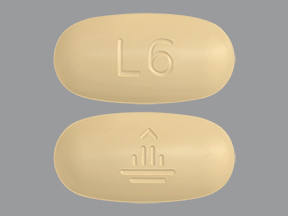 HERNEXEOS 60 MG TABLET
The following indications for HERNEXEOS (zongertinib) have been approved by the FDA:
Indications:
HER2 positive non-squamous non-small cell lung cancer w/ tyrosine kinase domain activating mutations
Professional Synonyms:
None.
Indications:
HER2 positive non-squamous non-small cell lung cancer w/ tyrosine kinase domain activating mutations
Professional Synonyms:
None.
The following dosing information is available for HERNEXEOS (zongertinib):
It isessential that the manufacturer's labeling be consulted for more detailed information on dosage and administration of this drug. Dosage summary:
*Select patients for treatment with zongertinib based on the presence of HER2 (ERBB2) tyrosine kinase domain activating mutations in tumor specimens.
*Take zongertinib orally once daily with or without food until disease progression or unacceptable toxicity.
*The recommended dosage of zongertinib is based on body weight as follows:
* Patients <90 kg: 120 mg once daily.
* Patients >=90 kg: 180 mg once daily.
*See Full Prescribing Information for dosage modification recommendations for adverse reactions and drug interactions.
*Select patients for treatment with zongertinib based on the presence of HER2 (ERBB2) tyrosine kinase domain activating mutations in tumor specimens.
*Take zongertinib orally once daily with or without food until disease progression or unacceptable toxicity.
*The recommended dosage of zongertinib is based on body weight as follows:
* Patients <90 kg: 120 mg once daily.
* Patients >=90 kg: 180 mg once daily.
*See Full Prescribing Information for dosage modification recommendations for adverse reactions and drug interactions.
No enhanced Administration information available for this drug.
| DRUG LABEL | DOSING TYPE | DOSING INSTRUCTIONS |
|---|---|---|
| HERNEXEOS 60 MG TABLET | Maintenance | Adults take 2 tablets (120 mg) by oral route once daily |
No generic dosing information available.
The following drug interaction information is available for HERNEXEOS (zongertinib):
There are 1 contraindications.
These drug combinations generally should not be dispensed or administered to the same patient. A manufacturer label warning that indicates the contraindication warrants inclusion of a drug combination in this category, regardless of clinical evidence or lack of clinical evidence to support the contraindication.
| Drug Interaction | Drug Names |
|---|---|
| Ubrogepant (Greater Than 50 mg)/P-gp or BCRP Inhibitors SEVERITY LEVEL: 1-Contraindicated Drug Combination: This drug combination is contraindicated and generally should not be dispensed or administered to the same patient. MECHANISM OF ACTION: Inhibitors of P-glycoprotein (P-gp) or BCRP may increase the absorption of ubrogepant.(1) CLINICAL EFFECTS: The concurrent administration of ubrogepant with an inhibitor of P-glycoprotein or BCRP may result in elevated levels of ubrogepant.(1) PREDISPOSING FACTORS: None determined. PATIENT MANAGEMENT: The manufacturer recommends a dosage adjustment of ubrogepant when coadministered with P-gp or BCRP inhibitors. The dose of ubrogepant should not exceed 50 mg for initial dose. If a second dose of ubrogepant is needed, the dose should not exceed 50 mg.(1) The manufacturer of vimseltinib states concurrent use with P-gp substrates should be avoided. If concurrent use cannot be avoided, take vimseltinib at least 4 hours prior to ubrogepant.(3) DISCUSSION: Ubrogepant is a substrate of P-gp and BCRP transporters. Use of P-gp or BCRP inhibitors may increase the exposure of ubrogepant. Clinical drug interaction studies with inhibitors of these transporters were not conducted. The US manufacturer of ubrogepant recommends dose adjustment if ubrogepant is coadministered with P-gp or BCRP inhibitors.(1) BCRP inhibitors linked to this monograph include: belumosudil, clopidogrel, curcumin, eltrombopag, febuxostat, fostemsavir, leniolisib, momelotinib, oteseconazole, pantoprazole, regorafenib, resmetirom, ritonavir, rolapitant, roxadustat, tafamidis, oral tedizolid, turmeric, vadadustat, and zongertinib.(2-5) P-glycoprotein inhibitors linked to this monograph include: asunaprevir, belumosudil, capmatinib, carvedilol, danicopan, daridorexant, imlunestrant, neratinib, osimertinib, propafenone, quinidine, selpercatinib, sofosbuvir/velpatasvir/voxilaprevir, tepotinib, valbenazine, vimseltinib, and voclosporin.(2-5) |
UBRELVY |
There are 4 severe interactions.
These drug interactions can produce serious consequences in most patients. Actions required for severe interactions include, but are not limited to, discontinuing one or both agents, adjusting dosage, altering administration scheduling, and providing additional patient monitoring. Review the full interaction monograph for more information.
| Drug Interaction | Drug Names |
|---|---|
| Pazopanib/Selected Inhibitors of P-gp or BCRP SEVERITY LEVEL: 2-Severe Interaction: Action is required to reduce the risk of severe adverse interaction. MECHANISM OF ACTION: Inhibitors of P-glycoprotein (P-gp) or BCRP may increase the absorption of pazopanib.(1) CLINICAL EFFECTS: The concurrent administration of pazopanib with an inhibitor of P-glycoprotein or BCRP may result in elevated levels of pazopanib and signs of toxicity.(1) PREDISPOSING FACTORS: The risk of QT prolongation or torsade de pointes may be increased in patients with cardiovascular disease (e.g. heart failure, myocardial infarction, history of torsade de pointes, congenital long QT syndrome), hypokalemia, hypomagnesemia, hypocalcemia, bradycardia, female gender, or advanced age.(2) Concurrent use of more than one drug known to cause QT prolongation or higher systemic concentrations of either QT prolonging drug are additional risk factors for torsade de pointes. Factors which may increase systemic drug concentrations include rapid infusion of an intravenous dose or impaired metabolism or elimination of the drug (e.g. coadministration with an agent which inhibits its metabolism or elimination, and/or renal/hepatic dysfunction).(2) PATIENT MANAGEMENT: The US manufacturer of pazopanib states concurrent use of P-gp inhibitors or BCRP inhibitors should be avoided.(1) Monitor patients for increased side effects from pazopanib. If concurrent therapy is warranted, consider obtaining serum calcium, magnesium, and potassium levels and monitoring ECG at baseline and at regular intervals. Correct any electrolyte abnormalities. Instruct patients to report any irregular heartbeat, dizziness, or fainting. DISCUSSION: Pazopanib is a substrate of P-gp and BCRP. Inhibitors of these transporters are expected to increase pazopanib levels.(1) BCRP inhibitors linked to this monograph include: asciminib, belumosudil, clopidogrel, cyclosporine, curcumin, darolutamide, eltrombopag, enasidenib, febuxostat, fostemsavir, grazoprevir, lazertinib, leflunomide, leniolisib, momelotinib, oteseconazole, pirtobrutinib, regorafenib, resmetirom, ritonavir, rolapitant, roxadustat, tafamidis, teriflunomide, tolvaptan, turmeric, vadadustat, and zongertinib.(1,3-5) P-glycoprotein inhibitors linked to this monograph include: asunaprevir, belumosudil, capmatinib, carvedilol, cyclosporine, danicopan, daridorexant, diltiazem, flibanserin, fostamatinib, ginseng, glecaprevir/pibrentasvir, imlunestrant, isavuconazonium, ivacaftor, ledipasvir, neratinib, sofosbuvir/velpatasvir/voxilaprevir, tepotinib, tezacaftor, ticagrelor, valbenazine, verapamil, vimseltinib, and voclosporin.(3,4) |
PAZOPANIB HCL, VOTRIENT |
| Cladribine/Selected Inhibitors of BCRP SEVERITY LEVEL: 2-Severe Interaction: Action is required to reduce the risk of severe adverse interaction. MECHANISM OF ACTION: Inhibitors of BCRP may increase the absorption of cladribine.(1-2) CLINICAL EFFECTS: The concurrent administration of cladribine with an inhibitor of BCRP may result in elevated levels of cladribine and signs of toxicity.(1-2) PREDISPOSING FACTORS: None determined. PATIENT MANAGEMENT: The manufacturer of cladribine states concurrent use of BCRP inhibitors should be avoided during the 4- to 5-day cladribine treatment.(1-2) Selection of an alternative concurrent medication with no or minimal transporter inhibiting proprieties should be considered. If this is not possible, dose reduction to the minimum mandatory dose of the BCRP inhibitor, separation in timing of administration, and careful patient monitoring is recommended.(1-2) Monitor for signs of hematologic toxicity. Lymphocyte counts should be monitored. DISCUSSION: Cladribine is a substrate of BCRP. Inhibitors of this transporter are expected to increase cladribine levels.(1-2) BCRP inhibitors linked to this monograph include: capmatinib, clopidogrel, curcumin, danicopan, darolutamide, dasabuvir, eltrombopag, enasidenib, febuxostat, fostamatinib, fostemsavir, glecaprevir/pibrentasvir, grazoprevir, lazertinib, oteseconazole, pacritinib, pantoprazole, paritaprevir, regorafenib, resmetirom, ritonavir, rolapitant, roxadustat, selpercatinib, sofosbuvir/velpatasvir/voxilaprevir, tafamidis, ticagrelor, tolvaptan, turmeric, vadadustat, and zongertinib.(1-4) |
CLADRIBINE, MAVENCLAD |
| Topotecan/BCRP Inhibitors SEVERITY LEVEL: 2-Severe Interaction: Action is required to reduce the risk of severe adverse interaction. MECHANISM OF ACTION: Inhibitors of the BCRP transporter may increase the intestinal absorption and hepatic uptake of topotecan.(1) CLINICAL EFFECTS: The concurrent administration of topotecan with an inhibitor of BCRP may result in elevated levels of topotecan and signs of toxicity. These signs may include but are not limited to anemia, diarrhea, and thrombocytopenia.(1) PREDISPOSING FACTORS: None determined. PATIENT MANAGEMENT: The US manufacturer of topotecan states that the use of topotecan and BCRP inhibitors should be avoided. If concurrent use is warranted, carefully monitor patients for adverse effects.(1) DISCUSSION: In clinical studies, the combined use of elacridar (100 mg to 1000 mg), a BCRP and P-gp inhibitor, increased the area-under-curve (AUC) of topotecan approximately 2.5-fold.(1) BCRP inhibitors linked to this monograph include: capmatinib, clopidogrel, curcumin, danicopan, dasabuvir, elbasvir, enasidenib, febuxostat, fostamatinib, fostemsavir, glecaprevir, grazoprevir, lazertinib, oteseconazole, pacritinib, pantoprazole, paritaprevir, pibrentasvir, pirtobrutinib, regorafenib, resmetirom, ritonavir, roxadustat, tafamidis, ticagrelor, tolvaptan, turmeric, vadadustat, velpatasvir, voxilaprevir, and zongertinib.(2,3) |
HYCAMTIN, TOPOTECAN HCL |
| Zongertinib/Strong CYP3A4 Inducers SEVERITY LEVEL: 2-Severe Interaction: Action is required to reduce the risk of severe adverse interaction. MECHANISM OF ACTION: Strong CYP3A4 inducers may induce the metabolism of zongertinib.(1) CLINICAL EFFECTS: Concurrent or recent use of a strong CYP3A4 inducer may result in decreased levels and effectiveness of zongertinib.(1) PREDISPOSING FACTORS: Induction effects may be more likely with regular use of the inducer for longer than 1-2 weeks. PATIENT MANAGEMENT: The manufacturer of zongertinib states that concomitant use of strong CYP3A4 inducers should be avoided.(1) If concurrent use cannot be avoided, increase the zongertinib dose based on body weight: - Less than 90 kg: increase from 120 mg to 240 mg dose - Greater than or equal to 90 kg: increase from 180 mg to 360 mg dose After stopping the CYP3A4 inducer, resume the prior zongertinib dose 7-14 days after stopping the CYP3A4 inducer.(1) DISCUSSION: Zongertinib area-under-curve (AUC) and maximum concentration (Cmax) decreased by 63% and 43%, respectively, following concomitant use of carbamazepine (strong CYP3A4 inducer) 600 mg once daily for 7 days.(1) Strong CYP3A4 inducers linked to this monograph include: apalutamide, barbiturates, carbamazepine, encorafenib, enzalutamide, fosphenytoin, ivosidenib, lumacaftor, mitotane, phenobarbital, phenytoin, primidone, rifampin, rifapentine, and St. John's wort.(2) |
ASA-BUTALB-CAFFEINE-CODEINE, ASCOMP WITH CODEINE, BRAFTOVI, BUTALB-ACETAMINOPH-CAFF-CODEIN, BUTALBITAL, BUTALBITAL-ACETAMINOPHEN, BUTALBITAL-ACETAMINOPHEN-CAFFE, BUTALBITAL-ASPIRIN-CAFFEINE, CARBAMAZEPINE, CARBAMAZEPINE ER, CARBATROL, CEREBYX, DILANTIN, DILANTIN-125, DONNATAL, EQUETRO, ERLEADA, FIORICET, FOSPHENYTOIN SODIUM, LYSODREN, MITOTANE, MYSOLINE, ORKAMBI, PENTOBARBITAL SODIUM, PHENOBARBITAL, PHENOBARBITAL SODIUM, PHENOBARBITAL-BELLADONNA, PHENOBARBITAL-HYOSC-ATROP-SCOP, PHENOHYTRO, PHENYTEK, PHENYTOIN, PHENYTOIN SODIUM, PHENYTOIN SODIUM EXTENDED, PRIFTIN, PRIMIDONE, RIFADIN, RIFAMPIN, SEZABY, TEGRETOL, TEGRETOL XR, TENCON, TIBSOVO, XTANDI |
There are 3 moderate interactions.
The clinician should assess the patient’s characteristics and take action as needed. Actions required for moderate interactions include, but are not limited to, discontinuing one or both agents, adjusting dosage, altering administration.
| Drug Interaction | Drug Names |
|---|---|
| Ubrogepant (Less Than or Equal To 50 mg)/P-gp or BCRP Inhibitors SEVERITY LEVEL: 3-Moderate Interaction: Assess the risk to the patient and take action as needed. MECHANISM OF ACTION: Inhibitors of P-glycoprotein (P-gp) or BCRP may increase the absorption of ubrogepant.(1) CLINICAL EFFECTS: The concurrent administration of ubrogepant with an inhibitor of P-glycoprotein or BCRP may result in elevated levels of ubrogepant.(1) PREDISPOSING FACTORS: None determined. PATIENT MANAGEMENT: The manufacturer recommends a dosage adjustment of ubrogepant when coadministered with P-gp or BCRP inhibitors. The dose of ubrogepant should not exceed 50 mg for initial dose. If a second dose of ubrogepant is needed, the dose should not exceed 50 mg.(1) The manufacturer of vimseltinib states concurrent use with P-gp substrates should be avoided. If concurrent use cannot be avoided, take vimseltinib at least 4 hours prior to ubrogepant.(3) DISCUSSION: Ubrogepant is a substrate of P-gp and BCRP transporters. Use of P-gp or BCRP inhibitors may increase the exposure of ubrogepant. Clinical drug interaction studies with inhibitors of these transporters were not conducted. The US manufacturer of ubrogepant recommends dose adjustment if ubrogepant is coadministered with P-gp or BCRP inhibitors.(1) BCRP inhibitors linked to this monograph include: belumosudil, clopidogrel, curcumin, eltrombopag, febuxostat, fostemsavir, leniolisib, momelotinib, oteseconazole, pantoprazole, regorafenib, resmetirom, ritonavir, rolapitant, roxadustat, tafamidis, oral tedizolid, turmeric, vadadustat, and zongertinib.(2-5) P-glycoprotein inhibitors linked to this monograph include: asunaprevir, belumosudil, capmatinib, carvedilol, danicopan, daridorexant, imlunestrant, neratinib, osimertinib, propafenone, quinidine, selpercatinib, sofosbuvir/velpatasvir/voxilaprevir, tepotinib, valbenazine, vimseltinib, and voclosporin.(2-5) |
UBRELVY |
| Rosuvastatin/Selected BCRP Inhibitors SEVERITY LEVEL: 3-Moderate Interaction: Assess the risk to the patient and take action as needed. MECHANISM OF ACTION: Rosuvastatin is a substrate of the BCRP transporter.(1,2) Inhibitors of this transporter may increase intestinal absorption and hepatic uptake of BCRP substrates rosuvastatin.(1-8) CLINICAL EFFECTS: Simultaneous use of BCRP inhibitors may result in increased levels and side effects from rosuvastatin, including rhabdomyolysis.(2,4) PREDISPOSING FACTORS: The risk for myopathy or rhabdomyolysis may be greater in patients 65 years and older, inadequately treated hypothyroidism, renal impairment, carnitine deficiency, malignant hyperthermia, or in patients with a history of myopathy or rhabdomyolysis. Patients with a SLCO1B1 polymorphism that leads to decreased function of the hepatic uptake transporter OATP1B1 may have increased statin concentrations and be predisposed to myopathy or rhabdomyolysis. Patients on rosuvastatin with ABCG2 polymorphisms leading to decreased or poor BCRP transporter function may have increased rosuvastatin concentrations and risk of myopathy. PATIENT MANAGEMENT: Concurrent use of rosuvastatin with BCRP inhibitors may result in increased risk of side effects associated with rosuvastatin. If concurrent therapy is warranted, close monitoring would be prudent for statin related side effects including rhabdomyolysis. The Canadian manufacturer of clopidogrel states that the dose of rosuvastatin should not exceed 20 mg daily when used concomitantly with clopidogrel.(5) There is no recommendation for rosuvastatin dose adjustments from the Australian and US manufacturers of clopidogrel.(6,7) The Australian manufacturer of rosuvastatin states that the starting dose of rosuvastatin should not exceed 5 mg daily when used with agents that increase rosuvastatin exposure by 2-fold or more (e.g., clopidogrel, lopinavir-ritonavir, roxadustat). The maximum daily dose should be adjusted so that the expected rosuvastatin exposure does not exceed that obtained with the usual maximum daily dose.(8) Educate the patient of signs and symptoms of rhabdomyolysis. DISCUSSION: Rosuvastatin is a BCRP substrate.(1,2) In a clinical study of 20 patients with stable coronary heart disease, single-dose clopidogrel 300 mg (a BCRP inhibitor) increased the area-under-curve (AUC) and maximum concentration (Cmax) of rosuvastatin by 2-fold and 1.3-fold, respectively. Multiple doses of clopidogrel 75 mg daily for 7 days increased rosuvastatin AUC by 1.4-fold but did not affect the Cmax.(4) In a pharmacokinetic study, concomitant use of lazertinib increased rosuvastatin Cmax by 2.2-fold and AUC by 2-fold.(3) BCRP inhibitors linked to this monograph include: clopidogrel, curcumin, encorafenib, lazertinib, pantoprazole, ritonavir, rolapitant, roxadustat, tolvaptan, turmeric, and zongertinib.(2-9) |
CRESTOR, EZALLOR SPRINKLE, ROSUVASTATIN CALCIUM, ROSUVASTATIN-EZETIMIBE, ROSZET |
| Atorvastatin/Selected BCRP Inhibitors SEVERITY LEVEL: 3-Moderate Interaction: Assess the risk to the patient and take action as needed. MECHANISM OF ACTION: Atorvastatin is a substrate of the BCRP transporter.(1) Inhibitors of this transporter may increase intestinal absorption and hepatic uptake of BCRP substrates atorvastatin.(1) CLINICAL EFFECTS: Administration of atorvastatin with BCRP inhibitors may result in elevated levels of atorvastatin, which could result in rhabdomyolysis.(1) PREDISPOSING FACTORS: The risk for myopathy or rhabdomyolysis may be greater in patients 65 years and older, inadequately treated hypothyroidism, renal impairment, carnitine deficiency, malignant hyperthermia, or in patients with a history of myopathy or rhabdomyolysis. Patients with a SLCO1B1 polymorphism that leads to decreased function of the hepatic uptake transporter OATP1B1 may have increased statin concentrations and be predisposed to myopathy or rhabdomyolysis. PATIENT MANAGEMENT: Concurrent use of atorvastatin with BCRP inhibitors may result in increased risk of side effects associated with atorvastatin. Close monitoring would be prudent for statin related side effects including rhabdomyolysis. If concurrent therapy is deemed medically necessary, monitor patients for signs and symptoms of myopathy/rhabdomyolysis, including muscle pain/tenderness/weakness, fever, unusual tiredness, changes in the amount of urine, and/or discolored urine. DISCUSSION: Atorvastatin is a BCRP substrate.(1) BCRP inhibitors linked to this monograph include: capmatinib, clopidogrel, curcumin, danicopan, encorafenib, fostamatinib, lazertinib, leflunomide, momelotinib, oteseconazole, pacritinib, pantoprazole, pirtobrutinib, regorafenib, ritonavir, rolapitant, roxadustat, selpercatinib, sofosbuvir/velpatasvir/voxilaprevir, tafamidis, teriflunomide, tolvaptan, turmeric, vadadustat, velpatasvir, and zongertinib.(2,3) |
AMLODIPINE-ATORVASTATIN, ATORVALIQ, ATORVASTATIN CALCIUM, CADUET, LIPITOR |
The following contraindication information is available for HERNEXEOS (zongertinib):
Drug contraindication overview.
None.
None.
There are 1 contraindications.
Absolute contraindication.
| Contraindication List |
|---|
| Lactation |
There are 3 severe contraindications.
Adequate patient monitoring is recommended for safer drug use.
| Severe List |
|---|
| Heart failure |
| Interstitial lung disease |
| Pregnancy |
There are 0 moderate contraindications.
The following adverse reaction information is available for HERNEXEOS (zongertinib):
Adverse reaction overview.
Most common adverse reactions (>= 20%) are diarrhea, hepatotoxicity, rash, fatigue, and nausea. The most common (>= 2%) Grade 3 or 4 laboratory abnormalities were decreased lymphocytes, increased alanine aminotransferase, increased aspartate aminotransferase, decreased potassium, and increased gamma glutamyl transferase.
Most common adverse reactions (>= 20%) are diarrhea, hepatotoxicity, rash, fatigue, and nausea. The most common (>= 2%) Grade 3 or 4 laboratory abnormalities were decreased lymphocytes, increased alanine aminotransferase, increased aspartate aminotransferase, decreased potassium, and increased gamma glutamyl transferase.
There are 4 severe adverse reactions.
| More Frequent | Less Frequent |
|---|---|
|
Drug-induced hepatitis Dyspnea |
Pneumonia Pulmonary thromboembolism |
| Rare/Very Rare |
|---|
| None. |
There are 29 less severe adverse reactions.
| More Frequent | Less Frequent |
|---|---|
|
Abnormal hepatic function tests Anemia Cough Diarrhea Elevated serum amylase Elevated serum lipase Fatigue Hyperbilirubinemia Hypercholesterolemia Hypertriglyceridemia Hypoalbuminemia Hypocalcemia Hypokalemia Hypomagnesemia Hyponatremia Increased creatine kinase level Leukopenia Lymphopenia Musculoskeletal pain Nail disorders Nausea Prolonged activated partial thromboplastin time Skin rash Thrombocytopenic disorder Upper respiratory infection Vomiting |
Dry skin Peripheral neuropathy Stomatitis |
| Rare/Very Rare |
|---|
| None. |
The following precautions are available for HERNEXEOS (zongertinib):
The safety and effectiveness of zongertinib have not been established in pediatric patients.
Contraindicated
Severe Precaution
Management or Monitoring Precaution
Contraindicated
| None |
Severe Precaution
| None |
Management or Monitoring Precaution
| None |
Based on findings from animal studies and its mechanism of action, zongertinib can cause fetal harm when administered to a pregnant woman. There are no available data on the use of zongertinib in pregnant women to inform a drug-associated risk. Oral administration of zongertinib to pregnant rats during the period of organogenesis caused structural abnormalities and alterations to growth at maternal exposures >= 19 times the human exposure based on AUC at the recommended dose.
Advise pregnant women and females of reproductive potential of the potential risk to a fetus. In the U.S. general population, the estimated background risk of major birth defects and miscarriage in clinically recognized pregnancies is 2% to 4% and 15% to 20%, respectively.
Advise pregnant women and females of reproductive potential of the potential risk to a fetus. In the U.S. general population, the estimated background risk of major birth defects and miscarriage in clinically recognized pregnancies is 2% to 4% and 15% to 20%, respectively.
There are no data on the presence of zongertinib or its metabolites in human milk, the effects on the breastfed child, or the effects on milk production. Because of the potential for serious adverse reactions in breastfed children, advise women not to breastfeed during treatment with zongertinib and for 2 weeks after the last dose.
Of the 260 patients with non-squamous NSCLC with HER2 (ERBB2) mutations who received zongertinib in clinical studies, 46% were 65 years of age and older and 12% were 75 years of age and older. No overall differences in safety or effectiveness of zongertinib were observed between older and younger adult patients.
The following prioritized warning is available for HERNEXEOS (zongertinib):
No warning message for this drug.
No warning message for this drug.
The following icd codes are available for HERNEXEOS (zongertinib)'s list of indications:
| HEr2 (+) non-squamous NSCLC with ERBb2 | |
| C34 | Malignant neoplasm of bronchus and lung |
| C34.0 | Malignant neoplasm of main bronchus |
| C34.00 | Malignant neoplasm of unspecified main bronchus |
| C34.01 | Malignant neoplasm of right main bronchus |
| C34.02 | Malignant neoplasm of left main bronchus |
| C34.1 | Malignant neoplasm of upper lobe, bronchus or lung |
| C34.10 | Malignant neoplasm of upper lobe, unspecified bronchus or lung |
| C34.11 | Malignant neoplasm of upper lobe, right bronchus or lung |
| C34.12 | Malignant neoplasm of upper lobe, left bronchus or lung |
| C34.2 | Malignant neoplasm of middle lobe, bronchus or lung |
| C34.3 | Malignant neoplasm of lower lobe, bronchus or lung |
| C34.30 | Malignant neoplasm of lower lobe, unspecified bronchus or lung |
| C34.31 | Malignant neoplasm of lower lobe, right bronchus or lung |
| C34.32 | Malignant neoplasm of lower lobe, left bronchus or lung |
| C34.8 | Malignant neoplasm of overlapping sites of bronchus and lung |
| C34.80 | Malignant neoplasm of overlapping sites of unspecified bronchus and lung |
| C34.81 | Malignant neoplasm of overlapping sites of right bronchus and lung |
| C34.82 | Malignant neoplasm of overlapping sites of left bronchus and lung |
| C34.9 | Malignant neoplasm of unspecified part of bronchus or lung |
| C34.90 | Malignant neoplasm of unspecified part of unspecified bronchus or lung |
| C34.91 | Malignant neoplasm of unspecified part of right bronchus or lung |
| C34.92 | Malignant neoplasm of unspecified part of left bronchus or lung |
| C39.9 | Malignant neoplasm of lower respiratory tract, part unspecified |
Formulary Reference Tool